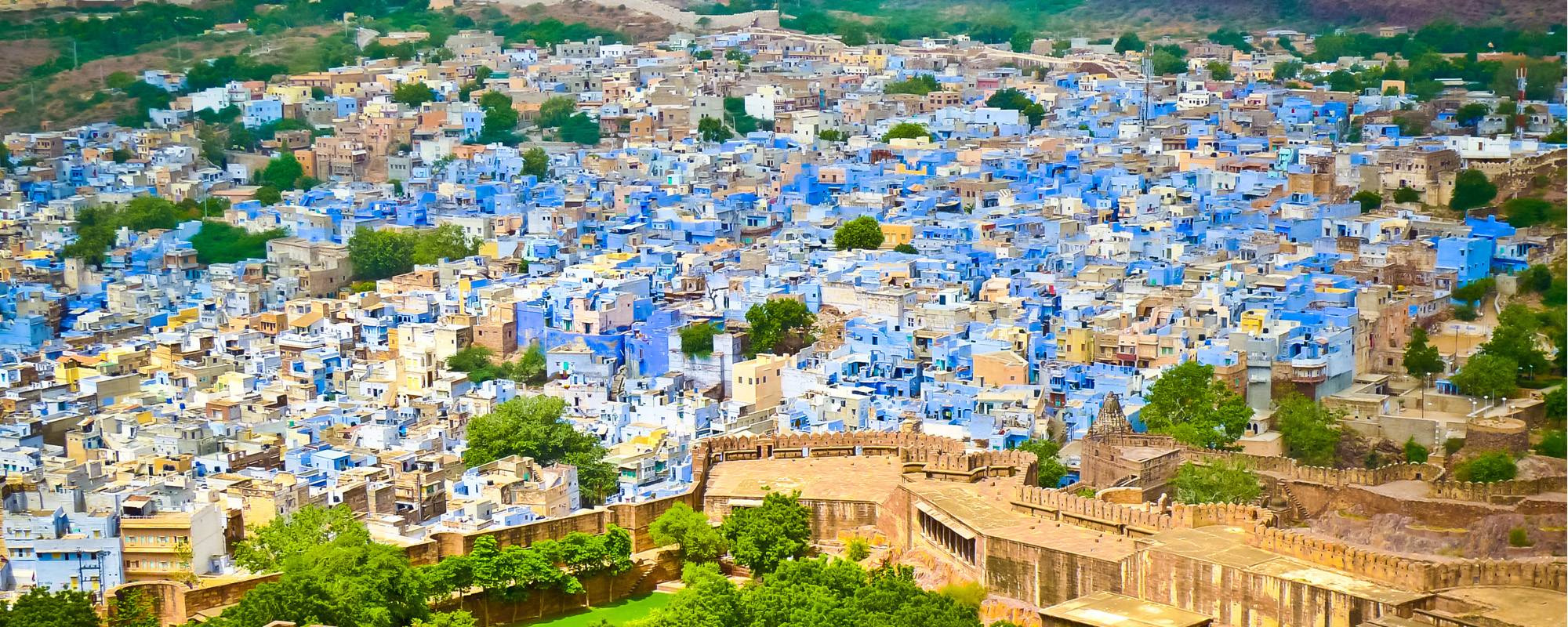


Situated on the edge of the Great Thar Desert, Rohat is a village in the Pali district of Rajasthan state. It is an old town with rustic rural charms. It is famous for its heritage hotel, Rohet Garh, the residence of Rohat's erstwhile rulers. The Rathores bestowed it upon Thakur Dalpat Singh I for his courage and valour in military campaigns. Soon Rohet became one of the most important feudal estates of the state of Marwar.

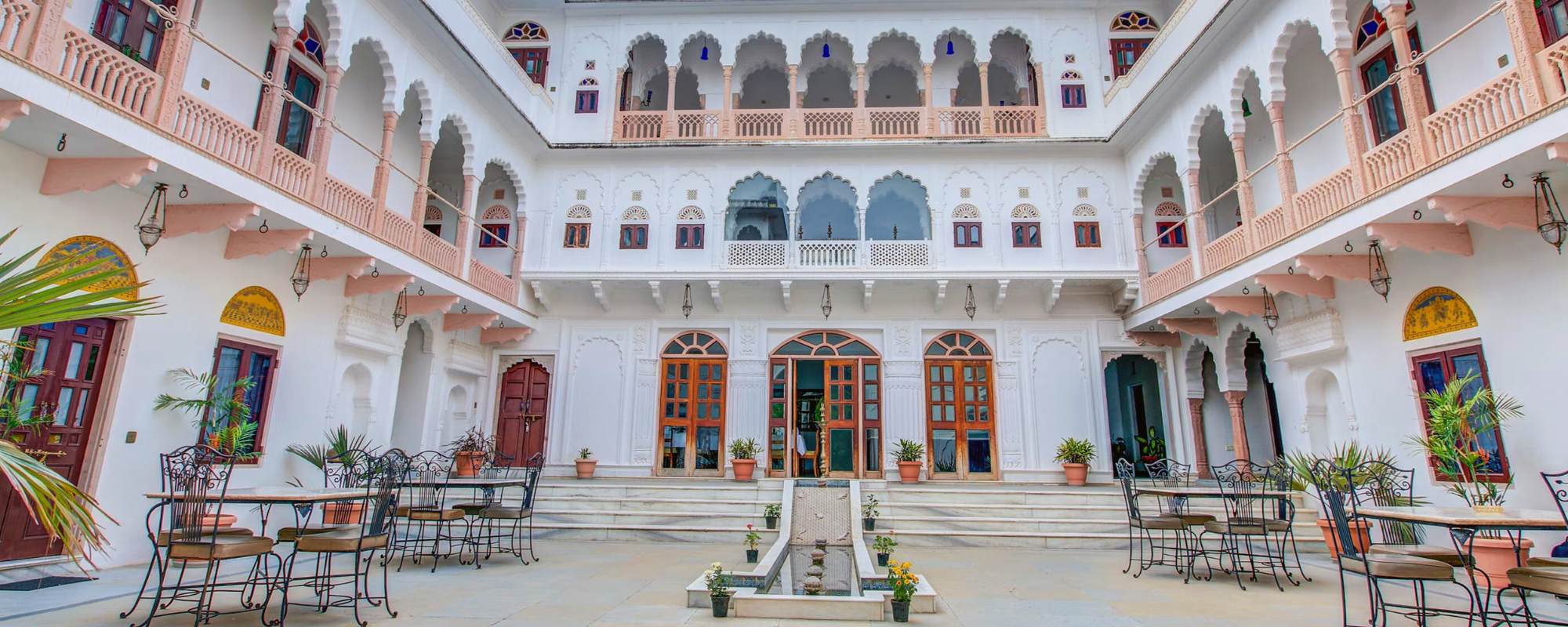
Sprawling over acres of manicured gardens, Rohet Garh is bound to seduce you at first sight. Set far from the maddening crowd, on the banks of a lake, and amid rural surroundings, it is a royal retreat. Now a palatial mansion, it has been converted into a plush heritage hotel by the owners.


Explorations & Experiences in Rohat, Rajasthan-

EXPLORE (Places to visit in Rohat):

  • Rohetgarh village
  • Rohet Garh Fort
  • Meherangarh Fort
  • Jaswant Thada


EXPERIENCE (Things to do in Rohat):

  • Stay at Rohet Garh Heritage Hotel
  • Village Safari
  • Birdwatching at the lake
  • Gangaur Festival
Reach out to our Local Experts
Plan Your Bespoke Journey with Us

Fill in your details and one of our destination experts will get in touch with you. Our experts are dedicated to providing personalized assistance and insights, ensuring that all your queries are addressed and you receive the best possible guidance for your travel plans.


Checkout our
Latest Blogs
Choose from the best
Hotel Partners
Get our latest updates
Subscribe Our Newsletter

Stay Connected
FAQs
  • What distinguishes Rohet Garh from other Rajasthan heritage hotels?

    Unlike converted royal palaces run by large hotel chains, Rohet Garh, roughly 40 km south of Jodhpur, remains the ancestral home of the Rathore family, who have lived here for 15 generations. Opened as a heritage hotel in 1990 by Thakur Manvendra Singh, it has 32 rooms around courtyards, a pavilion-lined pool, and a lakeside setting that draws extraordinary birdlife. Its identity rests less on architectural grandeur than on the warmth of family hospitality, an exceptional equestrian programme, and proximity to the Bishnoi villages of western Rajasthan, qualities that have kept it featured in Condé Nast Traveller and The Guardian for decades.

  • How did the Rathore family come to hold this land?

    The Maharaja of Jodhpur granted the Jagir of Rohet to Thakur Dalpat Singh I in 1622 as a reward for extraordinary bravery in battle; family legend holds that he carried 84 wounds at the time and was given a jagir of 84 villages accordingly. Thakur Dalpat Singh II, who took the seat in 1905, became a celebrated polo player in the legendary Jodhpur Polo Team of the 1920s. The family's passion for horses has continued unbroken from the 17th century, and the current generation still resides in part of the fort alongside guests.


  • What is the Village Safari, and why is it consistently singled out?

    Pioneered by the Rohet Garh family in 1989, this guided jeep excursion through the surrounding villages has become one of Rajasthan's most celebrated cultural experiences, largely because the family's multi-generational relationships with these communities give guests access as guests of the Rathores rather than paying tourists. A typical safari takes in a Bishnoi settlement, a traditional Brahmin opium ceremony with village elders, a potter's home, and encounters with Raika shepherds in traditional dress, best experienced in the late afternoon light.

  • What can I expect from the horse-riding programme?

    Rohet Garh maintains one of India's finest Marwari stables, a breed known for inward-curving ears and a smooth, ambling gait called revaal; once the mount of choice for Rajput cavalry, it was nearly extinct by the mid-20th century before dedicated breeding revived it. Options range from a one-hour morning ride to multi-day riding safaris of up to six days through western Rajasthan, with overnight stays at Rohet Wilderness Camp and Mihir Garh, and all routes designed to avoid tarmac entirely.

  • Who are the Bishnoi, and why is meeting them meaningful?

    The Bishnoi follow 29 principles established by Guru Jambheshwar in 1485 CE, the most significant of which is an absolute prohibition on cutting green trees or harming any living creature. This conservation ethic predates the modern environmental movement by centuries and has a visible effect today: blackbuck and chinkara graze calmly within metres of Bishnoi homes because they have been protected for generations. In 1730, 363 Bishnoi villagers gave their lives resisting soldiers sent to fell trees for a royal palace, an event now regarded as a founding moment of environmental activism in India.

  • How many nights should I plan, and how should I spend them?

    Two nights are ideal. The first afternoon is ideal for settling in with a sunset walk around the lake and time at the stables; the following day pairs the Village Safari in the late afternoon with a morning ride through the countryside. A second full day allows a longer ride, birdwatching at the lake, which holds over 200 species in winter, or a day trip to Jodhpur, 40 km away. Guests consistently rate the evenings, with dinner in the courtyard and conversation with the family, as memorable as any activity.

  • When is Rohat at its best?

    October to March, when riding and village exploration are most comfortable and the lake's birdlife peaks from October onward. The Rohet Wilderness Camp, a tented desert dune property 17 km west, operates only in this window. April and May get very hot for daytime horse riding, though early mornings remain workable, and the monsoon from July to September can make the dust tracks used for riding and the Village Safari more difficult.

  • How do I travel to Rohat from Jodhpur?

    It is roughly 40 km south of Jodhpur, a 45-minute drive on the NH62. Jodhpur has the nearest airport and railway station, both well connected to Delhi, Mumbai, and Jaipur, and the hotel arranges transfers directly. The drive through the southern outskirts of Jodhpur into rural Marwar countryside gives the first proper glimpse of the desert landscape that defines a Rohet Garh stay.

  • What else is there to do beyond riding and the Village Safari?

    The lake hosts over 200 bird species, richest in winter, and guided birdwatching by bicycle is one of the property's quieter pleasures. Traditional Rajasthani cooking workshops, established by the late Thakurani Sahiba Jayendra Kumari, who authored two books on Rohet Garh's cuisine, are now conducted by her daughter-in-law. Royal picnics with liveried attendants in the countryside and treatments at the Tattva Spa round out the offering.

  • Is it true that famous writers have stayed at Rohet Garh?

    Yes, and it is one of the property's more distinctive credentials. Bruce Chatwin worked here for an extended period, and William Dalrymple spent four to five months at Rohet Garh researching and writing The City of Djinns, his celebrated account of Delhi. His enduring friendship with the family helped establish the property's international reputation, and the peace, the absence of urban noise, and the family's intellectual engagement continue to draw writers and journalists to this day.

Plan Your Trip