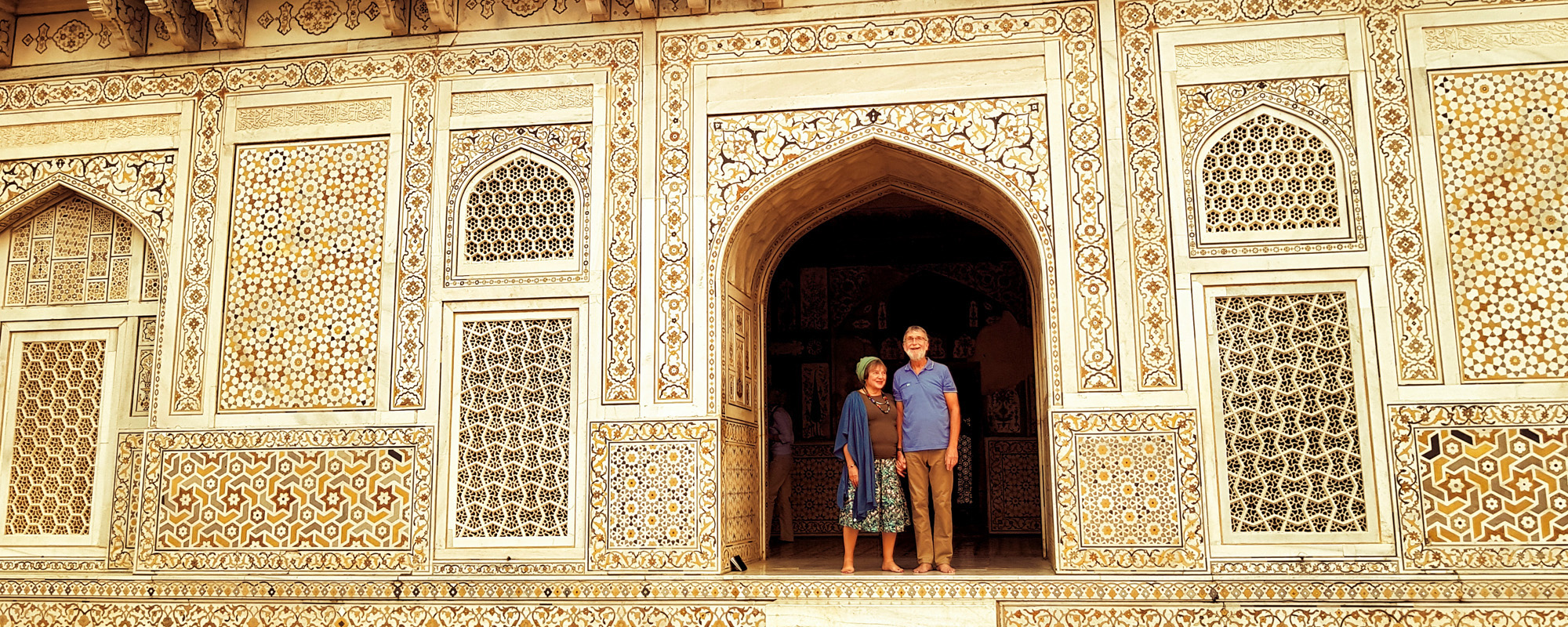
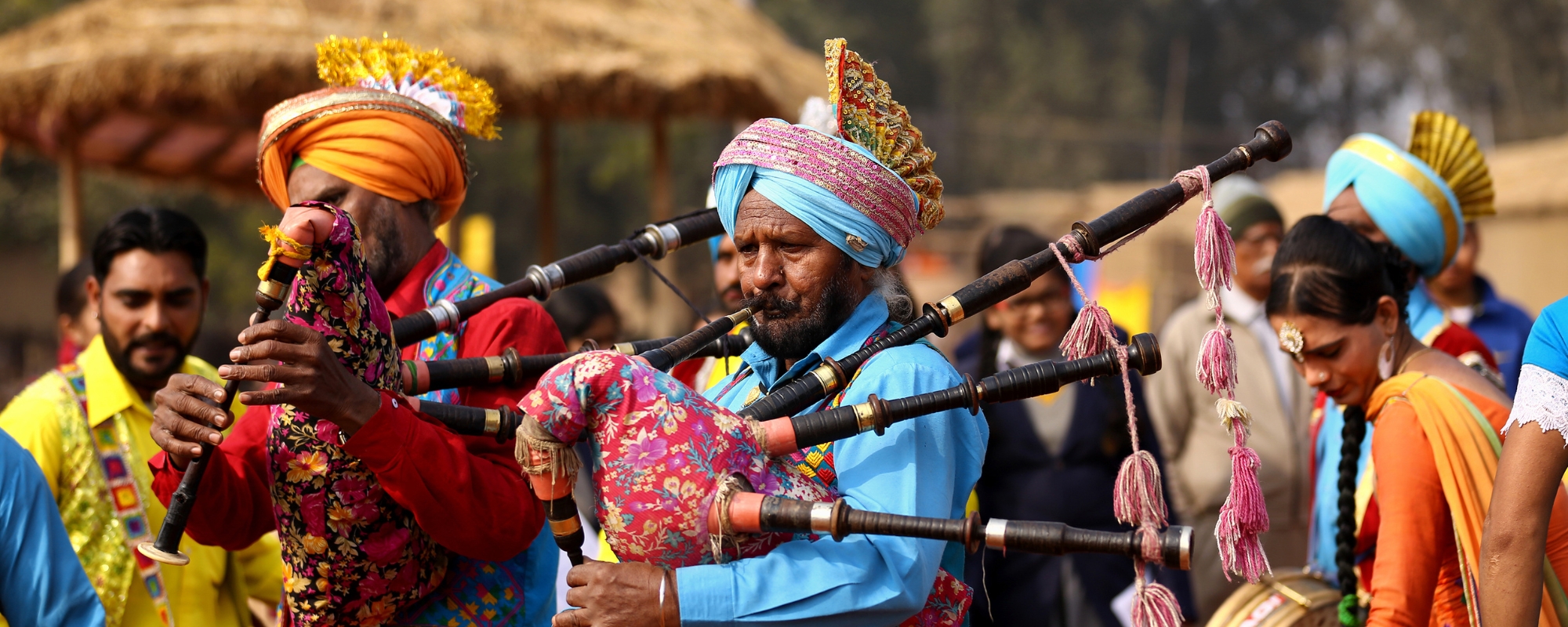
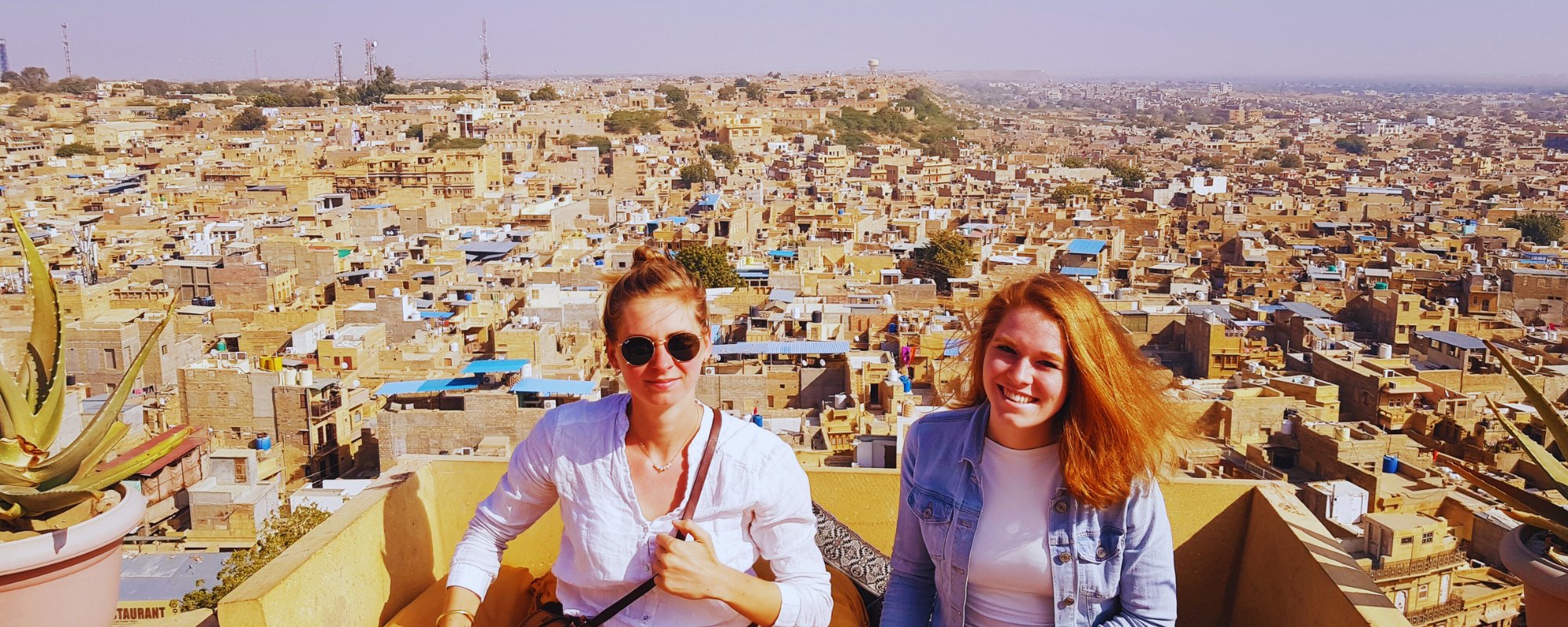
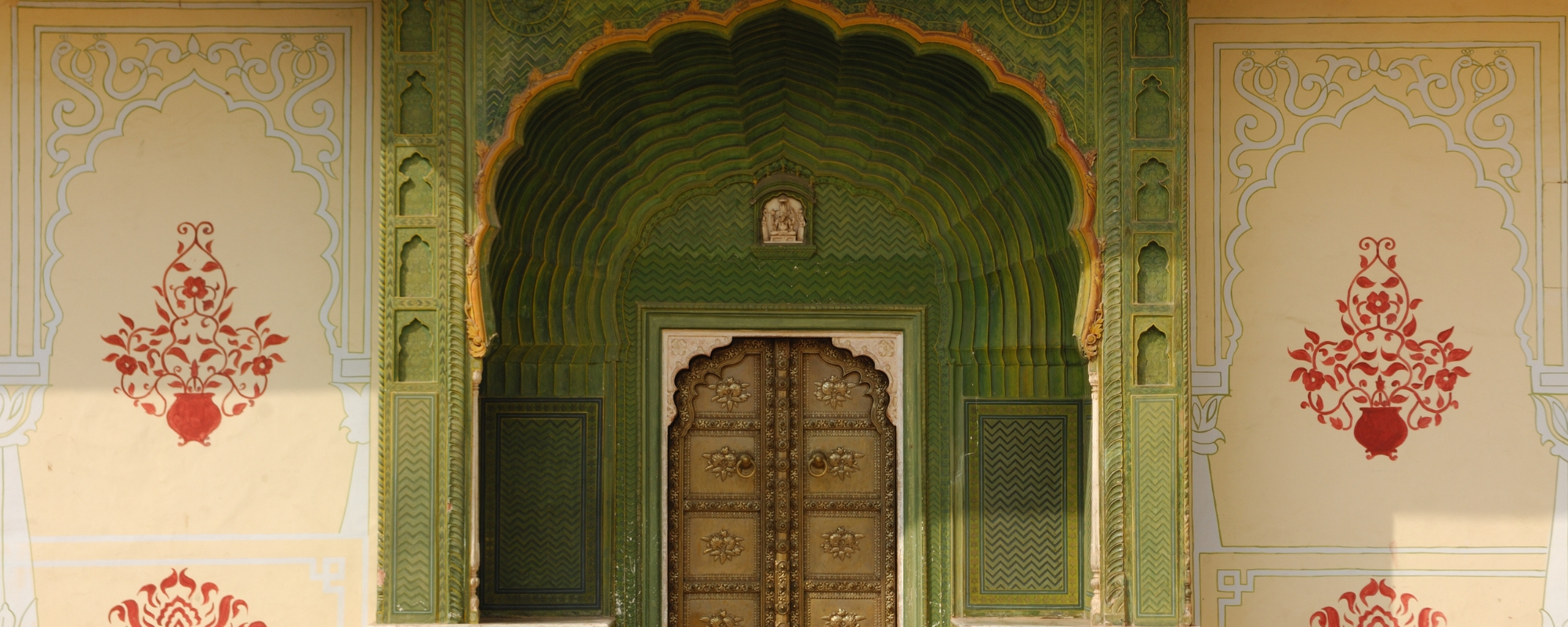
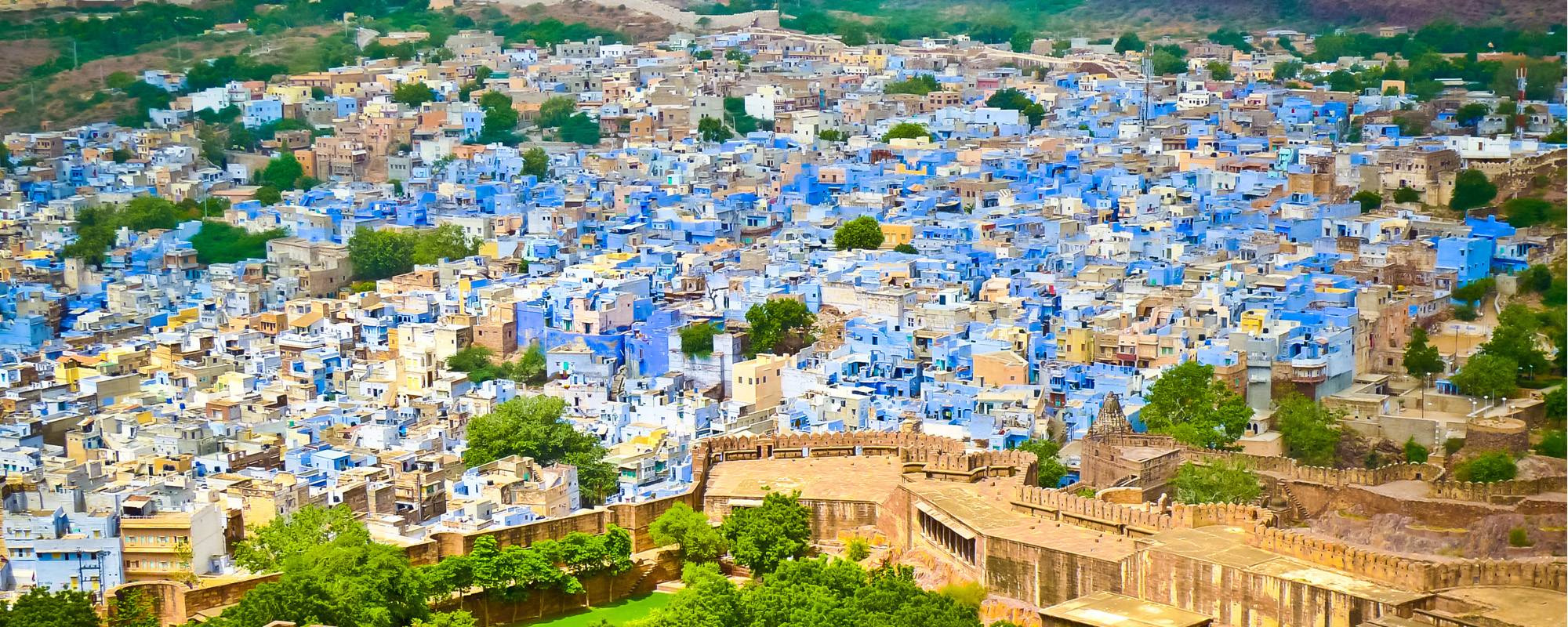
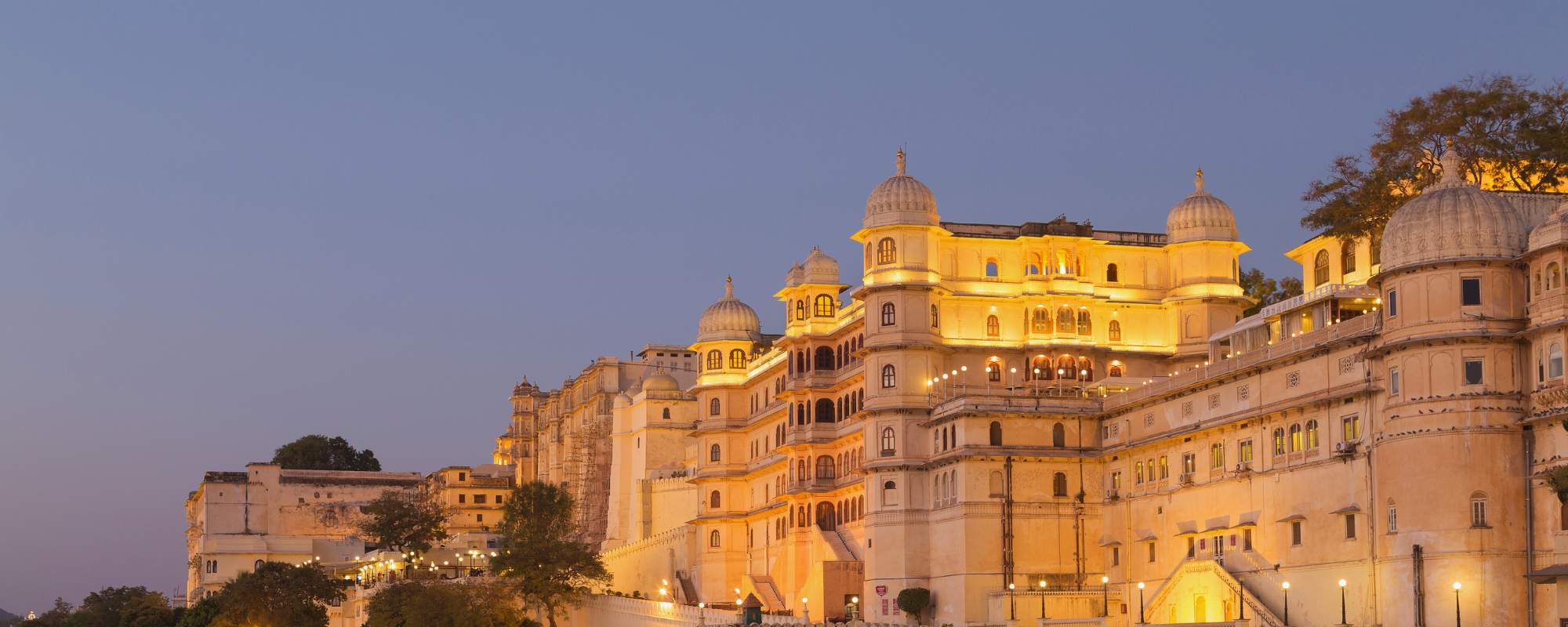
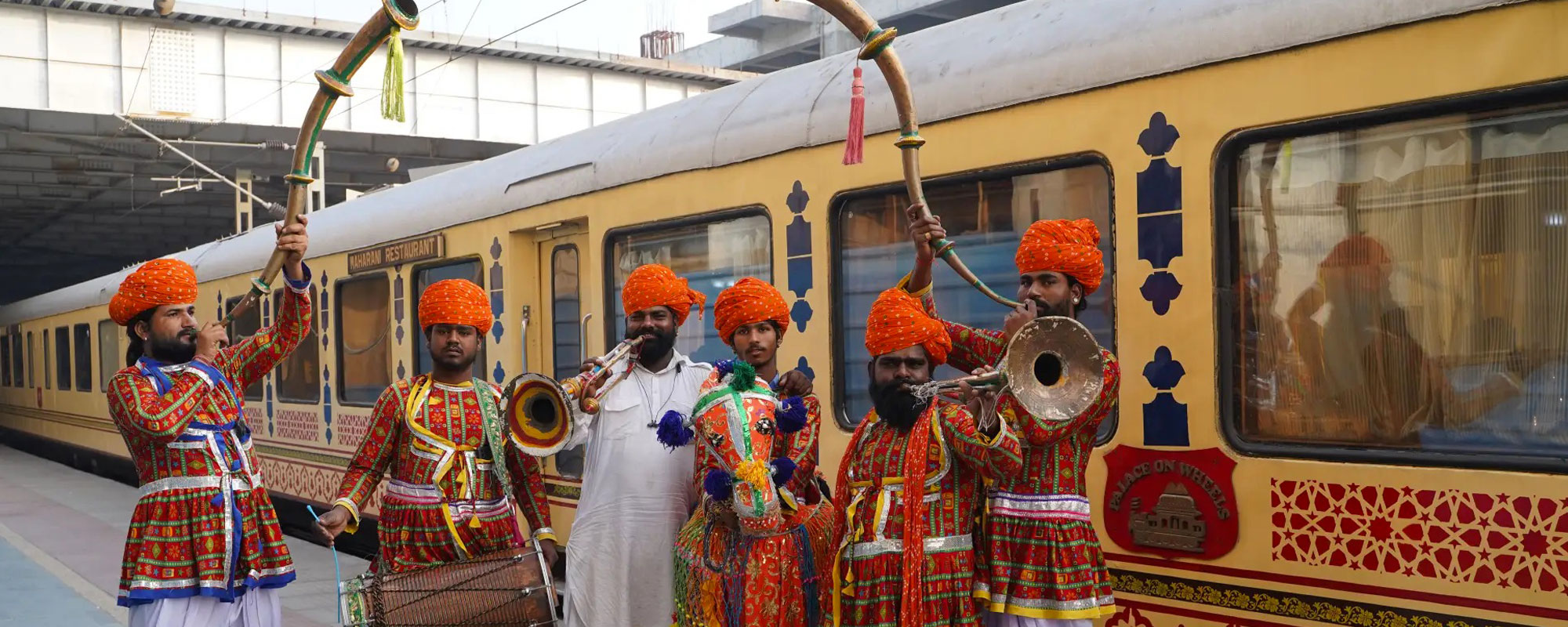


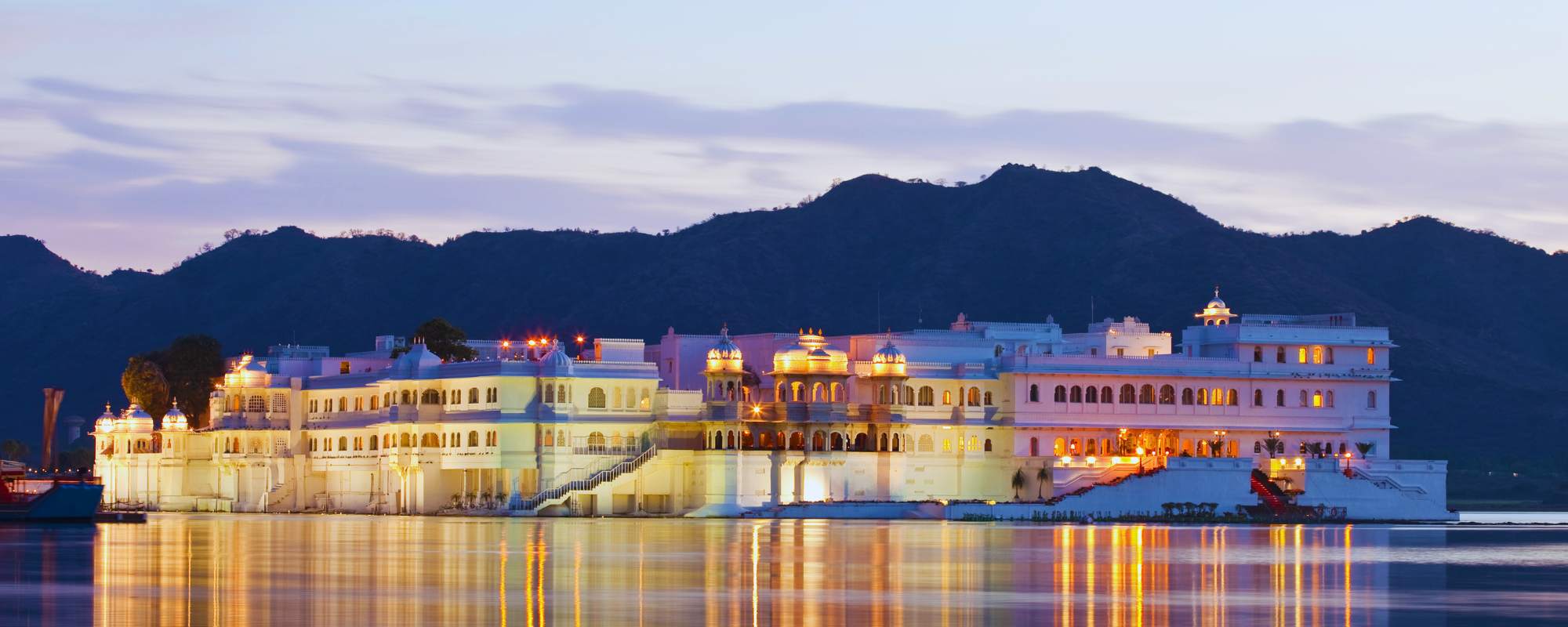


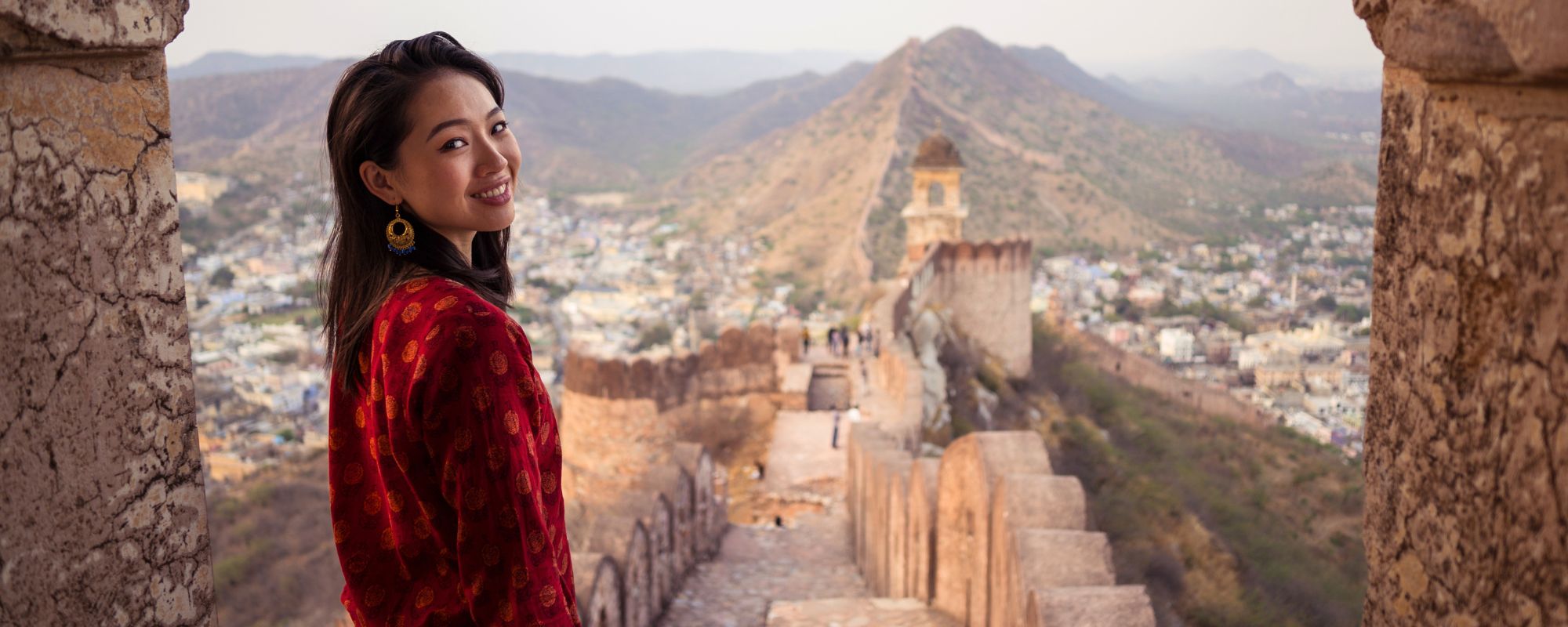
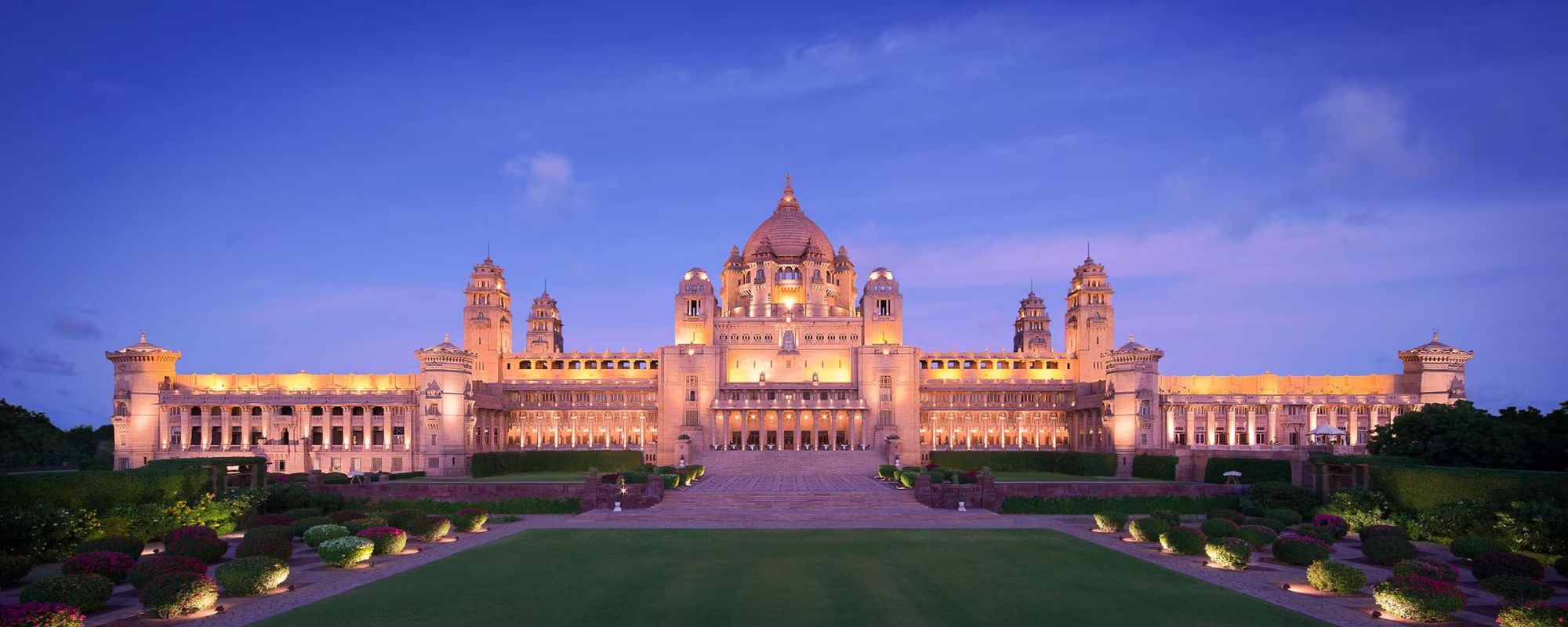
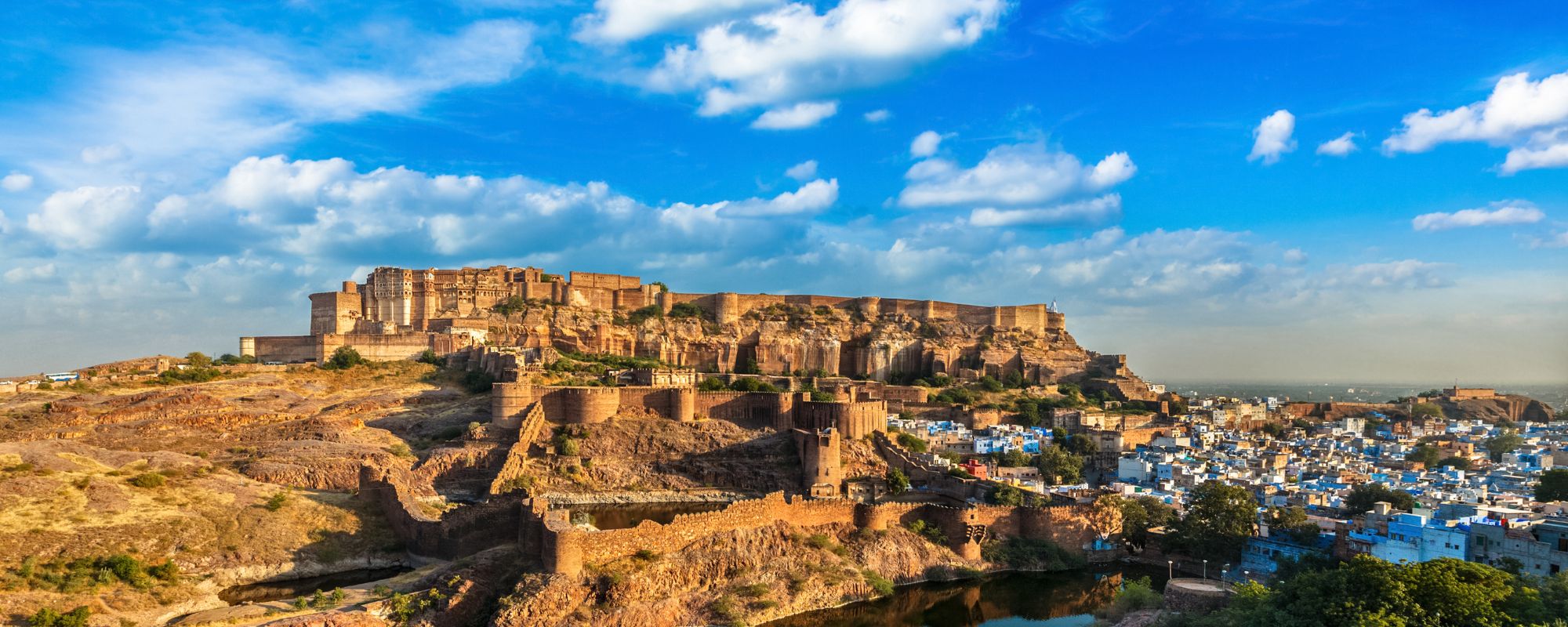


Jaipur, AKA Pink City, is the capital of Rajasthan. It is well acclaimed for its rich culture and tradition. It was founded on 18 November 1727 by Maharaja Sawai Jai Singh II, the ruler of Amber Fort. Touted as India's first planned city, Jaipur is one of the country's most visited tourist destinations. With its spectacular hilltops, beautiful landscape, long-standing forts and palaces, it attracts thousands of tourists every year. The beautiful city has always been praised for its magnificent artefacts, exquisite jewellery, and cordial hospitality.

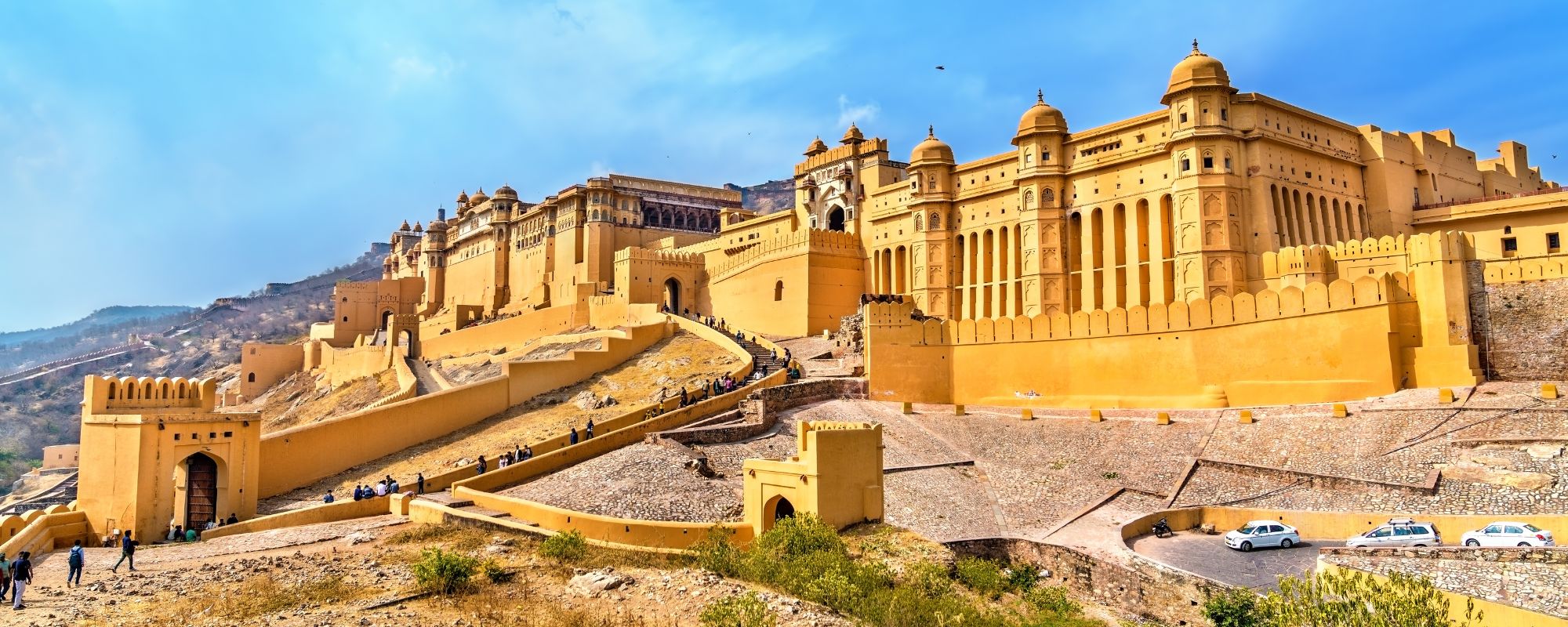
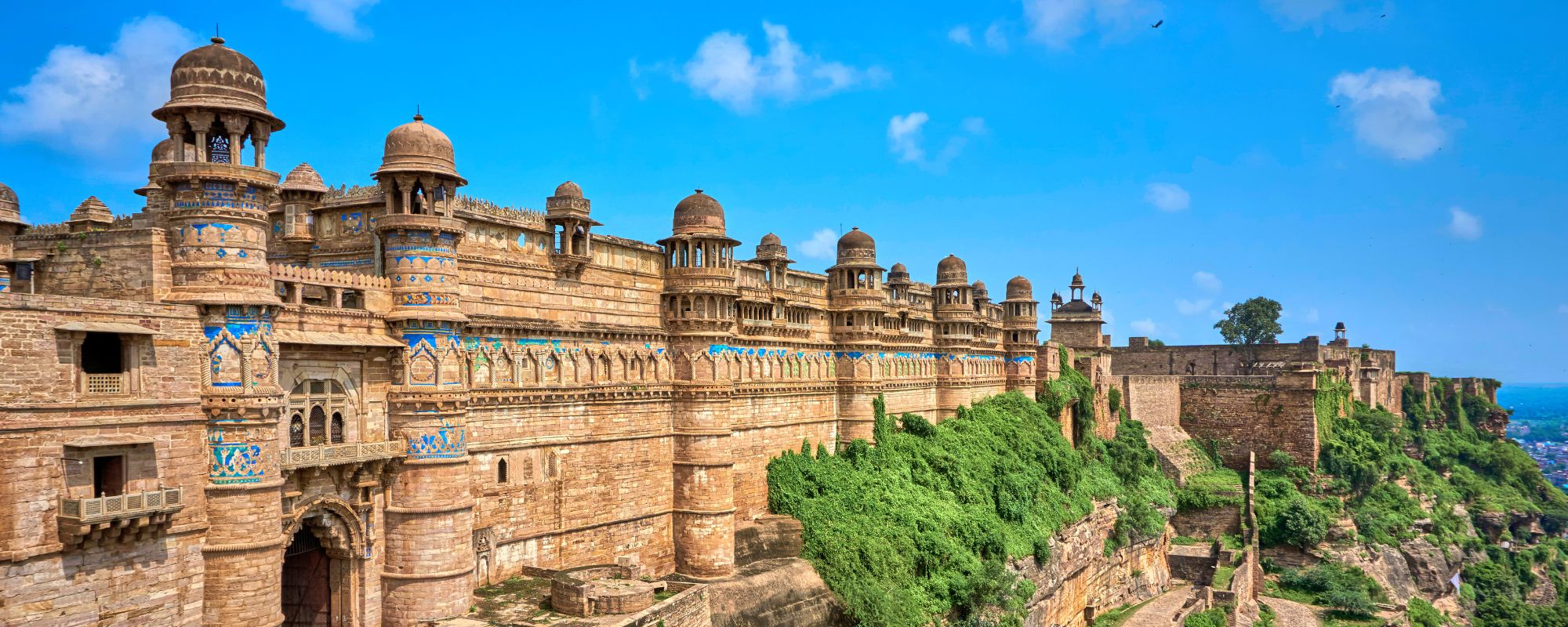
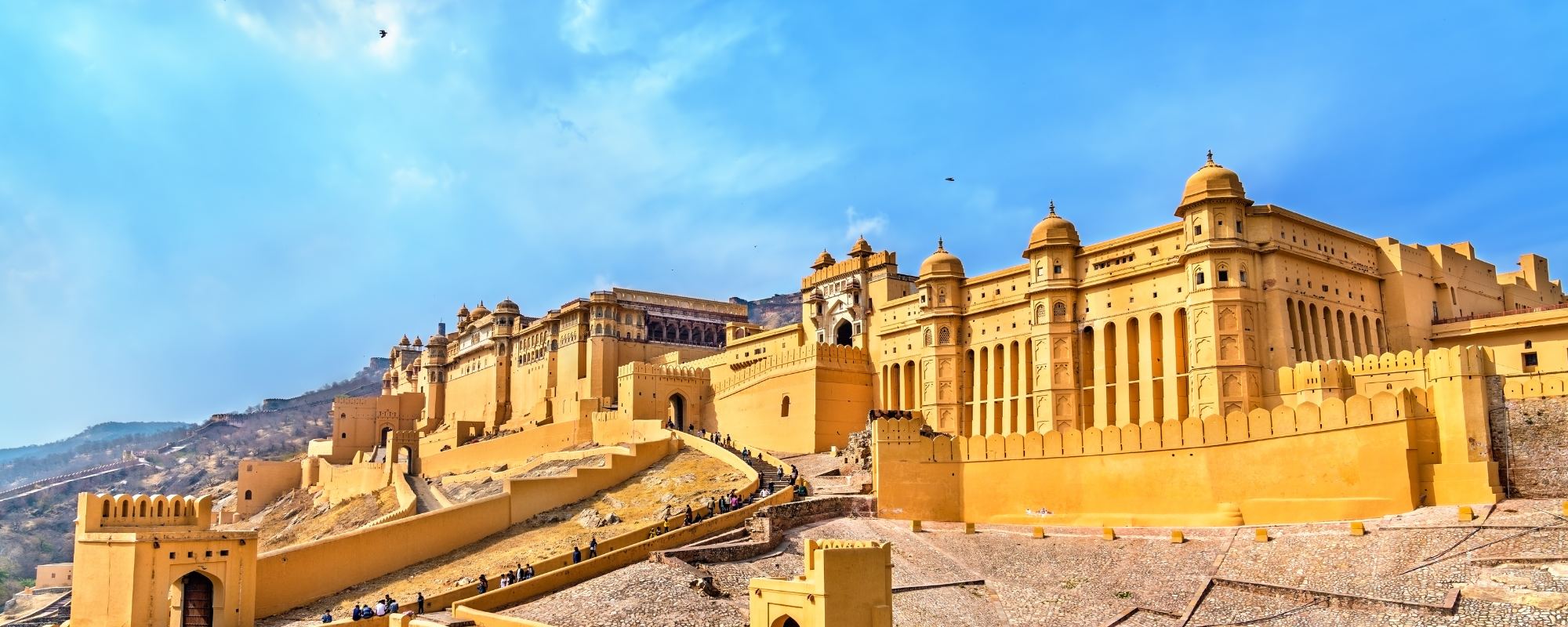
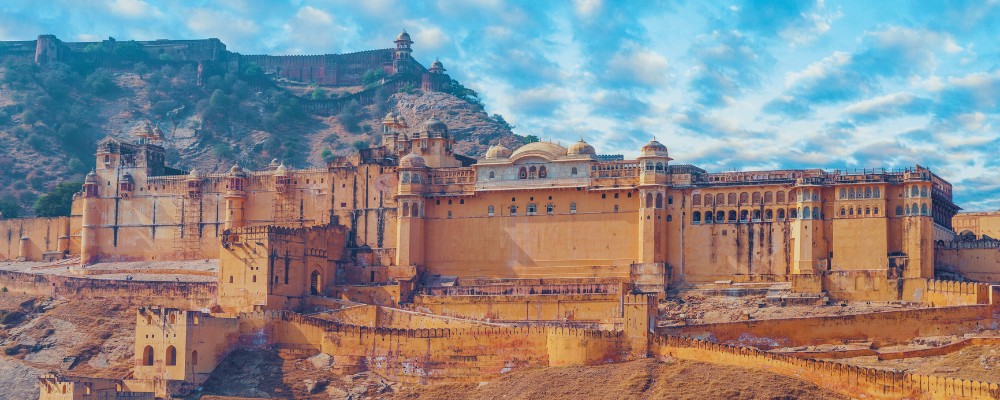
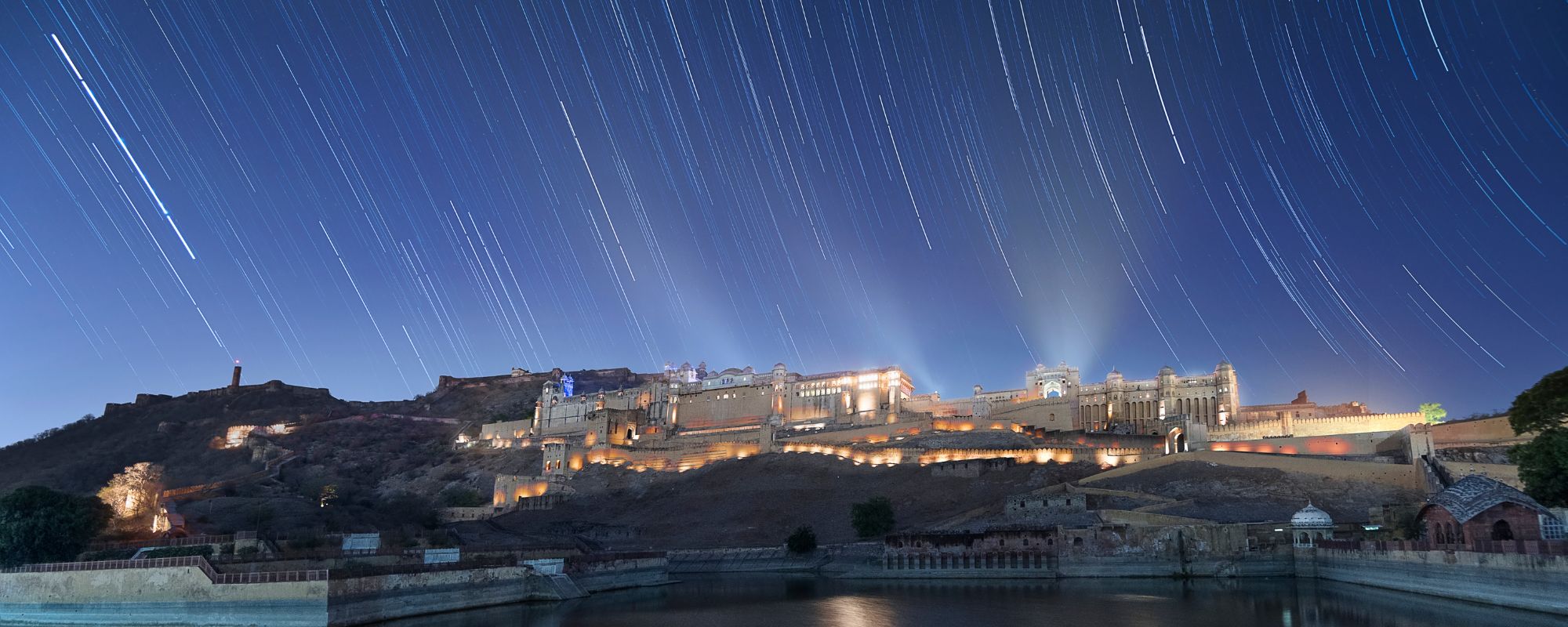
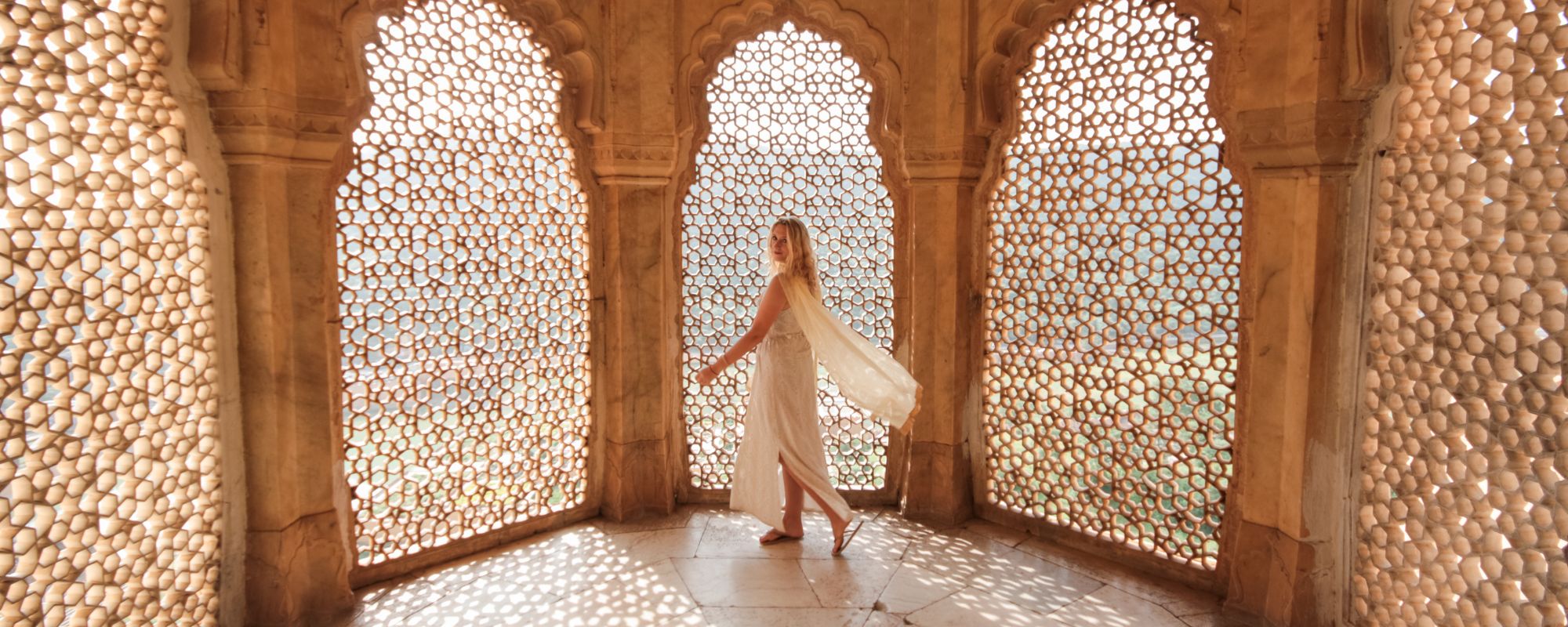
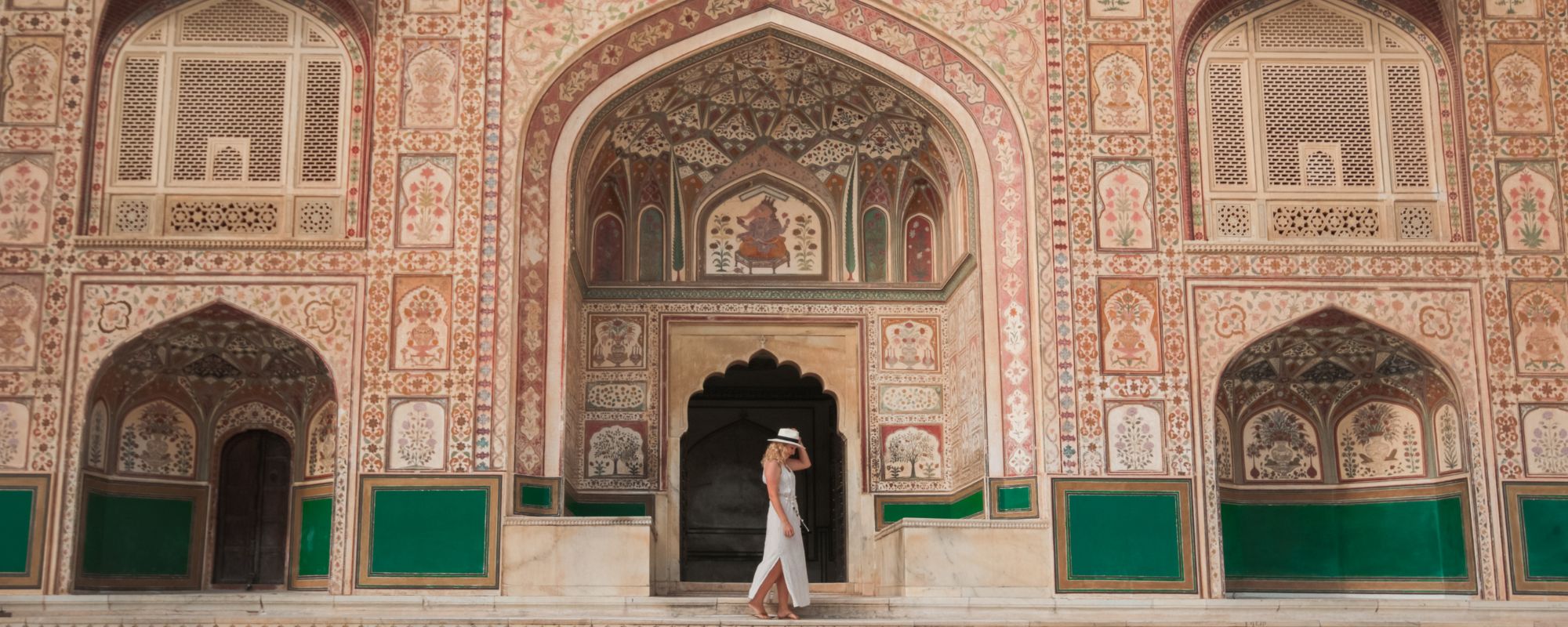
Cradled atop the Aravali Hills lies the Amer Fort, one of the most magnificent palaces in India. Declared a UNESCO World Heritage site and commonly known as the Amber Fort, this majestic building, with its maze-like passages and serpentine staircases, is an architectural masterpiece and holds significant importance in Indian history. Built by one of the most trusted generals of Akbar, Maharaja Man Singh I, in 1592, Amer Fort served as the main residence of the Rajput Rulers.

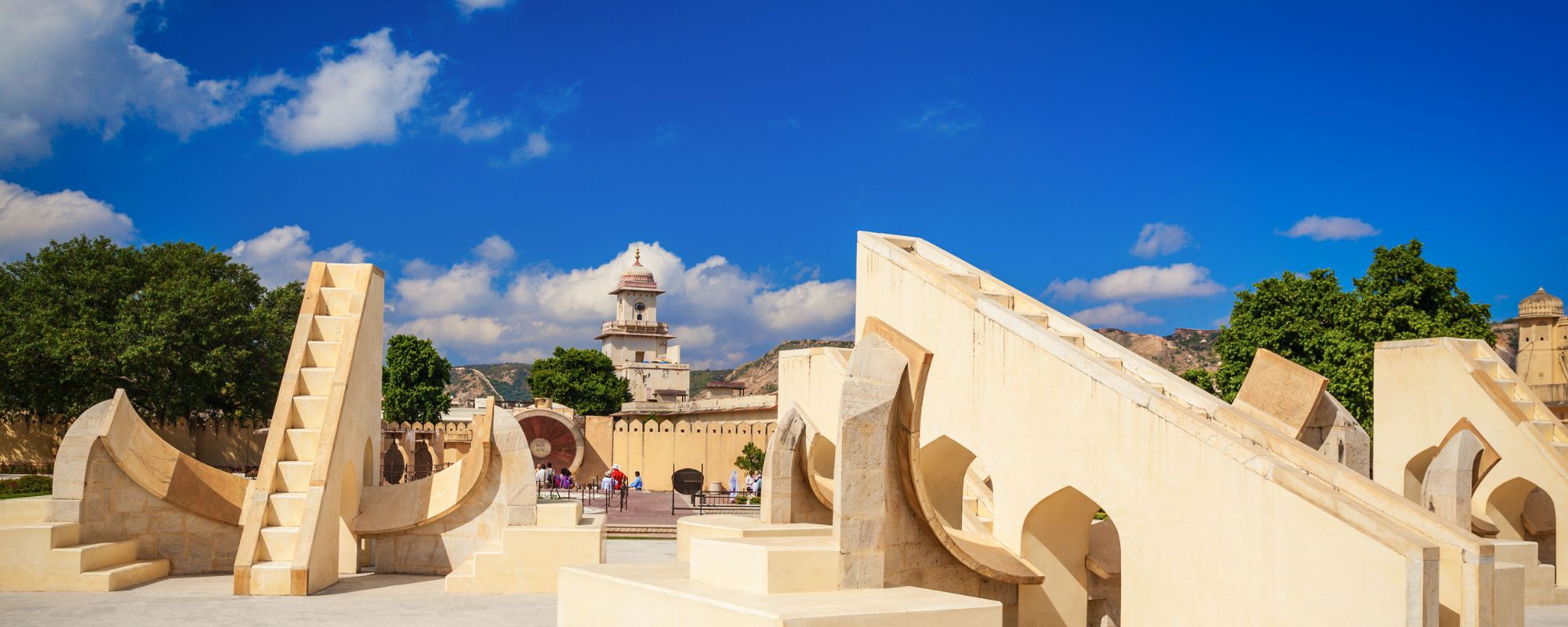
Maharaja Jai Singh II of Jaipur constructed five astronomical observatories known as Jantar Mantars. These structures, with their amazing combinations of geometric forms, have captivated artists, historians, and architects at large scale. The largest of the five Jantar Mantars is in Jaipur.

Explorations & Experiences in Jaipur – 


EXPLORATIONS (Places to Visit in Jaipur):

  • Amber Fort (Amer Fort)
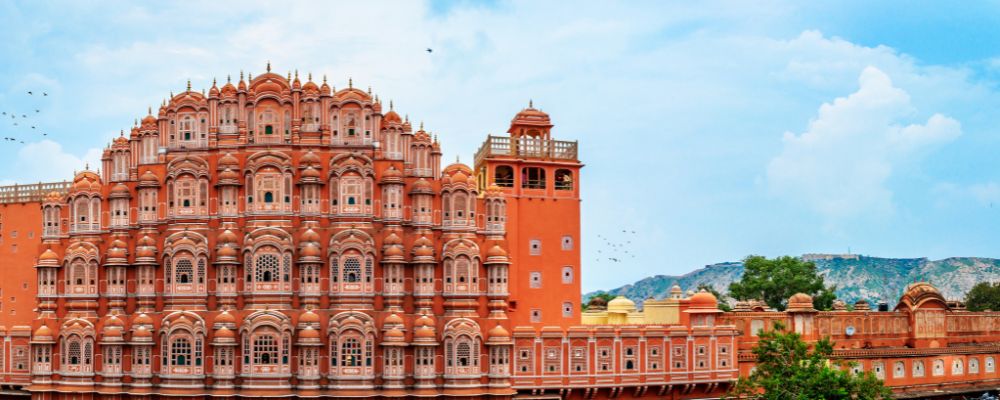
  • Hawa Mahal
  • Jaigarh Fort
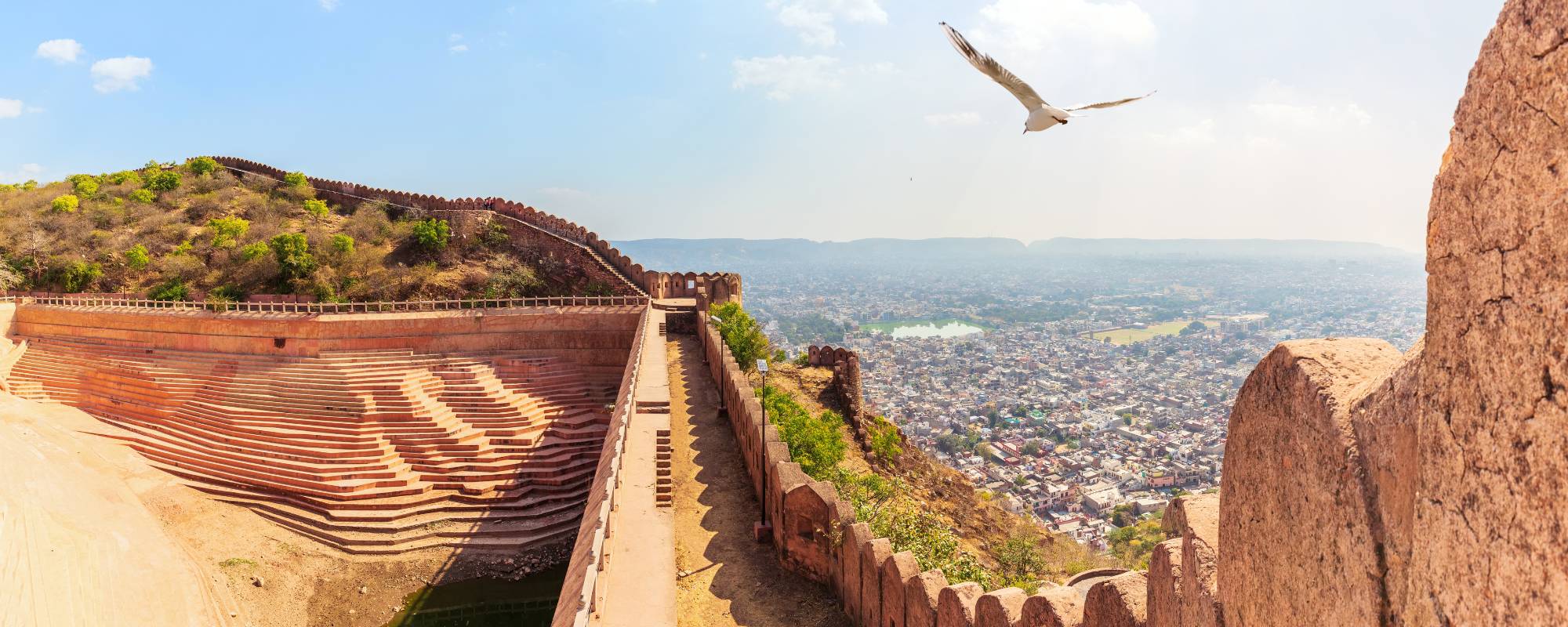
  • Nahargarh Fort
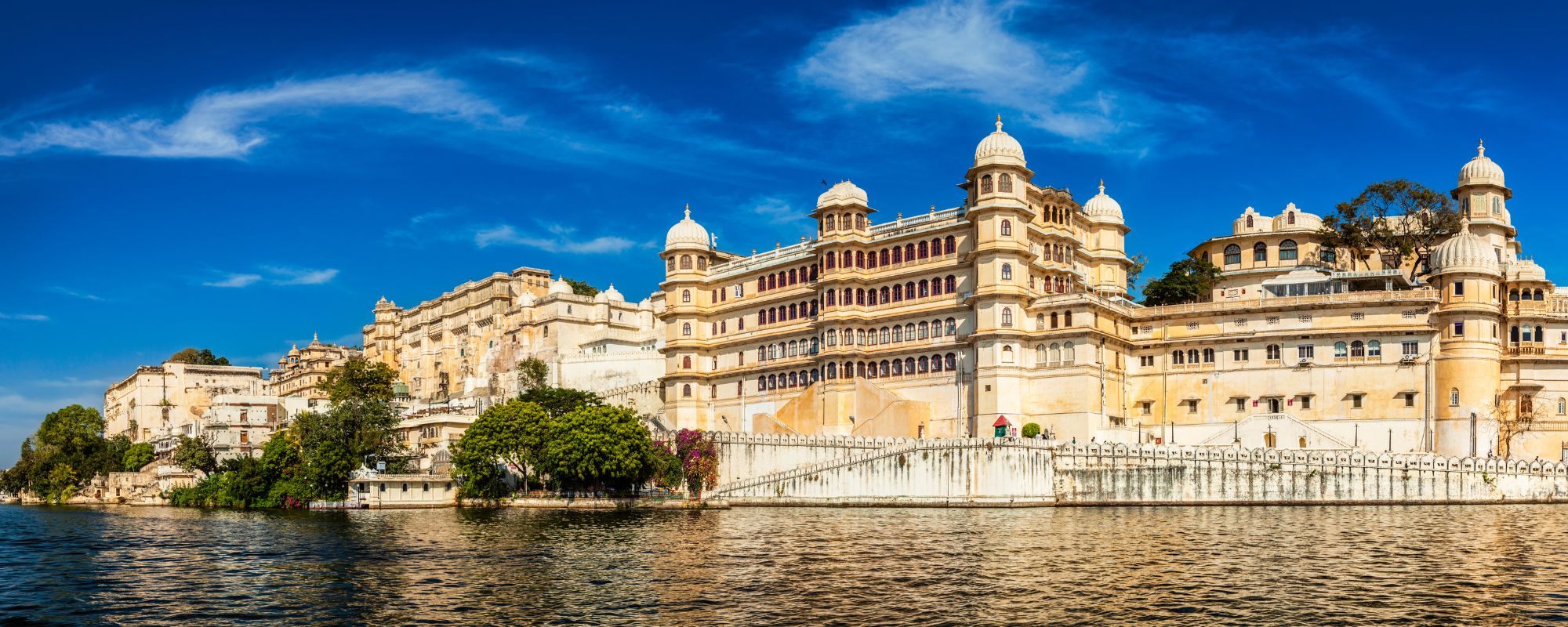
  • City Palace
  • Jantar Mantar
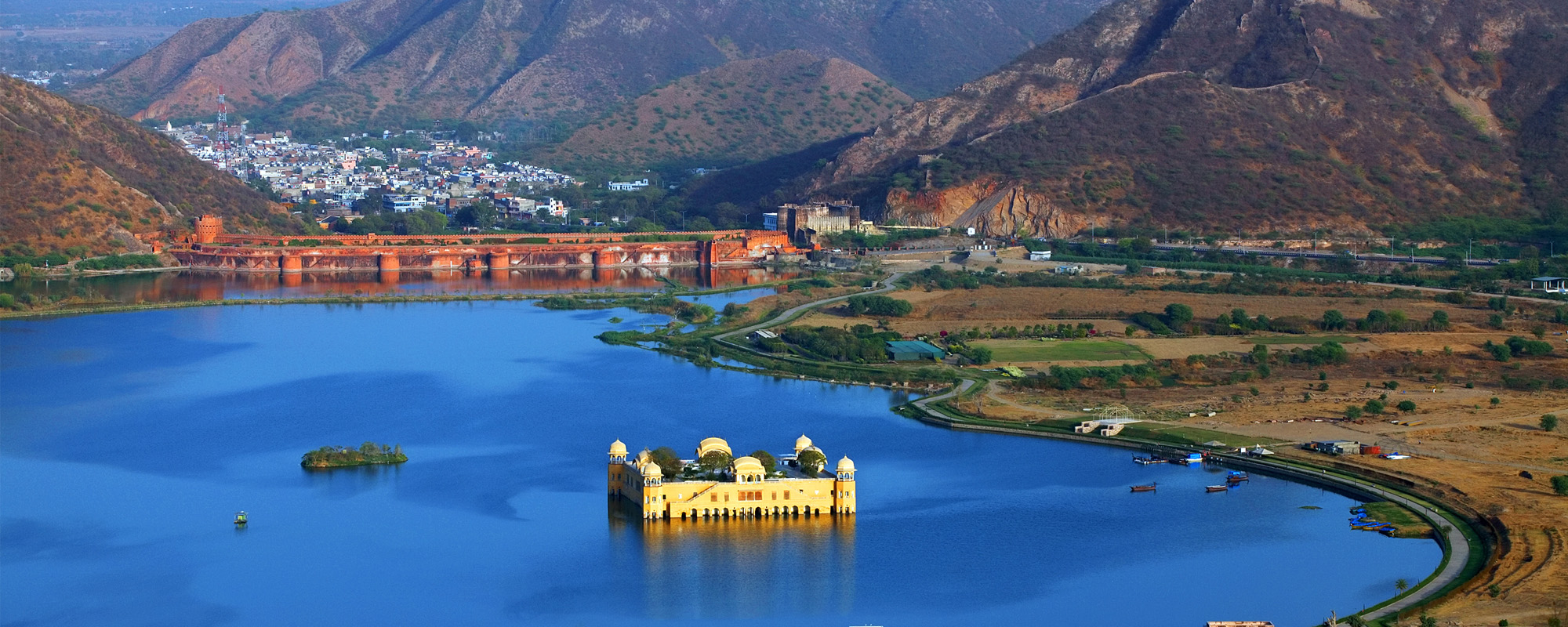
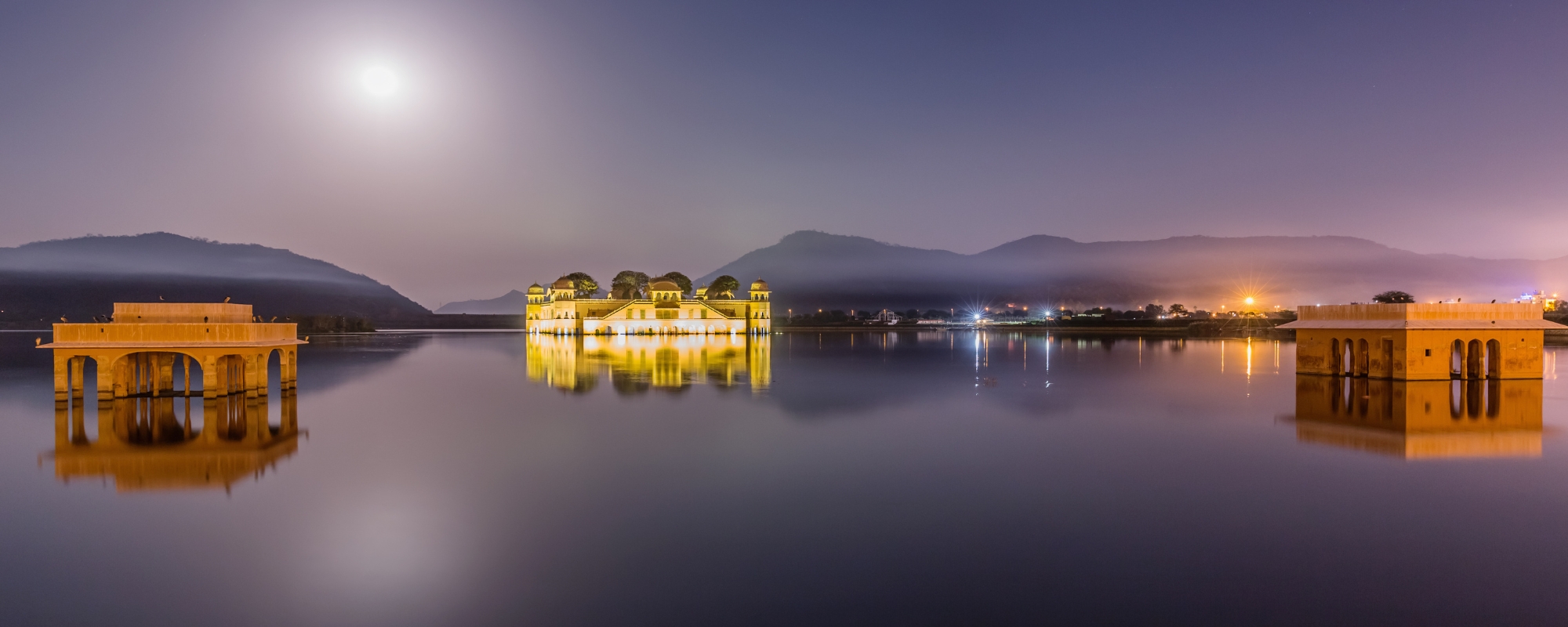
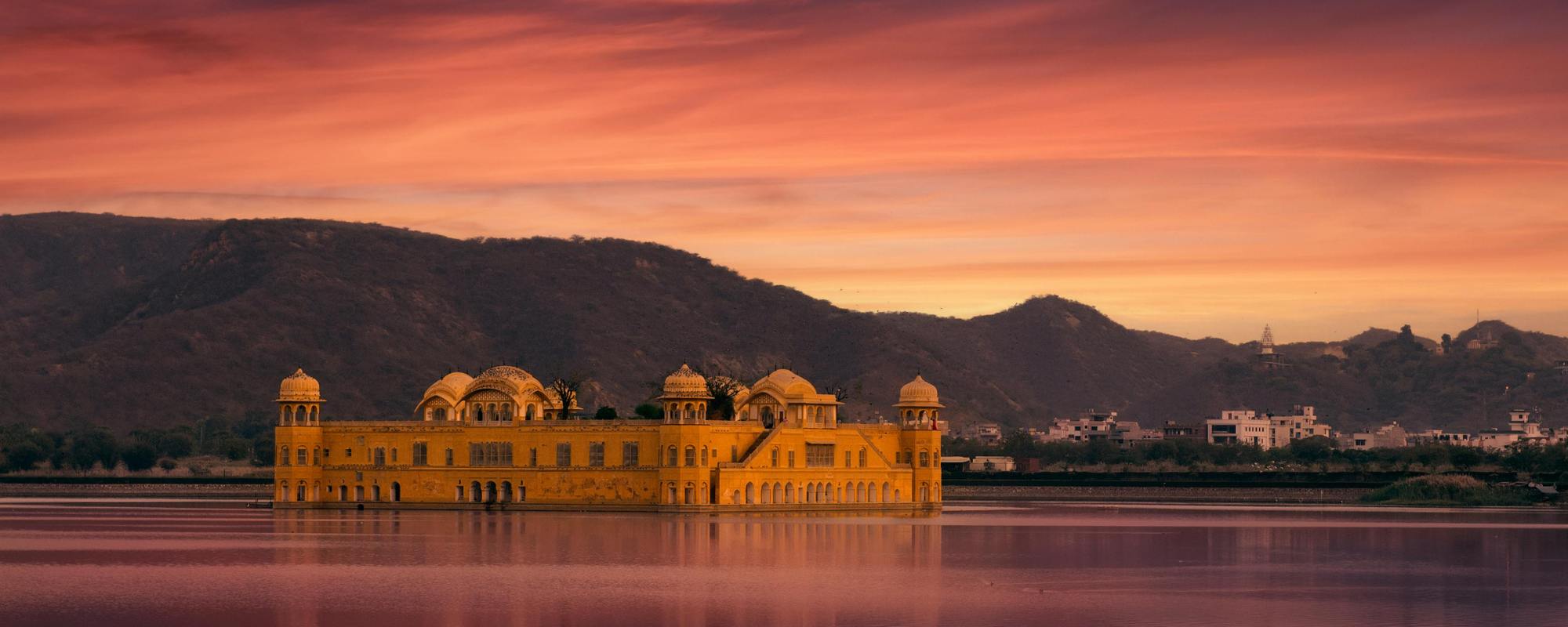
  • Jal Mahal
  • Albert Hall Museum
  • Galtaji Temple
  • Birla Mandir (Birla Temple)
  • Haathi Gaon (Elephant Village)


EXPERIENCES (Things to do in Jaipur):

  • Walk tour of heritage Pink City Market
  • Bhuteshwar Nath Mahadev trek
  • Light and Sound Show at Amer Fort
  • Dinner at Nahargarh Fort
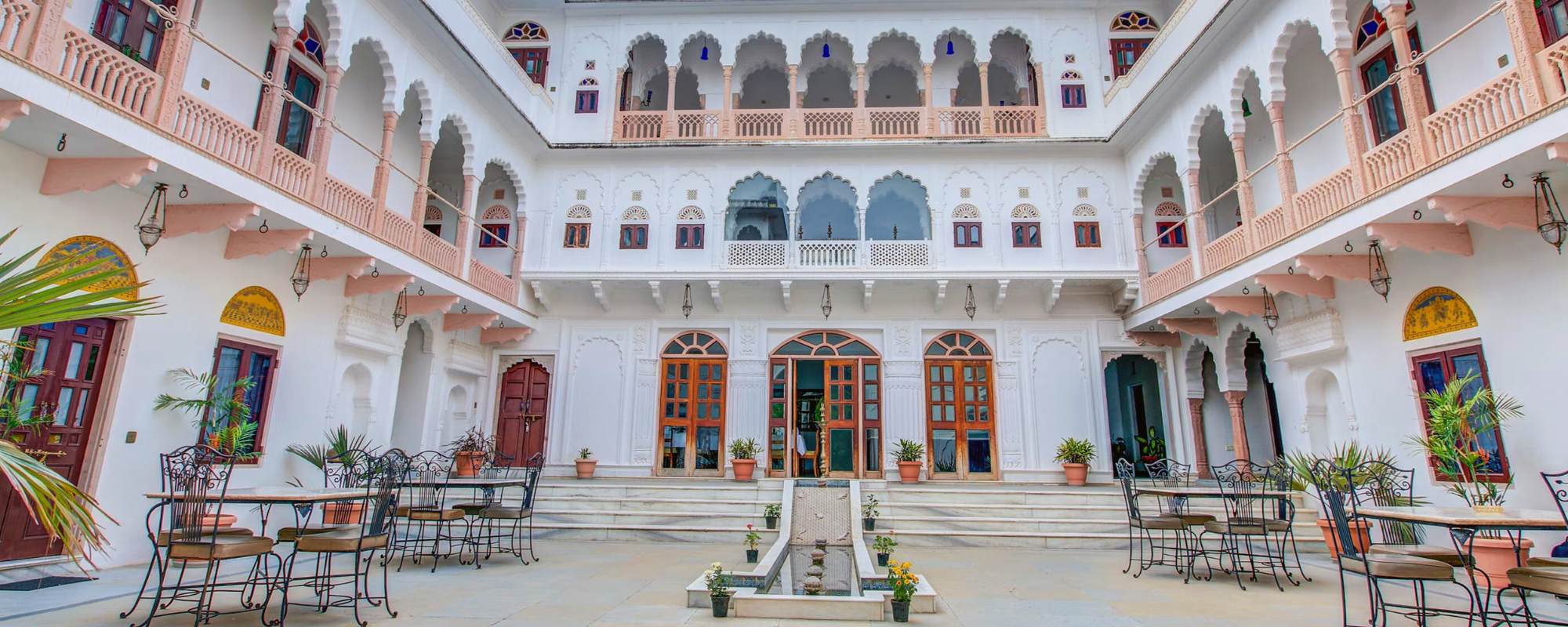
  • Stay at heritage hotels
  • Bagru block printing industry tour
  • Anokhi Museum of Hand Printing tour
Reach out to our Local Experts
Plan Your Bespoke Journey with Us

Fill in your details and one of our destination experts will get in touch with you. Our experts are dedicated to providing personalized assistance and insights, ensuring that all your queries are addressed and you receive the best possible guidance for your travel plans.


Checkout our
Latest Blogs
Choose from the best
Hotel Partners
Get our latest updates
Subscribe Our Newsletter

Stay Connected
FAQs
  • Why is Jaipur called the Pink City?

    The city was named in 1876, when Maharaja Ram Singh II ordered the entire old walled city painted terracotta pink for a visit from the Prince of Wales (the future King Edward VII) to the Indian subcontinent. It is a criminal offence not to, and so by royal decree, buildings in the walled city are painted, and all of them are still painted, from a dusty pale salmon to terracotta, changing colour through the day with the light, becoming even more impressive at dawn and golden hour in the late afternoon. Maharaja Sawai Jai Singh II established the walled city in 1727; it was the second planned city in India, designed by architect Vidyadhar Bhattacharya and built to Indian Vastu Shastra principles.

  • When should I plan a visit to Jaipur?

    The main season runs from October to March; average nighttime temperatures are about 8 degrees centigrade in December/January, and afternoons are fine at up to 28 degrees centigrade. November and February have fine conditions with fewer tourists than Dec-Jan. Late January hosts the world's largest free literary festival in Jaipur, where you can find a spectacular array of international guests. From April, temperatures rise quickly, and May-September conditions become too severe for outdoor tourism, with extreme heat and the monsoon.


  • How many days does Jaipur really need?

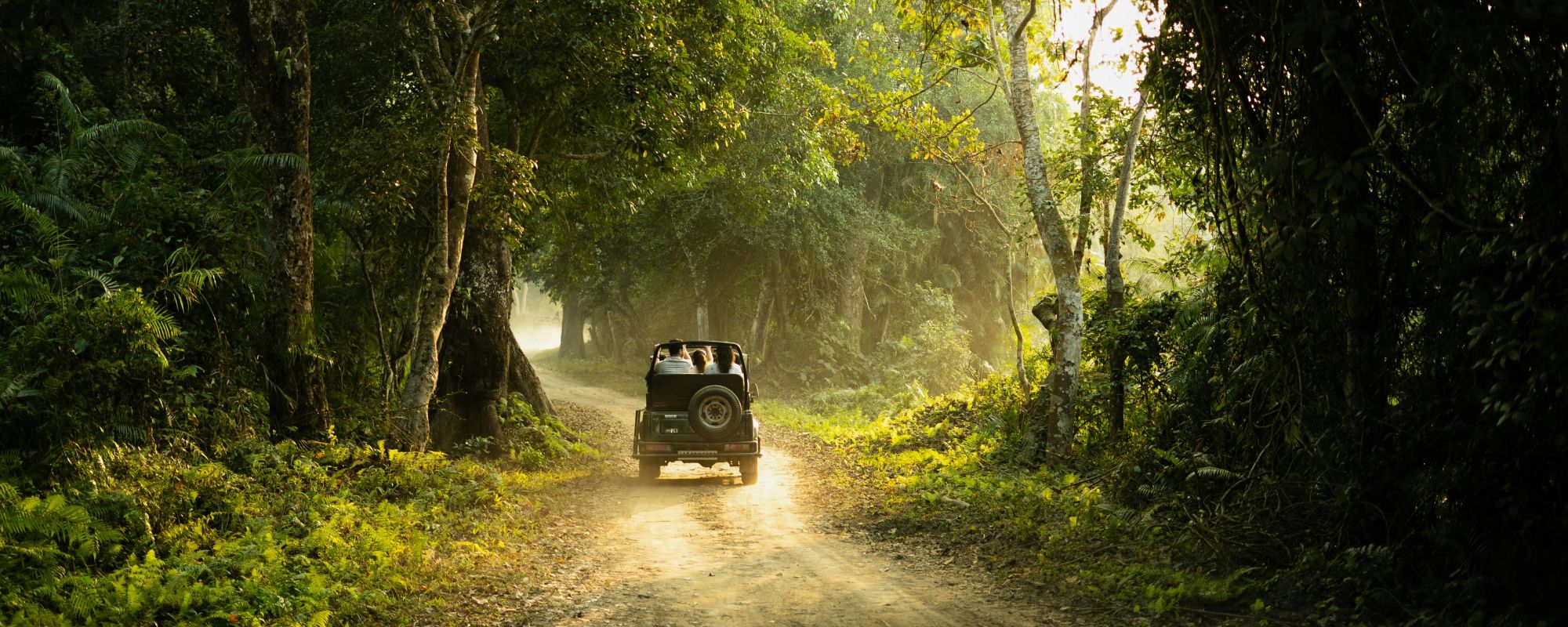
    3 Days at a reasonable leisure pace: the 1st day must be devoted to the old walled City with the City Palace, Jantar Mantar, and the Hawa Mahal. The second day must be devoted to Amber Fort alone, which will need three to four hours, and Nahargarh Fort at sunset for fabulous views of the city from the top. On day 3, you can visit Jaigarh Fort, the Anokhi Museum of Hand Printing in Amber village, and one of the few urban wildlife (leopard) safaris (Jhalana leopard conservation). Alternatively, you can add a fourth day to visit Abhaneri, Ranthambore, or Pushkar.


  • What should not be missed in Jaipur?

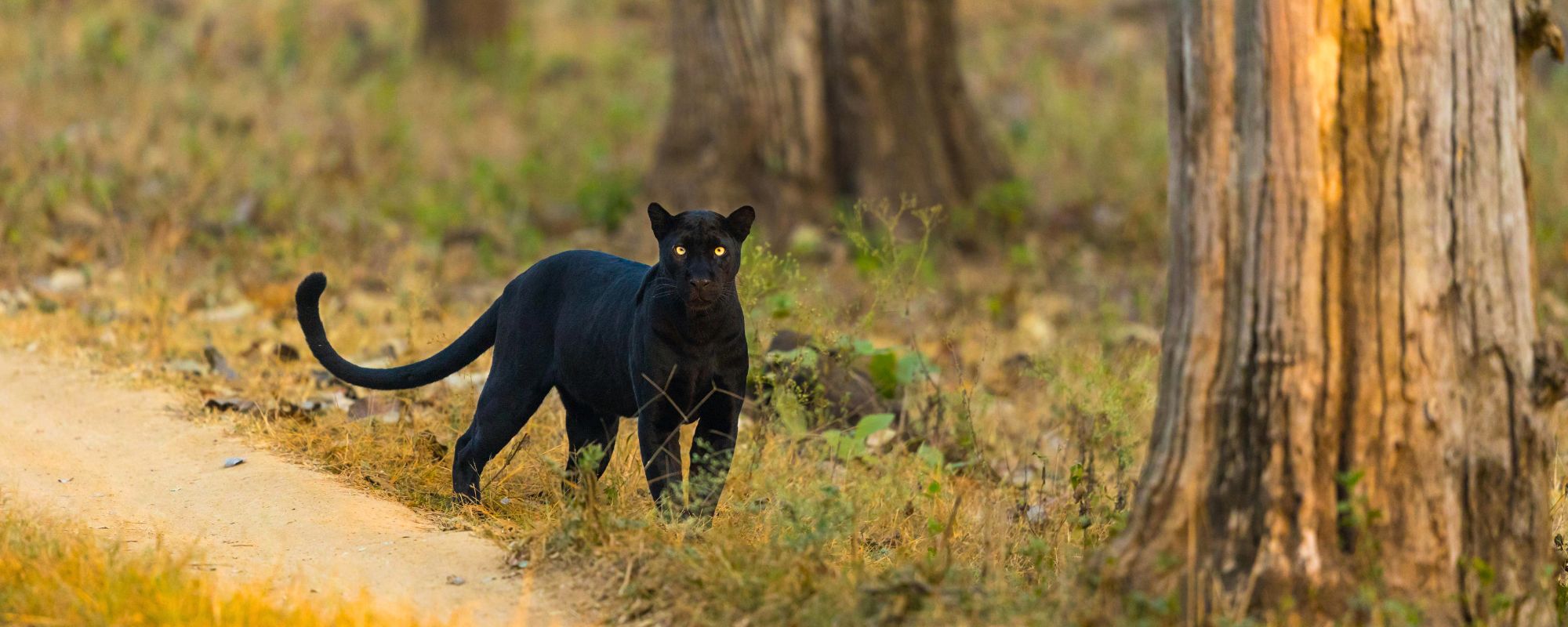
    The only must-visit is Amber Fort, a UNESCO World Heritage site some 11km from the centre. In its Sheesh Mahal, thousands of pieces of mirror combine to create an illusion of starlight using just a single flame. The City Palace (partly still occupied by the royal family) contains a remarkably good museum; at Jantar Mantar (1726–34) are 19 fixed astronomical instruments, the largest of which is the world’s biggest stone sundial; elsewhere there’s Hawa Mahal ( Palace of Winds ) with 953 lattice windows, and Nahargarh Fort to see at sunset. For one of the world’s unique experiences (most other cities don’t have more than one operational leopard safari), head into the Jhalana Leopard Conservation Reserve, a 20 sq km area holding more than 40 leopards.

  • Which luxury hotels stand out in Jaipur?

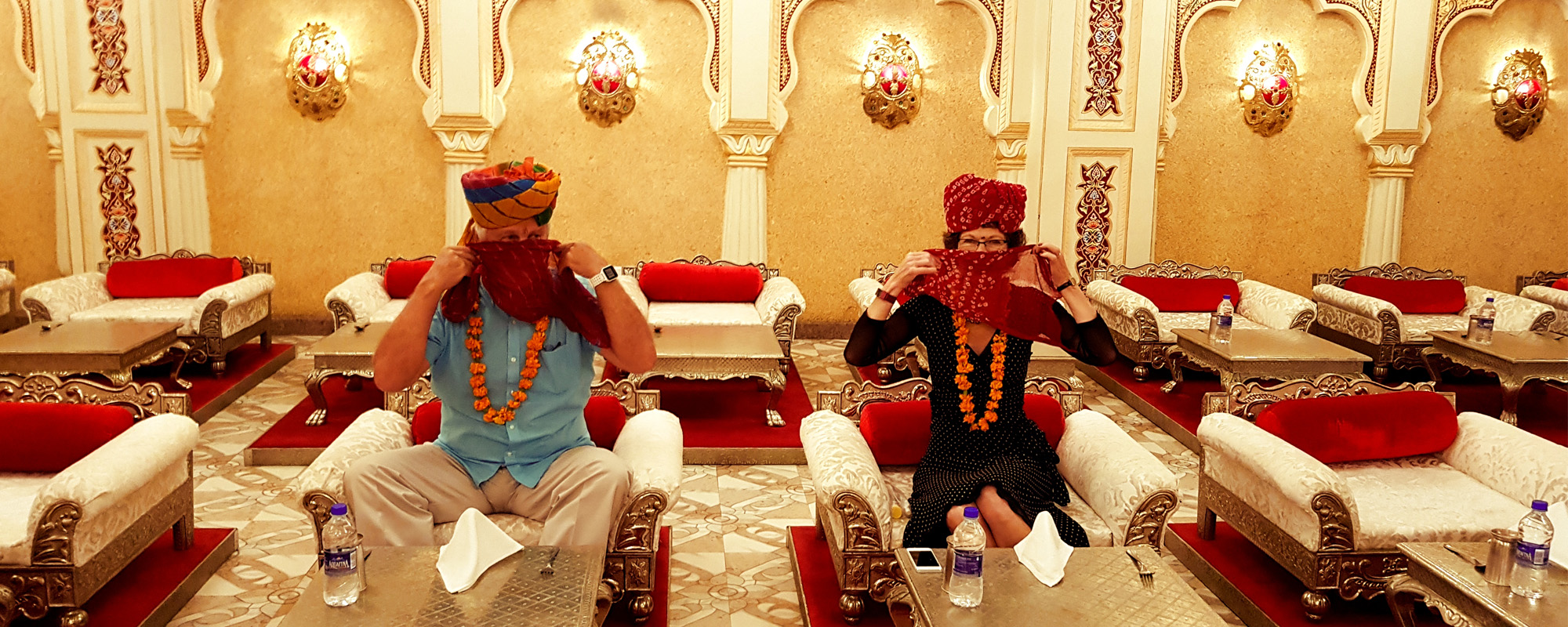
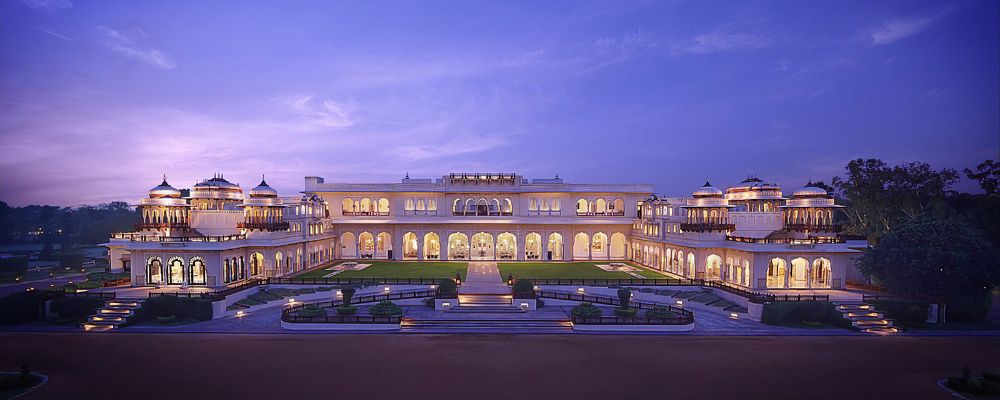
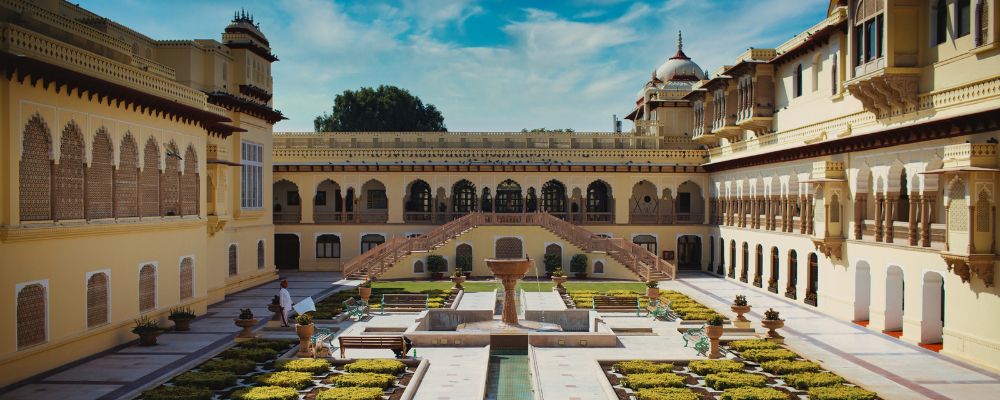
    Rambagh Palace’s humble garden-house was started in 1835. It was also a hunting lodge from 1887 before becoming the principal residence of Maharaja Sawai Man Singh II in the 1920s – and has become a world-class property now managed by Taj Hotels, the latest to make India’s highest echelon list with 78 rooms on 47 acres of Mughal gardens and the dazzling Suvarna Mahal dining room. A close rival, the 32-acre oasis of landscaped desert gardens of The Oberoi Rajvilas, featured on India’s highest hotel list for Condé Nast Traveller in 2025. Samode Haveli, a 225-year-old mansion within the old city with 50 rooms and a central courtyard pool, offers the intimacy of a walled-city stay at the upper end. Other stellar options are Taj’s 1745 Jai Mahal Palace, with three dining options, and TAAS Jaipur at the Rajmahal Palace, with a more central or more boutique option.

  • Where should I eat well in Jaipur?

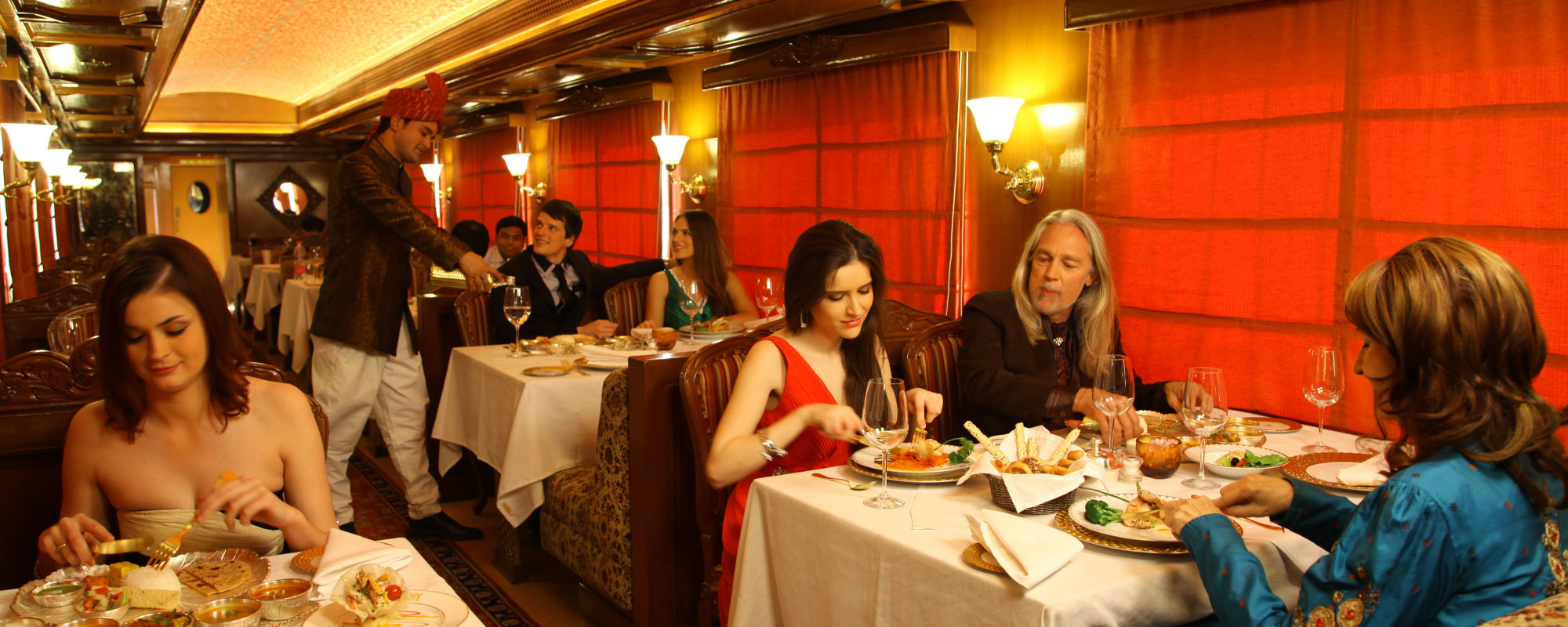
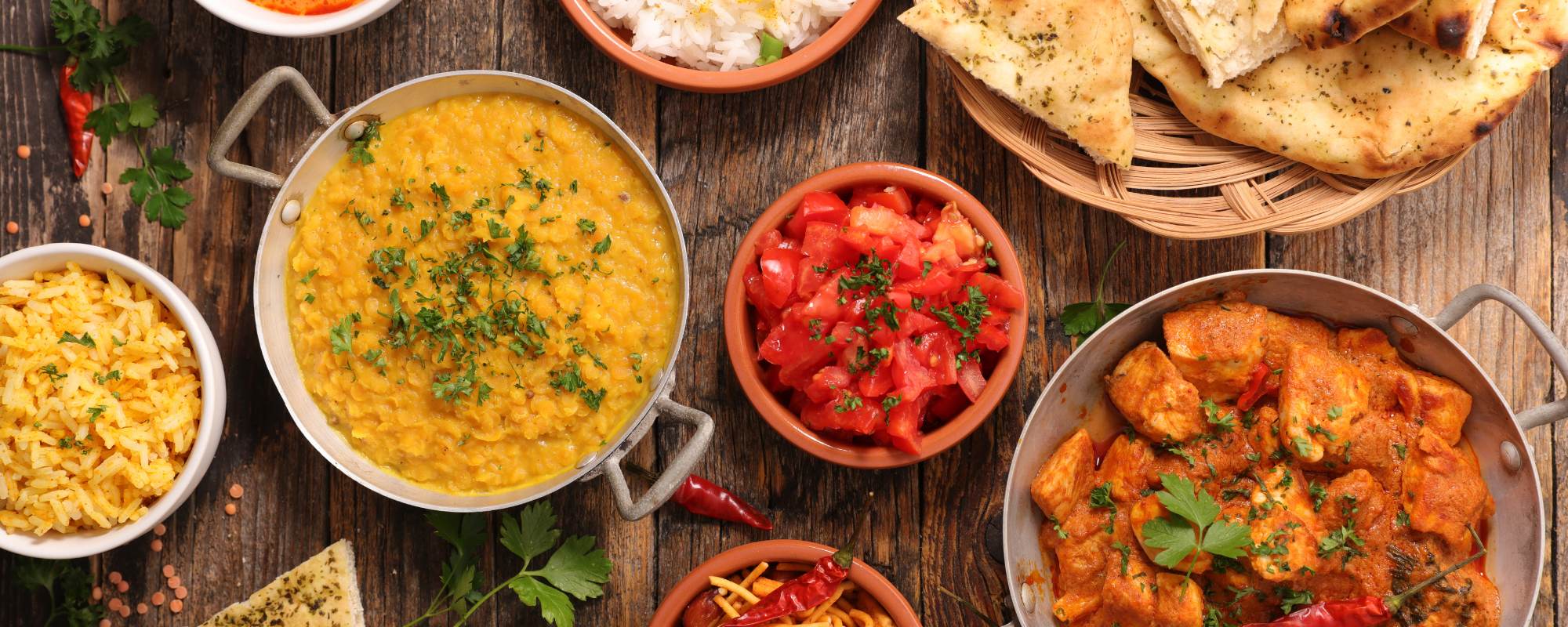
    Suvarna Mahal at Rambagh Palace is amongst India’s most lavish, and its refined Rajasthani and Mughal fare can be consumed beneath gold leaf. Steam at the same hotel offers a singular dining experience: the setting is a restored royal railway car. Italian dishes await you in the enchanting garden courtyard of Palladio at Narain Niwas Palace, while Spice Court serves up a proper Rajasthani thali (including, for spice lovers, Laal Maas – its classic Mathania chilli mutton). Along Hawa Mahal Road, several rooftop restaurants marry heady vistas with Rajasthani food. 

  • What is worth shopping for in Jaipur?

    Johari Bazaar is the hub for certified precious & semi-precious stones, and Jaipur is truly still the cutting capital of coloured gemstones worldwide. Kripal Kumbh on Bhawani Singh Road is run by one of the last traditional masters of Jaipur blue pottery, made from quartz instead of clay. Anokhi has block prints of the utmost standard, using only natural dyes. A visit to Gem Palace on MI Road to the fourth generation of jewellers, with both historical museum-standard items and new-age styles; then to the walled Bapu Bazaar to buy your Rajasthan quilts, mojri shoes, and spices, all at proper market rates.

  • What is worth doing outside Jaipur as a day trip?

    Abhaneri lies 95 km to the east and features the Chand Baori stepwell, descending 13 storeys in 3,500 steps with striking geometric symmetry, and is usually uncrowded. Ranthambore National Park lies 180 km away, about 3 hours' travel, India’s prime tiger reserve; an overnight stay gives wildlife a chance, whereas a day trip merely ticks a box. 145 km away, Pushkar lies, home to the sacred lake and the only Brahma Temple, and a bazaar town with a completely different tempo from Jaipur. Half-day excursions will take you to Samode Palace, half an hour's travel up into the Aravalli Hills. The Shekhawati haveli towns, especially Mandawa and Nawalgarh, require an overnight stay and are about three hours from Jaipur.


  • How much time does Amber Fort actually need?

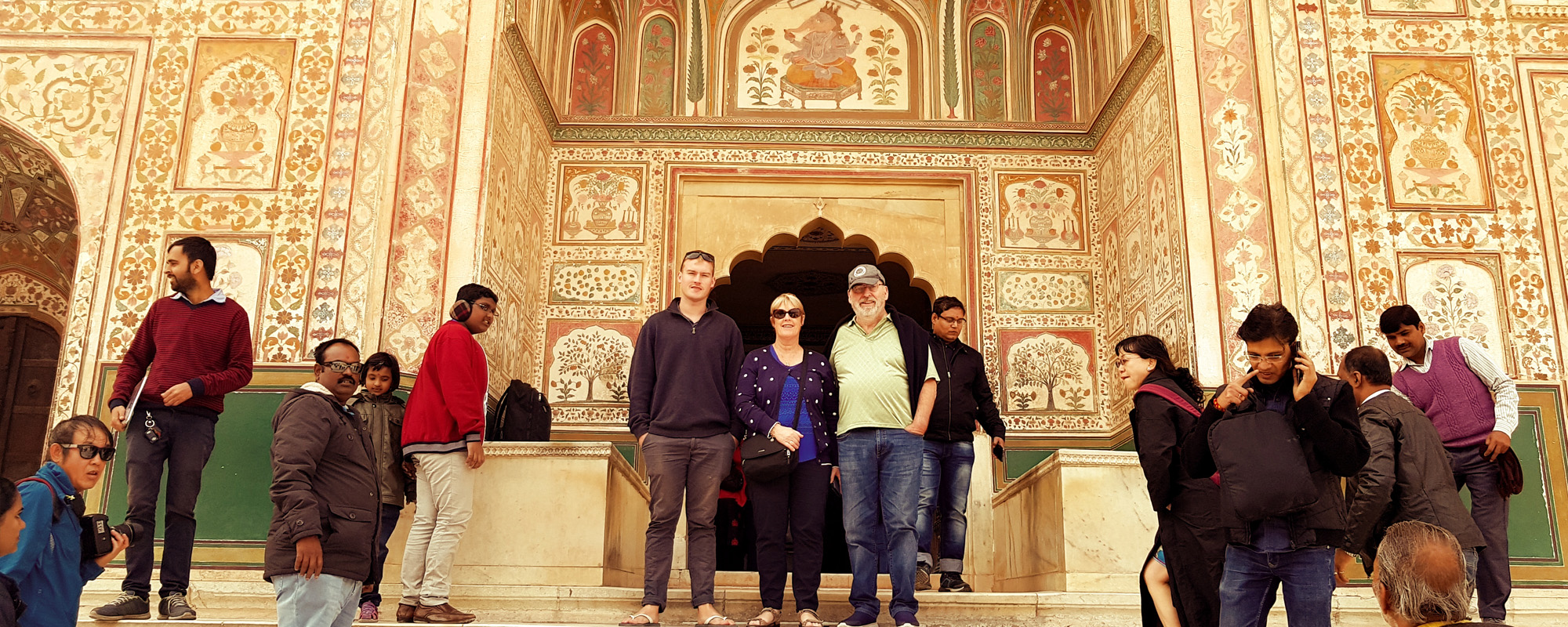
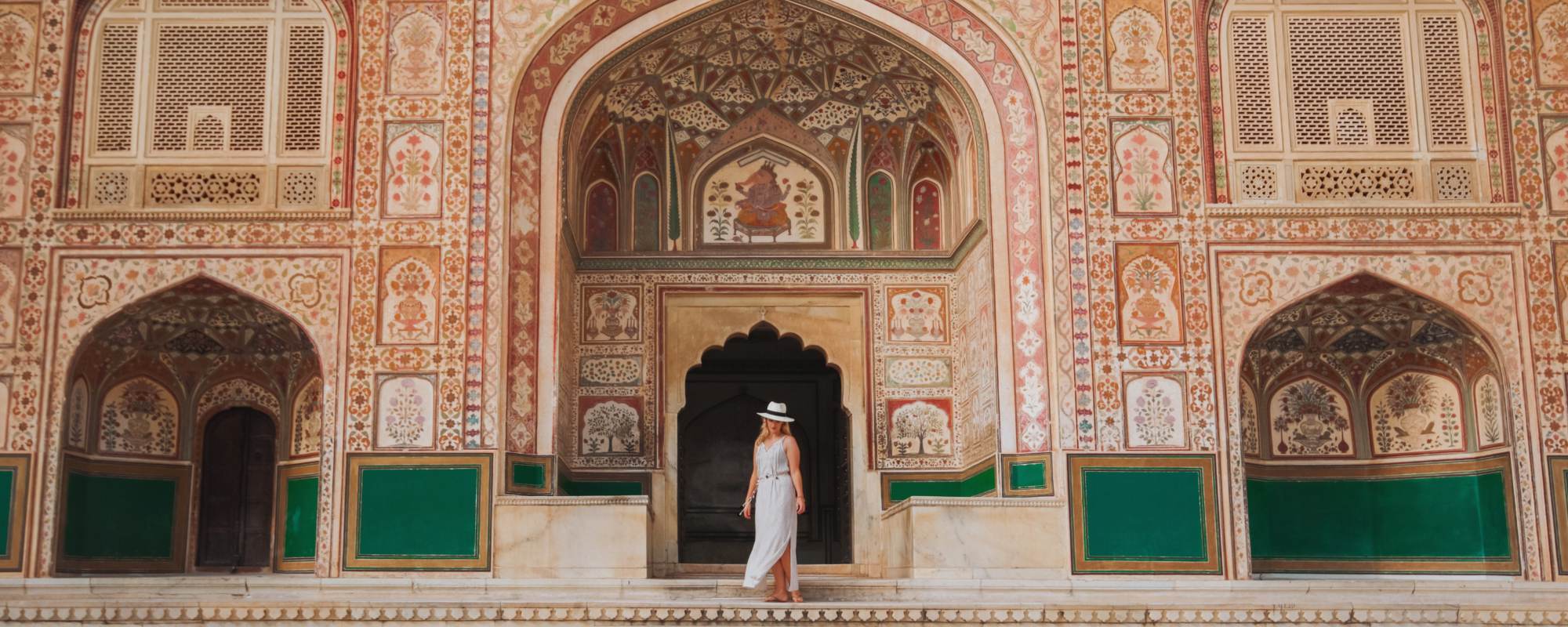
    Visiting time 3-4 hours, erected during the late 16th century onwards by Kachwaha Rajput ruler and built with Pale Yellow and Pink sandstone, considered one of the most magnificent palace complexes in India and a UNESCO World Heritage site with attractions such as Sheesh Mahal that forms a canopy of stars from one flame of candle, fresco painted Ganesh Pol gateway and water cooled chamber of Sukh Niwas, above on which lies Jaigarh Fort linked to each other by elevated walkway and they can both be combined in one morning, an evening sound & light shows in English & Hindi available add attraction if you have time to visit them in evening time.


  • Which of Jaipur’s UNESCO sites should I know about?

    Unusually for a single city, three disparate UNESCO designations are relevant to Jaipur. Within the walled city, designated in 2019 for its authentic 1727 planning with ongoing craft activities, Amber Fort is one of six UNESCO inscriptions together in 2013-Hill Forts of Rajasthan-together with Chittorgarh, Kumbhalgarh, Ranthambore, Gagron & Jaisalmer. The 1726-34 observatory building, with nineteen astronomical instruments including the World’s largest stone sundial, has been recognised as the Jantar Mantar since 2010; a composite ticket gives admission to key sites. 

  • Is the Jaipur Literature Festival worth building a trip around?

    For a traveller with that interest, I think so – yes, it is. It is one of the biggest literature festivals on the planet: free to enter and free to attend all public programs, held each year at the end of January for five days in the grand 18th-century Diggi Palace. Thousands of people (250,000 annually!) and hundreds of authors visit from around the world, including several Nobel laureates, Booker Prize winners, historians, filmmakers, columnists, and assorted public intellectuals. The five days it takes place are a unique time to experience this historically and architecturally significant ancient city of Jaipur, so book accommodation months in advance for your Jaipur, India vacation.

  • How safe is Jaipur for a woman travelling on her own?

    Perhaps more so than any other in India for a woman travelling alone, Jaipur is visited by throngs of foreign women annually. The major sights are in good condition, and the tourism infrastructure is well established. App-based cabs (Ola/Uber) can be simpler than dealing with cabbies on the street, and modest attire around temples and in the old city is both polite and cooler. Generic big-city smarts are necessary, but most solo women generally find Jaipur manageable.

  • Can Jaipur be visited comfortably in summer?

    This is manageable with careful planning. April temperatures are still 35 to 38 deg C and can be tolerated if you restrict sightseeing to early morning and late evening. May and June are extreme, with highs of 42-45 deg C, and exploring the fort complexes in the full afternoon will indeed be agonising. However, those indoor sites such as the museum within City Palace and Jantar Mantar are not too unpleasant. The benefit of coming to the forts in the summertime is that hotel costs drop dramatically, and visiting Amber Fort early at dawn, as almost the first person of the day through the entrance, is a breathtaking experience in its own right.

  • What is the best way to get around Jaipur?

    Mobile cabs, autos, and privately hired cars are a convenient way to travel within Jaipur. The walled city is small, making it easy to cover on foot, but for places like Amer Fort, Jaigarh Fort, and Nahargarh Fort, you may want to hire a car. You can easily book cabs from Ola and Uber to most areas, but sometimes it can be difficult to get one back from the fort.

  • What are the best things to do in Jaipur besides sightseeing?

    Besides forts and palaces, Jaipur also tempts with its traditional bazaars and crafts, Rajasthani cuisine and vibrant culture. Browse jewellery in Johari Bazaar, feast on Rajasthani cuisine in Johari Bazaar, experience block-printing and blue pottery, browse textiles at the Anokhi Museum of Hand Printing, try a traditional Rajasthani thali, or walk through history on a heritage tour of the Old City.

Plan Your Trip