





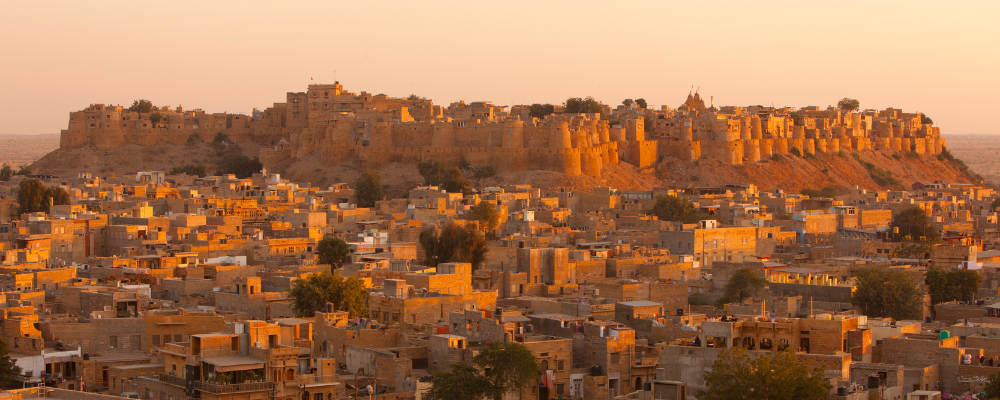
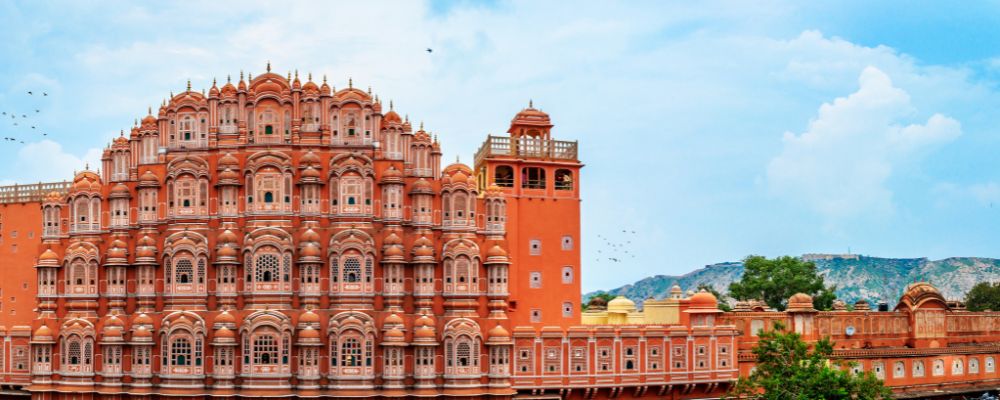
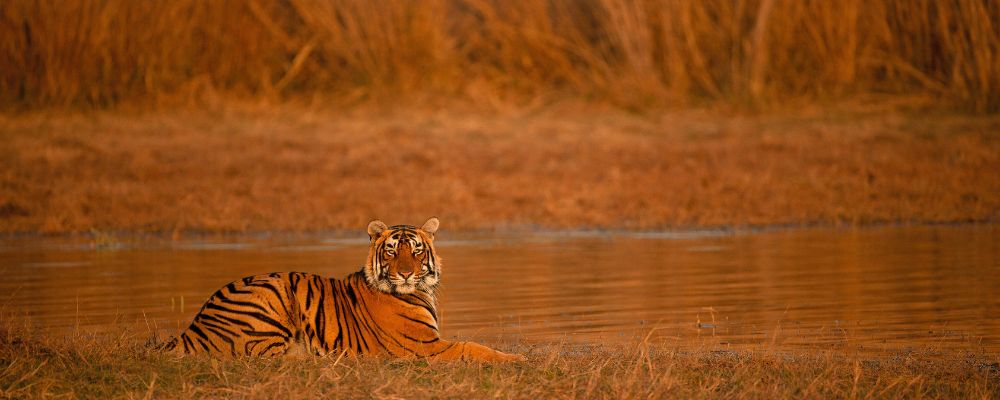
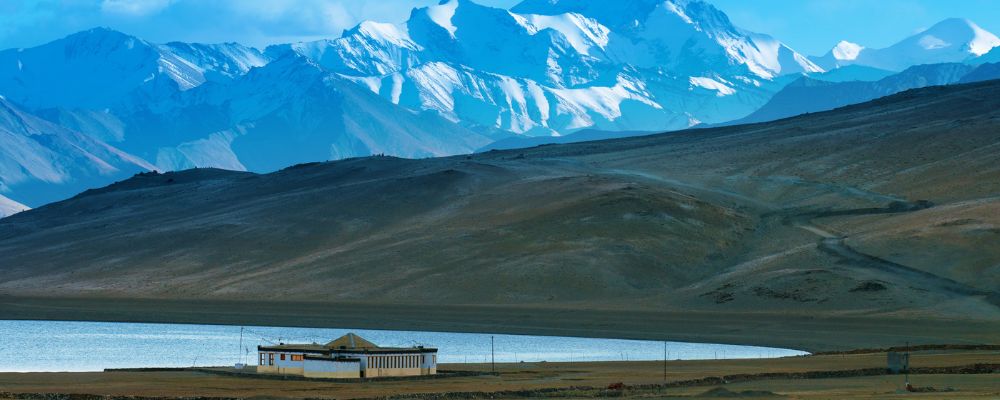
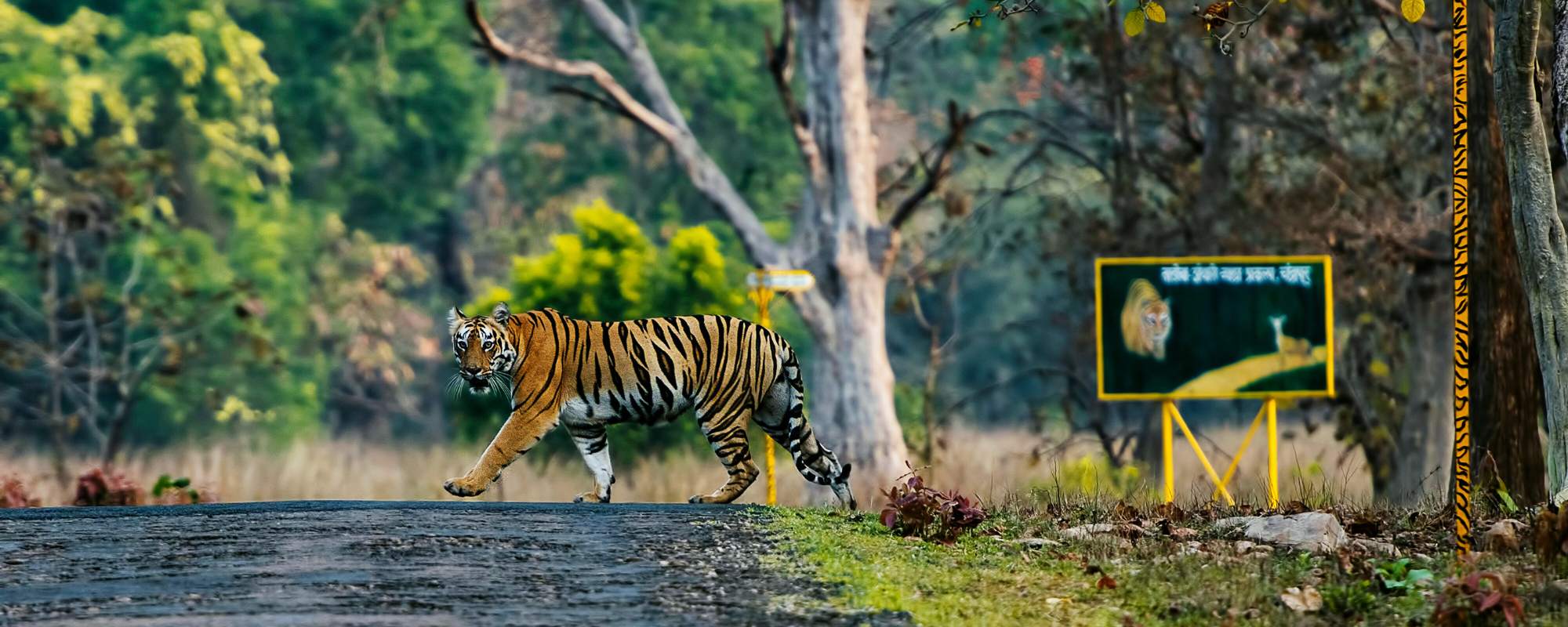

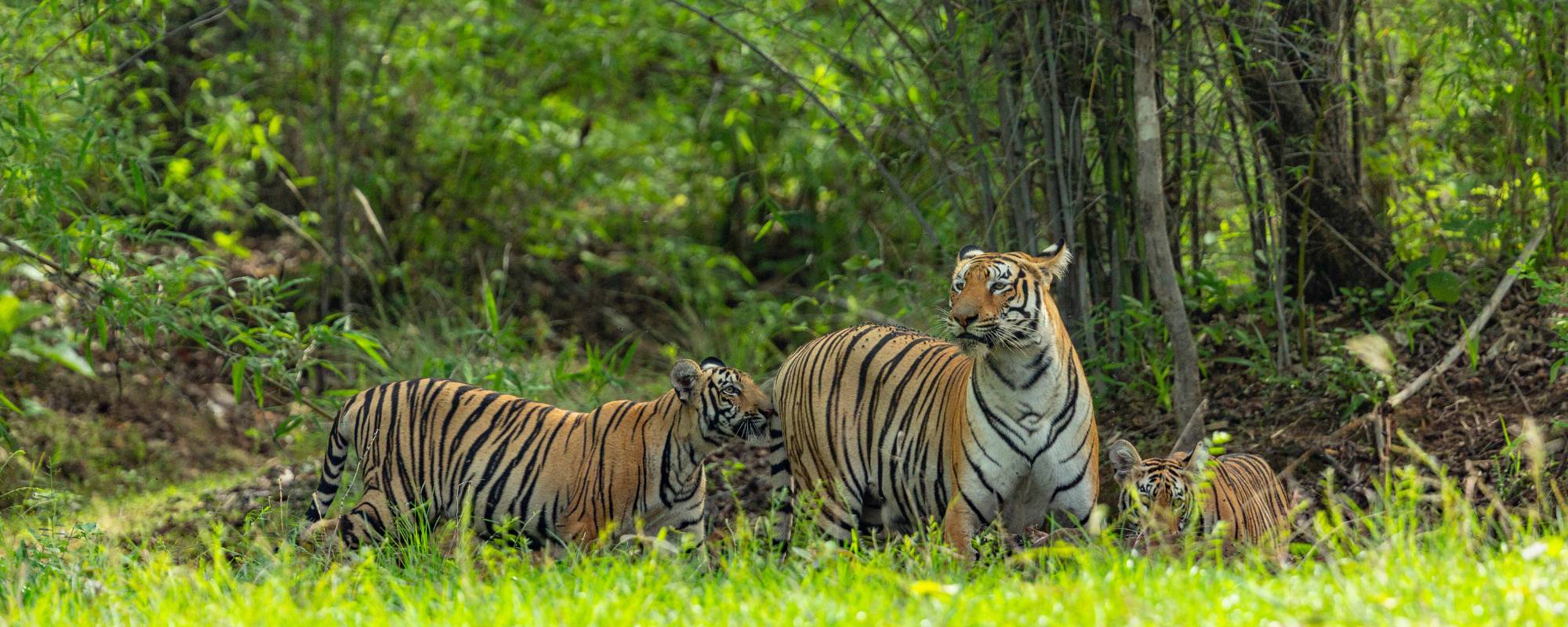

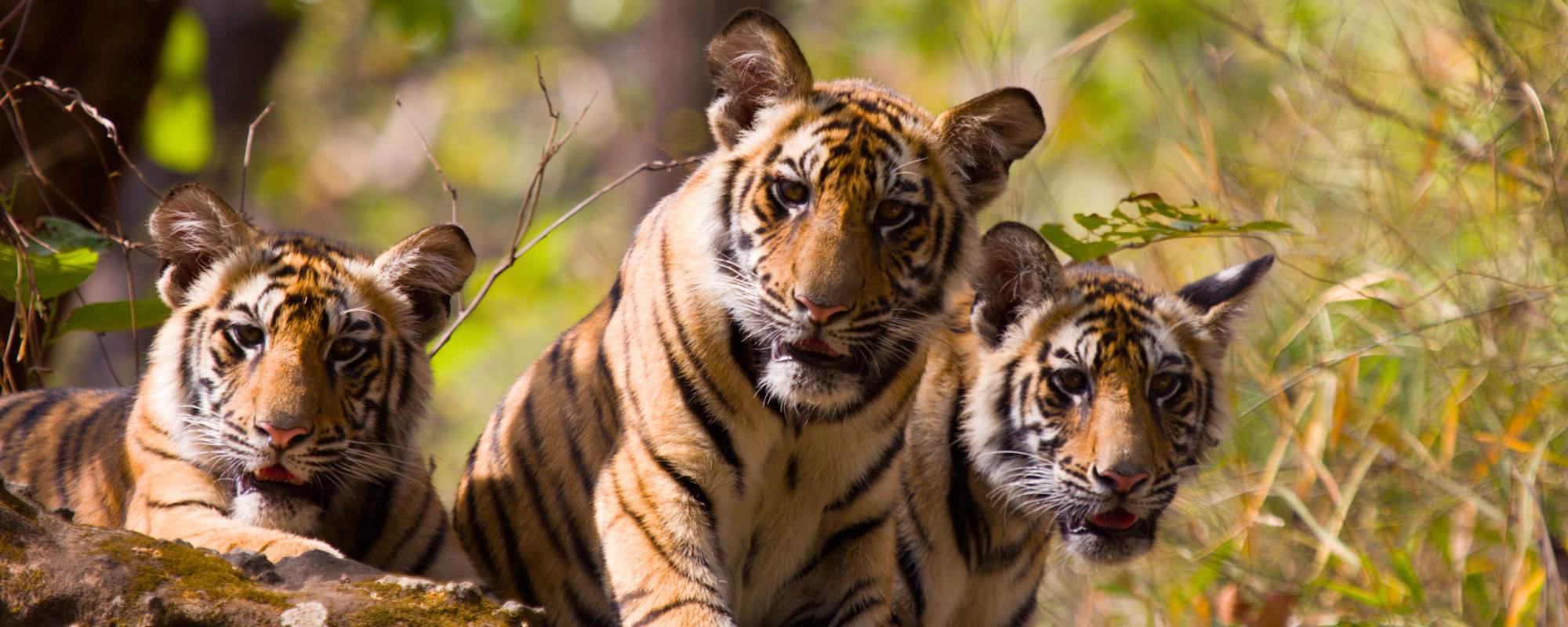
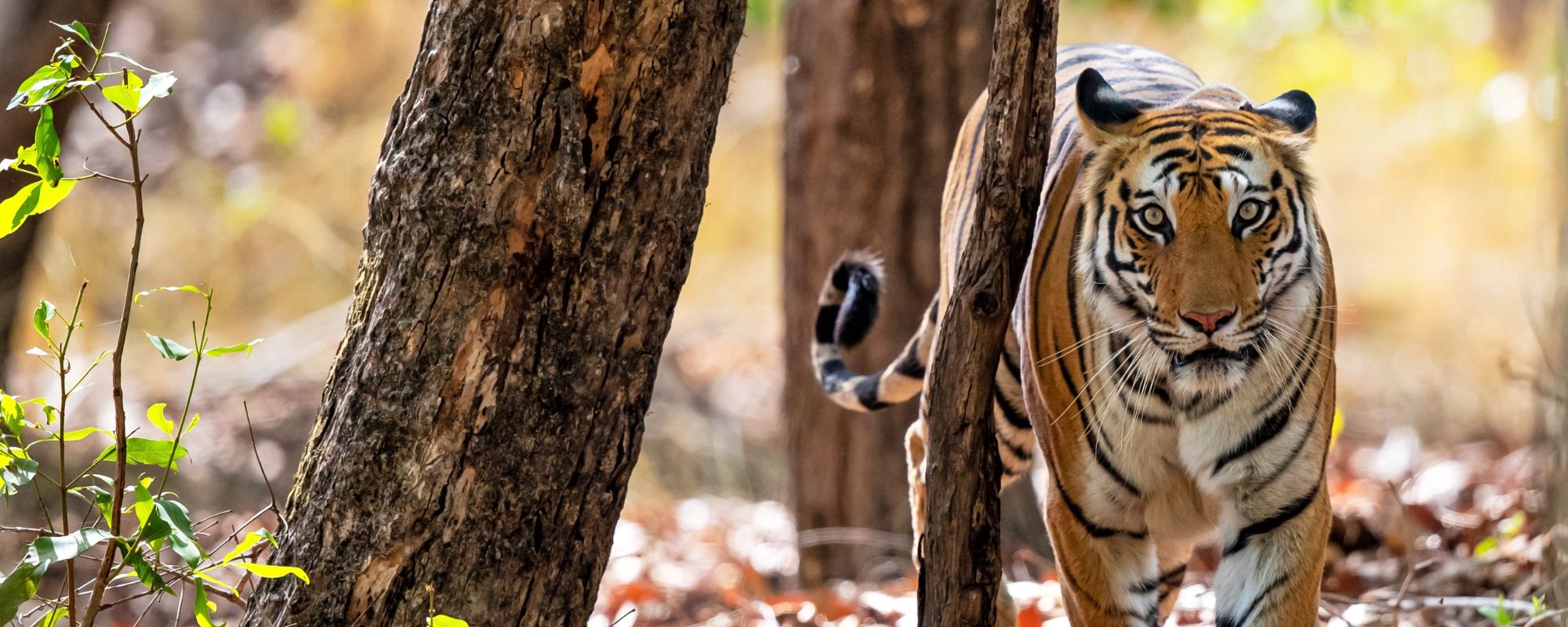

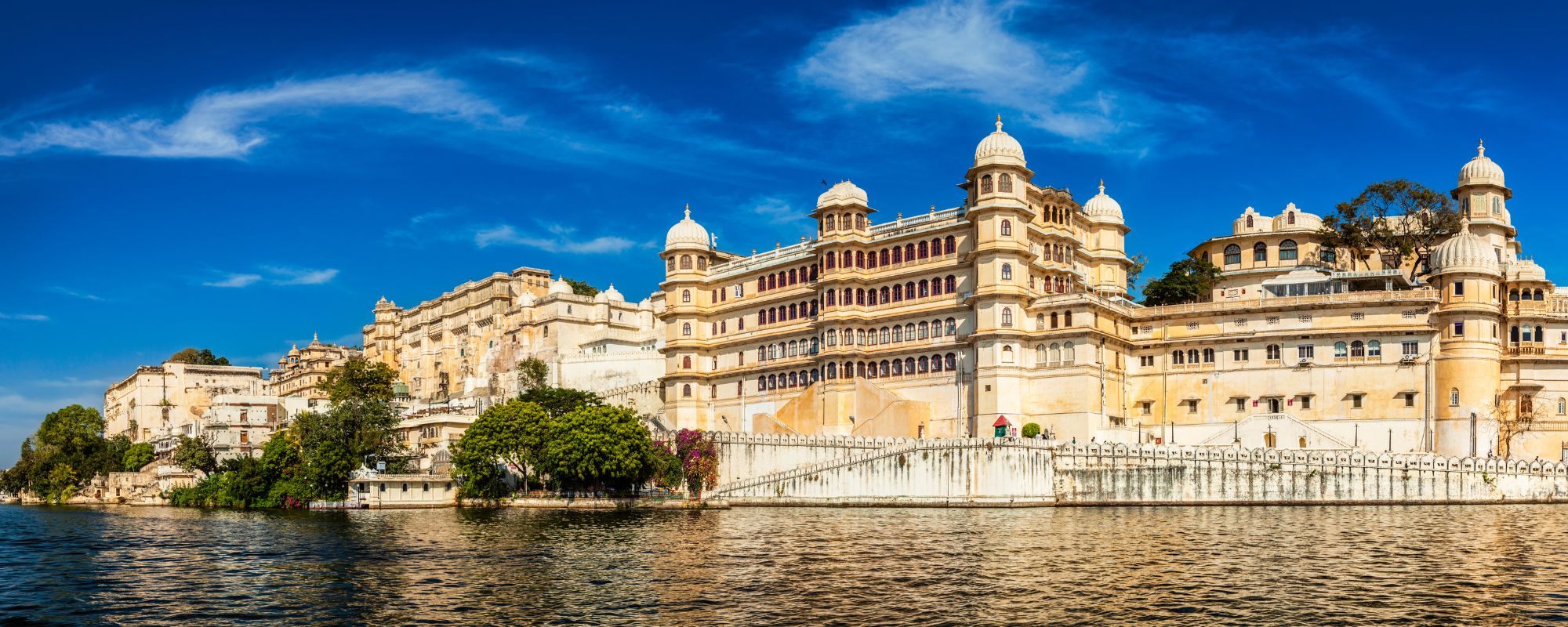
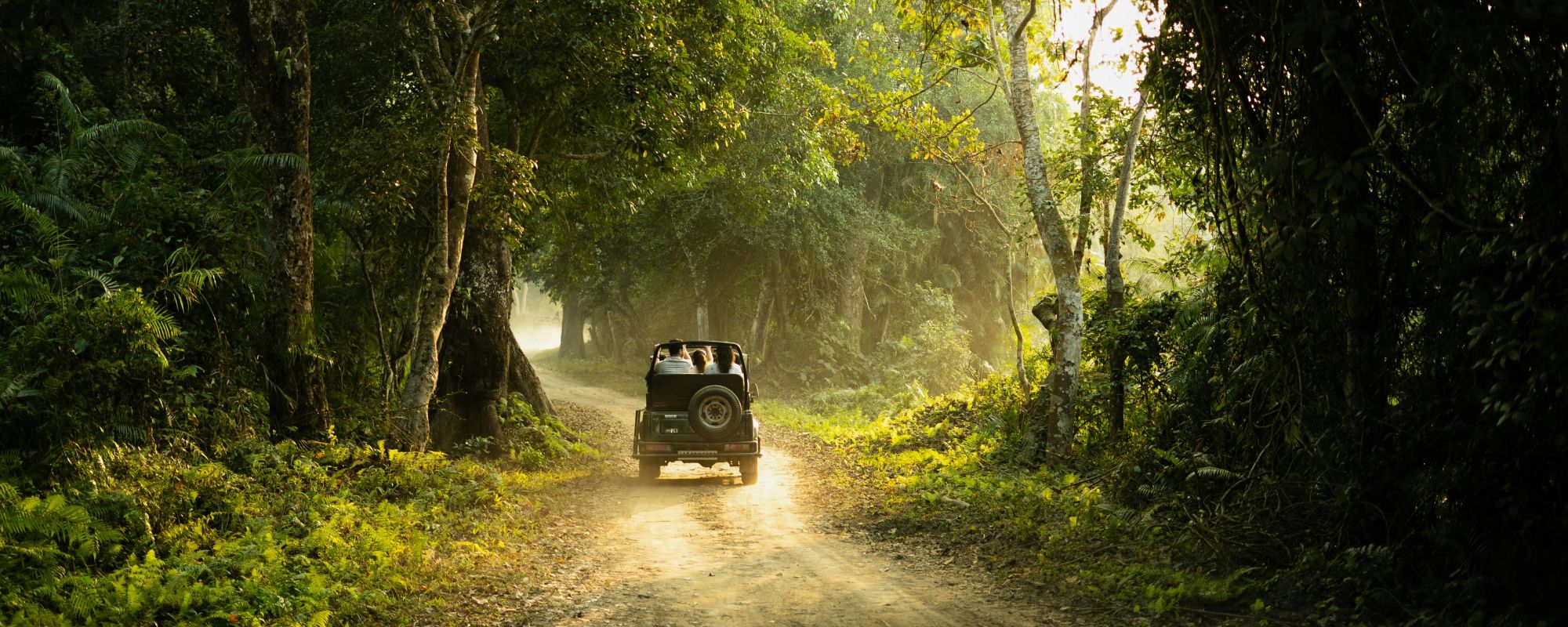



Ranthambore was the name derived from the name of two hills in the area "Ran" & "Thambore". Snuggled in the foothills of Vindhya and Aravali Hills, Ranthambore is famous for its tiger reserves and the variety of flora and fauna found here. This is one of the finest tiger reserves of India, known to have "friendly" Bengal Tigers, and chances of sighting one here are reasonably better than many other tiger reserves of India. The Ranthambore National Park, along with the Ranthambore Fort and the surrounding hills and valleys, altogether make Ranthambore a traveler's delight. The place is a boon for wildlife photographers and is perfect for excursions and sightseeing. Safari rides add to the adventure. With an area of 392 kilometers square, Ranthambore National Park is a natural habitat for a variety of exotic species. It is an absolute delight for birdwatchers and an ideal place to watch animals in their natural habitat.

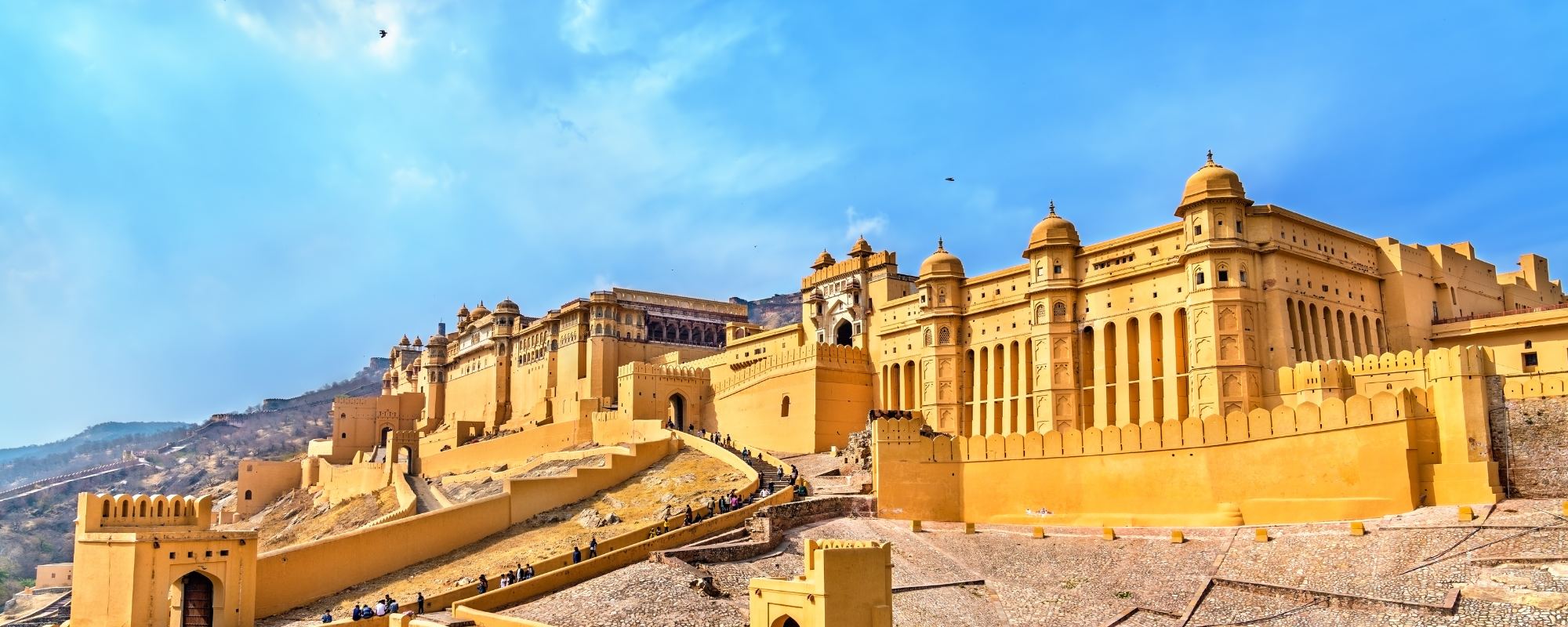
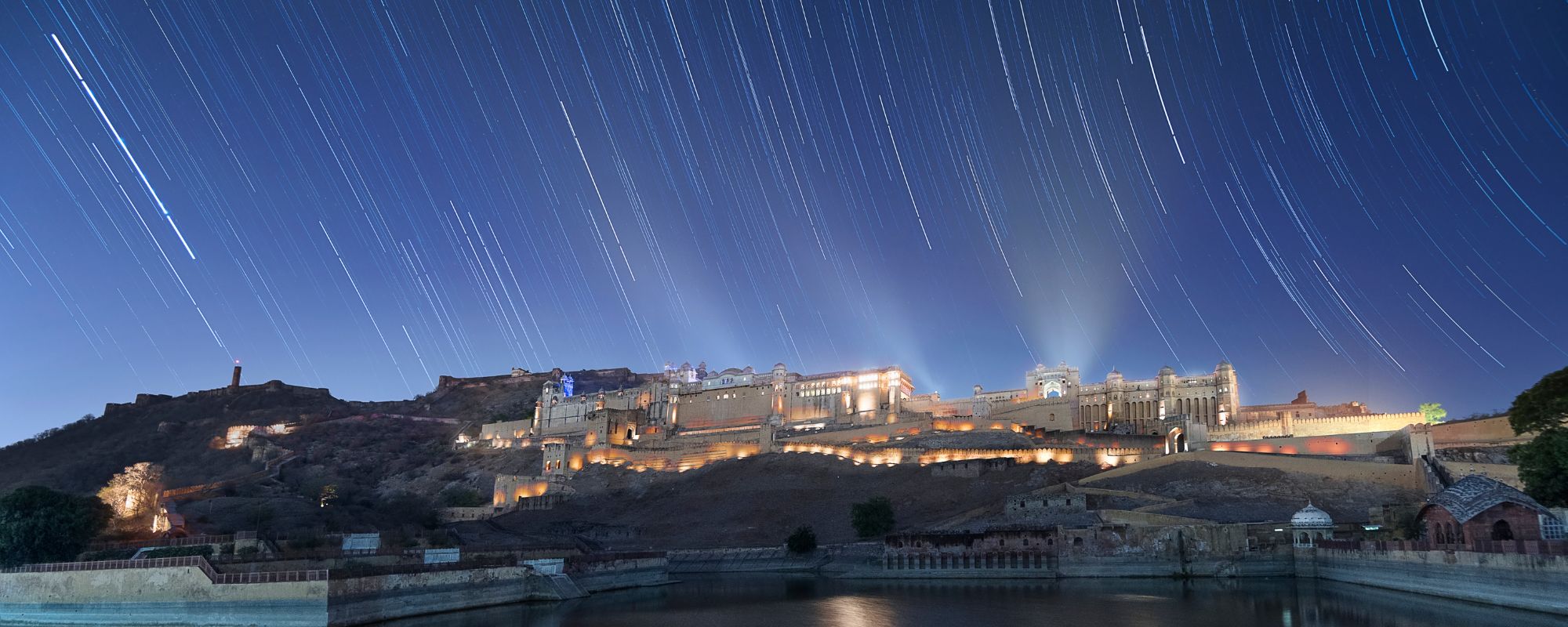
The Ranthambore Fort, built in the 10th century CE, stands tall over the entire National Park. Built by the Chauhan Dynasty, the Fort has been declared a UNESCO World Heritage Site. Located inside the fort is the majestic temple of Lord Ganesha, the Trinetra Ganesh Temple. Ganesha devotees visit the temple throughout the year. Two Jain temples, devoted to Lord Sumatinath and Lord Sambhavnath are other attractions of the Fort. Padam Lake and Surwal Lake are two among many that are a haven for bird watching.


Explorations & Experiences in Ranthambore -


EXPLORE (Places to visit in Ranthambore):

  • Ranthambore National Park & Tiger Reserve
  • Ranthambhore Fort
  • Trinetra Ganesh Temple
  • Padam Lake
  • Surwal Lake
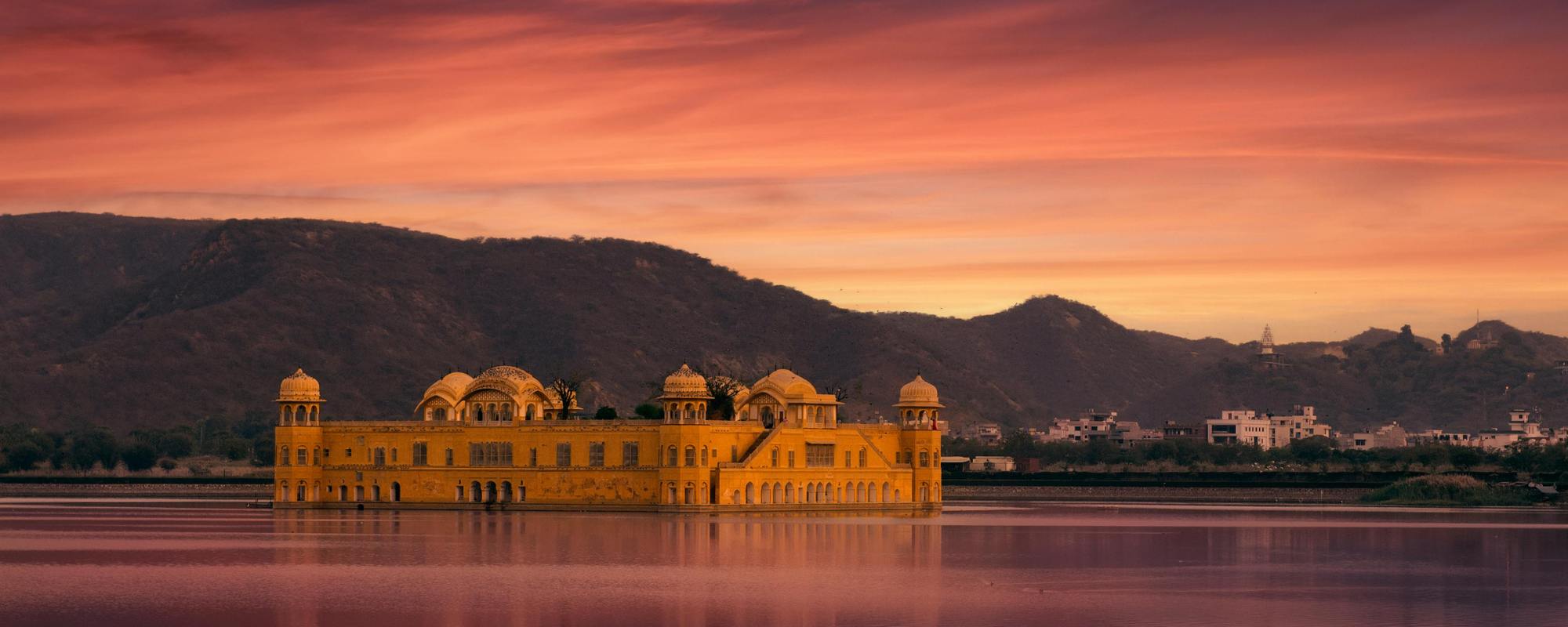
  • Jogi Mahal


EXPERIENCE (Things to do in Ranthambore ):

  • Jungle safaris at Ranthambore National Park
  • Wildlife photography
  • Local craft shopping (tie-dye, block-printing, patchwork, etc.) at Dastkar Ranthambore


Reach out to our Local Experts
Plan Your Bespoke Journey with Us

Fill in your details and one of our destination experts will get in touch with you. Our experts are dedicated to providing personalized assistance and insights, ensuring that all your queries are addressed and you receive the best possible guidance for your travel plans.


Checkout our
Latest Blogs
Choose from the best
Hotel Partners
Get our latest updates
Subscribe Our Newsletter

Stay Connected
FAQs
  • What makes Ranthambore India's best-known tiger reserve?

    Ranthambore National Park, in the Sawai Madhopur district roughly 180 km from Jaipur, covers 1,334 square kilometres of dry deciduous forest, open grassland, rocky terrain, and lakes. Established as a game sanctuary in 1955, brought into Project Tiger in 1973, and declared a national park in 1980, it is considered India's premier tiger destination because its tigers are notably unbothered by safari vehicles, producing unusually close and extended sightings, and because the open terrain makes the cats far more visible than in denser forest. The combination of tigers, a medieval UNESCO-listed fort, and dramatic lake scenery makes it one of Asia's most rewarding wildlife destinations for photographers.

  • How likely am I to actually see a tiger?

    Very likely, by Indian tiger-reserve standards. Ranthambore National Park supports over 70 tigers across its safari zones, and the relatively open terrain makes sightings far more visible than in denser forests elsewhere in India. Guests who complete four or more safari sessions across two days have a high probability of at least one encounter, and sighting rates are strongest from March to June, when shrinking water sources concentrate tigers around the lakes. Morning safaris consistently outperform afternoons for first encounters, and the naturalists at the luxury properties track which individual tigers are active in which zones.

  • When should I plan a Ranthambore safari?

    The park is open from October to June and closed for the monsoon from July to September. October and November are lush and beautiful, though sightings can be slightly lower as prey is more dispersed. November to February is peak season with comfortable temperatures. March to June is considered the best window for tiger sightings, as rising heat drives animals to the lakes, though May and June reach 42 to 45 degrees Celsius. Book safaris from October through February well ahead, as demand exceeds supply.

  • How many nights make sense for a Ranthambore visit?

    Two nights and four safari sessions are the sensible minimum, covering two mornings and two afternoons and giving proper exposure to the reserve's variation. A single night with two sessions is workable but leaves little room for wildlife's unpredictability. Serious photographers often stay three to four nights for multiple zone combinations and the best light. The UNESCO-listed Ranthambore Fort, accessible during some safari routes, and the Jogi Mahal rest house on the lake edge add historical depth to a stay built primarily around wildlife.

  • Does the safari zone I am assigned actually matter?

    Yes. Ranthambore is divided into ten zones. Zones 1 to 5 form the core area around the three lakes of Padam Talao, Malik Talao, and Rajbagh Talao, historically the most productive for sightings and home to the largest number of resident tigers. Zones 6 to 10 cover the buffer forest, where sightings are possible but less frequent. Allocation is controlled by the Forest Department booking system rather than chosen freely, but the established luxury properties have working relationships with that system and can often secure better zones for their guests, which is a real advantage of booking through a reputable operator rather than independently.

  • Gypsy or Canter: which safari vehicle should I choose?

    The Gypsy, an open-top six-passenger 4x4, is strongly preferred by serious wildlife enthusiasts and photographers for its manoeuvrability and the intimacy of a smaller, quieter group. The Canter, a twenty-passenger open-sided vehicle, suits larger groups or a lower budget but is far less nimble. All the luxury lodges provide dedicated naturalists who accompany guests and add considerable depth to the experience regardless of vehicle type. Booking through your hotel rather than independently is the surest way to get the better vehicle and guide combination.

  • Is the fort inside Ranthambore worth visiting on safari?

    Very much so. The 10th-century Ranthambore Fort, built by the Chahamana dynasty atop a hill 210 metres above the surrounding forest, is a UNESCO World Heritage Site and part of the Hill Forts of Rajasthan group, inscribed in 2013 alongside Amber, Chittorgarh, Kumbhalgarh, Gagron, and Jaisalmer. It contains temples dedicated to Ganesh, Shiva, and Ramlalaji, as well as Jain temples, all dating from the 12th and 13th centuries, and the Ganesh temple remains an active pilgrimage site. Safari vehicles pass its base on certain routes, and the views from the ramparts over the forest and lakes are extraordinary.

  • Is there wildlife here beyond the tigers?

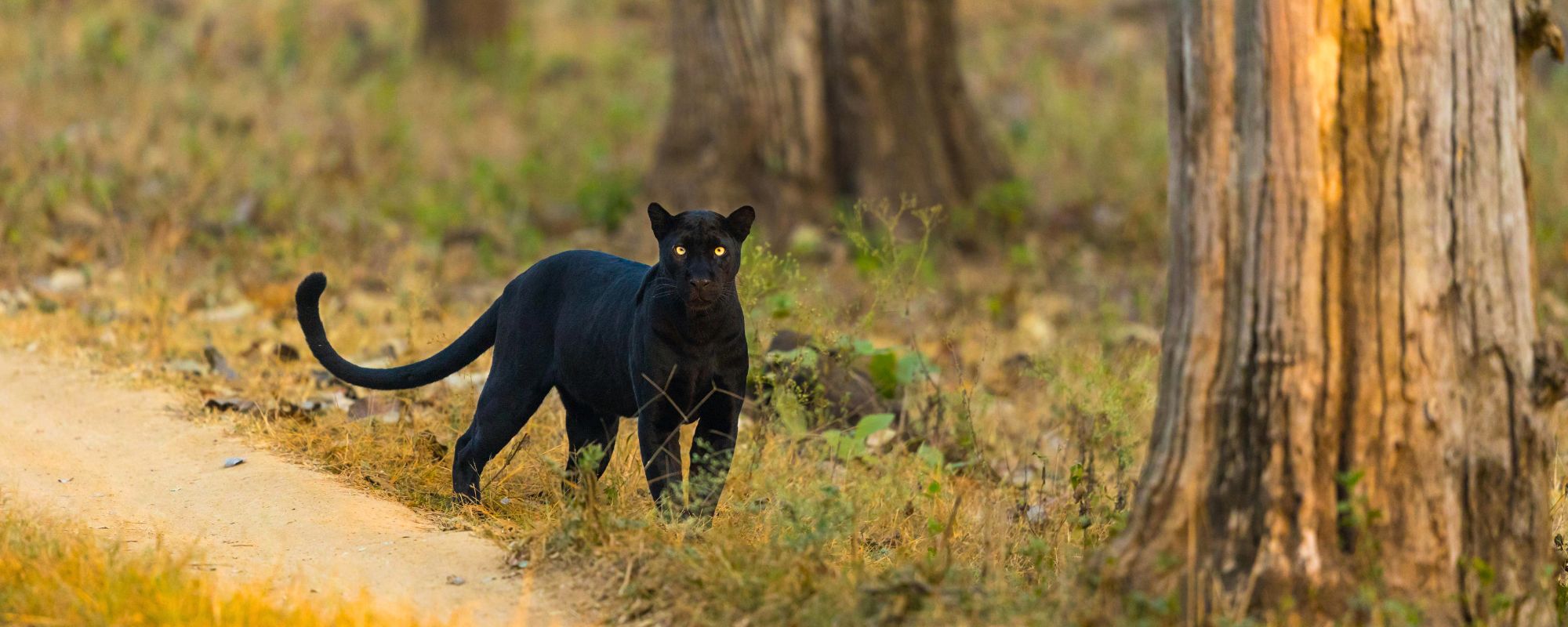
    A great deal. Leopards are present though rarely seen; sloth bears turn up regularly near rocky outcrops, and striped hyenas, Indian foxes, jungle cats, sambar, chital, chinkara, and nilgai are all common. The three lakes are excellent for marsh mugger crocodiles basking in the morning sun. Birdlife is exceptional, with over 300 species recorded, including the crested serpent eagle, painted stork, and Indian skimmer along the rivers. Winter also brings migratory birds in significant numbers to the water bodies.

  • Which are the best places to stay near Ranthambore?

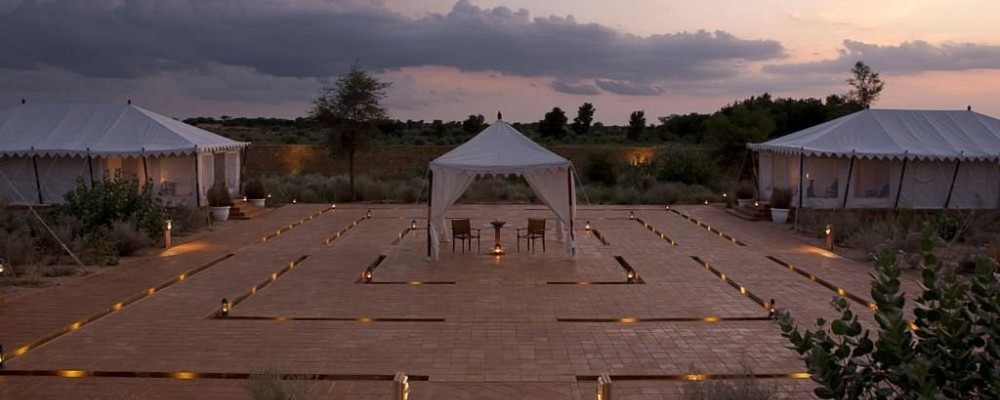
    The Oberoi Vanyavilas, India's first luxury jungle resort, sits adjacent to the park entrance on 20 acres and is the benchmark property, with elegant air-conditioned tents and the best access to preferred safari zones. Aman-i-Khas, with 11 luxury tents inspired by Mughal aesthetics, offers the most exclusive and private stay near the reserve. SUJÁN Sher Bagh, a classic tented camp with a colonial atmosphere, has a devoted following among experienced wildlife travellers. Six Senses Fort Barwara, a meticulously restored 700-year-old fort, combines Ayurvedic wellness and heritage architecture with access to tiger country.

  • What is the journey like from Jaipur or Delhi to Ranthambore?

    From Jaipur, it is about 180 km and takes three to three and a half hours by road or train; Sawai Madhopur railway station is 11 km from the park, connected to Jaipur by several daily services and to Delhi by direct overnight trains, arriving early enough for a first safari. By road from Delhi, the distance is roughly 380 km, five to six hours. Flying into Jaipur and continuing by car or train is the most common route for international visitors, and every luxury property arranges seamless transfers on request.


Plan Your Trip