Panna National Park sits at the heart of the Vindhya mountain range in northern Madhya Pradesh, spread across the Panna and Chhatarpur districts. Unlike the flat sal forests of Kanha or the dense jungles of Bandhavgarh, Panna's terrain is defined by dramatic plateaus, deep gorges, cascading waterfalls, and the Ken River, one of the least polluted tributaries of the Yamuna, which flows northeast for roughly 72 kilometres through the park.
The national park was established in 1981, incorporating lands from the former Gangau Wildlife Sanctuary created in 1975. In 1994, it was designated India's 22nd Tiger Reserve under Project Tiger and the fifth in Madhya Pradesh. Then, in 2020, UNESCO recognised Panna as a Biosphere Reserve, acknowledging not just its biodiversity but also the broader ecological importance of the Ken River landscape.
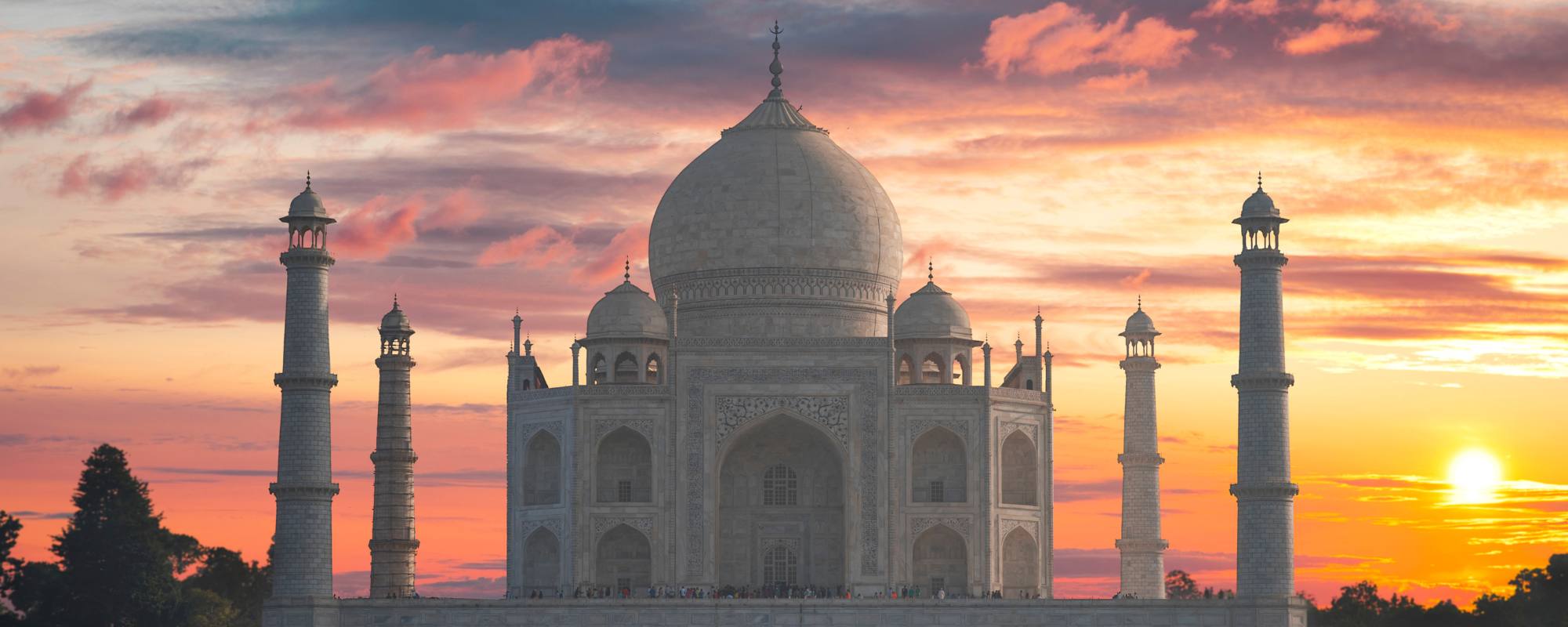
What truly sets Panna apart, however, is its conservation story. Just 25 kilometres from the UNESCO World Heritage temples of Khajuraho, this reserve offers a rare combination of cultural heritage and raw wilderness that few places in India can match.
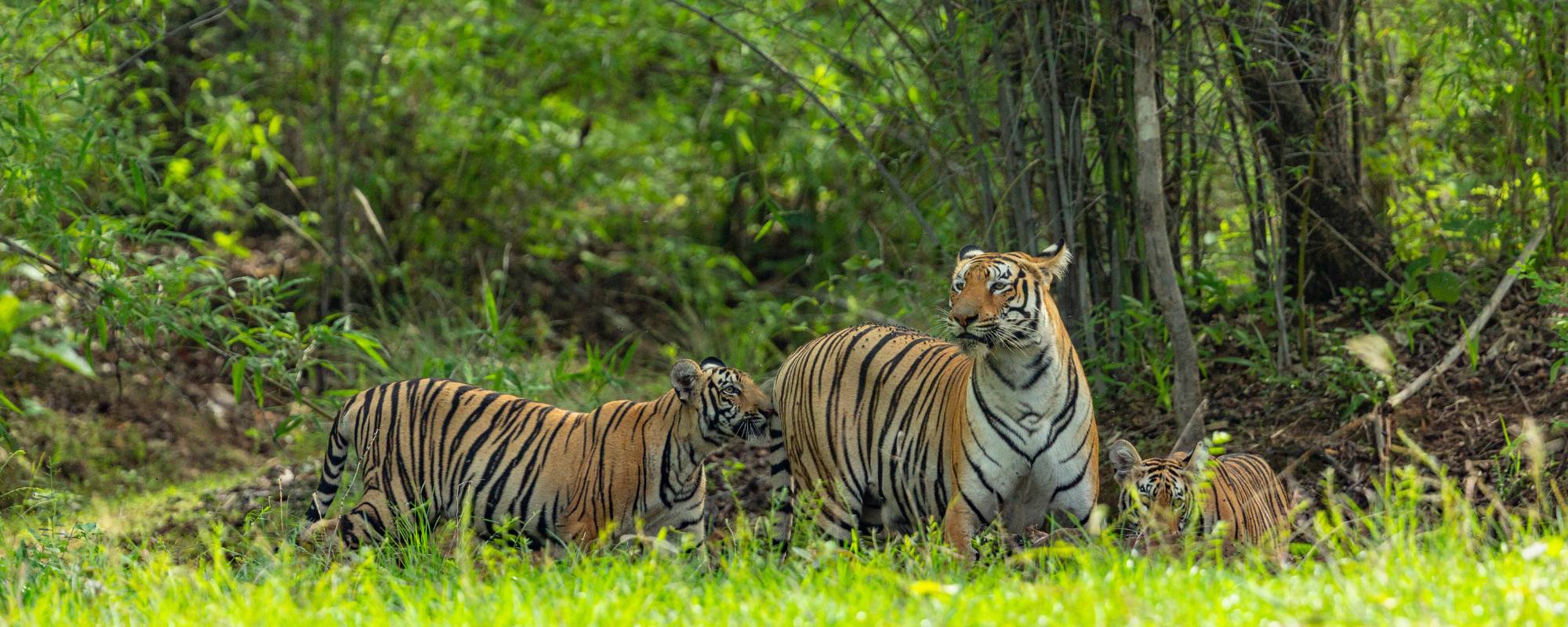
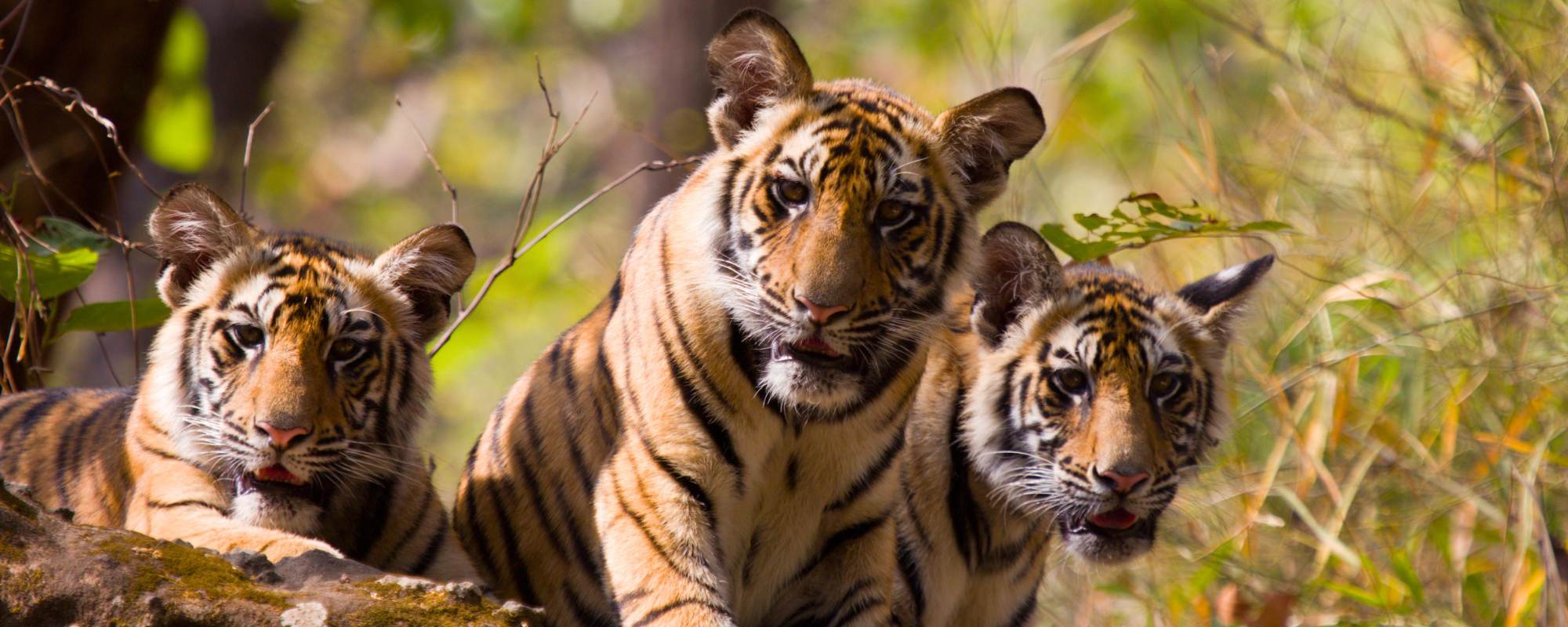
By 2009, relentless poaching had driven Panna to the edge; every single tiger in the reserve had been lost. It was a devastating blow to Indian conservation, and for a time, it seemed like Panna's story was over. But it wasn't. In what has become one of the most studied and celebrated wildlife recovery programmes in the world, a carefully managed tiger reintroduction effort began that same year. Female and male tigers were translocated from neighbouring reserves, and with meticulous monitoring, anti-poaching reinforcement, and habitat management, the population steadily rebounded.
As of 2026, Panna and its surrounding landscape shelter over 82 tigers, including breeding females and several active litters of cubs. The reserve has been recognised with the Ministry of Tourism's Award of Excellence for being India's best-maintained national park, and its recovery model is now studied by conservation programmes around the globe.
The Ken River is the defining geographic feature of Panna. Flowing south to north through deep gorges cut into the Lower Vindhyan formations, it creates a ribbon of lush riverine habitat that draws wildlife from the surrounding dry forests, especially during the scorching summer months when other water sources disappear.
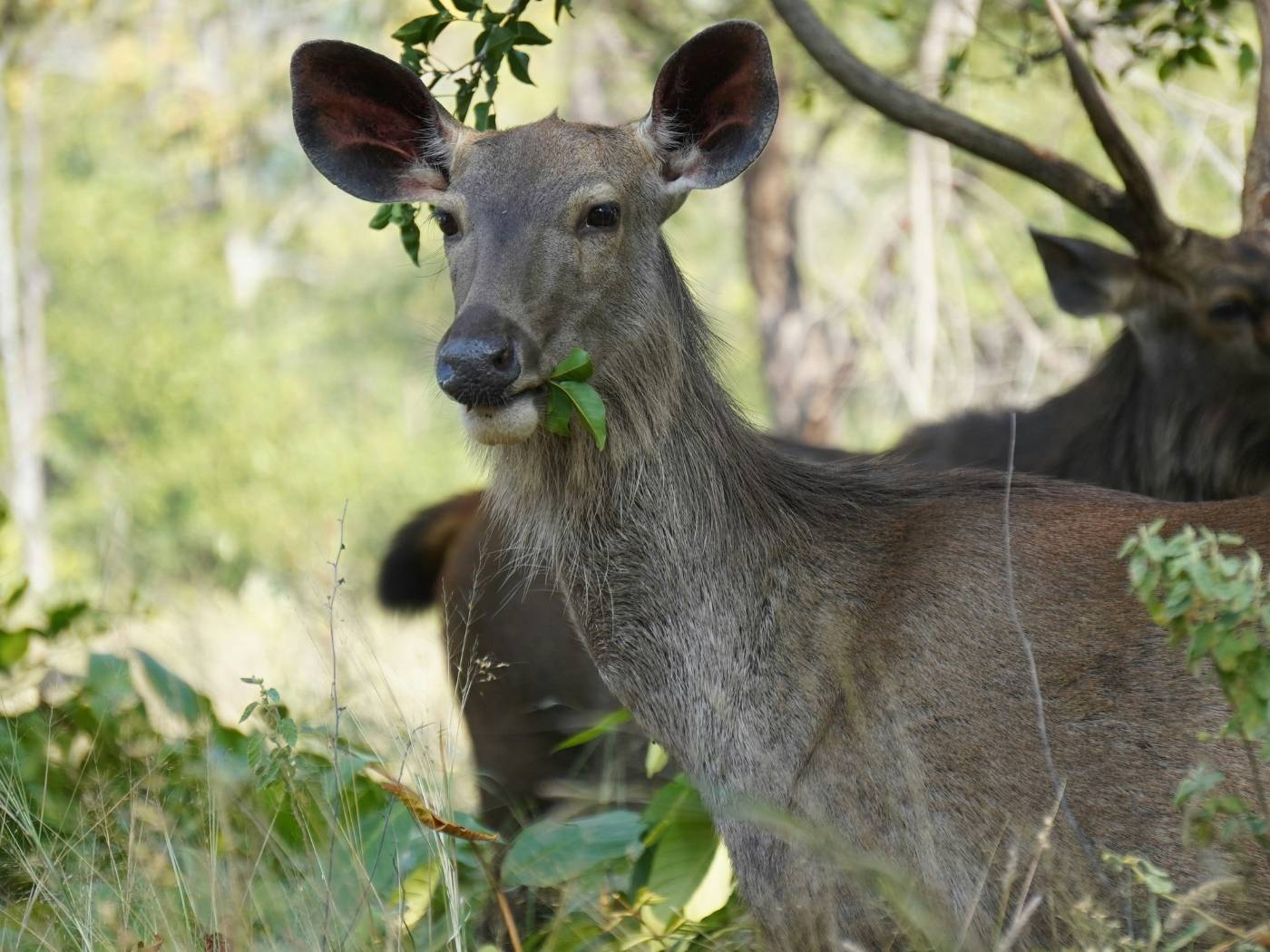
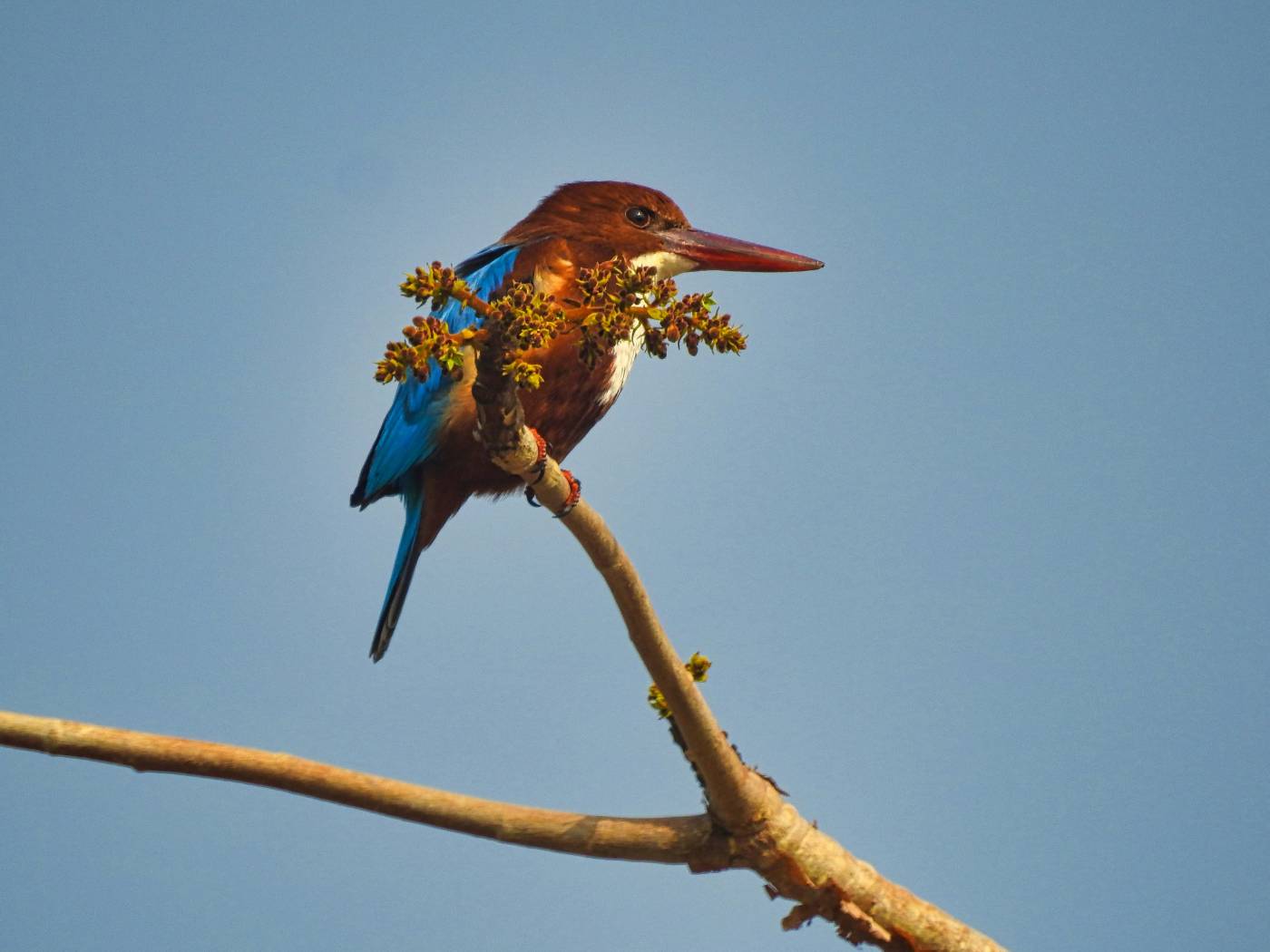
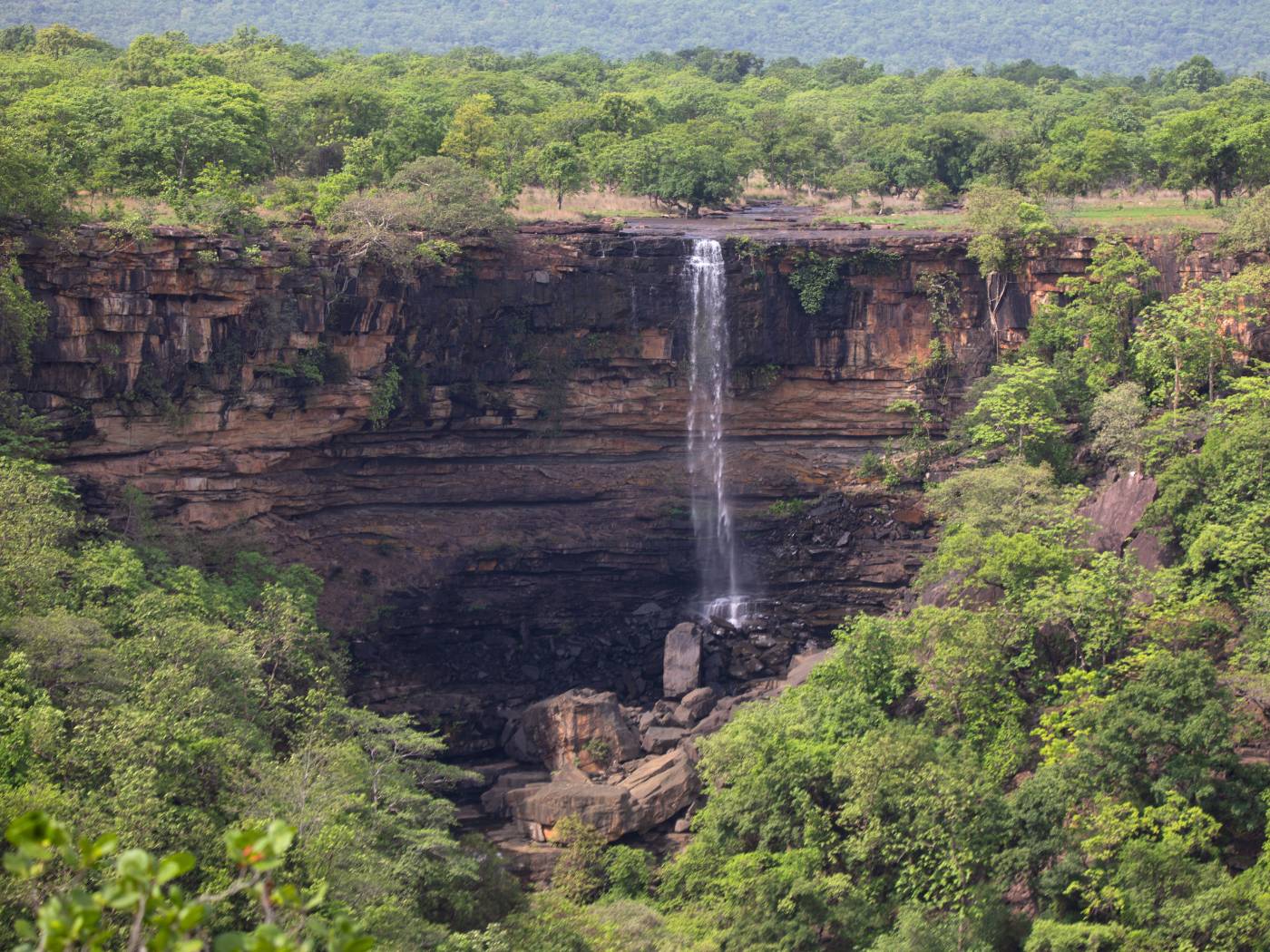
The river also makes Panna one of the few tiger reserves in India that offers boat safaris. Gliding along the Ken in the early morning or late afternoon, visitors can spot gharials and mugger crocodiles sunning on rocky banks, herds of sambar and chital descending to drink, and an extraordinary variety of waterbirds. The Raneh Falls, where the Ken cascades through a canyon of crystalline granite in vivid pinks, reds, and greys, and the legendary Pandav Falls, said to have been a stopover of the Pandavas from the Mahabharata, are among the most striking natural landmarks in central India.
Madla, Hinouta and Akola are core zones of Panna National Park while Jhinna and Kishangarh are the buffer zones. The park is open from October through June, with core zones closing during the monsoon (July to September). Safaris operate twice daily, morning and afternoon, with timings adjusting seasonally. Evening safaris are unavailable on Wednesdays.
Embark on this journey through some of the best national parks of Indi...
Fill in your details and one of our destination experts will get in touch with you. Our experts are dedicated to providing personalized assistance and insights, ensuring that all your queries are addressed and you receive the best possible guidance for your travel plans.

A work-centric leader who inspires and drives the team with his dedication and passion.

Highly skilled in interpersonal relations and mindfulness, Sonal excels at fostering a positive and considerate team environment.
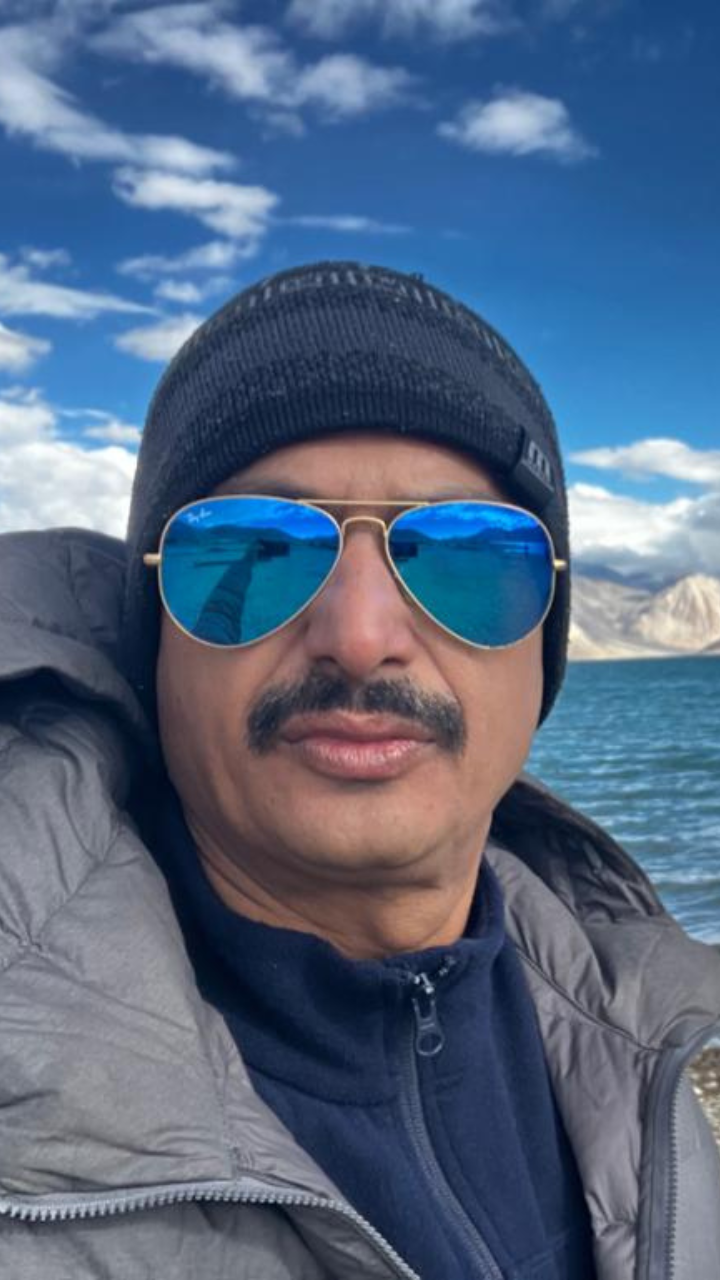
Rajeev ji brings decades of experience, deep destination knowledge, and invaluable wisdom that consistently elevates every itinerary.
Guided by a deep belief in the transformative power of travel, Himanshu specializes in crafting meaningful journeys that blend cultural immersion, thoughtful experiences, and lasting memories.
Known for her attentive listening, Kshiti excels at understanding client needs and translating them into meaningful travel experiences.
With a steady presence and strong decision-making skills, Sudhir brings clarity, structure, and reliability to the team’s travel planning process.
Chahat combines patience and professionalism to ensure smooth coordination and thoughtfully executed travel experiences.

A passionate travel enthusiast with deep knowledge of local cultures and hidden gems, Sheema excels at crafting personalized experiences that become unforgettable adventures