When most travellers picture the ideal time to visit India, they imagine the cool, misty mornings of winter. But for the discerning wildlife enthusiast, there is a well-kept secret: if you want the ultimate, unfiltered safari experience, you have to embrace the Indian summer.
From March to June, the Indian wilderness undergoes a dramatic transformation. Yes, the temperatures rise, and the landscape turns golden and dry. But braving this season offers a spectacular reward: unparalleled, unobstructed wildlife visibility that you simply cannot experience any other time of year.
An authentic jungle adventure doesn't mean you have to sacrifice comfort. Here is an expert's look at why summer is the absolute best time for a safari, the prime destinations to target, and how to pair these raw encounters with seamless, world-class luxury.
The Ecology of a Summer Sighting
Why do wildlife experts highly recommend the heat of the summer? It comes down to the fascinating biology of India's deciduous forests.
As the sun intensifies, towering trees like teak and sal drop their leaves to conserve moisture. This natural shedding instantly removes the dense visual barriers of the jungle, opening up massive lines of sight. More importantly, as the interior forest waterholes dry up, the wildlife has no choice but to move.
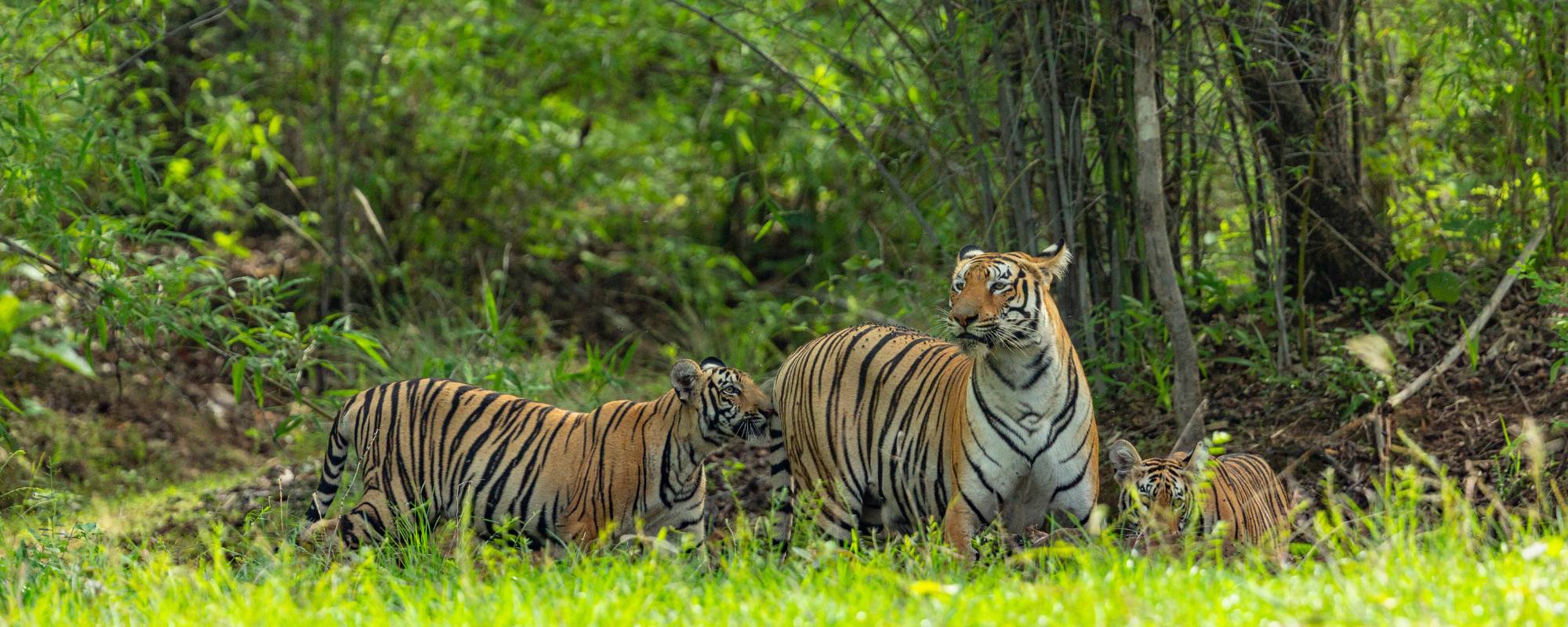
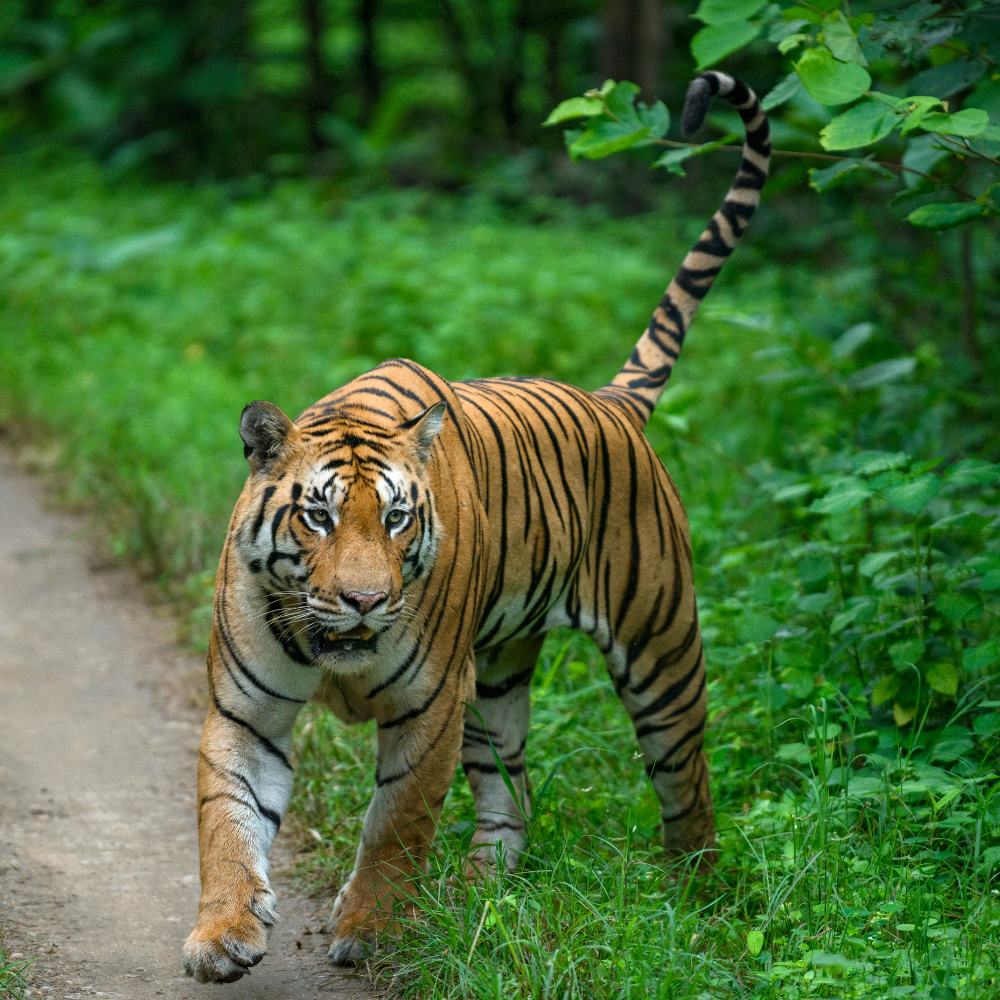
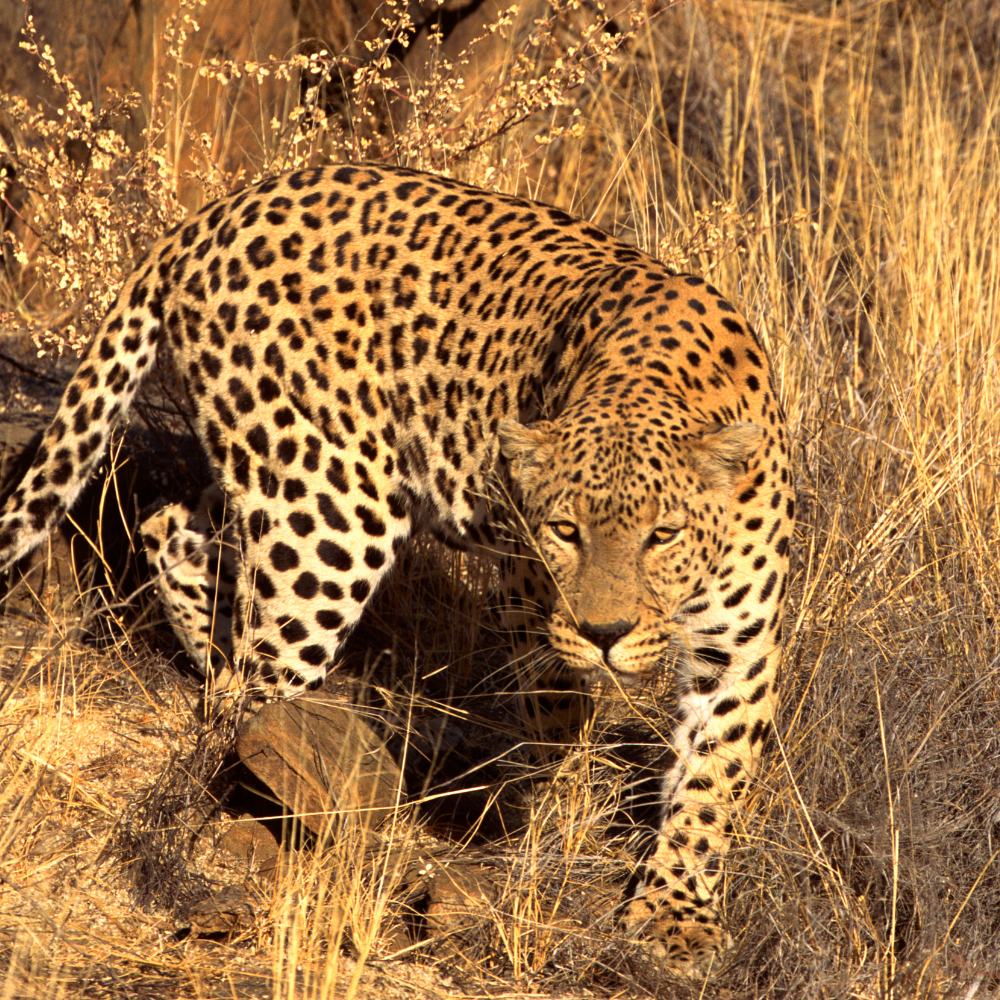
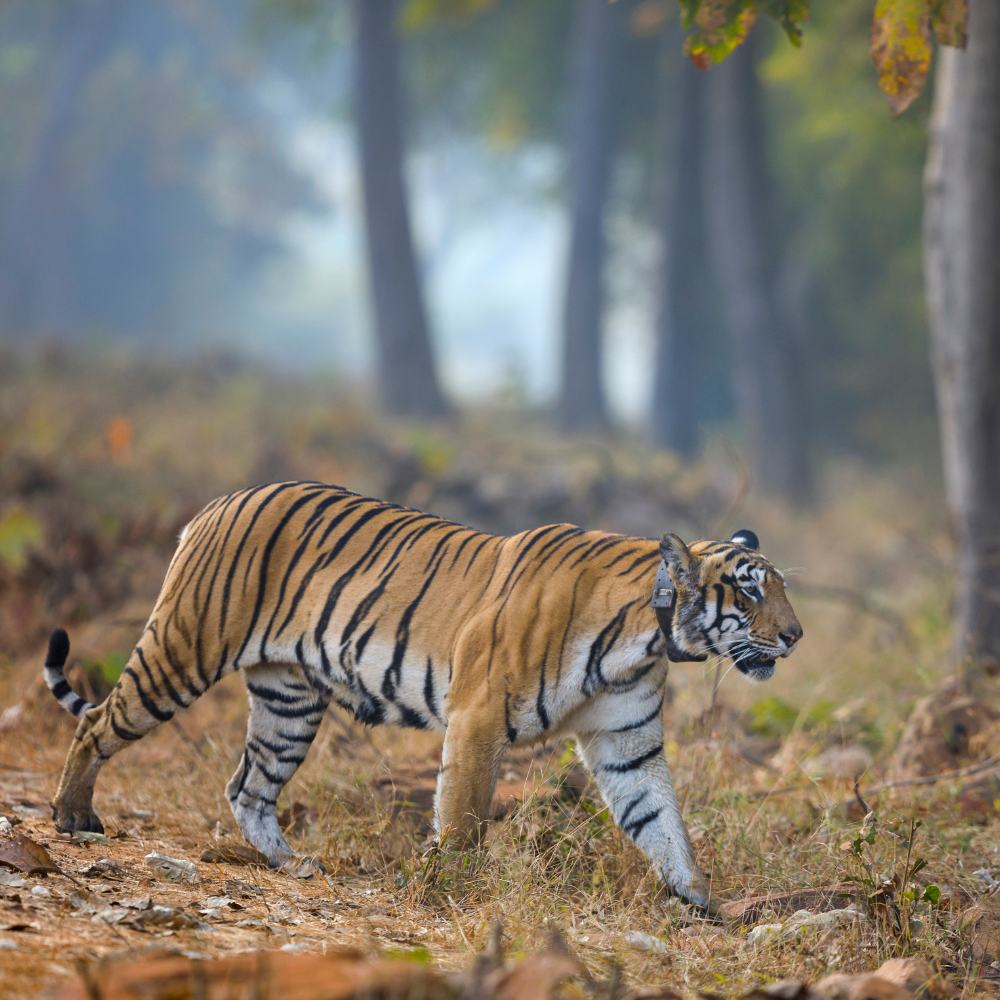
Apex predators like Bengal tigers and elusive leopards, alongside massive elephant herds, are forced out of the deep foliage to congregate around the few remaining permanent lakes and rivers. This turns a safari from a game of pure luck into a highly predictable, magnificent tracking experience.
The Top 10 Summer Safari Destinations
India boasts over 100 national parks, but when it comes to exclusive summer sightings, these 10 reserves are in a league of their own.
1. Ranthambore National Park, Rajasthan
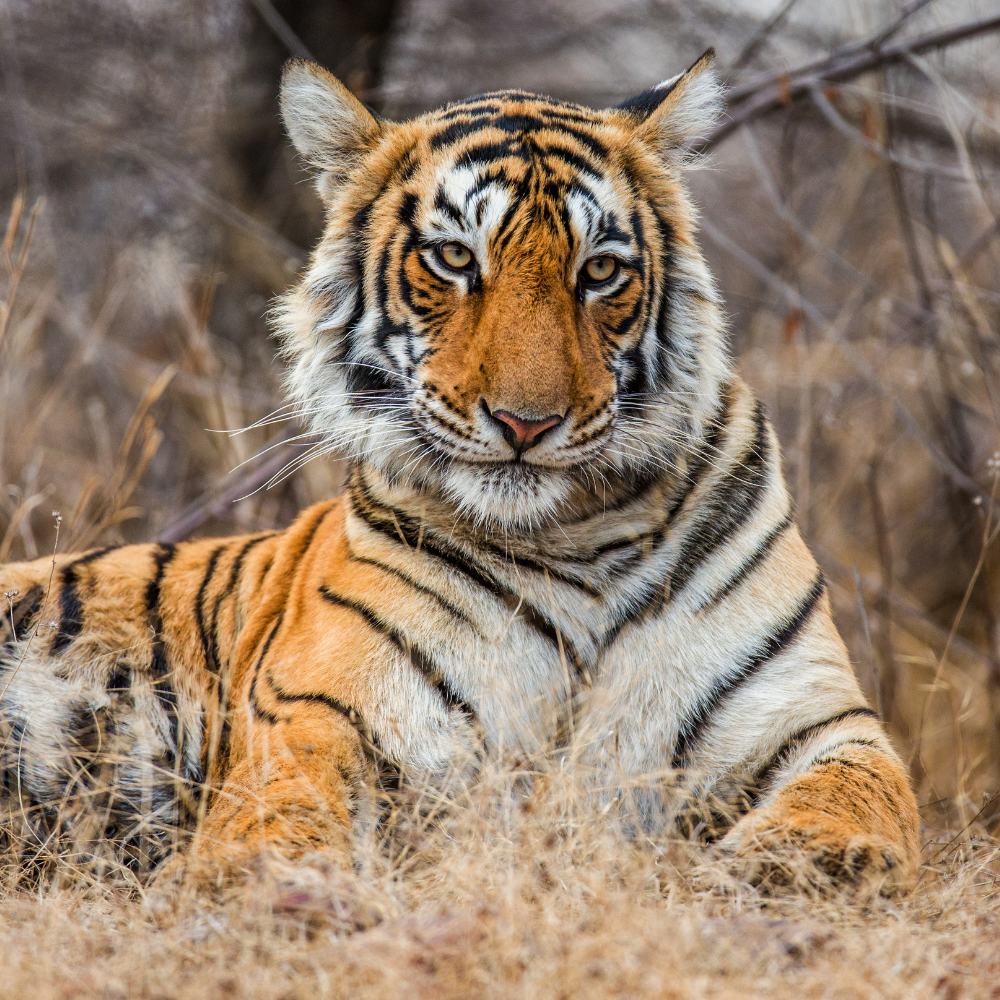
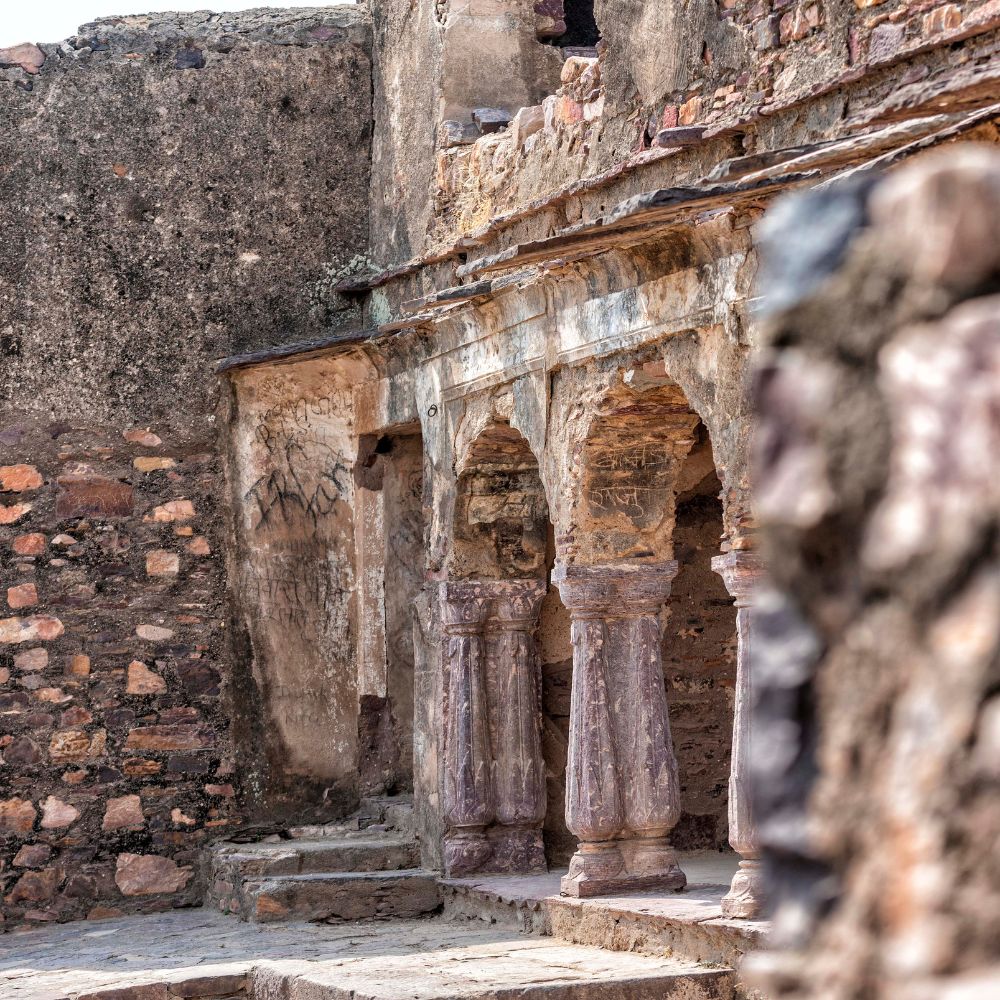
Once the private hunting grounds of the Maharajas of Jaipur, Ranthambore is perhaps India's most iconic and photogenic tiger reserve. It offers a spectacular juxtaposition of untamed nature and ancient history, where predators roam freely among crumbling fortresses and vine-covered pavilions that date back centuries. For the luxury traveller, it remains the crown jewel of the Rajasthan safari circuit.
- The Vibe: A stunning blend of history and wilderness. You will track predators past majestic 10th-century ruins, ancient forts, and dry deciduous forests dominated by Dhok trees.
- Summer Advantage: Ranthambore is world-renowned for its diurnal (daytime-active) tigers. By May, the foliage is almost entirely gone. Tigers and leopards are reliably found seeking refuge from the heat near the park's three main lakes, Padam Talao, Rajbagh Talao, and Malik Talao.
- Key Species: Bengal tigers (the apex predator here), leopards (agile and elusive predators), striped hyenas (mainly nocturnal scavengers), and marsh crocodiles (usually seen basking in water bodies).
Ranthambore Travel Guide: Ranthambore National Park - A Wildlife Enthusiast’s Paradise in Rajasthan
2. Jim Corbett National Park, Uttarakhand
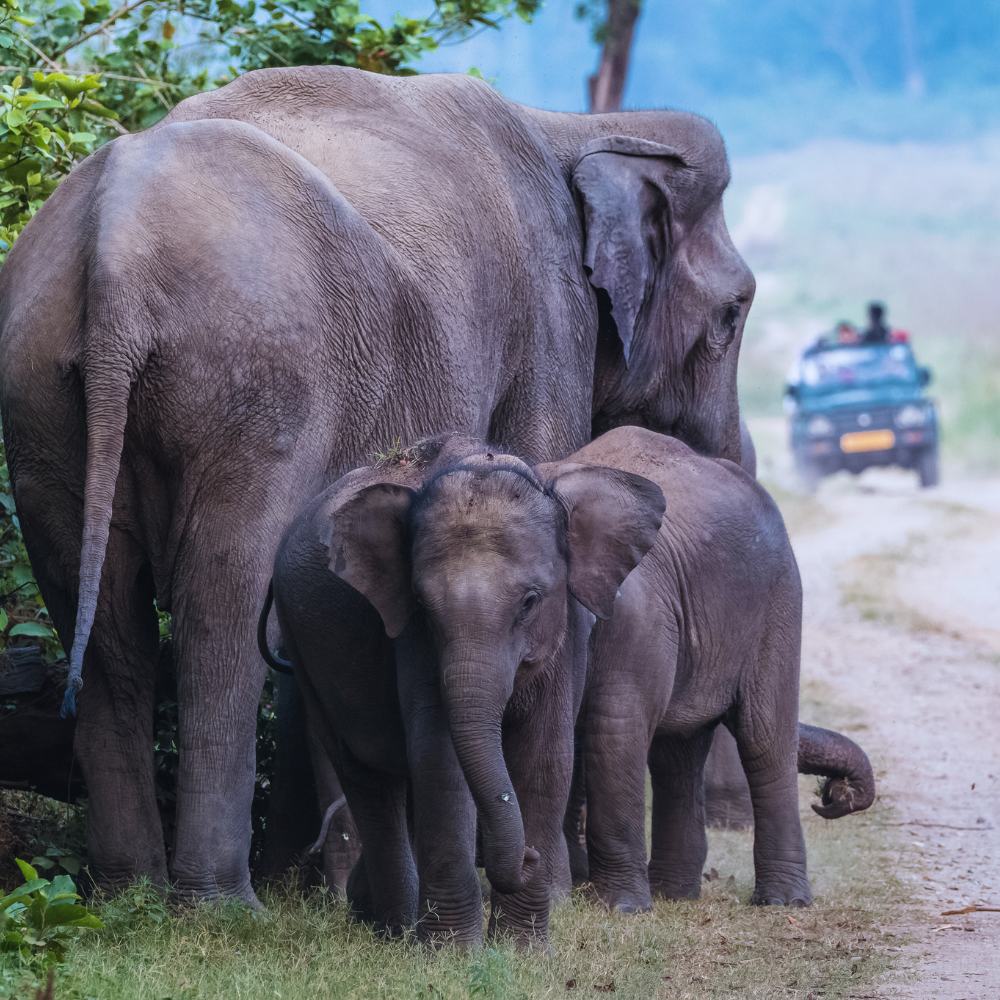
As India's oldest national park, Corbett holds a legendary status among wildlife aficionados. Nestled in the picturesque foothills of the Himalayas, it features a breathtaking mosaic of riverine belts, sheer ridges, and vast grasslands. A summer expedition here is a step back in time, offering exclusive access to deep-forest tracking experiences that feel entirely removed from the modern world.
- The Vibe: India’s oldest national park, nestled beautifully in the foothills of the Himalayas, featuring riverine belts, sheer ridges, and vast grasslands (Chaur).
- Summer Advantage: Summer is the only time you can confidently navigate the deeper sections of the park. Securing a stay deep inside the forest at the Dhikala Forest Lodge gives you exclusive early morning access to the Ramganga River, where wildlife congregates en masse.
- Key Species: Tigers, massive Asiatic elephant herds, and over 550 bird species.
3. Kanha National Park, Madhya Pradesh
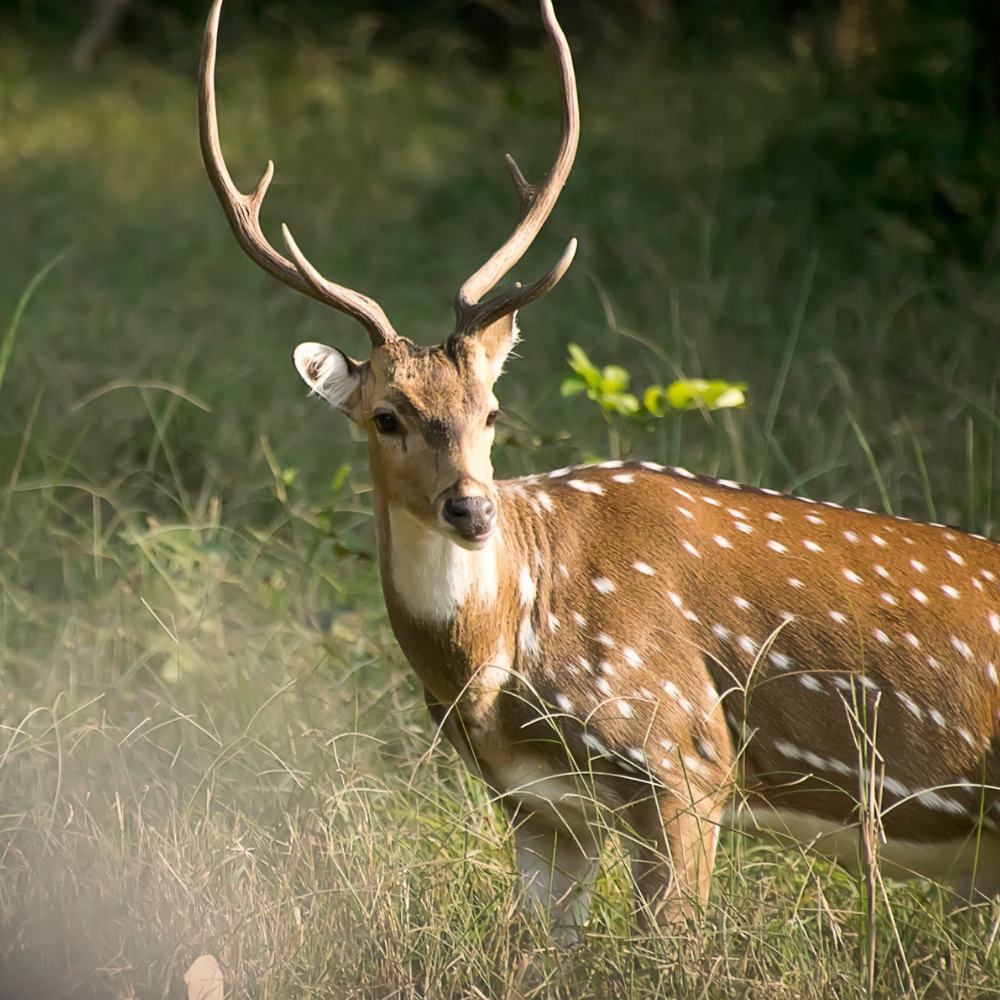
Kanha's sprawling expanse of golden meadows and towering Sal forests is so visually arresting that it directly inspired Rudyard Kipling's The Jungle Book. This is central India at its most pristine and well-managed. The sheer scale of the park provides a deeply immersive luxury safari experience, where the wild beauty of the landscape is just as captivating as the predators that stalk through its tall grasses.
- The Vibe: Towering Sal forests and vast open meadows. This lush, expansive ecosystem is the exact landscape that inspired The Jungle Book.
- Summer Advantage: The drying of the expansive Kanha and Mukki meadows makes it incredibly easy to spot predators on the prowl. The heat also drives animals toward the remaining watering holes in the early morning and late evening, creating highly predictable game drives.
- Key Species: Bengal tigers (often seen in meadows), the endangered hard-ground Barasingha or swamp deer (unique to Kanha), and dholes or wild dogs (social pack hunters).
Read Also: Top 10 Most Visited Tourist Places in India
4. Bandhavgarh National Park, Madhya Pradesh
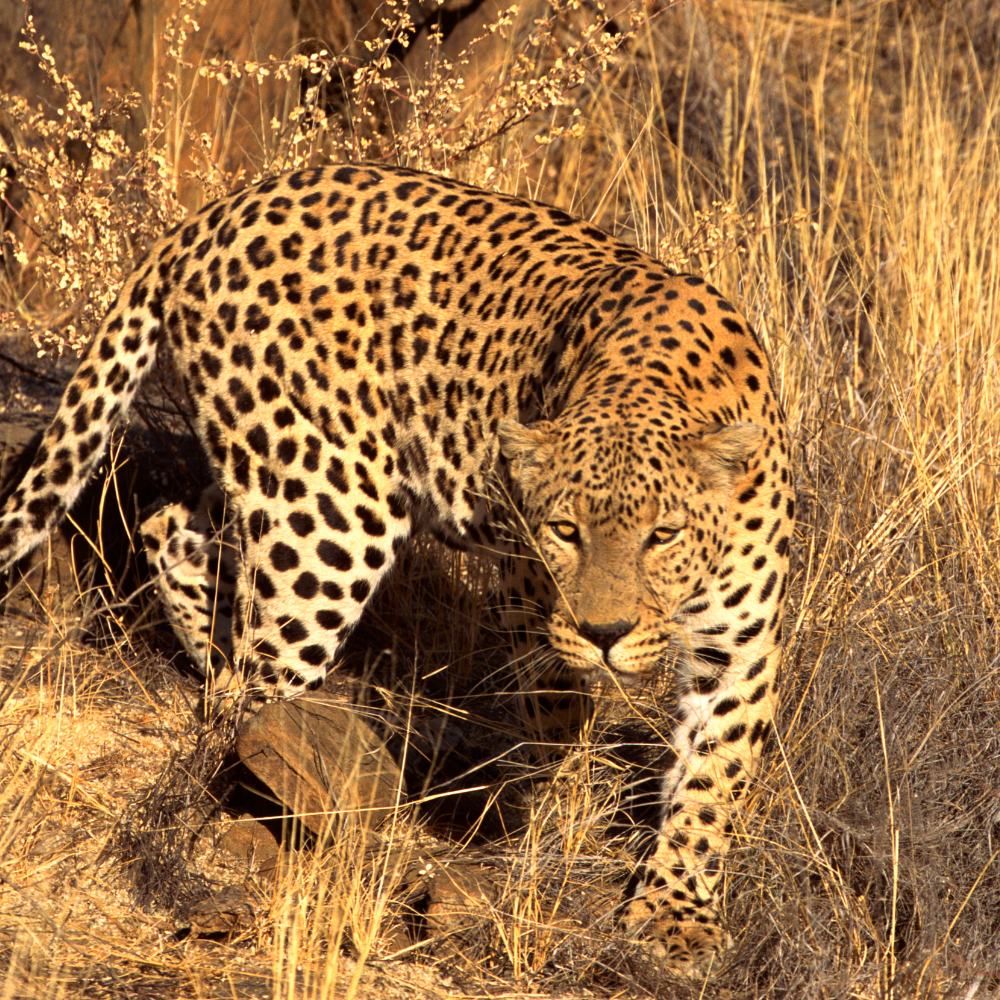
Dominated by the imposing presence of a 2,000-year-old plateau fort, Bandhavgarh is synonymous with the Bengal tiger. The dramatic topography of rocky hills and plunging valleys creates a stunning theatre for wildlife viewing. For photographers and thrill-seekers alike, this park offers an unparalleled, action-packed tracking experience where the sheer density of big cats practically guarantees an unforgettable encounter.
- The Vibe: Dramatic rocky hills, plunging valleys, and open meadows crowned by an ancient plateau fort.
- Summer Advantage: Bandhavgarh boasts one of the highest tiger densities in India, specifically in the famous Tala zone. The extreme heat drives these big cats to frequent the few permanent waterholes and cool off in the shaded rocky streams, making it a hotspot for spectacular sightings.
- Key Species: Bengal tigers, Indian leopards, and sloth bears.
5. Tadoba Andhari Tiger Reserve, Maharashtra
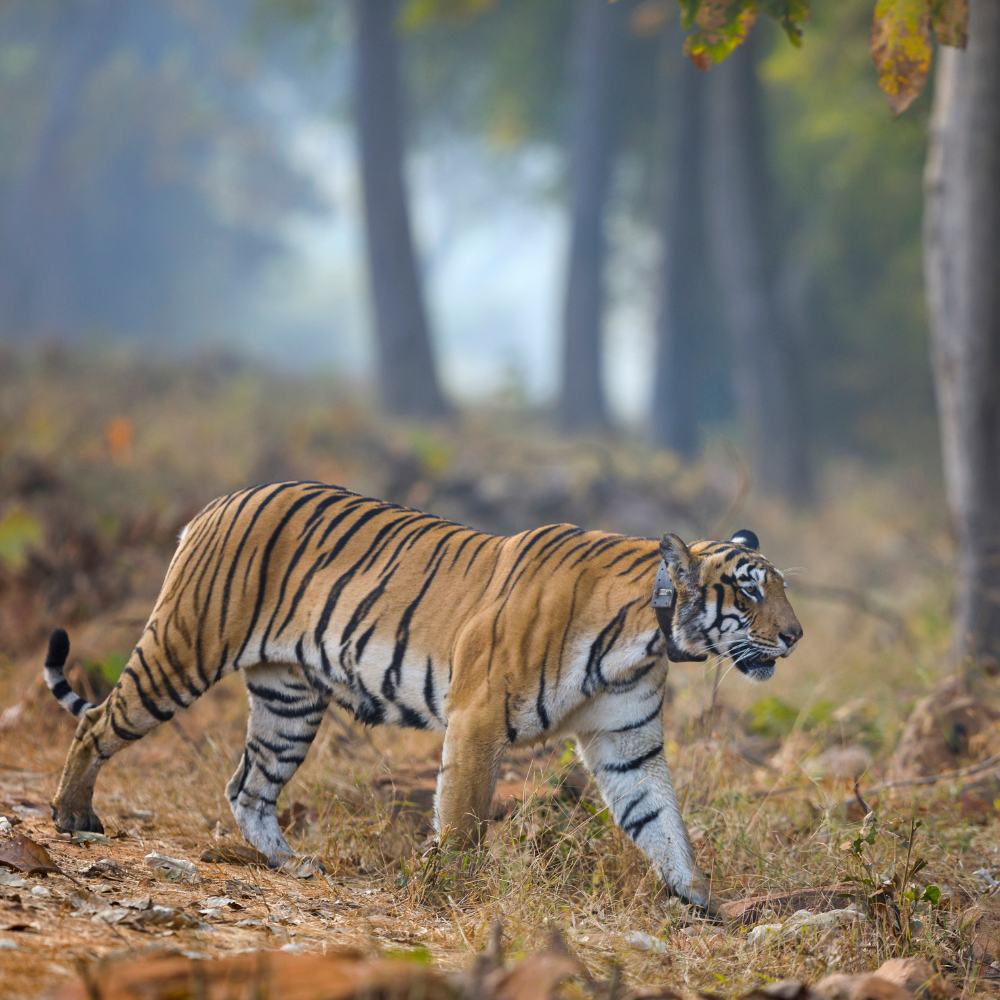
Often referred to as the "Jewel of Vidarbha," Tadoba is a dynamic, thriving ecosystem that truly comes alive in extreme heat. While the temperatures demand resilience, the sheer volume of predator activity makes it a top-tier destination for serious wildlife enthusiasts. It is a landscape of dense teak and bamboo thickets, with vital water sources that sustain a booming, highly visible animal population.
- The Vibe: Dense teak and bamboo thickets surrounding the life-giving Tadoba Lake. It is rightly known as the "Jewel of Vidarbha."
- Summer Advantage: Temperatures here routinely cross 45°C (113°F) in May. Despite the intense heat, this park has a thriving big cat population that remains highly active around the lake and artificial waterholes (guptis), even in the peak midday sun.
- Key Species: Tigers, a highly visible sloth bear population, and crocodiles.
6. Kaziranga National Park, Assam

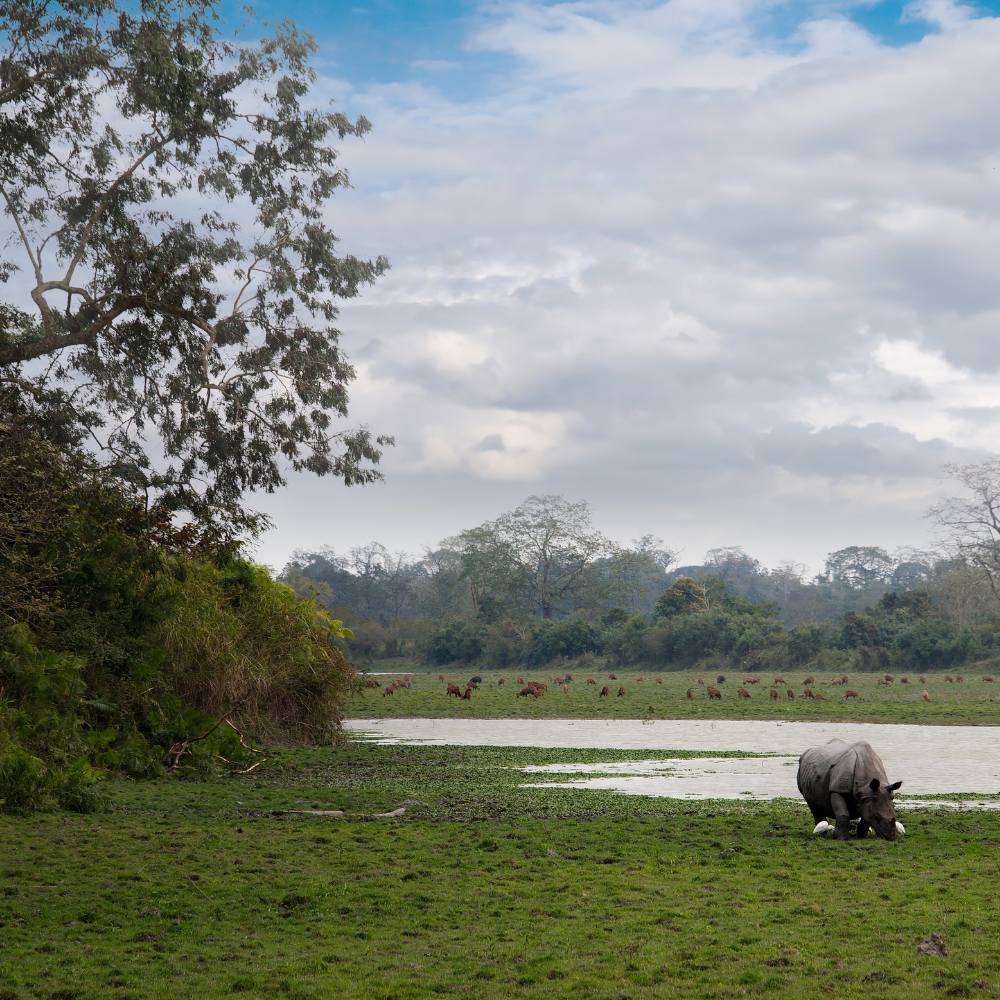
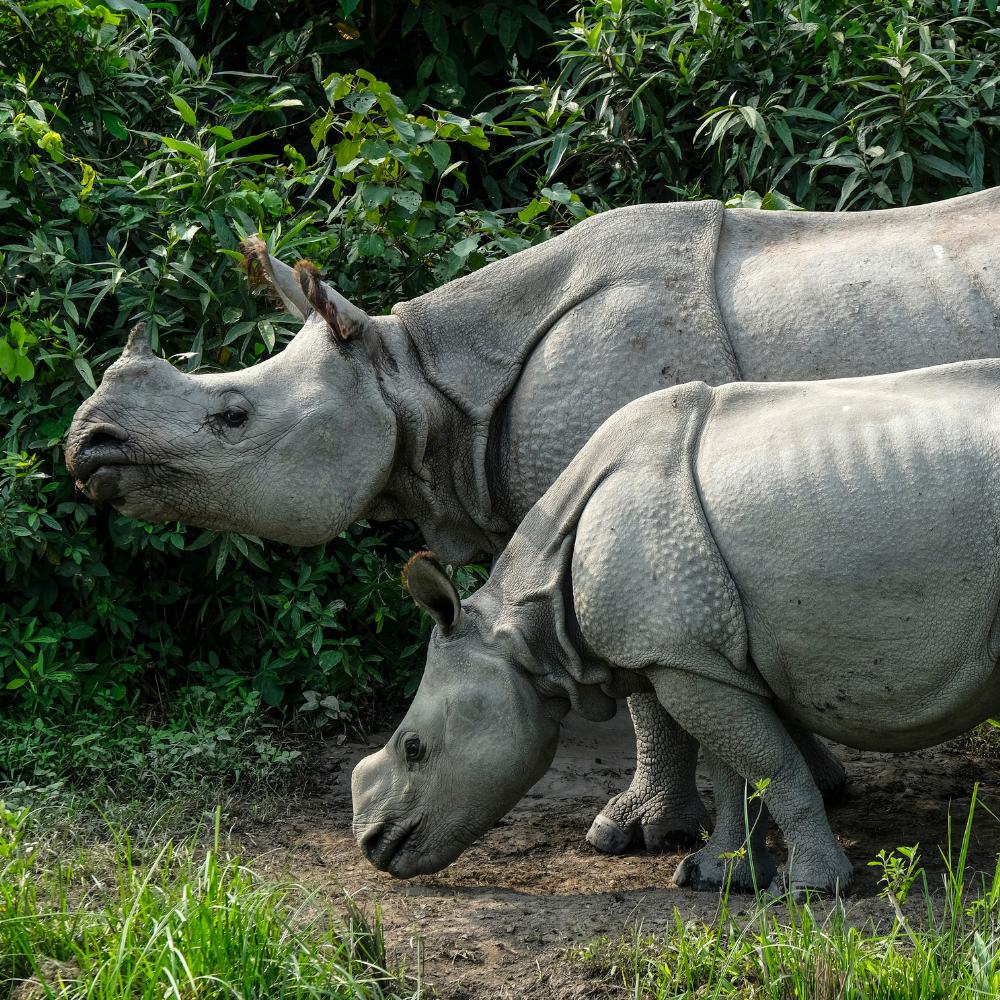
A designated UNESCO World Heritage Site, Kaziranga offers a safari experience unlike any other on the subcontinent. Situated on the floodplains of the mighty Brahmaputra River, the area features sweeping expanses of tall elephant grass and marshlands, creating a primordial atmosphere. It is a conservation triumph, providing a rare window into the lives of some of Asia's most magnificent heavy herbivores before the monsoon waters reclaim the land.
- The Vibe: Sweeping expanses of tall elephant grass, marshland, and dense broadleaf forests set against the mighty Brahmaputra River.
- Summer Advantage: Visiting in early summer (March/April) is crucial before the park closes for massive monsoon flooding. During this window, controlled burns of the towering elephant grass strip away visual barriers, making it significantly easier to track the massive herbivores.
- Key Species: The iconic one-horned rhinoceros (Kaziranga’s signature animal), wild water buffalo (large herbivores), and tigers (main predator).
Read Also: 10 Hidden and Unexplored Places in India to Visit in 2026
7. Gir National Park, Gujarat
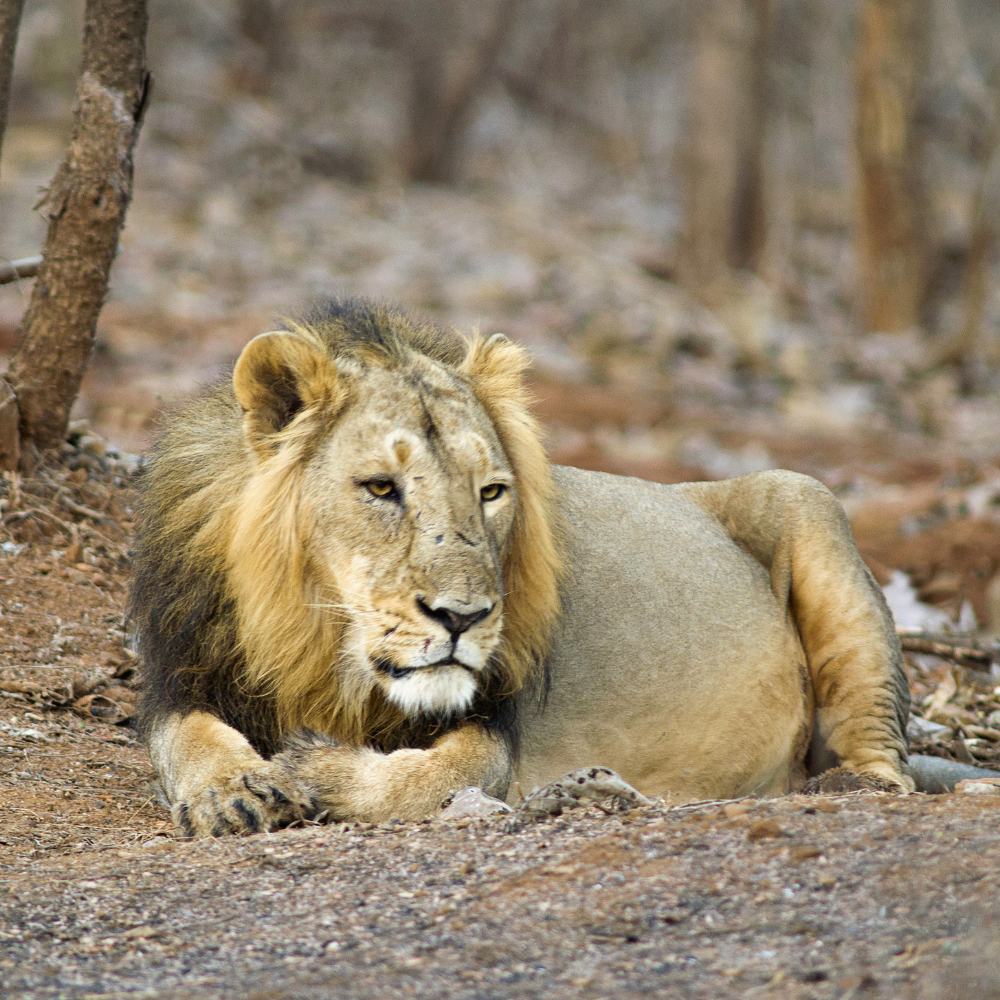
Gir National Park stands as the last remaining stronghold of the majestic Asiatic lion. Its rugged, undulating terrain of dry deciduous scrub and golden savannah evokes the feel of the classic African bush right in the heart of Gujarat. A bespoke journey here is a rare privilege, offering an exclusive audience with royal pride in an environment that is as starkly beautiful as it is challenging.
- The Vibe: A rugged, undulating landscape of dry, deciduous scrub forest and golden savannah that feels remarkably similar to the African bush.
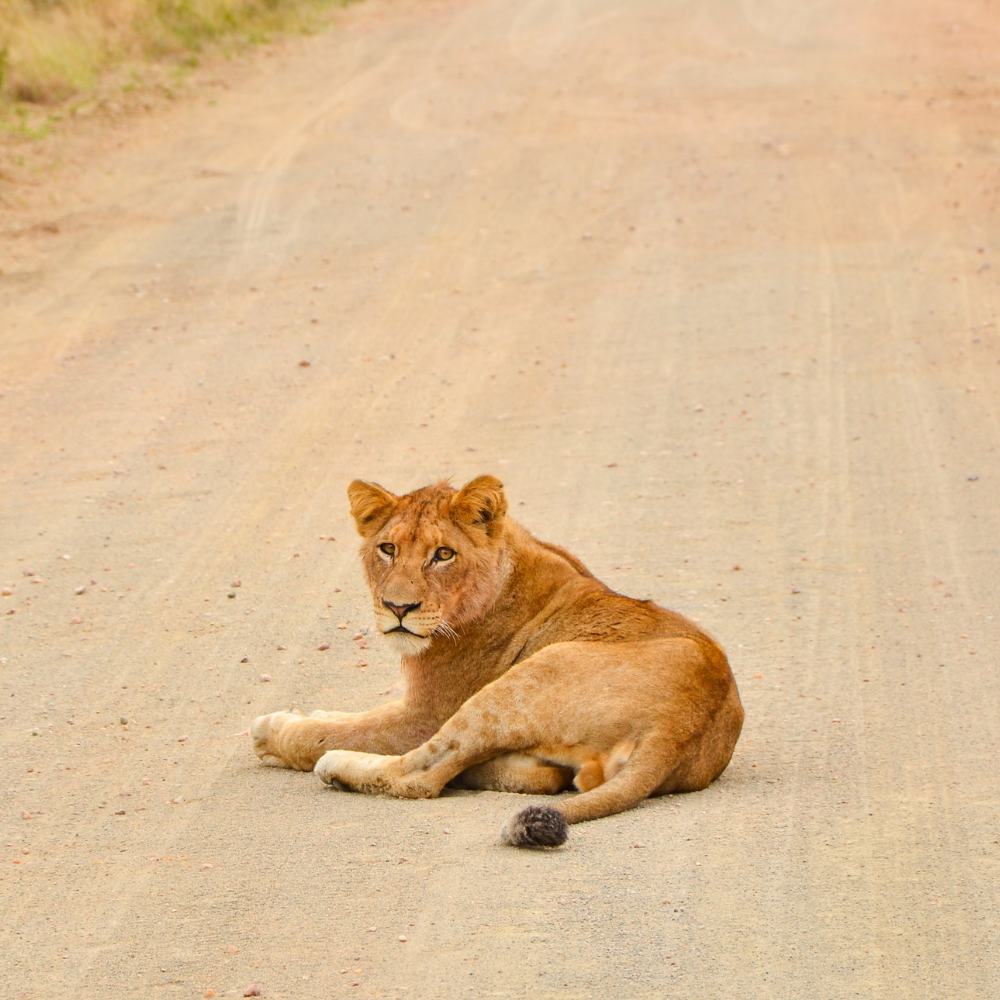
- Summer Advantage: This is the only place on Earth where you can see Asiatic lions in the wild. The intense heat forces the prides to lounge in the open, under sparse acacia trees or near the Kamleshwar Dam, offering crystal-clear views.
- Key Species: Asiatic lions (the park’s prized predator), Indian leopards (compete over territories), and chinkara or Indian gazelle (fleet-footed grazers).
Gujarat Travel Guide: Best Places to See in Gujarat – A Complete Travel Guide
8. Pench National Park, Madhya Pradesh/Maharashtra
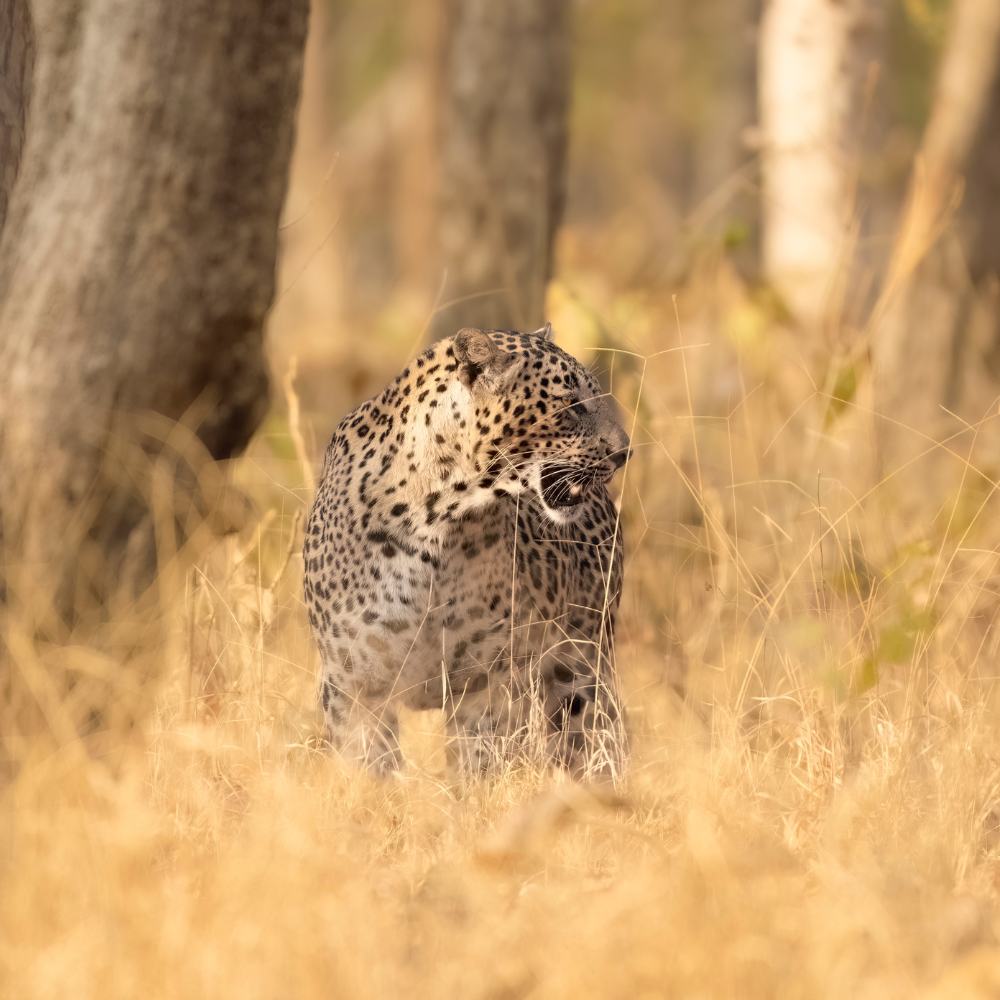
Bisected by the meandering Pench River, this reserve is a masterclass in classic teak forest ecology. Its relatively open canopy and undulating terrain make it a favourite for naturalists who appreciate the art of tracking. As the summer strips away the foliage, Pench transforms into an expansive, unobstructed stage, perfect for observing the complex social dynamics of its predators and prey.
- The Vibe: A classic teak forest with an undulating terrain and a relatively open canopy, famously bisected by the Pench River.
- Summer Advantage: As the leaves drop in the summer, the open canopy provides unobstructed lines of sight for tracking predator movements. The Pench River shrinks into small pools, turning each puddle into a bustling hub of wildlife activity.
- Key Species: Tigers (apex predator widely tracked), leopards (found in forest interiors), and wild dogs or dholes (social hunters seen in packs).
Read Also: Top 10 Safe Places to Visit in India for Solo Travelling
9. Periyar National Park, Kerala
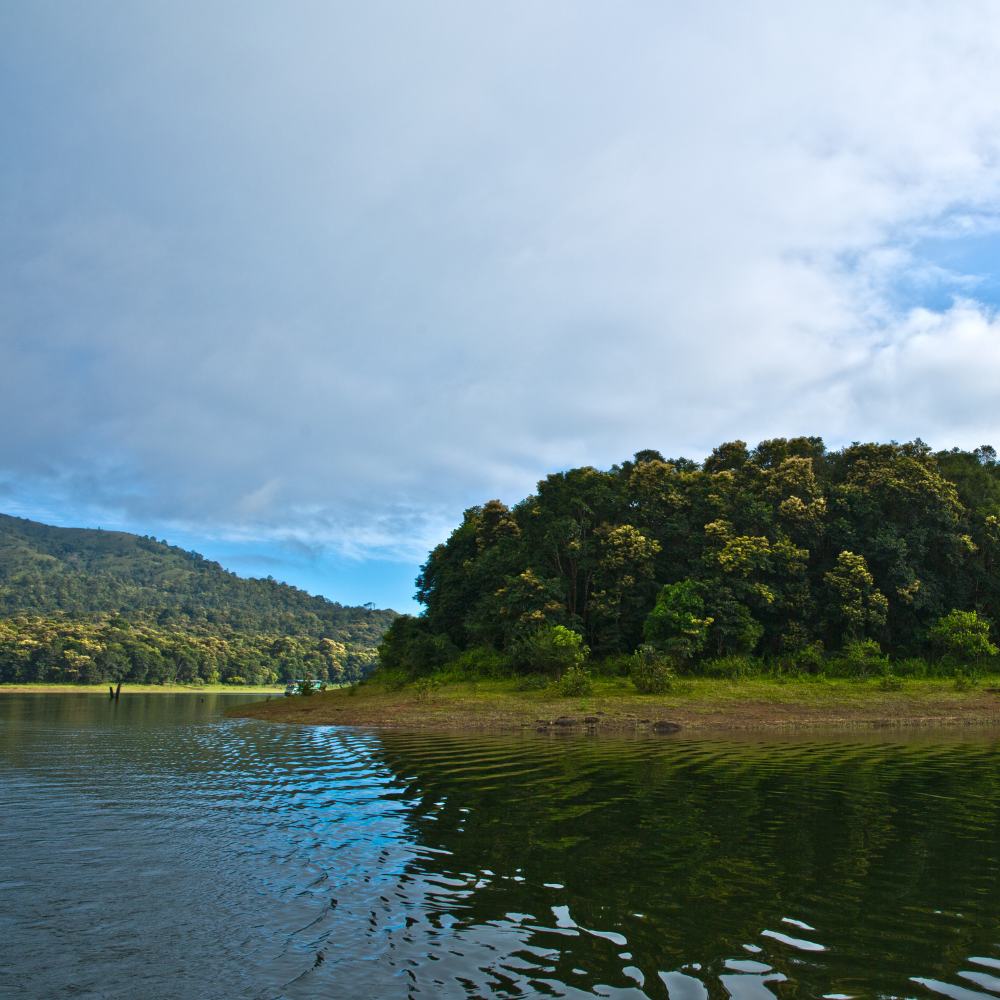
Deep in the lush southern biosphere of the Western Ghats lies Periyar, a sanctuary centred on a vast, serene artificial lake. Offering a stark contrast to the dusty trails of central India, this park provides a tranquil, aquatic approach to wildlife viewing. Drifting quietly on a bespoke boat safari allows for intimate, undisturbed observations of massive elephant herds at their most relaxed.
- The Vibe: A lush, southern topography centred around a vast, scenic artificial lake created by the Mullaperiyar Dam.
- Summer Advantage: Unlike the dusty jeep trails of the north, Periyar offers boat safaris. This gives you a unique, quiet vantage point. During the summer months, you can frequently watch massive herds of elephants coming to the water's edge to drink, bathe, and socialise.
- Key Species: Asian elephants, Nilgiri Tahr, and Indian bison (Gaur).
South India Travel Guide: Top 10 Places to Visit in South India – Travel Guide 2026
10. Panna National Park, Madhya Pradesh
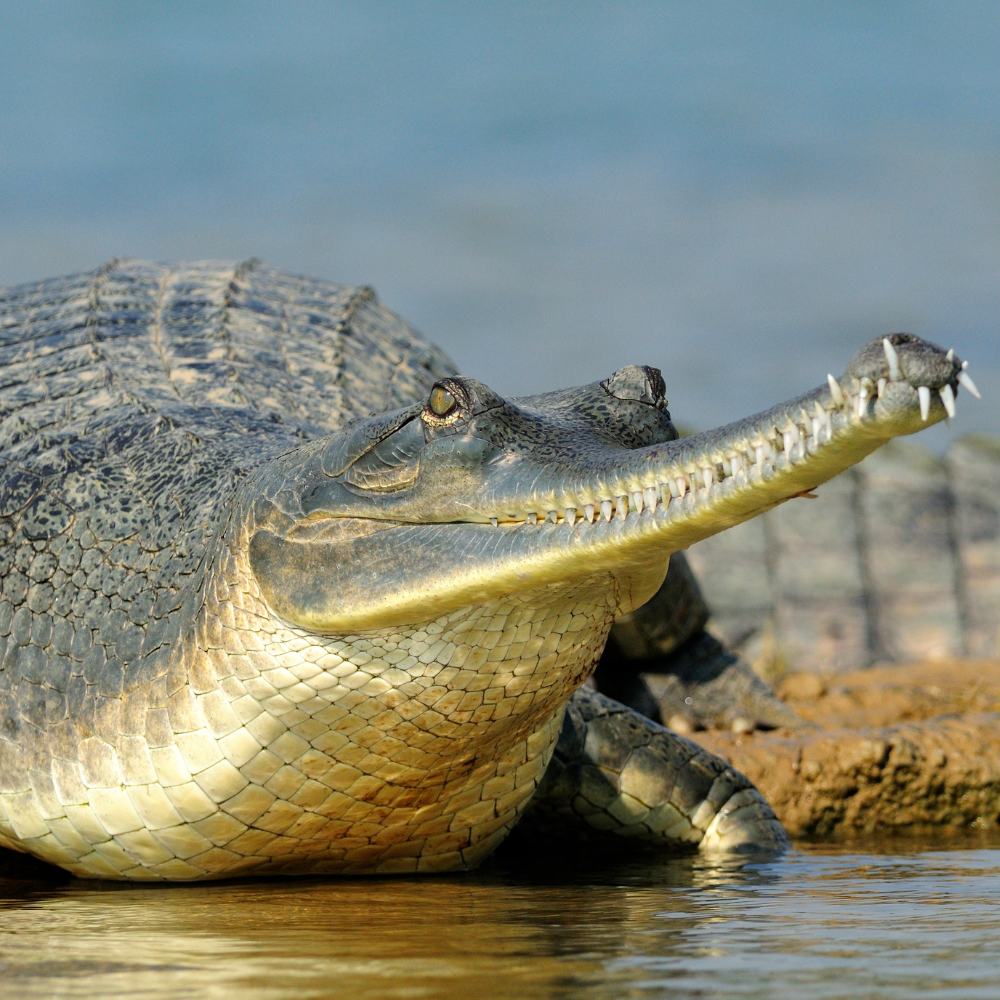
Panna is a landscape defined by dramatic contrasts, where the emerald waters of the Ken River carve through deep, rocky gorges and dense forests. This multi-terraced reserve is a testament to successful conservation and offers a truly dynamic safari experience. The summer heat pushes life to the riverbanks, creating vivid, high-contrast encounters that are a dream for visual storytellers and nature lovers alike.
- The Vibe: A dynamic, multi-terraced landscape of dense forests, deep gorges, and the beautiful Ken River cutting right through the reserve.
- Summer Advantage: The summer heat drives wildlife out of the dense gorges and down to the rocky banks of the river. Panna also offers a unique boat safari on the Ken River, allowing you to photograph wildlife from the water while taking in the riverbanks.
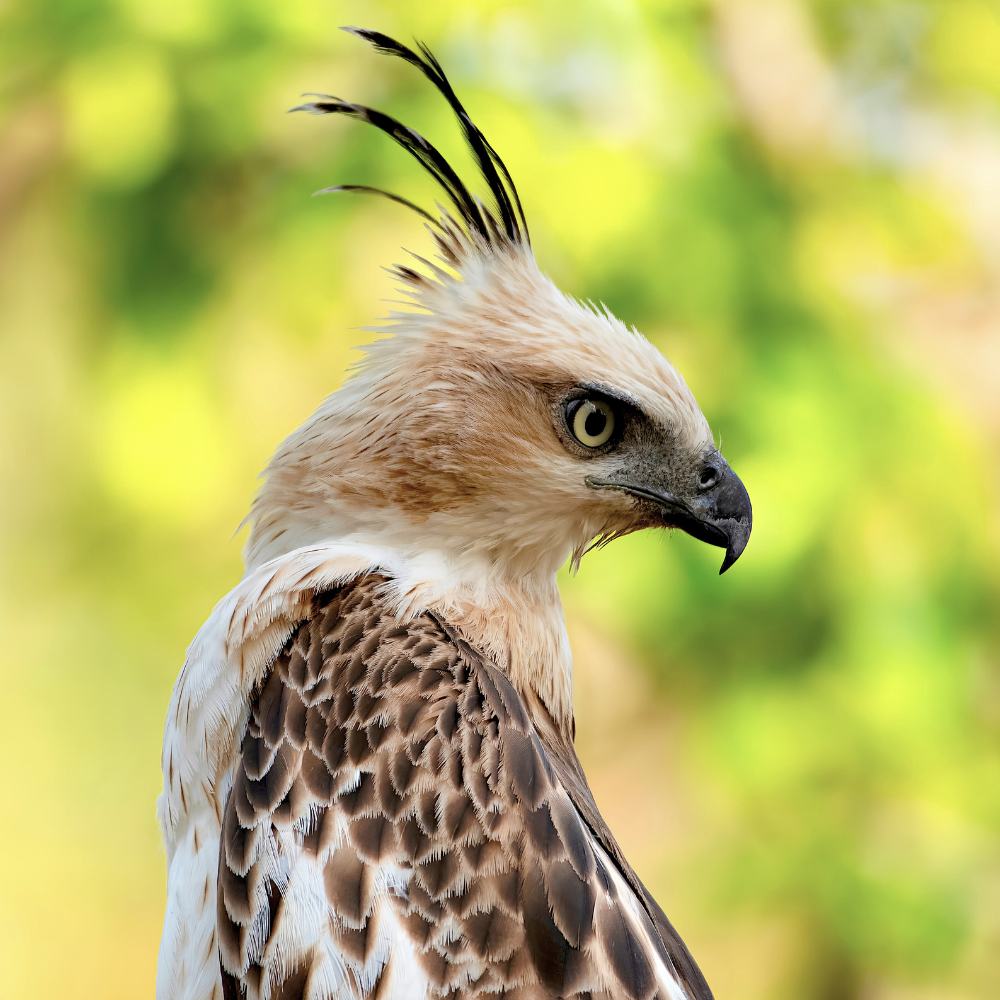
- Key Species: Tigers (top predators in the park), leopards (which use the varied terrain), gharials (unique crocodilians found in the Ken sanctuary), and a variety of vulture species (including critically endangered ones).
Essential Logistics: Planning Your Summer Safari
- Understanding the Booking Window: Strictly limited safari permits are released for coveted core zones 90–120 days ahead and sell out fast. Planning early is critical.
- Zone Selection and Guides: Research core and buffer zones thoroughly. The expertise of local forest drivers and naturalists is key to the success of safaris.
- Accommodation: Book luxury lodges early. Wildlife season coincides with school holidays in India, so boutique lodges fill up months in advance.
The Summer Safari Survival Guide
- Wardrobe and Comfort: Prep for the heat. Wear breathable, neutral cotton or linen, always with long sleeves. Bring large insulated water bottles, use rehydration salts, and be ready for 45°C+ days.
- Safari Etiquette: The jungle commands respect. Maintaining a serene experience means recognising the critical need for silence, whispering only when necessary, and avoiding sudden movements in open vehicles to avoid startling wildlife.
- Photography and Videography Tips: Protect your gear from dust with dry bags and blower brushes. Harsh summer light and dust create dramatic footage for post-production. Spend extra time removing dust spots in edits for a polished look.
Conclusion
A summer safari in India is demanding and unforgettable. Heat strips the jungle bare, revealing a raw ecosystem where every sighting feels earned. The intense heat is a small price for an extraordinary wildlife experience.
Which of these iconic national parks are you targeting for your next adventure? Drop a comment below about the park you are planning to visit, or reach out to our team of travel designers for bespoke booking assistance!