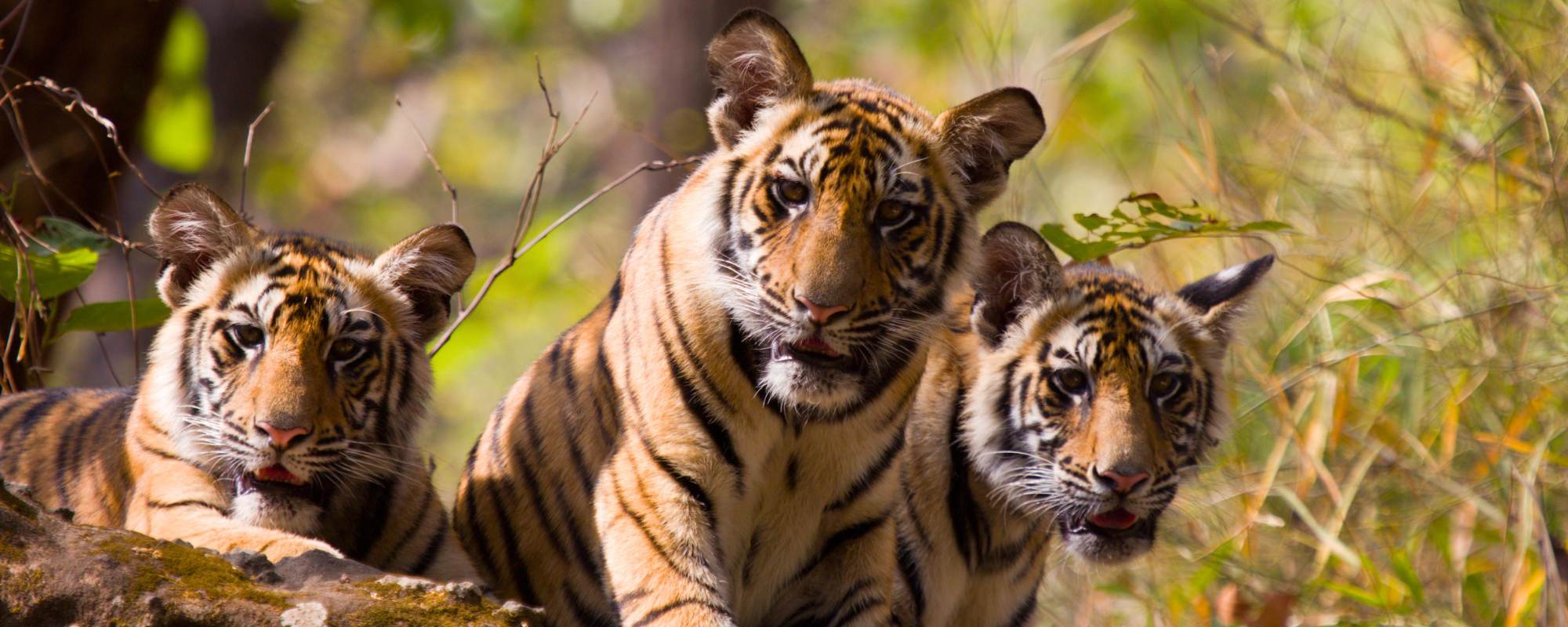
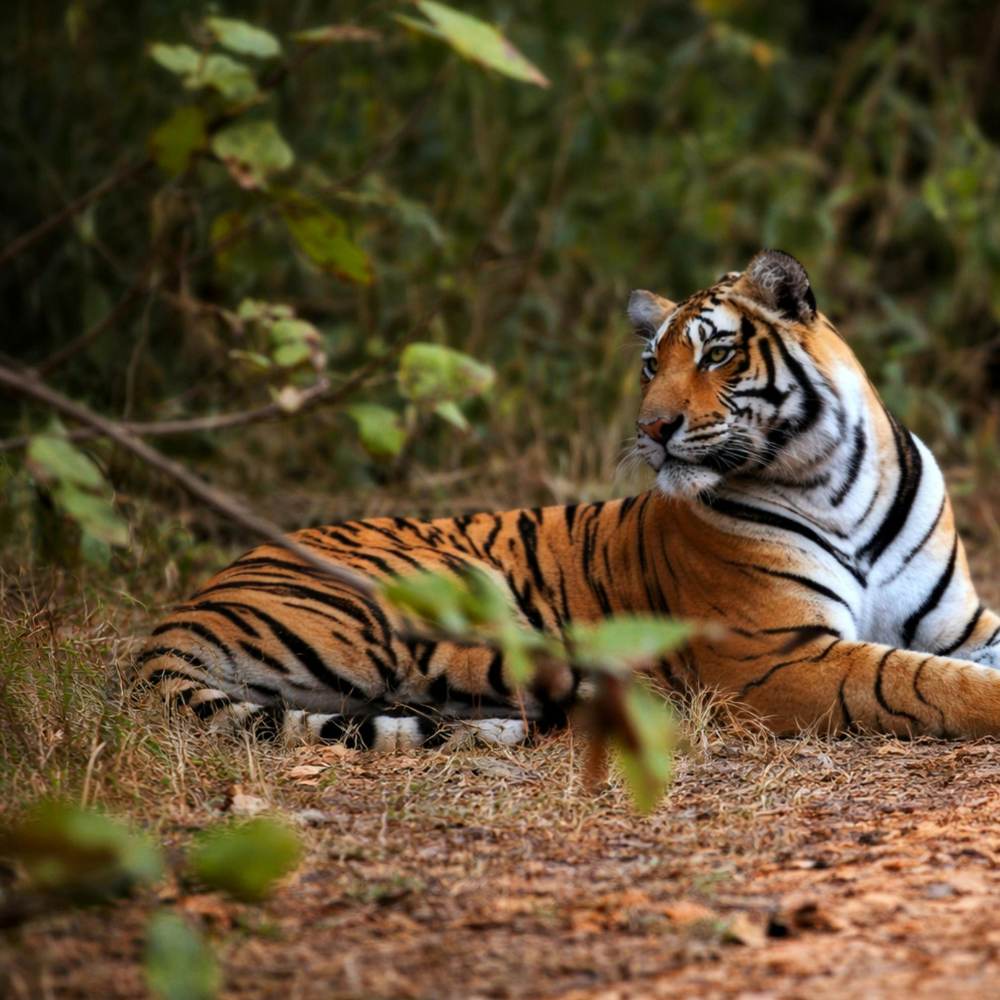

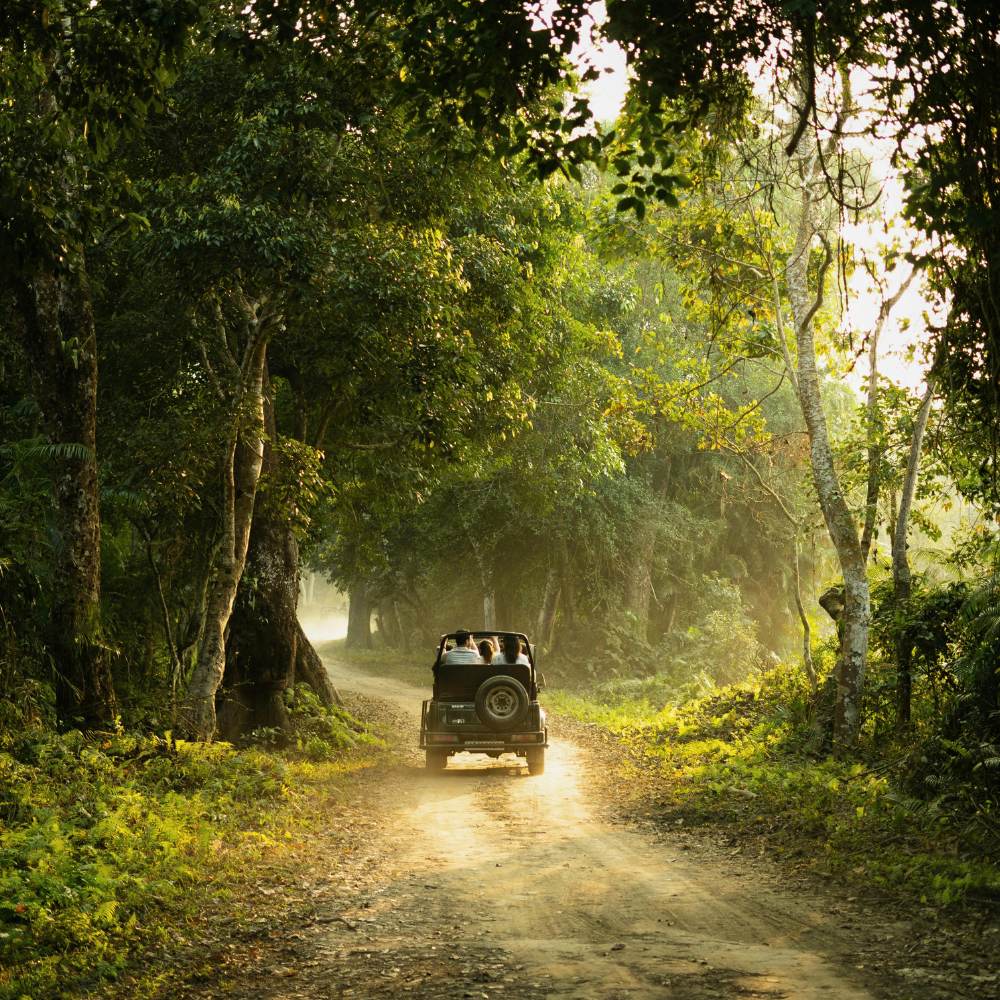
India holds the world's largest wild tiger population, and its national parks offer a genuinely different safari model from East Africa's open plains: dense forest, sudden clearings, and a single, near-mythical predator rather than a wide cast of grazing herds. Six reserves account for most serious tiger travel in India, each with a different landscape, sighting profile, and level of luxury infrastructure.
This guide compares them directly, with honest odds, best-time advice, and how to combine a safari with the rest of an India itinerary.
India's Tiger Reserves at a Glance
- Total wild tigers in India: more than 3,100 as of the 2022 All India Tiger Estimation, the largest wild tiger population in the world
- Best time for sightings: March to June, when dry conditions concentrate tigers near waterholes; most parks close for the monsoon from around July to mid-October
- Highest tiger density: Bandhavgarh and Tadoba, both cited as having among the highest tiger densities of any reserve in the world
- Most accessible from a heritage circuit: Ranthambore, roughly 4 to 5 hours from Jaipur, making it the standard add-on to a Golden Triangle itinerary
- Booking window: Safari permits and premium lodge rooms should be booked 2 to 4 months ahead for peak season (March to May)
Ranthambore: The Best Choice for First-Time Safari Travellers
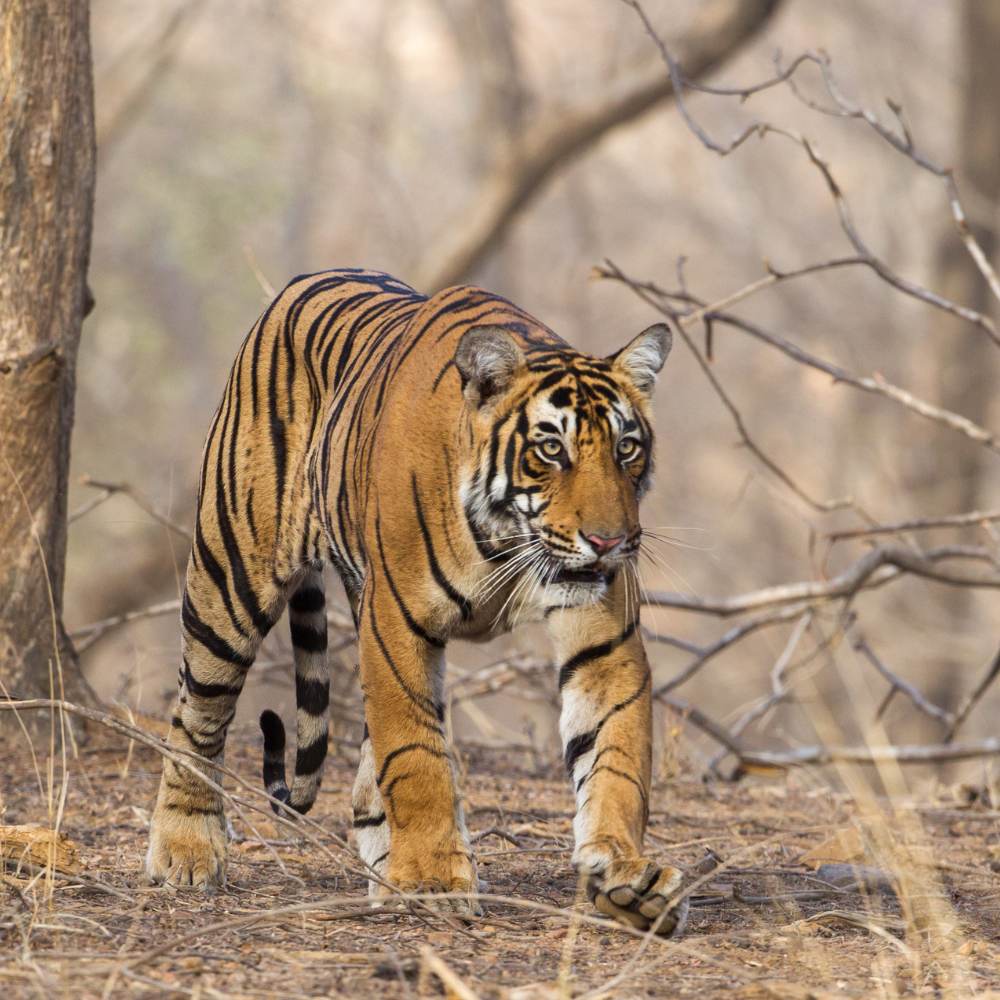
Ranthambore National Park, in eastern Rajasthan, combines a working tiger reserve with the ruins of a 10th-century fort and a landscape of lakes, ancient banyan trees, and dry deciduous forest that make it visually unlike any other Indian reserve. Its tigers are known for being relatively unbothered by safari vehicles, and the open terrain around its lakes produces some of the most reliable and photogenic sightings in the country. The park was home to Machli, arguably India's most famous tigress, born in 1997 and known for a widely documented fight with a large crocodile in 2003; she lived to 19, an exceptional age for a wild tiger, before she died in 2016, and her bloodline still dominates much of the park.
Ranthambore's biggest advantage for international travellers is logistics: it sits roughly 4 to 5 hours by road from Jaipur, making it the natural safari extension to a Golden Triangle itinerary (Delhi, Agra, Jaipur) without requiring a separate flight or long detour. Luxury lodges here include Oberoi Vanyavilas and Aman-i-Khas, both offering tented luxury accommodation immediately outside the park boundary.
Bandhavgarh: The Highest Tiger Density in the World
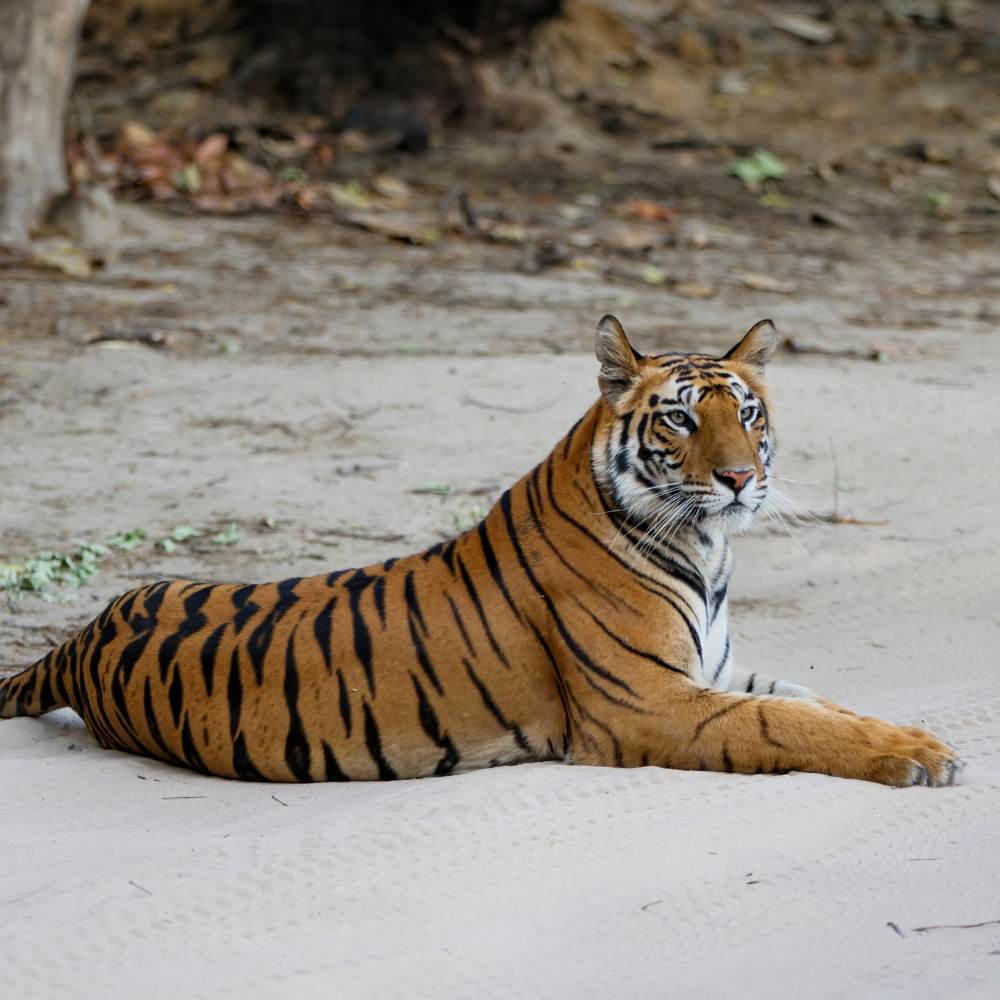
Bandhavgarh National Park, in Madhya Pradesh, is widely cited as having the highest density of wild tigers of any reserve on earth, a result of unusually compact tiger territories that concentrate more animals into a smaller visitable area than most other parks. The most recent tiger census recorded 135 tigers within the reserve.
Its three main safari zones, Tala, Magdhi, and Khitauli, each offer a different character, with Tala holding the strongest historical sighting record and the atmospheric backdrop of Bandhavgarh Fort. For travellers whose single priority is maximising the odds of a tiger sighting, Bandhavgarh is generally the strongest choice in the country.
Kanha: The Classic Central India Wilderness
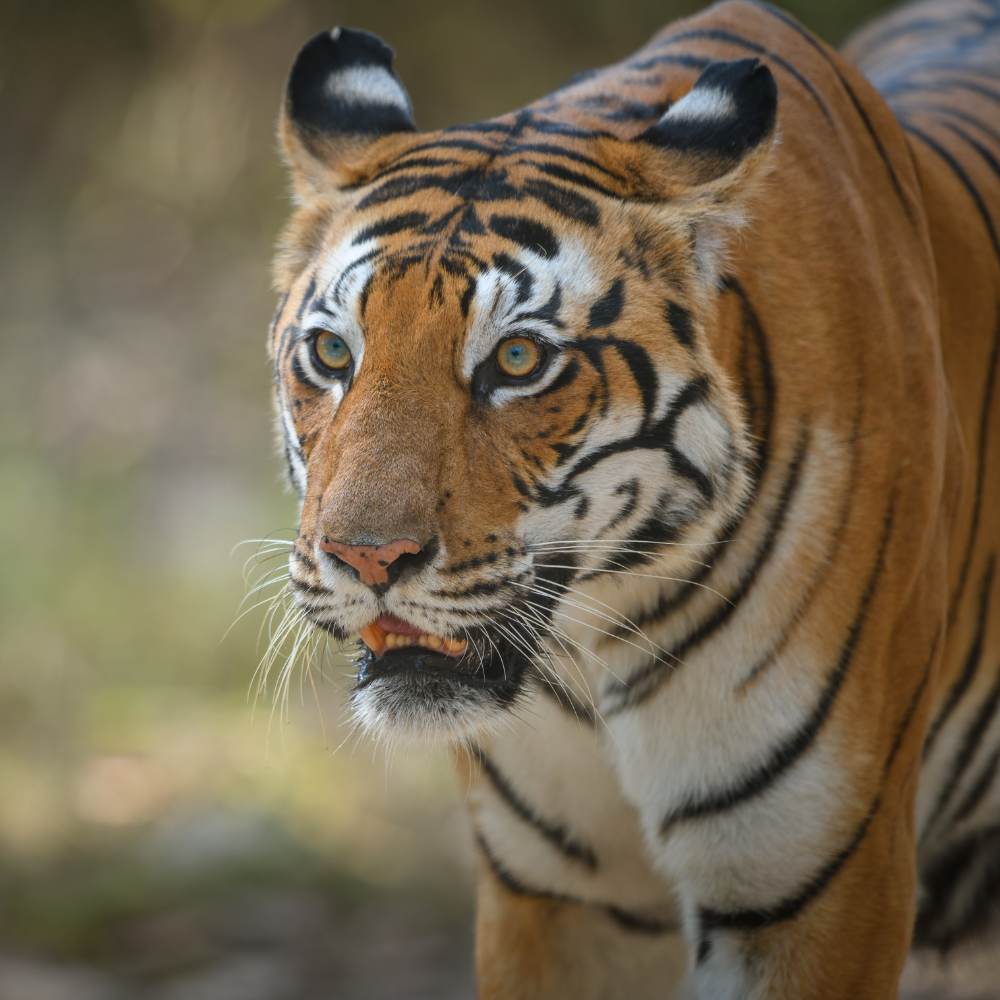
Kanha National Park, also in Madhya Pradesh and roughly three to four hours from Bandhavgarh by road, offers a larger and more varied landscape of sal and bamboo forest, open meadows, and winding streams. It is frequently marketed as the setting that inspired Rudyard Kipling's The Jungle Book, though the connection is more folklore than fact, since Kipling never travelled to central India; the book's fictional Seeonee setting is more directly tied to the Seoni district near Pench National Park.
What Kanha does offer, regardless of the literary link, is one of Indian conservation's clearest success stories: the hard-ground barasingha, a swamp deer subspecies found only in this region, was rebuilt from a population of a few dozen animals through a dedicated breeding programme, and Kanha later supplied the source tigers used to establish a new population at Bandhavgarh.
Its safari zones are larger than Bandhavgarh's, meaning longer drives between sightings but a genuinely broader wilderness experience, with strong odds for tiger, leopard, and wild dog alongside the recovering gaur population.
Jim Corbett: India's Oldest Tiger Reserve
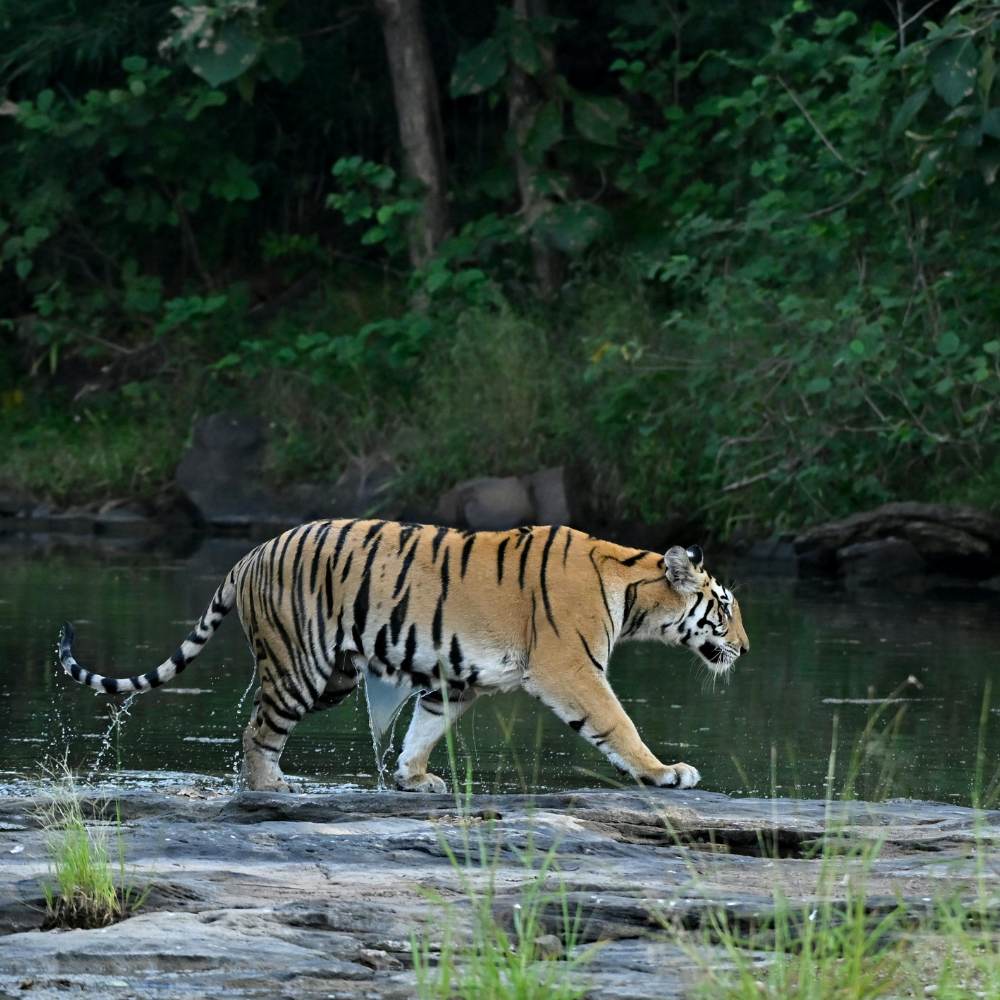
Jim Corbett National Park, in the Uttarakhand foothills of the Himalaya, holds a unique place in Indian conservation history: established in 1936 as Hailey National Park, it was Asia's first national park, and became the launch site for Project Tiger, India's national tiger conservation programme, on 1 April 1973. Its Terai landscape of sal forest, grassland, and the Ramganga River gives it a genuinely different feel from the flatter, drier reserves of central India, and its Dhikala zone, the park's most celebrated, requires an overnight stay inside the core area for the fullest experience.
Corbett's relative proximity to Delhi, roughly 5 to 6 hours by road, makes it a realistic weekend extension for travellers already based in North India. However, its tiger density is lower than Bandhavgarh's or Tadoba's, meaning sightings, while good, are less reliably immediate.
Tadoba: Maharashtra's Rising Tiger Destination
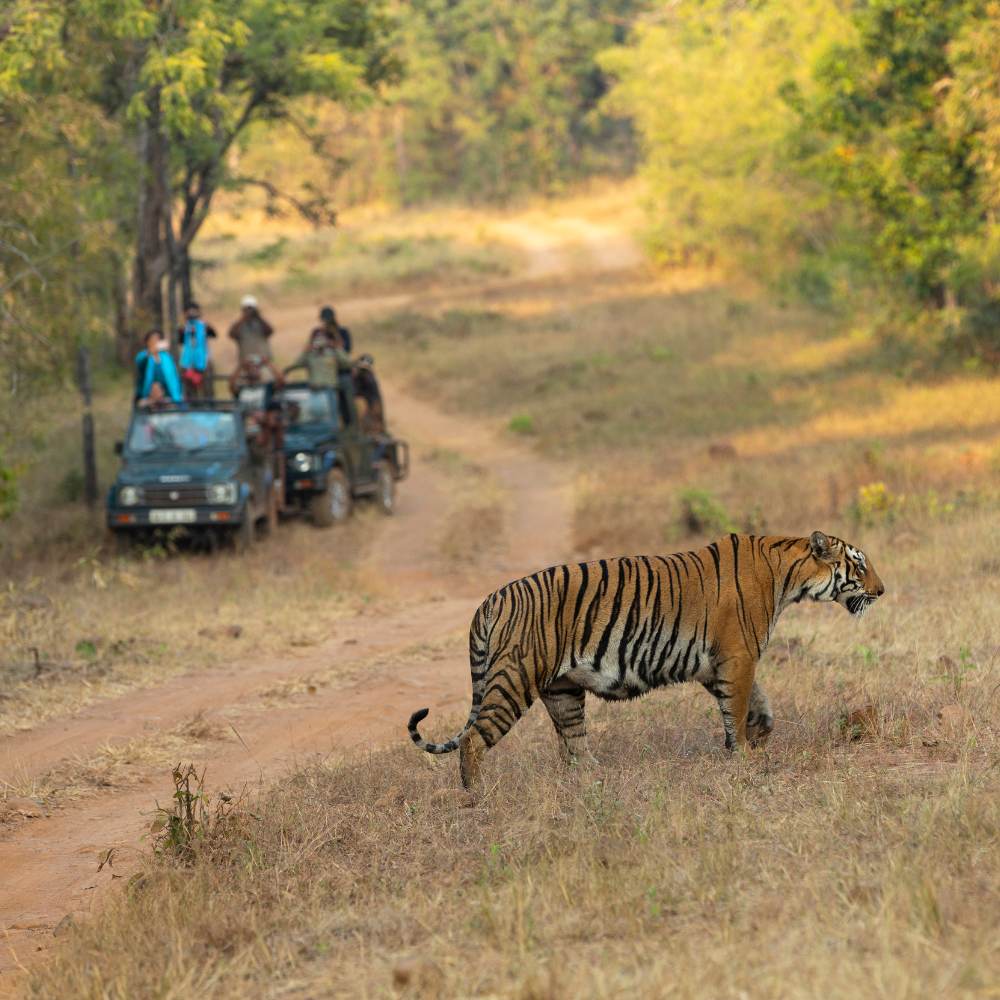
Tadoba-Andhari Tiger Reserve, in eastern Maharashtra, has grown rapidly in profile over the past decade and is now cited alongside Bandhavgarh as having among the highest tiger densities in India. Maharashtra's oldest national park, established in 1955, Tadoba's core area sits within a larger reserve exceeding 1,700 square kilometres of teak forest, and the park is roughly 140 to 150 kilometres, or about 2.5 to 3 hours, from Nagpur, which has good domestic flight connectivity and limited international links.
Tadoba's rise has been driven partly by strong recent sighting statistics and partly by the emergence of a new generation of lodges positioning it as a genuine alternative to the more established central Indian parks, without the same level of crowding.
Panna: The World's Most Remarkable Tiger Recovery Story
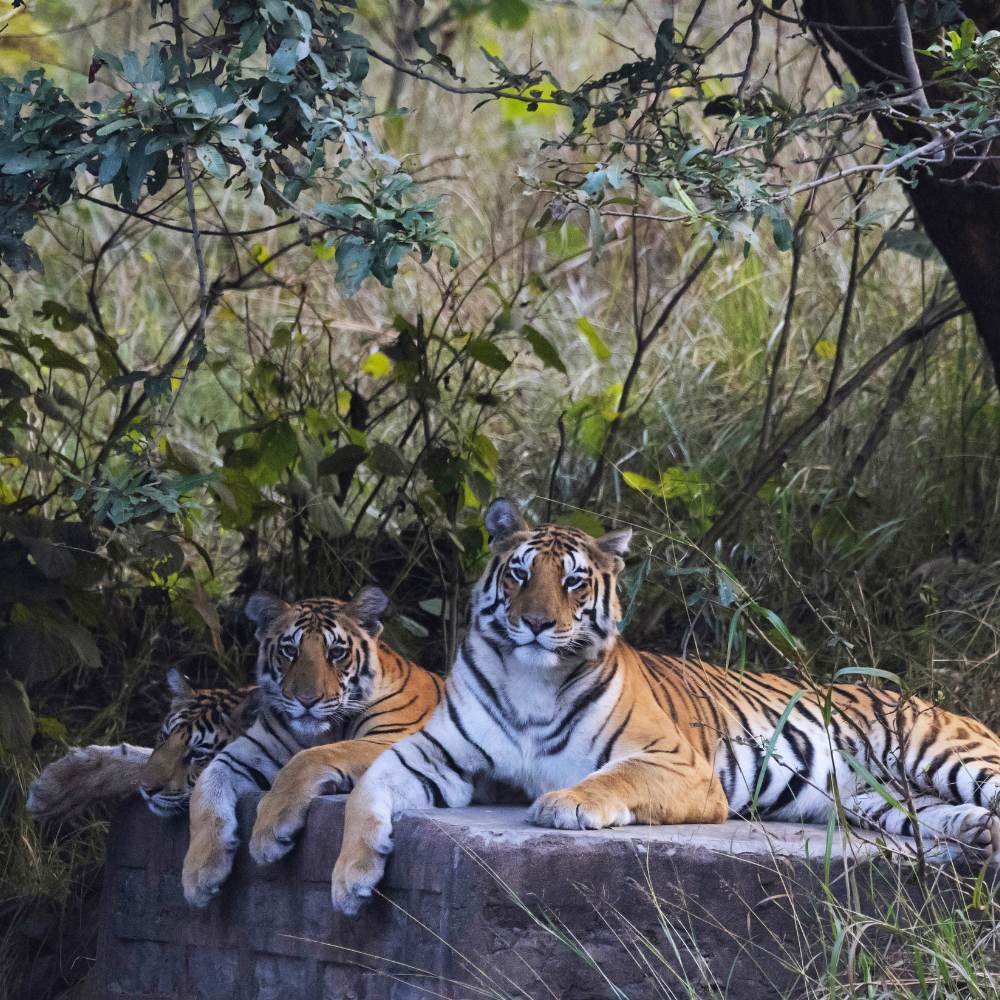
Panna National Park, also in Madhya Pradesh, offers something no other reserve on this list can: a first-hand look at a conservation recovery considered one of the most successful of its kind anywhere in the world. By 2009, sustained poaching had wiped out Panna's entire tiger population. In response, Indian wildlife authorities launched a reintroduction programme that year, translocating two female tigers from Bandhavgarh and Kanha, followed later by a male from Pench.
From that starting point of effectively zero breeding tigers, Panna's population has grown to more than fifty, one of the most closely studied tiger recovery programmes globally. Set along the Ken River with dramatic gorges and waterfalls, Panna also has the advantage of sitting close to Khajuraho, making it a natural add-on to a Madhya Pradesh temple and tiger circuit.
Which Tiger Reserve Should You Choose?
- Choose Ranthambore: for the easiest addition to a Golden Triangle itinerary, photogenic fort-and-lake scenery, and reliable sightings for first-time safari travellers.
- Choose Bandhavgarh: if maximising your odds of a tiger sighting is the single priority.
- Choose Kanha: for the broadest, most classic wilderness landscape and strong odds across a wider range of wildlife.
- Choose Corbett: for Himalayan foothill scenery and easy access from Delhi, if sighting odds matter slightly less than landscape.
- Choose Tadoba: for very strong sighting odds with fewer crowds than the more established central Indian parks.
- Choose Panna: to combine a safari with a genuinely remarkable conservation story and easy proximity to Khajuraho.
Luxury Lodges Near India's Tiger Reserves
India's tiger tourism has matured into a genuine luxury category over the past decade, with several international hospitality groups now operating dedicated jungle lodges immediately outside reserve boundaries. Oberoi Vanyavilas at Ranthambore and Taj Safaris properties near Bandhavgarh, Kanha, and Pench combine private naturalist-led game drives with five-star tented or lodge accommodation, full-service dining, and spa facilities, positioning the safari experience closer to an East African luxury camp than a traditional Indian wildlife lodge.
Most premium properties also handle safari permit bookings directly for guests, which matters given that permits for the most popular zones and time slots sell out well in advance during peak season.
When Is the Best Time for a Tiger Safari in India?
- March to June (best sighting odds): Hot, dry conditions push tigers toward waterholes and rivers, concentrating sightings, though daytime temperatures can exceed 40 degrees Celsius in central India
- October to February (most comfortable): Cooler and more pleasant for game drives, with good but slightly less concentrated sightings than peak summer
- July to mid-October (most parks closed): The core zones of Bandhavgarh, Kanha, and most other reserves close annually for the monsoon; check specific park dates before planning travel in this window
How to Combine a Tiger Safari With Heritage Travel
A tiger safari rarely needs to be a standalone trip. Ranthambore attaches naturally to a Golden Triangle itinerary via Jaipur. Bandhavgarh and Panna both combine well with Khajuraho and Orchha as part of a wider Madhya Pradesh circuit covering temples, forts, and wildlife in a single loop. Corbett suits travellers already spending time in Delhi who want a short wildlife extension without a long flight. Building a safari into a longer, mixed itinerary rather than a dedicated wildlife-only trip is the most common and most efficient approach for first-time visitors.