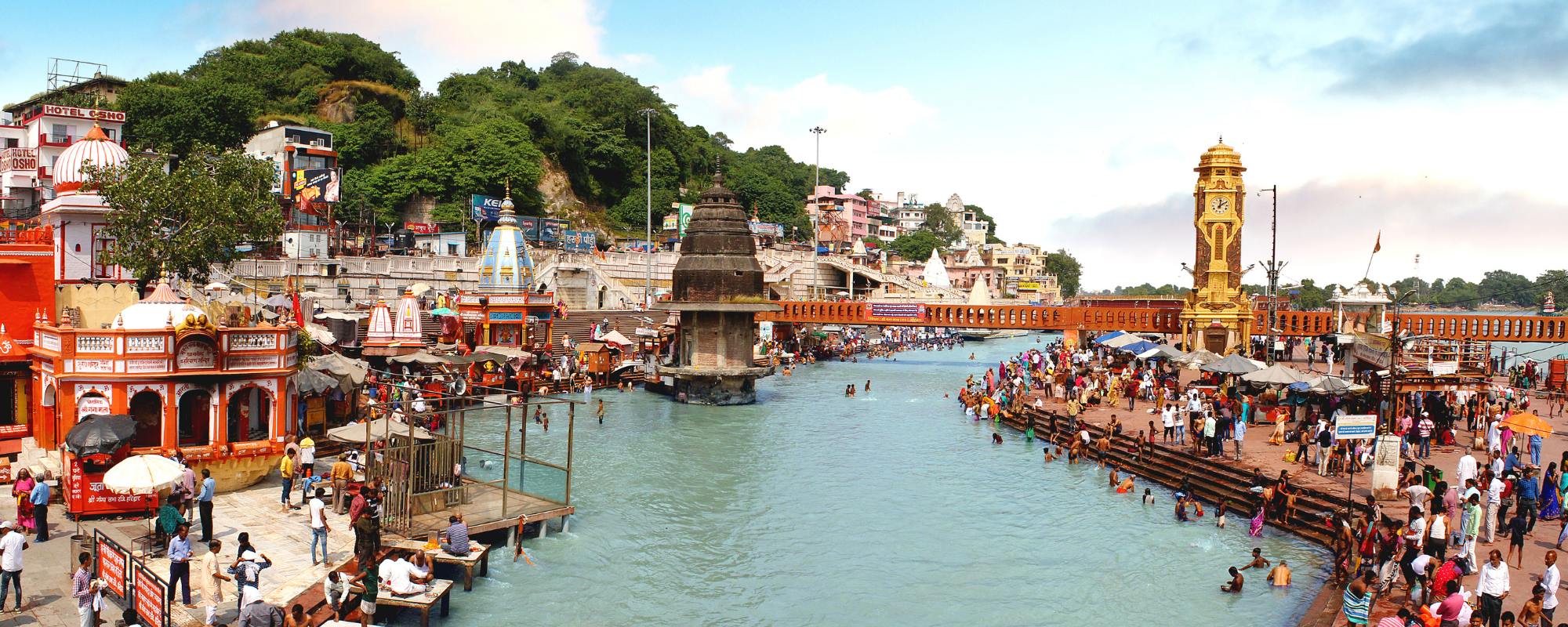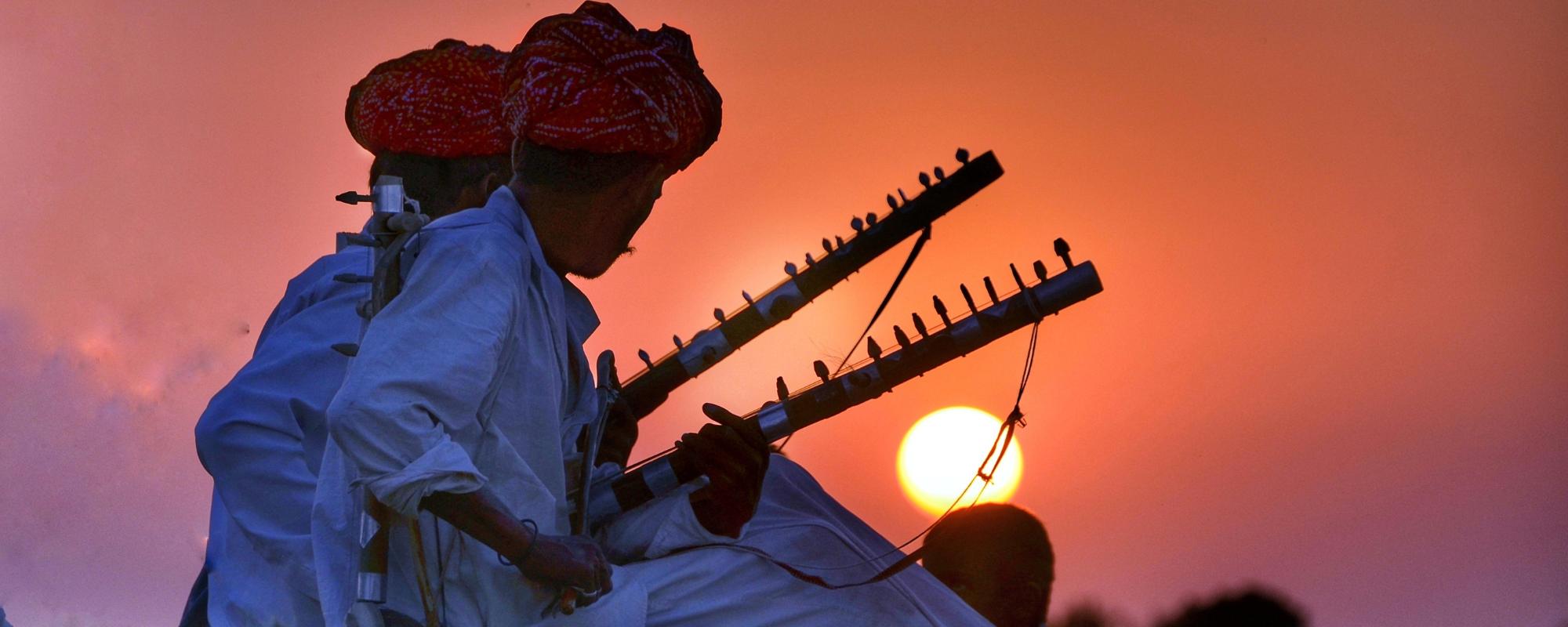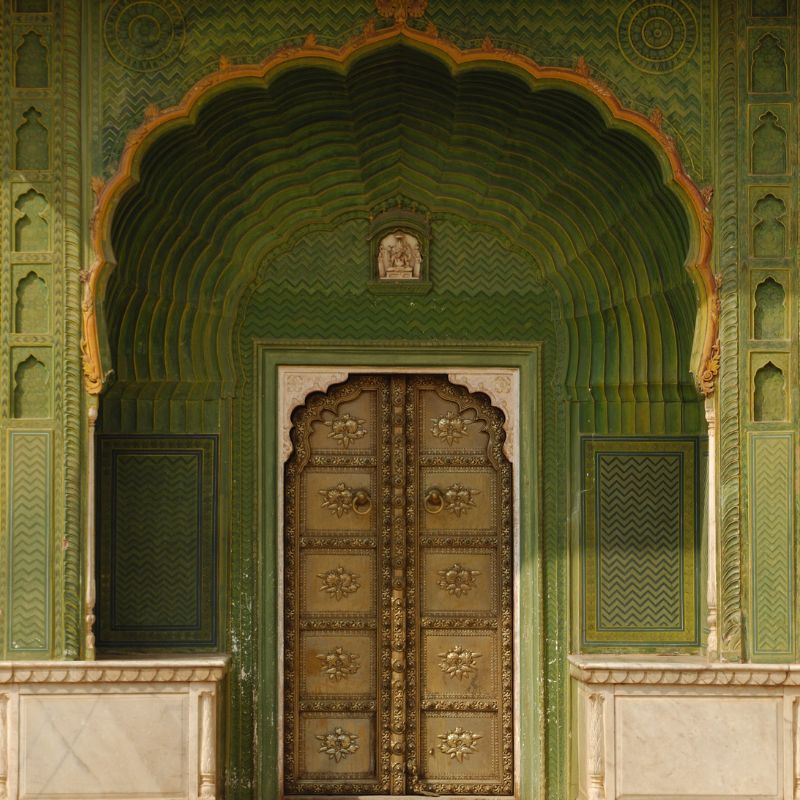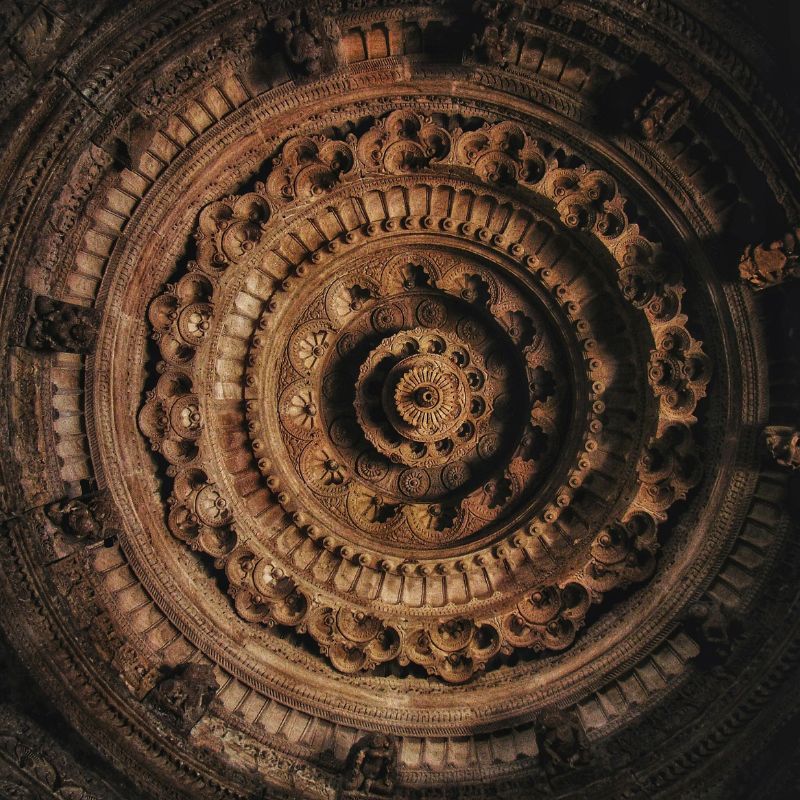
Combining India and Nepal in one trip lets you experience India's historic cities alongside Nepal's Himalayan landscapes and cultural heritage. A 14-day itinerary can comfortably cover Delhi, Agra, Jaipur, Kathmandu and Pokhara. The key is choosing a practical route, checking separate visa requirements, booking suitable flights and allowing enough time between destinations.
Quick Answer: Key Takeaways
- Recommended duration: 14 days for India's Golden Triangle, Kathmandu and Pokhara.
- Best route: Delhi → Agra → Jaipur → Delhi → Kathmandu → Pokhara → Kathmandu.
- Cross-border travel: Flying between Delhi and Kathmandu is generally more convenient than travelling overland.
- Visa requirements: India and Nepal have separate entry rules. Check visa validity, permitted entries and nationality-specific requirements.
- Best seasons: October–November and February–April generally offer a good balance of sightseeing weather and Himalayan scenery.
Why Should You Combine India and Nepal in One Trip?
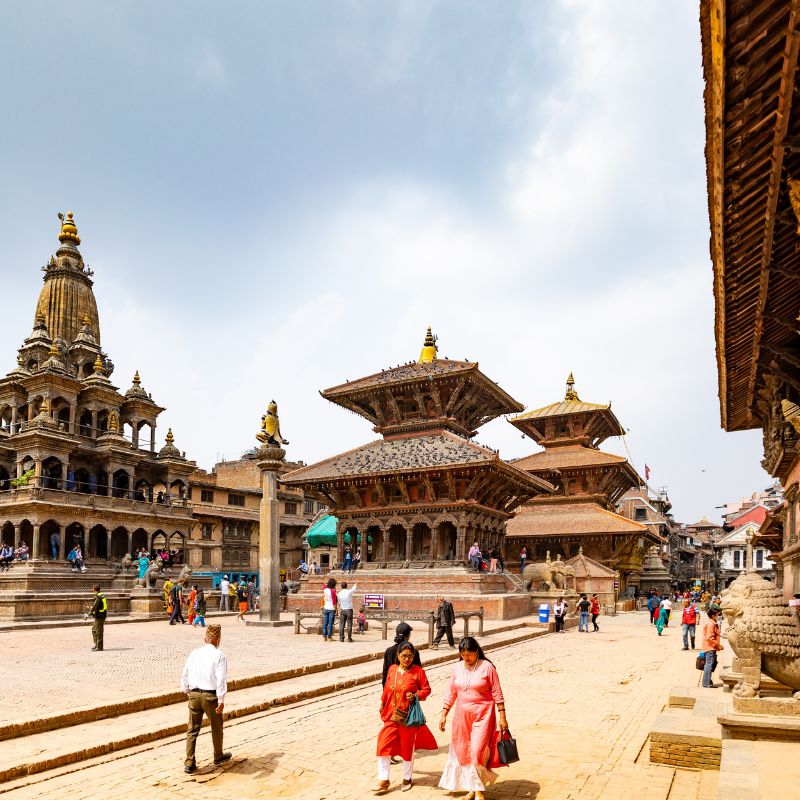
India and Nepal complement each other through their different landscapes, architecture and cultural traditions. India offers Mughal monuments, royal palaces, and historic cities, while Nepal brings Himalayan scenery, Buddhist heritage, and a more relaxed mountain-town atmosphere.
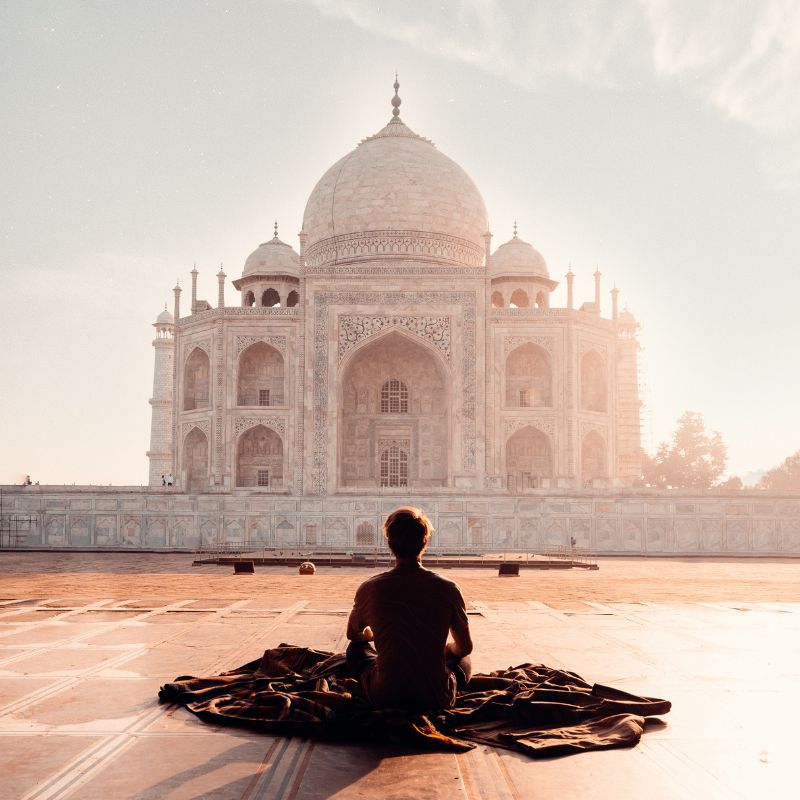
Imagine spending your first week exploring Delhi's old neighbourhoods, visiting the Taj Mahal and discovering Jaipur's forts.
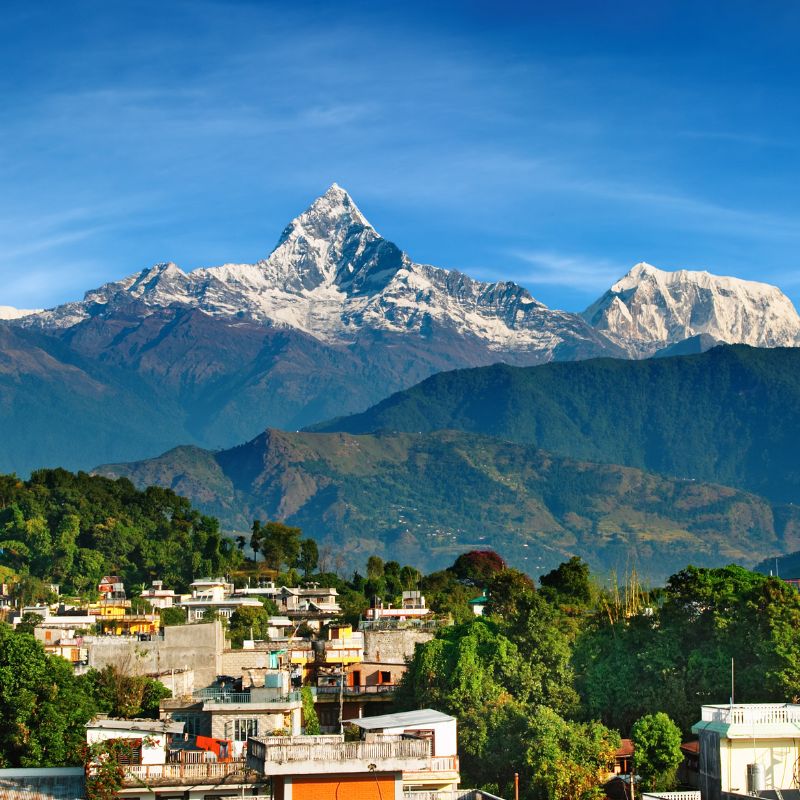
A few days later, you're walking through Kathmandu's historic squares or enjoying views across Phewa Lake in Pokhara.
That contrast makes a combined holiday appealing.
However, planning two countries requires more coordination than travelling within India alone.
Flights, immigration procedures, accommodation and local transfers must work together. Even a short international flight can take up much of the day once you include airport formalities.
For first-time visitors, we recommend beginning with India's Golden Triangle before continuing to Nepal.
Our private India tour packages provide useful starting points for choosing the Indian destinations and experiences that suit your interests.
How Many Days Do You Need for India and Nepal?
Fourteen days is a practical duration for a private India and Nepal tour covering the Golden Triangle, Kathmandu and Pokhara. Travellers wanting Varanasi or Chitwan National Park should generally allow 16–18 days.
|
Trip duration |
Suggested destinations |
Travel pace |
|---|---|---|
| 10–12 days | Delhi, Agra, Jaipur and Kathmandu | Relatively busy |
| 14 days | Golden Triangle, Kathmandu and Pokhara | Balanced |
| 16–18 days | Add Varanasi or Chitwan | Comfortable with careful planning |
| 19–21 days | Golden Triangle, Varanasi, Kathmandu, Pokhara and Chitwan | More relaxed |
The biggest mistake is trying to include every famous destination.
A route covering Delhi, Agra, Jaipur, Varanasi, Kathmandu, Pokhara and Chitwan may look manageable on a map.
In practice, extra flights, road transfers, and hotel changes can make the trip exhausting.
For couples and families who prefer comfortable private travel, a well-paced 14-day itinerary is often more rewarding than a longer list of attractions.
Which Destinations Should You Include in India and Nepal?
For a first combined trip, Delhi, Agra, Jaipur, Kathmandu and Pokhara provide a good introduction to both countries. Together, they cover architecture, culture, religious traditions and mountain scenery without unnecessary detours.
Delhi: History and Everyday India
Delhi is a practical international arrival point and a natural starting place for the Golden Triangle.
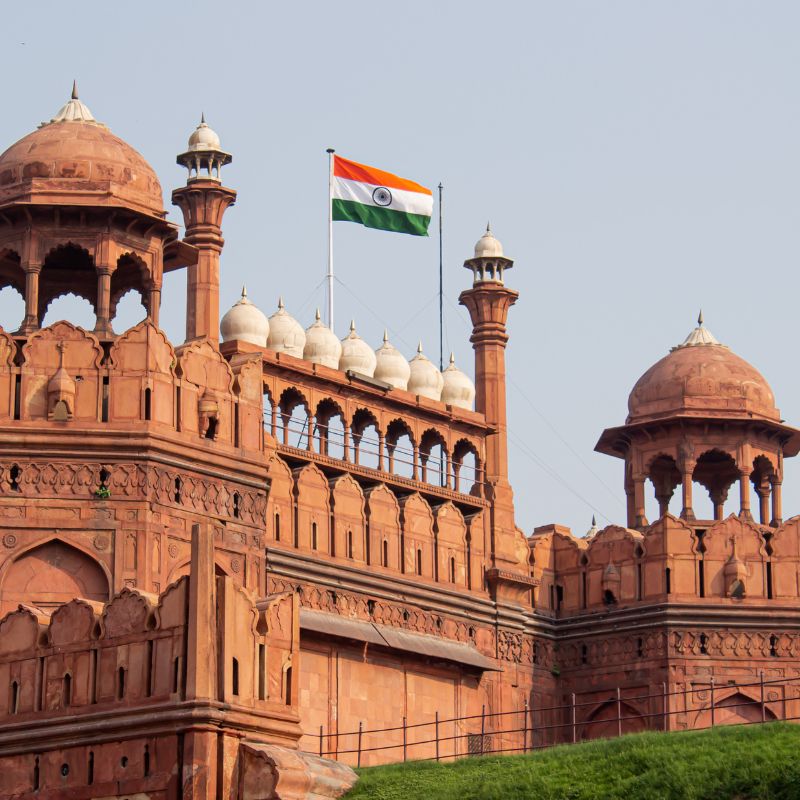
Selected sightseeing may include Humayun's Tomb, Qutub Minar and historic Old Delhi.
Traffic can be heavy, so don't try to see every major attraction in one day.
A private guide can help you choose a realistic programme based on your interests.
Agra: The Taj Mahal and Mughal Architecture
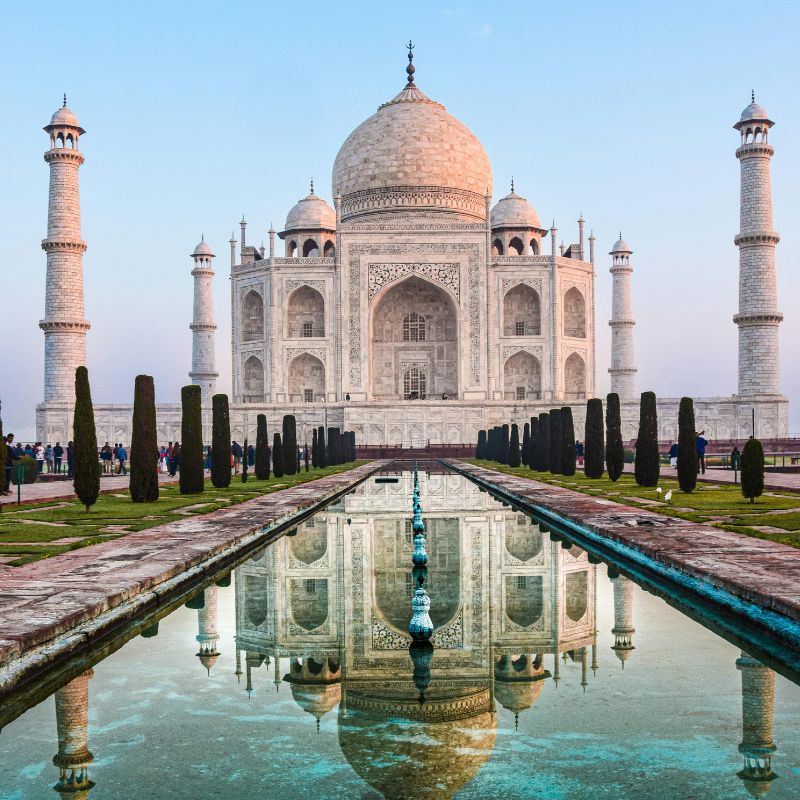
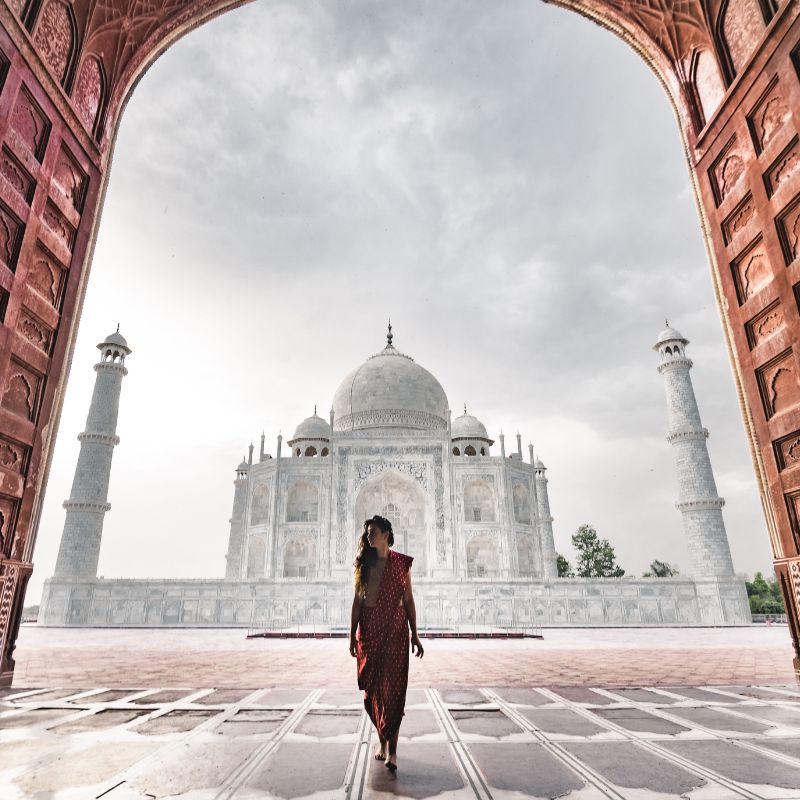
Agra is home to the Taj Mahal and Agra Fort.
An overnight stay gives you time to enjoy both rather than treating the city as a rushed day trip.
An early Taj Mahal visit is particularly appealing, but remember that the monument is closed to general sightseeing on Fridays.
Your itinerary must account for that closure.
Jaipur: Rajasthan's Royal Heritage
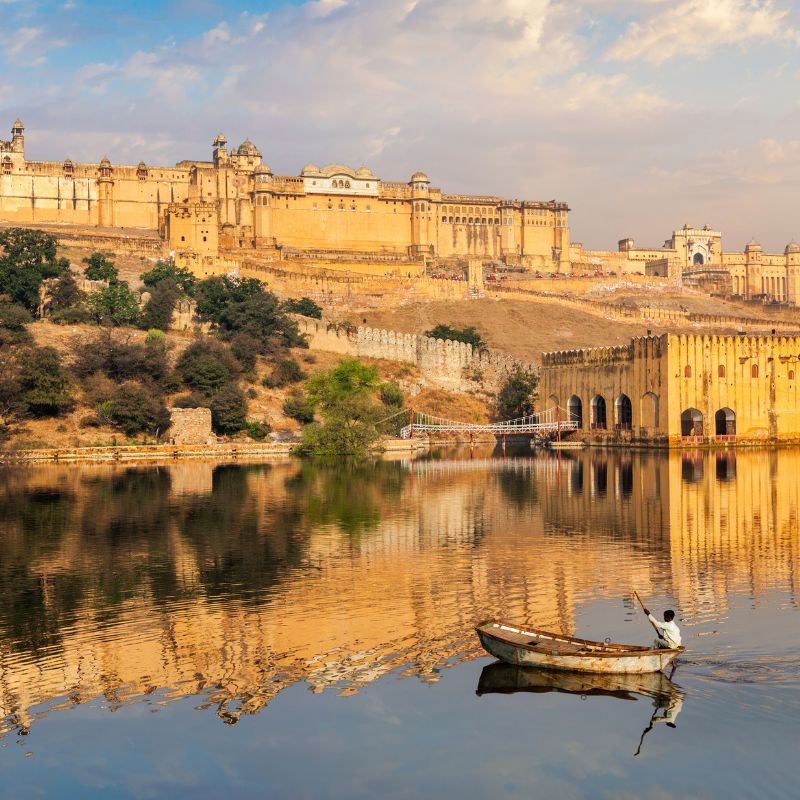
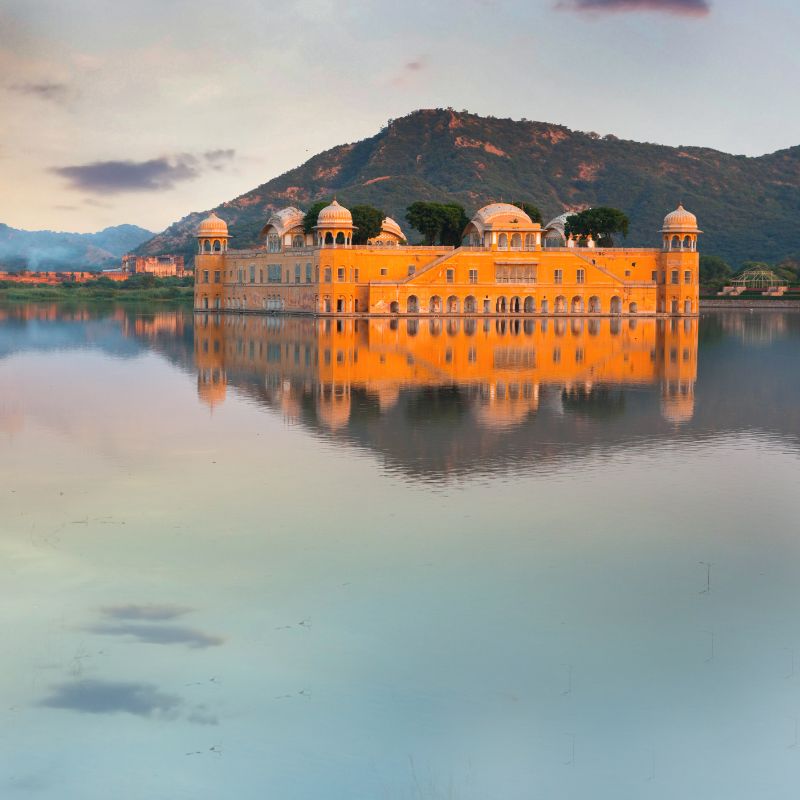
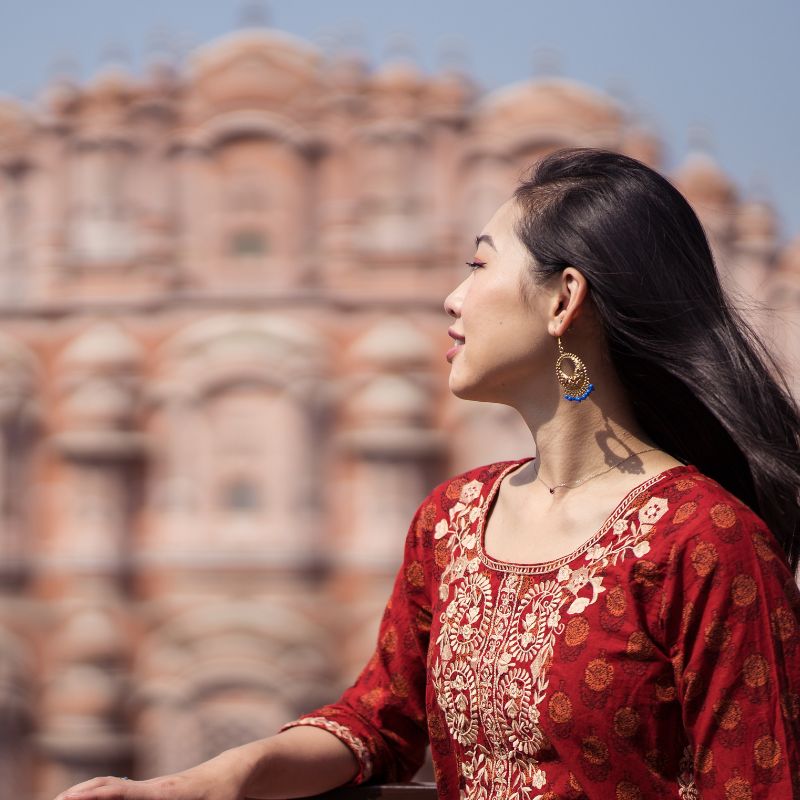
Jaipur introduces Rajput architecture through Amer Fort, City Palace and other historic attractions.
Traditional crafts, regional cuisine and heritage accommodation add variety.
Two nights allow time for major sightseeing, although three nights may be preferable if shopping or cultural experiences are important.
Kathmandu: Nepal's Cultural Heart
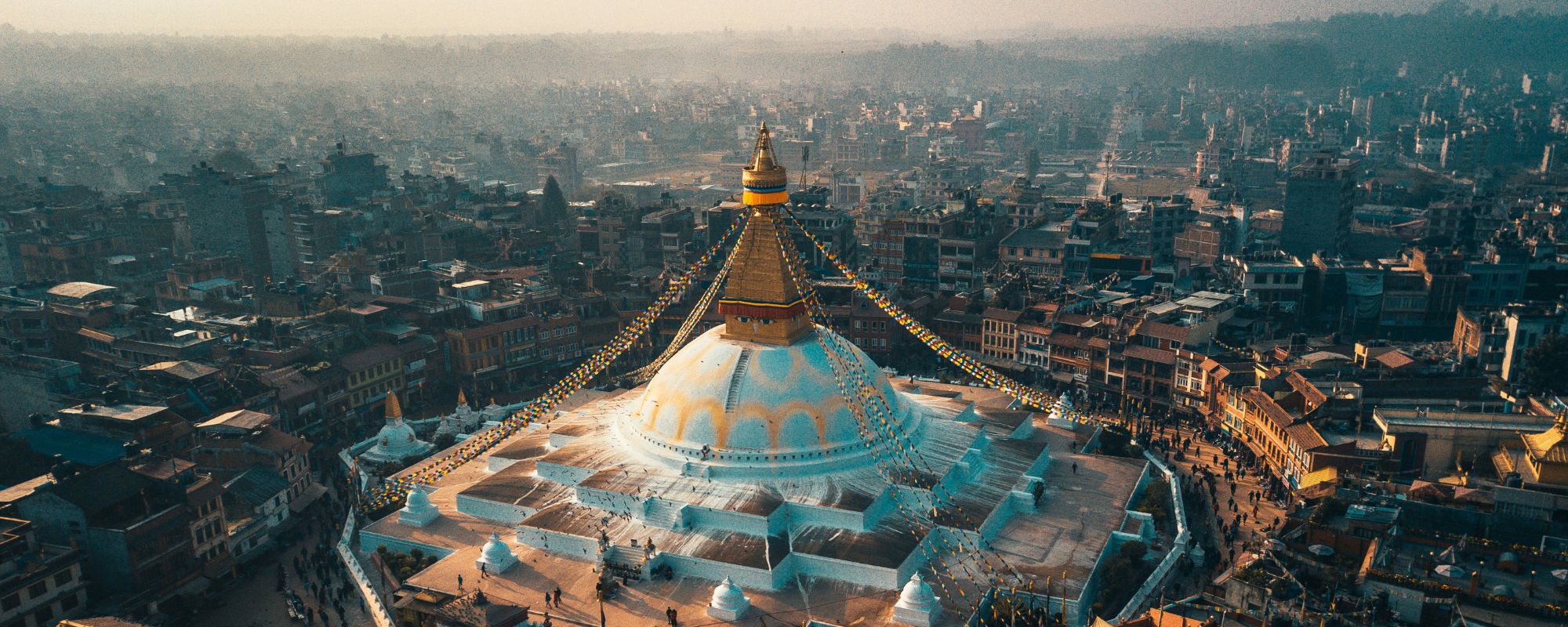
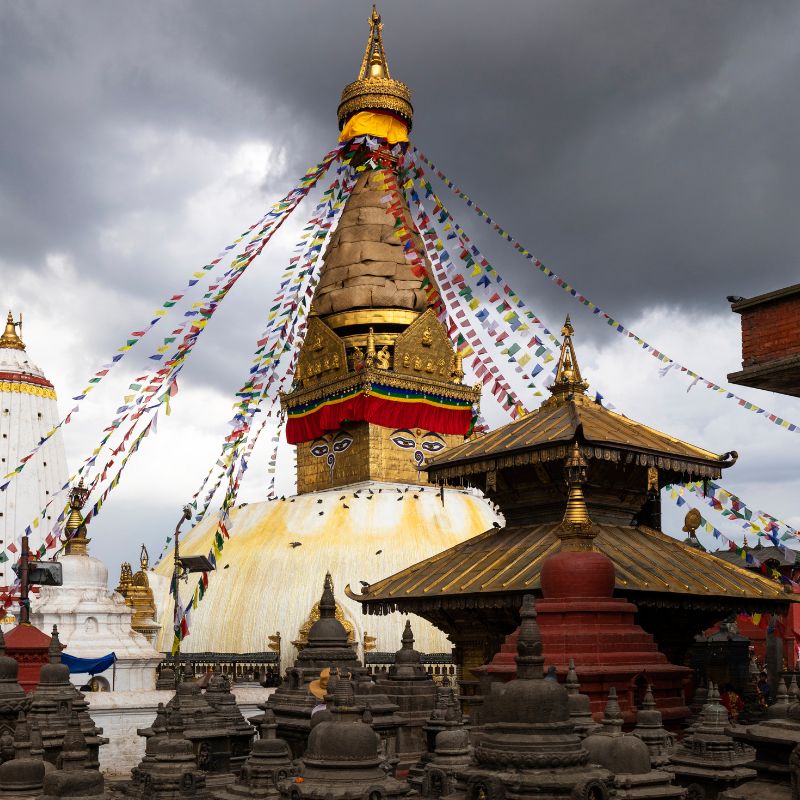
Kathmandu Valley offers Hindu and Buddhist monuments, historic courtyards and traditional Newari architecture.
Kathmandu, Patan and Bhaktapur each provide different cultural experiences.
Rather than visiting every square and temple in one day, choose a smaller selection and explore them with a knowledgeable local guide.
Pokhara: Himalayan Views and Relaxation
Pokhara offers a slower pace after several days of city sightseeing.
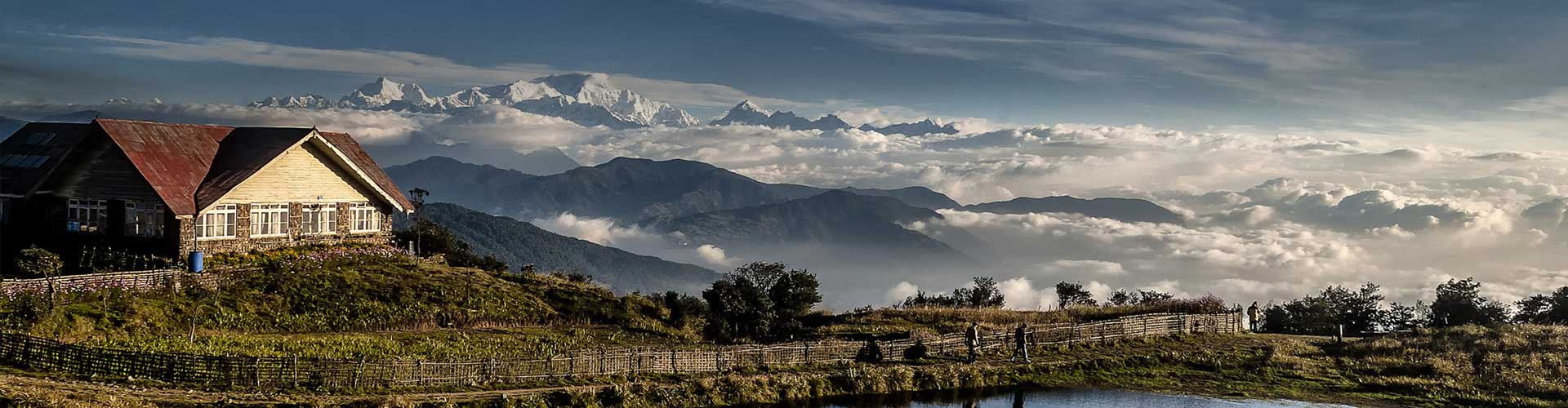
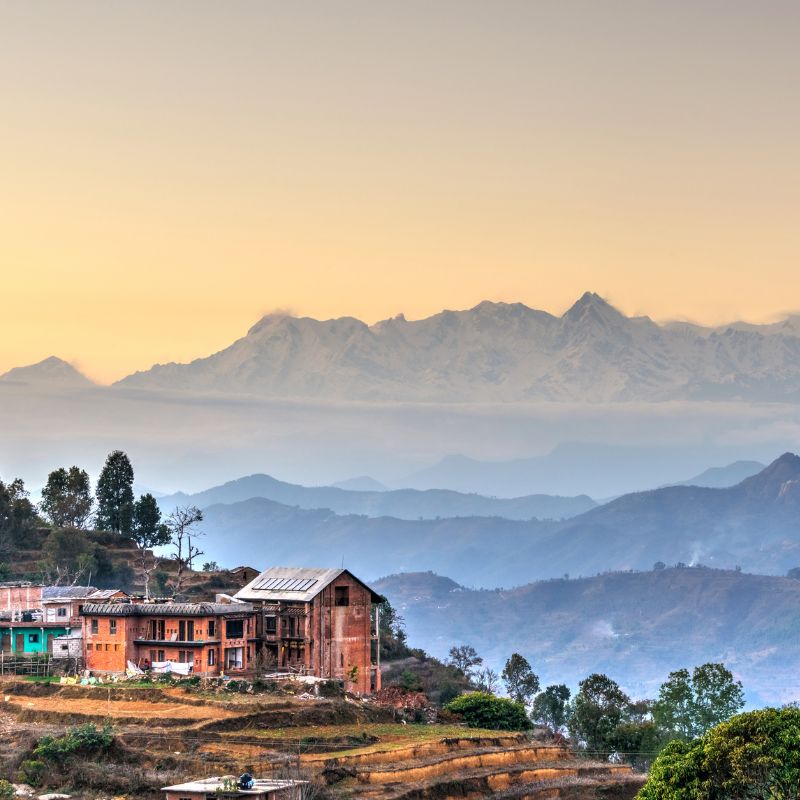
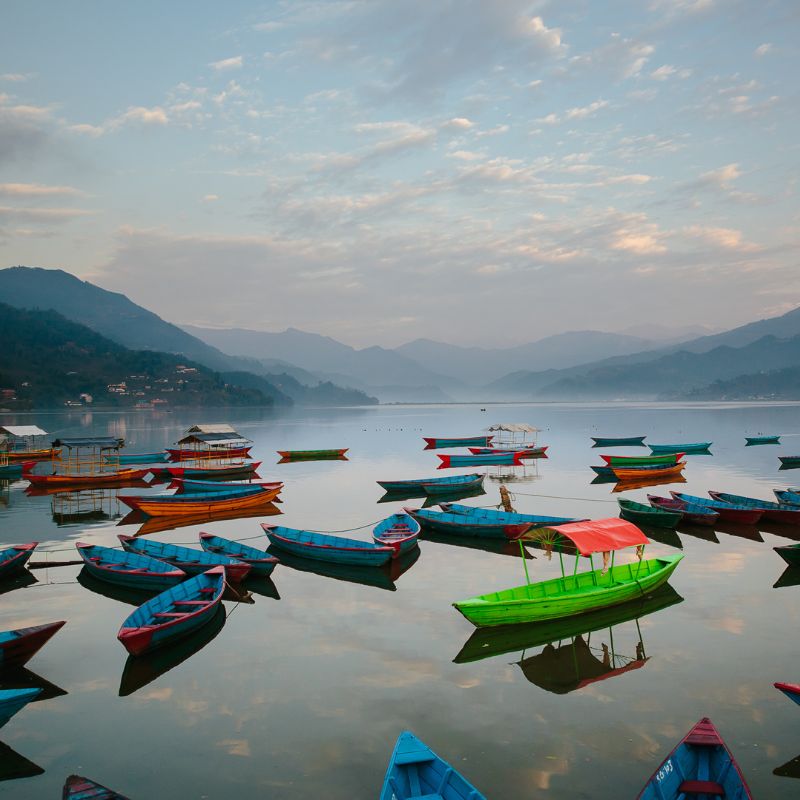
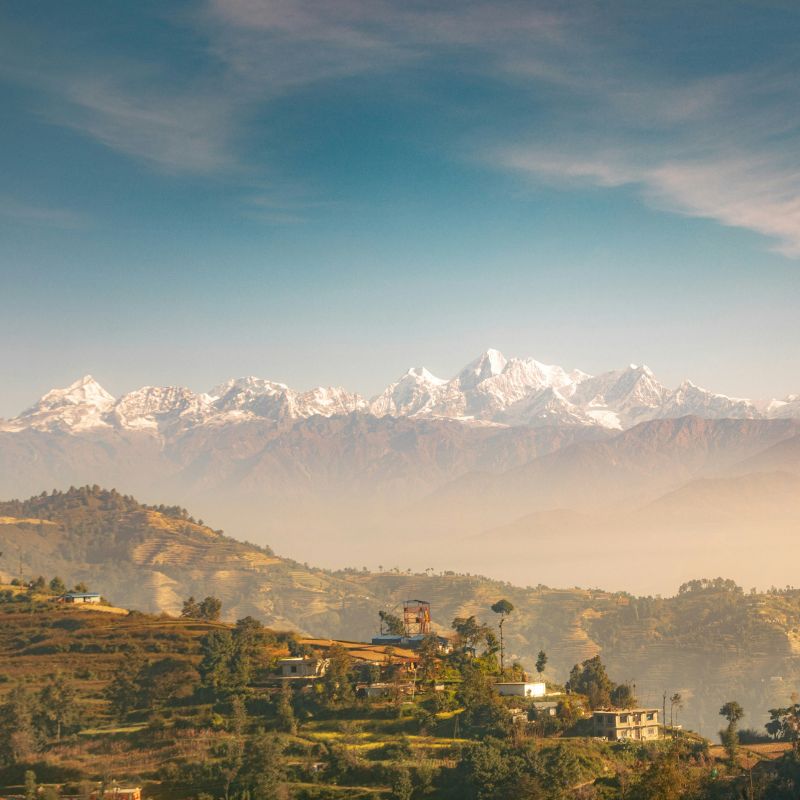
Phewa Lake, surrounding viewpoints, and the Annapurna mountain scenery are its main attractions.
You don't need to undertake a strenuous trek to enjoy the area.
Three nights give you time to relax and offer more than one chance to enjoy mountain views, depending on the weather.
Our Pokhara destination guide provides further information about the city's attractions.
What Is the Best 14-Day India and Nepal Itinerary?
A practical 14-day route begins in Delhi, continues through Agra and Jaipur, then returns to Delhi before flying to Kathmandu. Pokhara follows the Kathmandu Valley, with a final overnight stay in Kathmandu before international departure.
The following is an illustrative itinerary, not a confirmed package.
|
Day |
Destination |
Suggested experience |
|---|---|---|
| 1 | Delhi | International arrival, private airport transfer and rest |
| 2 | Delhi | Guided sightseeing in Old and New Delhi |
| 3 | Agra | Road transfer and Agra Fort |
| 4 | Jaipur | Early Taj Mahal visit and road transfer |
| 5 | Jaipur | Amer Fort, City Palace and selected experiences |
| 6 | Delhi | Return road transfer and overnight stay |
| 7 | Kathmandu | Flight from Delhi, hotel check-in and relaxation |
| 8 | Kathmandu | Guided heritage sightseeing |
| 9 | Kathmandu Valley | Patan, Bhaktapur or another cultural experience |
| 10 | Pokhara | Domestic flight, subject to confirmed schedules |
| 11 | Pokhara | Phewa Lake and nearby viewpoints |
| 12 | Pokhara | Leisure and selected cultural experiences |
| 13 | Kathmandu | Return flight and overnight stay |
| 14 | Departure | International flight from Kathmandu |
What Makes the India Portion Practical?
The route allows two nights in Delhi initially, one night in Agra and two nights in Jaipur.
Day 4 includes the Taj Mahal followed by a substantial drive to Jaipur.
That combination can be tiring so that we wouldn't schedule extensive sightseeing in Jaipur after arrival.
Day 6 returns you to Delhi for an overnight stay before the flight to Kathmandu on Day 7.
Depending on flight availability, an alternative arrangement may be possible, but confirm it before booking accommodation.
Why Include a Kathmandu Overnight Before Departure?
Flights between Kathmandu and Pokhara are relatively short, but weather and operational conditions can cause delays or cancellations.
Returning to Kathmandu on Day 13 creates a buffer before the international departure on Day 14.
This doesn't eliminate disruption risk, but it reduces dependence on a same-day domestic connection.
For important long-haul flights, that additional overnight stay is a sensible precaution.
Should You Visit India or Nepal First?
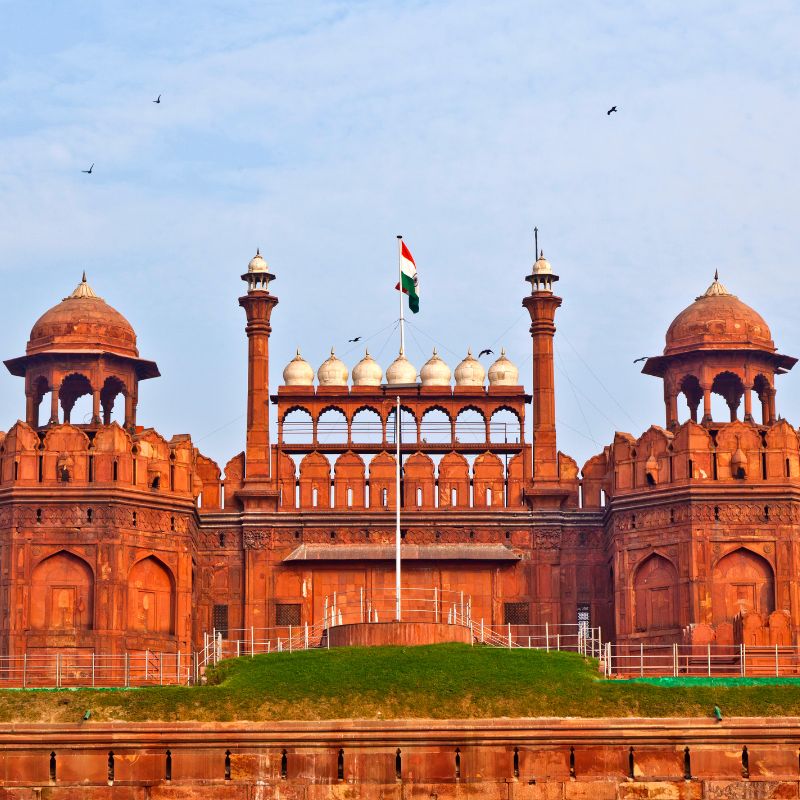
India first and Nepal second is a practical choice for travellers following the Golden Triangle. Delhi has extensive international connections, while Nepal's Pokhara region provides a relaxing finish after India's busier sightseeing days.
However, the reverse order can work equally well.
If your preferred airline offers better connections into Kathmandu and out of Delhi, starting in Nepal may be more convenient.
Weather can also influence the order.
If mountain photography is a priority, consider which part of your holiday is likely to offer better conditions in Nepal.
The best sequence depends on your actual flight dates, visa permissions and preferred pace.
How Do You Travel Between India and Nepal?
Flying is usually the most convenient way to combine the Golden Triangle with Kathmandu. Delhi has established nonstop flights to Nepal, while road crossings suit specific overland itineraries near the shared border.
Is Flying Better Than Crossing the Border by Road?
For most luxury travellers following this route, yes.
A Delhi–Kathmandu nonstop flight generally takes under two hours in the air.
However, airport transfers, check-in, immigration and baggage collection add considerably more time.
Overland routes involve long road journeys and border formalities.
They may make sense for travellers visiting areas near the India–Nepal border, but they are rarely the most efficient choice for a Golden Triangle and Kathmandu holiday.
Can You Fly From Varanasi to Kathmandu?
Flight connections may be available, but services are more limited and subject to change.
If Varanasi is essential to your holiday, confirm operating flights before building the rest of the itinerary around that route.
Don't assume daily nonstop service.
You may need an alternative connection through Delhi.
What About Separate Flight Tickets?
Separate tickets offer flexibility but can create difficulties when flights are delayed.
Airlines generally have different responsibilities when you book connecting journeys independently.
You may also need to collect baggage and check in again.
When possible, choose a suitable connection buffer and consider an overnight stay before an important international departure.
Do You Need Separate Visas for India and Nepal?
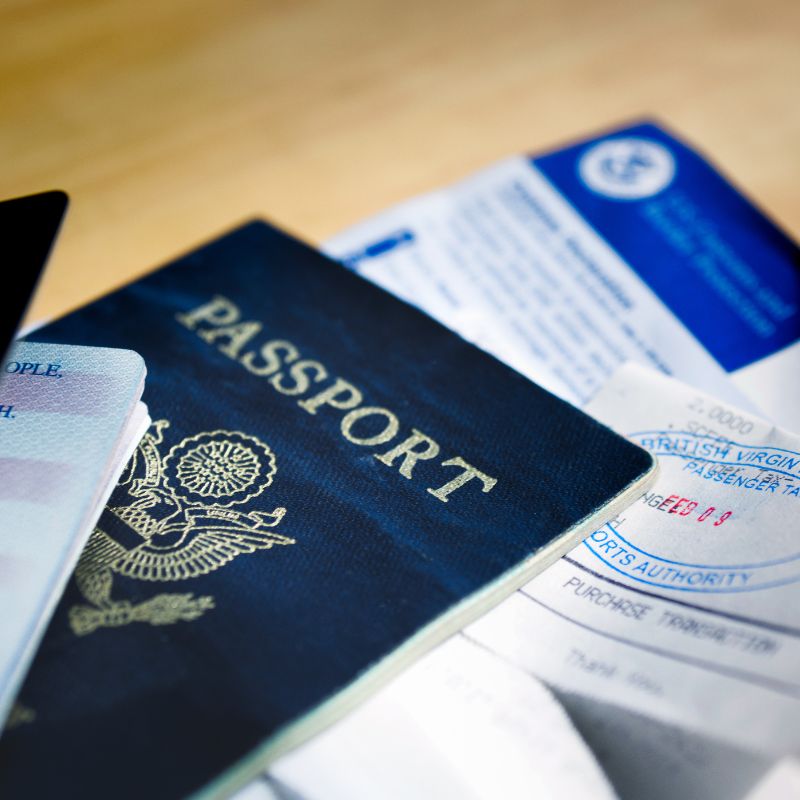
Most foreign travellers need separate entry permission for India and Nepal. India offers e-Tourist Visas to eligible nationalities, while Nepal provides tourist visas on arrival to many visitors. Requirements depend on passport nationality, visa category and planned entry points.
What Are India's Tourist Visa Requirements?
India offers different e-Tourist Visa categories, including 30-day, one-year and five-year options for eligible travellers.
The 30-day e-Tourist Visa allows two entries, while the one-year and five-year visas allow multiple entries.
Travellers must check the permissions granted on their own Visa.
If you plan to visit Nepal and then return to India, make sure your Indian Visa remains valid for another entry.
An important restriction: Indian e-Visa holders cannot use the e-Visa to enter India through a land border crossing. You must enter through authorised airports or seaports.
Leaving India overland and re-entering India are separate immigration questions. Anyone planning a road crossing should confirm the correct Visa and border arrangements before travelling.
Official reference: Government of India e-Visa Portal.
Can You Get a Nepal Visa on Arrival?
Nepal offers tourist visas on arrival to many foreign nationals, including eligible travellers from the USA, UK, Australia, Canada and several European countries.
However, some nationalities must obtain a visa before departure.
Nepal's published tourist visa-on-arrival fees are:
|
Visa duration |
Fee |
|---|---|
| 15 days | US$30 |
| 30 days | US$50 |
| 90 days | US$125 |
Fees and procedures can change, so verify them before travelling.
How Does Nepal's Visa-on-Arrival Process Work?
Eligible travellers can complete the online tourist visa form through Nepal's official immigration services before arrival or at the airport.
The usual process involves completing the application, obtaining a submission receipt, paying the required fee and presenting the documents at immigration.
Nepal's official guidance states that advance online form receipts are valid for 15 days.
Carry your passport, application receipt and required supporting documents.
Use only official government services for visa applications and payments, as fraudulent websites can imitate immigration portals.
Check the Nepal Department of Immigration and the official visa application portal.
Nationality-based exemptions and special procedures may apply. Never assume that every visitor qualifies for a visa on arrival.
When Is the Best Time to Visit India and Nepal Together?
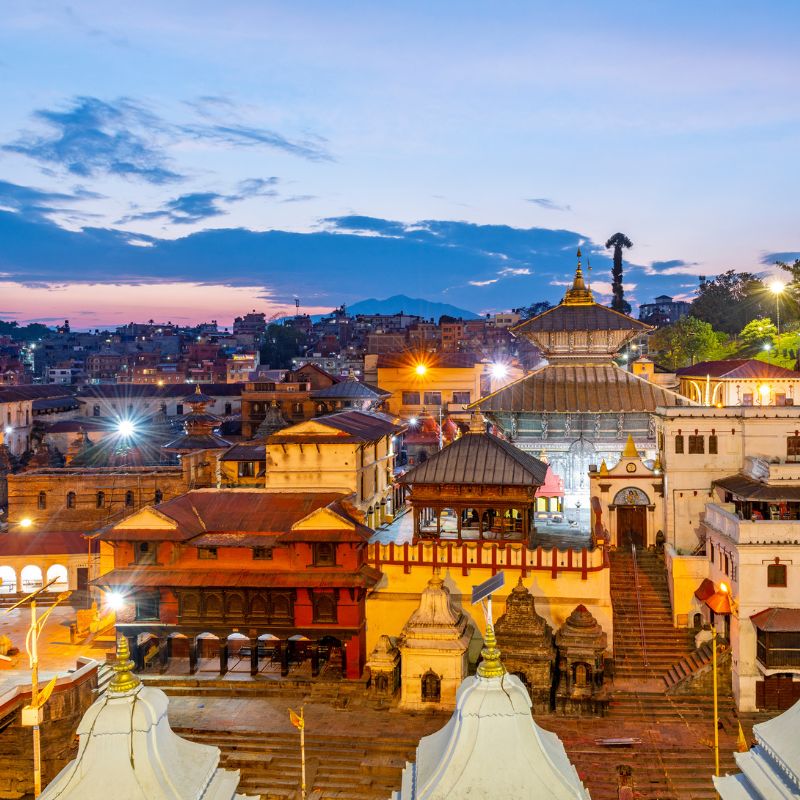
October–November and February–April generally offer a good balance for sightseeing in northern India and Nepal's mountain landscapes. However, temperatures, rainfall and visibility vary between Delhi, Kathmandu and Pokhara.
|
Season |
Northern India |
Nepal |
|---|---|---|
| October–November | Generally pleasant sightseeing conditions | Often favourable for mountain views |
| December–January | Cool mornings, possible fog and air pollution | Colder temperatures, particularly at higher elevations |
| February–April | Mild to increasingly warm weather | Spring conditions and potential mountain visibility |
| May–June | Strong heat across northern plains | Warmer conditions and increasing rainfall |
| July–September | Monsoon conditions | Rain, cloud cover and possible travel disruption |
October and November are particularly appealing for travellers seeking comfortable sightseeing and mountain scenery.
February and March can also work well.
However, Himalayan views depend on the weather year-round.
If photography matters to you, spending several nights in Pokhara improves your opportunities without guaranteeing clear skies.
Conditions in Nepal can change, so check official travel advisories for both countries before booking and arrange suitable travel insurance with medical cover. Nepal's monsoon, from June to September, also brings a higher risk of floods and landslides.
What Experiences Should You Combine Across Both Countries?
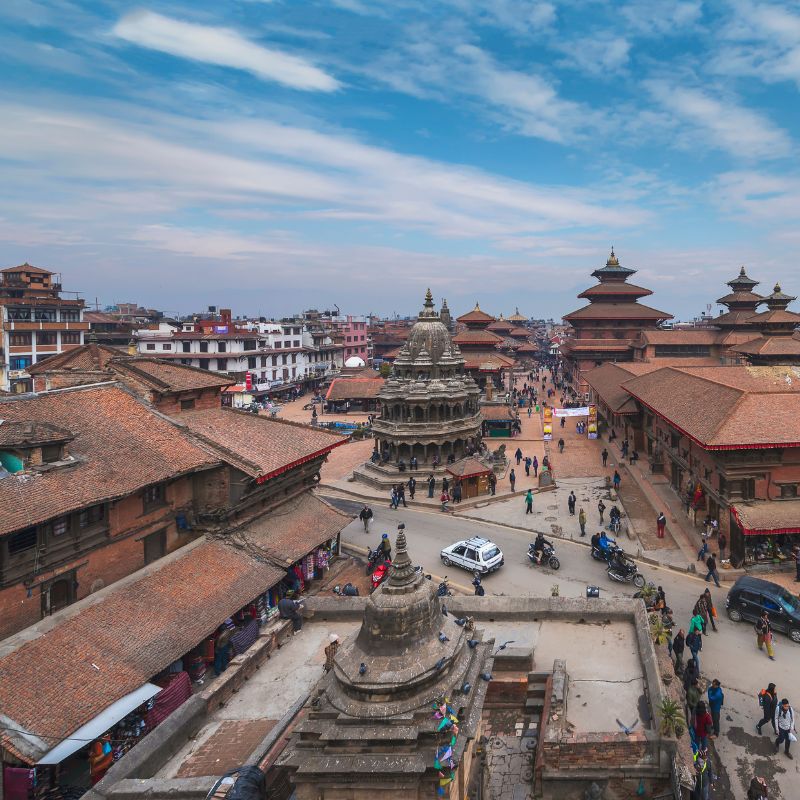
A well-planned India and Nepal holiday should offer variety rather than repeat similar sightseeing experiences. Cultural heritage, local traditions and mountain relaxation complement one another particularly well.
Historic Architecture in India
Delhi, Agra and Jaipur introduce Mughal and Rajput architecture through monuments, forts and palaces.
A private guide helps explain their history while adapting the sightseeing pace to your interests.
Selected crafts, food experiences and local cultural encounters can add depth beyond the major monuments.
Cultural Heritage in Kathmandu Valley
Kathmandu Valley offers Hindu and Buddhist traditions, historic squares and distinctive architecture.
Boudhanath, Swayambhunath, Patan and Bhaktapur provide different experiences.
Choose a reasonable number of sites rather than trying to see every landmark in one day.
Respect religious customs and photography restrictions.
Relaxation and Himalayan Scenery in Pokhara
Pokhara offers lakeside accommodation, nearby viewpoints and gentle outdoor activities.
A comfortable hotel can provide a good base for enjoying the scenery without a demanding trekking programme.
For travellers who have spent several days visiting busy Indian cities, this is often a welcome change of pace.
Should You Add Chitwan National Park?
Chitwan is worth considering if wildlife is a major interest.
The park offers opportunities to observe rhinoceroses, birds and other animals, subject to seasonal conditions and park regulations.
However, adding Chitwan to a 14-day programme would require reducing time elsewhere.
For a combined Golden Triangle, Kathmandu, Pokhara and Chitwan trip, 16–18 days is generally more practical.
Where Should You Stay on a Luxury India and Nepal Tour?
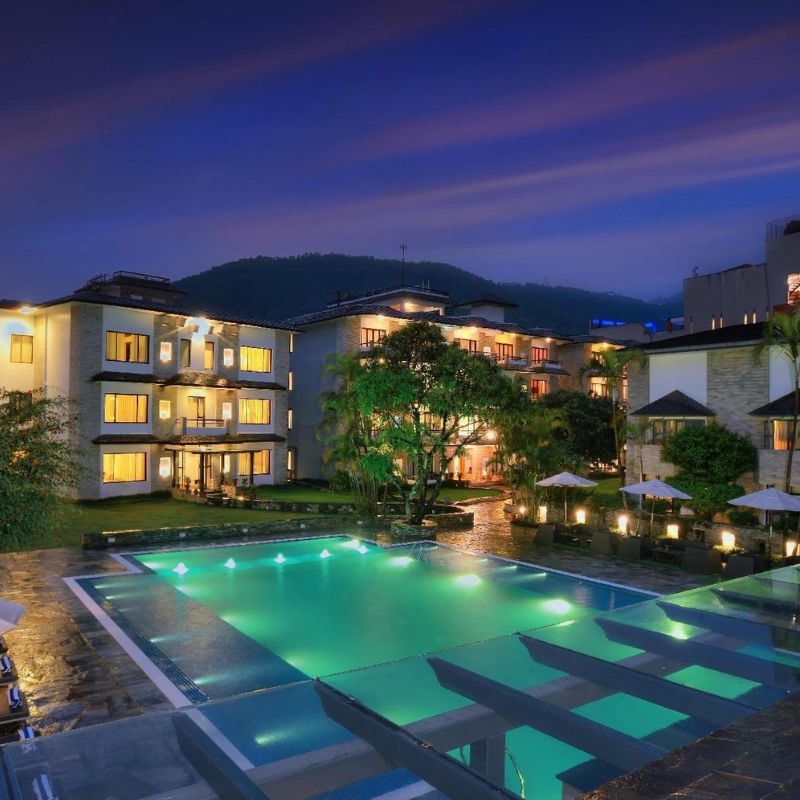
Choose hotels based on comfort, location, access and the experiences you want. Heritage properties in India and boutique accommodation in Nepal can complement each other, although facilities and service standards vary.
Delhi offers established luxury hotels, while Agra provides accommodation convenient for Taj Mahal visits.
Jaipur has heritage properties and contemporary hotels with different styles.
Kathmandu offers international-standard accommodation and heritage hotels.
Pokhara has lakeside resorts and smaller boutique properties.
Our website lists Nepal accommodation options, including Hotel Barahi in Pokhara and other properties.
These listings illustrate available accommodation options, not guaranteed inclusions in a specific itinerary.
Before booking, confirm the room category, accessibility, transfers, and any facilities that matter for your stay.
Our traveller testimonials can also show what previous guests say about trip planning and accommodation.
How Much Does a Private India and Nepal Tour Cost?
The cost depends on travel dates, accommodation, flights, number of travellers and included services. A personalised quotation is more useful than a general per-day estimate because the trip includes two countries and several travel sectors.
|
Cost component |
What to check |
|---|---|
| Hotels | Room category, meals and taxes |
| Private transport | Vehicle type, driver arrangements and transfers |
| Local guides | Guided sightseeing days and language preferences |
| Flights | Delhi–Kathmandu and Nepal domestic sectors |
| Activities | Entrance fees, experiences and optional excursions |
| Travel essentials | Visas, insurance and personal expenses |
An international open-jaw ticket may also affect the overall price.
Open-jaw travel means arriving in one city and departing from another, such as flying into Delhi and returning home from Kathmandu.
When comparing quotations, ask who will manage the Nepal portion of the holiday.
Our website lists customised travel services and Nepal destinations, but confirm the availability of specific Nepal guides, drivers, flights, and emergency arrangements in your individual proposal.
What Common Planning Mistakes Should You Avoid?
The biggest mistakes are adding too many destinations, overlooking visa permissions and booking tight flight connections.
An ambitious itinerary may look attractive on paper but leave little time to enjoy the destinations.
Avoid arranging an international departure immediately after a weather-dependent domestic flight.
Don't assume that a two-hour flight requires only two hours of your day.
Airport transfers, check-in and immigration all take time.
Another common mistake is choosing hotels solely by appearance without considering their location.
A beautiful property far from the places you're visiting can add unnecessary driving.
Finally, avoid scheduling early starts every day.
A private luxury holiday should allow room for relaxation.
Planning Tip From Our Team: Decide Your Departure City First
For an India and Nepal tour, we recommend choosing your international arrival and departure cities before finalising the itinerary.
Flying into Delhi and departing from Kathmandu can reduce backtracking.
If your airline requires a return flight from Delhi, check your Indian Visa's re-entry permissions and allow adequate time between the Kathmandu–Delhi flight and your onward departure.
For a two-week holiday, we'd keep the route focused on the Golden Triangle, Kathmandu and Pokhara.
If Varanasi or Chitwan is essential, extend the trip rather than squeezing it into an already full schedule.
Getting the flight sequence right before booking hotels can prevent unnecessary changes later.
Plan Your Private India and Nepal Trip With Bout India
Combining India and Nepal offers two different experiences within one holiday.
Delhi, Agra and Jaipur introduce India's historic architecture and regional culture. Kathmandu adds Nepal's religious and artistic heritage, while Pokhara offers a quieter setting near the Himalayas.
The key is giving each destination enough time.
We have created tailor-made private trips since 2013, helping travellers choose destinations, accommodation, and experiences based on their preferences.
If you're considering a combined holiday, you can plan your India and Nepal trip with Bout India and discuss how the two countries could fit into one itinerary.
Ask for a detailed proposal confirming cross-border flights, Nepal arrangements, accommodation and entry requirements before booking.
A thoughtfully planned trip should balance history, culture, and relaxation without spending too much time moving between destinations.