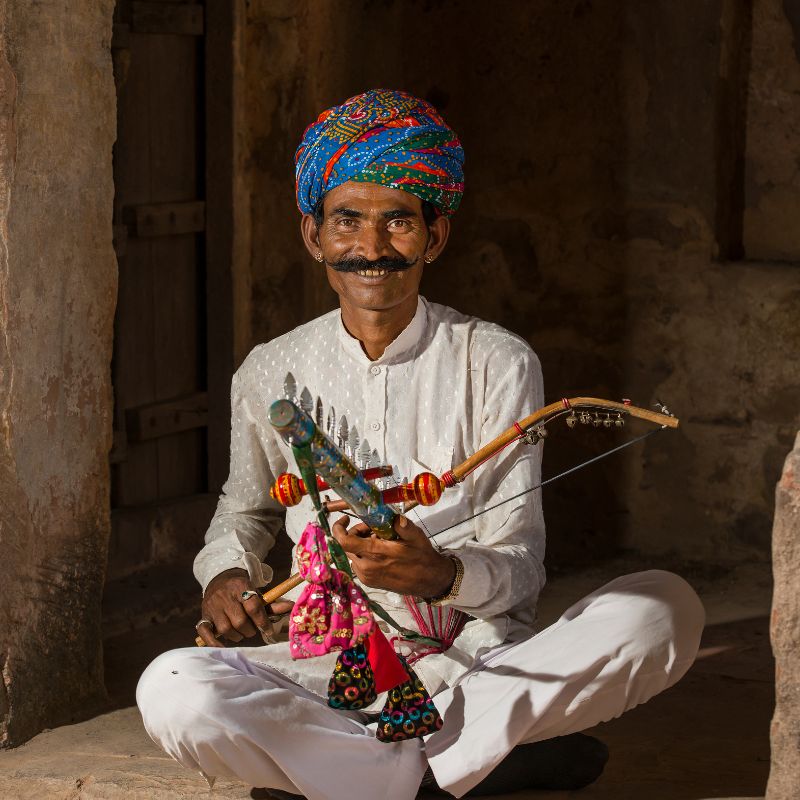
For Italian travellers, the answer is unusually clean. India's best weather runs October to March, and the one long holiday block most Italians can actually take inside that window is the stretch from Natale through Capodanno to Epifania on 6 January. That is why Italians arrive in India at Christmas and New Year, and it is also why those two weeks are the most expensive and hardest to book of the entire Indian year. The other long Italian block, Ferragosto in August, lands squarely in the monsoon.
TL;DR
- India's season is from October to March. December and January are the peak.
- The Natale to Epifania block is the only long Italian holiday inside that season. Hence the concentration.
- Italy has had 12 national holidays, and a 13th from 2026: San Francesco on 4 October, reinstated by parliament in 2025. In 2026, it falls on a Sunday, so it adds no long weekend until 2027.
- Ferragosto is the wrong time for Rajasthan. August is monsoon across most of the country.
- The Immacolata ponte on 8 December is the underused window: good weather, pre-peak pricing.
- February and early March are the best values in the season. Same weather, none of the blackout terms.
- 20 December to 10 January is a blackout. Non-refundable terms, rates 25 to 40 per cent up, and heritage availability that genuinely runs out.
- Book nine to twelve months ahead for Christmas and Capodanno. Six months is fine for February.
The Italian Calendar Against the Indian Season

|
Italian window |
Dates |
India verdict |
|---|---|---|
| Immacolata ponte | Around 8 December |
Excellent. Season open, pre-peak pricing, Christmas markets not yet missed at home |
| Natale to Epifania | 24 December to 6 January |
Peak. Best weather, worst prices, blackout terms, book a year out |
| Post-Epifania | Mid-January to March |
Best value in the season. Same weather, normal terms |
| Pasqua and Pasquetta | Movable, March or April |
Workable, narrowing. North heats up quickly through April |
| 25 April and 1 May ponti | Late April, early May |
Poor for the north. Good for the Himalaya |
| Ferragosto | Around 15 August |
Wrong season for most of India. Monsoon |
| San Francesco | 4 October, new from 2026 |
Season opening, but a Sunday in 2026 and a Monday in 2027 |
| Ognissanti | 1 November |
Very good. Clear plains, pre-peak rates. A Sunday in 2026, a Monday in 2027 |
Why Christmas and Capodanno Are the Peak
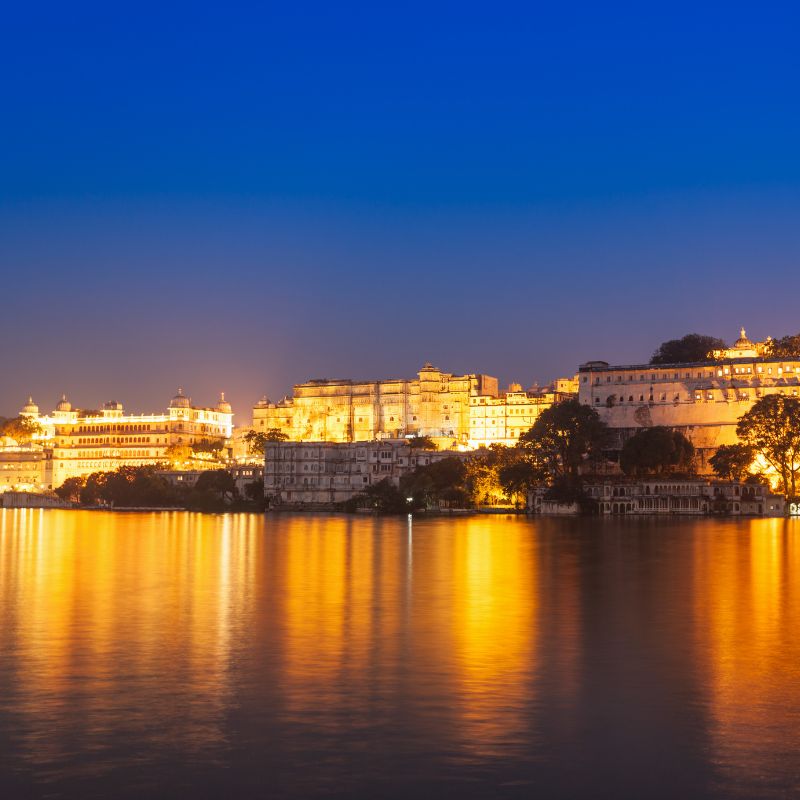
Two calendars collide.
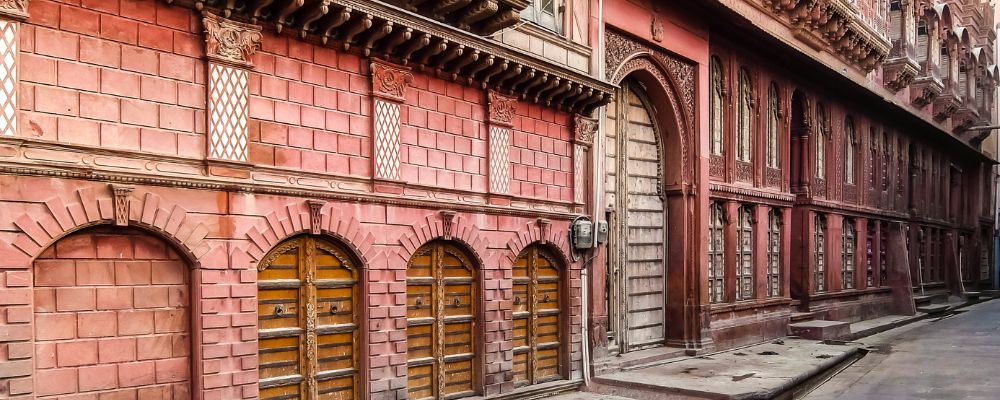
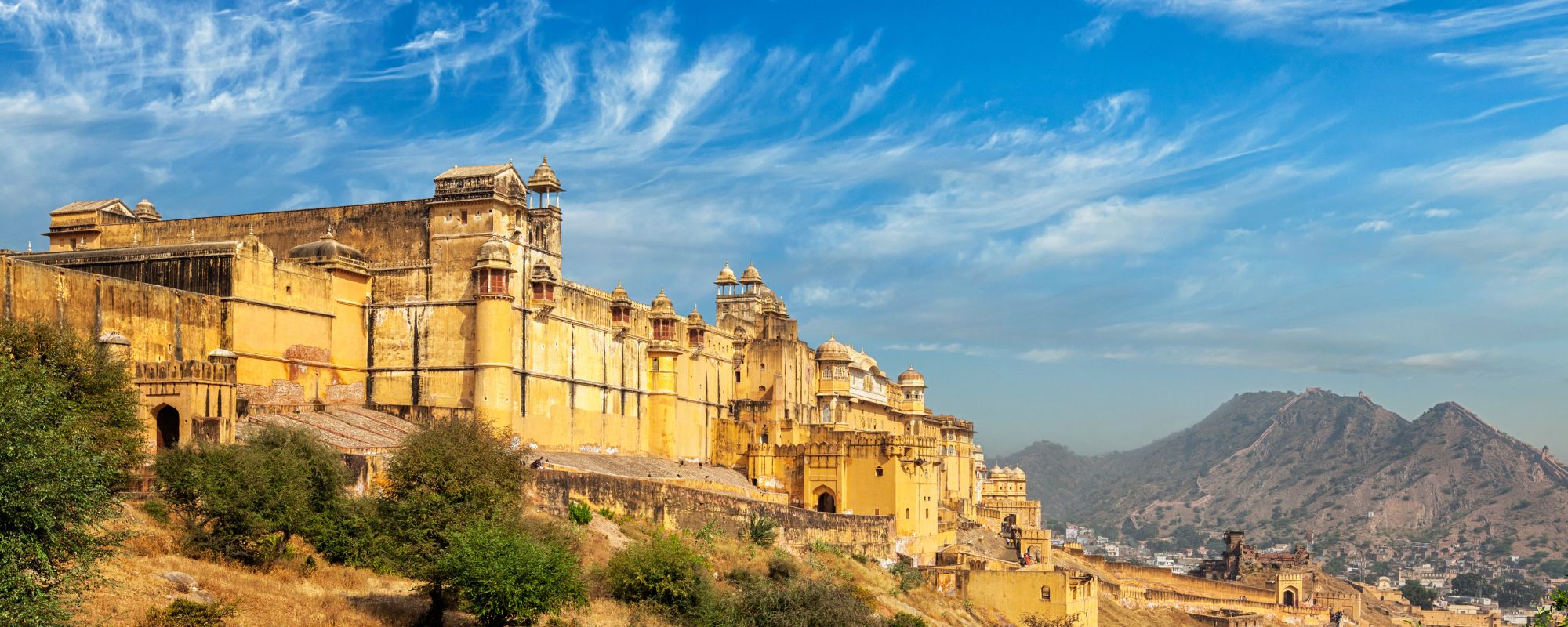
India's northern and western season runs October to March because the monsoon has cleared and the summer heat has not arrived. December and January are its centre: dry, bright, cool mornings in Delhi and Rajasthan, warm afternoons, and the clearest light of the year for Agra and the desert cities.
Italy's calendar gives most people two extended blocks: August, and the run from Natale through Capodanno to Epifania. Officially, 31 December is a working day, but a large number of Italian offices close outright between Christmas and New Year, and with 25 and 26 December, 1 January and 6 January all national holidays, the block absorbs comparatively few vacation days. In 2026 Epifania falls on a Tuesday, so a single day off on Monday 5 January produces a four-day weekend at the end of it.
The result is that the one long Italian holiday that coincides with India's best weather is the one everybody takes. And it is not only Italians: December is India's peak inbound month worldwide.
What that costs. Rates at the properties we use run roughly 25 to 40 per cent above shoulder season. The three weeks from 20 December to 10 January are the only stretch of the year where hotel and guide availability in Udaipur, Jodhpur and Jaisalmer genuinely runs out. And bookings on those dates are blackout dates under our terms, meaning non-refundable regardless of notice, which is set out on our booking and cancellation policy page.
If Capodanno in India is the plan, decide early rather than holding it as an option. Nine to twelve months, and longer if a specific palace on 31 December matters.
Ferragosto Is the Problem
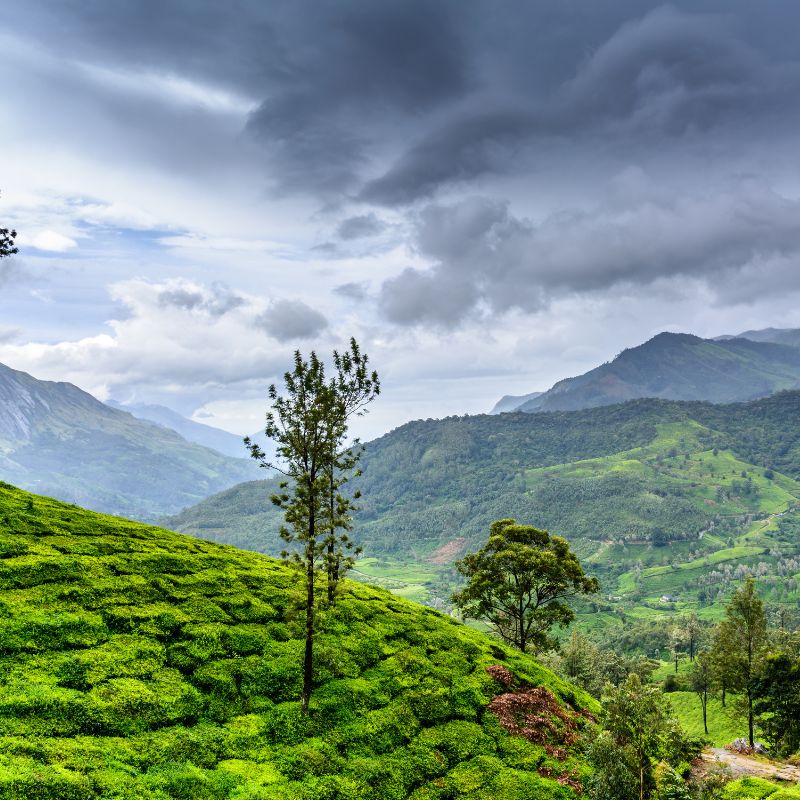
The other long Italian block is the worst possible time for the itinerary most Italians want. Mid-August is the monsoon across northern and western India. Rajasthan is humid and wet, the Golden Triangle is uncomfortable, and the light that makes those cities photograph well is gone.
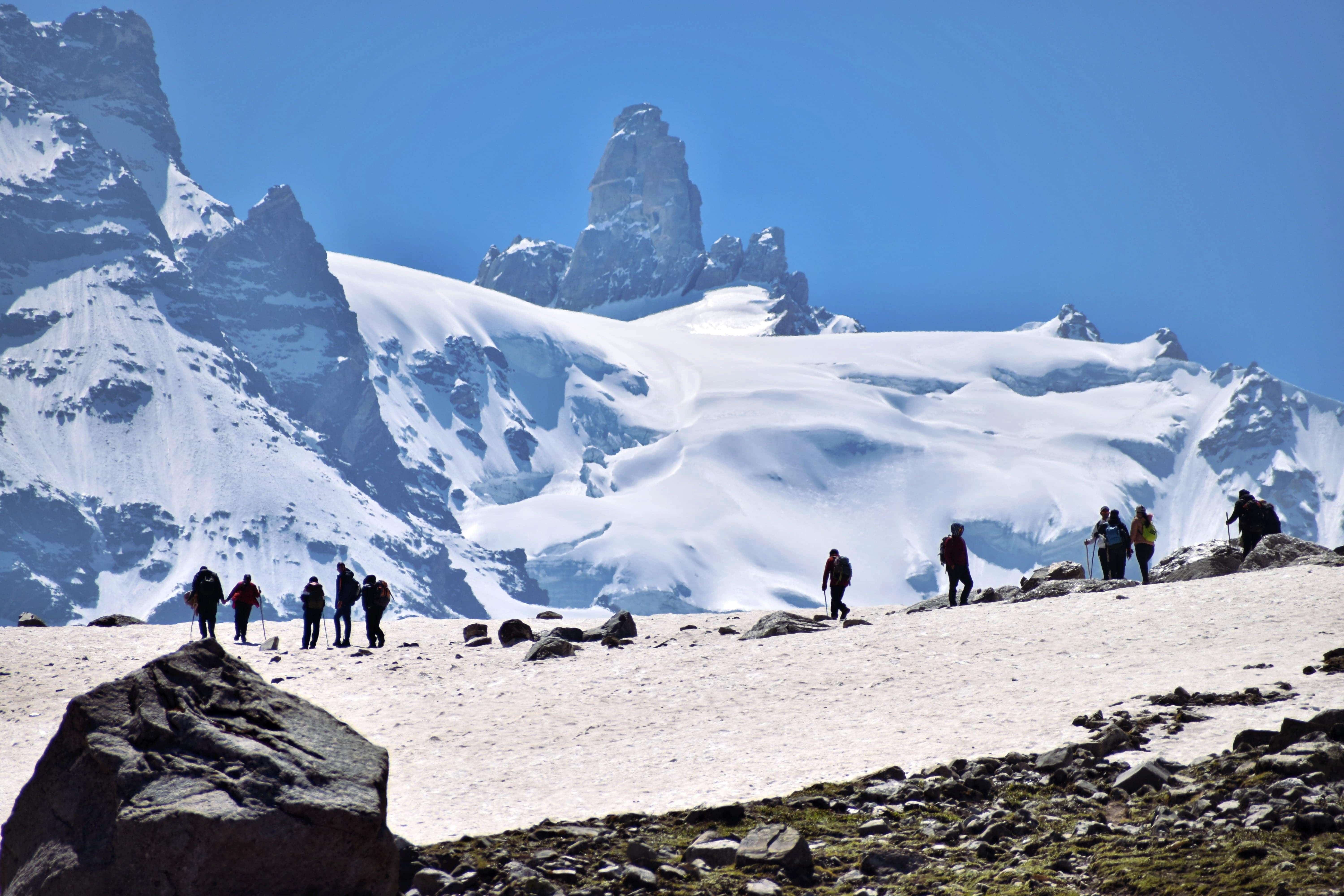
That does not mean August is unusable. It means August is a different trip. Kerala in the monsoon is the traditional season for Ayurvedic treatment, on the reasoning that the humidity helps the body respond, and rates are lower, which our Ayurveda and wellness guide covers. Ladakh and Spiti sit in the Himalayan rain shadow and are at their most accessible precisely when the plains are flooded.
The mistake to avoid is taking the Ferragosto dates and forcing the December itinerary into them.
The Windows Italians Underuse
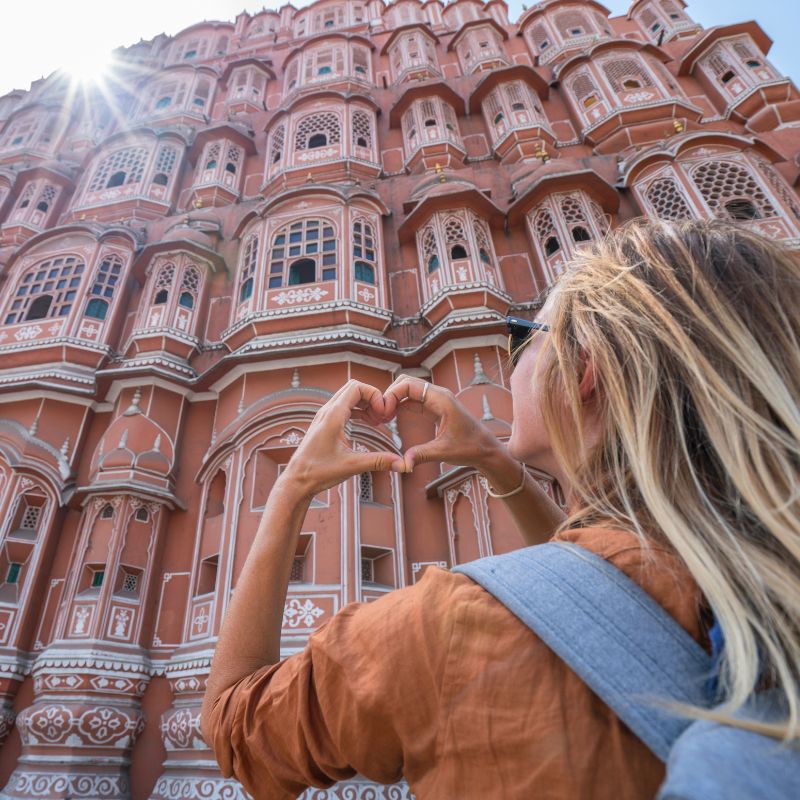
Immacolata, around 8 December. In Italy, this is the traditional start of the Christmas season, when the markets open. In India, it is the season fully open with peak pricing not yet applied. A ten-day trip built around this ponte gets December weather at November rates, and there are no blackout terms.
Mid-January to early March. The single best value in the Indian year and the window we recommend most often to European clients who are not tied to school holidays. Identical weather to the peak, full availability, normal cancellation terms, and often 30 per cent less. Our month-by-month calendar sets out the regional detail.
Ognissanti, 1 November. The plains are clear, the monsoon has gone, and the fog season has not started. In 2026 it falls on a Sunday and gives no long weekend; in 2027 it falls on a Monday, which makes a natural three-day weekend. Our winter planning guide covers the fog risk that builds from late December into January, which is a genuine consideration for anyone flying into Delhi in the peak block.
Practical Notes
Flights. Direct services run from Rome and from Milan to Delhi, and Gulf carriers offer one-stop routings from most Italian airports. Schedules change seasonally, so check current options when fixing dates rather than relying on last year's.
Visa. Italian passport holders use India's e-Visa system. Apply at least a week before travel, and budget a bank transaction charge on top of the fee. The application is made directly on the government portal; no intermediary is required.
Language. Ask any operator directly whether Italian-speaking guides are available in each city on your route, and get the answer city by city rather than as a general assurance. Availability is genuinely uneven outside the main circuits, and it matters more in Varanasi and the south than in Jaipur.
Etiquette. Our India etiquette guide was written for American visitors, but the substance applies to any European traveller: covered shoulders and knees at religious sites, shoes off, and photography by permission.
Choosing an operator. Our twelve questions to ask an India tour operator cover verification, terms and the difference between booking direct in India and booking through an agency at home.