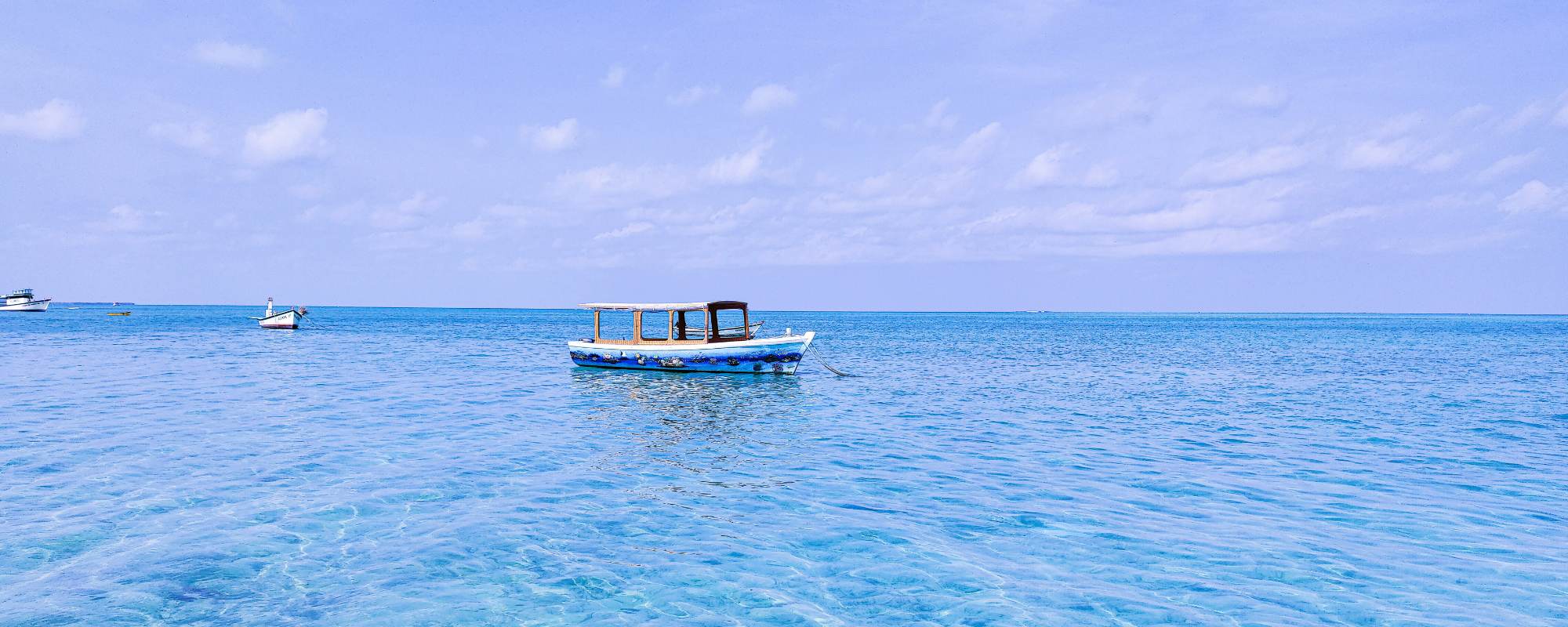
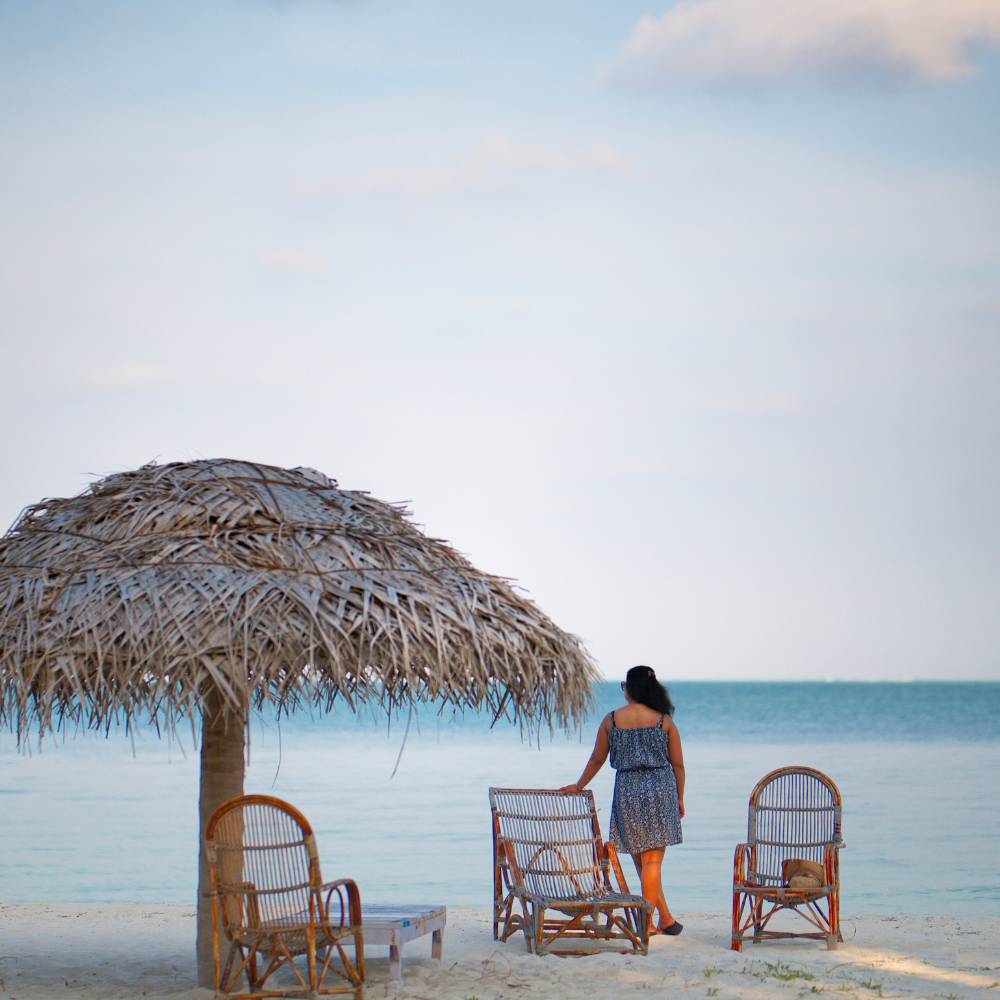
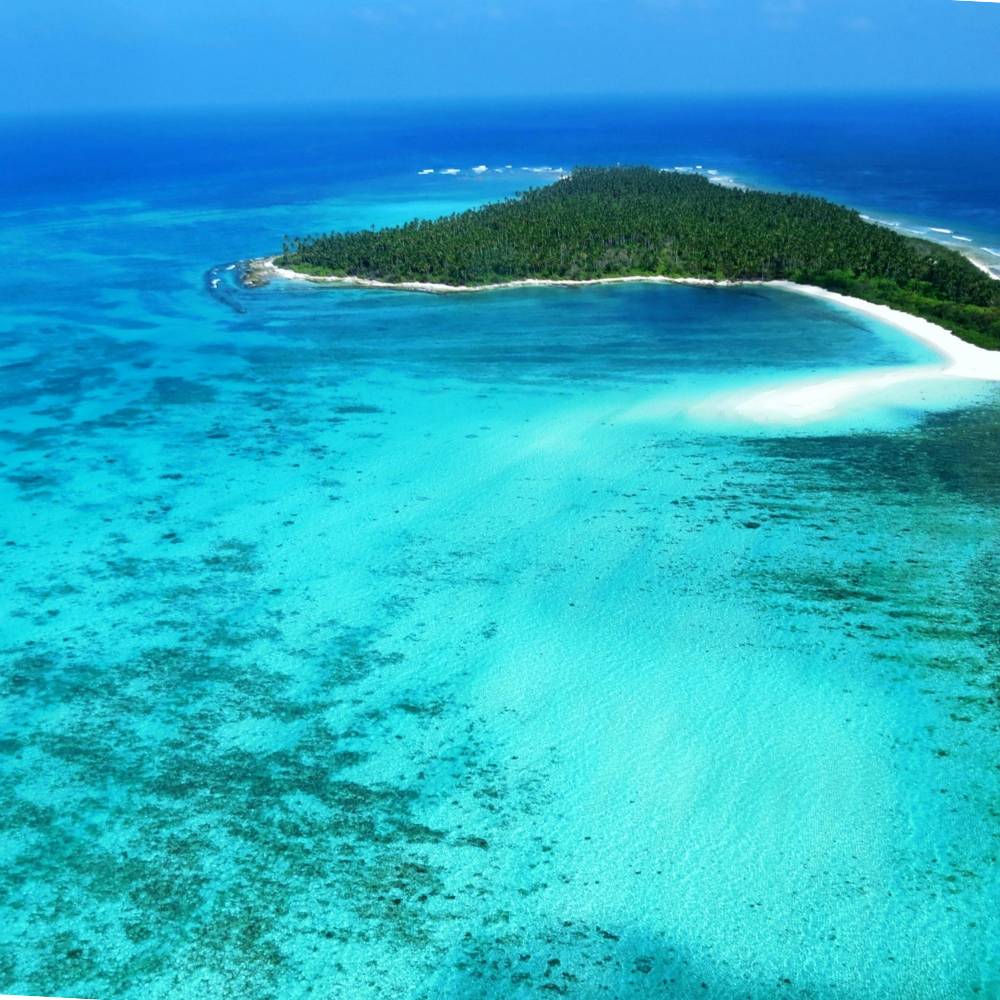
Lakshadweep is India's best-kept island secret and now its most talked-about luxury destination. An archipelago of 36 coral islands in the Arabian Sea, 200 to 440 kilometres off Kerala, it boasts Asia's most pristine marine ecosystems: near-undisturbed reefs, remarkably clear waters, and secluded beaches. When Prime Minister Modi visited Bangaram Island in January 2024, search volumes for Lakshadweep surged by over 3,400 per cent. Demand remains high.
The Indian Hotels Company (IHCL), the Tata Group's hospitality arm and operator of the Taj brand, now manages resort operations on Bangaram Island and has two further properties under development, including overwater villas, backed by approximately 800 crore rupees in government investment. For international travellers who have considered the Maldives for luxury island experiences, Lakshadweep now offers a serious alternative: it is significantly less visited, features similarly stunning marine life and atoll geography, and is situated on Indian soil. This guide covers the islands, how to get permits, what to expect from existing and upcoming luxury stays, and how to plan the trip.
Lakshadweep at a Glance
- Total islands: 36 coral islands, islets, and reefs in the Arabian Sea; approximately 10 to 12 are currently accessible to tourists
- Only airport: Agatti Island Airport (IATA: AGX); direct flights from Kochi only
- Best time to visit: October to February (calm seas, best underwater visibility); October to December also offers bioluminescence on certain beaches
- Permits: Mandatory for all visitors, including Indian nationals; entry rules simplified in April 2026 (no longer requires local sponsor or police clearance certificate)
- The Lakshadweep Excise Regulation 2026, effective June 5, brings major changes. The 47-year alcohol ban is now replaced by a licensed framework. Bangaram remains the main island with alcohol available for tourists. The new regulation may extend licensed sales to other resorts over time.
- Foreign nationals: Generally restricted to Agatti, Bangaram, and Kadmat; additional documentation required
Island-by-Island Breakdown: Which Island Should You Visit?
Lakshadweep's accessible islands vary in character, facilities, and experiences. Choosing the right one matters more here than at most destinations.
Bangaram Island: the premier luxury destination
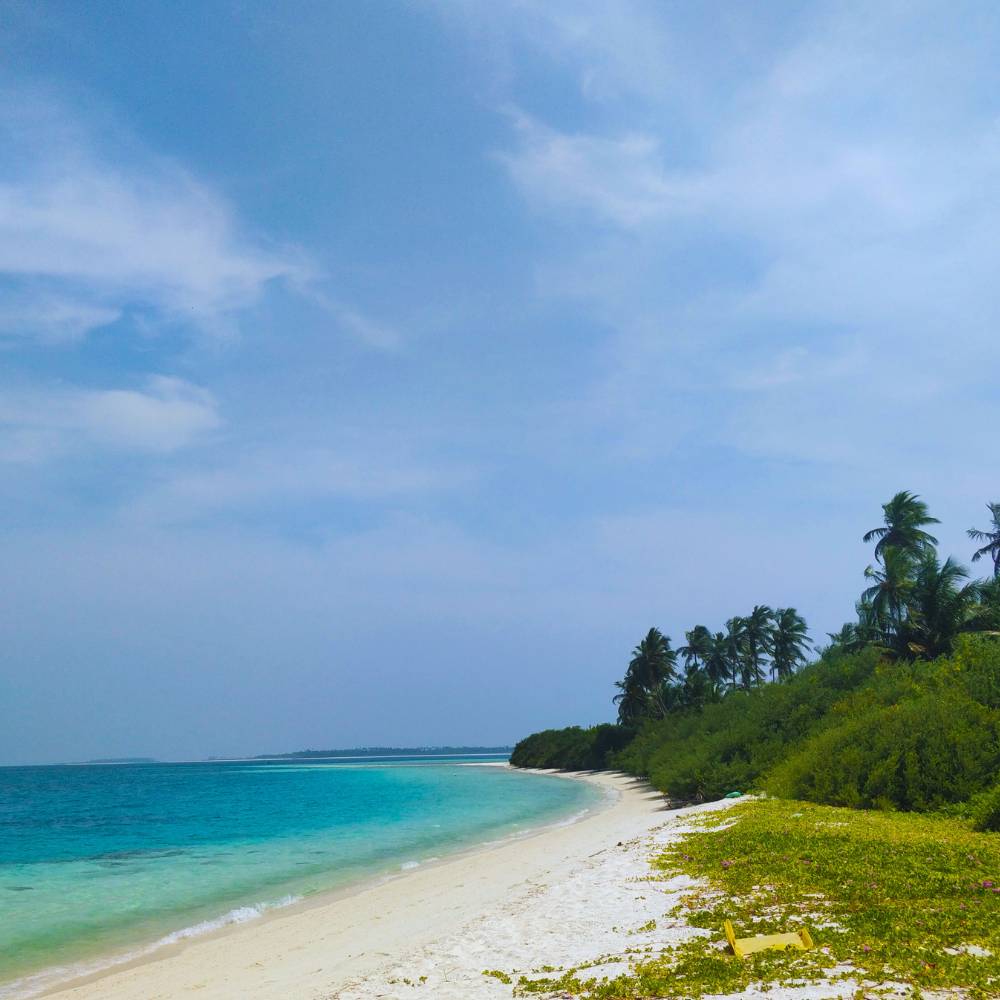
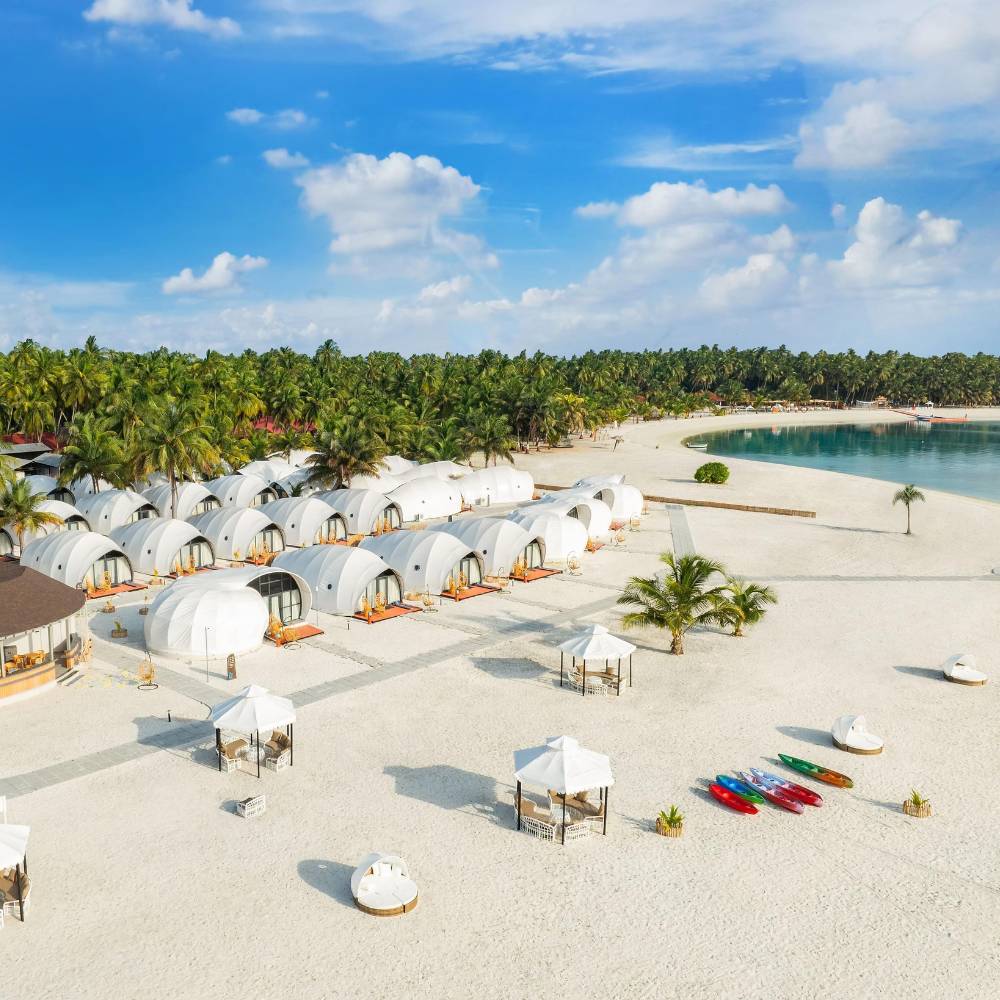
Bangaram is the key luxury destination. Uninhabited except for resort guests and staff, it offers rare isolation: no village, markets, or crowds beyond fellow guests. The island is small, under one square kilometre, but the Bangaram atoll spans about 8 by 4 kilometres, enclosing a remarkably clear lagoon. IHCL's Bangaram Island Resort and Coral Pearl provide 60 keys across beach cottages and glamping tents with direct sea access. The on-island dive centre operates year-round, and the surrounding coral garden is one of India's healthiest accessible reefs. Under the Lakshadweep Excise Regulation 2026 (effective June 5), Bangaram remains the primary island where alcohol is available to resort guests; the new licensing framework may extend to other resorts over time. Guests transfer by boat from Agatti after landing at the airport.
Agatti Island: the gateway island
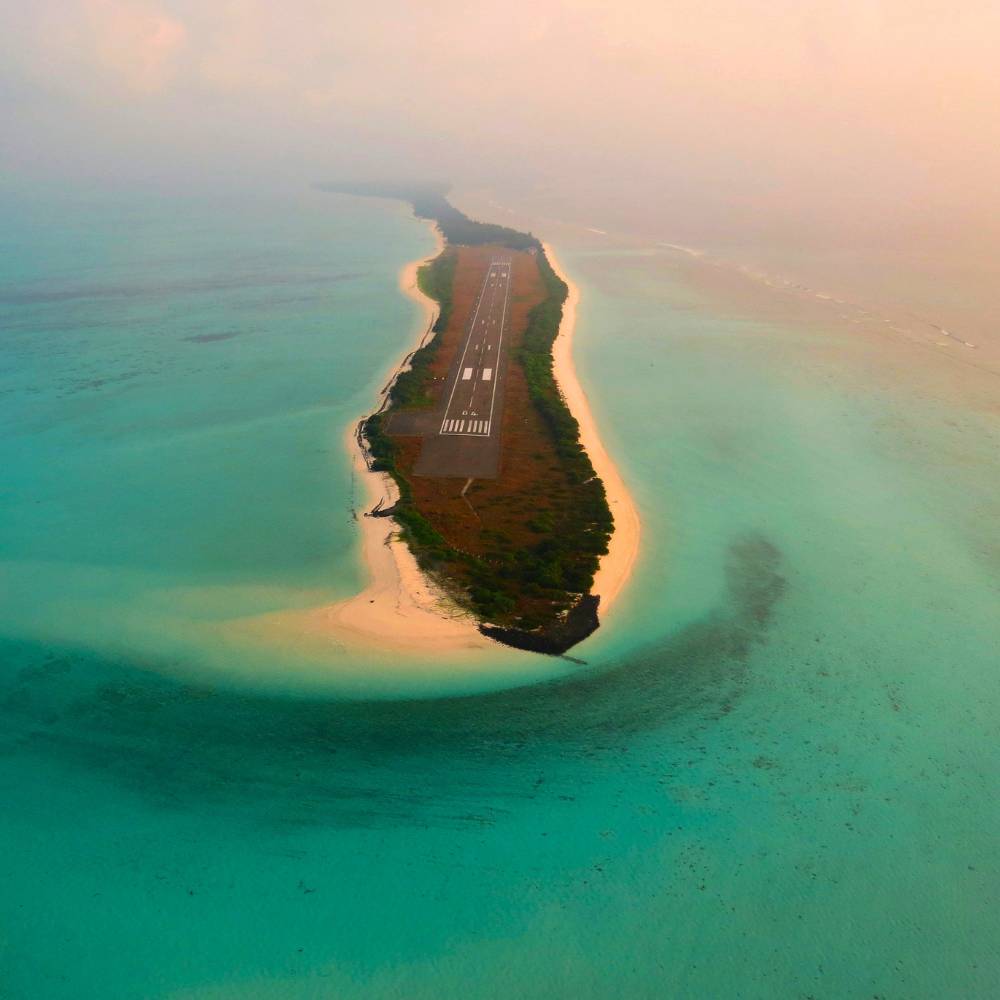
Agatti is the entry point for air travellers and hosts Lakshadweep's only airport. The island has about 7,500 residents and a few guesthouses and smaller resorts along a spectacular lagoon. Travellers seeking an authentic, local experience may prefer Agatti, though luxury infrastructure is limited. Its lagoon is among the best in Lakshadweep for snorkelling.
Kadmat Island: diving and seclusion
Kadmat, roughly 70 kilometres north of Agatti, is quieter than Bangaram or Agatti and draws serious divers for its superior reef quality. A Taj resort and an overwater villa project are underway; Kadmat is set to become a second luxury hub. Foreign nationals are allowed to visit.
Kavaratti: the administrative capital
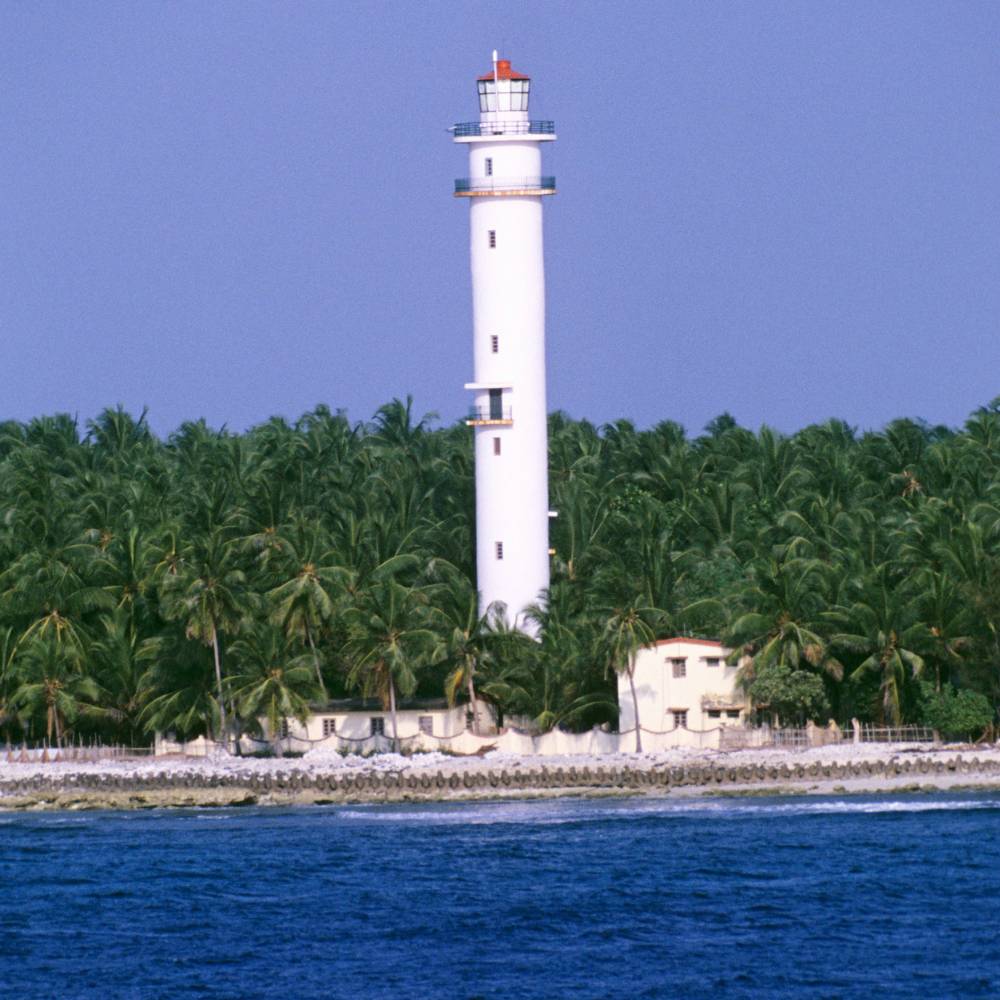
Kavaratti is Lakshadweep's administrative capital and largest settlement. It has the best inter-island connectivity, a government beach resort, and the Ujra Mosque (considered the finest in the islands), but lacks Bangaram's isolation and resort focus. Most itineraries treat Kavaratti as a day trip from Agatti rather than a standalone destination.
Minicoy: the southernmost island
Minicoy, Lakshadweep's southernmost island, is distinctive with a Maldivian Mahl-speaking population and unique cultural traditions. A 19th-century lighthouse stands at the southern tip. Access requires a specific permit endorsement. Culturally curious travellers will find it rewarding, though it is the hardest to reach from a logistical standpoint.
Luxury Stays in Lakshadweep: What Exists Now and What Is Coming
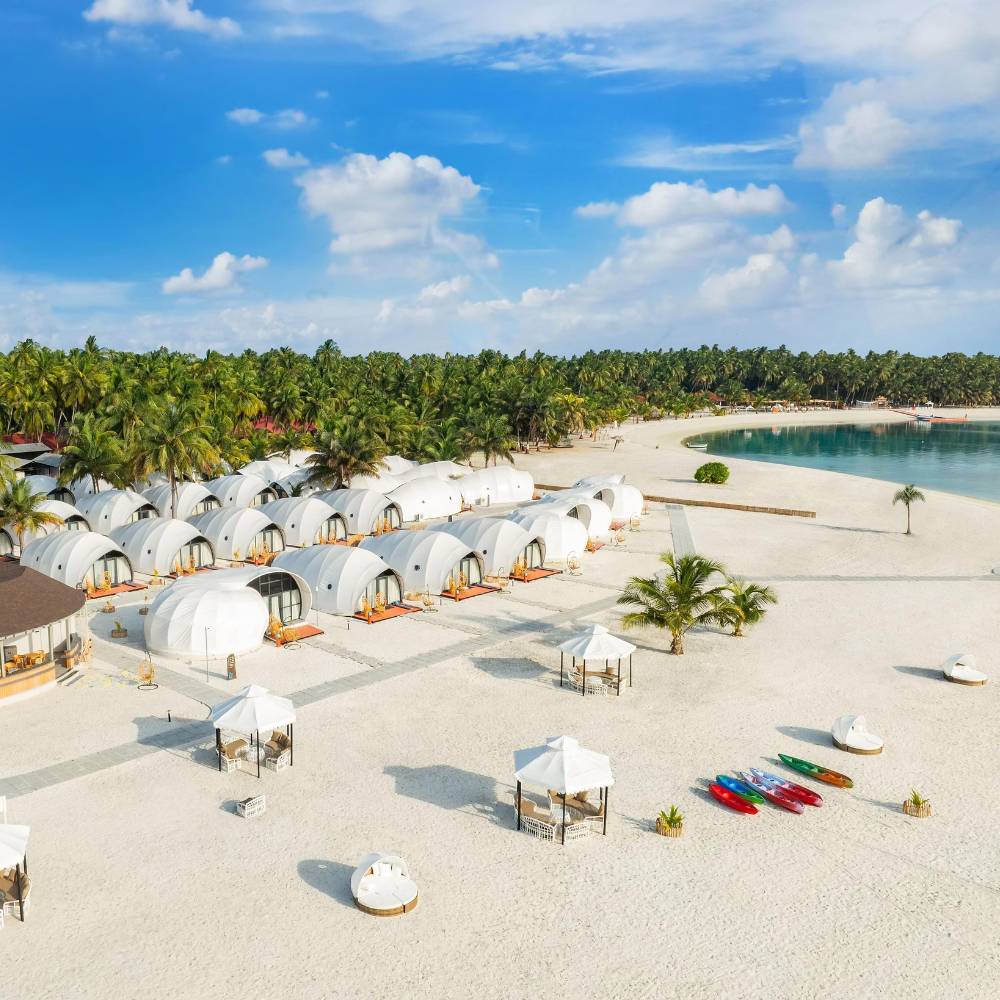
Existing: IHCL Bangaram Island Resort and Coral Pearl (open now)
The Indian Hotels Company launched two Bangaram Island properties in August 2025 after PM Modi's January 2024 visit. Bangaram Island Resort and Coral Pearl together offer 60 key beach cottages and glamping tents. As Taj's first managed resorts in Lakshadweep, these marked a clear upgrade over prior government facilities. Amenities include all-day dining, beach bar, watersports, and guided marine experiences. The island's permit facilitation service simplifies documentation for guests.
Upcoming: Taj Suheli and Taj Kadmat overwater villas (expected 2026)
Lakshadweep's major 2026 luxury travel development is the arrival of its first overwater villas, supported by around 800 crore rupees in government investment and developed by IHCL. Taj Suheli, on a coral-rich atoll, is planned for 50 overwater villas and 60 beach villas (110 rooms total). Another Taj property on Kadmat will add capacity. Confirm opening status with IHCL, as island construction can be complex. These will be India's first overwater villas, positioned as a strong alternative to the Maldives.
Marine Experiences: What Makes Lakshadweep Exceptional Underwater
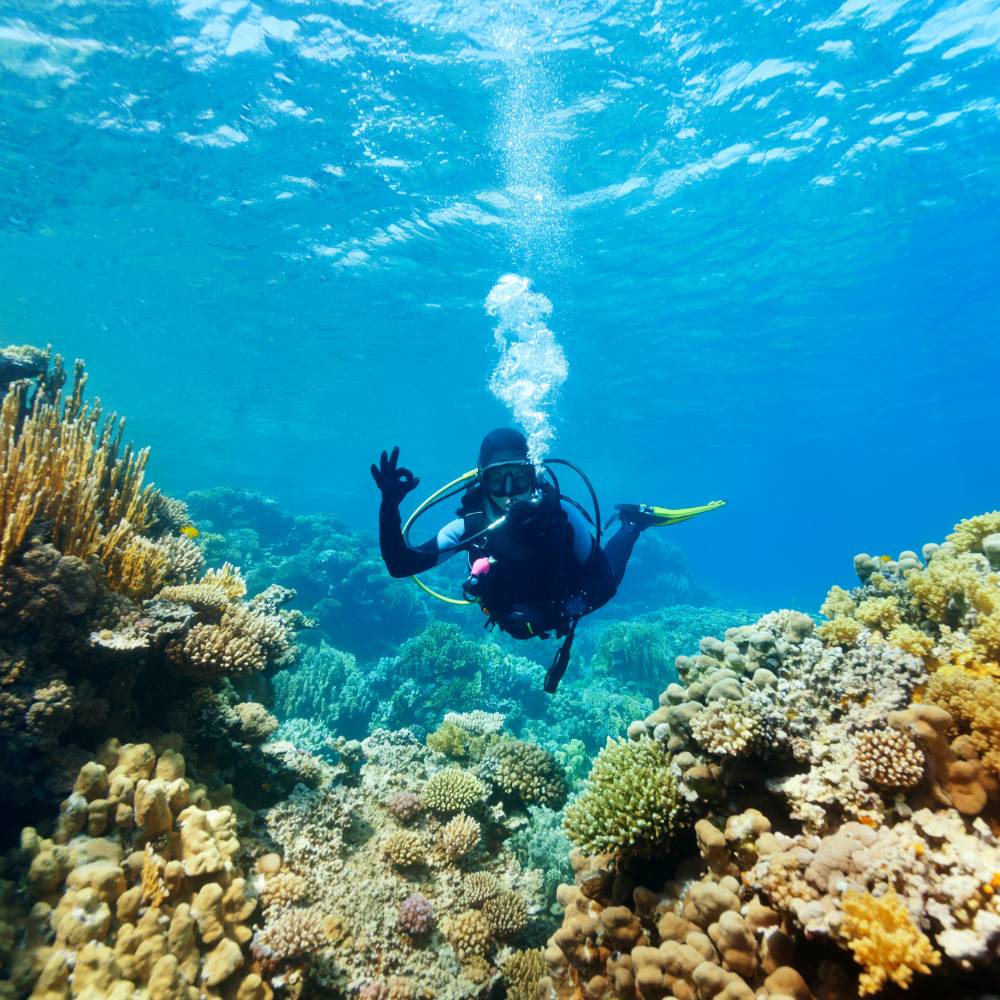
Lakshadweep's coral reefs are among the Indian Ocean's least disturbed. The islands rest on a submarine mountain range, forming atolls with clear lagoons and steep reef walls. Coral cover exceeds that of the Andaman Sea, helped by low tourist numbers and minimal degradation.
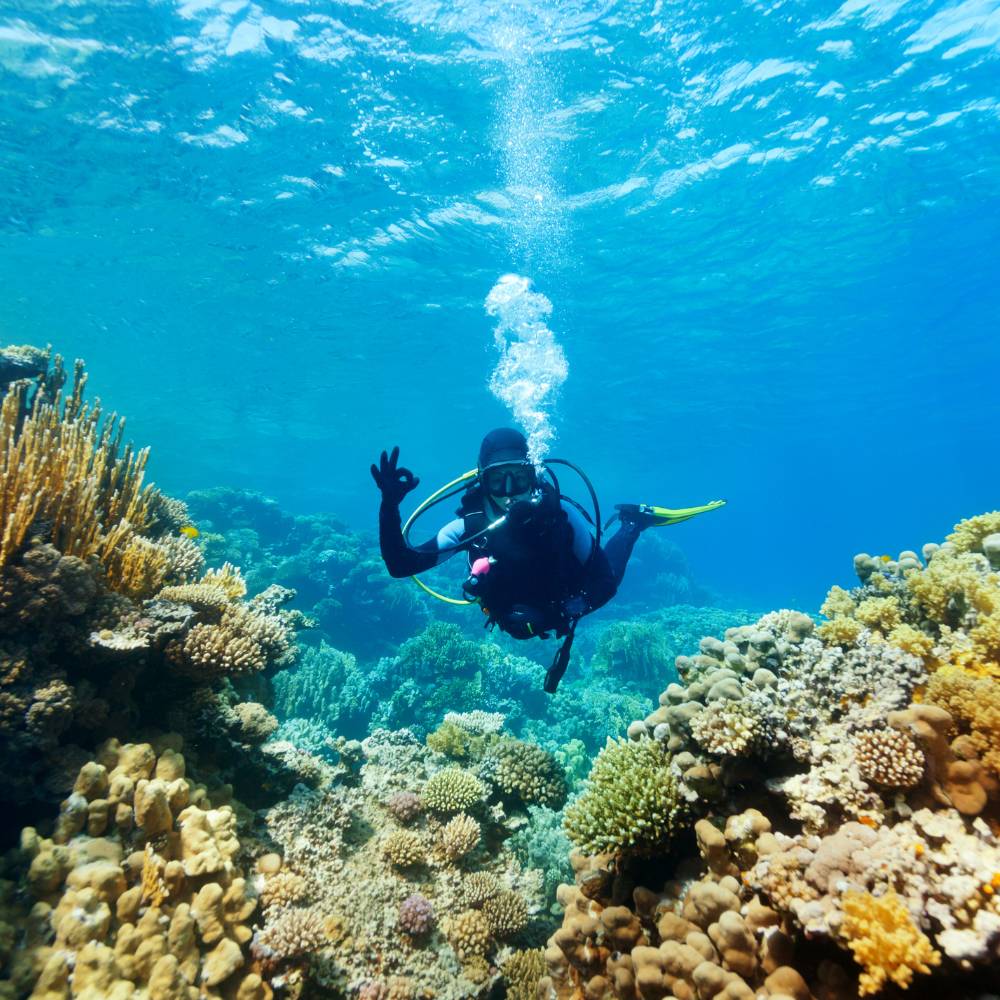
- Scuba diving: Bangaram's Coral Garden and nearby sites often have visibility over 30 metres. Divers may see reef sharks, manta rays, sea turtles, and large schools of tropical fish. The resort dive centre offers guided dives and PADI courses.
- Step straight from your Bangaram cottage into one of Lakshadweep’s most rewarding snorkelling havens. With extraordinary ease and vivid marine life just steps away, this lagoon promises unforgettable underwater moments every traveller wishes for.
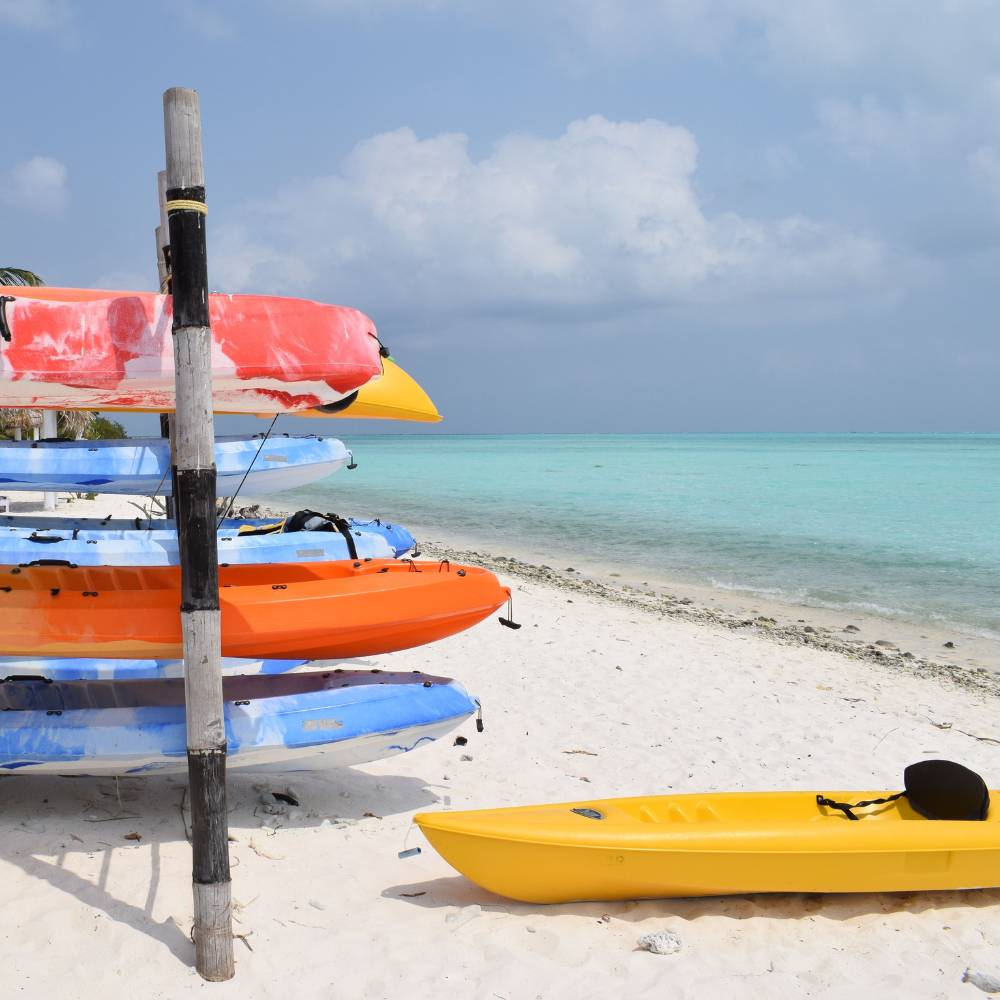
- Kayaking: The lagoon has calm, shallow water that is perfect for kayaking. Some operators offer glass-bottom kayaks as well.
- Bioluminescence: From October to December, some Lakshadweep beaches feature bioluminescent plankton, best seen on moonless nights.
How to Get a Lakshadweep Permit: Updated Rules for 2026

Entry permits are mandatory for all visitors to Lakshadweep, including Indian nationals. In April 2026, the Lakshadweep Administration significantly simplified the permit process, removing two of the main previous obstacles: the requirement for a local sponsor from the islands and the requirement for a police clearance certificate from the traveller's home state.
- Apply via: The official ePermit portal at epermit.utl.gov.in; processing typically takes 3 to 7 working days, longer in peak season (December to March)
- Apply at least 14 to 30 days before your travel date; 30 to 45 days recommended during peak season.
- Documents required: Valid photo ID; confirmed accommodation booking on the specific island(s) applied for; passport and Indian visa for international visitors
- Important: Permits specify the exact islands approved; visiting any island not listed in the approved permit is not permitted. Guests staying at IHCL's Bangaram properties have permit coordination handled by the resort.
- Foreign nationals: Additional verification requirements apply; access is generally limited to Agatti, Bangaram, and Kadmat; check current rules with the Lakshadweep Administration before applying
Lakshadweep vs Maldives vs Andaman: How to Choose
The question most international travellers are now asking. Here is an honest comparison across the three main Indian Ocean island destinations.
- Choose Lakshadweep if: you want pristine, genuinely uncrowded reefs and beaches on Indian soil; you are comfortable with limited accommodation options, a permit process, and no alcohol outside Bangaram; value significantly matters; or you want to experience a destination at the start of its luxury development curve before it changes.
- Choose the Maldives if you want the widest range of overwater villa options, established five-star infrastructure across multiple price points, international flight access, and alcohol available at all resort islands without restriction.
- Choose the Andaman Islands if you want more diverse activities, including trekking, tribal culture, and war history alongside beaches; accommodation options are wider, ranging from budget to mid-range; Port Blair is directly accessible from major Indian cities and has limited international connectivity.
How to Reach Lakshadweep
- By air: Agatti Island Airport (IATA: AGX) is the only airport in Lakshadweep, with regular scheduled flights operated by IndiGo and Fly91 from Kochi (approximately 1.5 hours); flights are the only practical option for most travellers. International visitors fly to Kochi (IATA: COK) first, then connect to Agatti.
- By ship: Government passenger ships operate from Kochi, but journeys take 18 to 20 hours one way and are subject to availability and weather; not recommended for most leisure travellers.
- From Agatti to Bangaram: Boat transfer of approximately 30 minutes; arranged by the resort
When Is the Best Time to Visit Lakshadweep?
- October to February (recommended): Calm seas, excellent underwater visibility, and comfortable temperatures around 28 to 32 degrees Celsius. October to December also offers bioluminescent plankton on some beaches.
- March to May: Still accessible with warm temperatures; seas begin to roughen toward May
- June to September (avoid): Southwest monsoon brings heavy seas and rough water; most resort operations scale down significantly; not suitable for water activities.