You don't need to hurry through India.
It would take you ten days to move from one city to another, visit the famous monuments, change hotels each night, and spend hours travelling. Although you might come home with hundreds of photographs, you would have very little feeling for what the country really was like.
There is another way to explore India: travel slowly.
Rather than asking, "How many places can I go to?" Slow travel asks, "Where is it possible to stay for long enough to experience a place truly?"
It could involve spending several nights in a heritage hotel in Rajasthan, taking a peaceful afternoon cruise along the backwaters of Kerala, strolling through a traditional district in Jaipur, joining a local cooking experience, or leaving the afternoon entirely unplanned.
For anyone interested in having an authentic experience in India, taking part in immersive activities and enjoying real cultural encounters, cutting down on what you do can, in fact, help you to see more.
What Is Slow Travel in India?
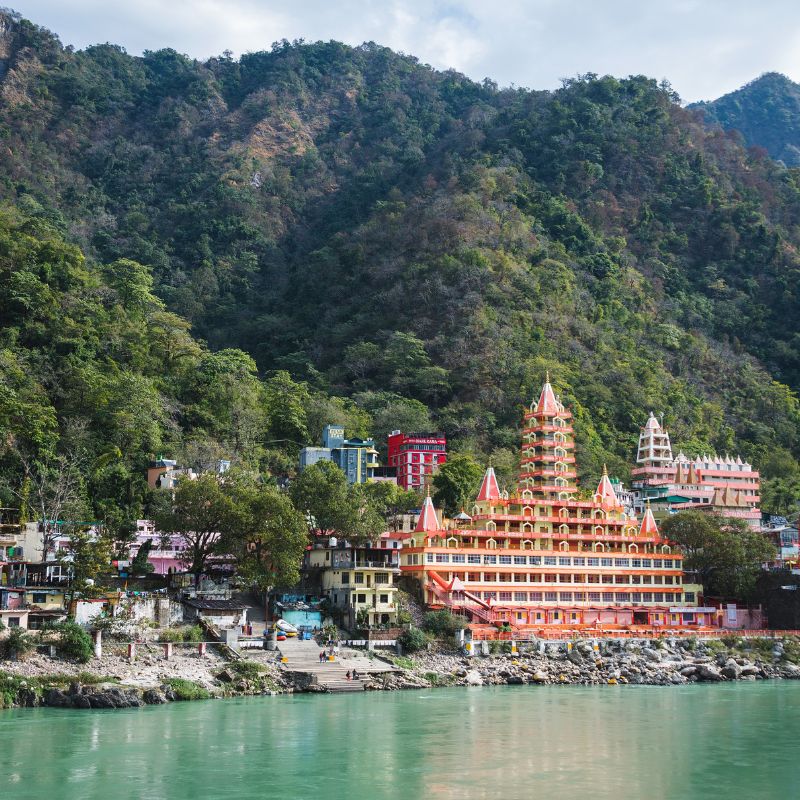
Slow travel means slowing your pace, so you have more time to understand the places you visit.
That doesn't mean travelling uncomfortably, such as staying in hotels that lack luxury or spending your whole holiday doing nothing; luxury slow travel in India can include private guides, heritage stays, comfortable transport, excellent food, and carefully chosen experiences.
The point is that these experiences aren't packed into an exhausting timetable.
You could decide to see only two or three places rather than five in seven days, and rather than spending one hour at a monument and then rushing off to the next attraction, you might take time to explore the area around it, have lunch close by and go back to your hotel without being concerned about the time.
This method is especially effective in India since each area has its own type of food, style of architecture, traditions, landscapes and way of living.
Bout India’s current travel content similarly encourages travellers to build journeys around their interests rather than attempting to experience everything in one trip. Its guide to planning an India trip around your interests focuses on food, art, wildlife, spirituality and wellness as ways to create a more personal journey.
Why Slow Travel Works So Well in India
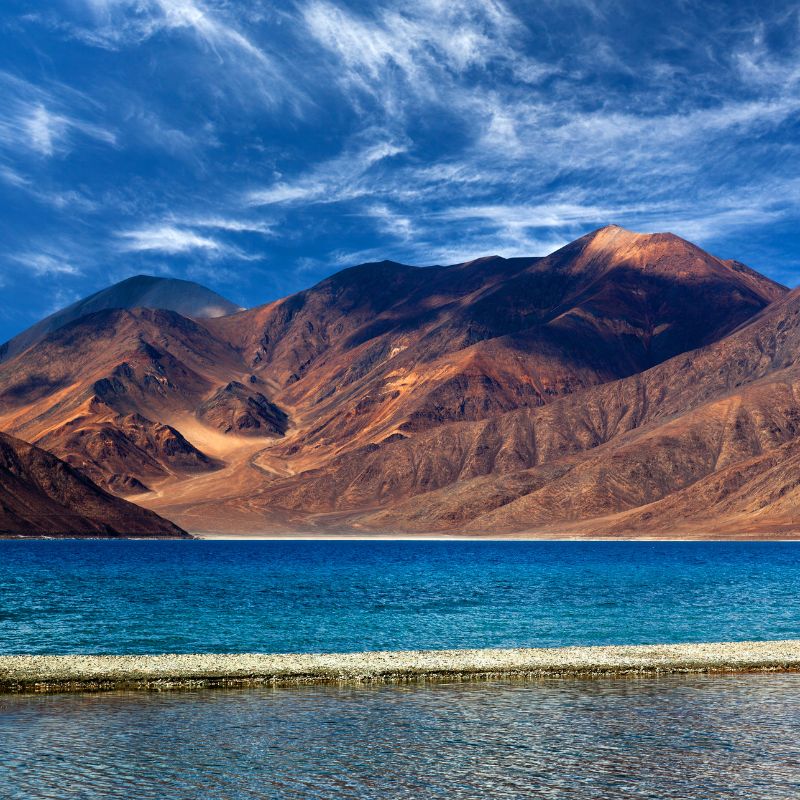
India's huge geographical and cultural variety makes it hard to experience it properly at high speed.
The trip between the two cities can take several hours by car or train, and when you add hotel check-ins, airport transfers, sightseeing, and meals, a full schedule can quickly become exhausting.
An itinerary that involves slow travel provides you with more room to breathe.
You could spend four nights in Rajasthan rather than trying to see half the state, or stay longer in Kerala and combine its backwaters, cuisine, wellness, and natural scenery. Alternatively, you might spend several nights in a wildlife destination instead of visiting several national parks on a single safari.
The advantage is not just reduced fatigue.
You also have more chances for things you can't plan: talking with an artisan, getting a suggestion from your guide, attending an unexpected local festival, having a long lunch that runs into the afternoon, or taking a peaceful walk through the market after the main groups of tourists have left.
These moments often turn a holiday into an unforgettable experience.
Choose a Region Instead of Trying to See All of India
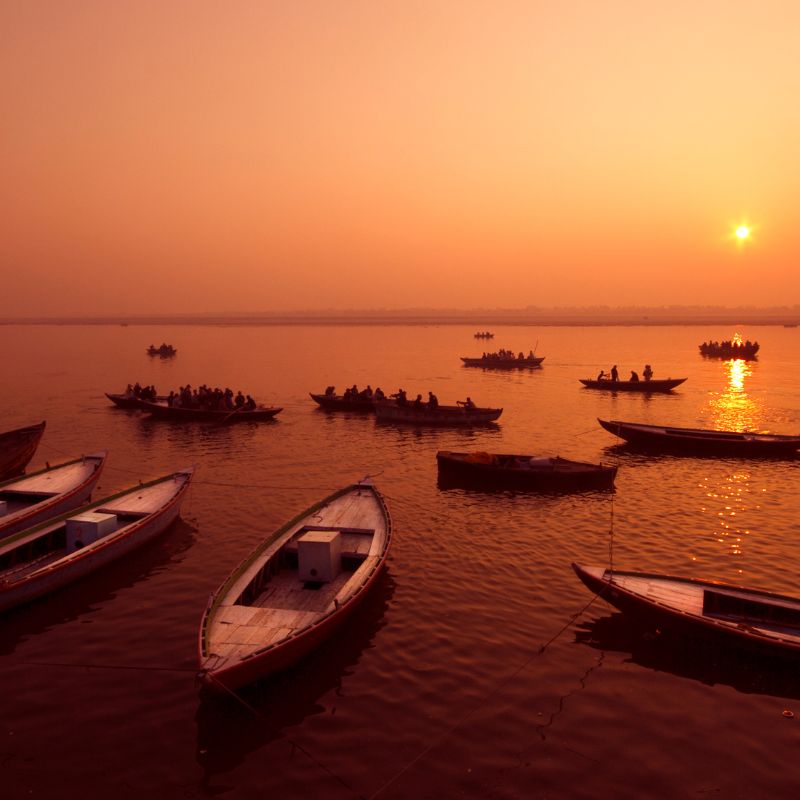
A simple way of practising slow travel in India is to stop viewing the whole country as a single destination.
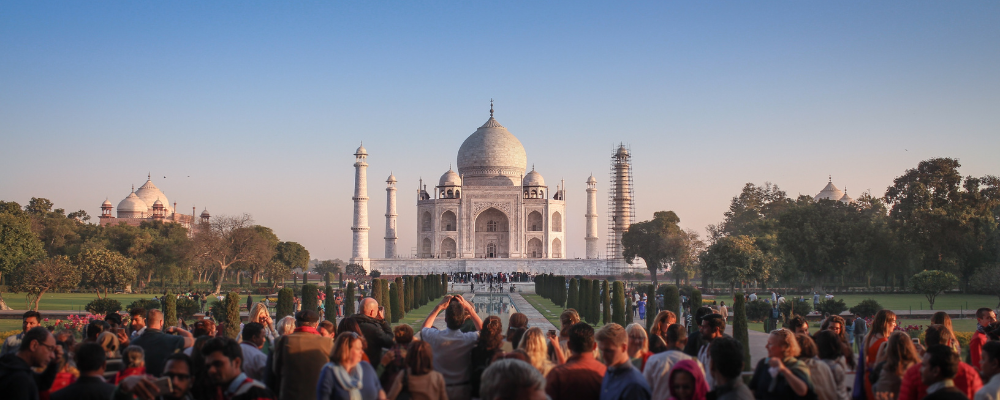
The Golden Triangle is still a great way for first-time visitors to get an overview of India's history and culture, since Delhi, Agra and Jaipur combine Mughal heritage, Rajput architecture, colourful markets and some of the country's most well-known landmarks.
You don't need to rush through them.
To explore beyond the well-known monuments, stay in Delhi long enough. When in Agra, allow more time than just visiting the Taj Mahal. In Jaipur, make room for the markets, architecture, crafts, and food instead of viewing the city as just a sightseeing stop.
For repeat visitors, the options become even broader.
Bout India’s recent guide on India for Repeat Visitors: Where to Go After the Golden Triangle suggests looking beyond the classic route toward Kerala, Central India, Varanasi, the Himalayas, Tamil Nadu, Rajasthan beyond Jaipur and India’s Northeast. The central idea is to travel deeper rather than simply adding more destinations.
That is one foundation of slow travel.
Kerala: A Natural Destination for Slow Travel
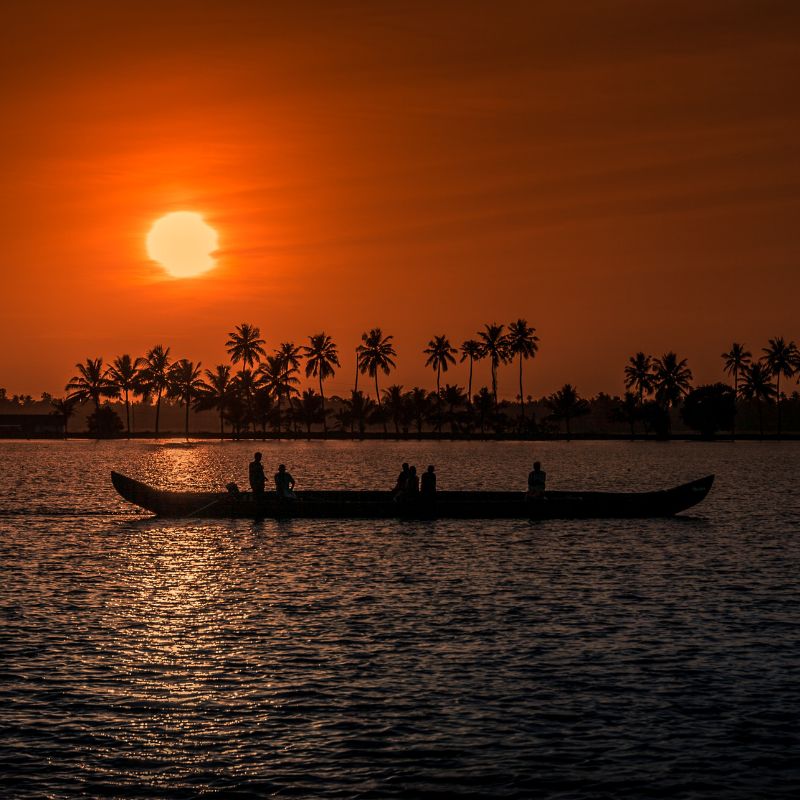
Nowhere in India is the idea of relaxing on a trip more naturally realised than in Kerala.
The state combines tropical landscapes, backwaters, beaches, cuisine, tea plantations, wildlife and wellness traditions. Instead of constantly changing locations, travellers can choose a few bases and let the landscape unfold gradually.
Begin in Kochi and take time to explore its historic streets, architecture, and food culture. Then head to the hilly areas near Munnar, where tea plantations and mountain scenery create a completely different atmosphere.
Then slow down further in the backwaters.
A trip by houseboat is not just a form of getting from one place to another, since it can constitute an experience all on its own, and as you pass the paddy fields, the waterways, the villages and ordinary life, all moving at a speed that makes you stop looking at the time.
Bout India’s current Kerala Backwaters guide explores how many nights to spend in the region and the different houseboat considerations travellers should keep in mind.
For travellers interested in slow travel destinations in India, Kerala offers an especially good balance of nature, culture, food and relaxation.
Rajasthan Beyond the Famous Forts and Palaces
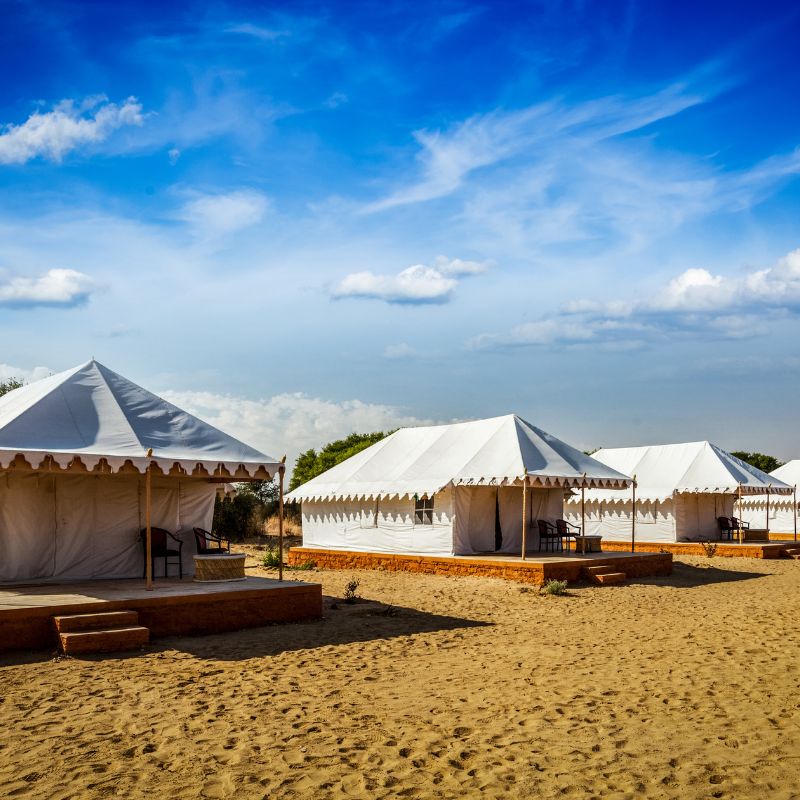
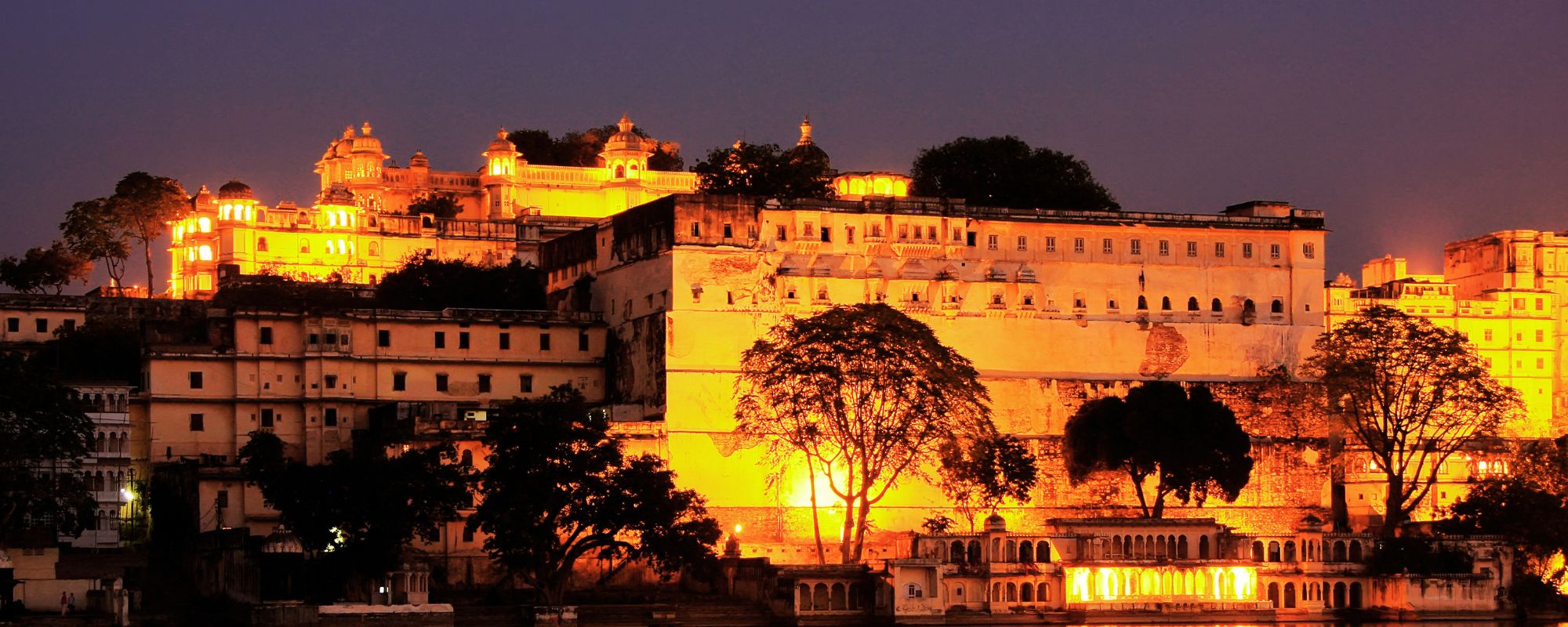
Rajasthan is usually presented by means of its forts and palaces, but by taking a more leisurely route, a great deal more can be discovered.
Rather than going straight from Jaipur to Jodhpur and then to Udaipur, why not stay longer in one or two places?
Go through the historic neighbourhoods, meet some of the local craftspersons, take a food tour, stay in a heritage property and explore the countryside, spending an evening tasting the regional cuisine rather than adding another attraction to the schedule.
Rajasthan also offers opportunities to combine culture with wildlife.
Jawai, located between Udaipur and Jodhpur, is particularly interesting for travellers looking for offbeat India travel. The landscape of granite hills, wildlife and local pastoral communities creates an experience very different from the traditional palace circuit.
Bout India’s Jawai travel guide explores the area’s leopard landscape and the relationship between wildlife and the Rabari community.
In this case, slow travel is especially valuable because you are not just going to a place to take photographs; instead, you have the opportunity to get to know its landscape and its people.
Coorg: Slow Travel Through India’s Coffee Country
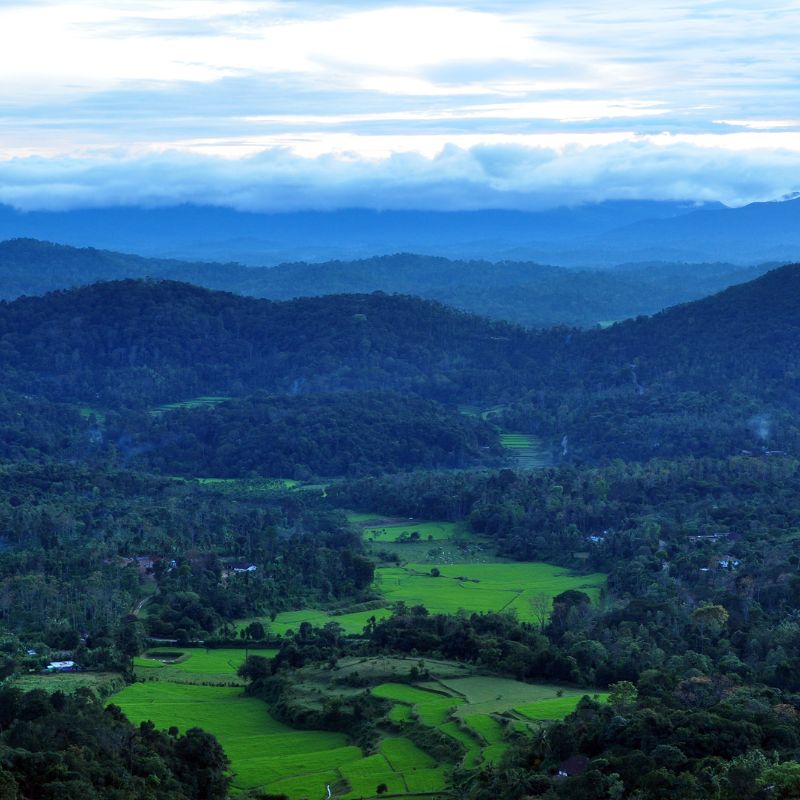
Not every destination visited slowly needs to be world-famous.
Coorg in Karnataka is a typical example.
With its coffee plantations, wooded areas, and Kodava culture, Coorg suits tourists who want to stay in one place for several days.
A visit to a plantation can be an integral part of the whole experience; rather than rising early to catch a transfer, you could walk around a coffee estate, have a relaxed breakfast, find out about the local cuisine and then spend the afternoon exploring the area surrounding the estate.
Bout India’s Coorg luxury travel guide explores the region as a destination where accommodation, landscape and local experiences can all become part of the journey.
For travellers seeking peaceful places to visit in India, or a more immersive alternative to fast-paced sightseeing, Coorg can fit naturally into a slower itinerary.
Slow Travel Does Not Mean Doing Nothing
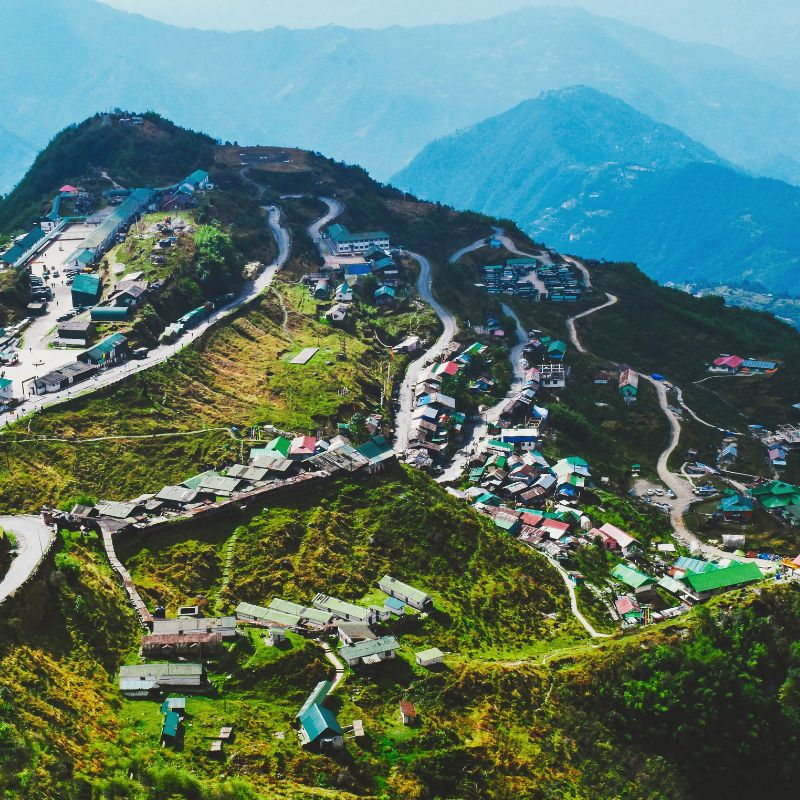
A common misconception concerning slow travel in India is that it involves taking activities off your itinerary.
It's about giving activities room to breathe.
A slow Rajasthan day could look like:
- A relaxed breakfast
- A private heritage walk
- Lunch featuring local cuisine
- An artisan or craft experience
- Time to rest
- An evening cultural or food experience
Compare that with trying to see six attractions in a single day.
Although the slower itinerary includes fewer activities, each one has a better chance of being memorable.
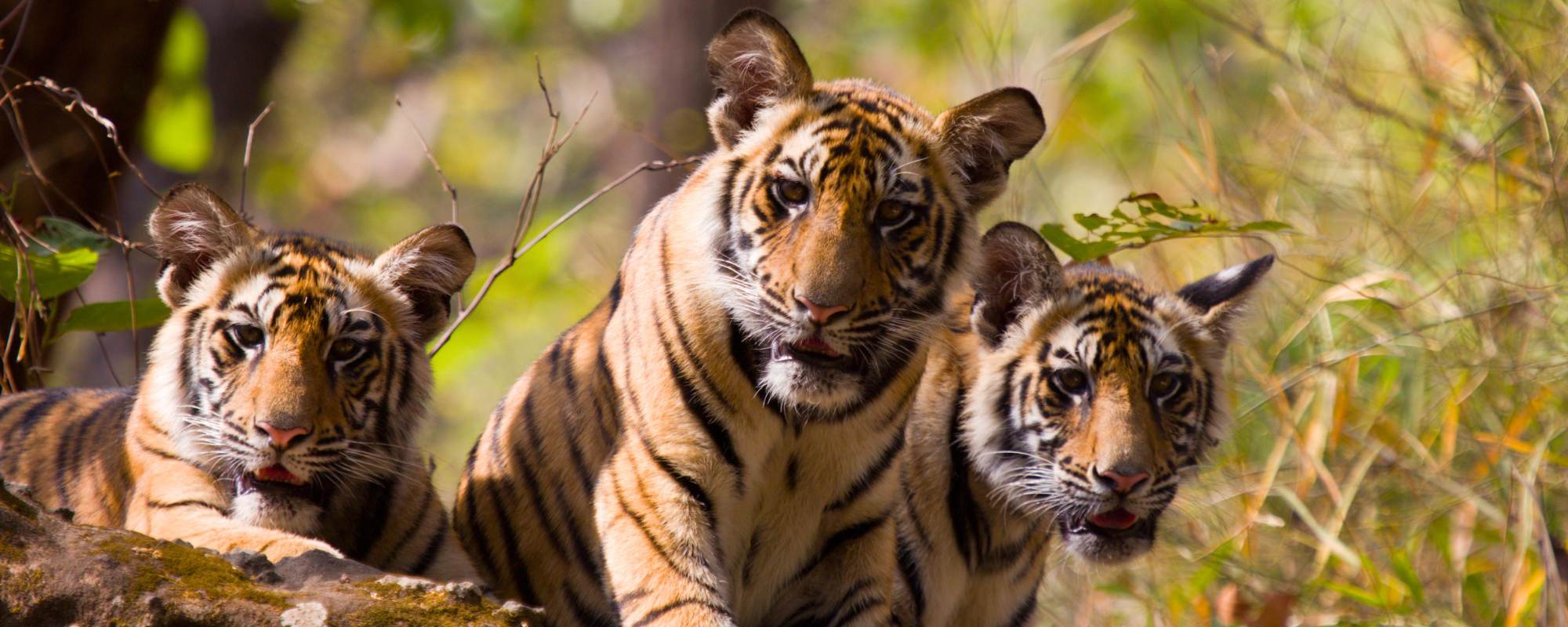
The same principle applies to wildlife. If a safari is one of the main reasons for your visit, don't treat it as something you have to fit in between city trips. Allow yourself enough nights to properly experience the destination.
Our Tiger Safari guide suggests spending extra nights in wildlife areas when wildlife is the main focus of the trip.
Build Your India Trip Around Your Interests
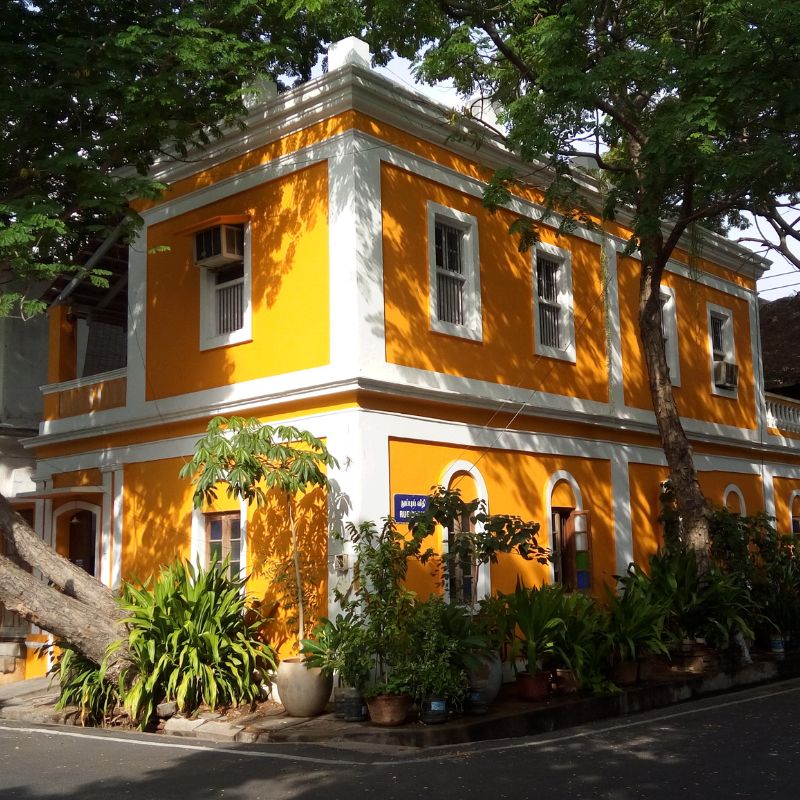
A useful way to plan an India slow travel itinerary is to begin with your interests rather than a list of cities.
Ask yourself:
What do I actually want to experience in India?
If food matters, plan your trip around markets, regional cuisine, cooking experiences, and local restaurants.
If you are interested in history, select places with strong ties to both architecture and culture.
If wildlife is your top concern, then spend more nights in a national park.
If you are travelling to achieve wellness, cut down on transfers and leave enough time for Ayurveda, yoga, time in nature, and relaxation.
If art and crafts interest you, spend time with local artisans rather than simply visiting shops.
Bout India’s guide to building an India trip around food, art, wildlife, spirituality or wellness follows this interest-led approach. It explains how to match different regions with different travel priorities.
Leave Empty Space in Your Itinerary
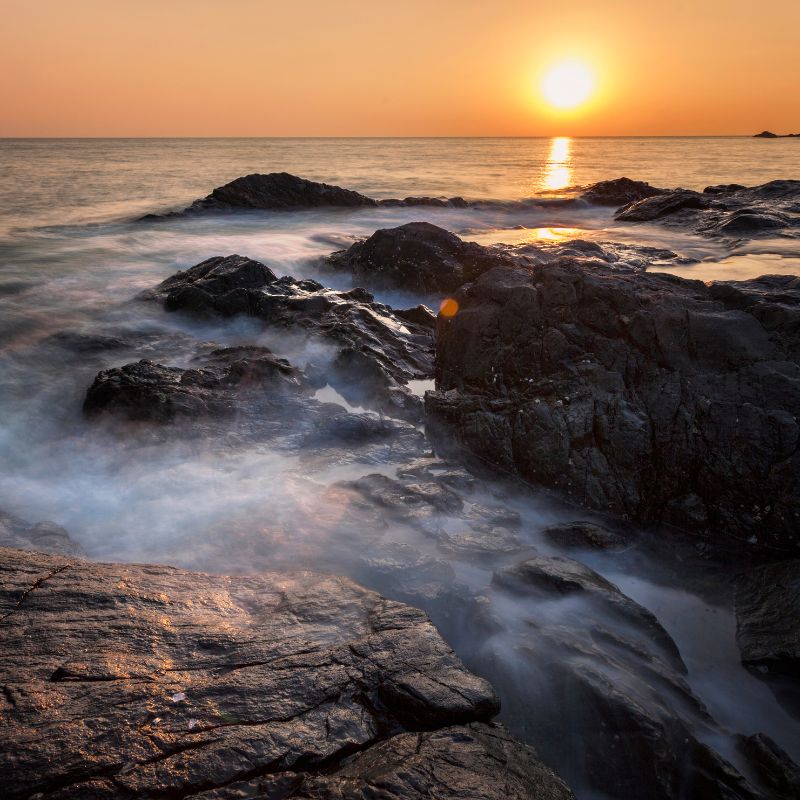
This may be the hardest part of slow travel.
Leave some time unplanned.
If you have a free afternoon, do not automatically add another sightseeing stop.
Walk through the neighbourhood.
Sit in a café.
Read by the pool.
Talk to your guide.
Visit a market without a shopping list.
Or enjoy the hotel.
An empty afternoon is not wasted time.
In fact, it may allow you to discover something that would never have appeared in a traditional itinerary.
India’s everyday life can be as fascinating as its major attractions. A roadside tea stall, an artisan’s workshop, a local market or a spontaneous conversation can provide a deeper understanding of a place than another hurried monument visit.
Choose Hotels That Are Part of the Experience
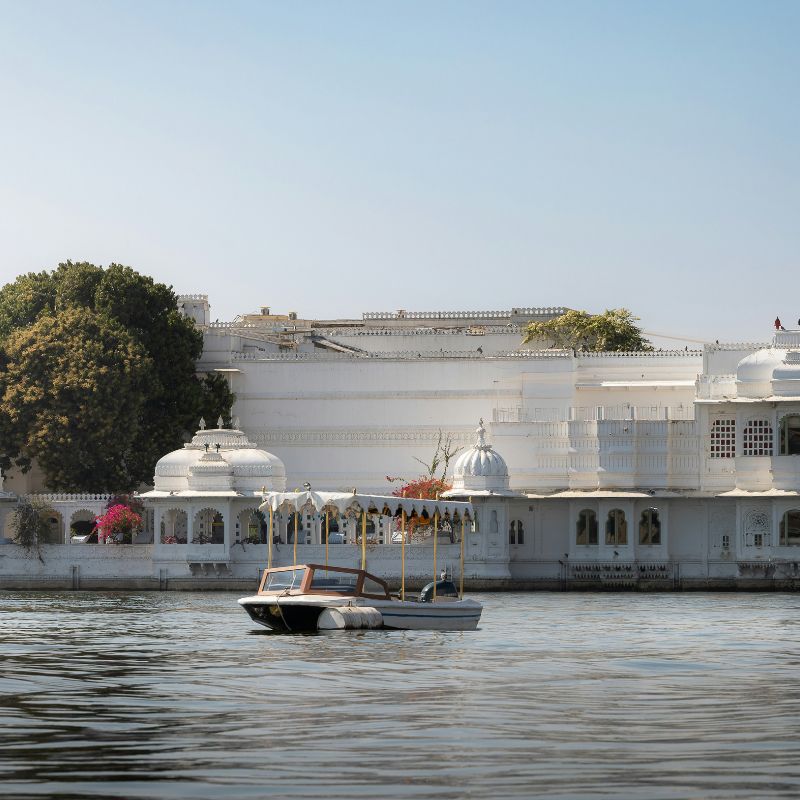
Accommodation plays an important role in luxury slow travel in India.
When travelling quickly, a hotel is often little more than somewhere to sleep.
When travelling slowly, the property can become part of the destination.
A heritage palace in Rajasthan can deepen your connection with the region’s history. A plantation stay in Coorg can introduce you to the landscape. A backwater houseboat can make the journey an experience in itself. A wellness retreat in Kerala can give you a reason to stay longer.
Bout India's travel collection includes a wide variety of destinations and experiences, such as Rajasthan, Kerala, the Himalayas, wildlife areas, and other parts of India; on its website, the company describes its tours as customised and bespoke rather than fixed, one-size-fits-all holidays.
Travel With Fewer Transfers
A simple practical change that you can make is to cut down on the number of hotel changes.
Every transfer takes time.
You need to pack, check out, travel, check in, and unpack before you can settle into a new environment.
Why not use one place as a base and then explore from it?
For instance, when travelling in Rajasthan, you could base your route on a few carefully chosen cities rather than moving every day, and a trip to Kerala could include Kochi, the hills, and the backwaters without constantly changing hotels.
This method also makes private travel more flexible since, if something catches your eye on the road, you can stop, explore, and carry on without worrying about being late for your next appointment.
Slow Travel Can Also Be More Responsible
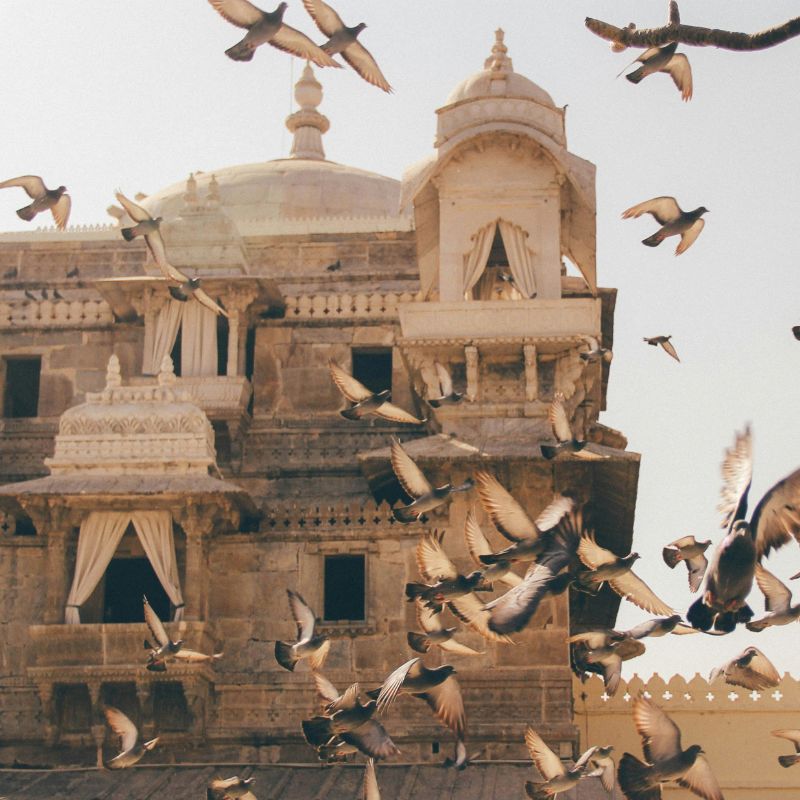
There is one more advantage to travelling more slowly.
Longer stays can give you more chances to use local guides. You can eat at independent restaurants, visit artisans, and spend time with communities.
But responsible travel still needs awareness.
Respect local customs, ask permission before photographing people, follow wildlife guidelines, and avoid viewing communities as tourist attractions. Where possible, choose experiences that benefit both local people and the environment.
Bout India’s collection of hidden and unexplored places in India is another useful starting point for travellers who want to explore beyond India’s most familiar tourist routes.
How Many Destinations Should You Visit in India?
There is no fixed number.
It depends on the length of your trip, the region and what you want to experience.
But a useful rule is simple:
If moving to the next destination feels exhausting, your itinerary may be too fast.
For a one-week India trip, two or three bases can be enough.
For 10 to 14 days, you can combine several destinations if the route makes geographic sense.
For longer journeys, give key destinations at least a few nights, and allow extra time for wildlife, mountains, wellness, or remote regions.
The goal isn't to minimise everything.
It is to make sure every destination receives enough attention.
A Simple Slow Travel Formula for India
When planning your next journey, try this five-step approach:
1. Choose Your Main Interest
Decide whether your priority is food, culture, history, wildlife, wellness, architecture, spirituality or nature.
2. Select Fewer Destinations
Choose destinations that naturally support your interests rather than trying to cover the whole country.
3. Stay Longer
Give yourself enough nights to experience each place without constantly packing and unpacking.
4. Prioritise Experiences
Choose food walks, artisan visits, private heritage tours, cooking classes, safaris, wellness experiences or nature activities that genuinely interest you.
5. Leave Room for the Unexpected
Do not schedule every hour.
Some of the best travel memories are the ones you never planned.
Final Thoughts: See Less, Remember More
India is too diverse to experience completely in one holiday.
That is not a problem. It is an invitation to slow down.
Instead of measuring your trip by the number of monuments visited, measure it by the experiences you remember.
It may be the taste of a regional dish during a cooking class. The quiet of a Kerala backwater at sunset. A conversation with a Rajasthan artisan. A morning walk through an old city. A few peaceful hours at a plantation in Coorg. Or simply the feeling of having nowhere else to be.
That is the real appeal of slow travel in India.
You are not trying to see everything.
You are giving yourself enough time actually to see what is in front of you.
For travellers ready to create a journey around their interests, pace and preferred experiences, explore Bout India’s customised India travel planning and build an itinerary that leaves room to experience India rather than pass through it.