India is a country that rewards curiosity and challenges assumptions. For first-time travelers from the United States, it can seem overwhelming at first — but deeply rewarding with the right approach. To enter this subcontinent of stories, scents, and centuries of culture, few introductions are as iconic and immersive as the Golden Triangle Tour, which connects Delhi, Agra, and Jaipur.
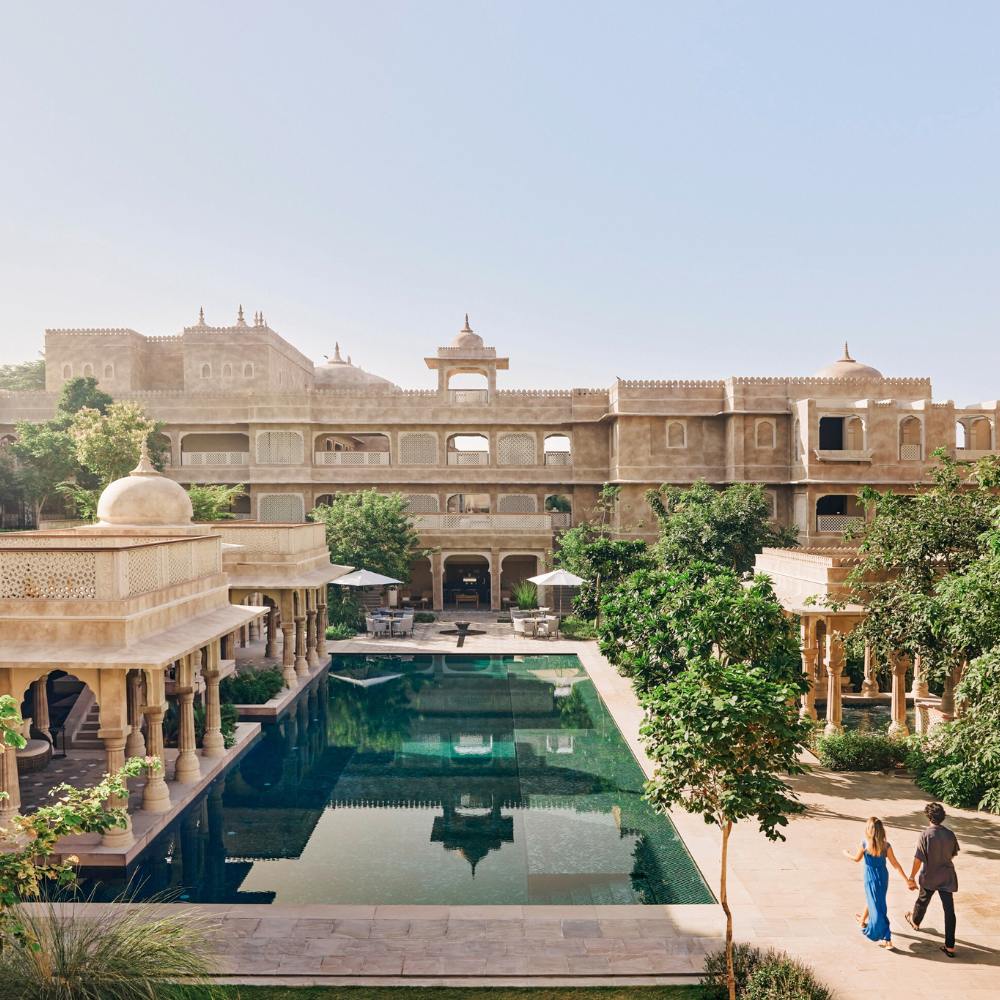
This legendary route stitches together the grandeur of Mughal emperors, the elegance of Rajput kings, and the refinement of British India — all within one seamless journey. However, what truly elevates this experience for the modern luxury traveler is how each destination seamlessly combines royal heritage, architectural marvels, and curated indulgence, all wrapped in impeccable hospitality.
Why the Golden Triangle Is Ideal for First-Time U.S. Travelers
The Golden Triangle is India’s most popular travel circuit — and with good reason. The cities are well-connected, the attractions are world-renowned, and the infrastructure for luxury travel is highly developed.
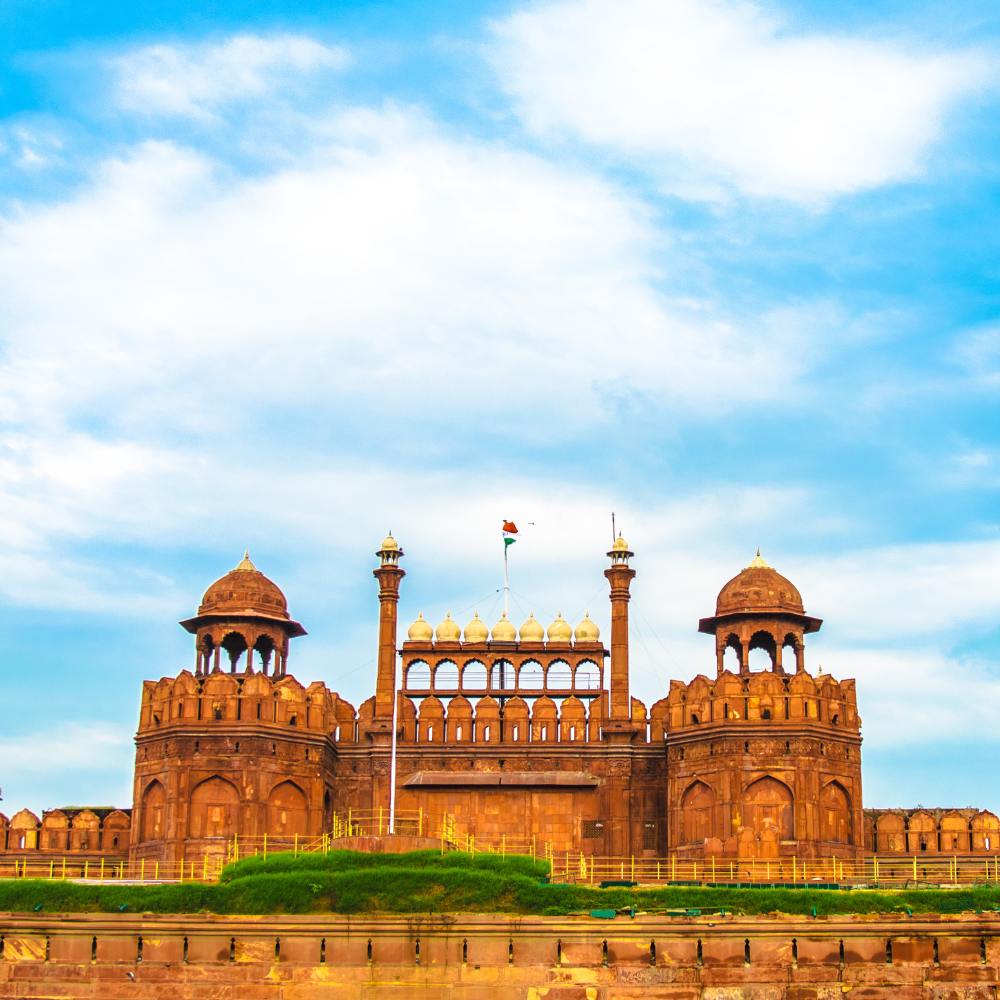
The three cities are easily connected by luxury road trips, private cars, or short flights, and the circuit offers:
- Deep cultural immersion
- UNESCO World Heritage Sites
- Regal architecture and art
- Local craftsmanship and royal traditions
- Five-star stays and personalized hospitality
It’s the kind of journey where each day feels cinematic — and yet completely real. But more than that, each city offers a distinct personality:
- Delhi represents the seat of political and cultural power, marked by the interplay of Mughal, colonial, and modern influences.
- Agra is the romantic soul of the empire, echoing the timeless elegance of love through its architecture.
- Jaipur is India’s flamboyant frontier — a celebration of Rajput valor, artistry, and opulence.
Together, these cities offer a comprehensive view of Indian civilization — best experienced through immersive, custom-tailored experiences.
DELHI: The City of Dynasties and Dualities
Cultural Context:
Delhi has been the capital of multiple empires — from the Delhi Sultanate to the Mughals to the British Raj. It’s a city of dualities: ancient mosques stand beside government ministries, and Mughal gardens border gleaming skyscrapers. This fusion defines the capital’s cultural energy.
Landmark Story – Humayun’s Tomb:
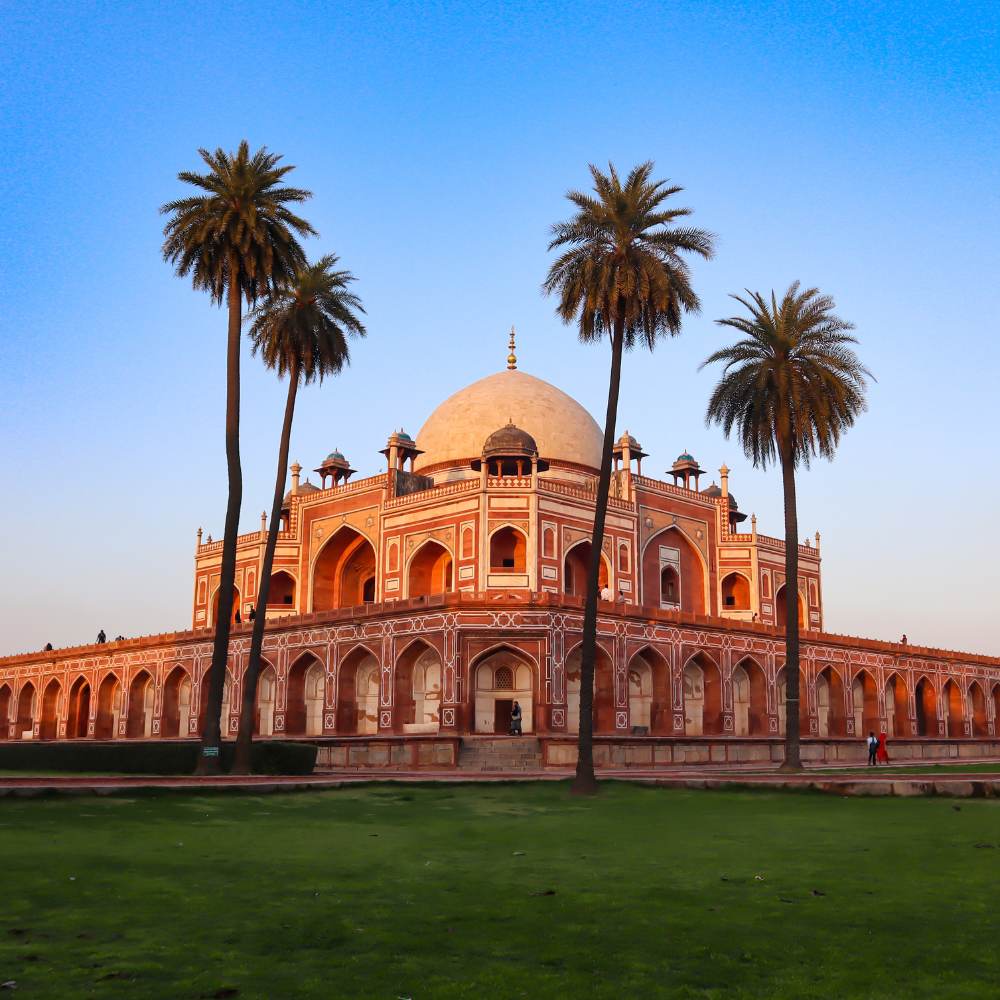
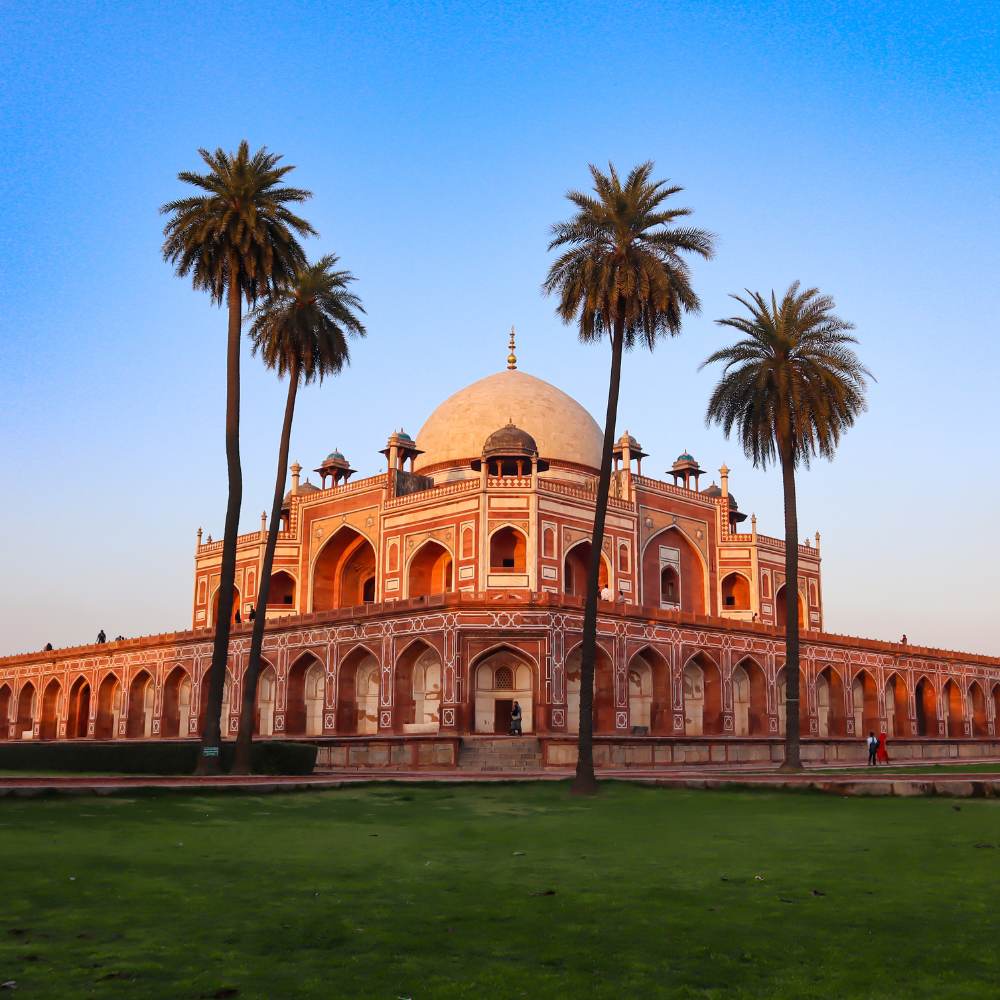
Before the Taj Mahal, there was Humayun’s Tomb. Commissioned in 1570 by Humayun’s widow, it was the first garden-tomb in India and the first structure to use red sandstone on such a grand scale. It became the prototype for later Mughal architecture - including the Taj itself. A UNESCO World Heritage Site, this is where you begin understanding how Persian, Indian, and Central Asian styles merged to define a dynasty’s architectural identity.
Colonial Charm – Lutyens’ Delhi:
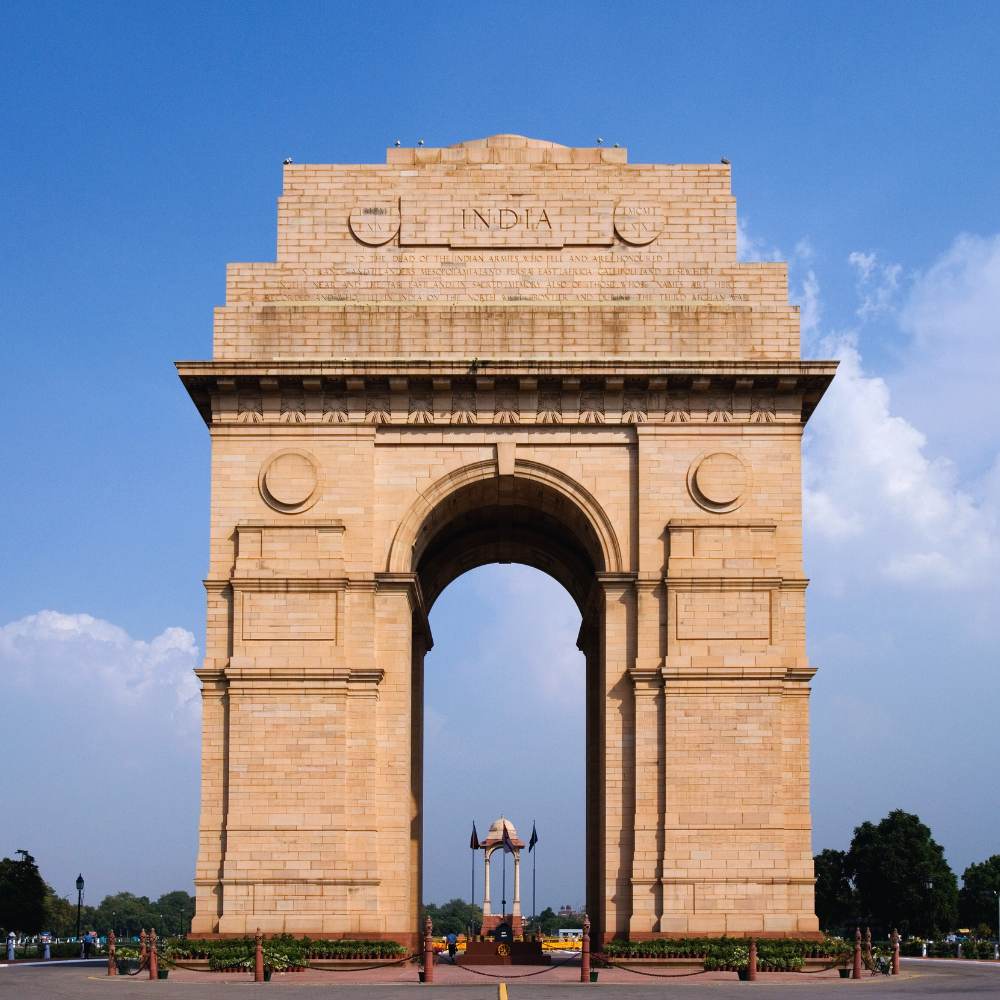
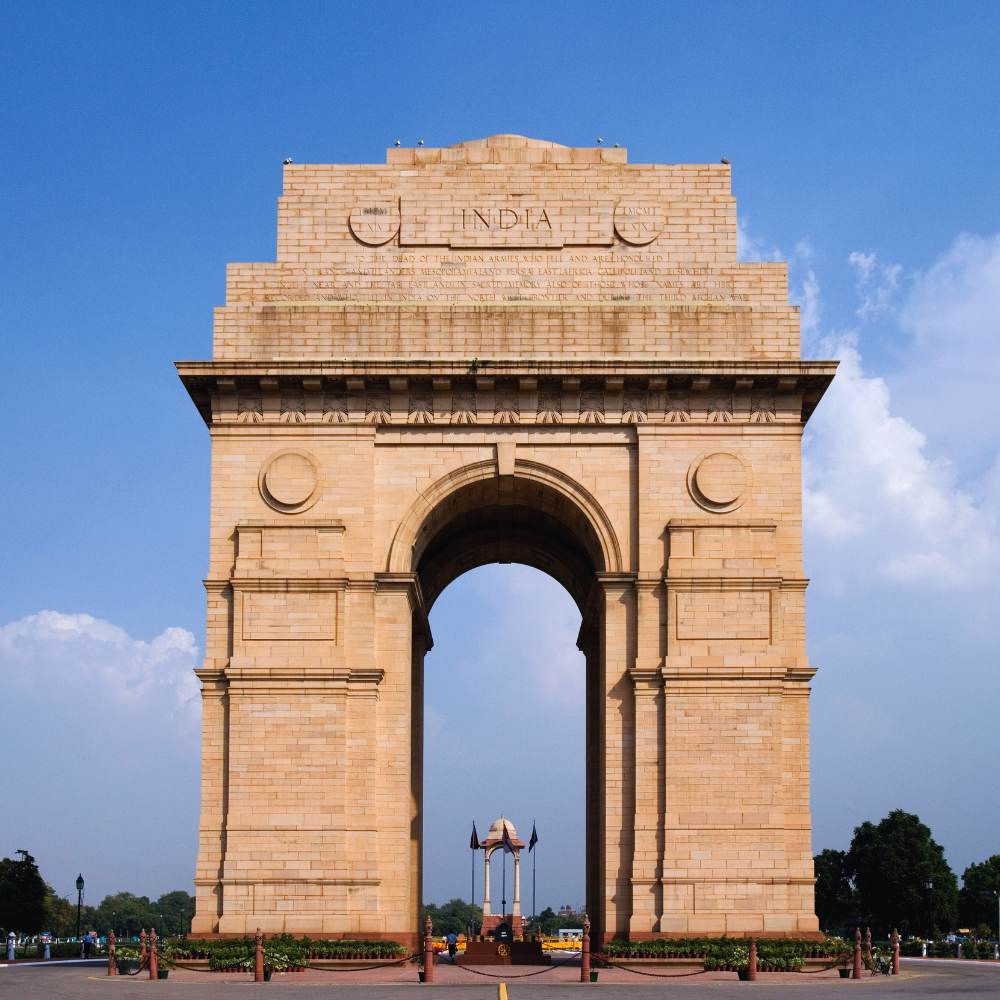
Drive through tree-lined Rajpath, past India Gate, and into the heart of New Delhi, where Sir Edwin Lutyens' designs still dictate the capital’s grandeur. Here, the symmetry of British urban planning meets Indian motifs — a tangible legacy of India’s colonial past.
Luxury Dining:
- Indian Accent (The Lodhi): Modern Indian cuisine that redefines tradition. Expect blue cheese naan and meetha achaar pork ribs.
- Bukhara (ITC Maurya): Known for its legendary dal and tandoori meats, served in rustic, regal style.
Luxury Shopping:
- Sunder Nagar Market: For antique jewelry and silver.
- Khan Market: High-end boutiques and organic Indian fashion labels like FabIndia and Good Earth.
- Dilli Haat: For curated, craftsman-made souvenirs with fixed pricing.
Read Also: Top Adventure Destinations in India for French Travelers
AGRA: Romance in Marble, Memory in Stone
Cultural Context:
Agra flourished under the Mughal Empire, becoming its capital in the 16th century under Emperor Akbar. It attracted artists, architects, calligraphers, and craftsmen from Persia, Central Asia, and across the Indian subcontinent. While the Taj Mahal defines Agra’s global reputation, the city’s legacy is far more complex and nuanced.
Landmark Story – The Taj Mahal:
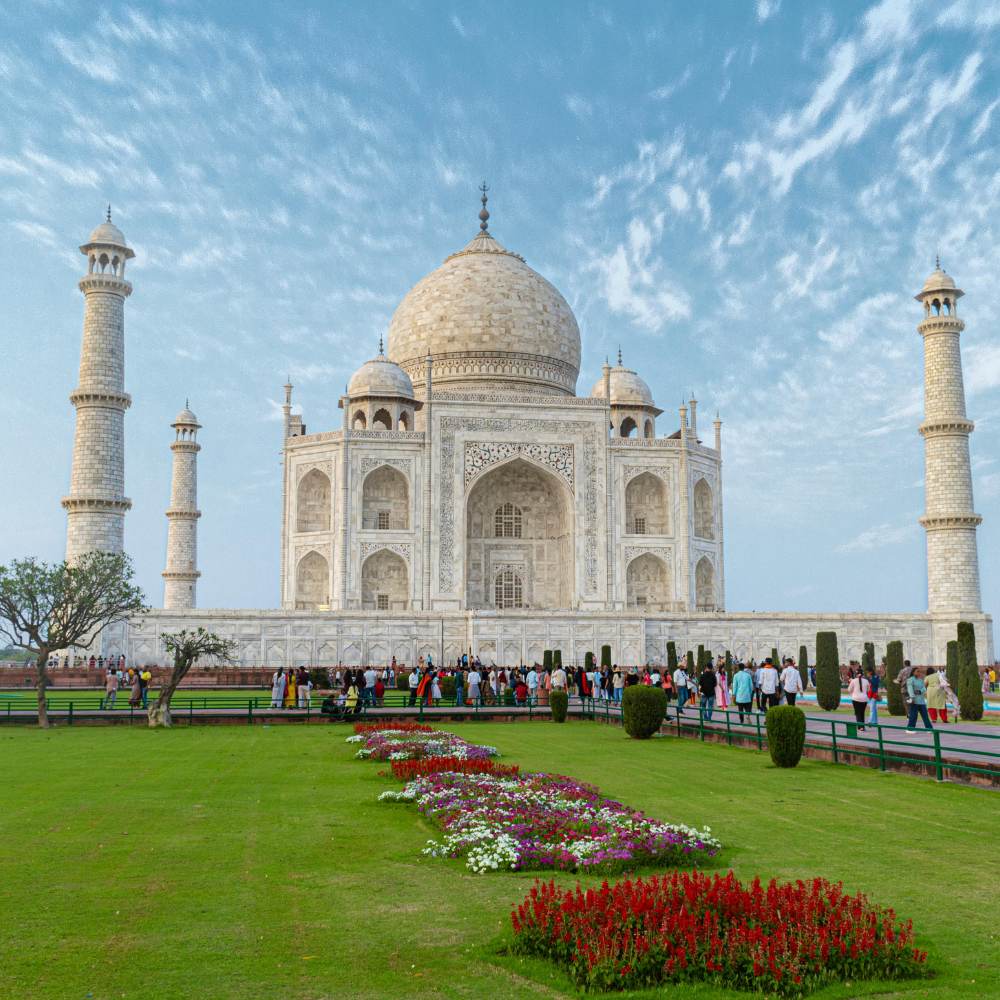
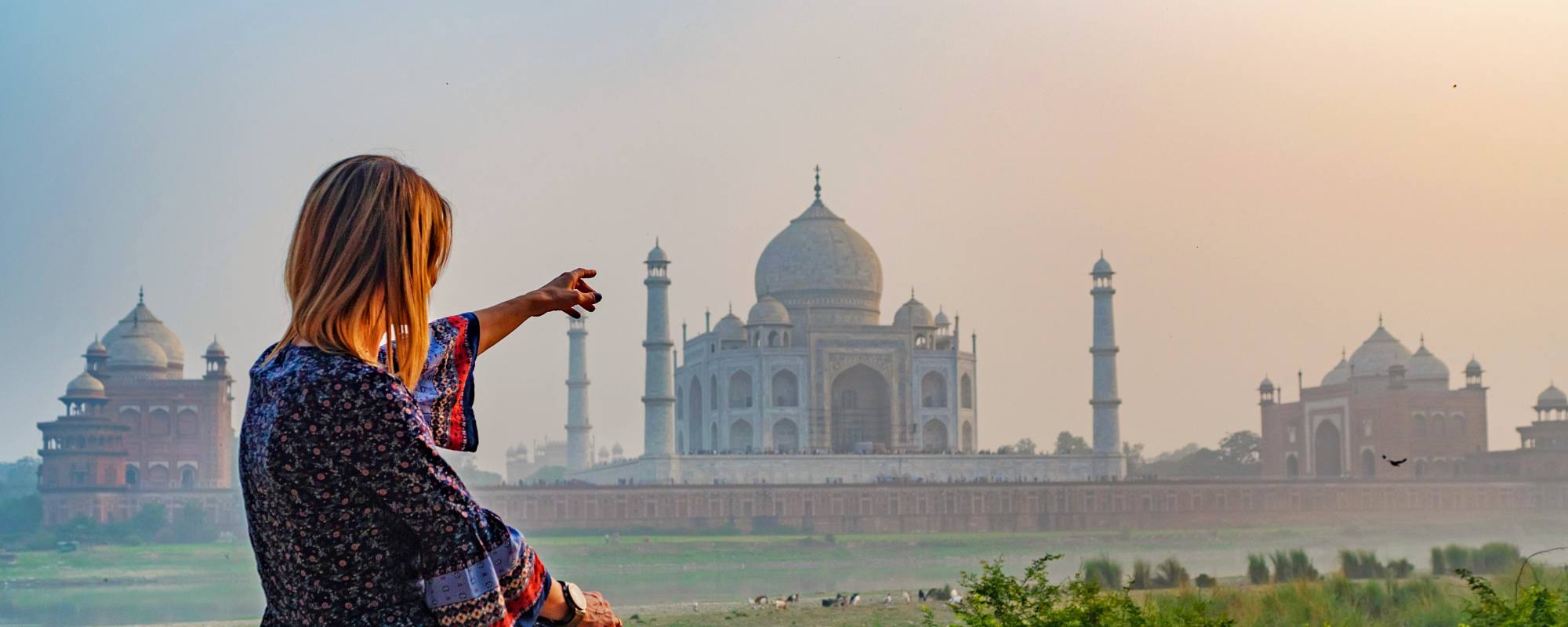
Built by Shah Jahan in memory of his beloved wife Mumtaz Mahal, the Taj Mahal took over 20,000 artisans and 22 years to complete. The symmetry, inlay work with semi-precious stones, calligraphy of Quranic verses, and the illusion of floating above its plinth all contribute to its perfection. What many don’t realize is that the structure is designed so that the minarets tilt slightly outward — so in the event of an earthquake, they would fall away from the dome.
Agra Fort:
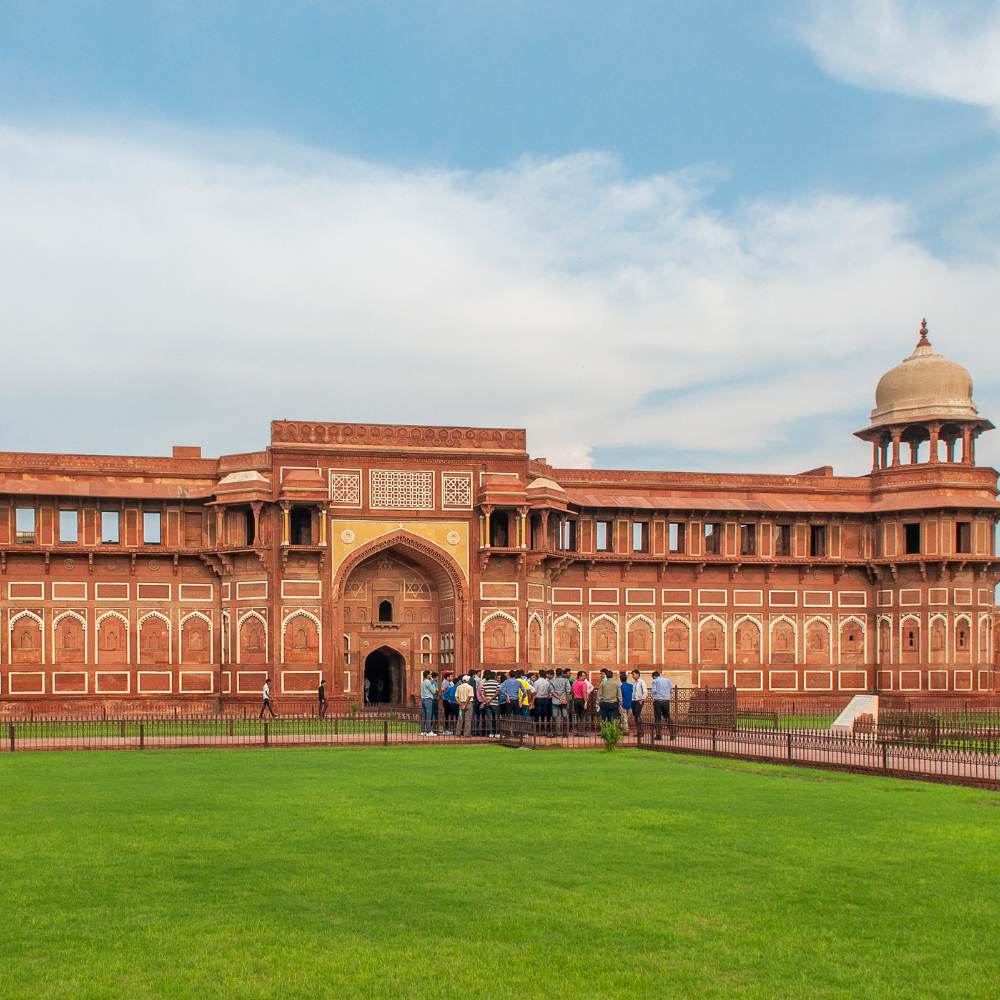
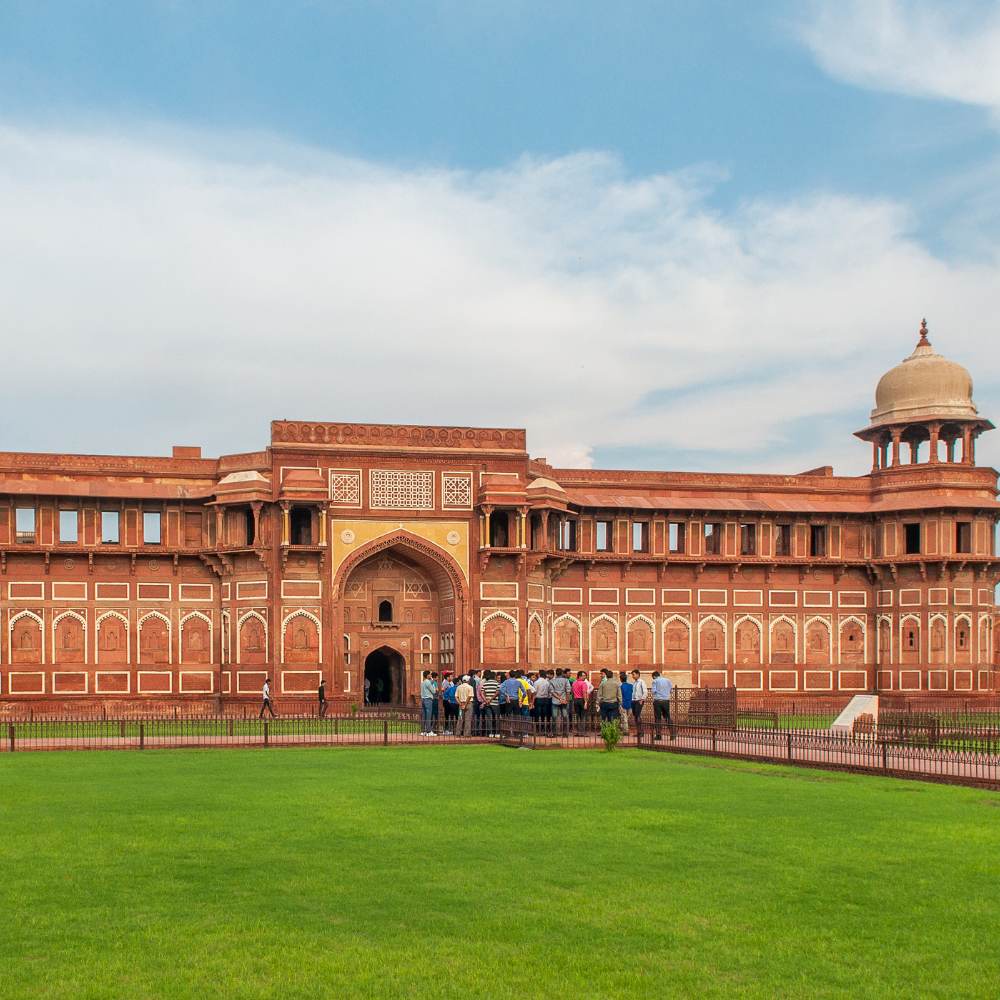
Constructed by Emperor Akbar in 1565 and later refined by Shah Jahan, the Agra Fort is a red sandstone fortress with marble palaces inside. Shah Jahan was eventually imprisoned here by his son Aurangzeb, left to gaze at the Taj Mahal across the Yamuna until his death — a bittersweet chapter in the Mughal saga.
Itimad-ud-Daulah – Baby Taj:
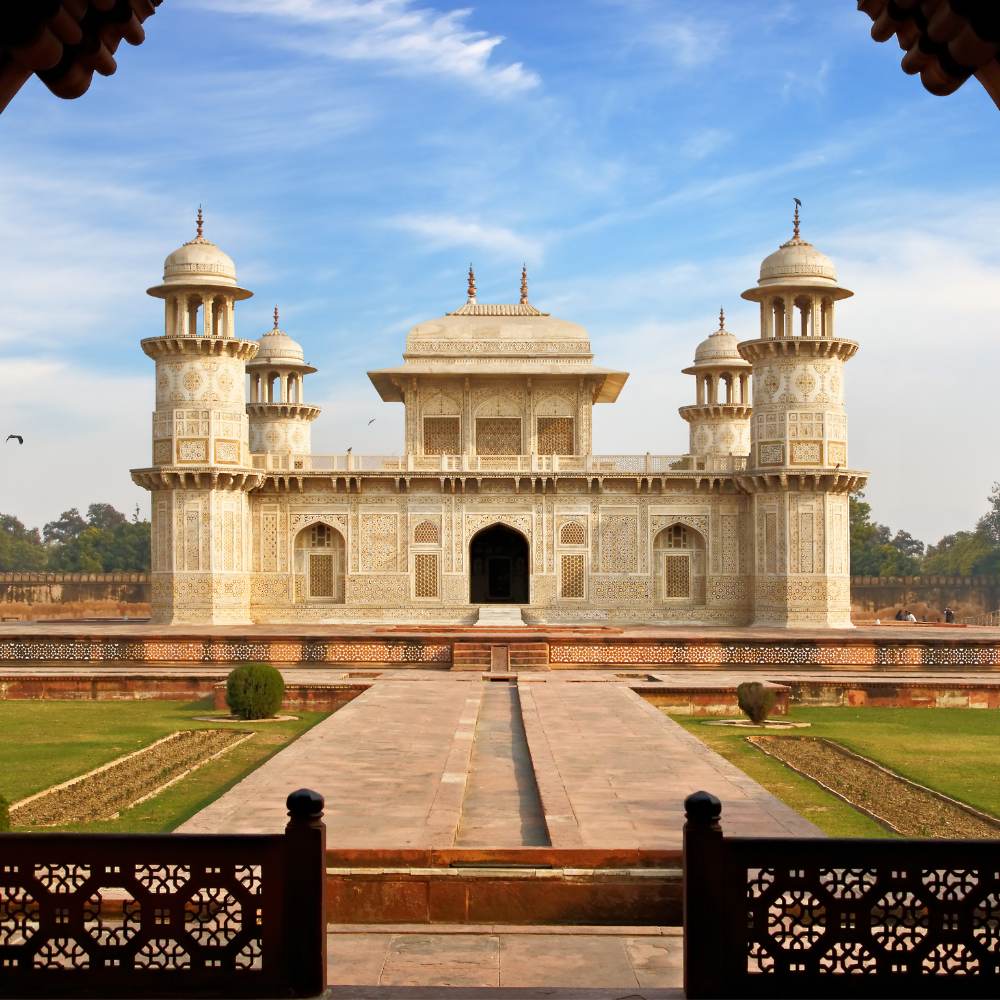
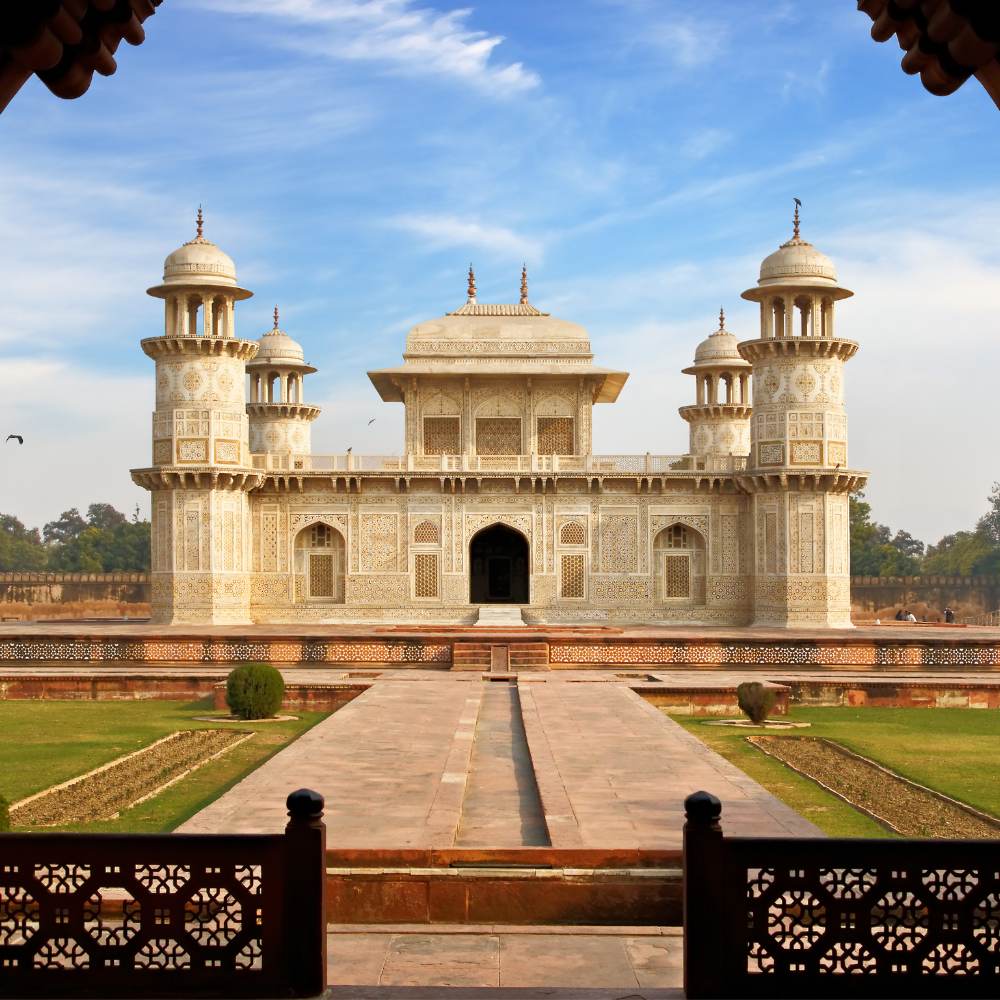
Commissioned by Nur Jahan for her father, this tomb is India’s first to be made entirely of white marble. Its pietra dura work predates and inspires the Taj. The mausoleum represents Mughal matriarchy as much as it does fine art.
Luxury Dining:
- Peshawri (ITC Mughal): Rustic, North-West Frontier flavors, served with flatware-free flair.
- Esphahan (The Oberoi Amarvilas): Candlelit Mughal fine dining with classical music accompaniment.
Luxury Shopping:
- Marble Inlay Workshops: Visit family-run artisan houses where descendants of Taj’s original craftsmen continue their intricate work.
- Zardozi & Pashmina Embroidery: Seek out embroidered fabrics in gold thread from Agra’s Mughal textile traditions.
JAIPUR: The Regal Artistry of Rajasthan
Cultural Context:
Founded in 1727 by Maharaja Sawai Jai Singh II, Jaipur was India’s first planned city. Built in pink sandstone (the color of hospitality), it was designed to impress. Jaipur is a city where astrology, mathematics, warfare, and aesthetics coalesce into regal splendor.
Landmark Story – Amber Fort:
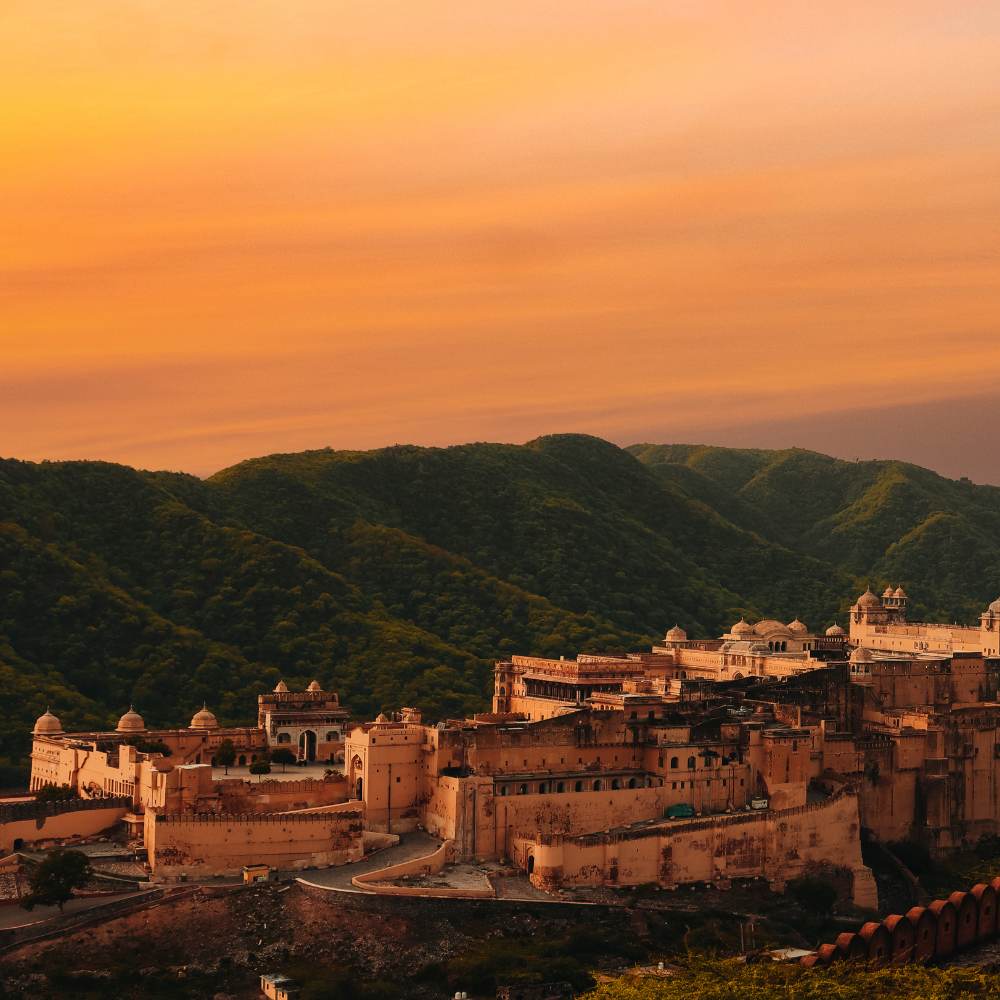
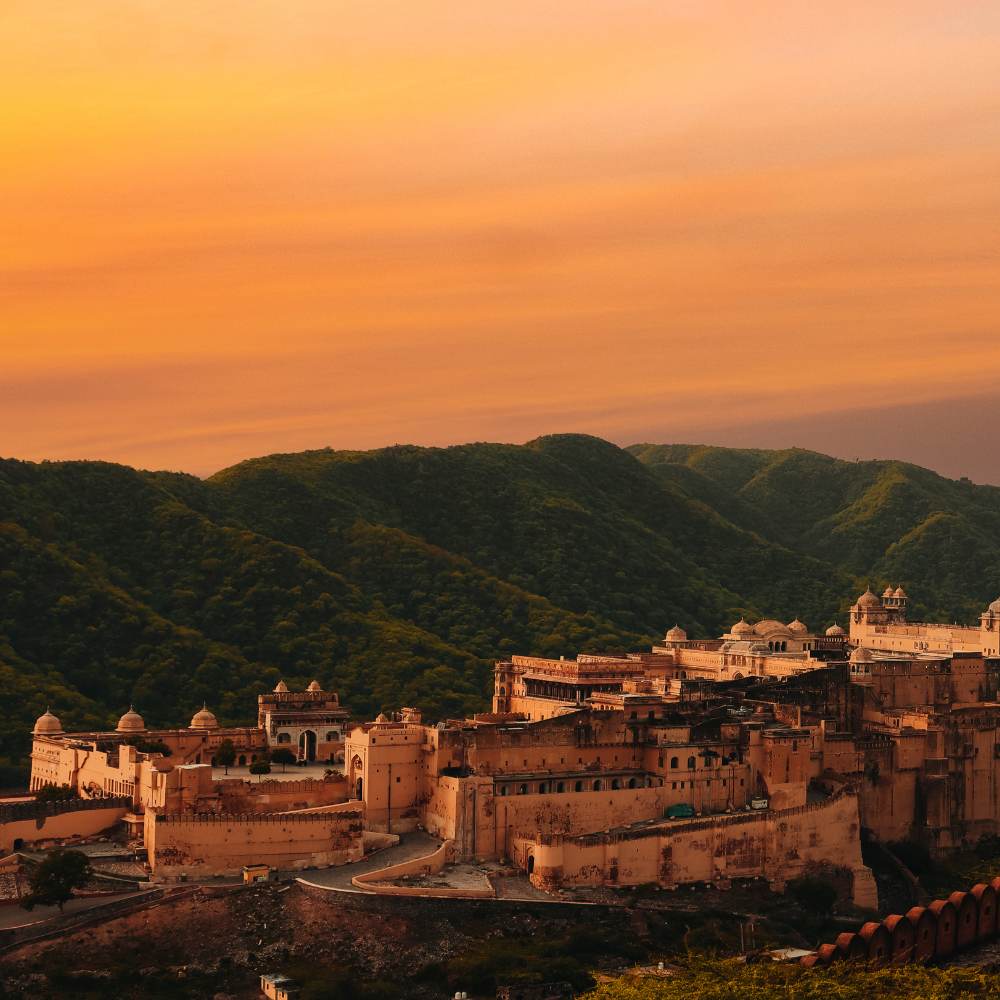
Set on a hilltop and accessible via vintage jeeps, Amber Fort is a visual spectacle. Its Sheesh Mahal (Hall of Mirrors) was built so a single candle could illuminate the entire room. The fort showcases Hindu motifs, Persian influences, and Rajput militarism — all wrapped in luxury.
City Palace:
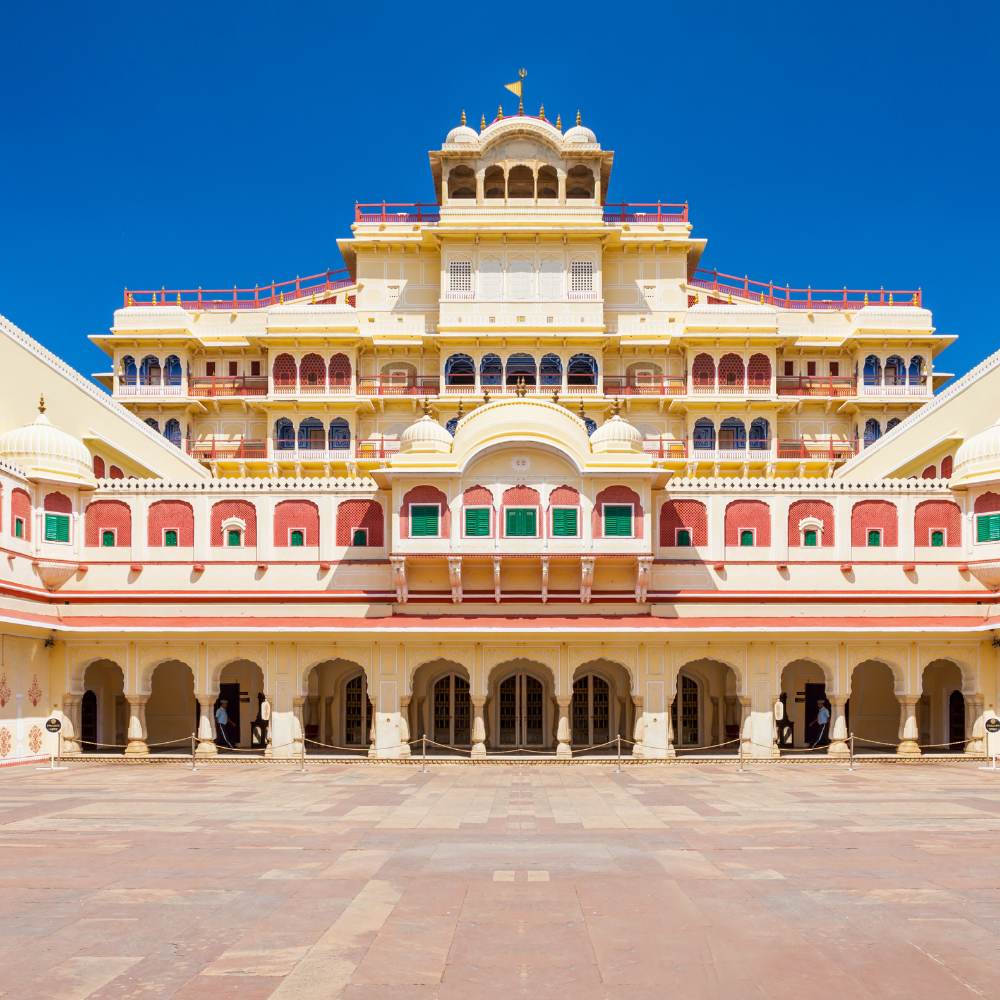
Still occupied by Jaipur’s royal family, the palace blends Mughal and Rajput design. Don’t miss the four seasonal gates in Pritam Niwas Chowk, each symbolizing a Hindu deity and season. The Peacock Gate, dedicated to autumn and Lord Vishnu, is especially stunning.
Jantar Mantar:
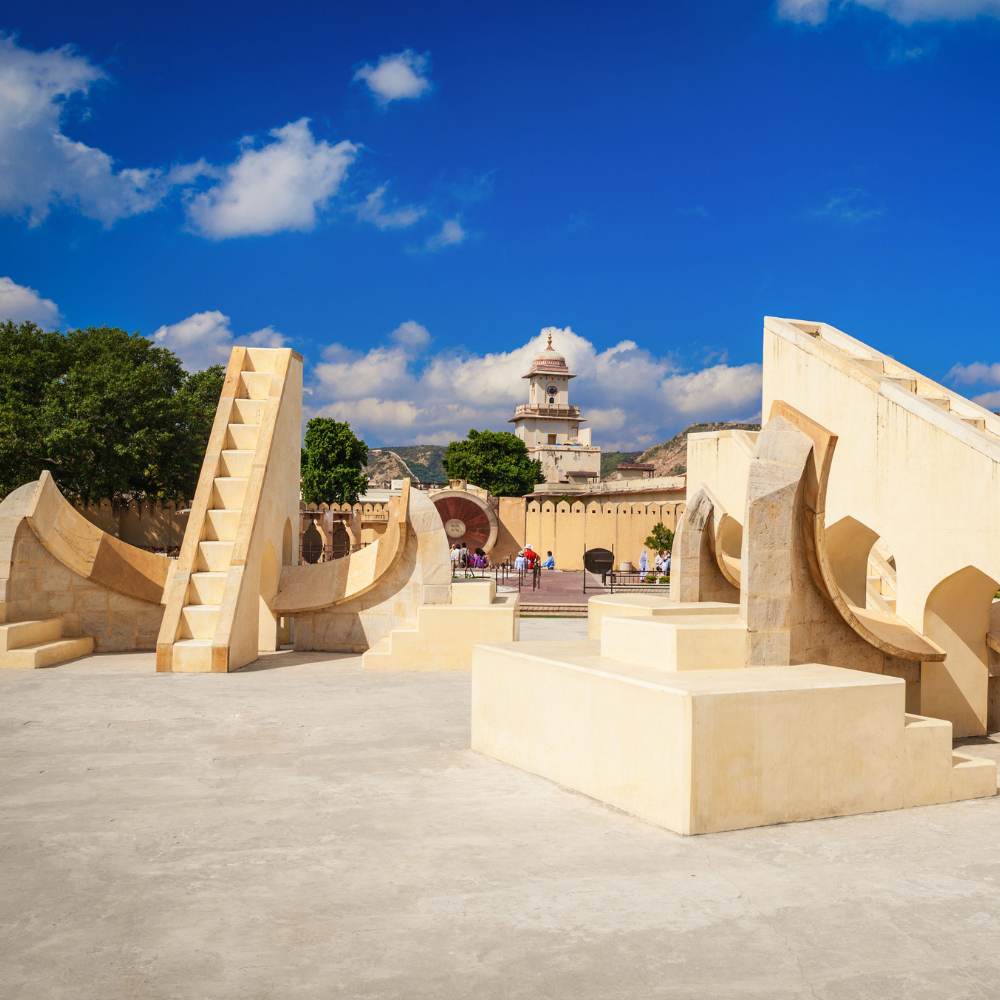
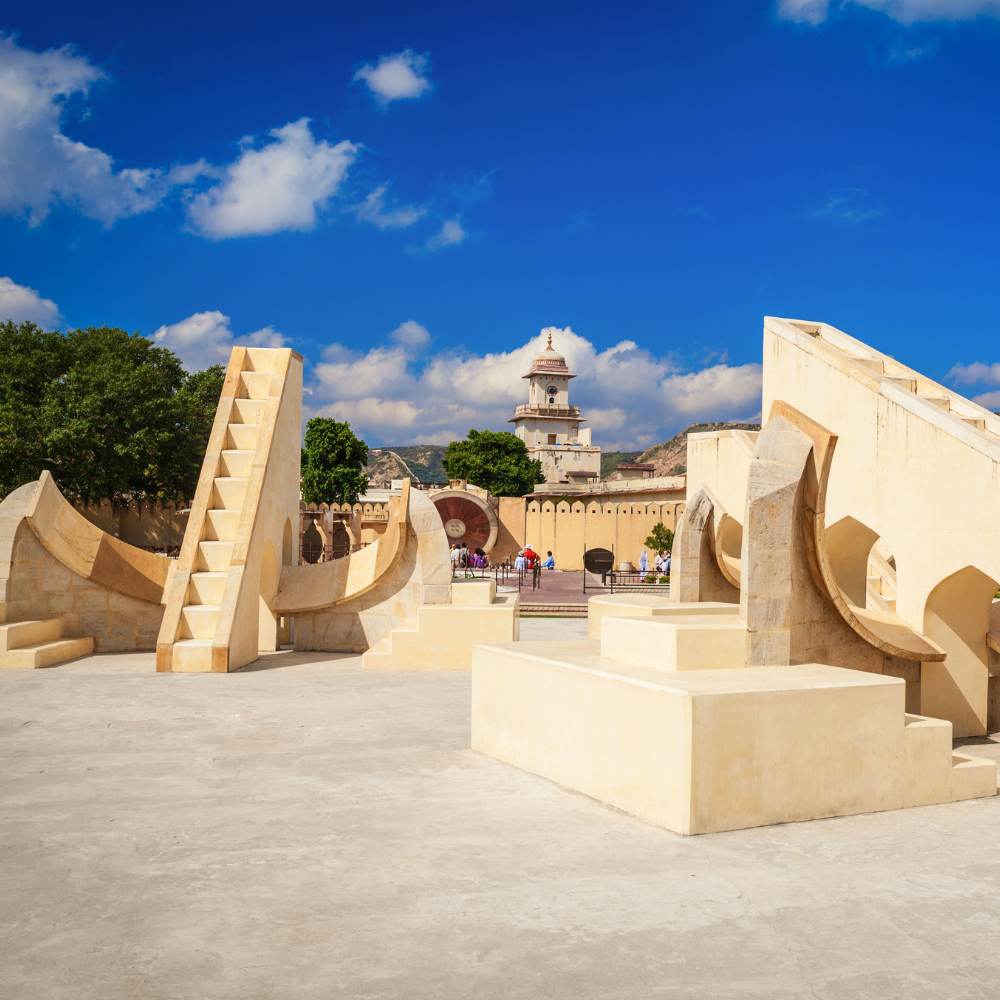
An astronomical observatory built in the 18th century by Jai Singh II. One of the world’s oldest working solar clocks still ticks here — accurate to within seconds.
Luxury Dining:
- 1135 AD (Amber Fort): Dine like a maharaja within the fort’s stone walls, with traditional musicians serenading you.
- Bar Palladio: A fusion of Mughal architecture and Italian flair, perfect for sunset cocktails.
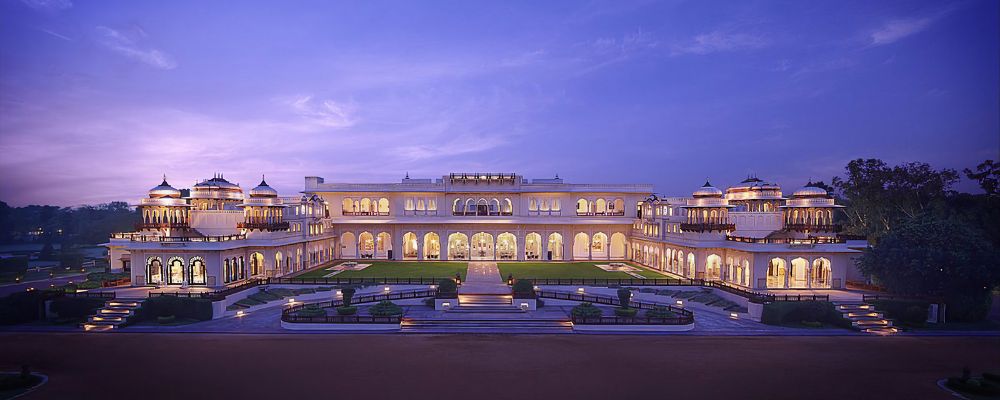
- Suvarna Mahal (Rambagh Palace): Enjoy gourmet thalis in a chandelier-lit former banquet hall.
Luxury Shopping:
- Johari Bazaar: For kundan and meenakari jewelry.
- Anokhi & FabIndia: Ethical fashion from Rajasthan’s best block printers.
- Gem Palace: Royal jeweler to the Maharajas of Jaipur for over 160 years.
Want something truly special? Jaipur is one of the few cities where you can commission your own heirloom—a hand-embroidered jacket, a gemstone-encrusted ring, or even custom mojari (Rajasthani leather shoes).
Read Also: Best Cities in India for First-Time Travelers
When to Visit & How to Travel
Timing Your Tour: The Sweet Spot Seasons
Your best window to visit is between October and March, when India is at its most vivid and comfortable. October welcomes fresh air and festive decor; December and January offer crisp mornings perfect for landmark visits; February and March bloom with springtime charm.
Steer clear of April–June heatwaves and monsoon rains (July–September) to maximize comfort and visits to iconic sites.
How to Get There — A Seamless Luxury Transit
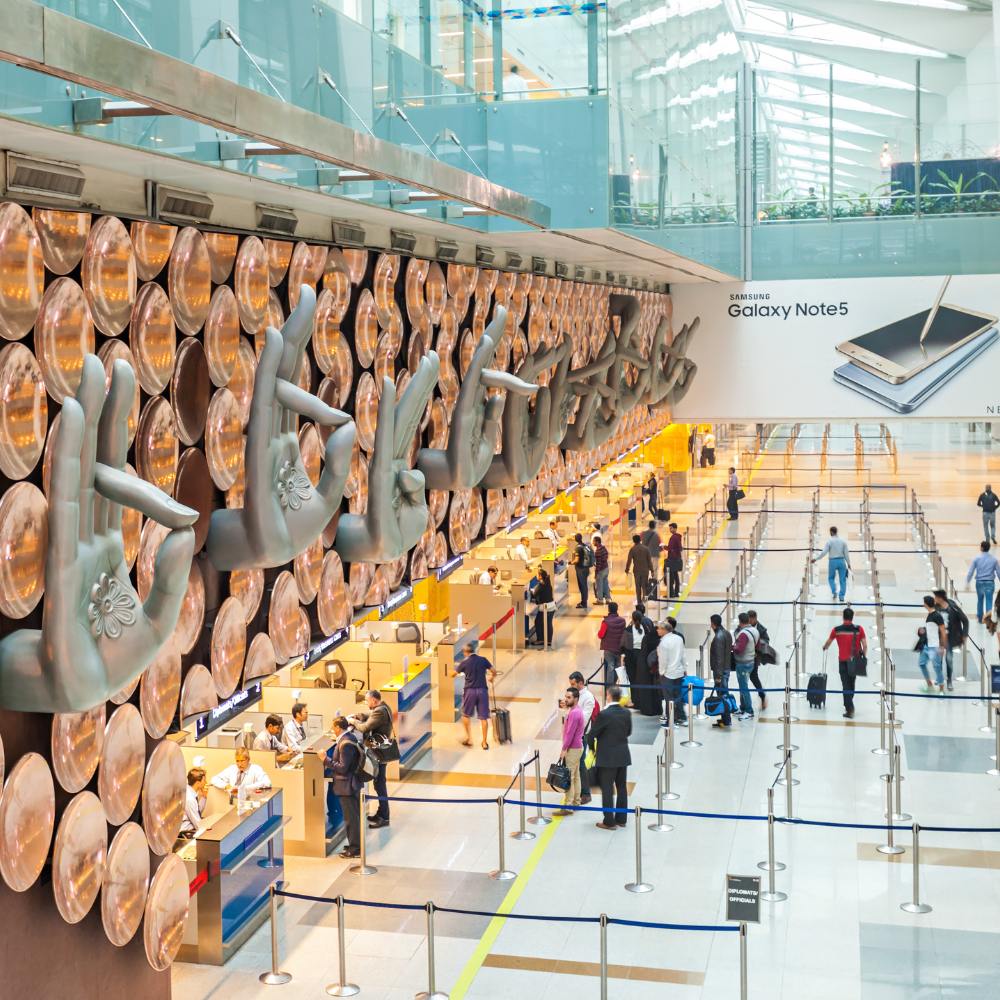
Most luxury circuits depart from Indira Gandhi International Airport (DEL) in Delhi, with one-stop or direct flights available from cities such as New York, Chicago, and San Francisco via carriers including Air India, Emirates, Qatar Airways, and United.
Travel Style:
Select a tour company that specializes in bespoke India travel. Look for:
- Dedicated concierge support
- Private guides fluent in storytelling
- Access to off-limits areas (e.g., royal family quarters, private temples)
- Dinner or high tea with noble families or curated local artists
Closing Reflection: A Journey Etched in Gold
The Golden Triangle isn’t just India’s most popular circuit — it’s a perfectly orchestrated story. From the Mughal mosaics of Delhi and Agra to the Rajput opulence of Jaipur, you experience dynasties, wars, romances, revolts, and revelry — not from behind glass but face-to-face.
This is where luxury meets legacy. You don’t just visit the Taj Mahal; you sip tea as the muezzin's call echoes across its dome. You don’t just walk through Amber Fort; you dine beneath its arches. You don’t just shop for souvenirs; you commission works of art from artisans with centuries-old bloodlines.
For first-time travelers from the U.S., this journey can be a cultural revelation — made even more magical when done slowly, deeply, and luxuriously.