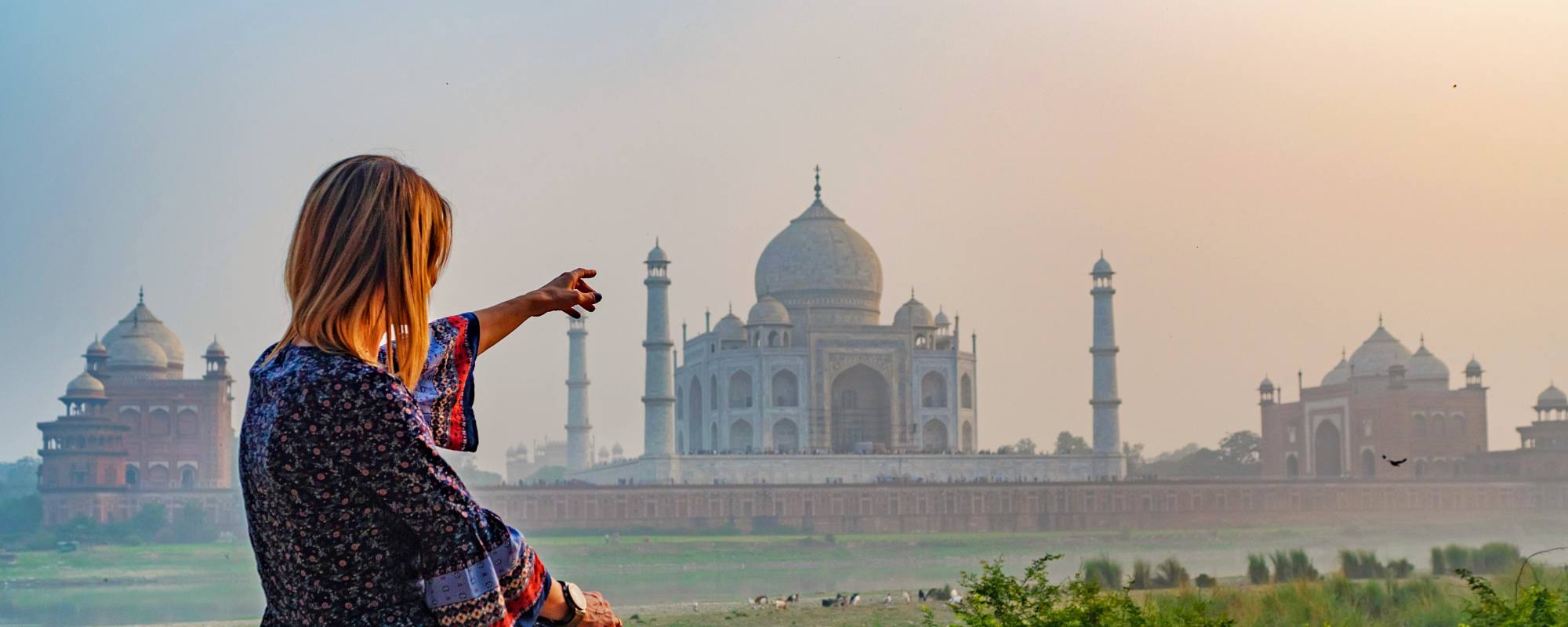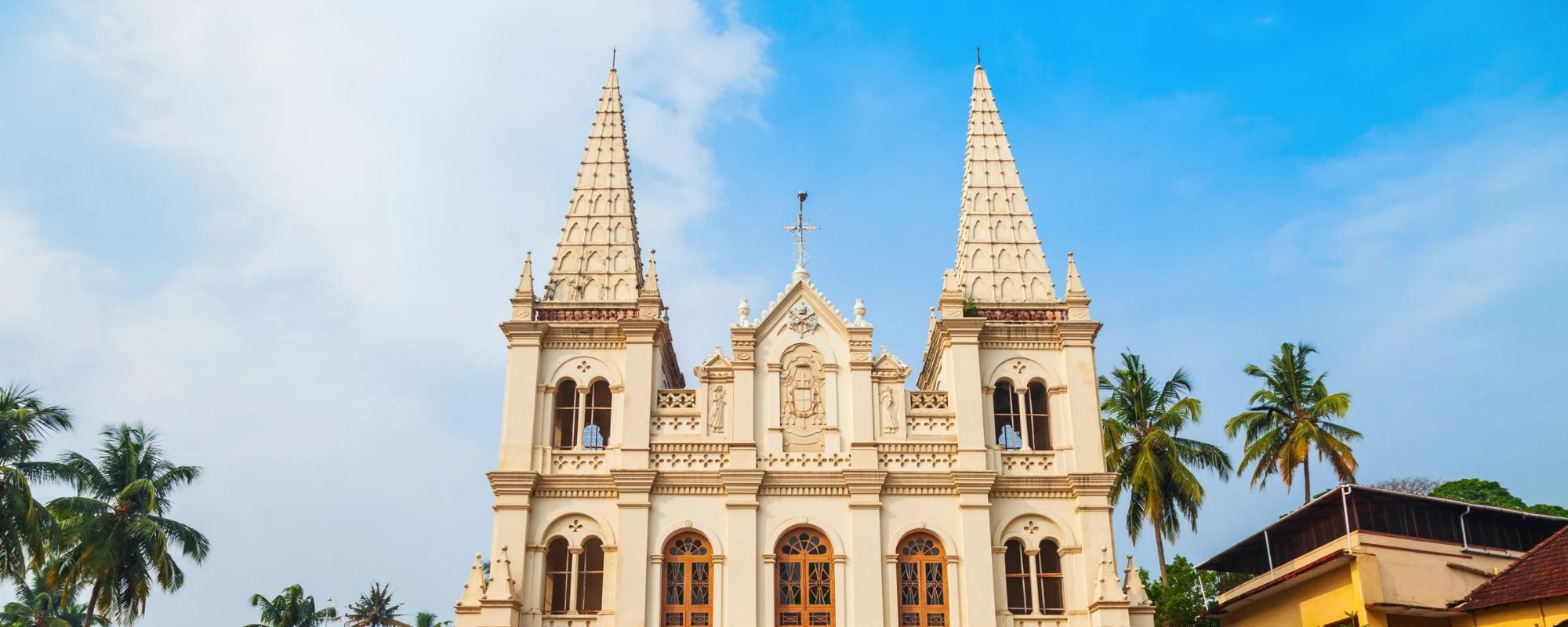
French travelers often imagine India as a land of colors, spirituality, history, and cuisine. However, beyond its palaces and temples lies a vast landscape of mountains, rivers, forests, deserts, and coastlines that make it one of the world's most diverse adventure destinations. From trekking in the Himalayas to diving in the Andaman Islands, from camel safaris in Rajasthan to paragliding over Himalayan valleys, India invites those with a spirit of adventure to explore its natural and cultural wonders.
This guide has been designed with first-time French travelers in mind. It blends detailed descriptions of India's best adventure destinations with practical travel advice—covering when to go, how to get there, what to expect, and how to prepare.
Why India Appeals to French Adventure Travelers
France has its Alps, Pyrenees, and Atlantic coasts, but India's adventure offerings are on an entirely different scale. For French travelers, three aspects make India irresistible:
First, the sheer diversity of landscapes. Within one country, you can trek the world's highest mountain range, raft through Himalayan gorges, explore dense jungles teeming with tigers, ride camels across deserts, or dive among coral reefs.
Second, the cultural immersion. Every adventure in India comes wrapped in cultural encounters—villagers offering chai after a trek, local guides sharing myths of the mountains, or nomads singing folk songs by the desert fire.
Third, the value for money. Compared to European adventure destinations, India offers experiences at a fraction of the cost. Trekking guides, safaris, scuba courses, and adventure sports remain affordable, especially for those traveling from France.
The Best Adventure Places in India
1. The Himalayas: Trekking and Mountaineering
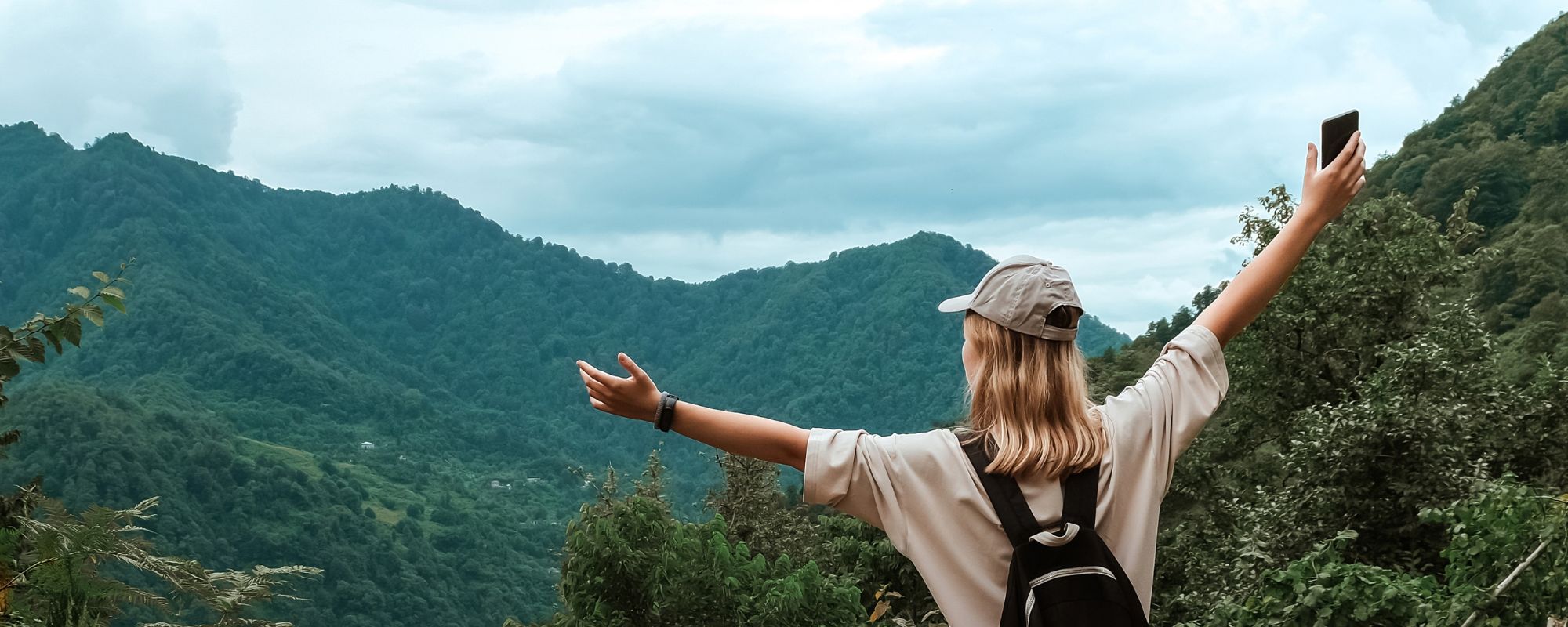
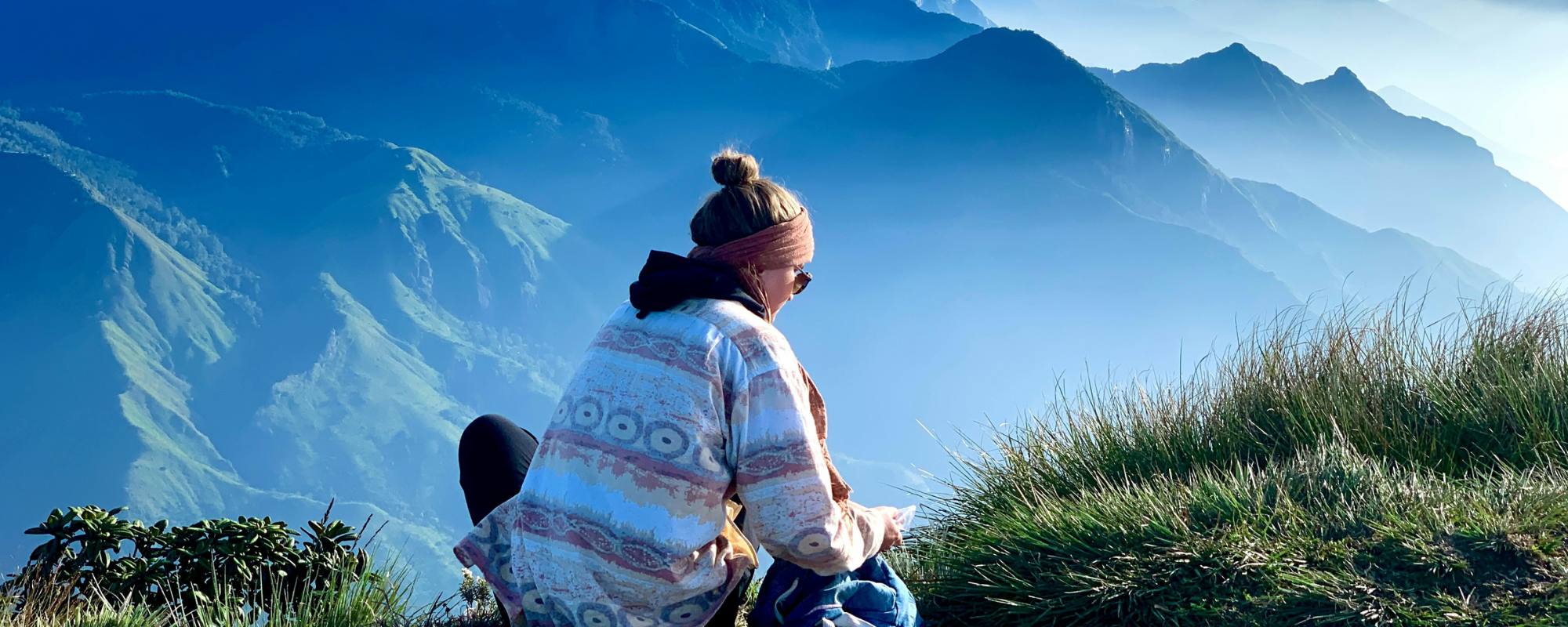
For French hikers accustomed to the Alps, the Himalayas offer a chance to step into another dimension. The Indian Himalayas stretch across Ladakh, Himachal Pradesh, Uttarakhand, Sikkim, and Arunachal Pradesh, each region offering distinct treks.
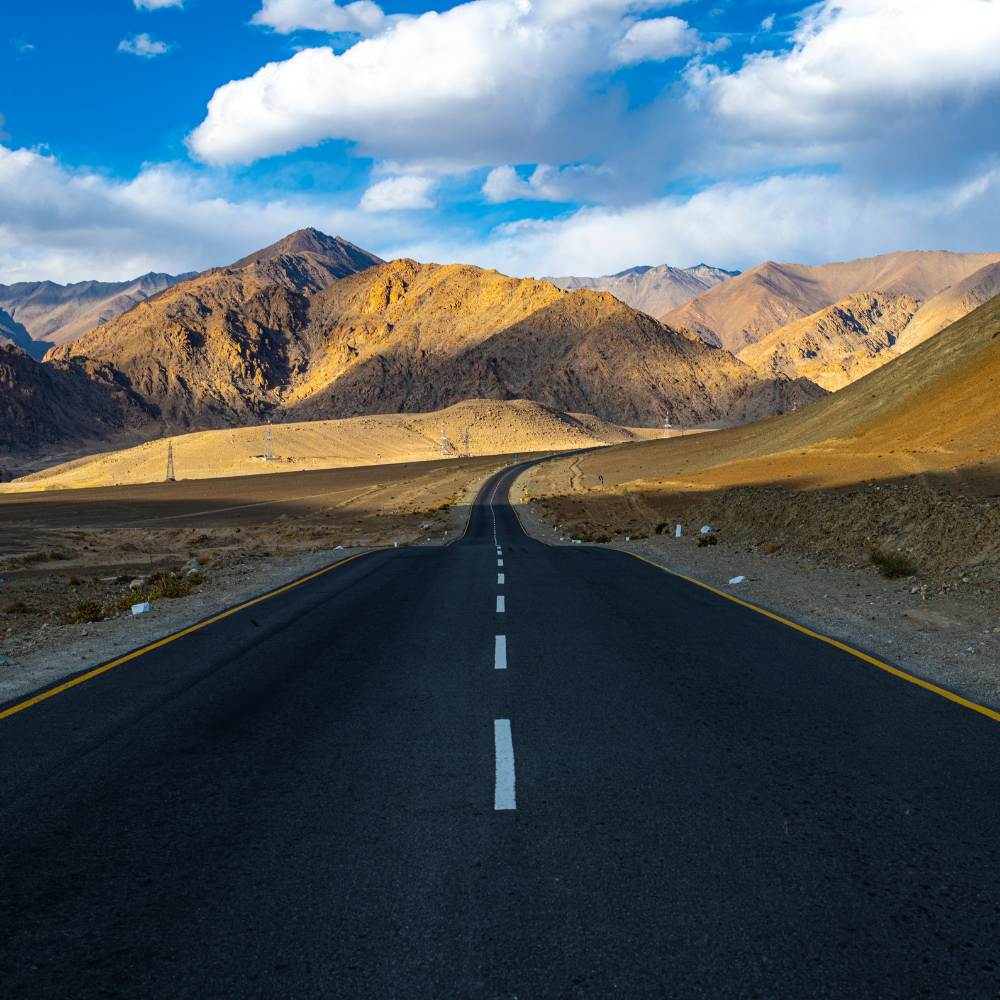
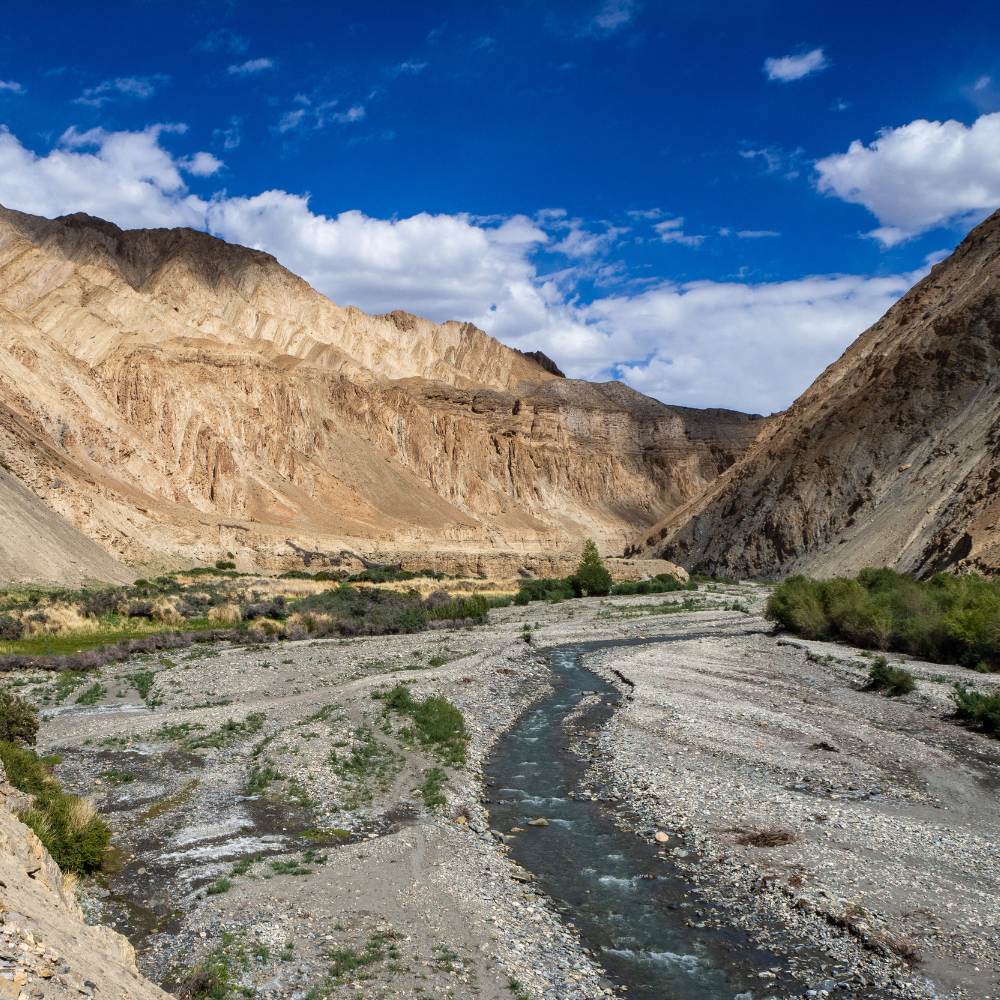
In Ladakh, often called "Little Tibet," French travelers will find high-altitude treks like the Markha Valley or Stok Kangri climb. The landscapes are stark and lunar, dotted with Buddhist monasteries and snow-capped peaks.
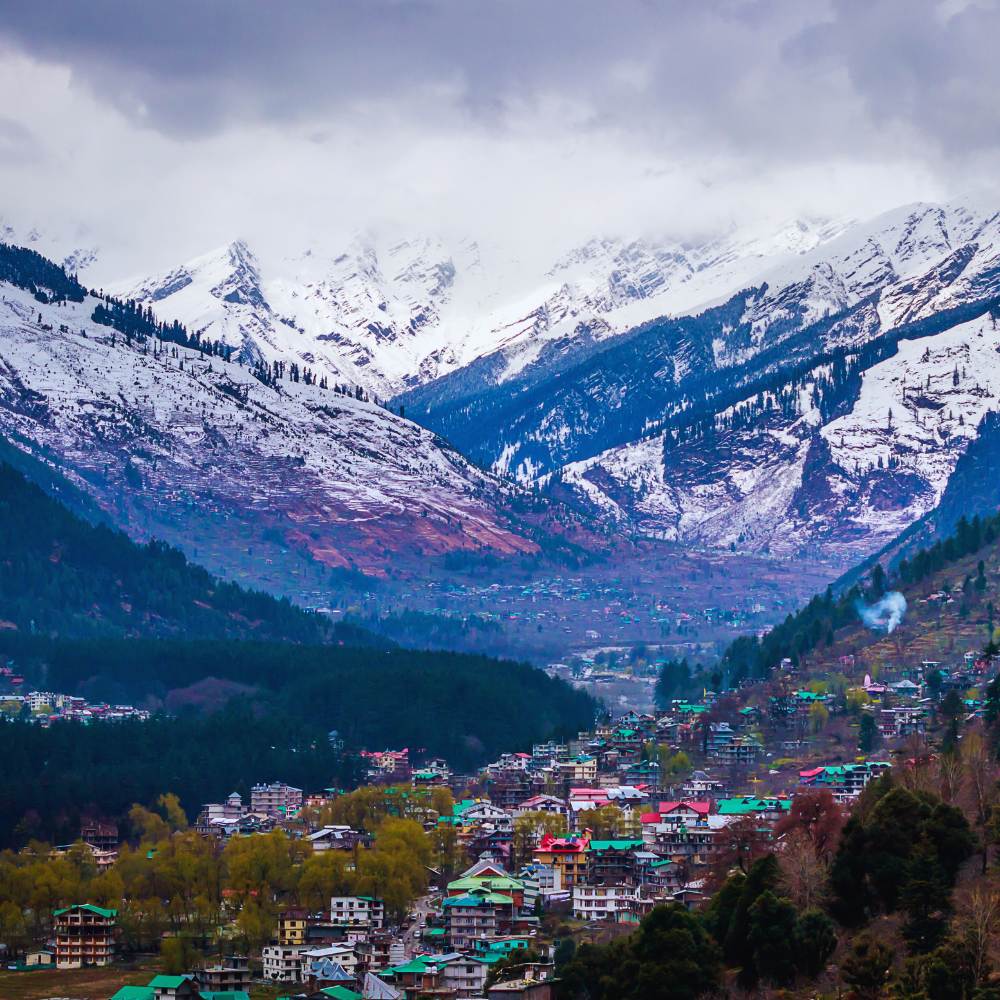
Himachal Pradesh is famous for treks around Manali, Dharamshala, and Spiti Valley. These are ideal for first-timers looking for moderate adventures, with opportunities for camping and cultural immersion.
Uttarakhand hosts the Valley of Flowers, a UNESCO World Heritage trek, as well as pilgrim routes to Kedarnath and Hemkund Sahib.
Sikkim, near the border with Nepal and Bhutan, offers the Goechala trek with breathtaking views of Mount Kanchenjunga.
For French mountaineers, India also provides technical climbing opportunities, though permits are needed.
2. Rishikesh: The Adventure Capital
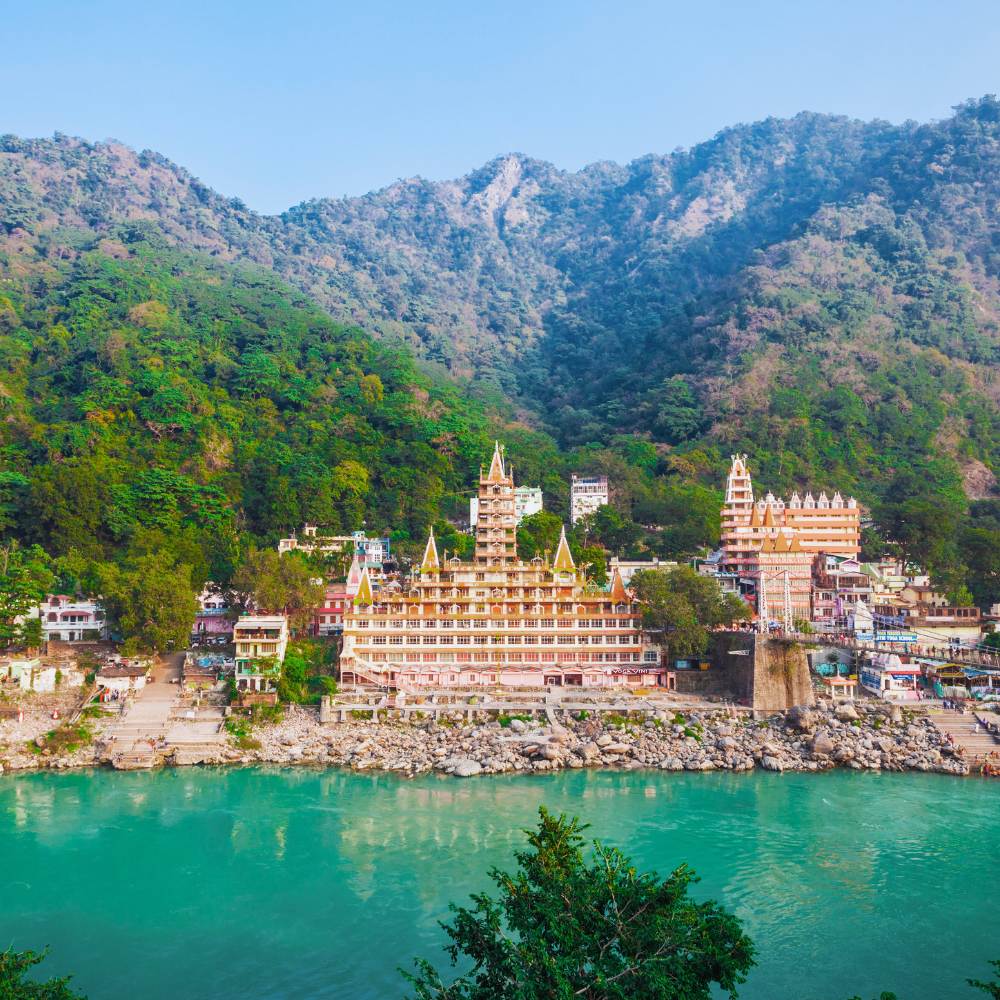
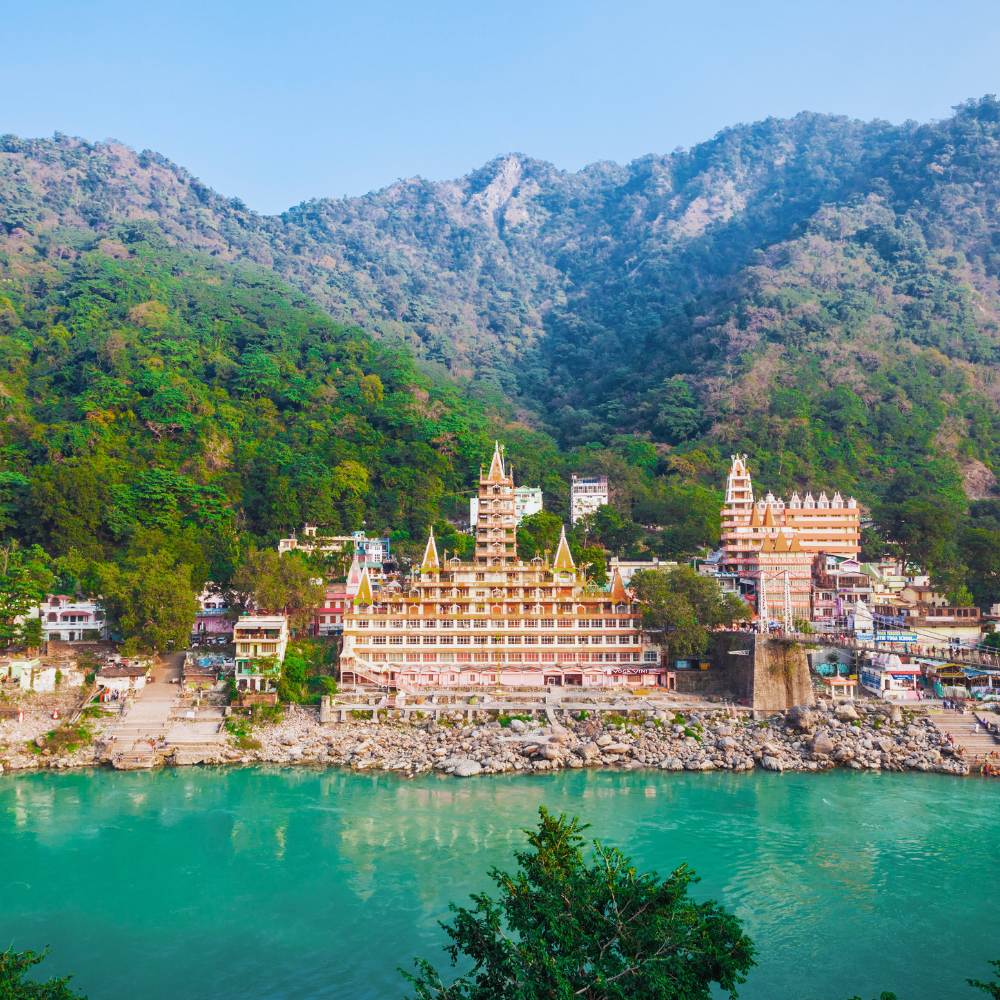
Nestled in the Himalayan foothills, Rishikesh is globally known as the "Yoga Capital of the World." However, it is also India's hub for adventure sports. The Ganges River flows fast and pure here, making it India's top white-water rafting destination.
Rafting trips range from short 9-kilometer rides to multi-day expeditions with camping on sandy riverbanks. In addition, visitors can try bungee jumping, ziplining, giant swings, and cliff jumping.
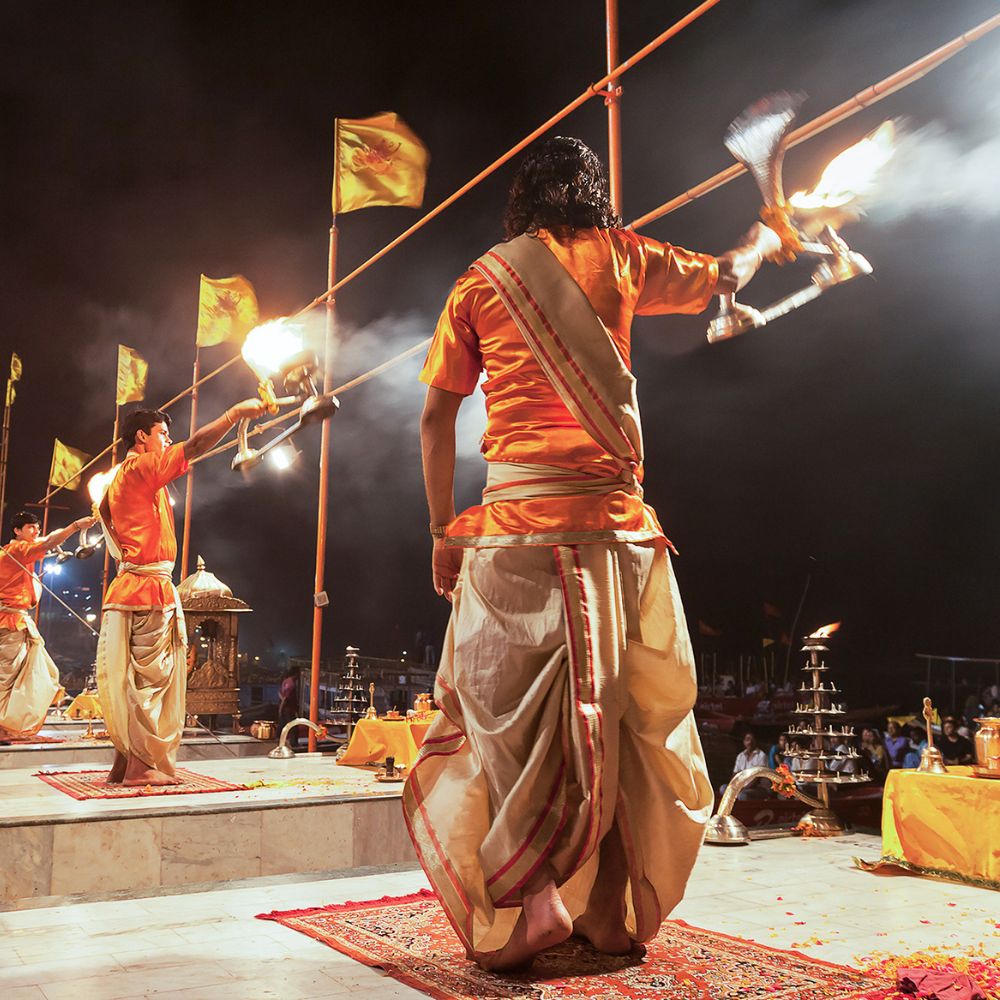
For French travelers, Rishikesh is also attractive because it combines adrenaline with spirituality. After a day of rafting, one can attend the evening Ganga Aarti, practice yoga, or relax in riverside cafés frequented by international travelers.
3. Rajasthan: Desert Safaris and Hot Air Balloons
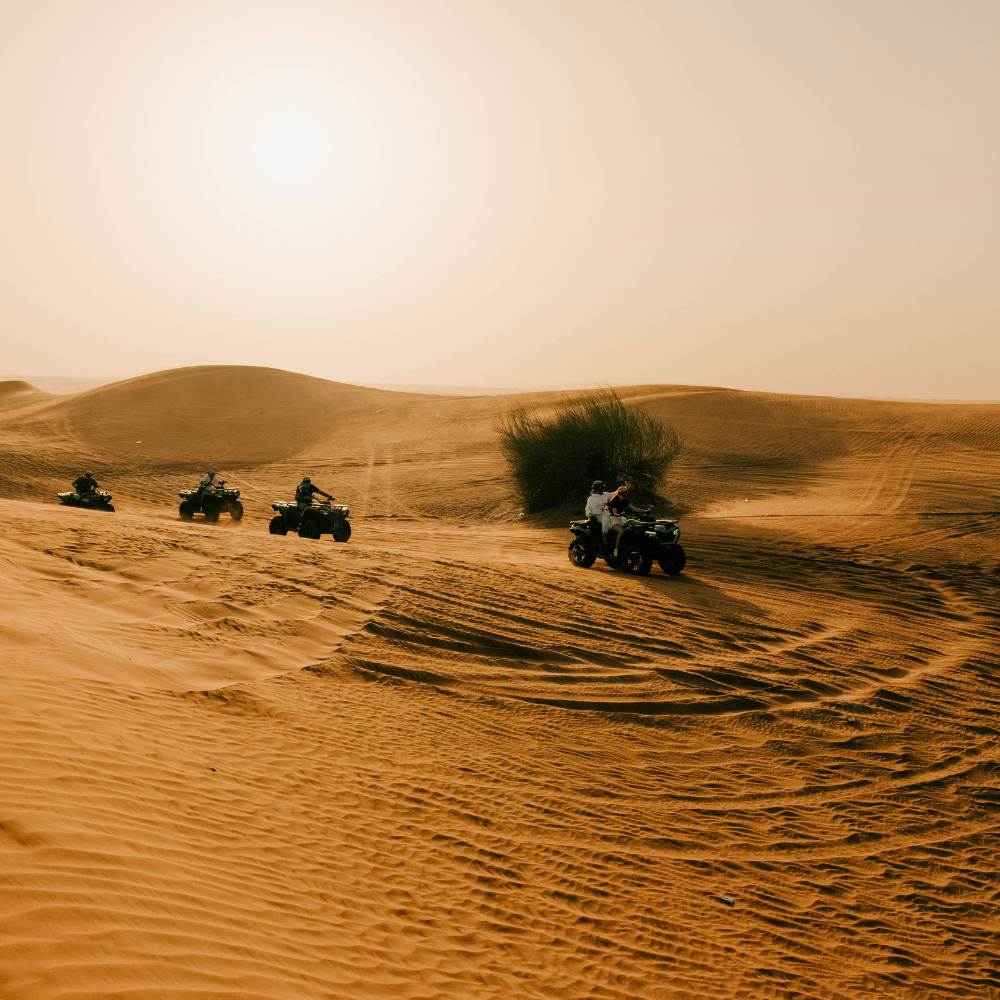
Rajasthan is known for its royal palaces and forts, but its desert landscapes also make it one of India's top adventure regions.
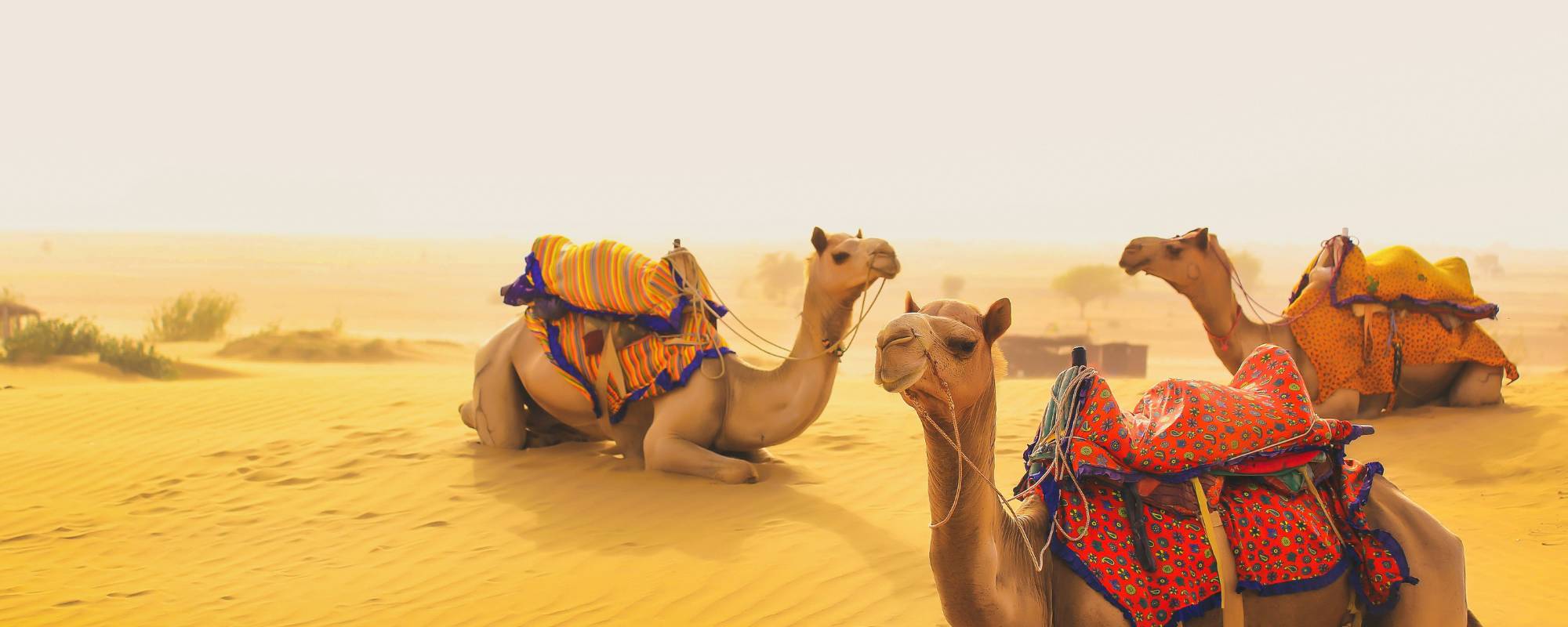
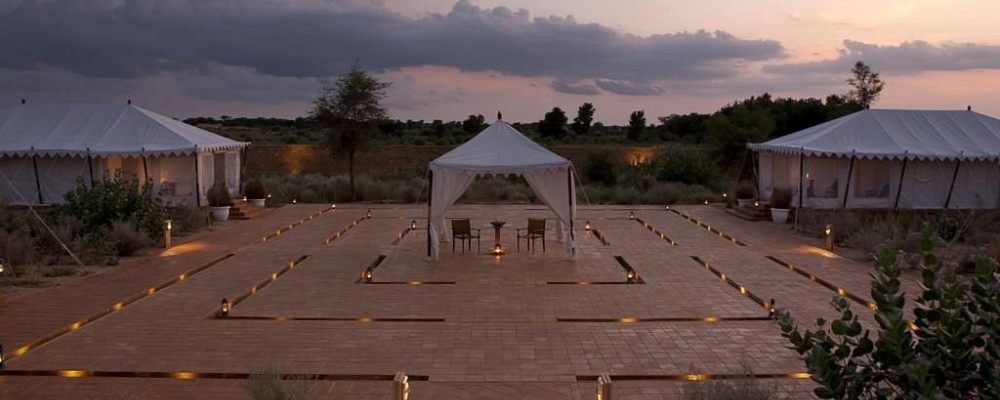
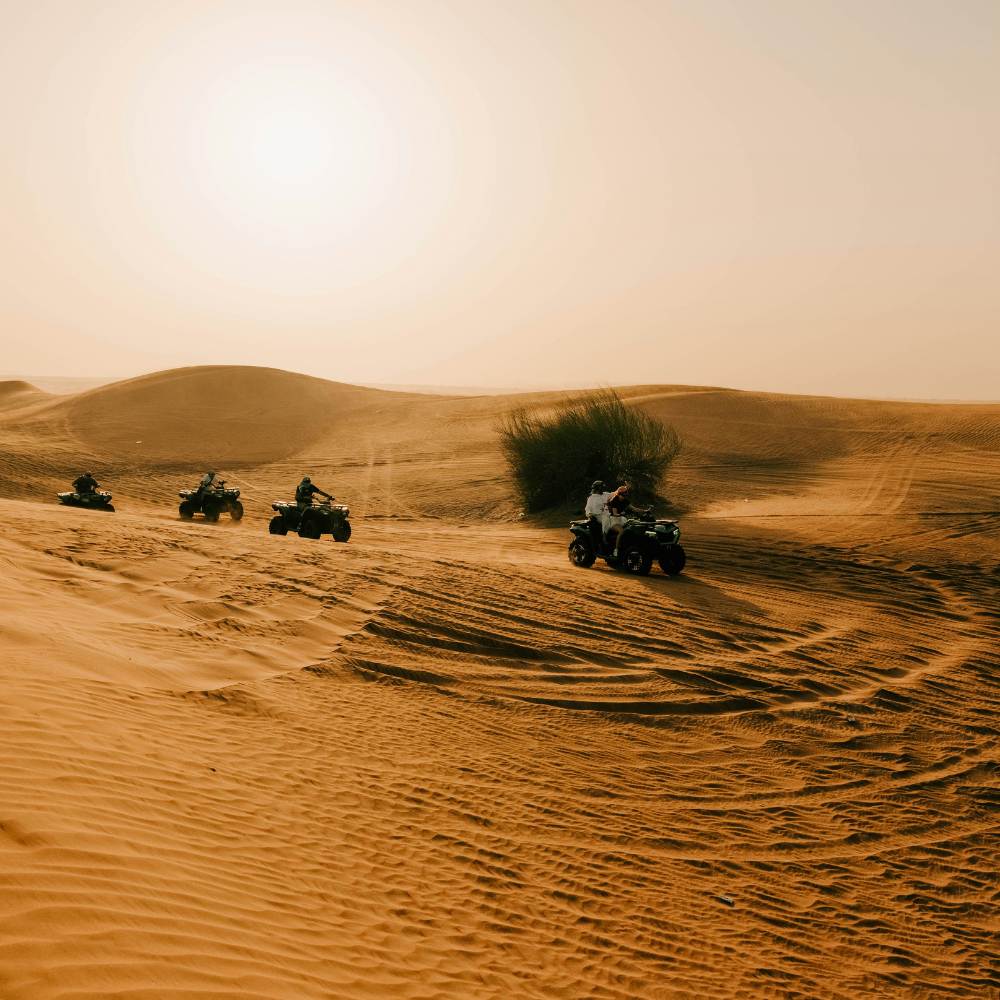
In Jaisalmer, French travelers can take camel safaris into the Thar Desert, spending nights under starlit skies in desert camps. Jeep safaris are also available for those preferring speed to camel pace.
Another unforgettable experience is a hot air balloon ride over Jaipur, Pushkar, or Ranthambore. Floating above palaces, lakes, and temples provides a bird's-eye view of Rajasthan's history and landscapes.
4. Goa: Water Sports and Coastal Adventures
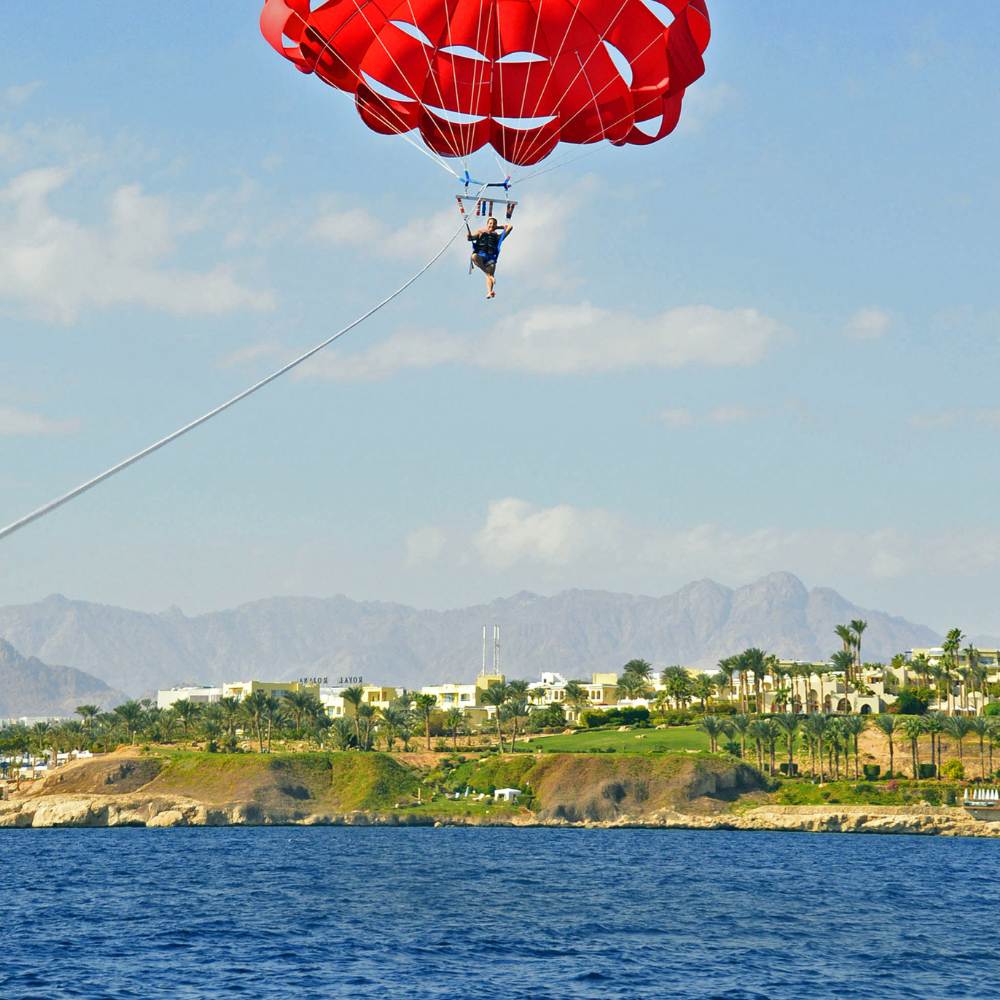
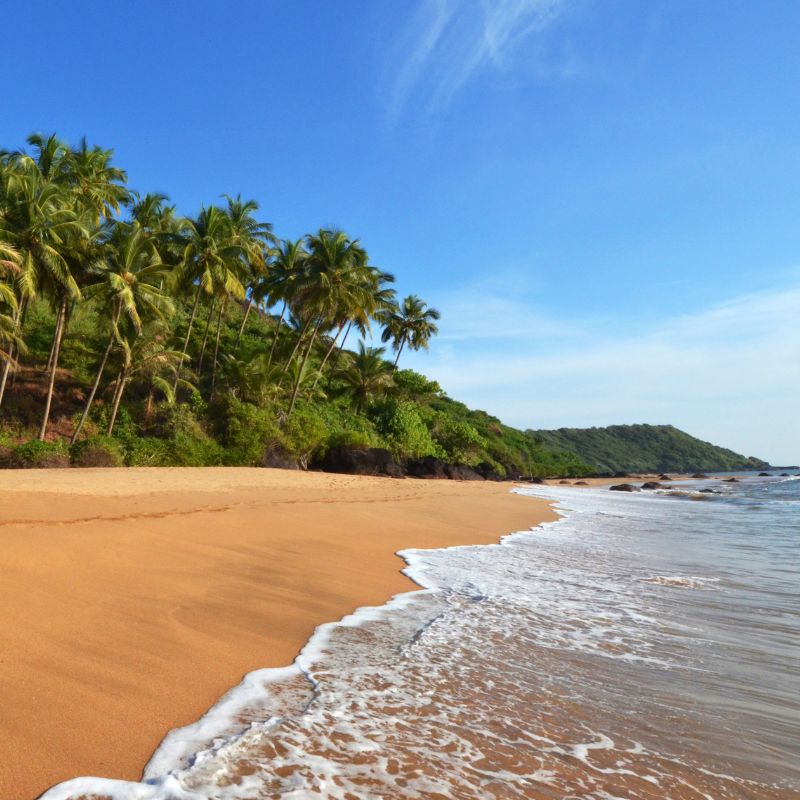
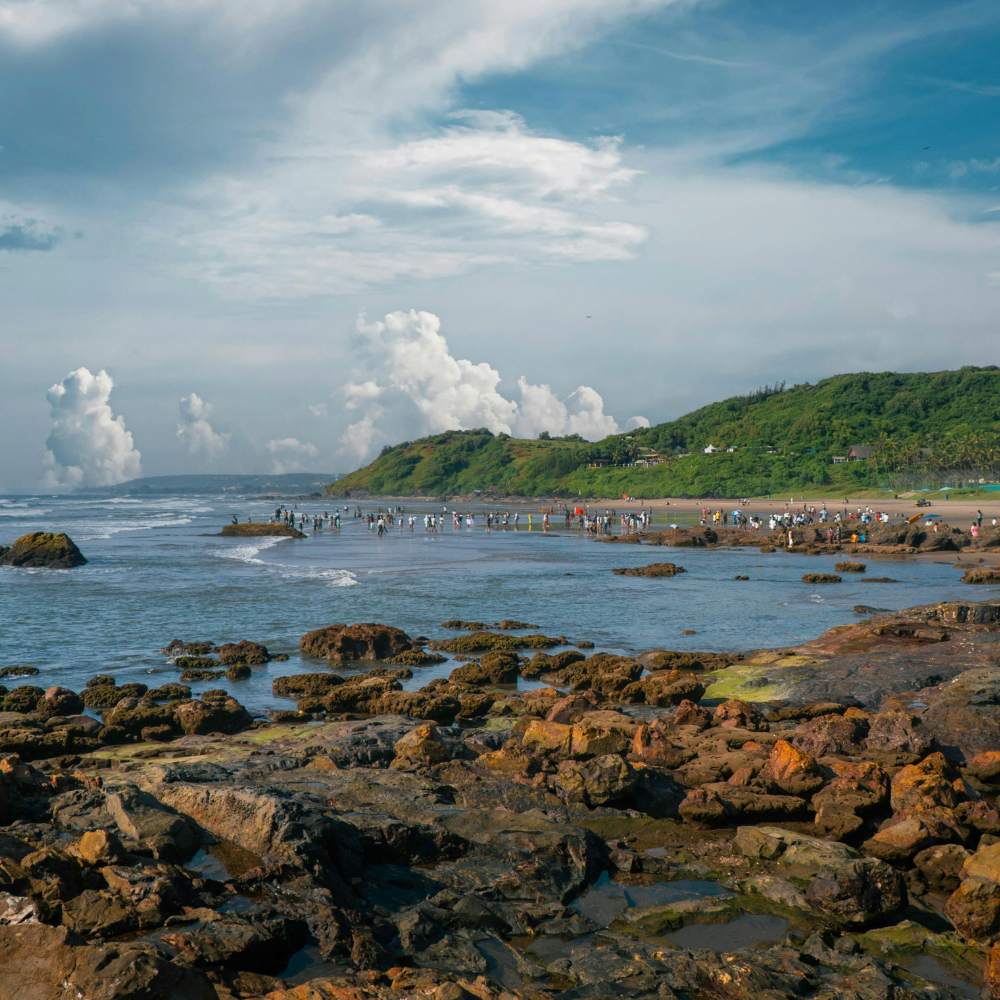
Goa, India's smallest state, is a paradise for French travelers who love the sea. Known for its beaches and Portuguese heritage, Goa is also India's hub for water sports. Activities include jet skiing, parasailing, windsurfing, wakeboarding, and scuba diving.
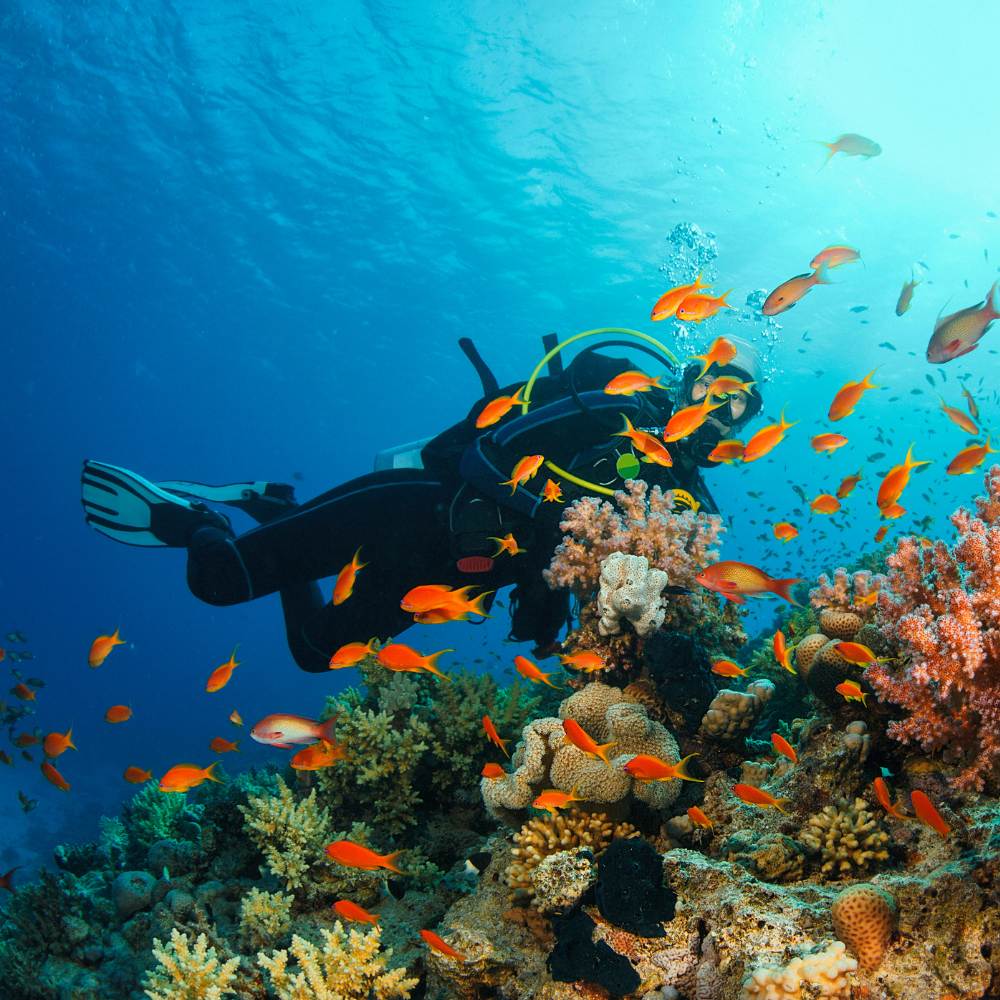
For diving enthusiasts, Goa offers certification courses at much lower costs than in Europe. The underwater world includes shipwrecks, coral reefs, and tropical fish. Beyond water sports, cycling tours through villages, spice plantations, and backwater kayaking provide gentler adventures.
5. Andaman and Nicobar Islands: Scuba Diving Heaven
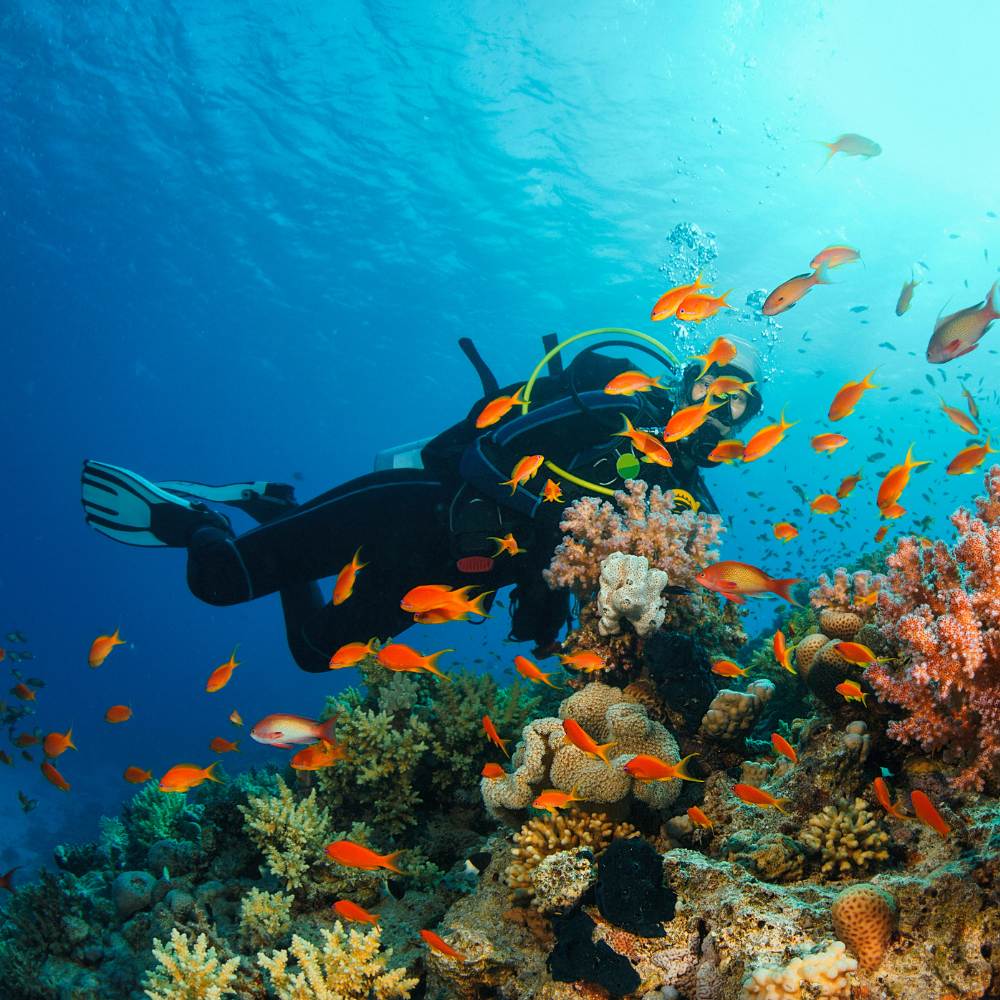
For serious divers, the Andaman Islands are India's ultimate destination. Havelock Island and Neil Island have some of the best dive sites in South Asia. The crystal-clear waters, healthy coral reefs, manta rays, reef sharks, and occasional turtles make diving here unforgettable.
French travelers used to the Mediterranean or Caribbean will be amazed at the biodiversity and tranquility.
Non-divers can still enjoy snorkeling, kayaking through mangroves, and glass-bottom boat rides.
6. Kerala: Backwaters and Wildlife
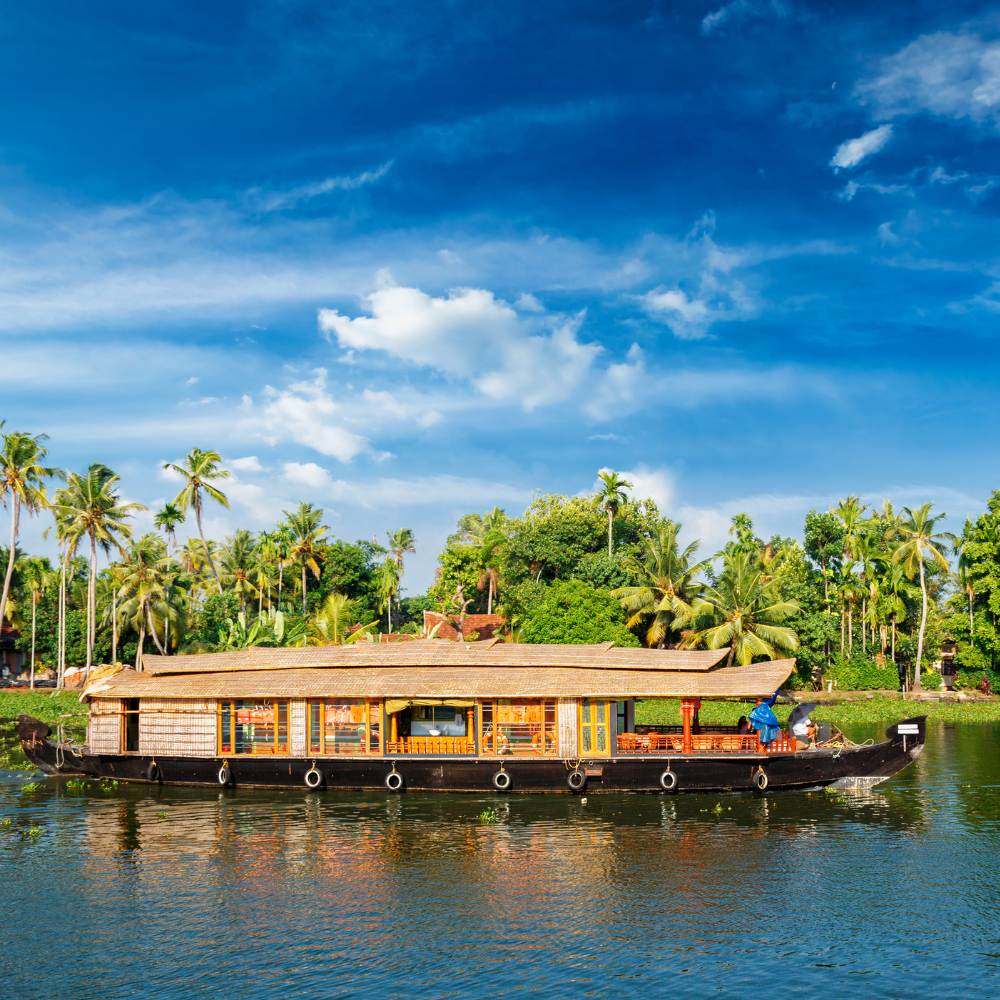
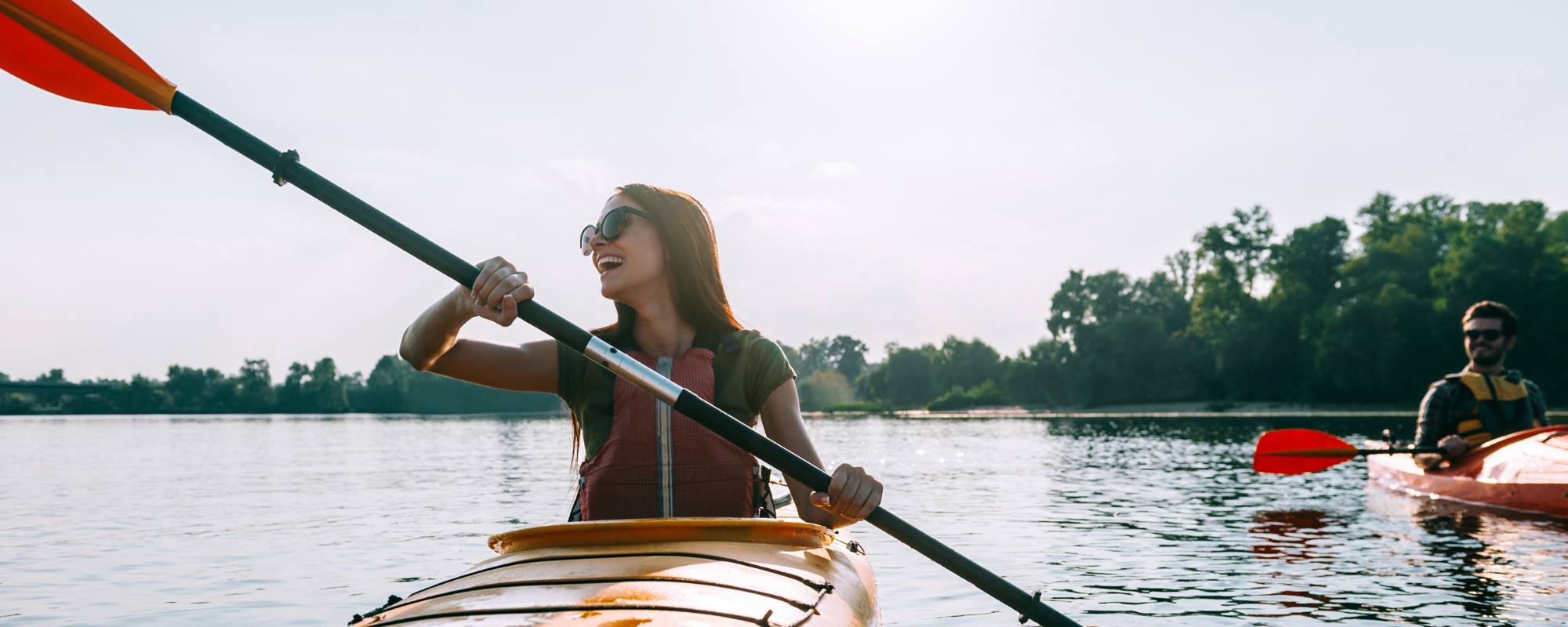
In southern India, Kerala offers a softer but equally adventurous experience. The famous backwaters—a network of canals, rivers, and lagoons—can be explored by kayaking or canoeing for those seeking more active alternatives to the classic houseboat cruise.
For wildlife enthusiasts, Periyar Wildlife Sanctuary offers bamboo rafting and trekking experiences in the Western Ghats. The Ghats themselves are also ideal for trekking, with trails through spice plantations, waterfalls, and hill stations like Munnar and Wayanad.
7. Meghalaya: Caving and Rainforest Treks
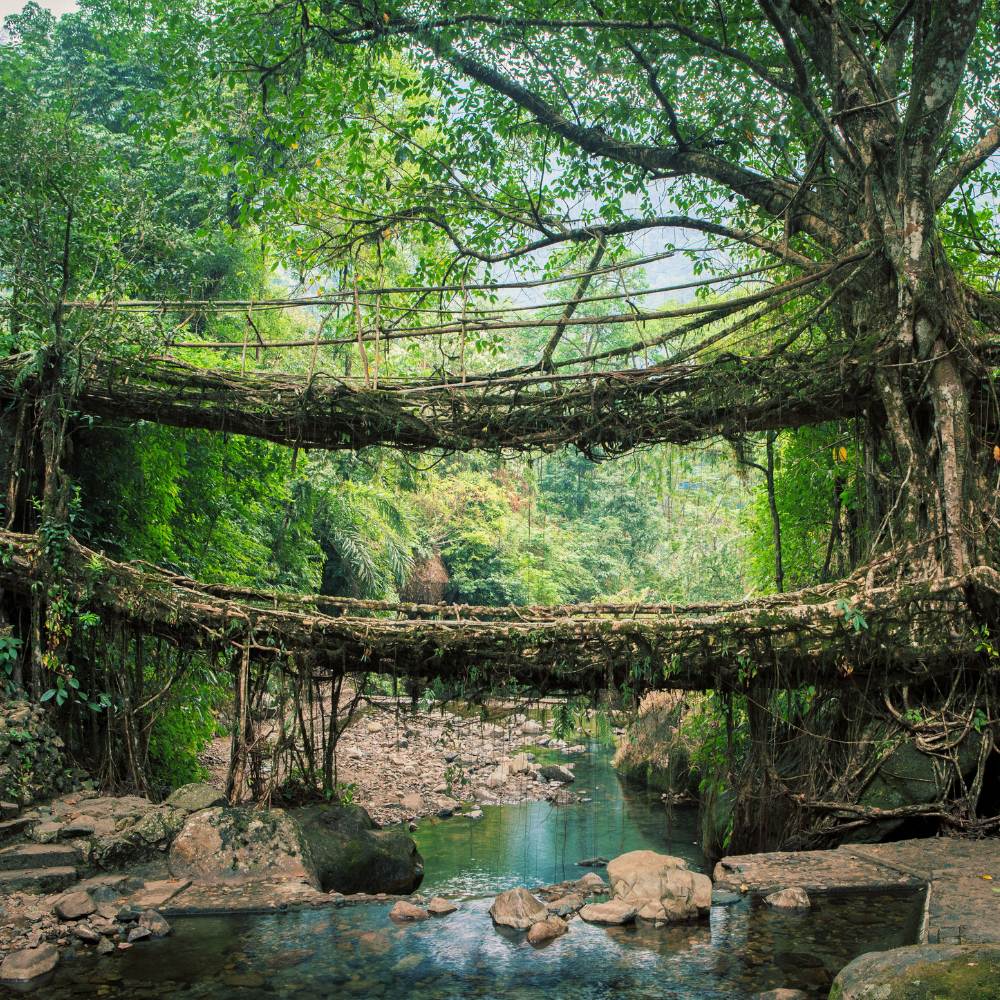
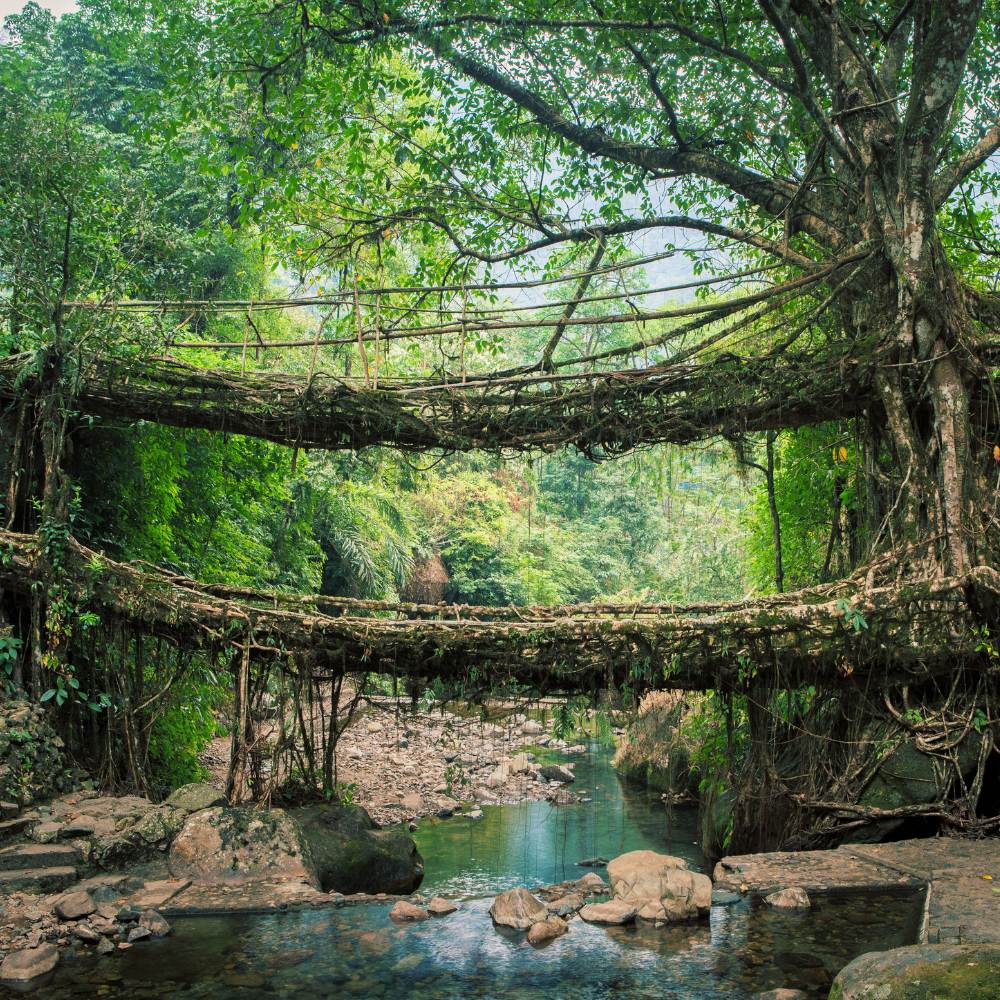
In India's northeast lies Meghalaya, a state whose name literally means "abode of the clouds." This is one of India's emerging adventure destinations. French travelers with a taste for the offbeat will enjoy trekking to living root bridges created by weaving aerial roots of rubber trees.
The Caves of Meghalaya—primarily in the Khasi, Jaintia, and Garo Hills—include Krem Liat Prah, the country's longest explored cave at nearly 31 km, featuring colossal chambers like the "Aircraft Hangar." These make up under 5% of the entire cave network, hinting at uncharted subterranean wonders.
8. Ladakh: Biking and High-Altitude Adventures
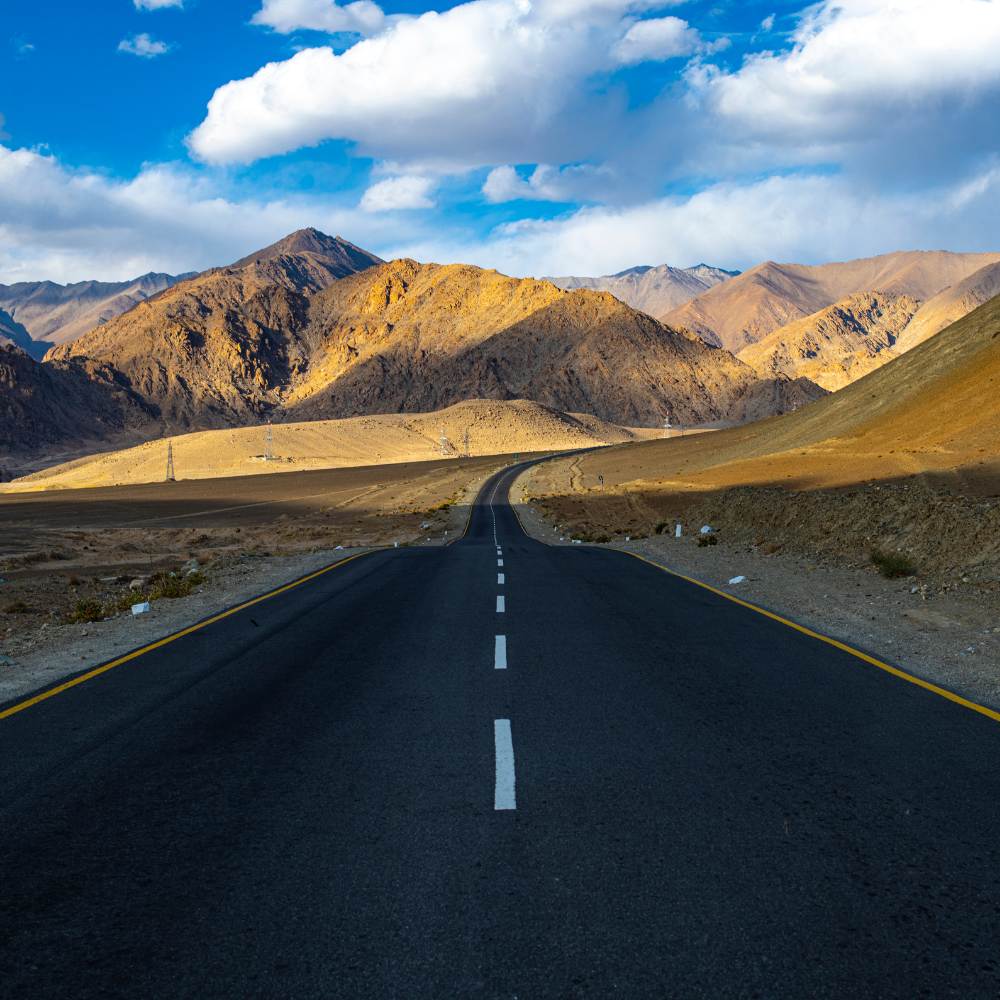
Ladakh deserves a special mention beyond trekking. For French motorbike enthusiasts, riding the Leh–Manali highway or the Khardung La Pass is the adventure of a lifetime. At altitudes above 5,000 meters, these routes are among the highest motorable roads in the world.
Cycling expeditions and jeep safaris across Ladakh's high plateaus provide equally thrilling experiences. For those preferring winter adventures, Ladakh also offers the famous Chadar Trek, where trekkers walk across the frozen Zanskar River.
9. Auli, Uttarakhand: India's Skiing and Flora Frontier
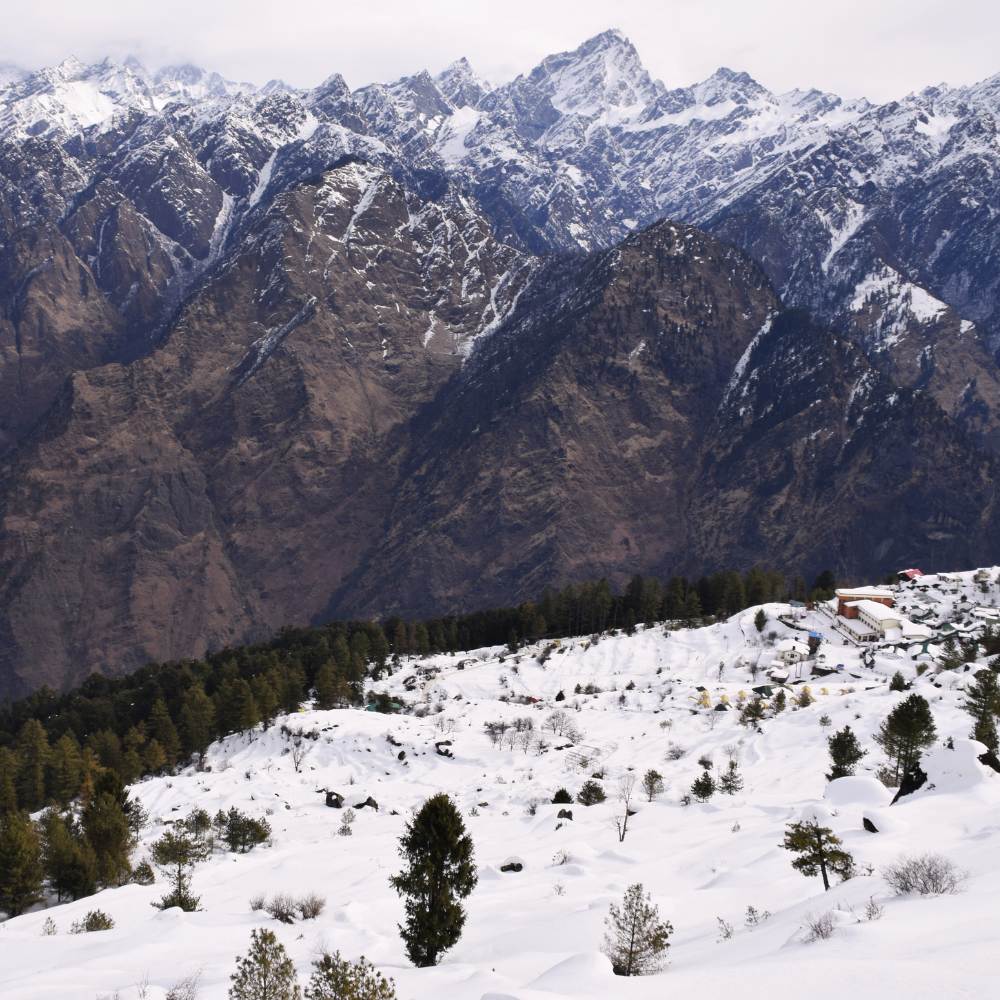
High in the Garhwal Himalayas, Auli sits at an elevation of about 2,800 m, offering panoramic views of peaks like Trishul and Nanda Devi. Uniquely, it combines winter skiing with summer wildflower trekking. Between June and October, the valley bursts with 520 high-altitude plants, 498 of which are flowering, many being rare and endangered species—a floral bounty rarely seen in ski resorts worldwide.
Auli's ropeway—the longest in Asia—plus its biodiversity and flowering meadows, offers an extraordinary blend of adventure and natural history, unlike any Alpine resort.
10. Tamenglong, Manipur: Caves, Forests & Tribal Culture
In the northeastern state of Manipur, Tamenglong offers an adventure few have ventured into. The Tharon Caves, discovered only in 1946, stand some 900 m above sea level and plunge into near-complete darkness, serving up thrills for serious cavers. Surrounding forests, waterfalls, and tribal cultural encounters make Tamenglong a deeply authentic, untouched region.
11. Kaas Plateau, Maharashtra: India's Valley of Flowers
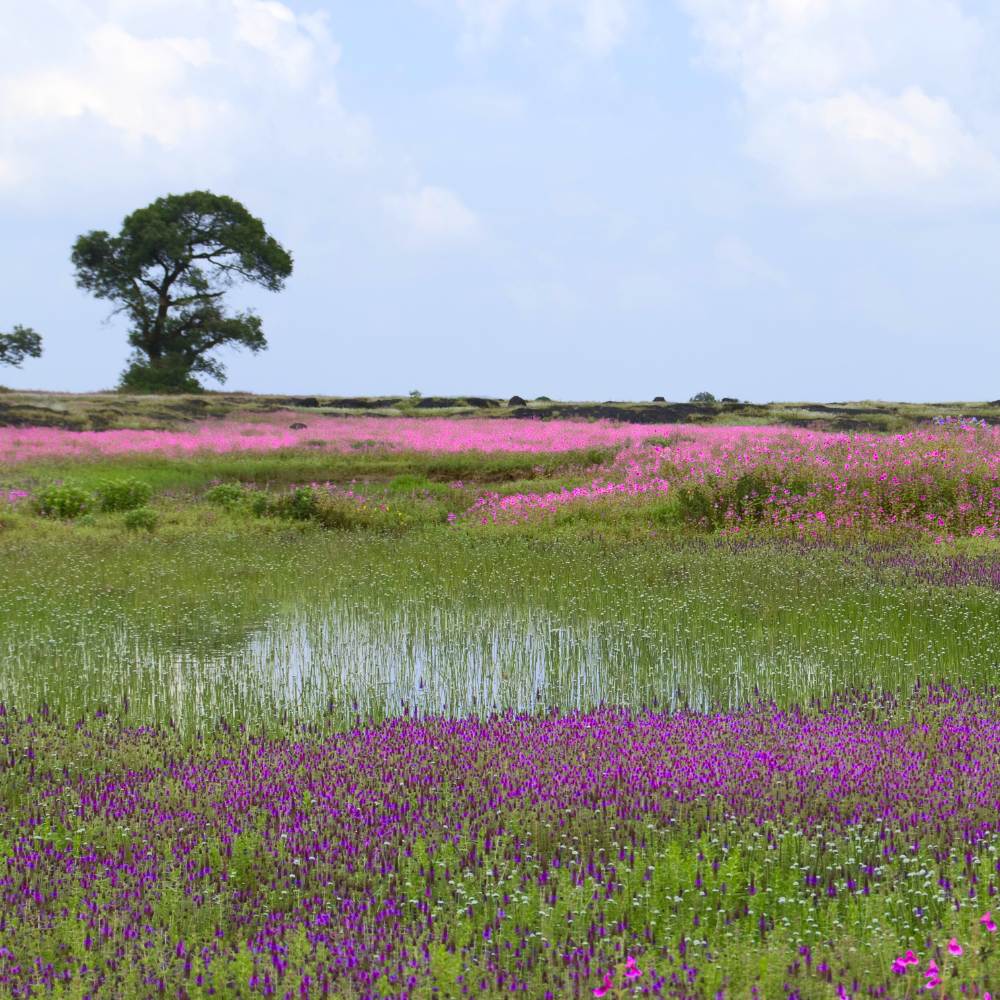
During the monsoon (late August to early October), the Kaas Plateau near Satara transforms into a spectacle of over 850 species of flowering plants, many rare and endemic. A UNESCO-protected zone, this plateau offers surreal, multi-hued landscapes with regulated access, making it a photographer's and botanist's dream.
12. Jibhi & Jawai: Himachal and Rajasthan's Lesser-Known Resorts
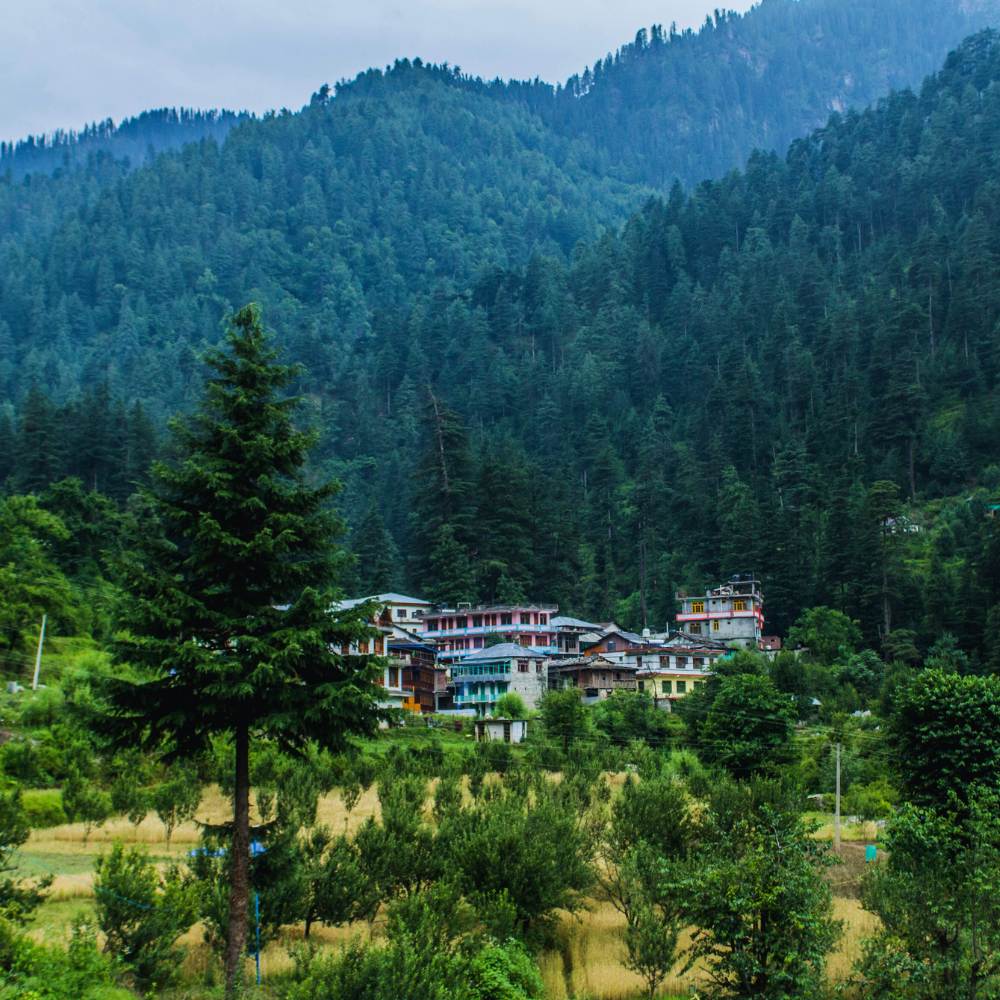
Jibhi in Himachal Pradesh is a quiet village tucked among mountains and apple orchards, surrounded by pine forests and freshwater lakes—ideal for off-grid hiking.
Meanwhile, Jawai in Rajasthan stands out with leopard safaris set against a backdrop of Aravalli boulders. A serene yet wild destination where tribal villages, camel rides, and pristine starry nights await.
Practical Advice for French Travelers
The best season for adventure in India is between October and March, when most regions are dry and temperatures are pleasant. The Himalayas are ideal in summer (June to September), while winter opens up desert safaris and wildlife parks.
Flights from Paris, Lyon, or Nice typically connect to Delhi or Mumbai before reaching regional hubs. Domestic flights are frequent, and for remote areas like the Andamans, flights from Chennai or Kolkata are the norm.
French visitors should carry international travel insurance, stay updated on visa requirements (an e-visa is available for most), and be cautious with food and water hygiene to avoid stomach issues. Modest dress is recommended in rural areas and religious sites, while adventure activities require specialized clothing and gear, much of which can be rented locally.
Final Thoughts
For French travelers, India is far more than palaces and yoga retreats. It is a playground of adventures set in landscapes as varied as the Alps, Sahara, Caribbean, and Amazon—yet all within one country.
Trekking through Himalayan valleys, rafting down the Ganges, riding camels into the Thar Desert, or diving in coral-rich seas, every experience in India comes with cultural layers and human warmth that transform adventure into a life-changing journey.
A first trip to India can feel overwhelming, but embracing its diversity is the very essence of adventure. Whether you are a hiker from the French Alps, a diver from the Riviera, or a cyclist from the Loire Valley, India will surprise you with challenges, thrills, and unforgettable stories.