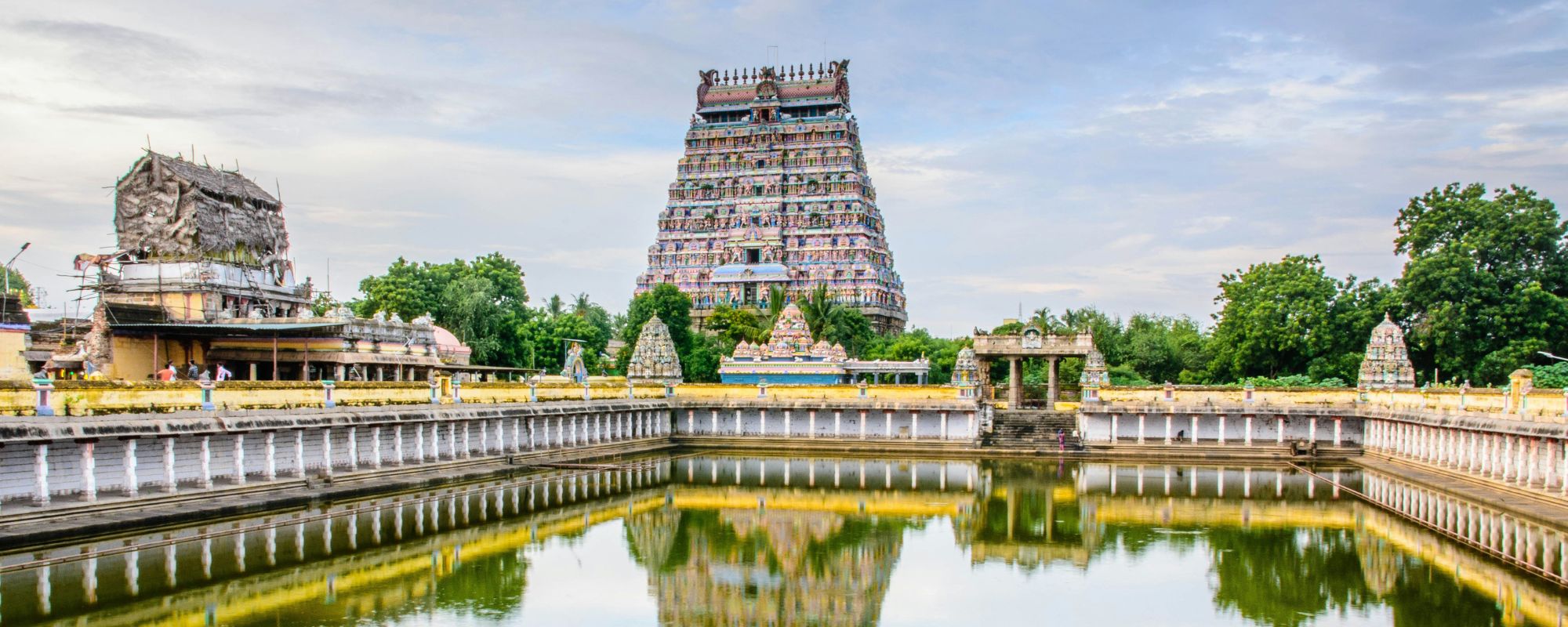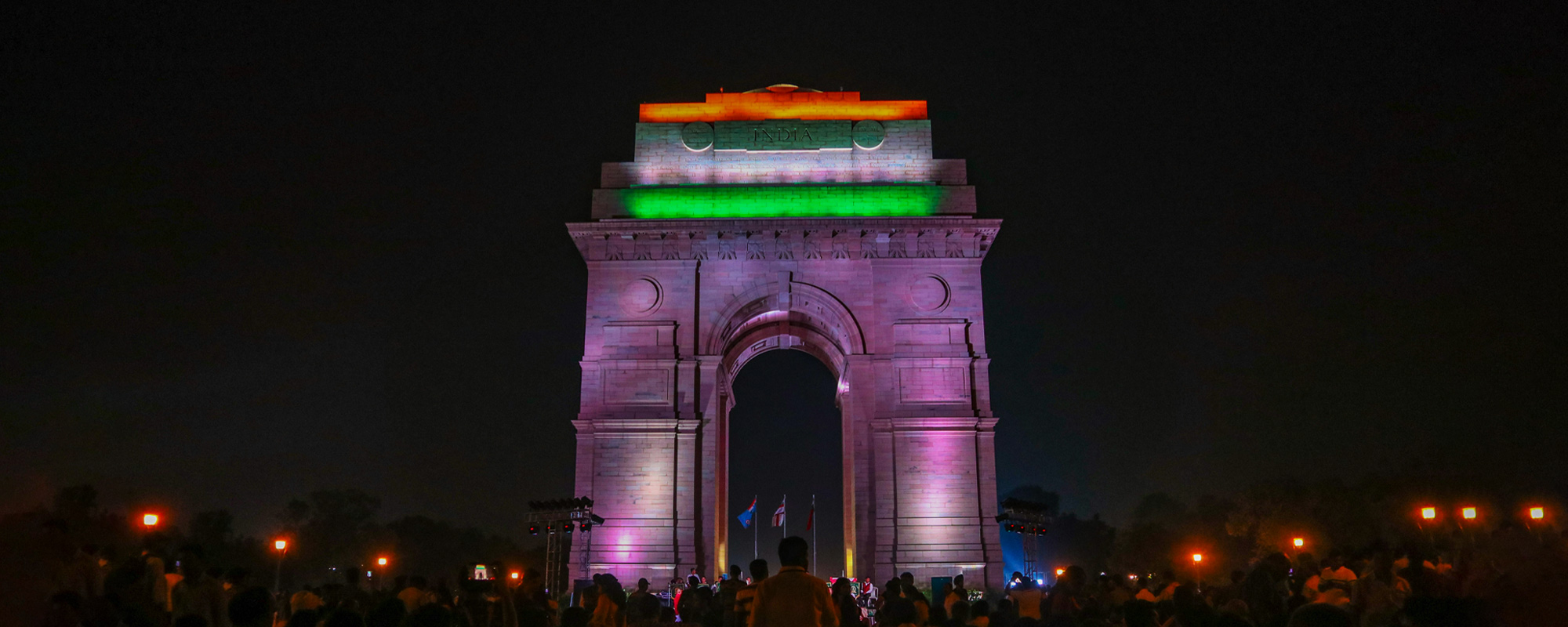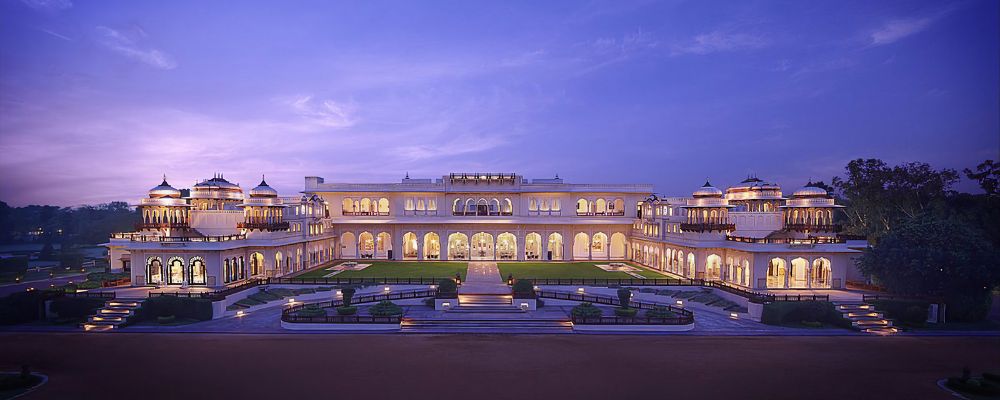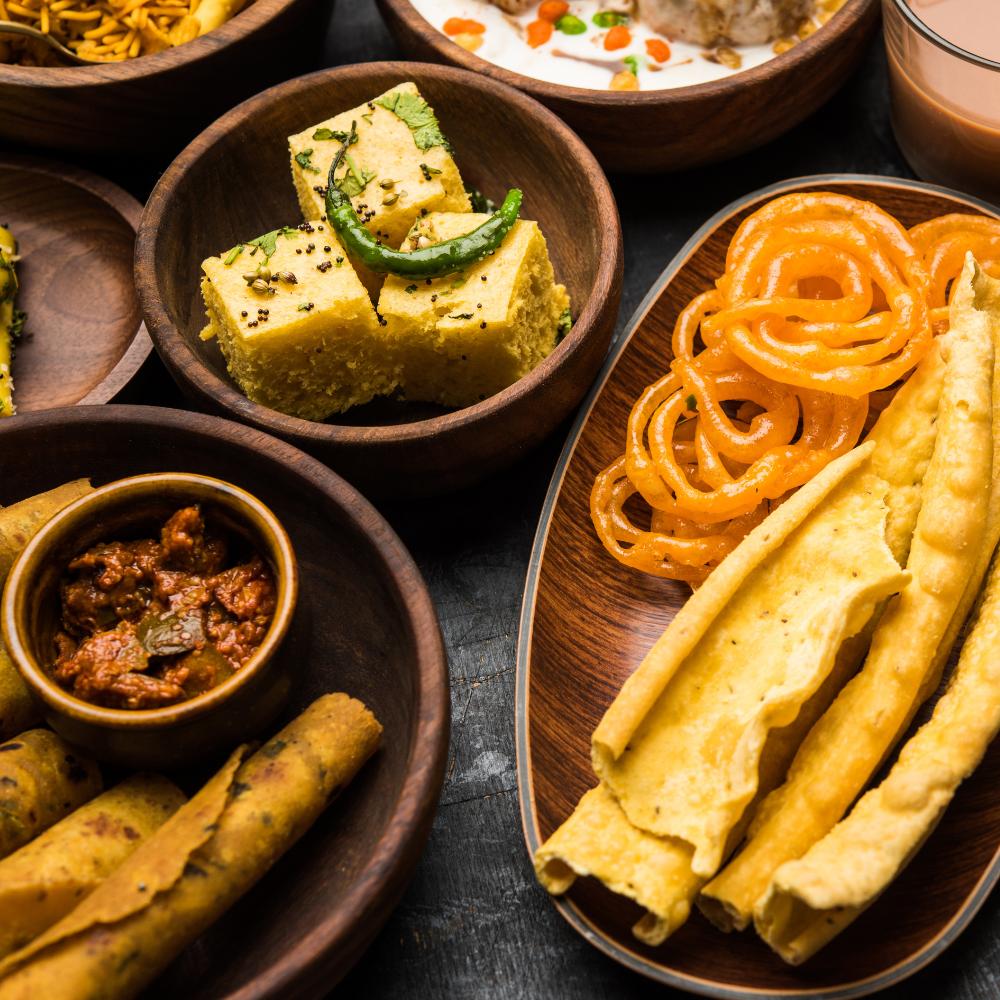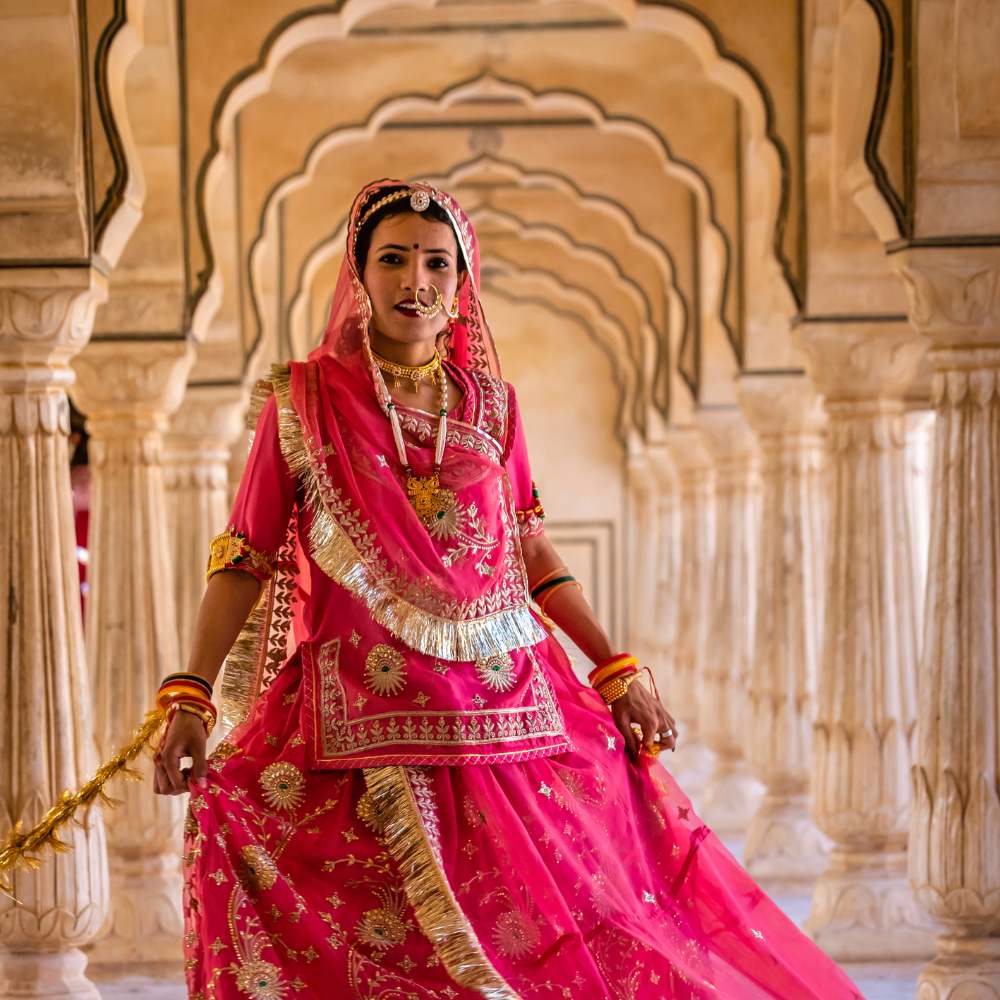
India is a paradox wrapped in a mosaic of cultures. It is a country where ancient rituals coexist with the rhythms of modern life, where cities unfold like living museums, and the landscapes are as varied as the languages spoken across them. For the first-time traveler, this richness can be both exhilarating and overwhelming. India cannot be "checked off" in a single visit. Travel experts advise slowing down, picking one or two regions, and allowing at least two weeks for each area. With that in mind, the cities below provide a starting point. This curated list introduces you to India's many faces, from imperial capitals and sacred rivers to tropical beaches and hilltop retreats.
Plan According to Region and Season
Before packing your bags, remember that India's weather patterns vary dramatically. North India (Delhi, Rajasthan, and Agra) is best visited between October and March, when the intense summer heat has subsided. The Himalayan states of Ladakh, Himachal Pradesh, and Uttarakhand are ideal from May through September; visiting outside this window can mean snow-blocked passes or landslides during the monsoon.
South India, including Kerala, Tamil Nadu, and Karnataka, enjoys a pleasant tropical climate from October to March, while Mumbai and Goa shine in the dry months of November to March. Choose one or two regions depending on the length of your trip, and plan around these climate zones to make the most of your visit.
The Golden Triangle – Where Many Journeys Begin
- Delhi: A Capital With Many Faces
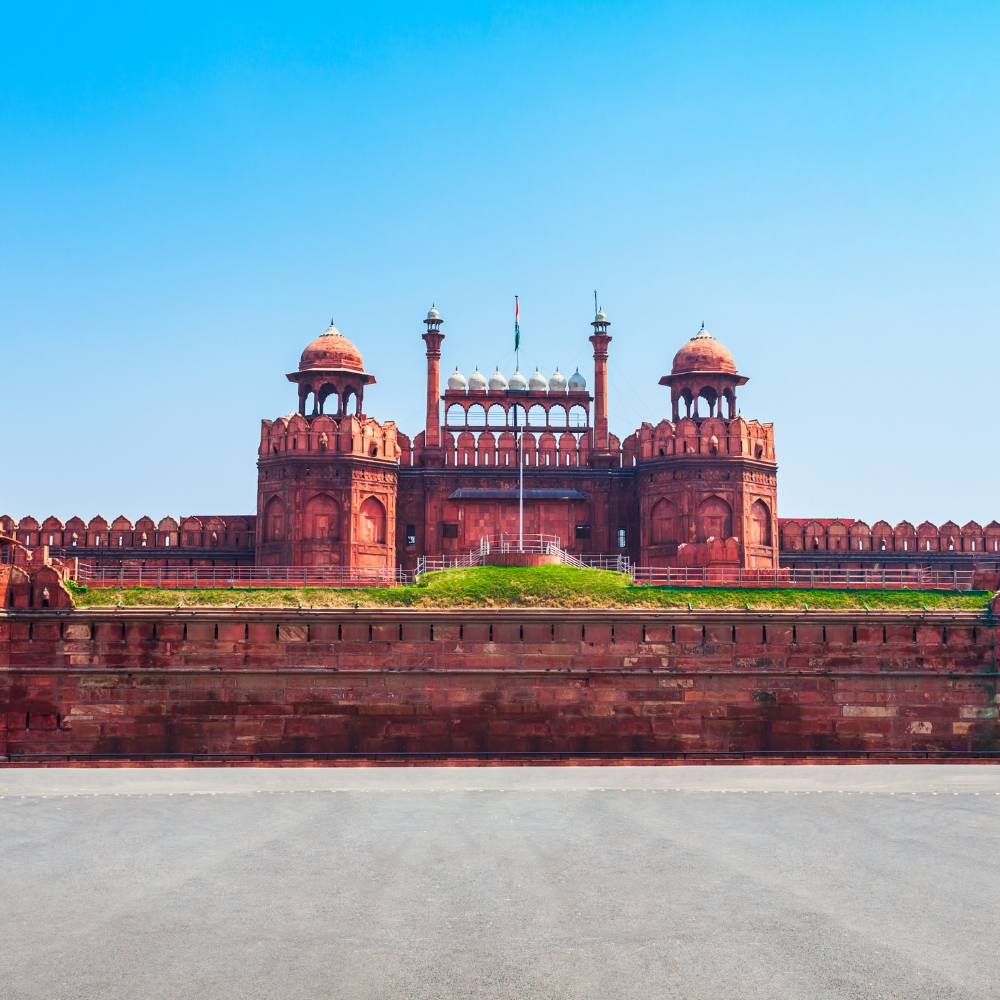
India's capital is often a traveler's first stop, and for good reason. Delhi wears its history proudly, from the Mughal-era splendor of Humayun's Tomb and the Red Fort to the ornate Qutb Minar, all three UNESCO World Heritage sites. Old Delhi, with its labyrinth of lanes and the massive Jama Masjid, pulses with life, rickshaws jostle with cows, and street vendors serve sizzling parathas. Yet serenity is never far away. In the lush Lodi Gardens, birdsong replaces the car horns. In the lotus-shaped House of Worship, silence invites contemplation.
Delhi can be intense, and scams do exist. Travel writer Laura Meyers notes that despite its reputation, spending a day in Delhi is worthwhile if you're prepared for the crowds. Hire a reputable guide for Old Delhi, agree on prices with tuk-tuk drivers, and carry small change. That said, the city rewards those who dig deeper: wander the leafy boulevards of New Delhi designed by the British; browse handicrafts at Dilli Haat; or sip chai with locals at a roadside stall. As India's political and cultural heart, Delhi offers an unforgettable introduction.
- Agra: The Taj Mahal and Beyond
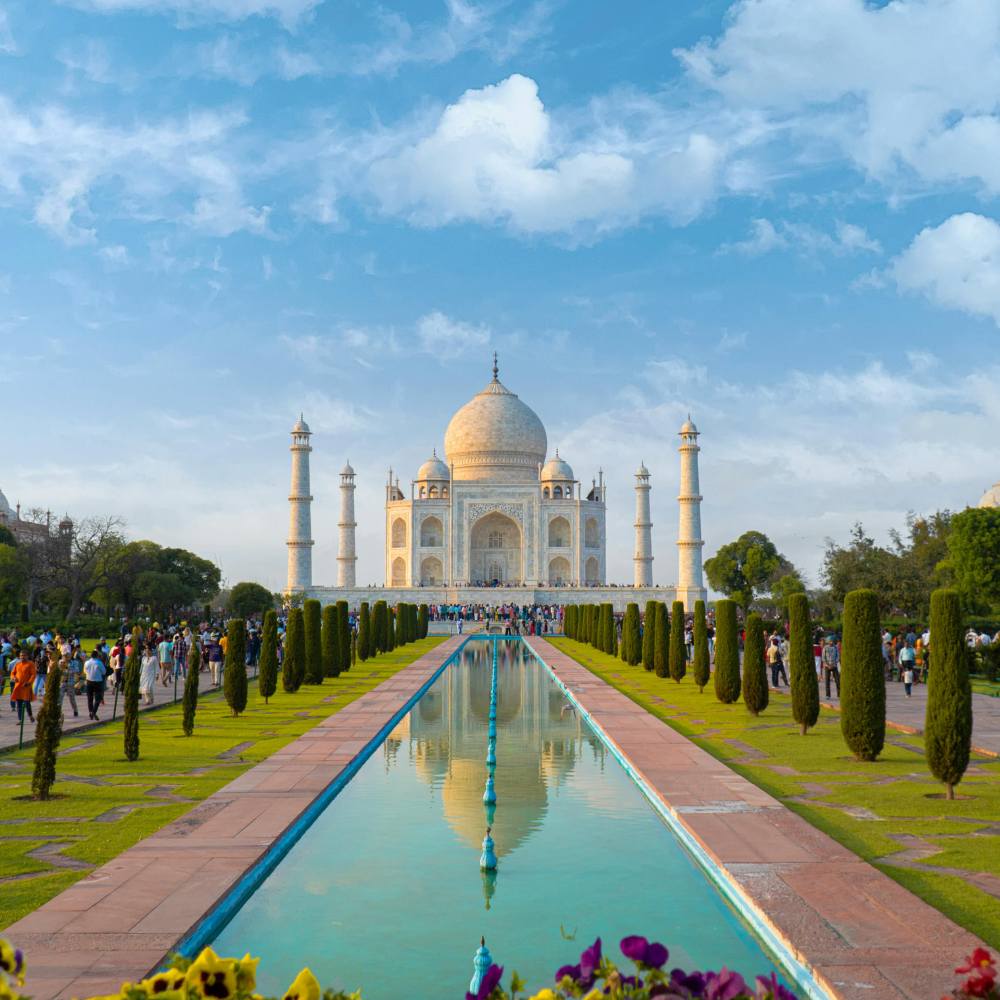
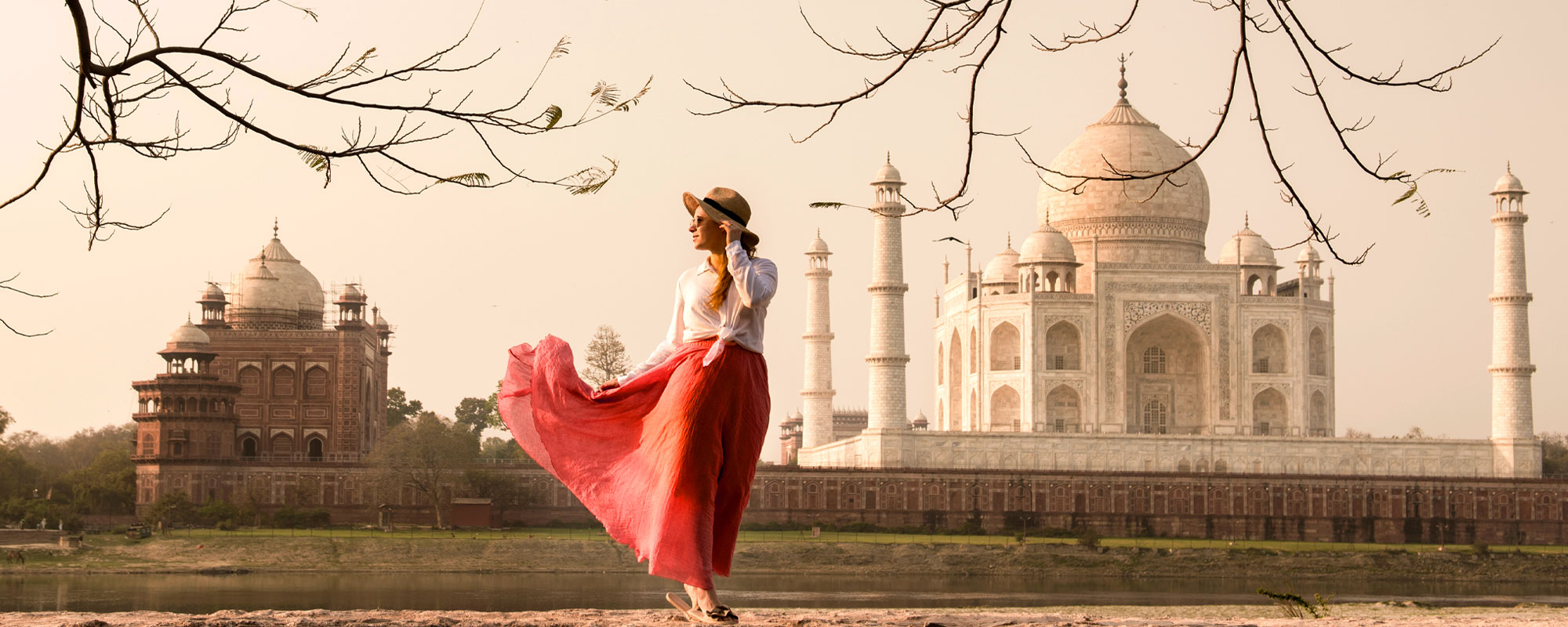
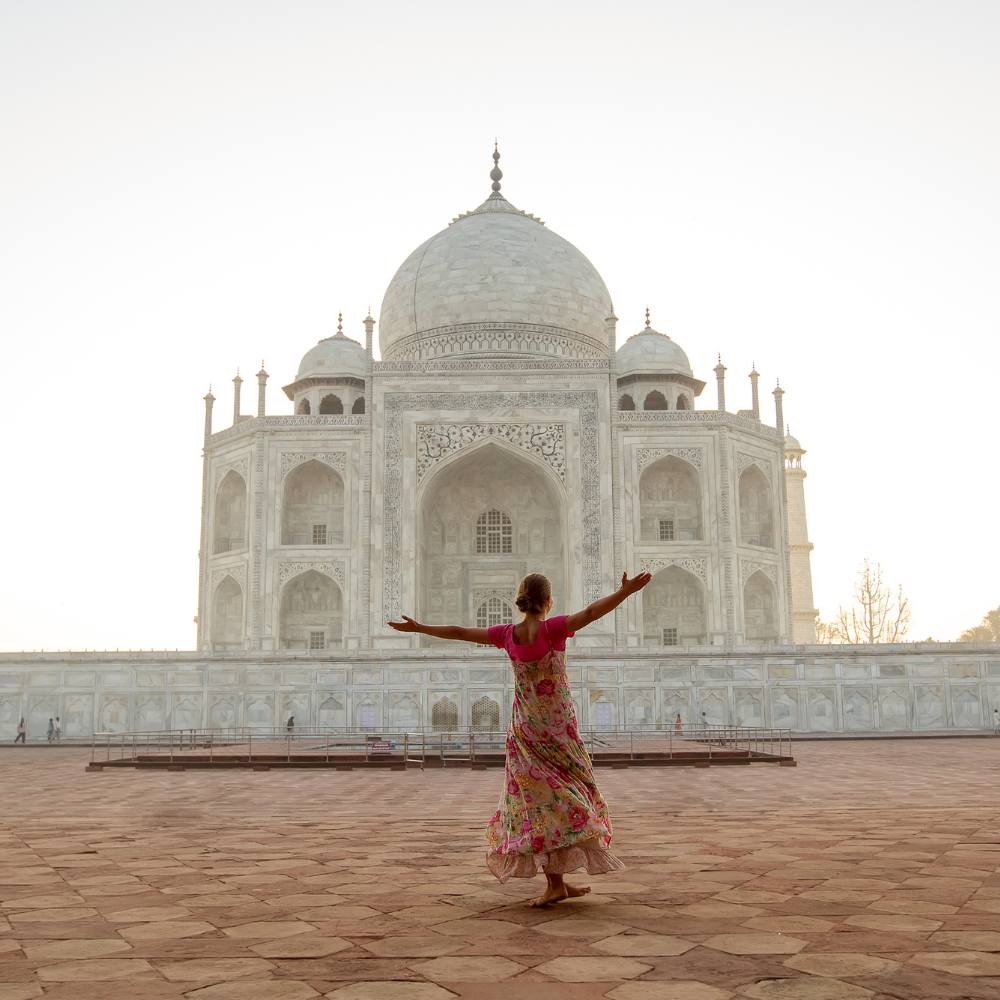
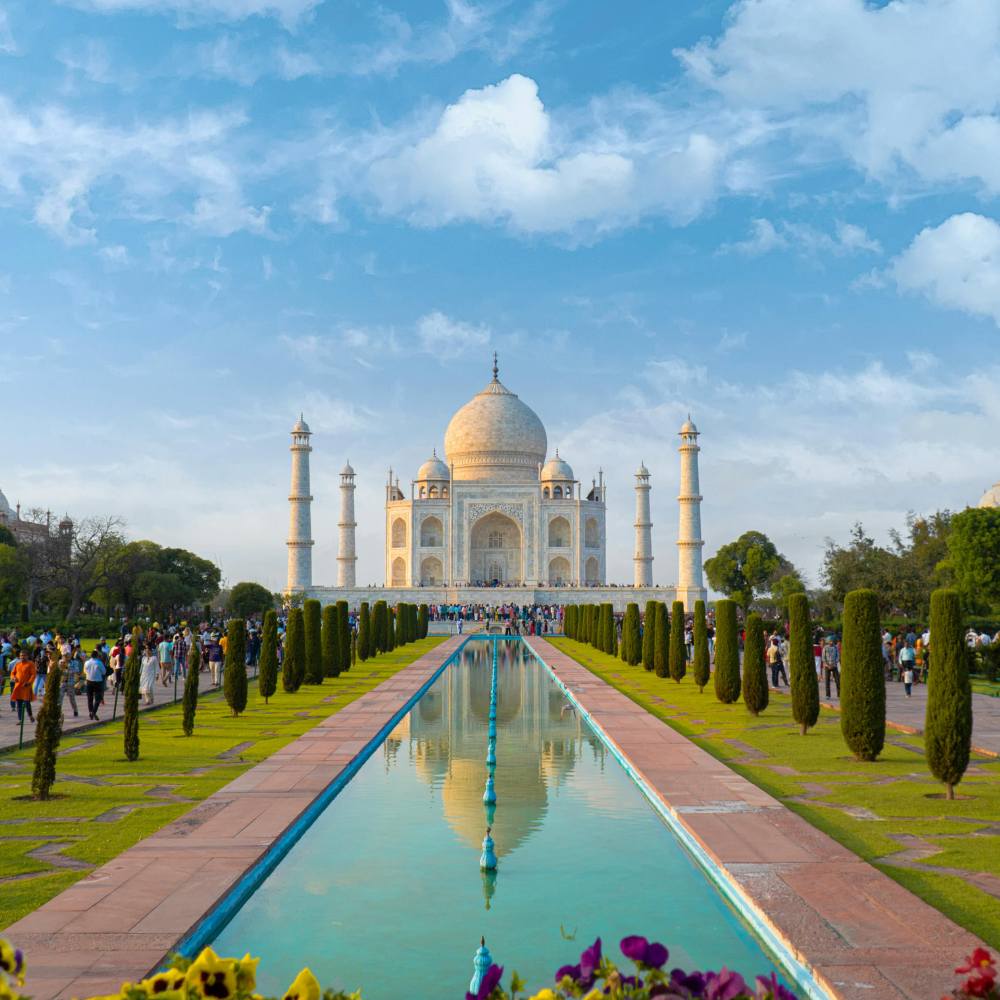
No monument in India captures the imagination like the Taj Mahal. Built in the 17th century by Emperor Shah Jahan in memory of his wife Mumtaz Mahal, the white-marble mausoleum's symmetry and intricate inlay work make it one of the New Seven Wonders of the World. Watching dawn light up the dome is an experience that alone justifies Agra's inclusion in any itinerary.
Yet Agra has more to offer. The massive Agra Fort, once the seat of Mughal power, houses palatial halls and hidden chambers. Nearby Fatehpur Sikri, a ghost city of red sandstone, reveals Emperor Akbar's short-lived capital. Travel writer Anna from Global Gallivanting suggests spending at least a couple of days in Agra; if pressed for time, consider a day trip from Delhi or Jaipur. Plan to visit the Taj at sunrise to beat the crowds, and don't forget to taste Agra's famous sweet, petha, while strolling through the bazaar.
- Jaipur: The Pink City's Palaces and Bazaars
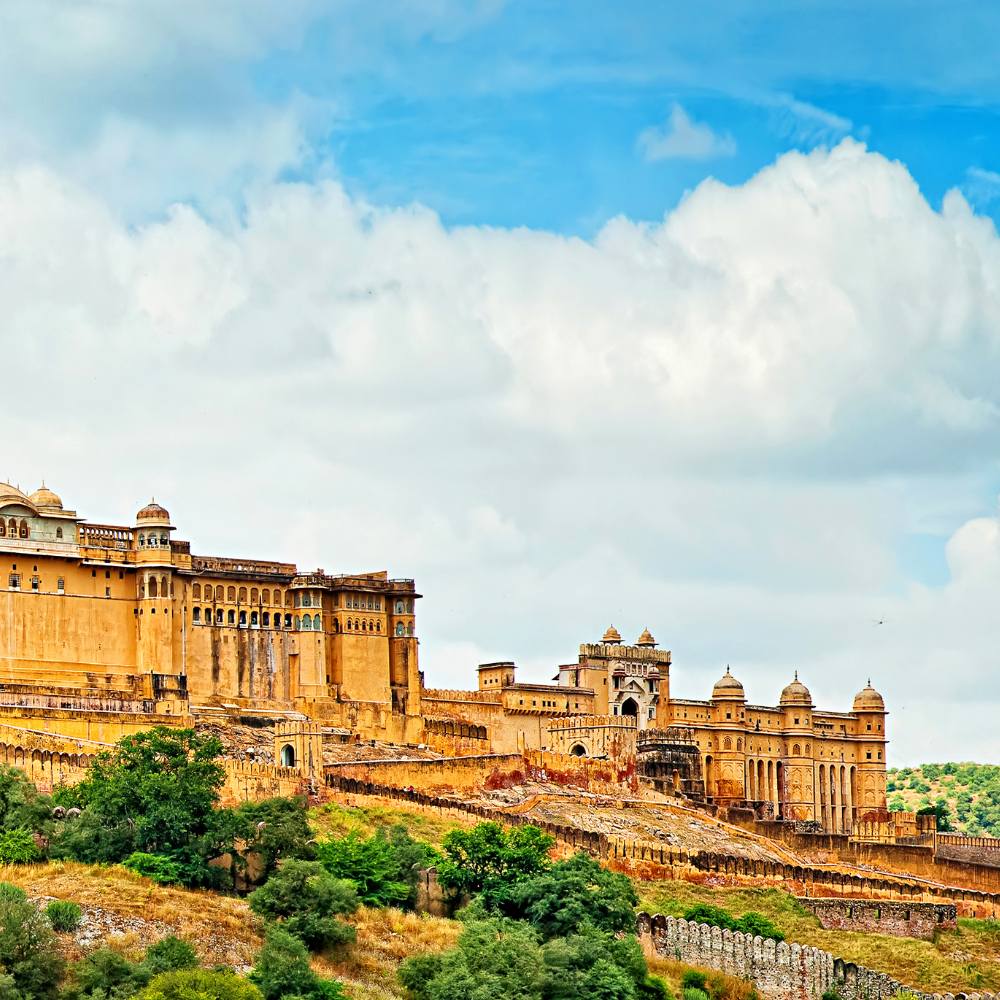
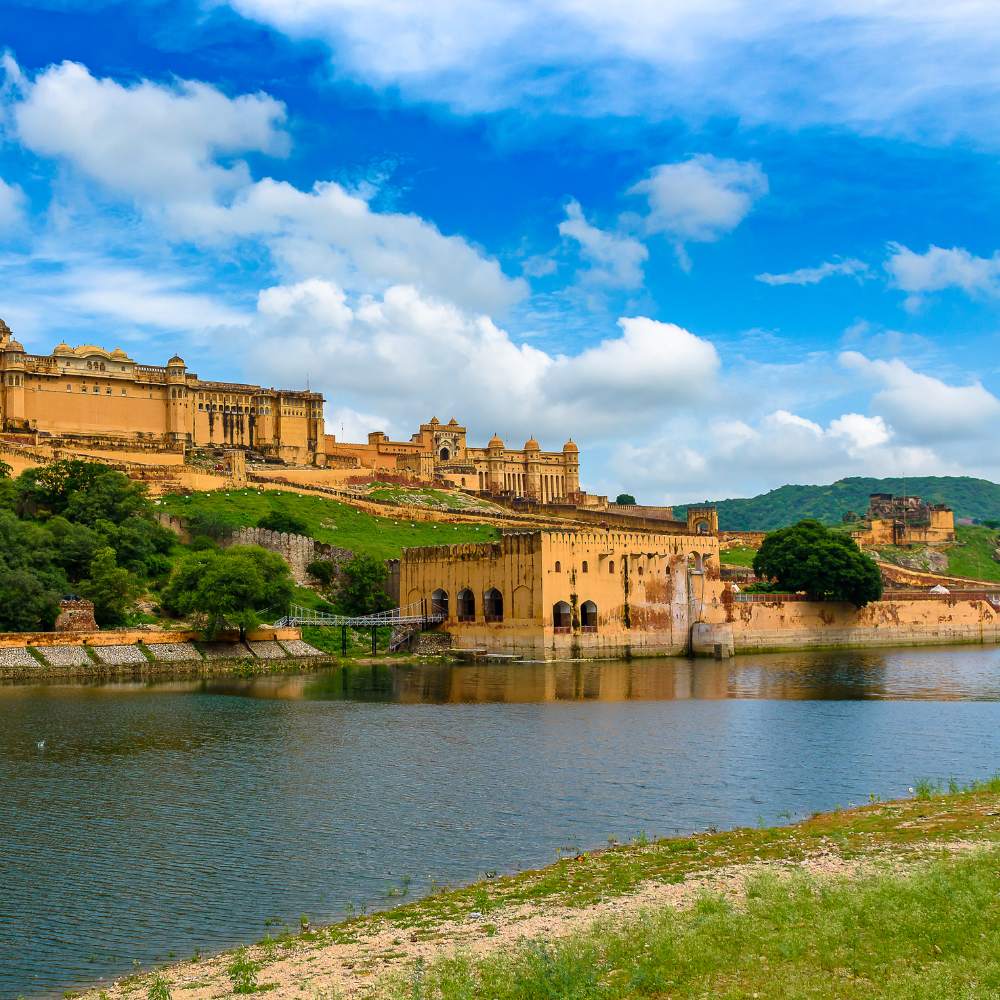
Completing the Golden Triangle is Jaipur, Rajasthan's capital. Nicknamed the Pink City after the terracotta hue of its old city walls, Jaipur dazzles with its architecture. Amber Fort, perched on a hillside, combines Rajput and Mughal styles and offers panoramic views. Within the fortified old city are the Hawa Mahal, its honeycomb facade designed to let royal women observe street life, and the City Palace, home to ornate courtyards and museums. At Jantar Mantar, an 18th-century astronomical park, you can marvel at oversized instruments still accurate today.
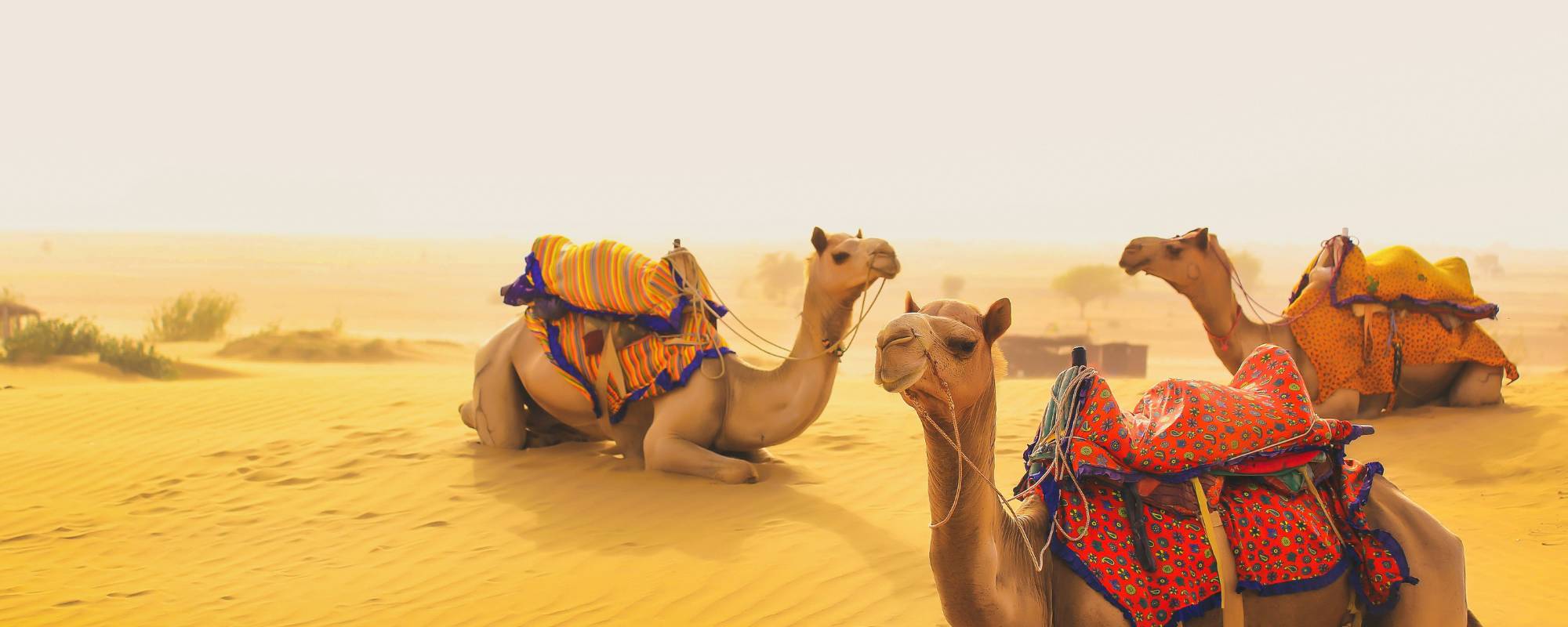
Jaipur is also a shopper's paradise. Wander through Johari Bazaar for gemstones, Bapu Bazaar for vibrant textiles and leather goods, and the fragrant spice markets. Nearby, Ranthambore National Park offers the chance to spot tigers. At the same time, a day trip to Pushkar reveals a sacred lake and India's most famous camel fair. Stay in a heritage haveli (mansion) to experience royal hospitality, and sample Rajasthani dishes like dal bati churma.
Spiritual and Cultural Capitals
- Varanasi: A River of Rituals
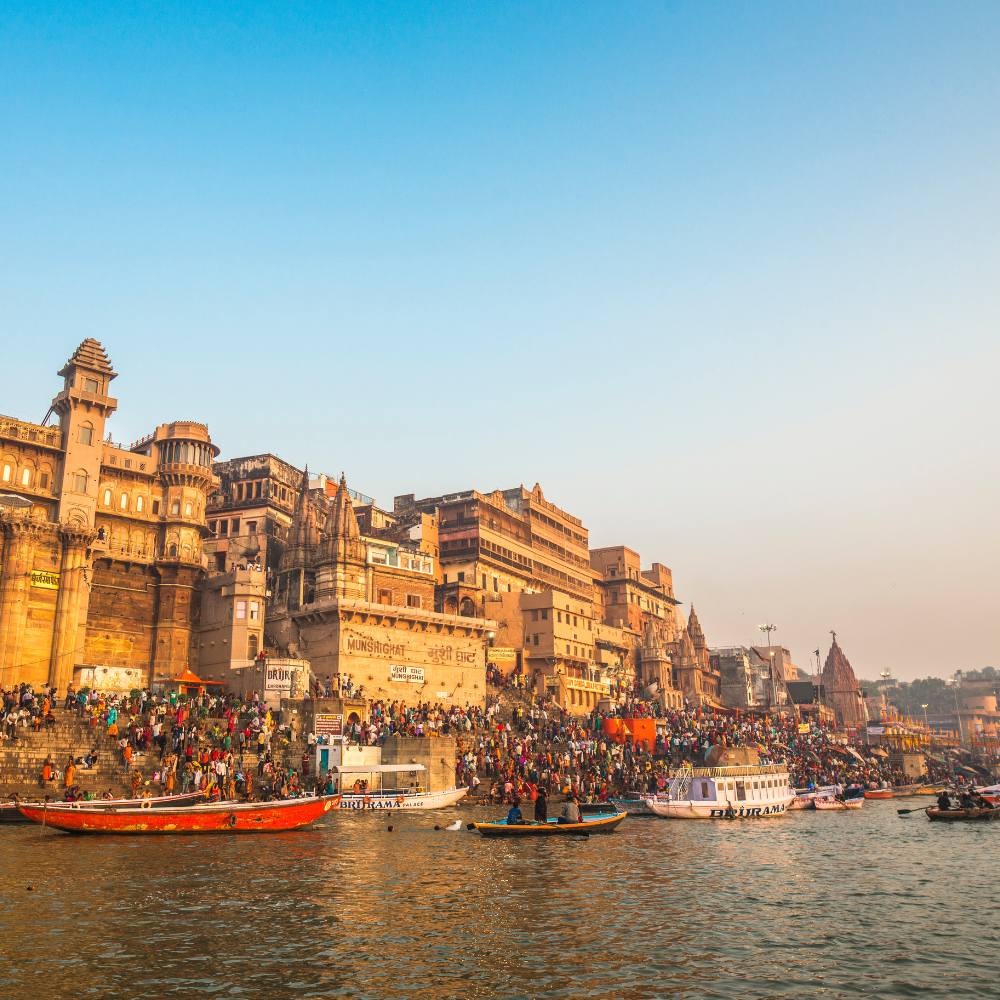
Varanasi, on the banks of the holy Ganges, is one of the world's oldest continuously inhabited cities. Its ghats, stone steps leading to the river, are the stage for life's rituals: morning bathers, priests offering prayers, and cremations believed to liberate souls from the cycle of rebirth. At dusk, the mesmerising Ganga Aarti fills the air with chanting, bells, and flaming lamps, drawing pilgrims and travelers alike.
Exploring Varanasi is an assault on the senses. Begin with a sunrise boat ride, when the ghats glow in soft light. Stroll through winding alleys to visit temples like Kashi Vishwanath, or watch silk weavers at work. Varanasi can be challenging, especially around the Manikarnika Ghat, where cremations take place. Still, it offers unparalleled insight into Hindu spirituality. Stay near Assi Ghat for a quieter base and join a guided walking tour to appreciate the city's layers.
- Amritsar: Home of the Golden Temple
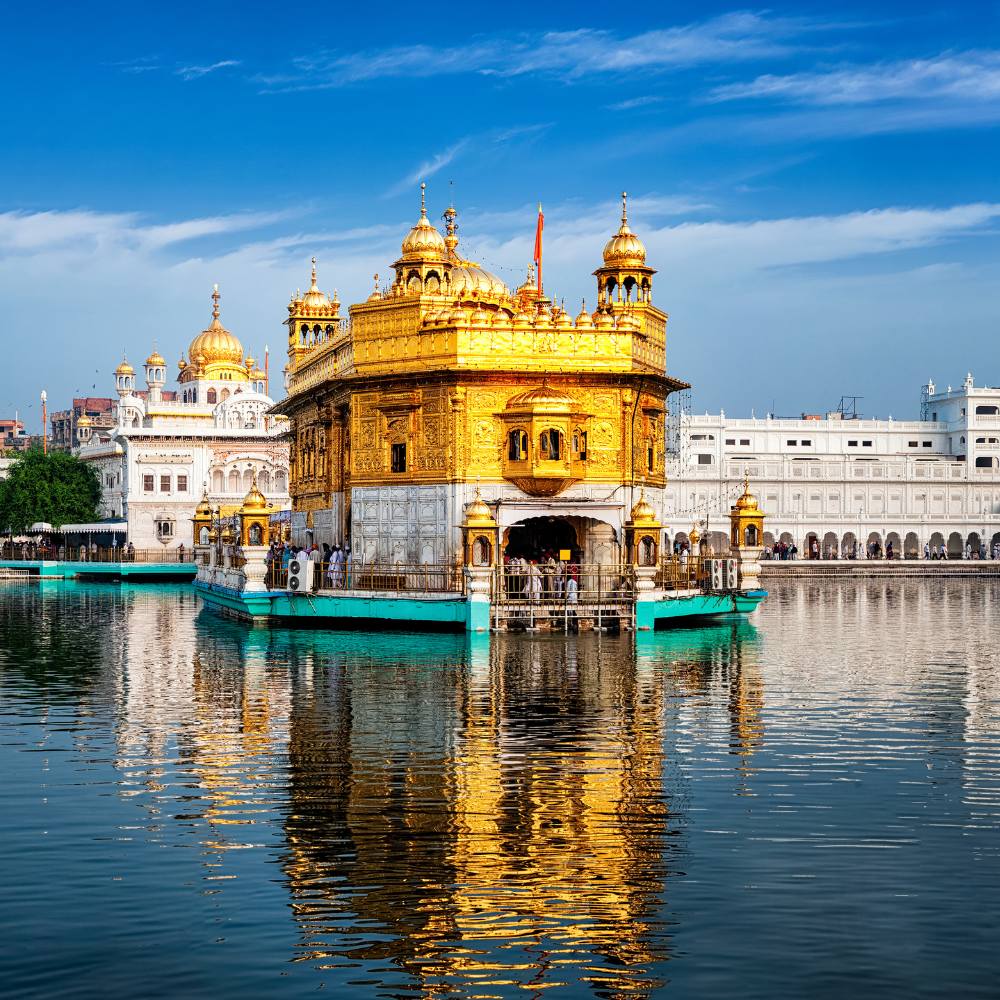
In the northwestern state of Punjab lies Amritsar, the spiritual center of the Sikh faith. The Harmandir Sahib, or Golden Temple, sits serenely on an artificial lake. Its gold-plated dome glints in the sun, and the sounds of devotional music (kirtan) soothe visitors. In Sikhism, the temple is more than a monument; it embodies equality and service. The Langar, or community kitchen, serves free vegetarian meals to tens of thousands each day, demonstrating the Sikh principle of selfless service.
Beyond the temple complex, Amritsar tells other stories. The Jallianwala Bagh memorial commemorates a 1919 massacre, a turning point in India's independence struggle. A short drive away, at the Wagah border with Pakistan, you can witness the dramatic daily flag-lowering ceremony. Anna from Global Gallivanting recommends combining Amritsar with a visit to Dharamshala or the Himalayan foothills. Savor local dishes like butter chicken and amritsari kulcha, and shop for phulkari embroidery.
- Rishikesh: Yoga, Beatles, and River Adventure
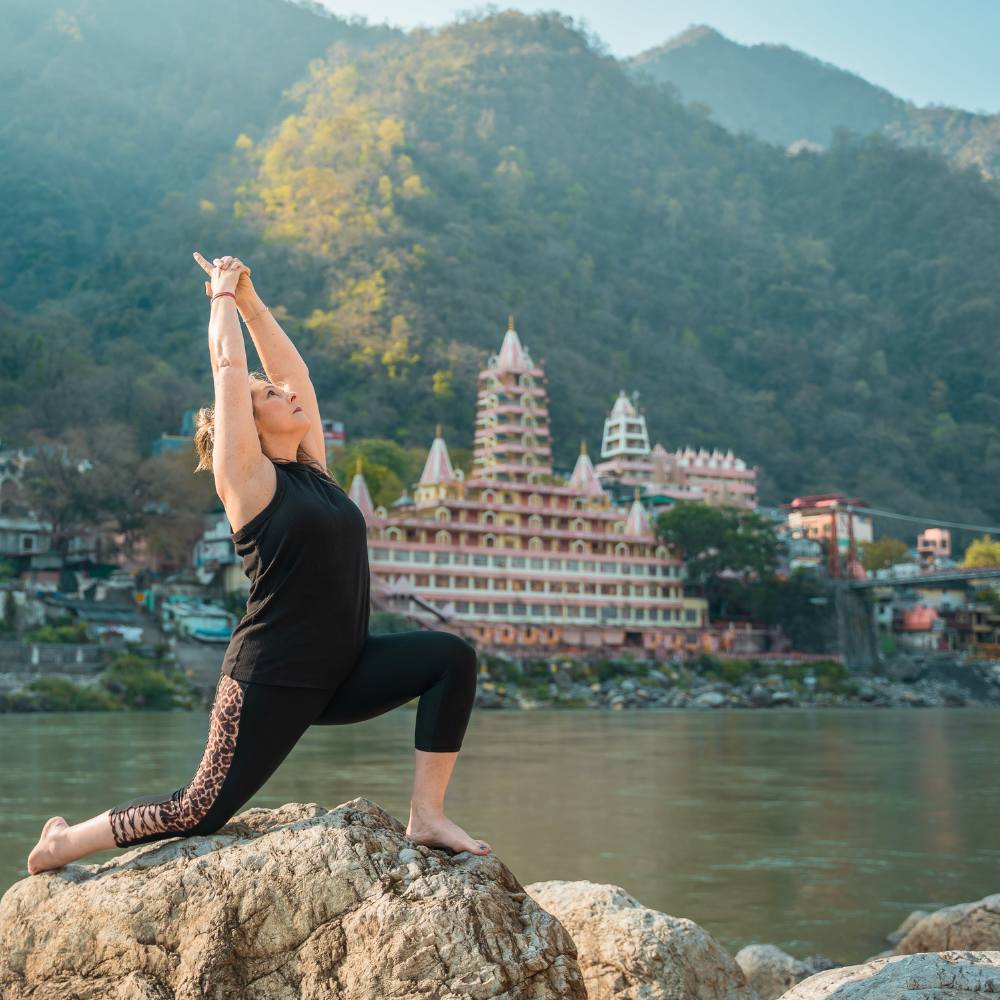
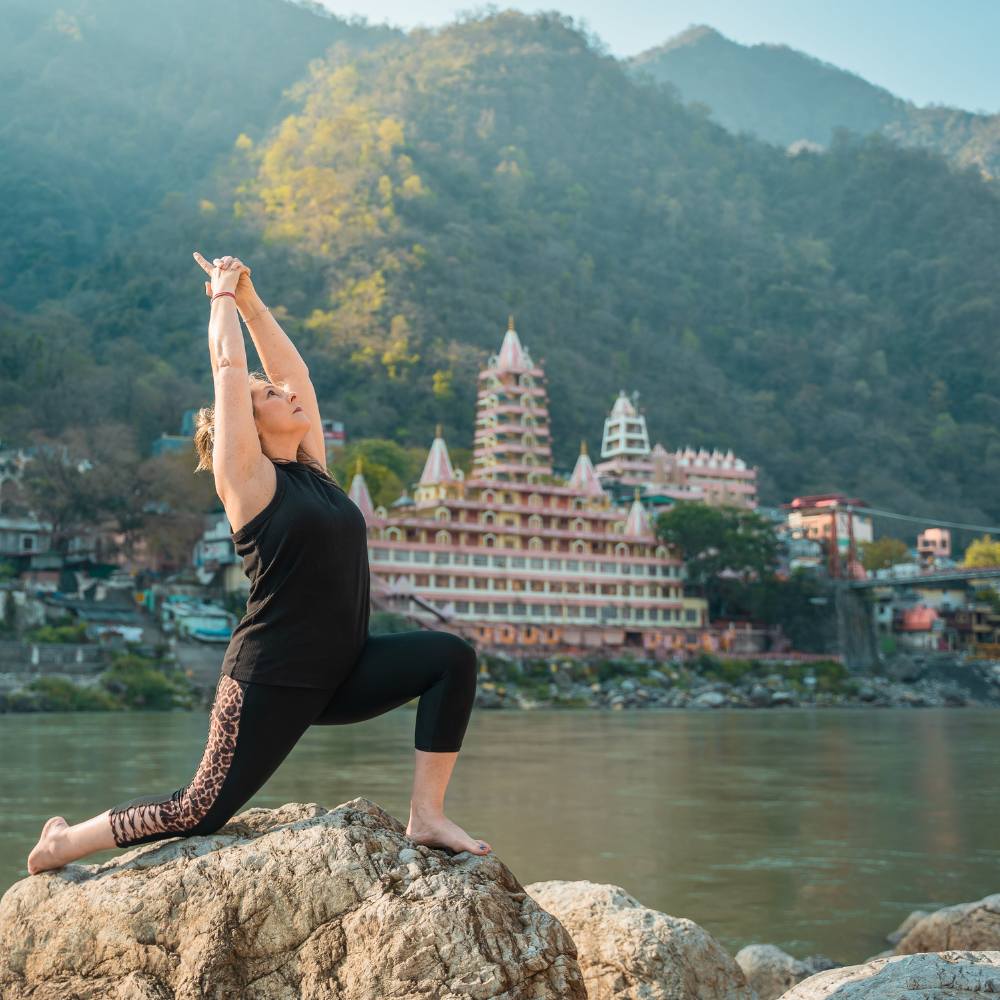
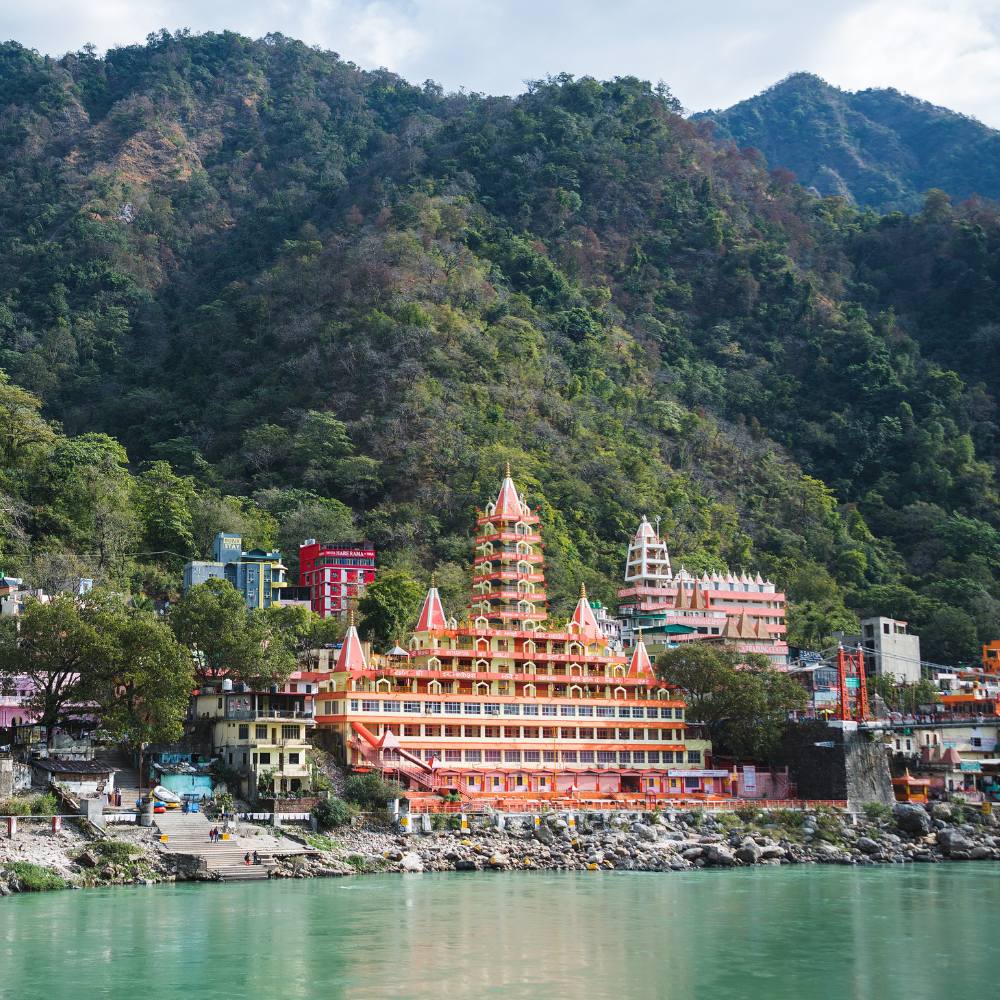
Nestled at the foothills of the Himalayas, Rishikesh has long been India's "Yoga Capital." Ashrams and yoga centers line the banks of the Ganges, attracting spiritual seekers from around the globe. In 1968, The Beatles famously studied meditation here, and their former ashram, now adorned with graffiti, is a popular attraction.
Even if yoga isn't your path, Rishikesh offers whitewater rafting, bungee jumping, and hiking in the surrounding hills. Evening Ganga Aarti at Triveni Ghat provides a more intimate alternative to Varanasi's ceremony. Stay in Tapovan to access cafes serving global cuisine, and consider combining Rishikesh with a trek into the Himalayas.
Rajasthan's Other Jewels
- Udaipur: Romance on the Water
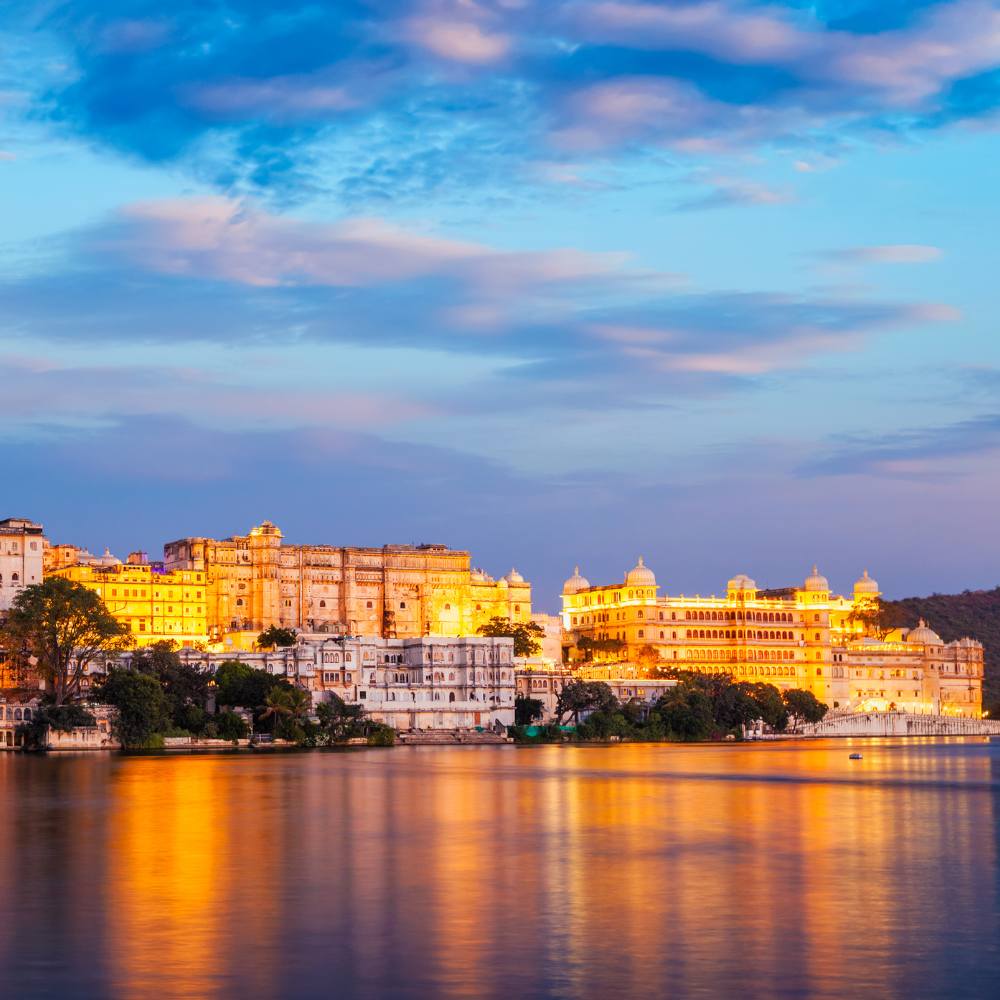
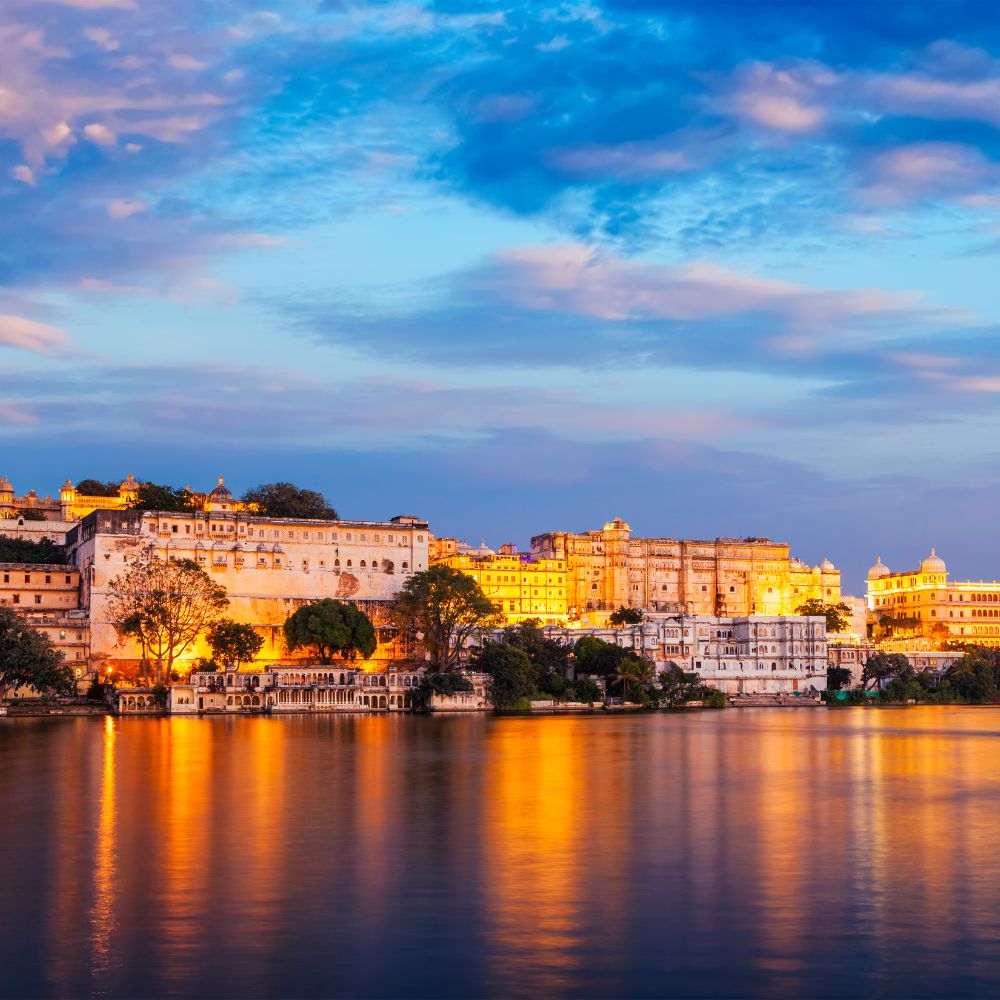
If Jaipur is flamboyant and Jodhpur imposing, Udaipur is romantic. Set around Lake Pichola, the city is nicknamed the City of Lakes. The 11palace City Palace complex dominates the waterfront, housing museums and royal residences.
Across the lake sits the ethereal Taj Lake Palace, now a hotel shimmering like a mirage. Boat rides at sunset reveal the city's whitewashed facades and havelis (mansions). Beyond the lakes, stroll through the old town's winding lanes to find miniature painting ateliers and rooftop restaurants. Udaipur is also a gateway to lesser-known gems like Ranakpur's Jain temples and the fort of Kumbhalgarh.
- Jodhpur: Forts and the Blue Old City
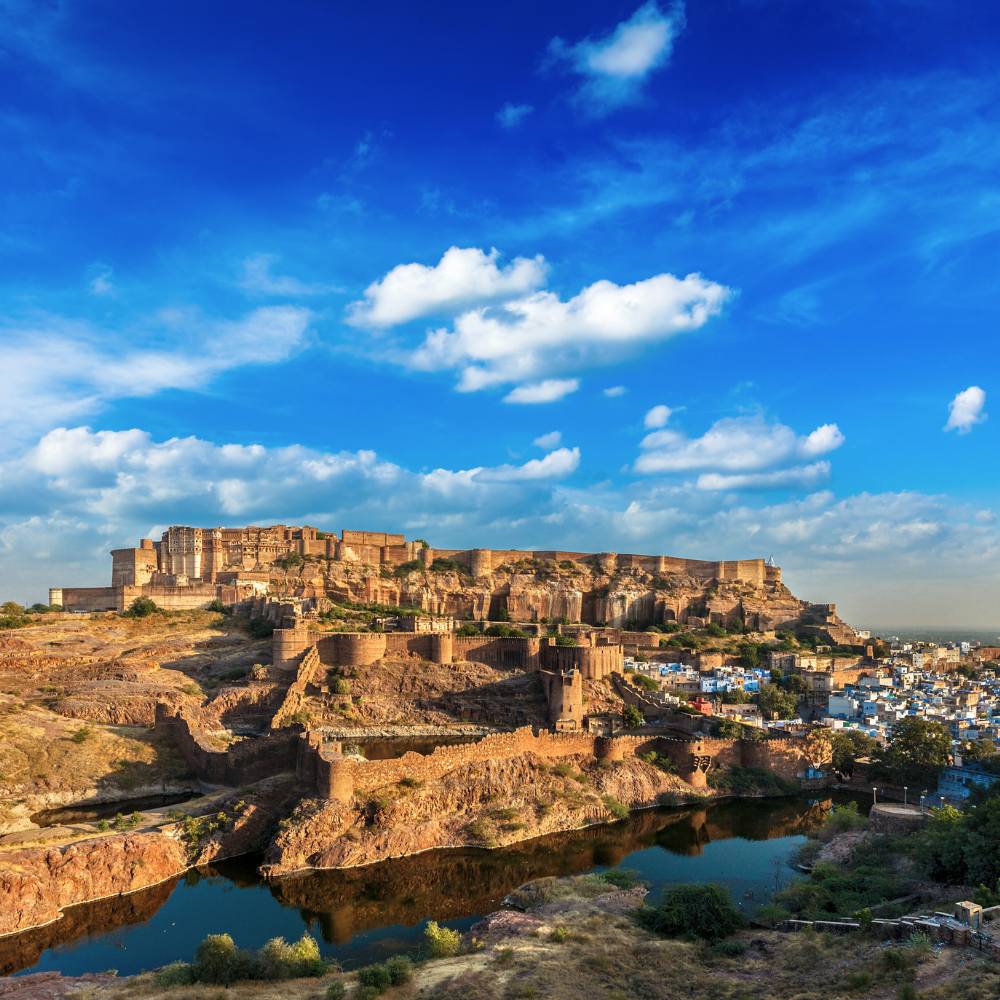
Jodhpur's skyline is dominated by Mehrangarh Fort, a fortress so massive that author Rudyard Kipling called it "the work of giants." Inside, courtyards and museum galleries showcase palanquins, weapons, and royal artifacts. Down below, the old town's indigo-painted houses earned Jodhpur the moniker "The Blue City."
Get lost in its tangle of lanes, shop for handicrafts at Sardar Market, and climb the steep steps of Toorji Ka Jhalra, an ancient stepwell recently restored as a community gathering spot. According to local expert Sapna Bhatia, nature enthusiasts should also explore the Rao Jodha Desert Rock Park near the fort. This conservation area showcases desert flora.
Cosmopolitan and Colonial Cities
- Mumbai: India's Maximum Metropolis
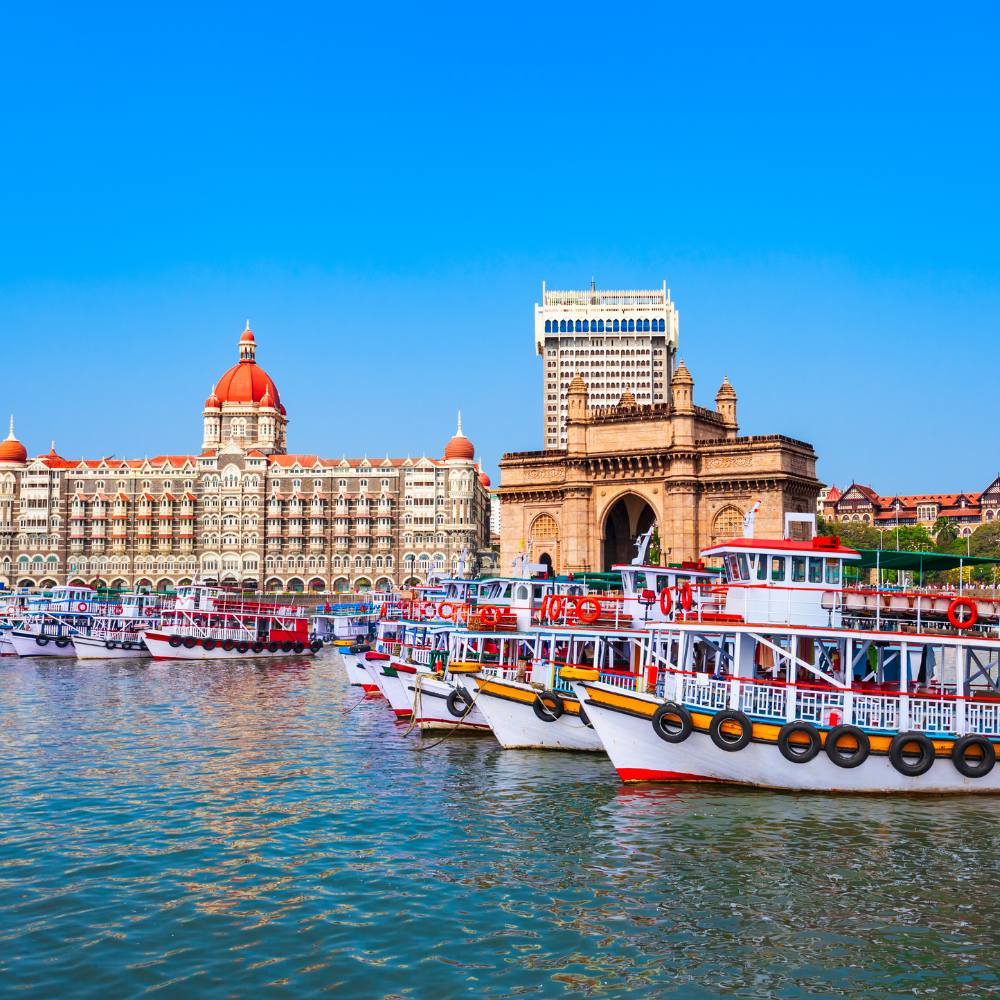
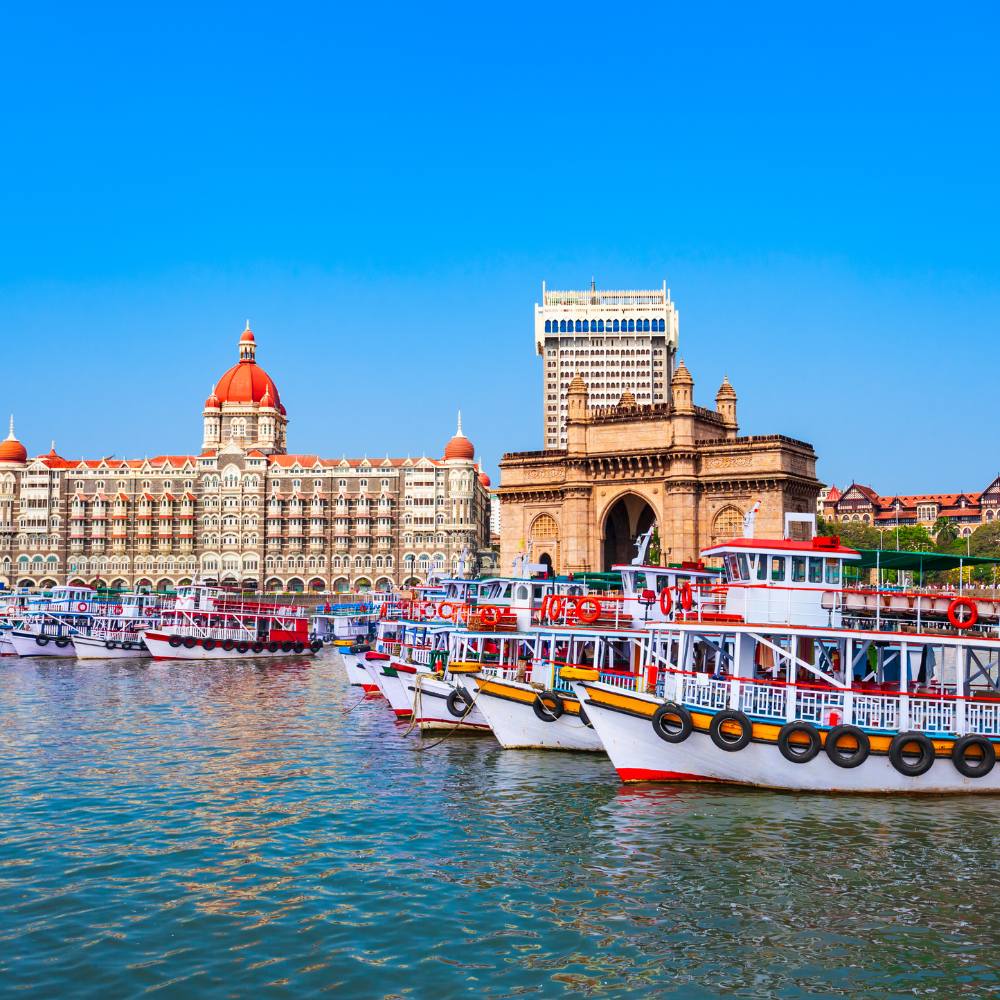
Mumbai is India's financial powerhouse and the home of Bollywood, earning it the nickname "City of Dreams." It is a city of contrasts: gleaming skyscrapers and crumbling Victorian buildings; chic art galleries and sprawling slums. Highlights include the Gateway of India—built to commemorate a royal visit—the UNESCO-listed Chhatrapati Shivaji Terminus railway station with its Gothic spires, and the Elephanta Caves on nearby Elephanta Island. The open-air laundry of Dhobi Ghat illustrates the city's industrious spirit. At the same time, Marine Drive's curved promenade is perfect for watching the sunset.
Food is central to Mumbai. Sample vada pav (spicy potato burgers) at a street stall, sip craft cocktails in Bandra, or dine at restaurants helmed by celebrity chefs. Travel writer Laura Meyers notes that while Mumbai can be pricey, it's possible to visit on a budget; public trains, shared taxis, and affordable guesthouses keep costs down. Consider taking a Bollywood studio tour or a guided walk through Dharavi to better understand the city's complexity.
- Kolkata: Culture, Literature, and Street Food
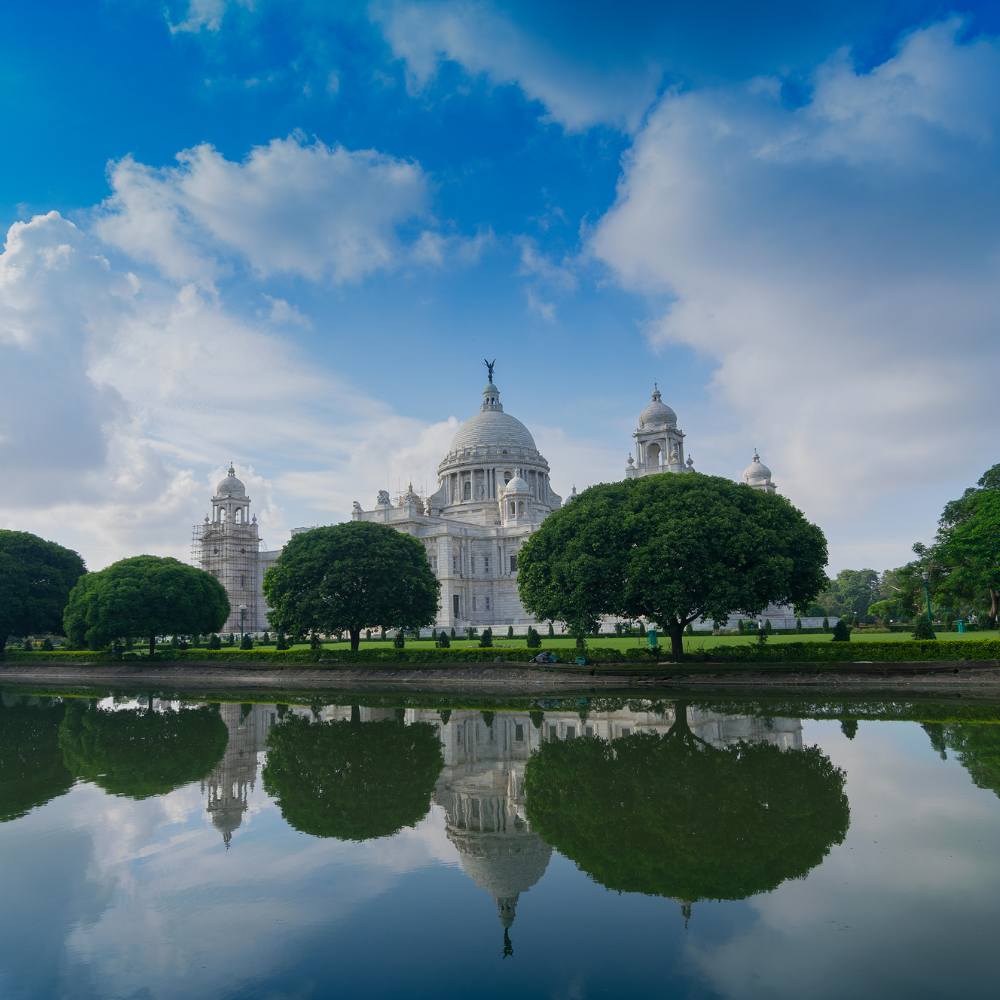
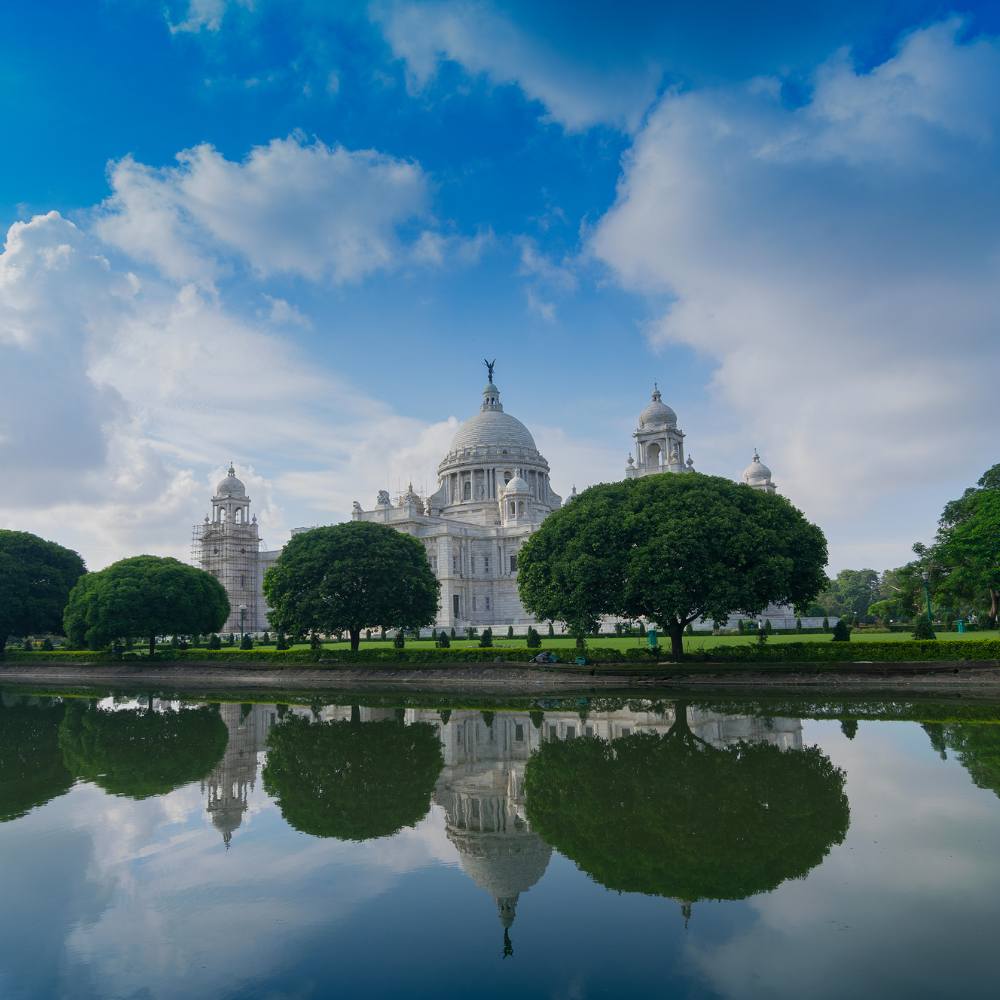
Kolkata (formerly Calcutta) is often described as India's intellectual and cultural capital. It served as the capital of British India until 1911, and the colonial imprint remains. The marble Victoria Memorial stands in sprawling Maidan Park, its galleries tracing the region's history. Nearby, St. Paul's Cathedral and the redbrick Writers' Building recall British rule. Yet Kolkata is also distinctly Bengali: the ornate Nakhoda Mosque towers above a bustling market, and the sprawling Indian Museum houses artifacts from across the subcontinent.
Kolkata is famed for literature, theater, and cinema, the hometown of Nobel-prize-winning poet Rabindranath Tagore and filmmaker Satyajit Ray. Visit the College Street book market, catch a play or classical music performance, and indulge in Bengali sweets like rasgulla and mishti doi. Street food lovers should head to Park Street for kathi rolls and Mughlai paratha, or to Tiretti Bazaar for a Chinese-inspired breakfast. Kolkata moves at a more languid pace than Delhi or Mumbai, making it an ideal stop for those who appreciate history and art.
Coastal Escapes and Tropical Bliss
- Goa: Where Sun, Sea, and Party Meet History
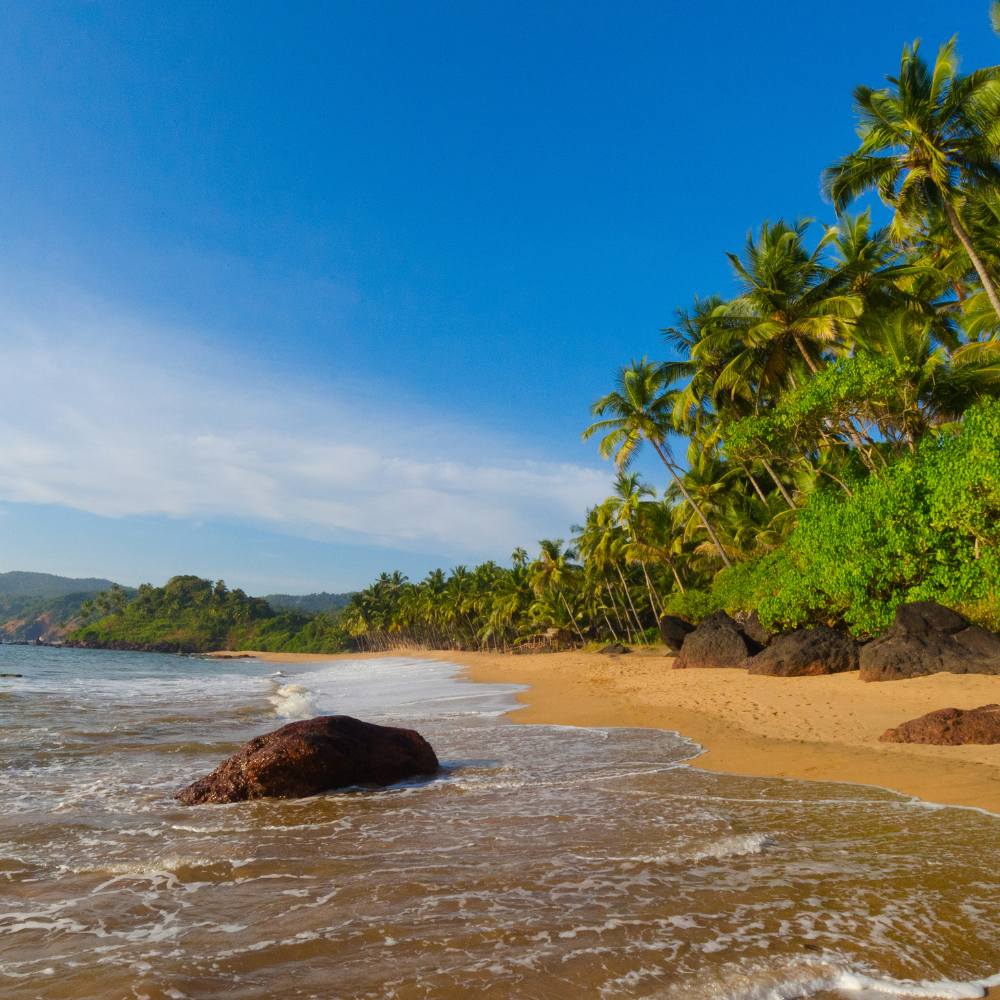
For decades, Goa has drawn travelers with its beaches and bohemian vibe. The state's unique blend of Indian and Portuguese influences is evident in its whitewashed churches, crumbling forts, and cuisine. North Goa thrums with energy—beach shacks at Anjuna and Vagator play electronic music into the night. In contrast, Arpora's Saturday night market sells everything from tie-dye dresses to handcrafted jewelry. South Goa is quieter, with palm-fringed beaches like Palolem and Agonda providing space for yoga, meditation, and dolphinspotting.
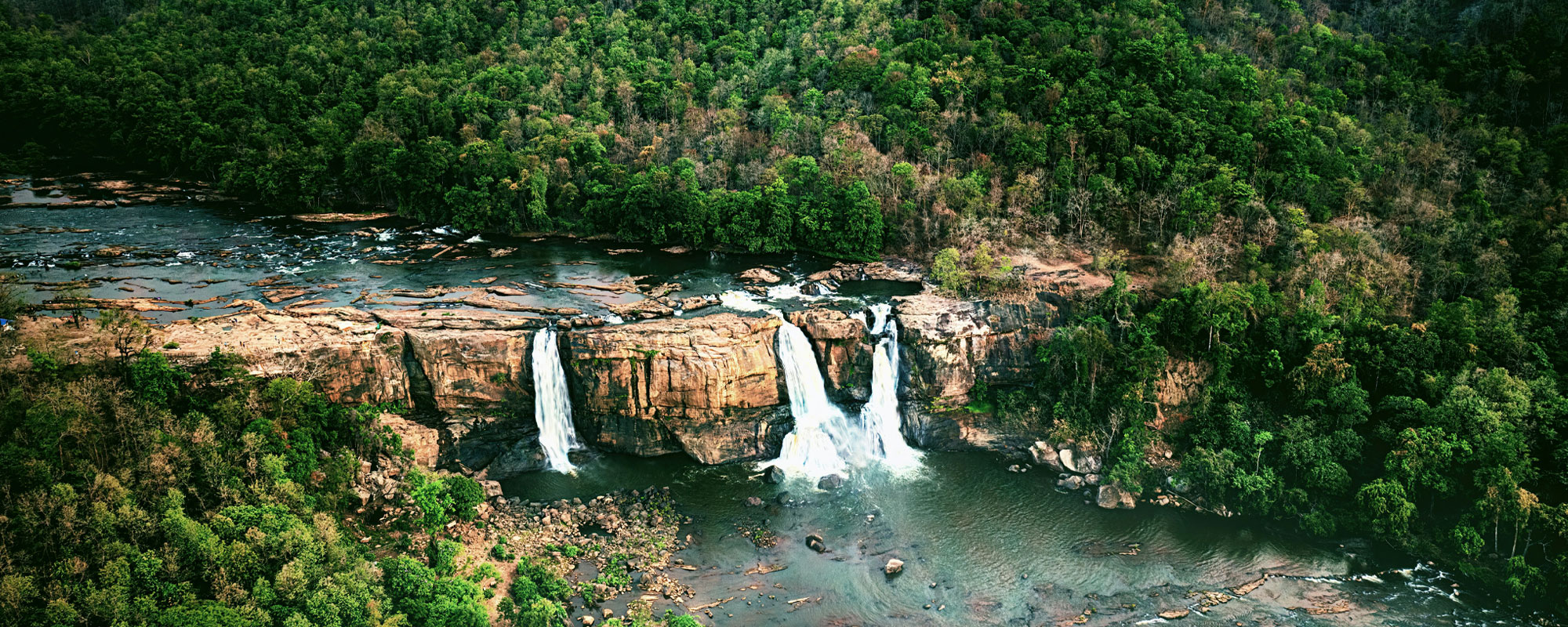
Goa also offers history and culture. Old Goa's UNESCO-listed churches, including the Basilica of Bom Jesus, date back to the 16th century. Spice plantations in Ponda offer tours, and hinterland waterfalls like Dudhsagar are perfect for day trips. A new generation of chefs is pushing culinary boundaries, creating fusion dishes that blend local ingredients with global techniques. Whether you're partying or relaxing, remember that Goa's monsoon (June–September) brings rough seas and closed beach shacks; plan accordingly.
- Kochi & Kerala's Backwaters: Green Serenity
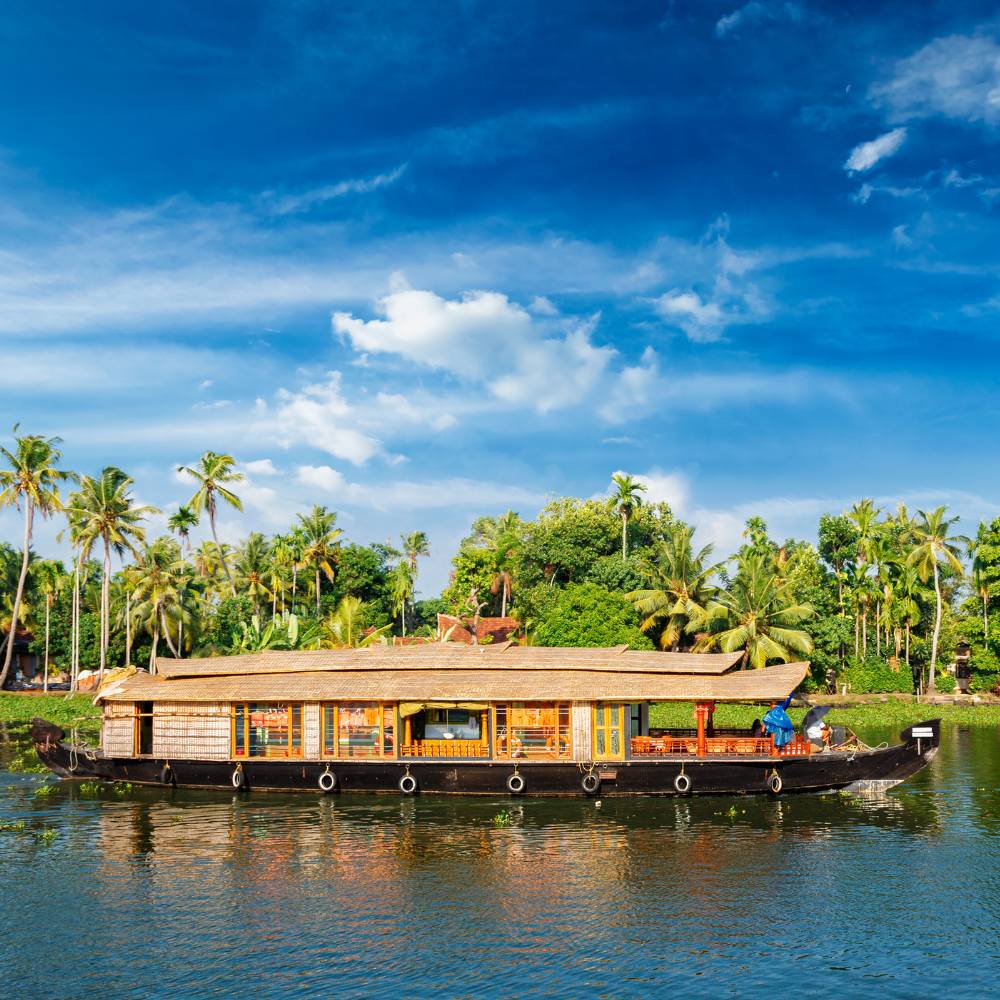
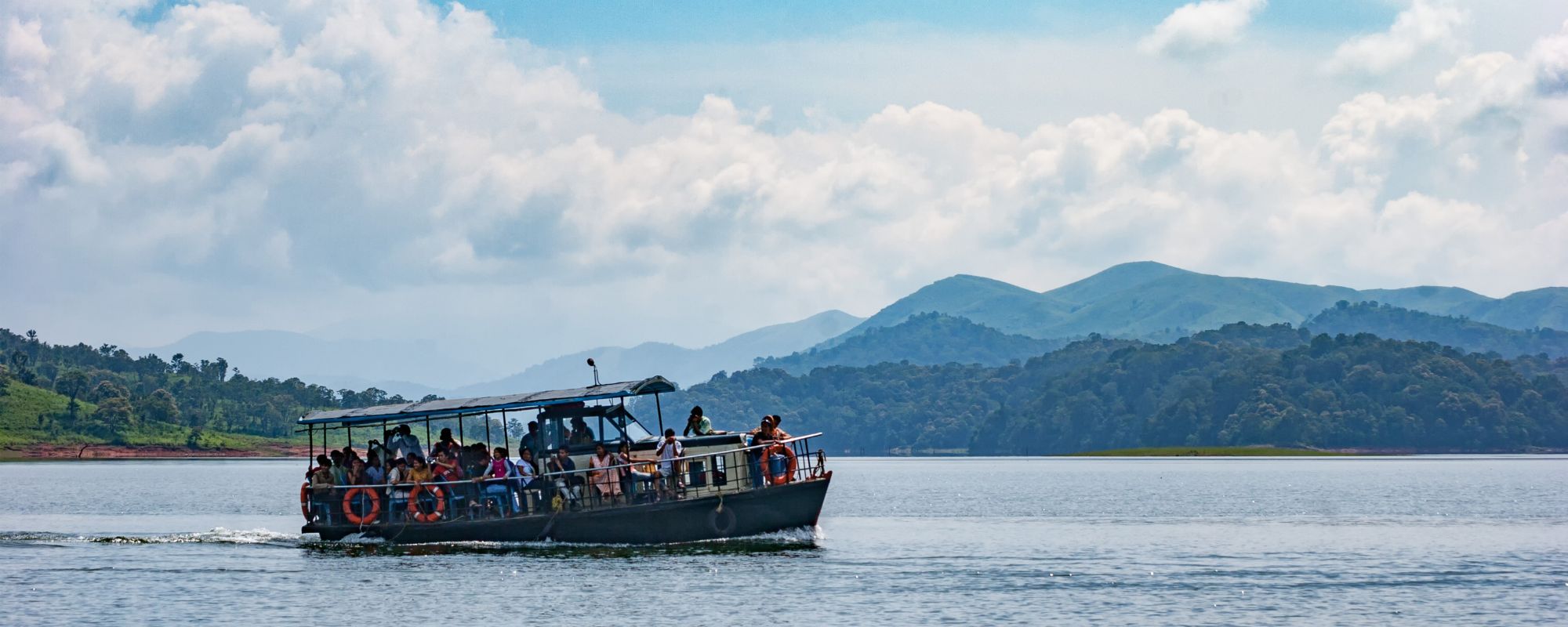
Kerala, on India's southwest coast, is often marketed as "God's Own Country." The state's backwaters—a network of canals and lagoons—are best explored aboard a traditional houseboat. Overnight cruises depart from Alleppey, gliding past rice paddies and coconut palms and offering glimpses of village life. Inland, in the cool highlands of Munnar, carpets of tea bushes spread across rolling hills, while Periyar Wildlife Sanctuary shelters elephants and langurs.
Kochi, Kerala's coastal gateway, is a city with layered histories. The old quarter of Fort Kochi boasts Portuguese and Dutch architecture, ancient synagogues, and the iconic Chinese fishing nets that dip languidly into the sea. Stroll along streets lined with cafes and art galleries, and catch a Kathakali dance performance for a taste of Kerala's classical arts. Ayurveda, India's ancient system of holistic medicine, is deeply rooted here; many resorts offer treatments and courses. Avoid the peak monsoon (June–August) if houseboat cruises are central to your plans.
Practical Tips for First-Time Travelers
-
Travel Slowly: Resist the urge to cram in too many destinations. Experienced travelers recommend allocating two weeks per region.
-
Stay Vigilant: Scams are common in tourist hubs. Learn approximate prices for rickshaw rides, book taxis through reputable apps, and be cautious of unsolicited "helpers".
-
Visit Rural Areas: Don't limit yourself to cities. India's national parks, tiger reserves, deserts, and villages offer unique insights.
-
Dress Respectfully: In temples and rural areas, cover shoulders and knees; carry a scarf for quick coverups.
-
Mind the Climate: Plan around regional weather patterns; avoid extreme heat in summer and heavy rains during monsoon.
-
Health & Visas: Ensure your passport is valid for at least six months, apply for the appropriate visa, and pack any recommended vaccines and medicines.
Conclusion: Embrace the Unexpected
This list of cities is just a beginning. India's magic lies in its ability to surprise—whether in the kindness of strangers, a hidden temple discovered by chance, or a dish that awakens your taste buds. It is impossible to absorb all that India offers in one journey. Instead, immerse yourself in a handful of places, savor the experiences, and allow the country's many stories to unfold. With an open mind, a flexible itinerary, and respect for local customs, your first trip to India will be one you'll never forget.