Why Tamil Nadu Is India's Temple Capital
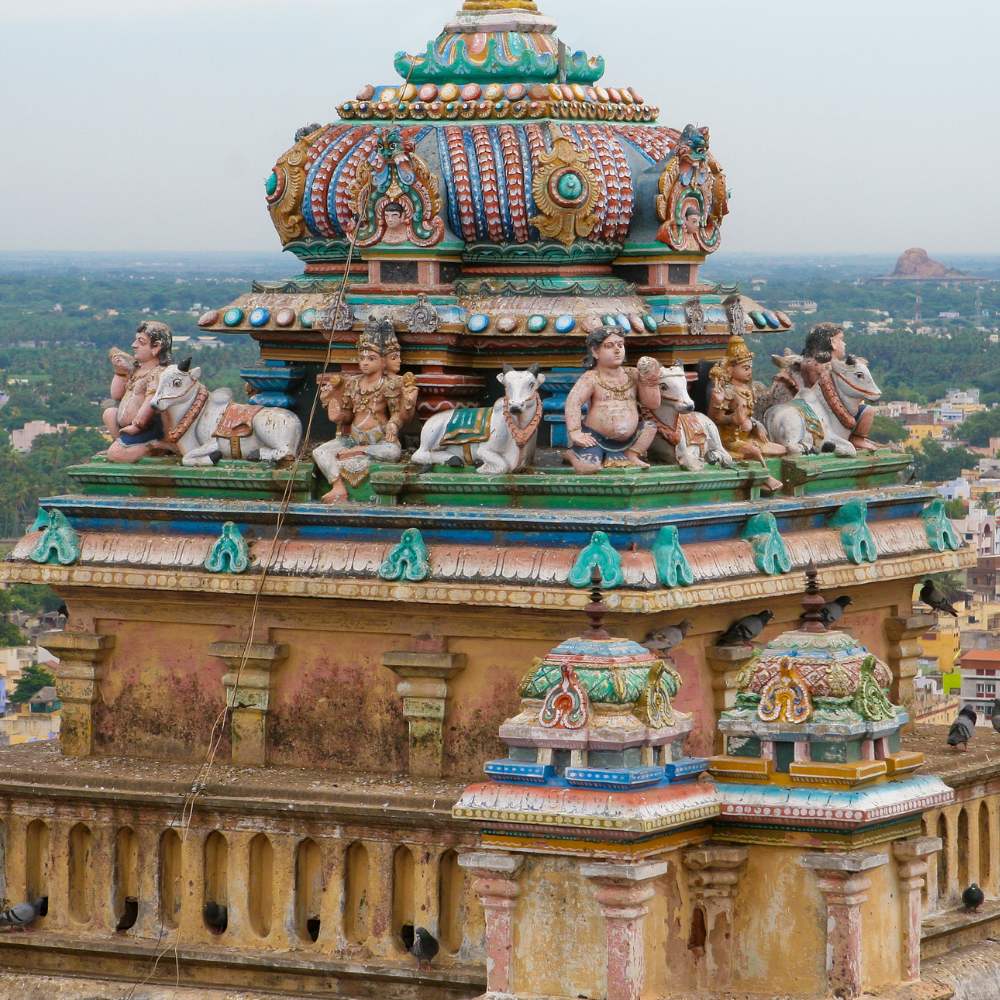
With over 33,000 Hindu temples, Tamil Nadu holds more sacred architecture than any other state in India. These aren't relics behind glass — they are living, functioning centres of worship, culture, and community. Built by the great Dravidian dynasties — the Pallavas, Cholas, and Pandyas — many have operated continuously for over a millennium.
Even through centuries of invasion and partial destruction, what remains is extraordinary. Tamil Nadu's temples give travellers something rare: history you can walk inside, rituals you can witness, and architecture that will genuinely stop you in your tracks.
This guide covers the five most iconic temples in Tamil Nadu — selected not just for their fame, but for the depth of experience they offer every kind of visitor.
At a Glance: 5 Must-Visit Temples
- Kapaleeshwarar Mylapore, Chennai · Lord Shiva & Goddess Karpagambal · Pallava / Vijayanagara · 120-ft gopuram; peacock legend
- Meenakshi Amman Madurai · Goddess Meenakshi & Lord Shiva · Pandya / Nayaka · 33,000+ sculptures; Hall of 1,000 Pillars
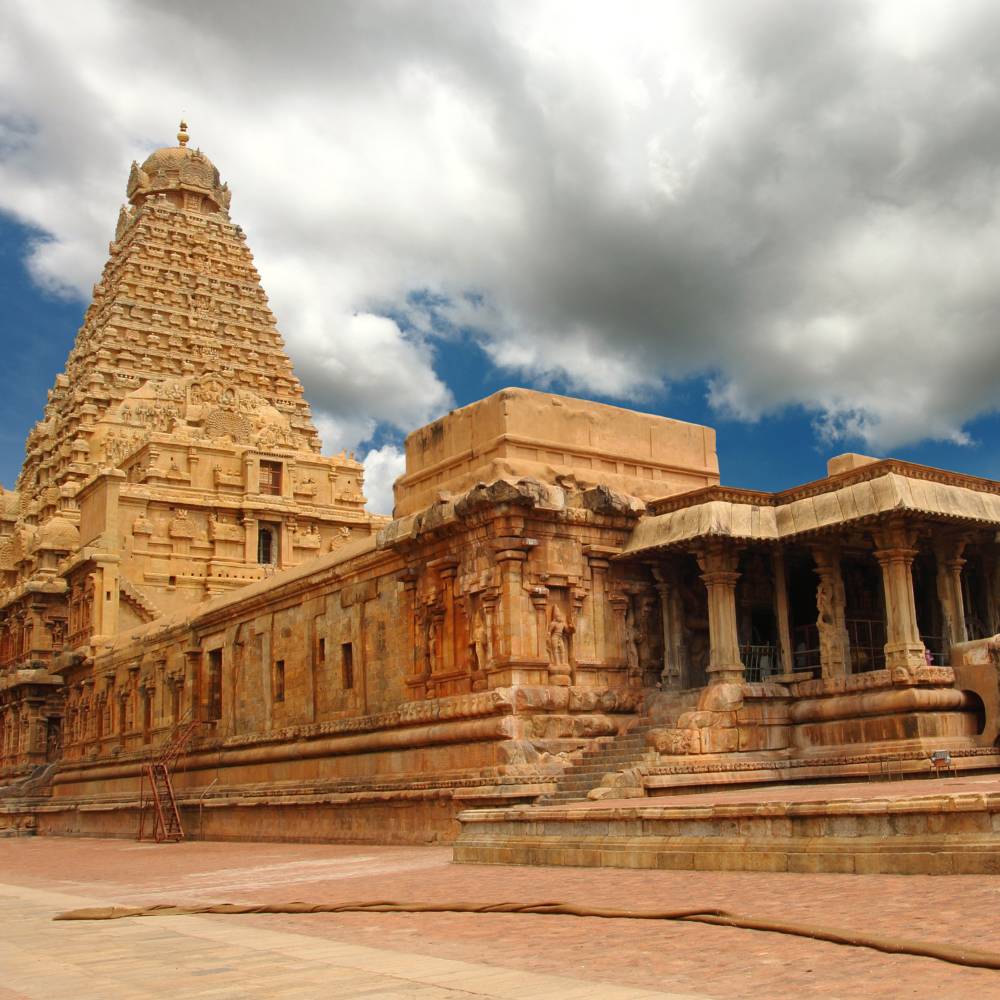
- Brihadeeswarar Thanjavur · Lord Shiva · Chola (1010 CE) · UNESCO site; 216-ft vimana
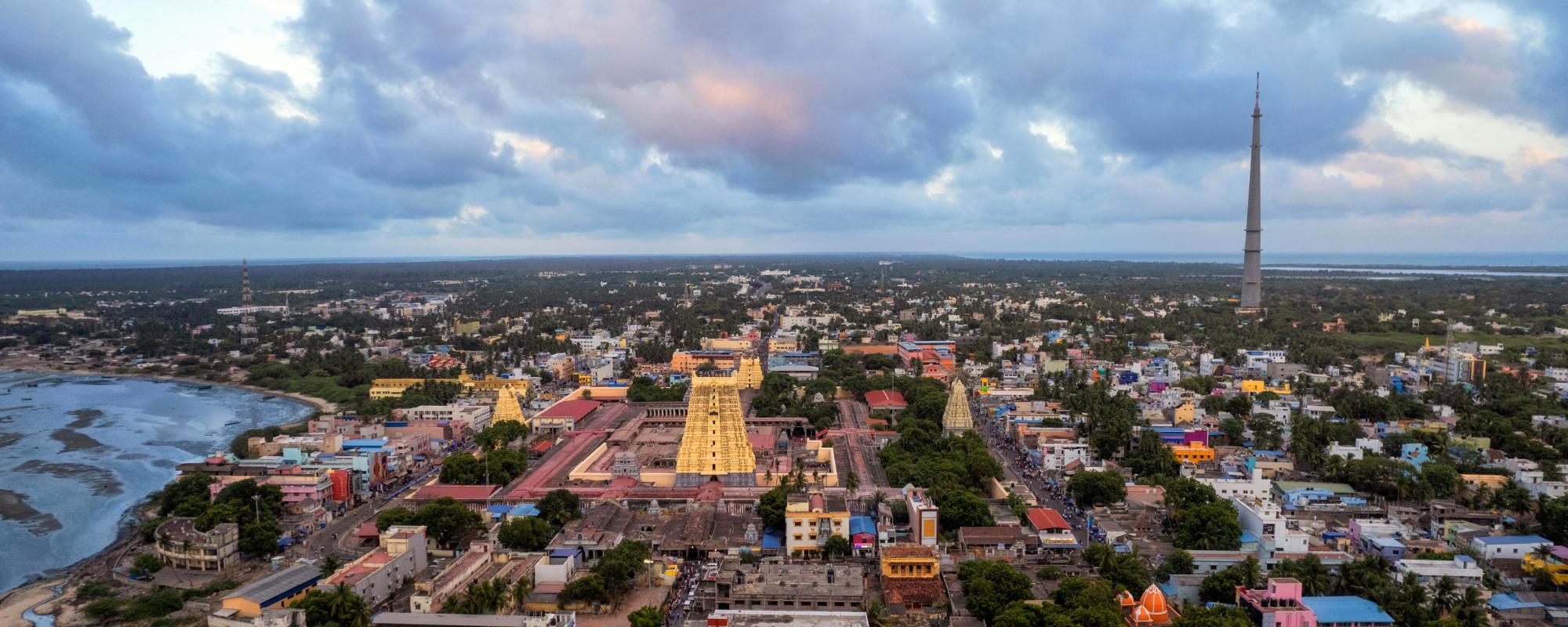
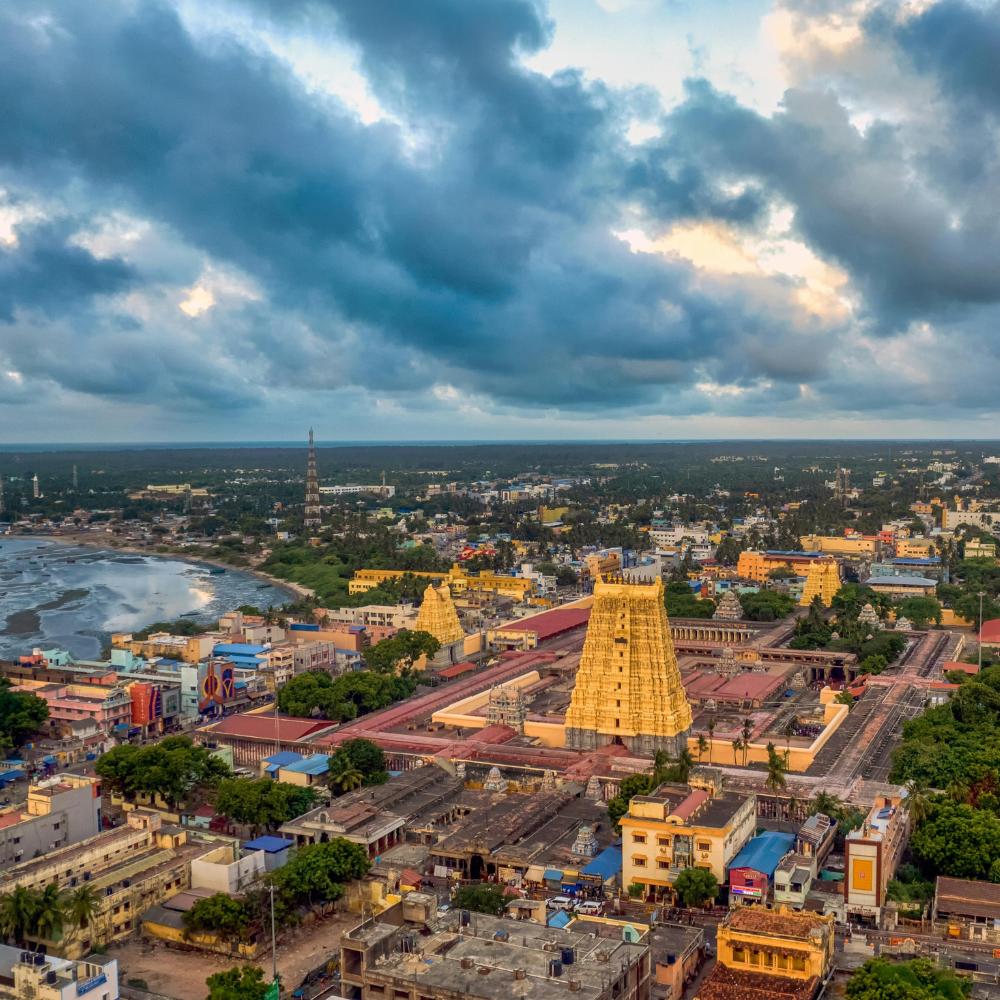
- Ramanathaswamy Rameswaram · Lord Shiva (Jyotirlinga) · Pandya / Nayaka · World's longest corridor – 1,212 m
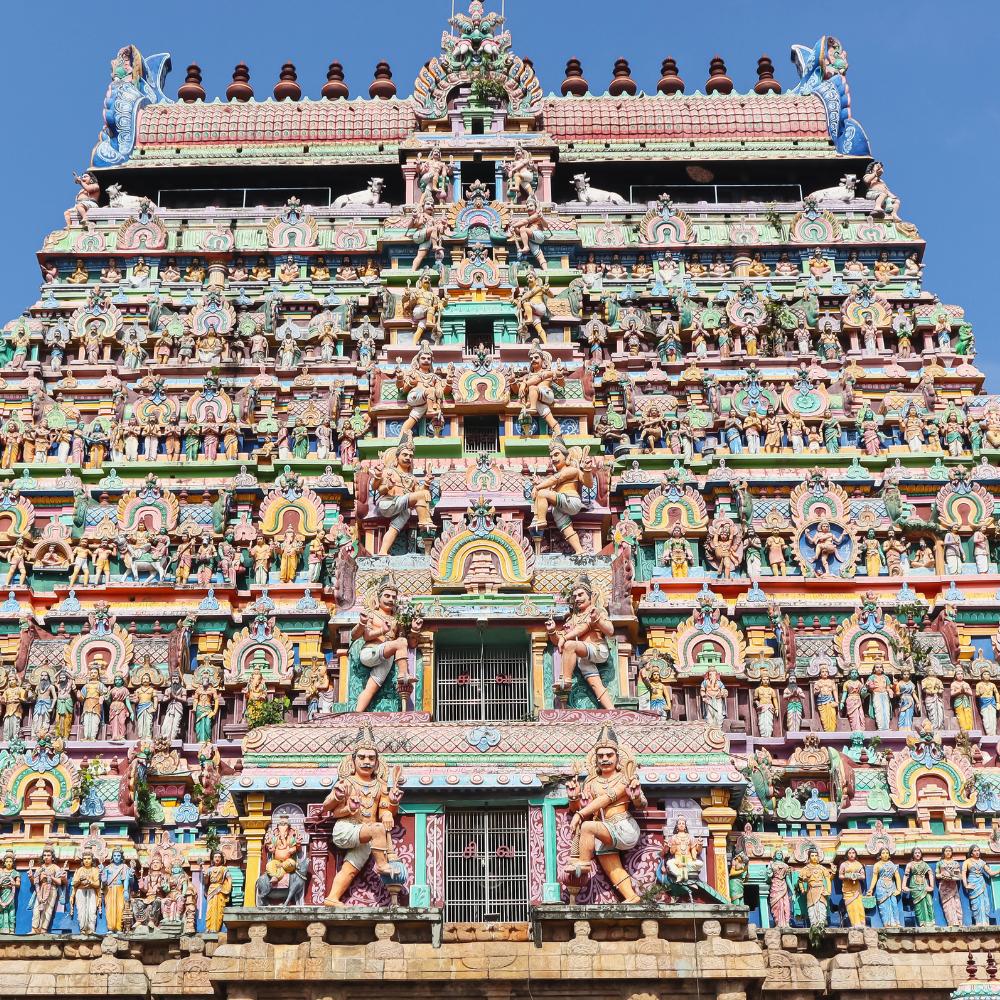
- Nataraja (Thillai) Chidambaram · Lord Shiva as Nataraja · Early Cholas / Pallava · Pancha Bhoota Stalam; cosmic dance
Know more about Tamil Nadu: 7-Day Tamil Nadu and Pondicherry Tour.
1. Kapaleeshwarar Temple, Chennai
Deity: Lord Shiva (Kapaleeshwarar) & Goddess Karpagambal
Location: Mylapore, Chennai
Built By: Pallava kings (7th century CE); rebuilt by Vijayanagara Empire (16th century)
The Story Behind It
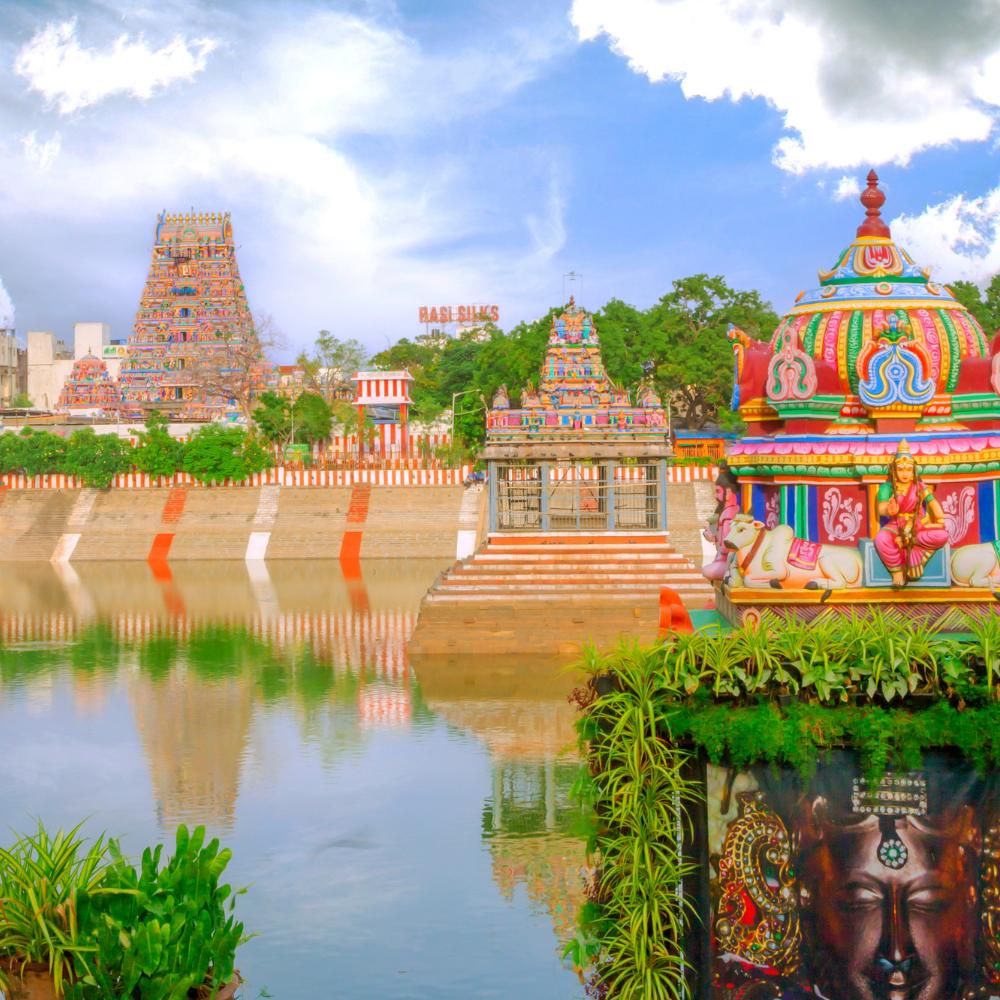
Mylapore owes its very name to a legend. Mayil means peacock in Tamil, and pore means place. Goddess Parvati is said to have worshipped Lord Shiva here in the form of a peahen, performing intense penance under a Punnai tree. The temple's small shrine depicting the Goddess as a peahen keeps this mythology alive for every visitor who walks through.
The original Pallava structure was destroyed by the Portuguese during their occupation of Mylapore. What stands today — rebuilt by the Vijayanagara kings in the 16th century — is a striking piece of Dravidian temple architecture and one of Chennai's most beloved landmarks.
What Makes It Special
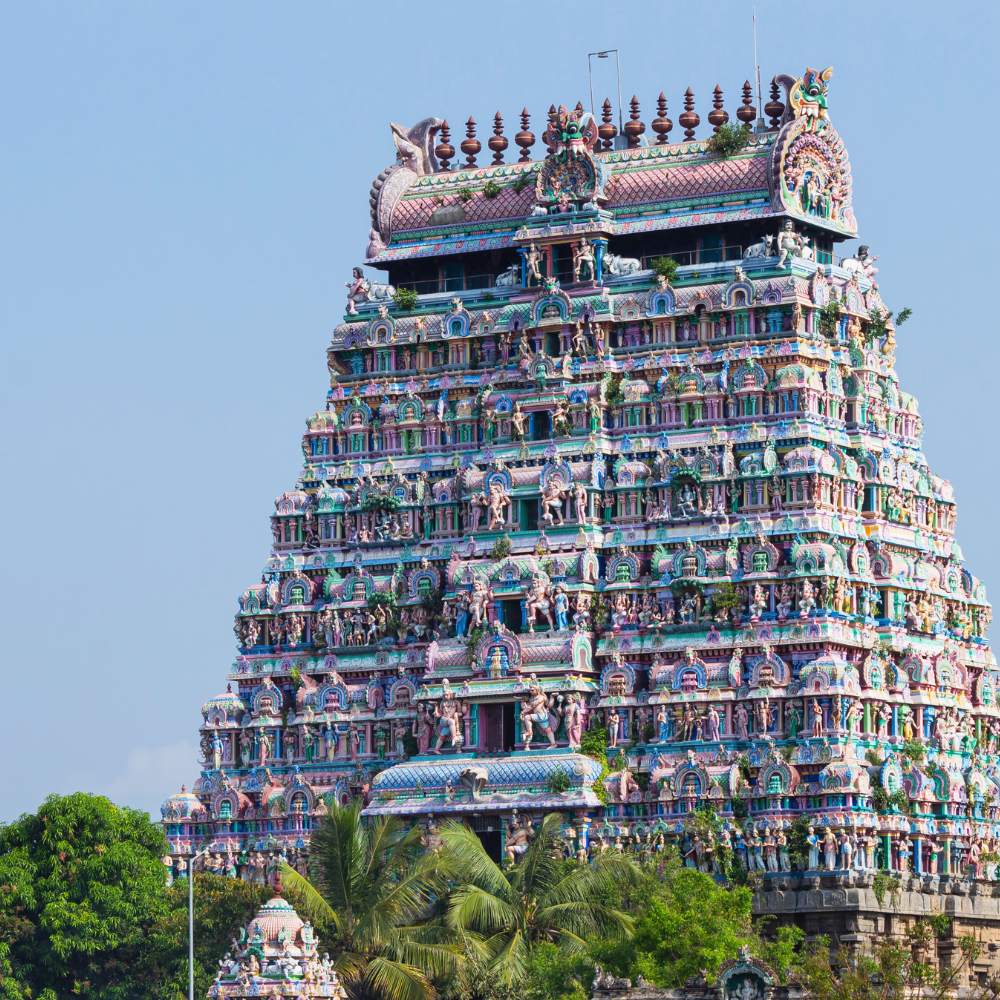
The 120-foot Rajagopuram is a visual feast — covered top to bottom in vibrant, hand-crafted stucco figures of gods, goddesses, and mythological beings. Inside the complex, a large temple tank serves as the setting for the spectacular Panguni Peruvizha festival (March–April), during which the entire neighbourhood transforms into a procession of music, colour, and devotion.
For first-time visitors to Chennai, Kapaleeshwarar is the ideal introduction to Dravidian temple culture — sitting at the heart of Mylapore, surrounded by flower sellers, silk sari shops, and the scent of camphor.
Practical Information
- Timings: 5:00 AM – 12:00 PM & 4:00 PM – 9:00 PM (Daily)
- Best Time: November to February; March–April for Panguni festival
- Nearest Airport: Chennai International Airport (13 km)
- Railway Station: Thirumayilai Railway Station
- Bus Stop: LUZ Corner Bus Station
- Entry: Free
Visitor Tip: Visit early in the morning, between 6–8 AM, for a quieter, more intimate experience before the crowds arrive. Non-Hindus are welcome inside the complex.
2. Meenakshi Amman Temple, Madurai
Deity: Goddess Meenakshi (Parvati) and Lord Sundareshwarar (Shiva)
Location: Madurai, Tamil Nadu
Built By: Pandya rulers (6th century BCE); expanded under the Nayaka dynasty (16th–17th centuries)
The Story Behind It
Madurai is inseparable from this temple — the city grew around it over two millennia. The presiding deity, Meenakshi (the fish-eyed goddess), is not a supporting figure here. She is the principal deity, the queen of Madurai. According to mythology, this is the sacred spot where Lord Shiva came down to marry Meenakshi — an event celebrated annually during the Chithirai Festival (April–May), one of the largest temple festivals in the world.
What Makes It Special
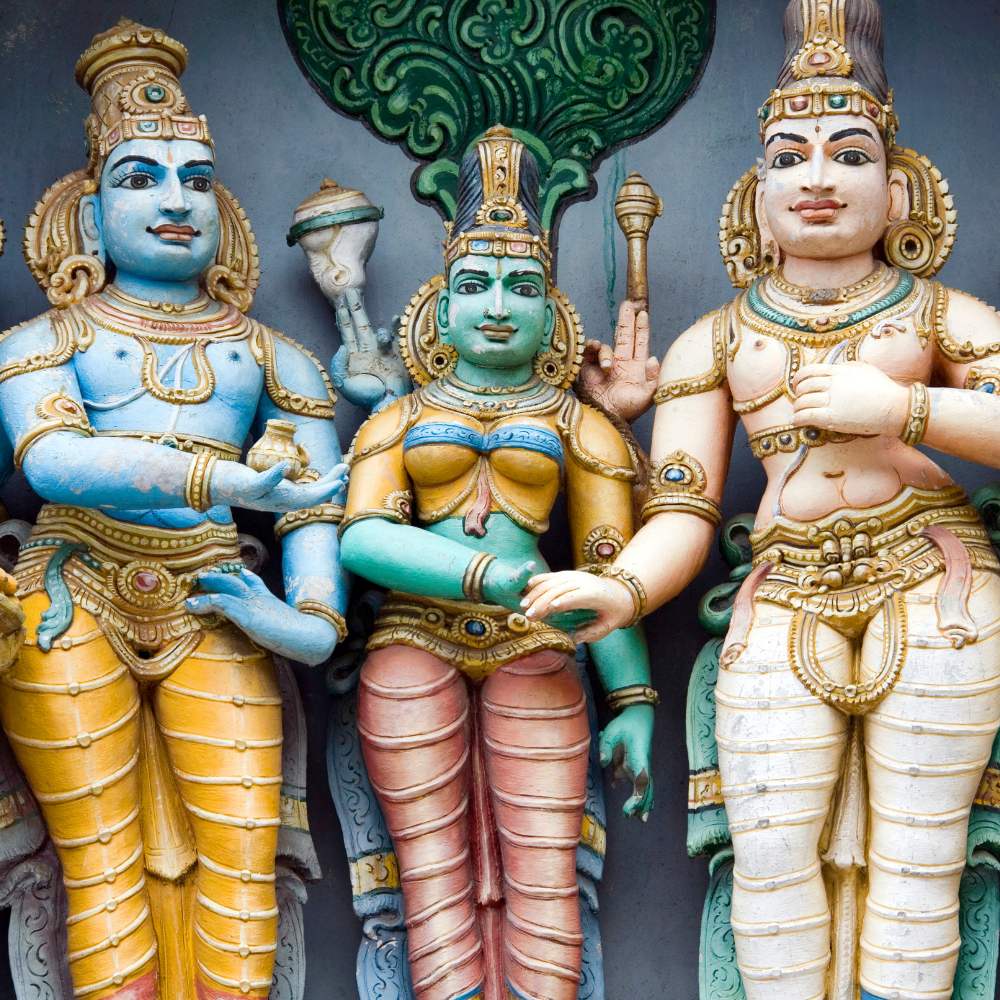
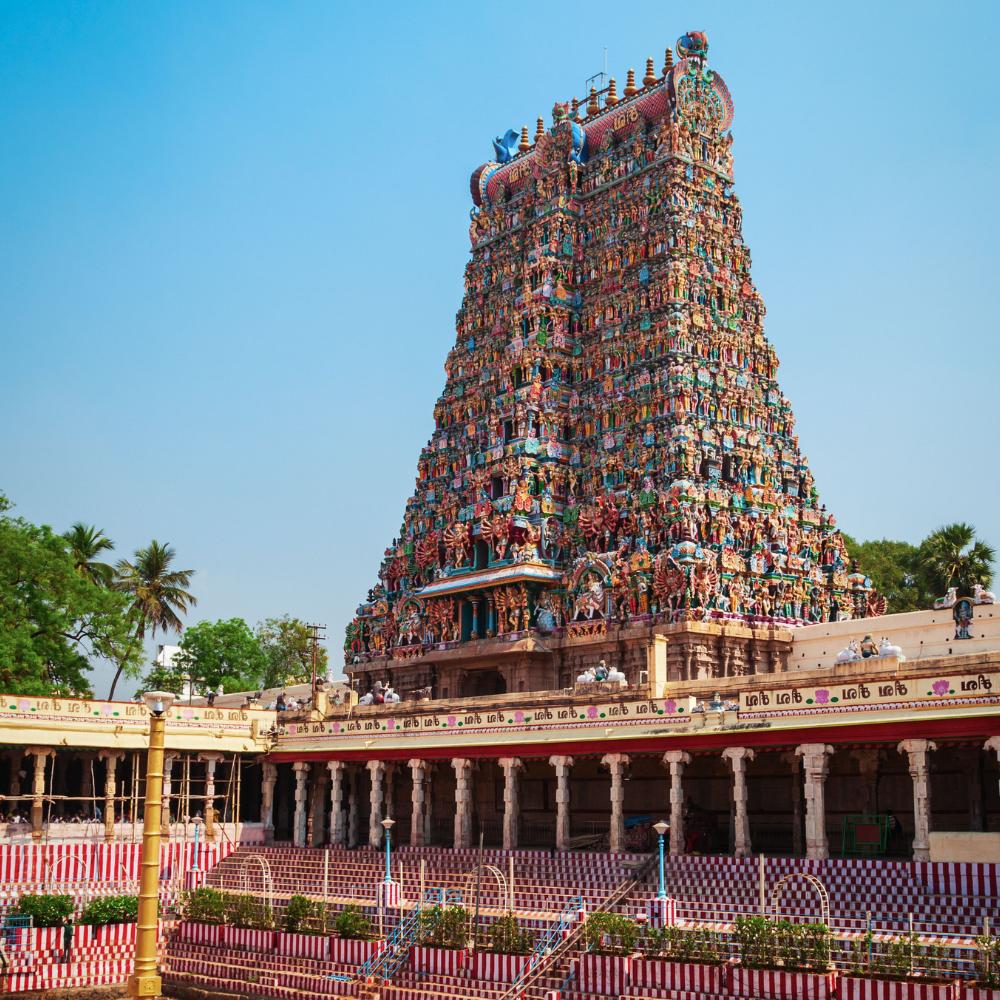
Four massive gopurams soar over 160 feet above the city, each encrusted with more than 33,000 individually sculpted and painted figures — gods, demons, celestial beings, and mythological scenes. The colours are repainted every 12 years in a painstaking restoration process.
Inside, you'll find:
- The Hall of a Thousand Pillars (actually 985 pillars, each uniquely carved — no two alike), now housing a museum of temple art
- The Potramarai Kulam (Golden Lotus Tank) — a sacred pool where pilgrims bathe before worship
- A continuous hum of ritual activity: priests chanting, lamps being waved, flowers being offered — every hour of every day
Practical Information
- Timings: 5:00 AM – 12:30 PM & 4:00 PM – 10:00 PM (Daily)
- Best Time: October to March; April–May for Chithirai Festival
- Nearest Airport: Madurai International Airport (12 km)
- Railway Station: Madurai Railway Station (2 km)
- Bus Stop: Arappalayam Bus Terminus
- Entry: Free (camera fee applicable)
Visitor Tip: The evening aarti at 9 PM — when the deity is ceremonially carried to the bedroom shrine — is one of the most memorable rituals in any Indian temple. Plan your visit to include it.
3. Brihadeeswarar Temple, Thanjavur
Deity: Lord Shiva
Location: Thanjavur (Tanjore), Tamil Nadu
Built By: Raja Raja Chola I (completed 1010 CE)
UNESCO Status: World Heritage Site — one of the Great Living Chola Temples
The Story Behind It
Over a thousand years ago, a king set out to build a temple unlike any that had ever existed. Raja Raja Chola I — at the absolute peak of the Chola empire — commissioned Brihadeeswarar not merely as a place of worship, but as a declaration of civilizational achievement. It was completed in 1010 CE and has been standing — and active — ever since. Locally known as the Periya Kovil (Big Temple), it is the largest temple in Tamil Nadu.
What Makes It Special
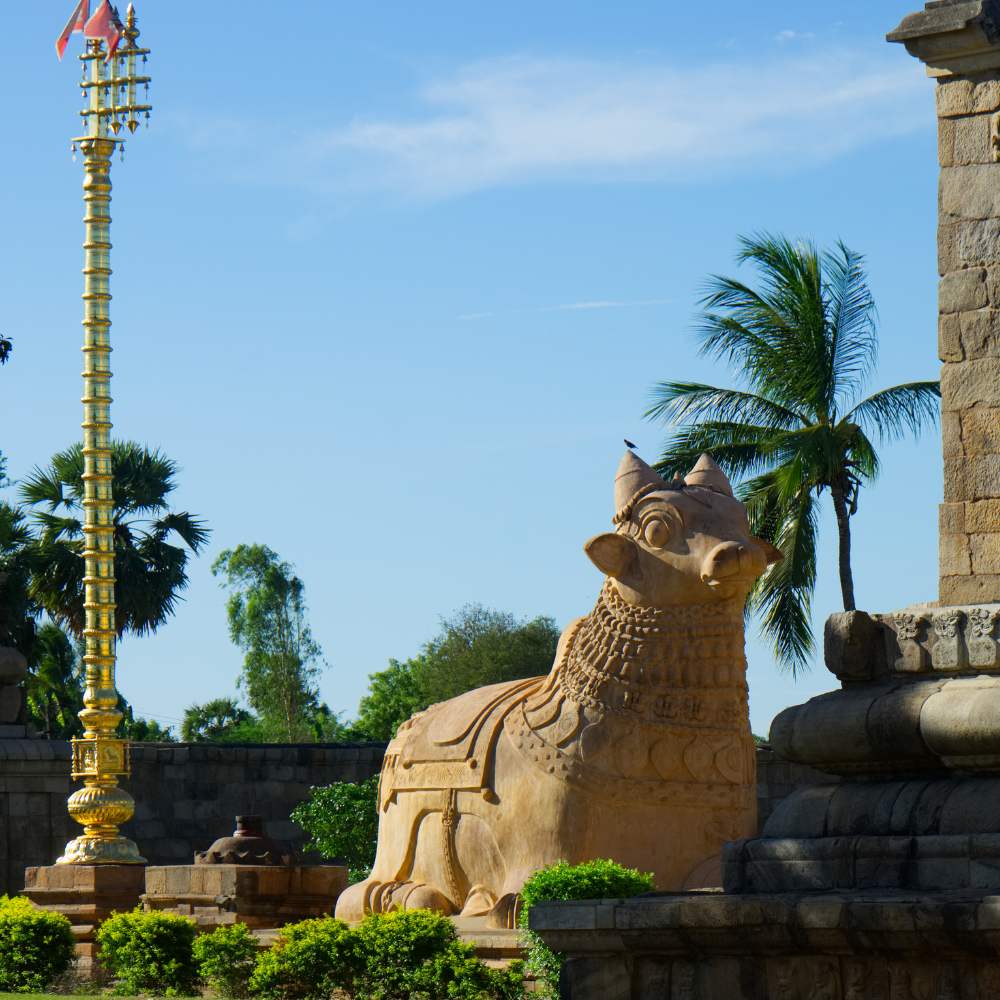
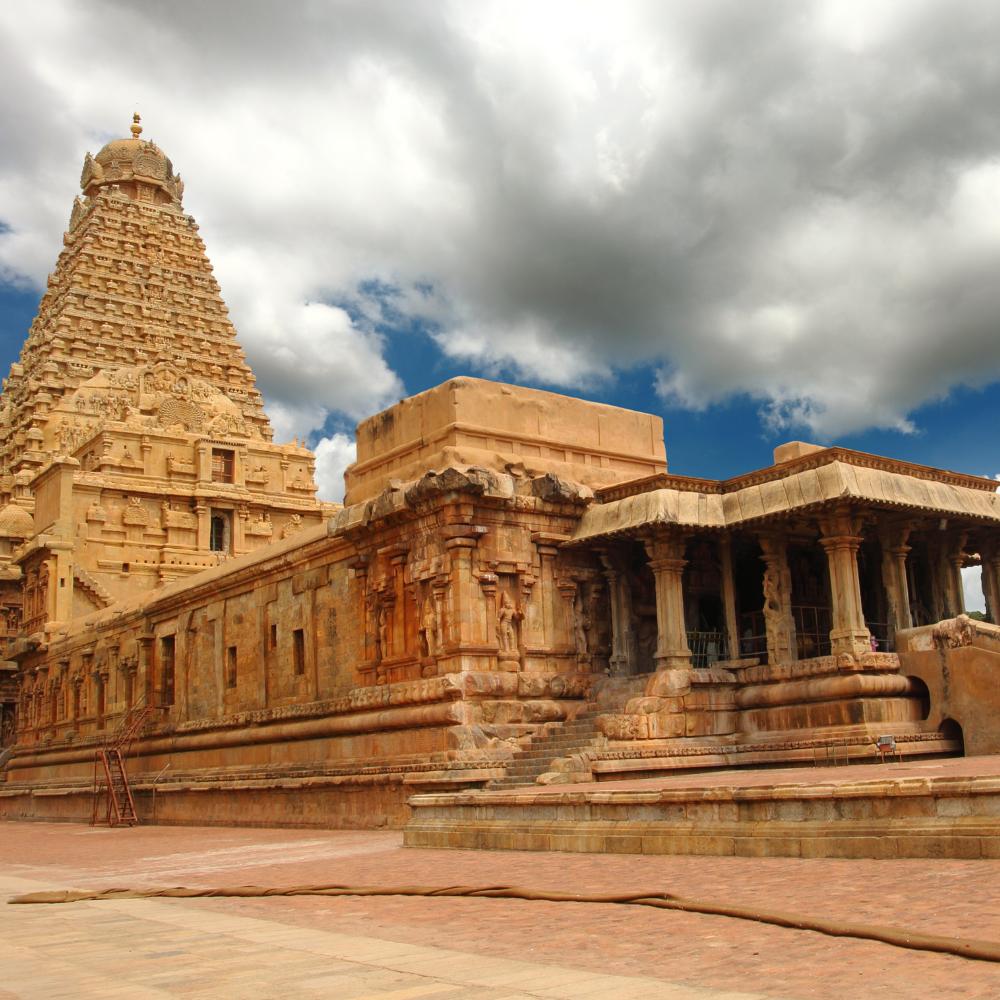
The vimana (main tower) rises to 216 feet — one of the tallest temple towers in the world. At its peak sits a single granite capstone (Kumban) weighing approximately 80 tonnes, raised to that height without modern machinery. The most studied theory involves a kilometres-long earthen ramp.
The temple walls carry Chola frescoes — intricate murals depicting royal life and Shiva mythology, many of which have survived intact for over a thousand years. A remarkable footnote: the vimana casts no shadow at noon — a deliberate design choice by the Chola builders.
Practical Information
- Timings: 6:00 AM – 12:30 PM & 4:00 PM – 8:30 PM (Daily)
- Best Time: September to February
- Nearest Airport: Tiruchirappalli International Airport (60 km)
- Railway Station: Thanjavur Railway Station (3 km)
- Bus Stop: Thanjavur Old Bus Station
- Entry: Free (ASI-maintained)
Visitor Tip: A knowledgeable local guide is worth hiring here — the frescoes and inscriptions reward deeper reading. Visit at noon on a clear day to witness the shadowless tower for yourself.
4. Ramanathaswamy Temple, Rameswaram
Deity: Lord Shiva (one of the 12 Jyotirlingas)
Location: Rameswaram Island, Tamil Nadu
Built By: Pandya dynasty (12th century); expanded under Nayaka rulers
Pilgrimage: One of the 12 Jyotirlingas; part of the Char Dham circuit
The Story Behind It
The Ramayana gives Rameswaram its soul. After his victory over Ravana, Lord Rama sought to cleanse himself of sin by worshipping Lord Shiva on this island. He sent Hanuman to bring a lingam from the Himalayas. When Hanuman was delayed, Goddess Sita fashioned a lingam from sand. When Hanuman eventually arrived, Rama consecrated both, and both are enshrined in the temple today. The sand lingam is called Ramalingam; the one Hanuman brought is Vishwalingam.
What Makes It Special
The defining feature is the corridor system — at 1,212 metres in total length, it is officially the longest temple corridor in the world. Walking its length, flanked by thousands of beautifully sculpted pillars in the Pandya–Nayaka style, is unlike anything else in Indian temple architecture.
Pilgrims traditionally bathe in 22 sacred wells (theerthams) inside the complex before darshan, each believed to carry different spiritual merit. The island setting matters too — Rameswaram is connected to the mainland by the famous Pamban Bridge, India's first sea bridge. The journey across it, with the Indian Ocean on both sides, is part of the pilgrimage.
Practical Information
- Timings: 5:00 AM – 1:00 PM & 3:00 PM – 9:00 PM (Daily)
- Best Time: October to April
- Nearest Airport: Madurai International Airport (174 km)
- Railway Station: Rameswaram Railway Station (1 km)
- Bus Stop: Rameswaram Bus Station
- Entry: Free (special darshan tickets available)
Visitor Tip: Bathing in the 22 theerthams is a core part of the pilgrimage — bring a change of clothes and start early. The temple fills up significantly by mid-morning.
5. Thillai Nataraja Temple, Chidambaram
Deity: Lord Shiva as Nataraja (the Cosmic Dancer)
Location: Chidambaram, Tamil Nadu
Built By: Early Cholas (11th century); expanded under Pallava and Pandya rulers
Cosmic Role: Pancha Bhoota Stalam — representing the element of Akasha (Space)
The Story Behind It
Among Tamil Nadu's great temples, Chidambaram occupies a unique philosophical position. While most temples enshrine Shiva in physical form, the central sanctum here preserves something conceptually bold: the absence of form itself. The Chidambara Rahasya (the Secret of Chidambaram) is a space — a curtain of gold leaves — behind which nothing exists. Or rather, everything does. Shiva as Nataraja dances at the centre of the cosmos, his dance simultaneously creating, sustaining, and destroying the universe.
What Makes It Special
Spread over 50 acres, the Thillai Nataraja Temple is one of the largest temple complexes in Tamil Nadu. The Nataraja bronze idol — Shiva in mid-dance, ringed by a halo of flames — is the definitive artistic image of South Indian Shaivism.
For practitioners of Bharatanatyam — India's most classical dance form — this is a holy of holies. The annual Natyanjali Dance Festival (February–March) draws classical dancers from across the world who perform as an offering to the dancing God. Chidambaram is also the crown of the Pancha Bhoota Stalam circuit, five Shiva temples each representing one of the five classical elements.
Practical Information
- Timings: 6:00 AM – 12:00 PM & 5:00 PM – 10:00 PM (Daily)
- Best Time: December–January (Margazhi); February–March (Natyanjali)
- Nearest Airport: Puducherry Airport (70 km) / Trichy Airport (150 km)
- Railway Station: Chidambaram Railway Station (1 km)
- Bus Stop: Chidambaram Bus Stop
- Entry: Free
Visitor Tip: The Ardhajama Puja (evening ritual) around 9:30 PM is among the most elaborate in Tamil Nadu. If you can time your visit around it, the experience is genuinely unforgettable.
Read Also: Top 12 South Indian Temple for Spiritual Travel
Planning Your Temple Circuit
Suggested Route (5–7 Days from Chennai)
Chennai → Chidambaram → Thanjavur → Madurai → Rameswaram
This route flows south-east, avoids backtracking, and pairs well with a return flight from Madurai.
Essential Visitor Tips
- Dress Code: Modest clothing — shoulders and knees covered. Men may need to remove shirts at the inner sanctum; a dhoti is usually available to borrow.
- Footwear: Remove shoes before entering. Paid shoe-keeping is available outside all major temples.
- Photography: Permitted in outer corridors; often restricted near the main deity. Always check signage.
- Best Season: November to February for pleasant weather. Festival seasons bring atmosphere but larger crowds — book accommodation well in advance.
- Getting Around: Tamil Nadu's state bus network (TNSTC), private taxis, and trains connect all five temples. Guided temple circuits are available from Chennai and Madurai.
Frequently Asked Questions
Can non-Hindus visit?
Most temples welcome all visitors to the outer courtyards and corridors. Entry to the innermost sanctum is typically restricted to Hindus. Check specific rules at each temple.
Is there an entry fee?
General entry is free at all five temples. Special darshan queues, camera fees, and prasad may involve small charges.
How many days do I need?
A dedicated 5–7 day circuit comfortably covers all five temples with travel time. Kapaleeshwarar, Brihadeeswarar, and Meenakshi Amman can be done in 3 days from Chennai if time is limited.
Final Word
Tamil Nadu's great temples aren't tourist attractions with a spiritual backstory. They are living sacred institutions — ancient, continuous, and unhurried — that have graciously absorbed centuries of curious visitors without losing an ounce of their devotional soul.
Whether you arrive as a pilgrim, a history enthusiast, an architecture lover, or simply someone chasing a feeling you can't quite name yet, these five temples will give you something real. The incense smoke rises the same way it has for a thousand years. The bells haven't changed.