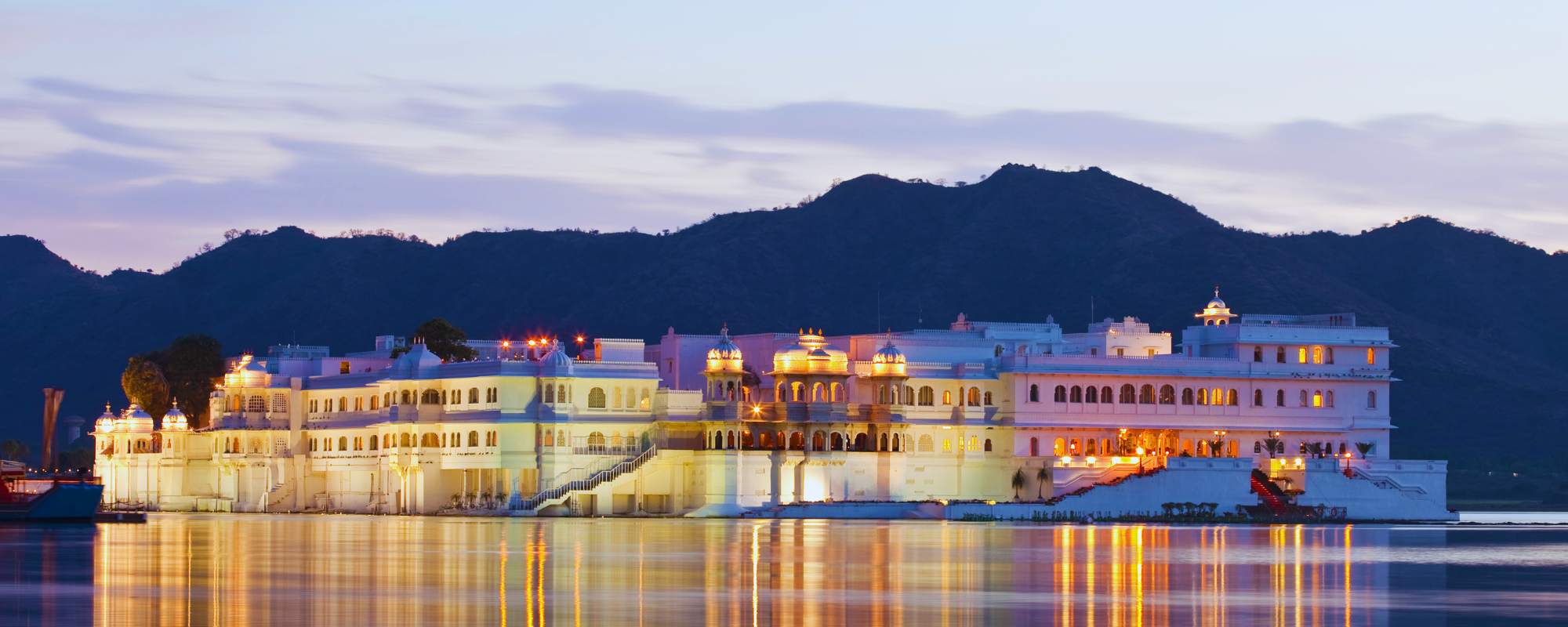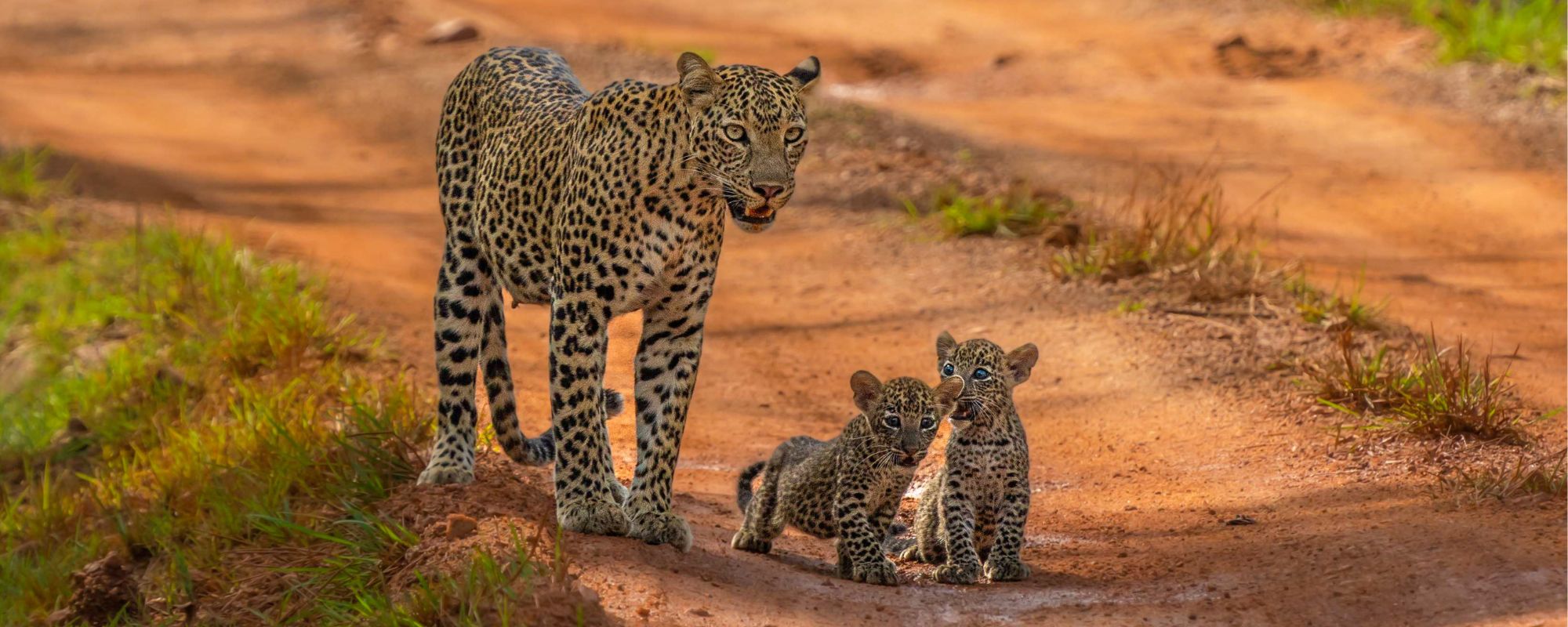
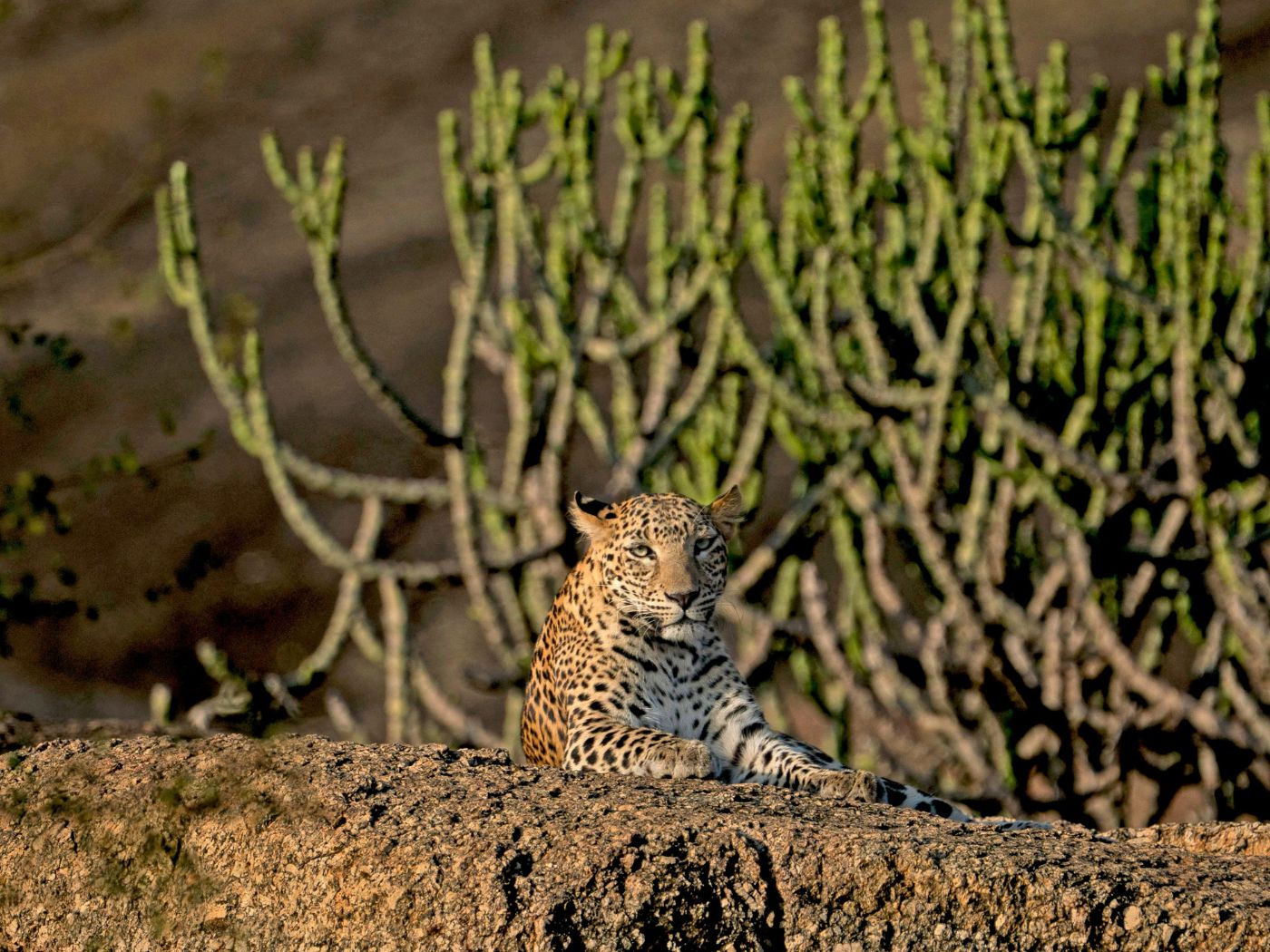
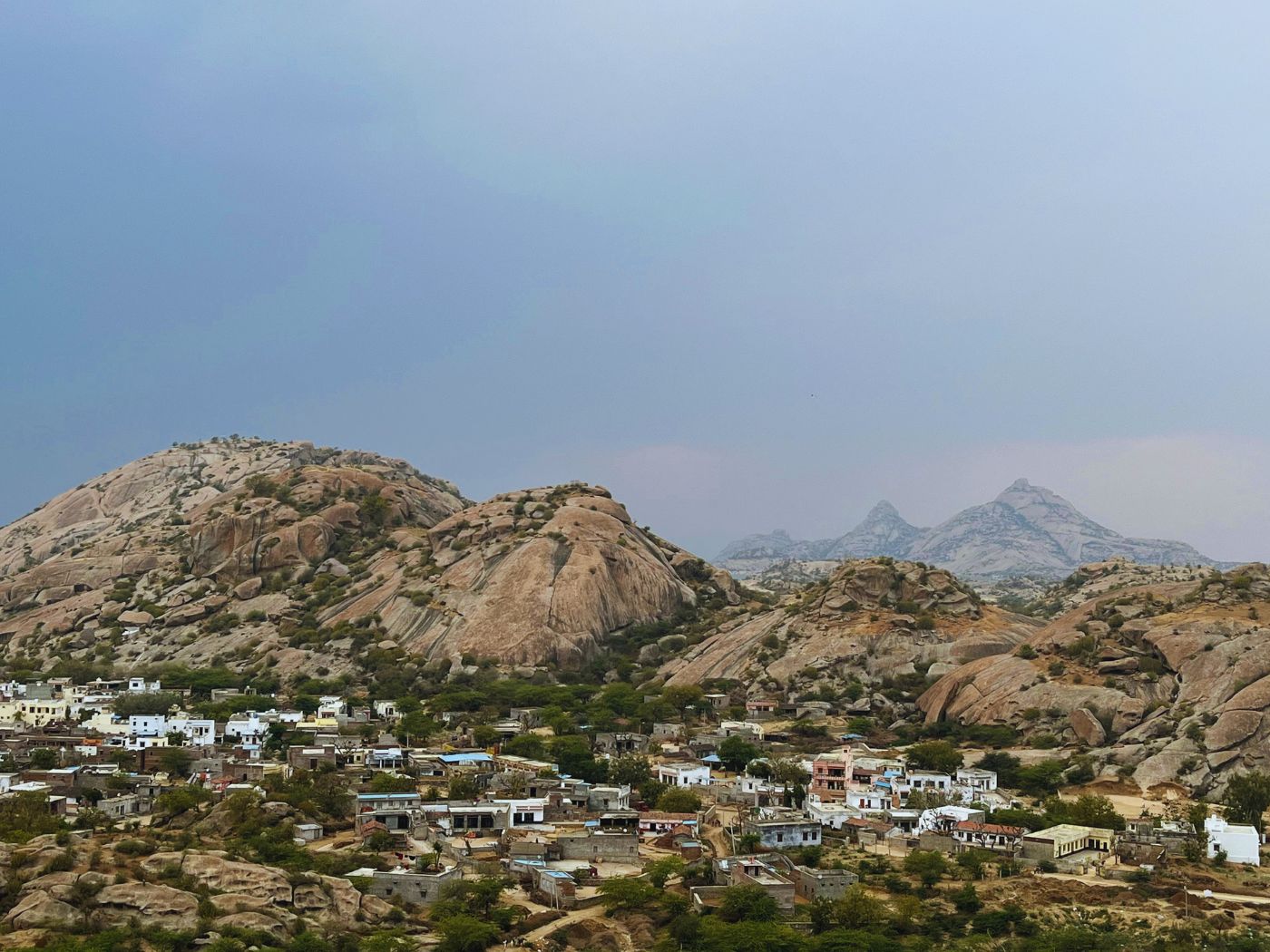
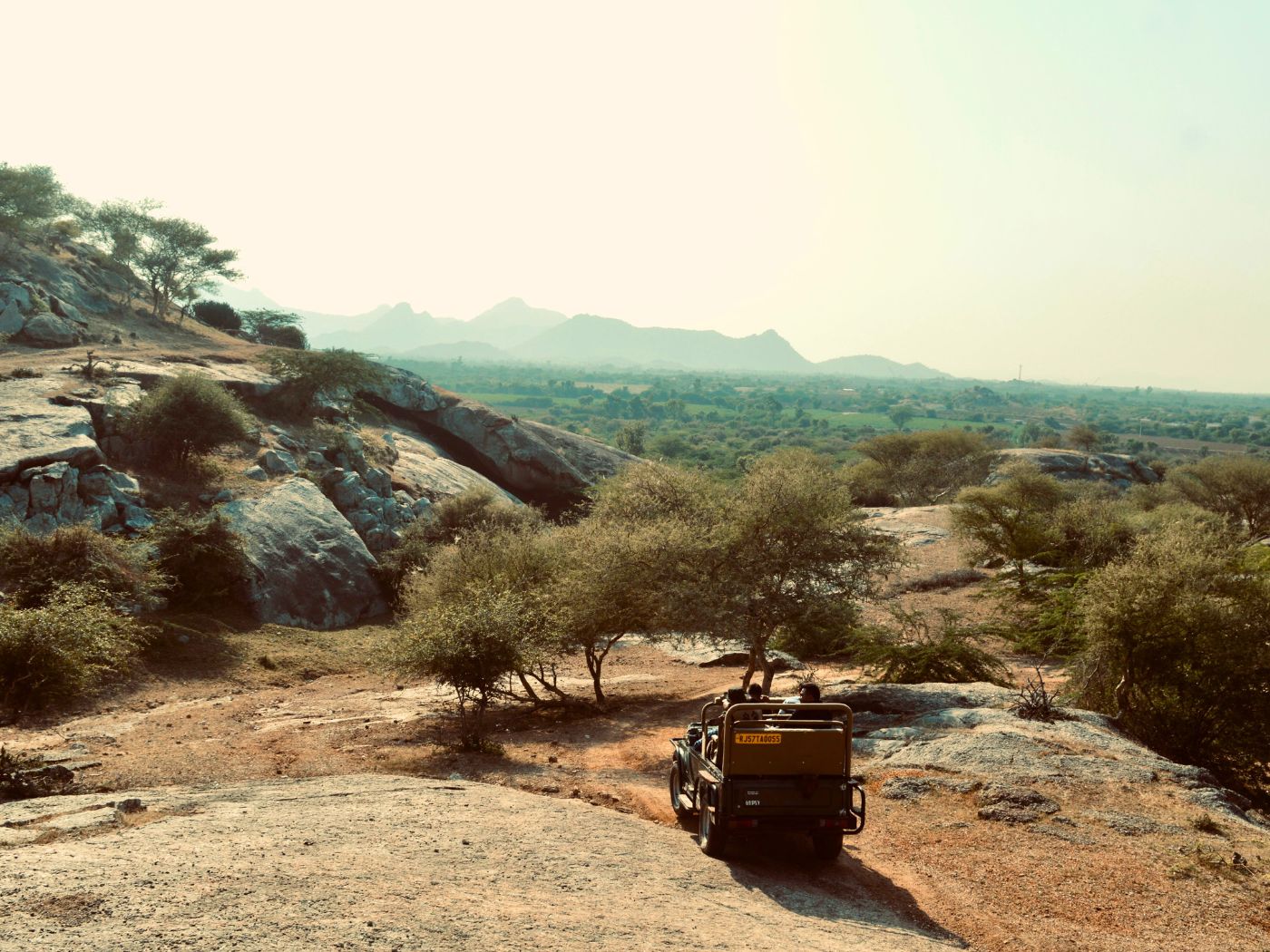
No fences. No national park gates. Just ancient granite, open sky, and wild leopards sharing their world with humans, as they have for centuries. Jawai sits in the Pali district of western Rajasthan, roughly midway between Jodhpur and Udaipur. It is not a national park. There are no entry gates, no timed permits, and no electric fences separating wildlife from daily life. Instead, Jawai is a vast landscape of approximately 500 square kilometres where leopards roam freely across ancient granite hills the same hills where Rabari herders graze their cattle, temple bells ring from hilltop shrines, and children walk to school.
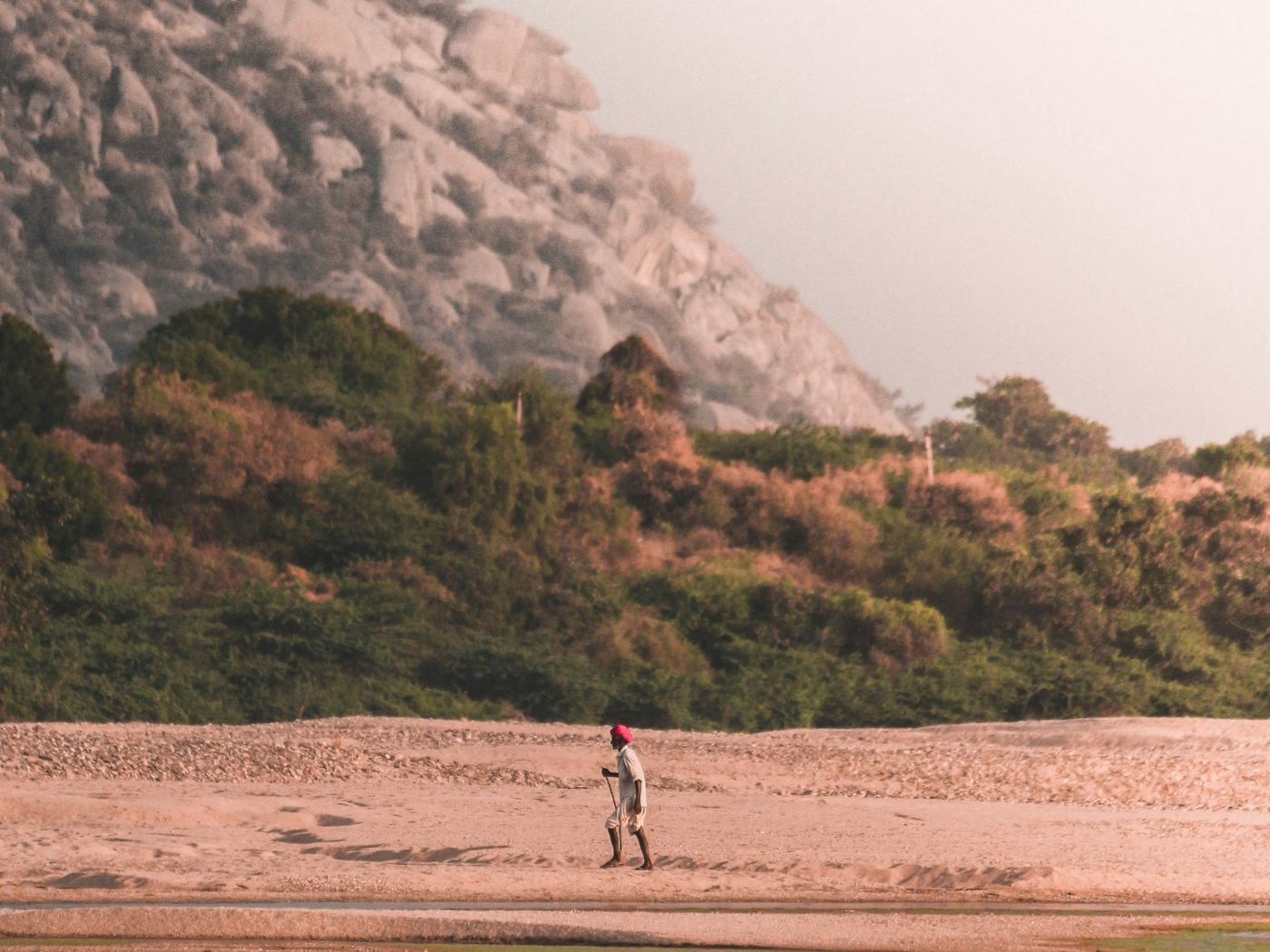
This extraordinary coexistence is what makes Jawai unlike any other wildlife destination in India. While reserves like Ranthambore and Bandhavgarh follow the conventional model of walled-off conservation, Jawai's leopards have thrived precisely because the local communities never saw them as a threat. The Rabari tribe, semi-nomadic pastoralists who have lived in this region for centuries, consider leopards a sacred part of the land's natural order, not something to fear or fence away.
The result is a place where you can watch a leopard emerge from a granite cave at dawn, silhouetted against the pink Rajasthani sky, while a shepherd walks his flock through the valley below. It is raw, unscripted, and deeply moving, and it is increasingly recognised as one of the most rewarding wildlife experiences anywhere in the world.
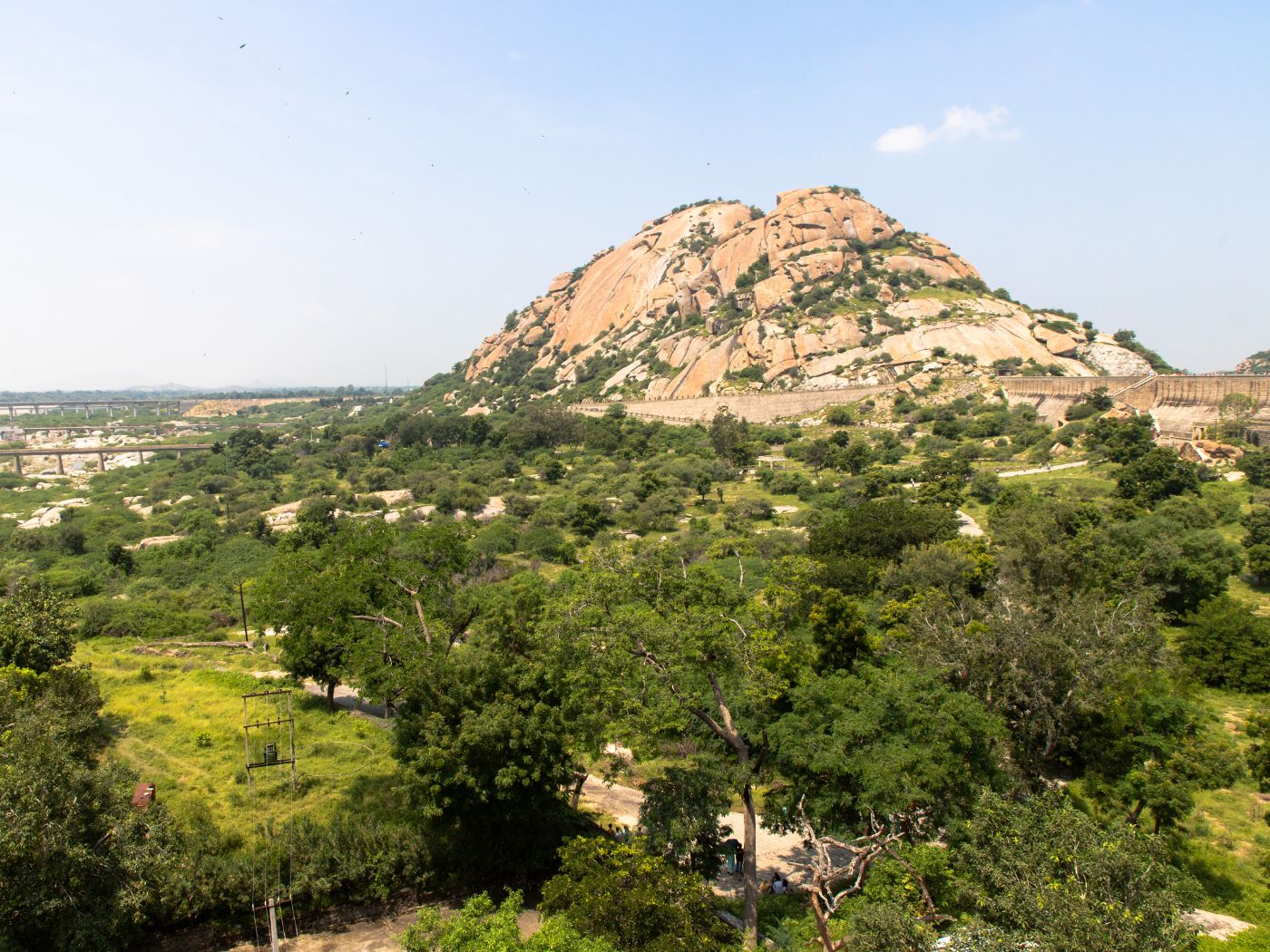
Jawai's terrain is defined by enormous granite boulders millions of years old, smoothed by wind and rain into surreal, almost lunar formations. These rocks are the leopard's domain: they provide caves for denning, elevated vantage points for hunting, and thermal mass that retains heat through the cold desert nights. Some boulders rise thirty metres or more above the scrubland, creating a dramatic skyline visible for miles.
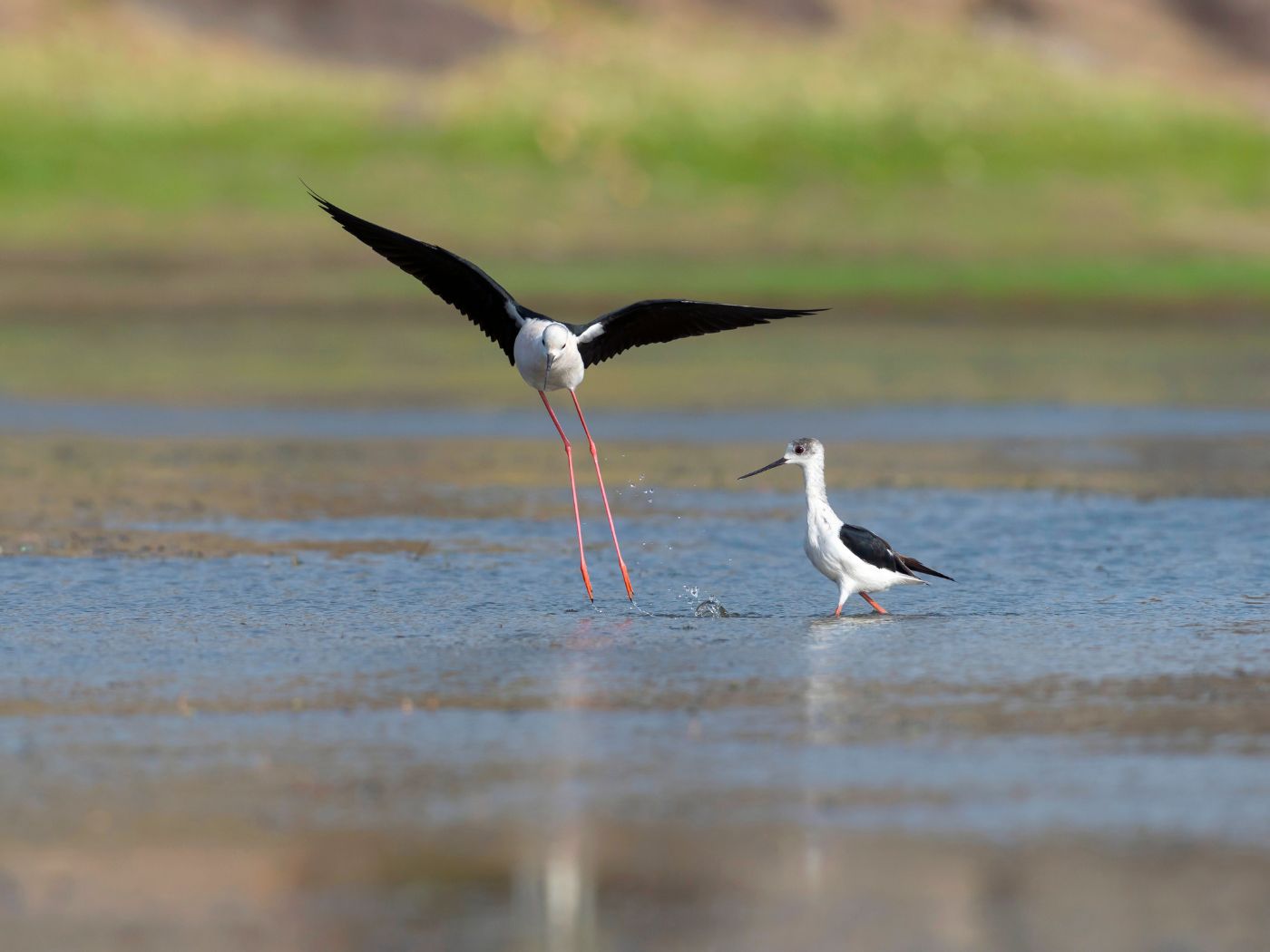
At the heart of the region lies the Jawai Dam, built between 1946 and 1957 by Maharaja Umaid Singh of Jodhpur. This reservoir on the Jawai River is now a crocodile sanctuary home to an estimated 250+ Indian mugger crocodiles, and a winter staging ground for thousands of migratory birds including flamingos, bar-headed geese, demoiselle cranes, painted storks, and pelicans. The dam transforms the landscape seasonally: austere and rocky in summer, shimmering and alive with birds in winter.
Fill in your details and one of our destination experts will get in touch with you. Our experts are dedicated to providing personalized assistance and insights, ensuring that all your queries are addressed and you receive the best possible guidance for your travel plans.
A work-centric leader who inspires and drives the team with his dedication and passion.

Highly skilled in interpersonal relations and mindfulness, Sonal excels at fostering a positive and considerate team environment.
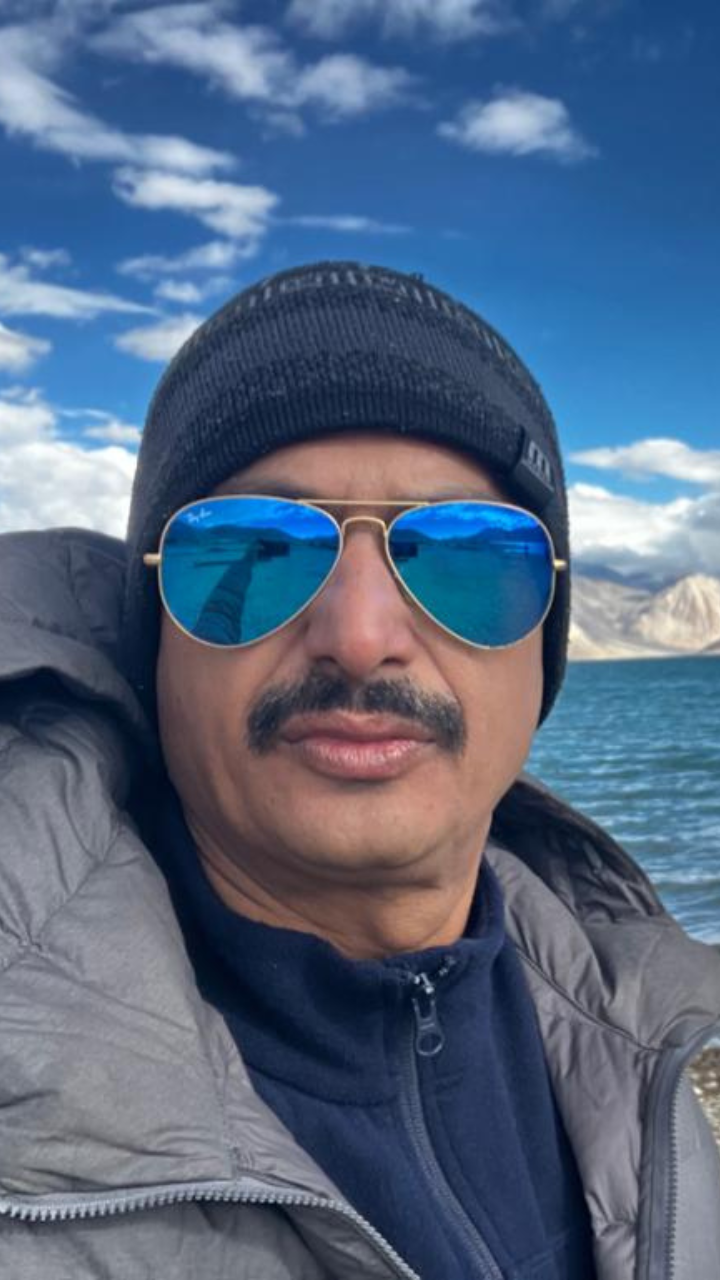
Rajeev ji brings decades of experience, deep destination knowledge, and invaluable wisdom that consistently elevates every itinerary.
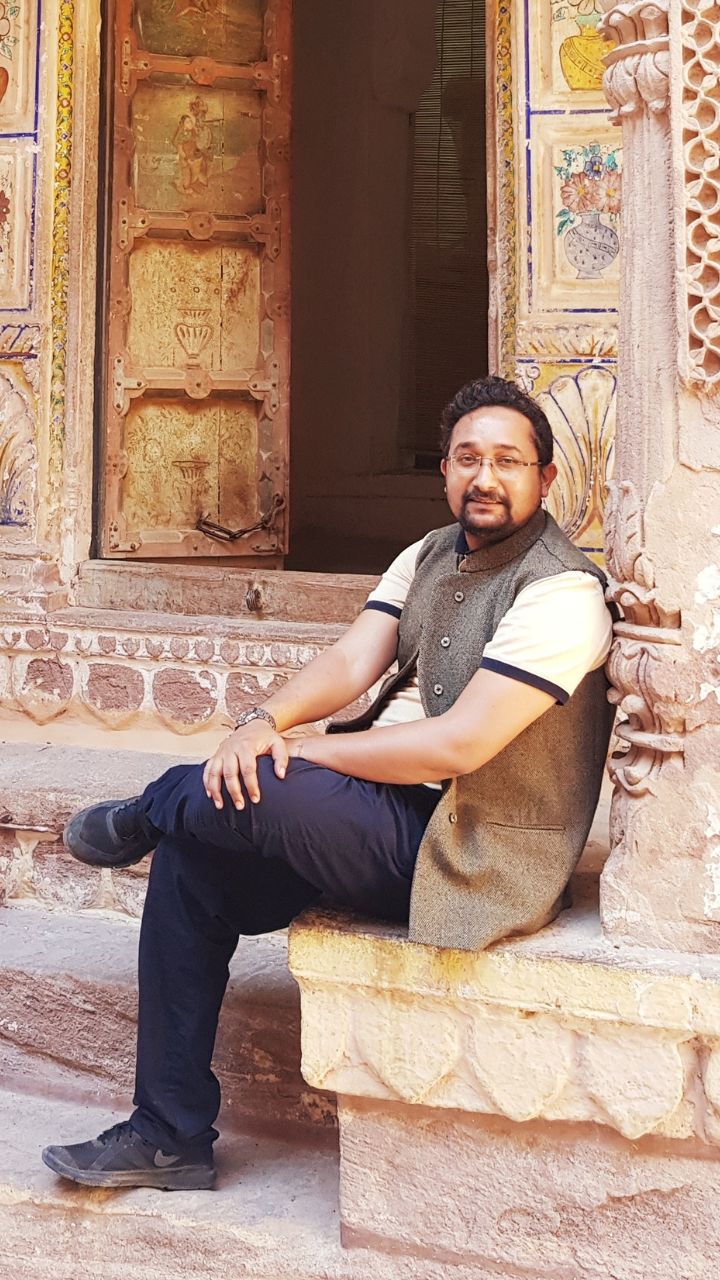
Guided by a deep belief in the transformative power of travel, Himanshu specializes in crafting meaningful journeys that blend cultural immersion, thoughtful experiences, and lasting memories.
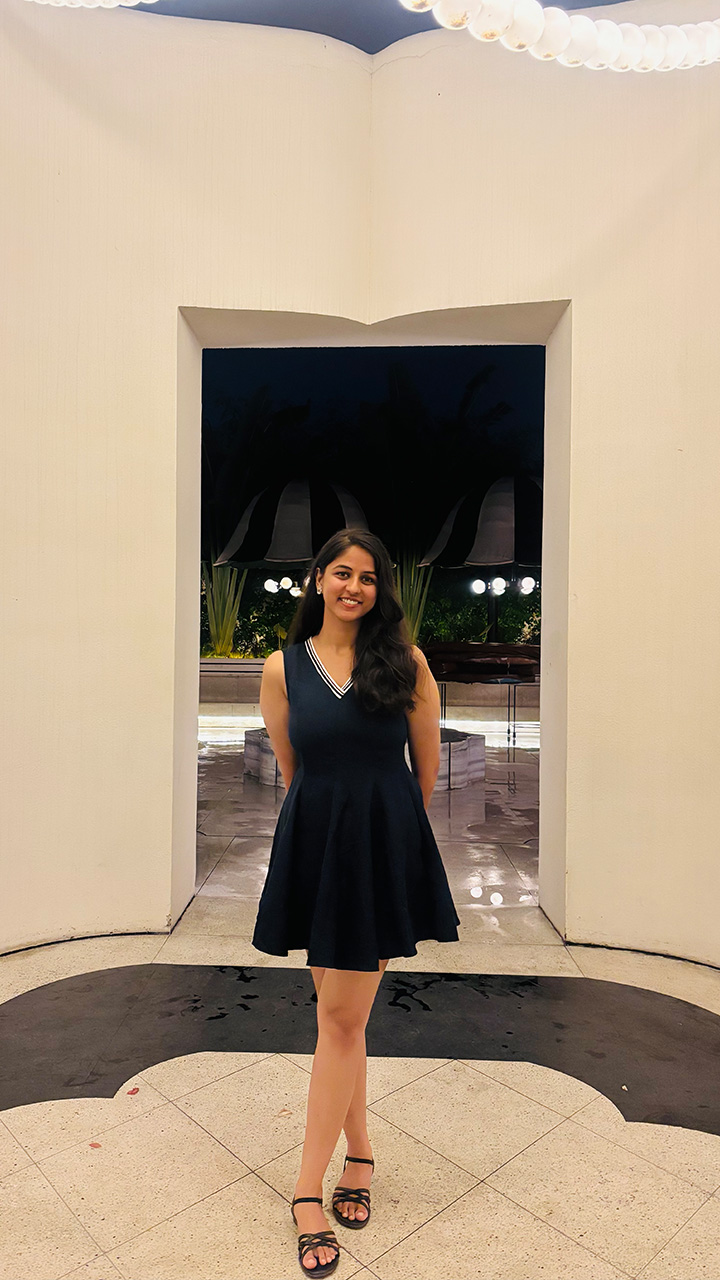
Known for her attentive listening, Kshiti excels at understanding client needs and translating them into meaningful travel experiences.
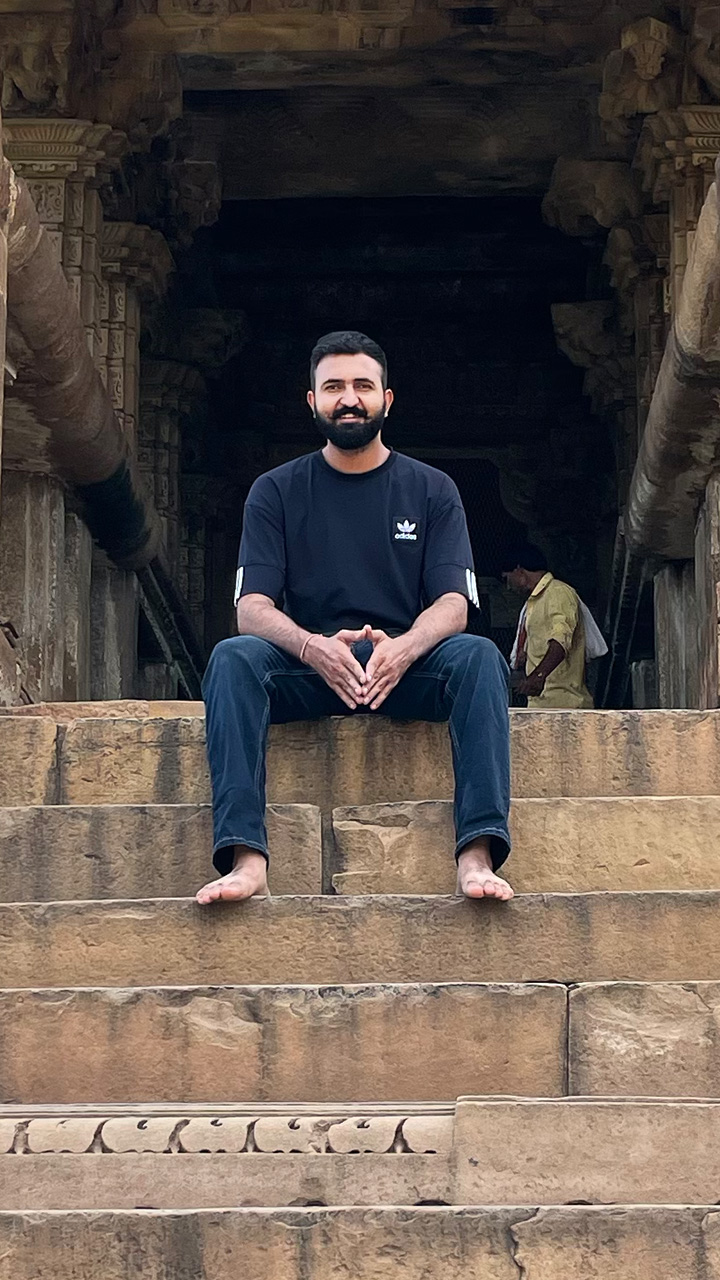
With a steady presence and strong decision-making skills, Sudhir brings clarity, structure, and reliability to the team’s travel planning process.
Chahat combines patience and professionalism to ensure smooth coordination and thoughtfully executed travel experiences.

A passionate travel enthusiast with deep knowledge of local cultures and hidden gems, Sheema excels at crafting personalized experiences that become unforgettable adventures