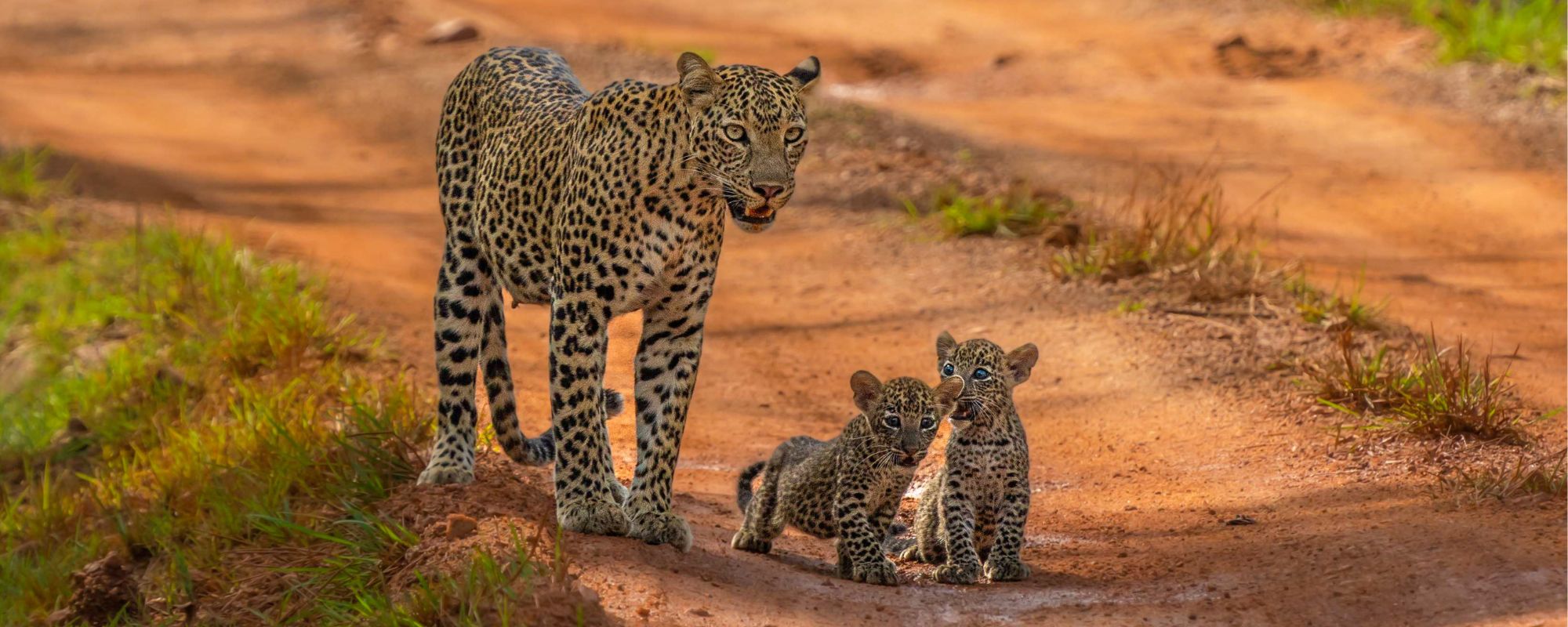
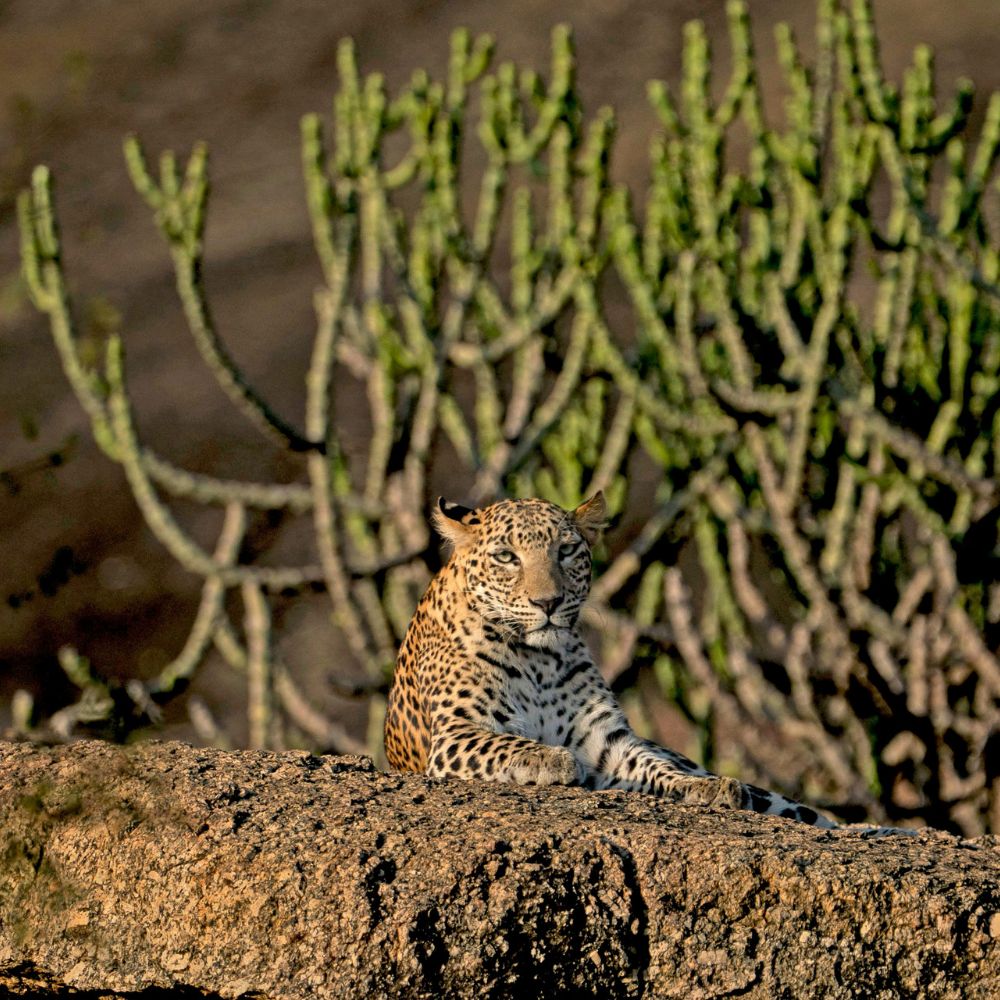
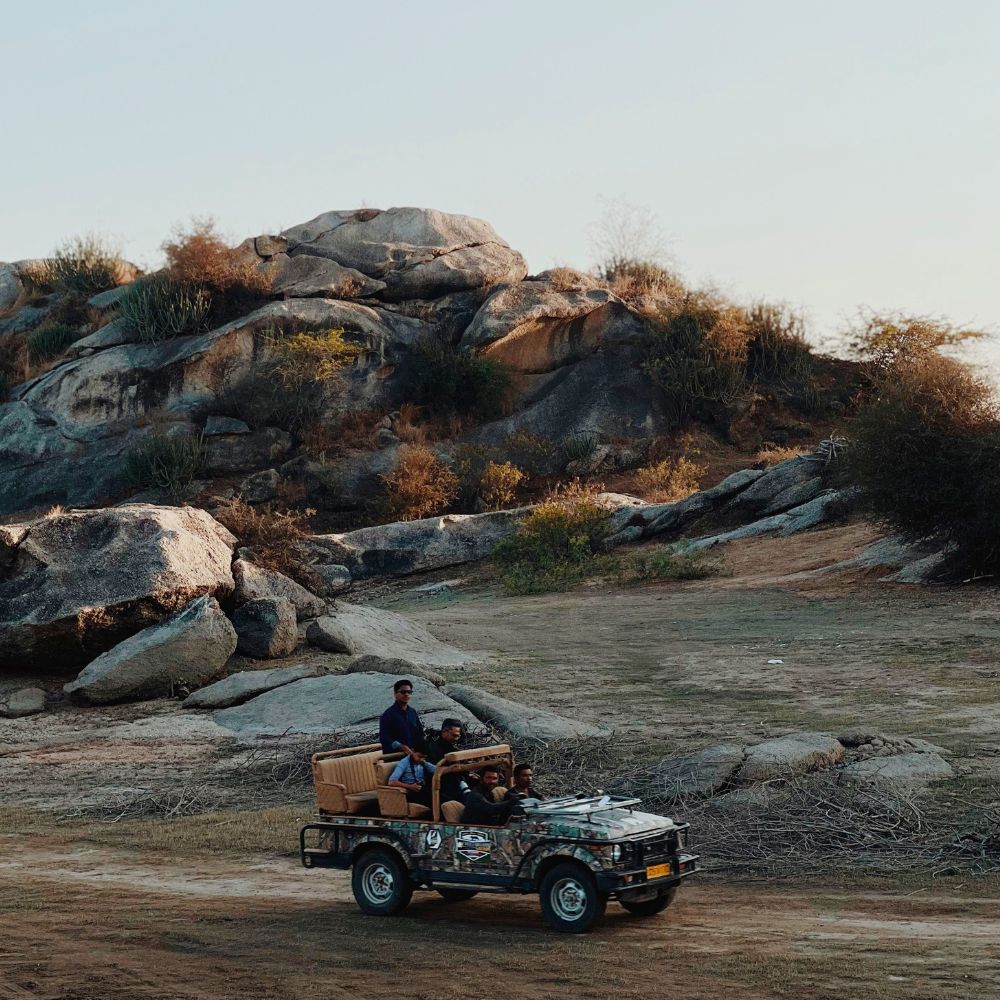
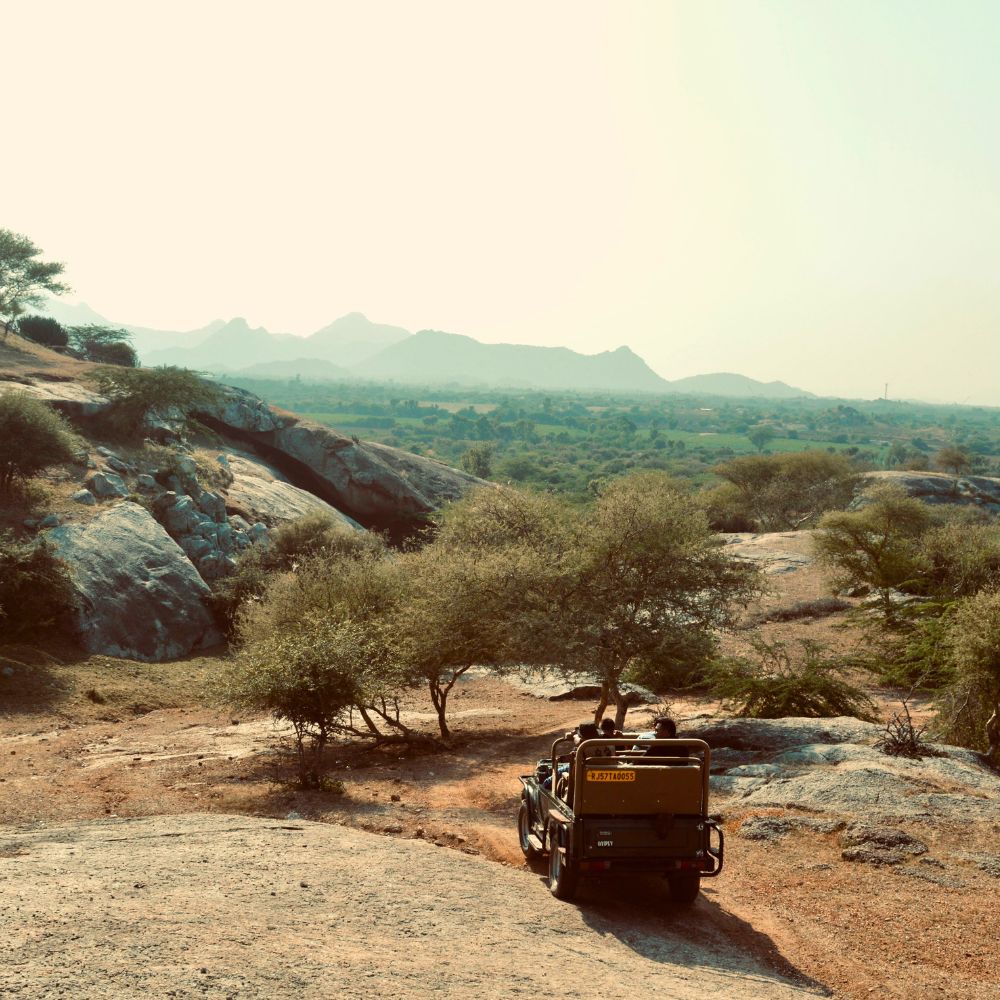
Jawai, in Rajasthan's Pali district between Udaipur and Jodhpur, is unlike any other wildlife destination in India. There is no dense forest, no fenced national park boundary, and no formal protected-area infrastructure as in Ranthambore or Bandhavgarh. Instead, a resident population of leopards, estimated at 50 to 70 animals, lives openly among dramatic granite hills, ancient caves, and scattered Rabari herding villages, with remarkably low conflict between predator and community.
It is one of the highest concentrations of wild leopards found outside a formal reserve anywhere in the world, and its rapid rise in popularity has prompted a significant regulatory response from the Rajasthan High Court in the past year.
This guide covers what makes Jawai distinct, the new rules now shaping how it can be visited, and how to plan a trip responsibly.
Jawai at a Glance
- Location: Pali district, Rajasthan, roughly midway between Udaipur and Jodhpur
- Estimated leopard population: 50 to 70 animals across the wider Jawai landscape, according to the Rajasthan High Court's 2026 order
- Best time to visit: October to March, cooler and more comfortable for game drives; avoid peak summer (April to June), when daytime heat is extreme
- Safari hours (2026 rule): 6 am to 7 pm only; night safaris are now prohibited
- Nearest railway station: Jawai Bandh, on the Jaipur-Ahmedabad line
- Signature experience: A jeep safari through granite hills and caves, often within sight of Rabari shepherds and their livestock
What Makes Jawai Different From India's National Parks?
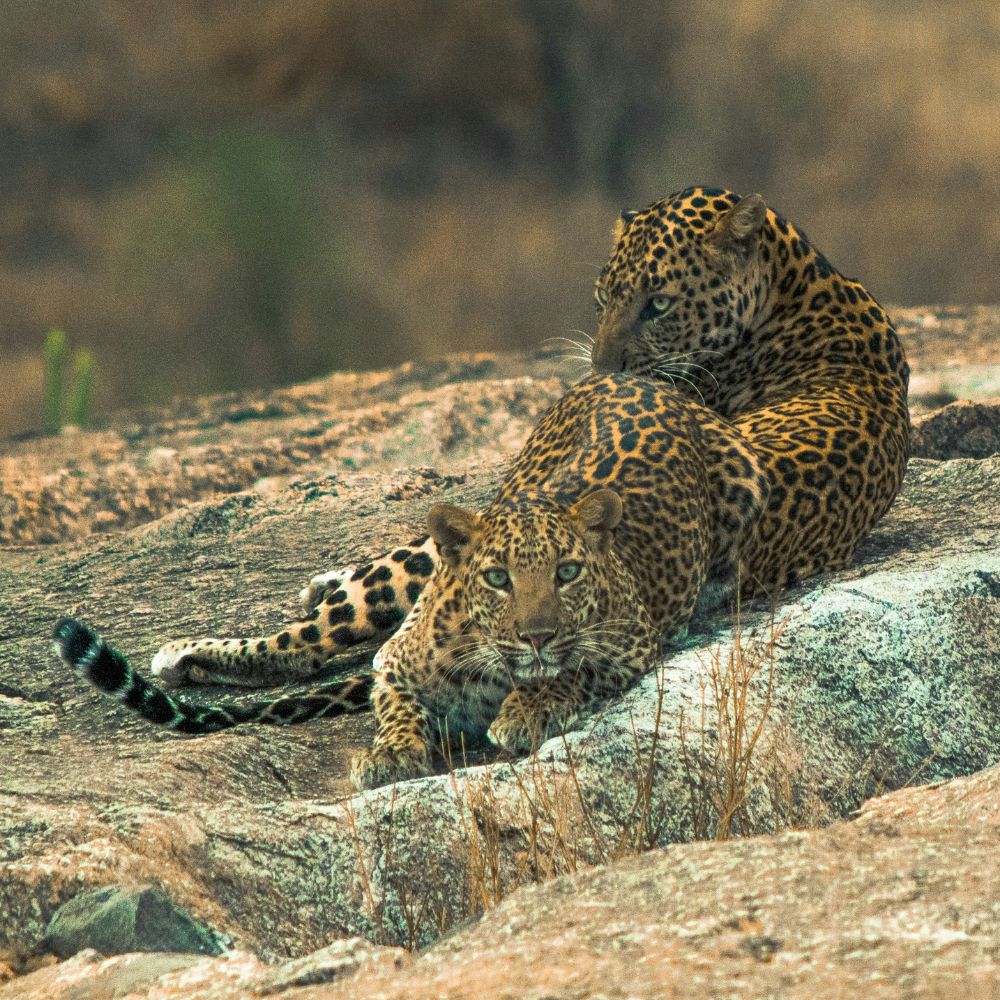
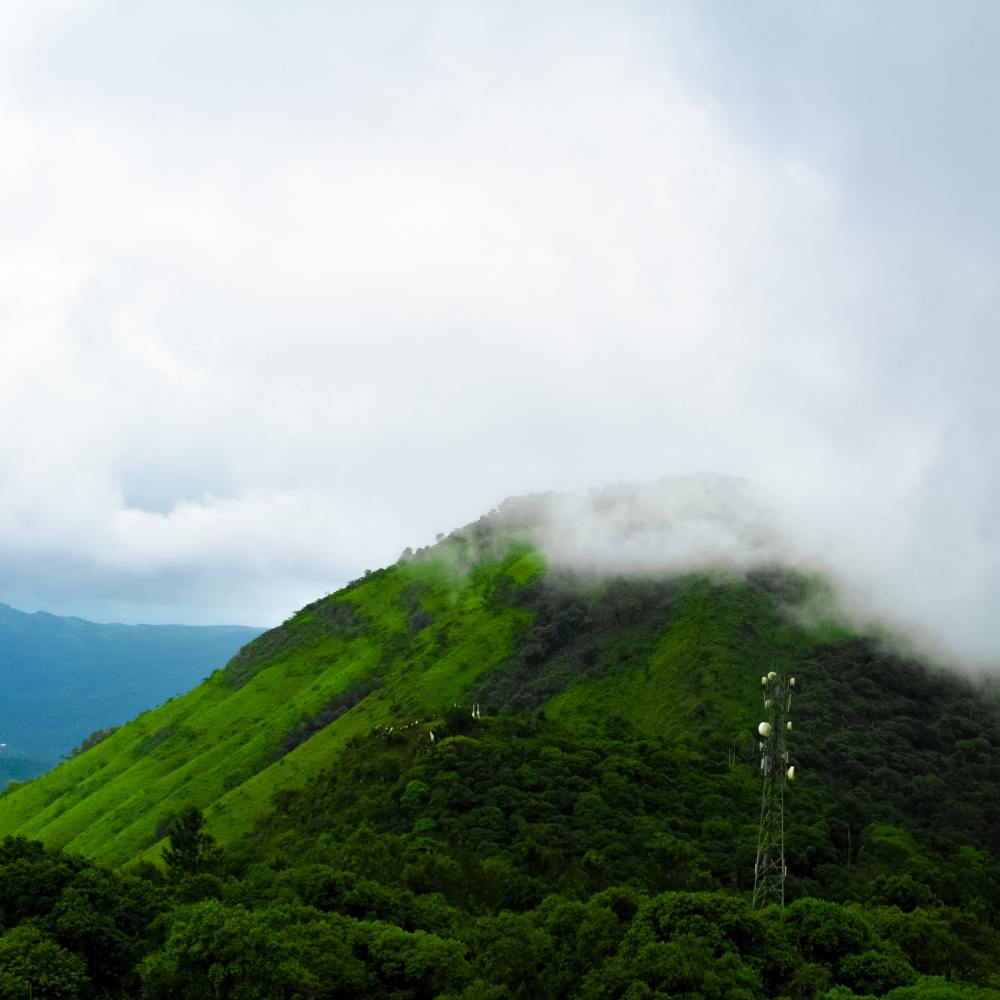
Jawai's leopards do not live in a forest in the conventional sense. The landscape is a series of exposed granite hills, formed by ancient volcanic activity and eroded over millions of years into caves, boulders, and rock shelters that offer natural cover for a predator that, elsewhere in India, would typically rely on dense tree cover. This unusual terrain allows leopards to thrive in a working agricultural and pastoral landscape rather than in a fenced, forested reserve, moving through the same hills where Rabari families graze goats and cattle, often within a short distance of one another.
The coexistence this has produced is genuinely rare. The Rabari, a semi-nomadic pastoral community recognisable by their white turbans and robes, generally regard leopards as sacred, associating them in local belief with Shiva, and have lived alongside them with comparatively little of the conflict typically seen elsewhere in India where humans and large predators share the same land. For travellers, this means a safari at Jawai is as much a window into a specific, functioning human-wildlife relationship as it is a wildlife-spotting exercise, and the two cannot really be separated.
Why Has Jawai Introduced New Rules in 2026?
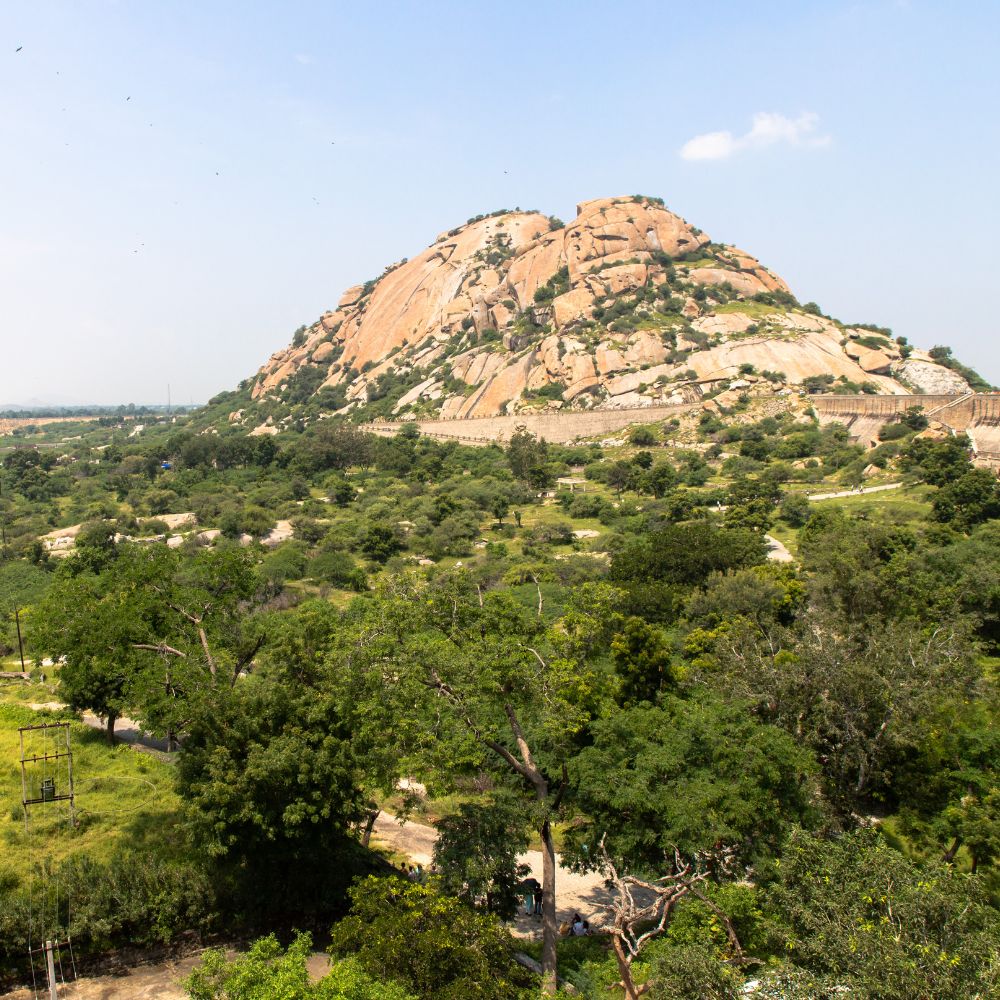
Jawai's rapid rise as a destination, driven largely by social media and word of mouth over the past several years, has outpaced the formal regulatory structure governing India's conventional national parks. Unlike Ranthambore or Bandhavgarh, Jawai historically operated without a single managing authority, fixed vehicle limits, or a clear boundary between forest, private, and community land. This lack of oversight began producing real strain: unregulated construction near leopard habitats, safari vehicles crowding around cave entrances during sightings, and reports of night safaris and drone use disturbing the animals.
In April 2026, the Rajasthan High Court, responding to a public interest litigation over these ecological pressures, ordered an immediate halt to new construction, mining, and unregulated tourism activity across the Jawai landscape, explicitly citing the risk to what it described as a rare model of human-wildlife coexistence. The state forest department subsequently drafted a Standard Operating Procedure to govern tourism going forward, establishing a Jawai Safari and Eco Tourism Coordination Committee, requiring all commercial safari vehicles to register with this body and carry forest department-approved GPS tracking, and formally banning night safaris, drones, and artificial lighting near leopard habitats. Safaris are now restricted to the hours of 6 am to 7 pm, in line with the norms already followed at Ranthambore. The court has also asked the state to examine whether Jawai should be formally declared a wildlife sanctuary, a step that would meaningfully change its legal protection status.
For travellers, none of this is a reason to avoid Jawai. Officials involved in drafting the new rules have been explicit that the goal is not to stop tourism but to bring it under a structure that protects the habitat in the long term. The practical effect is a more predictable, better-regulated safari experience: book with an operator or camp that can confirm its vehicles are registered under the new coordination committee, expect no early-morning-before-sunrise or after-dark safaris, and treat this as a genuinely positive development for the long-term health of a destination worth visiting responsibly.
Who Are the Rabari, and How Should Visitors Engage With Them?
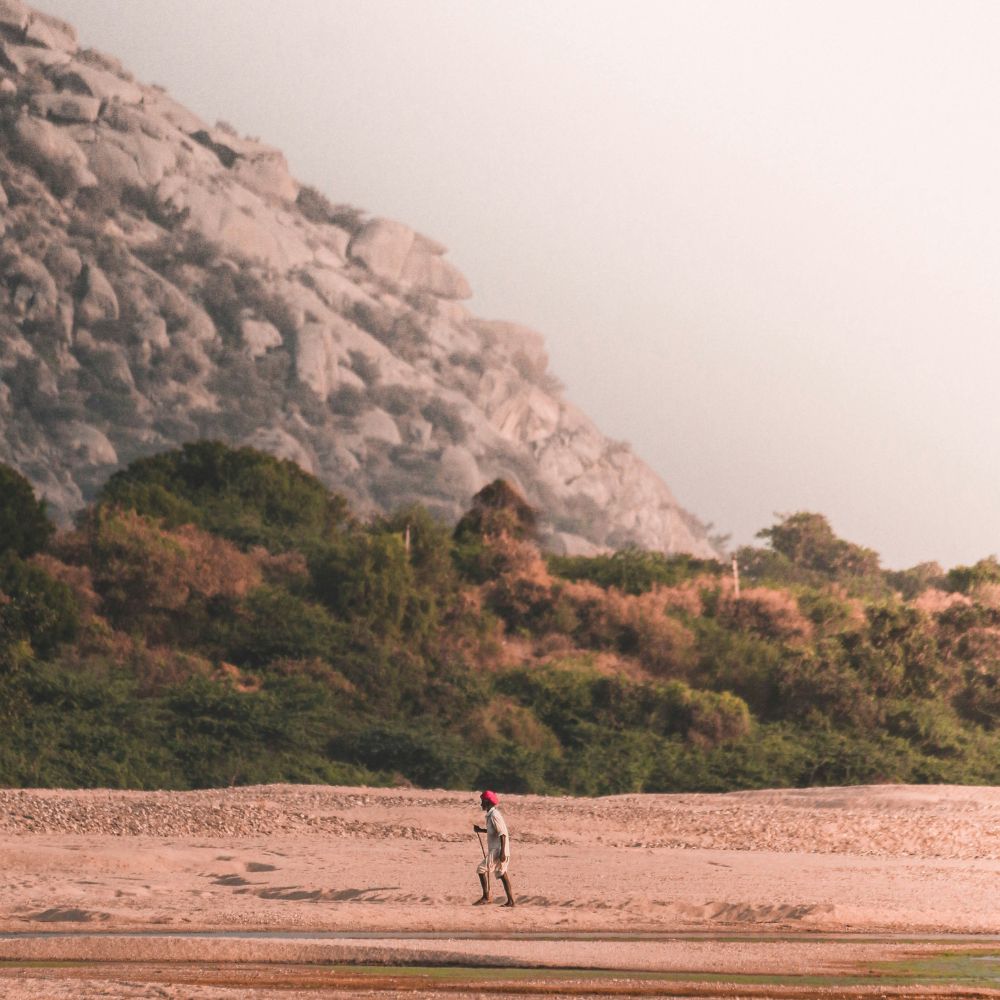
The Rabari are a semi-nomadic pastoral community found across Rajasthan and Gujarat, traditionally herding goats, sheep, and cattle across grazing land passed down through generations. In Jawai specifically, their villages sit within the same granite hills that the leopards inhabit, and daily herding routes frequently cross paths with the animals without significant incident, a pattern rooted as much in generations of local knowledge about leopard behaviour as in religious belief.
Several safari camps and lodges build a village walk or cultural visit into their programme alongside the wildlife safari itself, offering a chance to see Rabari daily life, herding, dairy work, and traditional dress, directly rather than only from a jeep window. As with any visit to a working community rather than a staged cultural show, this is best approached with the same courtesy expected anywhere: ask before photographing individuals, follow the guide's lead on what is and is not appropriate to enter or observe, and treat the visit as a guest in someone's home village rather than a sightseeing stop.
What Other Wildlife Can Be Seen at Jawai?
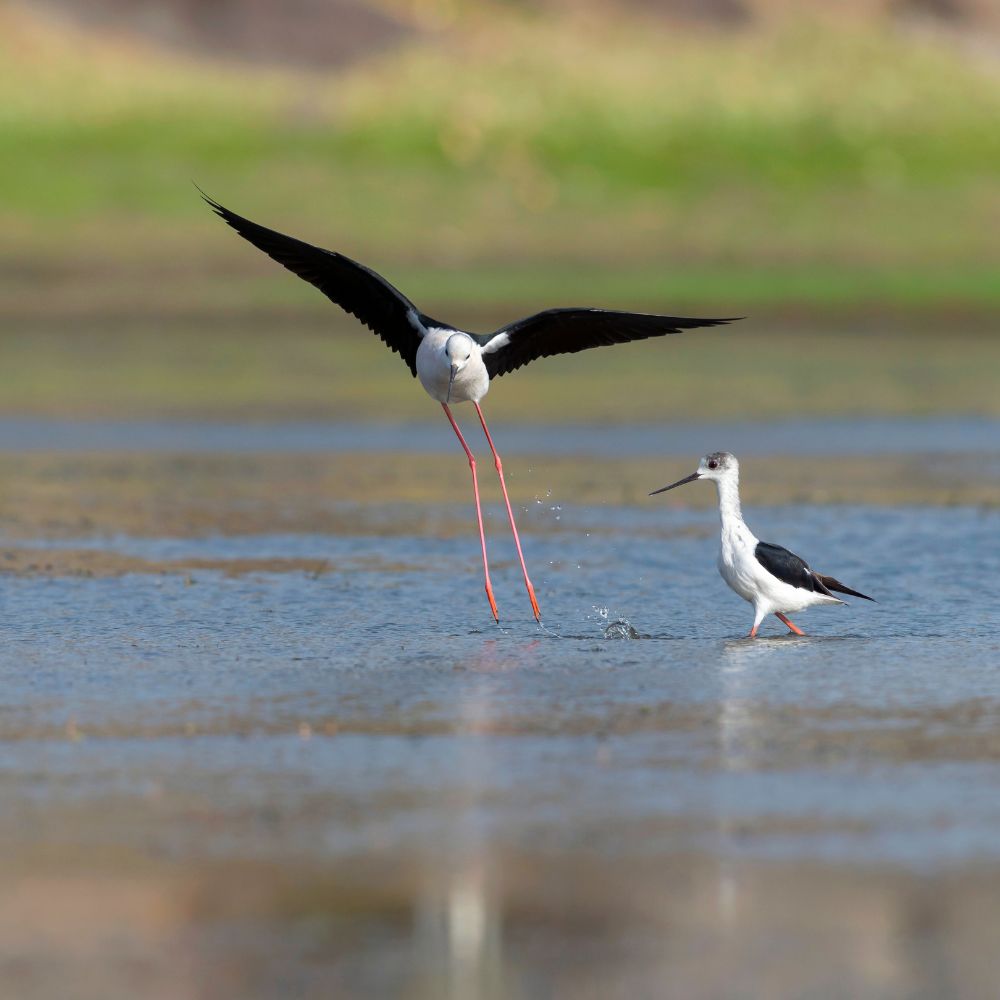
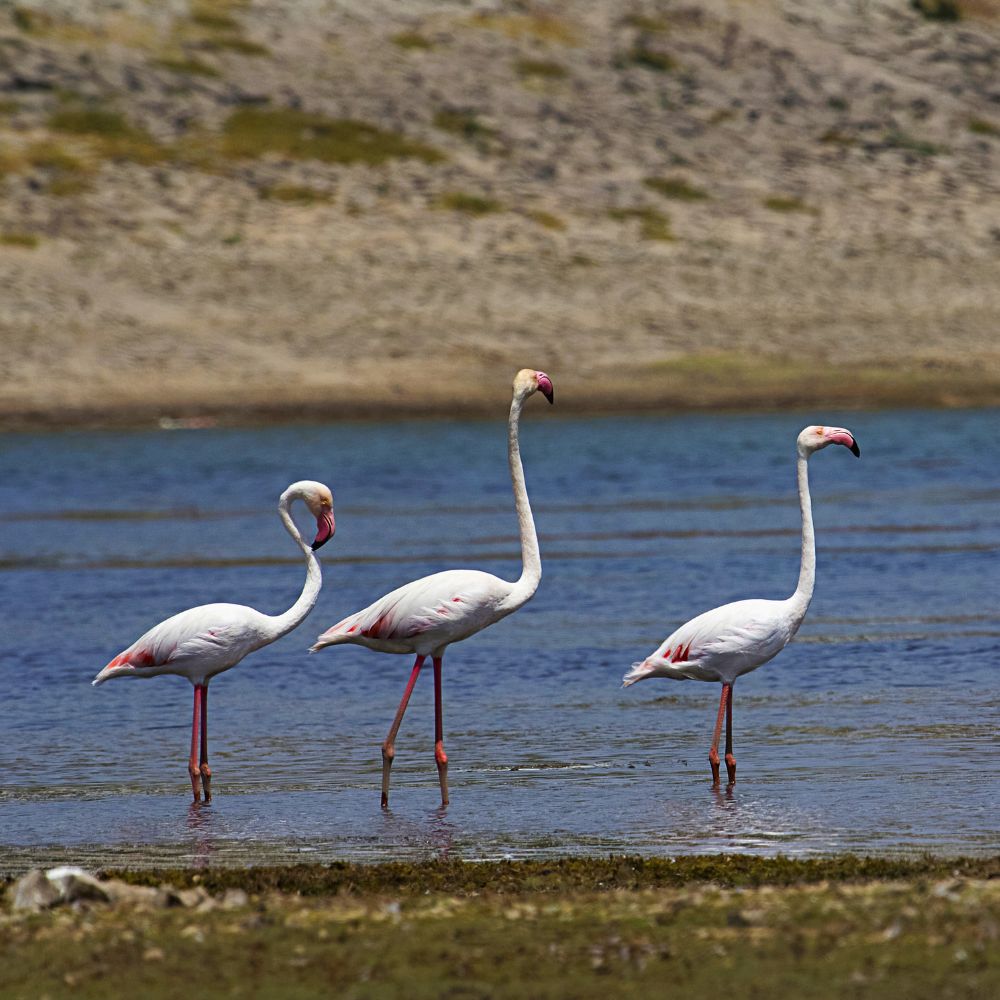
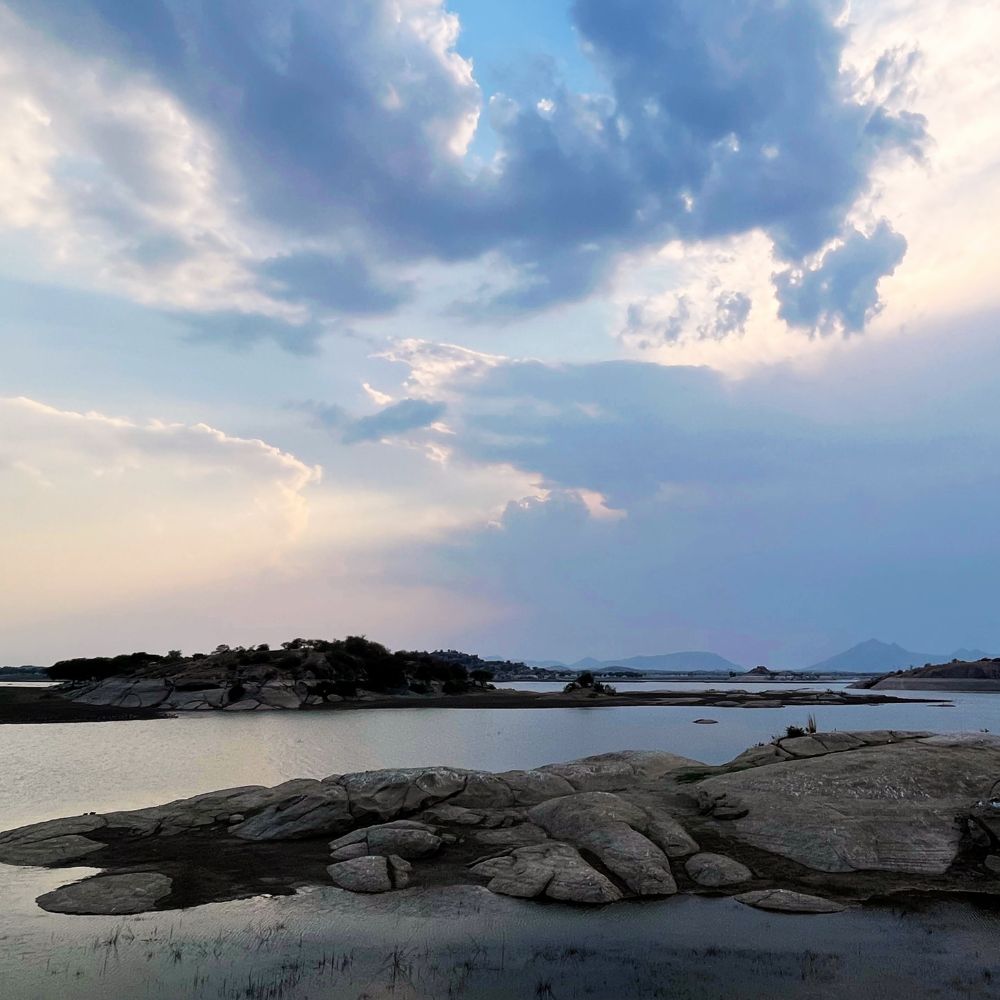
Leopards are the headline draw, but Jawai's granite hills and the Jawai Bandh dam support a genuinely broad range of other wildlife. The dam itself attracts significant migratory birdlife, with more than 200 species recorded in the wider area, including flamingos, demoiselle cranes, and bar-headed geese during the winter migratory season, as well as resident crocodiles basking along its banks.
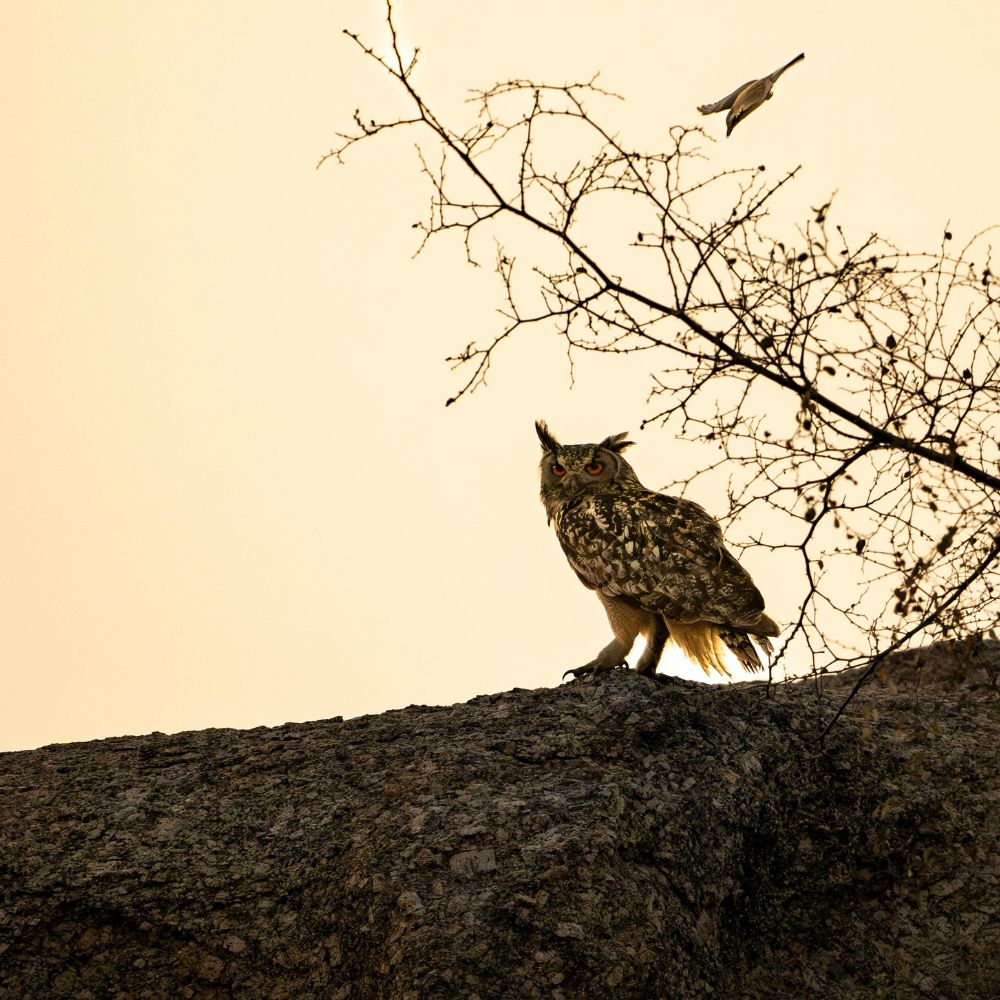
Striped hyenas, nilgai (blue bull antelope), jungle cats, and, more rarely, wolves also inhabit the same landscape, making Jawai a stronger general wildlife and birding destination than its leopard-focused reputation alone suggests.
Where to Stay at Jawai
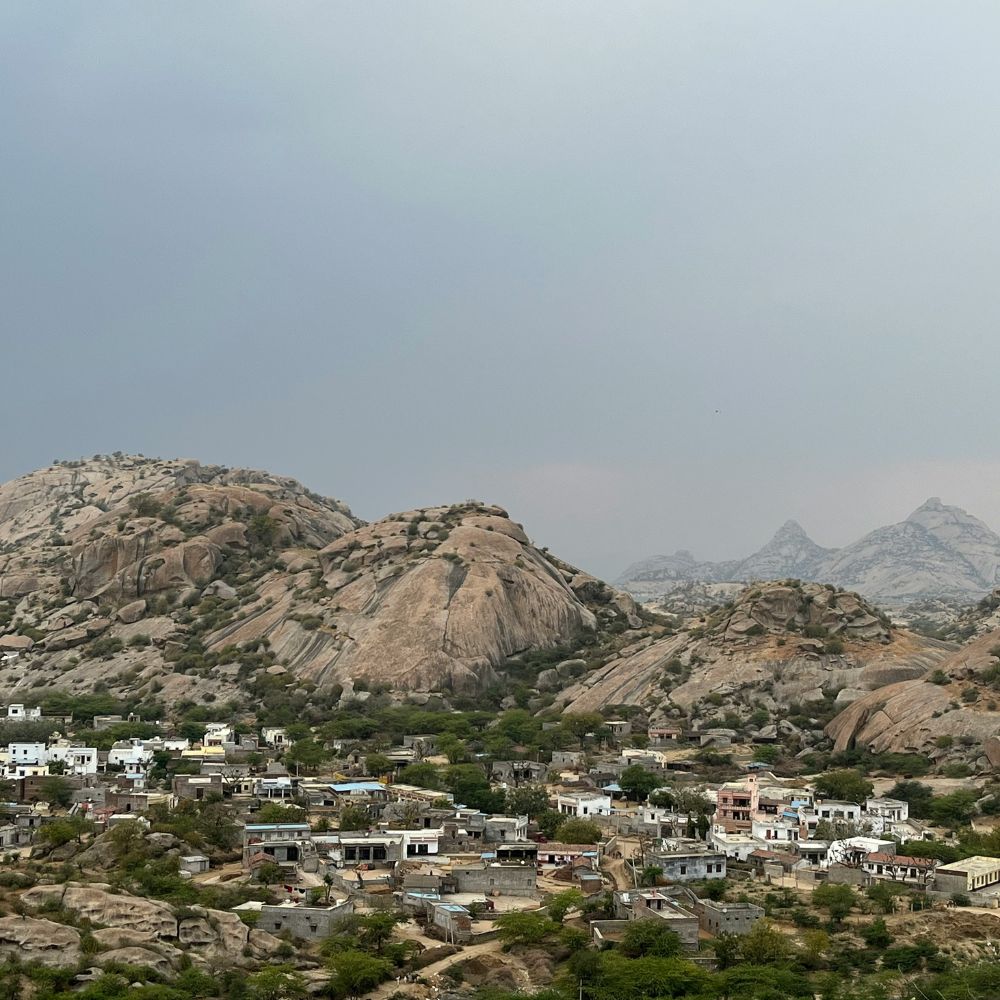
Jawai's accommodation ranges from high-end tented luxury camps to smaller boutique lodges and homestays, most of which are positioned to combine wildlife safaris with a genuine sense of place rather than a conventional resort experience.
SUJAN Jawai, one of the most established luxury operators in the region, offers tented suites set directly into the granite landscape with dedicated naturalist-led safaris. Several smaller, family-run lodges and homestays offer a similarly authentic experience at a more moderate price point, often built by naturalists with long-standing local knowledge of the leopard population and terrain. Given the new safari vehicle registration requirements introduced in 2026, it is worth confirming directly with any camp or lodge that its safari vehicles are registered with the Jawai Safari and Eco Tourism Coordination Committee before booking.
When Is the Best Time to Visit Jawai?
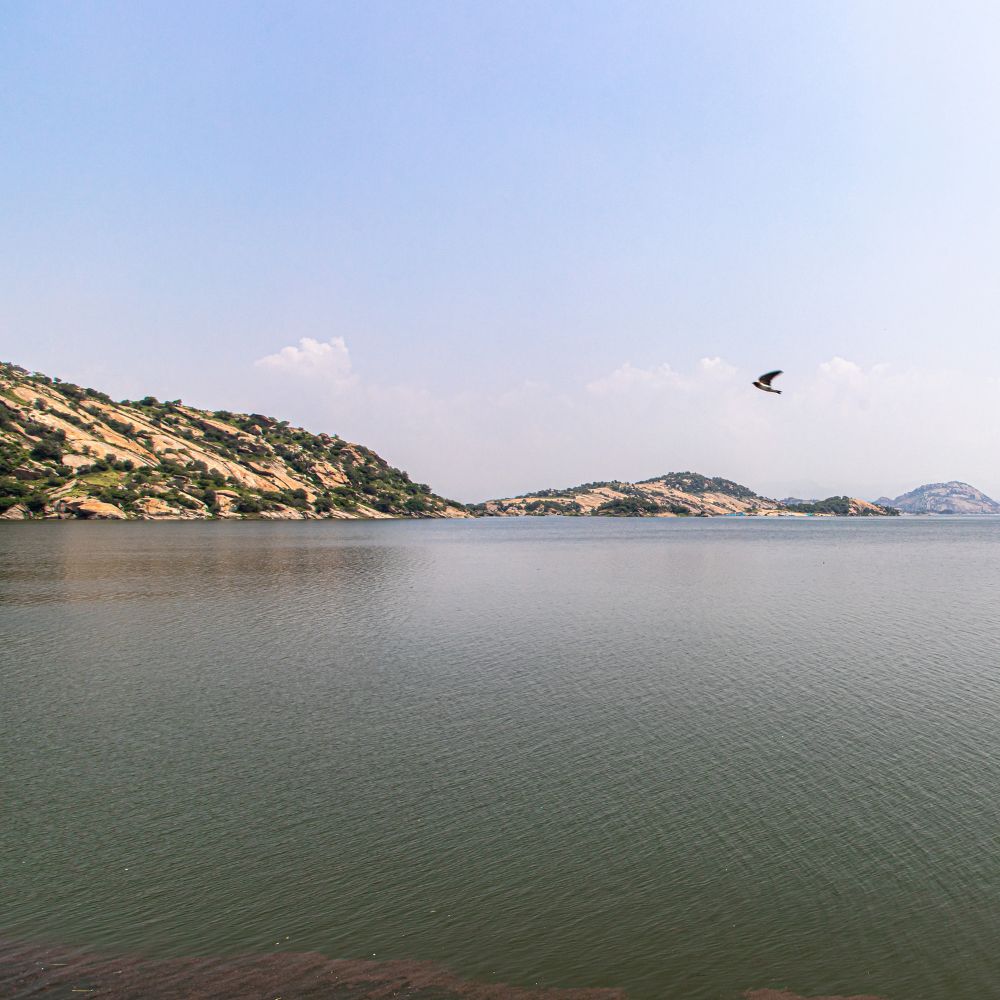
- October to March (recommended): Cooler, more comfortable conditions for game drives, and the peak season for migratory birdlife at Jawai Bandh
- April to June (avoid if possible): Extreme daytime heat typical of the Rajasthan desert region, making game drives considerably less comfortable
- July to September (monsoon): The Jawai Bandh dam fills, and the landscape turns green, offering a different visual character, though safari conditions can be affected by rain
How to Reach Jawai
- By rail: Jawai Bandh railway station, on the Jaipur-Ahmedabad line, is the closest and most direct access point, with most camps arranging pickup directly from the station.
- By road: Jawai sits roughly 3 to 4 hours from both Udaipur and Jodhpur by car, making it a natural stop on a Rajasthan itinerary connecting the two cities rather than a standalone detour.
- By air: Udaipur (UDR) and Jodhpur (JDH) airports are the nearest, both with domestic connections from Delhi and Mumbai.
Ranthambore National Park - A Wildlife Enthusiast’s Paradise in Rajasthan