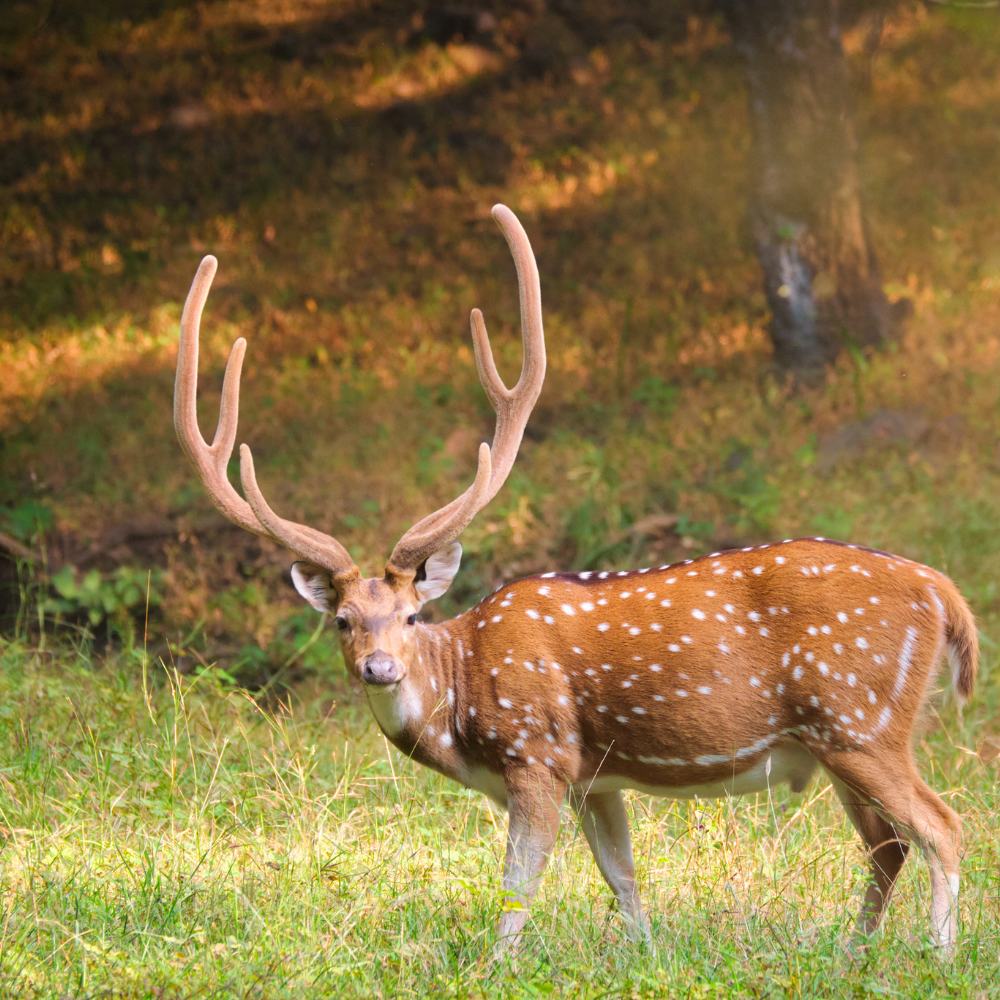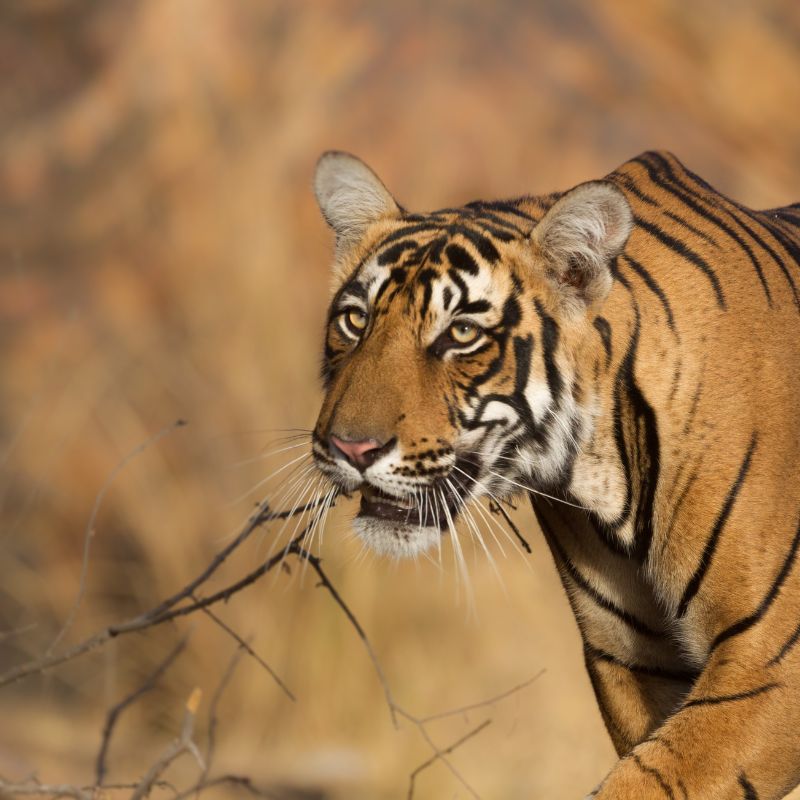
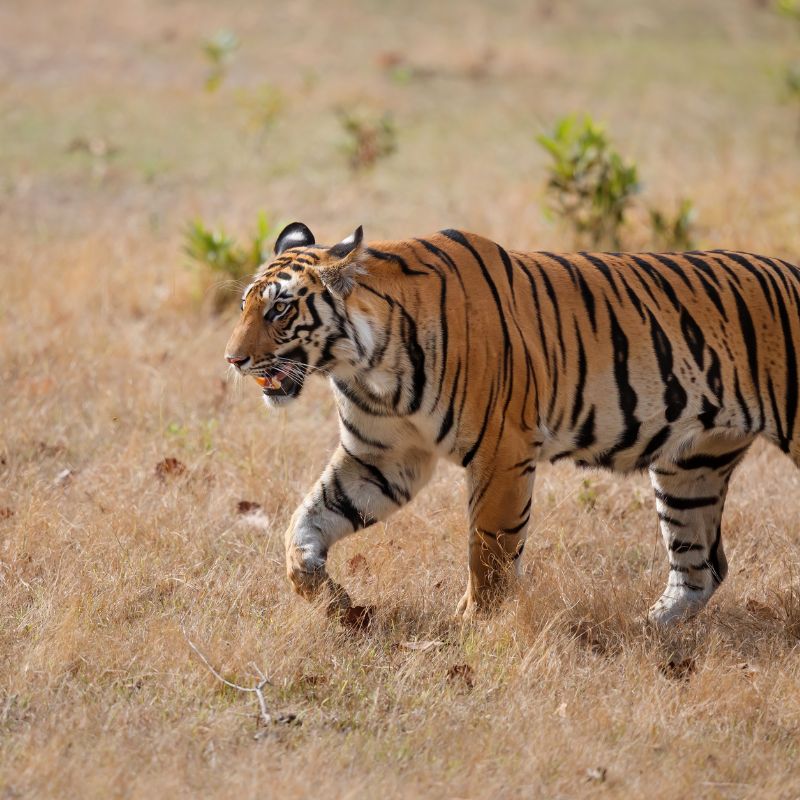
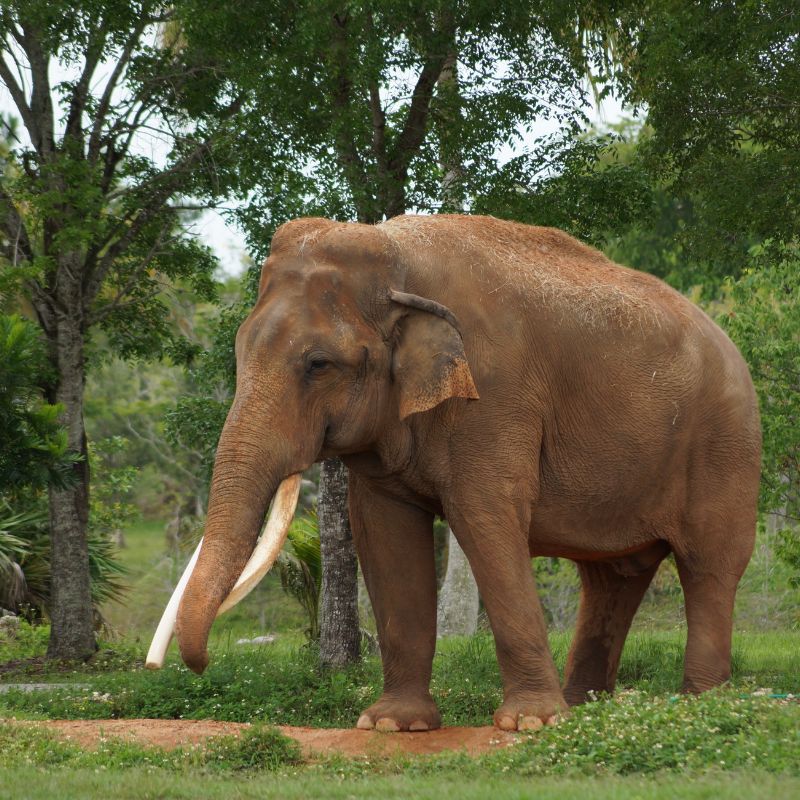
A wildlife safari is one of the few activities you can include in a cultural trip, since you can spend the early morning looking for a Bengal tiger and, later that same day, stroll around a fort, a palace, or an old town.
This combination works so well because many of India's wildlife zones sit in areas with rich cultural and architectural heritage; Ranthambore pairs well with the forts and palaces of Rajasthan, and Central India connects to ancient temples, historic towns, and tribal customs.
For anyone who wants to go beyond a typical wildlife holiday, experiencing both India's wildlife and culture creates a more satisfying trip; the forest is one part of the journey, while the country's history, food, architecture, and communities make up the other.
Why Combine Wildlife and Culture in India?
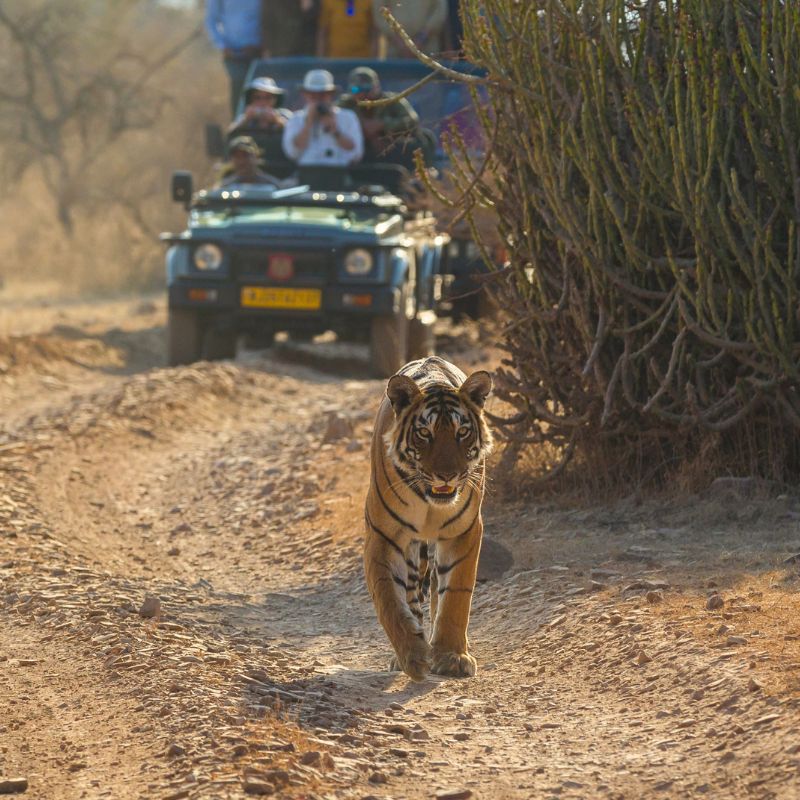
A safari offers a completely different view of India: instead of spending your days in monuments and markets, you spend them in forests, grasslands, lakes, and the animals that live there.
Most travellers don't need to devote their entire trip to wildlife.
Adding cultural destinations before or after the safari adds variety. For example, you could visit Jaipur's palaces before going to Ranthambore, or go to Khajuraho after spending a few days in Bandhavgarh.
This also means you don’t have to choose between a cultural tour of India and a wildlife safari.
You can experience both.
If you are still deciding what kind of India journey suits you, Bout India’s guide on planning an India trip around your interests is a useful starting point. It explains how wildlife, culture, food, art and other interests can shape a more personalised itinerary.
The Best Wildlife and Heritage Combinations in India
No single tour type suits every tourist; the best option depends on how much time you have, the wildlife you want to see, and your interest in history and culture.
Here are some practical combinations.
1. Rajasthan: Ranthambore + Jaipur + Agra
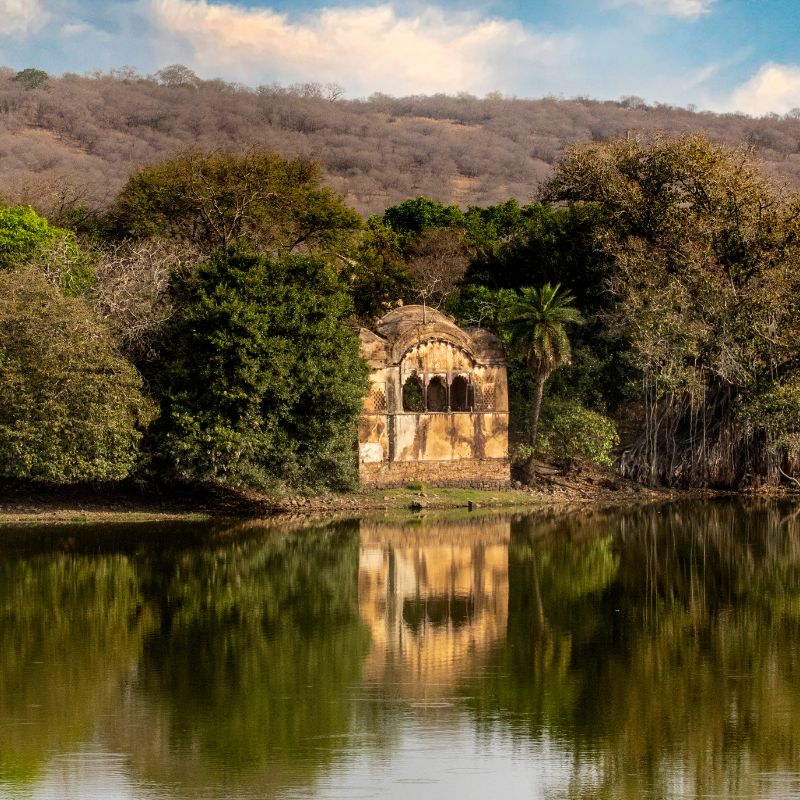
For a first-time visitor, this is one of the easiest ways to combine wildlife and heritage in India.
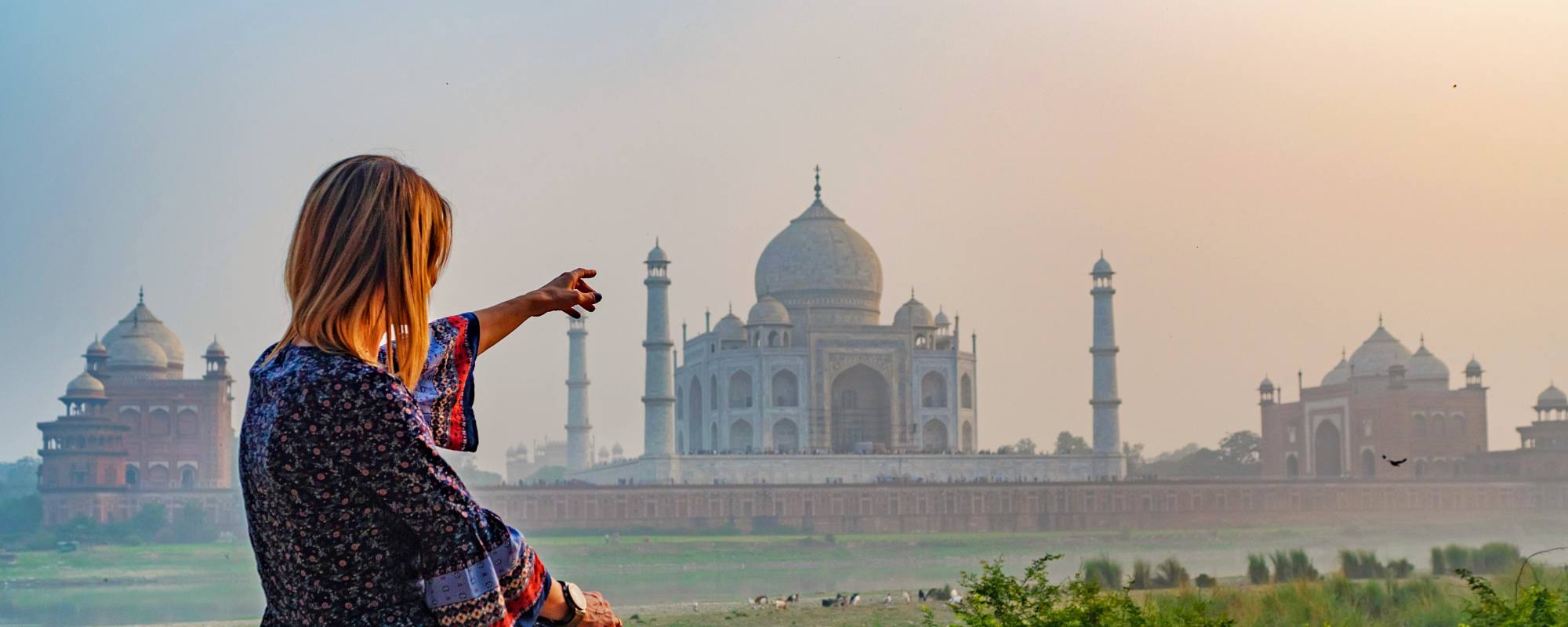
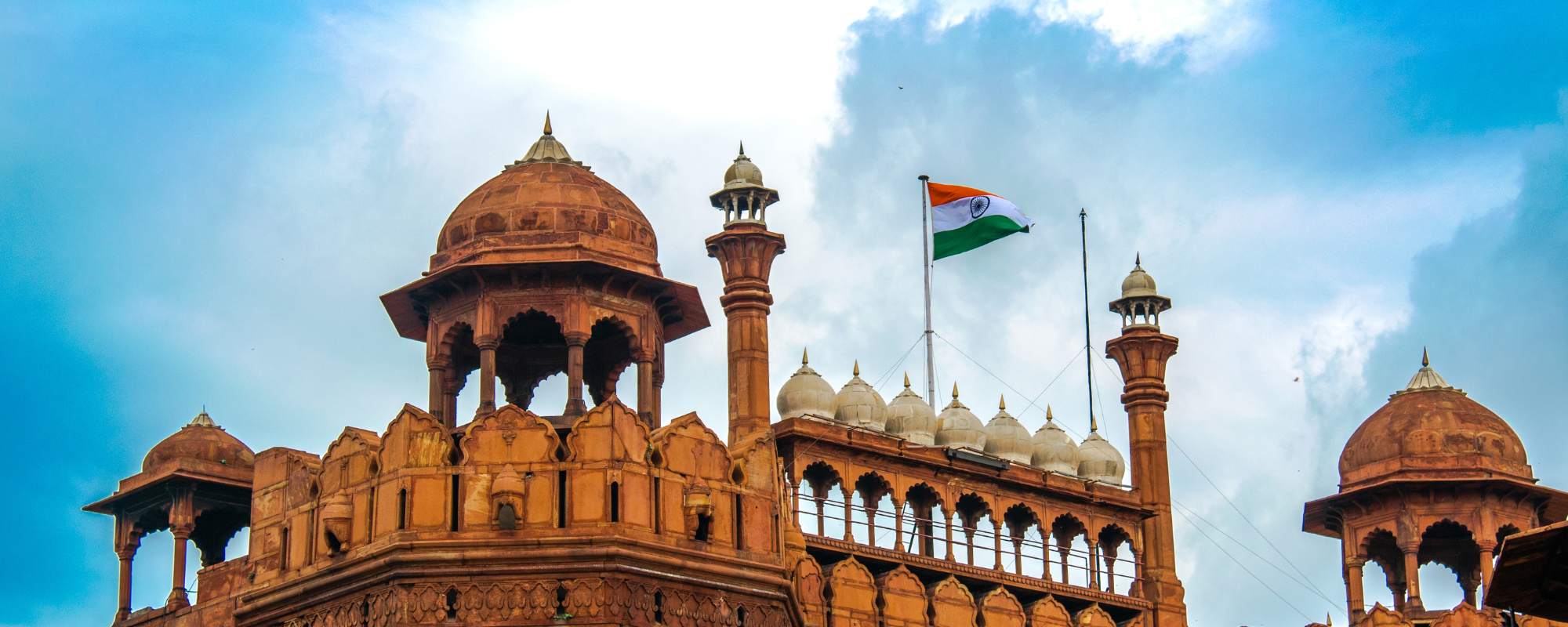
Start in Delhi and Agra to explore Mughal history and see the Taj Mahal, then head to Jaipur, where the Pink City offers Rajput architecture, grand forts, palaces, markets, and traditional crafts.
Then travel to Ranthambore for the wildlife portion of the journey.
Ranthambore is interesting because wildlife and history are side by side, with a famous tiger reserve, the historic Ranthambore Fort, and Rajasthan's broader cultural setting.
If Rajasthan is a major part of your trip, you can also explore Bout India’s Rajasthan destinations to see how places such as Jaipur, Jodhpur, Udaipur, Ranthambore and Jawai can be connected in one journey.
A typical route could look like:
Delhi → Agra → Jaipur → Ranthambore → Udaipur
This works especially well for travellers who want a classic Golden Triangle and wildlife tour in India without adding complicated domestic travel.
2. Rajasthan: Jawai + Jodhpur + Udaipur
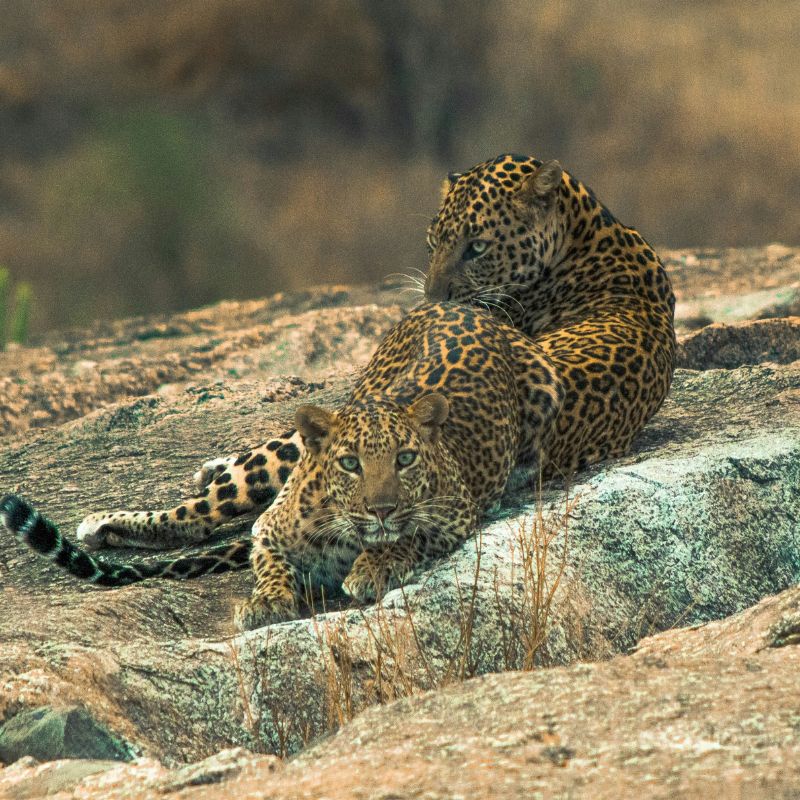
If you're looking for something more unconventional, consider Jawai.
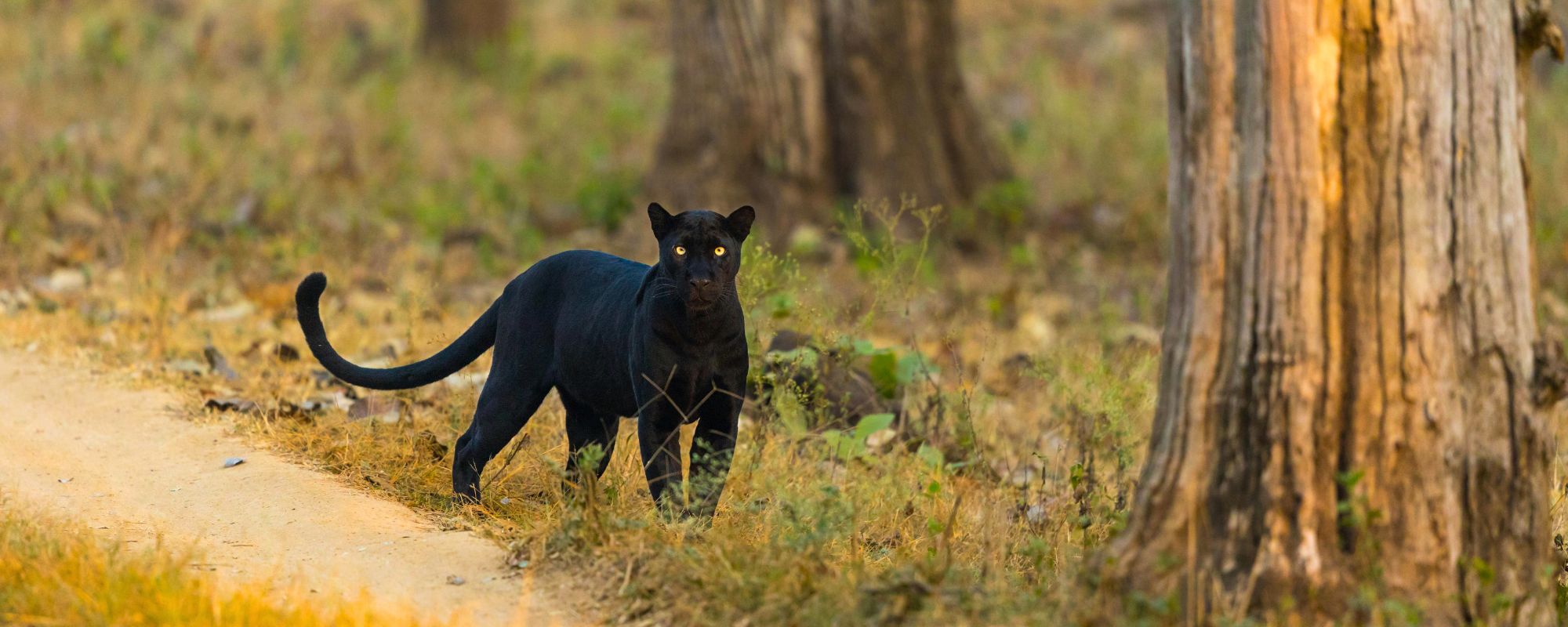
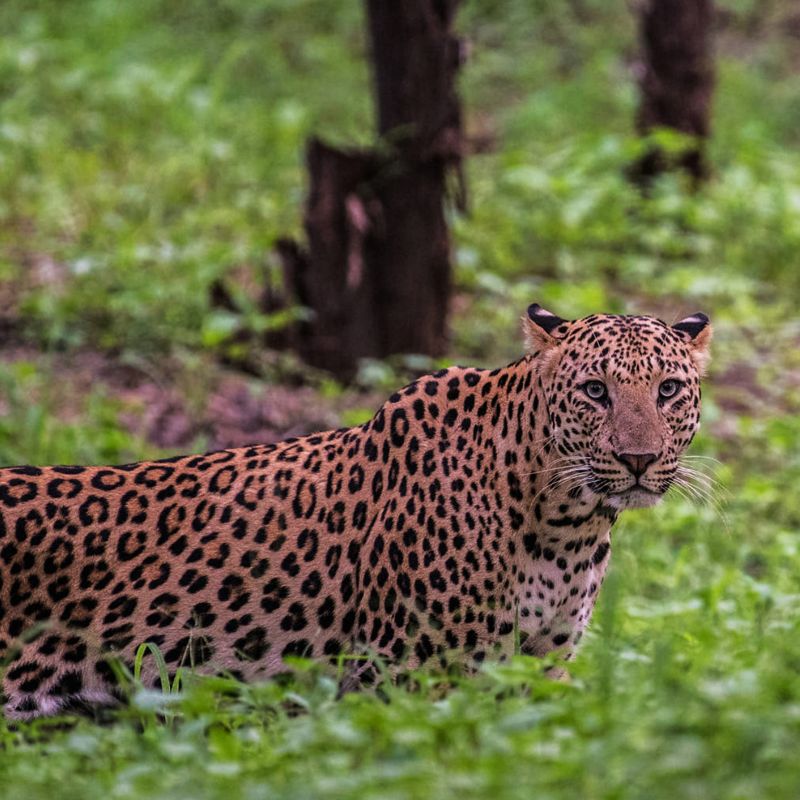
In the Pali region of Rajasthan, Jawai offers a wildlife experience quite different from a typical national park; the area is known for its granite hills, open countryside, and villages, and leopards move across the rocky ground.
What makes Jawai interesting is how the wildlife relates to local communities, since the area also includes the Rabari community, whose pastoral traditions are closely linked to the landscape.
Bout India’s Jawai: Rajasthan’s Leopard Hills and the Rabari Who Share Them provides a closer look at this unusual combination of wildlife and local culture.
You can combine Jawai with Jodhpur and Udaipur for a journey that includes:
- Leopard safaris
- Rural Rajasthan
- Local communities
- Forts and palaces
- Traditional crafts
- Lake landscapes
- Heritage hotels
It is an excellent choice for travellers who want luxury wildlife tours in India with a cultural component.
3. Madhya Pradesh: Bandhavgarh + Khajuraho
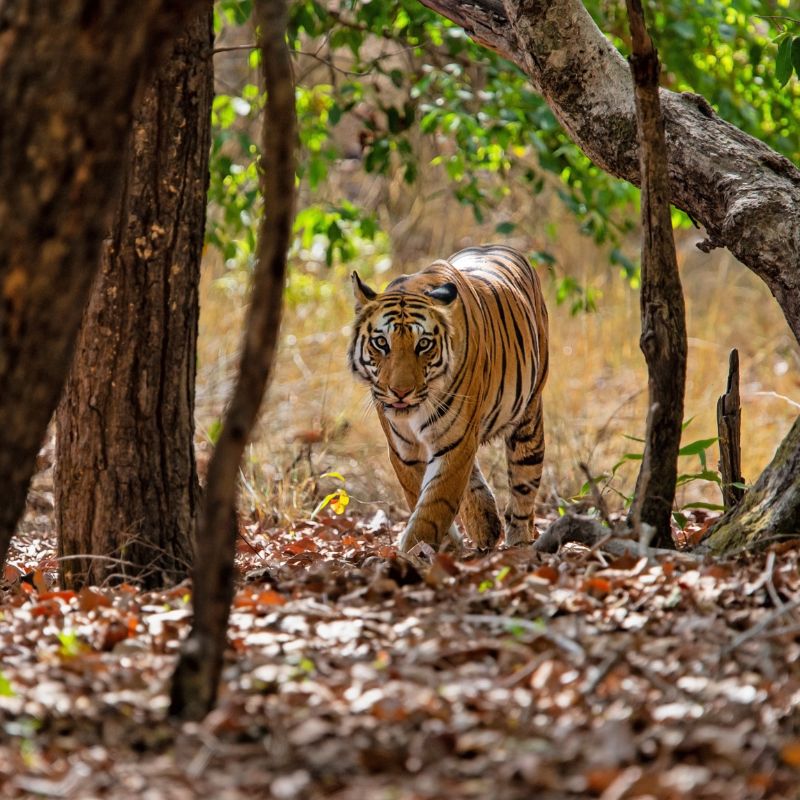
If you are going mainly to see wildlife, Central India is ideal because it also offers rich cultural experiences.
Home to Bengal tigers and a mix of forest and grassland, Bandhavgarh National Park is well known. It has a strong historical connection, adding an extra dimension to the wildlife experience.
After the safari, head off to Khajuraho.
The change is dramatic: one day you are in the forest searching for wildlife, and the next you are looking at intricately carved temples that are among India’s finest medieval architecture.
For travellers who want to combine wildlife with heritage, Bout India’s Best of Central India journey is particularly relevant. The itinerary combines Pench, Kanha and Bandhavgarh with Khajuraho, Orchha and Gwalior, creating a natural wildlife and culture tour in India.
4. Central India: Bandhavgarh + Kanha + Pench
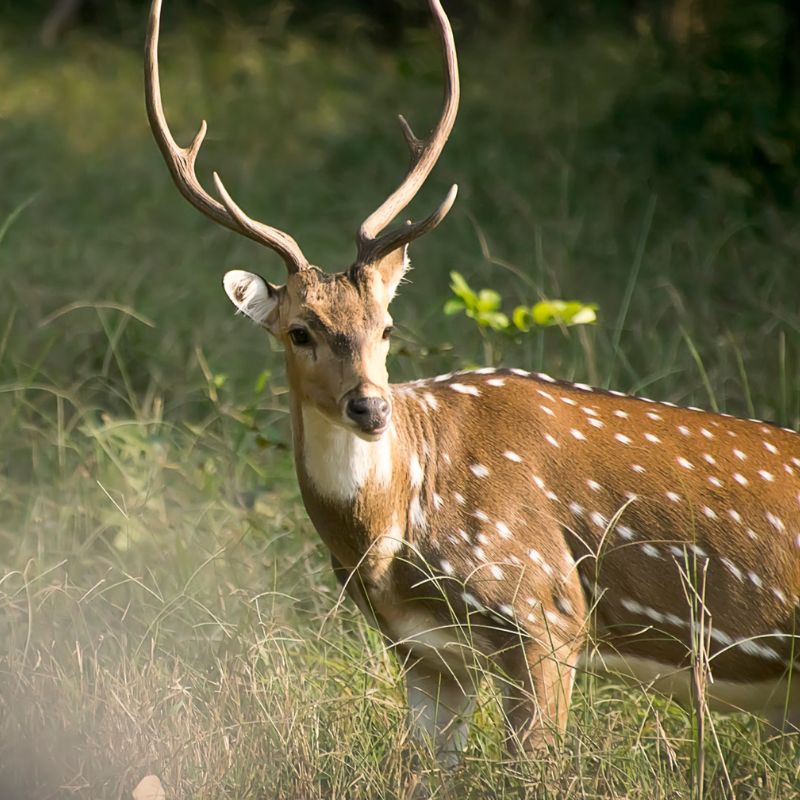
Central India should be given more time if wildlife is the main concern.
The forests of Bandhavgarh, Kanha, Pench, and Satpura offer varied scenery and the chance to experience India's wildlife beyond a single safari destination.
Bout India’s Central India wildlife safari journey includes Bandhavgarh, Kanha, Pench and Satpura.
This journey is particularly appealing to tourists who want a variety of safari experiences rather than limiting themselves to one national park during their broader trip to India.
A longer itinerary could look like:
Jabalpur → Bandhavgarh → Kanha → Pench → Satpura
Depending on how much time you have, you can add cultural destinations either before or after the wildlife circuit.
How Many Days Do You Need?
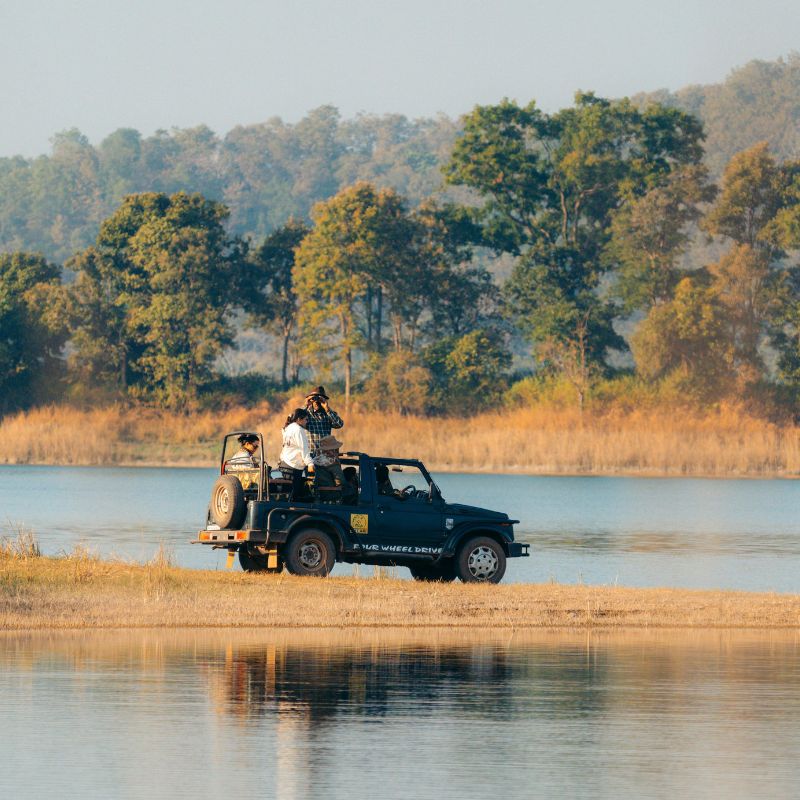
The ideal duration depends on how much wildlife you want to include.
A first-time traveller can fit a well-balanced itinerary that includes both heritage and wildlife on a 10- to 14-day trip.
A sample structure could be:
| Days | Destination | Experience |
|---|---|---|
| 1–2 | Delhi | History, food and old neighbourhoods |
| 3 | Agra | Taj Mahal and Mughal heritage |
| 4–5 | Jaipur | Forts, palaces and local culture |
| 6–8 | Ranthambore | Wildlife safaris |
| 9–10 | Udaipur | Palaces, lakes and relaxed cultural experiences |
If wildlife is your main interest, spend at least two or three nights in a national park, since several safari drives give you more chances to get to know the landscape and observe wildlife without making the whole experience depend on a single sighting.
For more practical planning advice, see Bout India’s Ultimate India Tiger Safari Guide for Wildlife Travellers.
What Can You Experience Beyond the Safari?
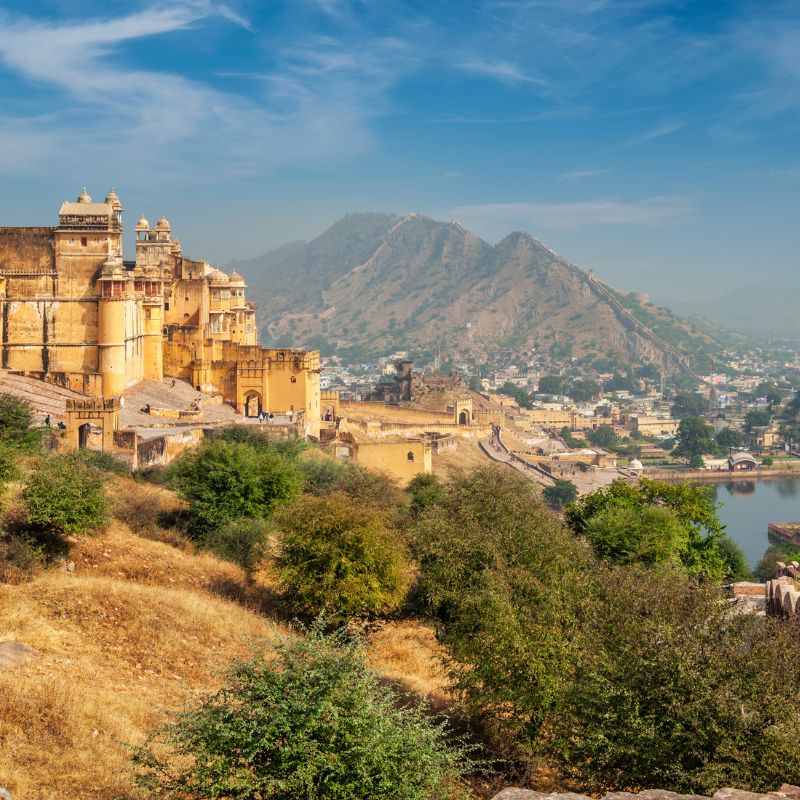
The cultural side of the journey doesn’t need to mean visiting monuments all day.
You can also see India's heritage in its everyday traditions.
Depending on the destination, you could include:
- A private heritage walk
- Traditional cooking experiences
- Local markets
- Artisan workshops
- Village visits
- Block printing demonstrations
- Palace or heritage hotel stays
- Classical music or dance performances
- Regional food experiences
- Historic forts and temples
A personalised India itinerary makes a big difference because, rather than just including well-known attractions, activities can be organised around your interests.
Bout India’s article on planning an India trip around your interests explains this approach in more detail.
When Is the Best Time for a Wildlife and Culture Trip in India?
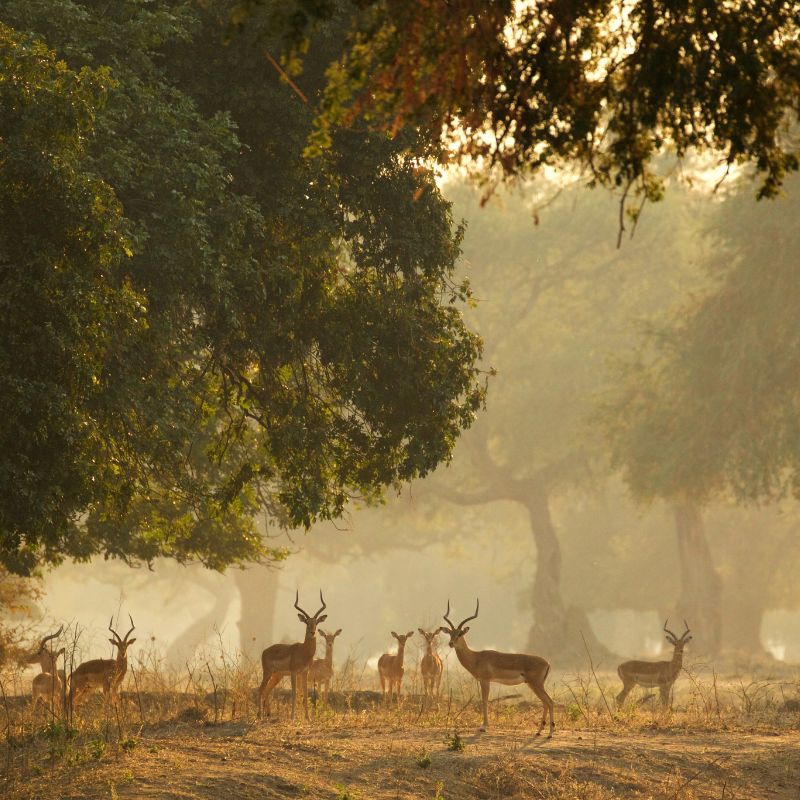
The best time depends on the region and the type of wildlife experience you want.
In northern and central Indian tiger reserves, a cooler season lets you combine early-morning safaris with sightseeing.
Safari seasons vary by park because some main areas close during the monsoon, and rules in each reserve may also differ.
Ideally, the season should suit both the safari and the cultural destinations on a combined trip.
For example, the cooler months in Rajasthan are pleasant for touring forts and cities and also allow early-morning wildlife drives at Ranthambore.
Before booking, check the current opening hours and safari rules for the specific national park.
Should You Choose Ranthambore or Central India?
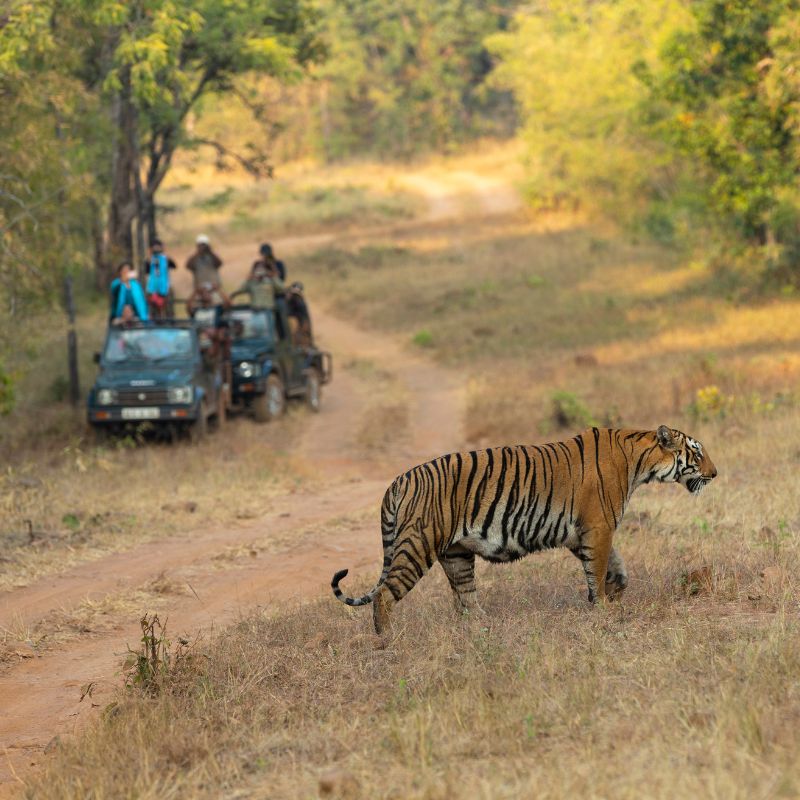
The answer depends on the type of trip you want.
Choose Ranthambore if:
- This marks your first encounter with wildlife in India.
- You are already visiting Delhi, Agra and Jaipur.
- You want wildlife and Rajasthan heritage in the same itinerary.
- You have limited time.
- You want to combine a safari with forts, palaces and markets.
Consider Central India if:
- Wildlife is one of your main reasons for visiting India.
- You want several safari drives.
- You have more time.
- You are interested in Bandhavgarh, Kanha, Pench or Satpura.
- You would like to combine wildlife with places such as Khajuraho and Orchha.
Bout India’s Central India luxury wildlife itinerary is a useful example because it combines major wildlife destinations with cultural and historical stops such as Khajuraho, Orchha and Gwalior.
How to Plan a Better Wildlife + Culture Itinerary
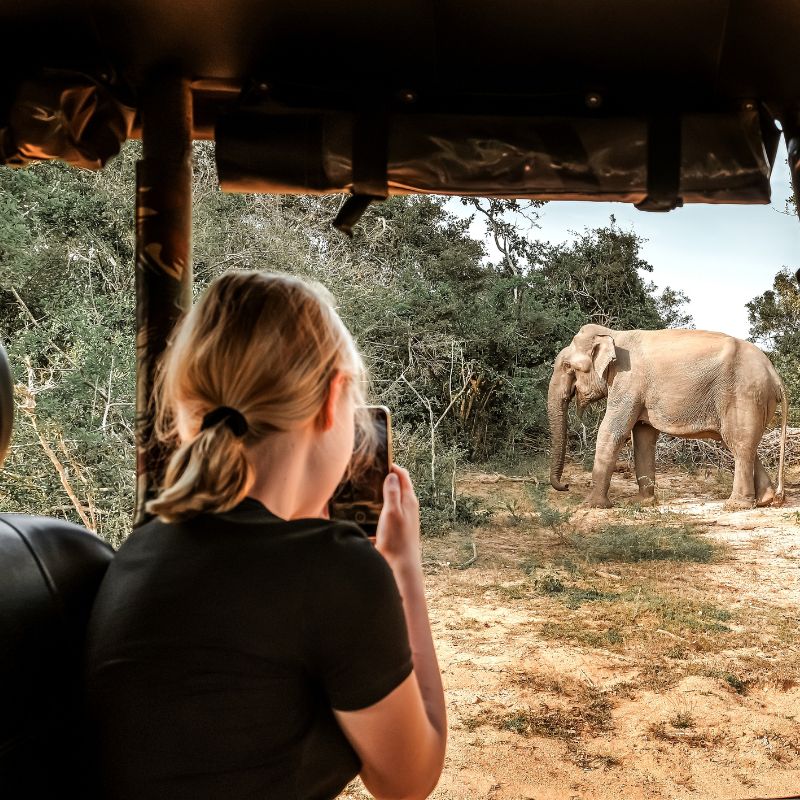
The biggest mistake is trying to fit too many destinations into one trip.
Instead, choose a single wildlife region and build the cultural experiences around it.
Classic First Trip
Delhi → Agra → Jaipur → Ranthambore → Udaipur
It is perfect for combining India's most recognisable heritage experiences with a tiger safari.
Luxury Rajasthan Journey
Delhi → Jaipur → Jodhpur → Jawai → Udaipur
This route mixes palaces, forts, nice places to stay, local culture, and a leopard safari.
Wildlife and History Journey
Delhi → Bandhavgarh → Kanha → Khajuraho
This option prioritises wildlife, with the temple complex saved for the end of the trip.
Deep Wildlife Journey
Bandhavgarh → Kanha → Pench → Satpura
This is better suited to travellers who want to spend more time in India’s forests.
Make sure there is enough time between destinations, especially if you are travelling by road; a safari shouldn't feel squeezed between two transfers.
Most importantly, don't plan the trip expecting to see a specific animal.
Encountering a tiger is sure to be memorable, yet the wild world still holds many surprises. The forest, the birds, the scenery, the tracks and the smaller animals are all part of the experience.
A Different Way to Experience India
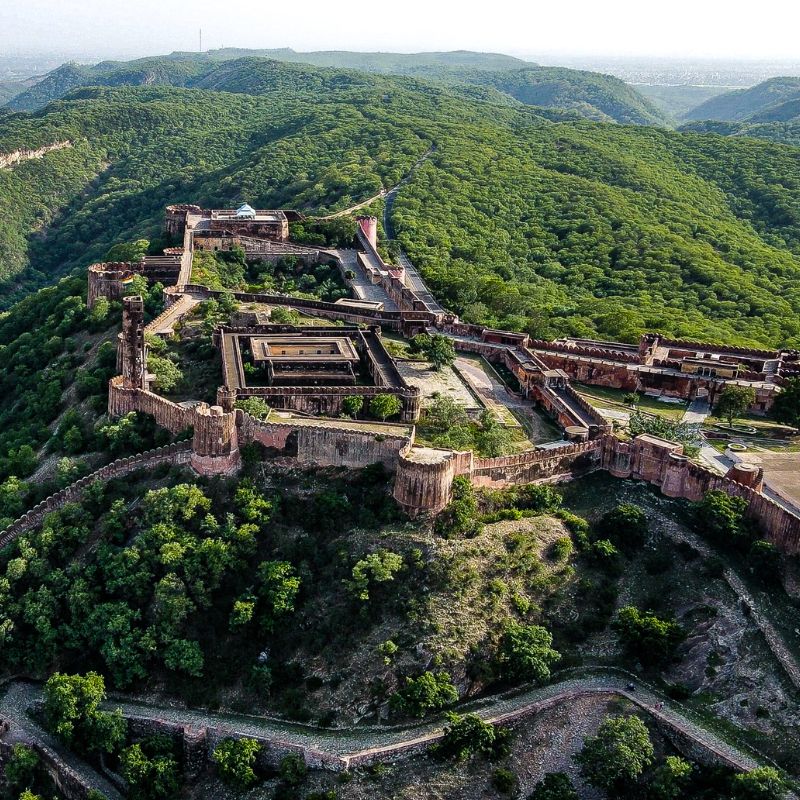
India’s greatest strength as a travel destination may be the way its experiences overlap.
A fort can be situated in a forest. A palace could become a heritage hotel. A village may exist alongside leopard territory. An ancient temple may lie at the heart of a tiger reserve, with no way in but through it.
That is why combining India's wildlife and culture works so well.
Rather than choosing between a safari and India’s heritage, put together an itinerary where the two complement each other.
You might spend your morning in the forest, have lunch at a heritage property, and then visit a centuries-old city in the afternoon; the next morning, you could be back in the wild.
For travellers looking for a more personal journey, Bout India’s customised India trip planning can help bring together wildlife, history, culture, luxury and the time available for the journey.
Final Thoughts
A safari reveals only one aspect of India and can't show the full picture.
If you want to get a deeper understanding of the country, combine the wilderness with its heritage. After your morning safari, visit a palace. Then, in the afternoon, learn about local crafts after exploring a national park. After several days in the forest, stay in a heritage property.
India offers many opportunities to combine wildlife with culture, from Ranthambore and Jaipur to Jawai, Bandhavgarh, and Khajuraho.
The best itinerary doesn't have to include the most destinations; it should let you fully experience the places, people, landscapes, and wildlife that make India different from anywhere else.