Tucked in the heart of the Aravalli Hills, Narlai is a little yet energetic town surrounded by breathtaking forest scenery. Offering a vivid but calm refuge from the city, it is one of the most beautiful rural resorts in Rajasthan. Especially for those visiting surrounding sights like Ranakpur and Kumbhalgarh, Narlai, strategically situated between Jodhpur and Udaipur, is a good one—or two-night stay. Deeply rooted in history and culture, the village presents a genuine viewpoint on the great legacy of Rajasthan.

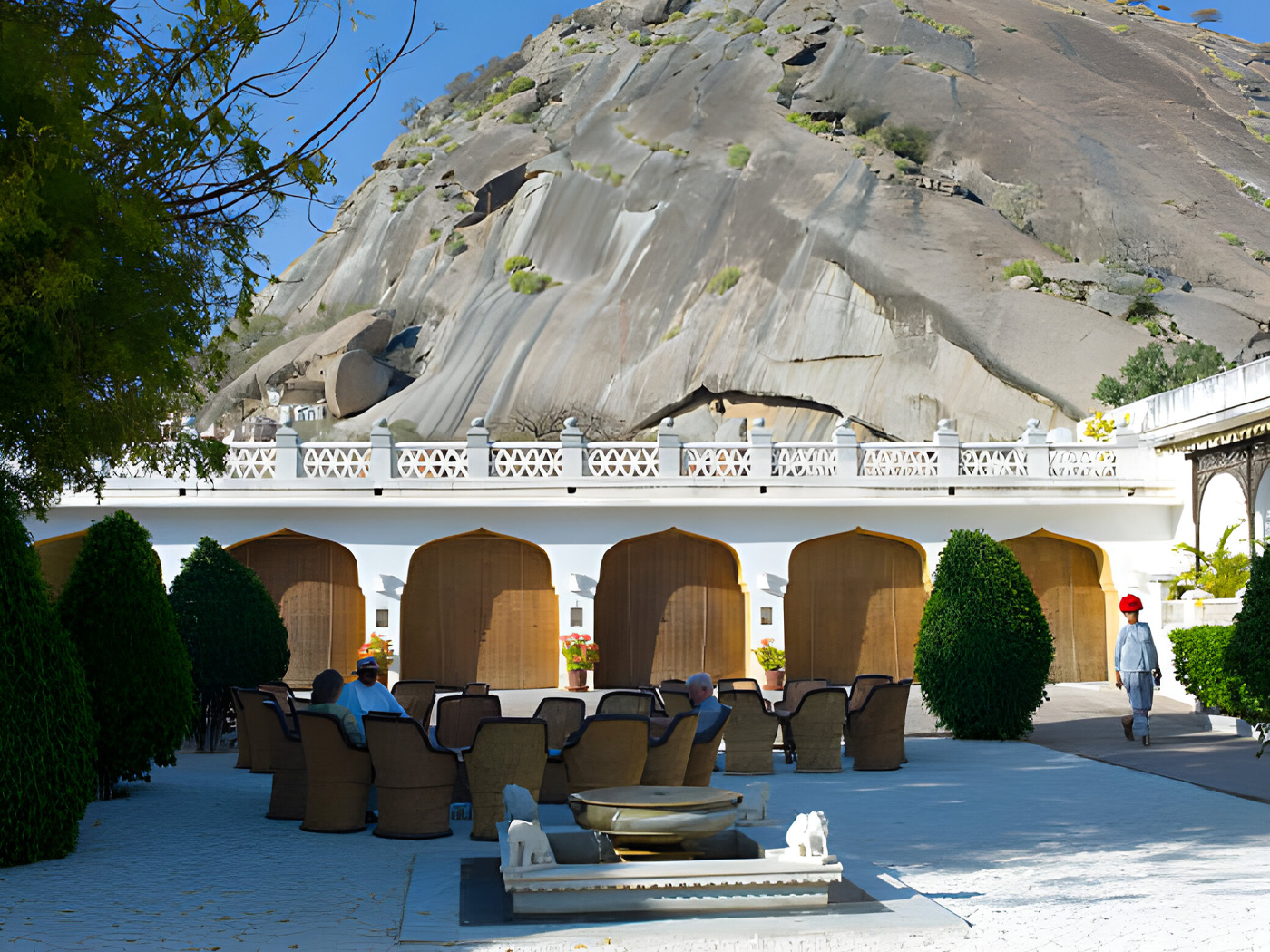
Right in the middle of Narlai is the exquisitely rebuilt 17th-century historic hotel with old-world elegance and appeal. Originally a hunting lodge for Jodhpur's royal family, it has developed into a refined refuge with peace surrounding it. The hotel's outstanding architecture, well-appointed rooms, and big, welcoming pool present the perfect balance of luxury and history, therefore giving a good platform for visiting the hamlet's attractions.

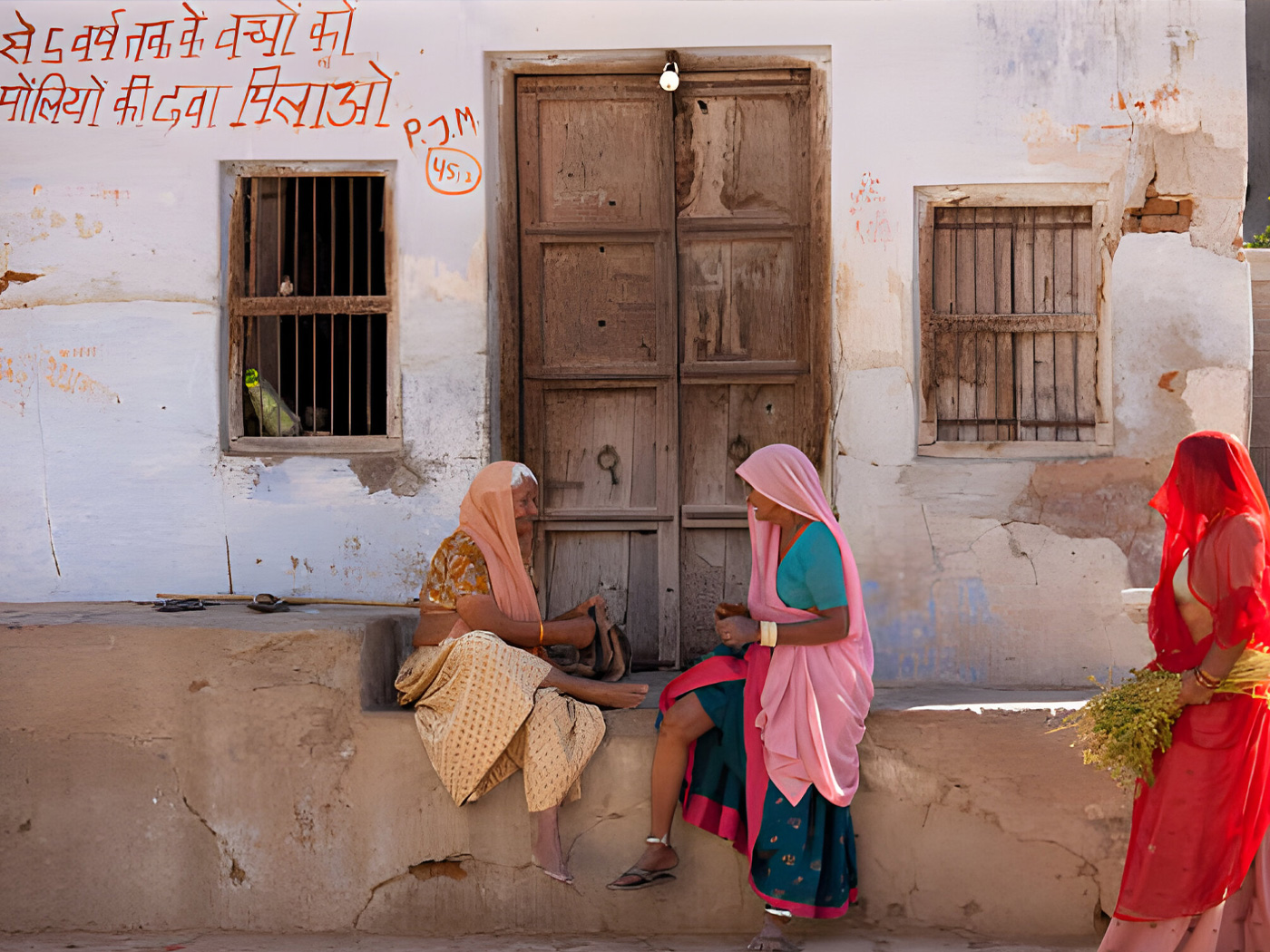
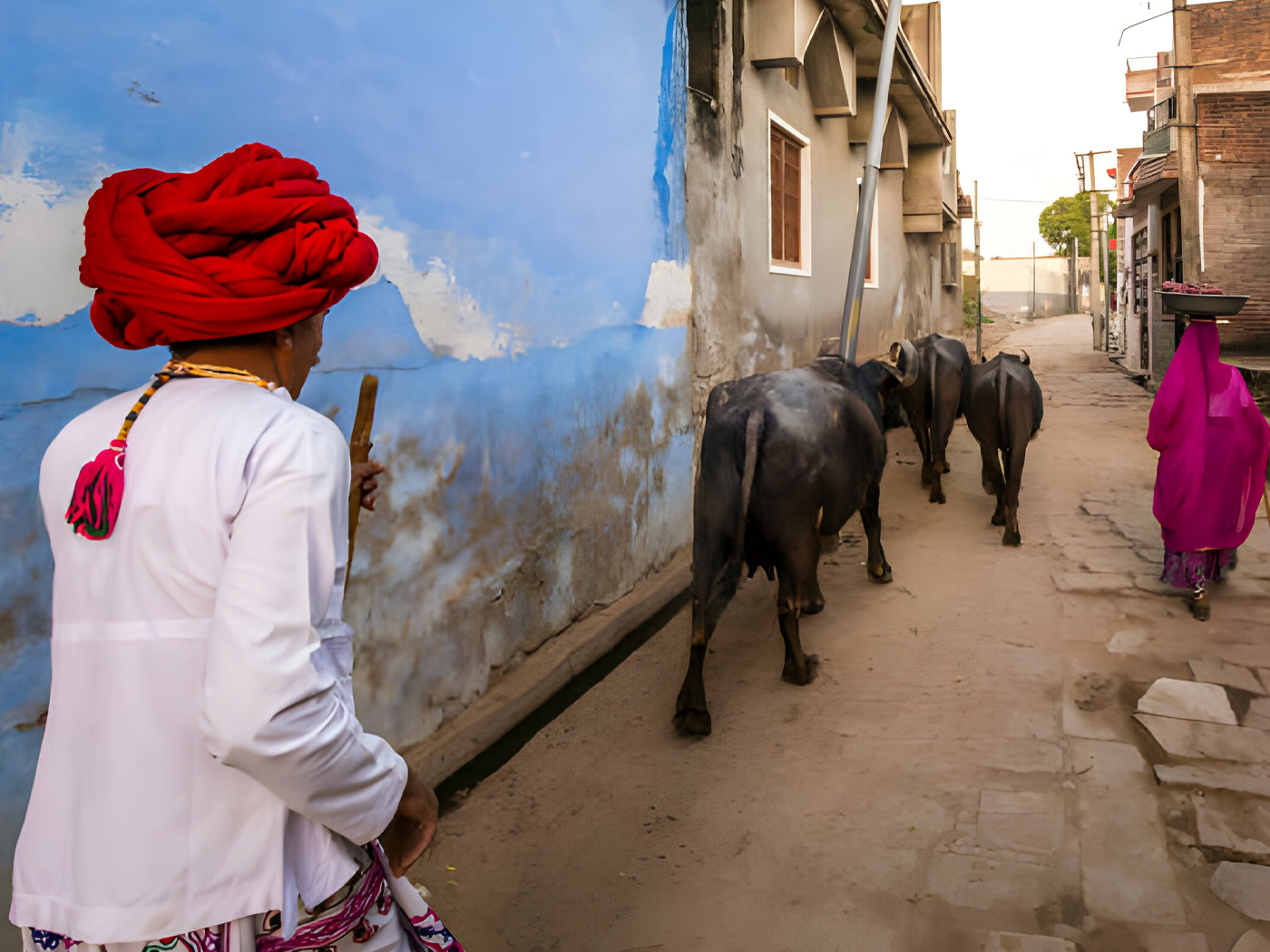
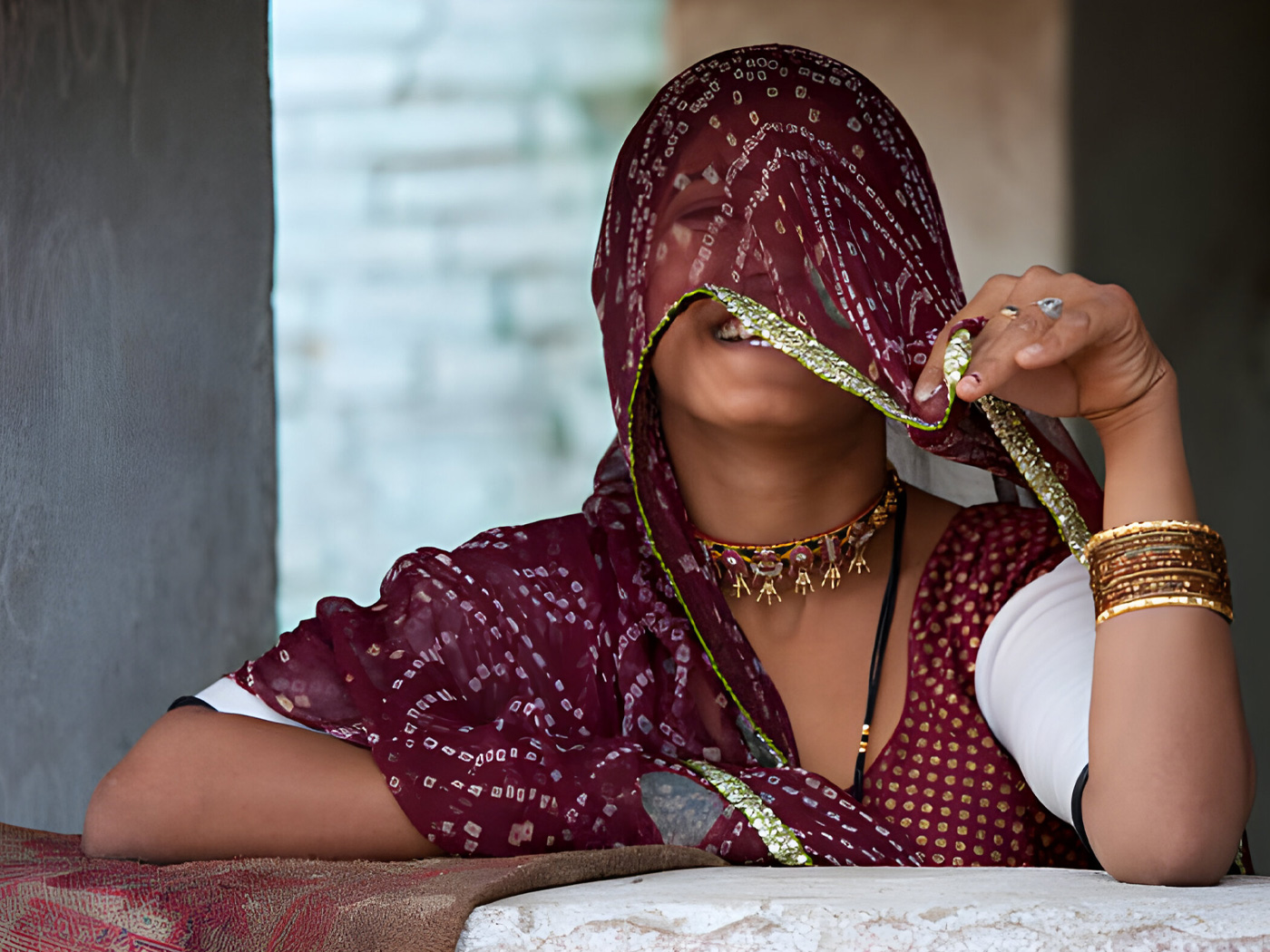
Mostly for its bucolic, pastoral appeal, Narlai stands out as a place where life goes gently and customs are firmly anchored. The little, meandering streets of the village feature whitewashed havelis, elaborately carved temples, and vibrant local marketplaces. Visitors may see daily life unfolding around the hamlet: local artists working, herds of cattle strolling along the streets, and women dressed in traditional attire carrying water pots from the communal well. Though tiny in scale, the packed bazaars provide a great shopping experience, with their stalls providing handcrafted goods, jewellery, and textiles.

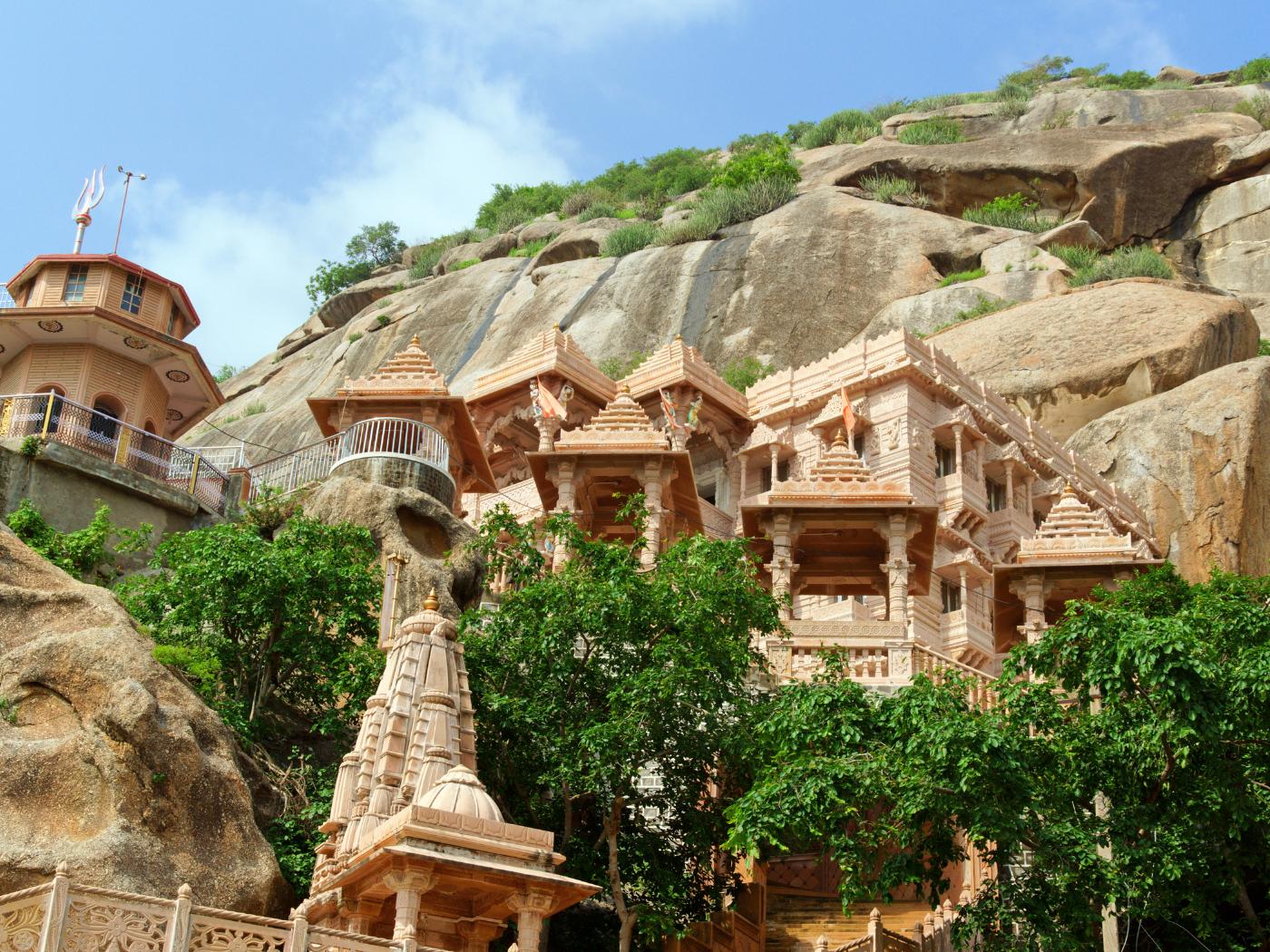
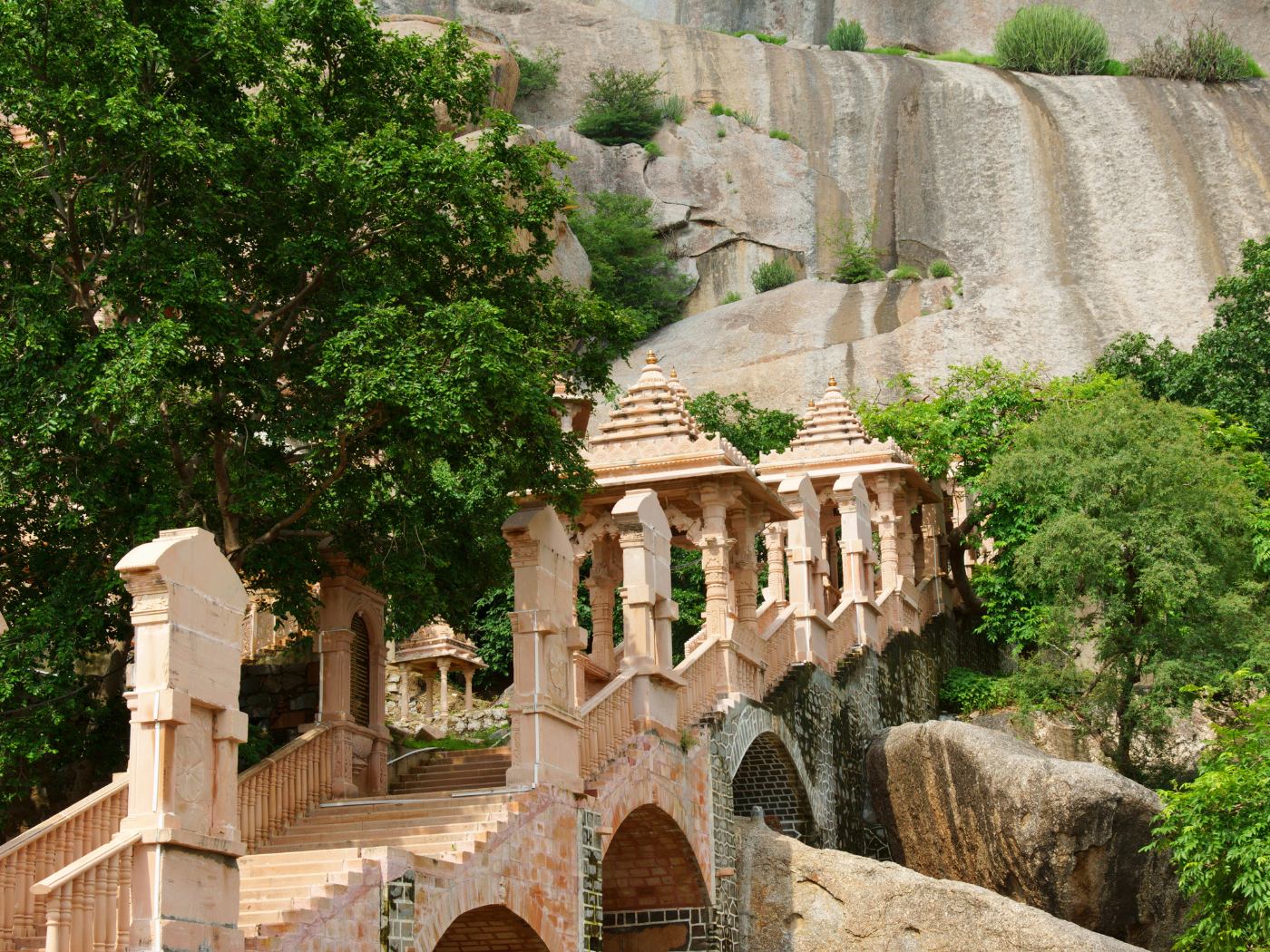
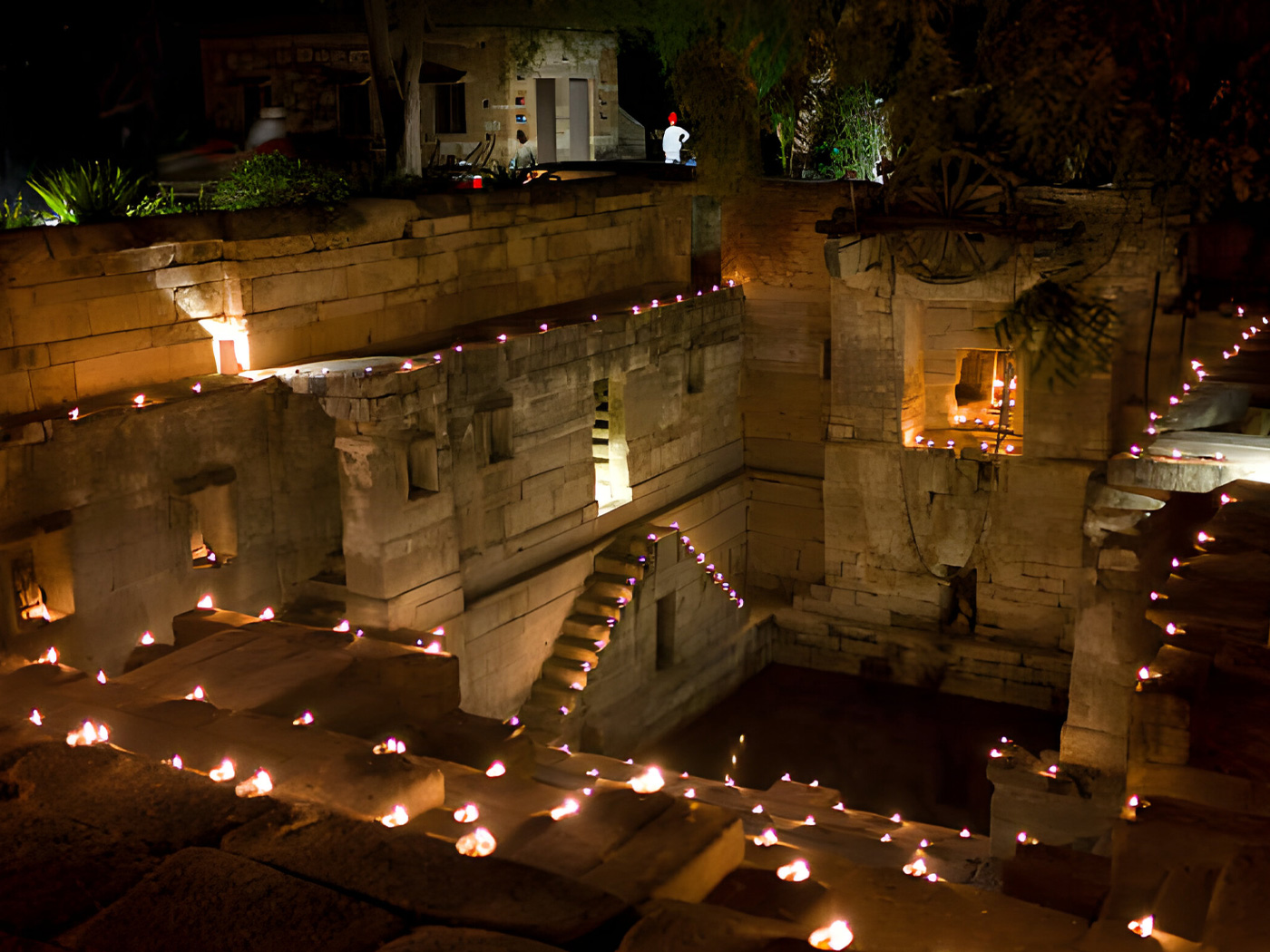
Among Narlai's most amazing characteristics is Elephant Hill (Narlai Hill), a huge granite boulder beloved by the inhabitants towering over the town. Rising the 700 stone stairs to the summit at dawn or dark will let guests enjoy amazing sweeping views of the surroundings. Regular visitors to the mountain also include devotees of a little shrine honouring Lord Shiva. Another uncommon event is Rawla Narlai's midnight stepwell feast, which takes place by candlelight in a historic stepwell while traditional folk music is presented.

Narlai's position also offers a great base for visiting Ranakpur, famous for its lovely Jain temples, and Kumbhalgarh, home of the grand Kumbhalgarh Fort with 36-kilometre-tall walls. The adjacent hills and forests provide chances for nature hikes and also leopard safaris, given the area's reputation for a great population of these elusive big cats.

Narlai is the ideal location for people wishing to enjoy the natural beauty of rural Rajasthan. It combines the past, calm, and adventure. Whether one is lounging in a historic setting, discovering the ageless attractiveness of the town, or enjoying the amazing surroundings, Narlai offers a great holiday in the cultural center of Rajasthan.


Explore & Experience in Narlai -

EXPLORE (Places to visit near Narlai):

  • Cave Temple on Narlai Hill

  • Elephant Hill
  • Ranakpur Jain Temple
  • Kumbhalgarh Fort
  • Parshuram Mahadev Cave


EXPERIENCE (Things to do near Narlai):

  • Village walk tour
  • Leopard safari
  • Tea by the lake
  • Dinner at the Stepwell


Reach out to our Local Experts
Plan Your Bespoke Journey with Us

Fill in your details and one of our destination experts will get in touch with you. Our experts are dedicated to providing personalized assistance and insights, ensuring that all your queries are addressed and you receive the best possible guidance for your travel plans.


Choose from the best
Hotel Partners
Get our latest updates
Subscribe Our Newsletter

Stay Connected
FAQs
  • Why do travellers stop in a small village like Narlai?

    Midway between the two major cities of Jodhpur and Udaipur, the temple town of Narlai nestles in the folds of the Aravalli Hills in Pali district. At its foot are about 350 temples, spanning different centuries back to the 14th; a unique massive granite formation referred to as the ‘Elephant Rock’; a 500-year-old 11th-century stepwell; and perhaps the former hunting lodge of the Jodhpur Royal family built in the 17th century, also run as a Rawla Narlai heritage hotel. You can make an excellent stop here as there are no hotels on the roads between these two cities, and the surrounding landscapes, plentiful leopards, proximity to Ranakpur and Kumbhalgarh offer all you need for an overnight stopover.

  • What is a stay at the Rawla Narlai actually like?

    A restored 17th-century royal hunting lodge with 32 imaginatively decorated rooms set around colourful, flowered courtyards, an outdoor swimming pool, a poolside tented spa, and gardens tucked at the foot of Elephant Rock. The signature activity is candlelit dining in the estate’s ancient stepwell, to which you are transported via bullock cart through local village roads. Portraits, heirlooms, and family personal touches in the house, along with continued connections with the Jodhpur royal family, create a soulfulness uncommon in big-brand heritage hotels.

  • Is the climb up Elephant Rock worth doing?

    Yup. A local granite massif called Jaikal Hill sits directly above the village, and it takes about 30-45 minutes to climb the approx. 700 rock-hewn steps up, via the elephant-headed Shiva temple perched halfway up, to the summit, topped with another elephant statue and temple. The view from here really does take your breath away, turning the village and our hotel into a tiny pinprick of light beneath the sprawling plain dotted with lakes and green Aravalli hills. Sunrise (or sunset) is obviously the best time- the hotel organises guided sunrise walks complete with a piping hot cup of tea at the top.

  • What can I actually do in and around Narlai?

    Village walks with a guide take you to the temple complex and artisans, letting you observe daily life within Aravalli. A 1100-year-old stepwell on the property can be visited with a short walk or bullock-cart ride. Daily leopard safaris in an open jeep explore the rugged surrounding country; leopards are regularly seen. Horse-riding in the village streets on Marwari horses is organised. In the evenings, courtyard cultural dances are performed with live Rajasthani folk music. It’s unusual for so many elements to exist so closely together: so many buildings of heritage value, so much wildlife, and such traditional local culture.

  • What day trips make sense from a Narlai base?

    The Ranakpur Jain Temples, some 20km away with 1444 uniquely sculpted pillars, are undoubtedly some of the best Jain temples and considered to be among the most stunning in all of India; you can take the Kumbhalgarh Fort, a 36km wall around its edges, on the same day if you start early (it is another 40km). If it’s the leopard that is a ‘must-see ', then the Jawai Leopard Conservation Area close to Bali, which is roughly 40km the other way, is easily one of the places in India with a more realistic chance of seeing a leopard roaming among granite boulders. The textile market in the old town of Pali (35km away) warrants a short visit.

  • How many nights should I plan for Narlai?

    One to two. One night is enough for a sunset hike up to Elephant Rock, a village walk, a night at the stepwell, and a morning leopard safari before departing. Two nights are enough for a gentler pace for the day trip to Ranakpur and Kumbhalgarh. Narlai is clearly a ‘slow travel’ location, and visitors almost always say it provides the perfect restorative rest stop between the bustle of Jodhpur and a stay in Udaipur.

  • When is Narlai at its best?

    March to October is hot and humid, whereas October to March is the best season. The Aravalli hills slightly mitigate the heat in comparison with the plains; days are good for climbing Elephant Rock and going out on treks (although with leopard sightings at their peak during the monsoon), and you will see the clearest skies in November/December and rainy days with green rocks (but difficult-to-tread trails). April/May will be very hot, but leopard activity at water sources won’t abate much; you can enjoy a stepwell dinner during any of these periods.

  • How do I get from Jodhpur or Udaipur to Narlai?

    It’s situated roughly midway between the two cities (about 160 km from each), and in either direction you will spend two and a half to three hours touring the lovely Aravalli landscape in a private car. Since public transport isn’t a viable option, arrange your car through your hotel or a local tour operator. Since Narlai sits naturally en route between Jaipur and Udaipur, stopping over isn't a detour; it's one of the few practical and obvious overnight staging posts in Rajasthan.

  • Is there wildlife around Narlai beyond the leopard safari?

    The surrounding Aravalli Hills are home to sloth bears, striped hyenas, nilgai, chinkara, and Indian fox, in addition to leopards. Birdlife is also in good numbers; you'll see Indian grey hornbills, a variety of bee-eaters, and rock raptors, along with a good variety of farmland and forest birds. The more remote but denser leopard population in a dramatic granite-boulder habitat is found at Jawai, about 40 km away, which can make a good, wild partner for Narlai, especially for those focusing on wildlife.

  • How does Narlai compare to Rajasthan’s other village heritage stays?

    However, with a famous natural monument, hundreds of temples, active leopard presence, and two UNESCO sites within a 40-mile radius, this pocket offers an incredibly rich experience for its size. The family-owned Rawla Narlai receives many recommendations from foreign guests. Condé Nast Traveller noted it for its familial hospitality. Rohat's main draw is its equestrian and desert experiences, while Chanoud focuses purely on close family hospitality; for a combined experience, Narlai is the choice.

Plan Your Trip