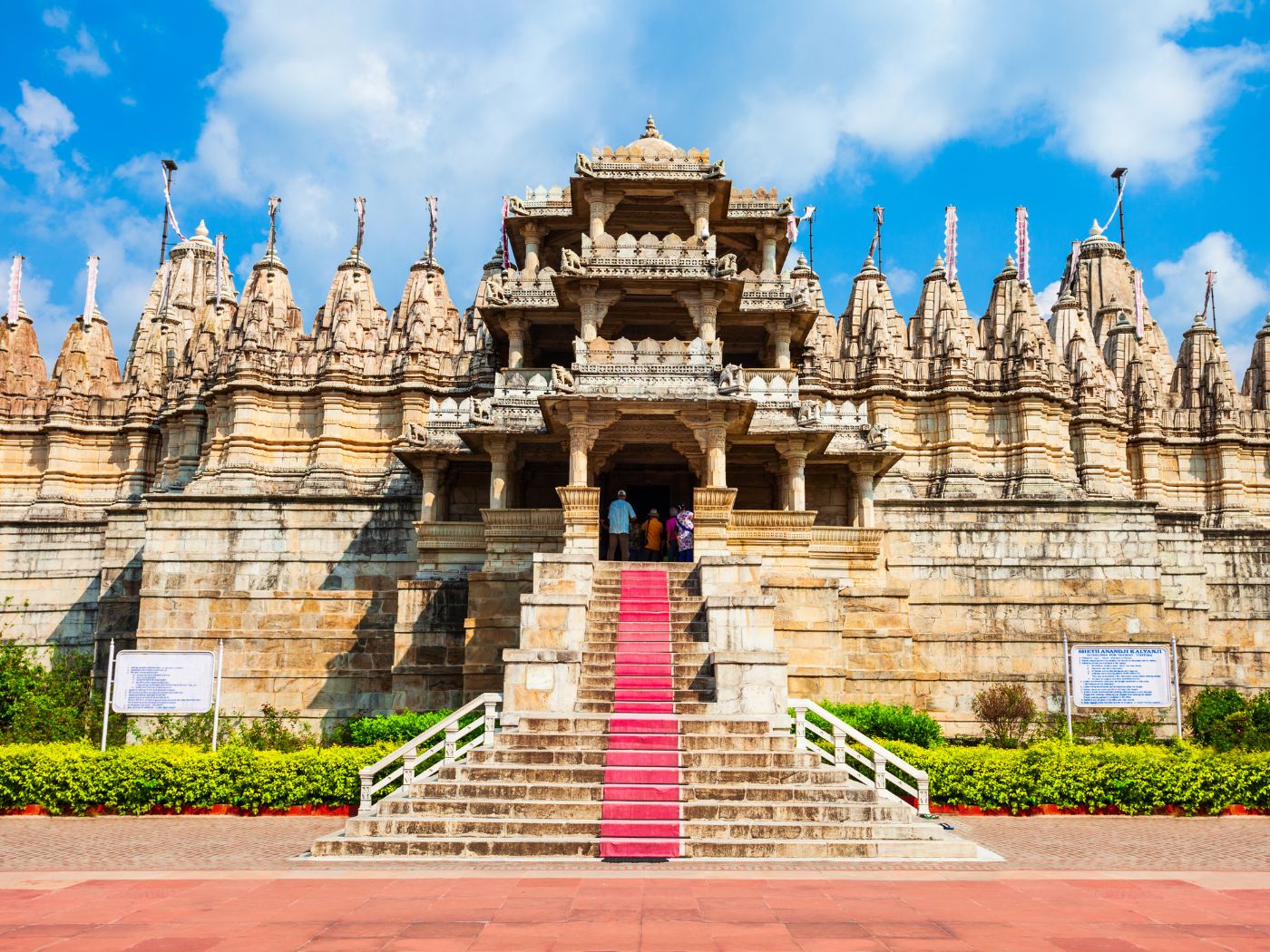
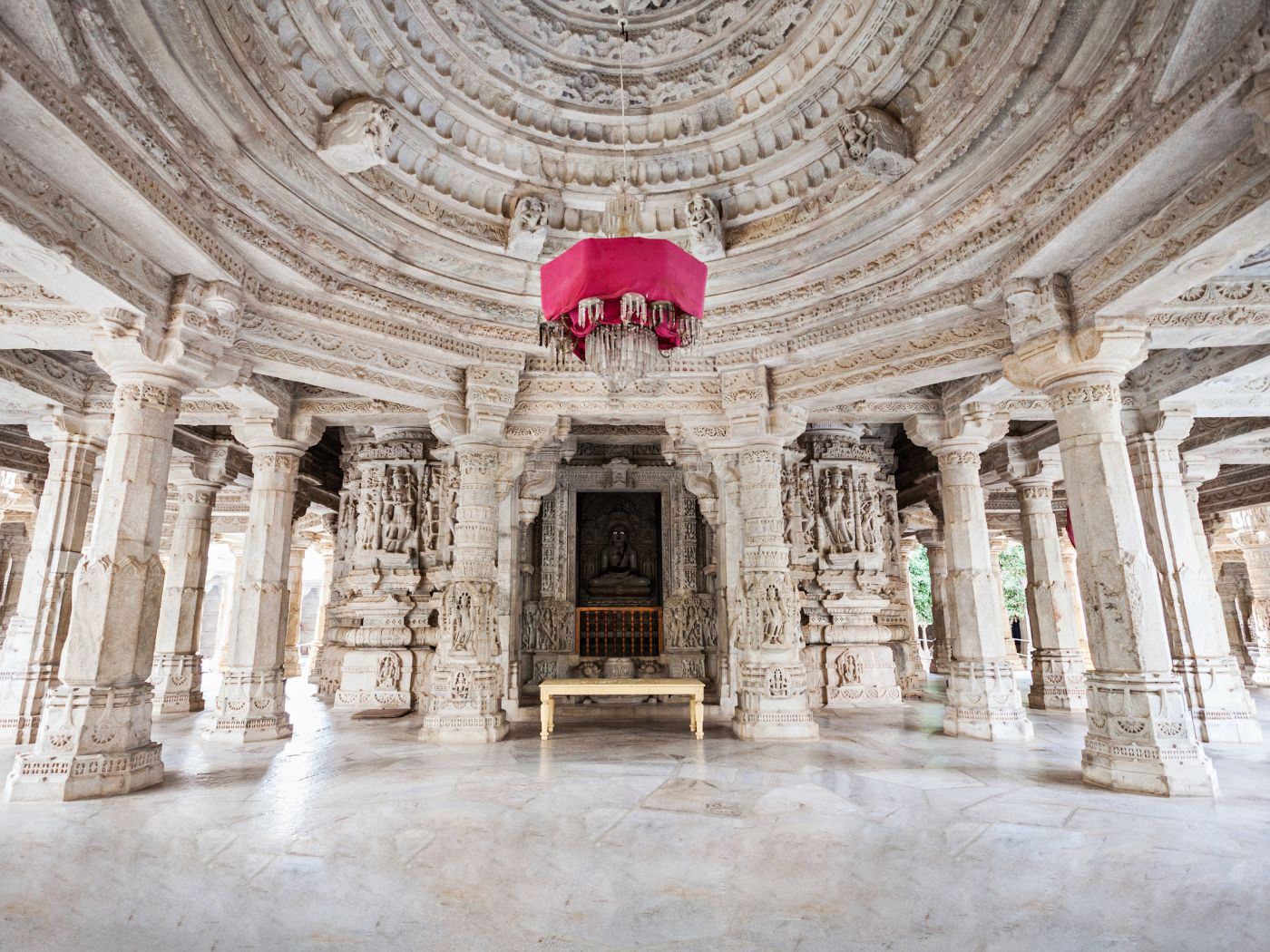
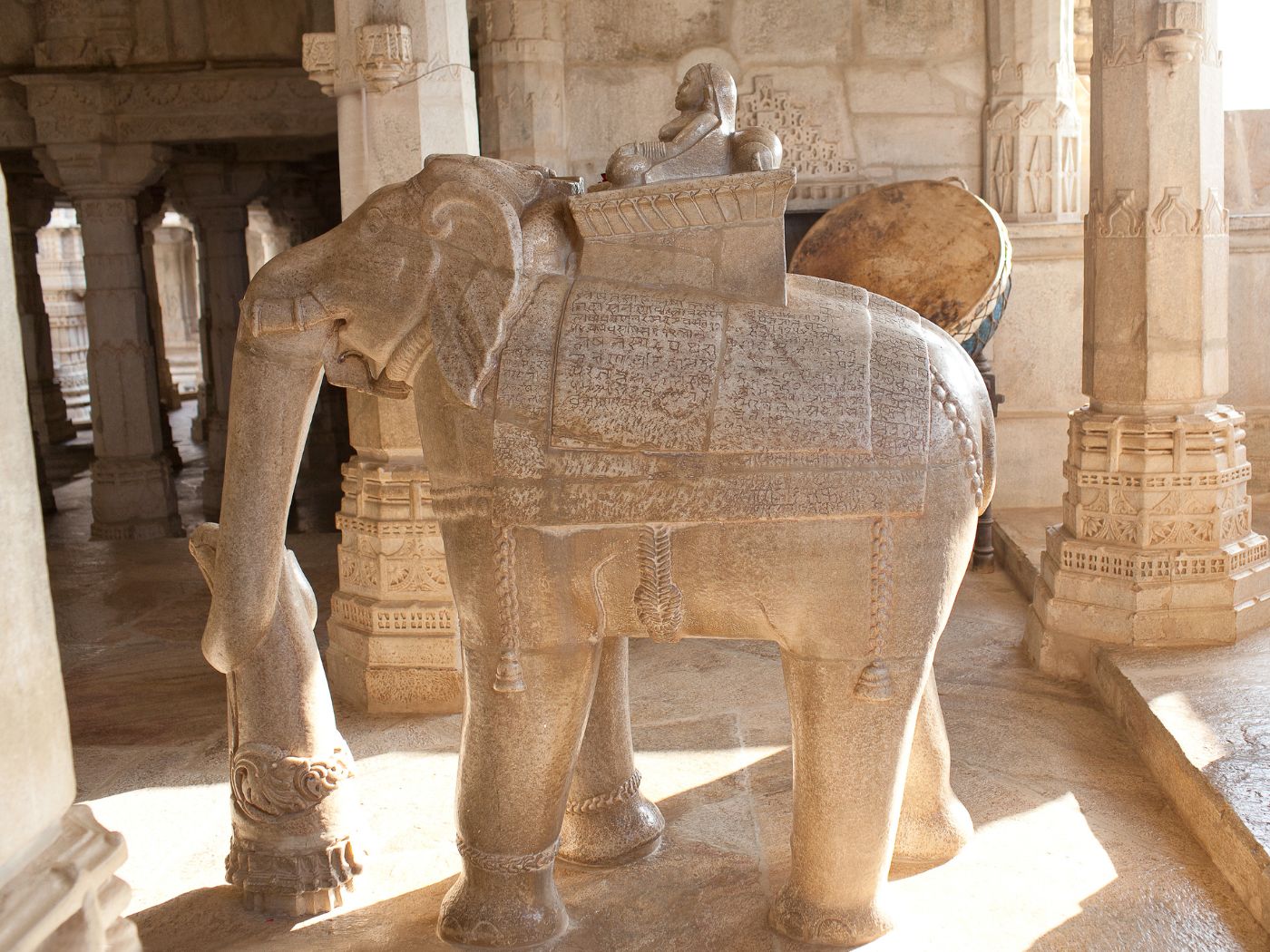
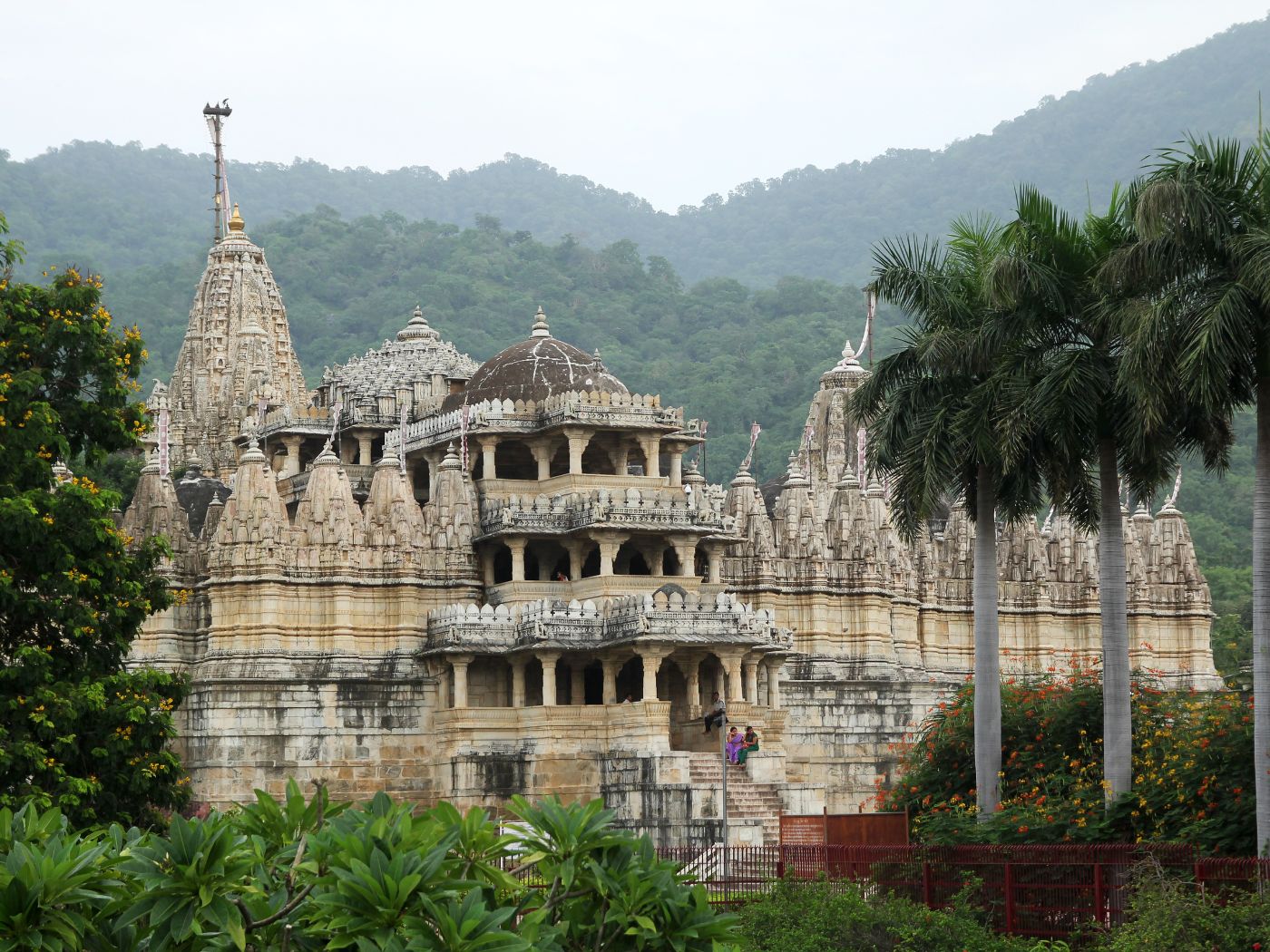








Ranakpur, also known as the Temple Town of Rajasthan, is one of the state's five most important pilgrimage sites, rich with lush foliage and picturesque scenes. It is a small, quaint town nestled amid the secluded valley of the Aravalli Range in Rajasthan. The place presents a unique spectacle of lush greenery and gushing streams, an unusual sight in Rajasthan.

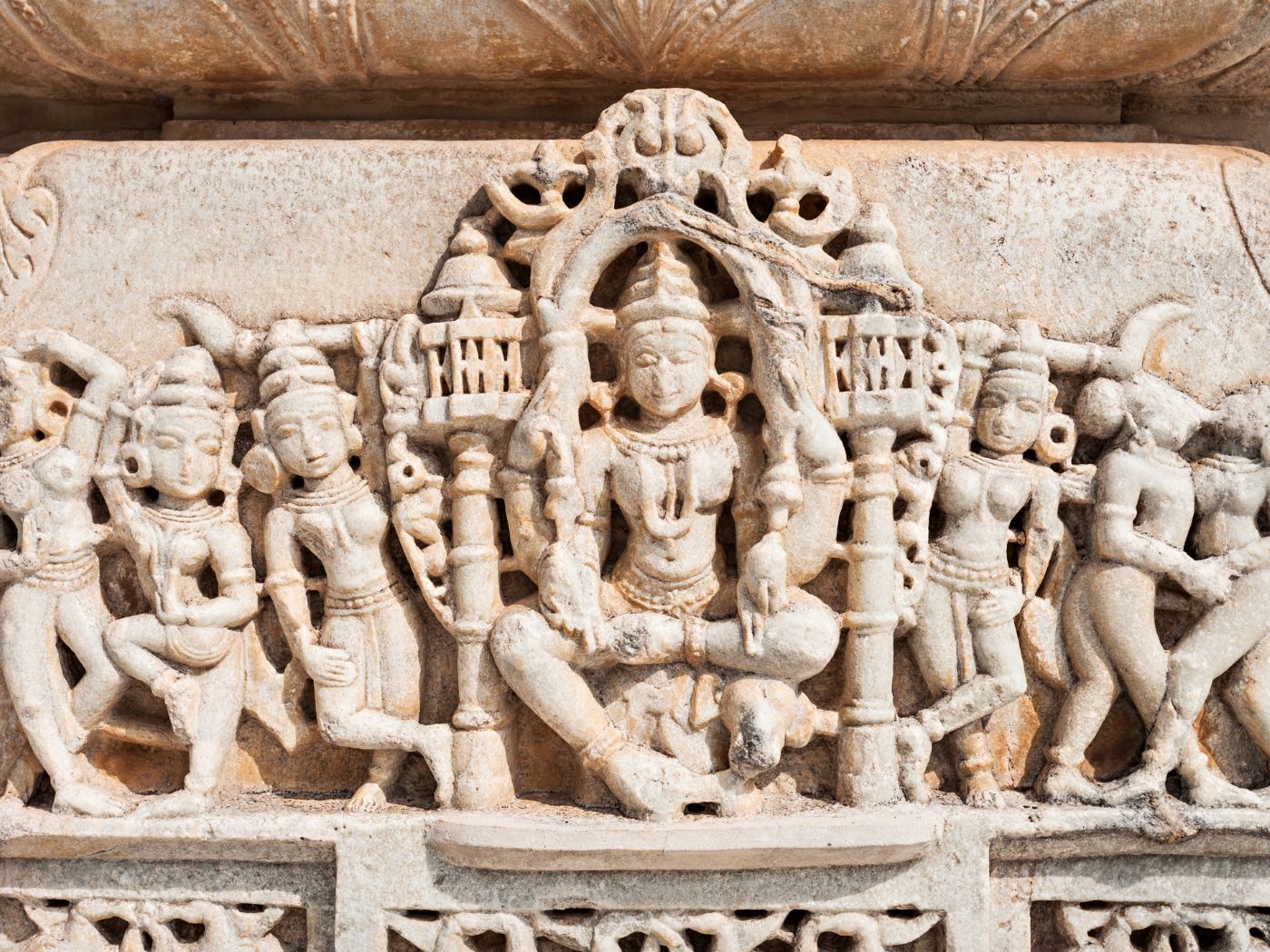
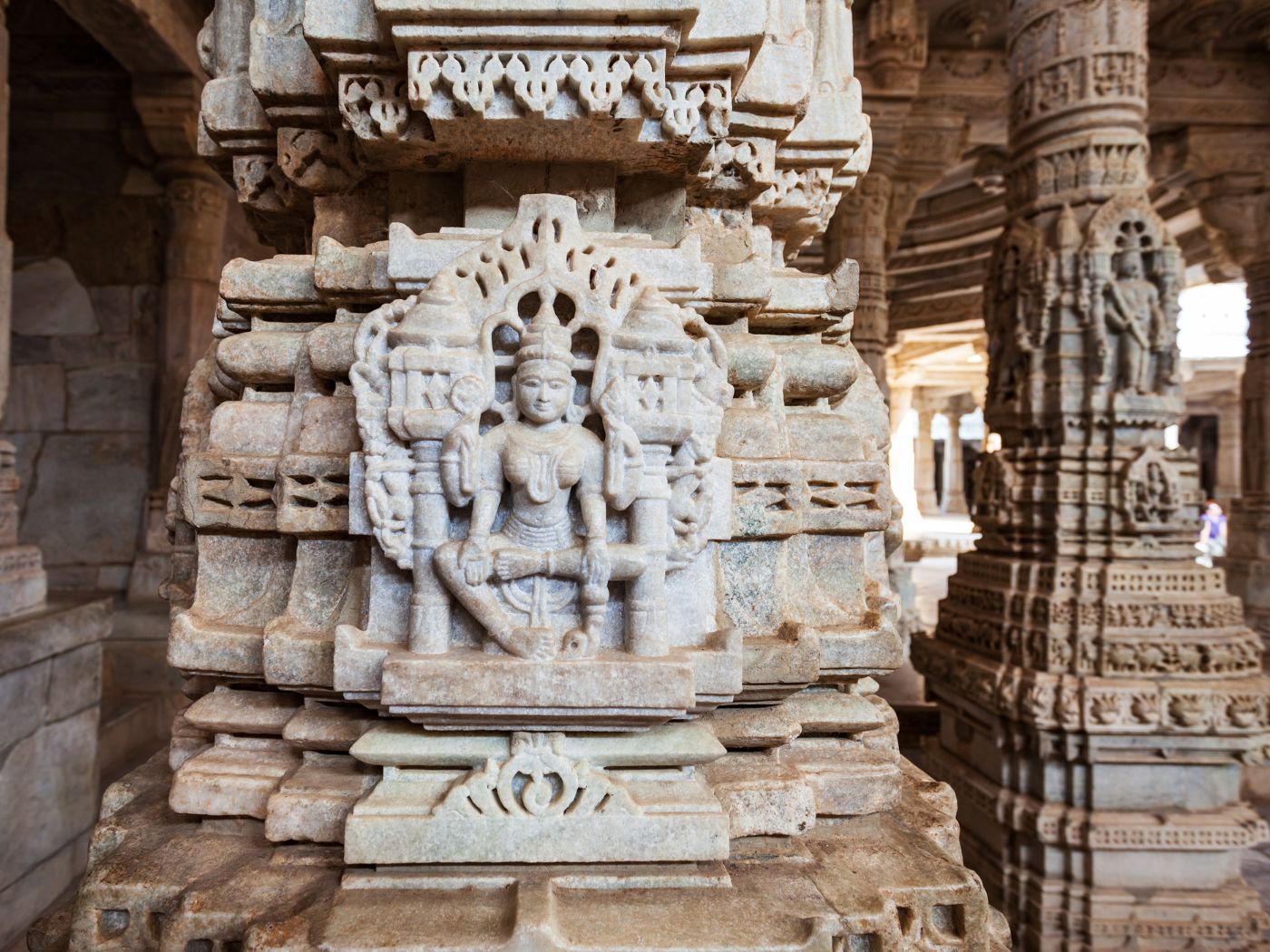
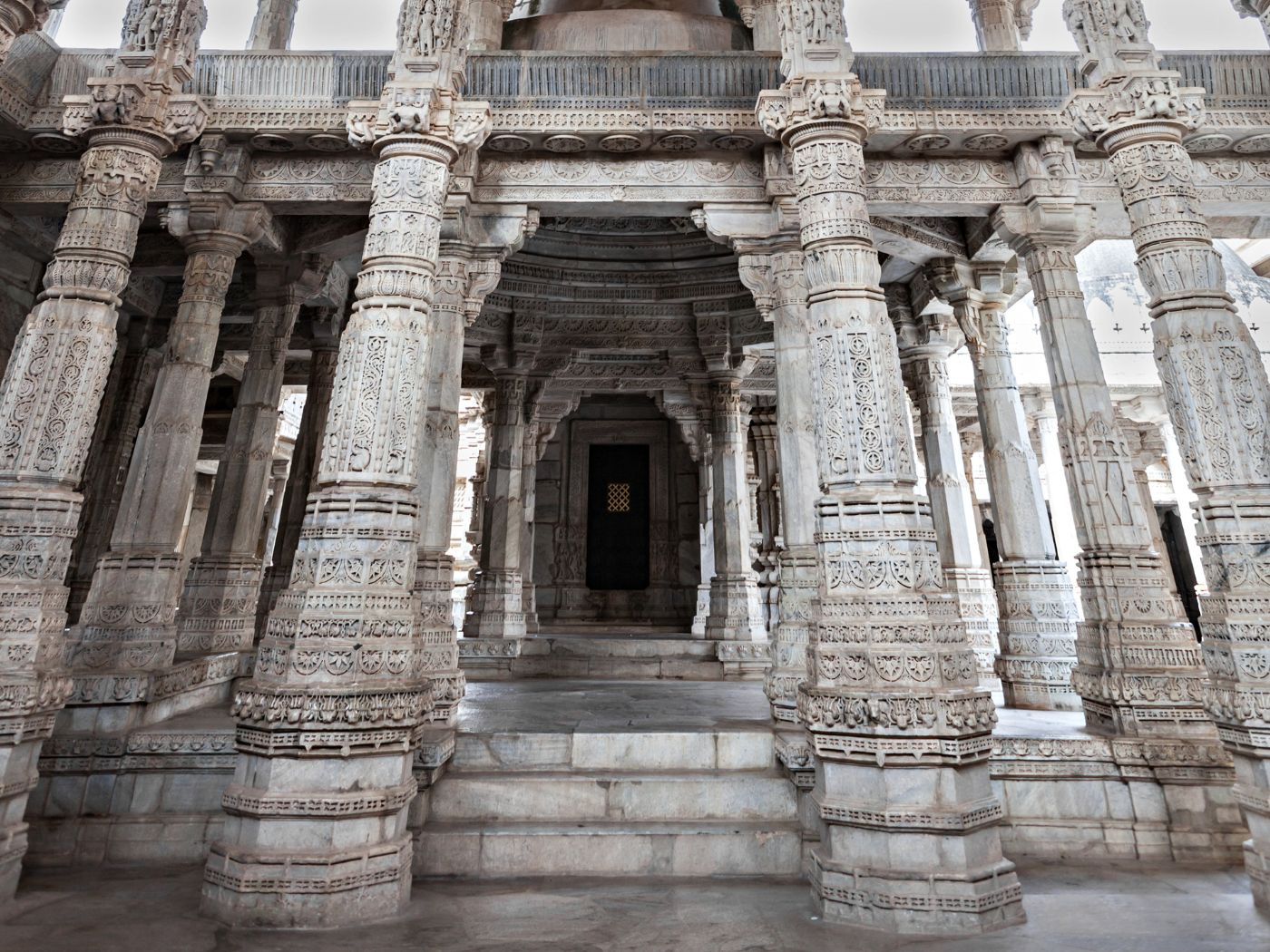
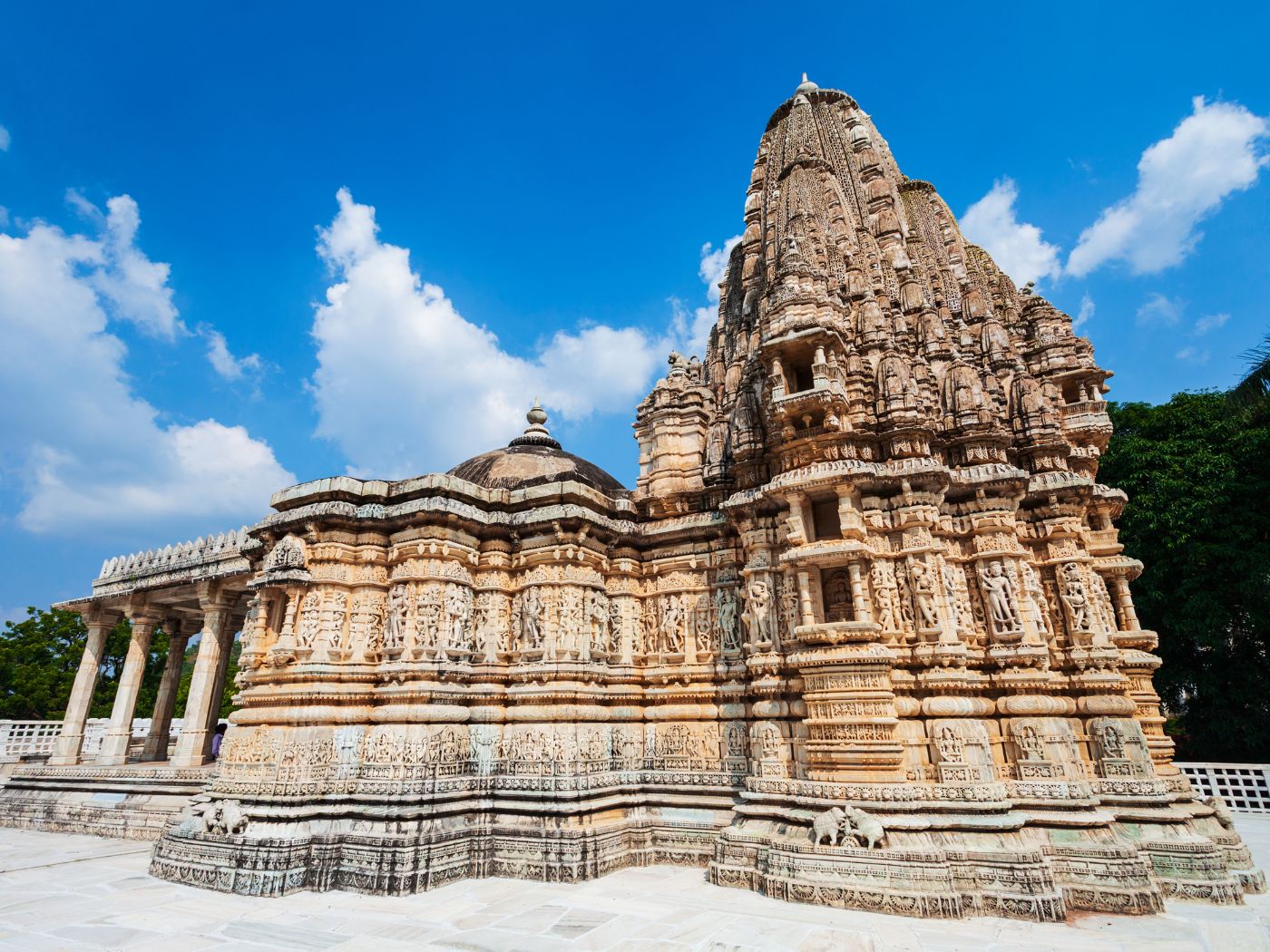
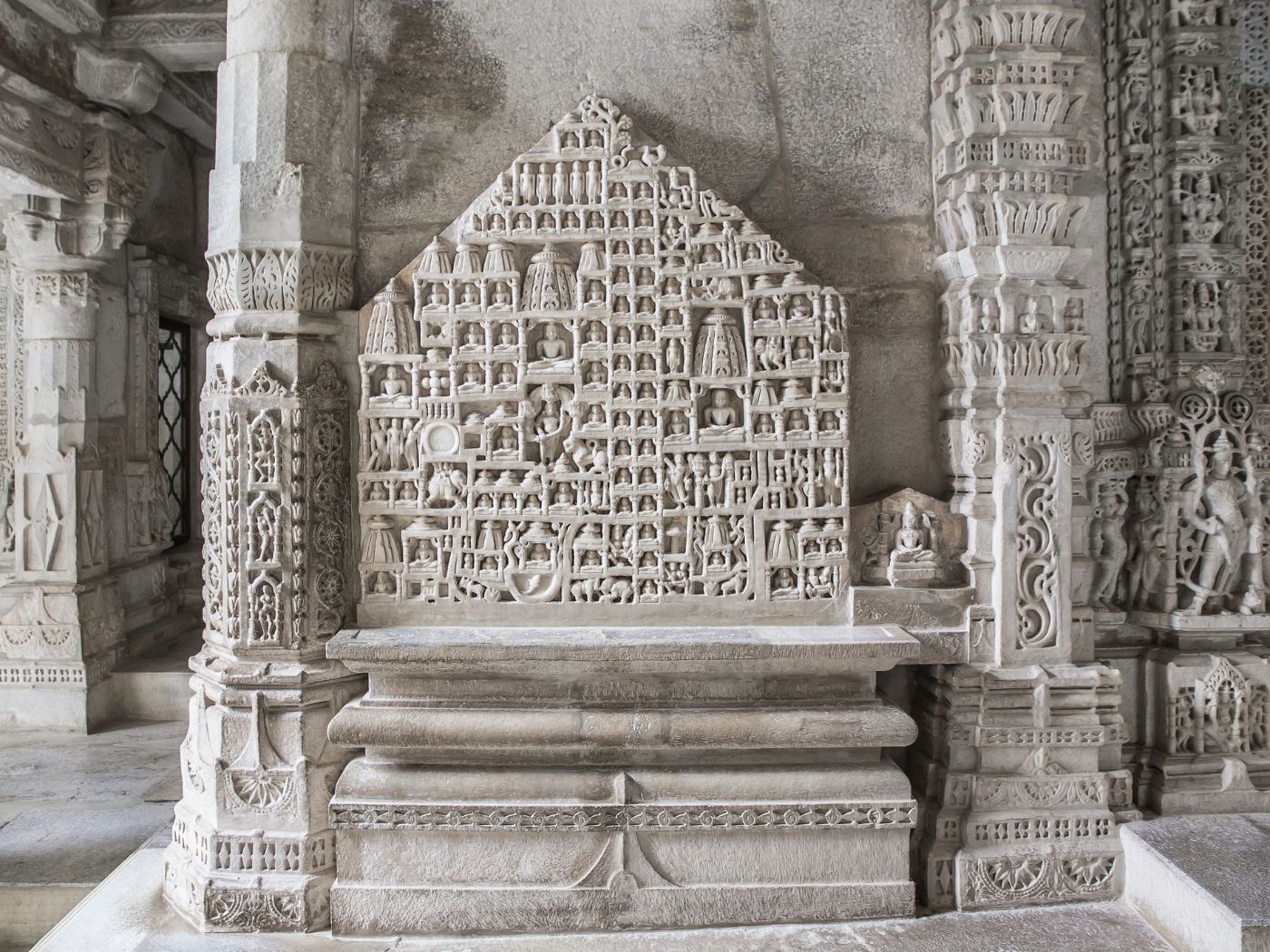
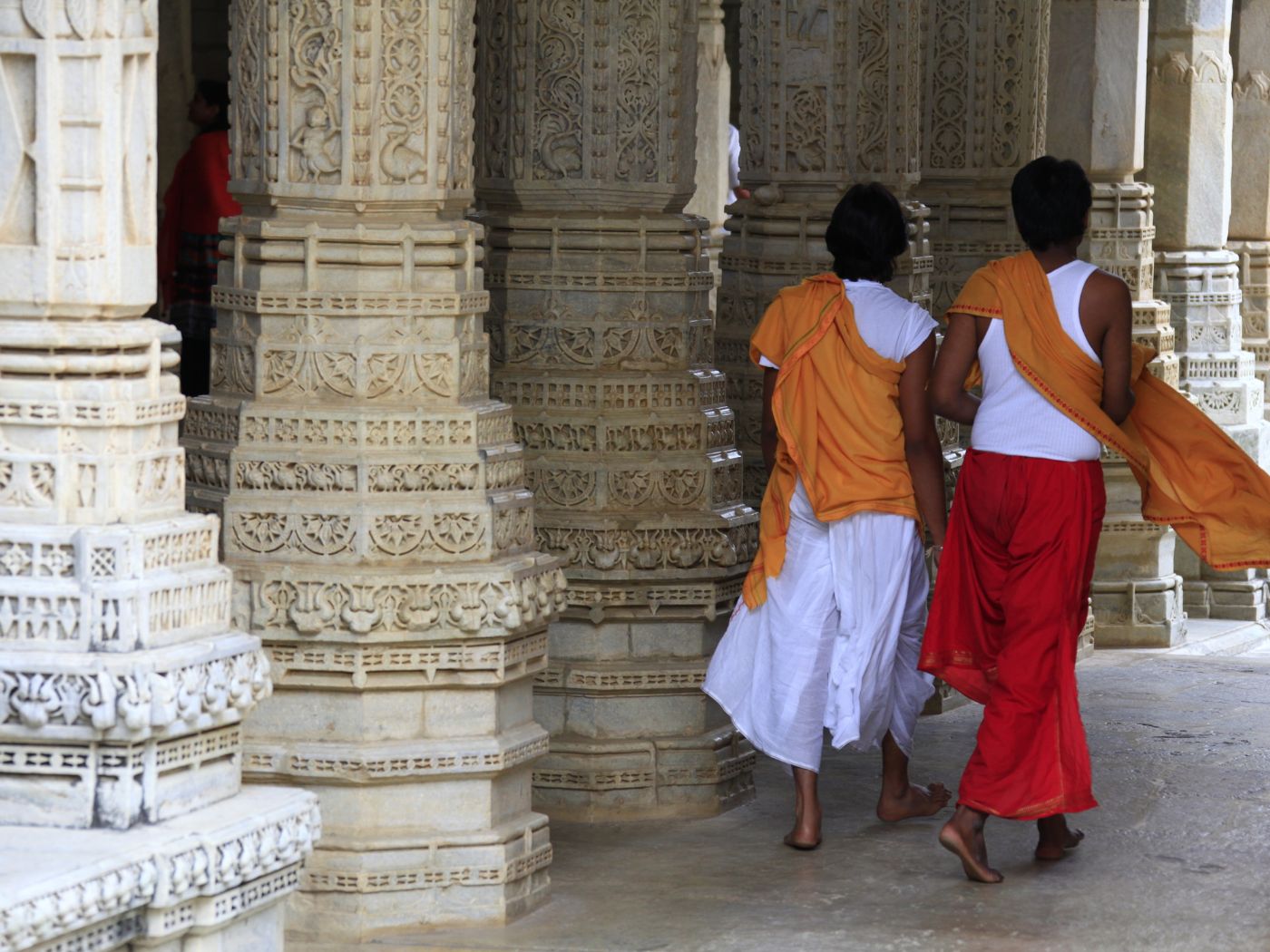
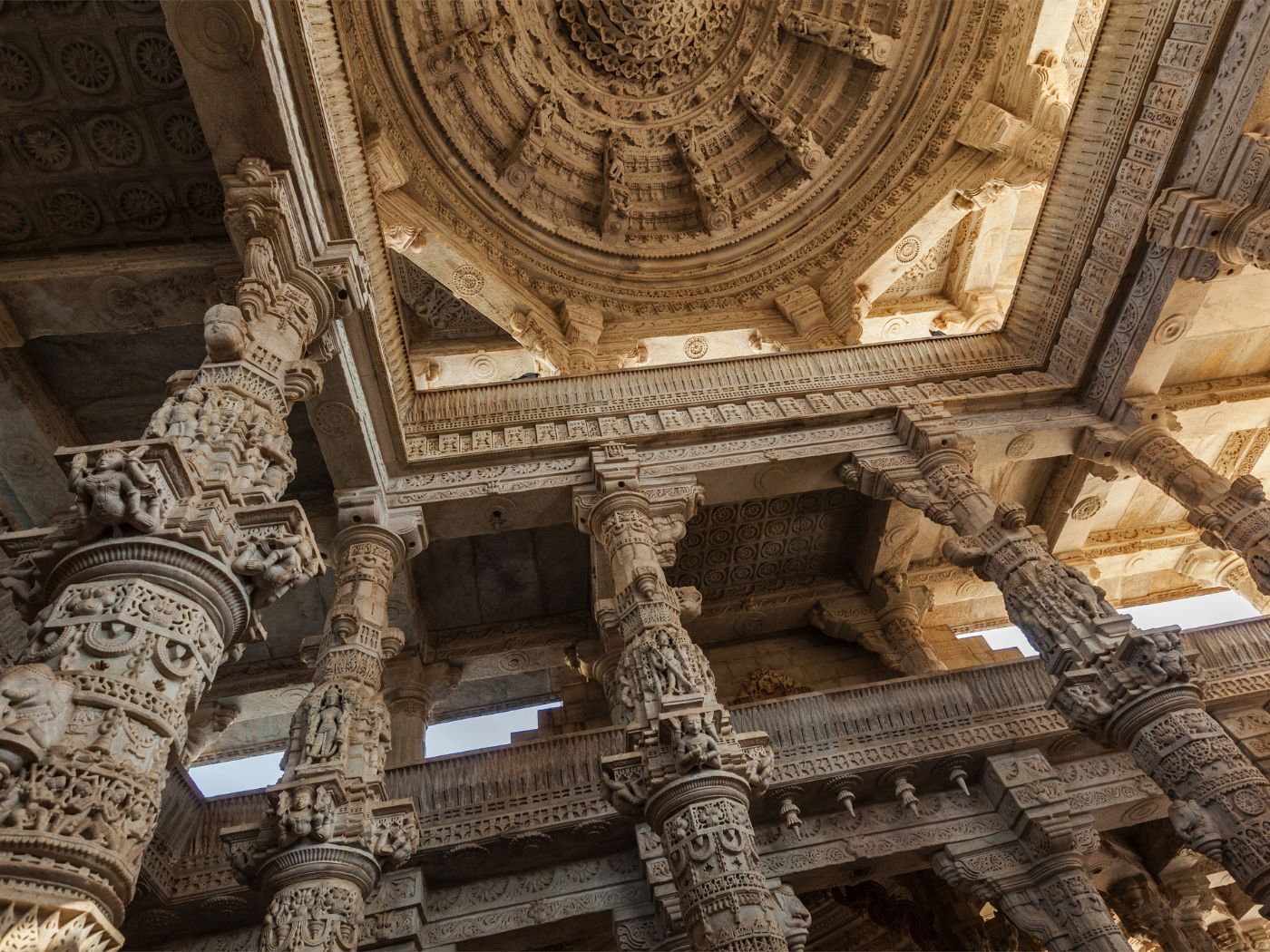
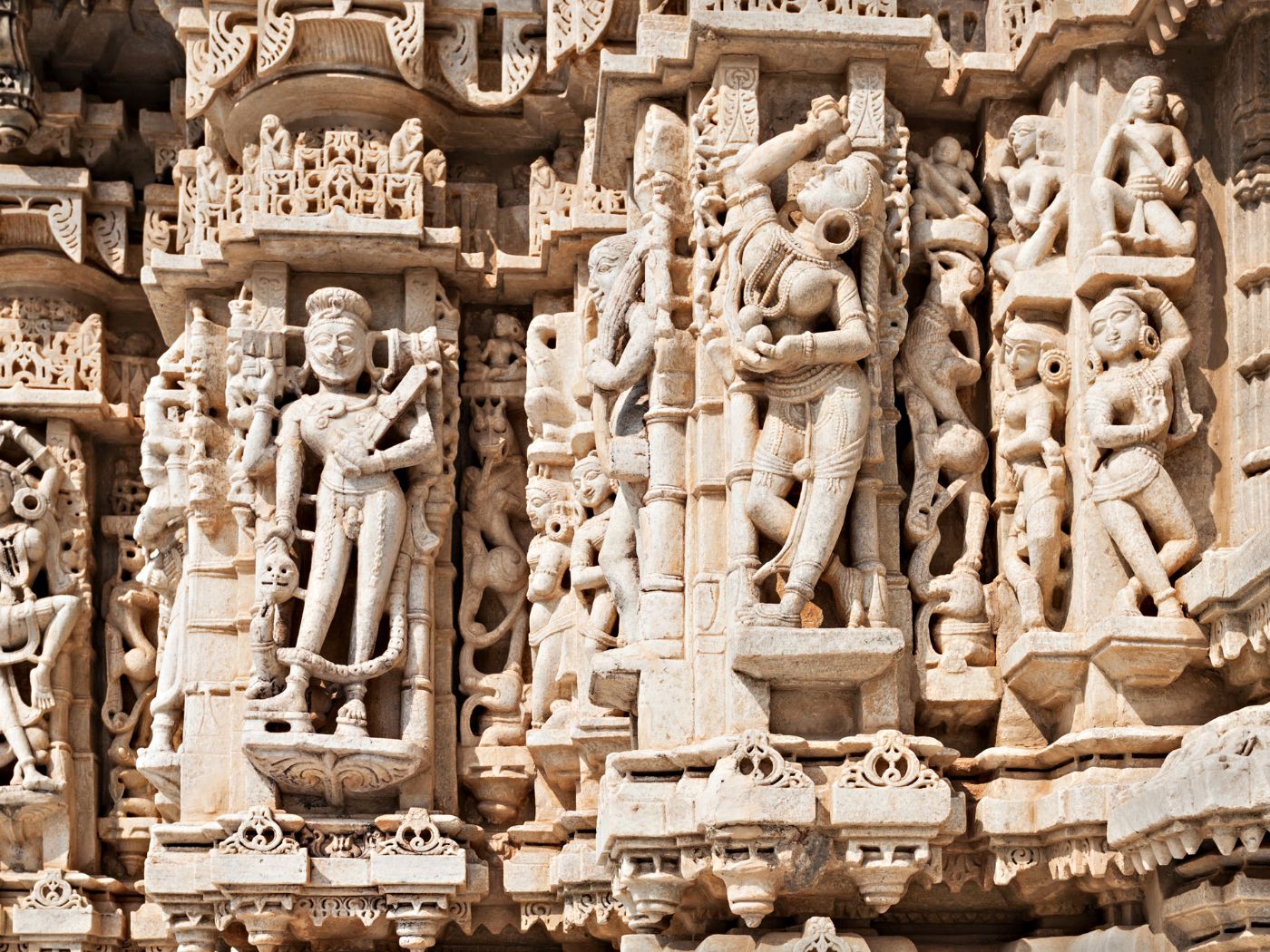
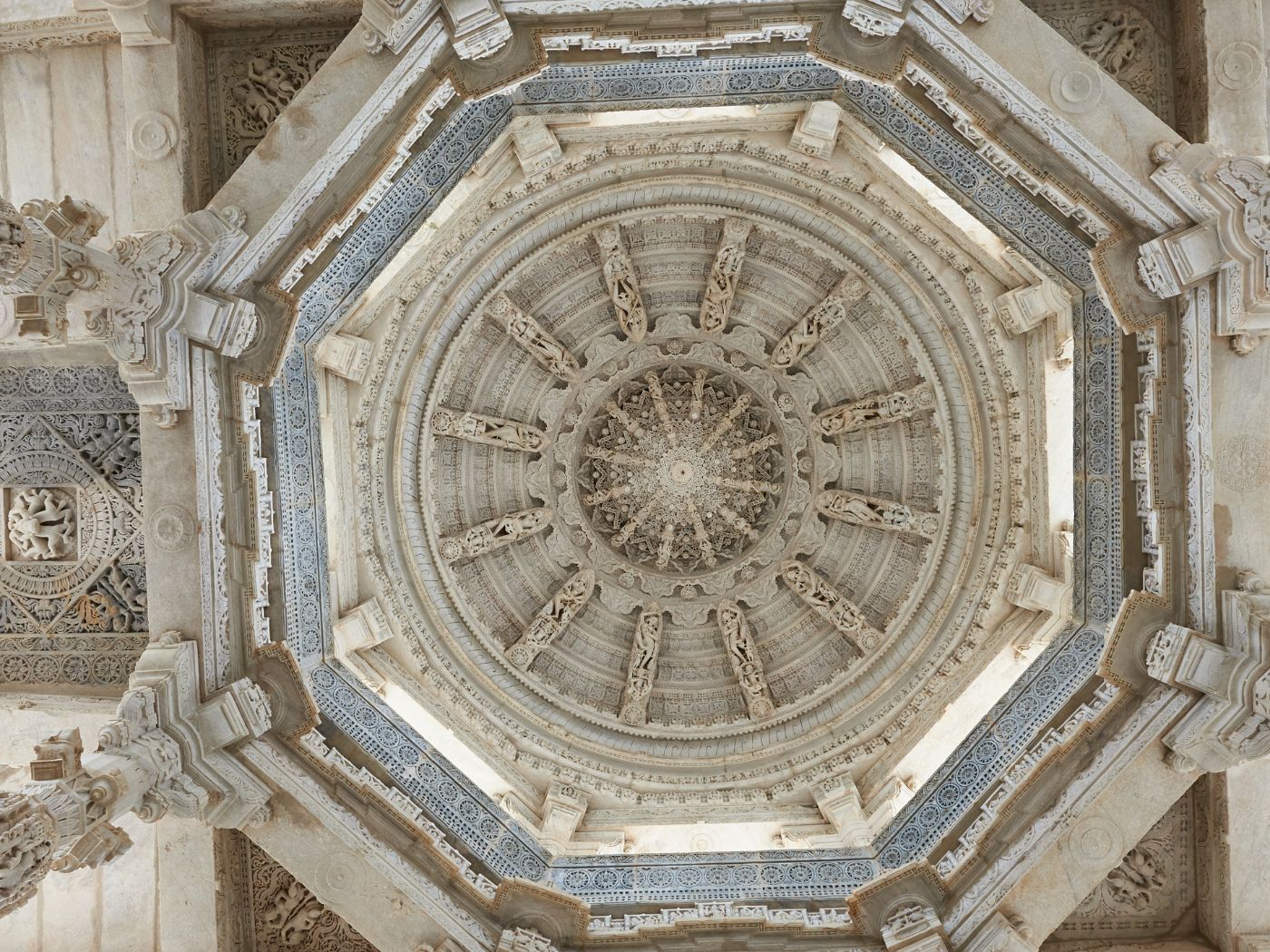
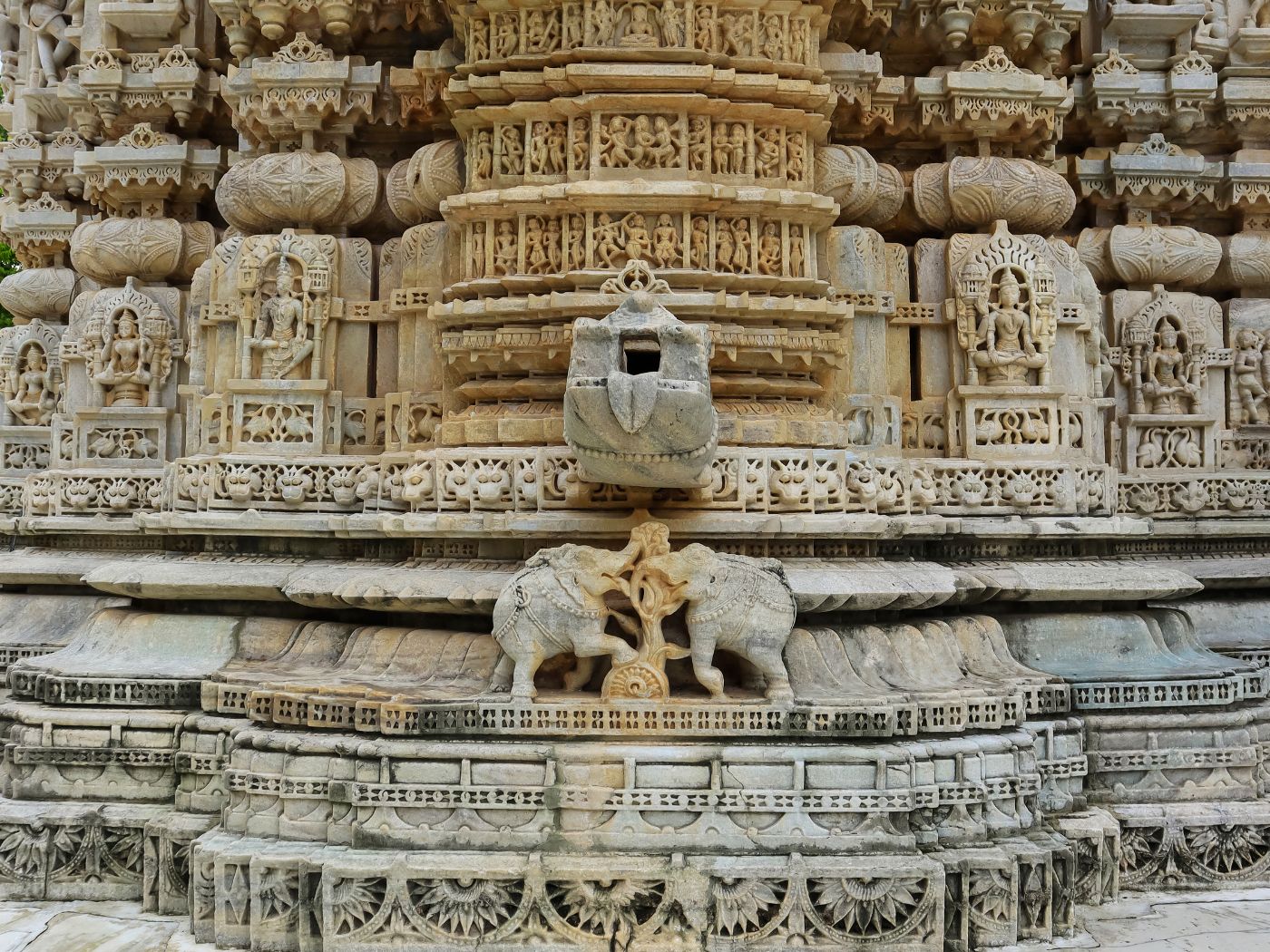
Ranakpur is famous for its spectacular Jain Temples made in the 15th Century CE during the reign of Rana Kumbha. The temple is a prime example of Indian craftsmanship and stone sculpture. It’s made of beautifully carved, light-coloured marble with sinuous, intricate details. The temple’s area occupies approx. 4,500 square yards, standing on 1444 marble pillars with exquisite carvings. A 1437 CE copper-plate record, written in Sanskrit, describes the construction. The Ranakpur Temple is renowned worldwide for its brilliant architecture and was voted among the top 77 wonders of the world.


Explorations & Experiences in Ranakpur -

EXPLORE (Places to visit in Ranakpur):

  • Ranakpur Jain Temple
  • Maharani Bagh Orchard
  • Sadri
  • Surya Narayan Temple
  • Muchhal Mahavir Temple
  • Kumbhalgarh Fort
  • Narlai


EXPERIENCE (Things to do in Ranakpur):

  • Admire the beauty and architecture of Ranakpur Jain Temple
  • Get cultural insight at Sadri
Reach out to our Local Experts
Plan Your Bespoke Journey with Us

Fill in your details and one of our destination experts will get in touch with you. Our experts are dedicated to providing personalized assistance and insights, ensuring that all your queries are addressed and you receive the best possible guidance for your travel plans.


Checkout our
Latest Blogs
Choose from the best
Hotel Partners
Get our latest updates
Subscribe Our Newsletter

Stay Connected
FAQs
  • What makes the Ranakpur temple complex architecturally exceptional?

    Set in a forested Aravalli valley roughly 90 km from Udaipur, the principal temple, the Chaturmukha Dharana Vihara, is dedicated to Adinath, the first Tirthankara of Jainism, and ranks among the faith's five major pilgrimage sites. The entire structure is built from pale amber marble, covers roughly 48,000 square feet, and is supported by 1,444 individually carved pillars, each unique. Light moving through the carved columns and domes creates an interior of real beauty, and it is widely regarded as the finest example of Svetambara Jain architecture in India.

  • Who built the Ranakpur Jain Temple, and how long did it take?

    Dharna Shah, a wealthy Jain merchant from Ghanerao, commissioned it after reportedly receiving a divine vision of a celestial flying chariot. Construction began in the 15th century under the patronage of Rana Kumbha, the Mewar ruler also responsible for Kumbhalgarh Fort, who donated the land; the town of Ranakpur takes its name from him. The chief architect, Depa or Deepak, oversaw a project that took over 50 years and involved more than 2,500 workers. The complex also includes secondary temples to Parshavanatha and Surya, and 84 underground chambers built to hide the sacred idols during attacks.

  • What is special about the 1,444 pillars?

    Every one is individually carved, and no two repeat the same design, supporting 29 pillared halls and 80 domes arranged so precisely that the main deity remains visible from anywhere in the temple. The marble itself shifts colour through the day, golden in the morning and pale blue by afternoon. Legend holds that one pillar must always remain incomplete, since accounts record that whenever it has been finished, it has subsequently cracked. The ceilings between the domes are carved with a delicacy that resembles ivory rather than stone.

  • Can non-Jains visit, and are there rules to follow?

    Yes, during set tourist hours, generally noon to 5 in the afternoon, though it's worth confirming current timings. Remove footwear before entering, avoid leather items (including belts and bags), dress modestly, and expect photography to be restricted in the innermost sanctum, which non-Jains are not permitted to enter. Priests and caretakers are generally welcoming and happy to explain the religious significance of specific elements if asked.

  • How much time should I set aside here?

    Two to three hours for a considered visit. Arriving in the early afternoon, when visitor numbers are lower, gives space to move slowly through the outer halls, study the pillar carvings up close, and work gradually toward the inner sanctum before circling the exterior to take in the domed silhouette against the forest. A guide or audio guide adds real value, pointing out the incomplete pillar and the single-slab Parshvanatha idol carved from one piece of marble, with 1,008 snake heads.

  • How do I reach Ranakpur, and do I need a private car?

    Effectively yes. It is roughly 90 km (about two hours) from Udaipur and 160 km (two and a half to three hours) from Jodhpur; from Narlai, it is just 20 km (half an hour). The temple has no railway station; the nearest is Falna, about 30 km away on the Jodhpur-Ahmedabad line, and buses from Udaipur run too infrequently to rely on. Since Ranakpur sits naturally on the route between Udaipur and Jodhpur via Narlai, it makes an easy stop rather than a dedicated detour.


  • What else is worth seeing near Ranakpur?

    Kumbhalgarh Fort, a UNESCO World Heritage Site roughly 40 km away with a 36 km defensive wall, pairs naturally with Ranakpur in a single day, though the mountain drive between them takes about an hour. Narlai, 20 km away, has over 350 temples, the granite Elephant Rock, and the Rawla Narlai heritage hotel. The Muchhal Mahavira Temple at Ghanerao, roughly 30 km away, is an important and far less visited Jain shrine. The Kumbhalgarh Wildlife Sanctuary surrounding the fort is home to leopards, wolves, sloth bears, and the four-horned chowsingha antelope.

  • Who was Adinath, and why does the main idol have four faces?

    Adinath, also called Rishabhanatha, was the first of the 24 Tirthankaras in the current Jain cosmic cycle, a spiritual teacher who attained liberation and taught others the path. The principal idol is a six-foot white marble image of Adinath with four faces looking in the four cardinal directions, called chaturmukha, from which the temple takes its name, representing his enlightenment radiating outward in all directions. The temple's overall design reportedly followed Dharna Shah's vision of a Nalinigulma Viman, a heavenly flying chariot in Jain cosmology.

  • When should I plan a visit?

    October to March, when the Aravalli location gives Ranakpur a cooler, slightly more humid character than the surrounding plains and the morning light from October to February turns the marble a warm gold before noon. The monsoon, July to September, brings the valley to vivid green and is genuinely beautiful, though roads can be slippery. April and May are warm but manageable, since the shaded marble interior stays cooler than outdoor sites. Weekday early afternoons are consistently the quietest time to visit.

  • Where should I stay if I want to see Ranakpur properly?

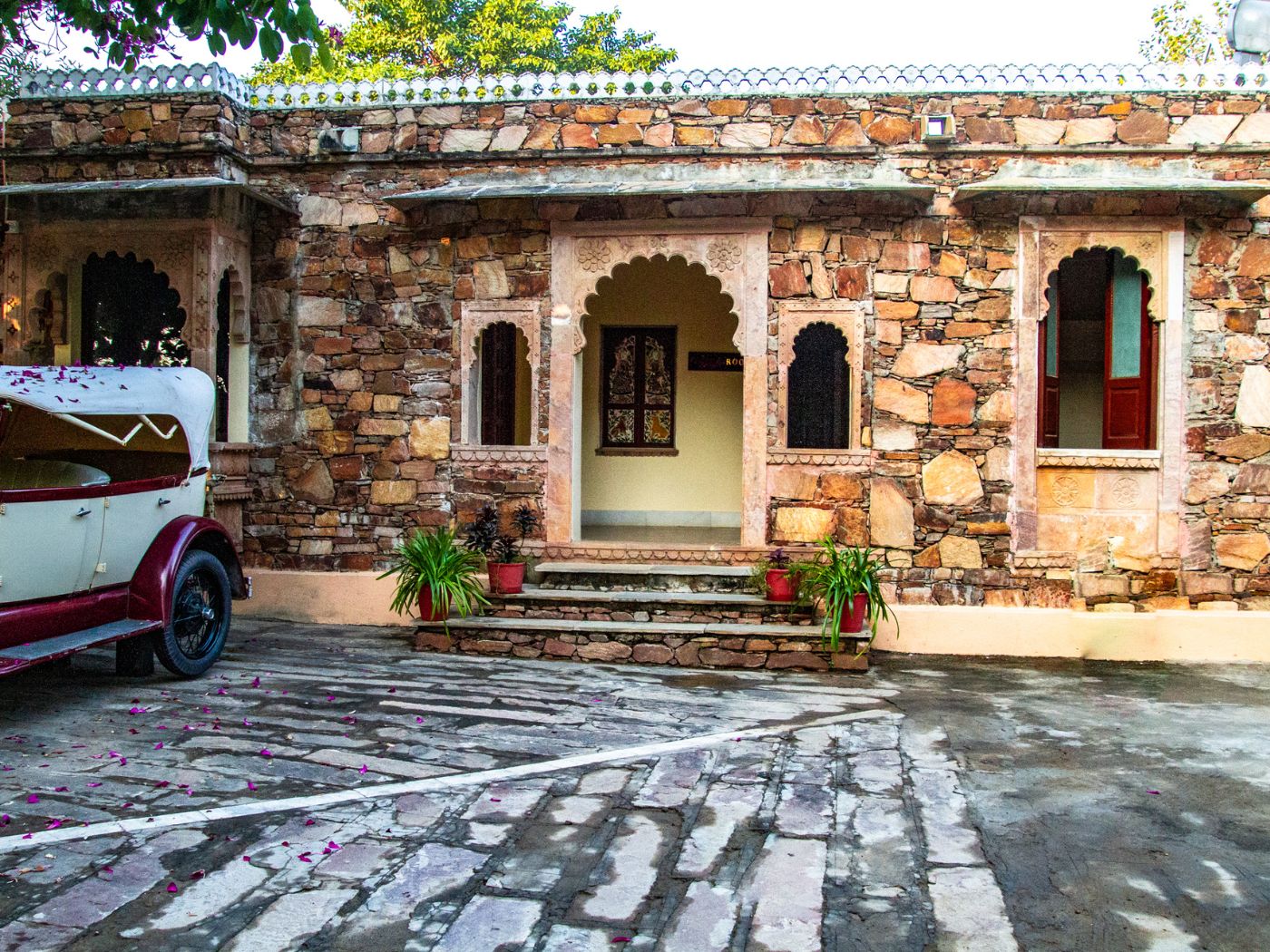
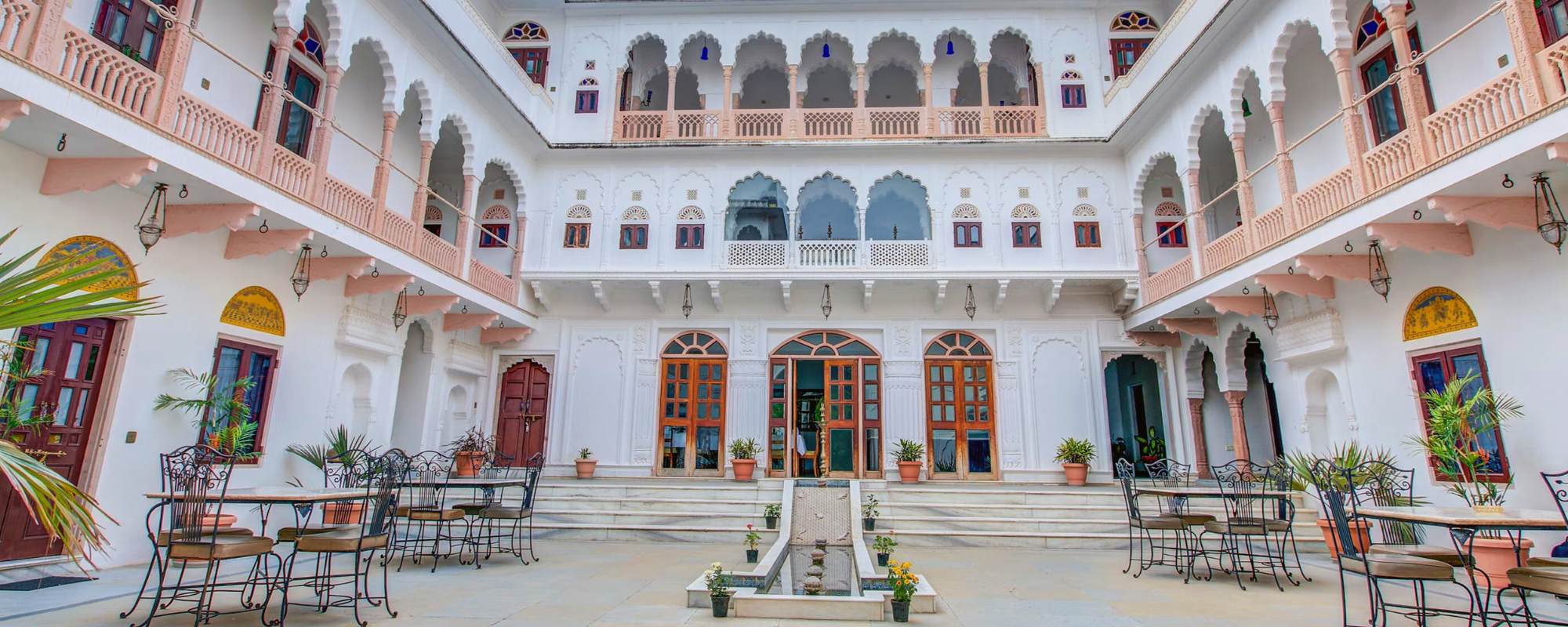
    Narlai, 20 km away, is the most rewarding base: the Rawla Narlai heritage hotel combines a 17th-century royal hunting lodge with excellent food and easy access to both Ranakpur and Kumbhalgarh, and experienced Rajasthan travellers consistently recommend staying two nights while visiting both as day excursions. The Maharani Bagh Orchard Retreat, 2 km from the temple in a mango orchard, is a comfortable mid-range alternative. Udaipur, 90 km away, suits those who want five-star comfort, with the temples as a day trip.


Plan Your Trip