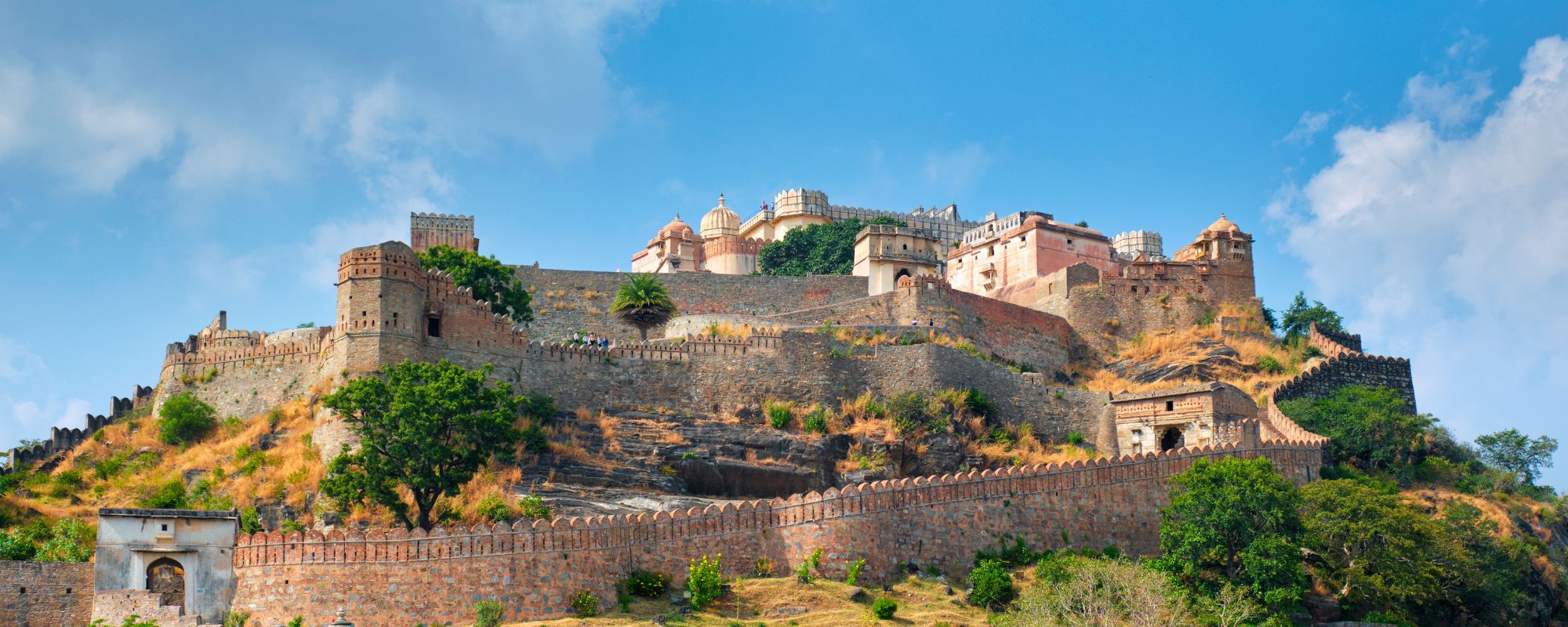
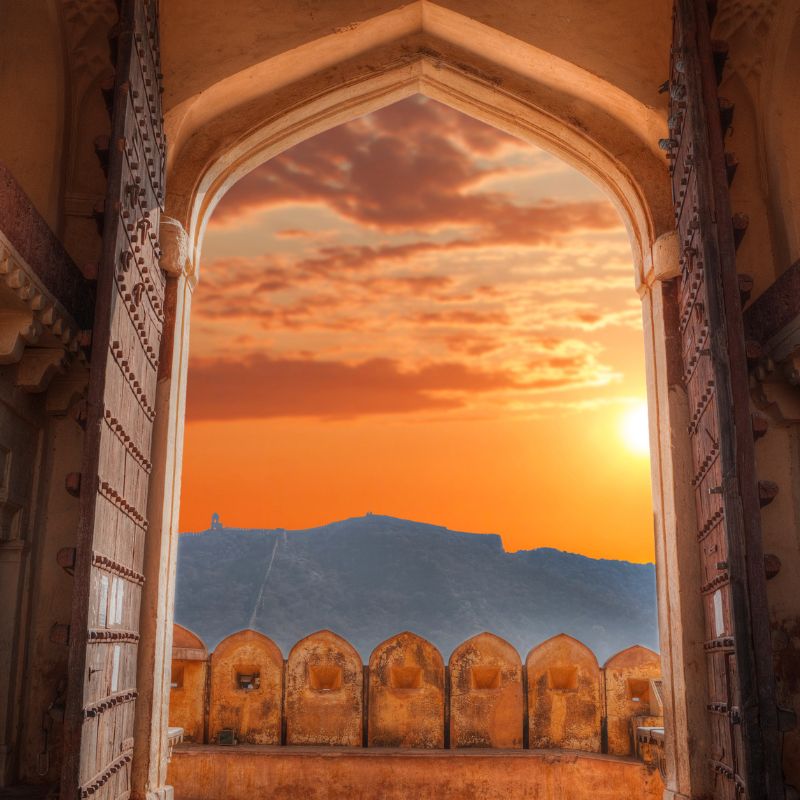
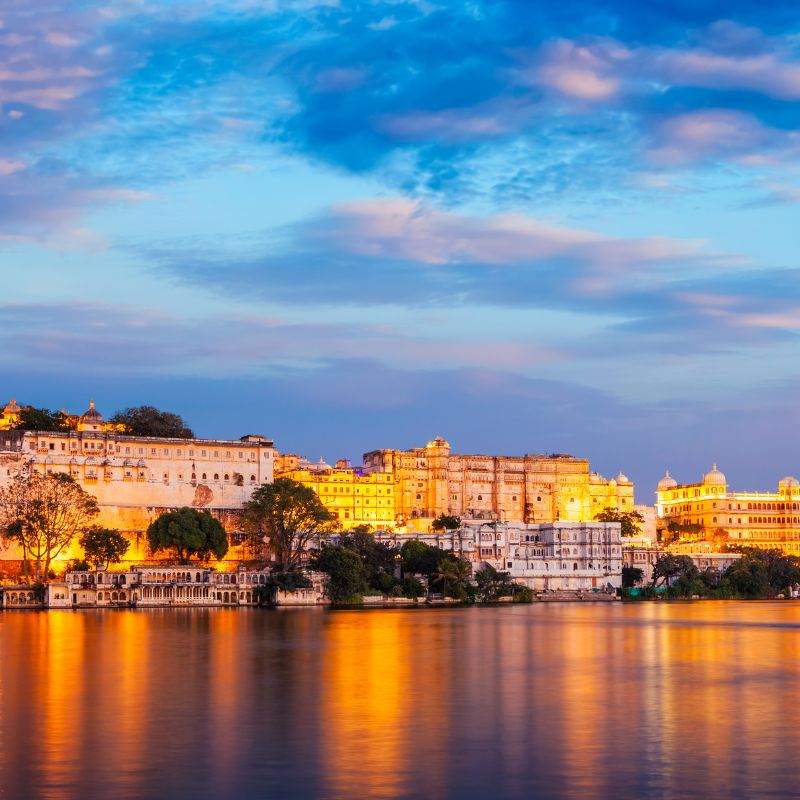
Away from the main tourist routes, Rajasthan slows down. In its villages, traditional crafts, regional cooking, farming practices and local customs remain part of everyday life.
A journey through rural Rajasthan offers a different perspective on the state. Instead of moving only between major monuments, travellers can spend time with artisans, walk through historic settlements, enjoy meals prepared with regional recipes and stay in heritage properties surrounded by the countryside.
For international visitors, rural Rajasthan tourism can be a rewarding addition to a private Rajasthan itinerary. The key is choosing experiences that offer meaningful cultural encounters while respecting the communities that make them possible.
What Makes Rural Rajasthan Special?
Rural Rajasthan is not a single type of landscape or culture. The desert villages around Jodhpur differ considerably from the painted settlements of Shekhawati or the farming communities near Udaipur.
Architecture changes with the landscape. In drier regions, traditional houses often use local stone, mud and lime-based materials. Elsewhere, visitors may encounter carved wooden doors, decorated courtyards, stepwells and old havelis.
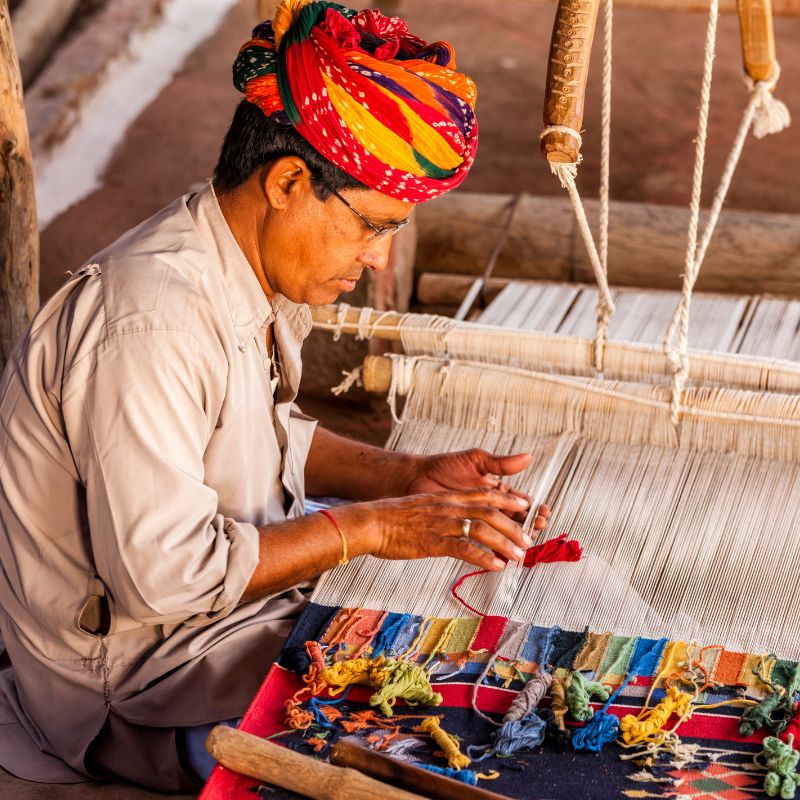
Local traditions are equally varied. Textile printing, pottery, weaving, embroidery and metalwork continue in different parts of the state, although their scale and commercial importance vary between communities.
What makes these journeys valuable is the opportunity to understand how people live, work and preserve their traditions today. Rural communities are not museums, and their everyday activities should never be treated as performances arranged solely for tourists.
A well-planned visit creates space for genuine interaction, with appropriate introductions, permission and fair compensation where services are provided.
Best Places to Experience Rural Rajasthan
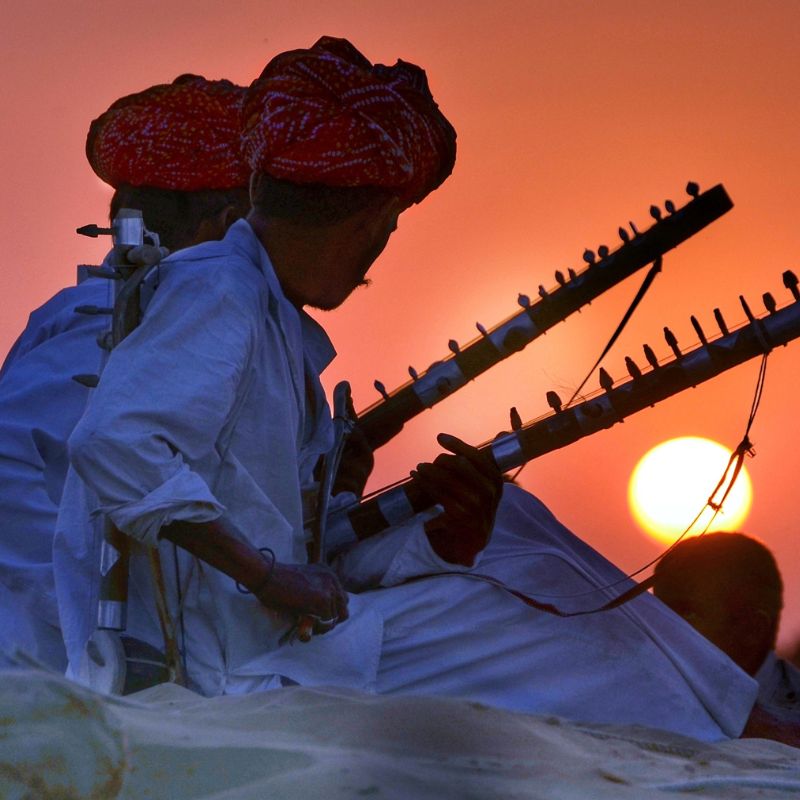
Bishnoi Villages Near Jodhpur
The Bishnoi communities around Jodhpur are associated with a long-standing tradition of environmental conservation and respect for wildlife.
A thoughtfully organised village excursion may introduce visitors to local crafts, traditional homes and aspects of rural life. Depending on the location and arrangements, travellers may also learn about pottery or weaving.
The surrounding countryside is known for wildlife such as blackbuck and chinkara, although sightings are never guaranteed.
These excursions work particularly well as a half-day experience during a stay in Jodhpur. Choose a local guide who has established relationships with the communities being visited, rather than treating the excursion as an opportunity for uninvited access to private homes.
Samode and the Villages Around Jaipur
Samode, located outside Jaipur, is known for its historic architecture and surrounding rural landscape.
The area provides an appealing contrast to Jaipur's busy bazaars and monumental attractions. Travellers can combine a heritage stay with countryside excursions, village walks or visits to local craft communities where suitable arrangements are available.
For visitors who want to experience rural Rajasthan without travelling far from a major city, Samode can be a convenient choice.
It also fits naturally into a wider Rajasthan travel itinerary, particularly for travellers beginning their journey in Jaipur.
Shekhawati: Painted Havelis and Historic Towns
Shekhawati, in northeastern Rajasthan, is celebrated for its richly painted havelis, and towns such as Mandawa and Nawalgarh preserve examples of the region's distinctive merchant architecture. Some buildings are privately owned, occupied, or in fragile condition, so access should always be confirmed.
Our Shekhawati travel guide covers the towns, the frescoes and how to plan a visit.
Khimsar and the Desert Countryside
Khimsar offers a different side of Rajasthan, with historic architecture and rural landscapes between Jodhpur and Bikaner.
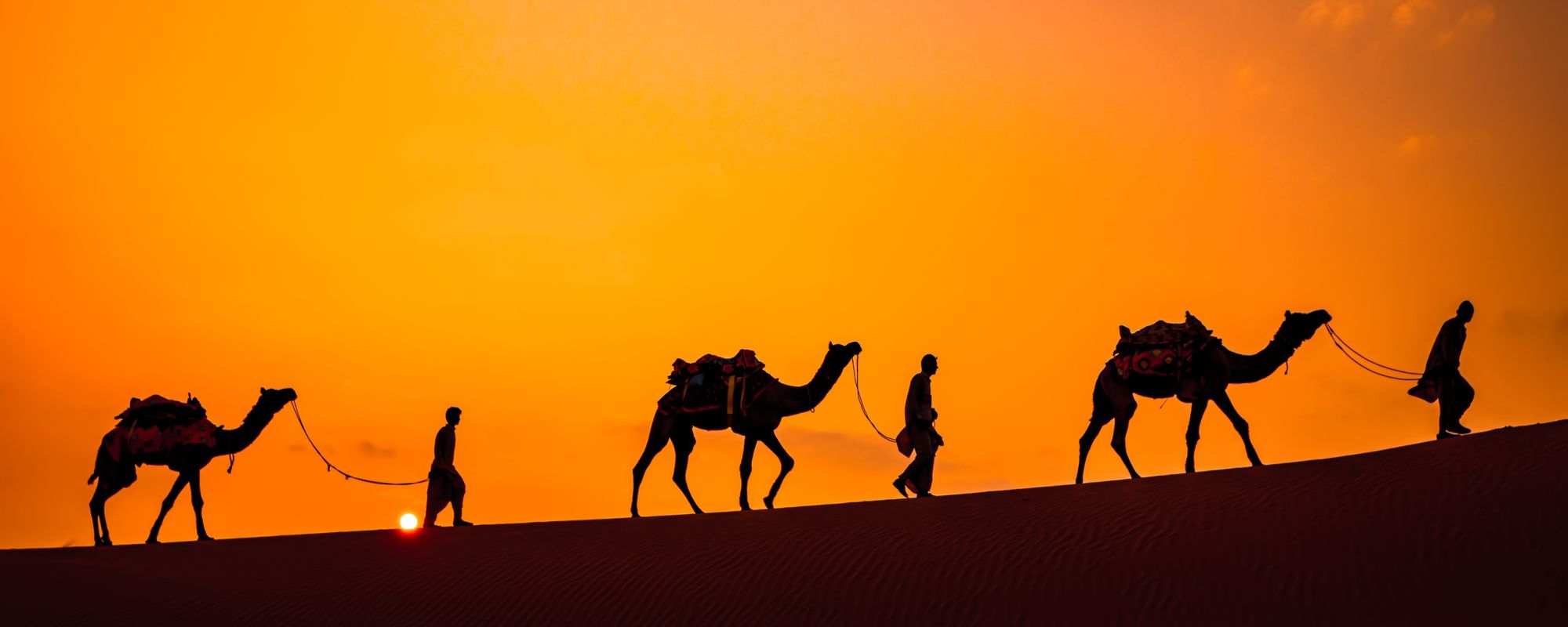
The surrounding region provides opportunities to appreciate desert-edge settlements, traditional livelihoods and the quieter pace of countryside travel.
A heritage stay here can provide a comfortable base for exploring nearby villages and understanding how communities adapt to the region's dry environment.
Khimsar is particularly suitable for travellers who prefer to break up longer road journeys rather than rush directly between major cities.
Villages Around Udaipur
The countryside around Udaipur includes farming settlements, lakes, hills and communities with distinct cultural traditions.
Depending on the chosen route, visitors may encounter traditional agricultural practices, local markets and craft activities. Some villages are associated with Bhil and other communities whose cultural traditions differ from those found in western Rajasthan.
Arrange visits sensitively, with local participation and permission rather than assumptions about access.
For travellers staying in Udaipur, a guided countryside excursion can complement the city's palaces, lakes and gardens.
Authentic Rural Experiences Worth Including
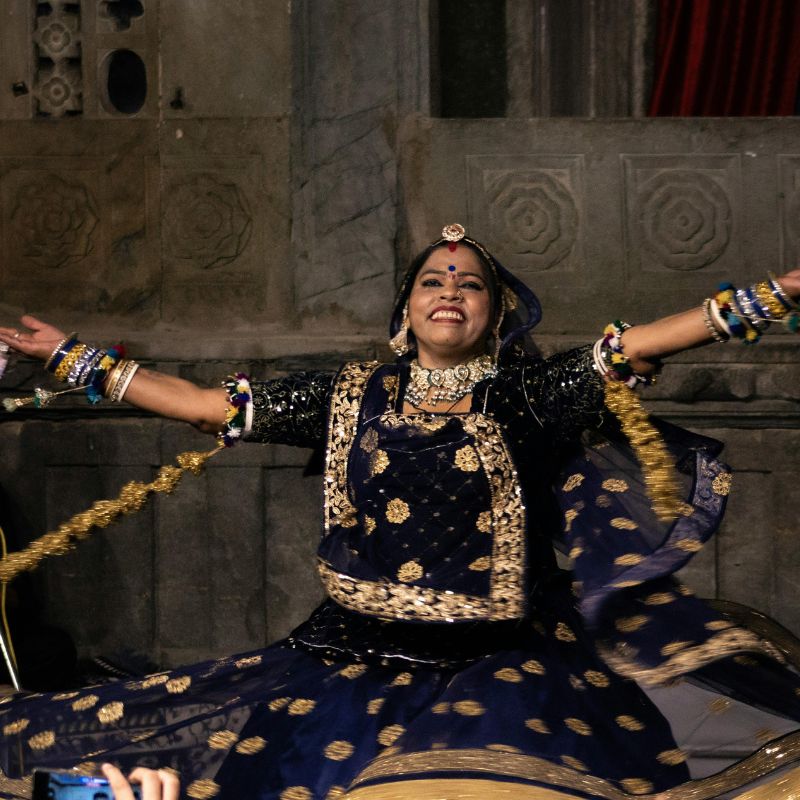
The best rural experiences are not necessarily elaborate. Often, the most rewarding encounters involve spending time learning a craft, enjoying a meal or experiencing a local tradition.
Traditional Craft Workshops
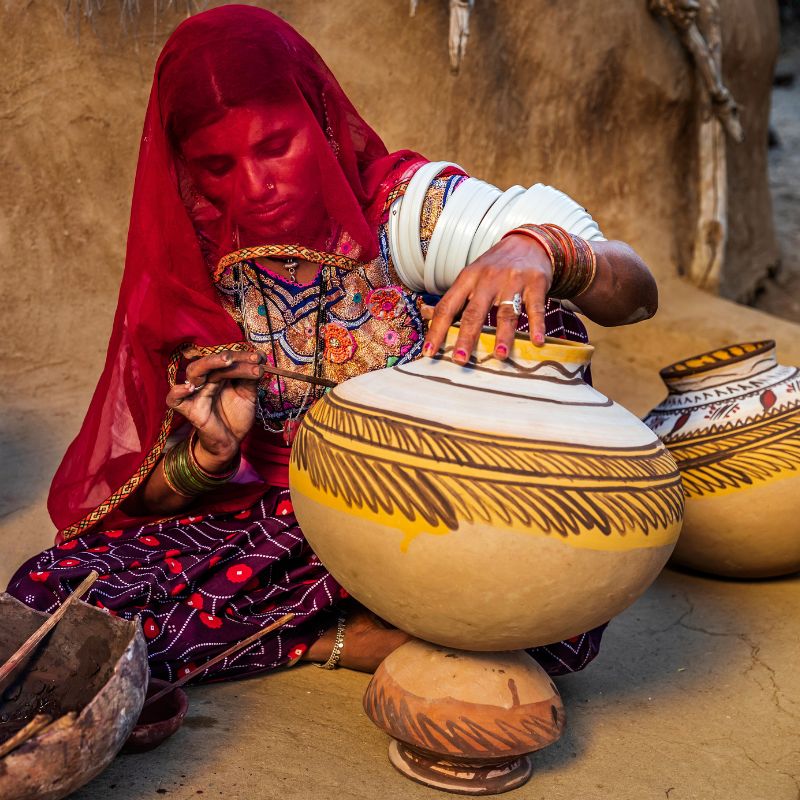
Rajasthan has longstanding traditions of pottery, block printing, weaving, embroidery and other crafts. A workshop with a practising artisan offers insight into the materials, techniques and skills involved.
Village Walks
A guided walk can introduce travellers to traditional architecture, community spaces and local livelihoods. Routes should be agreed upon with local hosts, particularly where residential areas are involved.
Regional Cooking Experiences
Food offers a direct connection to Rajasthan's geography and culture. Depending on the host and region, travellers may learn about dishes such as bajra roti, ker sangri, gatte ki sabzi or other local preparations.
Traditional Music
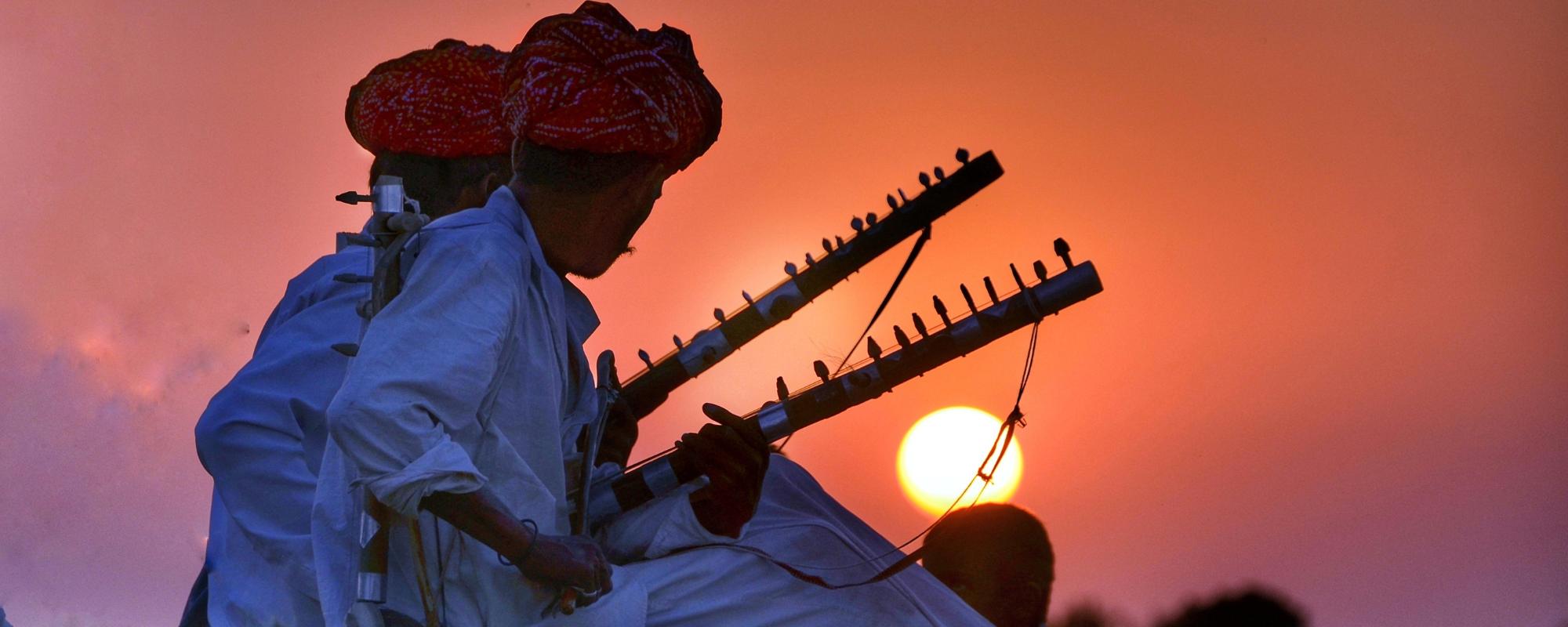
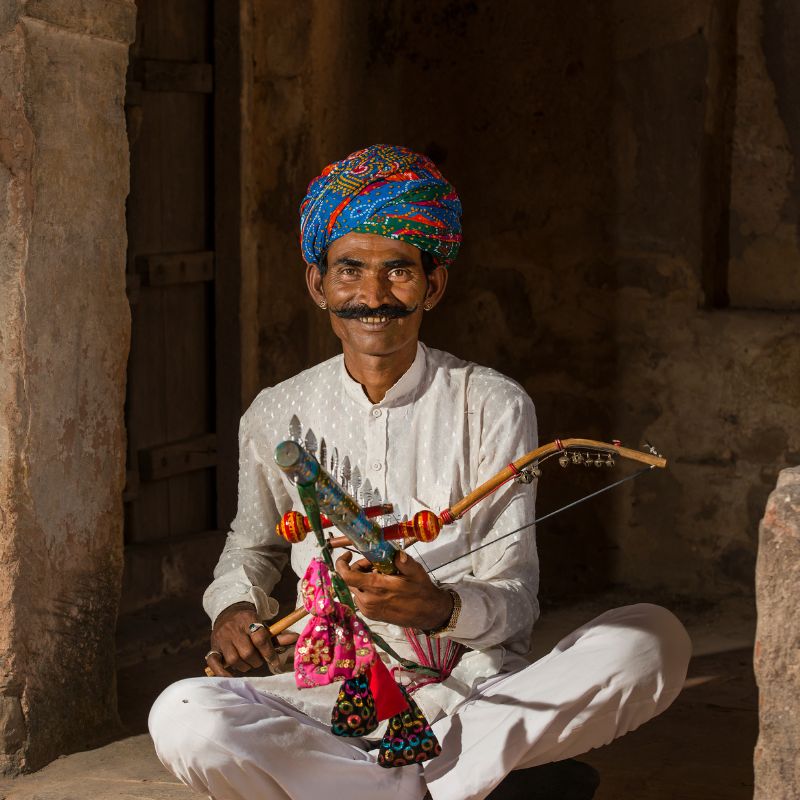
Folk music is an important part of Rajasthan's cultural heritage. Private performances arranged with professional local musicians can create opportunities to appreciate regional musical traditions while supporting performers.
Local Markets
Weekly markets and small-town bazaars can reveal the practical side of rural commerce, including agricultural produce, textiles and household goods. Visitors should remember these are working markets rather than tourist attractions.
Not every experience is available in every village or on every date. Private arrangements should reflect local availability, the interests of the travellers and the willingness of community members to participate.
Heritage Stays and Boutique Properties in Rural Rajasthan
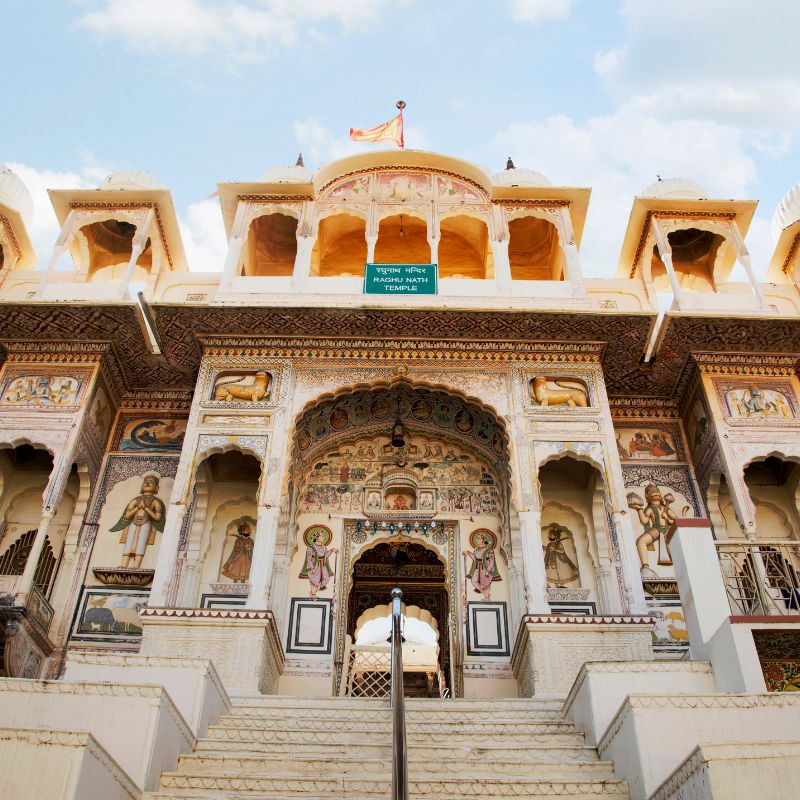
One advantage of rural Rajasthan travel is the opportunity to stay in historic properties outside the major cities.
Former forts, ancestral residences and countryside estates have been adapted into accommodation, allowing travellers to enjoy regional architecture without giving up modern comforts.
However, heritage properties vary considerably. Some offer spacious suites, landscaped grounds and attentive service, while others provide a simpler, more intimate experience.
Location is just as important as the property itself. A countryside hotel may be ideal for a peaceful overnight stay, but it should also fit sensibly into the overall route.
Travellers interested in luxury Rajasthan village tours should consider spending at least one night in a rural property rather than visiting every location as a brief excursion.
How to Experience Rural Rajasthan Responsibly
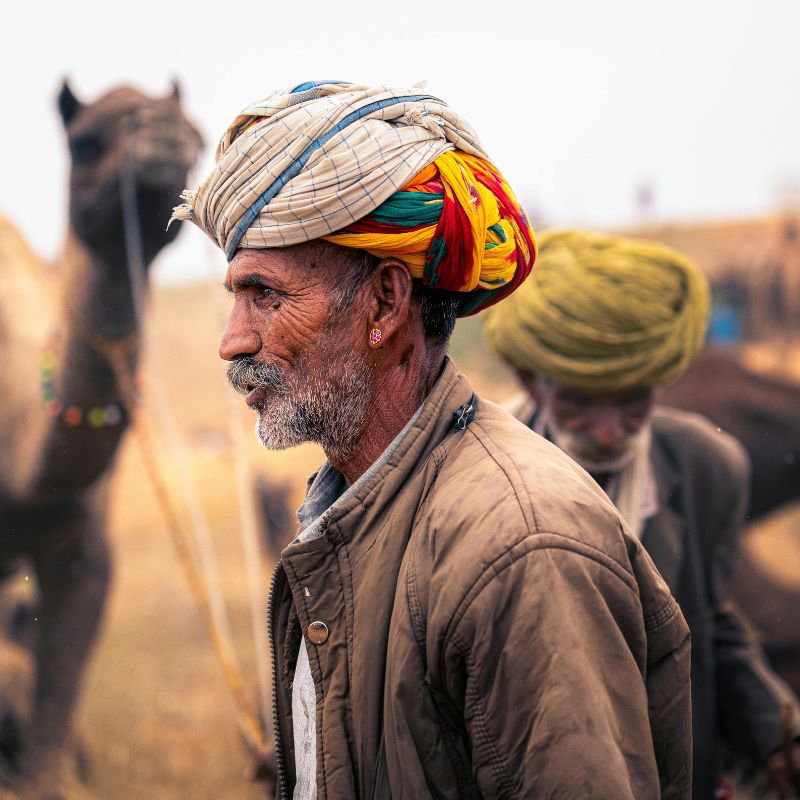
Responsible travel is especially important when visiting smaller communities.
A village may welcome visitors, but that does not mean every home, religious ceremony or family activity is open to outsiders.
Ask permission before photographing residents, particularly children. Avoid entering private spaces without an invitation, and respect restrictions around temples or community gatherings.
When booking cultural activities, choose arrangements that compensate local guides, artisans and performers fairly.
Buying directly from craftspeople can support local livelihoods, but visitors should also respect the time and expertise behind handmade work.
Wildlife experiences require similar care. Avoid activities that disturb animals or encourage inappropriate feeding and close interaction.
A private guide familiar with local customs can help make these encounters more comfortable and respectful for everyone involved.
Best Time to Visit Rural Rajasthan
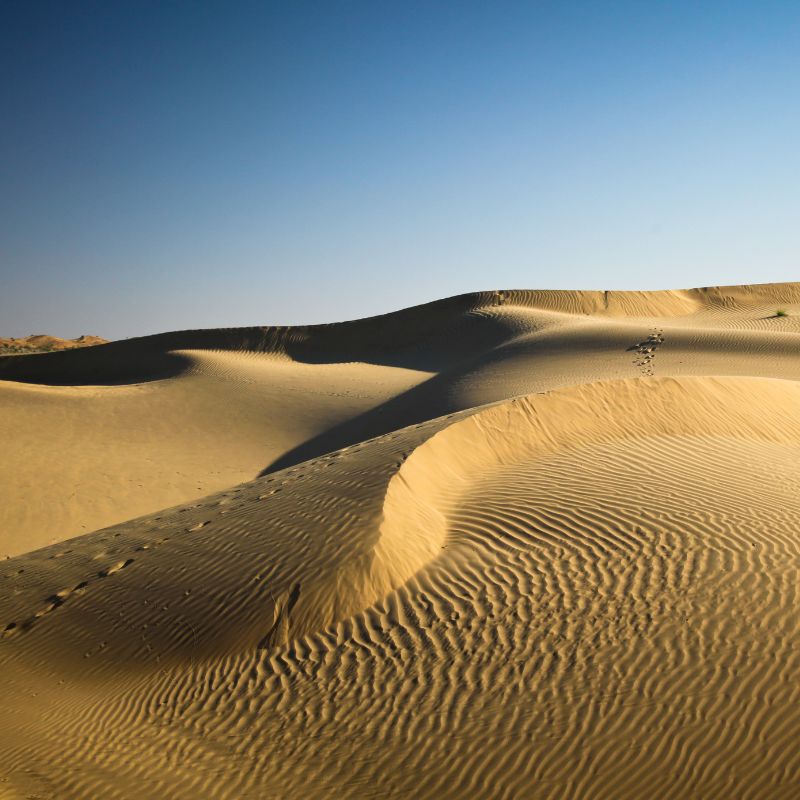
The most comfortable season for exploring rural Rajasthan is generally October to March.
During these months, daytime temperatures are usually better suited to village walks, countryside excursions and outdoor sightseeing. December and January can bring cold mornings and evenings, especially in desert areas.
April to June is typically much hotter, making extended outdoor activities uncomfortable in many parts of the state.
The monsoon season, generally July to September, brings greener landscapes to some regions, particularly around the Aravalli Hills. However, rain can affect rural roads and outdoor plans.
For most international visitors, November to February is a practical choice, although the ideal month depends on the destinations included.
How to Include Rural Rajasthan in a Luxury Tour
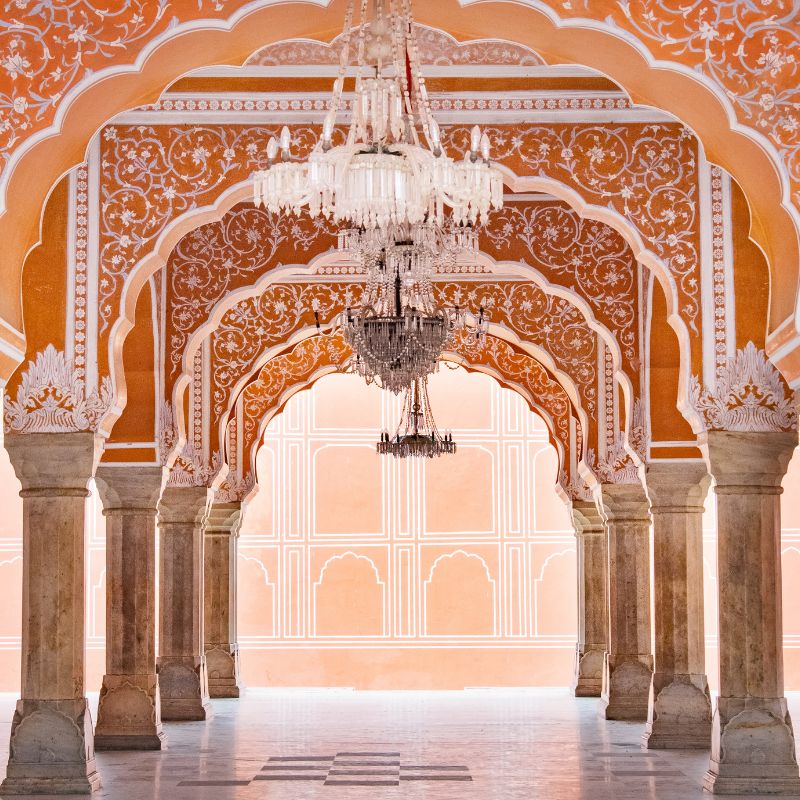
Rural experiences work best when they complement the main itinerary rather than adding unnecessary driving.
A traveller following the popular Jaipur–Jodhpur–Udaipur route could include a countryside stay near Jaipur, a village excursion around Jodhpur or a rural experience near Udaipur.
Those with additional time might consider Shekhawati, Khimsar or a heritage property in a less-visited region.
A practical approach is to allow one or two nights for a countryside stay, especially when the accommodation itself is part of the experience.
For inspiration, our 13-day Rural Heritage Retreat combines major sightseeing destinations with quieter stops, including a village visit at Rohet Garh near Jodhpur.
Travellers can also browse India tour packages to understand how rural experiences may fit into a longer private journey.
The objective should be a comfortable itinerary with enough time for meaningful encounters, rather than visiting as many villages as possible.
Conclusion
Rajasthan's villages and countryside offer a valuable perspective on the state's cultural heritage. Historic settlements, traditional crafts, regional food and local hospitality reveal aspects of Rajasthan that are easy to miss when travelling only between major cities.
The most rewarding experiences come from choosing the right destinations, allowing sufficient time and approaching local communities with respect.
For travellers seeking a personalised journey, we can help incorporate rural experiences, heritage stays and private guided excursions into a wider Rajasthan itinerary.
Explore our customised India tours to plan a journey that balances Rajasthan's celebrated landmarks with its quieter countryside.