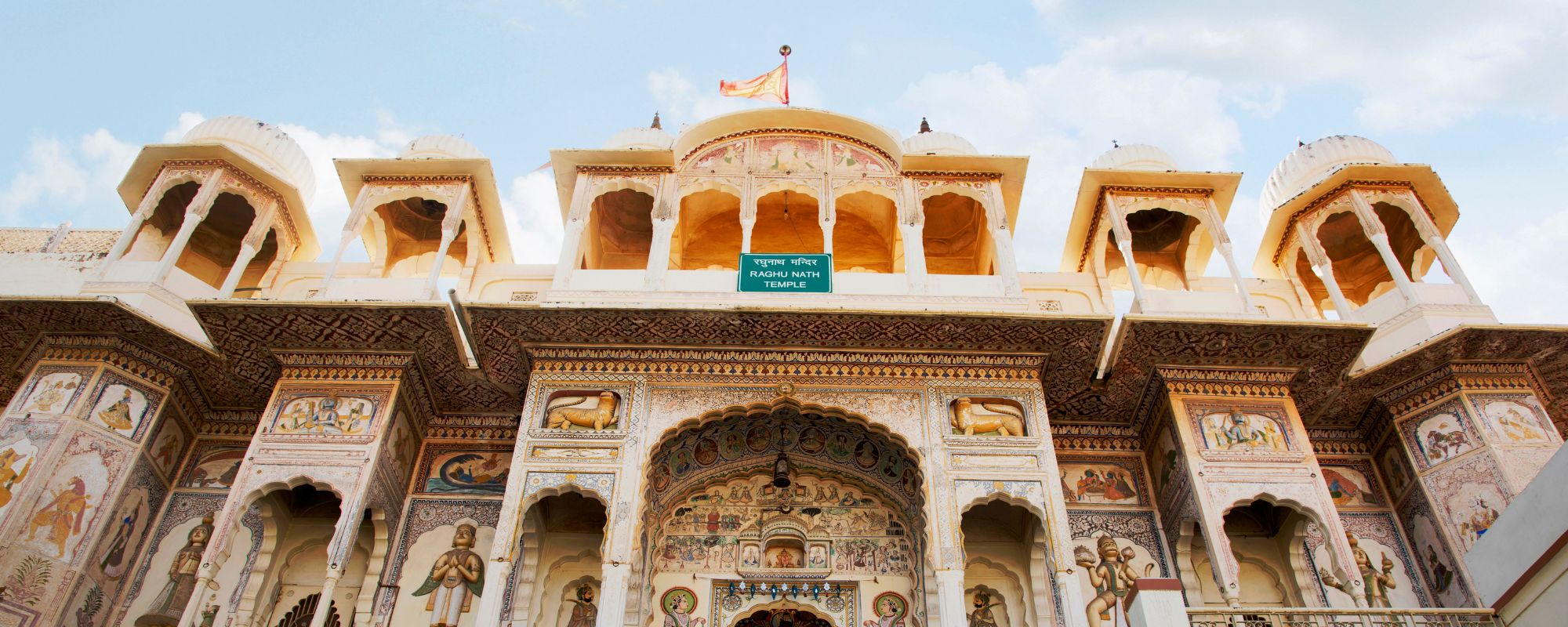
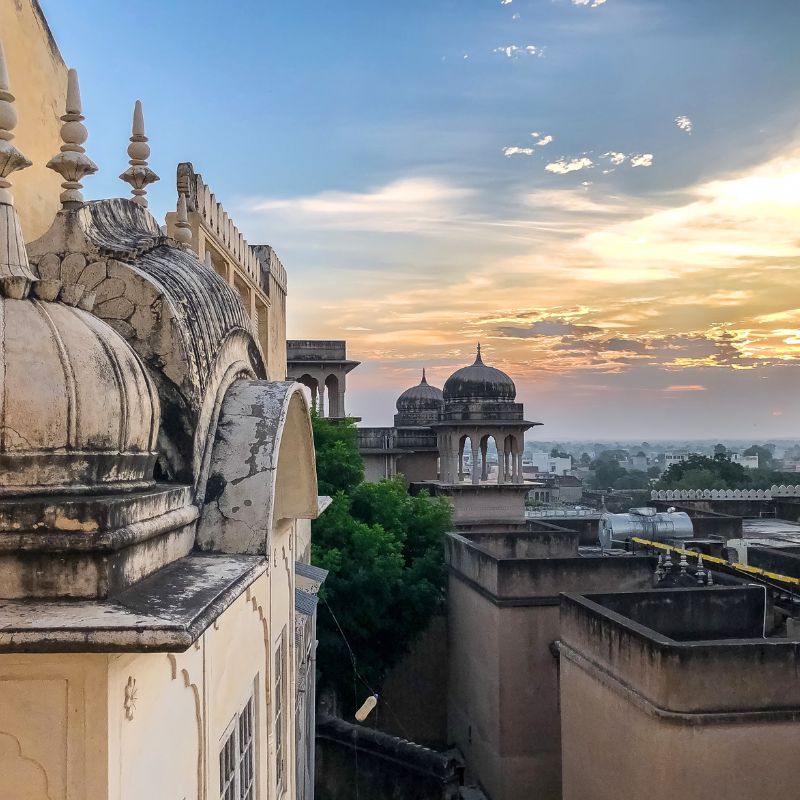
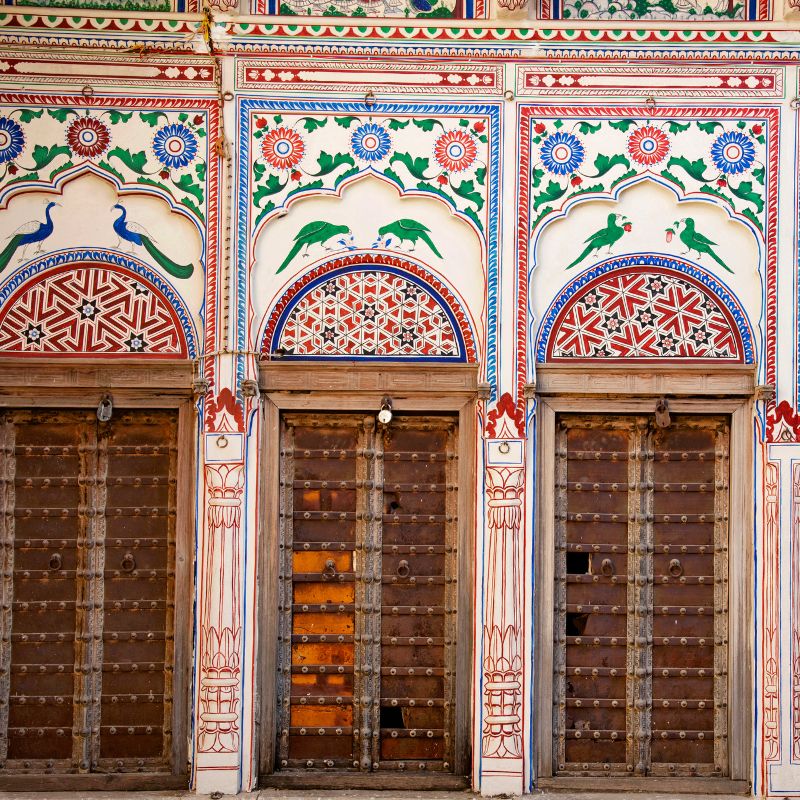
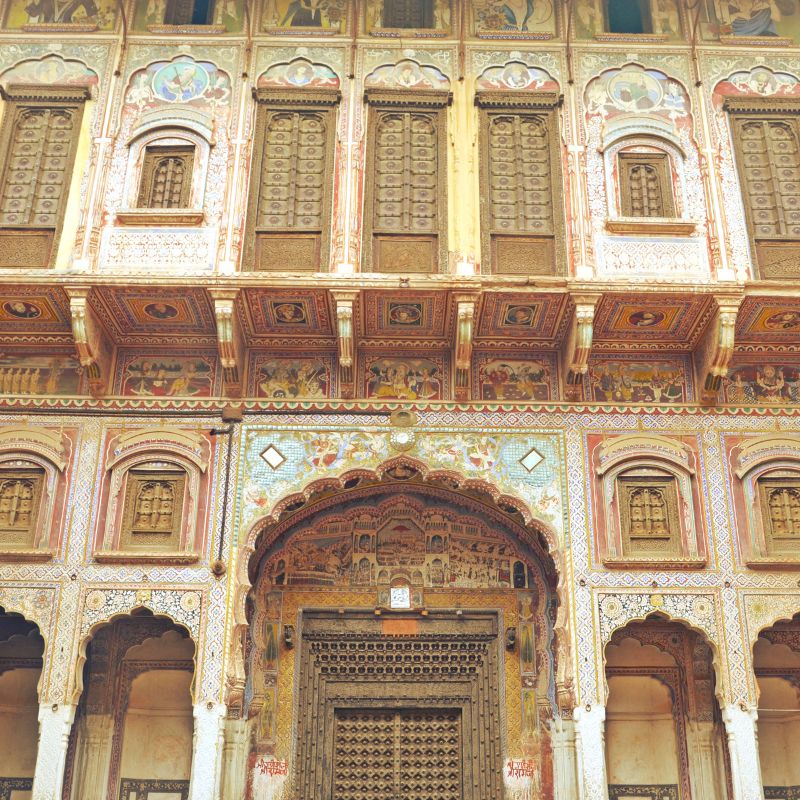
Rajasthan's grand forts and royal palaces attract visitors from around the world. Yet some of its most fascinating artwork is hidden in the narrow streets of small towns, where centuries-old merchant mansions display colourful paintings across their walls.
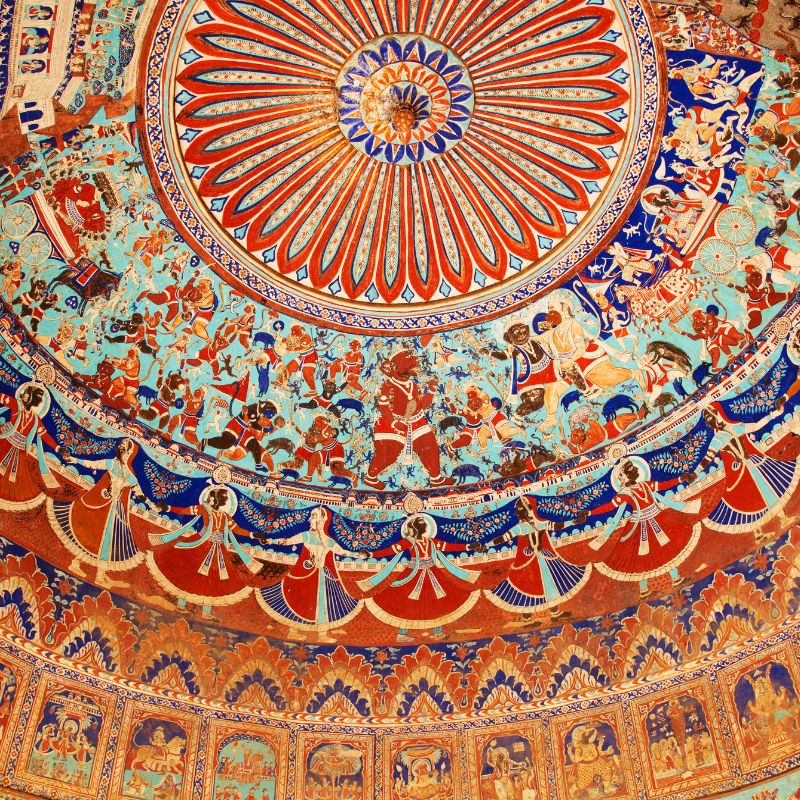
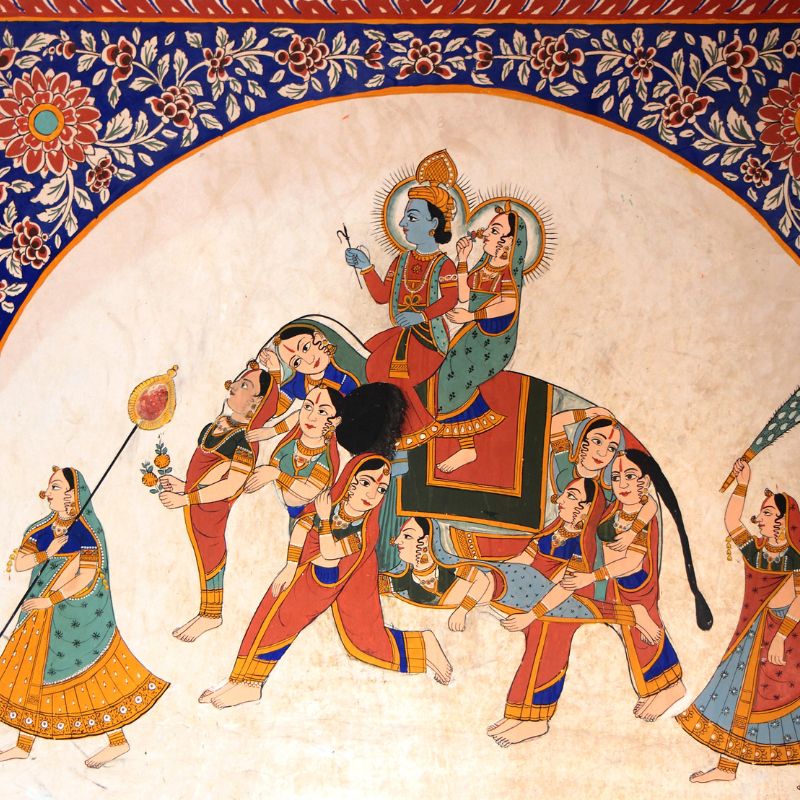
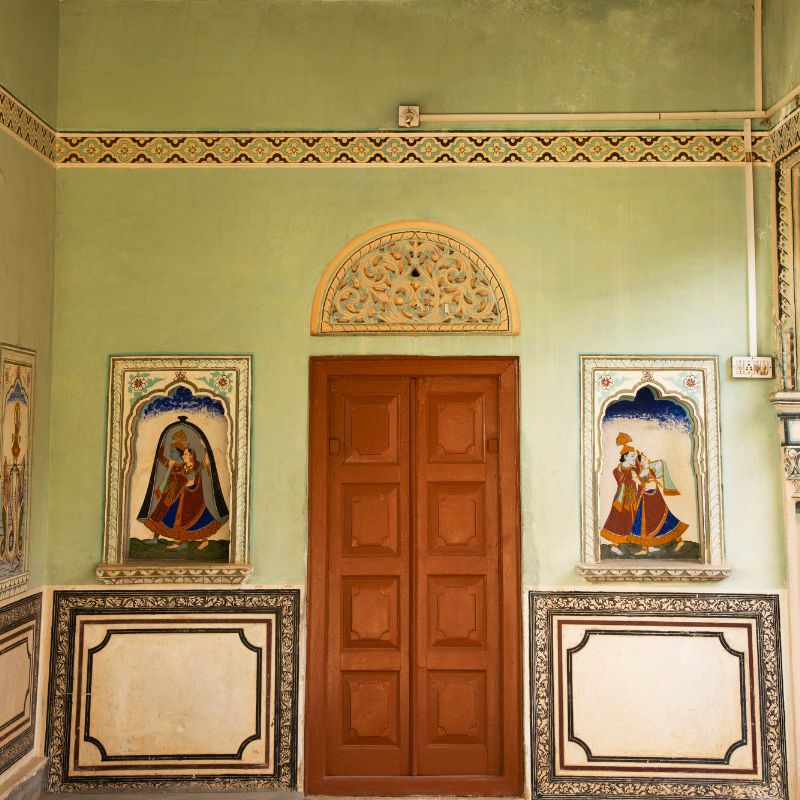
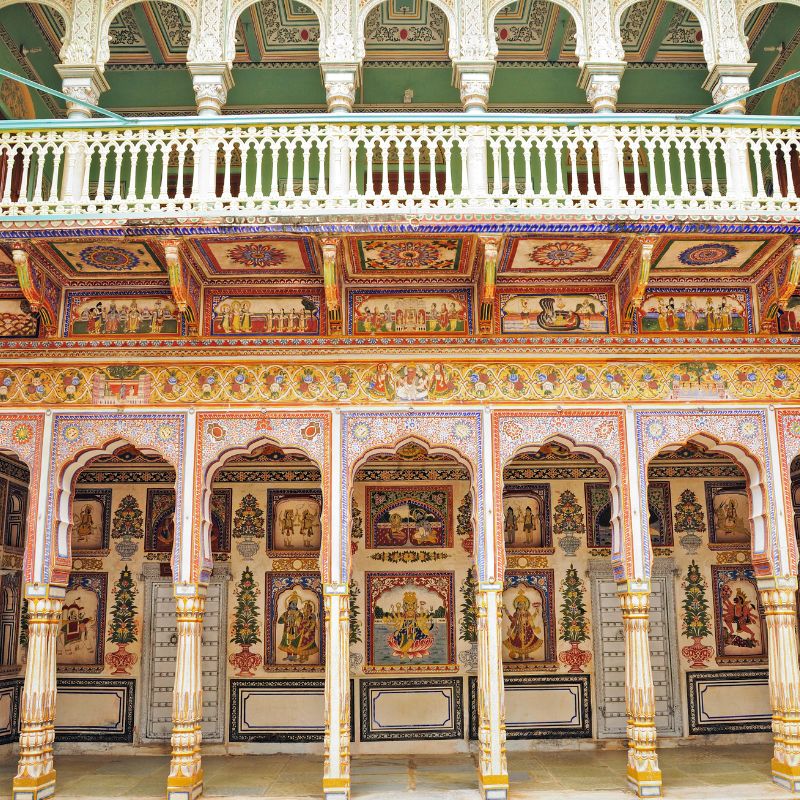
Welcome to Shekhawati, a historic region in northeastern Rajasthan known for its extraordinary collection of painted havelis. Here, murals depict Hindu mythology, royal processions, merchants, animals and even early automobiles and trains.
Often called Rajasthan's Open-Air Art Gallery, Shekhawati offers a different perspective on the state's architectural and cultural heritage.
Unlike Jaipur or Udaipur, Shekhawati is not a single city. It comprises several historic towns across the Jhunjhunu, Sikar and Churu districts.
This Shekhawati travel guide explains the best places to visit, how Mandawa and Nawalgarh compare, where to stay and how to include the region in a comfortable Rajasthan itinerary.
Shekhawati Travel at a Glance
|
Travel Detail |
Information |
|---|---|
| Location | Northeastern Rajasthan, India |
| Main towns | Mandawa, Nawalgarh, Fatehpur, Ramgarh and Dundlod |
| Recommended duration | 2–3 days |
| Best time to visit | October to March |
| Ideal transport | Private car with driver |
| Best for | Architecture, history, photography and heritage travel |
| Convenient gateways | Jaipur and Delhi |
| UNESCO status | UNESCO World Heritage Tentative List, June 2026 |
Planning tip: First-time visitors should prioritise Mandawa and Nawalgarh. Travellers with an additional day can explore Fatehpur, Ramgarh or other nearby heritage towns.
Why Is Shekhawati Called Rajasthan's Open-Air Art Gallery?
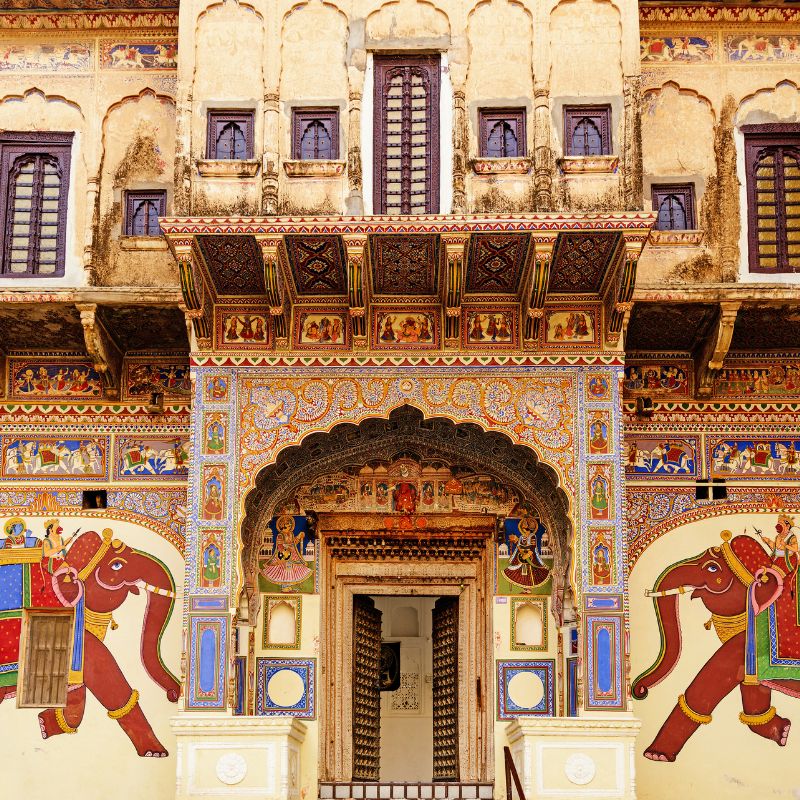
Shekhawati's painted architecture developed alongside the prosperity of its merchant communities.
During the 18th and 19th centuries, wealthy trading families commissioned elaborate havelis in their ancestral towns. Many merchants later established businesses in commercial centres such as Bombay and Calcutta while continuing to invest in their hometowns.
Their mansions became expressions of wealth, family identity and artistic patronage.
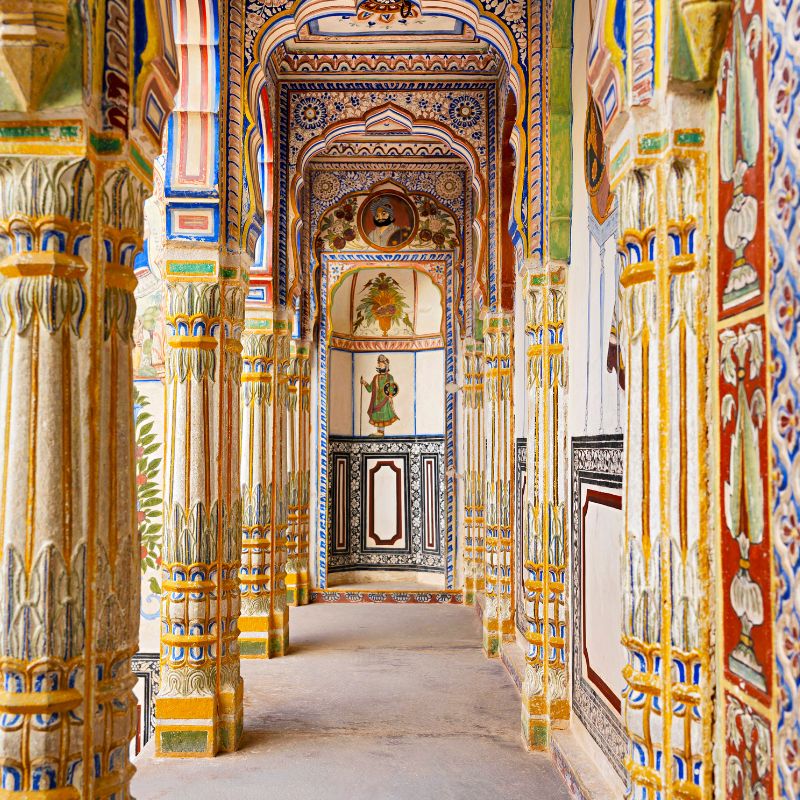
Artists decorated exterior walls, entrance gateways, courtyards and ceilings with detailed paintings. Earlier works frequently featured religious stories, while later murals reflected changing technology and international influences.
Shekhawati's UNESCO Tentative List Status in 2026
On 1 June 2026, the Painted Haveli Towns of Shekhawati was submitted to India's UNESCO World Heritage Tentative List.
The submission covers historic ensembles across 14 towns, recognising their merchant architecture, artistic traditions and distinctive settlement patterns.
Importantly, inclusion on the Tentative List does not mean Shekhawati is an inscribed UNESCO World Heritage Site.
The listing highlights the region's cultural significance and the importance of preserving its historic buildings.
Official reference: UNESCO World Heritage Centre – The Painted Haveli Towns of Shekhawati
Best Places to Visit in Shekhawati
1. Mandawa: The Perfect Introduction to Shekhawati
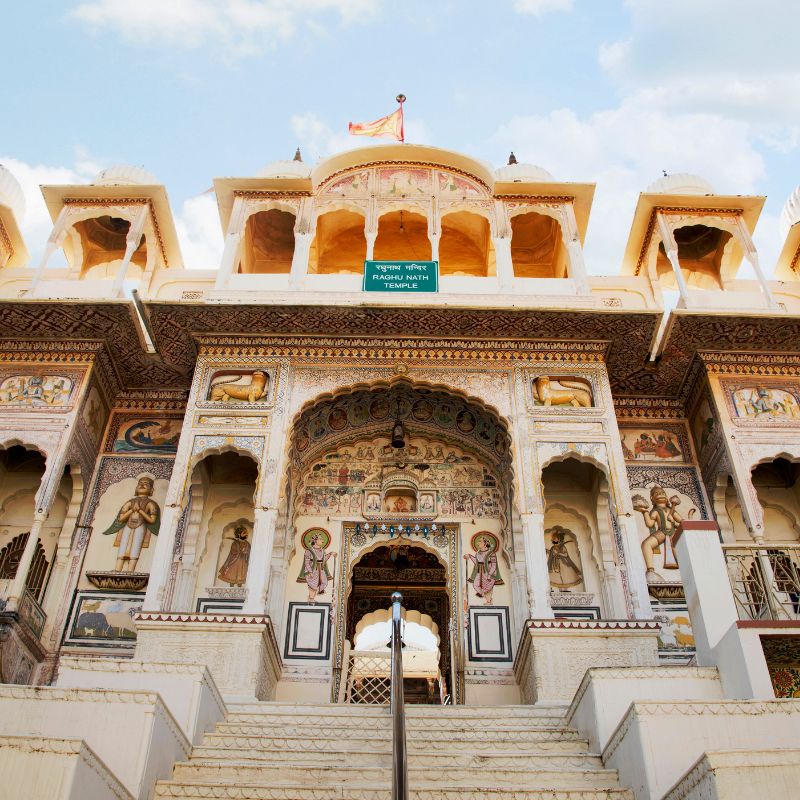
Mandawa is one of the region's most popular heritage towns and an excellent starting point for first-time visitors.
Its compact historic centre contains painted havelis, traditional markets and a historic fort overlooking the town.
Notable attractions include:
- Hanuman Prasad Goenka Haveli: Known for religious imagery and decorative artwork.
- Murmuria Haveli: Known for paintings that mix Indian and European imagery, including political figures.
- Gulab Rai Ladia Haveli: Recognised for elaborate murals.
- Bansidhar Newatia Haveli: Displays unusual subjects inspired by technological developments.
- Castle Mandawa: A historic fort converted into heritage accommodation.
A guided walking tour is the best way to appreciate Mandawa's architecture. Many paintings are visible from public streets, although interior access varies.
Suggested time: Approximately 2–4 hours for selected attractions.
Explore our Mandawa destination guide for additional information, or read our earlier blog, Mandawa: An Open-Air Art Gallery in Rajasthan, for a closer look at individual mansions.
2. Nawalgarh: A Treasure for Fresco Art Lovers
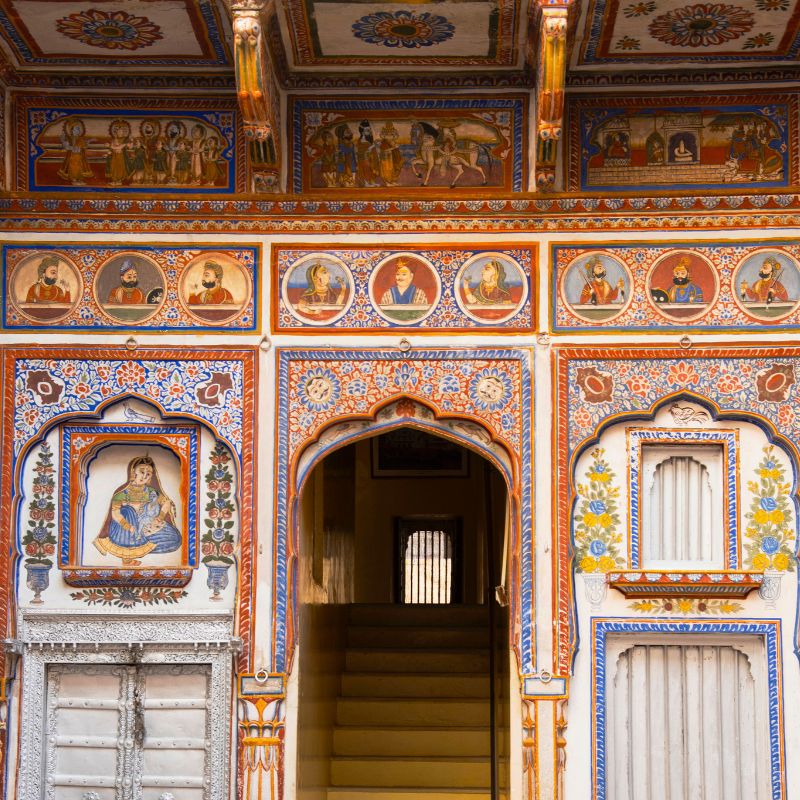
Nawalgarh is particularly rewarding for travellers interested in Rajasthan's artistic heritage.
Founded in 1737, the town developed into an important merchant centre with numerous decorated mansions.
Its havelis feature intricate paintings depicting mythology, historical events and everyday life.
Important attractions include:
- Dr Ramnath A. Podar Haveli Museum
- Morarka Haveli
- Bhagato Ki Haveli
- Aath Haveli
The Podar Haveli Museum is especially useful for understanding Shekhawati's artistic traditions.
Unlike Mandawa's compact walking experience, sightseeing in Nawalgarh often involves visiting selected buildings across different parts of town.
Suggested time: Approximately half a day.
Mandawa vs Nawalgarh: Which Is Better?
|
Factor |
Mandawa |
Nawalgarh |
|---|---|---|
| Best for | First-time visitors | Art and architecture enthusiasts |
| Main attraction | Historic streets and painted havelis | Detailed frescoes and haveli museums |
| Sightseeing | Compact heritage walk | Selected buildings and museums |
| Accommodation | Convenient heritage hotel base | Suitable for focused heritage visits |
| Recommended time | 2–4 hours | Half a day |
Our recommendation: Choose Mandawa if you have limited time. If you are particularly interested in fresco paintings, include Nawalgarh as well.
Both towns can comfortably fit into a two-day Shekhawati itinerary.
3. Fatehpur: Historic Murals and Restoration
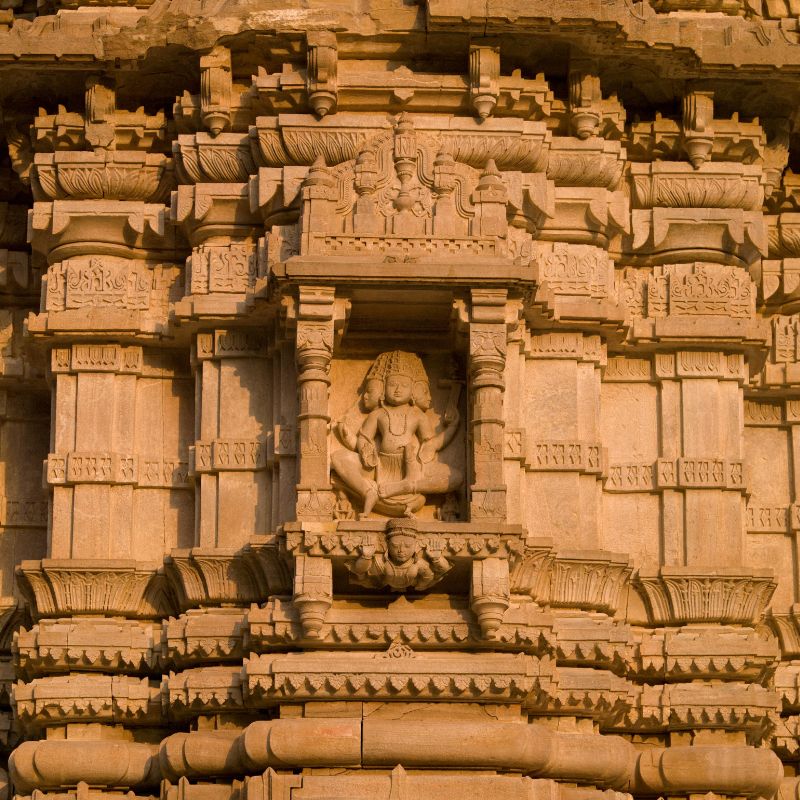
Fatehpur is known for its richly decorated havelis and surviving historic frescoes.
One notable attraction is Le Prince Haveli, restored by French artist Nadine Le Prince.
The town offers an opportunity to understand both the beauty of Shekhawati's artwork and the challenges of preserving historic buildings.
Fatehpur is worth including when travelling towards Bikaner or exploring the region over several days.
4. Ramgarh: Merchant Heritage and Painted Cenotaphs
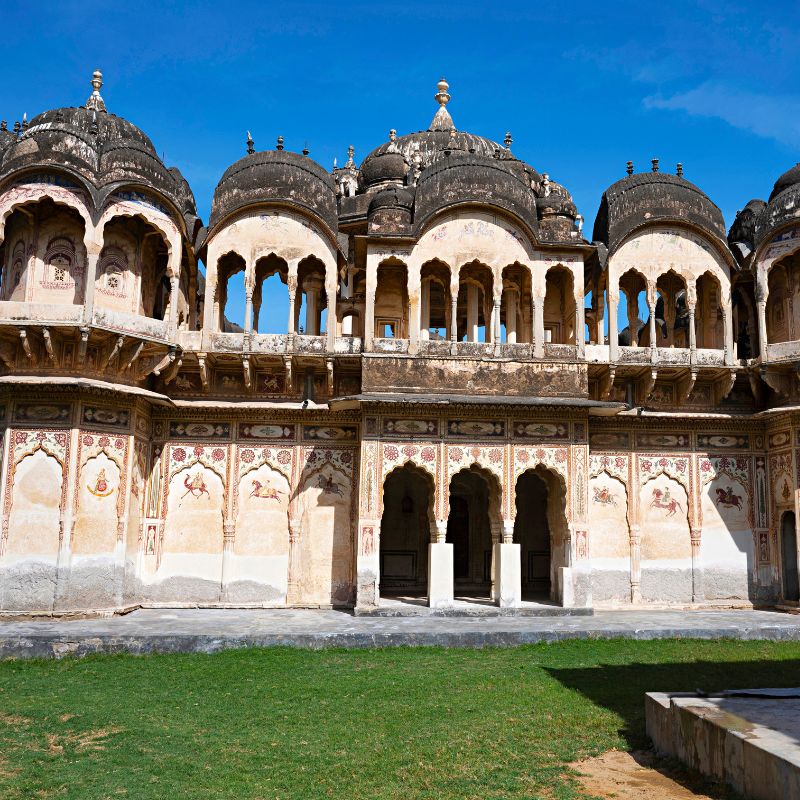
Ramgarh developed under the patronage of the Poddar merchant family.
The town contains historic mansions, temples and elaborately decorated memorial structures.
The Ramgopal Chhatri is particularly noteworthy for its painted artwork.
Ramgarh receives fewer visitors than Mandawa, making it appealing to travellers seeking a quieter architectural experience.
5. Dundlod and Alsisar: Beyond the Main Heritage Towns
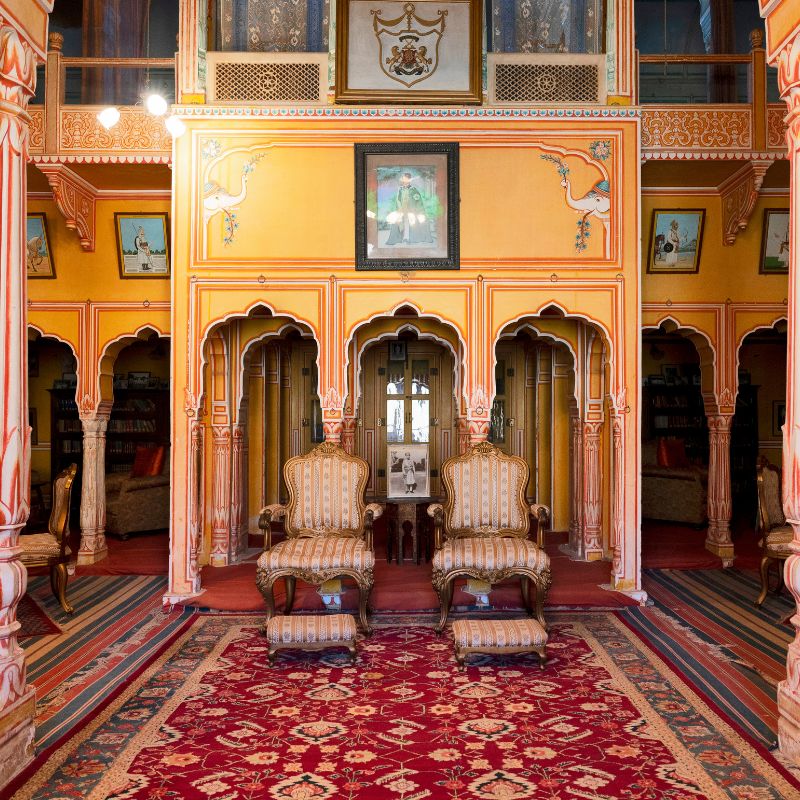
Dundlod is located between Mandawa and Nawalgarh and is known for its historic fort and merchant architecture.
Its location makes it a practical stop when travelling between the two towns.
Alsisar offers a different atmosphere, with palace architecture, painted havelis and a quieter countryside setting.
Both destinations can be included in longer Shekhawati heritage tours.
Understanding Shekhawati's Famous Fresco Paintings
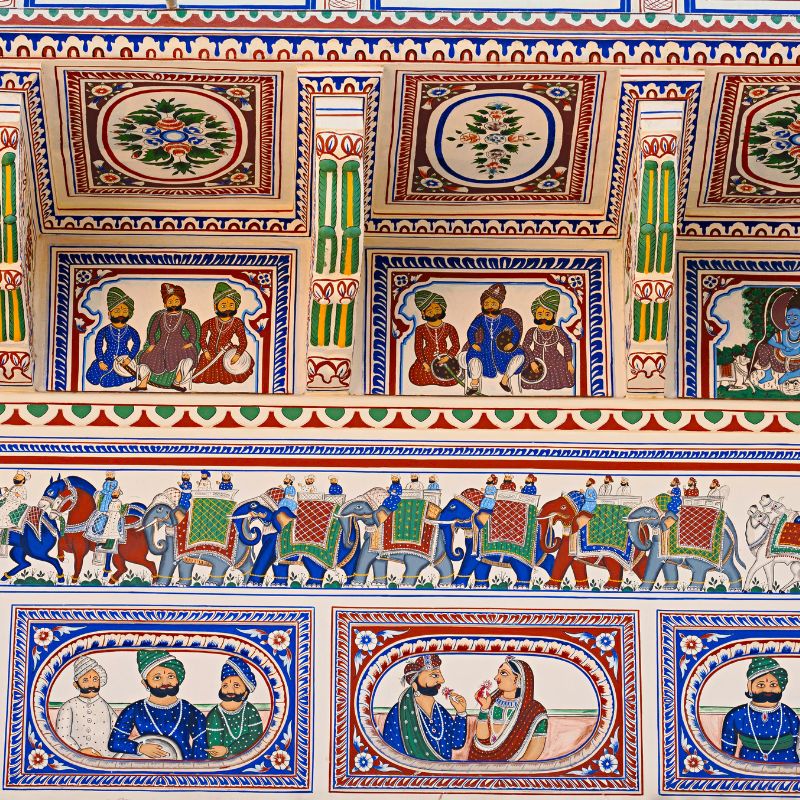
The paintings found across Shekhawati reveal much about the region's history and cultural influences.
Religious and Mythological Themes
Many murals depict Krishna, Rama and episodes from Hindu mythology. These images reflect the religious traditions of the families who commissioned them.
Everyday Life and Local Traditions
Other paintings show musicians, wedding processions, animals, merchants and domestic activities.
These scenes provide insight into historical lifestyles and social customs.
Modern Inventions and European Influences
Some later paintings feature steam trains, motorcars, aeroplanes and European-style clothing.
These subjects illustrate how international trade and technological developments influenced local artistic imagination.
The Importance of Preservation
Not all Shekhawati havelis are in good condition.
Weather exposure, structural deterioration, ownership changes and inadequate maintenance have affected numerous buildings.
Visitors should avoid touching painted surfaces or entering unstable structures.
Supporting responsibly managed heritage properties and guided experiences can contribute to local conservation awareness.
Best Experiences Beyond Visiting Havelis
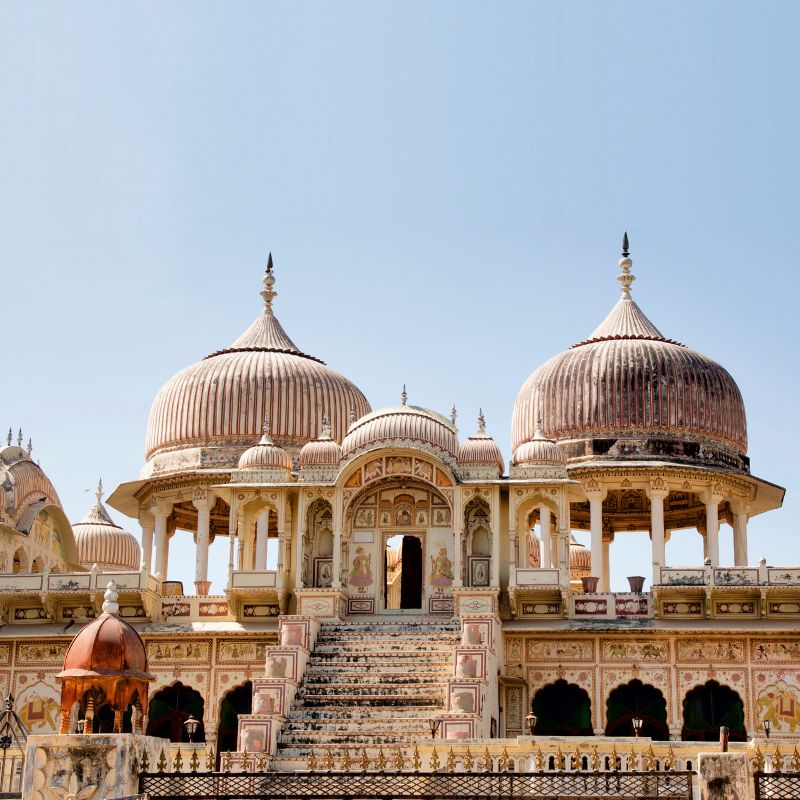
Shekhawati offers more than architectural sightseeing.
- Guided heritage walks: Explore historic streets with a local guide who can explain the paintings, merchant families and architectural details.
- Traditional markets: Visit working bazaars to experience everyday commerce alongside historic buildings.
- Temples and cenotaphs: Discover religious structures, memorials and traditional water systems that form part of the region's wider heritage.
- Architectural photography: Early morning and late afternoon light can be attractive for photographing painted facades.
- Heritage accommodation: Spend a night in a restored mansion or former fort to experience the region's architecture beyond a daytime visit.
Always seek permission before entering private buildings or photographing residents.
Where to Stay in Shekhawati
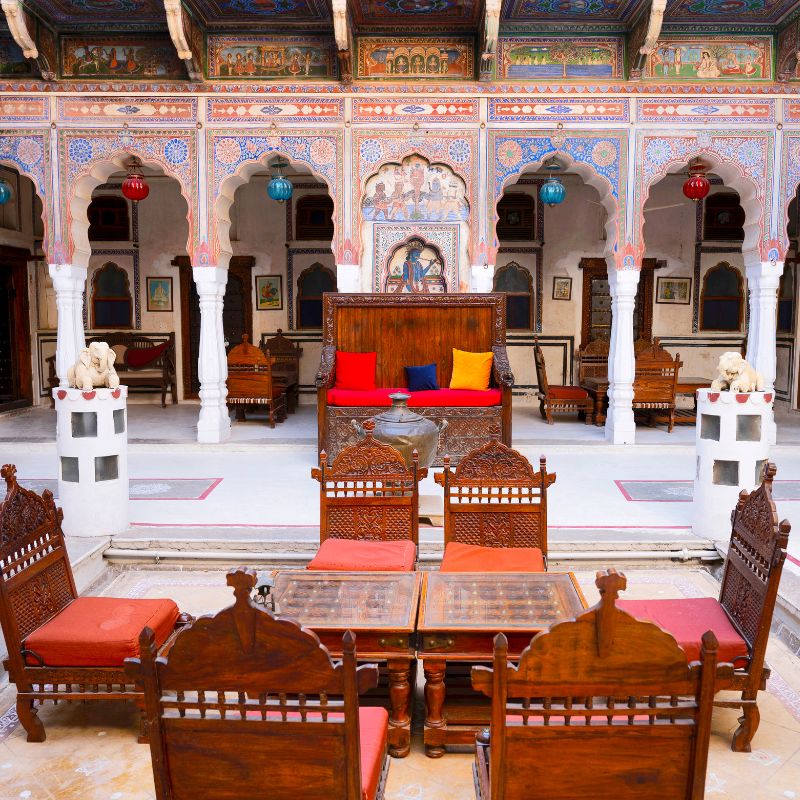
Accommodation can become an important part of the Shekhawati experience.
Mandawa: Best for Convenient Sightseeing
Mandawa is a practical base for first-time visitors.
Properties such as Castle Mandawa provide a fort-style heritage setting, while restored havelis in the surrounding area offer different accommodation experiences.
Staying nearby reduces unnecessary travel between sightseeing locations.
Countryside Heritage Stays: Best for Relaxation
Properties such as Vivaana, near Mandawa, offer restored architecture in a quieter setting.
These stays can suit travellers who prefer peaceful surroundings, although private transport is generally needed for sightseeing.
Alsisar: Best for a Palace-Style Experience
Alsisar Mahal offers historic palace accommodation in a smaller settlement.
It may appeal to travellers seeking a quieter stay, but its location requires additional driving when visiting Mandawa and Nawalgarh.
Before booking: Check room accessibility, heating and cooling, luggage assistance and the property's distance from your planned attractions. Historic buildings may have steep stairs and limited step-free access.
Best Time to Visit Shekhawati
The most comfortable time to explore Shekhawati is generally October to March.
Winter conditions are better suited to heritage walks and outdoor photography.
November to February is particularly pleasant during the day, although mornings and evenings can be cold.
April to June brings much higher temperatures, making extended outdoor sightseeing uncomfortable.
The monsoon months may bring occasional rainfall and changes in road conditions.
For most international travellers, the cooler season offers the best balance of weather and sightseeing opportunities.
How Many Days Are Enough for Shekhawati?
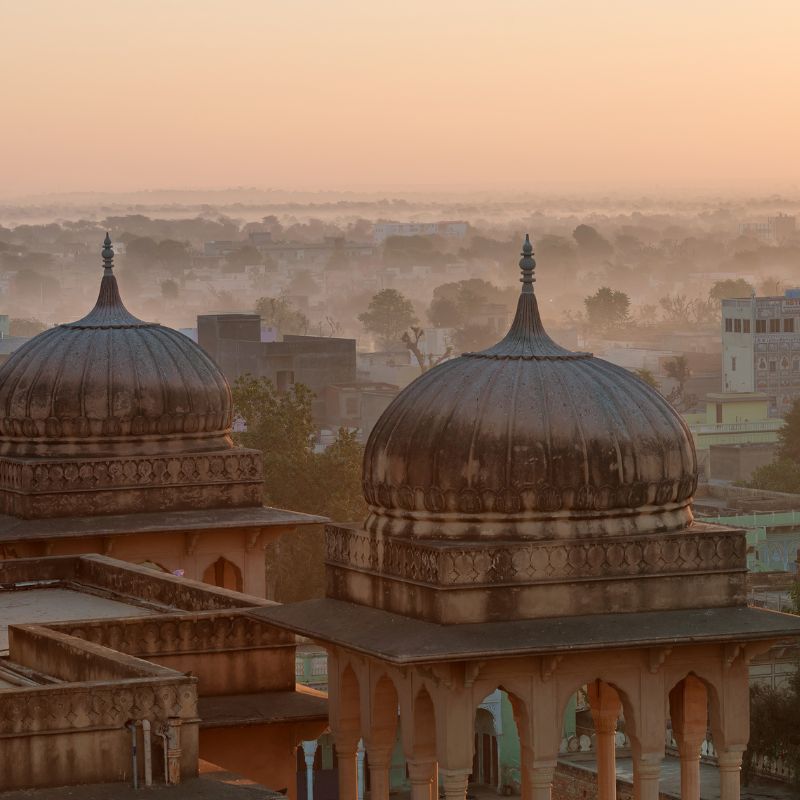
One Day: Mandawa Highlights
A single day allows time for a guided heritage walk through Mandawa and visits to selected painted havelis.
However, an overnight stay is preferable if you arrive from Delhi or Jaipur.
Two Days: Mandawa and Nawalgarh
Day 1: Arrive in Mandawa, explore the historic centre and visit selected havelis.
Day 2: Visit Nawalgarh's painted mansions and museums, with an optional stop in Dundlod.
This is the most practical option for first-time visitors.
Three Days: A Complete Heritage Experience
With three days, travellers can add Fatehpur, Ramgarh or Alsisar.
This is particularly worthwhile for those interested in architecture, photography and conservation.
How to Reach Shekhawati: Practical Travel Routes
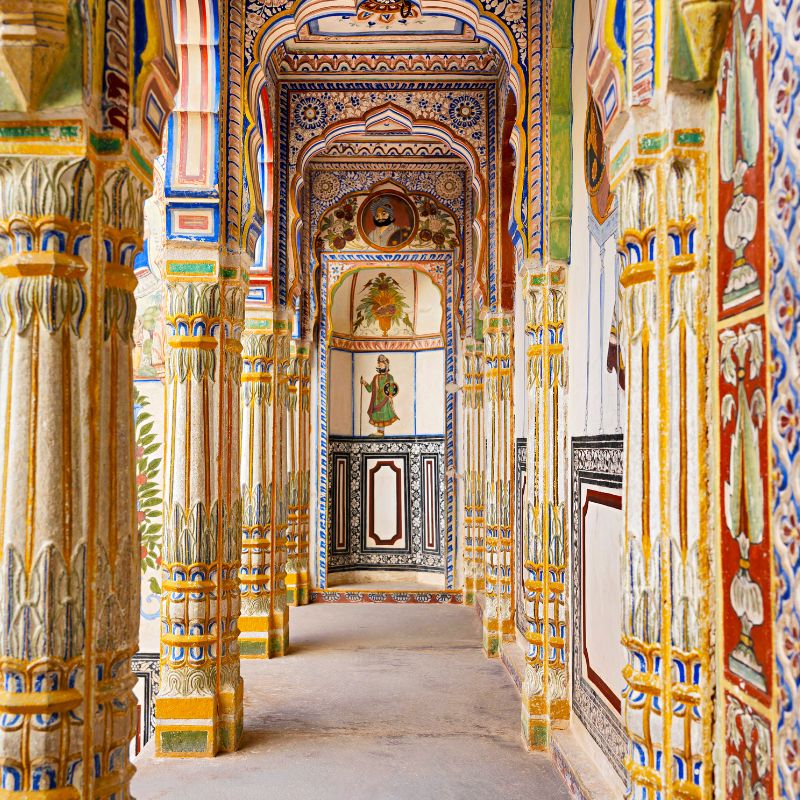
Shekhawati is best explored by private car because its attractions are spread across several towns.
Route 1: Delhi – Mandawa – Jaipur
Best for: International travellers beginning their Rajasthan journey in Delhi.
Travel from Delhi to Mandawa, spend a night exploring the region and continue to Jaipur the following day.
This avoids unnecessary backtracking.
Route 2: Jaipur – Nawalgarh – Mandawa
Best for: Travellers already staying in Jaipur.
Visit Nawalgarh before continuing to Mandawa for an overnight stay. Explore additional havelis the next morning before returning or continuing.
Route 3: Mandawa – Fatehpur – Bikaner
Best for: Travellers exploring northern and western Rajasthan.
This route allows visitors to include Fatehpur while travelling towards Bikaner.
Estimated Driving Times
|
Route |
Approximate Duration |
|---|---|
| Jaipur to Mandawa | 3–4 hours |
| Delhi to Mandawa | 5–7 hours |
| Mandawa to Nawalgarh | 45–60 minutes |
| Mandawa to Fatehpur | 45–60 minutes |
| Mandawa to Bikaner | 3–4 hours |
These are indicative planning estimates rather than live-verified journey times. Actual travel duration depends on traffic, road conditions, departure location and sightseeing stops. Reconfirm timings before travel.
Practical advice: Avoid scheduling multiple haveli towns immediately after a long drive. A relaxed afternoon in Mandawa followed by sightseeing the next morning usually makes for a more comfortable experience.
Accessibility and Private-Property Access
Shekhawati's historic streets and buildings are not always fully accessible.
Visitors may encounter uneven walking surfaces, narrow passages, steps and staircases.
Many havelis remain privately owned or occupied. Some interiors require permission or an entry fee, while others may be closed for conservation work.
Travellers with mobility requirements should confirm access arrangements before visiting.
A knowledgeable local guide can help identify suitable attractions and alternatives when particular buildings are unavailable.
How to Include Shekhawati in a Luxury Rajasthan Tour
Shekhawati fits naturally into a private itinerary connecting Delhi, Jaipur and northern Rajasthan.
For first-time visitors, one or two nights in Mandawa provide a comfortable introduction.
Travellers particularly interested in art and architecture may prefer a longer stay covering Nawalgarh, Fatehpur and smaller heritage towns.
Our Rajasthan destination guide offers an overview of the state's major attractions.
You can also explore our private India tour packages for ideas on combining heritage destinations with Jaipur, Bikaner and Jodhpur.
A carefully planned private itinerary allows travellers to enjoy Shekhawati's architectural heritage without rushing between towns.