

Planning a corporate incentive trip sounds simple until the budget starts taking shape. A hotel quote arrives. Then there are flights, airport transfers, meals, activities, meeting rooms, gala dinners, local transportation, taxes, staffing, and contingency costs. Suddenly, a seemingly straightforward per-person figure has become a spreadsheet with dozens of moving parts.
The good news is that incentive travel becomes much easier to manage when you build the budget line by line instead of starting with a single per-person number.
This is particularly important for international corporate groups travelling to India. Costs can vary significantly depending on the destination, season, hotel category, group size, programme length and the level of exclusivity required. We cannot give a credible per-person figure without a proper brief, because the same group size can produce very different costs depending on these variables.
Here is a practical framework you can use to build an incentive trip budget from the ground up.
What Is an Incentive Trip Budget?

An incentive trip budget is the total planned cost of rewarding employees, sales teams, channel partners, or top-performing clients with a travel experience.
Unlike a conventional business meeting, an incentive programme is built around the experience itself. That means the budget needs to cover not only accommodation and transportation, but also the memorable elements that make the trip feel like a reward.
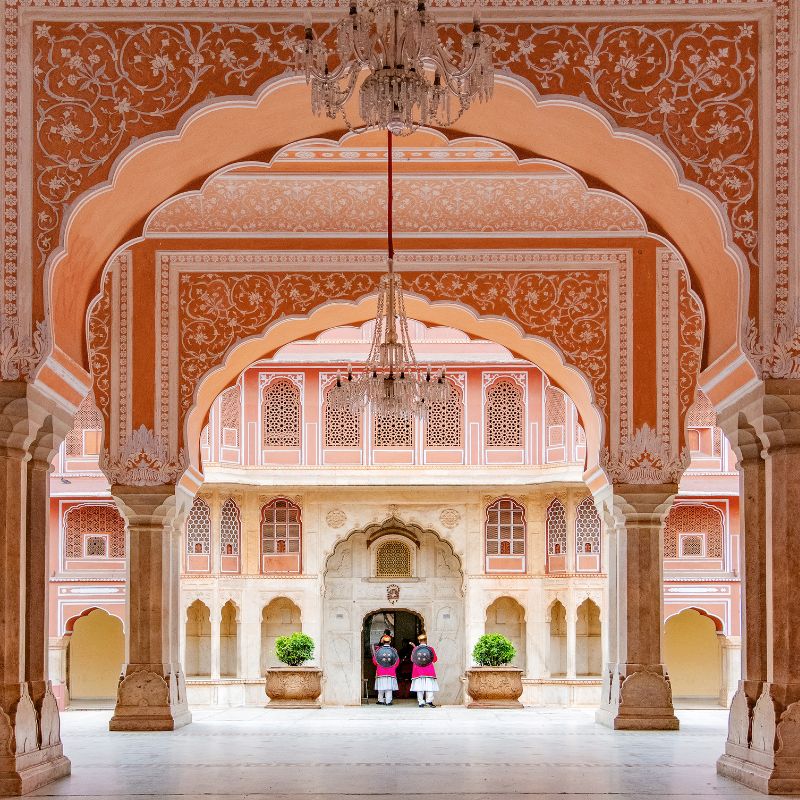
For an India incentive programme, this might include a palace dinner in Rajasthan, a private cultural experience, a wildlife safari, a luxury train journey, a beach resort stay or an exclusive heritage venue.
If you're unfamiliar with the wider MICE sector, our guide to what MICE means in travel provides a useful overview of how incentive travel differs from meetings, conferences and exhibitions.
The Line-by-Line Corporate Incentive Trip Budget
A useful master formula is:
Total Budget = Accommodation + Flights + Transfers + Meals + Activities + Gala + Meetings + Staffing + Production + Taxes + Contingency
Let's break each category down.
1. Accommodation
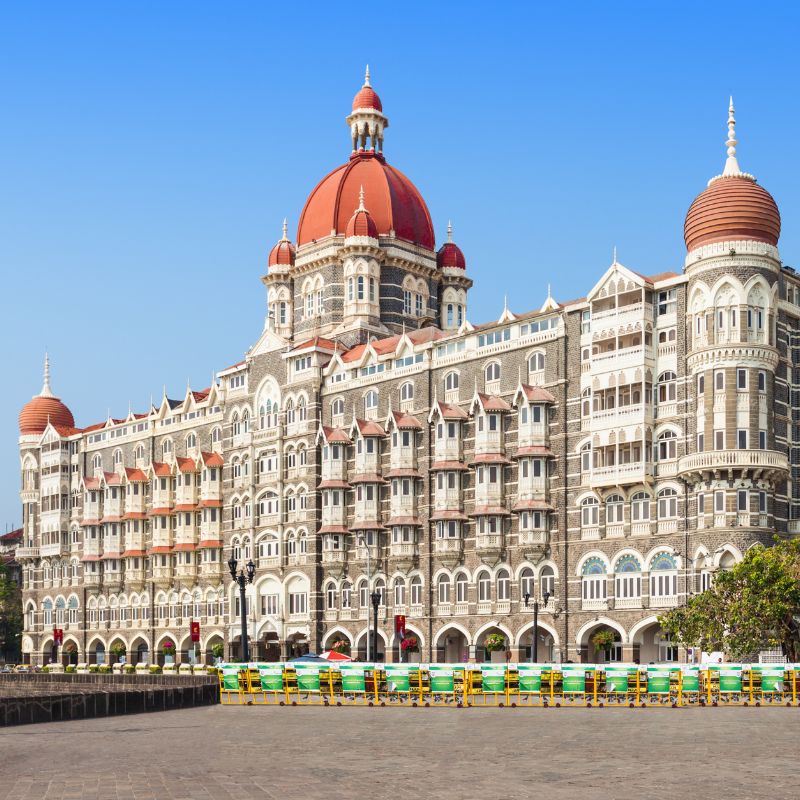
For most incentive programmes, accommodation will be one of your largest expenses.
Start with:
- Number of travellers
- Number of nights
- Room configuration
- Hotel category
- Single or double occupancy
- Breakfast inclusion
- Meeting or event space
- Resort or heritage property supplements
For example, a five-night programme for 100 delegates creates 500 room nights if everyone requires an individual room.
Don't budget purely on the advertised room rate. Ask the hotel or DMC for a fully loaded rate, including applicable taxes, breakfast, resort fees, service charges and any mandatory supplements.
For an India programme, hotel taxation can materially affect the final figure. Our recent MICE cost guide notes that accommodation taxation can vary according to the applicable room-tariff threshold and the hotel's tax status. Event and venue services may be treated differently.
Budget tip: Once you have the fully loaded rate, split it into base rate and taxes, and keep them in separate spreadsheet columns. It makes comparisons between properties much easier.
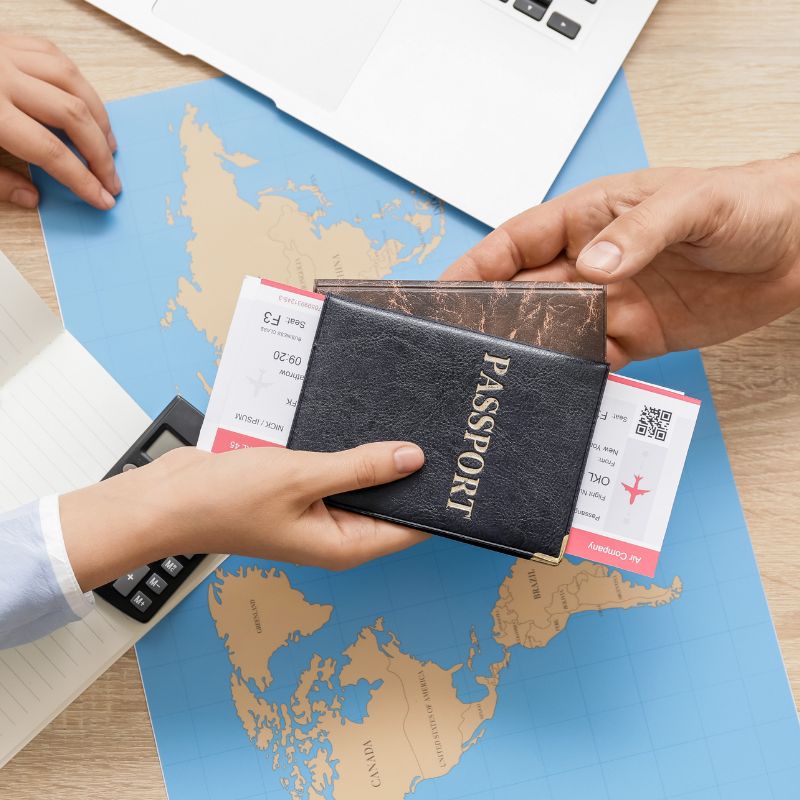
2. International and Domestic Flights

Flights can either be included in the main programme budget or handled as a separate travel-management cost.
Include:
- International airfare
- Domestic connecting flights
- Checked baggage
- Seat selection where required
- Airport taxes and fees
- Flight changes
- Travel between multiple Indian cities
For large groups, avoid budgeting from the cheapest published airfare you see online.
Group travel often involves different booking conditions, ticketing deadlines and routing requirements.
If the itinerary includes several Indian destinations, compare the cost of moving the group versus keeping the programme in one region. Basing the group in one city, even at a slightly higher hotel rate, can sometimes produce a lower overall budget by removing a domestic flight and a hotel-change day.
3. Airport Transfers and Ground Transportation
This line is easy to underestimate.
Your transport budget may include:
- Airport arrivals
- Airport departures
- Intercity transfers
- Daily sightseeing vehicles
- Executive cars
- Coaches
- Luggage vehicles
- Driver accommodation
- Parking and tolls
- Fuel
- Backup vehicles
For incentive groups, build in spare capacity. Running a 100-person programme with exactly the minimum number of vehicles leaves little room for flight delays, luggage problems or unexpected changes.
A destination management company can also coordinate transfers, local transport, permits, guides and vendors as one programme rather than leaving the organiser to manage separate suppliers. We offer this as part of our India DMC and MICE services.
4. Meals and Beverages

Food is another major line item, and one where assumptions can quickly create budget gaps.
Break it into:
- Breakfasts
- Lunches
- Dinners
- Coffee breaks
- Welcome drinks
- Gala dinner
- Alcoholic beverages, if applicable
- Special dietary requirements
- Restaurant buyouts
- Private dining experiences
Don't simply calculate "three meals per person per day."
An incentive trip often includes upgraded meals, private dinners and special venues. A gala dinner at a heritage property may cost substantially more than an ordinary hotel dinner, but it may also be one of the programme's defining moments.
5. Activities and Experiences
This is where an incentive trip starts to distinguish itself from a standard corporate tour.
Create a separate budget for experiences such as:
- Private monument visits
- Guided cultural tours
- Cooking experiences
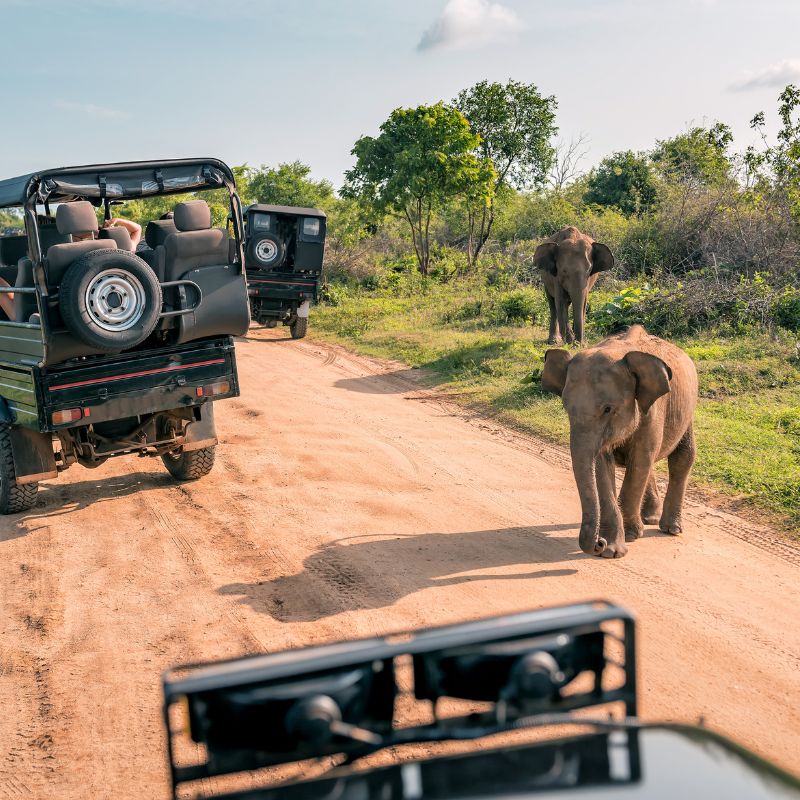
- Wildlife safaris
- Wellness activities
- Adventure activities
- Artisan workshops
- Heritage walks
- Boat experiences
- Evening entertainment
Don't treat activities as an optional afterthought. For incentive travel, the experience is often the primary reason the programme exists.
Our MICE offering, for example, includes customised reward itineraries, exclusive-use palaces and desert camps, safaris, private monuments and other signature experiences.
6. Gala Dinner and Signature Events

Set aside a dedicated budget for the programme's "wow" moments.
A gala might require:
- Venue rental
- Dinner
- Entertainment
- Stage
- Lighting
- Sound
- Décor
- Branding
- Furniture
- Floral arrangements
- Photography
- Videography
- Technical crew
This is also where corporate branding can get expensive if you don't plan early.
Ask for a production quotation rather than assuming the venue's standard banquet package covers everything.
7. Meetings and Event Production
If the incentive programme includes a conference, sales meeting or leadership session, create another cost category.
Include:
- Meeting room
- Audio-visual equipment
- Screens
- Microphones
- Stage
- Podium
- Presentation support
- Wi-Fi
- Branding
- Signage
- Technician support
- Interpretation, if required
This is especially important for programmes that combine business sessions with leisure.
Our MICE services cover conference and event production, AV, staging, branding, delegate registration and logistics.
8. Destination Management and On-Ground Staffing
A professional on-ground team is often one of the most valuable and most overlooked budget lines.
Depending on the programme, you may need:
- Project manager
- Airport representatives
- Local coordinators
- Guides
- Event staff
- Transportation coordinators
- Hospitality desks
- Emergency support
For a multi-city programme, local coordination becomes particularly important because the organiser isn't physically managing every arrival, transfer and activity.
When comparing suppliers, check exactly what is included in the management fee rather than assuming "event management" covers every operational requirement.
9. Taxes and Service Charges
Never leave taxes until the end of the spreadsheet.
Ask each supplier to identify clearly:
Base price + service charge + GST/tax + other mandatory fees = actual payable cost
Tax treatment can vary depending on the type of service and circumstances. In India, hotel accommodation and event-related services may fall under different GST treatments, so obtain an itemised quotation rather than applying one blanket percentage to the entire programme.
If the paying company is registered for GST in India, its ability to claim input tax credit can also affect the effective cost, and incentive travel for employees may be treated differently from business travel. Your finance or tax team should confirm the treatment applicable to your organisation.
10. Contingency

Every incentive trip should have a contingency budget.
A practical approach is to reserve a percentage of the planned spend rather than treating contingency as spare money to be spent.
Potential causes include:
- Flight changes
- Additional vehicles
- Weather disruption
- Last-minute delegate changes
- Supplier price changes
- Additional meals
- Medical or emergency requirements
- Programme extensions
- Unexpected production costs
The exact percentage depends on the trip's complexity, but the principle is simple: don't build a budget that only works if nothing changes.
A Simple Corporate Incentive Budget Template
For a 100-person programme, your spreadsheet could be structured like this:
| Accommodation | Rooms × nights |
|---|---|
| Flights | International + domestic |
| Transfers | Airport, local and intercity |
| Meals | Breakfast, lunch, dinner, beverages |
| Activities | Tours, experiences and excursions |
| Gala | Venue, food, entertainment and décor |
| Meetings | Room hire and AV |
| Staffing | Coordinators, guides and event staff |
| Production | Branding, staging, lighting and sound |
| Taxes | Applicable GST and service charges |
| Contingency | Reserve for unexpected costs |
Staging, lighting, sound and branding appear in more than one list above, so budget them once, under Production. The key point isn't the exact figure in each row. It is having every major cost visible before approval.
How Much Should You Budget Per Person?

There is no universal "correct" incentive-trip budget per person.
A four-night luxury programme in one Indian destination will have a very different cost structure from a seven-night multi-city programme with premium hotels, domestic flights, private events and exclusive experiences.
Instead of asking:
"How much does an incentive trip to India cost per person?"
start with:
"What experience do we want to create, for how many people, for how many nights, and during which dates?"
That produces a much more useful budget.
Our own MICE enquiry process uses broad budget bands rather than publishing a universal per-person price, reflecting how much the final cost depends on the programme brief.
How to Reduce Costs Without Making the Trip Feel Cheap
Cost control doesn't have to mean removing the experiences delegates remember.
Instead:
Choose the destination strategically.
A single-region programme can reduce domestic flights and transfer costs.
Travel in the right season.
Destination and season strongly affect hotel availability and pricing. India has multiple climatic regions so that an alternative destination may offer a better combination of weather and value for your dates.
Spend heavily on a few signature moments.
Rather than upgrading every meal and activity, identify two or three experiences that delegates will remember and build the programme around them.
Negotiate the whole programme.
A DMC managing accommodation, transport, activities, events, and logistics may coordinate the programme more efficiently than multiple disconnected suppliers.
Protect the budget contractually.
Agree on cancellation deadlines, final guest-count dates, inclusions and additional charges before signing.
The Best Time to Build the Budget

Don't wait until the itinerary is finished.
Build the first budget immediately after defining:
- Number of delegates
- Destination
- Travel dates
- Number of nights
- Hotel category
- Programme objectives
- Signature experiences
- Meeting requirements
- Approximate budget range
Then request an itemised proposal.
For companies planning an India programme, our MICE and corporate travel team manages venue sourcing, transportation, activities, event production and on-ground coordination through one team.
You can also submit a trip enquiry with your dates, group requirements, and preferred travel style to start developing a customised programme.
Final Thought
A successful incentive-trip budget is not simply a spreadsheet of expenses. It translates the experience you want delegates to have into numbers.
Start with the objective. Define the destination and dates. Build the budget line by line. Separate fixed costs from variable costs. Make taxes visible. Protect a contingency. Most importantly, identify the experiences that justify the trip.
For India, that could mean combining luxury accommodation with a private heritage experience, a palace gala, a wildlife adventure or another destination-specific experience. The strongest programmes don't necessarily spend the most. They spend deliberately.
For corporate planners looking for an experienced local partner, our MICE and corporate travel services cover the programme from destination and venue selection through logistics, experiences and on-ground execution.