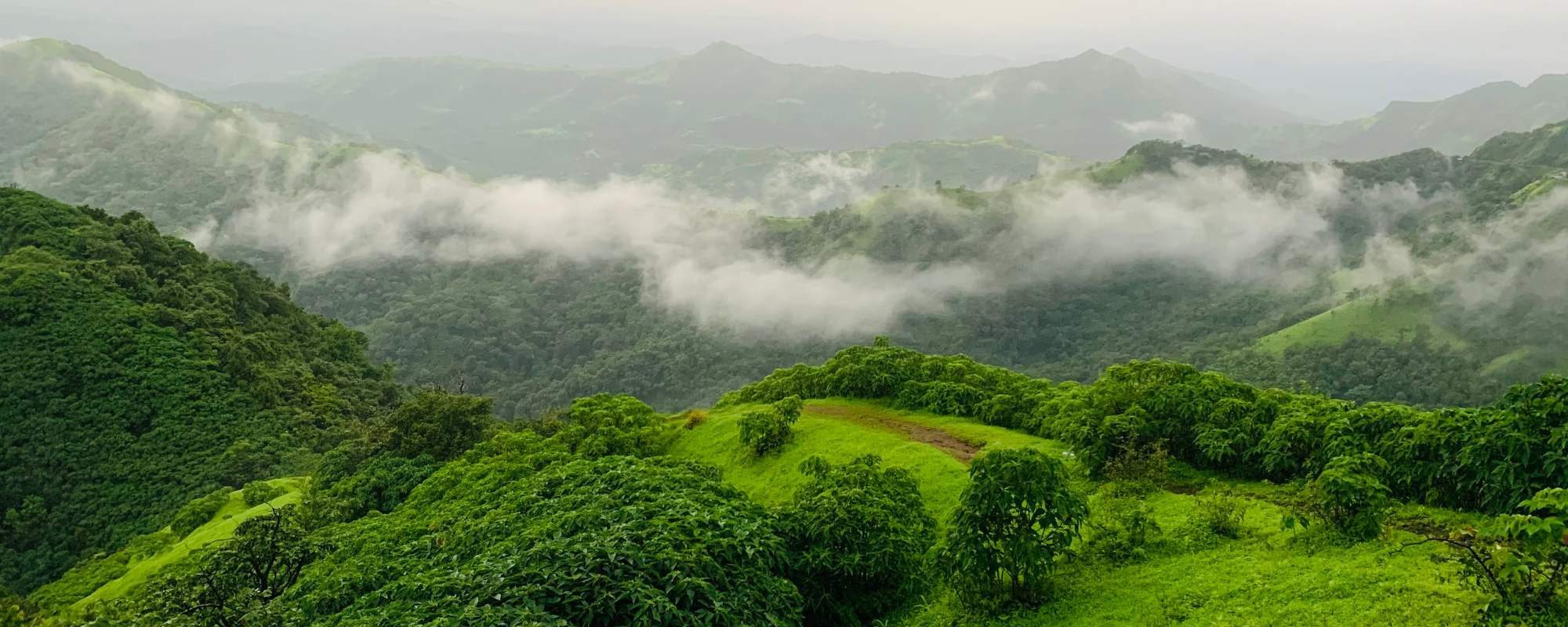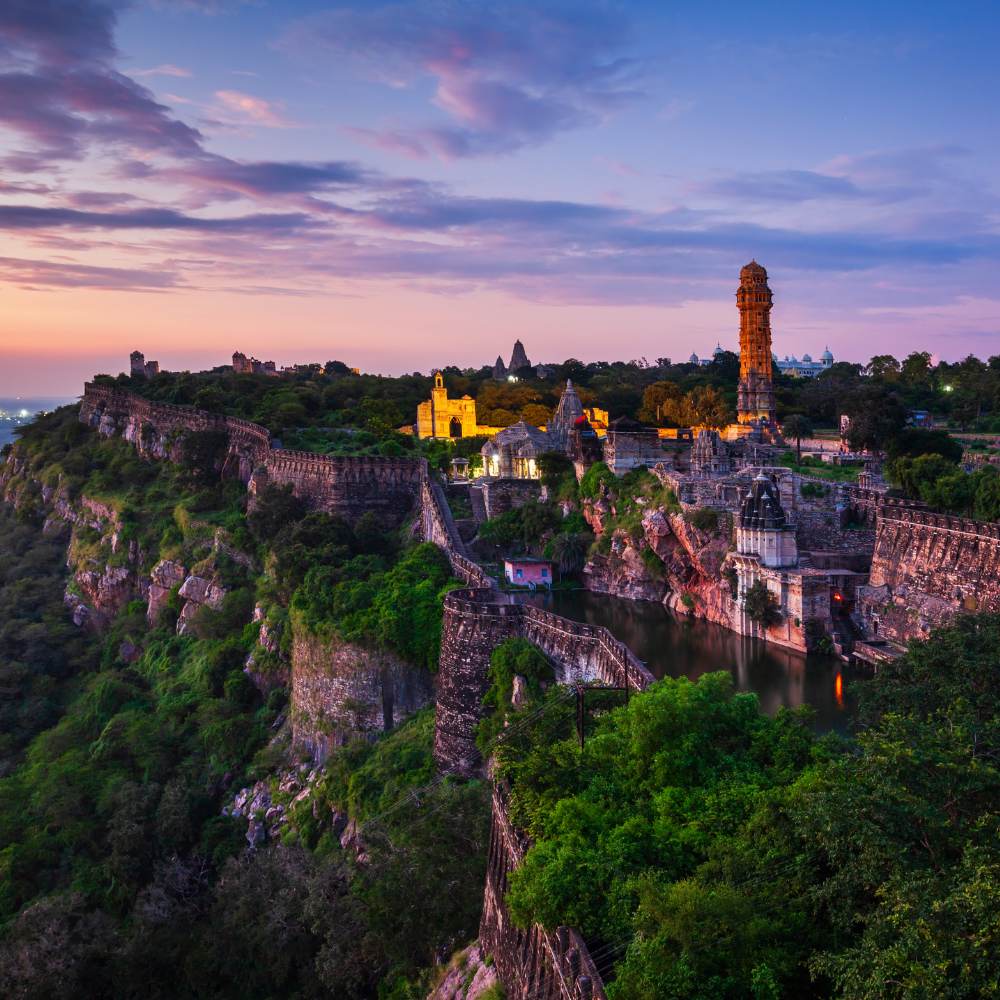
Beyond Udaipur, the road climbs into the Aravalli Hills, where a hilltop fort and a marble temple sit within a couple of hours of each other. The journey reveals forested slopes, historic fortifications, marble temples and quieter countryside landscapes.
Two destinations deserve particular attention: Kumbhalgarh and Ranakpur.
Kumbhalgarh is famous for its imposing hilltop fort, developed during the reign of Rana Kumbha. Ranakpur is celebrated for its 15th-century Jain temple, where intricately carved marble pillars demonstrate exceptional craftsmanship.
Although they are geographically close, the two places offer contrasting experiences. Kumbhalgarh focuses on military history and panoramic landscapes, while Ranakpur introduces visitors to Jain religious heritage and architectural artistry.
Both can be included in a private Rajasthan journey between Udaipur and Jodhpur, allowing travellers to experience the Aravalli countryside without unnecessary backtracking.
This guide explains the major attractions, accommodation choices, practical routes and travel considerations for exploring Kumbhalgarh and Ranakpur comfortably.
Exploring Kumbhalgarh Fort: Part of a UNESCO World Heritage Site
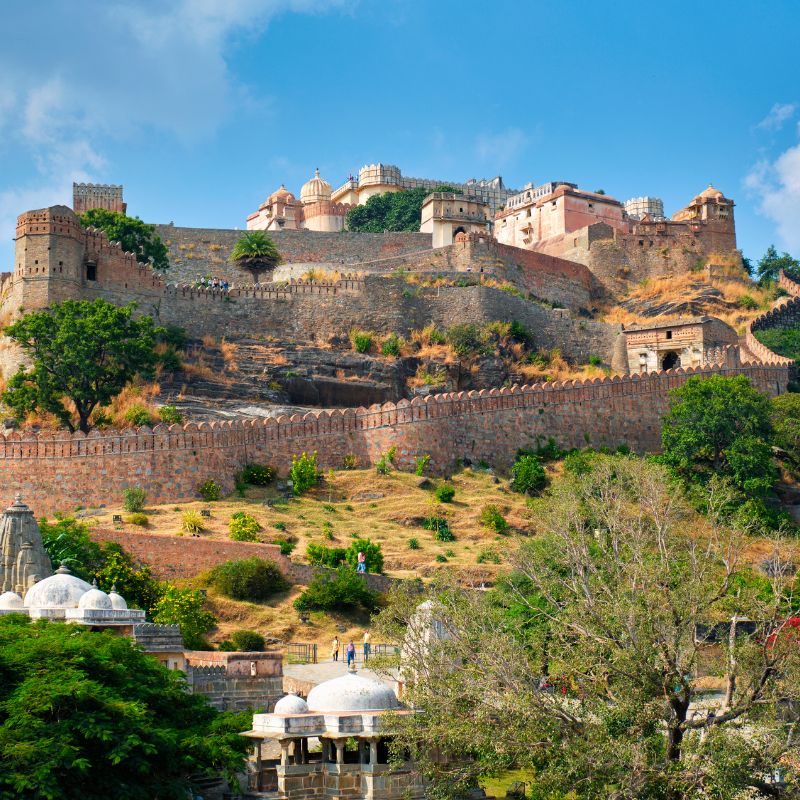
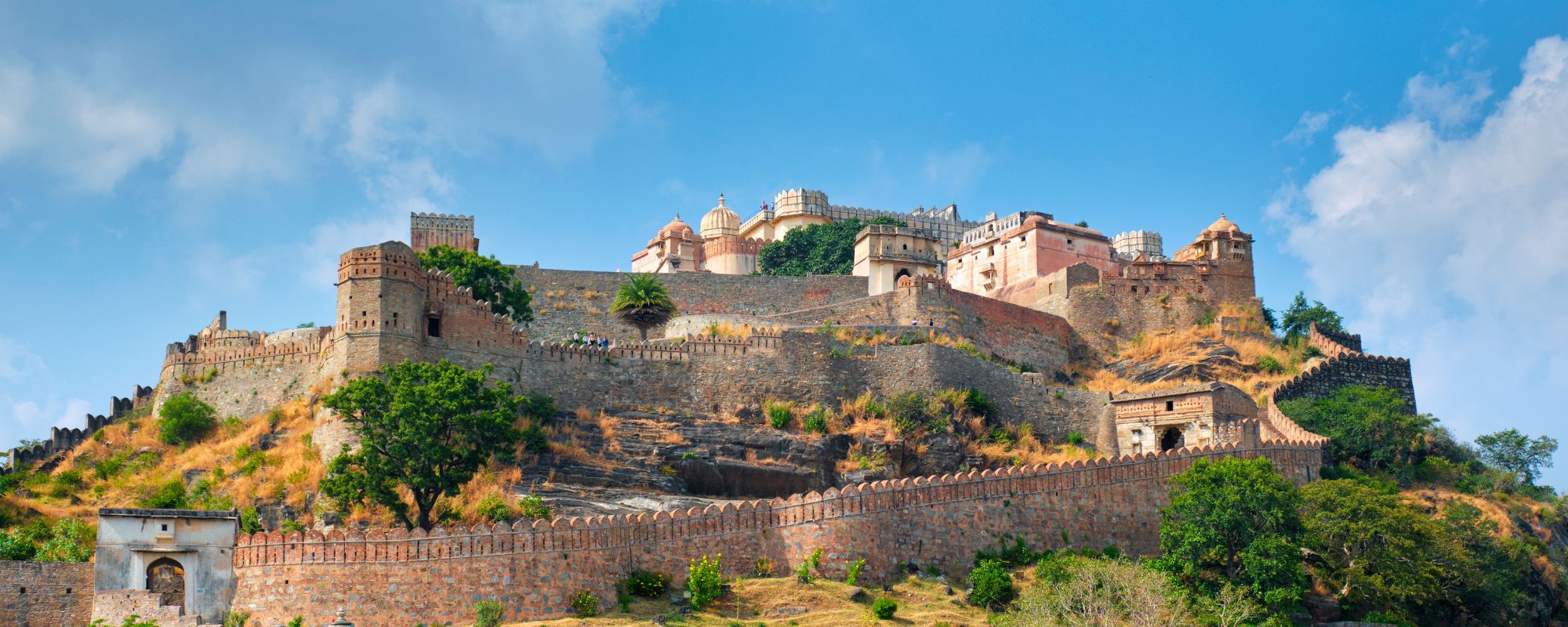
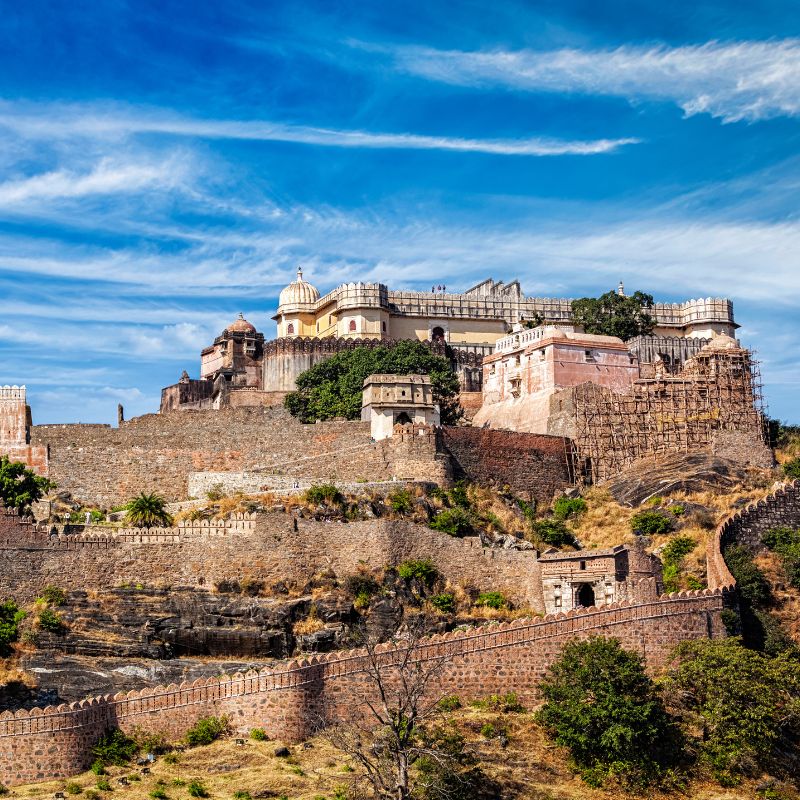
Kumbhalgarh Fort is one of Rajasthan’s most impressive medieval fortifications.
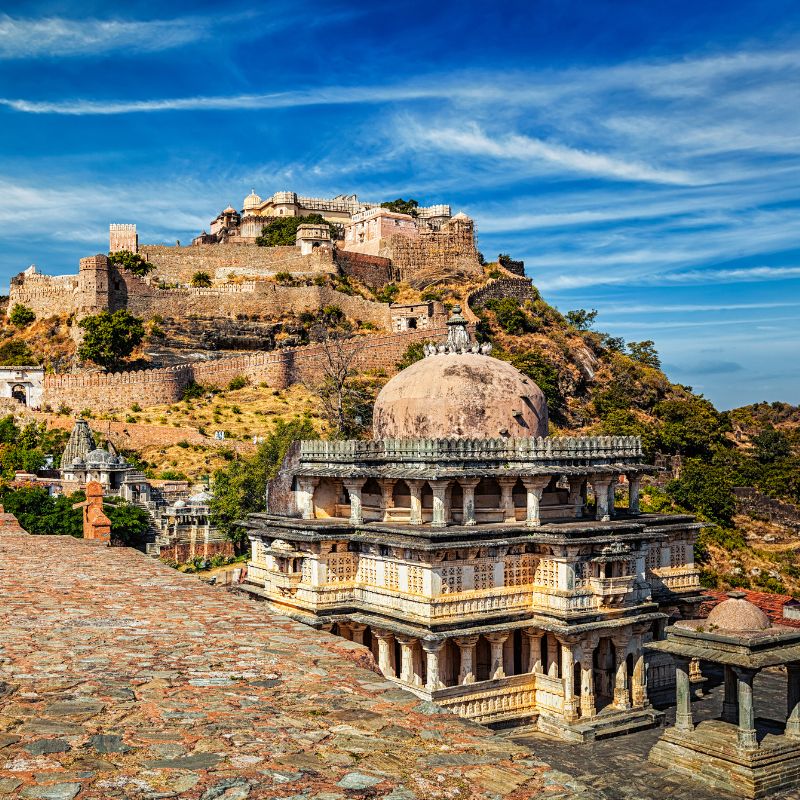
Built during the 15th century under Rana Kumbha, the fort occupies a commanding position in the Aravalli Hills. Its elevated location, defensive gateways and extensive walls helped protect the kingdom of Mewar.
The fort is also associated with Maharana Pratap, the celebrated Mewar ruler, who is traditionally said to have been born here.
In 2013, UNESCO inscribed Kumbhalgarh on the World Heritage List as part of the Hill Forts of Rajasthan, a group of six historic forts.
According to Rajasthan Tourism, the fort’s defensive wall extends approximately 36 kilometres through the surrounding hills.
Visitors can explore its historic gateways, temples, Badal Mahal and elevated viewpoints. The experience involves uphill walking and uneven surfaces, so comfortable footwear and adequate time are important.
For additional information about the monument, nearby attractions and countryside experiences, visit Bout India’s Kumbhalgarh destination guide.
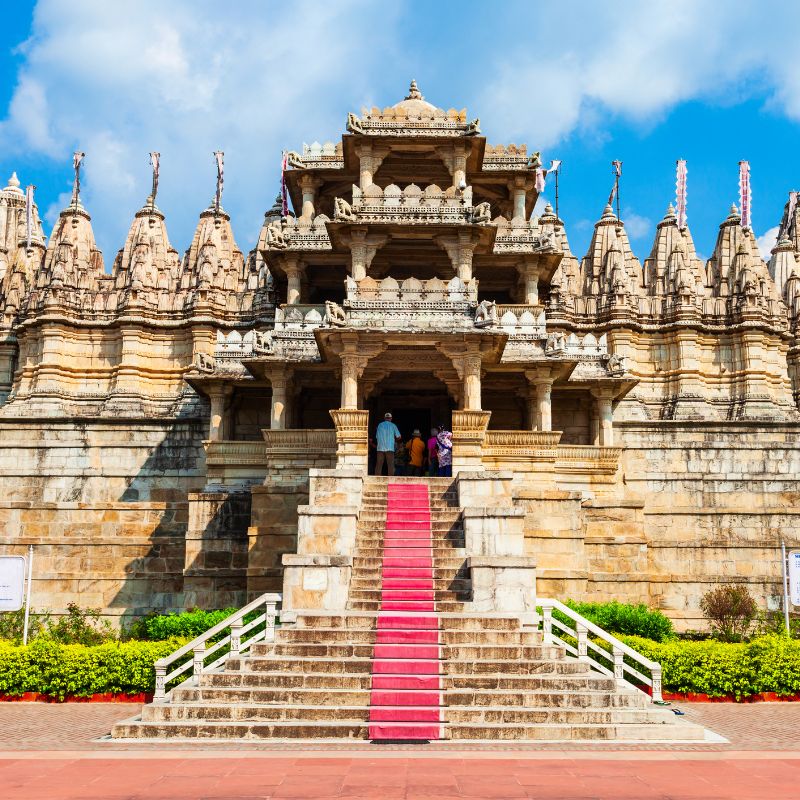
Ranakpur offers a striking contrast to Kumbhalgarh’s military architecture.
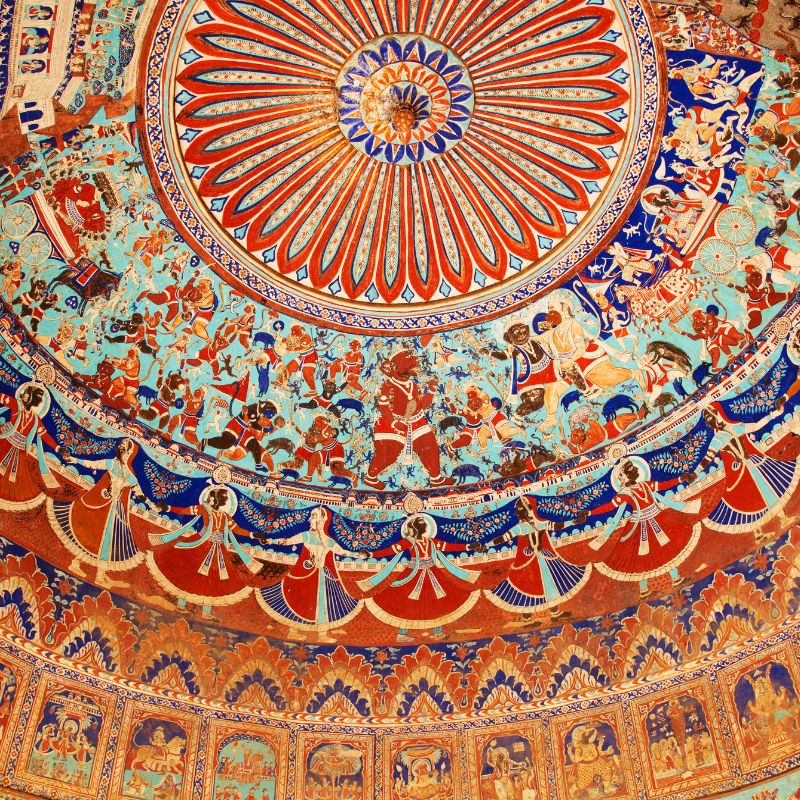
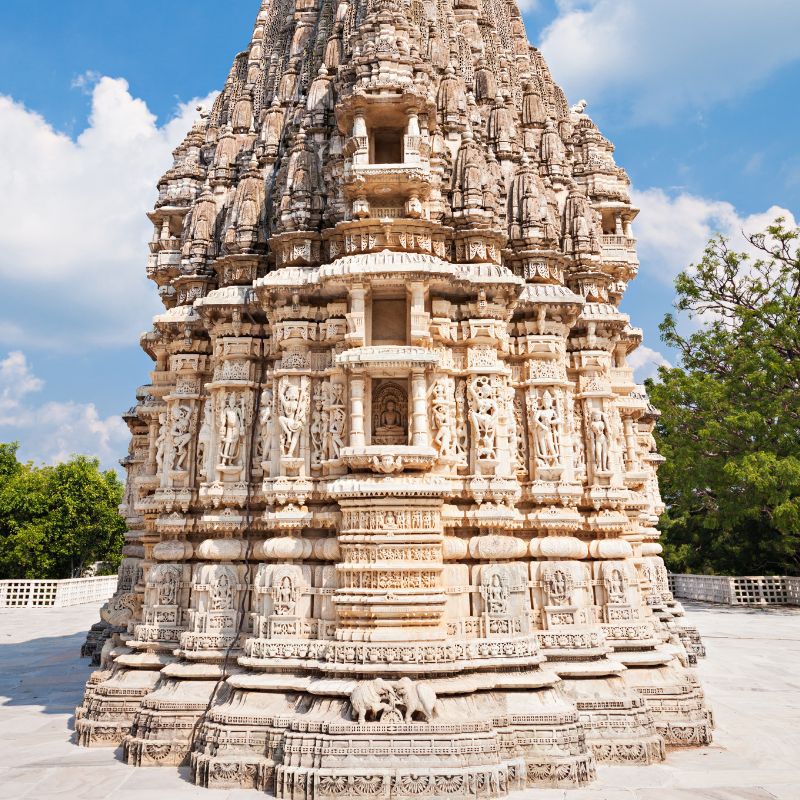
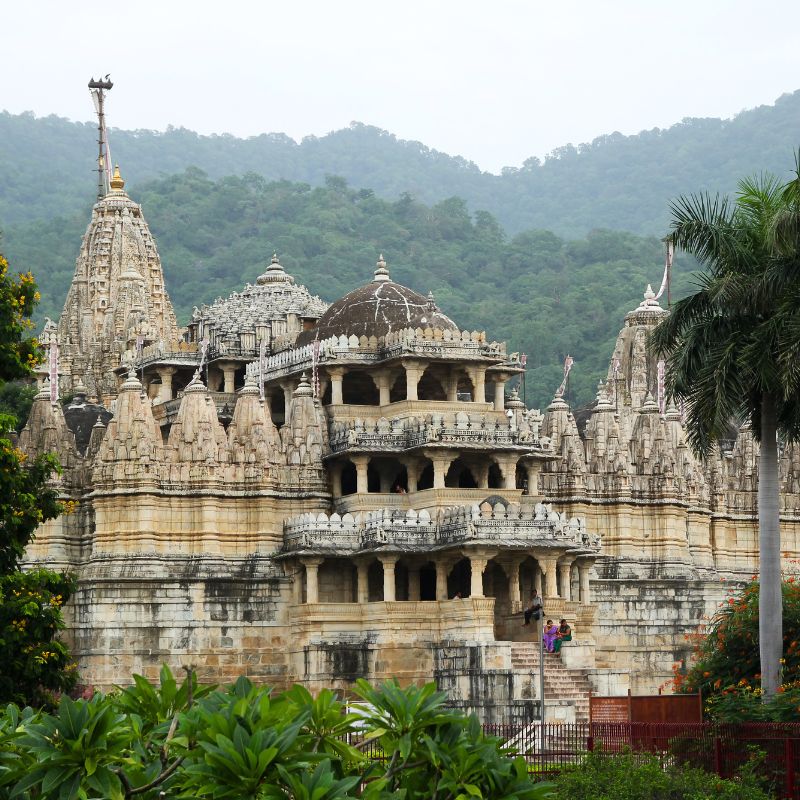
Located in a valley surrounded by the Aravalli Hills, Ranakpur Jain Temple is an important pilgrimage destination and one of Rajasthan’s most celebrated examples of religious architecture.
The principal Chaumukha Temple is dedicated to Lord Adinath, the first Jain Tirthankara.
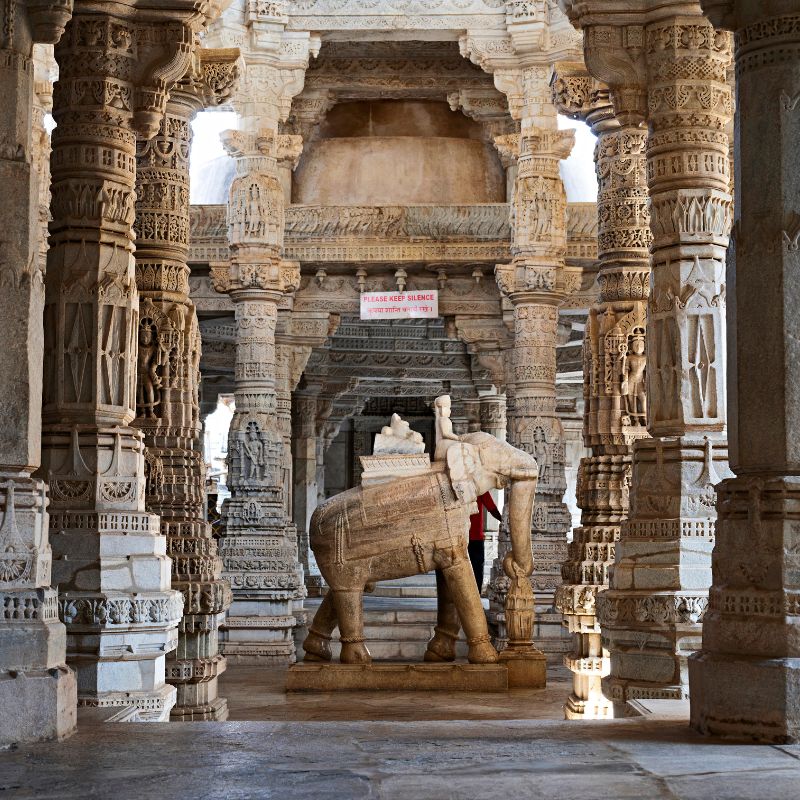
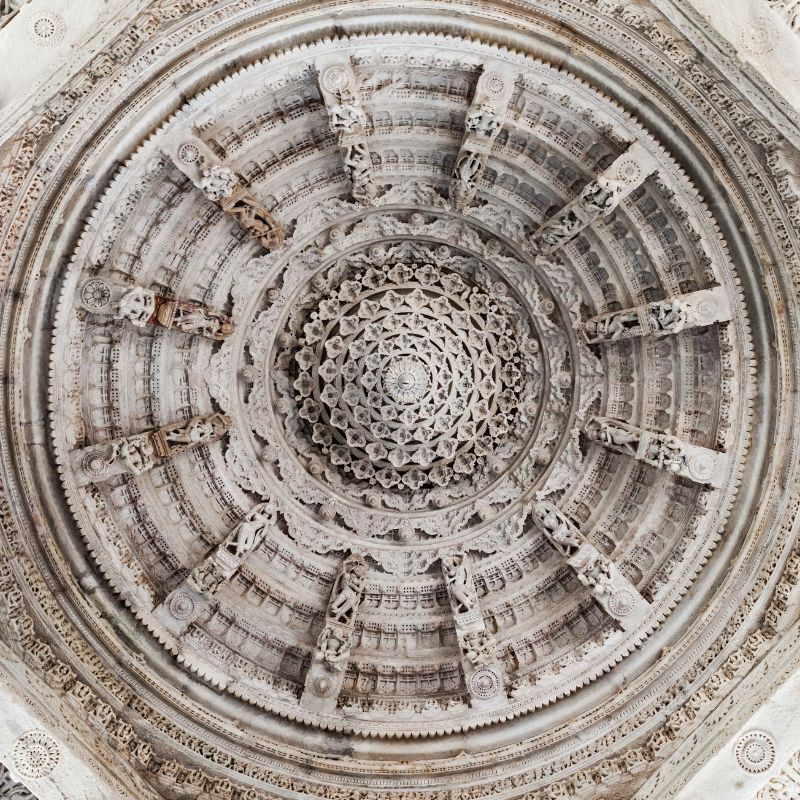
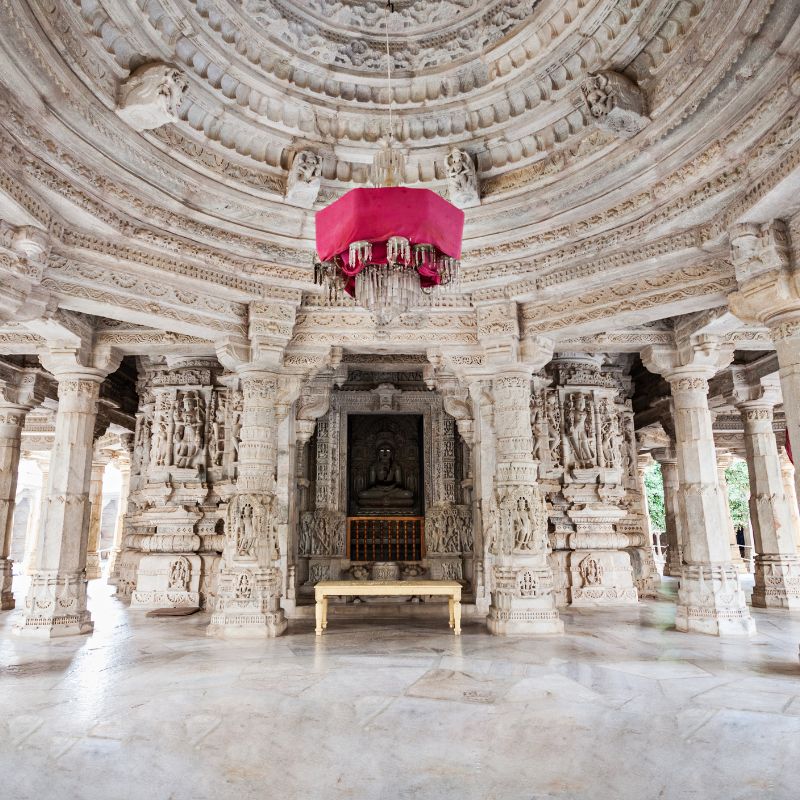
Developed during the 15th century, the temple complex is particularly admired for its 1,444 intricately carved marble pillars, decorative ceilings and carefully arranged halls.
Natural light passing through the carved stone creates changing patterns across the temple’s interior.
As Ranakpur remains an active place of worship, visitors should dress modestly and respect its religious customs. Confirm tourist visiting hours, entry arrangements, photography permissions and restrictions on belongings with the temple administration before travel.
Bout India’s Ranakpur destination guide provides further information about the temple and nearby attractions.
Where to Stay: Kumbhalgarh or Ranakpur?

Choosing accommodation depends on your sightseeing priorities, preferred surroundings, and onward travel route.
Staying Near Kumbhalgarh
Kumbhalgarh is a practical overnight base for travellers who want to explore the fort without rushing.
Bout India features Raajsa, Kumbhalgarh – IHCL SeleQtions, a resort near Lakhela Lake with views of the Aravalli Hills.
The property offers a contemporary resort experience inspired by Rajasthan’s historic architecture, rather than accommodation inside the fort itself.
Its location is particularly convenient for visitors prioritising Kumbhalgarh Fort and the surrounding countryside.
Staying Near Ranakpur
Ranakpur’s countryside setting appeals to travellers who prefer a quieter overnight stop.
Accommodation in this area can be convenient for temple sightseeing and onward journeys towards Jodhpur.
Travellers should compare properties based on their precise location, room facilities, accessibility and transfer requirements rather than assuming all countryside resorts offer the same experience.
Which Location Should You Choose?
Choose Kumbhalgarh if the fort is your main attraction and you want time for hillside views.
Choose Ranakpur if you prefer to stay closer to the Jain temple or continue towards western Rajasthan.
For travellers seeking a more relaxed countryside experience, nearby Narlai is another destination worth considering. Bout India’s Narlai destination guide describes its heritage setting and proximity to Ranakpur and Kumbhalgarh.
Before booking, confirm room accessibility, road access, heating and cooling arrangements, and distance to planned attractions.
How to Reach Kumbhalgarh and Ranakpur

Udaipur is a convenient gateway for visiting both destinations.
Private road transfers are generally the most practical choice because the attractions are spread across the hills.
Indicative Road Travel Times
|
Route |
Approximate Planning Time |
|---|---|
| Udaipur to Kumbhalgarh | 2–3 hours |
| Udaipur to Ranakpur | 2–3 hours |
| Kumbhalgarh to Ranakpur | 1–2 hours |
| Ranakpur to Jodhpur | 3–4 hours |
These timings are indicative estimates, not live-verified driving durations. Actual travel times depend on the selected route, road conditions, weather, traffic and sightseeing stops. Confirm the journey schedule before departure.
Recommended Routes
- Udaipur – Kumbhalgarh – Ranakpur – Jodhpur: Suitable for travellers continuing towards western Rajasthan.
- Udaipur – Kumbhalgarh – Ranakpur – Udaipur: A possible round-trip route, preferably with an overnight stay.
For a comfortable experience, allow two days and one night rather than combining extensive sightseeing with long-distance transfers.
How to Include Kumbhalgarh and Ranakpur in a Luxury Rajasthan Tour
Kumbhalgarh and Ranakpur fit naturally into a private Rajasthan itinerary connecting Udaipur and Jodhpur.
Instead of visiting each destination separately from Udaipur, travellers can explore both while travelling between cities.
Bout India’s Rajasthan destination page provides an overview of the state’s major heritage destinations.
Travellers can also explore Bout India’s private India tour packages for broader itinerary inspiration.
A customised journey can incorporate Kumbhalgarh and Ranakpur based on individual interests, accommodation preferences and available travel time.
Conclusion
Kumbhalgarh and Ranakpur offer two distinctive perspectives on Rajasthan’s cultural heritage.
Kumbhalgarh Fort reflects the military history and architectural ambition of Mewar’s rulers, while Ranakpur Jain Temple demonstrates the craftsmanship and spiritual traditions of medieval Rajasthan.
Their location in the Aravalli Hills also makes the journey rewarding for travellers interested in countryside landscapes beyond the state’s major cities.
A thoughtfully planned itinerary allows sufficient time for sightseeing, comfortable transfers and an overnight stay suited to your preferences.
Planning a private Rajasthan journey? Contact Bout India to discuss a customised itinerary that includes Kumbhalgarh, Ranakpur, Udaipur and other destinations.