

Family holidays can vary to a certain extent. A three-generation holiday with grandparents, parents, and kids in India takes it to a new level.
With its variety and options, India lends itself extremely well to holidays with mixed-group interests.
One minute a tour of a royal fortress is possible, the next a tiger safari, and after that, a hands-on local cookery class, and then unwind back on the backwaters. The art of managing such a trip is to have a holiday schedule whereby no one ends up worn out, hassled, or missing out.
A well-run, intergenerational holiday isn't about doing every possible activity. It's a mix of comfort and culture with adventure and flexibility. Here's how to plan one that works for all concerned.
Start With Everyone's Travel Priorities

Before booking anywhere, you may want to have a family discussion about what each generation hopes to get from the holiday.
Grandparents may want to explore Indian culture and history, along with its architecture and beliefs, while parents may want comfortable accommodation, hassle-free transport and food, and free time. Children would more likely want something exciting, like animals, boats, interactions with locals, and a variety of bright colours.
Having the family list of 'musts' and 'maybes' makes building a balanced holiday much simpler.
For families looking for inspiration, Bout India's India destinations cover a remarkable range of regions, from Rajasthan and the Himalayas to Kerala, Central India, and the northeast.
Choose Two or Three Regions, Not Ten

India rewards slow travel.
Many people try to pack Delhi, Agra, Jaipur, Jodhpur, Udaipur, Mumbai, and Kerala into a single trip (often only a few days long). On paper it's fun; in reality, living out of a packed suitcase can be very wearisome, especially for grandparents and very young children.
For a multi-generational India vacation, choose a manageable route.
A first-time family trip could combine:
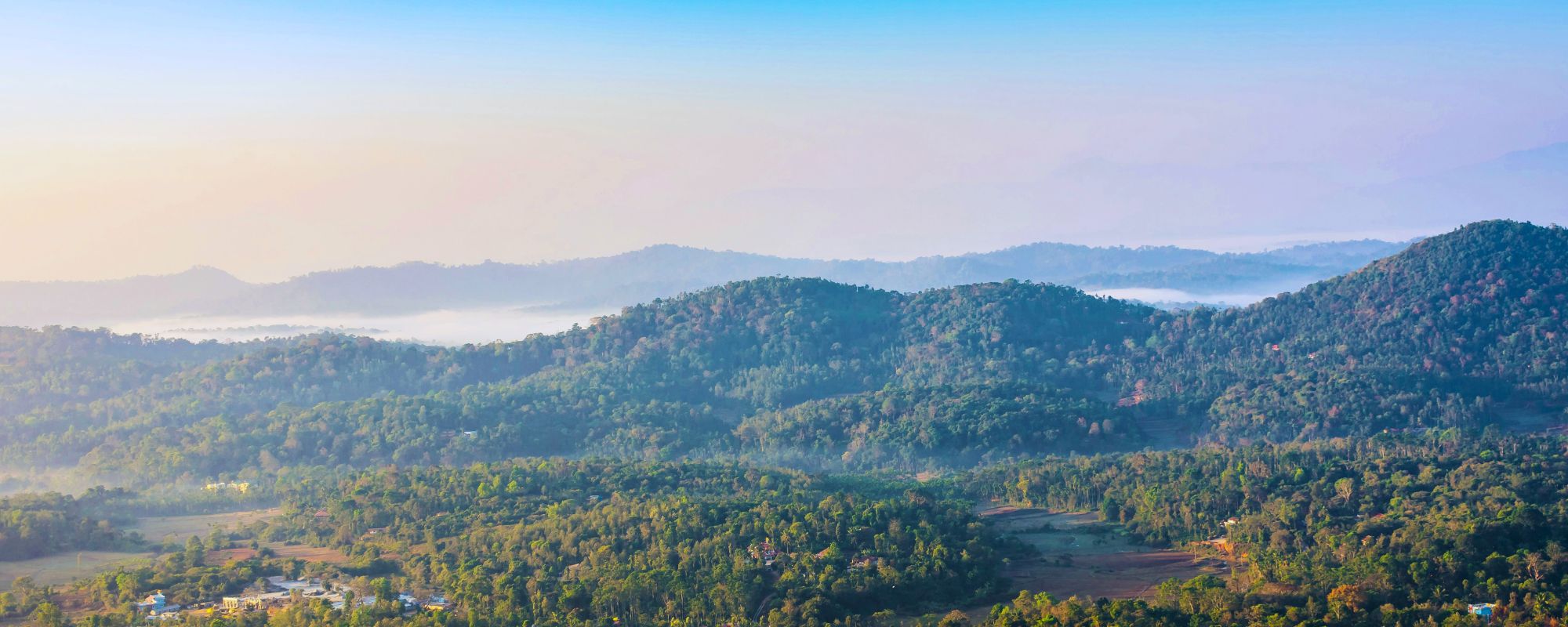
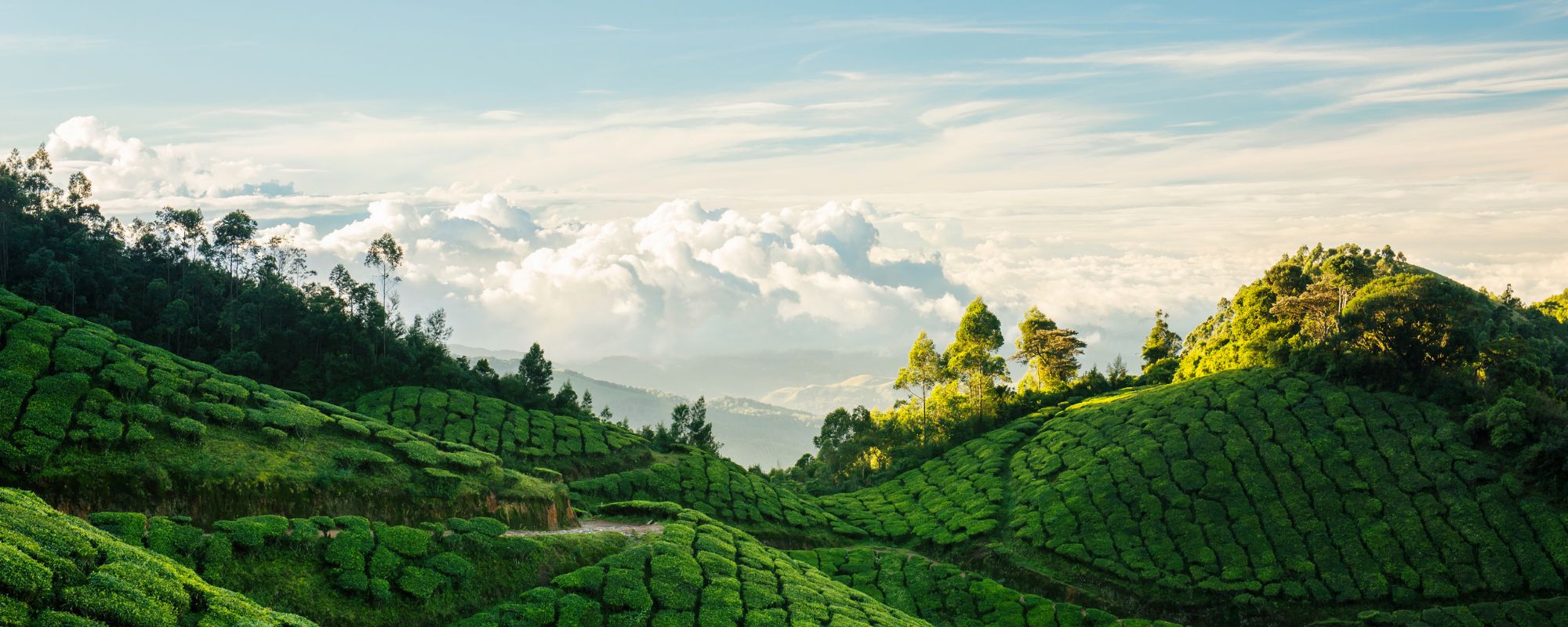
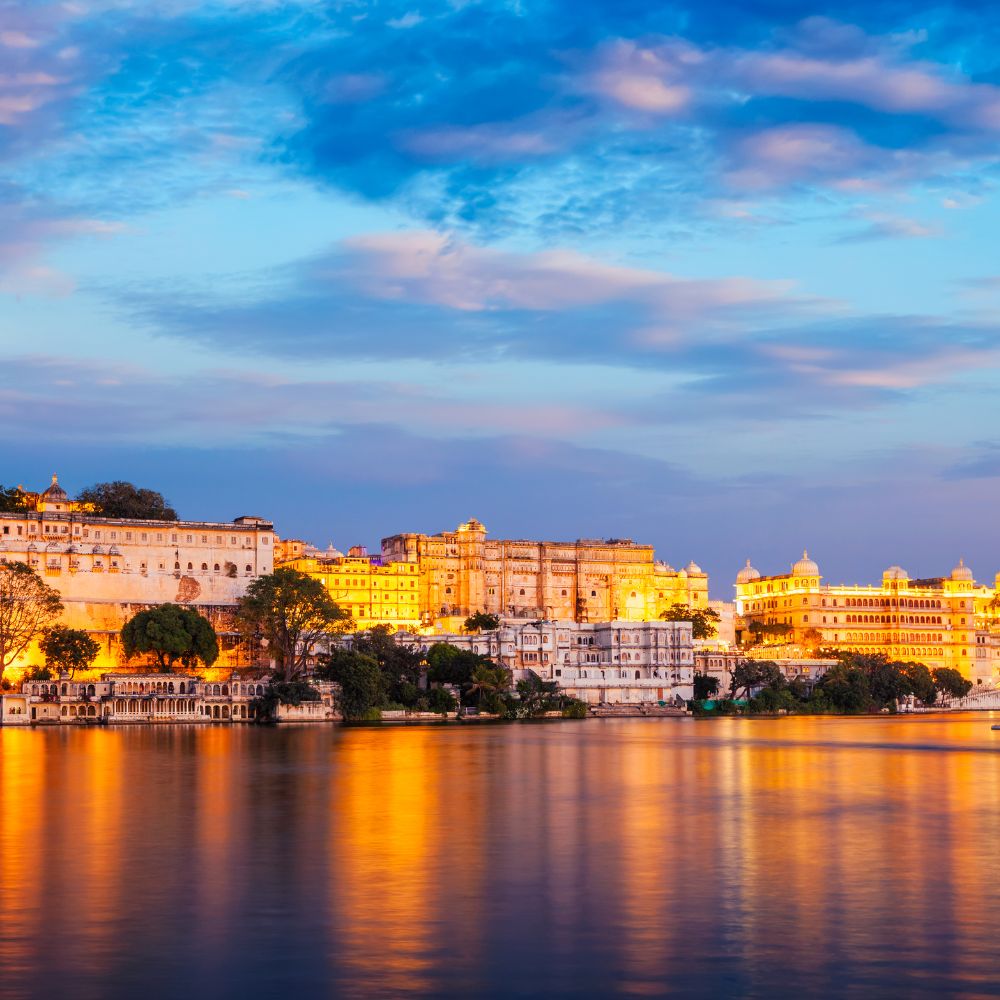
Delhi, Agra, and Jaipur for history and iconic landmarks. Rajasthan for forts, palaces, heritage hotels, and cultural experiences. Kerala for backwaters, nature, and relaxation. Ranthambore for a wildlife experience. Goa for beaches and unstructured family time.
Bout India's India tour packages include journeys across these regions and can help you decide what fits your family's interests and available time.
Build the Itinerary Around the Slowest Traveller

It could be the most crucial element.
If the grandparents want and need more time between attractions, or young children need a mid-afternoon nap, make that accommodation instead of expecting them to keep pace.
Good guideline: make one big sightseeing trip in the morning and keep afternoons free. Cover one or two key monuments in the morning with a guided visit, then have a relaxed lunch and an afternoon with enough time to get back for the afternoon rest. It does not mean a vacation should be boring, only that participants can enjoy it.
Prioritise Comfortable Private Transportation

Transportation can make or break a three-generation holiday.
Another big advantage of having your own transport is that you set the pace. If children want snacks, you can stop. You can take a longer stop midway on a long drive.
Return to the hotel earlier if children are tired, etc.
No one will pressure you to keep up with a group. Bout India offers private, customised, bespoke tours that let travellers tailor their trip to their interests, duration, accommodation style, and age group. This is especially valuable for a multi-generational family.
Select Hotels for Comfort, Not Just Character
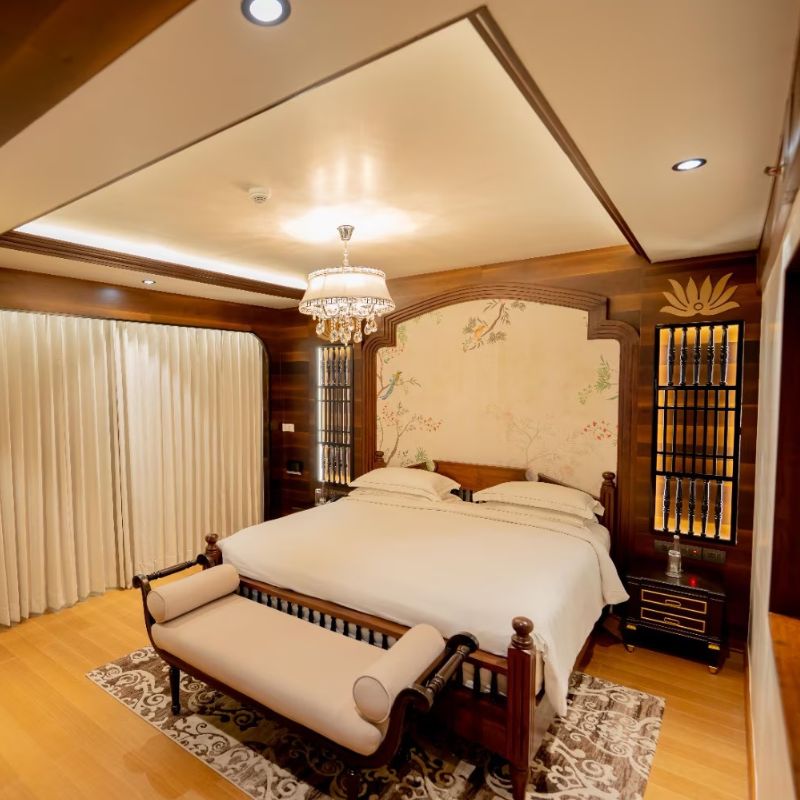
A beautiful heritage hotel can be an unforgettable part of an India holiday, but make sure it is practical for everyone.
When choosing accommodation, consider:
Elevator availability and accessibility. Room location and walking distances. Comfortable bathrooms. Air conditioning where appropriate. Swimming pools or gardens for children. Quiet rooms for grandparents. Restaurants or dining options on-site. Easy access to local attractions.
Family members don't necessarily need to stay in identical rooms. Connecting rooms, adjoining rooms, or rooms on the same floor can offer a useful balance between privacy and togetherness.
Bout India's destination pages also feature a range of accommodation options, including luxury and comfort properties, helping families consider hotels as part of the overall itinerary rather than as an afterthought.
Make Sightseeing Interesting for Children

A seven-year-old and a seventy-year-old might have very different views on seeing the very same palace.
And that's okay.
Instead of removing cultural sights entirely, make them interactive. Use well-trained local guides who tell stories, not just dates and names of people long-forgotten. Integrate experiences, like crafts, a cooking class, a village tour, a boat ride, a wildlife safari, and local entertainment.
This form of travel works well in India, where history mingles with everyday culture so regularly.
A fort can tell the story of kings and battles. A bazaar can provide an insight into spices and cloth. An in-home cooking demonstration can link a grandmother's recipes with a child's adventure with unfamiliar spices.
The goal is not to make everything child-centred. It is to involve the child in some way.
Consider a Wildlife Stop

Wildlife can be the perfect bridge between generations.
Children get adventures. Parents get an outdoor experience. Grandparents can enjoy the excitement of seeing India's wildlife without spending every day walking through a city.
Ranthambore is particularly easy to combine with a Rajasthan itinerary. Central India also offers opportunities for families interested in wildlife and nature.
The important thing is to consider the length and timing of safari drives. Early mornings can be demanding for some travellers, so discuss the schedule with the family before booking.
Don't Underestimate the Value of a Free Afternoon

Some of the best family memories happen when nothing is scheduled.
After several days of sightseeing, leave an afternoon free. Let grandparents enjoy tea at the hotel, let children swim, and give parents a chance to relax.
This also creates a buffer if an earlier activity takes longer than expected.
A flexible itinerary is particularly important in India because travel times can vary, and spontaneous discoveries- an interesting market, a beautiful viewpoint, or an unexpected cultural event- are part of the experience.
Choose Destinations According to the Season

India's climate varies considerably by region, so the ideal time to travel depends on where you're going.
Rajasthan and the Golden Triangle are generally more comfortable during the cooler part of the year, while Kerala offers a different seasonal experience. Mountain regions have their own weather patterns and may require more careful planning.
For a multi-generational group, avoid choosing dates based solely on price or school holidays. Consider what temperatures grandparents and young children will comfortably tolerate.
A destination that is fantastic in one season may feel very different in another.
Give Each Generation One "Special Day"

Here's a simple way to make everyone feel included: let each generation choose something.
Grandparents might choose a heritage experience or historic site. Parents might choose a memorable restaurant or wellness experience. Children might choose a wildlife safari, boat ride, craft activity, or another adventure.
It creates a sense of shared ownership over the holiday.
More importantly, it prevents the trip from becoming "Grandma and Grandpa's India tour" or "the kids' vacation." It becomes the family's trip.
Why a Bespoke India Trip Makes Sense

You need a less rigid structure when travelling over several generations.
Ages, travel speeds, dietary preferences, sleeping behaviours, energy levels, lodging preferences, and vacation concepts vary widely.
These considerations can shape the itinerary from the outset with a tailor-made schedule.
Bout India describes its services as 100% personalised and built to travellers' specified interests, activities, and needs. As part of its current planning process, Bout India asks about the traveller's age group, length of stay, preferred lodging arrangement, interests, and planned travel budget.
This approach is particularly beneficial for a three-generation travelling party.
Client references for Bout India also mention families using its services to plan personally tailored travel arrangements, including for a 90-year-old family member.
A Sample Multi-Generational India Itinerary

For a family visiting India for the first time, a 10–14 day itinerary could look something like this:
Days 1–2: Delhi. Take a gentle introduction to India with selected historic sights, good meals, and plenty of rest.
Days 3–4: Agra. Visit the Taj Mahal and explore Agra at a relaxed pace.
Days 5–7: Jaipur. Explore the Pink City, forts, palaces, and colourful markets, with time for family experiences.
Days 8–10: Ranthambore. Slow down and introduce a wildlife element to the journey.
Days 11–14: Kerala. Finish with backwaters, nature, and relaxation. Bout India's Golden Triangle & Kerala itinerary demonstrates how India's iconic northern destinations can be combined with Kerala's slower-paced landscapes.
The exact route should, of course, depend on the ages, interests, and mobility of the travellers.
The Bottom Line
A successful multi-generational India trip isn't about finding an itinerary that makes everyone do the same thing.
It's about creating enough variety and flexibility for everyone to have their own version of a great holiday, while still sharing the moments that matter.
Let grandparents have their history. Let parents have their comfort. Let children have their adventure.
Then bring everyone together over a family meal, a sunset, a boat ride, a palace courtyard, or a story from the day's travels.
Those shared moments are what turn an India holiday into a family memory that lasts for generations.
Families ready to build a trip around their own ages, interests, and travel style can explore Bout India's bespoke India trip planning or browse its India tour packages for further inspiration.