Take the February week, not the Christmas one. Sweden's sportlov and Denmark's vinterferie fall between weeks 7 and 10 and land in the single best-value window of the Indian travel year: the same dry, bright weather as the December peak, without the blackout pricing or the non-refundable terms. The Nordic jullov, by contrast, overlaps almost exactly with India's most expensive and most constrained three weeks. Swedish school holidays in 2026 run 19 December to 10 January. India's blackout window runs 20 December to 10 January. Those dates aren't a coincidence, and they aren't in your favour.
TL;DR
- India's season is from October to March: dry, bright, warm days across the north and west.
- Jullov overlaps India's blackout window almost exactly. Rates up 25 to 40 per cent, non-refundable terms, heritage availability that runs out.
- Sportlov and vinterferie are the best weeks. Weeks 7 to 10 in Sweden, weeks 7 or 8 in Denmark, February in Norway.
- The staggering helps you. Because kommuner take different weeks, Nordic demand arrives spread across four weeks rather than all at once.
- February in India costs roughly a third less than the same trip at New Year, with identical weather.
- Book the December window nine to twelve months out. Four to six months is comfortable for February.
- No direct flights from Scandinavia. Every routing is one-stop, so build a connection day into the plan.
- Rajasthan nights are genuinely cold in December and January. Pack for it. The days are warm; the desert after dark is not.
The Two Nordic Windows
|
Window |
Dates |
India verdict |
|---|---|---|
| Late November | Before jullov |
Excellent. Season fully open, pre-peak rates, plains clear before the fog season. |
| Jullov / juleferie |
Sweden 19 Dec 2026 to 10 Jan 2027; Denmark 22 Dec to 3 Jan |
Peak and blackout. Best weather, worst terms. Book a year out or avoid |
| Mid-January | After schools return |
Very good. Blackout over, terms normal, weather unchanged |
|
Sportlov / vinterferie |
Weeks 7 to 10, mid-Feb to early Mar |
The best week of the year to take. Peak weather, shoulder pricing |
| March | After sportlov |
Good and narrowing. The north starts warming from late March |
Jullov: The Overlap Nobody Points Out
Swedish school Christmas holidays in 2026 run from 19 December to 10 January 2027. Danish Christmas break runs from 22 December through 3 January, nationwide. Our blackout window, defined as Christmas and New Year week, runs operationally from 20 December to 10 January.
They overlap almost completely.
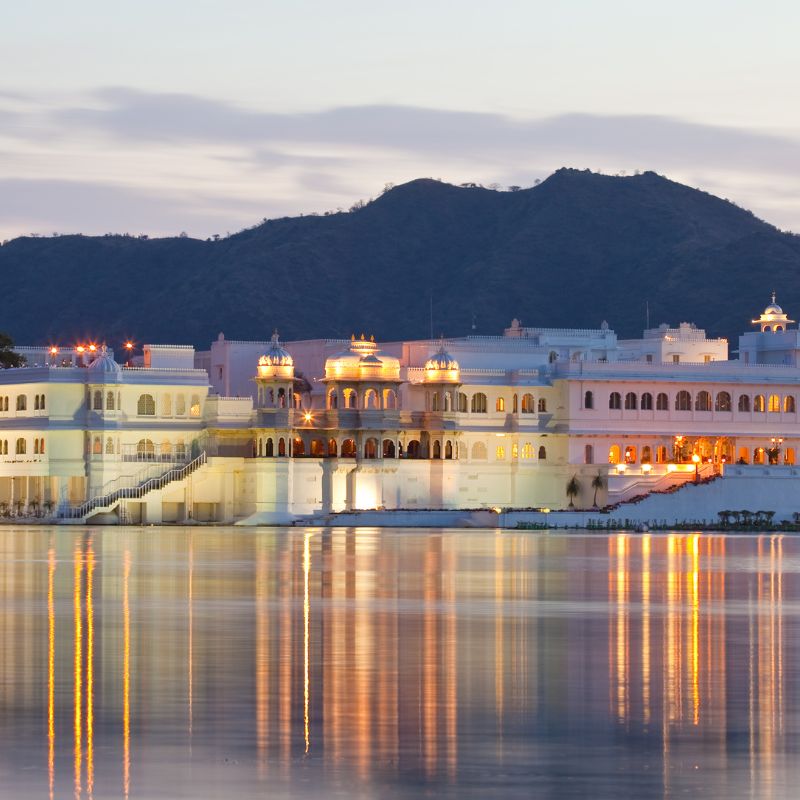
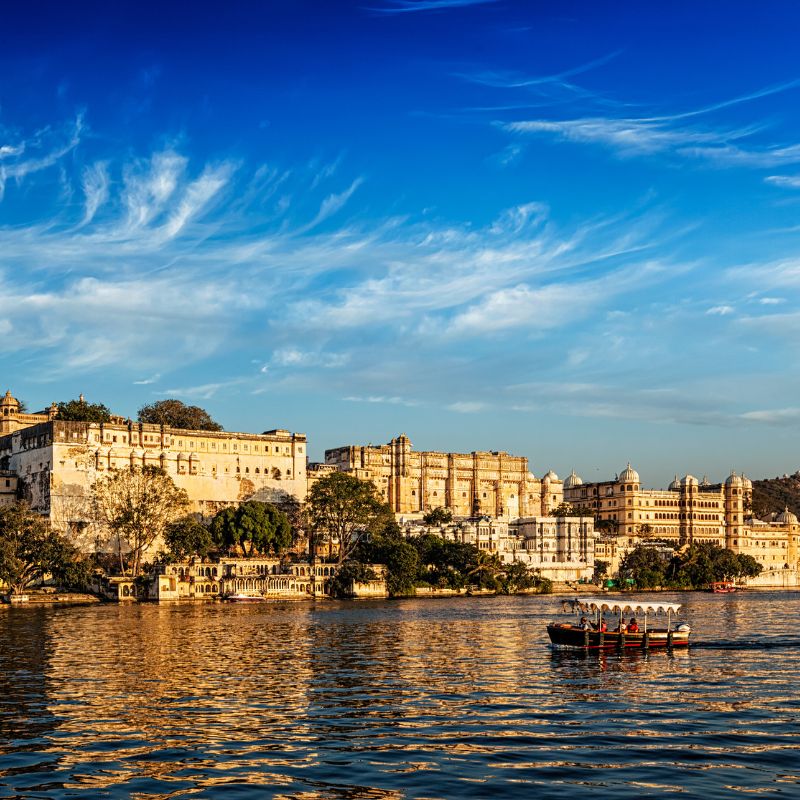
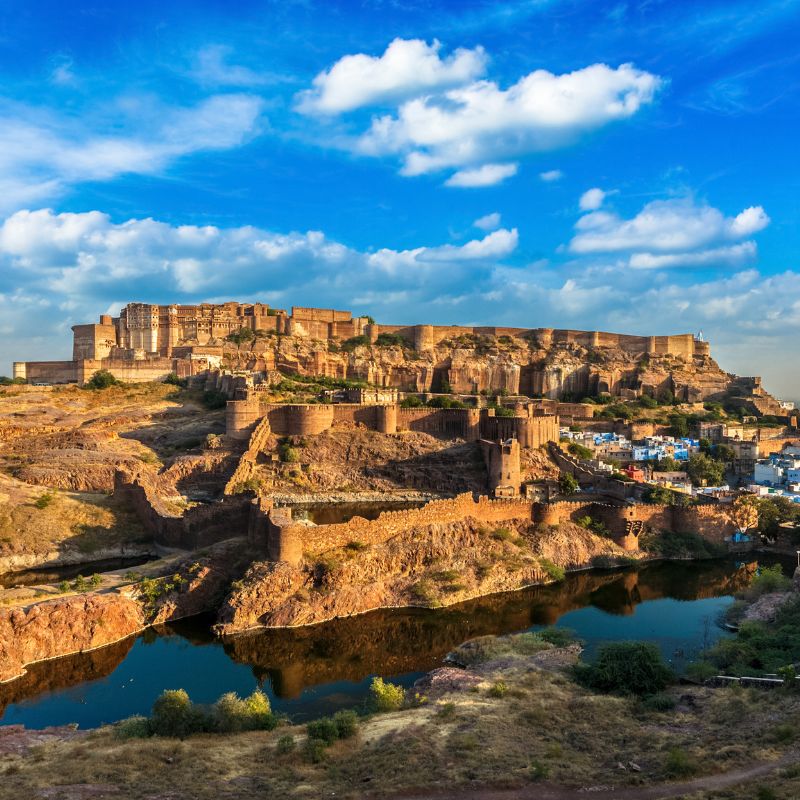
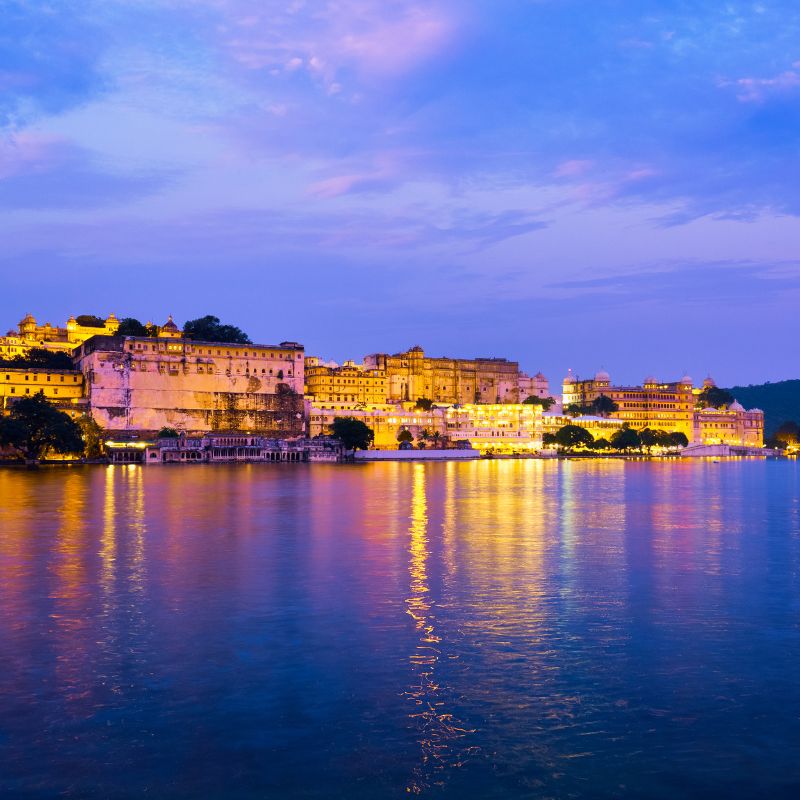
During that time, three things happen at once. Rates at the properties we use run roughly 25 to 40 per cent above shoulder season. Hotel and guide availability in Udaipur, Jodhpur and Jaisalmer genuinely runs out, because the number of good rooms and experienced guides in those cities is fixed. Bookings on blackout dates are non-refundable regardless of notice, as set out on our booking and cancellation policy page.
If Jullov is the only window your family has, that is a real constraint, and it is workable. You have to book nine to twelve months ahead and decide rather than hold it as an option, because the money is committed at deposit.
Sportlov and Vinterferie: The Week to Take
Sweden's sportlov falls between weeks 7 and 10 depending on the kommun. In 2027, that puts Göteborg in week 7 (15 to 19 February), Malmö in week 8 (22 to 26 February) and Stockholm in week 9 (1 to 5 March). Denmark's vinterferie falls in week 7 or week 8 by kommune: Copenhagen and Aarhus in week 7, Aalborg in week 8, with the two weeks overlapping the weekend of 20 and 21 February 2027. Norway's winter break sits in the same February band.
The holiday has an odd origin. Sweden's sportlov began in 1940 as the kokslov, a coal holiday, introduced during wartime rationing so that schools could be left unheated for a week. It was later repurposed to promote winter sport, and the four-week spread across kommuner exists deliberately to stop every Swedish family from hitting the ski resorts on the same Saturday.
That spread is why this window works for India. Nordic demand arrives staggered across four weeks instead of concentrated into one, so the availability problem that defines the Christmas window does not exist in February.
Add days either side. A single week is thin for a long-haul destination with a one-stop flight at each end. Nine to eleven days built around the sportlov week produces a proper trip: the Golden Triangle plus one Rajasthan city, or Kerala end to end. Our Golden Triangle and Rajasthan route is the template, and our month-by-month calendar covers the regional detail.
Why February Is the Best Value in the Indian Year
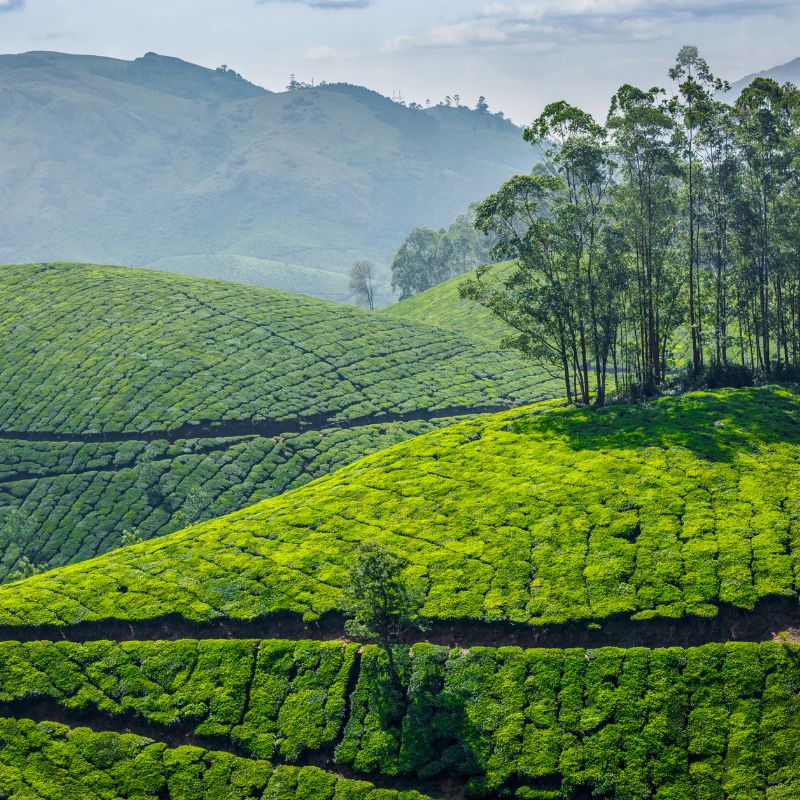
February weather is indistinguishable from New Year across Rajasthan, the Golden Triangle, and Kerala. Dry, bright, clear light, comfortable daytime temperatures.
What changes is everything else. The blackout terms are gone, so the normal cancellation ladder applies. Rates drop back to shoulder season. Heritage properties that were impossible in December now have availability. Experienced guides are available rather than committed. And the fog season that affects Delhi and the plains from late December into January has passed, which matters when every Nordic routing arrives on a connection. Our winter planning guide covers that risk in detail.
For a family that can take either week, February is meaningfully better on every axis except one: the ski trip you did not take.
Where to Go, Depending on What You Are Escaping
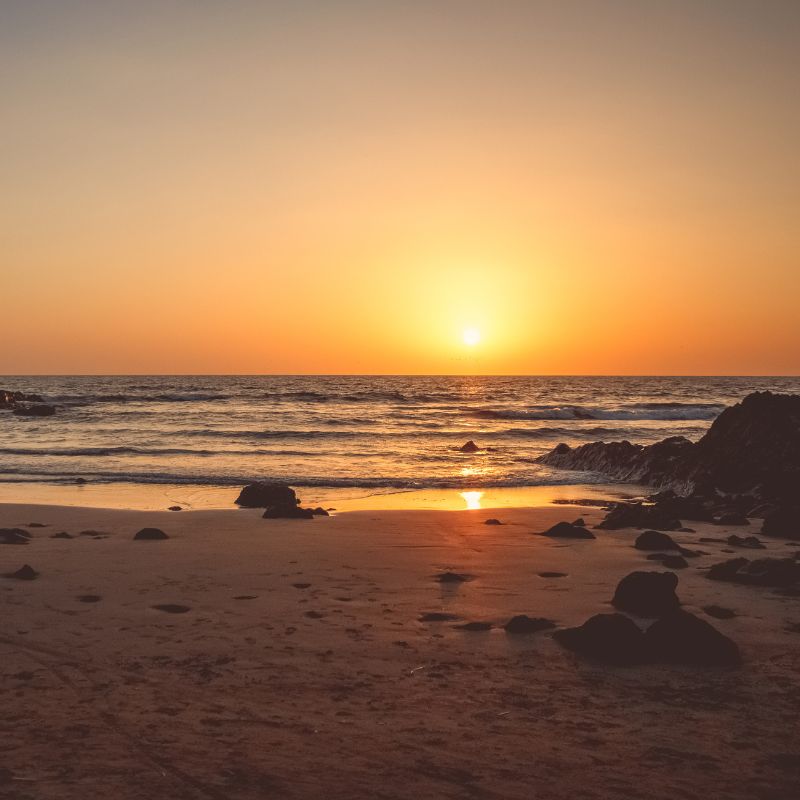
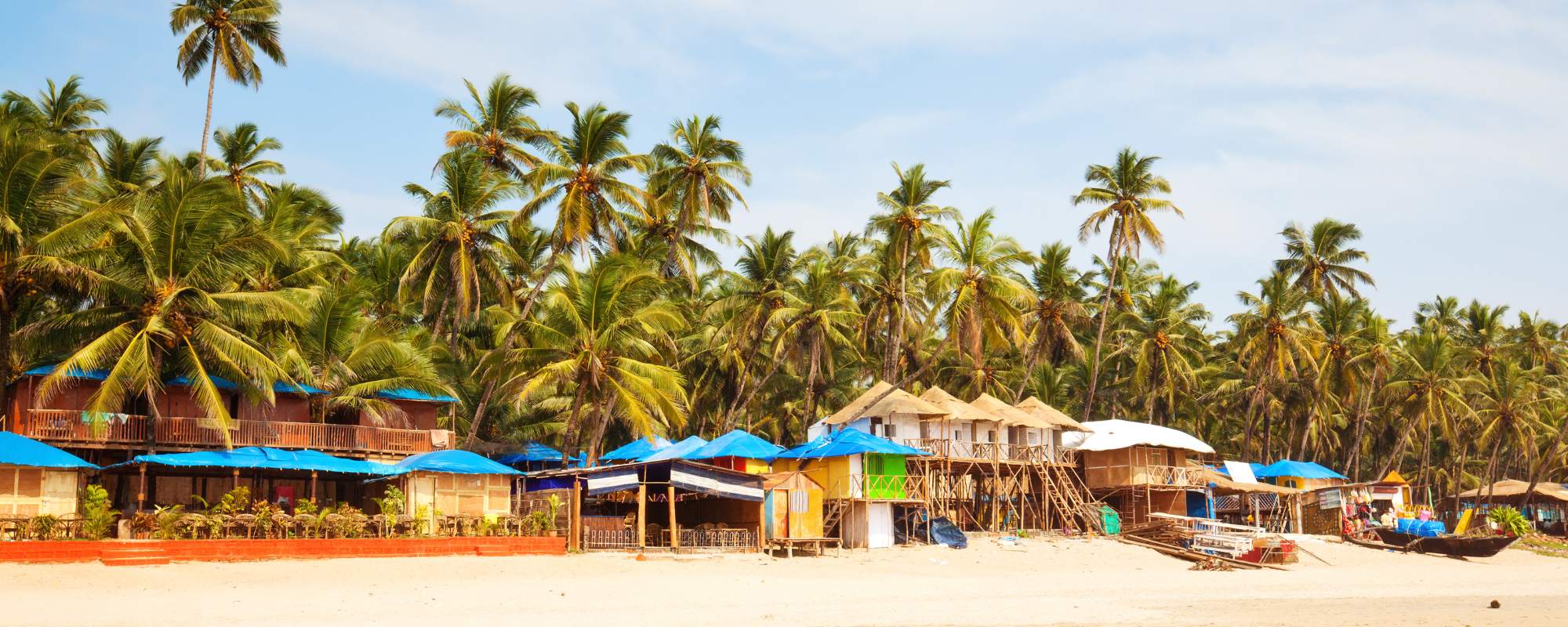
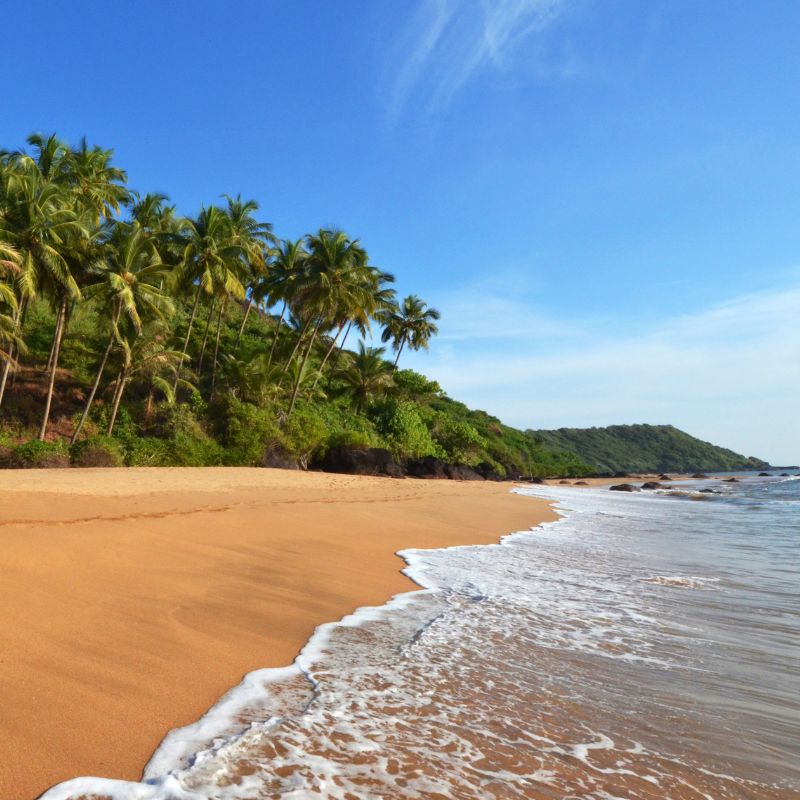
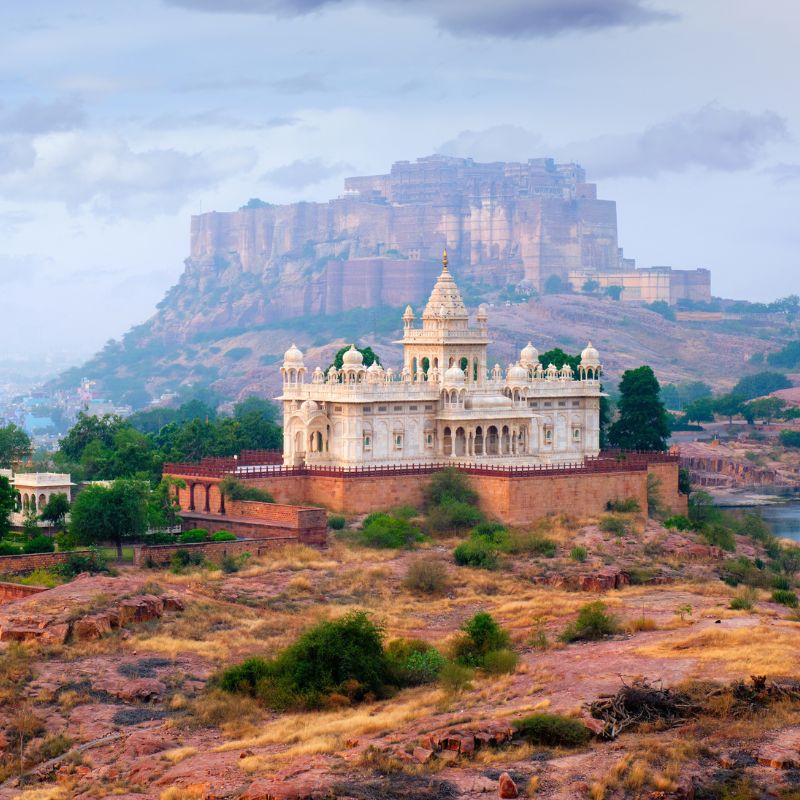
If you want sun and to stop thinking. Goa from late November to February is warm, dry and low effort, and works as a week on its own or as the end of a longer trip.
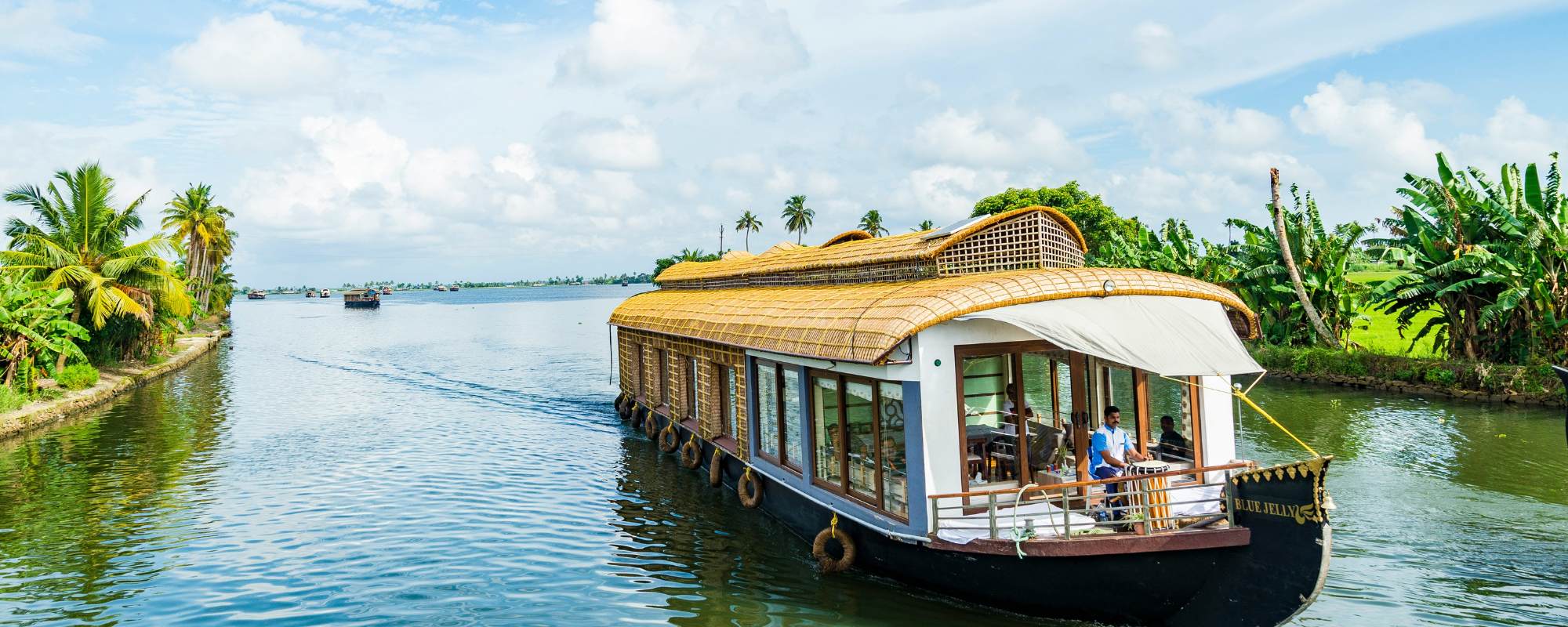
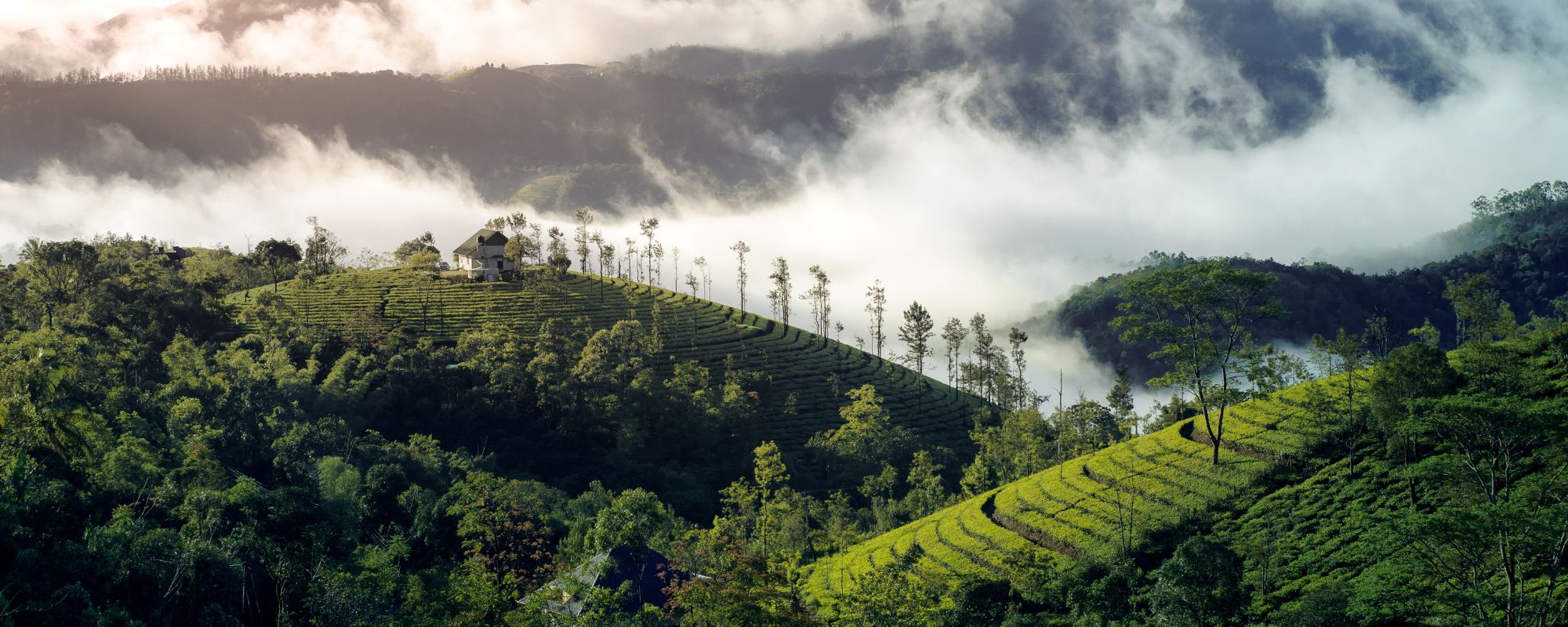
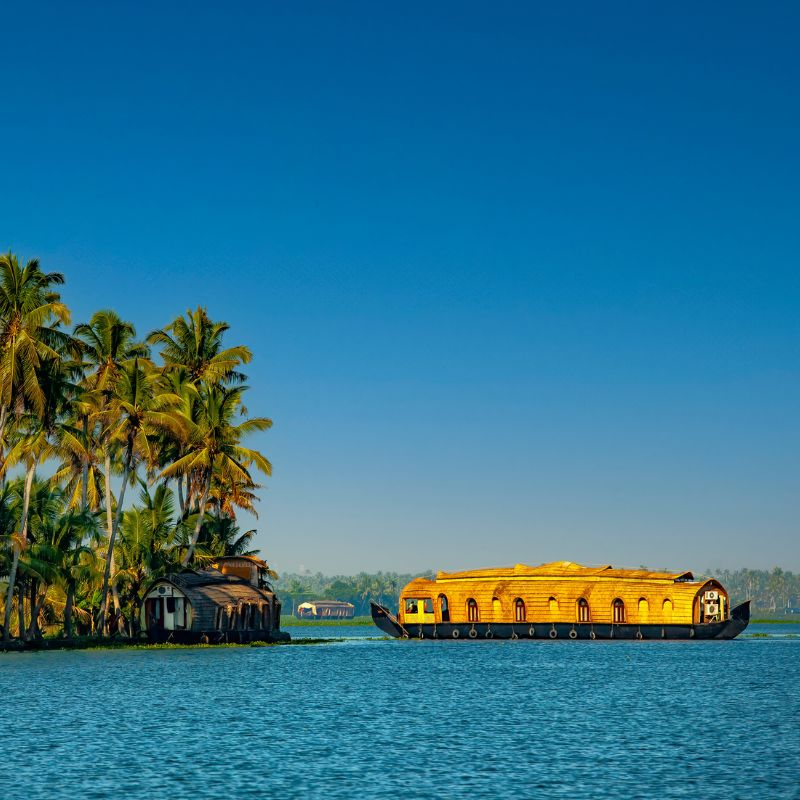
Suppose you want warmth plus something to do. Kerala: backwaters, coast, plantations, and the country's strongest Ayurveda programmes. Our Kerala backwaters guide covers the nights and the boats, and our Ayurveda and wellness guide covers the programmes.
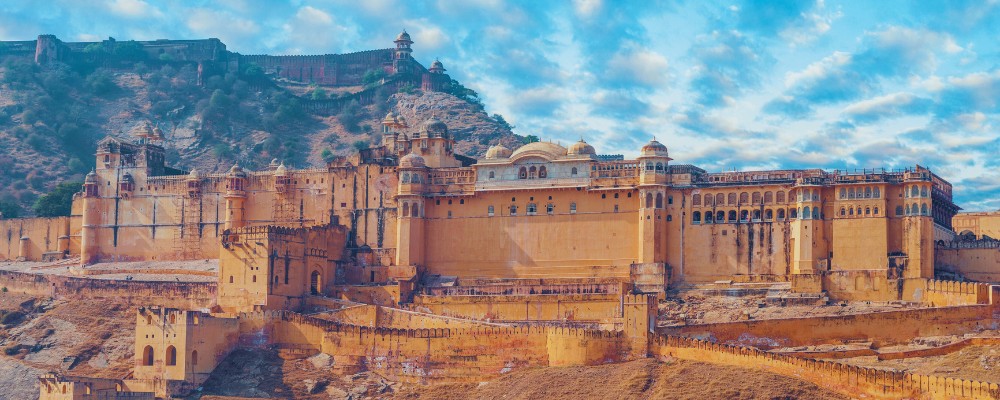
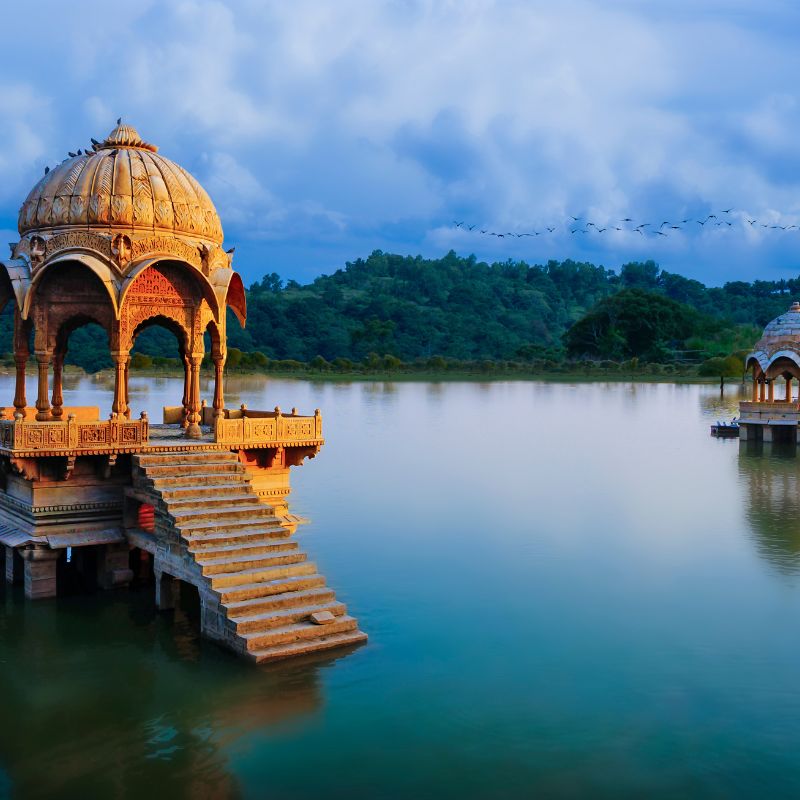
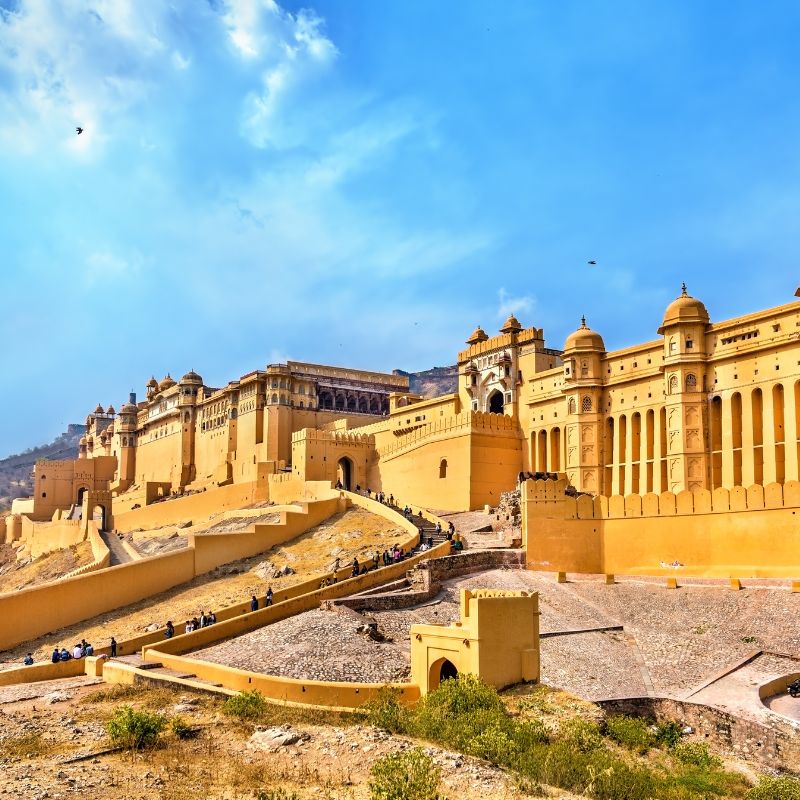
If you want the trip, you will talk about it. The Golden Triangle and Rajasthan: Delhi, Agra, Jaipur and one or two desert cities.
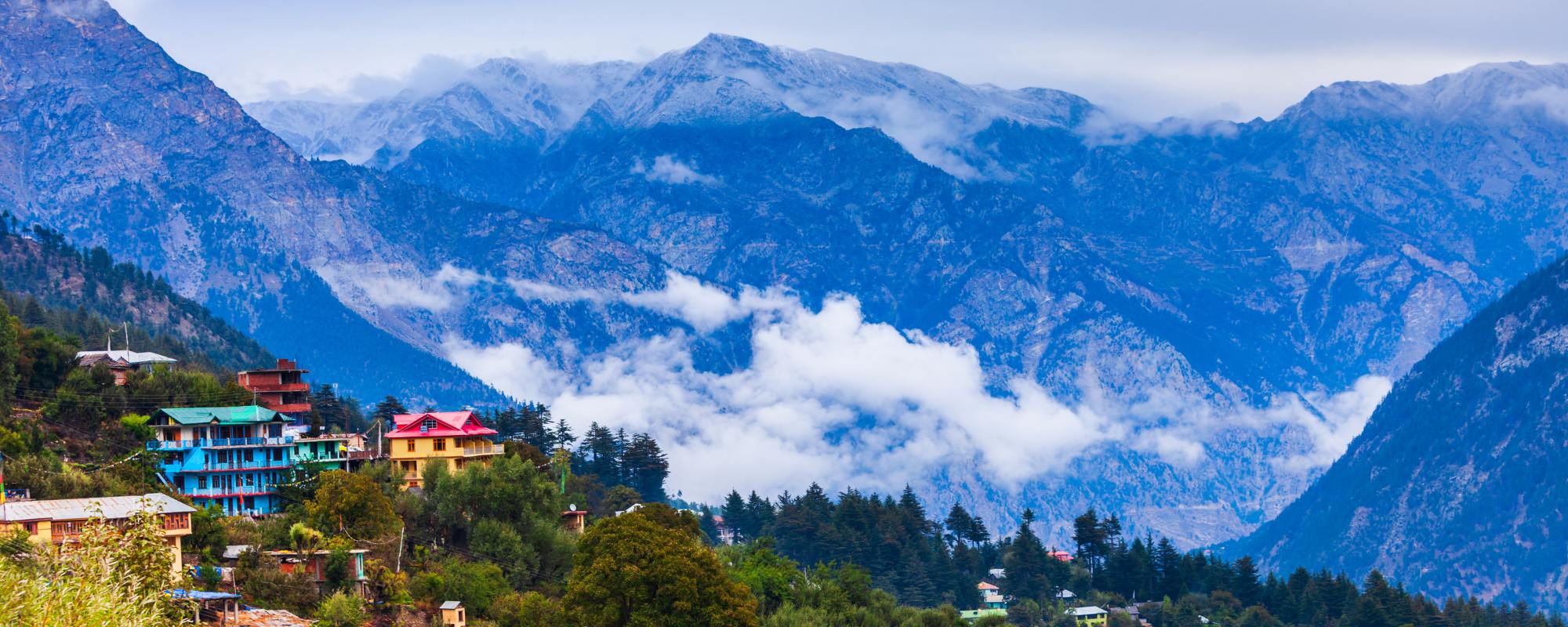
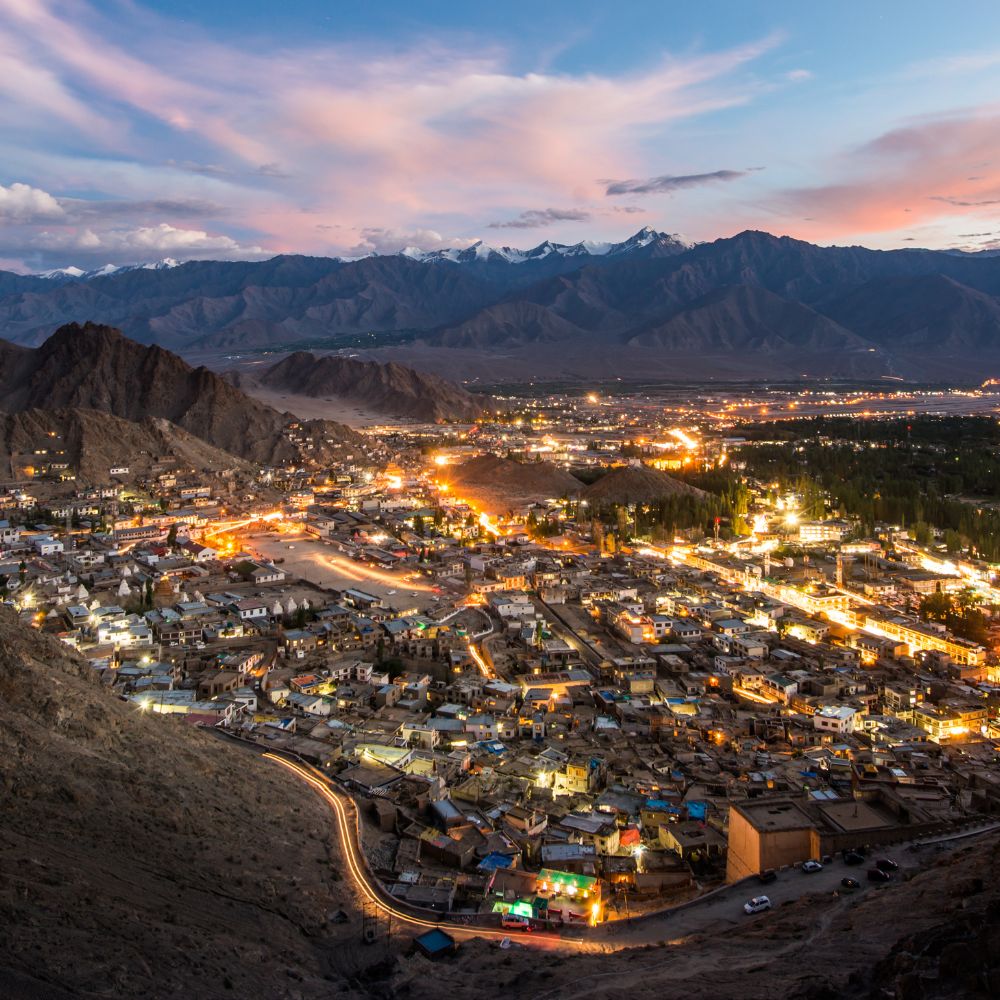
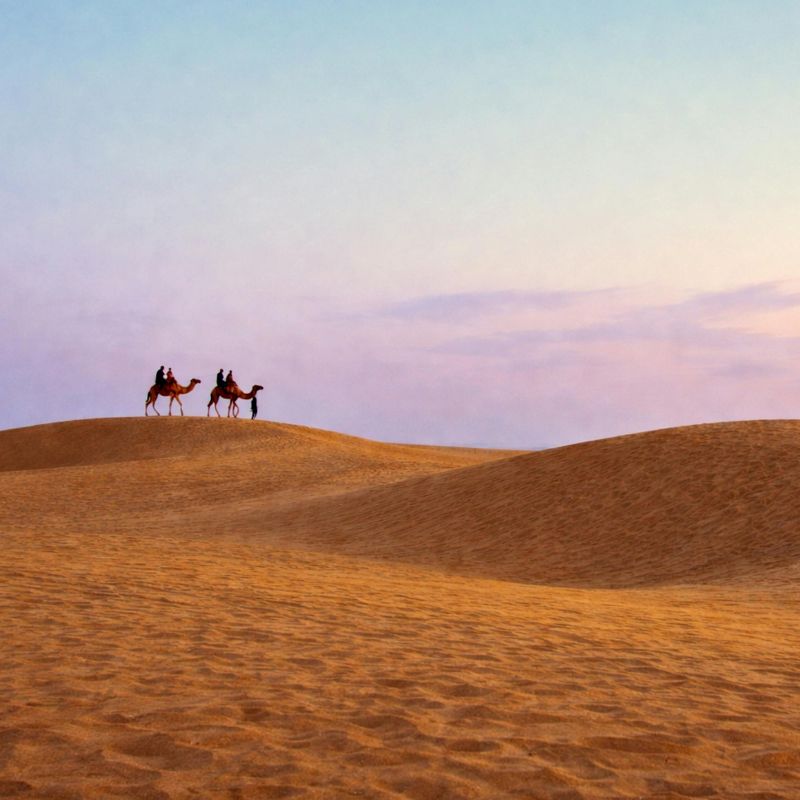
One warning for the north. Rajasthan and Delhi in December and January are warm by day and genuinely cold after dark, especially in the desert. Nordic travellers routinely pack for tropical heat and then spend the evenings cold, because nothing in the brochure photographs suggests it. Bring a jacket.
Practical Notes
Flights. There are no direct services between Scandinavia and India, so every routing connects, most commonly through a Gulf hub, Istanbul, Frankfurt or Helsinki. Build a recovery evening into the arrival day rather than scheduling sightseeing. Confirm current options when you fix dates.
Visa. Swedish, Norwegian and Danish passport holders use India's e-Visa system. Apply at least a week ahead, budget a bank transaction charge in addition to the fee, and use the government portal directly. No intermediary is required.
Daylight. This is the actual reason most of you are reading. Around the solstice, Stockholm sees roughly six hours of daylight, Oslo sees something similar, and Tromsø sees none at all. Delhi and Goa run to around ten and a half hours with reliable sun. That gap is the whole product.
Choosing an operator. Our twelve questions to ask an India tour operator cover verification, terms and the difference between booking direct in India and booking through an agency at home.