October to March is India's main season, with December and January at peak and June the single weakest month for the classic circuits. The southwest monsoon sets that calendar, and the India Meteorological Department revised its normal dates in 2020: it reaches Kerala around 1 June, covers the whole country by 8 July, and begins withdrawing from northwest India around 17 September. The exception that saves your summer is the Himalaya. Ladakh, Kashmir and Sikkim sit in or beyond the rain shadow and are at their best precisely when Rajasthan is unbookable.
The best time to visit India is October to March for the Golden Triangle, Rajasthan, Kerala and the classic circuits, and May to September for the Indian Himalayas. Those two windows barely overlap, which is why "when should I visit India" has no single answer and why the honest one depends entirely on where you are going.
Bout India's booking pattern reflects it exactly. October to March is the main season; December and January are peak, April to September are soft, and June is the lowest month of the year for the plains. The rest of this page is the operating calendar behind that.
The monsoon normals that set the calendar
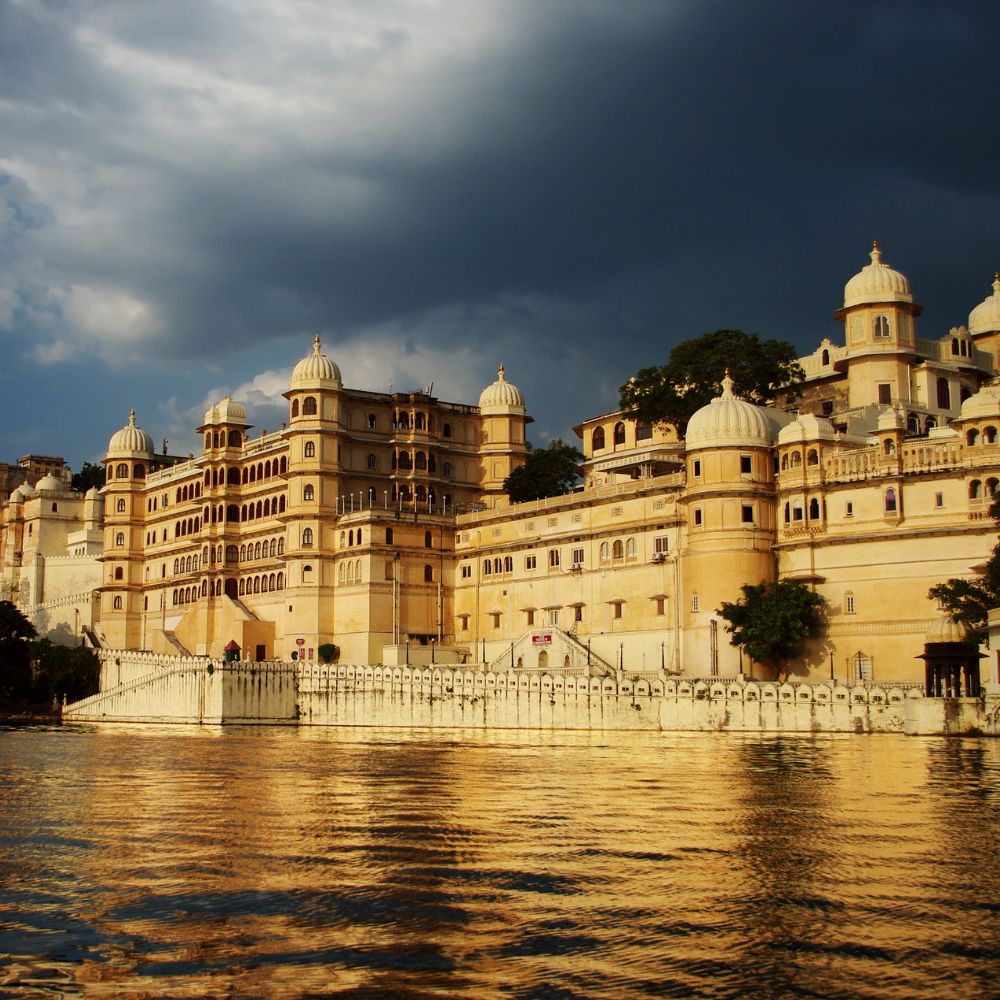
Most travel advice describes the monsoon as "June to September". The India Meteorological Department's own revised normals, published as CRS Research Report No. 003/2020 on 15 May 2020, are considerably more precise and more useful.
The report recalculated onset dates using 1961 to 2019 data and withdrawal dates using 1971 to 2019 data, replacing normals based on just 149 stations from 1901 to 1940. Two headline changes matter for trip planning. The monsoon now covers the entire country by 8 July, a week earlier than the old normal of 15 July. And it begins withdrawing from northwest India around 17 September, more than two weeks later than the old normal date of 1 September.
That second figure quietly ruins September itineraries. Here are the city-level normals from the same report.
|
City |
Monsoon arrives |
Monsoon withdraws |
| Kochi, Kerala | 1 June | Northeast monsoon follows |
| Mumbai | 11 June | 8 October |
| Panjim, Goa | 5 June | 14 October |
| Gangtok, Sikkim | 8 June | 12 October |
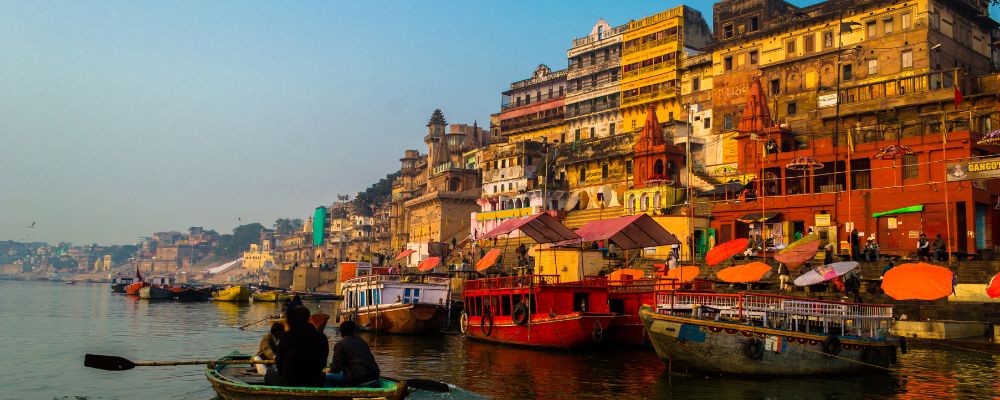
| Varanasi | 23 June | 4 October |
| Udaipur | 25 June | 25 September |
| Delhi | 27 June | 25 September |
| Agra | 27 June | 28 September |
| Jaipur | 29 June | 23 September |
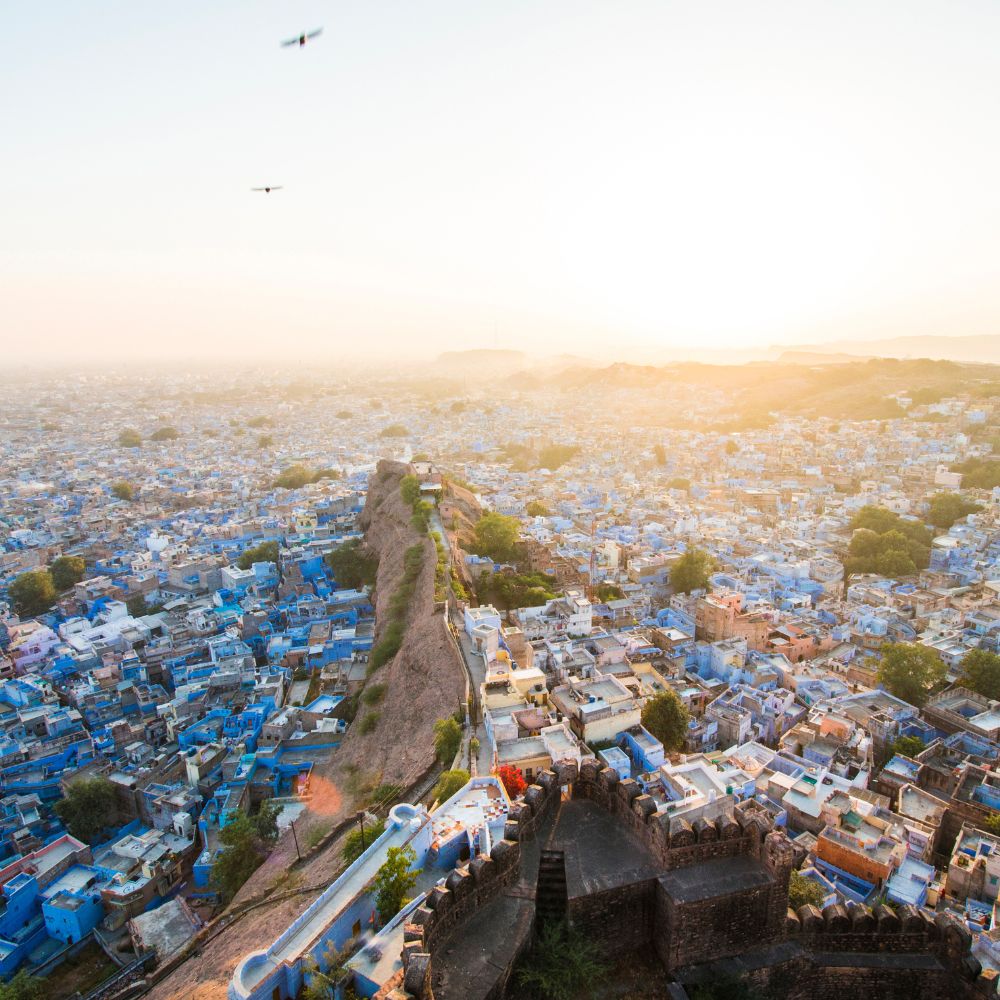
| Jodhpur | 2 July | 19 September |
| Bikaner | 6 July | 18 September |
Treat these as centres of a range, not as dates. The IMD report puts the standard deviation of onset dates at 5 to 8 days across most of the country, rising to 9 or 10 days in the northwest, with withdrawal varying by 7 to 9 days. Build a week of buffer either side, and you will rarely be caught out.
Note also that Kerala and much of the south peninsula do not appear with a withdrawal date at all. After the southwest monsoon retreats around mid-October, the northeast monsoon establishes over the south, which is why Kerala gets a second wet spell in late October and November that northern India does not.
Why summer sends you north
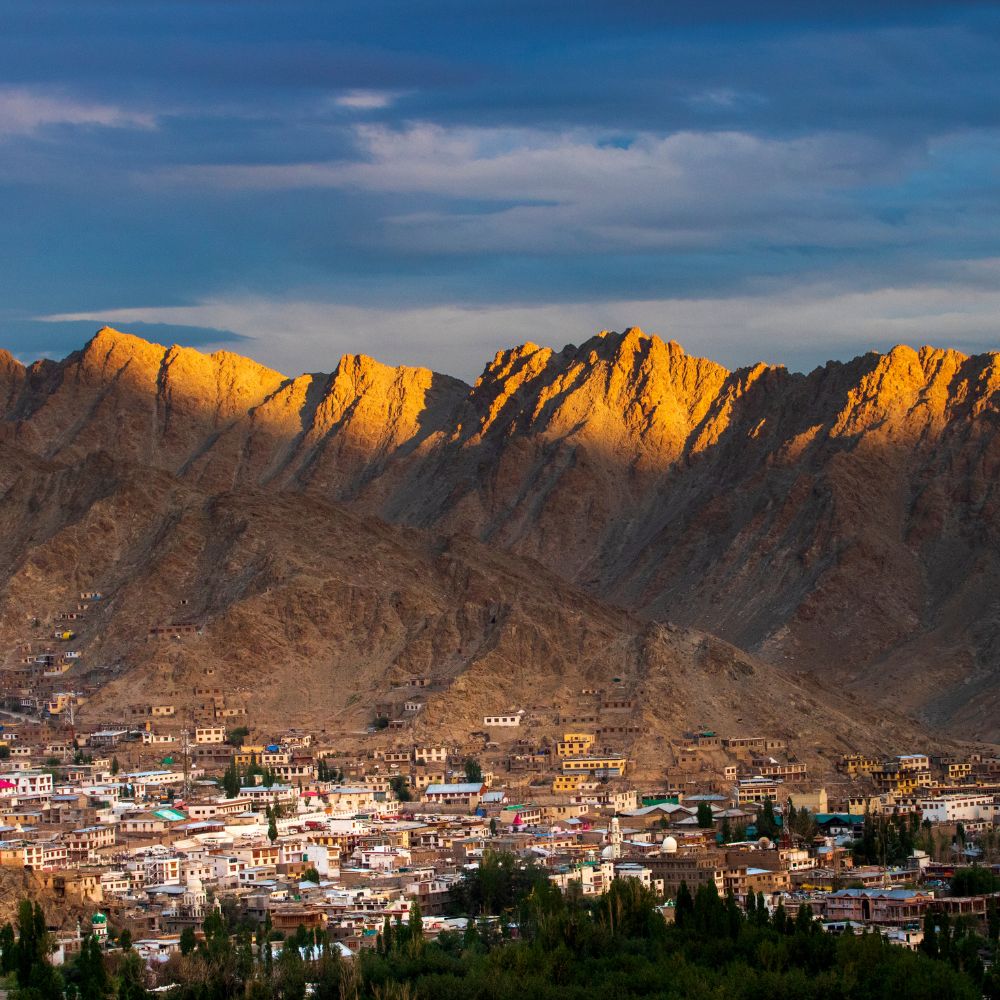
The Indian Himalayas are the answer to a June, July or August trip, and the reason is topographic rather than seasonal.
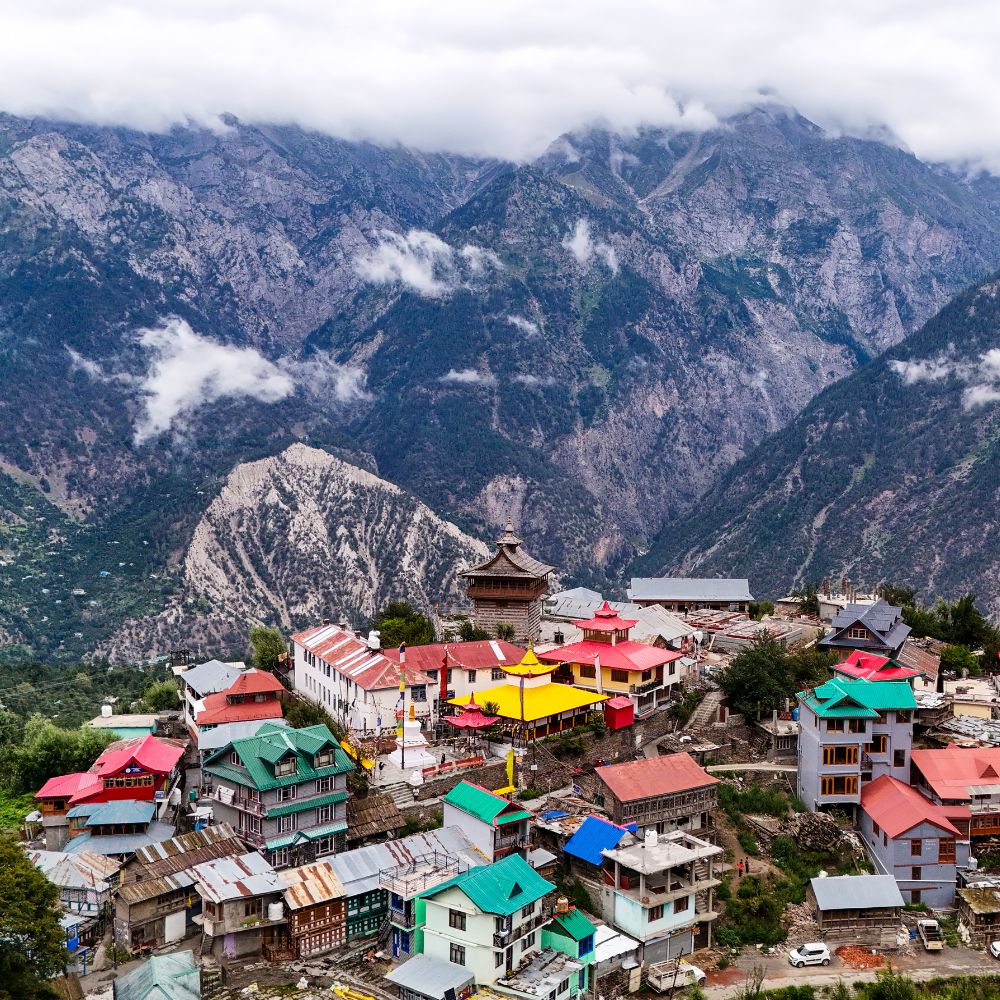
The IMD report notes that while the monsoon lasts more than four months over the south peninsula, it runs only about half that long over the northwest. Beyond the Greater Himalaya, the effect is stronger still. Ladakh is a high-altitude cold desert lying in the rain shadow, so although the monsoon nominally advances over it around 24 June, the mountains strip out most of the moisture before it arrives.
That makes the Himalayan summer calendar close to the inverse of the plains.
- Ladakh runs roughly from late May to late September, when the passes are open, and Leh, Nubra, and Pangong are all reachable. July and August are the reliable months. This is the natural window for
- a Ladakh monasteries itinerary.
- Kashmir works April to October, with the valley at its best in May and June. IMD normals put monsoon arrival over the Srinagar area around 22 June and withdrawal around 24 September, and the valley receives far less of it than the plains do. Gulmarg extends the season into winter for snow.
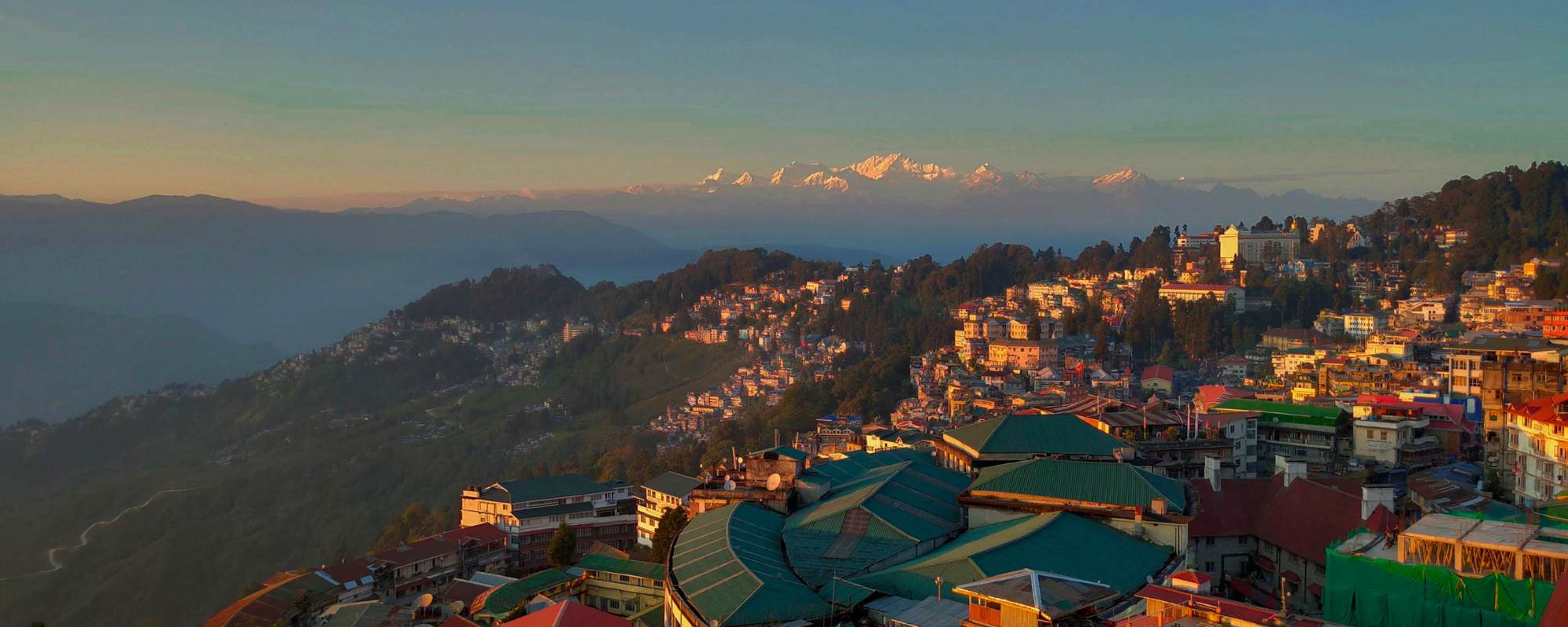
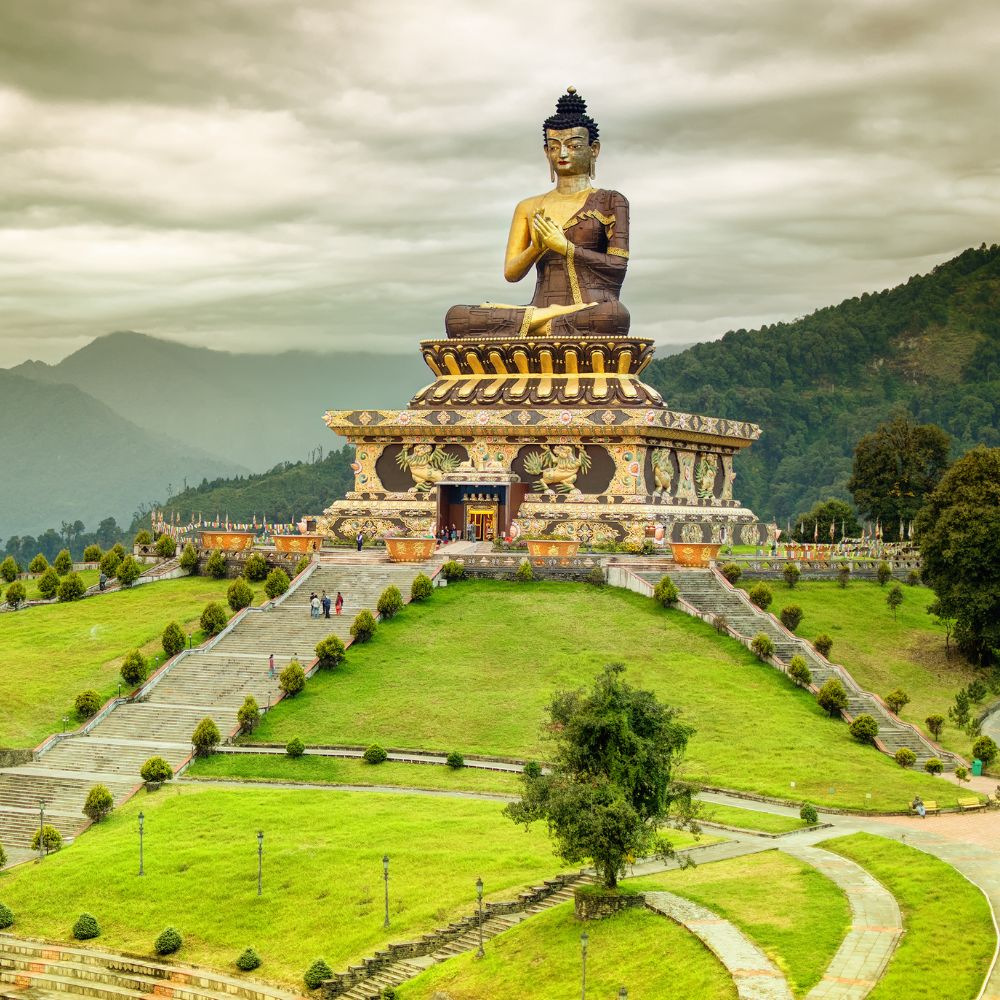
- Sikkim is the exception in the other direction. Gangtok's monsoon arrives around 8 June and withdraws around 12 October, so Sikkim is genuinely wet in summer. Its windows are March to May and October to early December.
Bout India actively pushes Ladakh as an emerging destination partly because it fills the June to September gap that the rest of the portfolio cannot.
One planning constraint applies to all of it. At altitude, the first day is kept free for rest and acclimatisation with no strenuous activity scheduled, so a Ladakh trip needs a spare day built in that a Rajasthan trip does not.
The peak-season problem
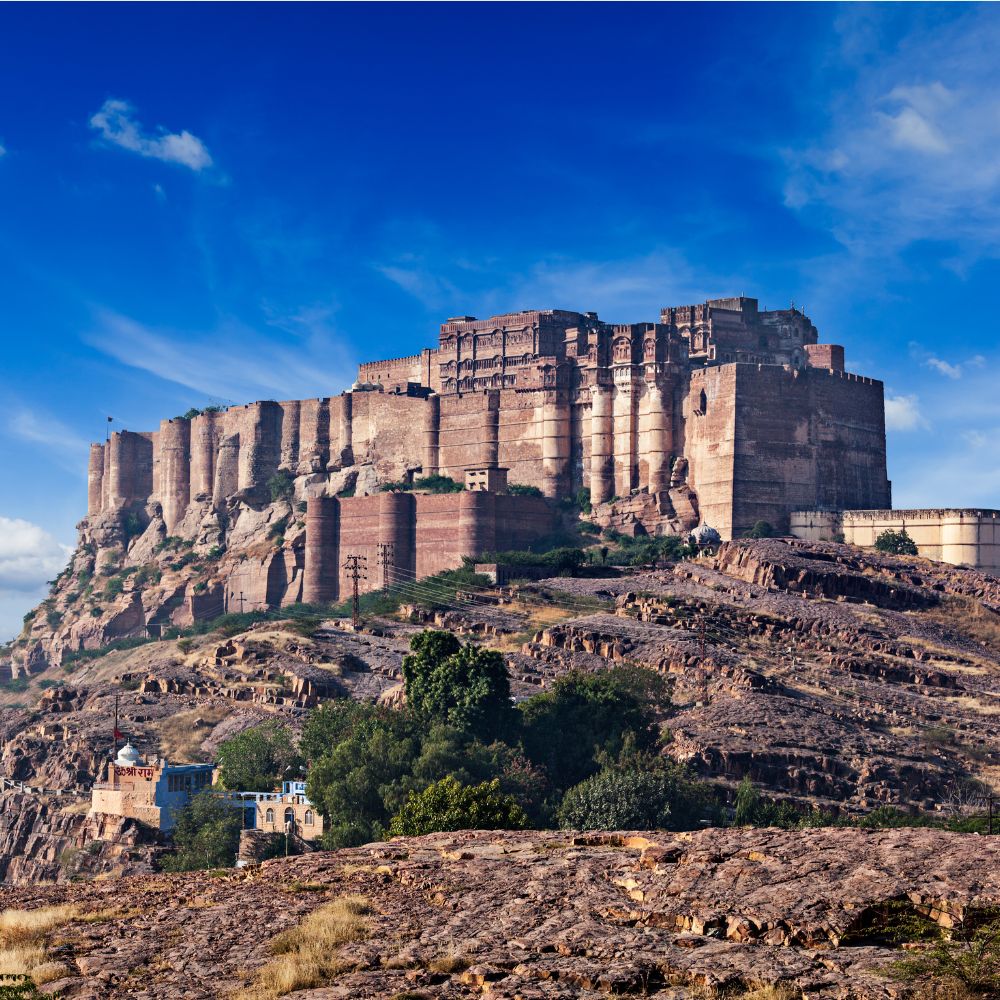
Peak season in India is not simply expensive. In two specific ways, it is closed.
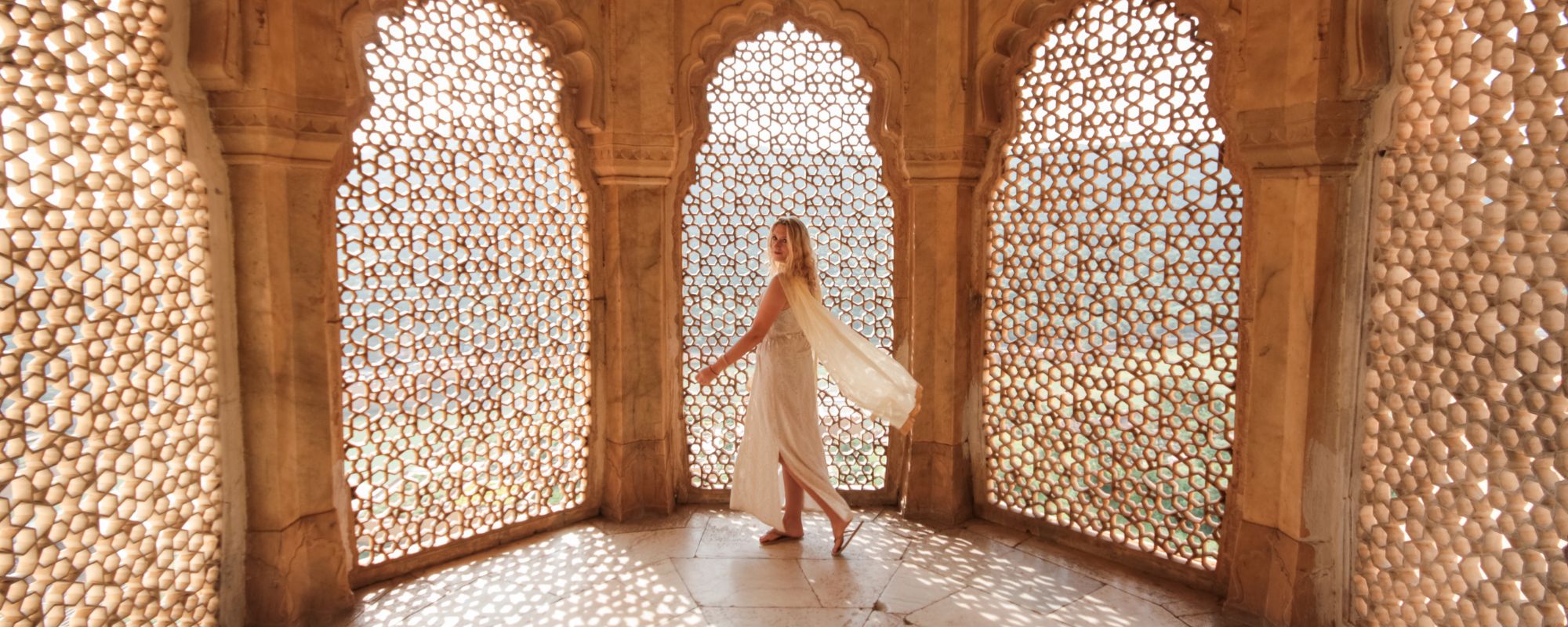
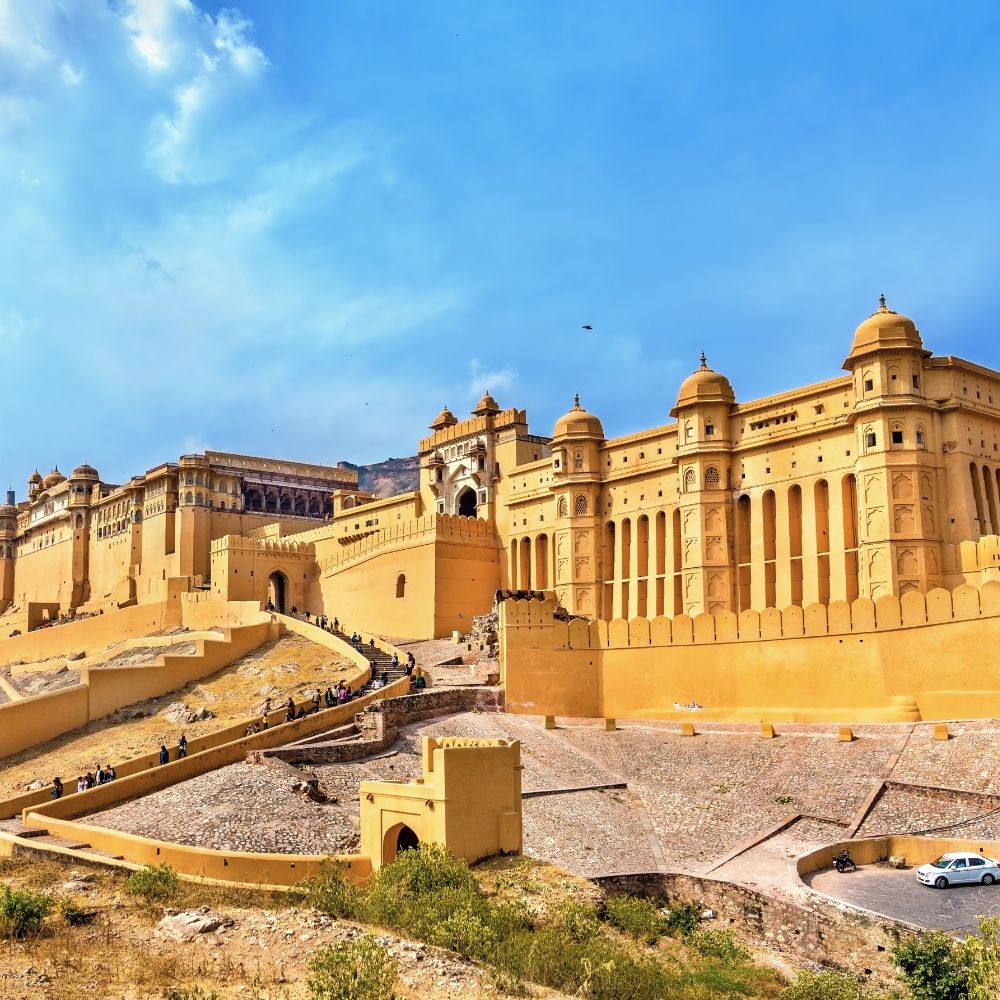
Between 20 December and 10 January, quality hotels and licensed guides in Udaipur, Jodhpur and Jaisalmer sell out. This is not a pricing issue that money solves. There are a finite number of rooms at the properties worth staying in, and they sell out months in advance. If those dates are fixed for you, book by August.
Festival periods carry their own arithmetic. Bout India's operating figure is that prices rise roughly 25 to 40 per cent around major festivals, and Christmas and New Year week are blackout dates on which bookings are non-refundable under the published cancellation policy. Holi in Varanasi, Mathura and Pushkar, and Diwali across the north, all carry the same premium.
February and March are the value months. Dry weather across the plains, Rajasthan still comfortable before the April heat, and none of the December availability crunch.
Safari runs on its own calendar.
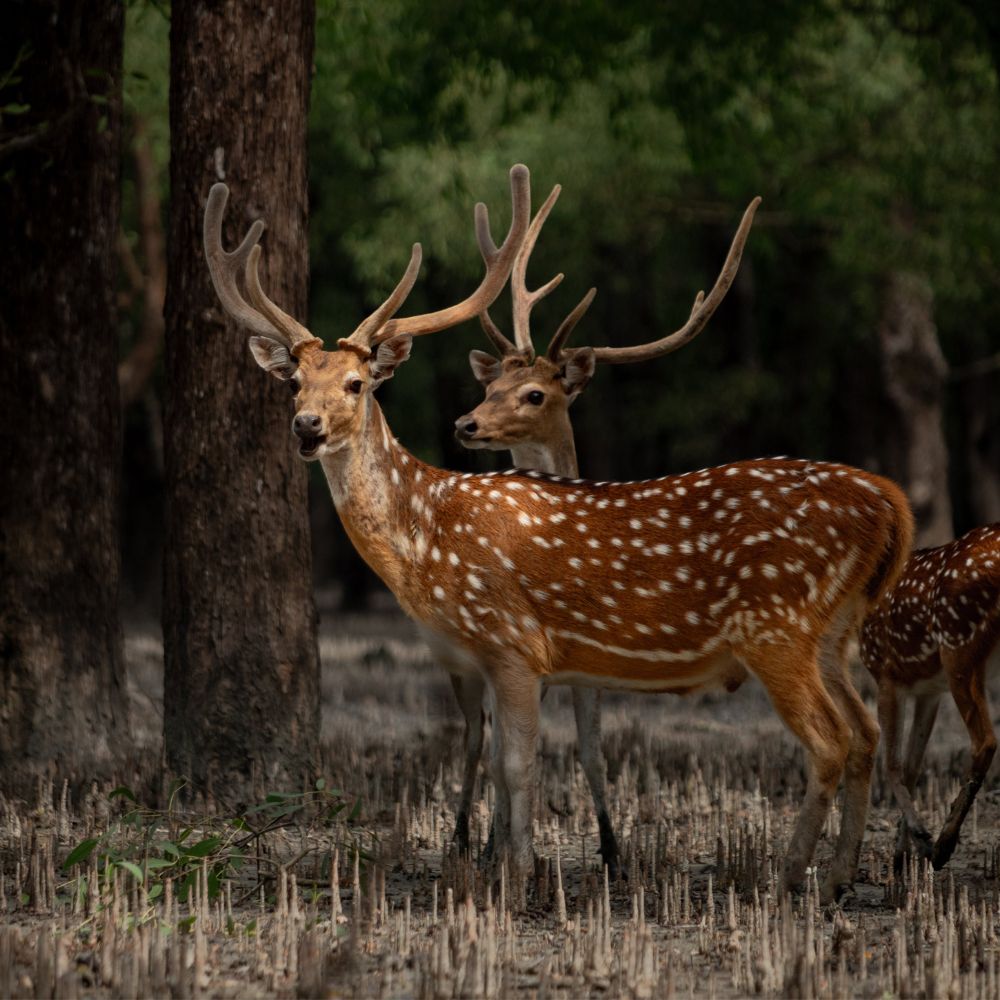
India's national parks don't follow the tourist calendar, and travellers often discover this too late.
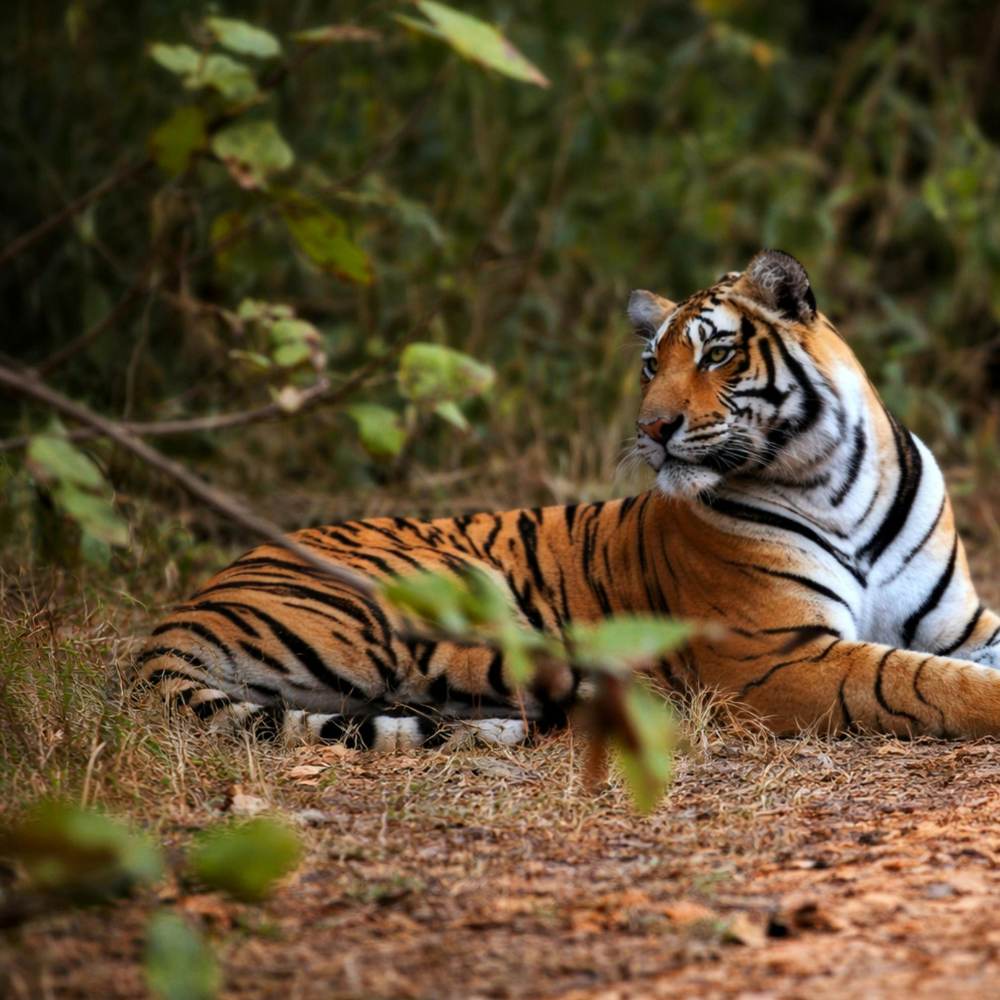
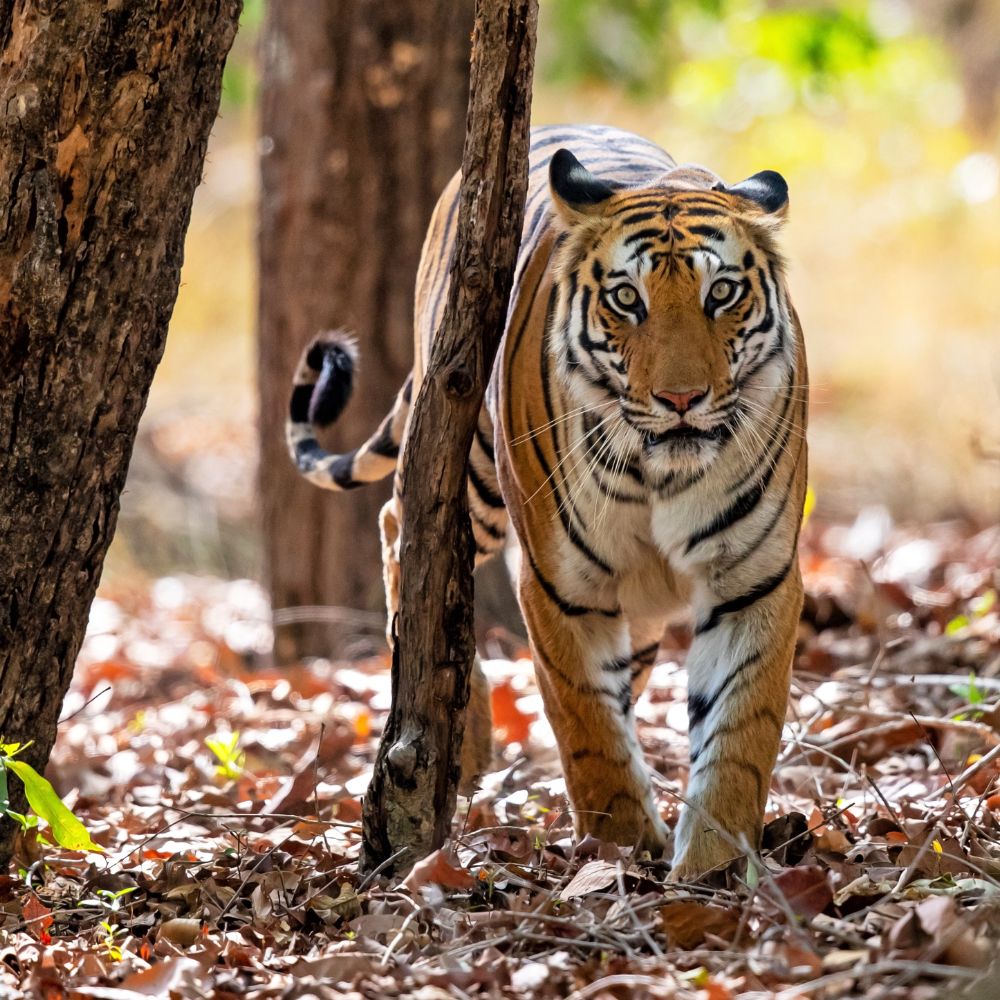
Roughly half the zones in the major parks close through July, August and September for the monsoon. Separately, safari permits open only two months before the safari date, which means no operator can secure them earlier, no matter how far ahead you book the rest of the trip.
The practical consequence is that a March trip built around tigers needs the itinerary confirmed by January so permits can be filed the moment the window opens. The best sighting months are March to May, when water is scarce, and animals concentrate at the remaining sources, which is also when central India is at its hottest. That trade-off is real and worth deciding on deliberately. There is more detail in our India tiger safari guide.
Region by region, at a glance
|
Region |
Best |
Avoid |
Why |
|---|---|---|---|
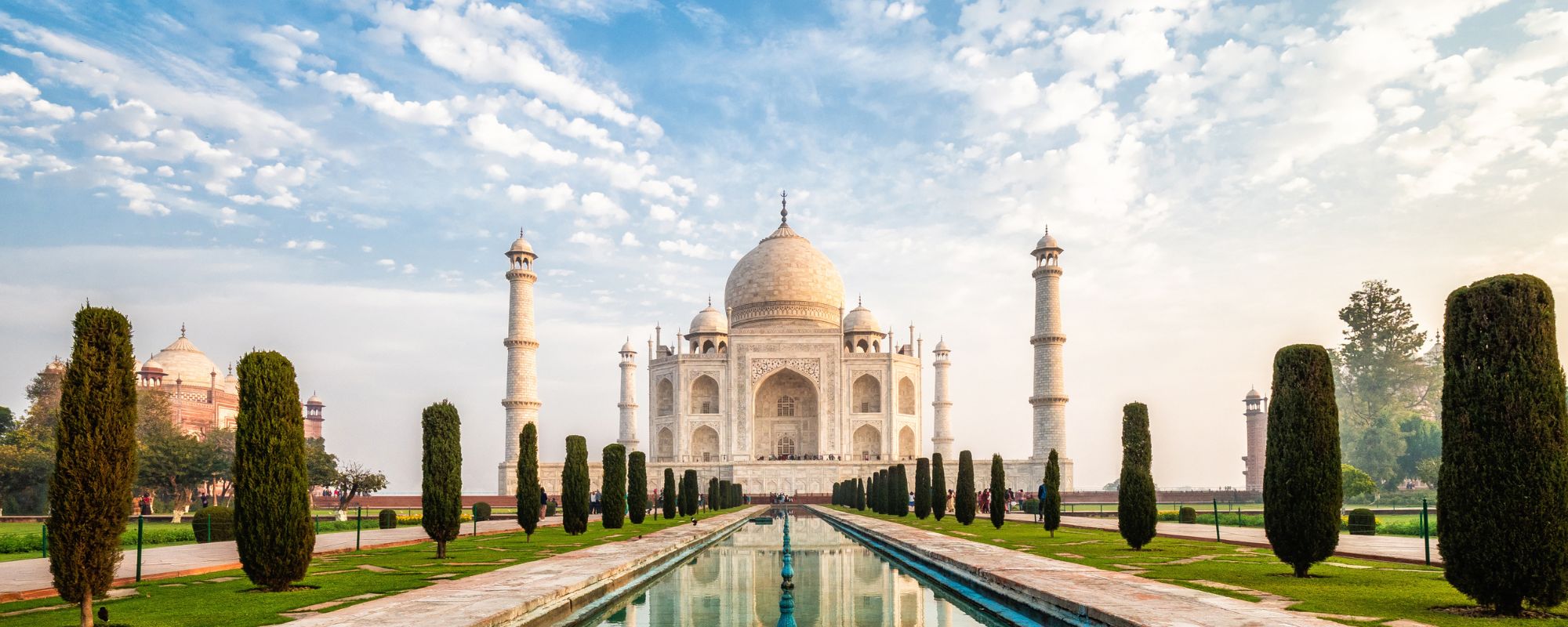
| Rajasthan and Golden Triangle | Oct to Mar | May to Jul | Fort sightseeing is genuinely hard in 45°C heat |
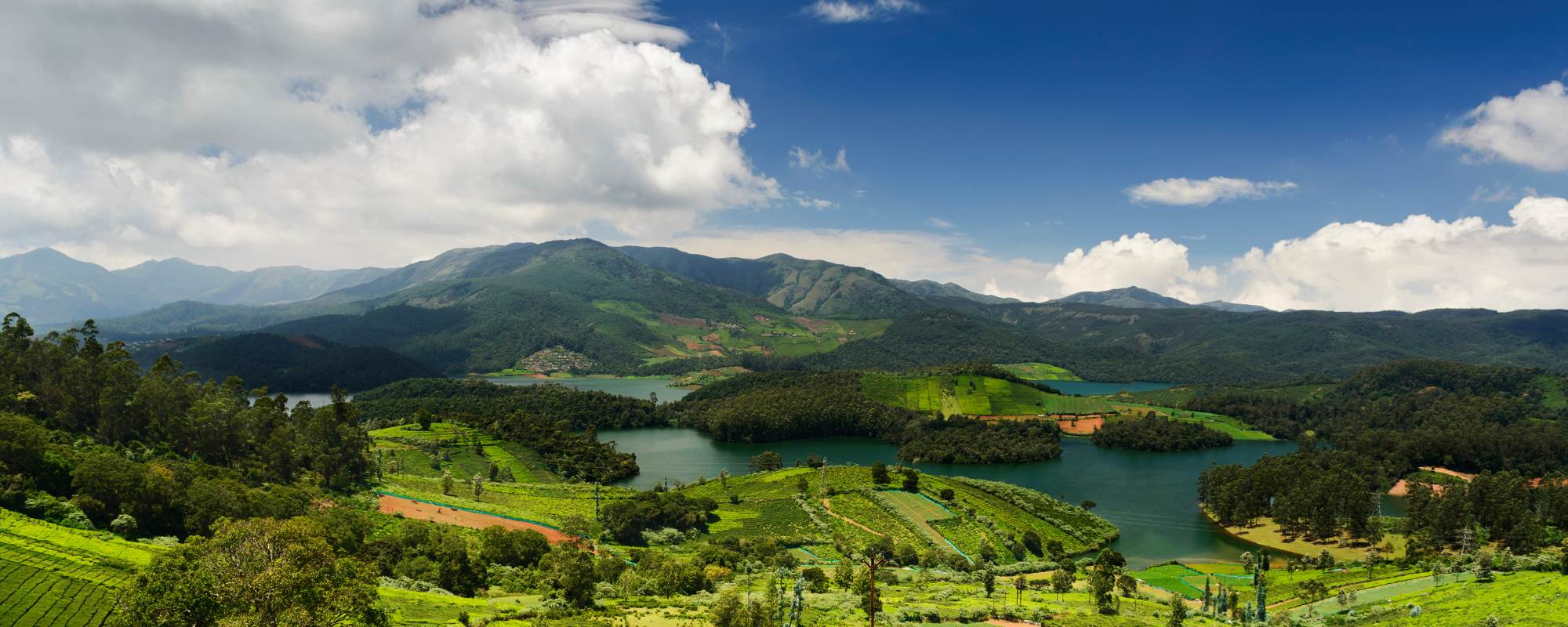
| Kerala and the south | Oct to Mar | Jun to Aug | Southwest monsoon from 1 June; northeast monsoon follows in autumn |
| Ladakh | Late May to Sep | Nov to Apr | Passes closed, extreme cold |
| Kashmir | Apr to Oct | Feb to Mar | Best in May and June; Gulmarg is a winter destination |
| Sikkim and Darjeeling | Mar to May, Oct to Dec | Jun to Sep | Genuinely wet, with withdrawal only around 12 October |
| Oct to Apr | Jun to Sep | Among the wettest places on earth in monsoon | |
| Central India parks | Mar to May, Nov to Feb | Jul to Sep | Half the zones closed |
| Goa and Mumbai | Nov to Feb | Jun to Sep | Mumbai's monsoon runs 11 June to 8 October |