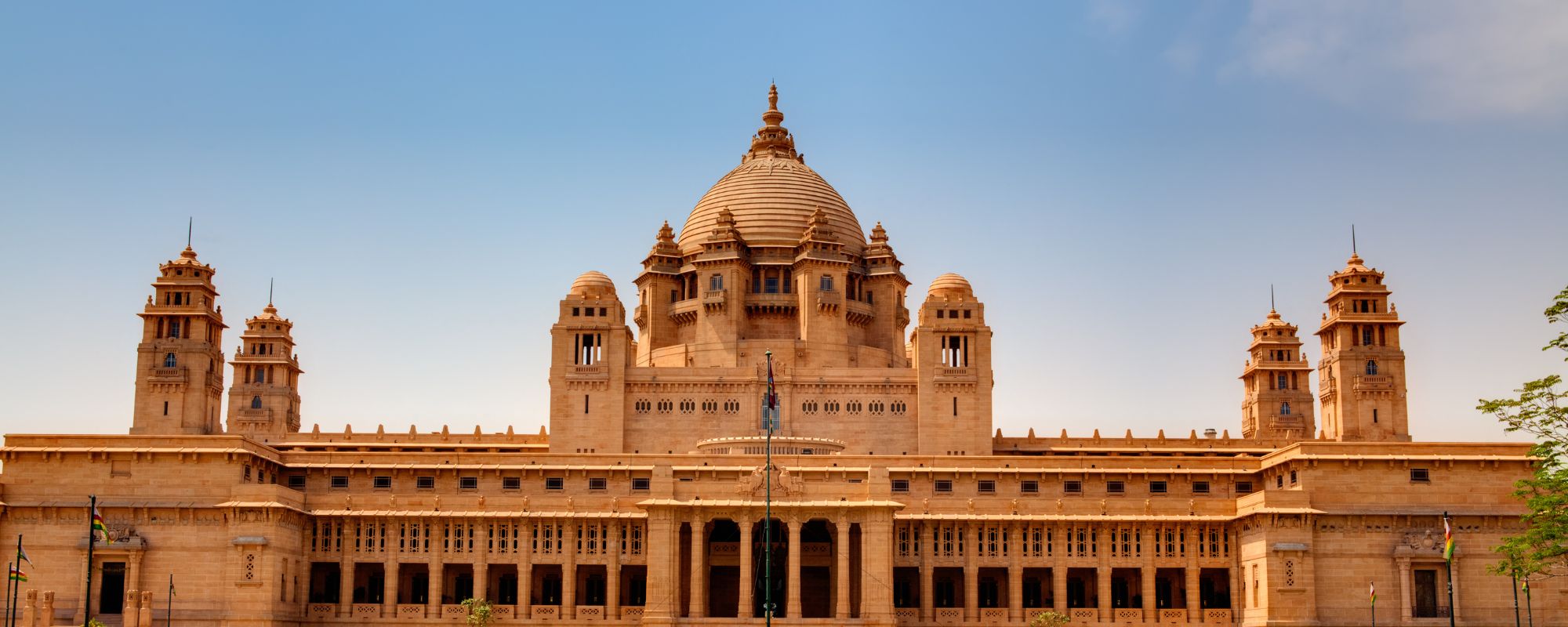

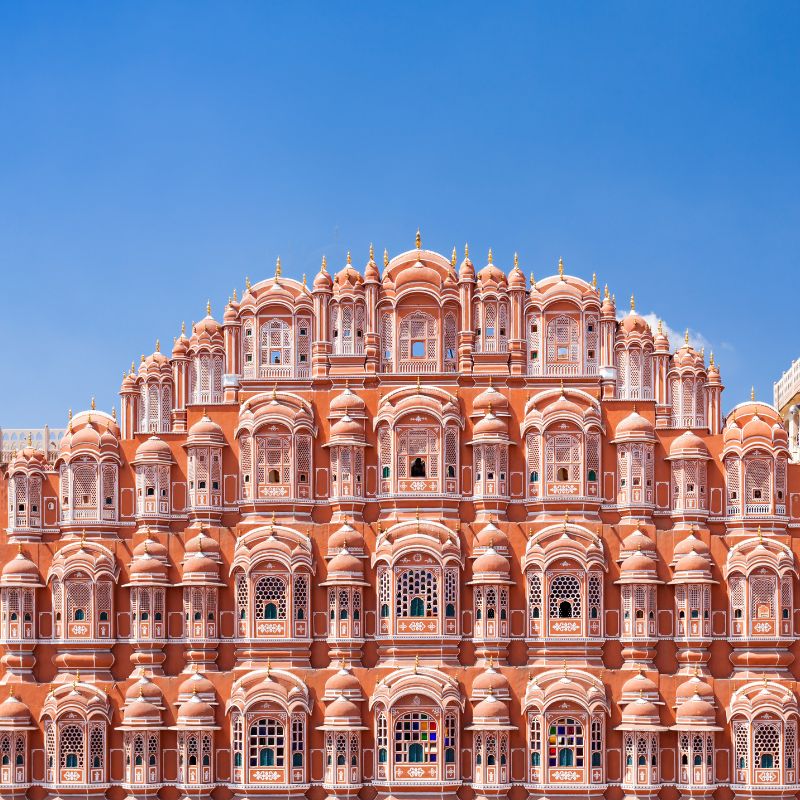

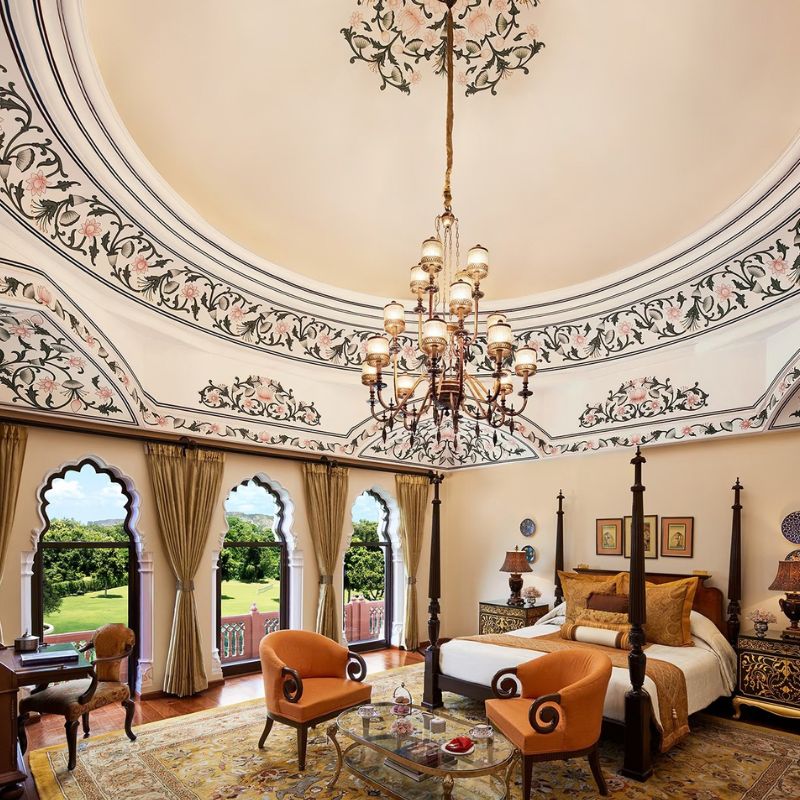
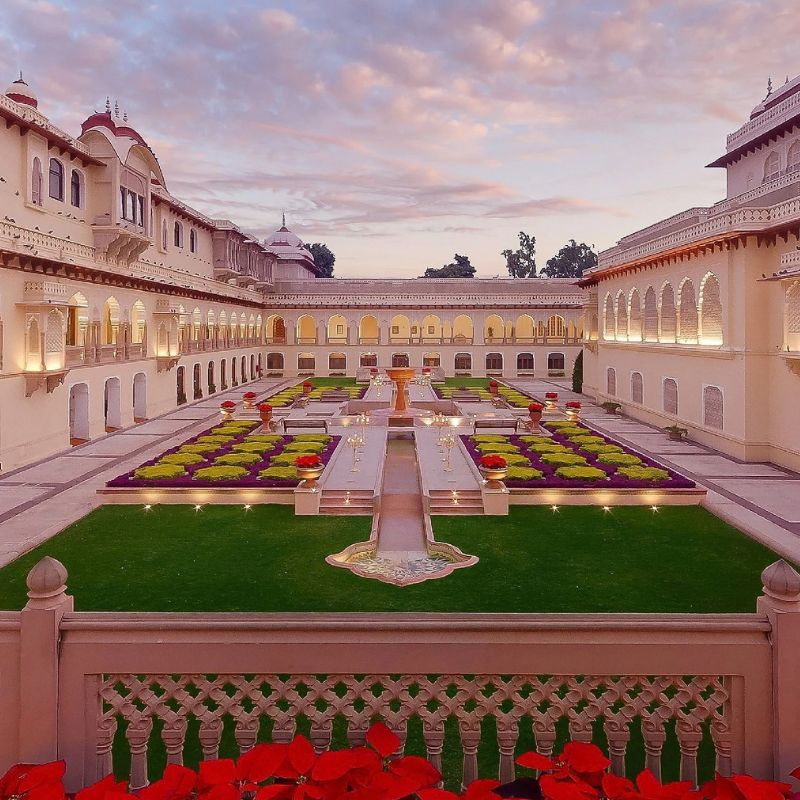
An Indian palace will seat far more people for dinner than it can put to bed, and that single fact decides most corporate programmes. Rambagh Palace in Jaipur hosts seated events for around 800 guests in its largest hall, and more on its lawns, but has 78 rooms. Umaid Bhawan Palace in Jodhpur runs grand lawn events but offers 64 rooms and suites in its hotel wing. So the binding constraint on a residential conference is the bed count, not the ballroom, and the second constraint is legal: outdoor amplified sound must stop at 10 pm under Indian law.
TL;DR
- Capacity and accommodation are different numbers. Rambagh seats 800 and sleeps 78. Plan from the smaller one.
- Exclusive use is achievable and small. A full buyout of a Rajasthan palace typically caps a residential group at 60 to 160, depending on the property.
- Outdoor music must stop at 10 pm by law. Rule 5 of the Noise Pollution Rules 2000 bans amplified sound at night except in closed premises. A lawn is not a closed premises.
- States can extend to midnight, but only for 15 days a year across the whole calendar, statewide, on cultural or religious occasions. A hotel can't grant that.
- Load-in is the hidden cost. Taj Lake Palace is a boat-access island. Every truss, generator and case crosses water.
- Heritage fabric limits rigging and power. You generally cannot bolt into a protected ceiling or draw conference-centre loads from palace wiring.
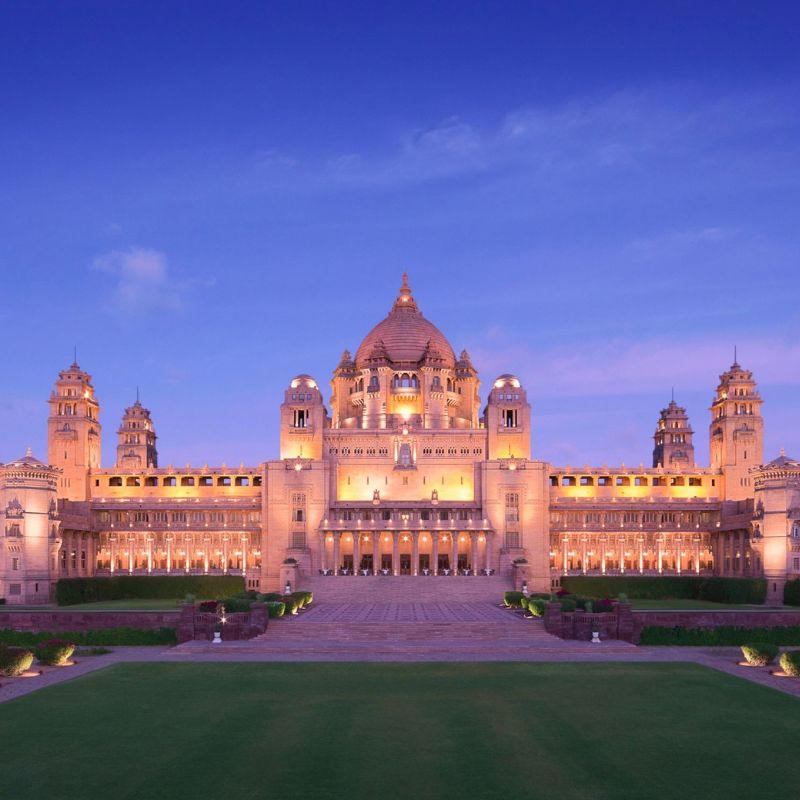
- Some palaces are still lived in. Jodhpur's royal family occupies part of Umaid Bhawan, which constrains access and buyout.
- Use a palace for the gala, a city hotel for the conference. Split-venue is usually the right answer above 150 delegates.
Our MICE and events page covers the properties we contract. This piece covers what those properties can and cannot actually deliver.
The Numbers That Matter
|
Property |
Rooms and suites |
Event capacity |
Total meeting space |
|---|---|---|---|
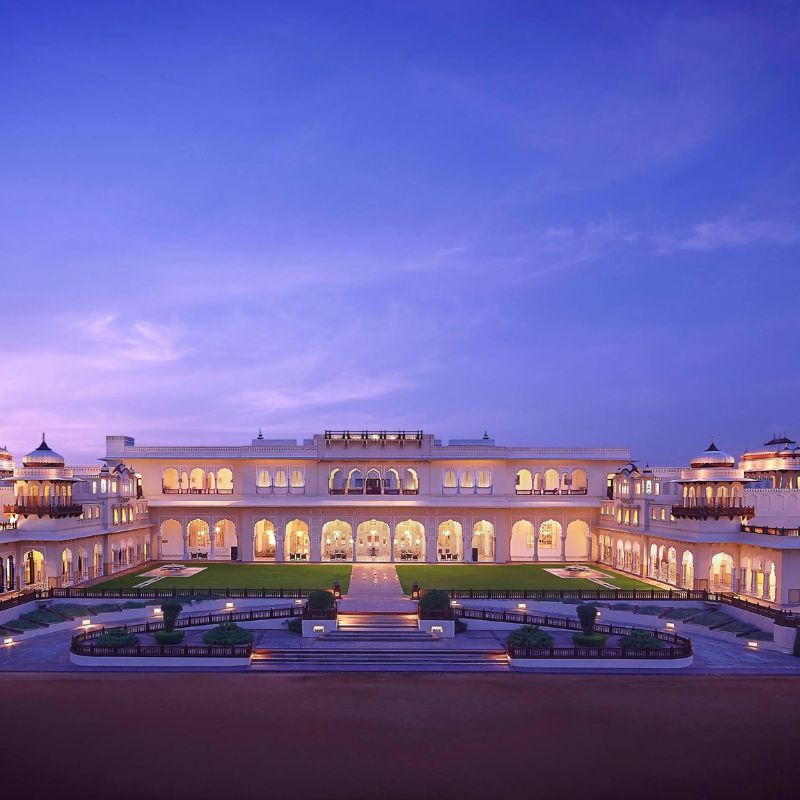
| Rambagh Palace, Jaipur | 78 |
Around 800 seated in the largest hall, more on the lawns |
47-acre grounds, with several halls and lawns |
| Umaid Bhawan Palace, Jodhpur | 64 in the Taj-managed wing | Multiple halls, lawns and courtyards |
Five meeting rooms and the Baradari Lawn |
| Taj Lake Palace, Udaipur |
83 rooms and suites |
Island venues, boat access only |
Mewar Mahal and the Jagmandir island, both boat access only |
Read those columns against each other rather than down. Rambagh's 800-person figure is a banqueting number: guests arrive, eat, and leave for hotels elsewhere in the city. The residential number is 78 rooms, which at double occupancy is roughly 150 delegates and in practice fewer, because incentive groups rarely share.
Umaid Bhawan is the starker case. It is one of the world's largest private residences, set on 26 acres, and the Taj-managed wing holds 64 rooms. The royal family still lives in another part of the palace, and a third part is a museum. The grandeur is real, but the inventory doesn't match.
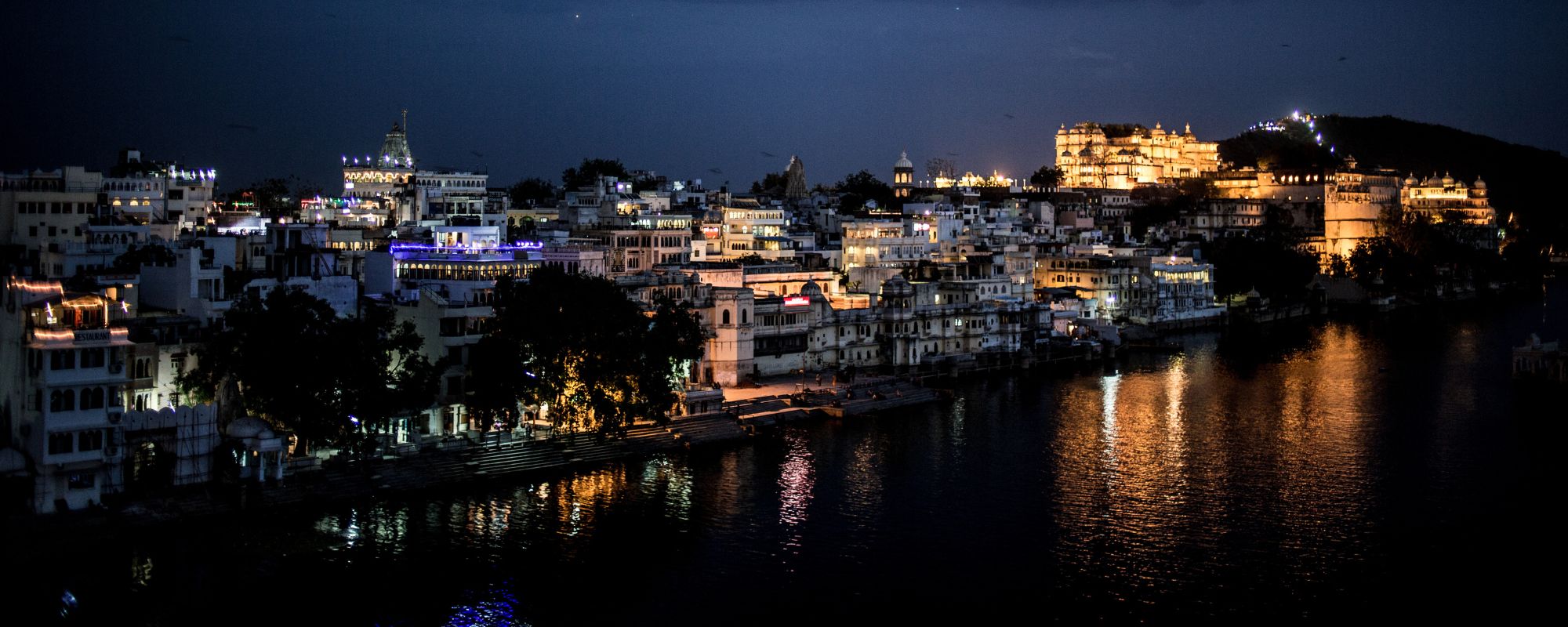
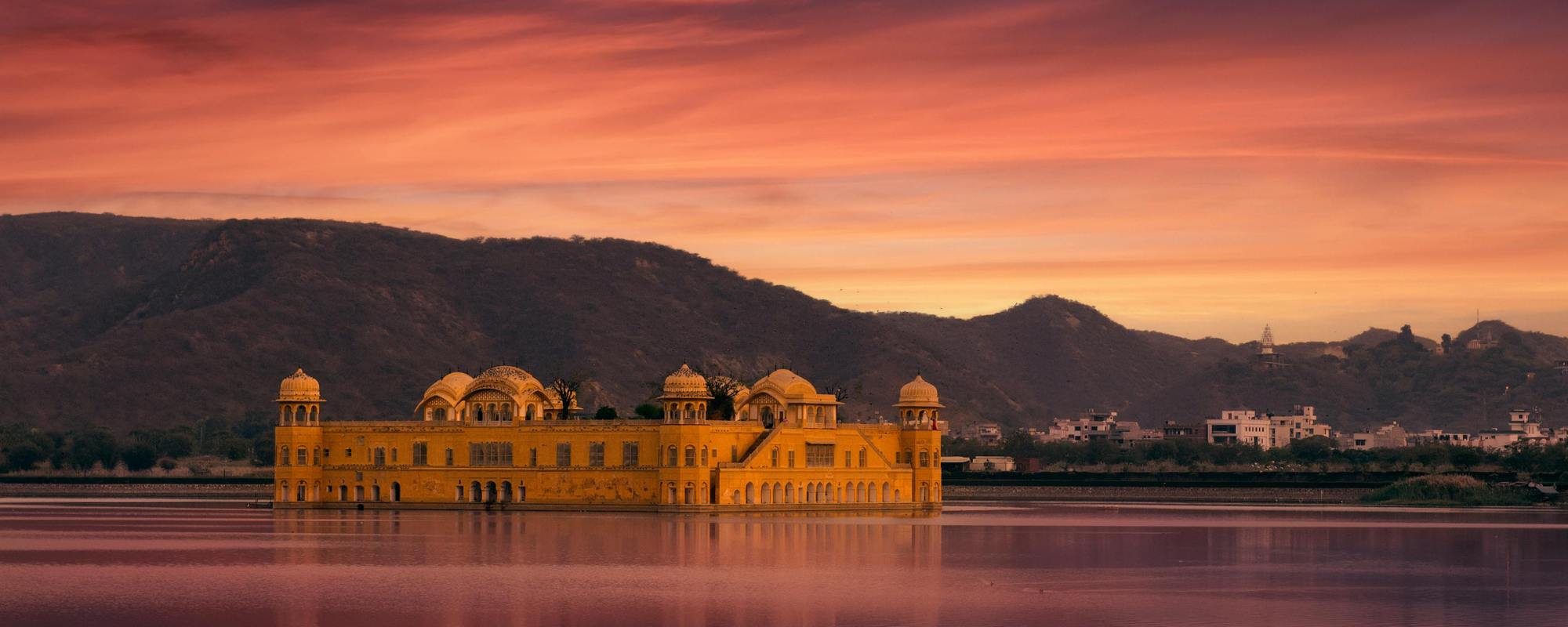
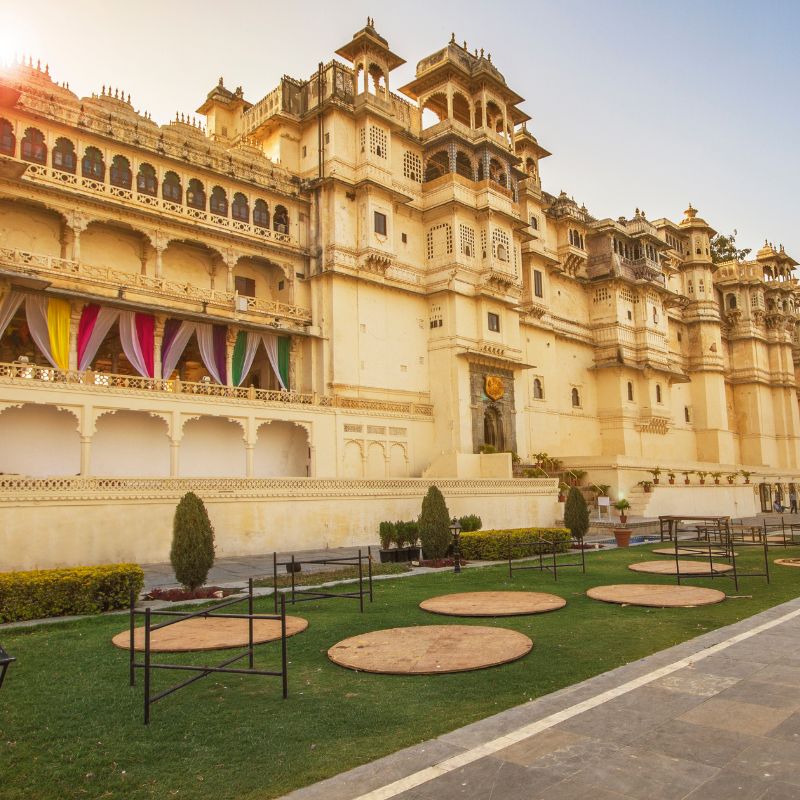
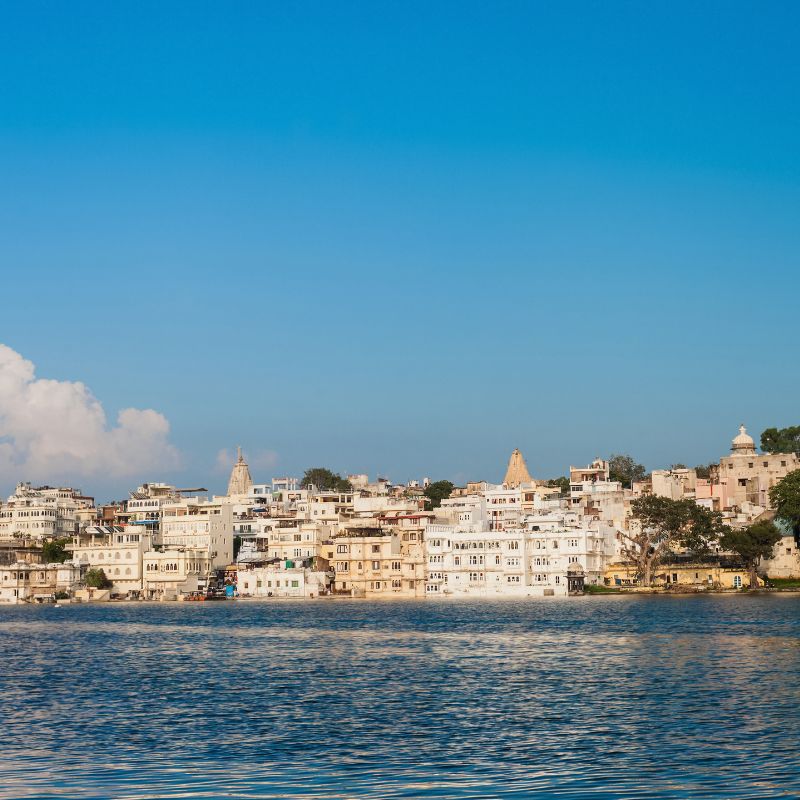
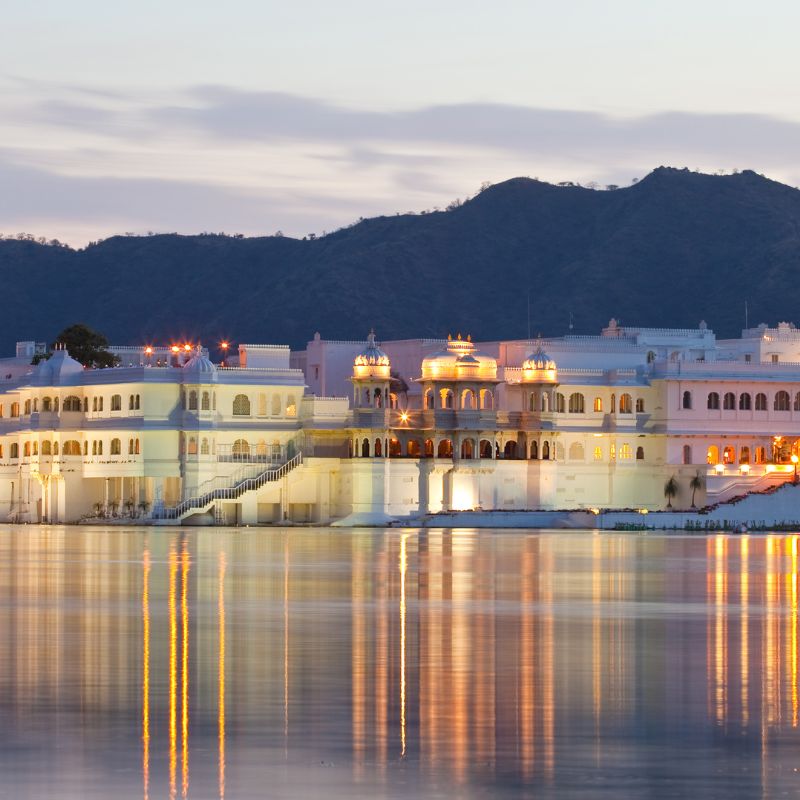
Taj Lake Palace, built between 1743 and 1746 on an island in Lake Pichola, is reached only by private boat from Bansi Ghat. That is the arrival every incentive planner wants and the logistics problem every production manager dreads.
What Exclusive Use Actually Buys
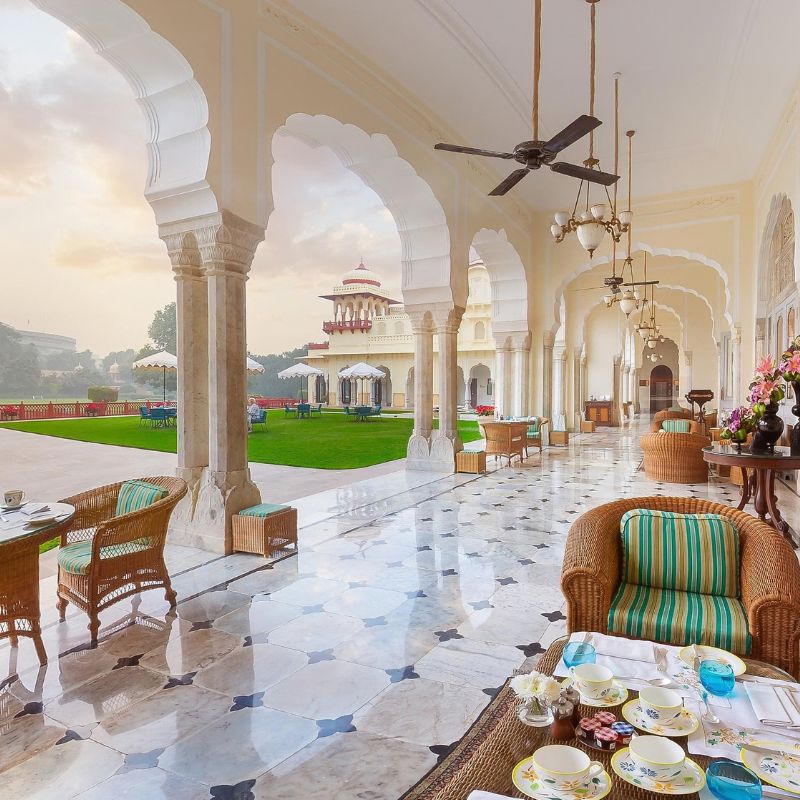
Exclusive use, or a buyout, means the property takes no other guests for your dates. It is the single most powerful thing a palace can offer a corporate group, and it is the thing most planners mis-scope.
Three points. First, the group size is capped at the room count, so a buyout of a Rajasthan palace is a programme for somewhere between 60 and 160 people, not 300. Second, buyouts are priced on the full room inventory at peak rate for the full period, whether or not you fill every room, plus a food-and-beverage minimum. Third, availability is the real constraint: buyout dates at the properties that matter are committed a year or more ahead, and seldom available between 20 December and 10 January.
If your programme is larger than the bed count, the answer is a split venue. Conference and accommodation at a large city hotel, one evening at the palace as the signature moment. That is how most well-run 200-plus programmes in Rajasthan are actually built, and it costs less than forcing the whole programme into a heritage property.
What a Palace Cannot Do
Most venue brochures publish what a palace can do. This is the other half.
It cannot run amplified outdoor music past 10 pm. Rule 5 of the Noise Pollution (Regulation and Control) Rules, 2000, made under the Environment (Protection) Act, 1986, prohibits loudspeakers, public address systems, amplifiers and musical instruments at night, between 10 pm and 6 am, except in closed premises such as auditoria, conference rooms and banquet halls. A palace lawn is not a closed premises. Rule 5(1) also requires written permission from the authority before using any loudspeaker, day or night. The Supreme Court affirmed this framework in Noise Pollution (V), In re, (2005) 5 SCC 733, which also set the boundary limit at 10 dB(A) above ambient or 75 dB(A), whichever is lower, for public places, and 5 dB(A) above ambient at the boundary of private premises.
There is an exemption, and it is narrower than it sounds. Under Rule 5(3), a state government may permit amplified sound between 10 pm and midnight on cultural or religious occasions, for a maximum of fifteen days total across the calendar year, applied statewide, excluding silence zones. That is a state decision for festivals. Your hotel can't get permission for your gala.
The practical implication: plan the outdoor portion of the evening to end at 10 pm and move the late part indoors, or plan the whole evening indoors from the start. Any operator promising an open-air band until 1 am is either planning to break the law or hasn't thought it through.
It cannot take a conference-centre load-in. Heritage buildings restrict rigging into ceilings and walls, and the power supply wasn't designed for a full AV and lighting rig, so generators and cable runs become a line item. At Taj Lake Palace, every case crosses Lake Pichola by boat, which adds a day either side and a weather risk. Ask for the load-in plan in writing at the proposal stage, not at the site visit.
It cannot always give you the whole building. Working residences, museum wings and protected areas sit inside several of these properties. Ask specifically which spaces a buyout includes and which it does not.
It cannot absorb a late headcount jump. A city hotel finds twenty more rooms. A palace with 64 to 83 rooms does not.
It cannot always be quiet. Palaces sit in cities. Rambagh is in central Jaipur, five kilometres from the railway station. Traffic, festivals and neighbouring events are not things the hotel controls.
When a Palace Is the Right Answer
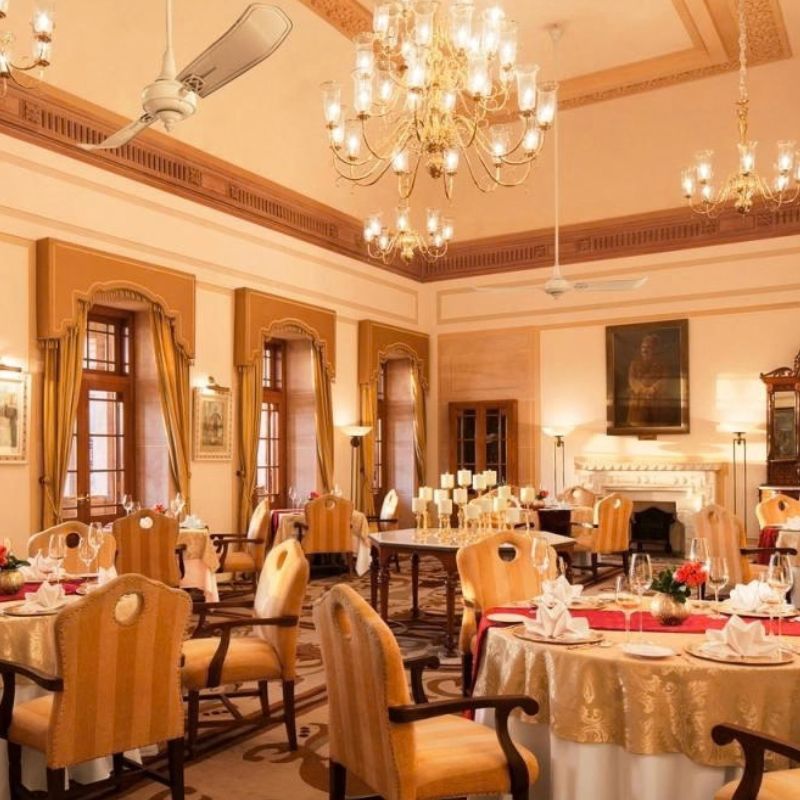
When the group is under about 150 and residential, when the objective is that delegates talk about it for a year, and when the programme has one signature evening rather than three days of sessions. Incentive trips, executive retreats, board offsites, award nights and channel partner galas all fit.
When it is the wrong answer: a 300-delegate residential conference; anything needing heavy staging or a large exhibition footprint; a programme built around late-night outdoor entertainment; or dates inside the Christmas and New Year blackout window, when availability runs out, and terms are non-refundable. Our booking and cancellation policy sets out those terms, and our winter planning guide and month-by-month calendar cover which months work.
How to Brief a Palace Venue
Send six things, and you will get a usable proposal rather than a brochure: delegate count and rooming split, whether you need exclusive use, the latest hour you need amplified sound and whether it is indoors or out, your AV and staging requirement including rigging points and power draw, your final-numbers deadline, and your dietary and accessibility requirements. Then ask three questions back: which spaces the buyout excludes, what the load-in route and timings are, and what the property has actually hosted at your size in the last twelve months.
Our twelve questions for an India tour operator cover the vetting side, and our 10-day Golden Triangle and Rajasthan route shows how palace nights fit into a wider itinerary across Rajasthan and Udaipur.