Run this route west to east, not in the order the four names usually get listed. Delhi, then Amritsar, then Rishikesh, then Varanasi with Sarnath, then Bodh Gaya, flying out of Gaya. Eleven to thirteen nights. That order exists for one reason: it is the only sequence that does not send you back through Delhi three times, and it ends beside Gaya Airport, which has international as well as domestic flights, so there is no need to come back west.
TL;DR
- The order is Amritsar, Rishikesh, Varanasi, Bodh Gaya. West to east, no backtracking, and the exit is at the far end.
- Eleven to thirteen nights. Two in Amritsar, three in Rishikesh, three in Varanasi, two in Bodh Gaya, plus Delhi at the start.
- Three faiths, not one. Sikh, Hindu and Buddhist, with Sarnath and Bodh Gaya being two of the four holiest Buddhist sites in India.
- Sarnath is 10 km from Varanasi and is where the Buddha gave his first sermon. It links the Hindu leg to the Buddhist leg without adding a day.
- Bodh Gaya is about 5 to 9 km from Gaya Airport, which has flights from Thailand, Sri Lanka and Bhutan. It is a better end point than a detour.
- Varanasi to Bodh Gaya is 248 km by road with no direct flight, so this leg is by road or rail.
- The awkward leg is Amritsar to Rishikesh, and it is the one that decides whether the route works or not.
- October to March, with late February and March being the best.
Most pages on this subject list places. This one gives the order, the legs and the nights, because that is the part you cannot get from a list.
Why This Order
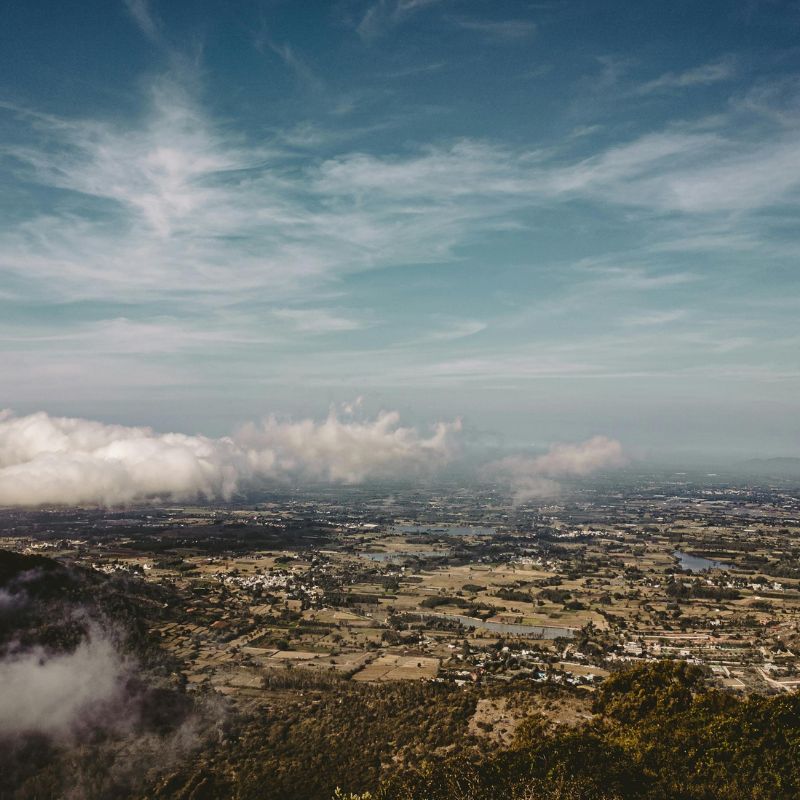
The four sites do not sit on a line, but they do sit on a gradient. Amritsar is far northwest in Punjab. Rishikesh sits in the Uttarakhand foothills to the north. Varanasi is east, in Uttar Pradesh. Bodh Gaya is even further east, in Bihar. Travelling in that order is a single sweep. Travelling in the order the names are usually listed means crossing the country twice.
Three more reasons the direction matters.
Delhi is the hub, and you want to use it once. Delhi connects to Amritsar and to Dehradun for Rishikesh. Once you are east of Rishikesh, Delhi stops being useful, and the eastern legs run on their own connections.
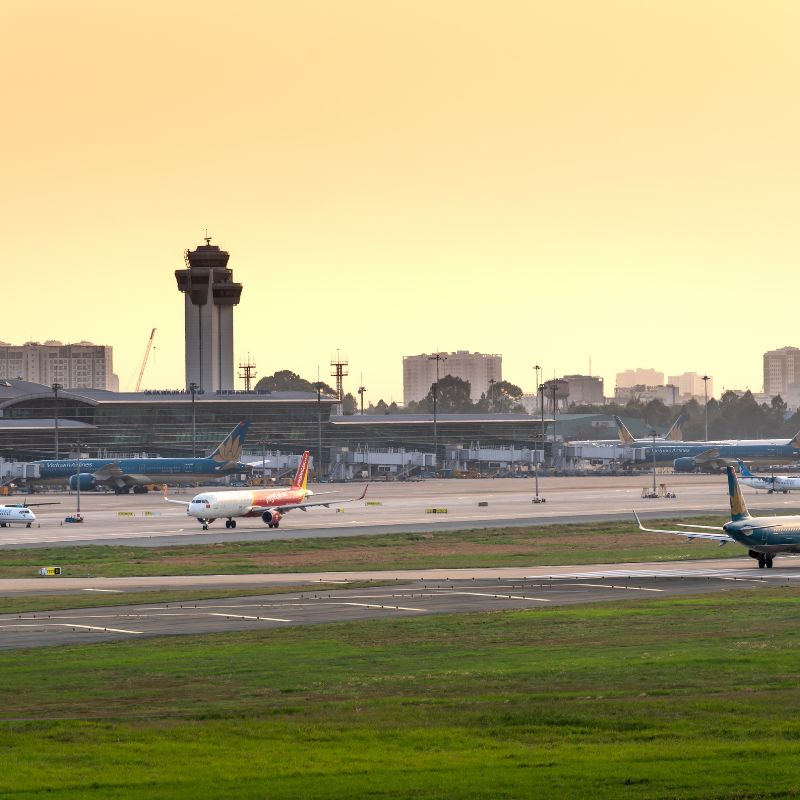
Bodh Gaya is an exit, not a detour. Gaya Airport handles international flights from Sri Lanka, Thailand, and Bhutan, alongside domestic services to Delhi, Kolkata, and Varanasi. Ending there lets a traveller fly out east, or connect home through Delhi with one sector rather than two.
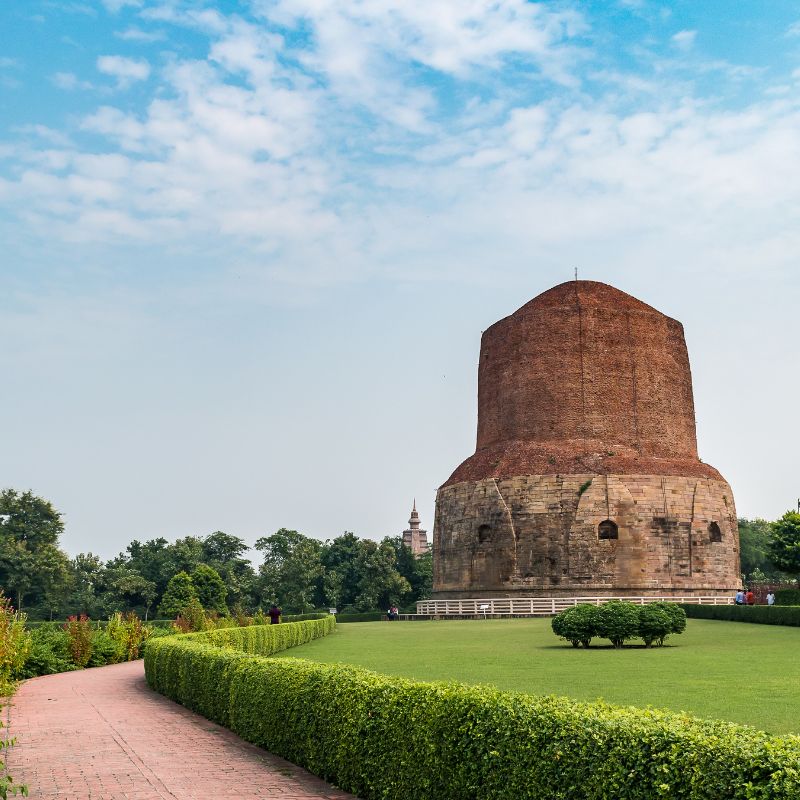
Varanasi sets up Bodh Gaya. Sarnath, ten kilometres outside Varanasi, is where the Buddha delivered his first sermon after enlightenment. Bodh Gaya is where the enlightenment happened. Taking them in that order is chronologically backwards and narratively correct: you see where the teaching began, then where the understanding did.
The Legs
|
Leg |
Distance and mode |
Notes |
|---|---|---|
| Delhi to Amritsar | Short domestic flight, or direct trains | Confirm current schedules when fixing dates |
| Amritsar to Rishikesh | No direct flight. Via Delhi by air, or by road through Chandigarh | The route's difficult leg. See below |
| Rishikesh to Varanasi | Fly from Dehradun, usually via Delhi | Dehradun airport serves Rishikesh, about 35 km away |
| Varanasi to Bodh Gaya |
248 km by road. No direct flights. Several trains run daily to Gaya Junction |
Road or rail only |
| Gaya Junction to Bodh Gaya |
15 km, about 25 to 30 minutes |
|
| Gaya Airport to Bodh Gaya |
About 5 to 9 km, 15 to 30 minutes |
International airport |
| Patna to Bodh Gaya |
115 km, about 3 hours by road |
Fallback if Gaya has no suitable flight |
| Bodh Gaya to Delhi | 1,041 km by road, 887 km direct. Fly | Direct flights operate from Gaya |
Distances marked in bold are confirmed. Flight timings vary by carrier and season and should be checked against live schedules when dates are fixed.
The Amritsar to Rishikesh problem. There is no direct air link, and the overland route is long. The three workable answers are: fly Amritsar to Delhi and on to Dehradun, which costs a day but is comfortable; drive via Chandigarh, breaking the journey with a night there; or reverse the first two stops and do Rishikesh first, which shortens nothing but moves the pain to a day when people are fresher. We usually take the first option and use the Delhi connection as a half-day rather than pretending it is not there. Any itinerary that shows this leg as a simple transfer has not been built by someone who has done it.
Nights, and Why
Delhi, 1 night on arrival. Not a stop, a recovery. Long-haul arrivals land at unhelpful hours, and the onward flight is easier after a night.
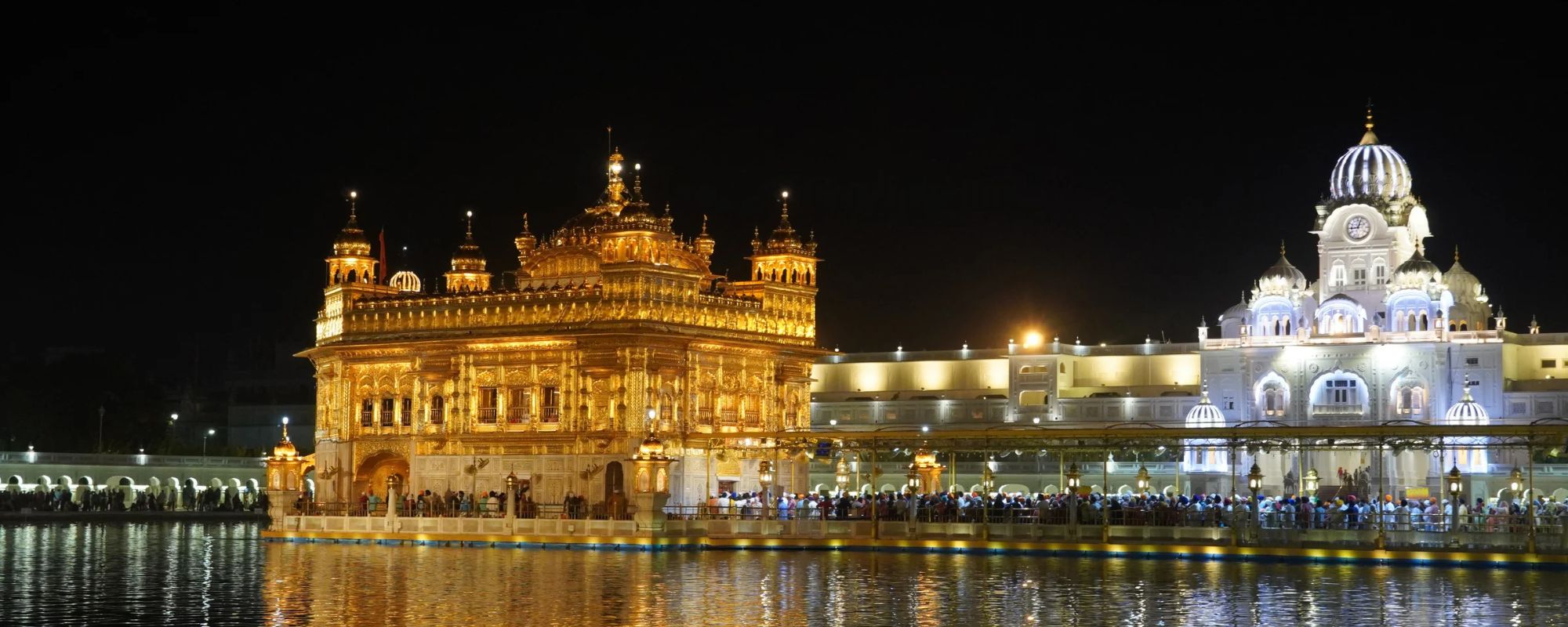
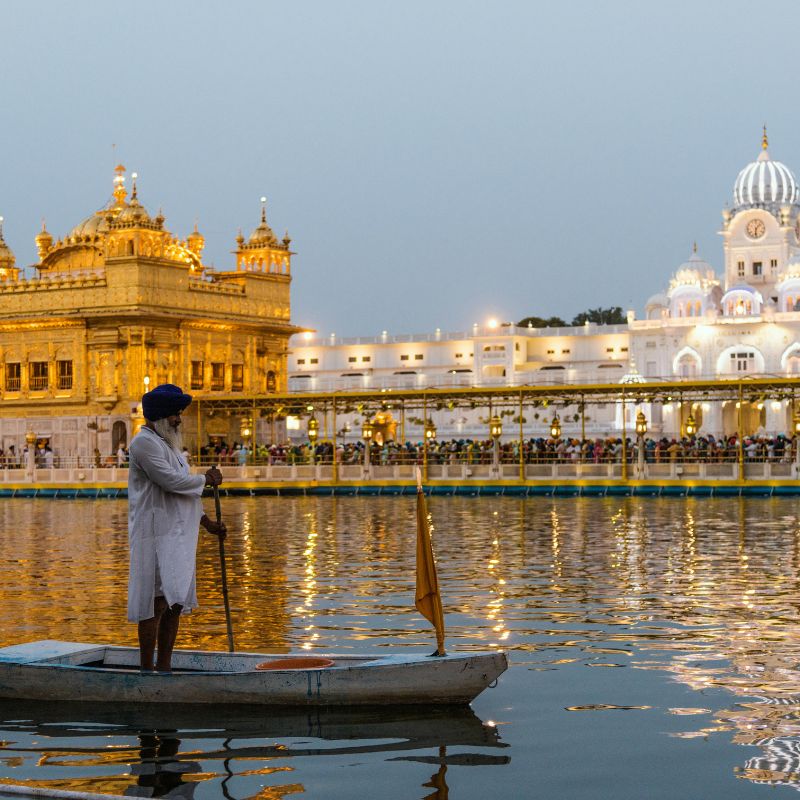
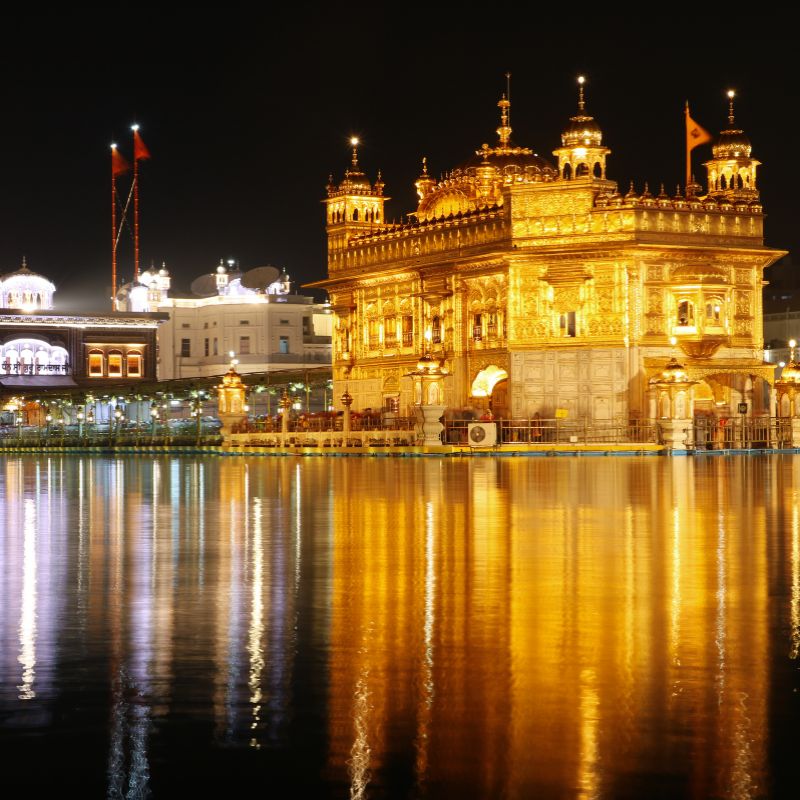
Amritsar, 2 nights. The Golden Temple works at two very different times of day: before dawn, and late at night after the Guru Granth Sahib is carried back. One night does not give you both. Two also covers the Wagah border ceremony and Jallianwala Bagh without rushing.
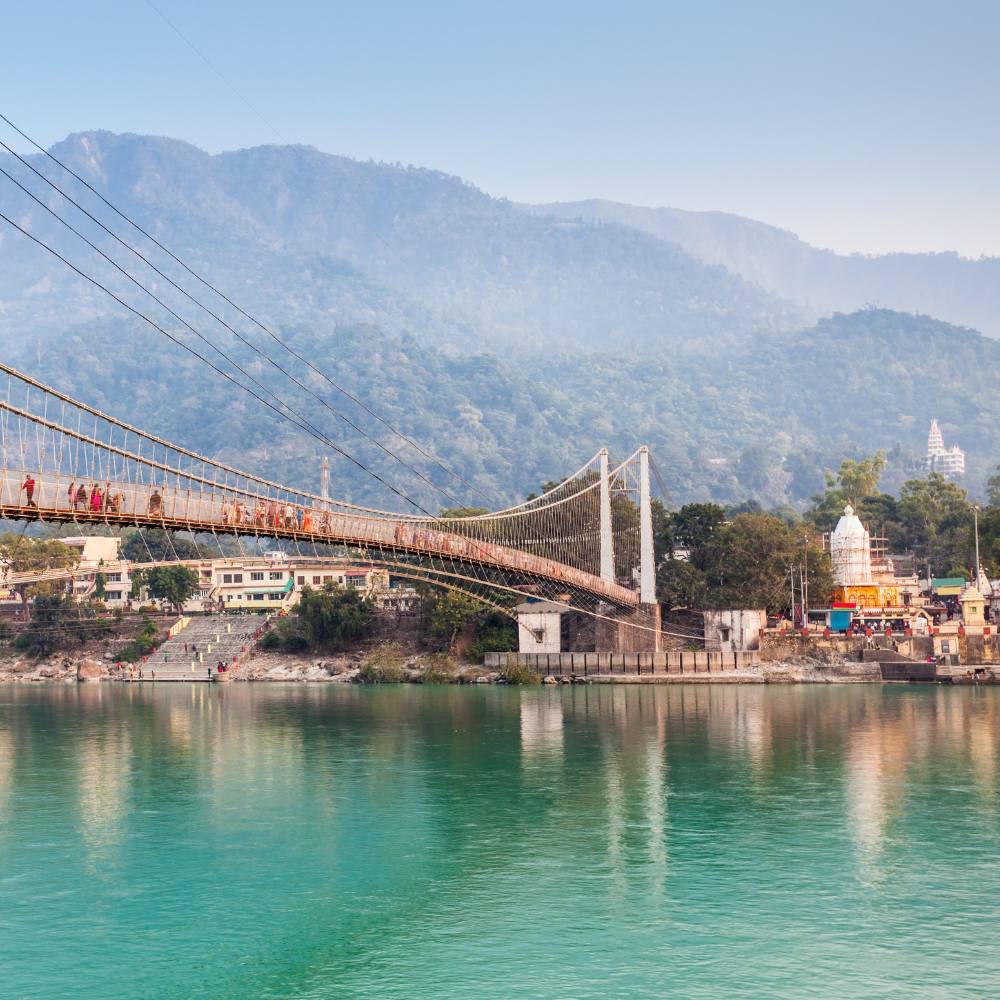
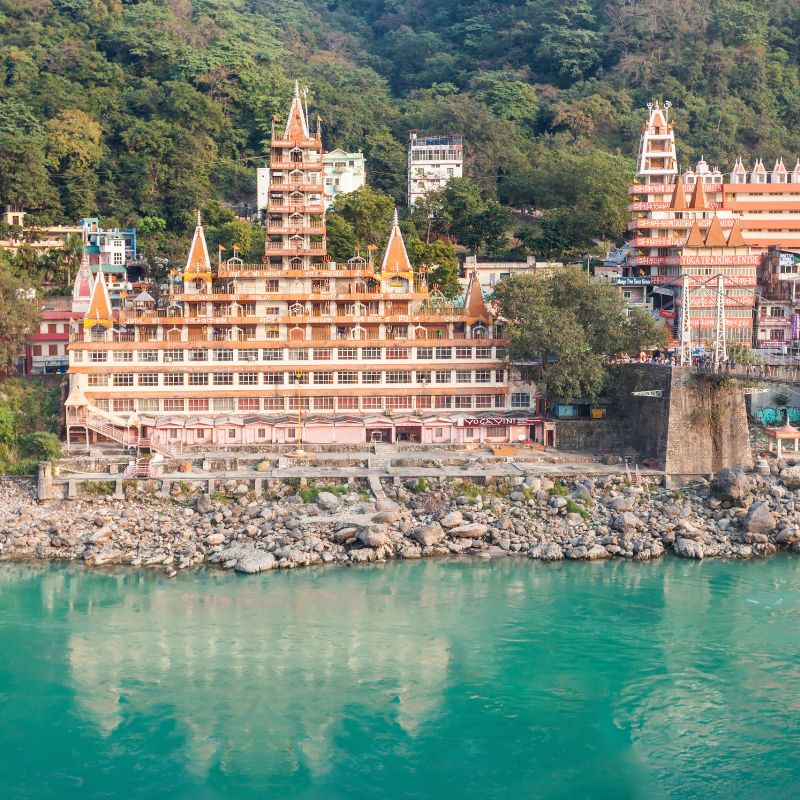
Rishikesh, 3 nights. The shortest stop where practice makes sense rather than sightseeing. Two would be a look; three is a rhythm. Our Rishikesh guide covers the town, which is vegetarian, has restricted alcohol, and is a genuine surprise to anyone expecting a resort.
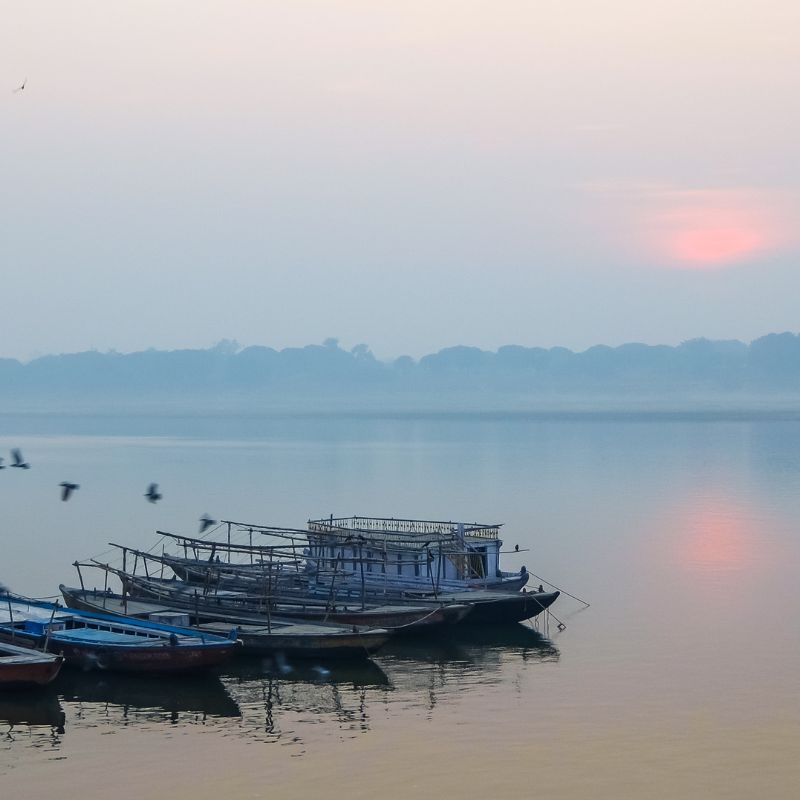
Varanasi, 3 nights. Two for the ghats, dawn and evening, and one that absorbs Sarnath. Varanasi rewards repetition more than any other city in India: the same stretch of river at 5.30 am and 6.30 pm is two different places. Our luxury Varanasi guide covers what to do each day.
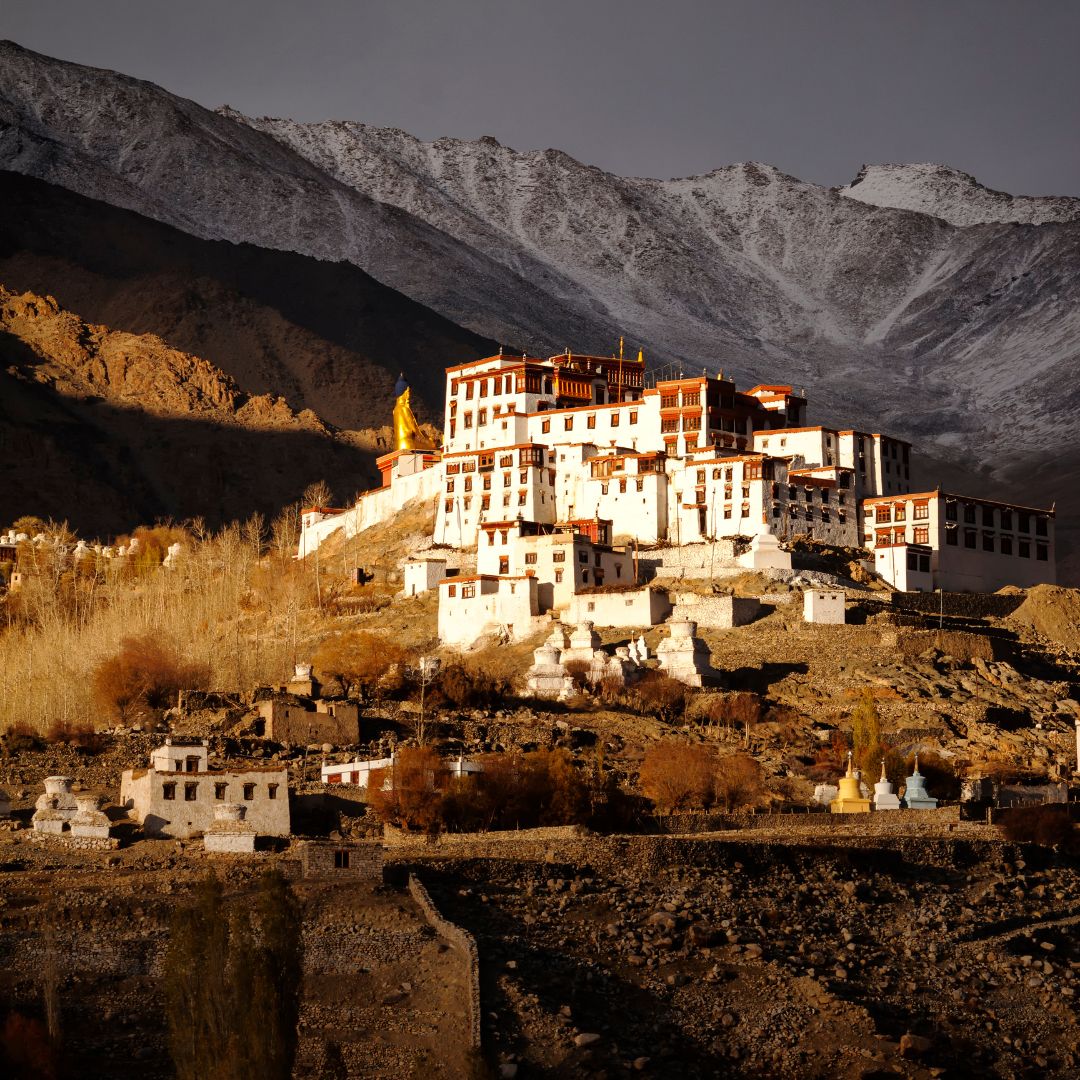
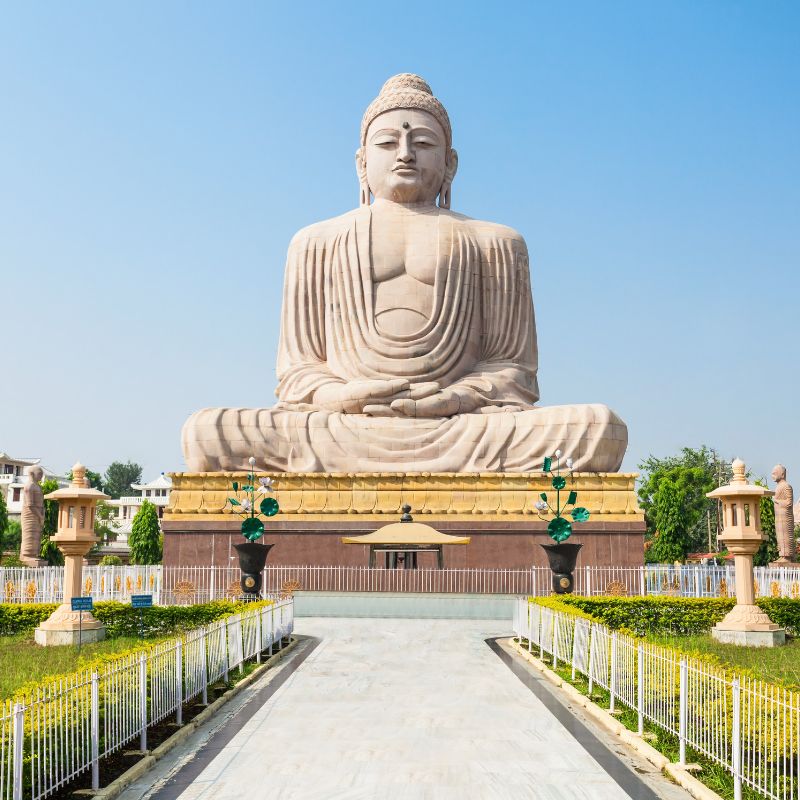
Bodh Gaya, 2 nights. One full day at the Mahabodhi complex plus the surrounding monasteries, and a second morning under the Bodhi Tree before the flight. Most itineraries give it a half-day, which is the single most common error on this route.
That totals 11 nights. Thirteen if Delhi gets a proper day at each end.
What You Are Actually Seeing

Amritsar. Harmandir Sahib, the Golden Temple, the central shrine of Sikhism, with a community kitchen that feeds visitors free of charge around the clock regardless of faith. The scale of that operation is the thing people remember.
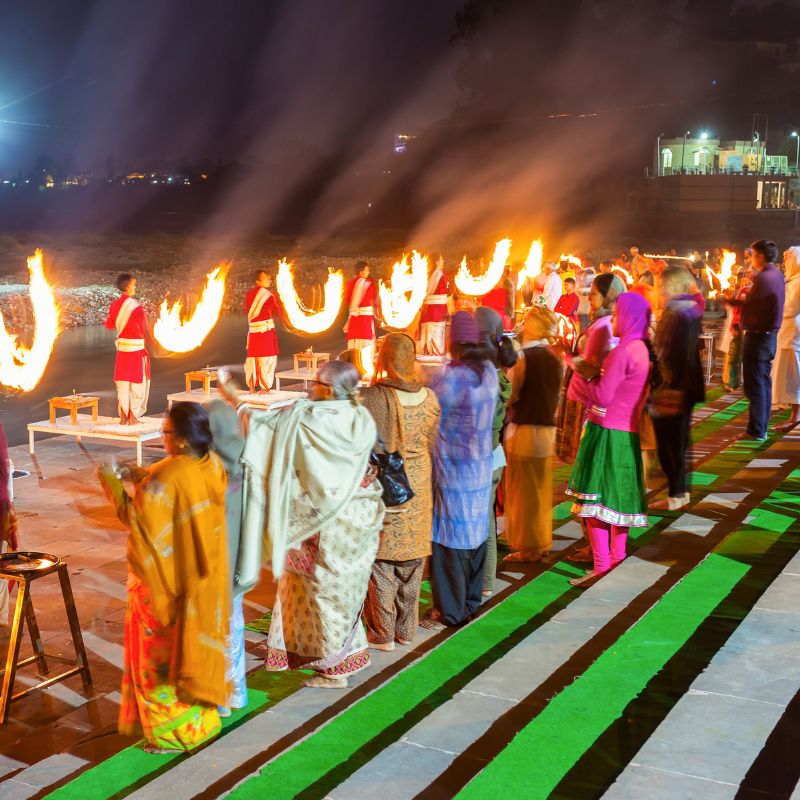
Rishikesh. Not a monument but a practice town: ashrams along the Ganges, evening aarti at Triveni Ghat and Parmarth Niketan, and the point where the river leaves the Himalaya for the plains.
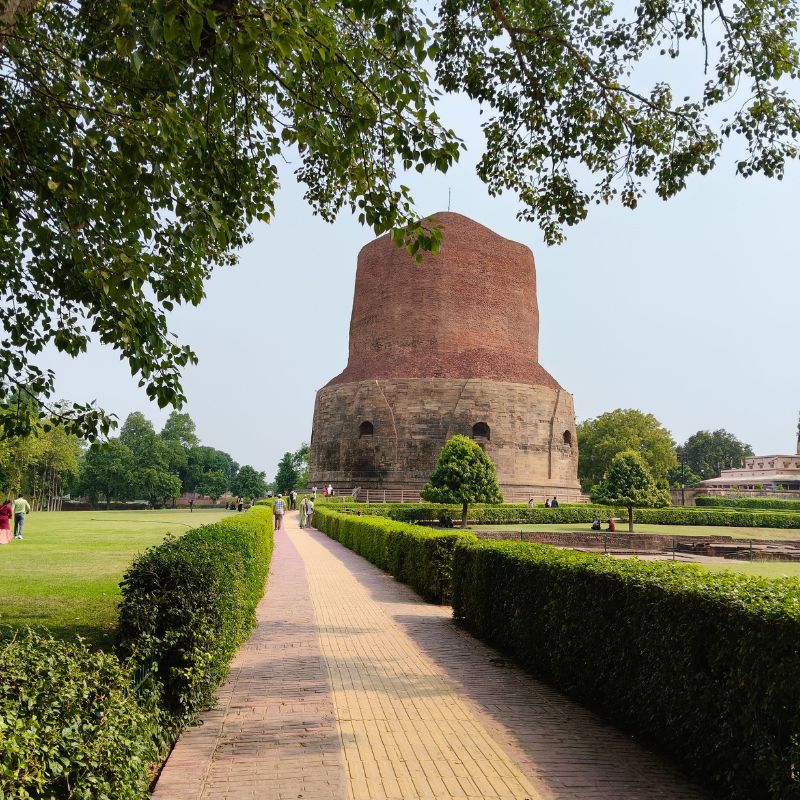
Varanasi and Sarnath. Varanasi is among the oldest continuously inhabited cities anywhere and the principal Hindu pilgrimage city on the Ganges. Sarnath, just outside it, is one of the four holiest Buddhist sites.
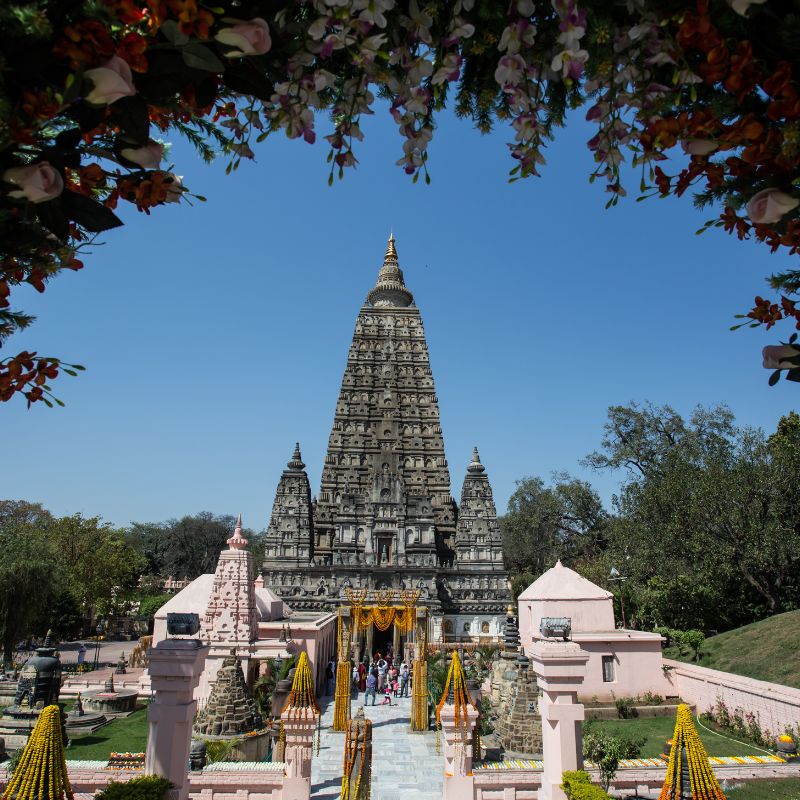
Bodh Gaya. The Mahabodhi Temple Complex was inscribed on the UNESCO World Heritage List in 2002. It is one of the four holy sites connected to the Buddha's life, and the one associated with the attainment of enlightenment. Emperor Asoka built the first temple there in the 3rd century BC; the present brick structure dates to the 5th or 6th century and is among the earliest Buddhist temples built entirely in brick still standing in India, from the late Gupta period. The complex holds the main temple, the sites marking the Buddha's seven weeks of meditation, and the Bodhi Tree itself. It lies 115 km south of Patna and 16 km from the district headquarters at Gaya.
What Breaks This Route
Compressing Bodh Gaya. A half-day visit means arriving, walking the complex with a guide, and leaving. The reason to be there is to sit, which takes a morning nobody has scheduled.
Fog. From late December into January, dense fog across the Indo-Gangetic plain delays flights and trains into Delhi, Varanasi and Gaya. Our winter planning guide covers it. On a route with four internal sectors, the risk compounds.
Treating Bihar like Rajasthan. Hotel inventory around Bodh Gaya is thinner than anywhere else on this itinerary, and good properties are limited. Book that leg first, not last.
When to Go
October to March, with late February and March being the best: clear weather in the plains, Rishikesh warming up, and the fog season over. November and December are excellent for Varanasi, and November is also when Dev Deepavali falls, so check your dates. Avoid May and June, when the plains are extremely hot, and the monsoon from July, which brings landslide risk on the Rishikesh approach roads.
Our month-by-month calendar sets out the regional detail, and our twelve questions to ask an India tour operator cover vetting before a deposit. Terms are on our booking and cancellation policy page.