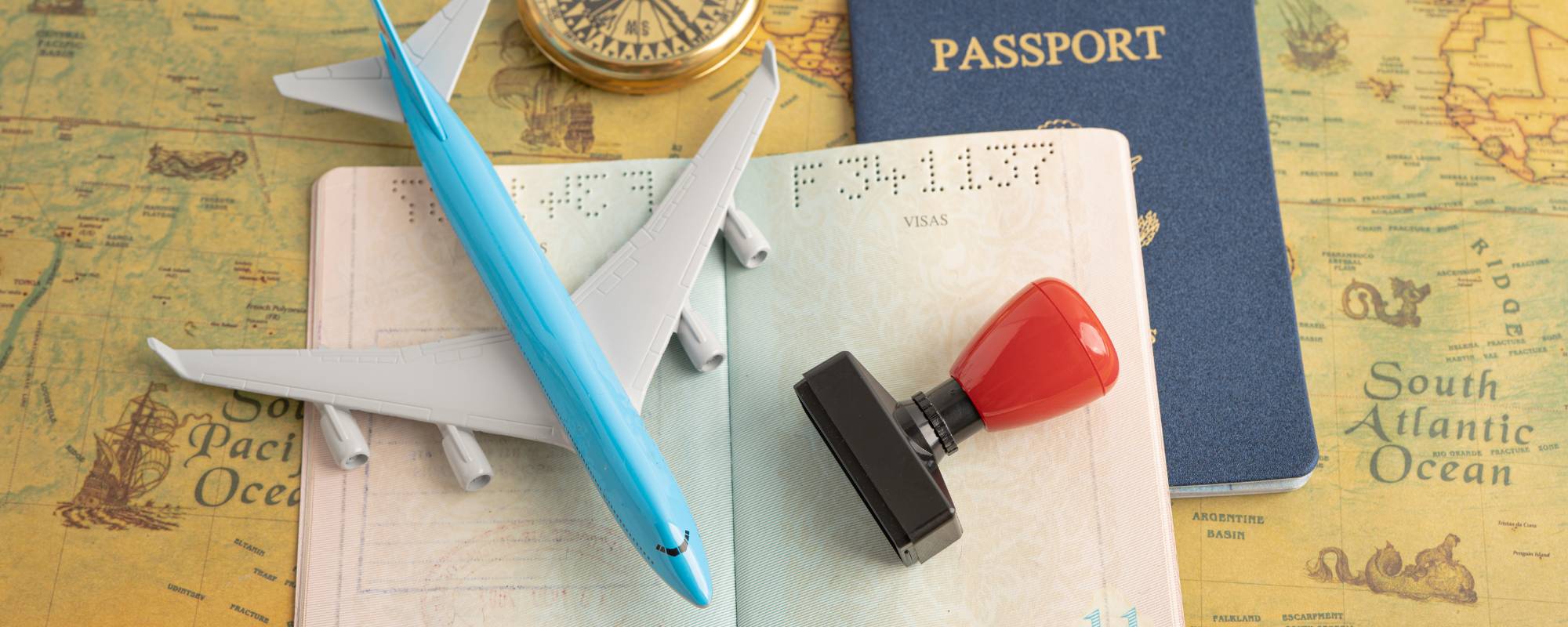
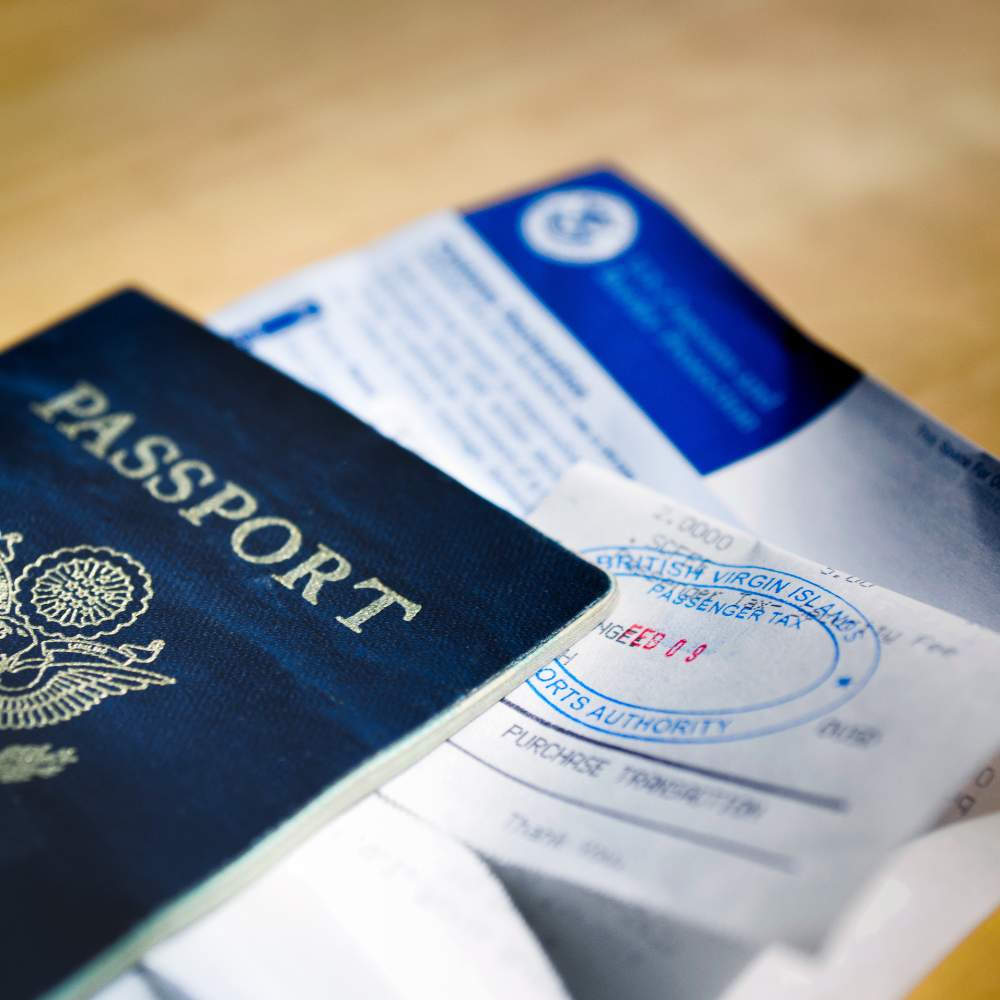



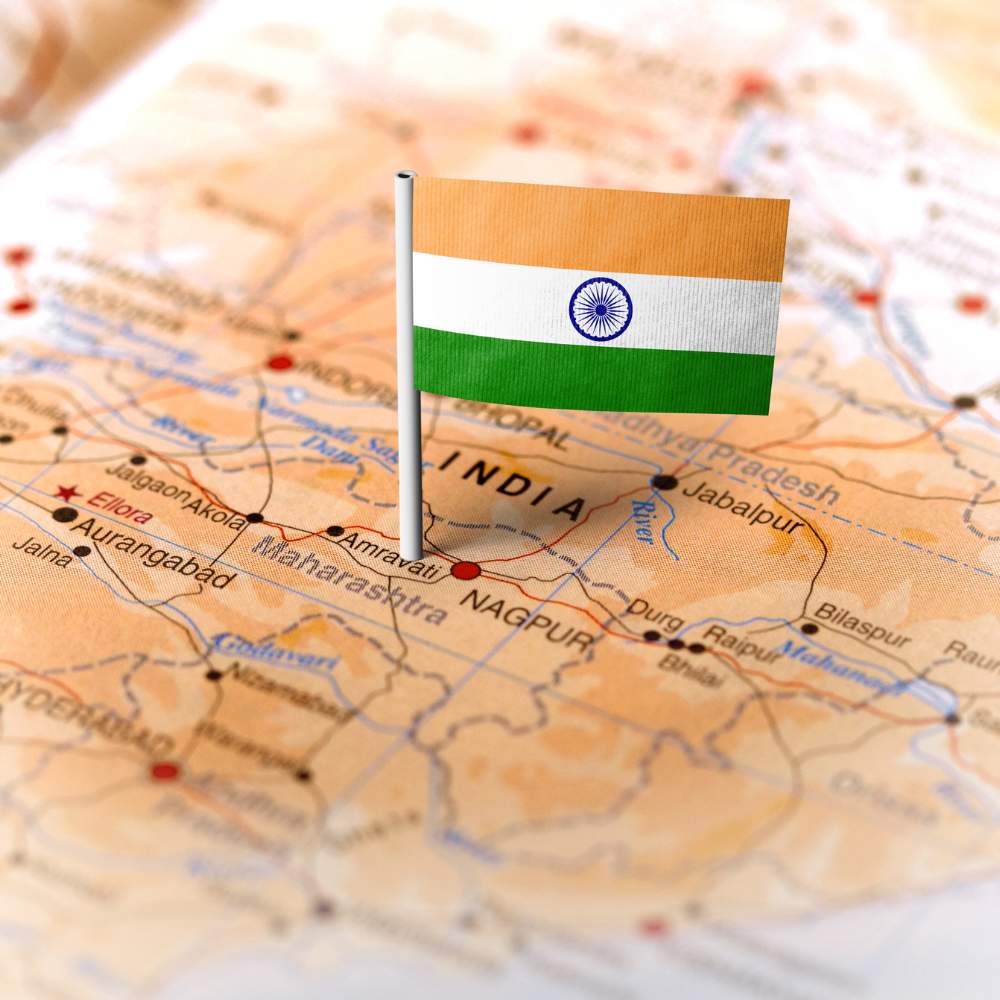

Travelling to India is an exhilarating experience — vibrant culture, rich history, landscapes from the Himalayas to beaches, and warm hospitality. But before you pack your bags, one essential thing: obtaining the correct Visa. Whether you're searching for "eVisa India", "India tourist visa for American citizens", or "Indian business visa", doing your homework will save time, cost, and stress.
This blog will walk you through everything you need to know about getting an Indian visa — especially if you're a US citizen — so your trip starts on the right foot.
1. Understanding the Indian Visa System
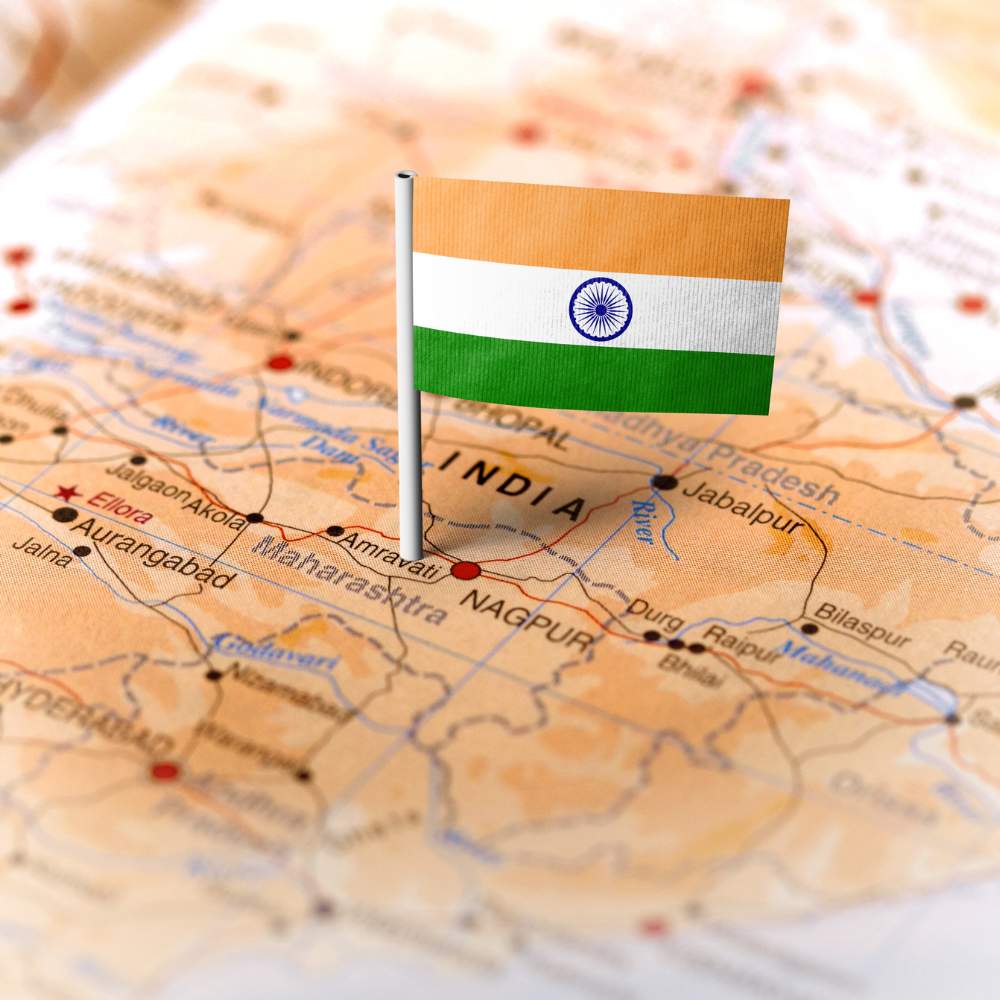
Types of Indian Visa: e-Visa vs. Regular Visa
India offers several visa categories, but for first-time travelers, the most common options are:
- e-Visa: Includes e-Tourist Visa, e-Business Visa, and e-Medical Visa. Applied online, approved electronically, and presented at designated ports of entry.
- Regular (paper) Visa: Issued by Indian consulates, may allow longer stays or multiple entries.
How it works: After completing your online application and paying the fee, you’ll receive an Electronic Travel Authorization (ETA). Print it and present it upon arrival in India.
Validity and Stay Limits
For US citizens:
- Maximum stay on a tourist visa (e-Visa or regular visa) in a calendar year: 180 days.
- e-Visas may allow multiple entries, but the stay per visit is limited.
- e-Visas are valid for travel only through designated airports or seaports.
2. Who Can Apply for an e-Visa?
Many travellers prefer the e-Visa because it's fast and online. But eligibility matters.
US Citizens
Suppose you're a US citizen looking for an "Indian e-Visa for US Citizens" or "India Visa for US Citizens". In that case, the good news is that US passports are eligible for the e-Tourist Visa. For example, one reference states:
The India e-Visa is a digital entry permit available to US citizens. It allows travellers from the United States to apply for an India e-Visa online.
Some general eligibility criteria
- The passport must be valid for at least 6 months from the date of arrival in India.
- The passport should have at least 2 blank pages for immigration stamping.
- Diplomatic/Official passport holders, travel document (La Pässer) holders are not eligible for the e-Visa in many cases.
- Applicants must apply on the same passport they intend to travel on; if they obtain a new passport after approval, they should carry both the old and the new passports.
Critical: Stay Limits and Restrictions
For US nationals, while long-term visas (such as regular tourist visas) may have a validity of up to 10 years, the stay per entry is often limited. For example, the US passport eligibility for long-term multiple entry:
"Multiple-entry Tourist Visa may be granted for a period of 10 years to the nationals of the USA.
But even with a long-term visa, stay per visit and total stays in a calendar year must adhere to the rules.
3. Step-by-Step Guide to Applying for an Indian e-Visa
Here's a detailed walkthrough for the "how to get an Indian visa" process, focusing on the e-Visa route.
- Visit the official portal: Go to the official online portal (e.g., indianvisaonline.gov.in) to apply.
- Fill out the online application form: Each applicant must complete a separate form. Double-check all details (names, passport number, nationality, purpose, etc.) before submitting; once submitted, you can't modify them.
- Upload required documents: A recent passport-size photo (often with a white light background), a scan of the passport bio page, and any needed invitation or travel details, depending on visa type.
- Payment of fee: Pay the visa fee online based on your nationality and visa type. Ensure your card/transaction works internationally.
- Receive ETA: Once approved, you'll get an Electronic Travel Authorisation (ETA) via email. Print and carry it with your passport when you travel.
- Travel to India: On arrival, present your passport + ETA at immigration. Biometric capture occurs. Your passport will be stamped with a permitted stay.
Special Tips:
- Apply at least 4 days before travel, ideally earlier.
- Make sure you enter via a permitted airport/seaport.
- Have a print-out of your ETA and backup copies of your passport.
4. Documents You'll Need
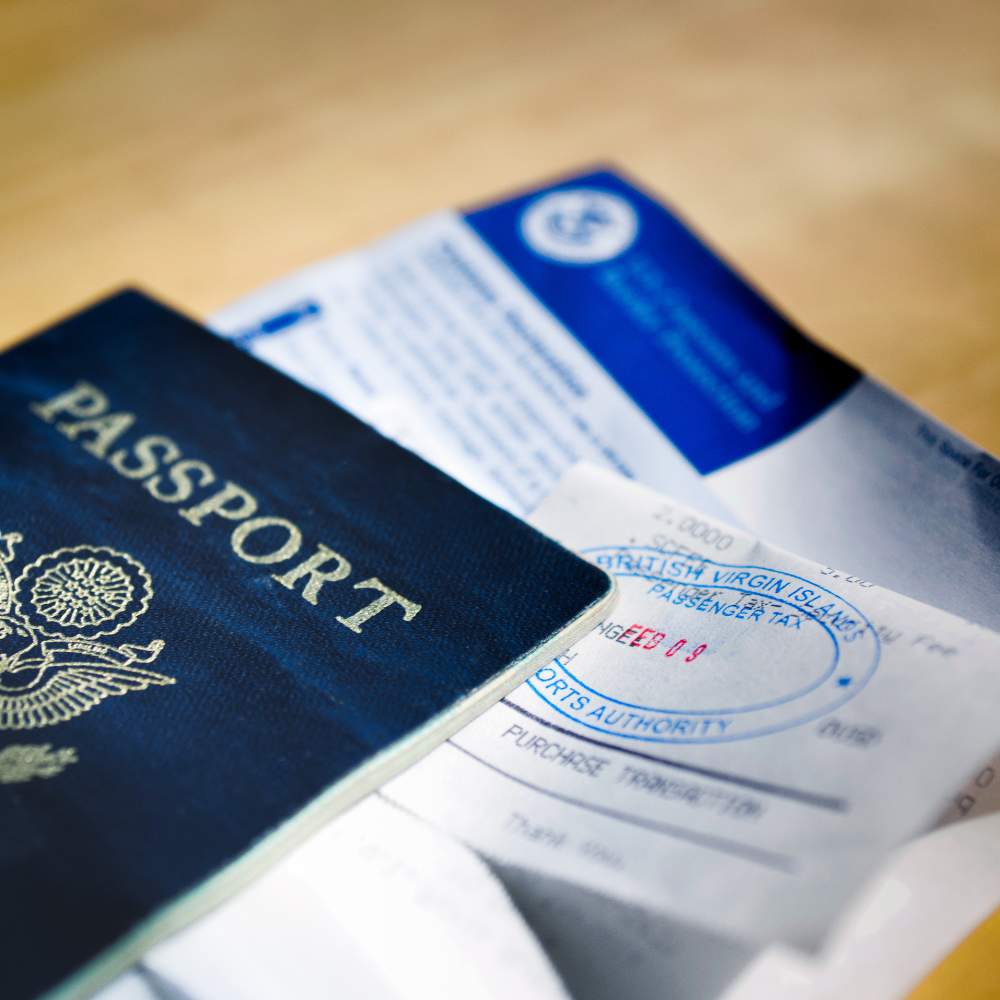
When searching for "need Indian visa" or "how to obtain Indian visa", these are the must-have documents:
- Valid Passport: Minimum six months' validity from arrival date; two blank pages.
- A passport-sized photo (digital upload) meeting website specs.
- For e-Visa: a scan of the passport bio page.
- Proof of return or onward ticket, and accommodation details may be requested.
- For business/medical visas: invitation letter, business card, and medical documents.
- Note: If arriving from a Yellow-Fever-affected country, a vaccination certificate may be required.
5. India Visa Fees and Processing Time

Whether you're Googling "India visa fees", "Indian visa cost", or "cost of Indian visa for US citizens", here are key points:
- Fees depend on nationality, visa category, duration, and can change periodically. Always check the official portal.
- The regular processing time for many e-Visas is 4-5 working days when all documents are in order.
- The application should be submitted early to avoid last-minute stress.
Important: Once you've submitted the application and paid the fee, it's generally non-refundable even if the application is rejected. (Standard practice.)
6. On Arrival in India

Once your "e visa India US citizen" application is approved and you arrive in India:
- At the immigration counter, show your passport and a printed ETA (or a regular Visa).
- Biometric details such as fingerprints and a photo may be captured.
- You'll receive an entry stamp indicating permitted stay. Please keep it safe.
- Stay only for the permitted duration. As noted, US nationals must not stay more than 180 days in any calendar year under a tourist visa.
- Keep your visa/ETA copy with you during your stay.
- You should avoid entering via a land border if your Visa is only for airport/seaport entry under the e-Visa scheme.
7. Common Mistakes to Avoid
When many travellers search "do US citizens need a visa for India" or "visa for India from USA", they often stumble on errors. Here are common pitfalls:
- Applying through non-official websites/agents that charge extra or mislead. Always use the official government portal.
- Mistakes in the online application: wrong passport number, name spelling, and Date of Birth. You cannot edit after submission.
- Using the wrong visa category (e.g., using a tourist visa when the purpose is business).
- Applying too late — e-Visa must typically be used at least 4 days before arrival.
- Arriving through an unauthorised port (for e-Visa) or land border when only airport entry is permitted.
- Staying longer than permitted (overstaying). This can lead to fines, deportation, and difficulty getting future visas.
8. Extending or Changing Your Visa

A frequent search: "India e visa cost", "Indian tourist visa for US citizens", and what happens if you need more time.
- For e-Visas: In many cases, the e-Tourist Visa or e-Business Visa is non-extendable and non-convertible.
- Suppose you have a regular visa (not an e-Visa) and need to stay longer for specific reasons (e.g., a medical emergency). In that case, you must apply for an extension with the Foreigners Regional Registration Office (FRRO) or the local Foreigners Registration Office in India.
- Overstaying your Visa may lead to legal issues and complications for future travel.
9. Key Pro-Tips for a Smooth Experience

Here are some bonus tips to make your journey smoother and avoid surprises:
- Apply well in advance — ideally 2–3 weeks before your trip, especially if you selected a long-stay visa or unusual purpose.
- Double-check all data in your application before submission.
- Always use the official portal (for example, indianvisaonline.gov.in). Avoid "double nationality express" or other non-official services that may mislead.
- Print out your ETA and keep a digital copy (on your phone/cloud).
- Carry copies of your accommodation booking, proof of funds, and return ticket – while not always checked, they can help.
- If you plan to visit "Restricted/Protected Areas" in India (e.g., border regions or special tourism zones), check for additional permit requirements.
- Save the contact information of your country's embassy/consulate in India for emergencies.
- Understand currency rules: for example, large amounts of cash may require declaration.
10. Final Thoughts
Travelling to India as a first-timer may feel overwhelming with all the visa terminology, such as "eVisa India", "India visa for US citizens", "tourist visa for India", "Indian business visa", and "emergency visa to India". But once you break it down, the process is manageable:
- Determine your purpose (tourism, business, medical).
- Choose the correct visa category.
- Use the official application portal.
- Submit on time, with correct documents.
- Arrive via the correct port and stay within the permitted time.
By doing so, you're just a few steps away from exploring one of the world's most fascinating destinations — and enjoying your trip instead of worrying about paperwork.
Happy travels — India awaits!
FAQ
Q.: Do US citizens need a visa for India?
Yes — US citizens must have either a valid Indian visa in their passport or an e-Tourist visa before entering India.
Q: How long can I stay in India on an e-Tourist Visa as a US citizen?
In most cases, the stay per calendar year is limited to 180 days for US nationals under tourist visa rules.
Q: Can I apply for an "emergency visa to India"?
India's official e-Visa site notes there is no "express emergency fee" for e-Visas—they process online, and you should still submit with the correct docs.
Q: What is the cost of an Indian e-Visa?
The fee varies by nationality, visa category, and validity/s stay. You must check the official fee page when applying; there's no fixed cost for "US citizens" listed in one source.