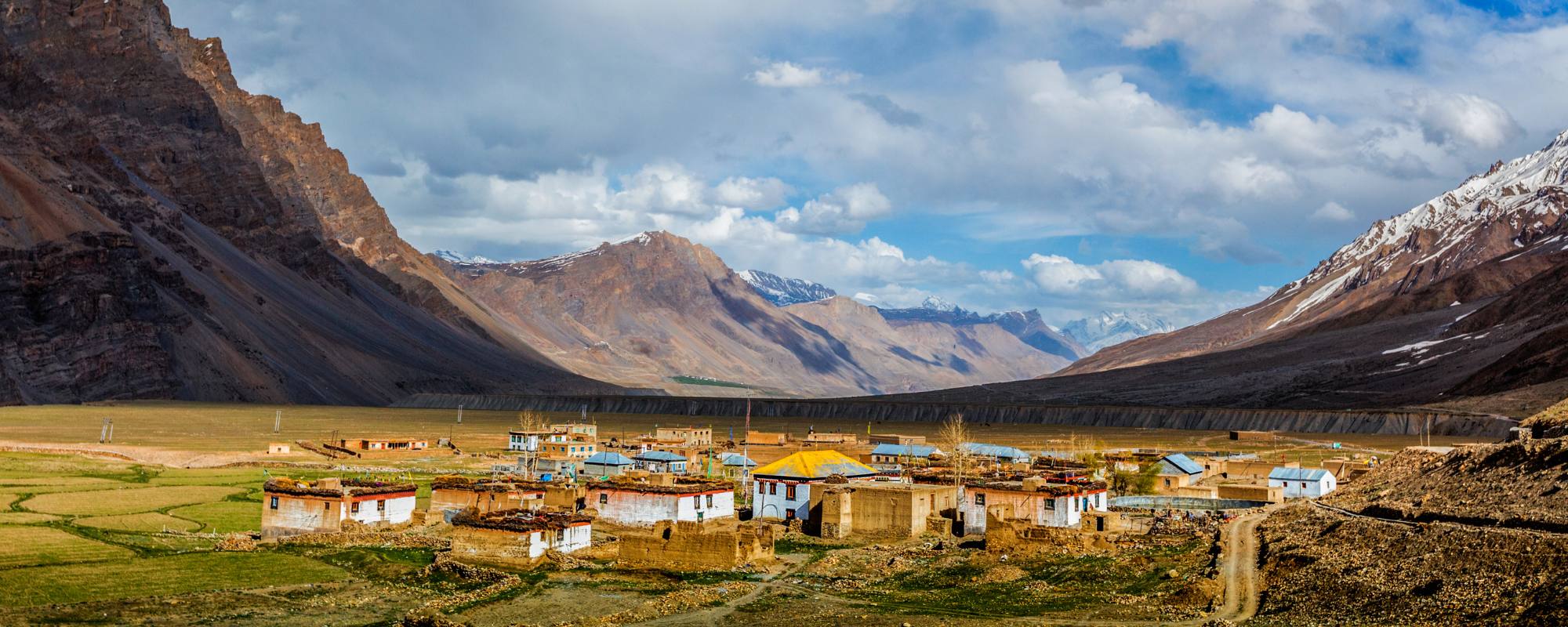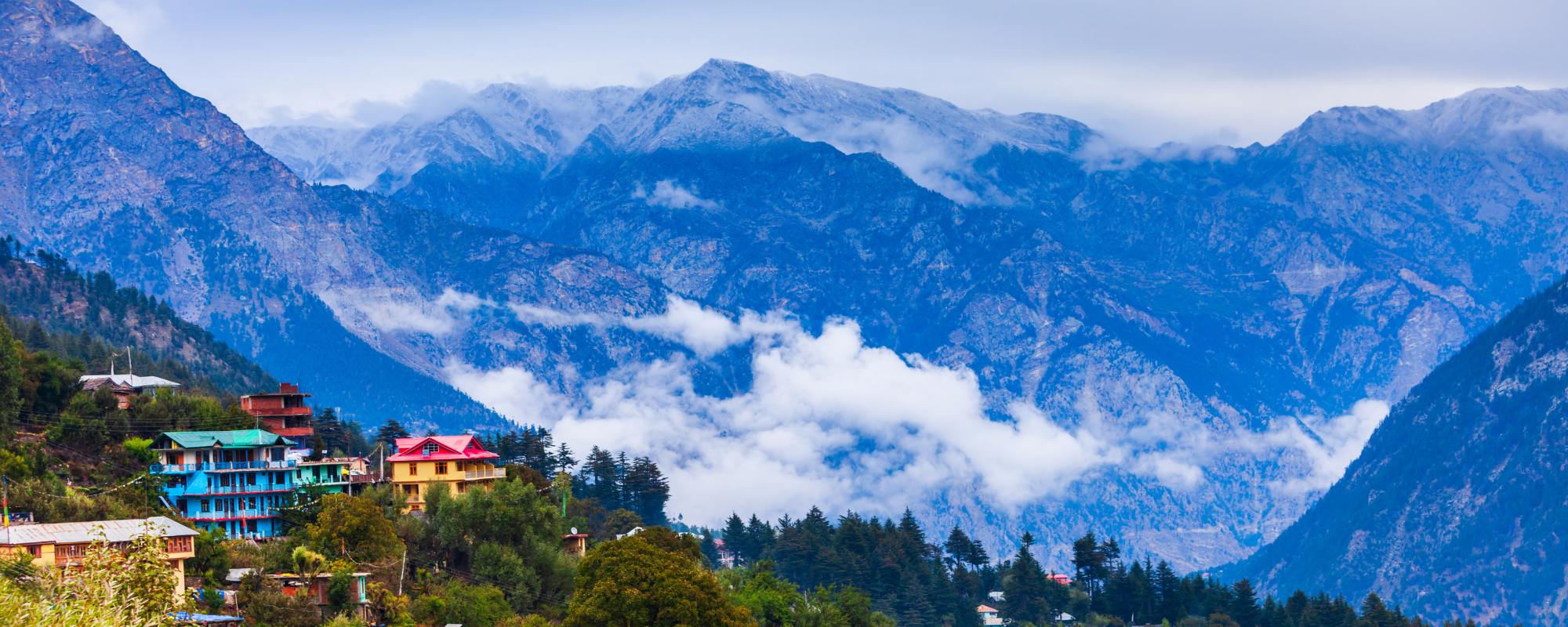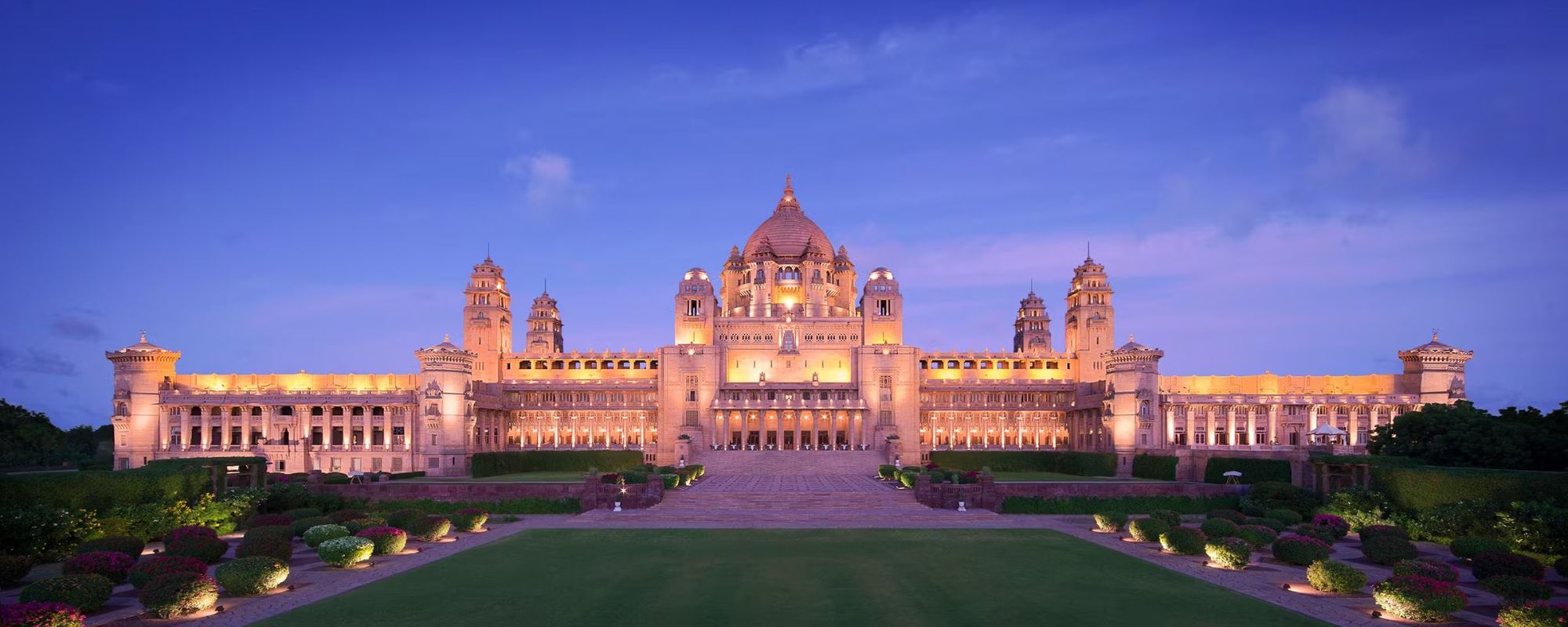
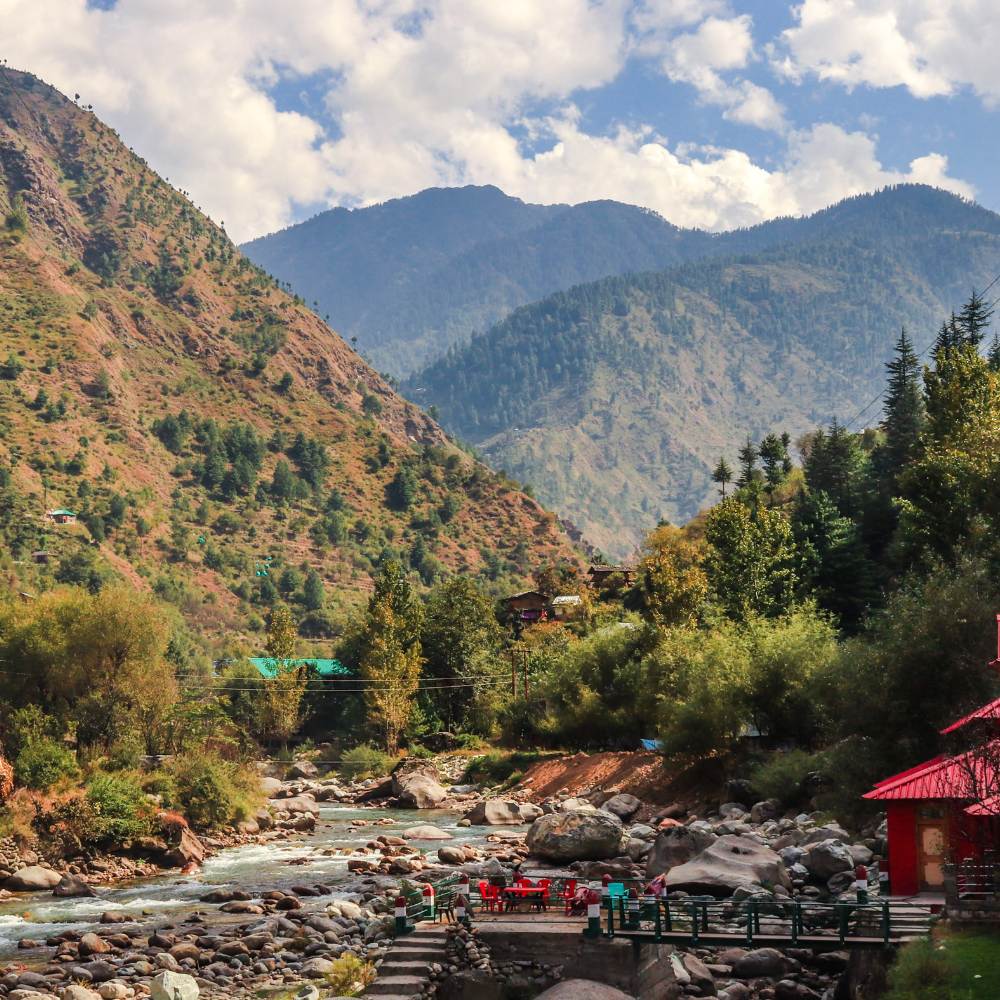
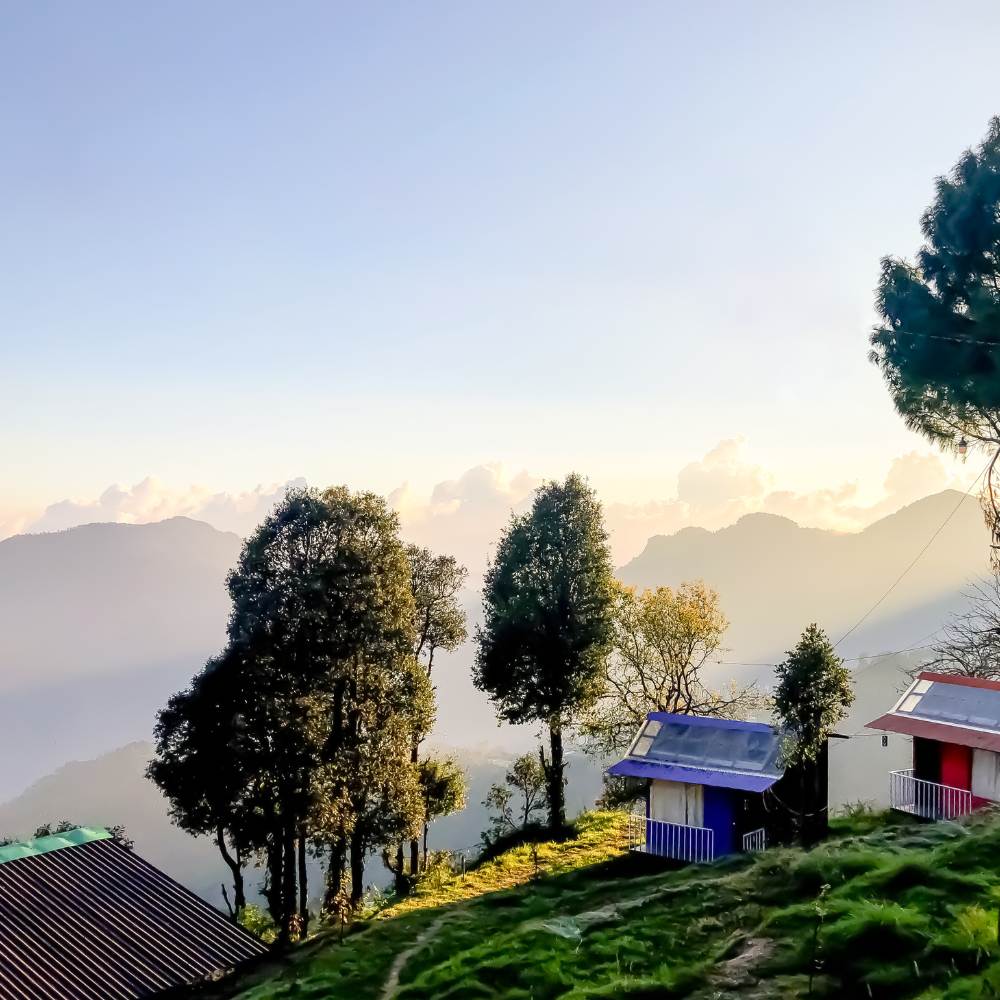
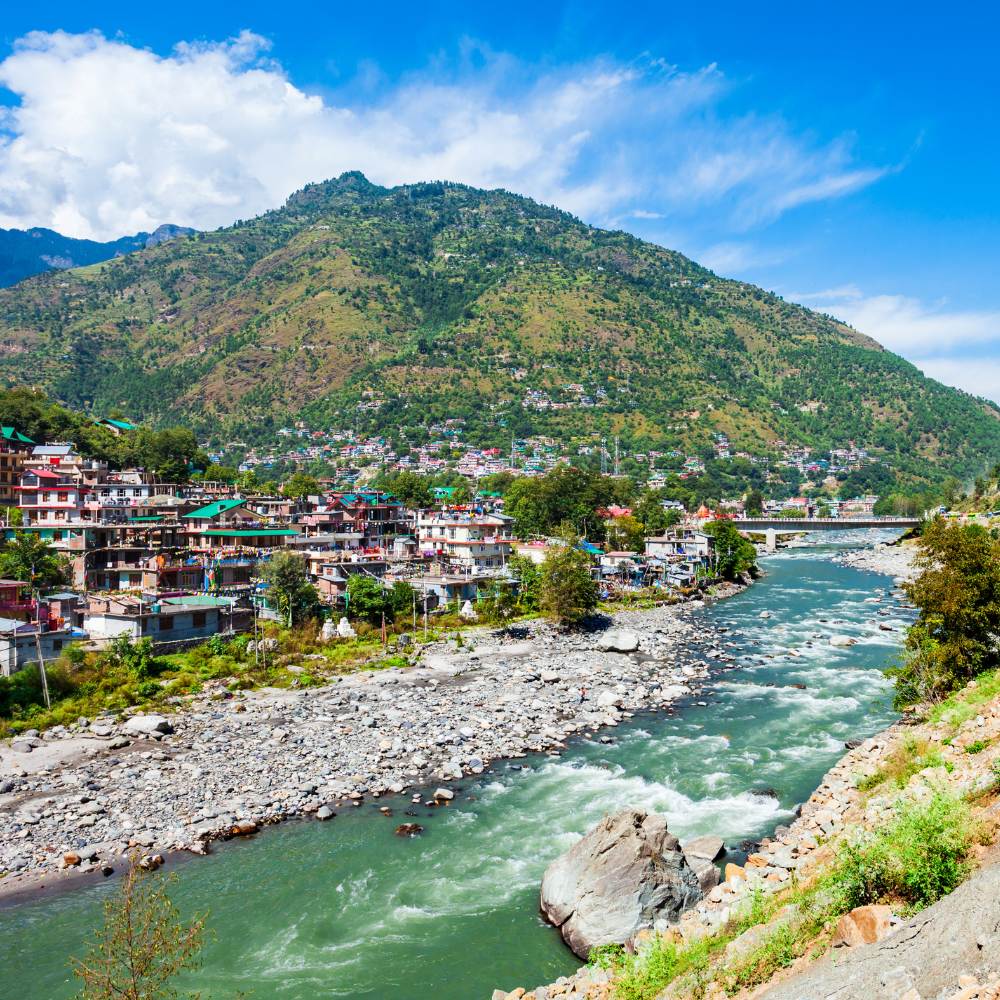
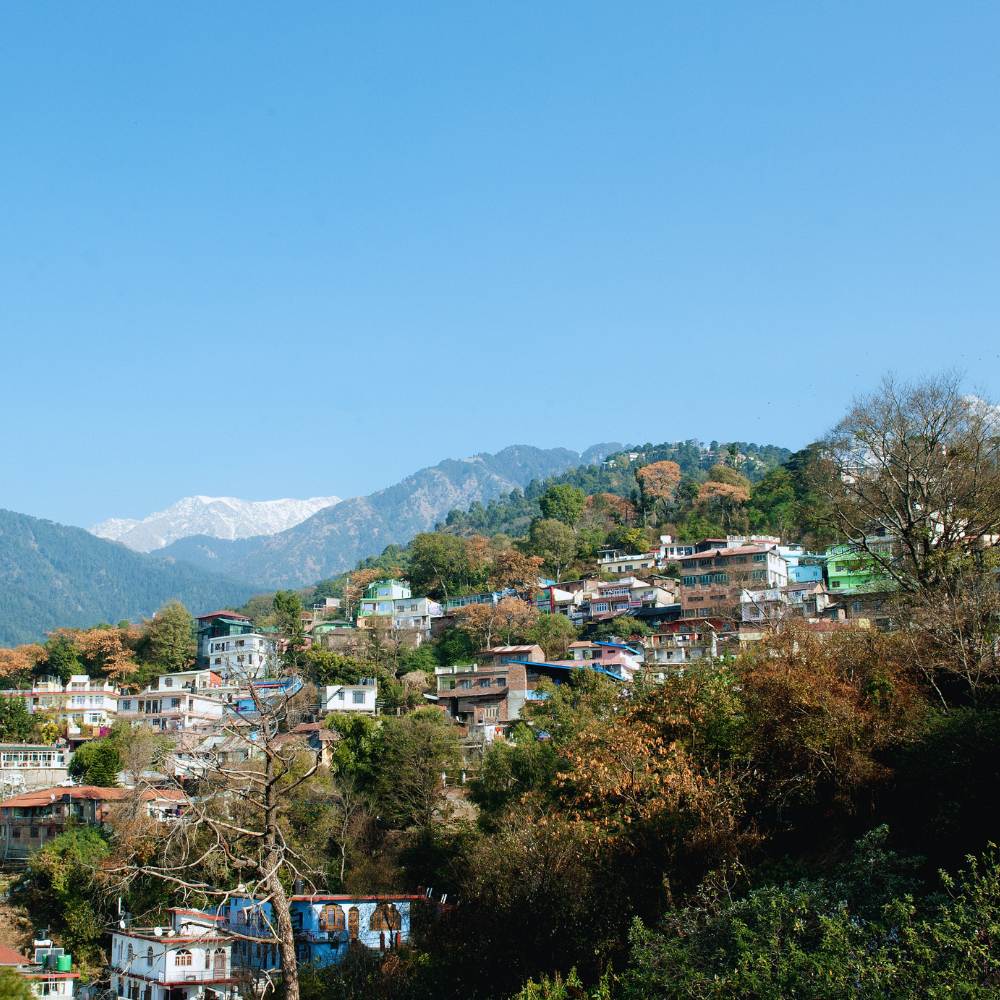
North India has more hill stations than most travellers realise, and more variety than any single trip can cover. This guide focuses on ten destinations across Himachal Pradesh and Uttarakhand that we recommend with confidence — from well-established towns with strong infrastructure to quieter villages that reward the effort of getting there.
Each entry covers what makes the destination worth visiting, what to prioritise on a short trip, and the practical information you need to plan well. The guide is organised into three sections:
- Part 1 covers the classic Himachal Pradesh circuit: Shimla, Kullu-Manali, McLeod Ganj, and Dharamshala.
- Part 2 covers Uttarakhand's most visited hill stations: Nainital, Mussoorie, and Auli.
- Part 3 covers three less-visited destinations worth seeking out: Bir-Billing, Jibhi, and Kanatal.
Part 1: The Himachal Pradesh Circuit
Himachal Pradesh offers the widest range of hill station experiences in North India. Colonial towns, Tibetan cultural centres, adventure valleys, and forest retreats all sit within a few hours of each other. If you have a week and some flexibility on routing, this is where to start.
Explore hill stations: Top 10 Beautiful Hill Stations to Visit in Himachal Pradesh
1. Shimla
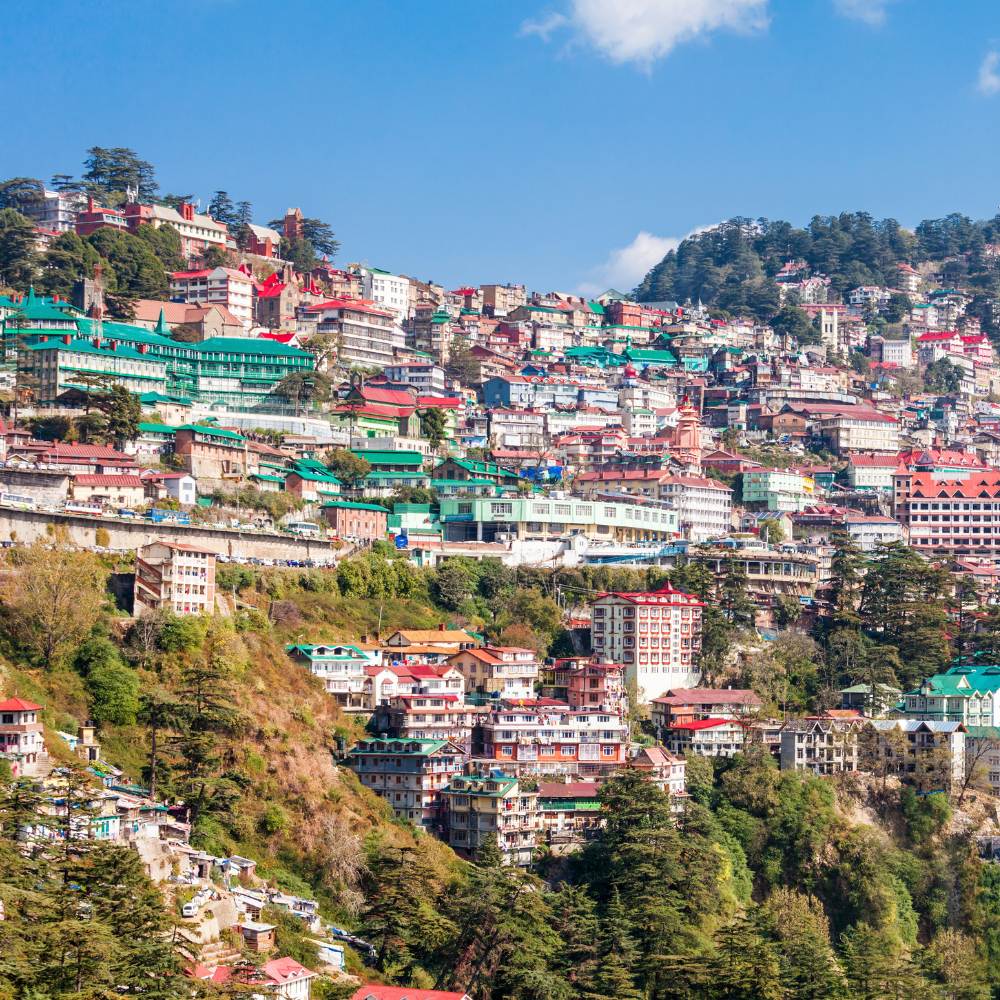
Shimla is the most visited hill station in North India, and it earns that status. Sitting at around 2,200 metres in the Shivalik range, it served as the summer capital of British India for nearly a century. That history is visible in the Gothic architecture on the Ridge, in the Victorian facades along Mall Road, and in an unhurried administrative pace, the town has somehow maintained despite its popularity.
The single best thing to do in Shimla costs nothing. Wake early, walk to the Ridge before the crowds arrive, and watch the morning fog move through the pine valleys below. It takes twenty minutes and leaves most visitors more impressed than any ticketed attraction. The Kalka-Shimla railway, a UNESCO World Heritage site, is the other essential — the narrow gauge line climbs through 102 tunnels and across 800 bridges in five hours. Take it at least one way, ideally upward, which gives you the better views.
What to prioritise
- The Ridge at dawn - free, quiet, and genuinely spectacular on a clear morning.
- Kalka-Shimla toy train - book the Shivalik Express in advance; seats fill quickly in season.
- Viceregal Lodge - guided tours run on most days; finest piece of architecture in town.
- Jakhoo Temple - steep climb above town, worth it for the views from the top.
Quick facts
- Altitude: 2,200 metres
- Best time to visit: March to June for clear weather. December and January for snow.
- Avoid: Late May and early June on weekends — the town gets very busy.
- Best suited to: Families, first-time hill visitors, heritage enthusiasts.
- Getting there: Five hours by toy train from Kalka, which connects to Delhi by overnight express.
Read Also: Best Places to Visit in Shimla – Complete Travel Guide 2026
2. Kullu and Manali
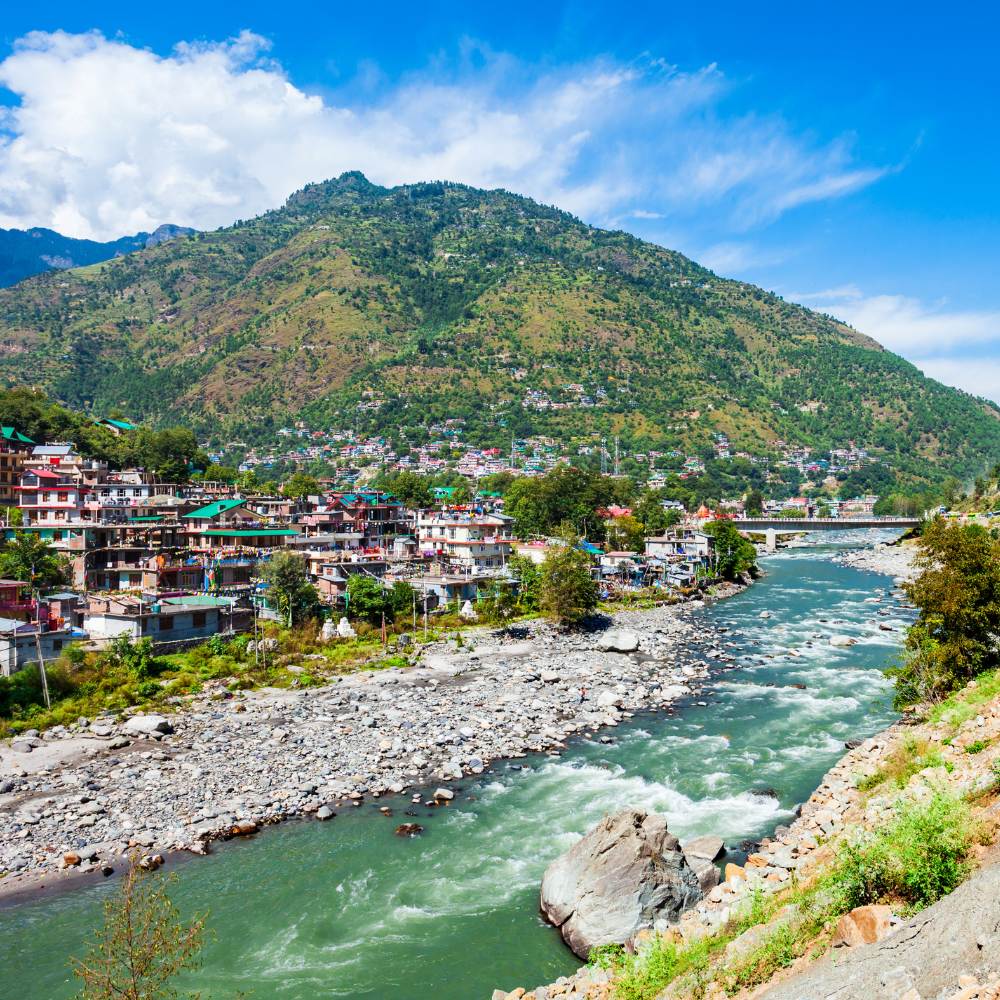
Kullu and Manali are two distinct places that most people treat as one destination. Kullu is the valley — wide, green, and relatively calm, known for handloom weaving, apple orchards, and important temples. Manali is the town at the northern end of the valley, and it operates at a completely different energy level. Together, they cover most traveller types well.
Manali works as a base for almost any kind of visitor. Adventure seekers come for skiing at Solang Valley in winter and river rafting on the Beas through summer. The road over Rohtang Pass at nearly 4,000 metres is one of the most dramatic drives in India and opens the gateway to the high altitude deserts of Lahaul and Spiti beyond. Couples and slower travellers tend to settle in Old Manali, a quieter neighbourhood of orchards, small cafes, and wooden guesthouses separated from the main bazaar by the Manalsu stream.
What to prioritise
- River rafting on the Beas between Pirdi and Jhiri - one of the most accessible white water runs in the country.
- Rohtang Pass drive - book the vehicle day permit online the evening before; morning queues at the permit office are long.
- Old Manali - spend an afternoon or evening here rather than the main bazaar.
- Hadimba Temple - arrive early to avoid tour groups; the deodar grove around it is worth the walk alone.
Quick facts
- Altitude: 2,050 metres (Manali). Rohtang Pass reaches 3,978 metres.
- Best time to visit: April to June for outdoor activities. December to February for skiing.
- Avoid: July and August — Rohtang road frequently closes during heavy monsoon rain.
- Best suited to: Adventure travellers, couples, groups, anyone seeking high altitude landscapes.
- Getting there: Overnight bus from Delhi (around 14 hours) or a short flight to Bhuntar airport in Kullu.
Read Also: Top 10 Must-Visit Places and Attractions in Manali
3. McLeod Ganj
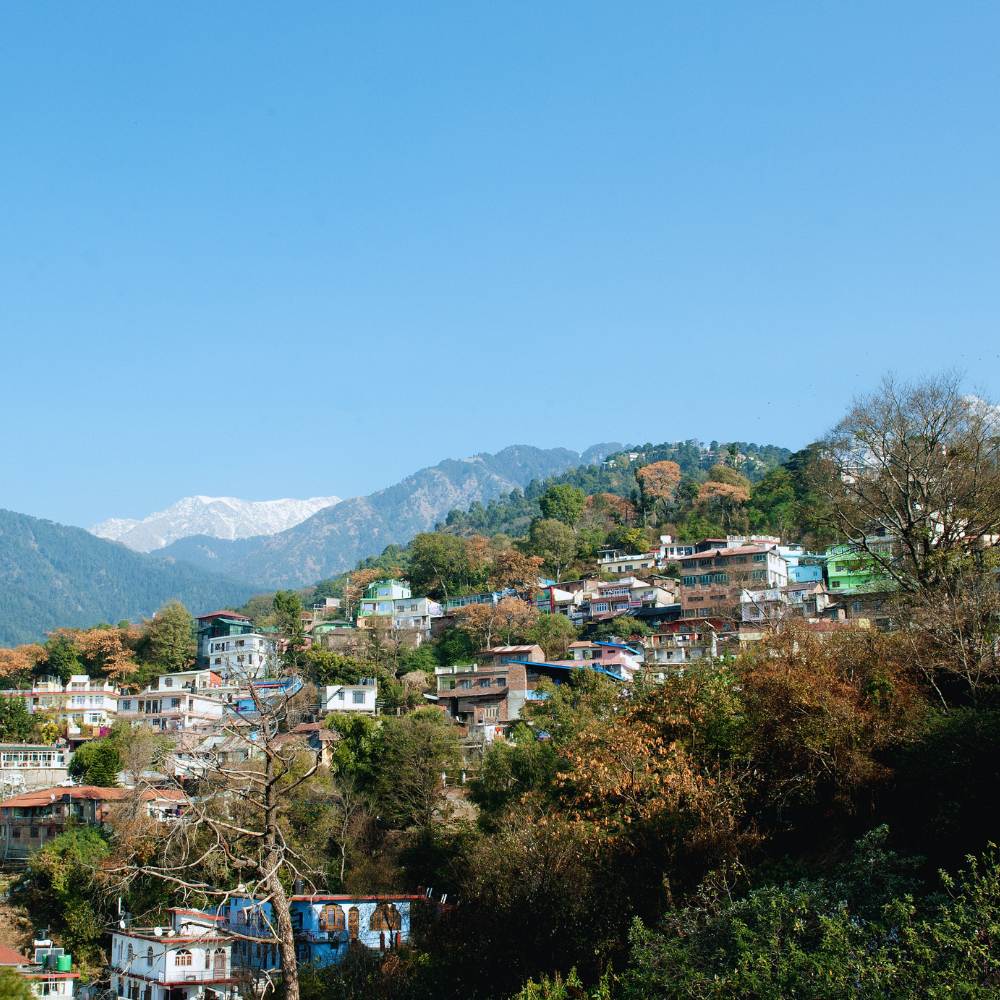
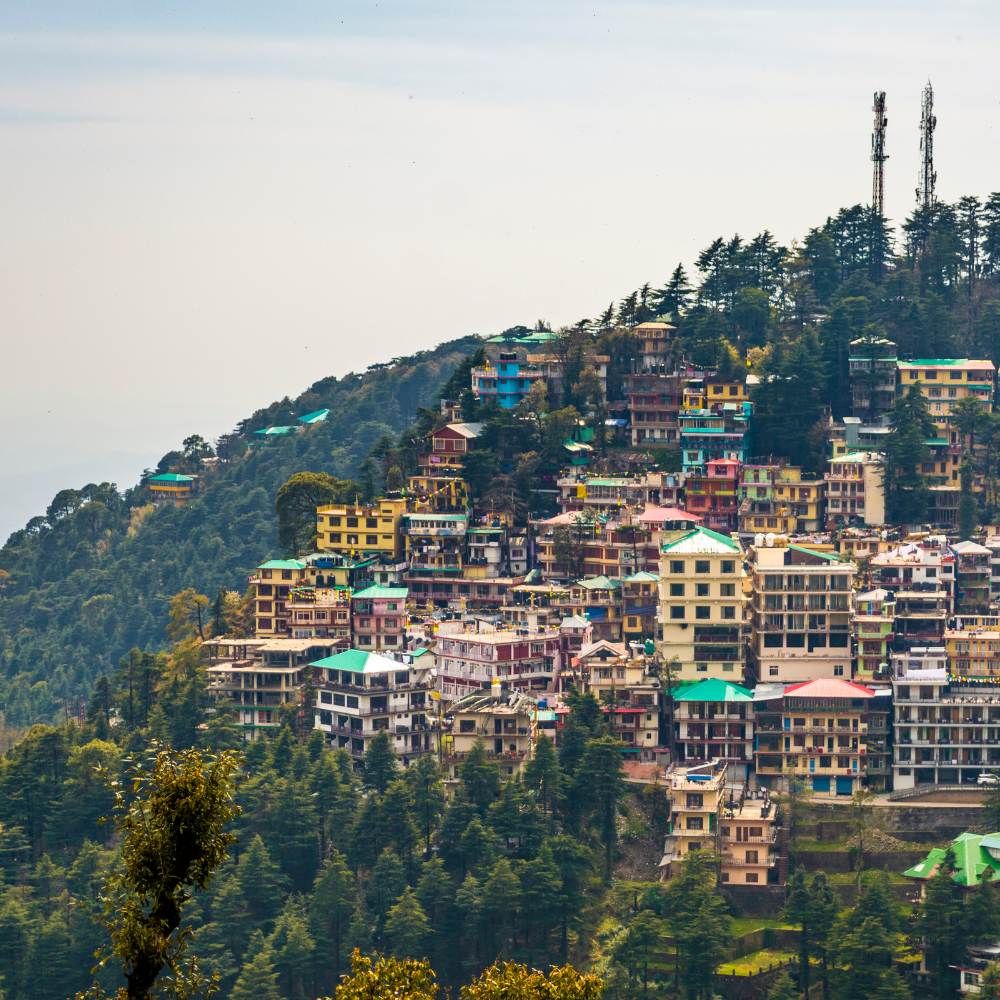
McLeod Ganj sits above Dharamshala at around 1,460 metres and has been home to the Dalai Lama and the Tibetan government in exile since 1960. That fact shapes everything about the town — the monasteries, the food, the bookshops, and the conversations you end up having in cafes. It is one of the few hill stations in India that gives you something culturally substantial to engage with beyond the scenery.
For trekkers, the Triund trail is outstanding. The route climbs nine kilometres from town through oak and rhododendron forest to a ridge at around 2,800 metres, with views of the Dhauladhar range that justify every steep section. Most people do it as a day hike. Camping on the ridge overnight, when conditions allow, is significantly better. McLeod Ganj also works well for extended stays — good guesthouses at every price point, a reliable cafe scene, and several meditation centres make it easy to settle in for a week.
What to prioritise
- Tsuglagkhang complex - the Dalai Lama's monastery, a temple, and the Tibet Museum. Spend a morning here.
- Morning prayers at the monastery - arrive by 6 am, dress modestly, keep your phone away.
- Triund trek - nine kilometres, steady climb; day hike or overnight depending on fitness and weather.
- Bhagsu Waterfall - a short walk from town, good for an afternoon, best before 10 am.
Quick facts
- Altitude: 1,460 metres
- Best time to visit: March to June and September to November.
- Avoid: Monsoon months for trekking — the Triund trail becomes slippery and dangerous in heavy rain.
- Best suited to: Solo travellers, trekkers, spiritual seekers, long stay visitors.
- Getting there: Gaggal Airport is 15 kilometres away. Overnight bus from Delhi to Dharamshala takes around 12 hours.
4. Dharamshala
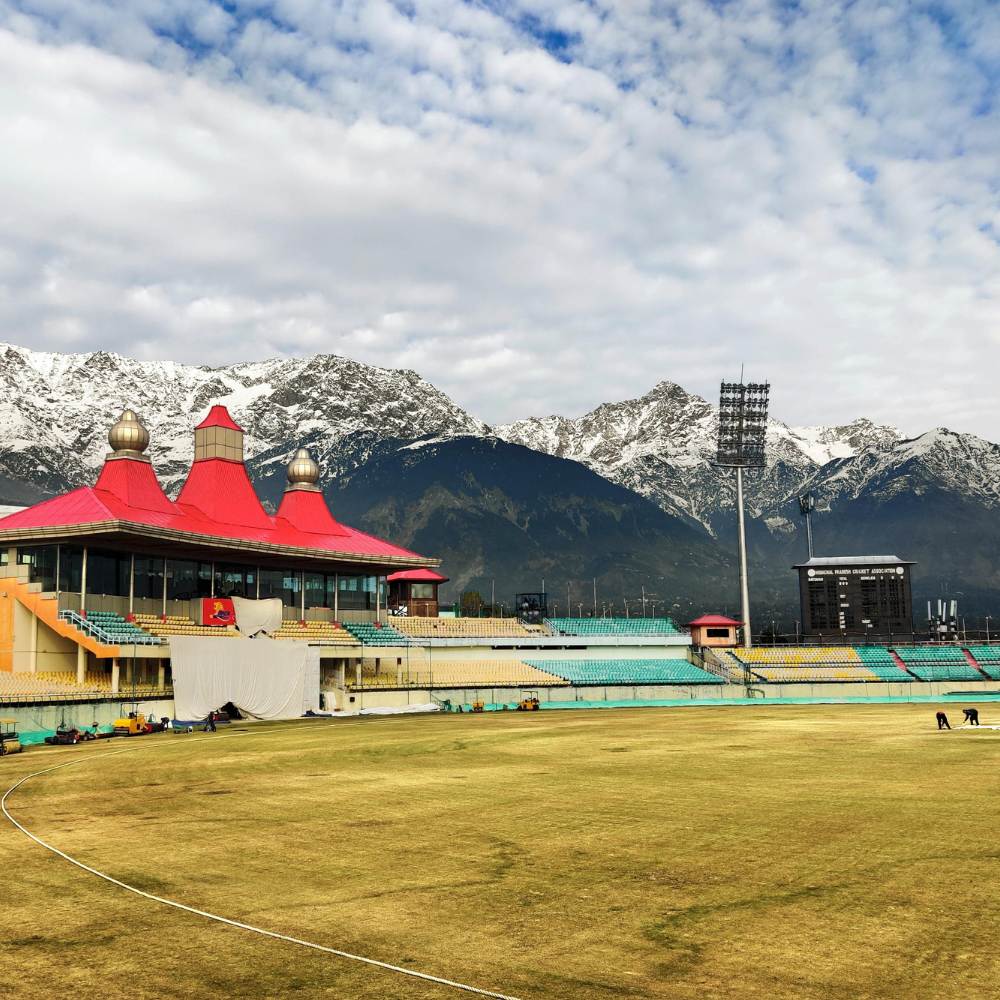
Dharamshala is the lower town from which McLeod Ganj is accessed, sitting at around 1,400 metres in the Kangra Valley. Most visitors pass through without stopping. That is a mistake. The town functions as a working administrative and commercial centre — a main bazaar, local markets, ordinary Himachali life — and offers a more accurate picture of the region than the tourist-facing lanes above.
The Kangra tea estates on the surrounding hillsides are among the most underrated attractions in the region. A guided walk through a working estate in the early morning, with mist still on the rows of bushes and pickers moving methodically through the slopes, is the kind of experience that stays with you far longer than most ticketed sights. The HPCA Cricket Stadium, set against the snow-covered Dhauladhar peaks, is genuinely one of the most spectacular sports venues in the world and worth a visit even without a match on.
What to prioritise
- Kangra tea estate walk - go in the early morning for the best light and quietest conditions.
- HPCA Cricket Stadium - check the international fixture schedule before travelling if cricket matters to you.
- Main bazaar - practical, local, and far more representative of Himachal Pradesh than the tourist lane in McLeod Ganj.
- Forest trails towards Triund - accessible from both Dharamshala and McLeod Ganj.
Quick facts
- Altitude: 1,400 metres
- Best time to visit: March to June and September to November.
- Best suited to: Nature walkers, slow travellers, anyone interested in local culture over tourist infrastructure.
- Getting there: Shared taxi or auto from McLeod Ganj, around 10 kilometres.
Part 2: Most Visited Hill Stations in Uttarakhand
Uttarakhand sits to the east of Himachal Pradesh and is easier to reach from Delhi, which is reflected in visitor numbers at its major hill stations. Do not let the popularity put you off. These destinations are well visited because they are genuinely good — and with a little attention to timing, the crowds are manageable.
5. Nainital
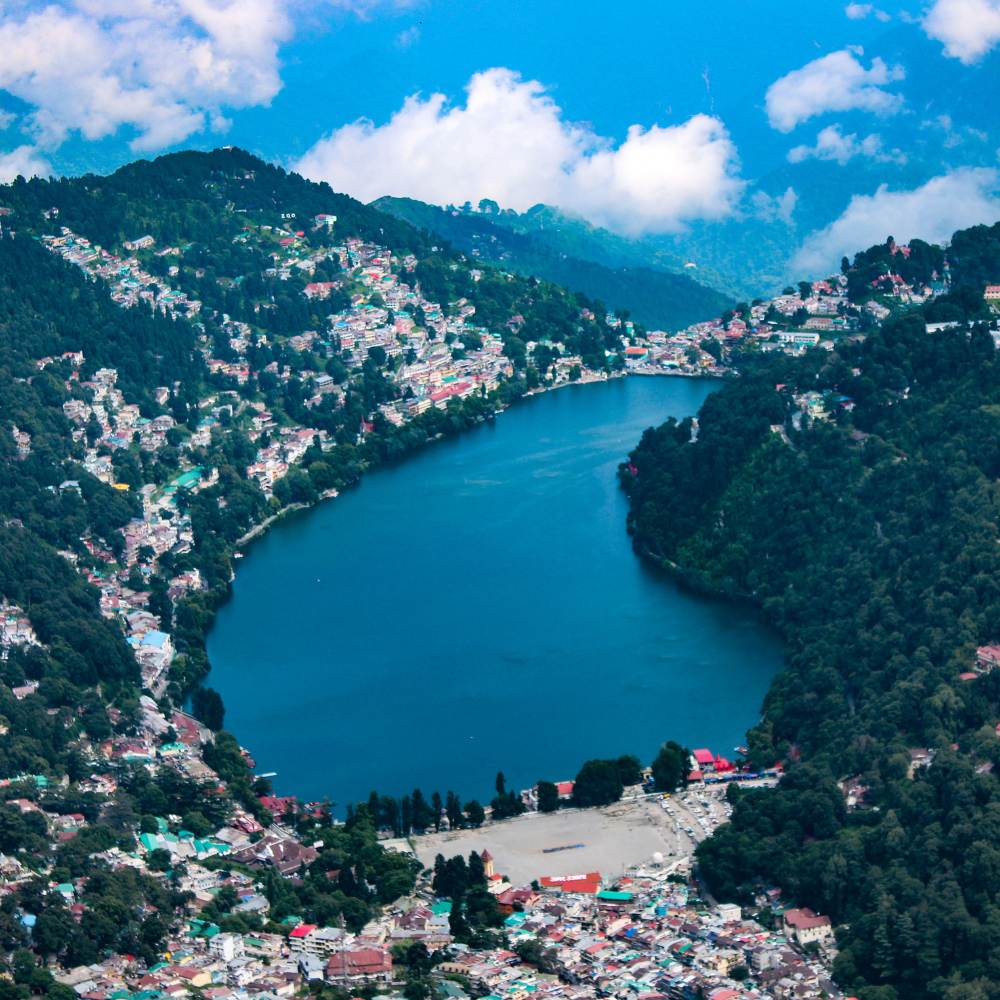
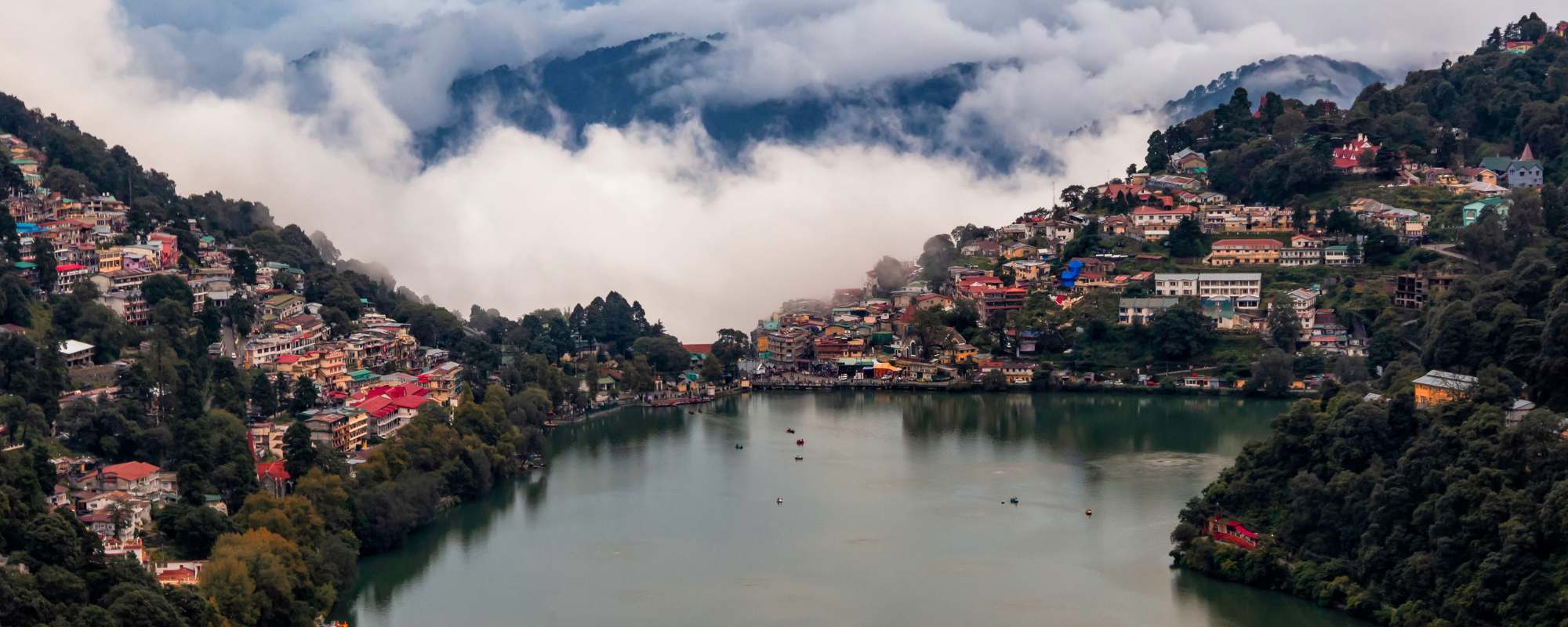
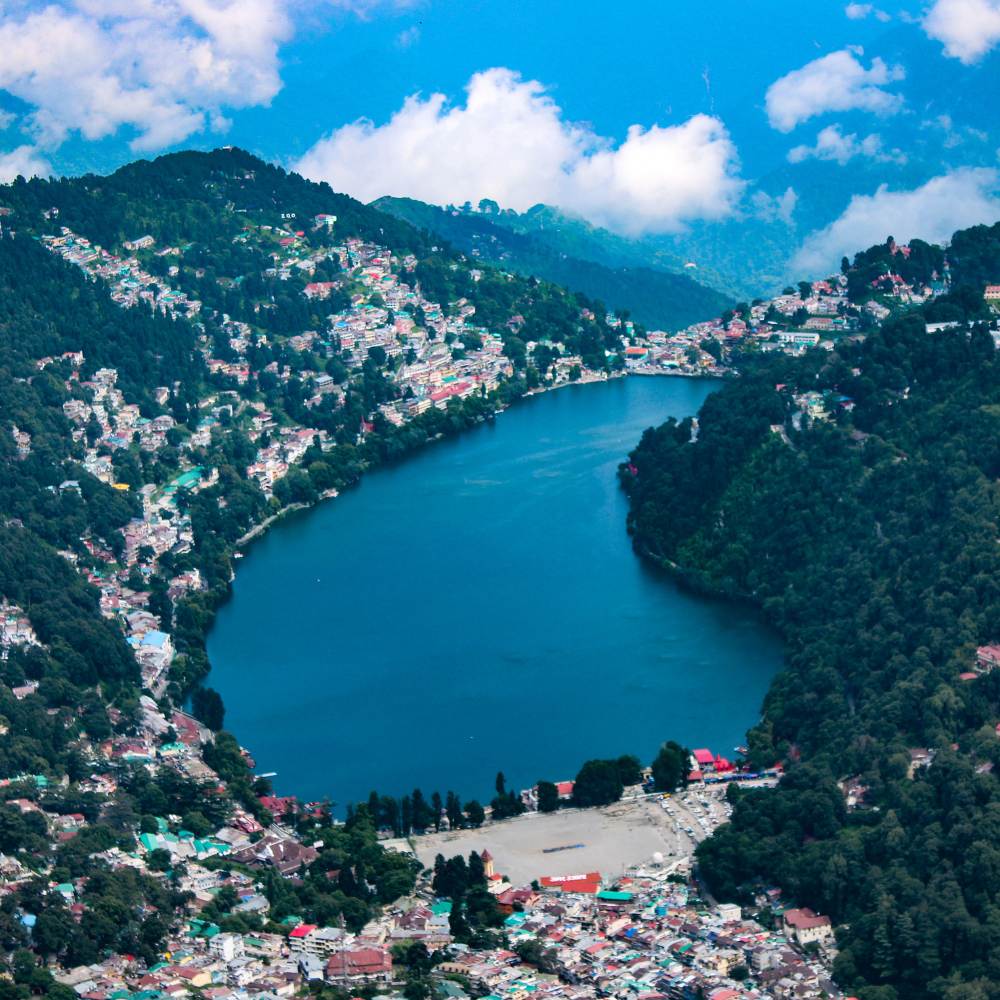
Nainital is built around Naini Lake, a natural body of water sitting in a hollow in the Kumaon hills at around 2,000 metres. The town wraps around three sides of the lake in a horseshoe of hotels, restaurants, and covered markets. The lake is the reason people come, and it remains the reason they return. On still mornings, the water reflects the forested ridges above it clearly enough to make you question which way is up.
Snow View Point, reached by ropeway, offers views of the Himalayan peaks, including Nanda Devi, on clear days — October and November mornings give the sharpest visibility. Tiffin Top, a two-kilometre walk through pine and oak forest, is quieter than Snow View Point and more rewarding for the effort involved. Nainital gets extremely busy on weekends from April through June; visiting on weekdays makes a significant difference.
What to prioritise
- Early morning rowing on Naini Lake - hire a boat from Tallital Boat Club before 8 am.
- Tiffin Top walk - two kilometres through forest from Ayarpatta, quiet and consistently good views.
- Snow View Point ropeway - go on a clear October or November morning for the best Himalayan visibility.
- Weekday visits - the town transforms on weekends from April to June; if you can, avoid them.
Quick facts
- Altitude: 2,084 metres
- Best time to visit: March to June and October to December.
- Best suited to: Families, couples, anyone wanting a classic Himalayan lake town experience.
- Getting there: Around six hours by road from Delhi. Kathgodam is the nearest railhead, 35 kilometres away.
6. Mussoorie
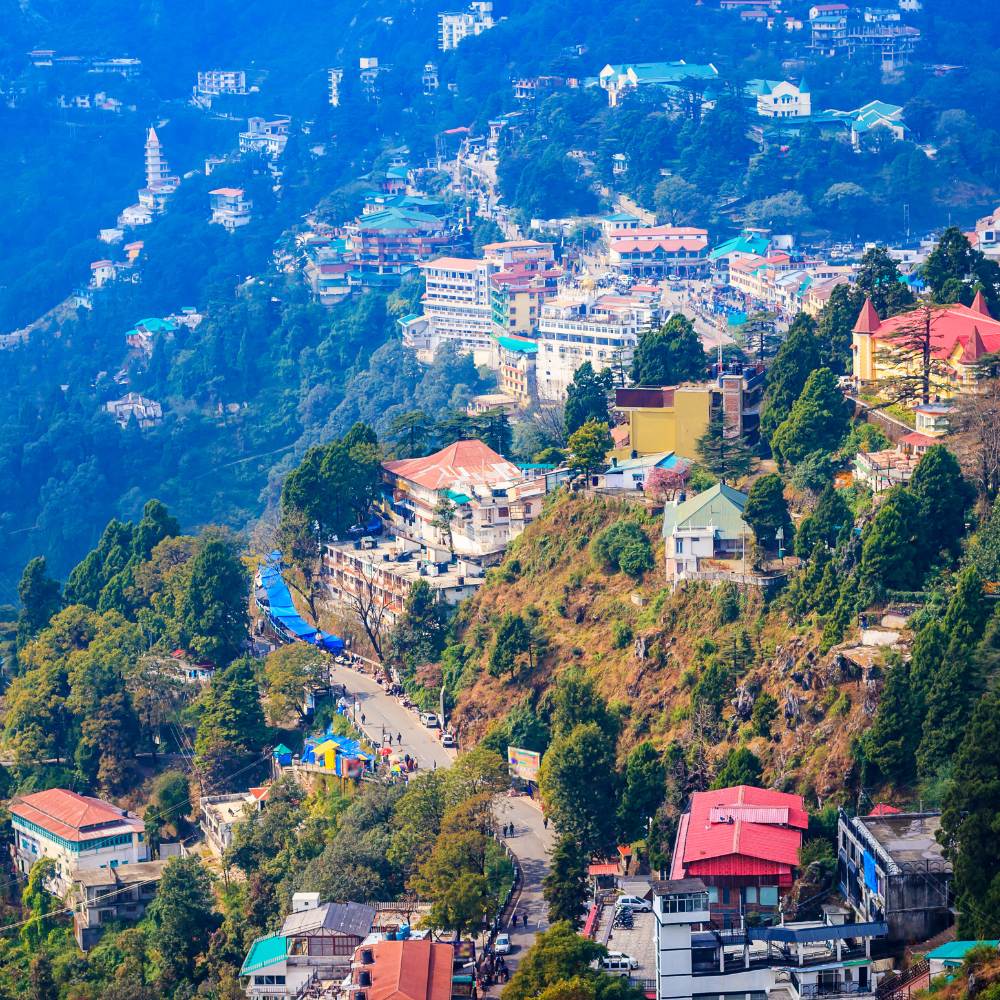
Mussoorie sits on a long ridge above the Doon Valley at about 2,000 metres and has been a hill resort since the 1820s. Its defining feature is the view — not from one particular spot but from almost everywhere in town. The Doon Valley spreads south, hazy and flat, while the Garhwal Himalayas fill the northern horizon. On winter mornings, with snow on the higher peaks, the northern view is the kind that makes people reach for their phones and find that no photograph does it justice.
The Camel's Back Road is a three-kilometre walking circuit along the western edge of town through deodar forest, named for a rock outcrop that resembles a camel's profile. It takes about an hour at a comfortable pace and offers some of the best views from any path in Mussoorie. Kempty Falls, 15 kilometres from town, is the most popular day trip from Mussoorie — photogenic but very busy. If crowds are not your preference, skip it and spend the time on Camel's Back Road instead.
What to prioritise
- Camel's Back Road - walk it at sunset on a clear day; the views are consistently better than from any viewpoint.
- Lal Tibba - the highest accessible point in Mussoorie; coin-operated telescope for Himalayan peaks on clear mornings.
- Kulri Bazaar - the colonial architecture along this stretch is easy to miss if you stick to the main road.
- Kempty Falls - only worth the trip if you go before 9 am; the crowds after that are substantial.
Quick facts
- Altitude: 2,005 metres
- Best time to visit: April to June and September to November.
- Best suited to: Weekend travellers from Delhi, photographers, families, and history enthusiasts.
- Getting there: Around six hours from Delhi by road. Dehradun is the nearest major railhead, 35 kilometres away.
Hidden hill station: Chakrata Hill Station Guide – Hidden Beauty of Uttarakhand
7. Auli
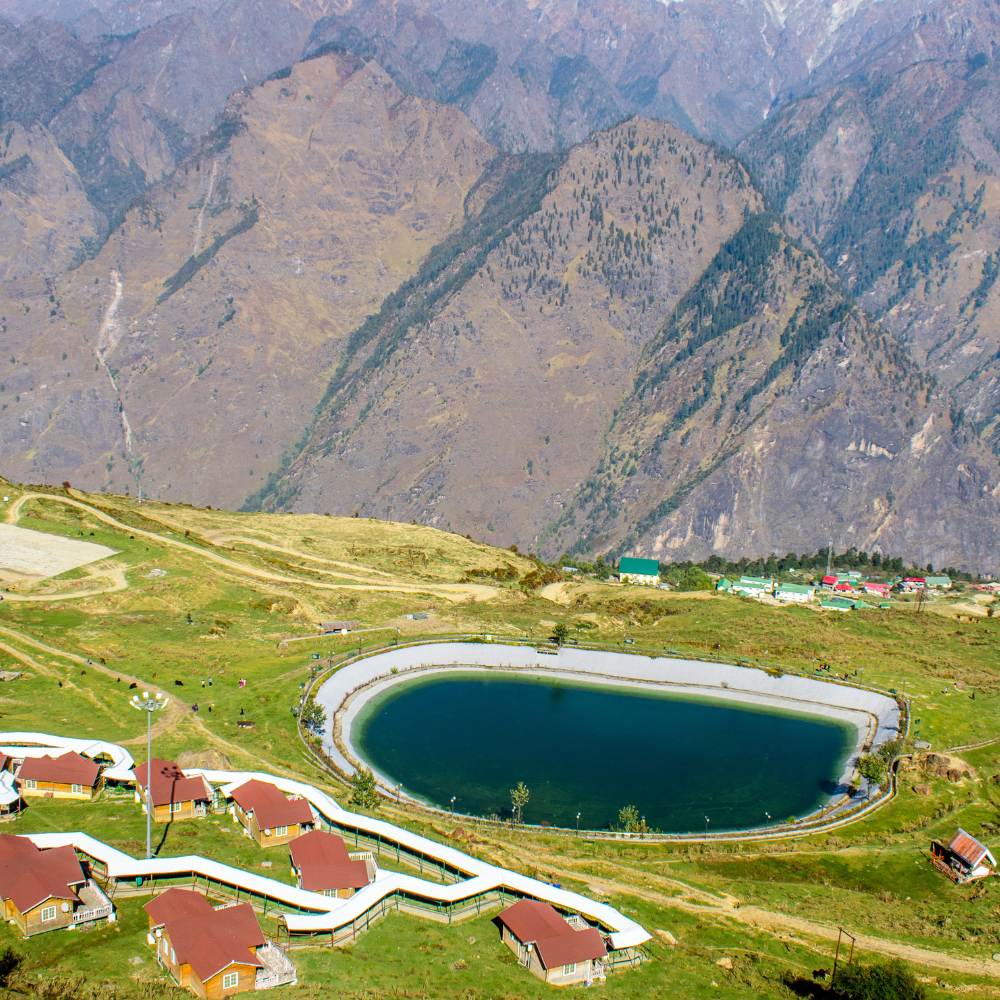
Auli is India's most developed ski destination, sitting between 2,500 and 3,050 metres in Uttarakhand's Chamoli district. The slopes are well maintained, the gondola cable car connecting the base to the upper runs is one of the longest in Asia, and the backdrop - the Nanda Devi massif and the surrounding Garhwal peaks - is extraordinary by any standard. The skiing season runs from January through March; ski hire, lessons, and guided runs are all available locally.
What surprises most visitors is how rewarding Auli is outside ski season. The snow retreats to reveal open alpine meadows, the most famous of which is Gurso Bugyal - a grassland above the treeline reached by a trail through dense conifer forest. The view from the bugyal takes in Nanda Devi at 7,816 metres alongside Mana Parvat, Kamet, and Dunagiri in a single arc across the northern skyline. The town itself has no commercial bazaar. For many visitors, that absence is the point.
What to prioritise
- Gondola cable car ride - worth taking regardless of season purely for the views.
- Gurso Bugyal meadow trail - best in late April to early June when the grass is green, and the peaks are clear.
- Dawn views of Nanda Devi - the light on the face of the mountain in the first hour after sunrise is exceptional.
- Skiing - January to March; the terrain suits beginners and intermediate skiers best.
Quick facts
- Altitude: 2,519 to 3,049 metres
- Best time to visit: January to March for skiing. April to June for meadows and mountain views.
- Best suited to: Skiers, mountain photographers, couples seeking quiet, trekkers heading into the Garhwal.
- Getting there: Joshimath is the nearest town, 16 kilometres away. Around nine hours by road from Rishikesh.
Explore more: Top 10 Must-Visit Places to Visit in Uttarakhand
Part 3: Less-Visited Destinations in North India
These three places are not hidden in any dramatic sense — they appear on maps, have guesthouses, and people find them. What they lack is the infrastructure and footfall of the better-known destinations. If you are comfortable travelling without a guarantee that everything will be straightforward, all three are outstanding.
8. Bir and Billing
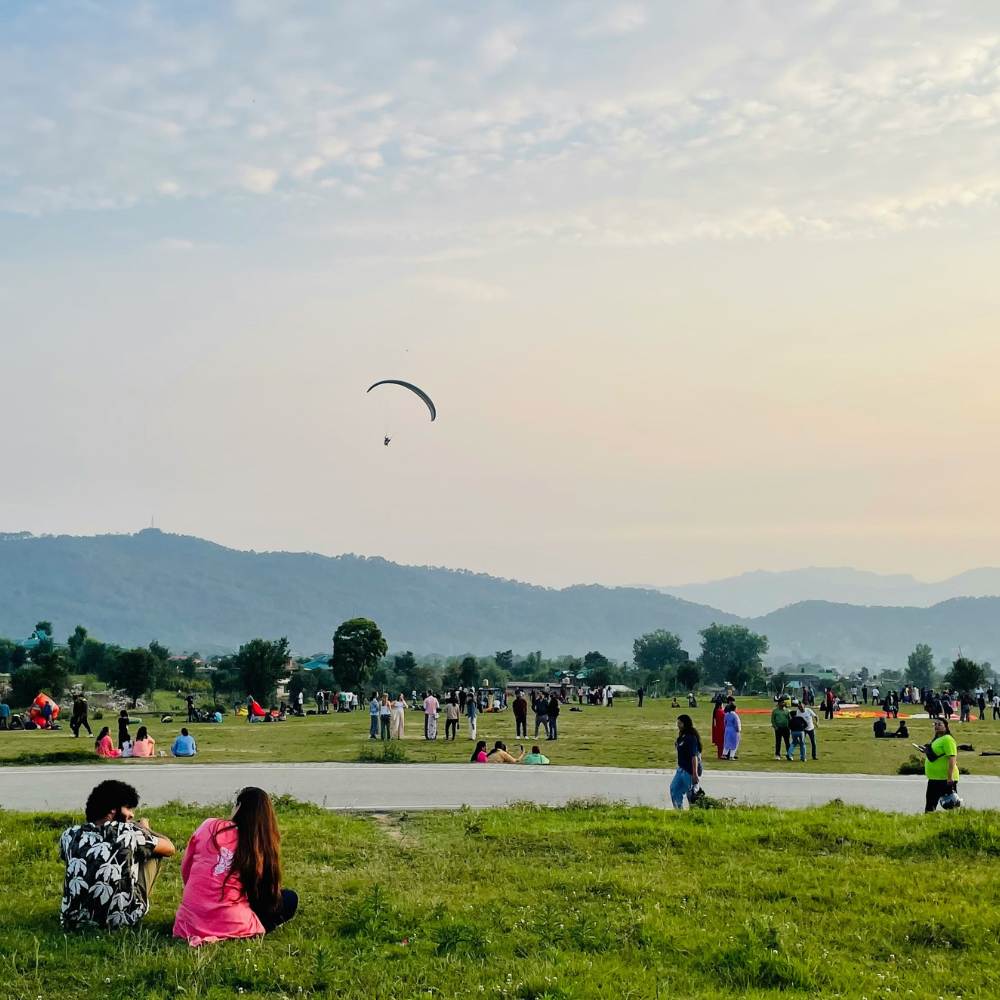
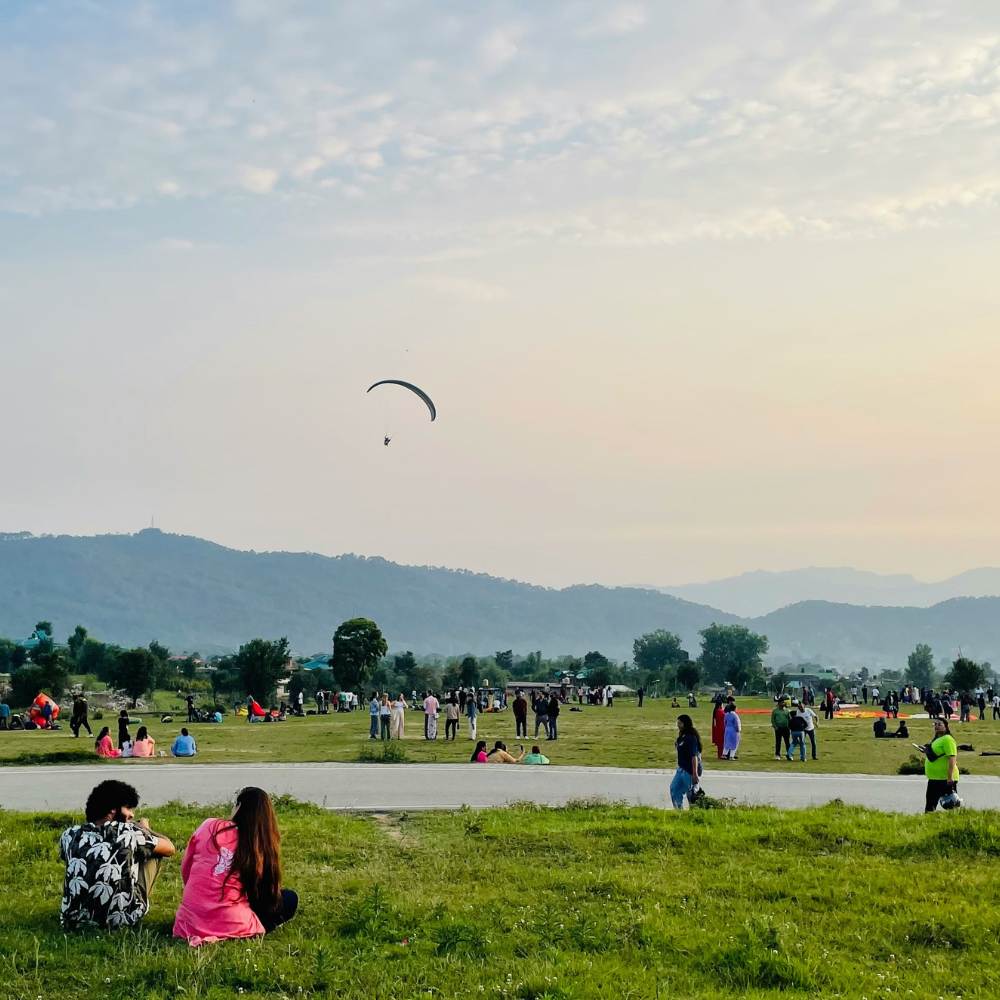
Bir and Billing are two points on the same map but serve very different functions. Billing, at around 2,400 metres in the Dhauladhar foothills, is a plateau where paragliders launch. Bir, fourteen kilometres below in the valley, is where they land — and where almost everyone stays. The paragliding here is among the best in Asia. Billing hosted the 2015 Paragliding World Cup, and the flying conditions attract competitive pilots from around the world year after year.
Beyond the flying, Bir has a significant Tibetan Buddhist community and some important monasteries, including Chokling Monastery and the large Pelpung Sherabling complex. A combination of long-stay travellers, remote workers, and serious pilots has produced a genuinely good cafe scene — reliable coffee, decent food, and the kind of relaxed atmosphere that makes two nights stretch comfortably into five.
What to prioritise
- Tandem paragliding from Billing - around 30 minutes of flight covering 1,400 metres of descent; book through a certified operator.
- Pelpung Sherabling Monastery - one of the largest Tibetan monasteries in India; visit in the morning.
- Chokling Monastery - smaller and quieter than Sherabling; the courtyard is particularly peaceful.
- Sunset from the tea gardens above the village - a short walk from most guesthouses and consistently rewarding.
Quick facts
- Altitude: 1,525 mètres (Bir). 2,400 metres (Billing launch plateau).
- Best time to visit: March to May and September to November for paragliding.
- Best suited to: Adventure travellers, remote workers, long stay visitors, and those interested in Tibetan culture.
- Getting there: Around eight hours by bus from Delhi to Dharamshala, then a local bus or taxi to Bir.
9. Jibhi
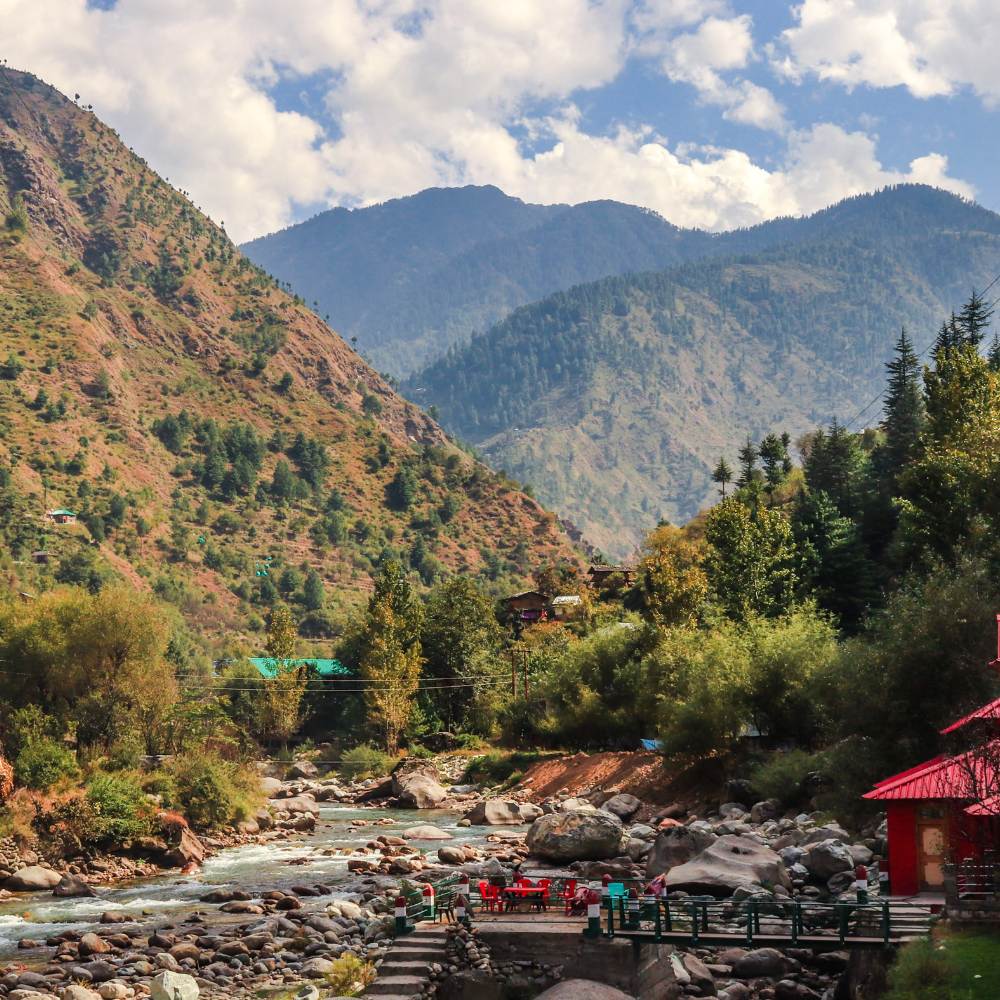
Jibhi is a village in the Tirthan Valley of Himachal Pradesh, about 12 kilometres off the Aut-Luhri highway along a road that follows the Tirthan River through a narrowing gorge. The drive in is one of the better arrivals in the hills — deodar trees overhead, clear water below, valley walls closing in as you gain altitude. The village itself is small: traditional timber and stone houses, a handful of guesthouses, apple orchards, and the river running loud enough to hear from most rooms at night.
Jalori Pass, at 3,120 metres, is accessible by road from Jibhi and opens views north into the Kullu Valley and south over the Shivalik ranges. The trek from Jalori Pass to Raghupur Fort ends at a meadow with a full 360-degree mountain panorama that most people find themselves sitting in for considerably longer than planned. Jibhi is at its best for travellers who do not need a packed itinerary. There is enough to fill three or four days — village walks, waterfall trails, the river, the pass — but the main reason to come is the place itself.
What to prioritise
- Drive in along the Tirthan River - the gorge approach is one of the best arrivals in Himachal Pradesh.
- Jalori Pass to Raghupur Fort trek - about four kilometres on a clear path; the meadow at the top justifies the climb.
- Jibhi Waterfall - 20-minute walk from the village centre through the forest; best visited in the morning.
- Trout fishing in the Tirthan - permits are available locally; check whether the season is open before planning around it.
Quick facts
- Altitude: Around 2,200 metres
- Best time to visit: March to June for spring. From September to November, for clear skies.
- Best suited to: Those wanting a complete change of pace — couples, solo travellers, nature lovers.
- Getting there: Drive or bus to Aut on the Manali-Chandigarh highway, then 12 kilometres by local taxi into the valley.
10. Kanatal
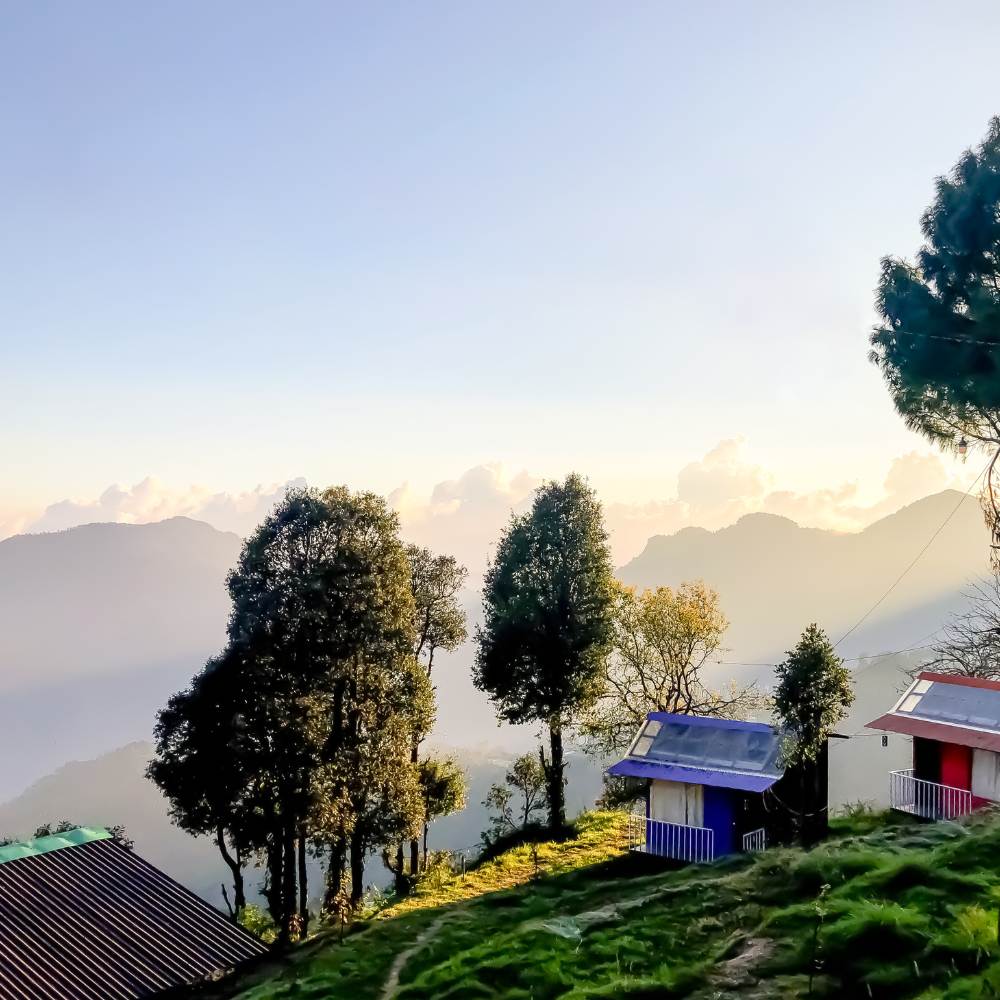
Kanatal is a small settlement on the Chamba-Mussoorie road at around 2,590 metres in Uttarakhand. It sits close enough to Mussoorie to be reached in under an hour, but operates at a completely different pace. There is no main bazaar, no cable car, and on weekdays, no particular reason for large numbers of people to be there. The views from the ridge above the village are among the most expansive in the Garhwal hills — the entire Central Himalayan chain is visible on a clear morning, from Bandarpunch in the west to the peaks above Kedarnath in the east.
Most visitors come for camping, and the campsites here are well run — bonfire evenings, guided forest walks through Kaudia Forest, and genuinely dark skies for stargazing are standard. Surkanda Devi Temple, an eight-kilometre drive from the village at nearly 2,800 metres, is an important pilgrimage site with exceptional views of the surrounding ranges. Kanatal works best as a two-night stay — enough time to slow down properly without overstaying what the village has to offer.
What to prioritise
- Morning ridge walk - a short trail above the village with views of the full Central Himalayan chain on clear days.
- Forest camping - the campsites around Kanatal are among the better-run options in the Garhwal hills.
- Surkanda Devi Temple - eight kilometres by road, nearly 2,800 metres; views of the surrounding ranges are exceptional.
- Stargazing - away from town light pollution, the skies here on a clear night are genuinely dark.
Quick facts
- Altitude: 2,590 metres
- Best time to visit: April to June and September to November.
- Best suited to: Those wanting quiet over convenience — weekend campers, couples, anyone who finds Mussoorie too crowded.
- Getting there: Around seven hours from Delhi by road via Dehradun and Chamba.
Planning Your Trip
Choosing Between Destinations
The most common planning mistake is trying to cover too many places in too little time. A week spent thoroughly in two destinations will give you far more than the same week spread across five. Decide what matters most - adventure, culture, scenery, or rest - and choose accordingly.
- For families: Shimla and Nainital have the strongest infrastructure and easiest access.
- For adventure: Manali and Bir together make a strong one to two-week circuit.
- For culture: McLeod Ganj stands apart - no other hill station offers the same depth of Tibetan Buddhist culture in an accessible setting.
- For peace: Jibhi and Kanatal reward travellers who are happy to slow down and do less.
- For mountain views: Auli gives the most direct access to high Himalayan scenery without a strenuous trek.
When to Go
March to June is the most reliable window for most destinations — the weather is clear, roads are open, and temperatures are comfortable. September and October offer the clearest post-monsoon skies and the best Himalayan views of the year.
December and January are ideal for Shimla, Manali, and Auli if snow is the priority. Roads at higher elevations can close without warning during this period, so build flexibility into your schedule. July and August bring the monsoon — prices drop, the hills turn green, and most roads stay open, but frequent rain and occasional closures are part of the deal.
Getting Around
Hiring a private car and driver is the most practical option for covering multiple destinations, particularly in Himachal Pradesh, where public transport between smaller towns can be infrequent. Rates are reasonable when shared across a group.
- State government buses connect most major towns reliably and at low cost — slower than private hire but often more interesting.
- Overnight Volvo buses from Delhi to Manali, Shimla, and Dharamshala are comfortable and well-established.
- The Kalka-Shimla narrow gauge railway is the only scenic rail journey within the hills — book the Shivalik Express in advance.
- Internal flights are available to Kullu (for Manali) and Gaggal (for Dharamshala) from Delhi — both airports are prone to weather delays, and schedules are unreliable.
A Note on Responsible Travel
The hill stations in this guide all face real pressure from visitor numbers. Roads built for local traffic handle seasonal tourist volumes that damage surfaces and contribute to landslide risk. Waste management in smaller villages is a genuine challenge. Travelling with a local guide directs spending towards the people and communities that actually live in these places. Choosing locally run guesthouses, eating at local restaurants, and buying directly from producers rather than souvenir shops all make a practical difference.
Frequently Asked Questions
Do I need permits for any of these destinations?
Most destinations in this guide require no special permits for Indian citizens or foreign tourists. Two exceptions are worth noting:
- Great Himalayan National Park near Jibhi — trekking inside the park requires a permit from the park office in Shamshi.
- Rohtang Pass above Manali — a daily vehicle permit system operates through the Himachal Pradesh government portal. Book the evening before your visit, not on the morning of.
Is altitude sickness a concern?
The main town areas in this guide sit between 1,400 and 2,600 metres, which is well below the altitude at which acclimatisation becomes a serious concern for most healthy adults. Rohtang Pass at 3,978 metres and Billing at 2,400 metres are the highest points covered. Standard precautions apply:
- Ascend gradually where possible — avoid driving directly from sea level to 3,000 metres in a single day.
- Stay well hydrated and avoid alcohol on the first day at altitude.
- If you have a history of heart or lung conditions, consult your doctor before travelling above 2,500 metres.
How far in advance should I book accommodation?
It depends heavily on the destination and the time of year:
- Peak season (late April to June; Christmas and New Year): book at least a month ahead for Shimla, Manali, Nainital, and Mussoorie.
- Shoulder season (March to April; September to October): Two weeks is usually sufficient.
- Lesser visited destinations (Jibhi, Kanatal, Bir): one week is generally enough, except during public holidays.
Are these destinations safe for solo female travellers?
All ten destinations in this guide have established solo traveller communities and are regularly visited by women travelling alone. McLeod Ganj, Bir, and Jibhi in particular have strong solo traveller networks and infrastructure that make them easy to navigate independently. Standard precautions apply:
- Share your itinerary with someone at home before departing for remote areas.
- Use registered taxis rather than accepting rides from strangers.
- Trust your instincts — the hill towns of North India are, on the whole, safe and welcoming, but no destination is without exceptions.
What should I pack?
A few items that are consistently underestimated:
- A warm layer — temperatures drop significantly after sunset, even in summer at most hill stations.
- Good walking shoes with ankle support — more useful than trainers if you plan to trek.
- Sunscreen — UV exposure increases significantly above 2,000 metres; most people underestimate how quickly they burn.
- A reusable water bottle reduces plastic waste and saves money across a week of travel.
- Any prescription medication in sufficient supply — pharmacies in smaller hill towns have limited stock.
- For winter trips to Shimla, Manali, or Auli: waterproof outer layers and thermal base layers are essential, not optional.