
TL;DR:
The US State Department rates India Level 2, "Exercise increased caution", the same level it applies to France, Italy and Germany. The honest answer is not national but regional: a small number of specific areas carry restrictions, and the mainstream tourist circuits are not among them. The largest statistical risk to a visitor is not crime but the road, and the second is harassment of women, which both the UK and US governments address directly. What separates a well-run trip from a badly run one is vehicle standards, vetted drivers and guides, and someone who knows where you are.
India is safe for most visitors on the main tourist circuits, and the risks that do exist are specific rather than general. The US State Department currently rates India Level 2 of 4, "exercise increased caution", due to crime and terrorism, in an advisory issued on 16 June 2025. The UK's Foreign, Commonwealth and Development Office does not issue a national rating but advises on particular regions.
Bout India has operated as a Jaipur-based inbound operator since 2013 and has hosted more than 5,000 travellers. What follows is what the governments say, followed by what we actually do about it.
What the UK and US governments actually say
Neither government tells you to avoid India. Both give specific advice on specific regions. Here is the current position.
|
Region |
US State Department |
FCDO |
|---|---|---|
| Union Territory of Jammu and Kashmir | Level 4, except eastern Ladakh and Leh |
Advises against travel, except travel by air to and from Jammu city |
| India-Pakistan border | Level 4, do not travel | Advises against all travel within 10km |
| Manipur | Level 4, do not travel | Advises against all but essential travel |
| Parts of central and east India (Naxalite areas) | Level 4, do not travel | Seek advice before travel |
| Other northeastern states | Level 3, reconsider travel | Check with local authorities |
Nothing on the Golden Triangle, Rajasthan, Kerala, Goa, Tamil Nadu, Karnataka, Madhya Pradesh's national parks or Ladakh appears on either list. That is the substance of the answer, and it is worth stating plainly because most "is India safe" content does not.
Two general points follow from any advisory. Travelling against FCDO advice can invalidate a UK travel insurance policy, so check your wording rather than assuming. Certain areas, including parts of Ladakh near the Line of Control, Sikkim, Nagaland, and the Andamans, require a Restricted Area Permit, which we arrange as part of the trip.
Is India safe for solo female travellers?
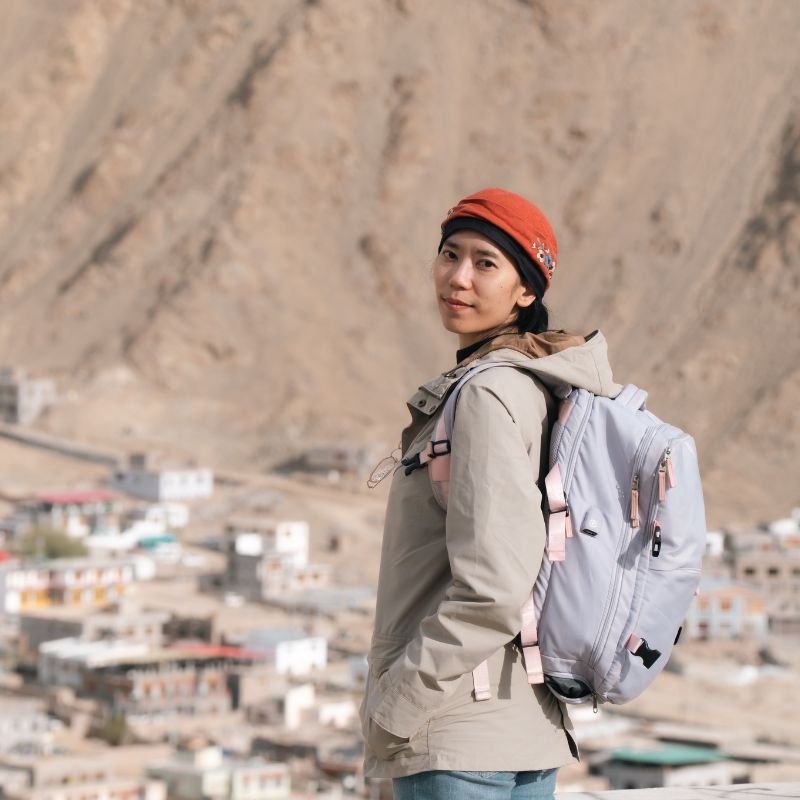
This is where honest answers matter most, and where both governments are blunt.
The FCDO states that there is a risk of sexual assault, including attacks on female foreign visitors in tourist areas and cities, that female travellers often experience verbal and physical harassment, and that British women have been victims of sexual assault in multiple states. It advises avoiding isolated areas, including beaches, when alone at any time of day.
The US State Department goes further and advises against women travelling alone in India. Its specific guidance is to hire reliable cars and drivers, avoid travelling alone in hired taxis, especially at night, use hotel or pre-paid airport taxis rather than hailing on the street, keep hotel room numbers confidential, and share ride details with someone.
Read that list again. Almost every item describes something a private, driver-led trip removes entirely. That is not a marketing claim; it is what the guidance says. A woman travelling on a private itinerary with a known driver, a booked hotel and a coordinator tracking her day is not exposed to the specific risks the advisory describes. There is more in our guide to solo travel in India for women.
What we actually do on the ground

Bout India treats women's safety as the operational priority it should be, and a meaningful share of our clients are solo women. Six things happen on every trip.
- Every vehicle is GPS tracked. We know where our cars are, in real time, for the duration of every trip. This is what lets a coordinator answer "where is she now" rather than guess.
- Every driver and guide is interviewed in person before they work with a client. We verify profiles, validate documentation, review prior experience, and store driver and guide identification in our own booking system. New vendors are not added on the strength of a phone call.
- Female tour coordinators and female guides are available on request, and we would rather you asked than assumed.
- Your coordinator sends the next day's driver and guide details in advance, so you always know who is collecting you and in what vehicle before they arrive.
- Client feedback is collected after every single trip, which is the mechanism that actually keeps standards from drifting.
- At monuments protected under the Ancient Monuments and Archaeological Sites and Remains Act, 1958, we use Regional Level Tourist Guides licensed by the Ministry of Tourism, which is a condition of Ministry recognition rather than a courtesy.
This matters because the State Department is direct about the sector: India's tourism industry is unevenly regulated, safety inspections are rare, and staff may not be properly trained or certified. Its own advice is to use only well-known travel agents to book trips, transport and guides.
The GPS rule travellers get wrong.
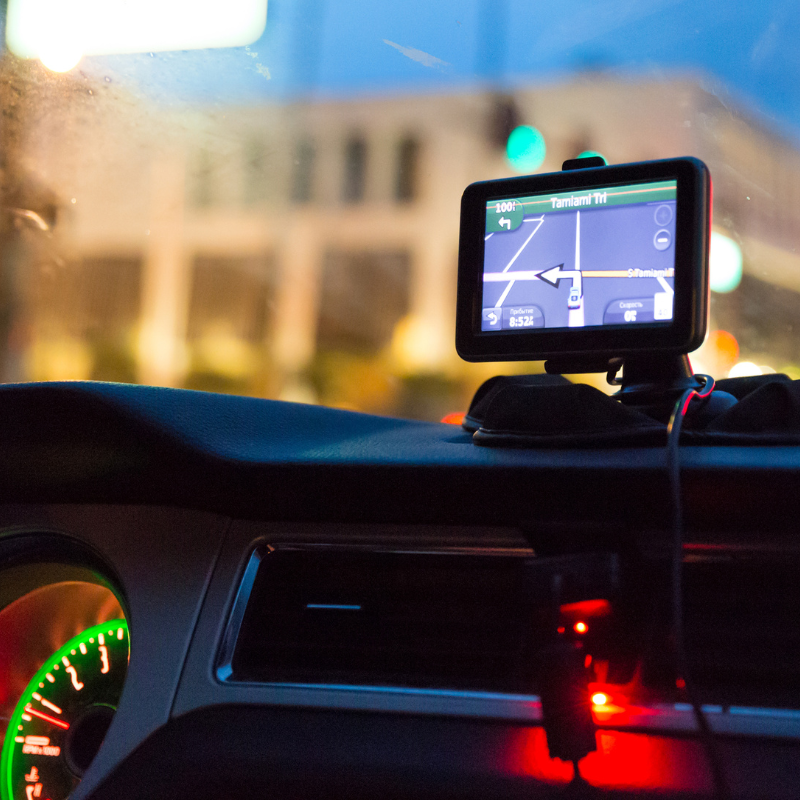
Here is a genuine trap, and it is not what it sounds like.
Possessing or operating a satellite phone or a GPS device in India without a licence is illegal. The State Department puts the penalty as high as $200,000 and up to three years in jail. The FCDO notes that British nationals have been arrested or detained for bringing satellite-enabled navigational devices into the country. This covers handheld GPS units and cycling GPS devices, and it applies even in transit.
This is entirely separate from a licensed Indian operator running tracking on its own commercial fleet, which is normal and legal. The rule is about what you carry in your luggage. Leave the handheld GPS and the satellite messenger at home, and use your phone.
Roads are the risk people underestimate
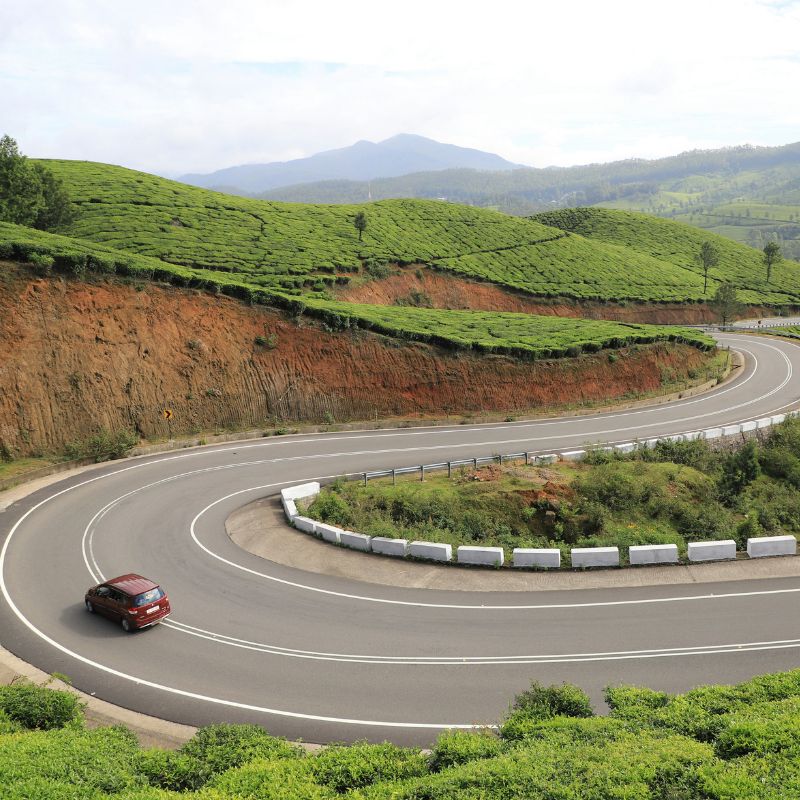
If you are ranking actual dangers by probability, the road comes first.
The State Department states that India leads the world in traffic-related deaths and that travelling at night is particularly dangerous. The FCDO makes the same point and adds that seatbelts are uncommon in three-wheel autos and in the back seats of taxis. Both advise using well-maintained vehicles with working seatbelts.
There is also a specific hazard that surprises visitors. Both governments warn that if a vehicle hits a pedestrian or a cow, occupants can be attacked by bystanders, and that it may be safer to leave the scene and go to the nearest police station than to remain.
Our practice follows from this. Private vehicles with vetted drivers, no night driving on long transfers, and a switch to flights once a road leg would exceed eight or nine hours. On a positive note worth knowing, the US Federal Aviation Administration assesses India's civil aviation authority as meeting international standards for safety oversight, so domestic flying is not the compromise some travellers assume.
If something goes wrong

Save these before you fly. Police is 100 from a landline and 112 from a mobile. Ambulance is 102, or 108 in parts of South India. Fire is 101.
The national women's helpline is 1091, with local variations including 103 in Mumbai, 1090 in Kolkata and 1098 in Hyderabad. If you report a crime, ask for a copy of the First Information Report. Indian authorities generally cannot act without one, and you will need it to replace a passport and obtain an exit permit.
On the ground, your coordinator is reachable throughout the trip and is usually the fastest route to a resolution, because we can move a hotel, change a driver or restructure a day in a way that a helpline cannot.