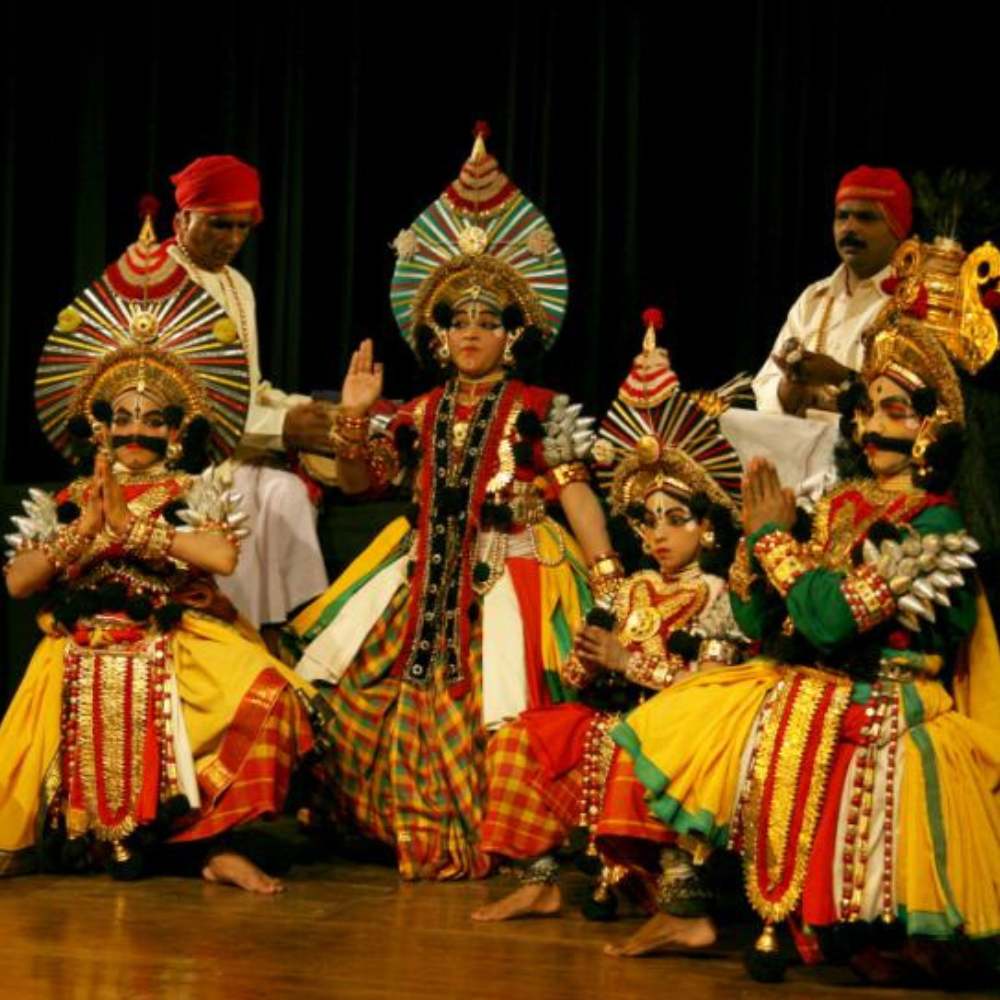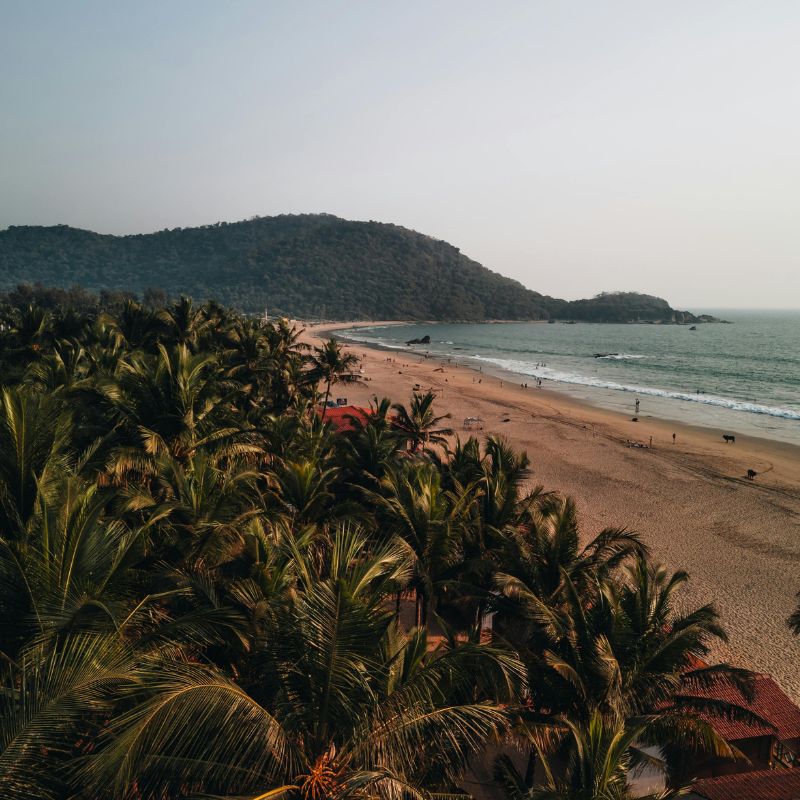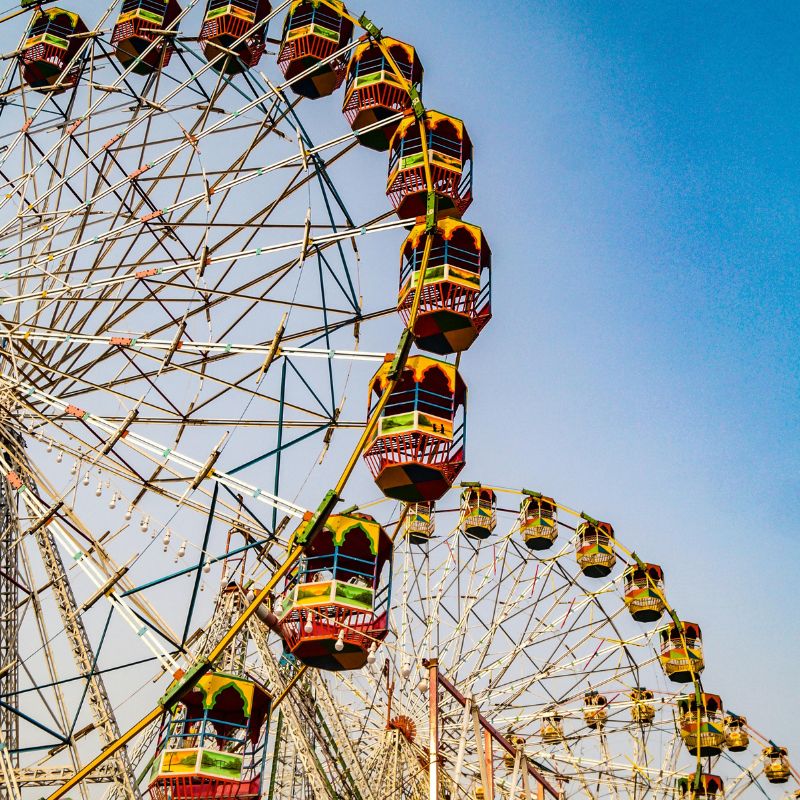
India is not merely a nation; it is a celebration. Every season here carries a story, every festival has a meaning, and every ritual reflects nature's rhythm. From snow-capped mountains to tropical shores, the country moves to the beat of its festivals, expressing gratitude to gods, nature, and life itself.
The seasonal festivals of India are deeply tied to agriculture, climate, and mythology. They mark sowing and harvesting cycles, celebrate rains and sunshine, and honor deities and heroes who symbolize renewal.
Alongside them, the national festivals of India unite the country beyond religion and region, reminding every citizen of shared freedom and pride. Together, they create a magnificent tapestry of culture, devotion, and joy, the living connection between the many states and festivals of India.
Spring: The Season of Renewal and Joy (February – April)
Holi – The Festival of Colors
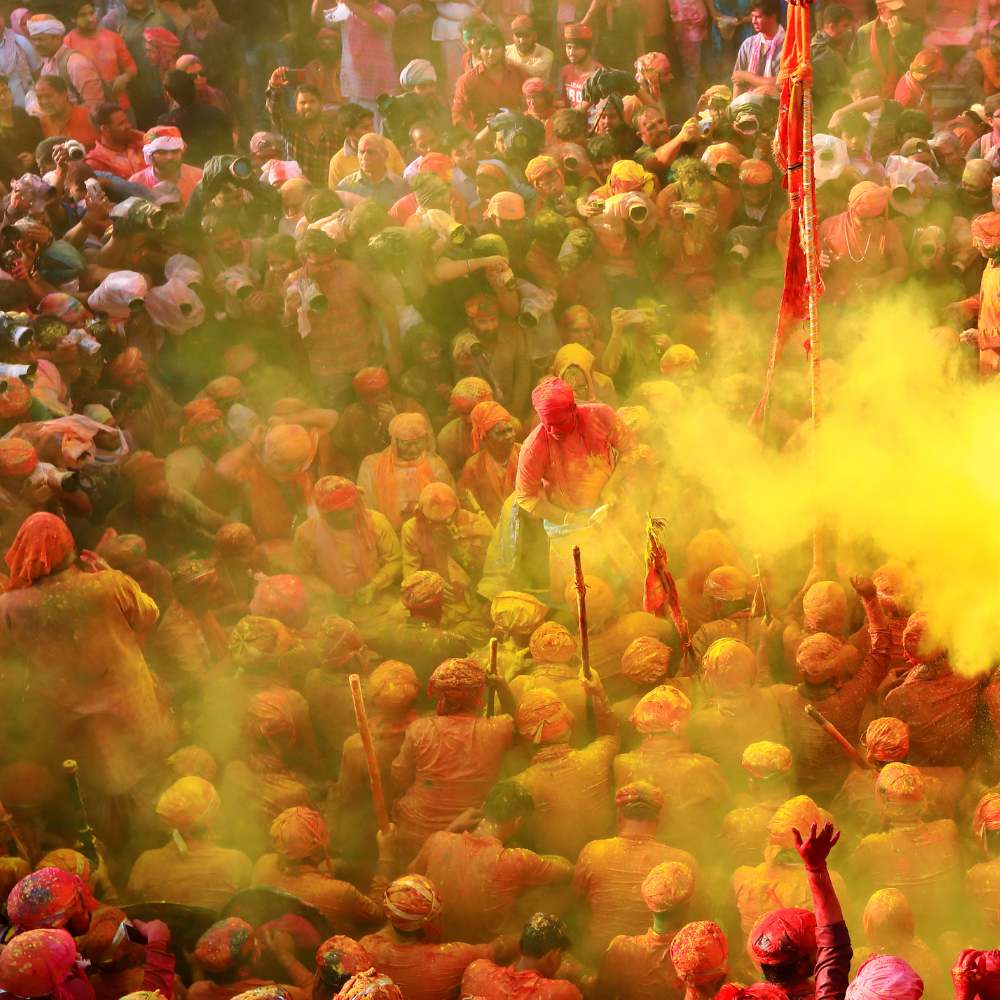
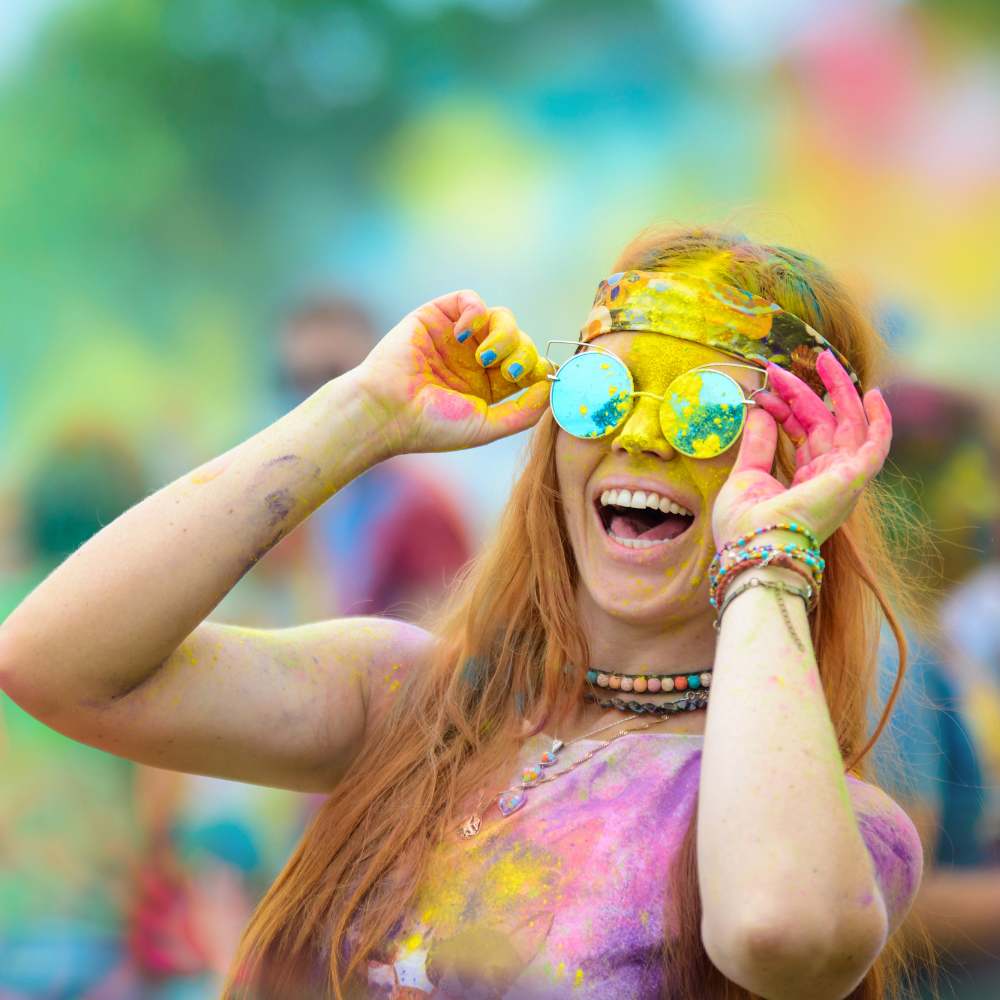
As winter fades and spring blossoms, India explodes with color during Holi — perhaps the most iconic of all seasonal festivals of India. Rooted in the story of Prahlad and Holika, it celebrates the triumph of good over evil. The night before the festival, people light bonfires to mark Holika's defeat, and the following morning, streets burst into color as friends, families, and strangers throw powders and water in joyous abandon.
For travelers, Holi in Barsana and Vrindavan, Uttar Pradesh, is an unforgettable experience. There, the playful Lathmar Holi takes place, where women chase men with sticks in a lighthearted re-enactment of Krishna teasing Radha and her friends. The air fills with laughter, music, and the spirit of renewal.
Baisakhi – The Harvest and the Khalsa
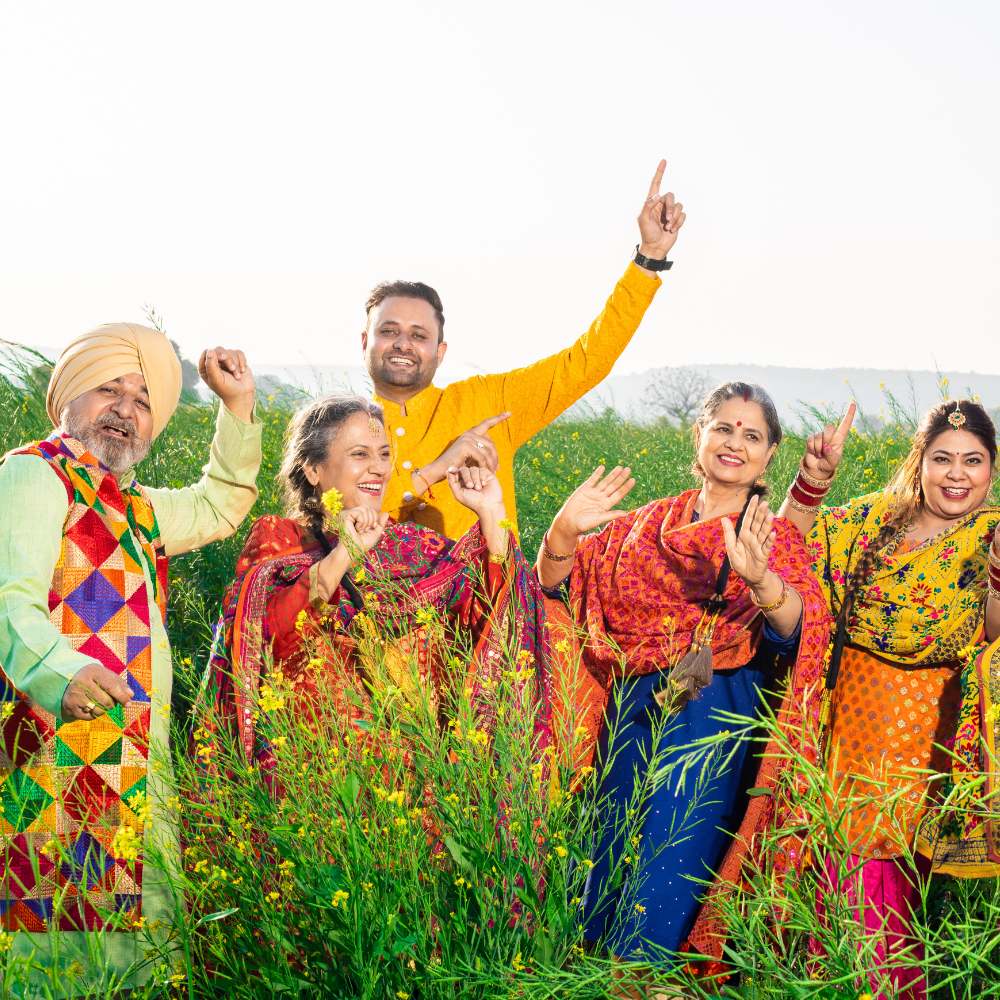
In Punjab, spring heralds Baisakhi, a festival that blends spiritual and agricultural joy. It marks the harvest of Rabi crops and commemorates the formation of the Khalsa Panth by Guru Gobind Singh in 1699. Golden fields shimmer under the Sun as farmers celebrate with bhangra and giddha dances. In Amritsar, the Golden Temple is illuminated by countless lamps, and the community kitchens (langars) serve free meals to thousands, a beautiful embodiment of Sikh equality and service.
Ugadi and Gudi Padwa – The New Year of the South and West
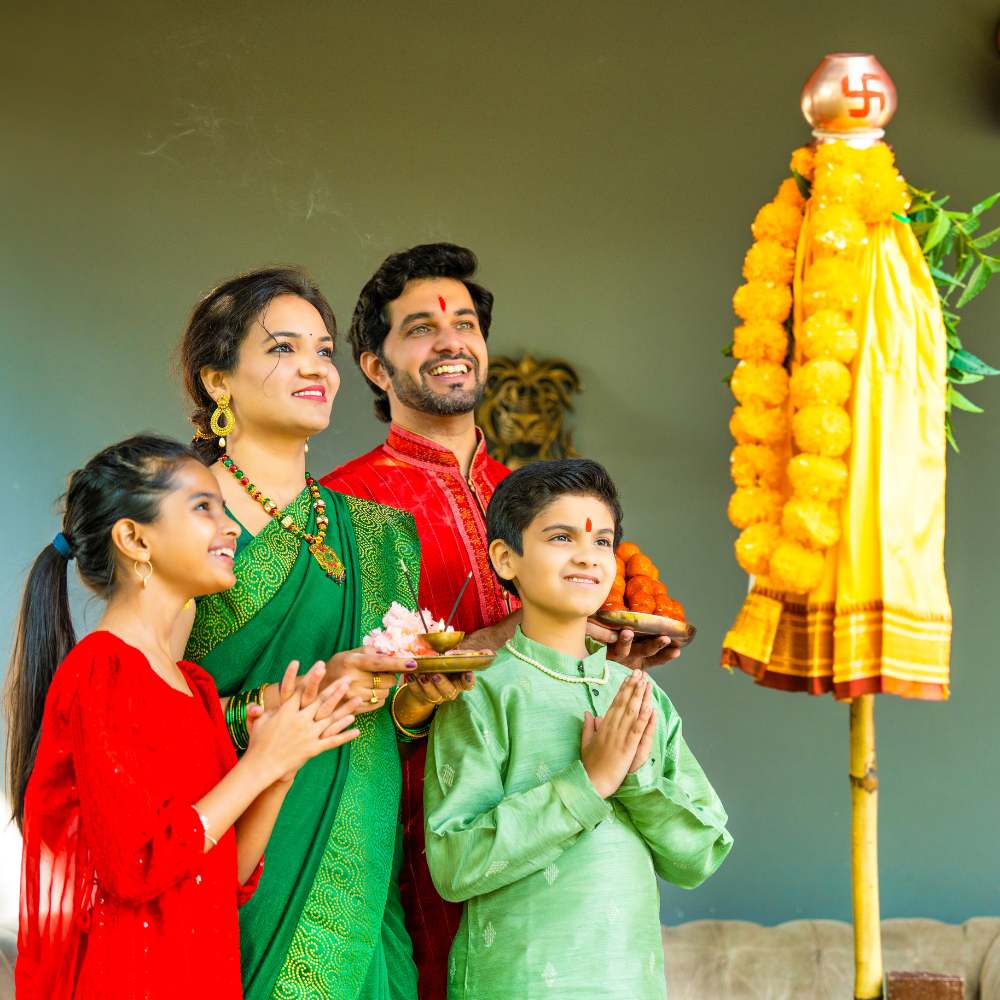
In the southern and western states, spring brings a sense of renewal through festivals like Ugadi in Andhra Pradesh and Karnataka, and Gudi Padwa in Maharashtra. According to tradition, these festivals commemorate the day when Lord Brahma is said to have begun creating the universe. Homes are decorated with mango leaf garlands, symbolic flags called Gudis are raised, and families prepare special dishes like Ugadi Pachadi, a blend of six flavors that represents the bittersweet nature of life.
Easter – The Festival of Hope and Renewal
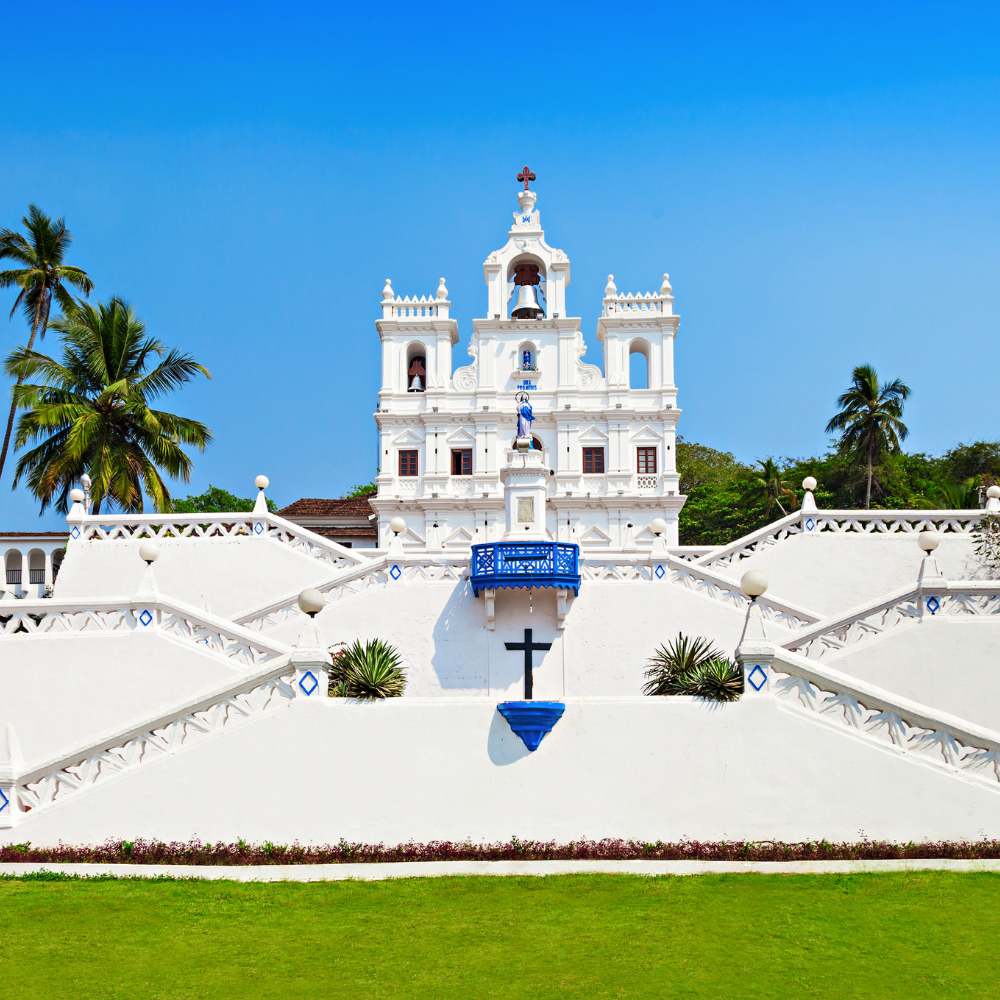
Although not celebrated nationwide, Easter holds deep spiritual significance for India's Christian communities, particularly in Goa, Kerala, and the Northeastern states. The festival commemorates the resurrection of Jesus Christ, symbolizing renewal and the promise of hope. Churches are illuminated with candles, choirs fill the air with hymns, and midnight masses draw communities together. For travelers, attending Easter celebrations in these regions reveals another side of India's religious and cultural diversity.
Spring in India, with its colors, harvests, and spiritual messages, reminds everyone that renewal is not just a season — it is a state of the soul.
Summer: The Season of Devotion and Light (May – June)
Buddha Purnima – The Day of Enlightenment
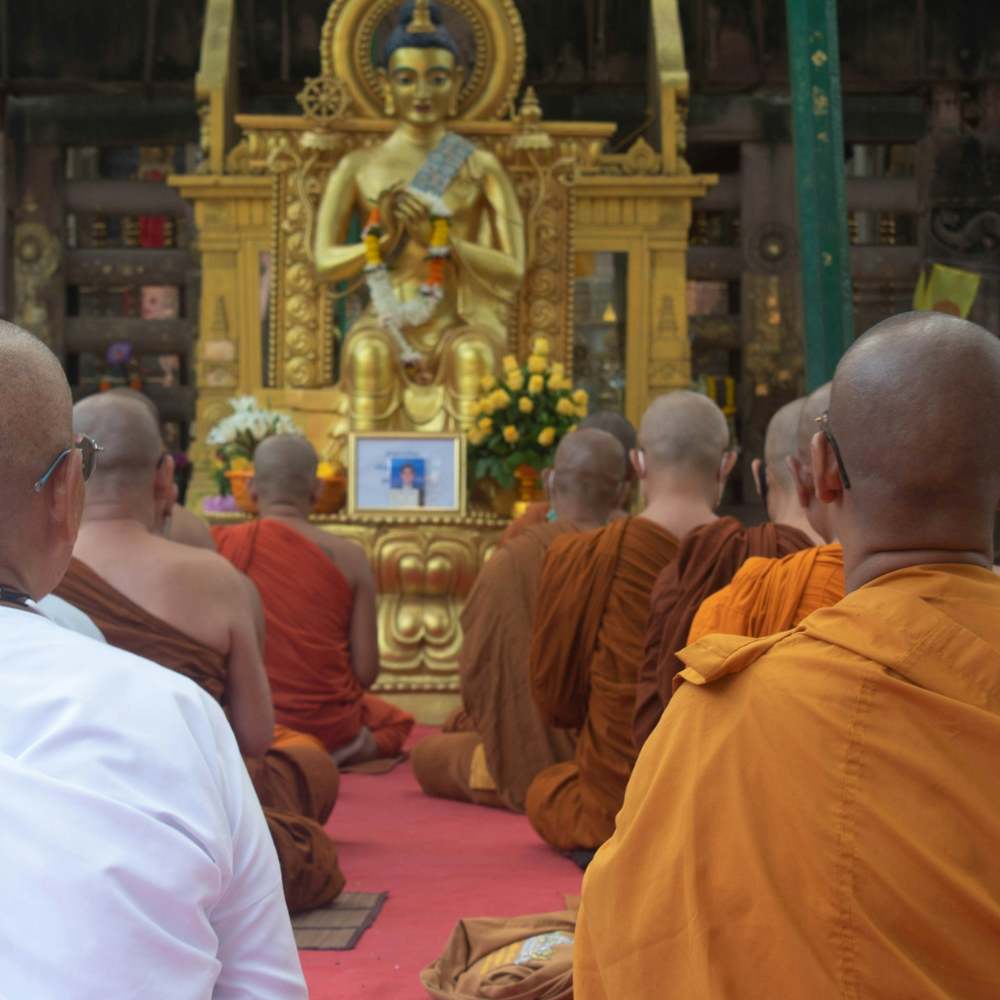
As summer arrives, India turns its gaze inward. Buddha Purnima, one of the most revered seasonal festivals of India, honors the birth, enlightenment, and death of Gautama Buddha. Pilgrims gather at Bodh Gaya, where he attained enlightenment beneath the Bodhi Tree, and at Sarnath, where he delivered his first sermon. Meditation, chanting, and acts of compassion mark the day, drawing travelers seeking peace and understanding.
Rath Yatra – The Divine Journey of the Gods
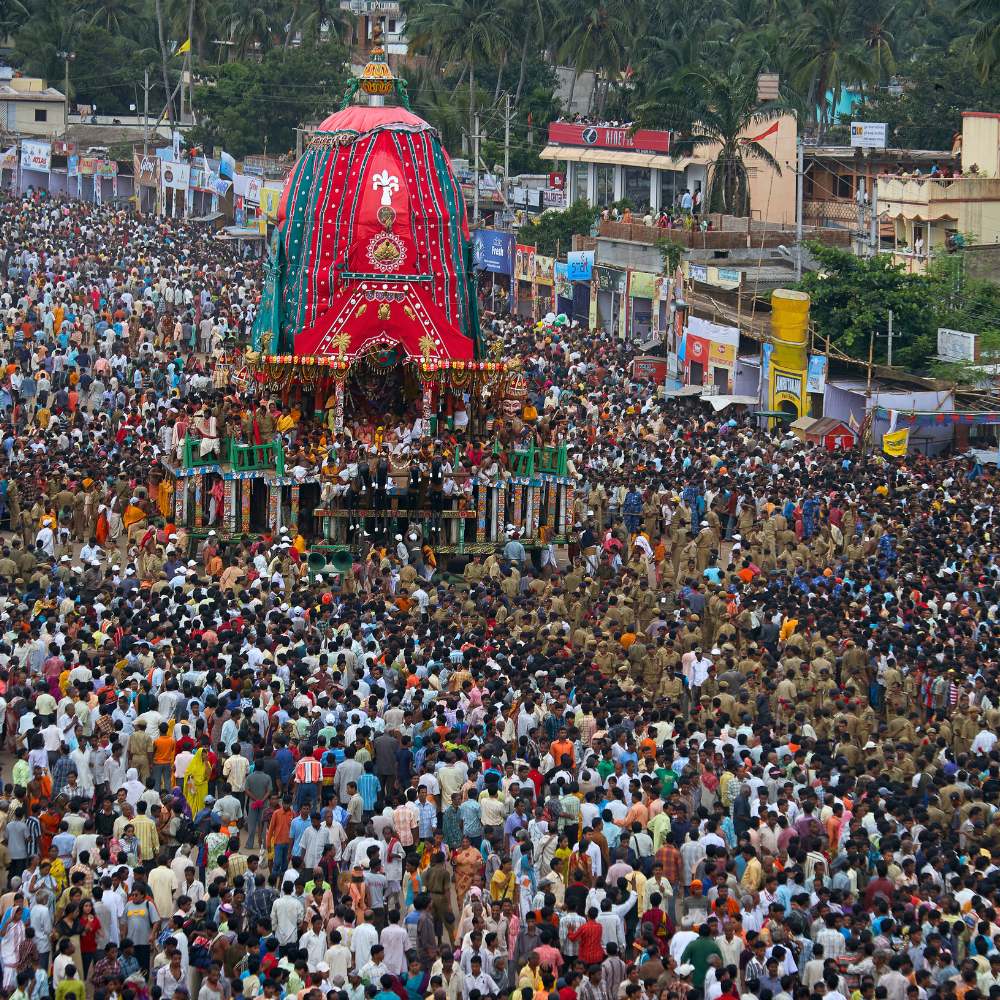
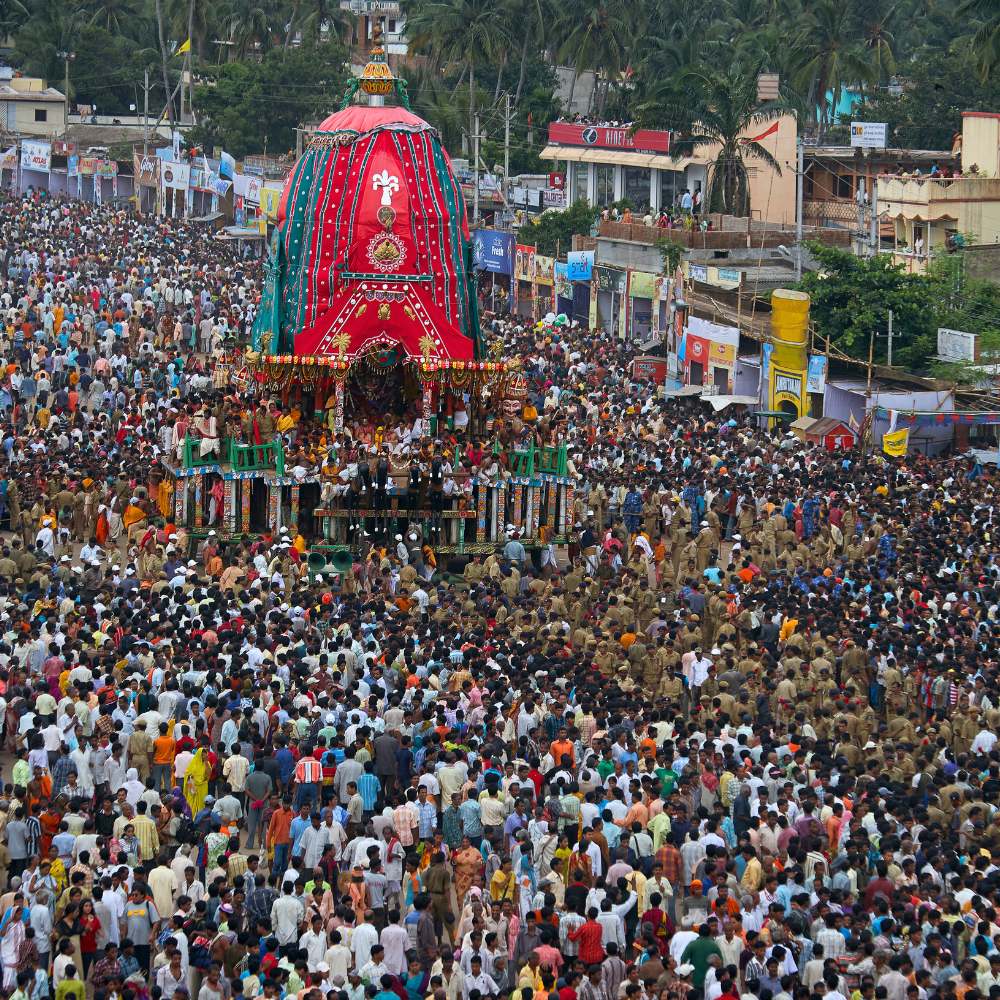
In the coastal town of Puri, Odisha, the summer months transform into a spectacle of devotion during the Rath Yatra. Enormous wooden chariots carrying Lord Jagannath, Balabhadra, and Subhadra are pulled through the streets by thousands of devotees. The festival symbolizes the divine journey of the deities to their aunt's home, representing equality and unity. This god leaves his temple to meet his people. For travelers, the sight of chariots rolling through crowds of chanting devotees is one of the most awe-inspiring experiences in India.
Mount Abu Summer Festival – Rajasthan's Oasis of Culture
High in the Aravalli Hills, Mount Abu hosts its annual Summer Festival, where Rajasthani folk music, dance, and fireworks illuminate the evenings. Boat races on Nakki Lake and handicraft exhibitions draw visitors from across the world. It is a reminder that even in the desert, celebration finds its way.
Monsoon: The Season of Love and Gratitude (July – September)
Teej – The Festival of Love and Devotion
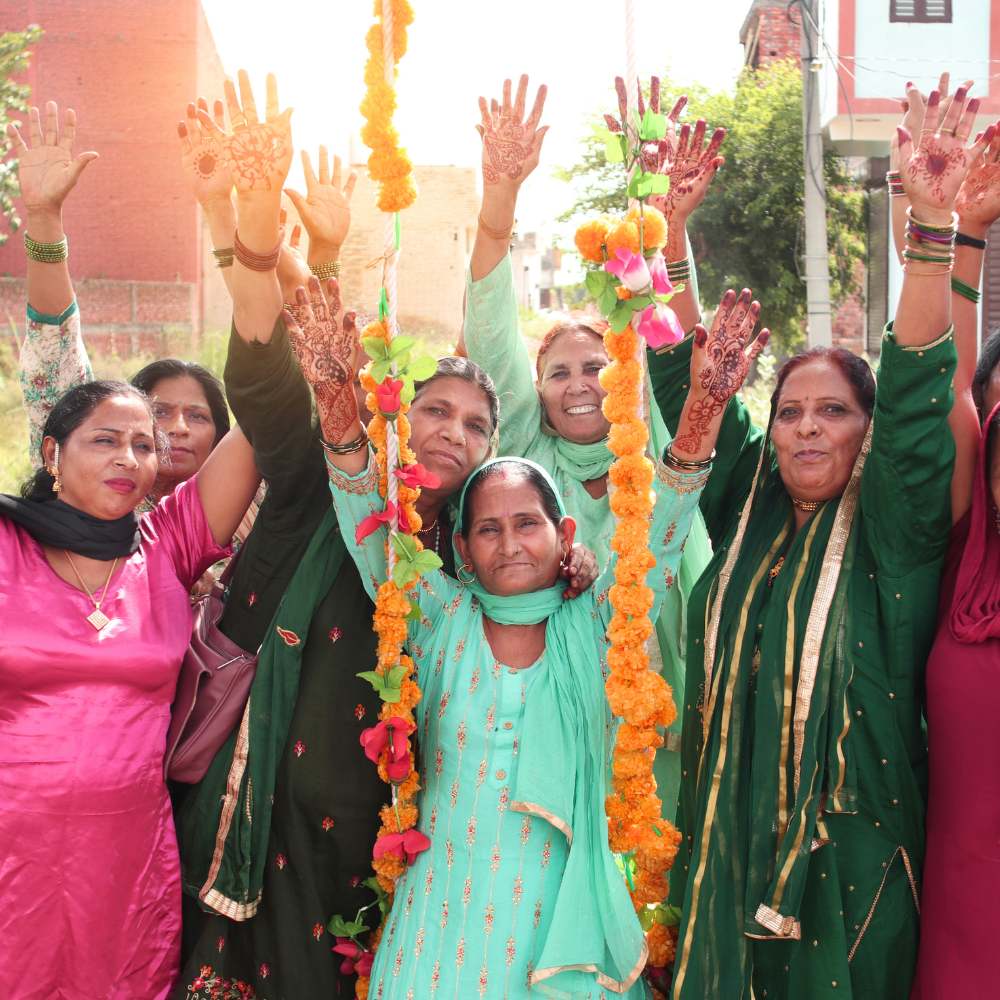
When the rains descend, India dresses in green. Teej, celebrated in Rajasthan, Uttar Pradesh, and Bihar, honors Goddess Parvati's reunion with Lord Shiva. Women adorn themselves with bright saris and bangles, apply henna, and sing songs of love and longing.
In Jaipur, royal processions fill the streets with elephants and musicians, while swings hanging from trees sway gently in the monsoon breeze. The festival is both romantic and reverent — a poetic expression of devotion and feminine strength.
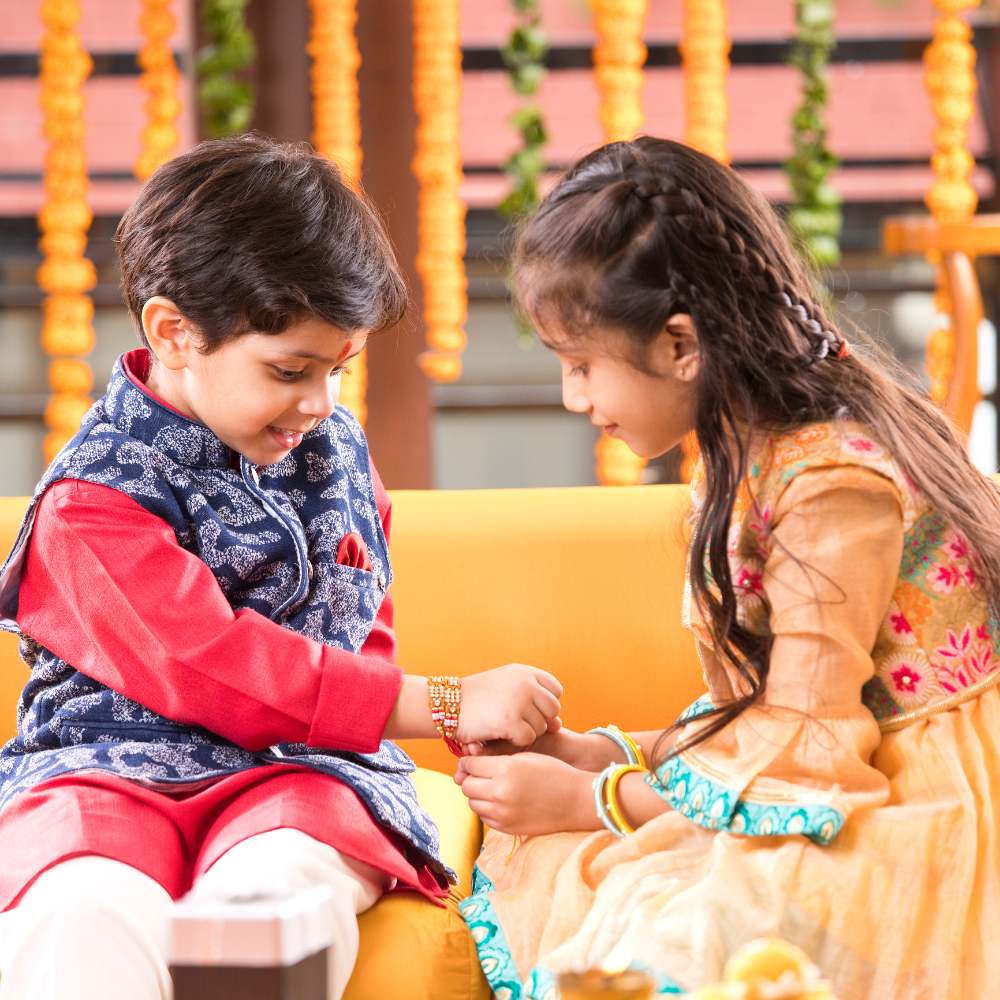
Raksha Bandhan – The Sacred Bond of Protection
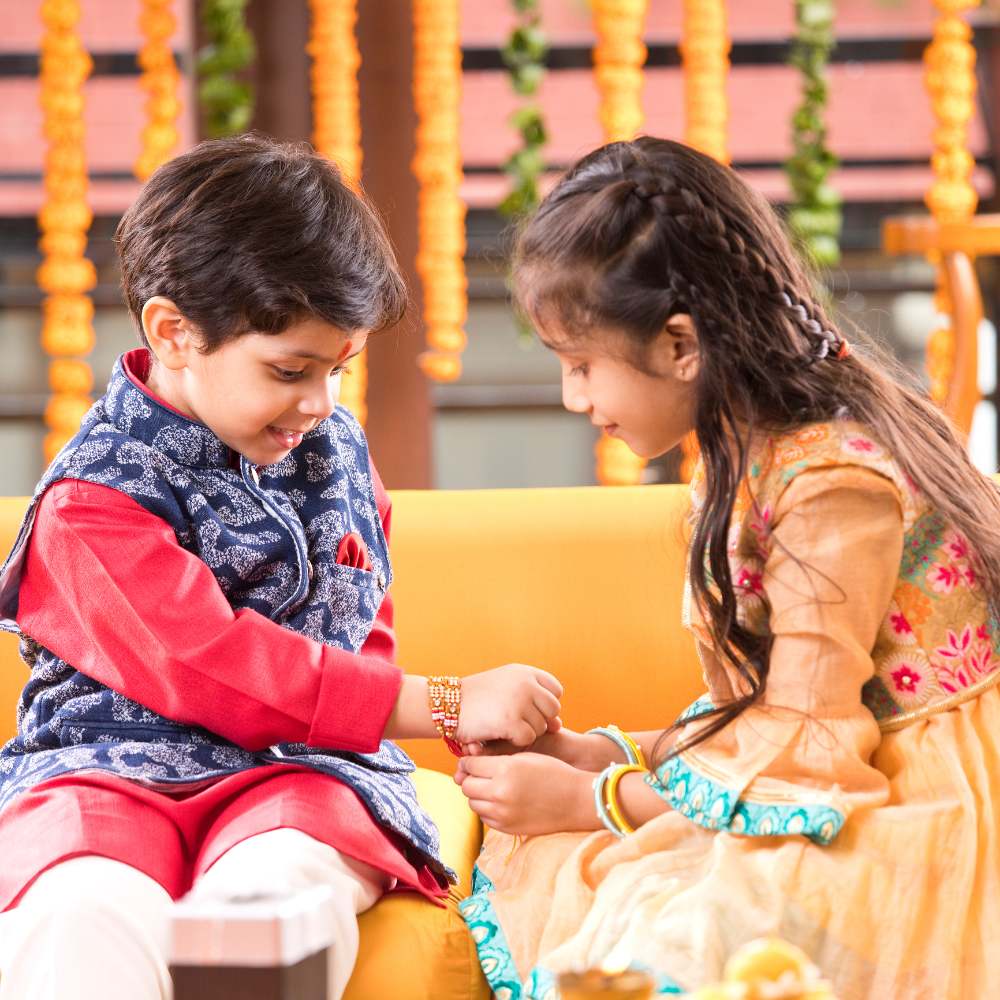
Raksha Bandhan, also known as Rakhi, is a festival that transcends age and geographical boundaries. Sisters tie decorative threads on their brothers' wrists, and in return, brothers promise protection and affection.
The ritual's roots lie in legends such as that of Krishna and Draupadi, whose bond of care and compassion has become timeless. Today, Rakhi is also shared among friends and communities, celebrating relationships built on trust.
Janmashtami – The Birth of Lord Krishna
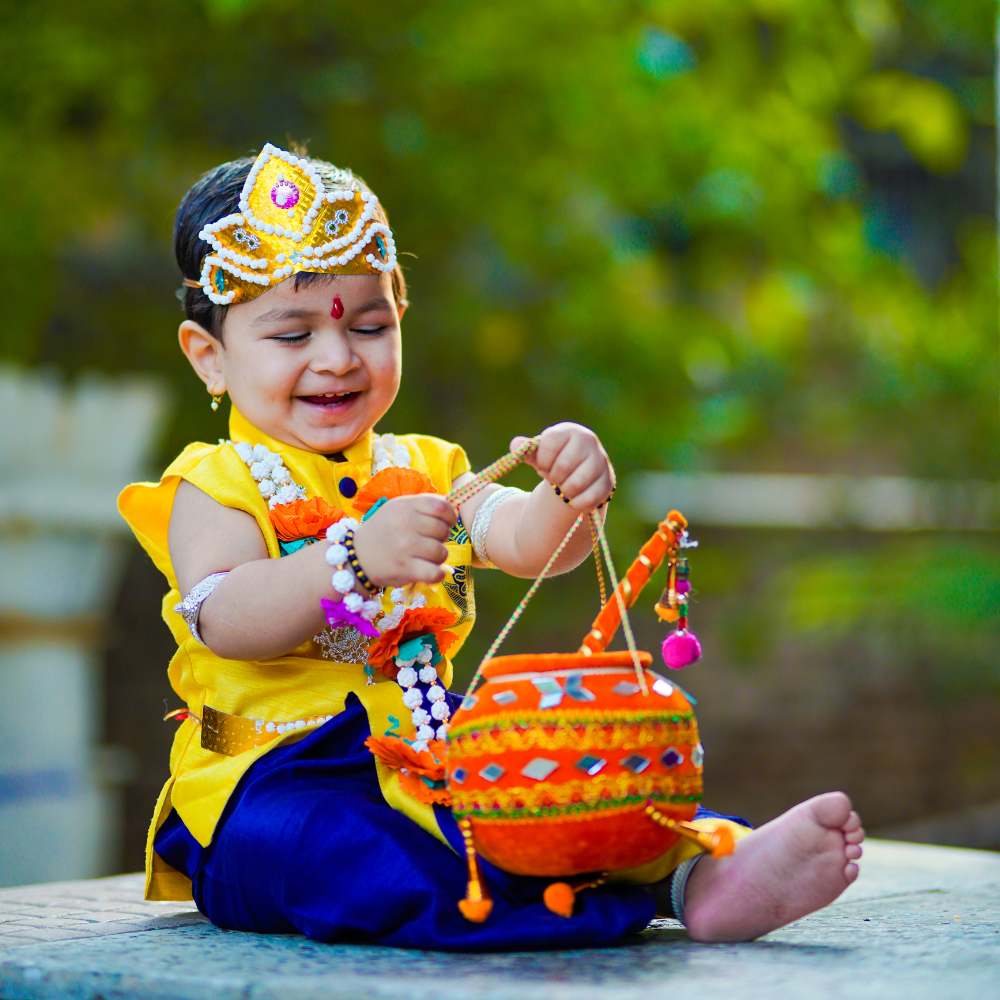
Janmashtami celebrates the birth of Lord Krishna, the divine embodiment of love, wisdom, and mischief. In temples and homes, devotees fast, sing, and tell tales from Krishna's life.
In Mathura and Vrindavan, where Krishna was born and raised, the night resonates with music and devotion. In Maharashtra, the Dahi Handi tradition sees teams forming human pyramids to break hanging pots of curd, symbolizing Krishna's playful theft of butter.
Onam – Kerala's Grand Homecoming
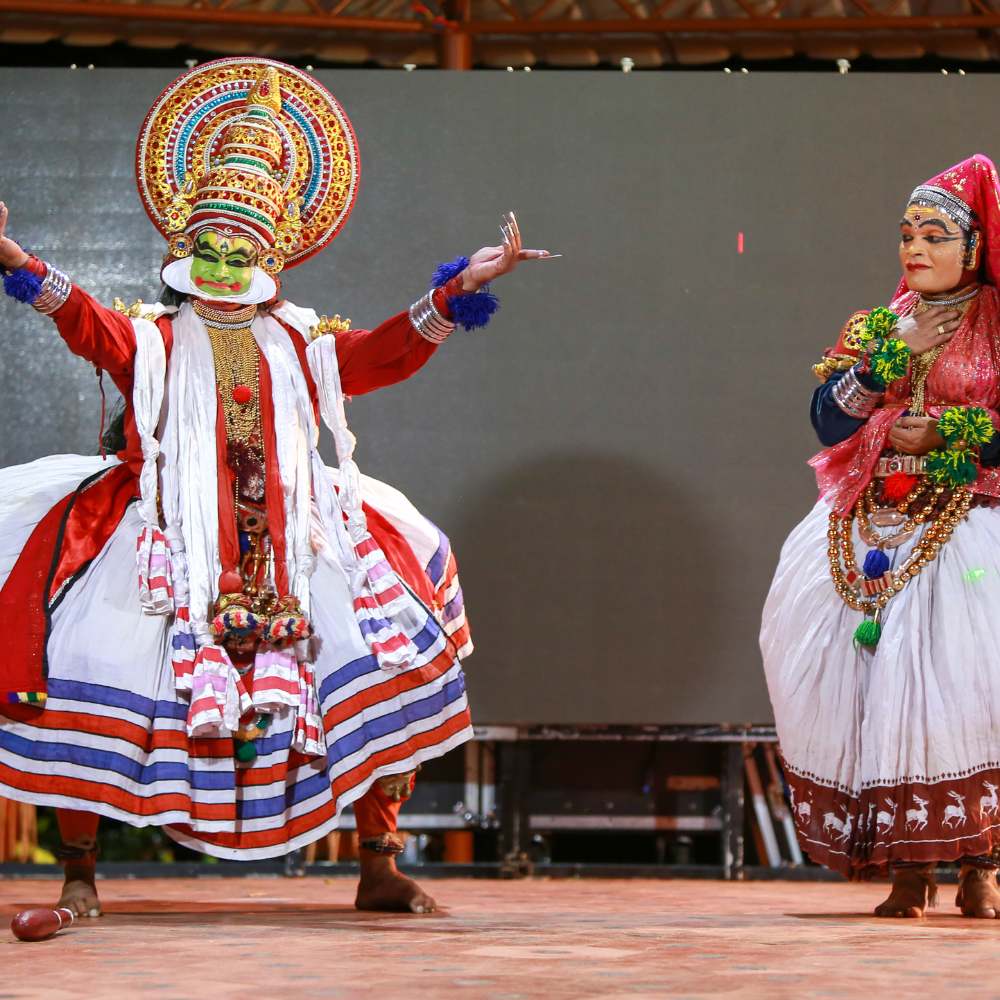
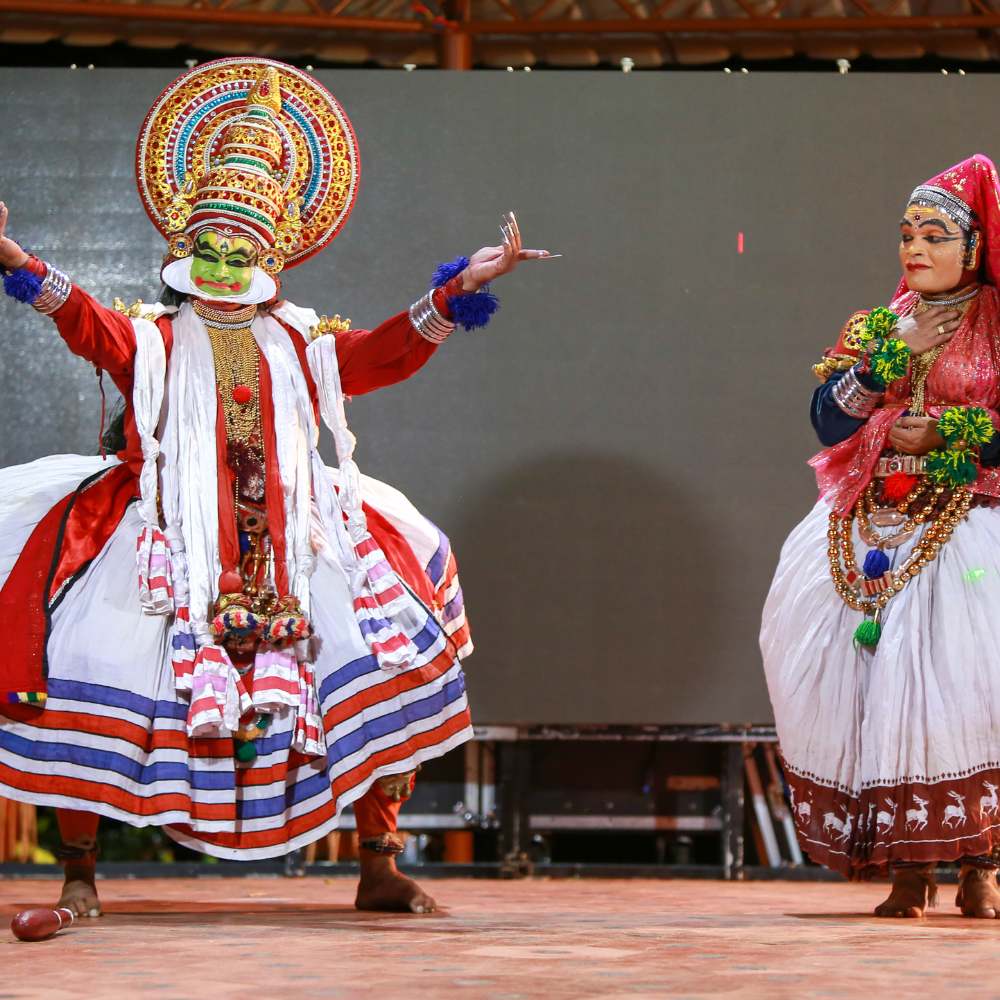
Kerala welcomes the monsoon with Onam, a festival that celebrates the mythical King Mahabali, whose annual visit brings joy to his people. The story reflects Kerala's ethos of equality and prosperity.
Houses are decorated with intricate floral designs called pookalams, and families gather to share the grand feast known as Onasadya, served on banana leaves. Snake boat races, traditional dances, and vibrant parades make Onam a highlight for travelers seeking to explore the cultural richness of southern India.
Autumn: The Season of Light and Triumph (October – November)
Navratri and Durga Puja – The Power of the Divine Feminine
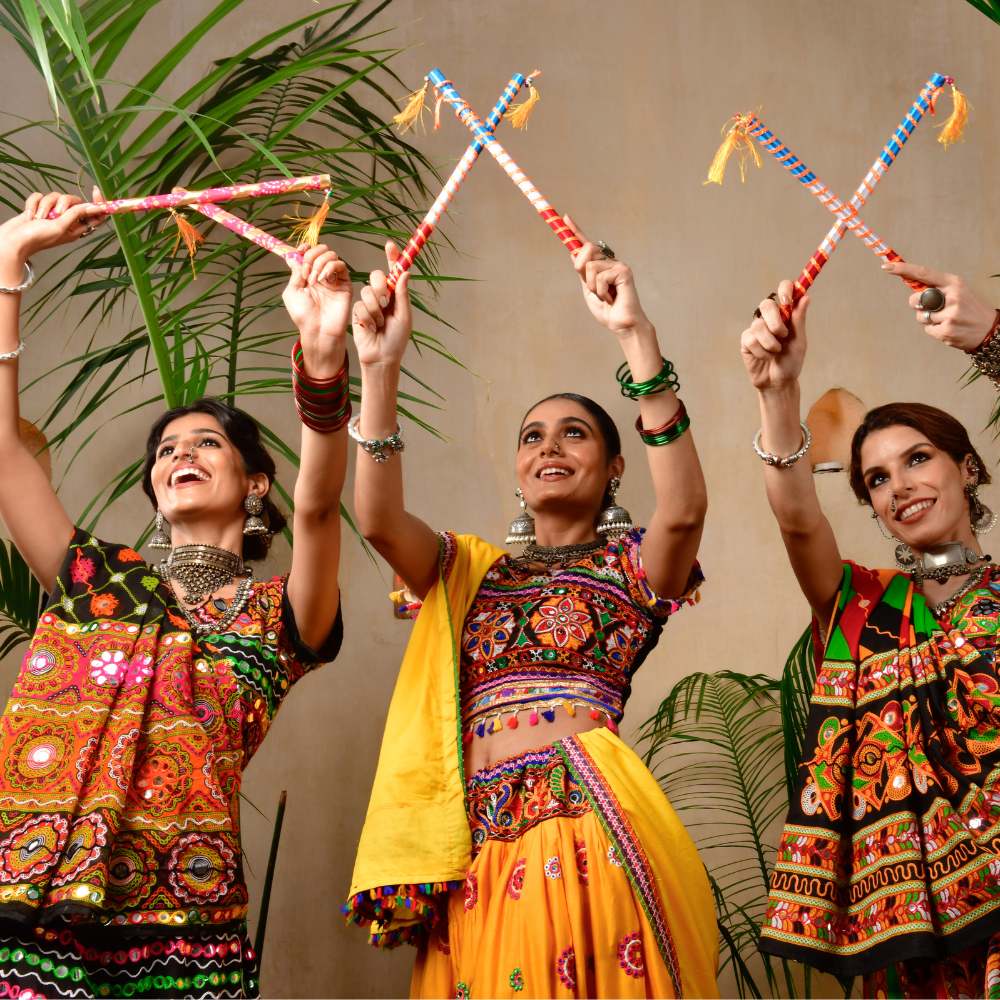
Autumn is the season when India shines brightest. Navratri and Durga Puja celebrate the victory of good over evil and the divine feminine energy that sustains the universe. For nine nights, devotees worship the nine forms of Goddess Durga.
In Gujarat, people dance Garba and Dandiya in swirling colors, while in West Bengal, Durga Puja transforms Kolkata into a city of light and artistry. Towering idols, magnificent decorations, and rhythmic drumbeats create an atmosphere of reverence and joy that captivates every visitor.
Dussehra – The Triumph of Good Over Evil
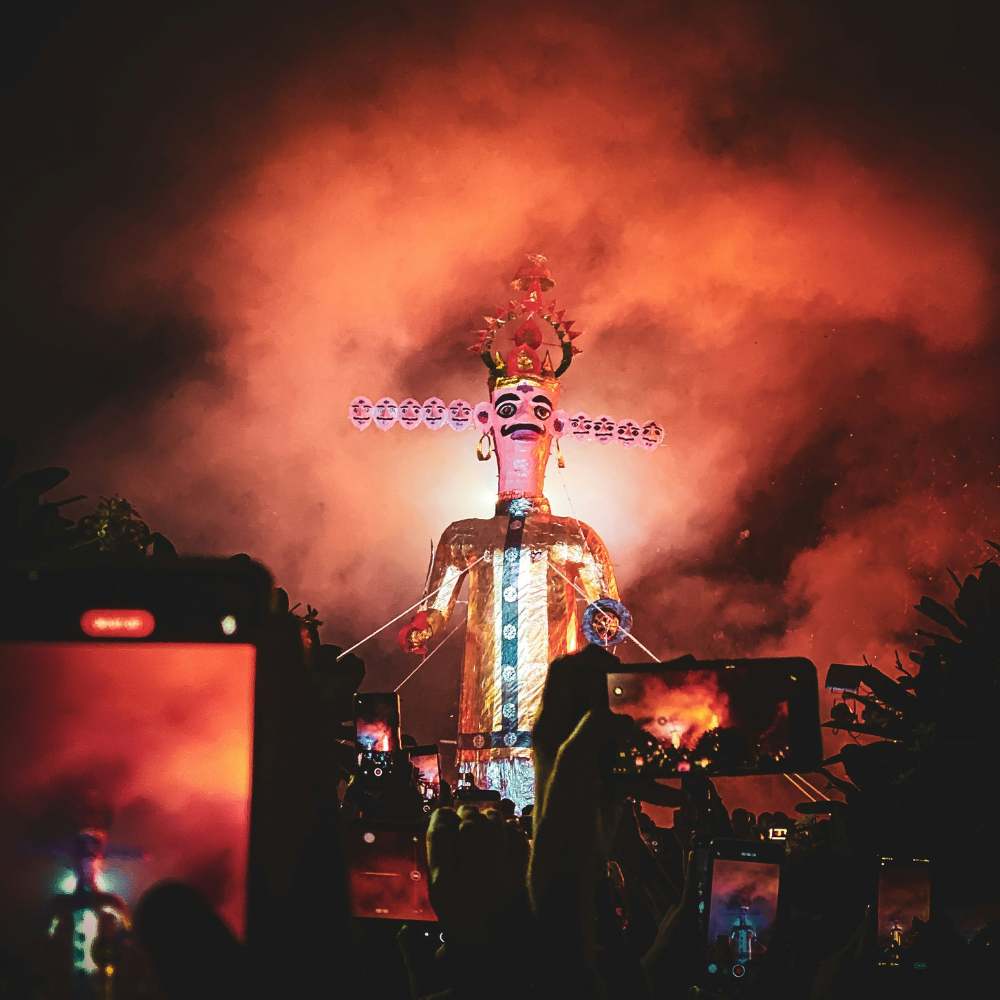
Dussehra, following Navratri, commemorates Lord Rama's victory over the demon king Ravana. The burning of giant effigies of Ravana across India symbolizes the destruction of ego and the triumph over darkness. The Mysuru Dussehra in Karnataka is particularly famous for its royal processions, illuminated palaces, and the grandeur of elephants adorned in gold.
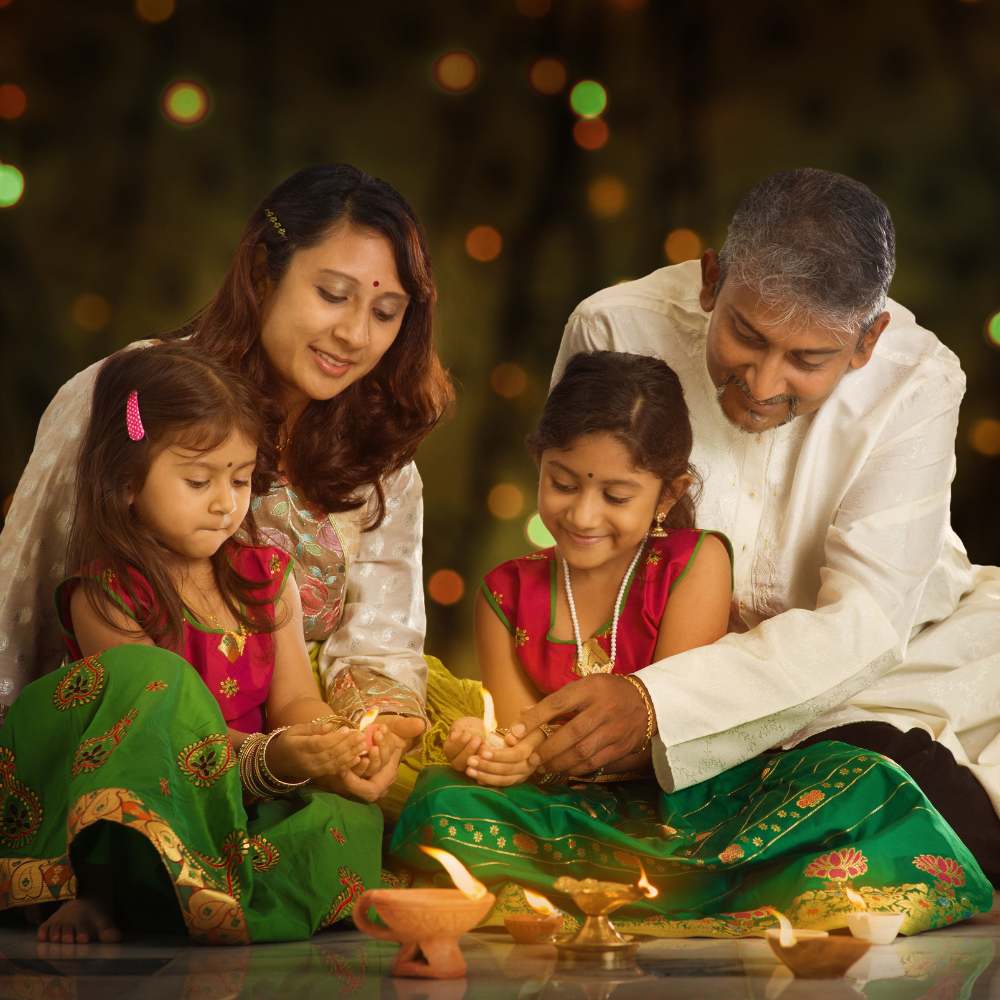
Diwali – The Festival of Lights
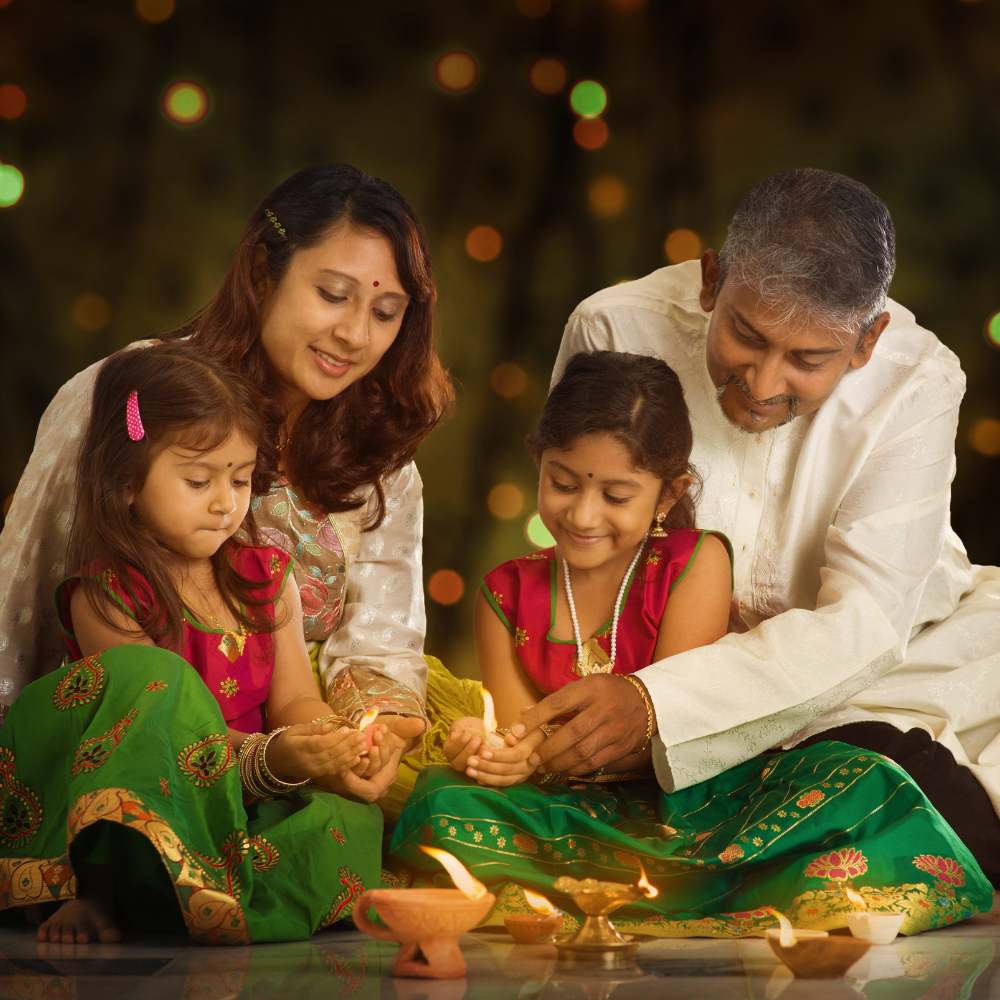
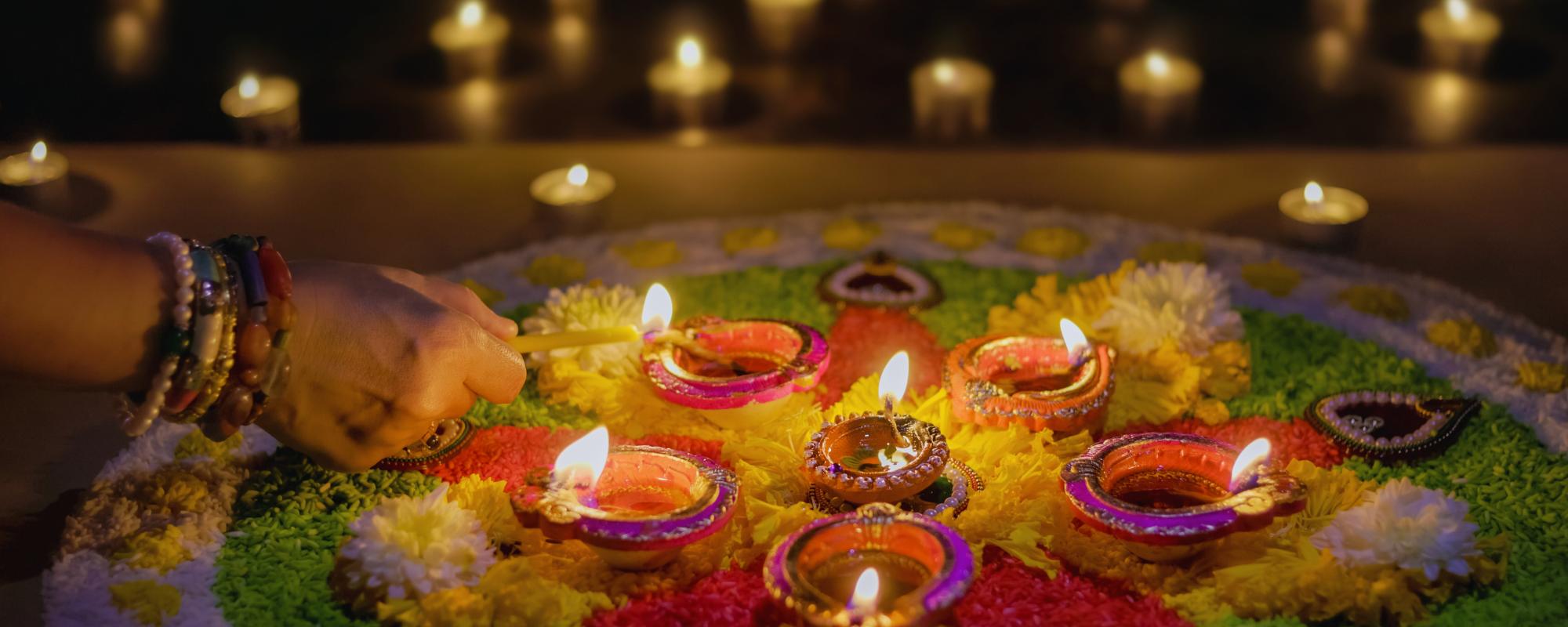
Diwali, India's most celebrated festival, marks the return of Lord Rama to Ayodhya after years of exile and the triumph of light over darkness. Families clean and decorate their homes, light oil lamps (diyas), worship Goddess Lakshmi for prosperity, and share sweets with neighbors and friends. In Varanasi, Dev Deepawali sees the ghats of the Ganges illuminated with thousands of lamps. This breathtaking sight leaves travelers spellbound.
Chhath Puja – The Worship of the Sun
In Bihar and parts of Uttar Pradesh, Chhath Puja honors the Sun God, Surya, and his wife Usha. Devotees fast, stand knee-deep in rivers at sunrise and sunset, and offer prayers for health and prosperity. Its simplicity, discipline, and serenity make it one of India's most spiritually profound experiences.
Winter: The Season of Warmth and Unity (December – January)
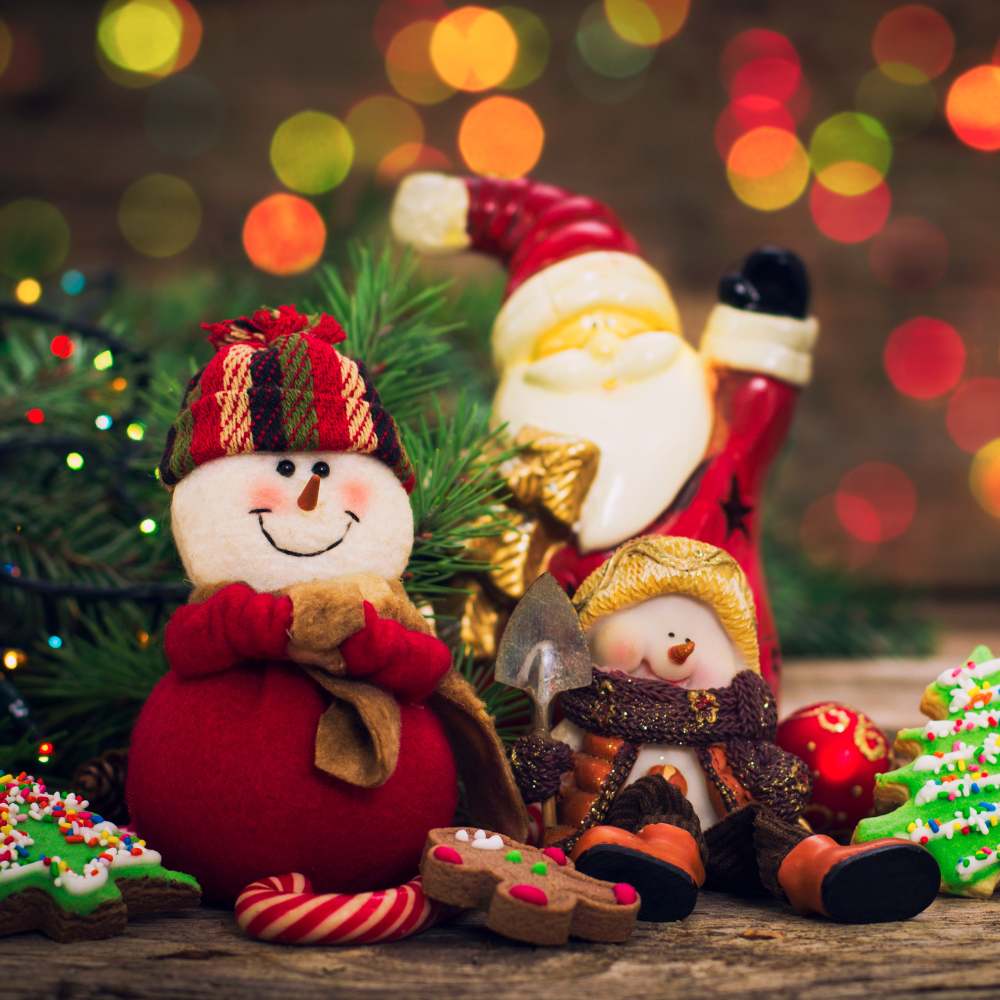
Christmas – The Festival of Peace and Joy
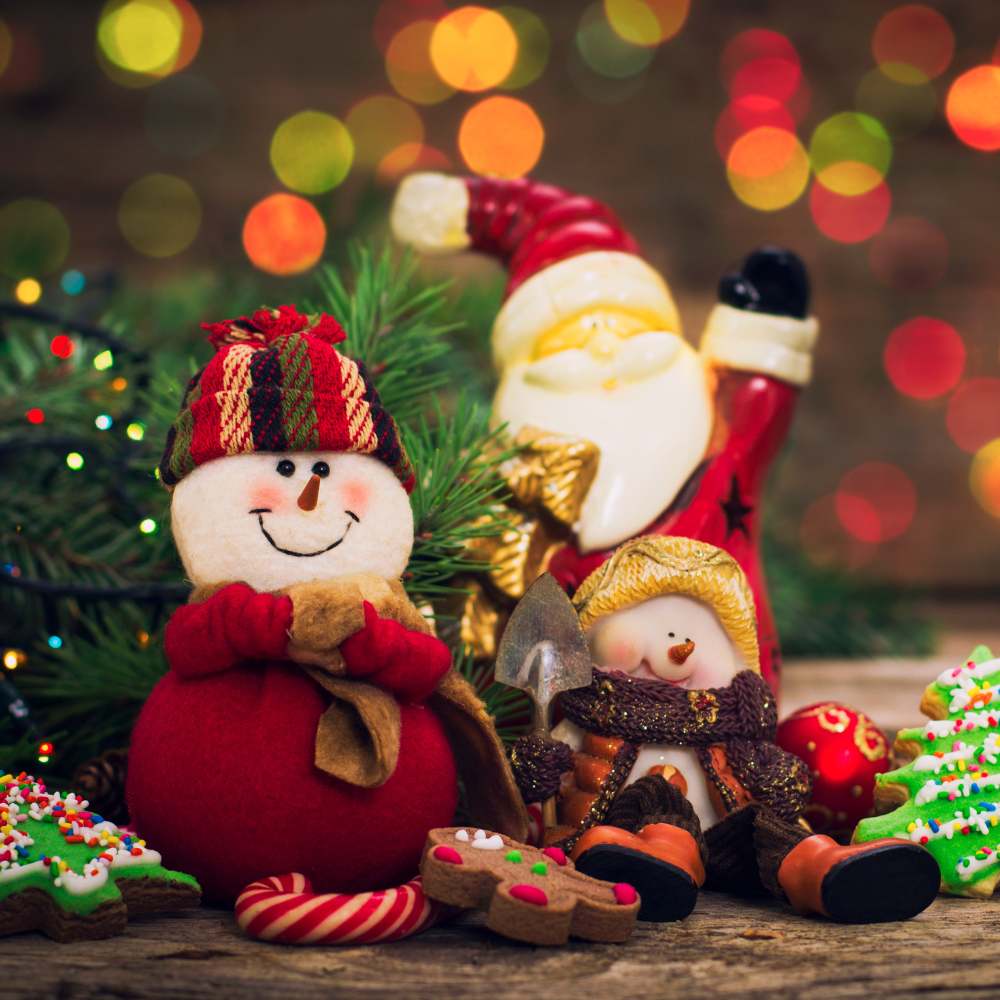
Winter in India begins with the gentle joy of Christmas. In Goa, Kerala, and the Northeast, churches shine with candles, choirs sing carols, and families celebrate together with warmth and generosity. Midnight masses fill the air with devotion, and travelers are welcomed into a spirit of harmony that reflects India's cultural inclusivity.
Lohri – The Bonfire of Harvest
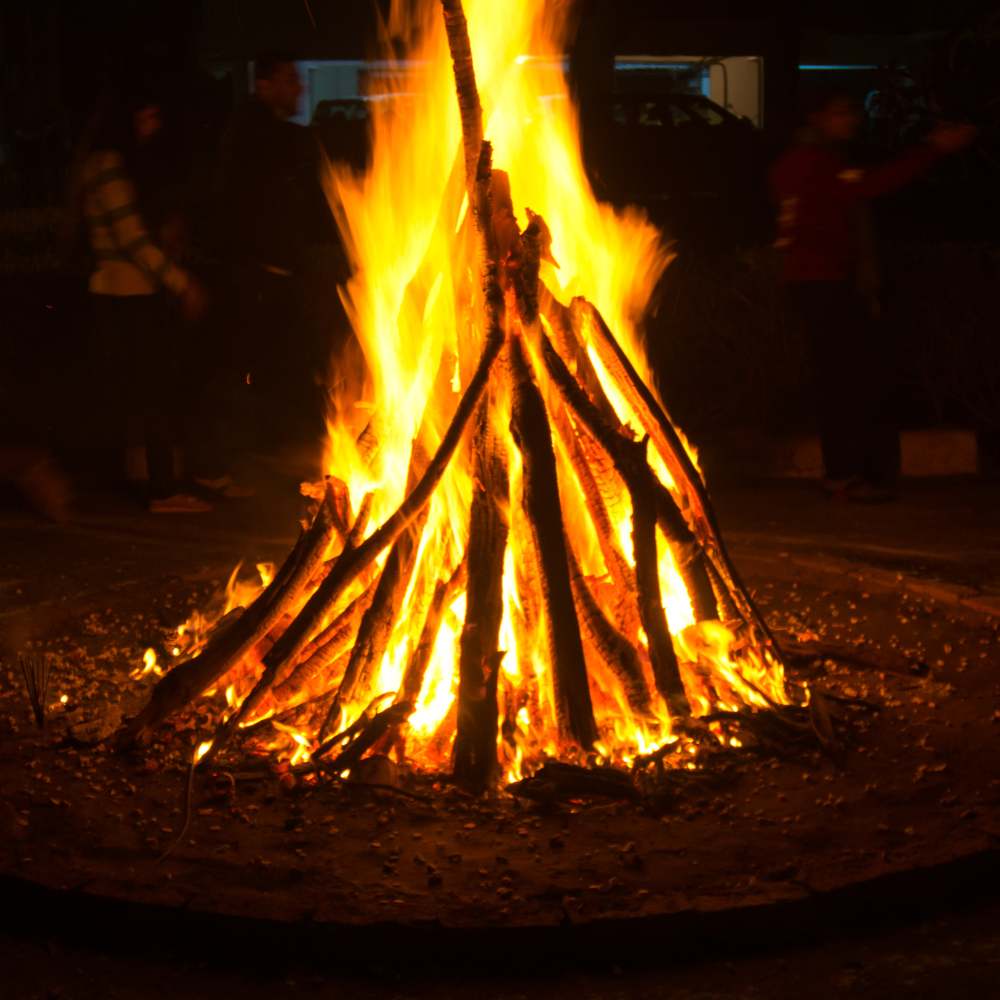
Punjab's winter nights are brightened by Lohri, a festival celebrating the end of the cold season and the harvest of sugarcane. Families gather around bonfires, sing traditional songs, and toss sesame seeds and popcorn into the flames as offerings of gratitude. The festival is also associated with the heroic legend of Dulla Bhatti, who protected women and people with low incomes, symbolizing courage and community spirit.
Makar Sankranti and Pongal – Gratitude to the Sun
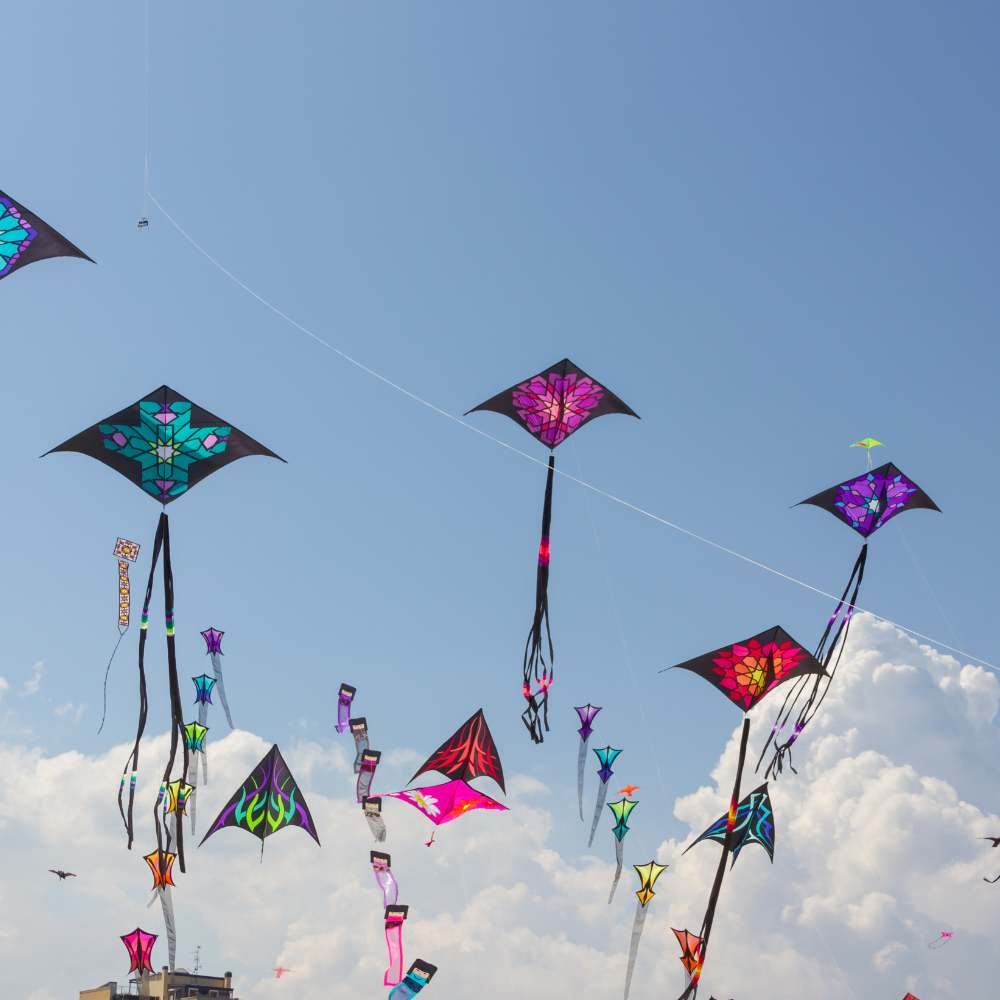
As the Sun begins its northward journey, India celebrates Makar Sankranti, known as Pongal in Tamil Nadu and Magh Bihu in Assam. These festivals mark the harvest season and express gratitude to the natural world. In Gujarat, the skies are filled with colorful kites. At the same time, in Tamil Nadu, families cook sweet Pongal in new pots as a symbol of abundance. The air hums with joy, and travelers witness how gratitude turns into celebration.
Republic Day – A Nation in Harmony
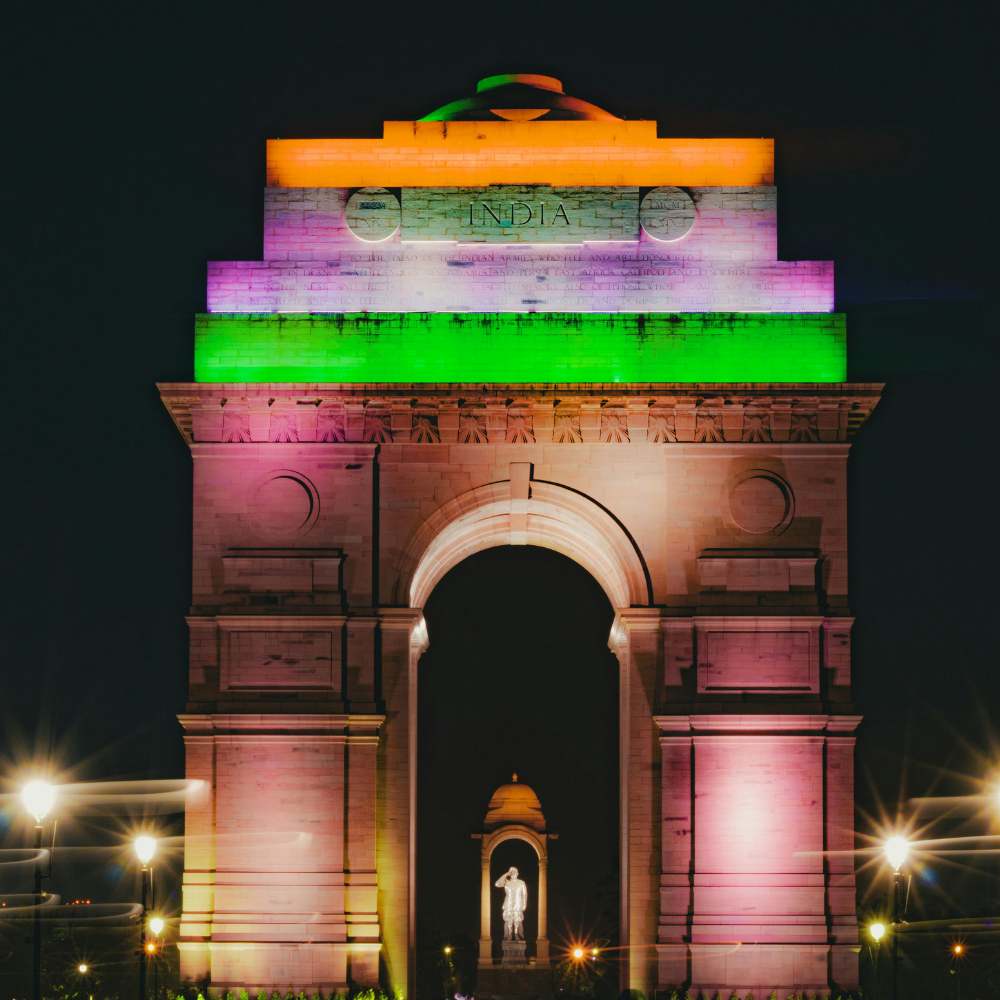
The year's festival calendar culminates with Republic Day on January 26, the most significant national festival of India. It commemorates the adoption of the Constitution in 1950, when India became a republic. The grand parade in New Delhi showcases the diversity of the states and festivals of India, highlighting cultural traditions, military pride, and innovation. For visitors, witnessing Republic Day is to see unity in motion, a living celebration of democracy and diversity.
Unity in Diversity: The Spirit of Indian Festivals
The seasonal festivals of India celebrate the cycles of nature — birth, growth, harvest, and renewal — while the national festivals of India celebrate the ideals of freedom, equality, and unity. Together, they balance faith and nationhood, spirit and soil. Each state contributes its unique rhythm to this symphony, demonstrating that the states and festivals of India are inextricably linked to its identity.
Every celebration, whether it unfolds in a crowded city or a quiet village, becomes a reminder that life's beauty lies in sharing and gratitude.
Conclusion
India does not just celebrate festivals; it lives them. Every color thrown during Holi, every lamp lit on Diwali, every kite flown on Makar Sankranti, and every flag raised on Republic Day reflect the heart of a country that finds joy in diversity.
The seasonal festivals of India remind us that life moves in cycles, always offering renewal. The national festivals of India remind us that through change, unity endures. Together, they transform time into celebration and diversity into harmony.
For travelers and learners alike, India's festival calendar is not just a list of events; it's a living story of faith, culture, and human connection.
"In India, the seasons don't just change the weather, they change the spirit, filling the air with the rhythm of celebration."