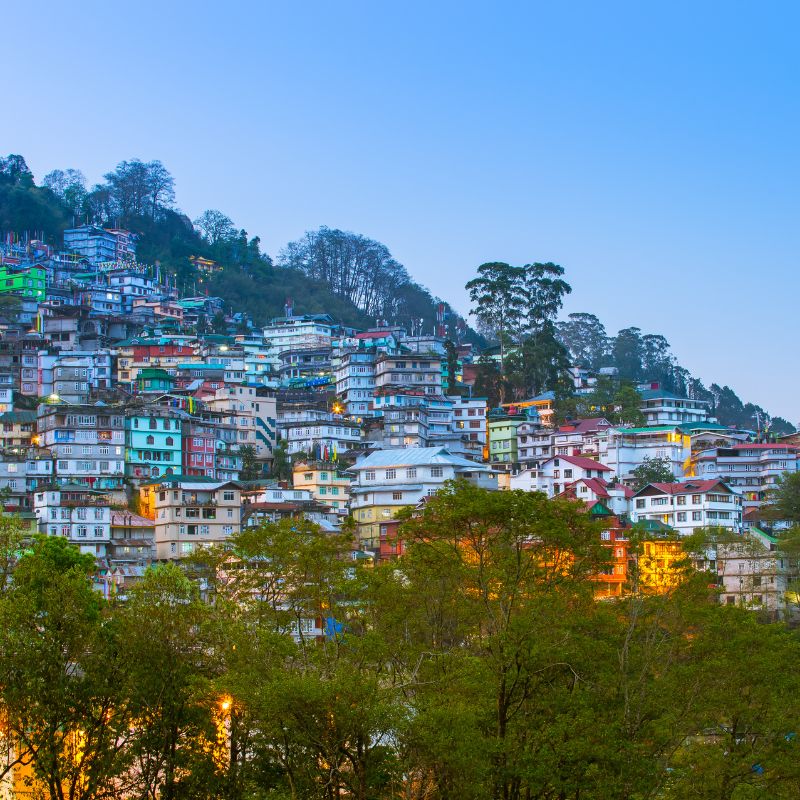
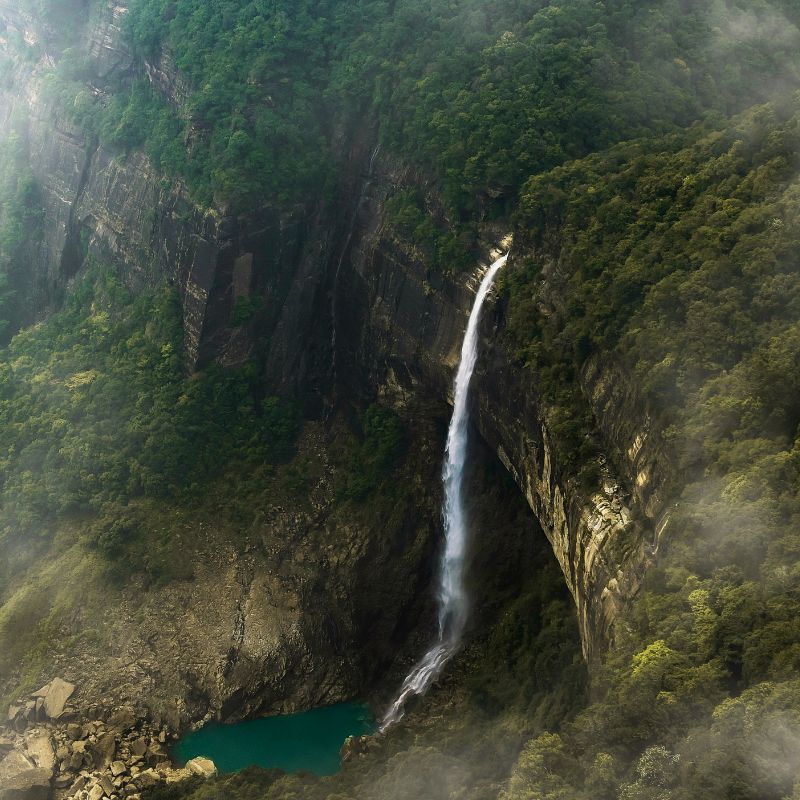
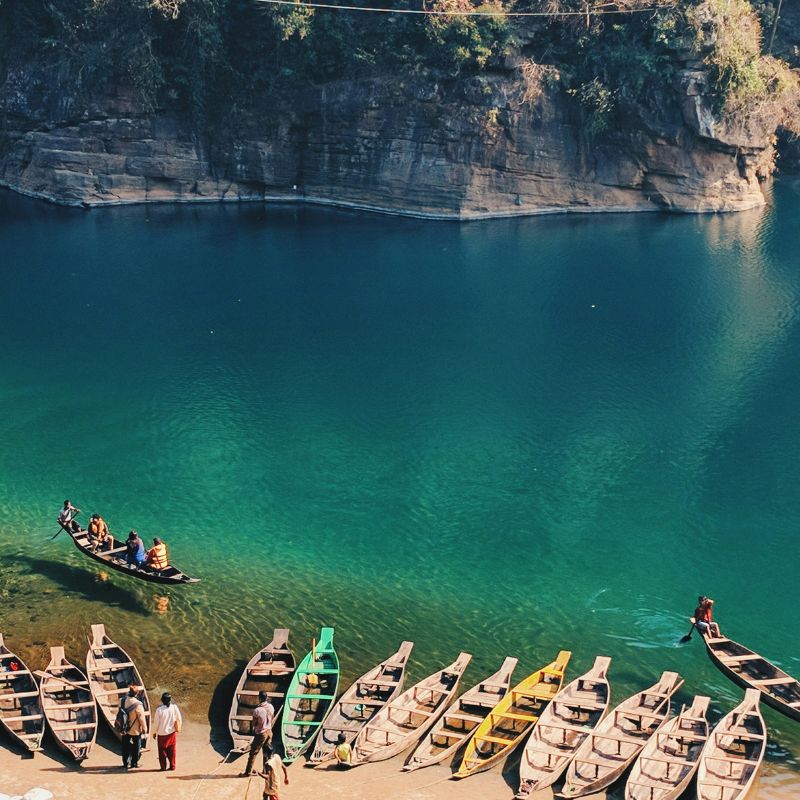
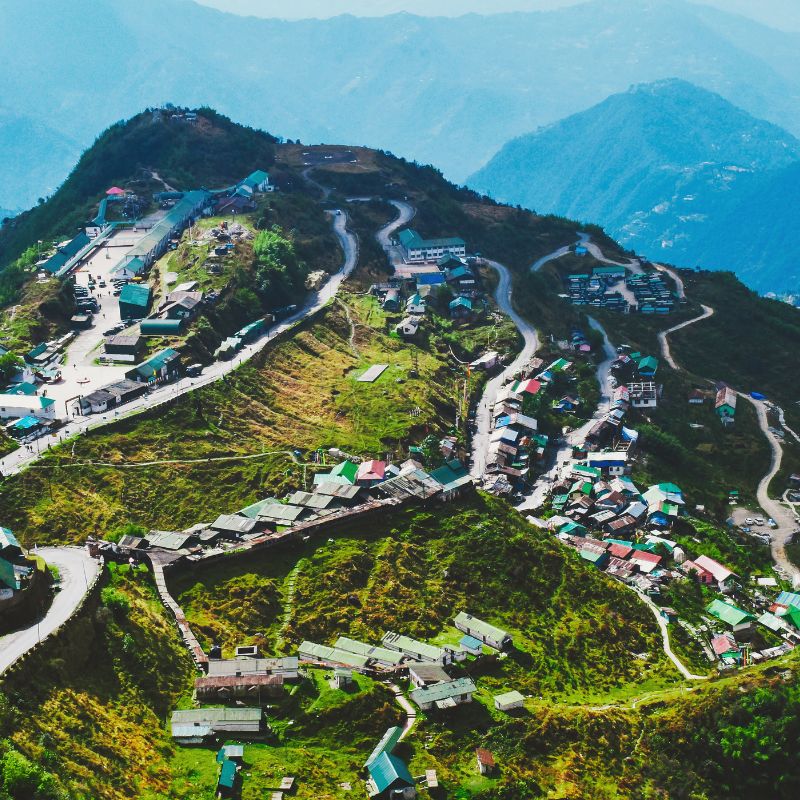
Northeast India offers a different experience for travellers who have already explored Rajasthan, the Golden Triangle or Kerala. Meghalaya is known for living root bridges and waterfalls, Assam for Kaziranga's wildlife and tea heritage, and Sikkim for Himalayan scenery and Buddhist monasteries. Allow 14–16 days for a relaxed three-state holiday, with careful planning for permits, flights and mountain roads.
Quick Answer: Key Takeaways
- Best for repeat visitors: Explore regional cultures, wildlife and landscapes beyond India's established tourist circuits.
- Recommended duration: Allow 14–16 days for a comfortable three-state trip. Shorter, selective itineraries can be done in 9–12 days.
- Best seasons: October–November and March–April generally offer a useful balance, depending on weather and wildlife schedules.
- Main gateways: Guwahati for Assam and Meghalaya; Bagdogra for Sikkim.
- Essential preparation: Confirm Sikkim permits, flight connections, road transfers and seasonal access before booking.
Why Should Experienced Travellers Explore Northeast India?
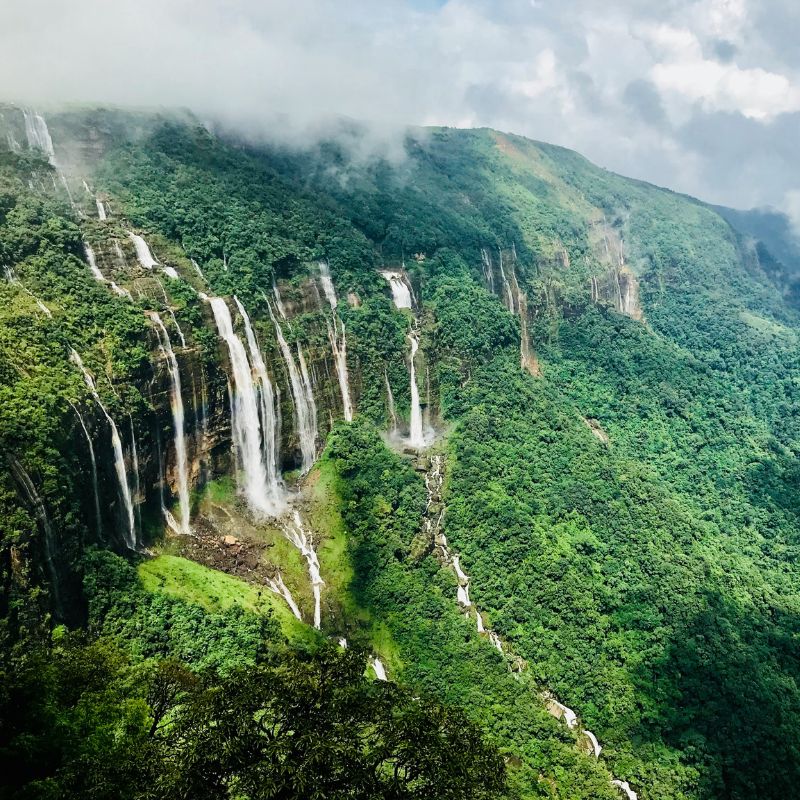
Northeast India rewards travellers looking for experiences beyond India's famous monuments and established luxury destinations. It offers distinctive cultures, wildlife, mountain landscapes and opportunities to spend time in smaller communities.
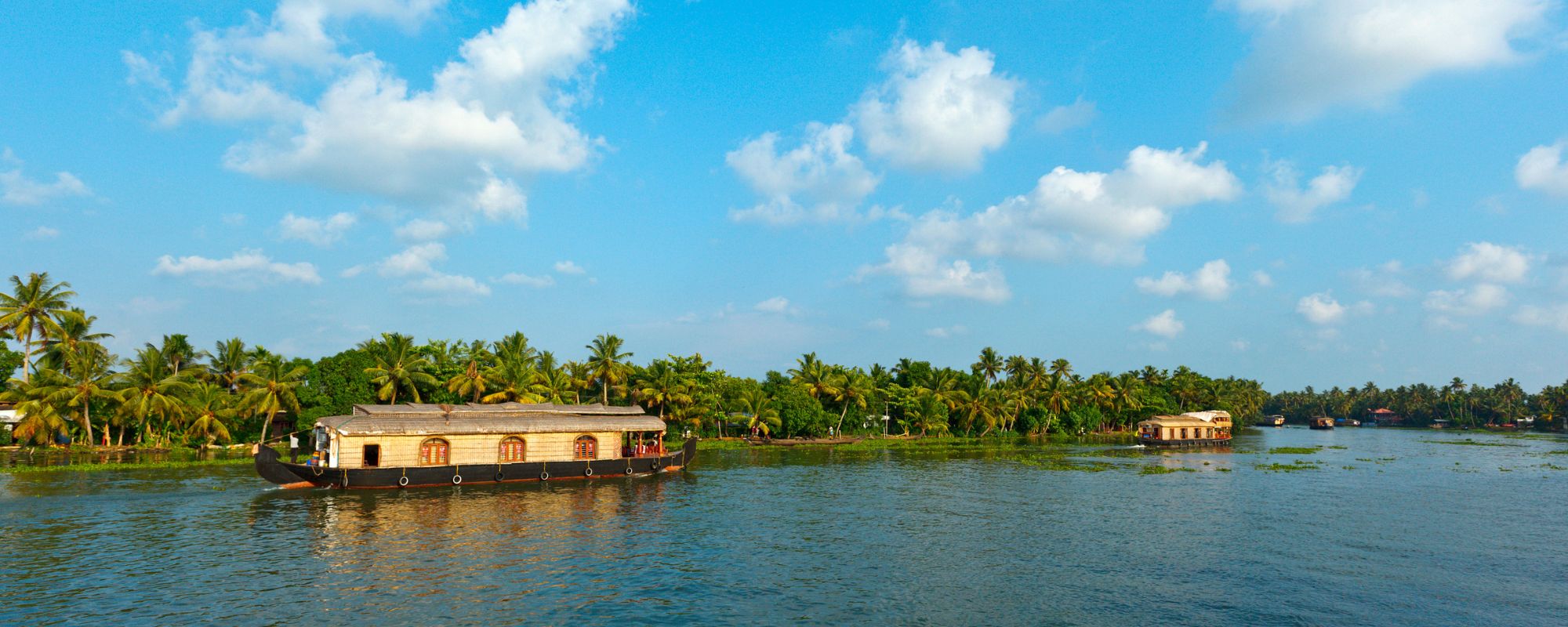
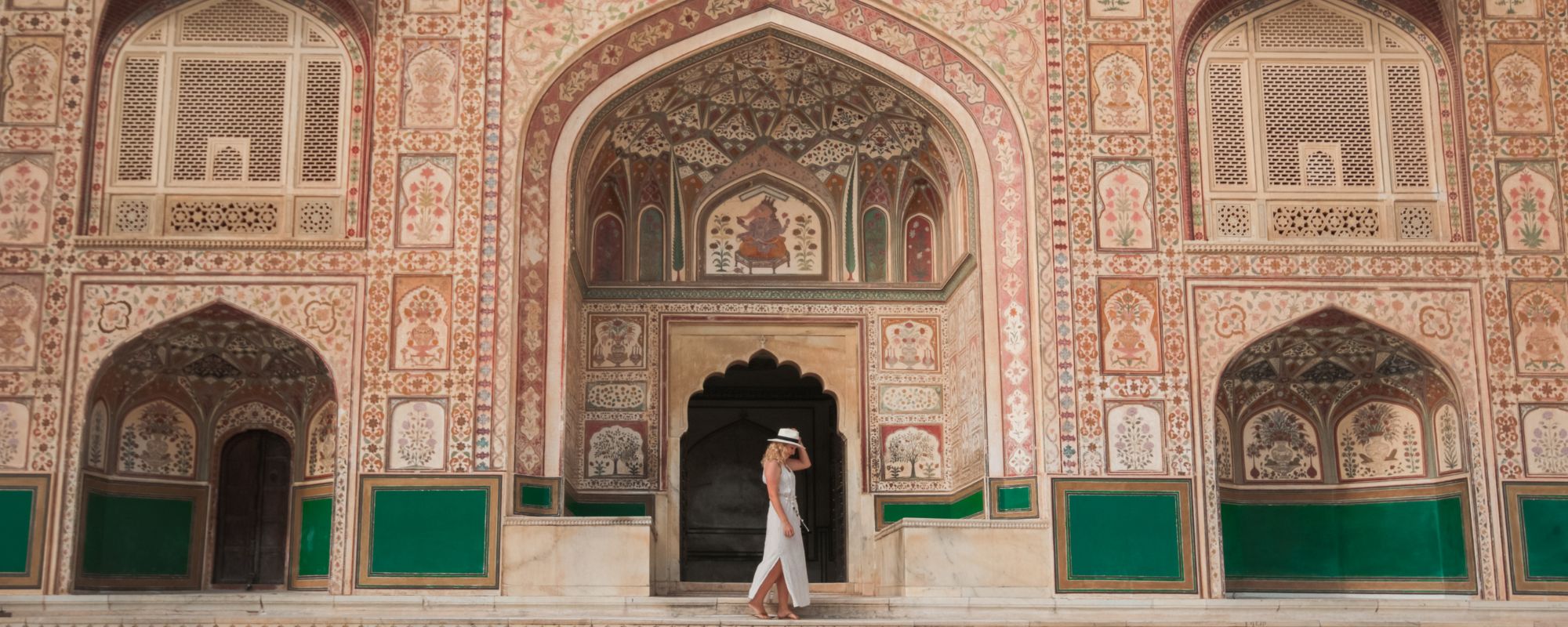
Perhaps you've already visited the Taj Mahal, explored Jaipur's palaces and enjoyed Kerala's backwaters.
What's next?
In Meghalaya, you can discover how communities grow bridges from living tree roots. Assam offers grassland safaris, tea estates and regional traditions. Sikkim introduces Buddhist monasteries and villages surrounded by Himalayan scenery.
These experiences require a different planning approach.
Luxury accommodation is less widespread than in Rajasthan, road journeys can be slow, and the weather can occasionally change the schedule.
The appeal lies in experiencing each destination properly rather than squeezing in as many attractions as possible during a short visit.
Our Northeast India luxury guide provides a broader introduction. This article focuses on route selection, realistic travel times, comfort and practical decisions for experienced visitors.
What Makes Meghalaya, Assam and Sikkim Different?
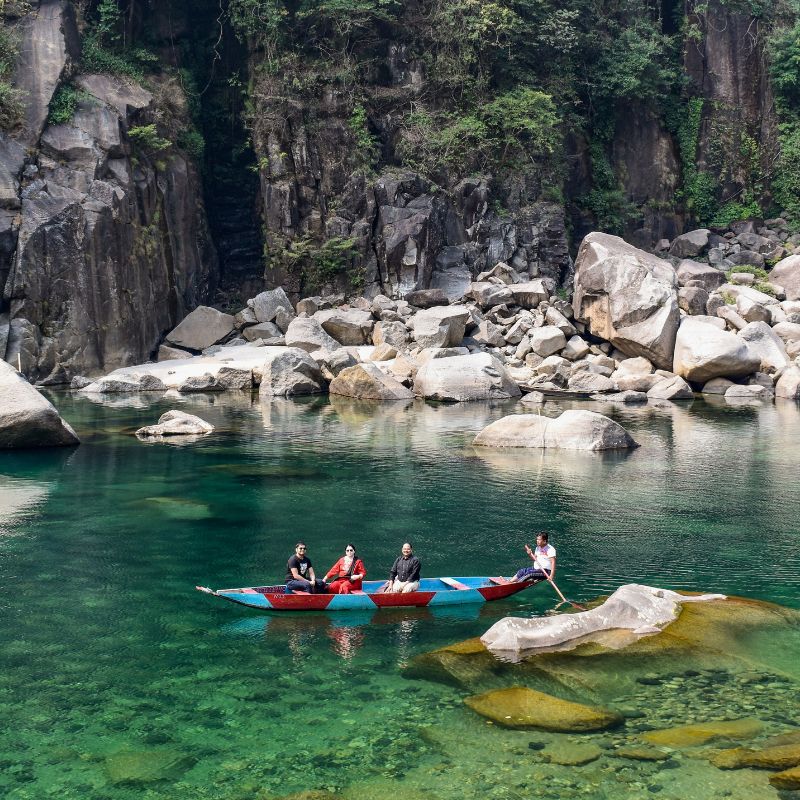
The three states offer quite different experiences. Meghalaya is particularly appealing for forests and waterfalls, Assam for wildlife and tea heritage, and Sikkim for Buddhist culture and Himalayan landscapes.
|
State |
Main attractions |
Planning consideration |
|---|---|---|
| Meghalaya | Root bridges, waterfalls, Khasi culture | Rainfall and trekking difficulty |
| Assam | Kaziranga, tea estates, Brahmaputra landscapes | Safari seasons and road transfers |
| Sikkim | Monasteries, villages, Himalayan viewpoints | Permits and mountain-road conditions |
Meghalaya: Living Root Bridges and Khasi Culture
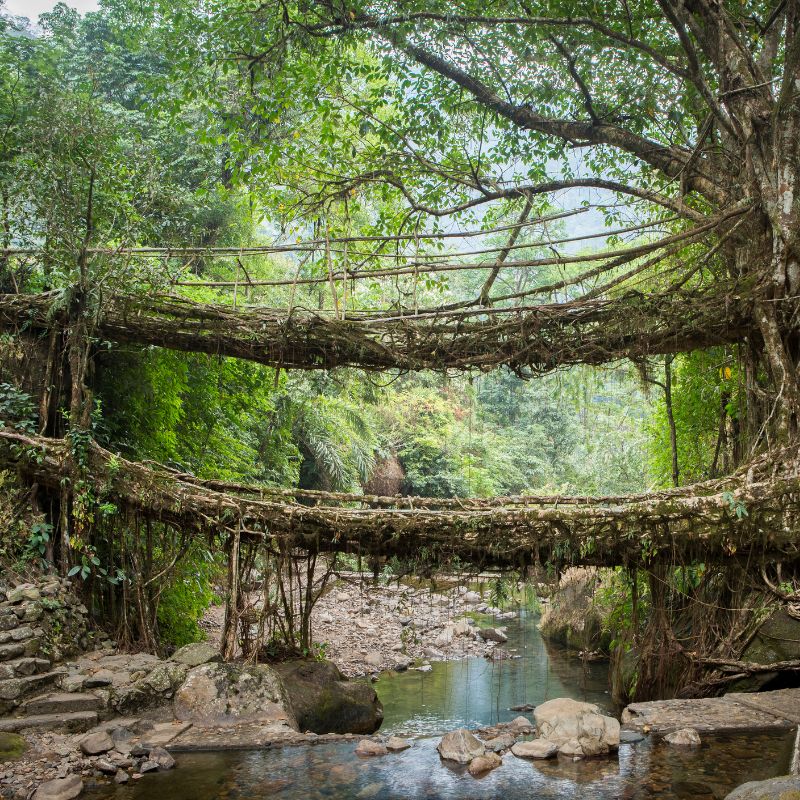
Meghalaya's living root bridges are among its most distinctive attractions.
These structures form when people guide the roots of rubber fig trees across streams. Over many years, the roots strengthen into usable crossings.
The famous Double Decker Root Bridge near Nongriat requires a demanding trek.
The route from Tyrna is commonly described as involving approximately 3,000 to 3,500 steps downhill, followed by a strenuous return climb. The count is an estimate, not a guarantee of identical trail conditions.
Travellers who don't enjoy difficult hiking can consider other root-bridge experiences, subject to accessibility and current conditions.
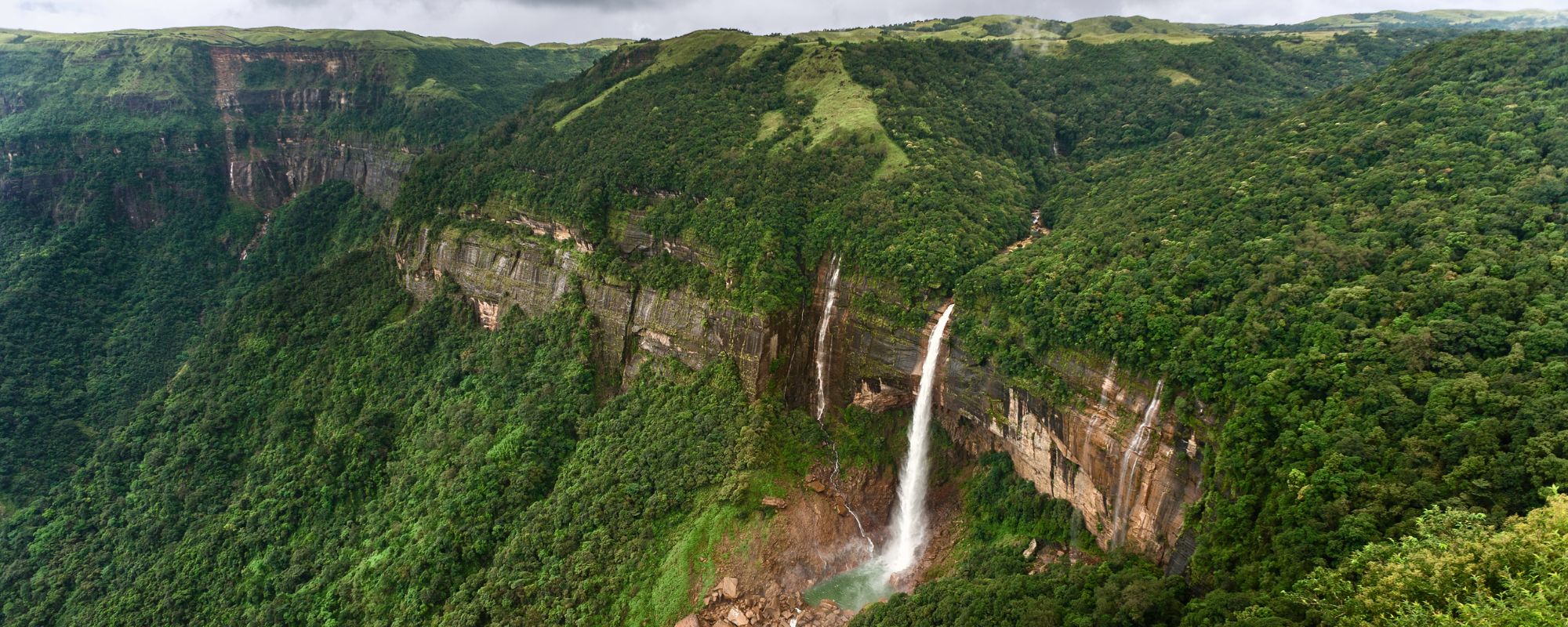
Shillong provides a convenient base for cultural visits, while Sohra is known for dramatic waterfalls and valleys.
Assam: Kaziranga and Tea Heritage
Assam combines wildlife with tea-growing traditions.
Kaziranga National Park is particularly known for the greater one-horned rhinoceros. Guided jeep safaris also offer opportunities to observe elephants, deer, wild buffalo and birdlife.
It's a different experience from a tiger-focused reserve such as Ranthambore.
Assam's tea gardens add another dimension.
A guided estate visit may include a walk, tasting or introduction to tea production, depending on the property and season.
For travellers interested in the region's history, tea culture deserves more than a brief photo stop.
Sikkim: Monasteries and Mountain Landscapes
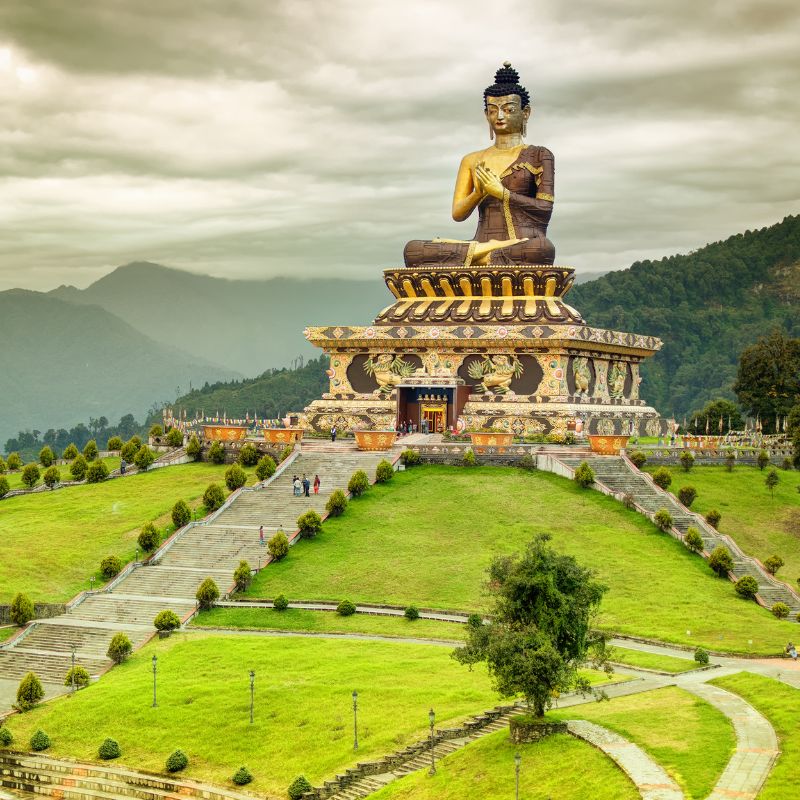
Sikkim offers Buddhist heritage, Himalayan scenery and mountain communities.
Gangtok is a practical base for monastery visits and selected cultural experiences.
Pelling offers a quieter setting, with access to Pemayangtse Monastery and viewpoints towards the Kanchenjunga range.
Mountain views depend on weather, so an itinerary shouldn't rely on clear skies at one particular hour.
Our North Eastern Retreat tour illustrates how Gangtok and Pelling can form part of a private regional holiday.
How Many Days Do You Need for Meghalaya, Assam and Sikkim?
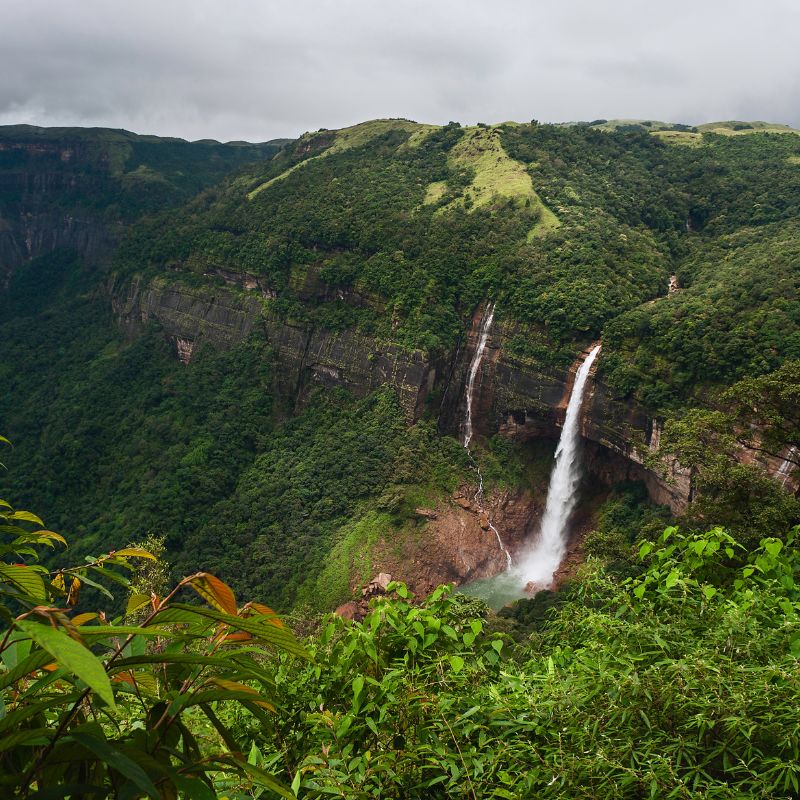
A comprehensive three-state holiday is more comfortable with 14–16 days. A 9–12-day trip can work when travellers choose fewer stops, shorter stays or a faster pace.
|
Duration |
Suggested approach |
|---|---|
| 7–9 days | Assam and Meghalaya, or a focused Sikkim trip |
| 9–12 days | Selected highlights across three states, with limited flexibility |
| 14–16 days | Kaziranga, Meghalaya, Gangtok and Pelling at a more relaxed pace |
| 17–20 days | Additional tea-estate stays, village experiences or longer regional visits |
Our existing Northeast India guide discusses a shorter 9–12-day overview and a 12–14-day route that can include Darjeeling.
Those are condensed alternatives, not the same experience as the slower itinerary recommended here.
For travellers aged 35–65 who value comfort, we recommend allowing additional time for road transfers, weather changes and leisure.
There's little benefit in reaching a beautiful mountain property late at night and leaving again immediately after breakfast.
What Is a Realistic 16-Day Northeast India Itinerary?
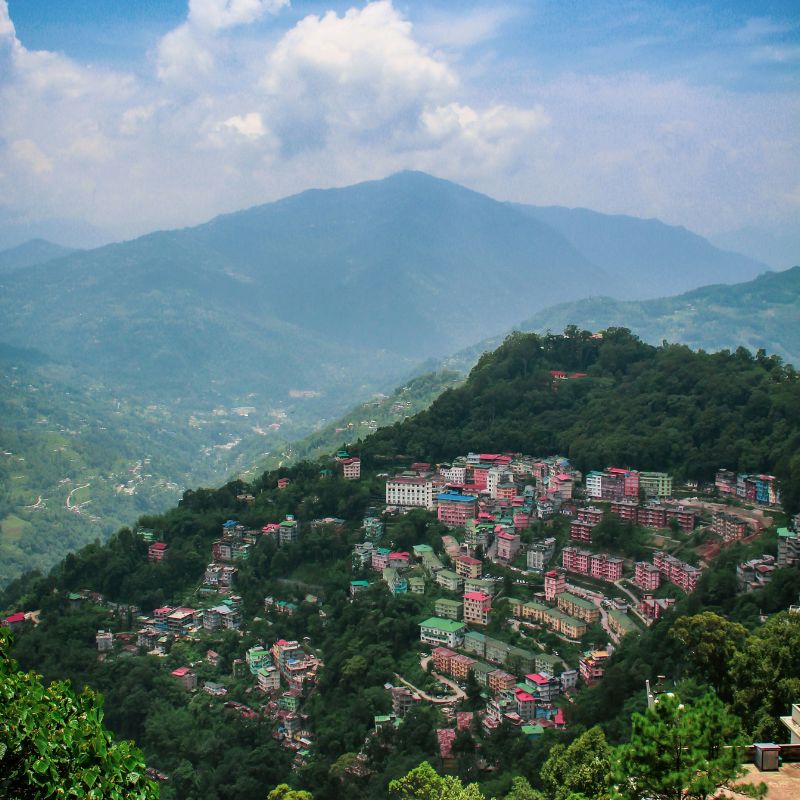
A 16-day trip can combine Kaziranga, Shillong, Sohra, Gangtok and Pelling. Treat it as a proposed private route, subject to actual flight connections, accommodation, and local conditions.
|
Day |
Destination |
Suggested experience |
|---|---|---|
| 1 | Guwahati | Arrival and rest |
| 2 | Kaziranga | Drive to Kaziranga and settle into the lodge |
| 3 | Kaziranga | Guided jeep safaris, subject to permits |
| 4 | Shillong | Long road transfer via the Guwahati corridor |
| 5 | Shillong | Cultural visits and local experiences |
| 6 | Sohra | Waterfalls, viewpoints and village visits |
| 7 | Sohra | Suitable root-bridge excursion |
| 8 | Shillong | Return transfer with selected stops |
| 9 | Guwahati | Road transfer and overnight stay |
| 10 | Gangtok | Flight connection to Bagdogra, followed by road transfer |
| 11 | Gangtok | Monasteries and cultural sightseeing |
| 12 | Gangtok | Leisure or eligible, permitted excursion |
| 13 | Pelling | Scenic transfer and cultural visits |
| 14 | Pelling | Monasteries and mountain viewpoints |
| 15 | Bagdogra area | Road transfer and overnight stay |
| 16 | Departure | Airport transfer and onward flight |
This is an illustrative itinerary, not a fixed package or confirmed flight schedule.
Why Does the Route Avoid Jorhat?
Jorhat is worthwhile for travellers particularly interested in heritage tea estates.
However, adding it to this three-state itinerary requires additional travel east of Kaziranga before returning west towards Meghalaya.
For a 16-day trip, we'd favour a shorter tea experience near the Assam portion of the route, where available.
Travellers who want a dedicated Jorhat tea-bungalow stay should consider extending the holiday by one or two days.
That allows the experience to feel like a proper stay rather than another long transfer.
Is Day 10's Guwahati–Bagdogra Connection Practical?
Day 10 is possible only if a suitable flight or connecting service is available on the actual travel date.
IndiGo operates a nonstop Guwahati–Bagdogra flight of about an hour, but schedules change, so confirm the departure and arrival times for your date.
If the available connection arrives late, continuing by road to Gangtok may be uncomfortable or impractical.
In that situation, an overnight stay near Bagdogra or a change in itinerary order may be preferable.
Your final travel plan should confirm the flight arrival time, baggage arrangements and onward vehicle transfer before allocating Day 10 to Gangtok.
Why Stay Near Bagdogra Before Departure?
The overnight stay on Day 15 provides a buffer after the mountain-road journey from Pelling.
Roadworks, traffic and weather may affect travel times.
This arrangement reduces the risk of combining a lengthy mountain transfer with an early flight.
International travellers should also allow sufficient time for any onward connection through Delhi, Kolkata or another major airport.
When Is the Best Time to Visit Northeast India?

October–November and March–April are generally practical for combining the three states. However, weather and attraction availability vary considerably by destination.
|
Period |
General conditions |
|---|---|
| October–November | Post-monsoon conditions improve; Kaziranga reopening depends on official announcements. |
| December–February | Cooler weather, especially in Sikkim and for early safaris |
| March–April | Often suitable for cultural sightseeing, nature and spring landscapes |
| May–June | Increasing rainfall or heat, depending on location |
| July–September | Monsoon conditions can affect trekking, wildlife operations and roads |
Official park announcements set Kaziranga's tourism season. Reopening dates and accessible ranges can vary.
Meghalaya's waterfalls may be particularly impressive during periods of heavy rain, but trekking conditions can become difficult.
Sikkim's roads are vulnerable to weather-related restrictions, especially in the monsoon.
Choose travel dates around your main interests, then confirm operating conditions before booking.
How Difficult Is Travelling Between the Three States?
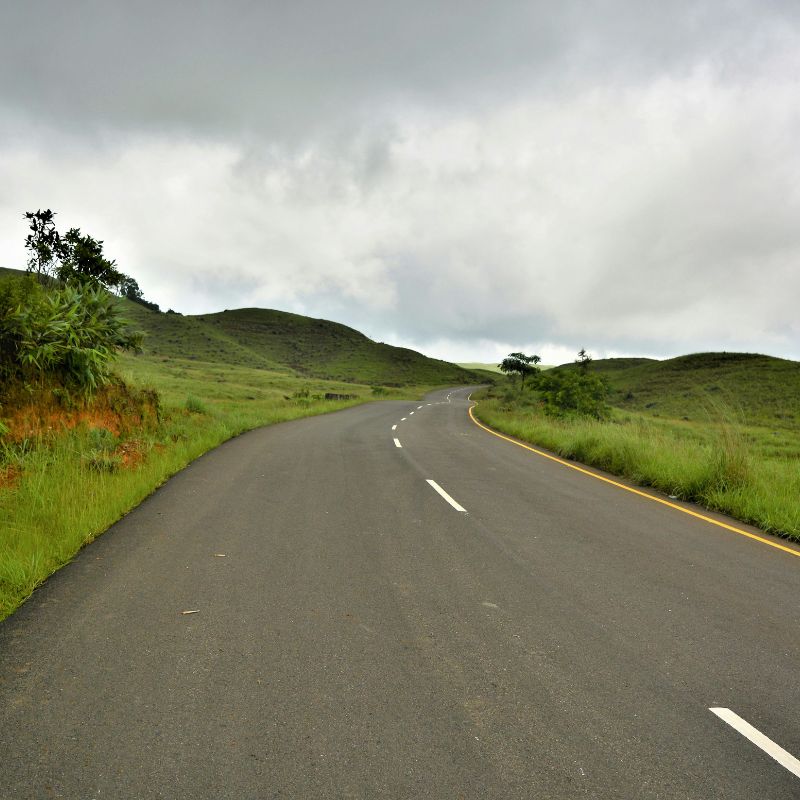
Travelling through Northeast India takes more time than distances on a map might suggest. Assam and Meghalaya connect through Guwahati, while you generally reach Sikkim via Bagdogra.
The Guwahati–Kaziranga and Guwahati–Shillong road journeys are established routes.
However, traffic, rainfall and road conditions can affect travel times.
Mountain journeys in Sikkim may be slower still.
For a private luxury trip, it makes sense to treat major transfers as travel days.
A driver can manage local navigation, but no transport arrangement can guarantee a fixed arrival time.
Which Experiences Are Worth Prioritising?
The best experiences aren't always the most famous ones. Tea culture, village life, guided wildlife interpretation and monastery visits can offer more depth than a crowded schedule of viewpoints.
Can You See Meghalaya's Root Bridges Without a Difficult Trek?
Yes, although accessibility varies.
The Nongriat Double Decker Root Bridge is a strenuous excursion with many steps and significant elevation changes.
Other root bridges may offer shorter approaches.
Ask your guide about the actual route, current trail conditions and your fitness requirements before choosing.
What Makes Kaziranga Worth Visiting?
Kaziranga offers an opportunity to see greater one-horned rhinoceroses and other grassland wildlife.
Safaris operate along designated routes and depend on permits, seasonal opening dates and local regulations.
Wildlife sightings cannot be guaranteed, but multiple drives offer more chances.
Which Sikkim Monasteries Should You Include?
Rumtek Monastery near Gangtok and Pemayangtse Monastery near Pelling are worthwhile cultural visits.
A knowledgeable guide can explain the history, religious customs and appropriate visitor behaviour.
Photography may be restricted in certain areas.
Allow time for quiet observation rather than treating every monastery as a short photo stop.
Where Should You Stay in Northeast India?
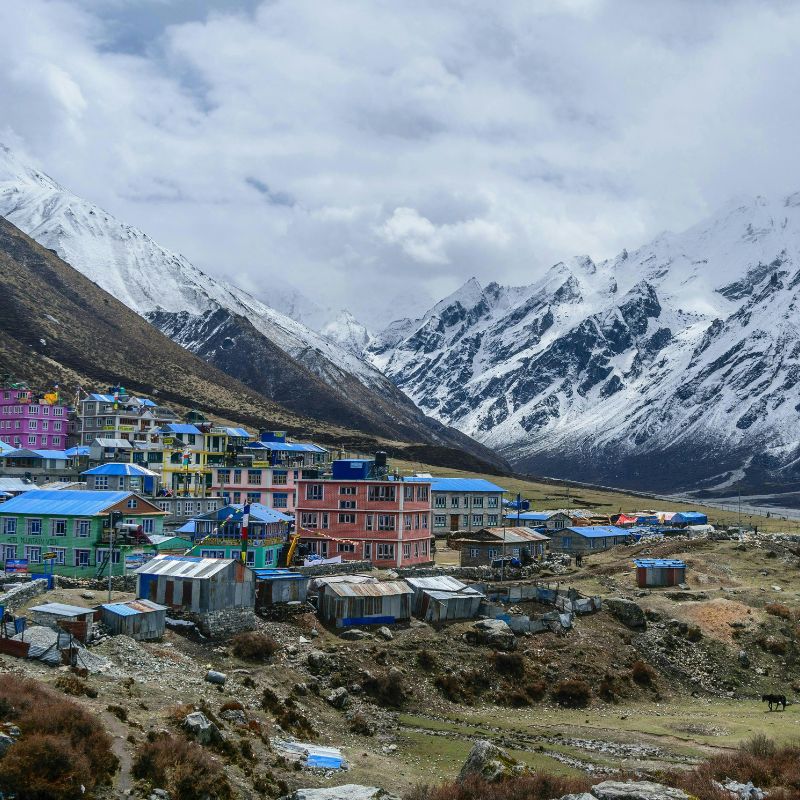
Luxury accommodation is available, but the selection is less extensive than in Rajasthan or Kerala. Location, comfort and reliable service should guide your choice.
Assam offers wildlife lodges and heritage-style accommodation.
Shillong and Sohra have hotels and boutique properties, while remote village stays may offer simpler facilities.
Gangtok and Pelling provide a range of comfortable mountain hotels.
Before booking, ask about heating, road access, meal arrangements and backup power.
A smaller, well-managed property in a convenient location may suit you better than an isolated hotel that requires extra travel.
Our India destinations guide can help you compare other regions and travel experiences.
Do Foreign Travellers Need Special Permits for Sikkim?
Most foreign visitors need a Restricted Area Permit (RAP), sometimes called an Inner Line Permit (ILP), to enter Sikkim. Eligible visitors to certain restricted destinations also need a Protected Area Permit (PAP).
Who Needs a Restricted Area Permit?
The Government of Sikkim states that foreign visitors generally require a RAP, with an exemption for Bhutanese nationals.
Nepalese and Bangladeshi citizens have specific identity-document provisions when applying.
OCI cardholders may also require permits. Do not treat OCI status as a general exemption.
Citizens of certain countries, including Pakistan, China, Hong Kong, Taiwan, Myanmar and Nigeria, need prior approval from the Ministry of Home Affairs and the Ministry of External Affairs before applying, subject to the official rules.
Because the requirements are nationality- and status-specific, confirm eligibility before purchasing non-refundable travel services.
The official guidance generally permits an initial stay of up to 30 days, with extensions subject to applicable procedures.
What Is a Protected Area Permit?
A PAP is an additional permission for designated protected areas.
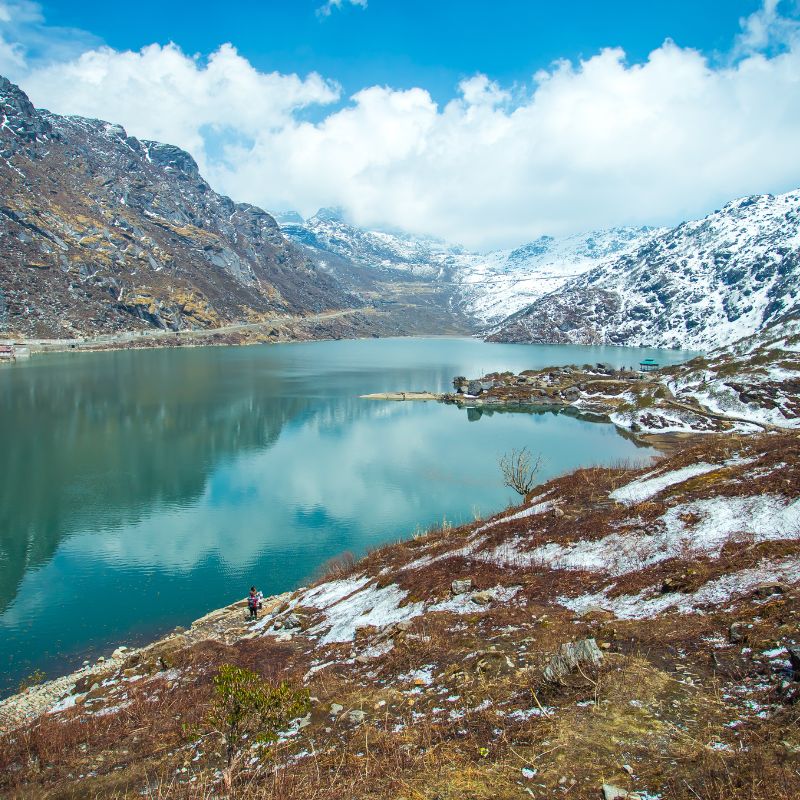
Eligible foreign tourists may visit Tsomgo Lake and certain North Sikkim valleys, subject to current restrictions.
Some protected-area excursions require a registered travel agency, an authorised guide and a minimum group size.
Foreign tourists are not permitted to visit every high-altitude attraction. Nathula Pass, for example, is not open to foreign tourists under the published guidance.
Permission to visit Gangtok does not automatically allow access to restricted border areas.
Must Foreign Visitors Register After Arriving?
Yes. Foreign visitors are tracked through the Foreigners Registration Office, and hotels and homestays must report their foreign guests to it. Your tour coordinator should explain the formalities that apply on arrival and departure.
Visitors should also follow the designated entry and exit procedures for their permit.
Your tour coordinator should explain where and how to complete these formalities.
Travellers should carry their passport, Indian visa and issued permits as required.
Where Can You Find the Official Permit Process?
The following Government of Sikkim pages provide the current published guidance:
The RAP page explains the prescribed application form, identity documents and authorised issuing offices.
PAP arrangements for protected destinations may need to be coordinated through a registered travel agency.
Confirm the applicable procedure for your nationality and itinerary before departure.
What Should You Know About Weather and Regional Safety?
Weather is a major practical consideration in Northeast India. Heavy rainfall, floods, landslides and temporary road restrictions can change an itinerary.
Meghalaya receives substantial seasonal rainfall, particularly around Sohra and Mawsynram.
Assam can experience flooding that affects roads and wildlife tourism.
Sikkim's mountain routes may be affected by landslides, snowfall or roadworks.
International travellers should check official travel advisories and arrange suitable travel insurance.
If your plans include higher elevations, consider altitude-related health advice from a qualified professional.
Private transport and local coordination can help manage disruption, but cannot eliminate weather-related risk.
How Much Does a Private Luxury Northeast India Tour Cost?
The price depends on trip length, accommodation, domestic flights, private transport and activities. A three-state itinerary may involve more complex travel arrangements than a single-region holiday.
Request a personalised quotation showing accommodation, guiding, transport, flights, permits, safari costs and included meals.
Check what happens if weather prevents a planned excursion.
A less ambitious itinerary can sometimes offer better value because you spend more time enjoying destinations and less time moving between them.
What Common Mistakes Should Experienced Travellers Avoid?
The biggest mistakes are underestimating travel times, choosing unsuitable trekking routes, and assuming every activity runs year-round.
Avoid tight flight connections after mountain-road transfers.
Don't schedule too many consecutive hotel changes.
Check the physical demands of root-bridge excursions before committing.
And remember that Himalayan viewpoints may be covered by clouds, even during a generally favourable season.
The aim isn't to complete a checklist.
It's to have enough time to appreciate the destinations you've chosen.
Planning Tip From Our Team: Choose Experiences Before Finalising the Route
For experienced travellers, we recommend identifying two or three priorities before building the itinerary.
If wildlife and tea culture matter most, spend more time in Assam.
For waterfalls and local village experiences, add extra days in Meghalaya.
If monasteries and Himalayan scenery are your main interests, consider staying longer in Sikkim.
A shorter trip covering fewer destinations can be more enjoyable than a complicated route through all three states.
For a 16-day holiday, confirm flights, permits and accommodation before treating the proposed schedule as final.
Plan Your Private Northeast India Tour With Bout India
Northeast India offers experienced travellers a different perspective on the country.
Meghalaya's living root bridges, Assam's wildlife and tea culture, and Sikkim's Himalayan monasteries each deserve time and attention.
We have created tailor-made private journeys since 2013, helping international travellers explore India at their preferred pace and according to their interests.
If you're considering Northeast India, you can plan your private India trip with a Bout India destination expert.
Discuss your travel dates, preferred accommodation, permits, and flight arrangements so we can design the itinerary around the experiences that matter most to you.
A well-planned Northeast India holiday isn't about visiting every attraction. It's about giving the places you choose enough time to make the visit worthwhile.