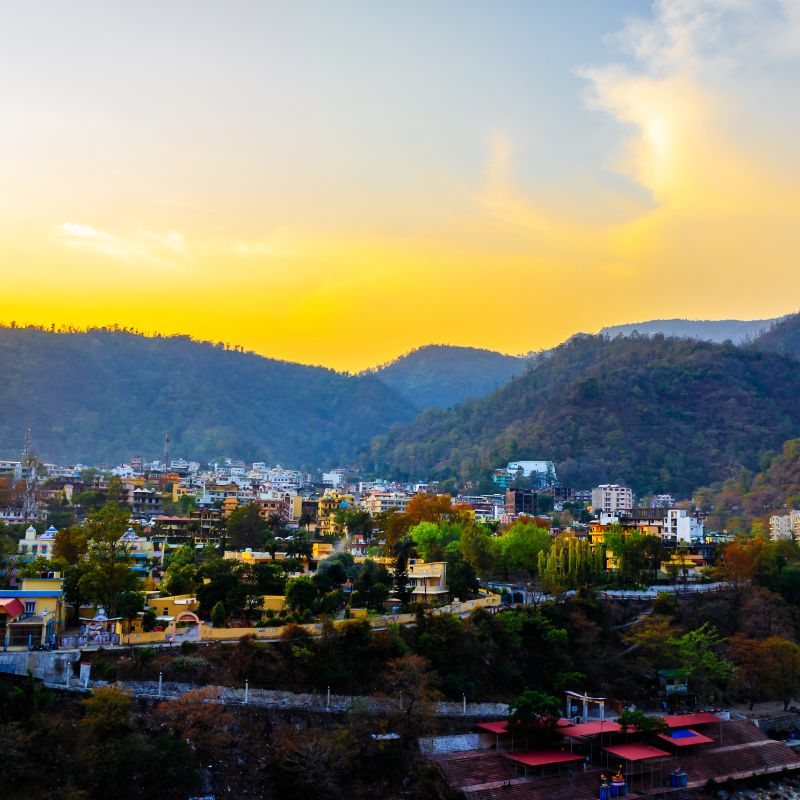
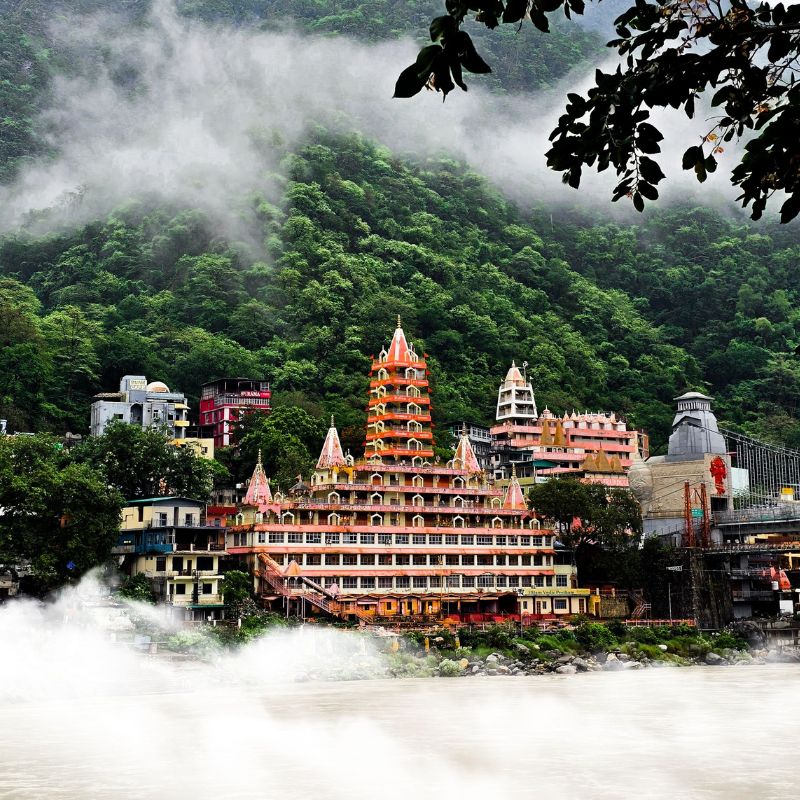
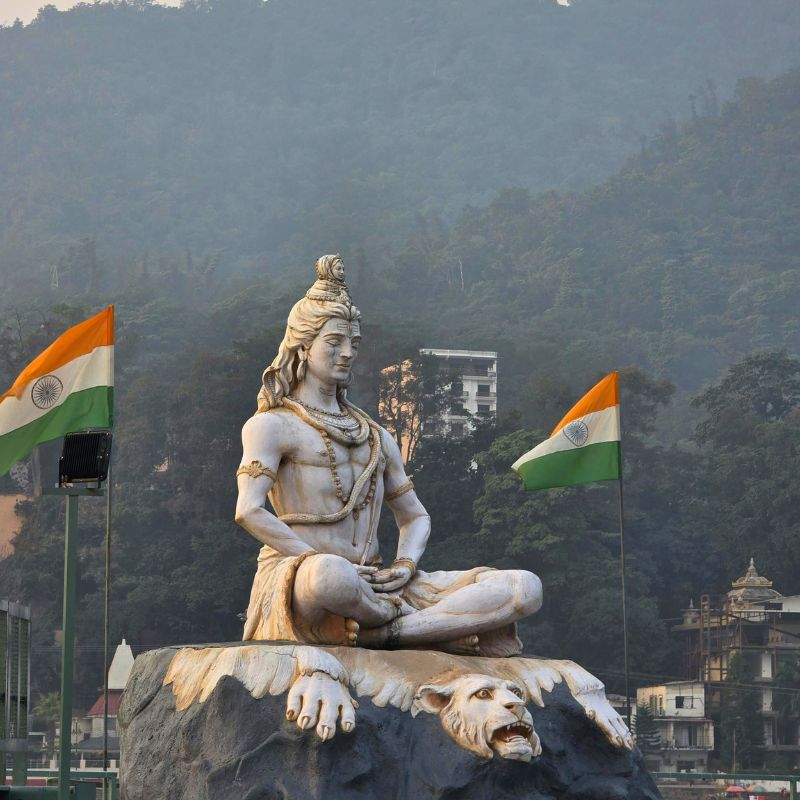
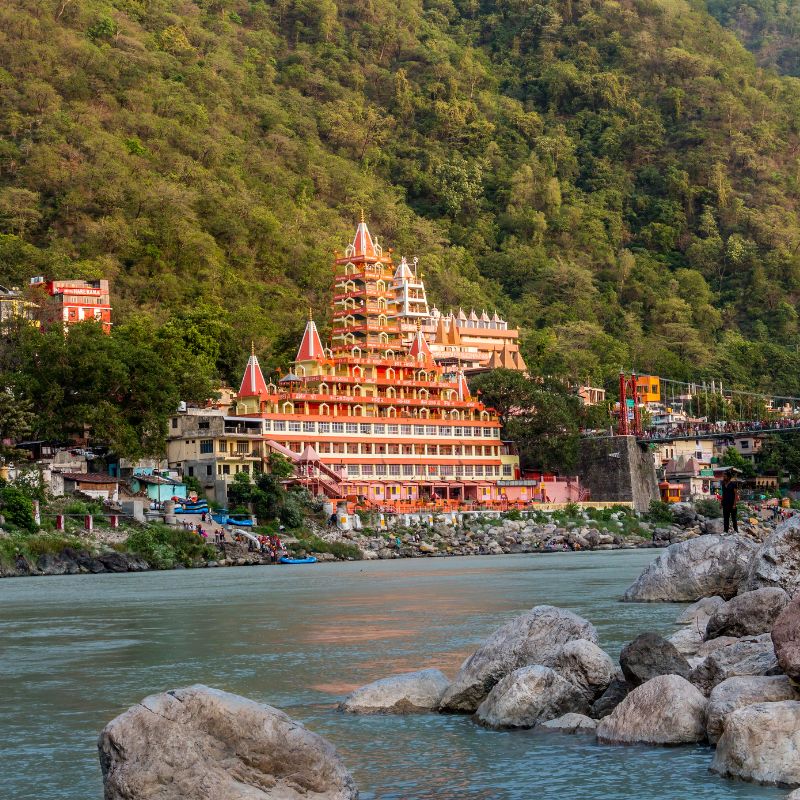
Rishikesh is worth visiting even if you're not interested in yoga or meditation. This riverside town in Uttarakhand offers luxury resorts, Ganga Aarti ceremonies, the historic Beatles Ashram, guided cultural walks, scenic excursions and optional river rafting. For a comfortable visit, allow two or three nights, choose your hotel location carefully and avoid treating central Rishikesh like a secluded resort destination.
Quick Answer: Key Takeaways
- Best for: Couples, cultural travellers and visitors looking for a short, scenic break in northern India.
- Recommended stay: Two nights for a focused visit; three nights for a more relaxed experience.
- Top non-yoga experiences: Ganga Aarti, Beatles Ashram, riverside relaxation, guided walks and optional rafting.
- Luxury accommodation: Riverside resorts and hillside wellness properties offer different experiences from central Rishikesh hotels.
- Best time to visit: October–April generally offers comfortable conditions for sightseeing, depending on the activity.
- Important consideration: Central Rishikesh can be crowded, while some luxury resorts require substantial transfers to reach the town.
Is Rishikesh Worth Visiting If You Don't Do Yoga?
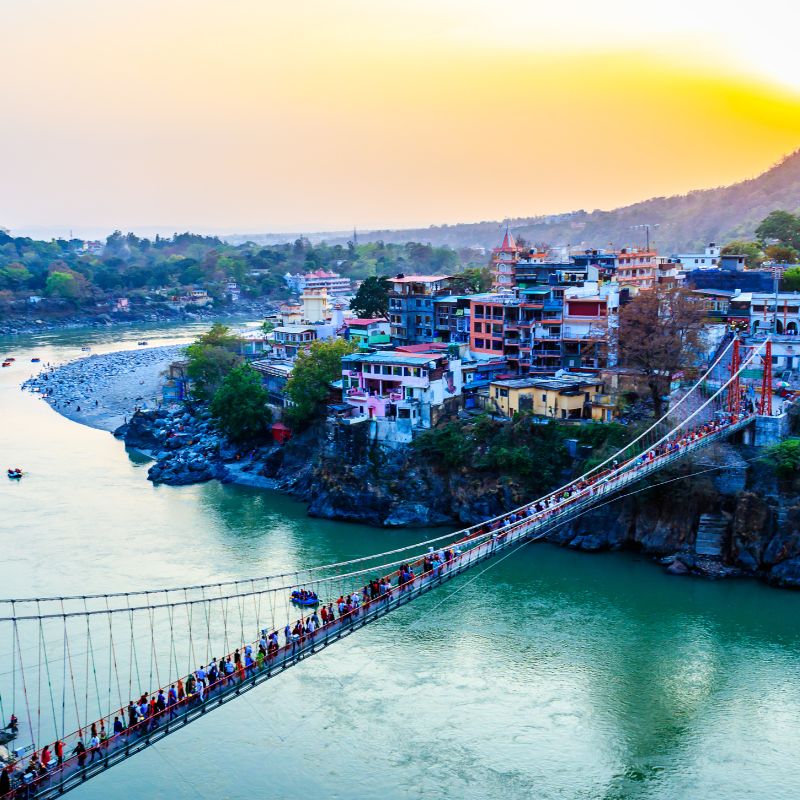
Yes. Rishikesh has enough cultural, scenic and leisure experiences to justify a short visit without attending a single yoga class.
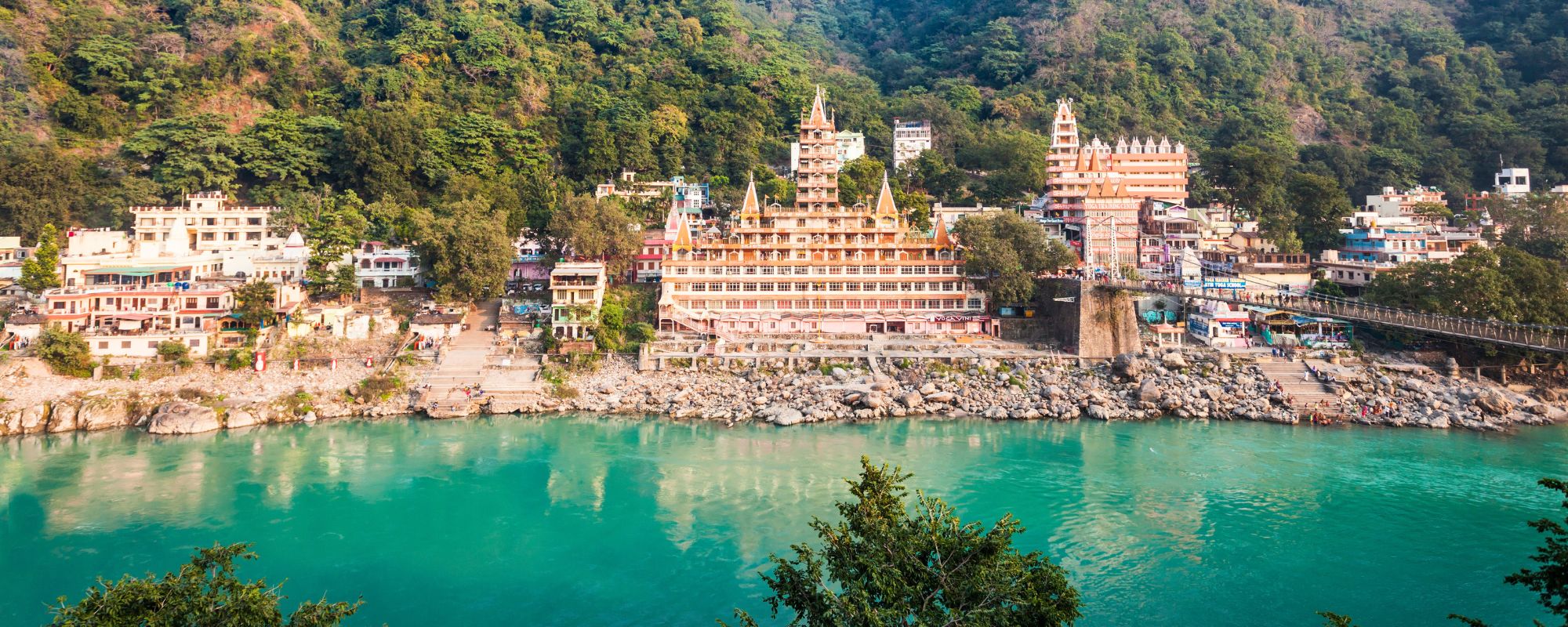
Located where the River Ganga emerges from the Himalayan foothills, the town has long been associated with Hindu pilgrimage, temples and spiritual traditions.
Its international reputation grew further when The Beatles visited Maharishi Mahesh Yogi's ashram in 1968.
Today, Rishikesh attracts pilgrims, backpackers, adventure travellers and guests staying at luxury retreats.
That mixture is part of its character.
You might spend one morning exploring historic streets with a guide, watch an evening prayer ceremony beside the river and devote the following afternoon to reading at your resort.
However, expectations matter.
Rishikesh is not a polished hill resort throughout. The central town has busy roads, pedestrian bridges, crowded markets and considerable religious activity.
The quieter luxury experience generally comes from choosing suitable accommodation and planning selective visits into town.
For an overview of the principal attractions, we also have a complete Rishikesh visitor guide.
What Can Luxury Travellers Do in Rishikesh Without Yoga?
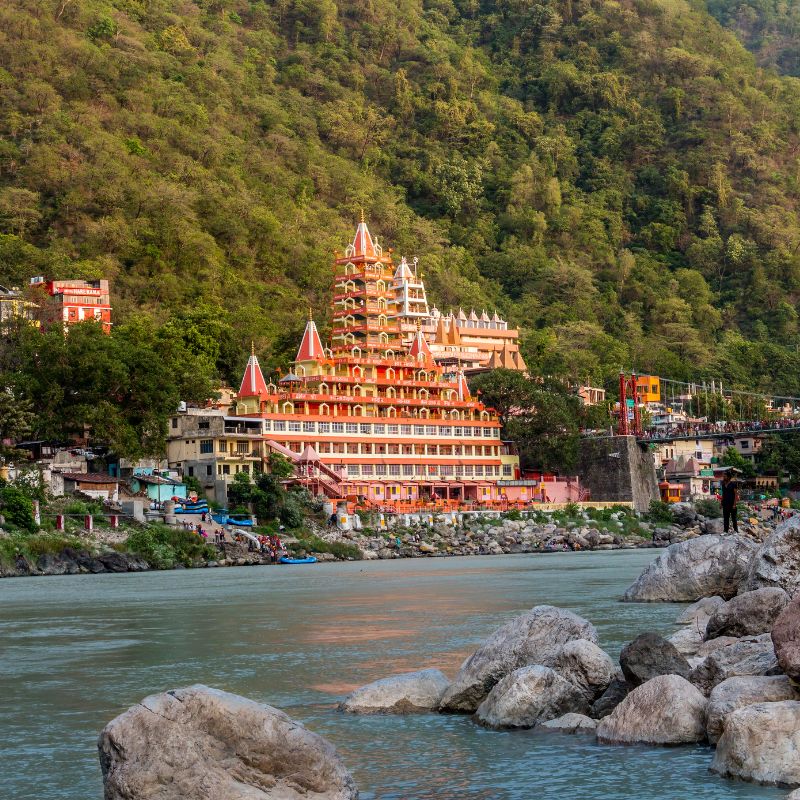
The best activities combine Rishikesh's riverside setting with local culture, nature, and relaxation. You don't need a structured wellness retreat to enjoy them.
1. Stay at a Luxury Riverside Resort
For many luxury travellers, the accommodation is central to the Rishikesh experience.
A carefully chosen property can offer mountain scenery, river views, landscaped surroundings and opportunities to relax away from the busiest streets.
Some resorts provide spas, swimming pools or organised experiences, although facilities vary.
The important question is not simply whether the property is labelled luxurious.
Ask how close it is to the river, whether your chosen room offers views, and how far you will need to travel for sightseeing.
A hotel outside town may offer more peace, but repeated transfers can take up a considerable part of a short stay.
For travellers who prefer unhurried holidays, one or two carefully selected excursions may be enough.
2. Experience Ganga Aarti
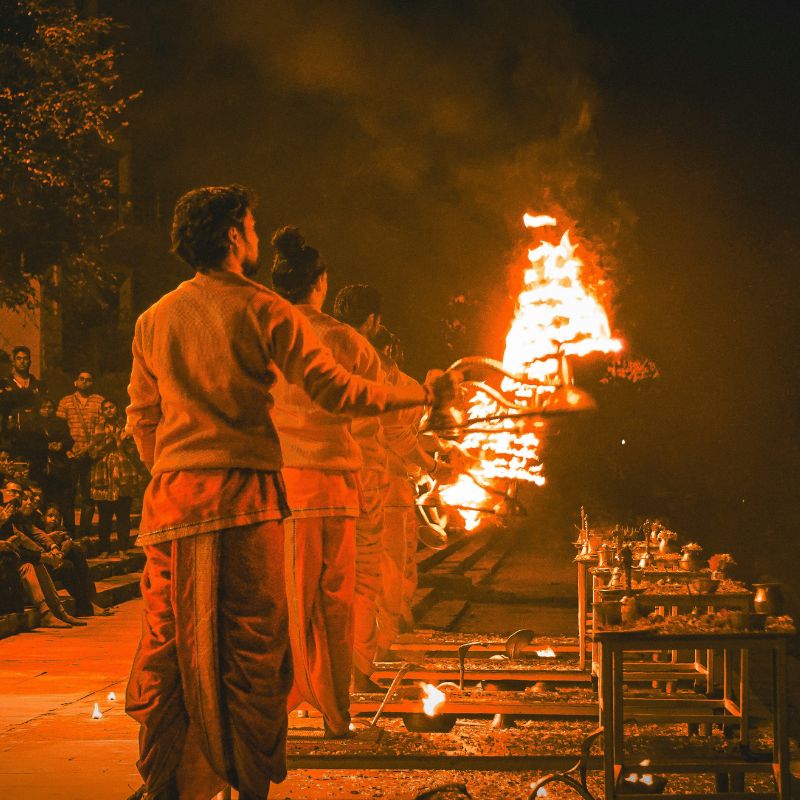
Ganga Aarti is one of Rishikesh's most memorable cultural experiences.
The ceremony involves prayers, devotional music and lamps offered in honour of the River Ganga.
You can observe it without participating in religious practices.
Triveni Ghat is a well-known location, while Parmarth Niketan is another established setting for evening ceremonies.
The atmosphere differs between locations, and arrangements can change during festivals or major gatherings.
Arrive early enough to find a suitable viewing place and allow time for traffic and walking.
Dress respectfully and follow local instructions concerning footwear, photography and access.
Don't assume that a private guide can guarantee front-row seating or exclusive access.
For a non-yoga traveller, the ceremony offers a meaningful introduction to Rishikesh's cultural identity.
3. Explore the Beatles Ashram
The former Maharishi Mahesh Yogi Ashram, widely known as the Beatles Ashram or Chaurasi Kutia, is worth visiting for its cultural history.
The Beatles stayed here in 1968, bringing international attention to the location.
Today, visitors are drawn to its atmospheric structures, murals and connection with a significant period in popular music.
You don't need to be interested in meditation to appreciate the site.
A guide can explain its history and why it became associated with the changing cultural attitudes of the 1960s.
Some paths and surfaces are uneven, so wear comfortable shoes.
Check current opening hours, ticket arrangements and site access before visiting.
4. Take a Private Cultural Walk
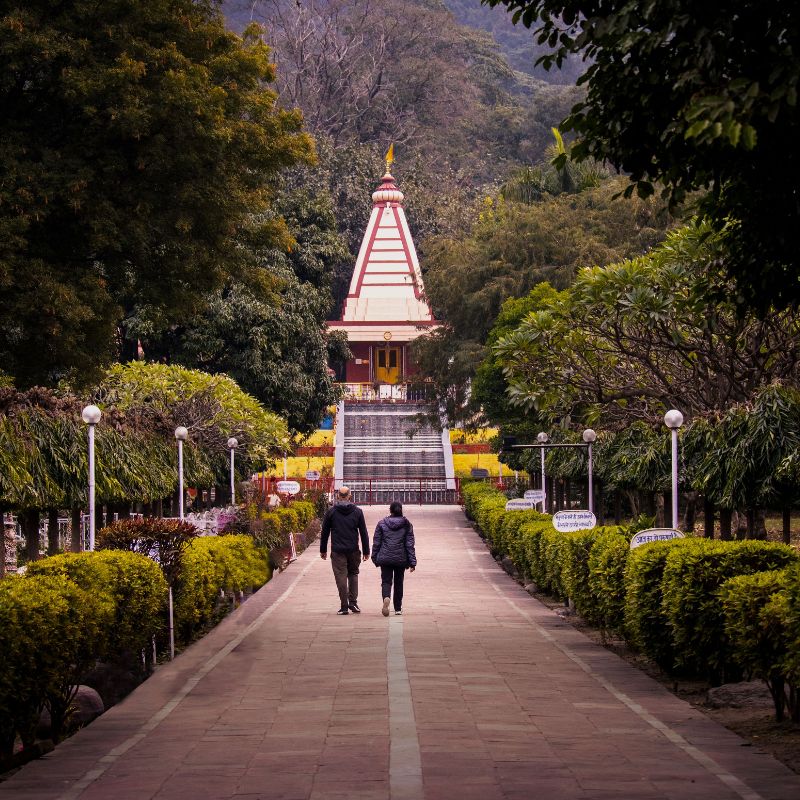
A private walking tour can provide more context than moving between famous attractions by car.
Depending on your interests, a guide might introduce the riverside ghats, local markets, religious buildings and everyday neighbourhood life.
Rishikesh is particularly interesting because pilgrimage traditions and modern tourism share the same public spaces.
However, the central streets are not always quiet.
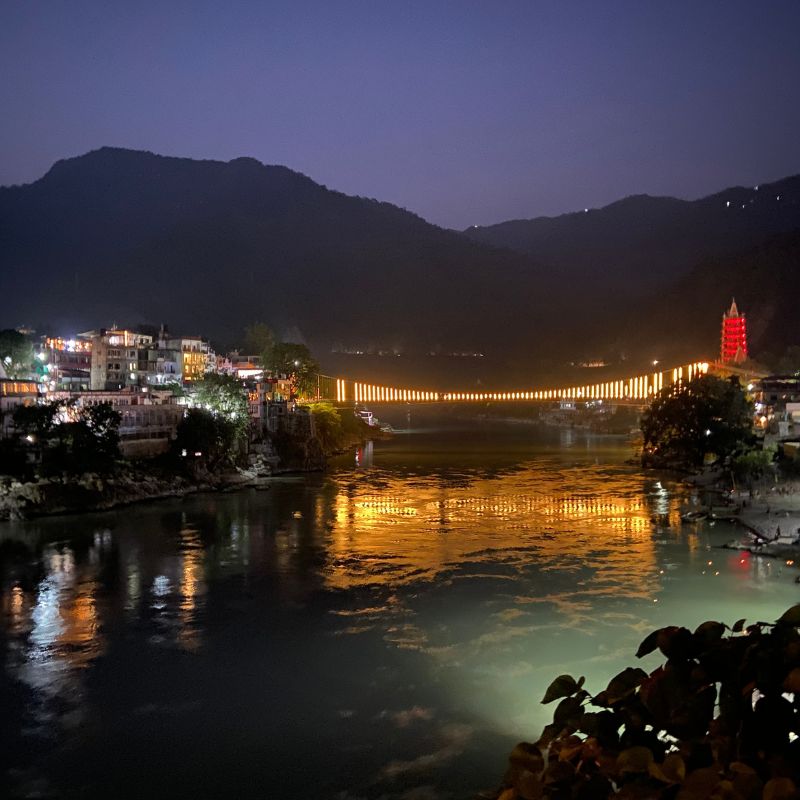
Traffic, crowds and narrow lanes can make longer walks tiring. Check which pedestrian bridges are open, as Laxman Jhula has been closed since 2019 and Ram Jhula has been scheduled for repairs.
A good private tour should therefore be selective.
Rather than trying to visit every temple and market, choose a route that allows time for observation and conversation.
For older travellers or anyone with limited mobility, confirm walking distances and vehicle access in advance.
5. Enjoy Gentle Nature Experiences
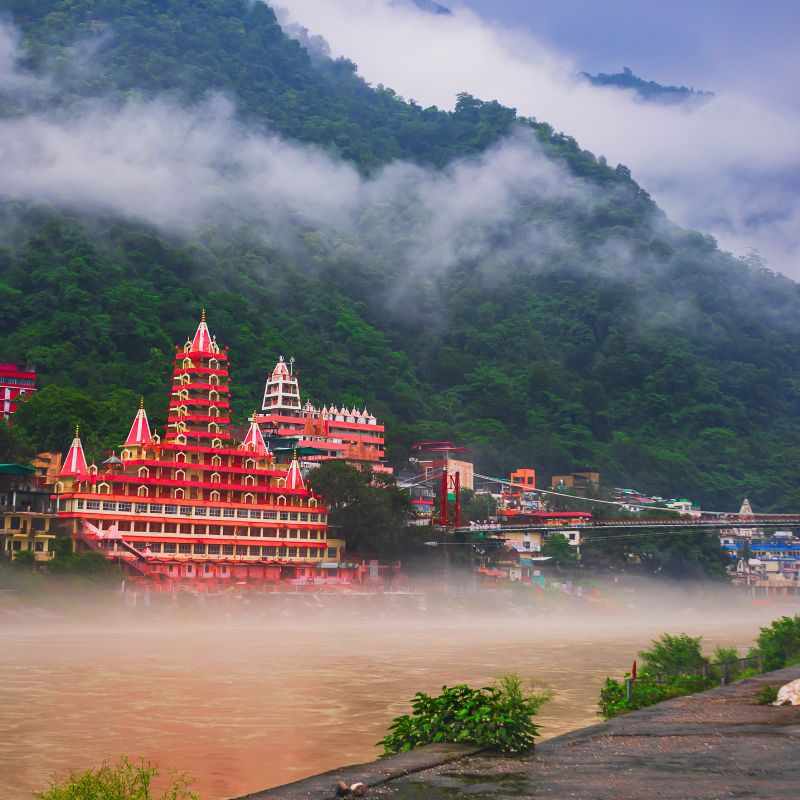
The hills and river valleys around Rishikesh offer opportunities for short walks, scenic drives and outdoor excursions.
Waterfall trails and forested routes can be appealing when weather and access conditions are suitable.
However, a walk described as easy online may involve steep steps, slippery rocks or uneven surfaces.
Neer Garh Waterfall, for example, is a popular excursion but shouldn't automatically be presented as suitable for everyone.
For travellers who want to enjoy nature without a demanding hike, a scenic drive or quiet riverside viewpoint may be preferable.
Avoid entering the river or walking along unstable banks without local safety guidance, as currents can be strong and conditions change with rainfall and water releases.
During the monsoon, heavy rain can change conditions quickly.
6. Try White-Water Rafting
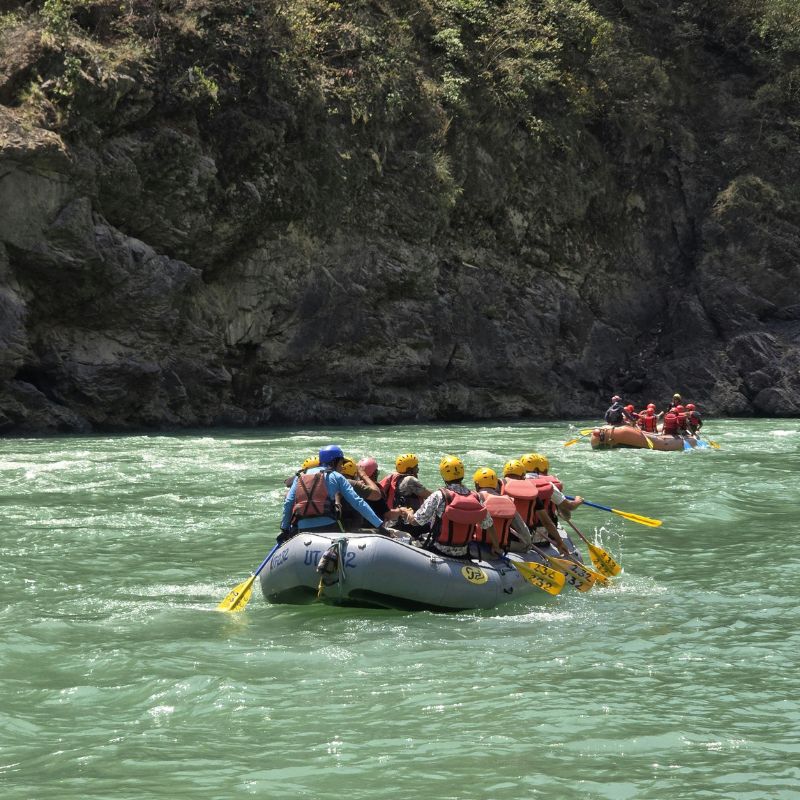
Rafting is one of Rishikesh's best-known adventure experiences, and it can be an enjoyable addition for travellers who want something more active.
However, rafting is optional.
Rafting on the Ganga at Rishikesh generally runs from mid-September to 30 June, when the monsoon closure begins, although individual operations depend on river levels and local permissions.
Different river stretches have different levels of difficulty.
Choose an appropriately licensed operator, ask about safety equipment and review eligibility requirements.
Consider age, medical conditions, swimming confidence, and river conditions.
A beginner-friendly route is not risk-free, and you should never assume it suits everyone.
7. Explore Rishikesh's Vegetarian Food Culture
Rishikesh offers a distinctive food experience shaped by its religious character.
Vegetarian restaurants and cafés are central to the town's dining scene.
Travellers can explore North Indian vegetarian dishes, regional snacks, chai and modern café menus.
A private guide may help you choose places that suit your preferences and dietary needs.
However, expectations should be realistic.
Central Rishikesh is not the destination for conventional luxury nightlife, cocktail bars or elaborate alcohol-focused dining experiences.
Many places in central Rishikesh do not serve alcohol or non-vegetarian food, while some resorts outside town do. Confirm the rules with your property before you book.
If a specific dietary requirement is important, check availability before arrival.
8. Spend an Afternoon Doing Very Little
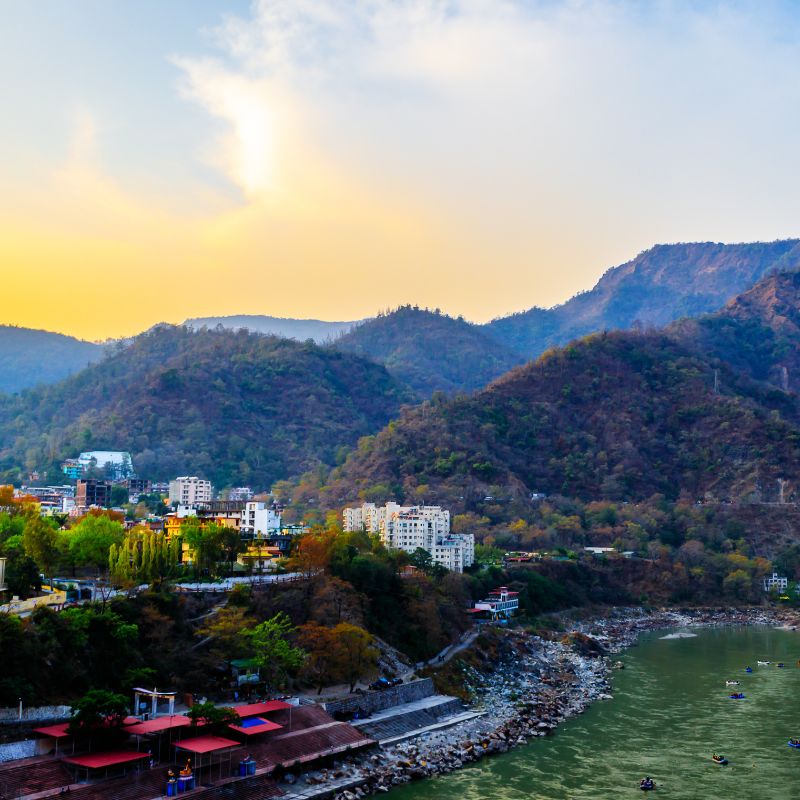
Not every destination needs a full sightseeing schedule.
One of the strongest reasons to include Rishikesh in a longer India itinerary is the opportunity to slow down.
A relaxed day might involve breakfast overlooking the valley, a book, a spa appointment and an early dinner.
Some resorts have structured retreats, but others offer more conventional hotel stays.
Ask whether the property requires participation in scheduled activities or has minimum-stay conditions.
For guests arriving after several busy days in Delhi, Agra or Jaipur, a quiet afternoon may be more valuable than another excursion.
Which Rishikesh Experiences Are Worth Your Time?
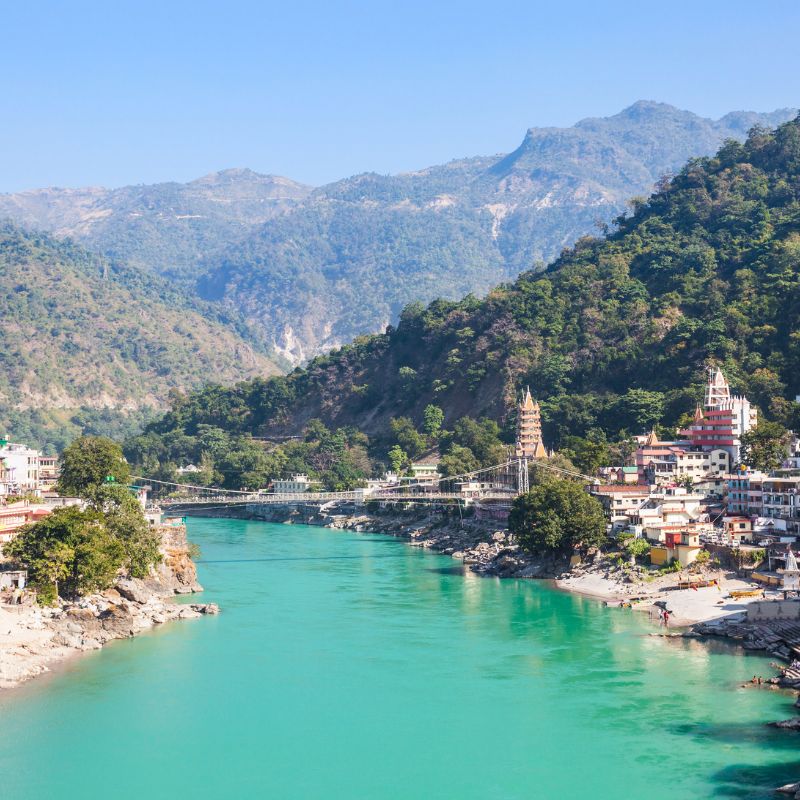
The right activities depend on how much walking, driving or physical effort you want during your stay.
|
Experience |
Best suited to |
What to check |
|---|---|---|
| Luxury riverside resort | Couples and relaxation-focused travellers | Location, access and room views |
| Ganga Aarti | Cultural travellers | Ceremony timing and crowds |
| Beatles Ashram | Music, art and history enthusiasts | Opening hours and walking conditions |
| Guided town walk | First-time visitors | Route length and traffic |
| Nature excursion | Outdoor enthusiasts | Terrain and weather |
| River rafting | Adventure travellers | Operator credentials and river conditions |
| Spa and leisure time | Travellers wanting rest | Hotel facilities and inclusions |
For a three-night holiday, we'd usually select two or three activities rather than trying to complete the entire list.
Where Should You Stay in Rishikesh for a Luxury Experience?
The main decision is whether you want to stay close to the town's attractions or at a quieter resort farther along the river or in the surrounding hills.
These are three established properties worth comparing.
The Roseate Ganges: Contemporary Riverside Luxury
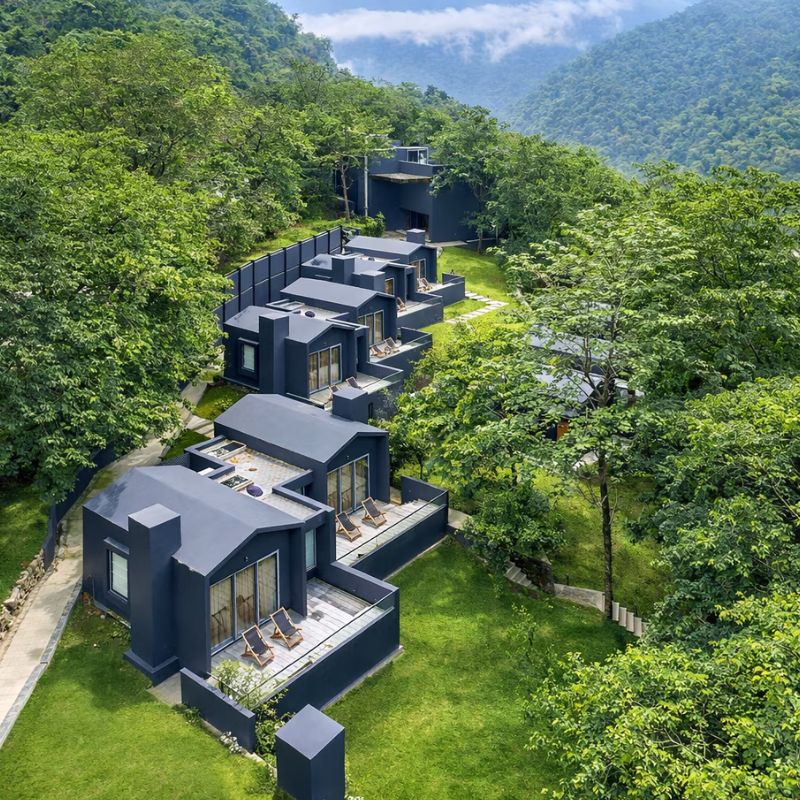
The Roseate Ganges is located near Shivpuri, along the Rishikesh–Badrinath Road.
It offers a resort-style setting away from central Rishikesh.
The property's official information highlights its contemporary design and riverside setting.
However, its published policies mention approximately 200 natural steps leading to the riverside beach area.
This is an important consideration for guests with limited mobility.
It should also not be confused with accommodation located within walking distance of the main ghats.
Official website: The Roseate Ganges.
Taj Rishikesh Resort & Spa: A Retreat Away From Town
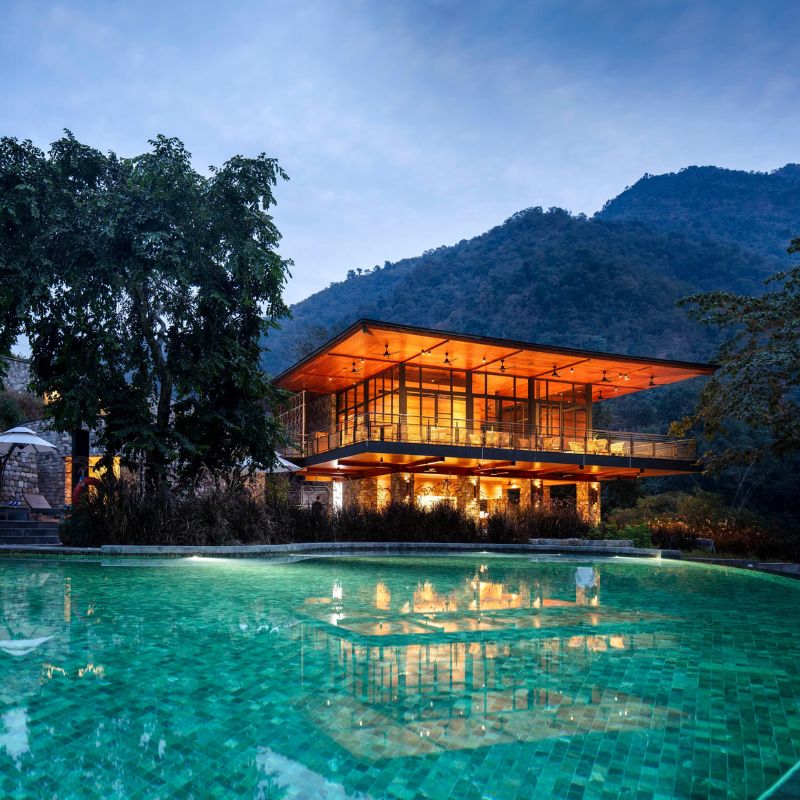
Taj Rishikesh Resort & Spa is located at Singthali, in the Tehri Garhwal area. Its website places it about 30 kilometres from Rishikesh.
Its riverside location provides a different experience from staying in central Rishikesh.
This may suit travellers who prioritise resort time over frequent visits to town.
However, the distance means that a sightseeing day in Rishikesh requires advance transfer planning.
Check the property's accommodation, dining, and spa facilities against the chosen room category and current operating arrangements.
Official website: Taj Hotels.
Ananda in the Himalayas: Destination Wellness Near Rishikesh
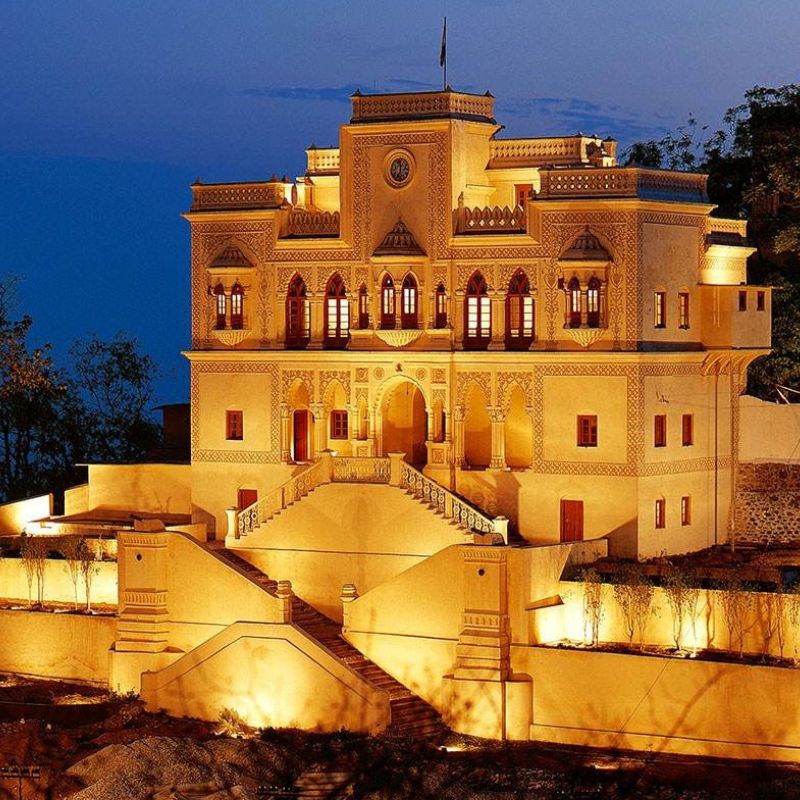
Ananda in the Himalayas is located in Narendra Nagar, above Rishikesh.
It is a destination wellness property rather than a conventional hotel in central Rishikesh.
Ananda is particularly well-suited to travellers interested in spa treatments, wellness consultations, and organised programmes.
However, it may not be the most practical choice if your main objective is to explore Rishikesh's town attractions every day.
Check minimum stays, programme requirements and whether the available experience suits a guest who doesn't want yoga or meditation.
Official website: Ananda in the Himalayas.
Which Location Should You Choose?
Choose central Rishikesh when easy access to ghats, cafés and walking areas matters most.
Choose a resort outside town when peaceful surroundings, views and time at the property are priorities.
For a short luxury holiday, we would normally prefer one well-chosen base rather than changing hotels.
Is Rishikesh Actually a Luxury Destination?
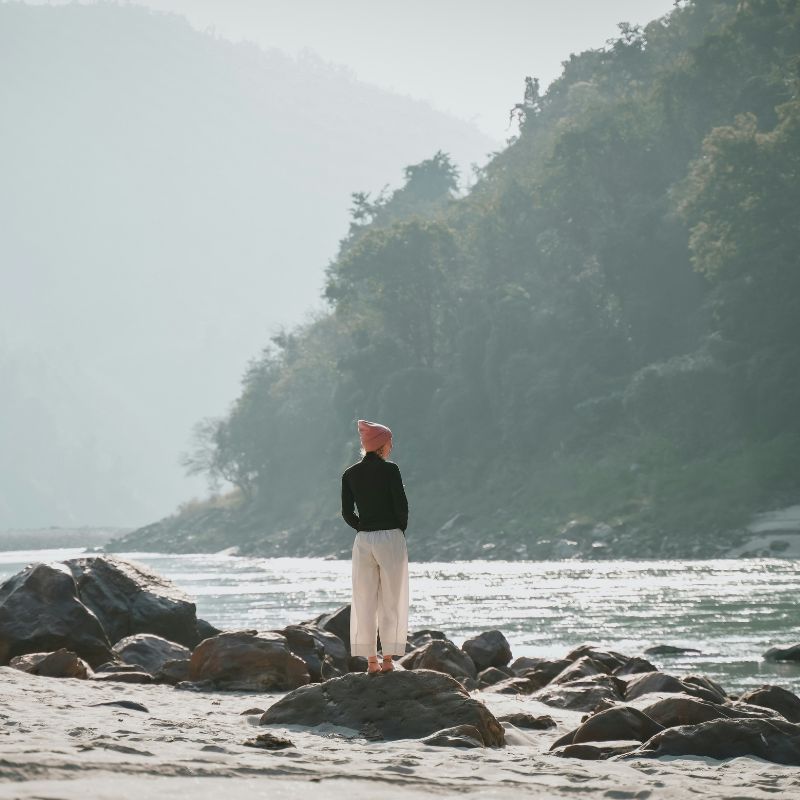
Yes, but its luxury appeal differs from Rajasthan's palace hotels or India's major metropolitan properties. Rishikesh offers high-end accommodation, scenery, personalised sightseeing and opportunities to relax. However, the town remains an active pilgrimage destination, with busy roads, crowded riverfront areas and significant walking between attractions, and even a private vehicle cannot eliminate every local access restriction. Luxury here often means choosing your surroundings carefully and setting an appropriate pace. Travellers expecting a perfectly manicured resort town may be disappointed, while those who appreciate cultural character alongside comfortable accommodation are more likely to enjoy the destination.
How Many Days Should You Spend in Rishikesh Without Yoga?
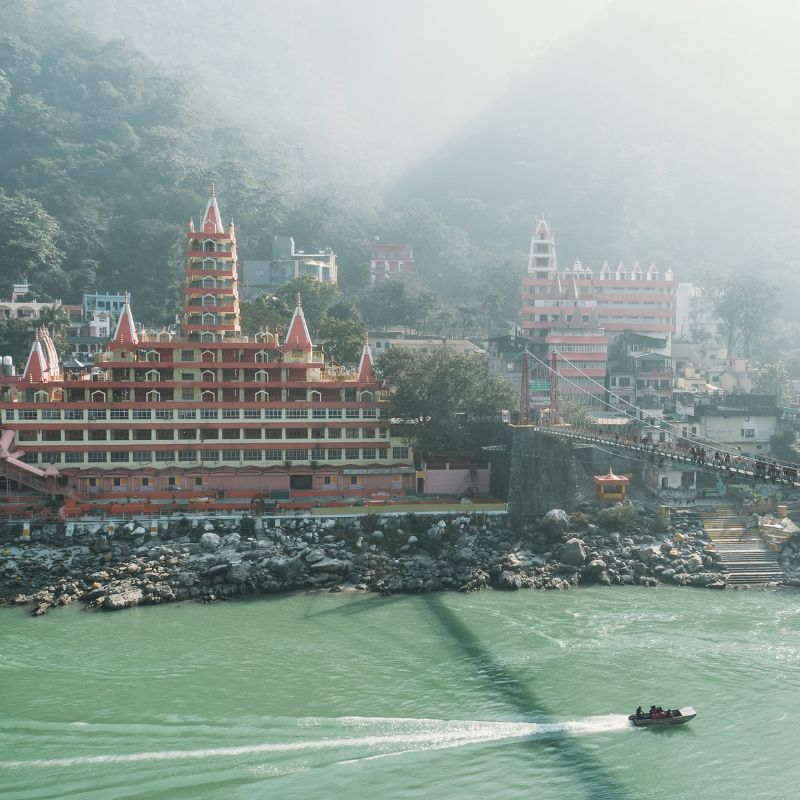
Two or three nights is generally enough for travellers who want to experience Rishikesh without attending yoga or meditation programmes.
|
Stay |
What you can realistically include |
|---|---|
| 1 night | Resort stay and one selected cultural experience |
| 2 nights | Ganga Aarti, Beatles Ashram and relaxation |
| 3 nights | Cultural sightseeing, nature or spa time, and a slower pace |
| 4 nights | Suitable for travellers prioritising resort relaxation or additional excursions |
Two nights work well when Rishikesh is one stop on a longer northern India itinerary.
Three nights are preferable if you want both sightseeing and meaningful leisure time.
Four nights can be worthwhile for a resort-focused holiday, but you don't need it to see the town's main attractions.
What Is a Realistic Three-Day Luxury Rishikesh Itinerary?
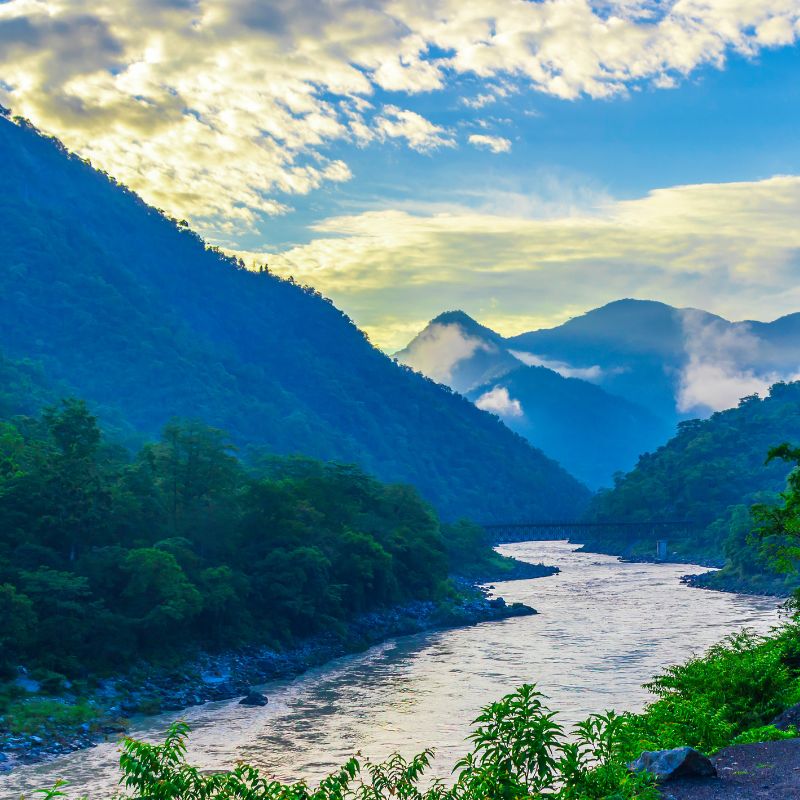
A three-day visit with two nights can work well if arrival and departure timings are sensible.
|
Day |
Focus |
Suggested programme |
|---|---|---|
| Day 1 | Arrival and relaxation | Arrive from Dehradun or Delhi, check in and enjoy the hotel |
| Day 2 | Cultural experiences | Visit Beatles Ashram, explore selected ghats and attend Ganga Aarti |
| Day 3 | Leisure and departure | Relaxed breakfast, optional short excursion and onward transfer |
This plan includes one main sightseeing day rather than three full days of activities.
If your hotel is outside town, allow substantial time for the Day 2 transfers.
A third night would give you more freedom to add a nature excursion, spa treatment or rafting without making the schedule rushed.
When Is the Best Time to Visit Rishikesh?
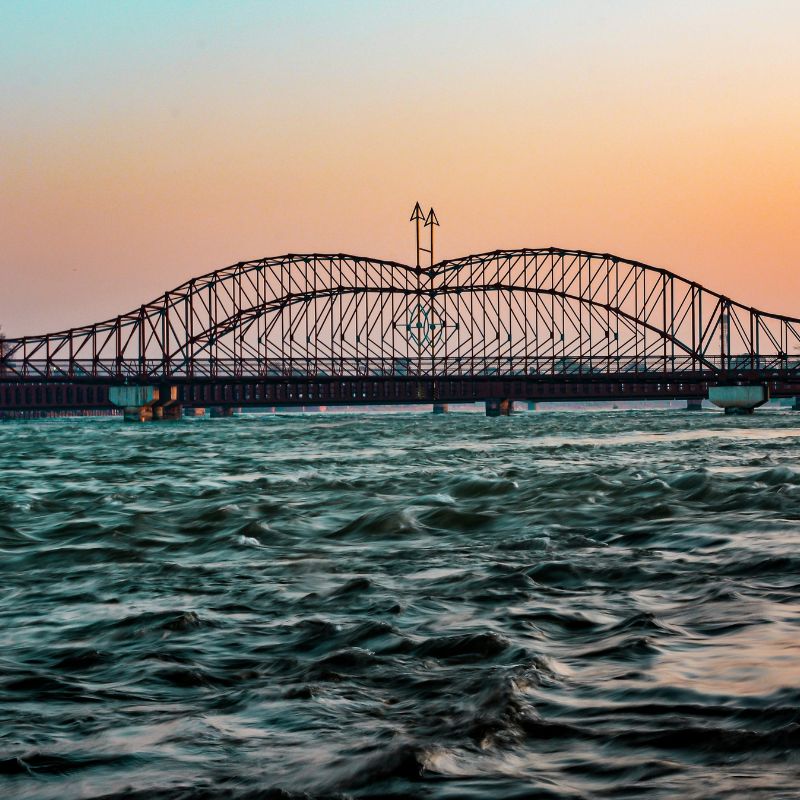
October to April is generally a good period for cultural sightseeing and comfortable resort stays, although specific conditions vary.
|
Season |
What to expect |
|---|---|
| October–November | Generally pleasant temperatures and suitable outdoor conditions |
| December–February | Cooler mornings and evenings; good for relaxed sightseeing |
| March–April | Comfortable to increasingly warm days |
| May–June | Hotter weather and busier holiday periods |
| July–September | Monsoon rainfall, higher river levels and possible disruptions |
Winter can appeal to guests who enjoy cooler weather.
Spring is useful for walking and outdoor experiences before the strongest summer heat.
During the monsoon, heavy rain can affect hiking routes, riverside areas and road travel.
Rafting should never be assumed available year-round; operating dates depend on government permissions and current river conditions.
How Do You Reach Rishikesh Comfortably?
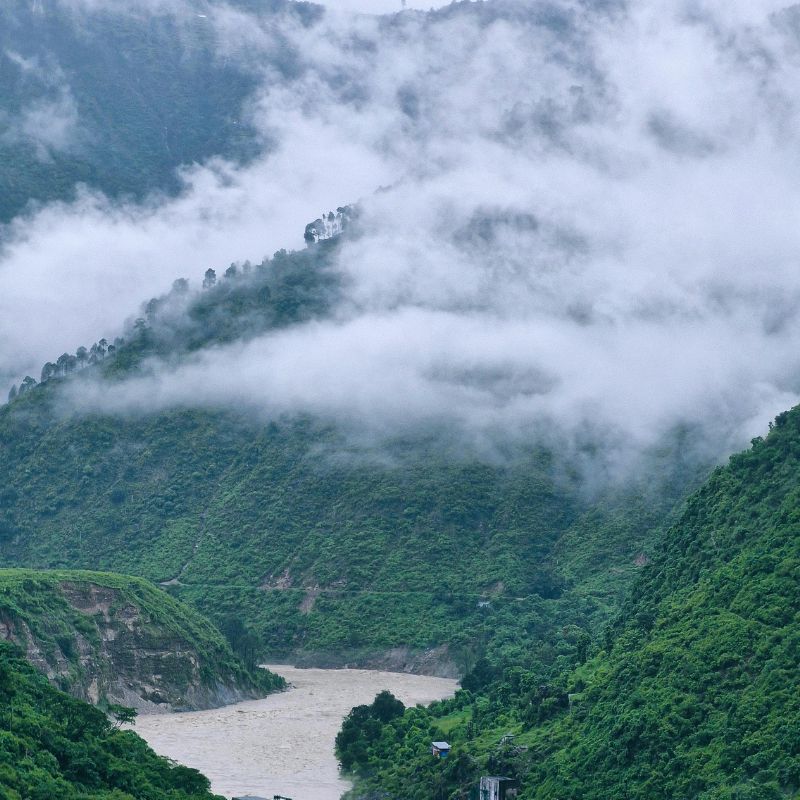
Dehradun's Jolly Grant Airport is the nearest major airport for Rishikesh.
It is roughly 20 kilometres from the town, although the distance to your actual resort may be considerably greater.
You can arrange private transfers from the airport to Rishikesh or nearby accommodation.
From Delhi, driving typically requires several hours, depending on traffic, route and stopping arrangements.
Allow additional time during weekends, festivals and busy pilgrimage periods.
For luxury travellers, choosing the closest practical arrival airport often makes more sense than spending an entire day on the road.
You can also combine Rishikesh with Haridwar or other destinations in northern India.
Is Rishikesh Better Than Haridwar or Mussoorie for a Luxury Escape?
These destinations offer different experiences.
|
Destination |
Best for |
|---|---|
| Rishikesh | River scenery, cultural experiences, resorts and gentle adventure |
| Haridwar | Religious traditions, pilgrimage sites and Ganga ceremonies |
| Mussoorie | Hill-station atmosphere, mountain views and conventional leisure stays |
Rishikesh offers a useful balance between cultural sightseeing and resort relaxation.
Haridwar is more strongly associated with pilgrimage experiences.
Mussoorie may appeal to travellers who prefer a traditional hill-station holiday.
For someone specifically seeking a comfortable riverside retreat, Rishikesh may be the most suitable option.
What Common Mistakes Should Non-Yogis Avoid in Rishikesh?
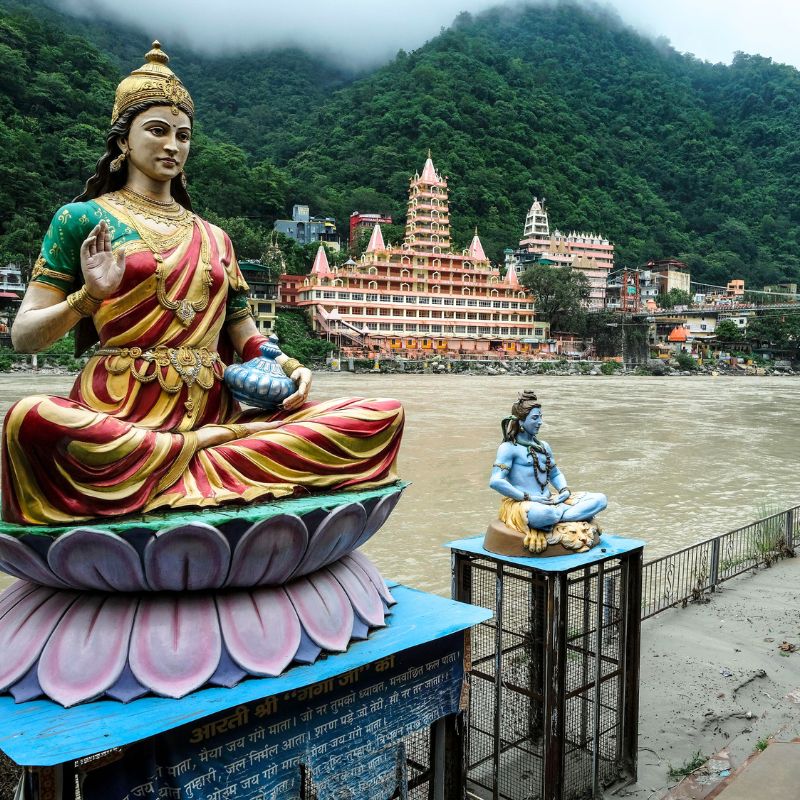
The most common mistake is assuming that everything in Rishikesh revolves around yoga.
Another mistake is booking a remote resort and expecting to walk into the town centre for dinner or sightseeing, or underestimating crowds, walking distances and the effort required for nature trails.
Don't build an itinerary around rafting without checking current safety conditions and operating permissions.
And avoid booking every available activity.
A short visit is usually more enjoyable when there is enough time to appreciate the property and surroundings. Finally, confirm any dietary requirements, spa arrangements and special accessibility needs before your stay, especially for families and older travellers.
Planning Tip From Our Team: Choose Your Hotel Before Your Activities
For a luxury Rishikesh holiday, we'd recommend choosing the hotel location before planning the sightseeing.
A quiet resort outside town creates a very different experience from a centrally located hotel.
For most non-yoga travellers, we suggest choosing one comfortable property, arranging one guided cultural day, and leaving the rest of your time flexible.
Plan Your Private Rishikesh Experience With Bout India
Rishikesh offers more than yoga retreats and meditation programmes.
Its riverside setting, religious traditions, historic attractions and comfortable resorts make it an appealing addition to a private northern India holiday.
The key is matching the experience to your interests.
We have created tailor-made private journeys since 2013, helping travellers combine cultural experiences, accommodation, and transport at their preferred pace.
If you're considering a short stay in Rishikesh, you can plan your private India trip with Bout India.
Discuss your hotel preferences, mobility requirements, sightseeing interests and arrival arrangements before finalising the itinerary.
You don't have to practise yoga to enjoy Rishikesh. You need a plan that leaves room for the experiences you actually want.