Introduction: Discovering the Golden City
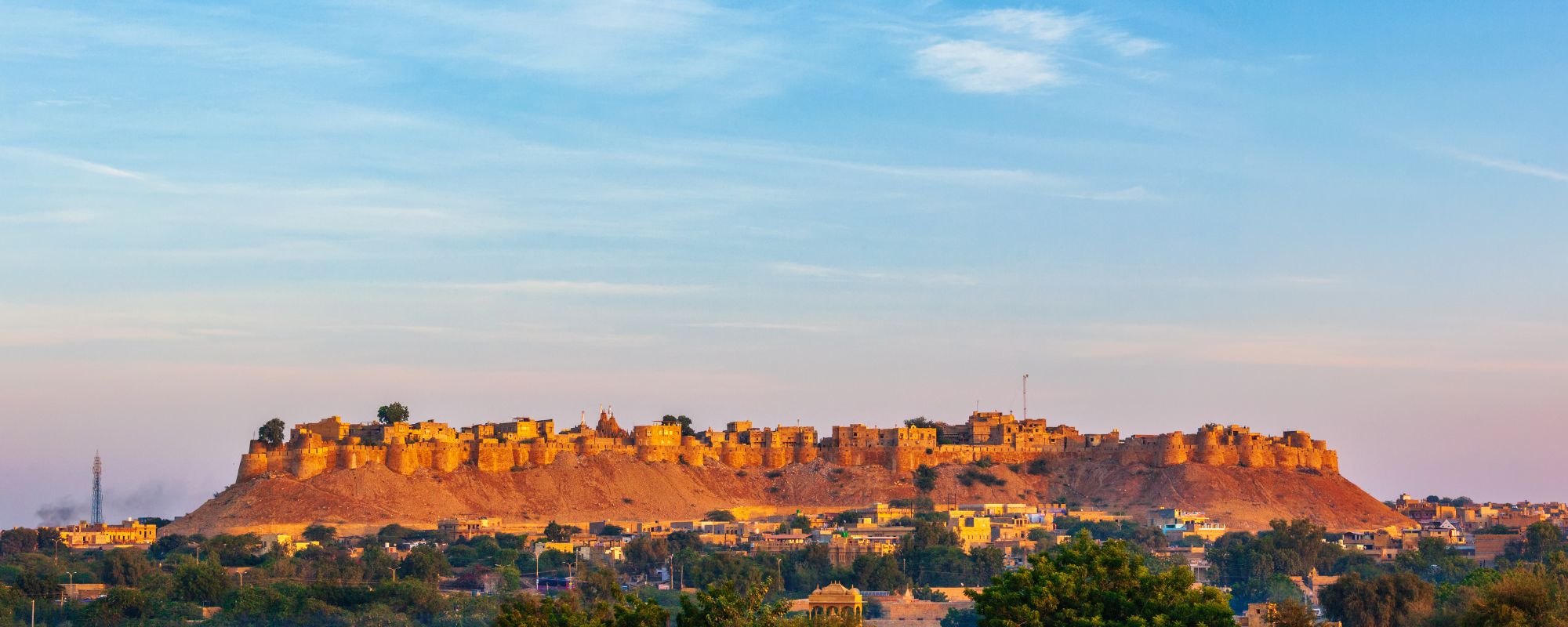
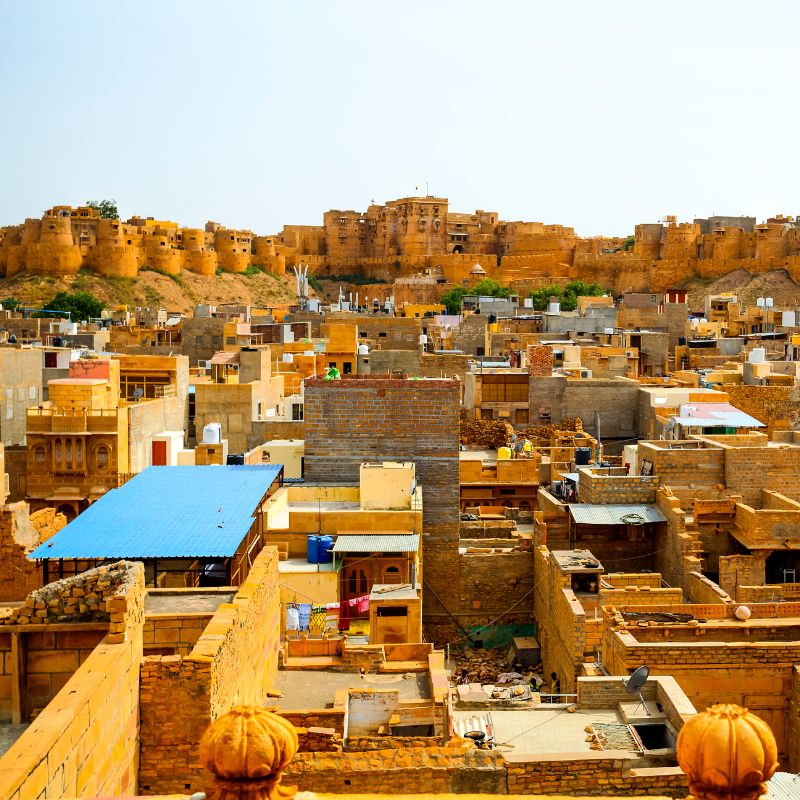
On the western edge of Rajasthan, where the Thar Desert stretches towards the horizon, Jaisalmer offers a different perspective on India's royal history. Known as the Golden City, it is recognised for its honey-coloured sandstone architecture, narrow historic lanes, ornate merchant havelis and desert landscapes.
Unlike destinations where heritage is confined to monuments and museums, Jaisalmer's history remains part of everyday life. Families continue to live within the old fort, shops occupy centuries-old streets, and traditional crafts remain visible in local markets. Beyond the city, the landscape gradually opens into dunes, villages and desert settlements.
For travellers planning a Rajasthan holiday, Jaisalmer offers a chance to combine architectural exploration with desert camping, local cuisine, and quieter experiences away from the main tourist routes. It also makes a distinctive addition to a wider Rajasthan tour.
Exploring Jaisalmer's Heritage and Architecture
Jaisalmer Fort: A Living Fort in the Desert
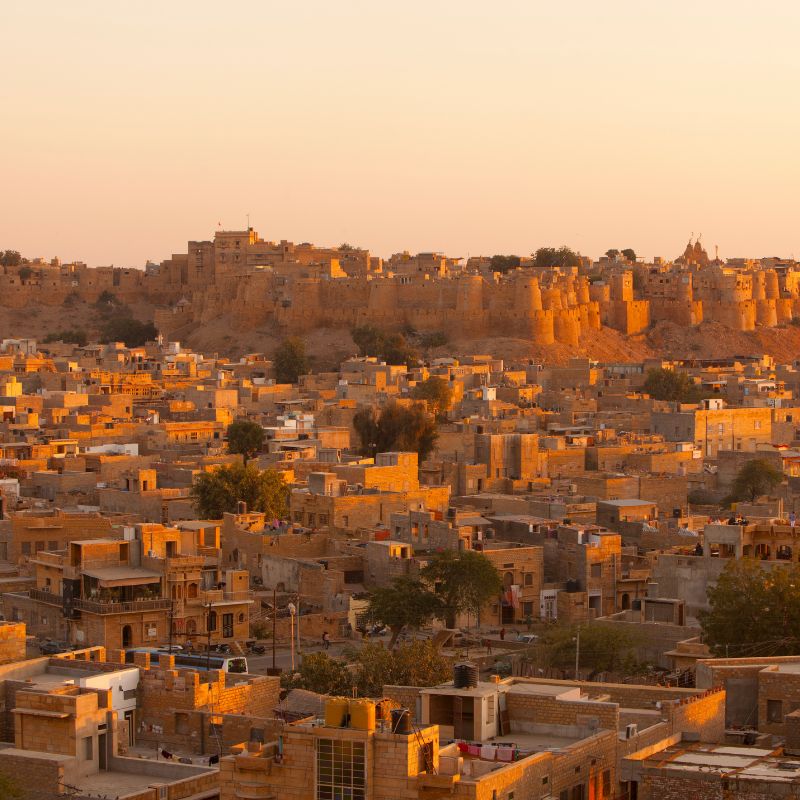
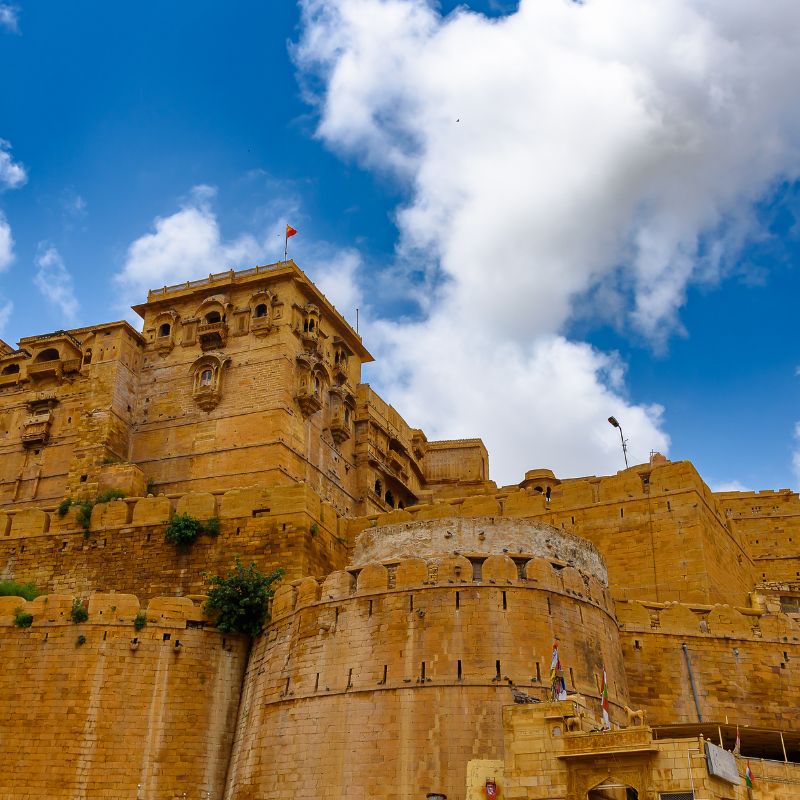
The city's most recognisable landmark is Jaisalmer Fort, also known as Sonar Quila or the Golden Fort. Built in the 12th century and now part of the Hill Forts of Rajasthan UNESCO World Heritage Site, its sandstone walls take on a warm golden appearance as the sunlight changes throughout the day.
What makes the fort particularly interesting is that it is still inhabited. Residential homes, small businesses, temples, cafés and guesthouses operate within its historic walls. Walking through its narrow lanes offers a closer look at how the old city continues to function.
The Jain temples within the fort are especially notable for their detailed stone carvings and architectural craftsmanship. Visitors interested in history and architecture should allow enough time to explore the complex rather than treating it as a quick photo stop.
Patwon Ki Haveli
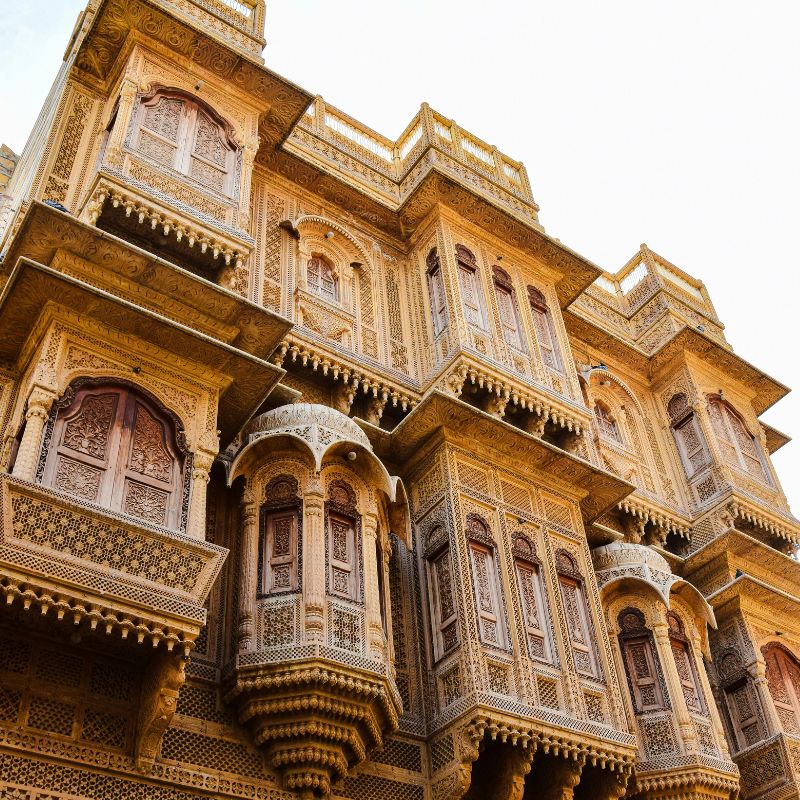
Patwon Ki Haveli is one of Jaisalmer's most impressive examples of merchant architecture. It is a cluster of five adjoining havelis associated with a wealthy merchant family. Intricate balconies, carved façades, decorative windows and detailed stonework reflect the prosperity of the city's historic trading community.
Nathmal Ki Haveli and Salim Singh Ki Haveli
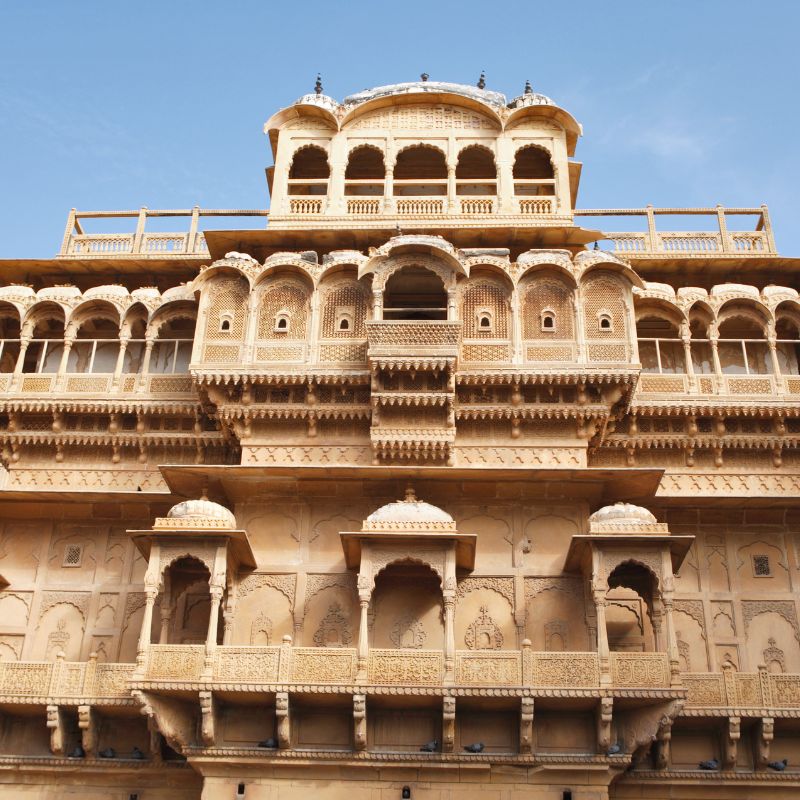
Both havelis offer a closer look at the architectural traditions that developed in Jaisalmer. Nathmal Ki Haveli is known for its elaborate exterior carvings, while Salim Singh Ki Haveli is recognised for its distinctive projecting upper balconies.
A guided walk through these buildings helps explain the craftsmanship, social history and merchant culture behind their design.
Gadisar Lake and Bada Bagh
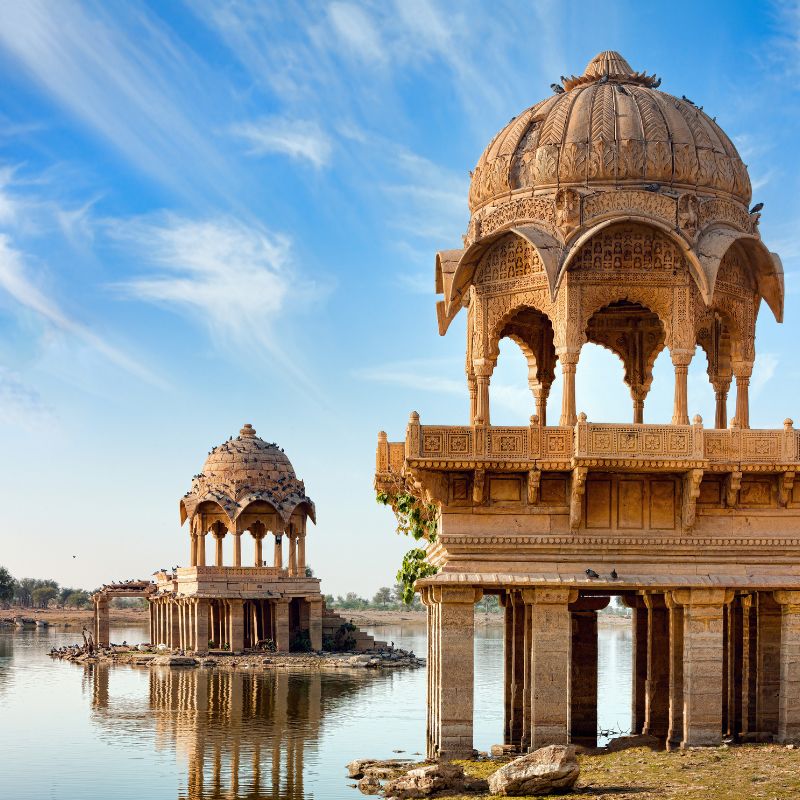
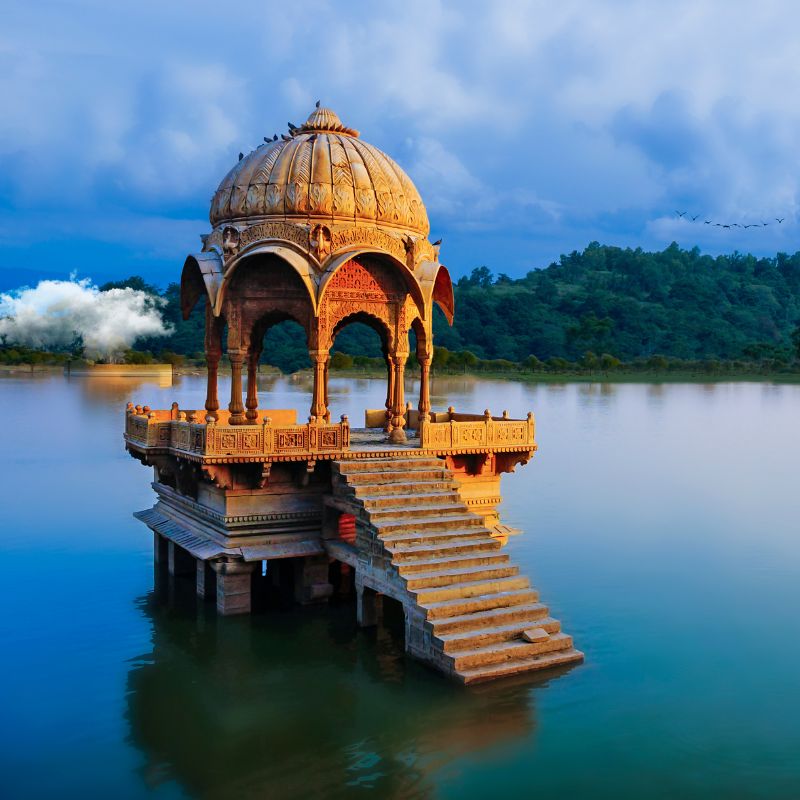
Gadisar Lake provides a peaceful contrast to the narrow streets of the old city. Its historic gateways, temples and surrounding structures make it a pleasant place to visit, particularly during the cooler hours.
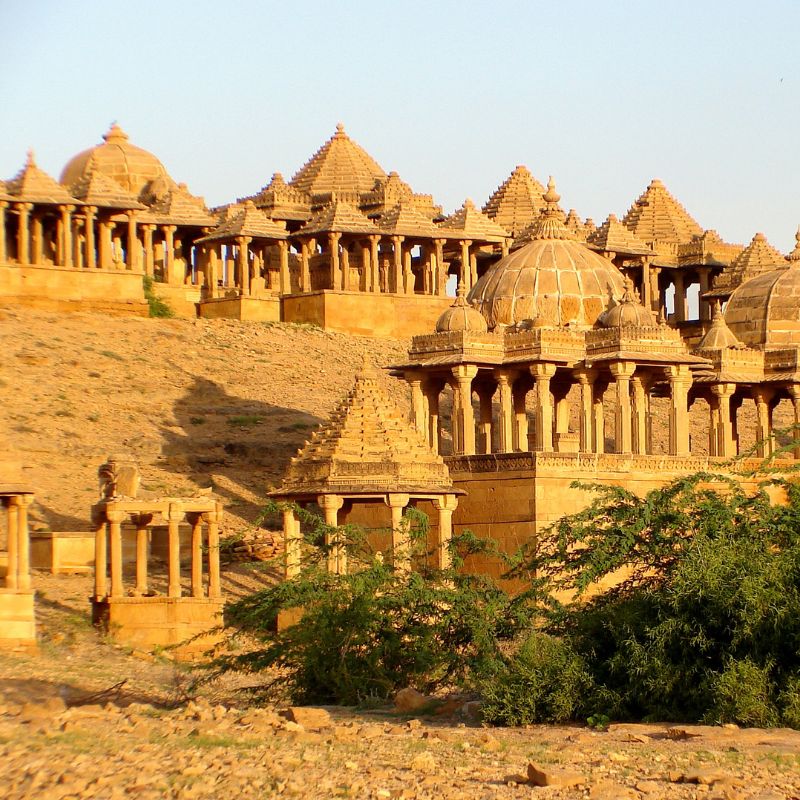
Bada Bagh, located outside the city, is known for its royal cenotaphs, or chhatris. These sandstone memorials commemorate members of Jaisalmer's former royal family. The setting is particularly striking when the late-afternoon light falls across the carved structures.
Desert Experiences You Should Not Miss
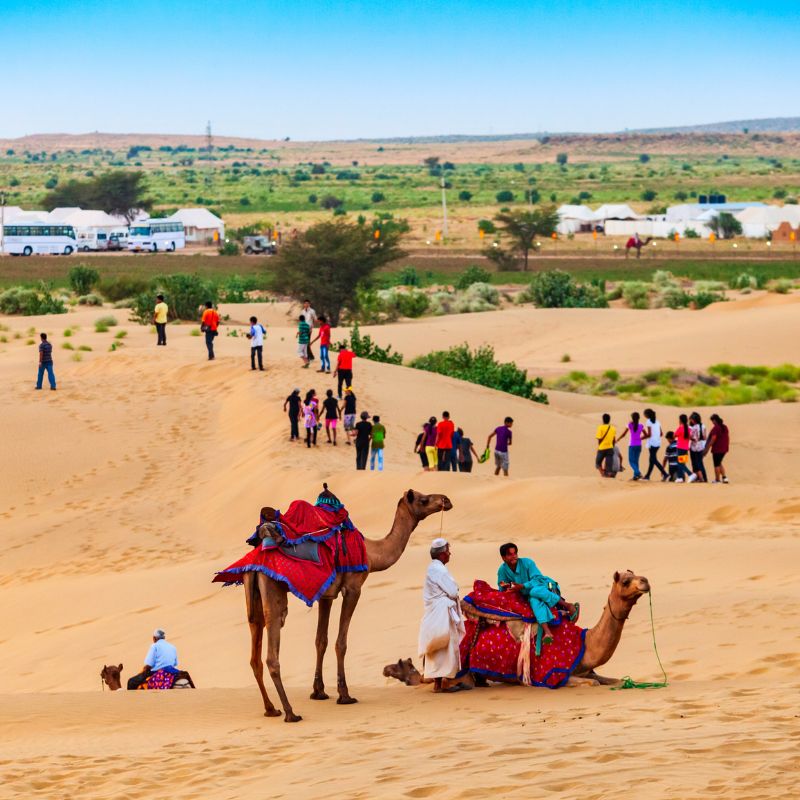
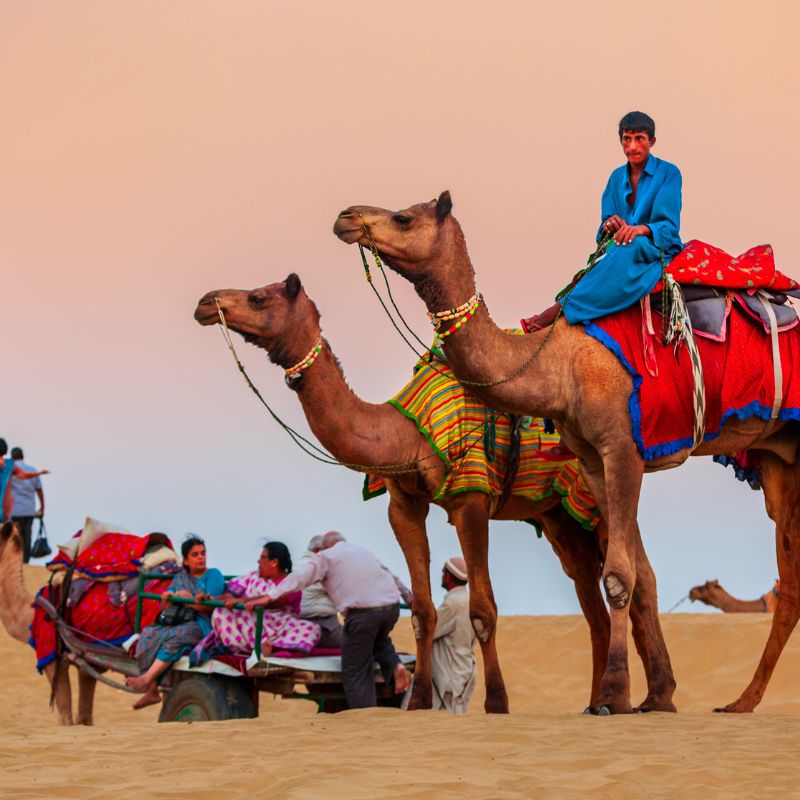
A visit to Jaisalmer is incomplete without spending time in the Thar Desert. The experience can be as active or relaxed as you prefer, from short camel rides to overnight stays under the open sky.
Jeep Safaris and Dune Drives
For travellers who prefer a faster-paced activity, jeep safaris and dune drives are available in designated desert areas. These excursions offer a different perspective on the landscape, with opportunities to explore stretches of sand and open terrain.
Choose operators who follow local access rules and avoid damaging fragile desert vegetation. Not every dune area is suitable for unrestricted off-road driving.
Sunset Views and Desert Evenings
Sunset is one of the most memorable times to experience the desert. As the light softens, the sand changes colour and the dunes create long shadows across the landscape.
Many desert camps arrange evening programmes featuring Rajasthani folk music, traditional dance and regional food. These performances can provide an introduction to local cultural traditions, although the atmosphere varies between properties.
Stargazing and Overnight Camping
Away from the brighter lights of the city, the desert can offer excellent conditions for observing the night sky, particularly when the weather is clear and the moon is not too bright.
An overnight camp lets visitors experience the shift from warm afternoons to cooler desert evenings. Depending on the property, accommodation may range from comfortable tents with private bathrooms to simpler arrangements.
For travellers considering an overnight stay, Damodra Desert Camp in Jaisalmer is one of the accommodation options we feature. Its listed experience includes Swiss tent accommodation, dinner, breakfast and a traditional cultural programme.
Sam vs Khuri: Which Sand Dunes Should You Choose?
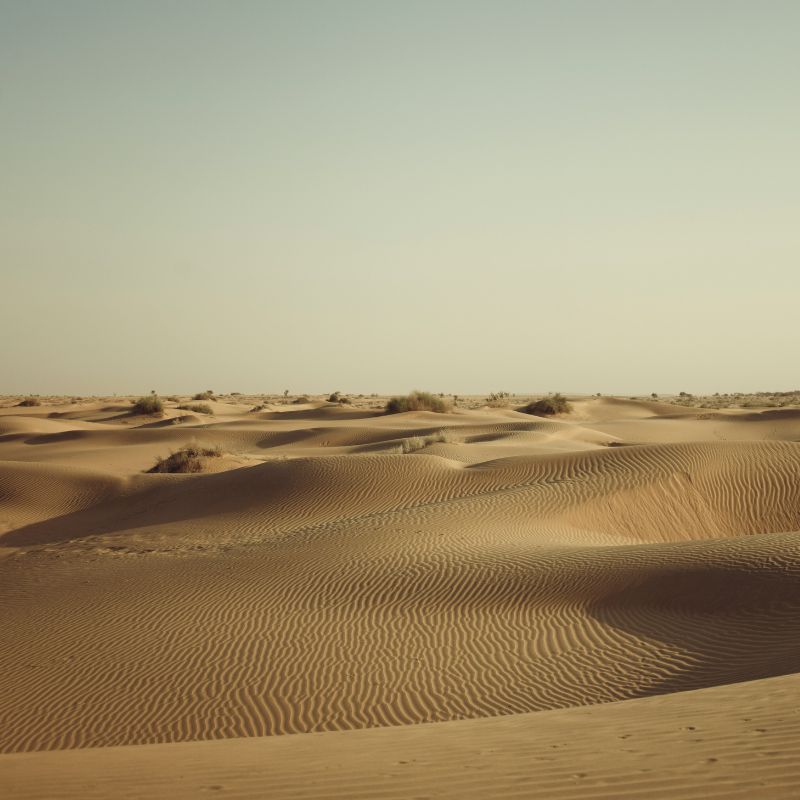
Sam and Khuri are two of the best-known areas for desert experiences near Jaisalmer. Both offer access to the Thar Desert, but the atmosphere can differ.
Sam Sand Dunes are among the most visited dunes in the region. They are popular for camel rides, jeep safaris, desert camps and organised cultural evenings. Travellers who enjoy having several activities and accommodation options close together may find Sam convenient. It can, however, become busy during peak travel periods, particularly around sunset.
Khuri Sand Dunes generally offer a quieter alternative, with village surroundings and a more relaxed atmosphere in some areas. Visitors looking for a less crowded desert experience may prefer to explore accommodation and safari options here.
The choice depends on the kind of holiday you want. Sam is a practical option for travellers interested in a lively desert evening with multiple activities. Khuri may suit those who prefer a slower pace and a less commercial setting.
Whichever location you choose, check the exact camp location rather than relying only on the dune area's name. The distance from the main road, proximity to the dunes and type of activities included can vary considerably.
Where to Stay: Heritage Hotels and Luxury Desert Camps
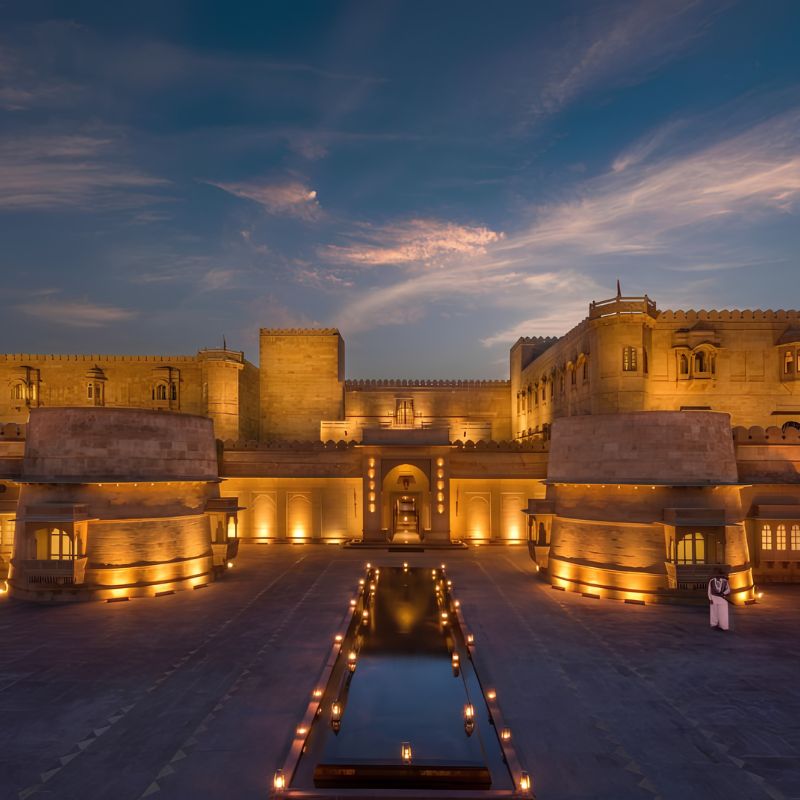
Accommodation is an important part of the Jaisalmer experience. Travellers can choose between historic city properties and desert camps, or combine both for a more varied stay.
Heritage Hotels in the City
Jaisalmer's heritage accommodation includes restored havelis, traditional properties and hotels influenced by regional architecture. These stays are useful for travellers who want to explore the fort, local markets and historic neighbourhoods without travelling far each day.
For a luxury heritage-style stay, Suryagarh Jaisalmer is among the properties featured in our Jaisalmer accommodation listings. Other options include WelcomHeritage Mandir Palace.
When choosing a property, consider its location, room facilities, accessibility and whether it retains original architectural features. Some historic buildings have narrow staircases and limited lift access, so it is worth checking these details before booking.
Luxury Desert Camps
A desert camp offers a different experience from a city hotel. Depending on the property, guests may stay in furnished tents with private bathrooms, comfortable beds, dining facilities and arrangements for evening entertainment.
Not all camps provide the same level of comfort. Before confirming a stay, ask about heating or cooling, bathroom facilities, electricity, meal arrangements, privacy and the distance from the dunes.
For a balanced itinerary, consider spending time in a heritage hotel before moving to a desert camp for one night. This allows you to explore the historic city and experience the desert after dark without rushing between activities.
Travellers comparing different accommodation styles can also explore our Jaisalmer hotel options.
Beyond the Sand Dunes: Experiences Around Jaisalmer
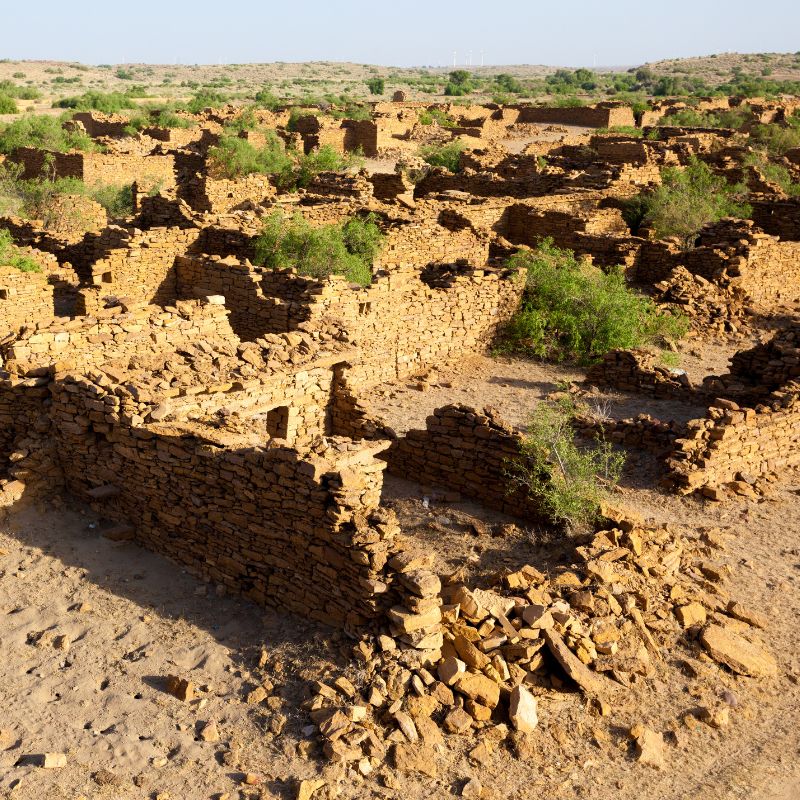
Jaisalmer's surroundings offer more than desert activities. A few additional excursions can add historical, geological and ecological context to a visit.
- Kuldhara: This abandoned settlement is associated with stories about the Paliwal Brahmin community and its departure from the village. Its ruins and local legends make it an interesting stop for travellers curious about the region's history. Some stories are based on local folklore, so they should be understood as traditions rather than established historical facts.
- Desert National Park: This protected landscape represents an important part of the Thar Desert ecosystem. It supports desert-adapted wildlife and birdlife, including the critically endangered Great Indian Bustard. Wildlife sightings are never guaranteed, and visits should be arranged with appropriate local guidance and respect for conservation rules.
- Akal Wood Fossil Park: Located outside Jaisalmer, this site contains fossilised tree remains that offer a glimpse into the region's geological past. It is an unusual addition for visitors interested in natural history.
- Tanot Mata Temple and Longewala War Memorial: These sites can be included in a longer excursion towards the border region. Travellers should check current access requirements, road conditions and any applicable restrictions before planning the journey.
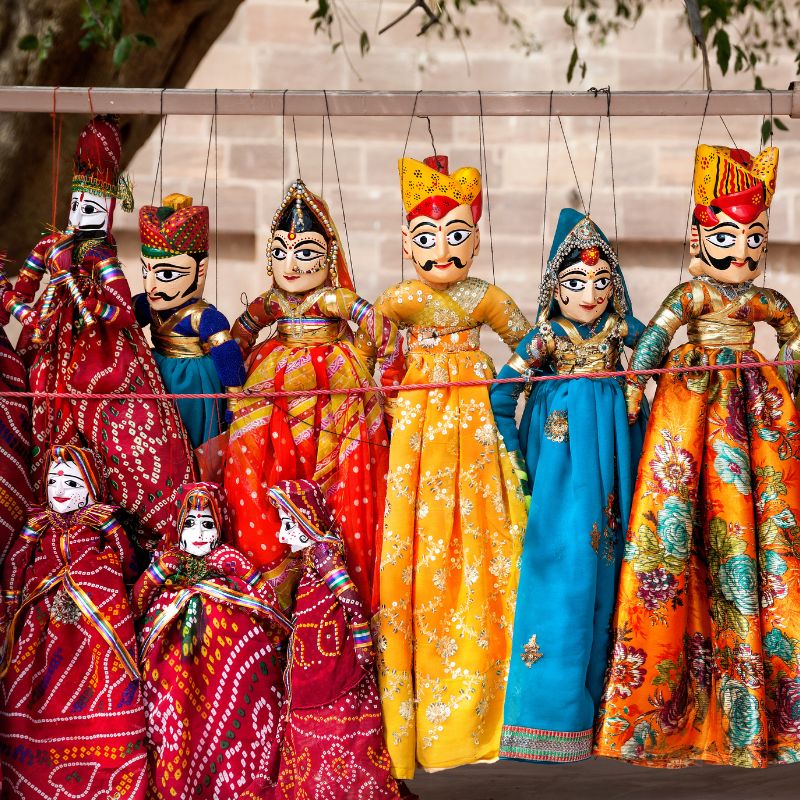
Local markets are also worth exploring. Jaisalmer is known for leather goods, textiles, embroidery, jewellery and decorative crafts. Shopping directly from established local artisans and businesses can make the experience more meaningful.
Best Time to Visit Jaisalmer
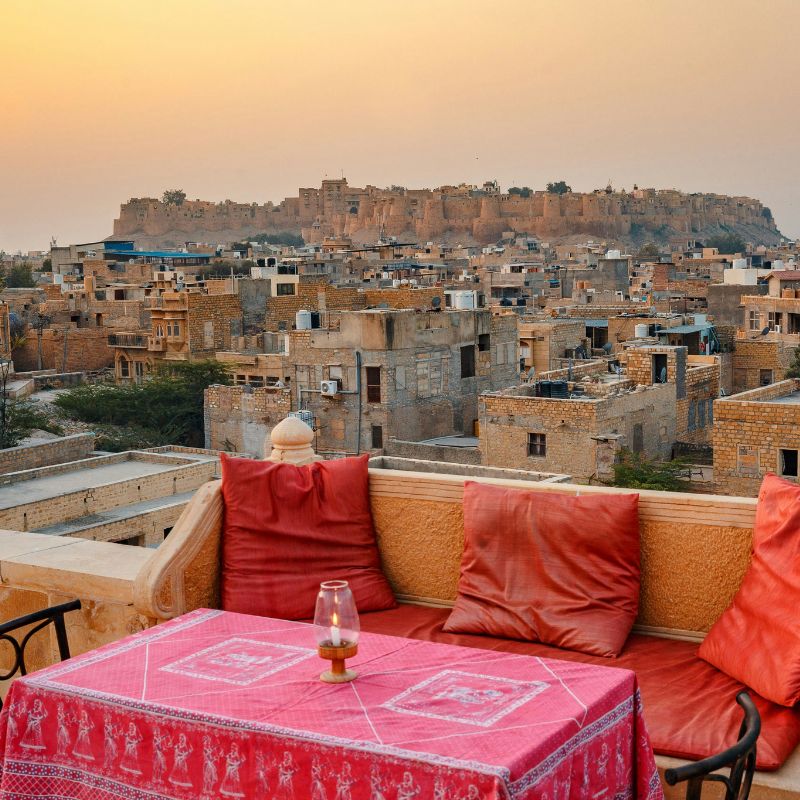
The most comfortable period for exploring Jaisalmer is generally October to March, when daytime temperatures are more suitable for sightseeing and outdoor activities.
October and November bring comparatively pleasant conditions as the intense summer heat begins to ease. These months can work well for fort visits, heritage walks and desert excursions.
December to February is the main winter travel period. Days are generally comfortable, but desert nights can become quite cold. Travellers staying overnight in camps should check whether suitable bedding and heating arrangements are provided.
March can still be suitable for travel, although temperatures begin to rise as summer approaches.
April to September is generally much hotter, with particularly demanding daytime conditions in the peak summer months. Travellers visiting during this period should plan outdoor activities carefully, stay hydrated and avoid prolonged exposure to the midday sun.
The Jaisalmer Desert Festival is another reason to plan a visit around the winter season. Organised by Rajasthan Tourism, the festival celebrates regional music, dance, crafts and desert traditions. Check the official event calendar for the relevant year's dates before making travel arrangements.
For a broader overview of seasonal planning across the state, see our Rajasthan destination guide.
How Many Days Should You Spend in Jaisalmer?
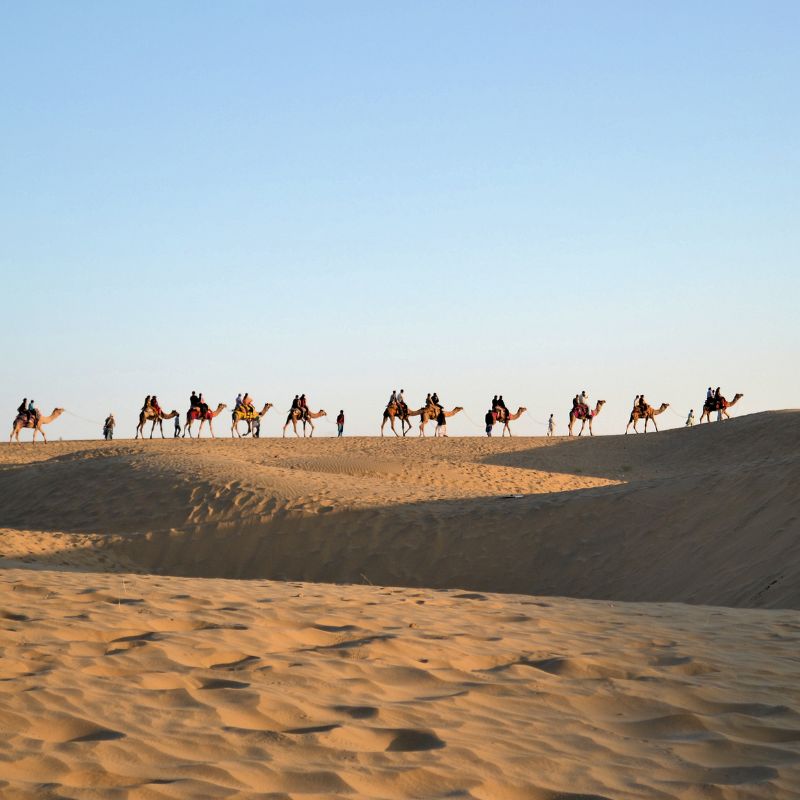
The ideal duration depends on whether you want to focus on the city's heritage or include a more extensive desert experience.
- Two days: Suitable for a short visit covering Jaisalmer Fort, the major havelis, Gadisar Lake and a sunset excursion to the dunes.
- Three days: A more balanced option. Spend time exploring the old city, visit nearby attractions and include an overnight desert camp.
- Four days: Better suited to travellers who want a slower itinerary, with additional time for Kuldhara, Bada Bagh, Desert National Park or an excursion towards Tanot and Longewala.
For most international visitors, two nights, one of them in a desert camp, offer a comfortable introduction to Jaisalmer without making the itinerary feel rushed.
If you are planning a longer route through Rajasthan, our Royal Rajasthan Retreat includes a desert camping experience in Jaisalmer alongside other major destinations. It is a useful reference for understanding how Jaisalmer can fit into a multi-city itinerary.
How to Reach Jaisalmer
Jaisalmer is connected to other parts of Rajasthan by rail and road, while air connections may be more limited and seasonal.
- By air: Jaisalmer has an airport, but flight availability can vary by season and airline schedule. Travellers should check current routes and consider connecting through Jodhpur or another major city if direct flights are unavailable.
- By train: Jaisalmer is connected by rail to several cities, including Jodhpur and Delhi. Check train schedules and journey durations for the intended travel date.
- By road: Private road transfers are a convenient option for travellers combining Jaisalmer with Jodhpur, Jaipur or other Rajasthan destinations. Driving times depend on the route, traffic and road conditions, so allow sufficient time between cities.
For a multi-destination holiday, a private vehicle can make it easier to include smaller heritage stops and travel at a comfortable pace. You can explore our India tour packages for examples of routes combining Rajasthan with other parts of the country.
Planning a Private Jaisalmer Experience with Bout India

Jaisalmer can be experienced in several ways. Some travellers may prefer a heritage-focused visit with guided walks and architectural exploration. In contrast, others may want to spend more time in the desert, including a private safari or stay at a carefully selected camp.
A tailor-made itinerary can bring these elements together according to your interests, travel dates and preferred level of comfort. Jaisalmer can also be combined with destinations such as Jodhpur, Jaipur and Udaipur to create a wider Rajasthan journey.
For inspiration, explore our Royal Rajasthan Retreat, Golden Triangle & Bequest Rajasthan tour or the wider India tour package collection.
Our private travel planning approach lets travellers consider the pace of the journey, accommodation preferences, local experiences, and transfers when shaping an itinerary.
If you are planning a Rajasthan holiday, contact us to enquire about a personalised journey that includes Jaisalmer.
Conclusion
Jaisalmer brings together two sides of Rajasthan that are equally worth exploring: the architectural legacy of a historic desert city and the open landscapes of the Thar Desert. Its living fort, merchant havelis, royal cenotaphs, local markets and desert camps create a varied travel experience.
Whether you choose an evening camel safari, a night in a desert camp or a guided exploration of the old city, allow enough time to appreciate the destination beyond its most photographed landmarks. With a well-planned itinerary, Jaisalmer can become one of the most memorable stops on a journey through Rajasthan.