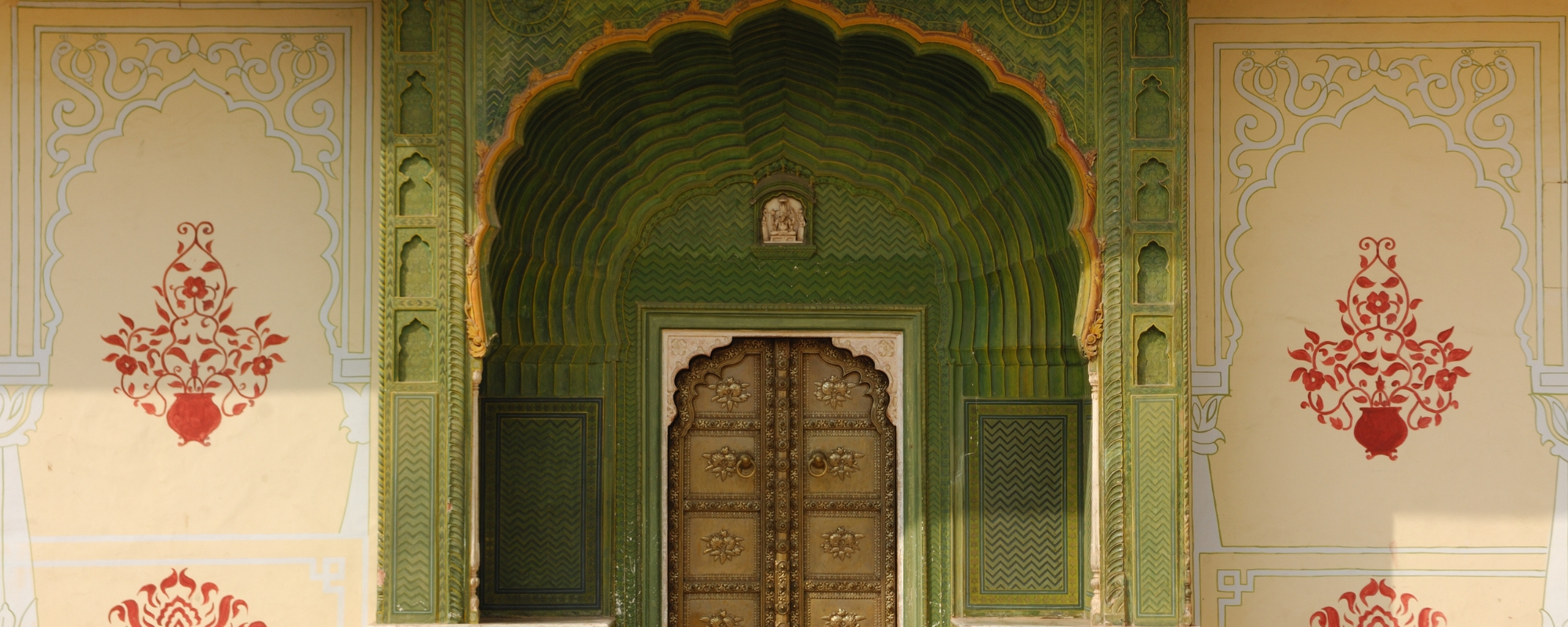
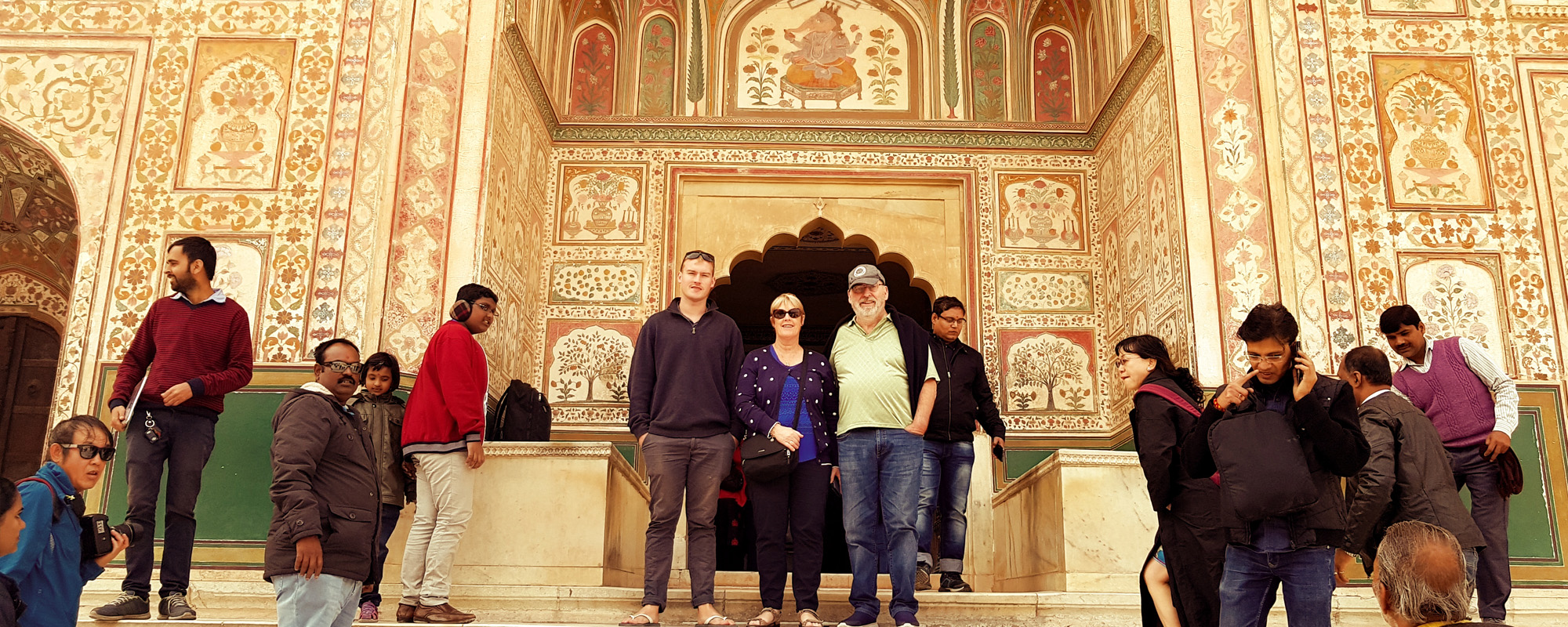
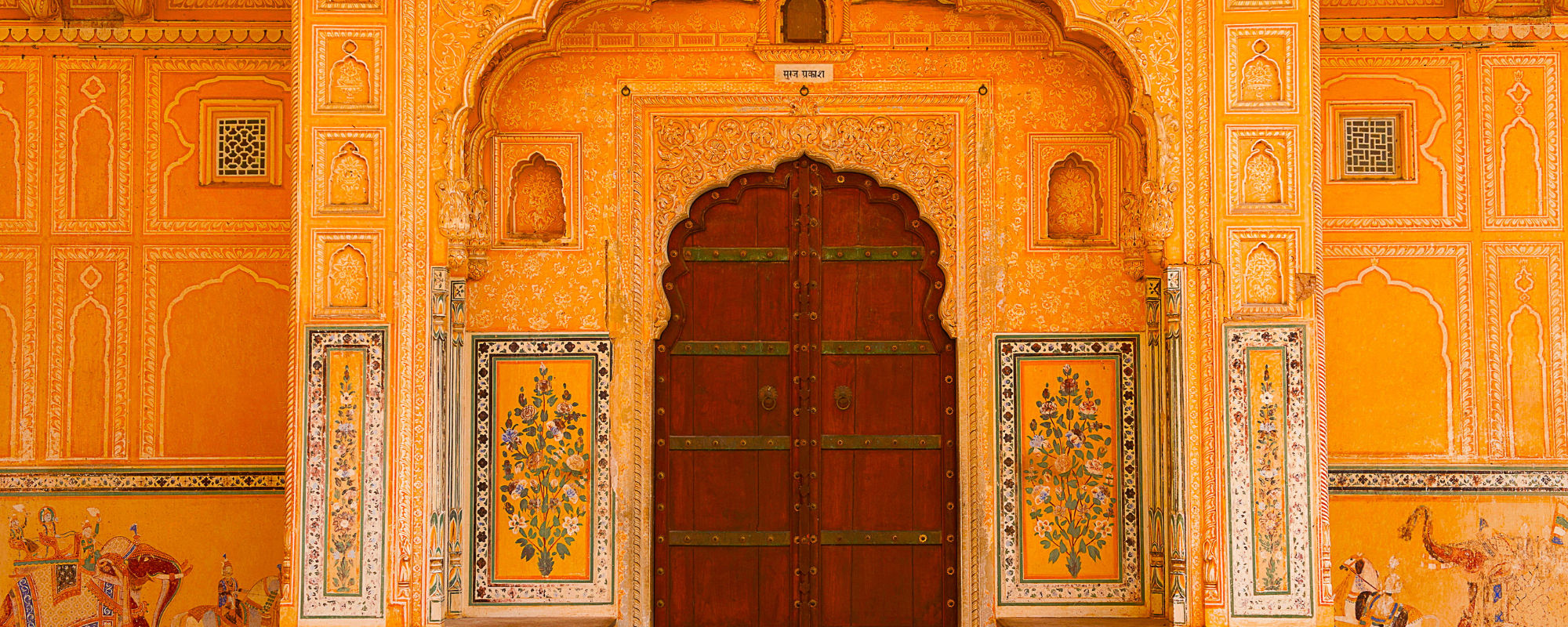

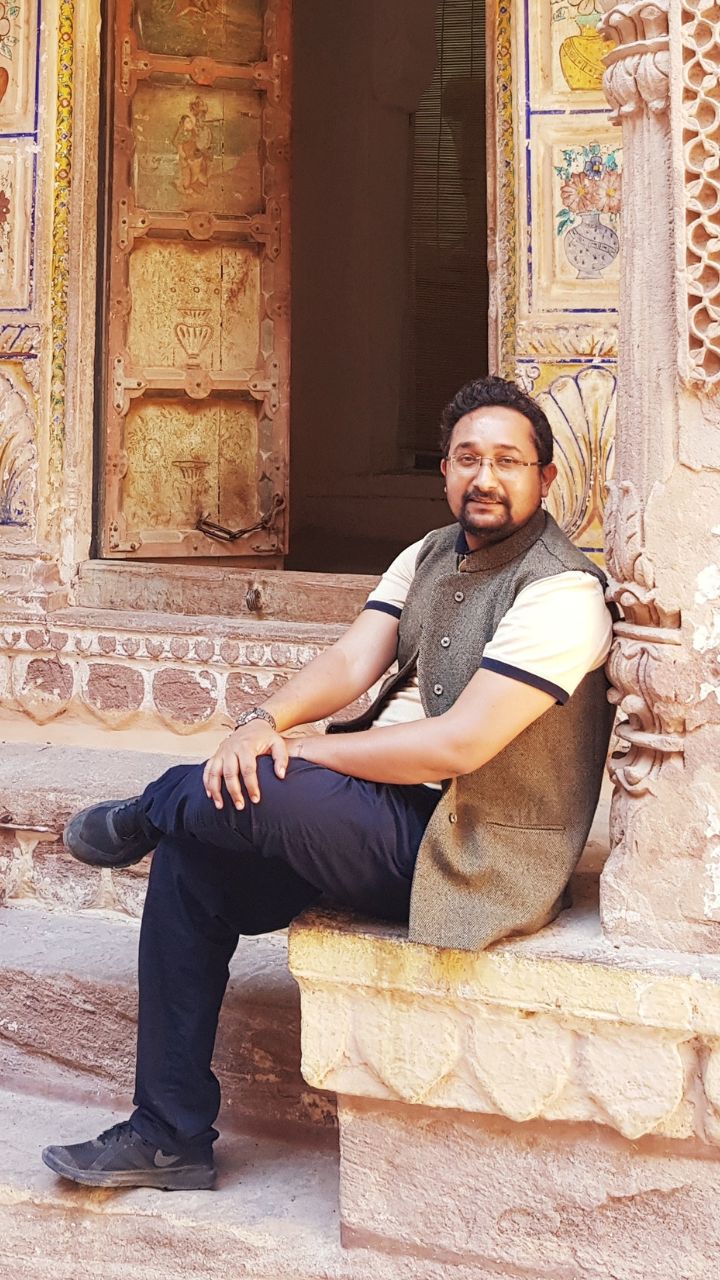


Mandawa, a rustic old town, is in the Shekhawati region of Rajasthan. Popularly known as the Open Art Gallery, the town is replete with paved archways and magnificent frescoed Havelis and fortresses. Historically speaking, it was once an important halt on the fabled Silk Route to China. Trading was an important activity along this route. The rich merchants constructed their lavish Havelis here and embellished them with beautiful paintings on religious, historical, folk, and social themes. This beautiful town is located about 180 kilometres from Jaipur and is considered one of Rajasthan's sleepy hamlets.

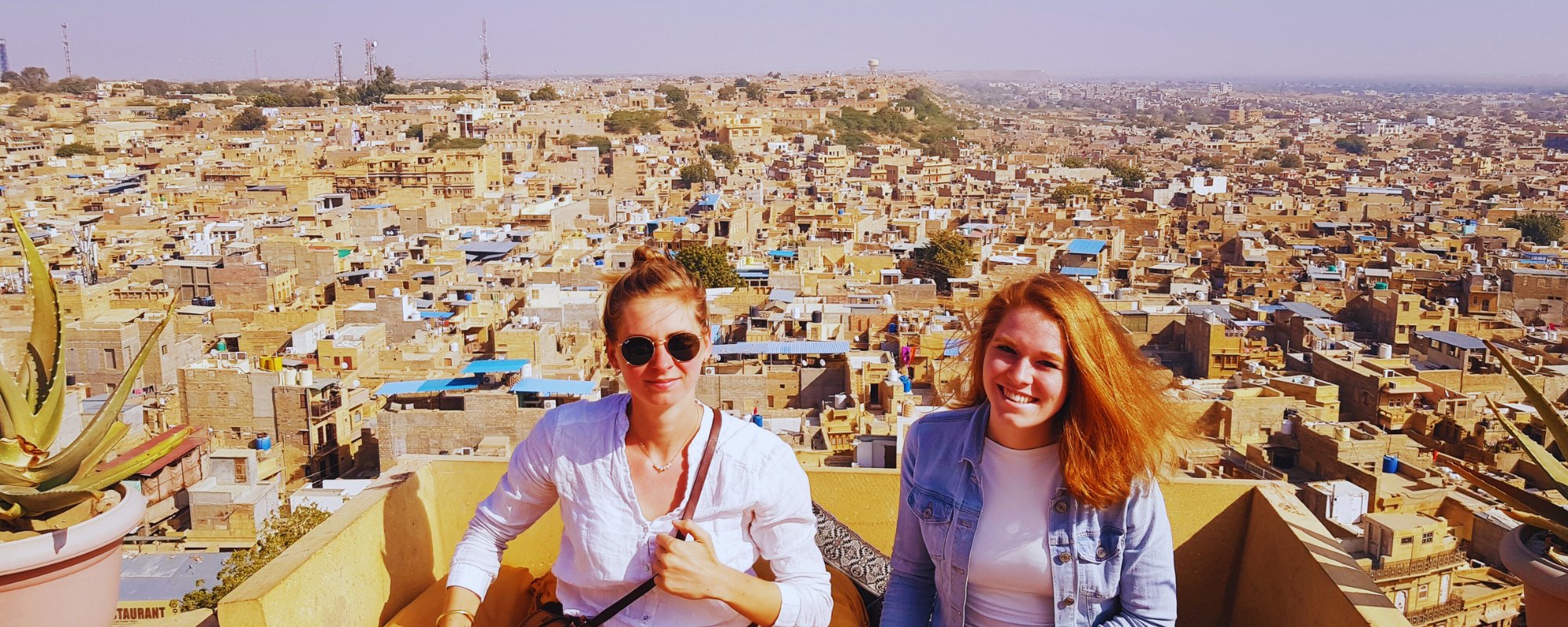
Castle Mandawa is one of the most important tourist attractions in Mandawa. The palace has now been converted into a hotel. The sprawling architecture houses a different theme in each wing. The painted archway features interesting paintings of Lord Krishna and his cowherds. The spacious rooms are adorned with intricate interior wall paintings and mirrorwork, and an open terrace offers a panoramic view of the whole town. The women of the Mandawa family, who lived in a royal style, once used this floor. The ambience of those years still lingers in the rooms. From its ramparts, you would get a panoramic view of the area. Visiting the various tourist attractions in Mandawa will offer you a thorough knowledge of its rich history.

Explore & Experience in Mandawa-

EXPLORE (Places to visit in Mandawa):

  • Castle Mandawa
  • Hanuman Prasad Goenka Haveli
  • Goenka Double Haveli
  • Murmuria Haveli
  • Jhunjhunwala Haveli
  • Mohan Lal Saraf Haveli
  • Binsidhar Newatia Haveli
  • Lakshminarayan Ladia Haveli
  • Gulab Rai Ladia Haveli
  • Chokhani Double Haveli
  • The Haralka Well


EXPERIENCE (Things to do in Mandawa):

  • Walk tour of the town and its magnificent Havelis
  • Stay at a heritage boutique hotel
  • Shop for some unique souvenirs, paintings, and local craftwork


Reach out to our Local Experts
Plan Your Bespoke Journey with Us

Fill in your details and one of our destination experts will get in touch with you. Our experts are dedicated to providing personalized assistance and insights, ensuring that all your queries are addressed and you receive the best possible guidance for your travel plans.


Checkout our
Latest Blogs
Choose from the best
Hotel Partners
Get our latest updates
Subscribe Our Newsletter

Stay Connected
FAQs
  • Why is Mandawa called an open art gallery?

    Between the 18th and early 20th centuries, Shekhawati in north-east Rajasthan was one of India's richest trading regions, located on the historical overland Silk Route. Marwari merchant families, who made their fortunes here, built havelis whose walls and ceilings are completely covered with frescoes: mythological stories, depictions of royal life, images of encounters with the colonisers, and fascinating snapshots of the modern world: trains, cars and gramophones. About 180km from Jaipur, Mandawa is the easiest to reach and the best preserved; its countless frescoed havelis line the alleyways, earning it the epithet of ‘the open art gallery’. It really does feel like you are walking through an art museum under the open sky.

  • When is Mandawa at its best?

    October to March. Winter temperatures are ideal for strolling through the lanes and admiring the frescoes, and the light on the facades is soft and warm from 7 am to 10 am on all east-facing ones. Avoid April-June, when temperatures rise to over 40C. The annual Shekhawati Festival, held in nearby Nawalgarh in February, brings local music, dance, and crafts to a visit in that month.

  • How long should a Shekhawati visit take?

    With a single overnight stay, you’ll get an entire day in Mandawa - a trip to the city cannot be done in less time. Two nights give you time to visit Nawalgarh, Fatehpur, and Dundlod, where you can uncover different haveli gems. An overnight three-night trip introduces you to the full circle, including visits to Jhunjhunu and Ramgarh. Mandawa is also a convenient place to break the drive from Delhi to Jaipur; instead of going directly, you can spend a night at an attractive heritage hotel.

  • Which havelis in Mandawa deserve the most attention?

    The Gulab Rai Ladia Haveli is one of the best, with portraits and scenes of both common and foreign themes that are surprisingly realistic and suggest the family knew more than just their secluded city walls. The Goenka Double Haveli is a large double-facade (double means double) with some of the town’s best-preserved external frescoes. The Chokhani Haveli, also a two-brothers’ building from the early 20th century, has superb paintings of peafowl and British soldiers. Meanwhile, the Murmuria Haveli offers a panorama of trains and the likeness of King George V, along with other European themes, capturing the arrival of the modern world in a Medieval desert town. Castle Mandawa, at the centre of the town, was originally built in 1755 by Thakur Nawal Singh and contains fine frescoes and mirrored interiors.

  • What is unusual about the Shekhawati frescoes compared to other Indian fresco traditions?

    Two things. First, the sheer volume: entire exteriors and interiors of dozens of havelis across multiple towns are covered in paintings, likely the world's largest concentration of fresco art in a single region. Second, the thematic range: the earliest late 18th-century layers depict standard Hindu mythology and Rajput court life. In contrast, the 19th and early 20th-century layers progressively introduce European and colonial subjects as merchant families encountered the wider world through trade. Steam locomotives, motor cars, aeroplanes, gramophones, and portraits of Queen Victoria sit alongside scenes from the Mahabharata on the same wall.

  • Where is the best base for exploring Mandawa?

    Its main historic residence, the 18th-century Castle Mandawa in the town centre, offers 80 rooms and suites, plus a private cinema and a spa. Its location means you can walk to almost every key haveli. The recently opened, well-managed Vivaana Culture Hotel offers a strong standard of contemporary heritage, with a proper kitchen and service standards. Or The Legacy Mandawa by The Machan offers a more contemporary touch within a heritage building, while Alsisar Mahal, a more distant but strikingly authentic palace, is set at the 20km marker on the full Shekhawati circuit (and boasts a pool).


  • Are there other Shekhawati towns worth the detour?

    Nawalgarh, 35 km away, is the region's unofficial capital and home to the Podar Haveli Museum, the best-organised introduction to the fresco tradition. Fatehpur, 30 km away, has the Nadine Le Prince Haveli, restored over the years by a French artist as a working arts space and gallery. Dundlod, 20 km from Mandawa, has an impressive fort and is the best base for horse riding through the painted countryside. Ramgarh, 30 km east, is known for the exquisitely decorated Poddar family cenotaphs. Jhunjhunu, the district capital 35 km north, is a working market town with several important Sufi shrines alongside its havelis.


  • Is it worth hiring a guide to see the havelis properly?

    Yes, to a certain extent, the most fascinating rooms would otherwise not be accessible, and the historical context that makes sense of the frescoes would never occur to the casual visitor. A good guide will know whose family holds the key to each room, can explain otherwise unintelligible figures, and provide the merchant history and Silk Route background that make the building fascinating.

  • How do I travel to Mandawa from Jaipur or Delhi?

    Private Car: The journey from Jaipur to Mandawa is about 180 km and takes three and a half to four hours; from Delhi, it is about 250 km and takes five to six hours. So Mandawa can easily be a one-night stop on your journey from Delhi to Jaipur. There is neither an airport nor a railway station. The nearest railway station to Mandawa is Jhunjhunu, about 35 km away, and offers easy access to both Delhi and Jaipur. It is well located on the route between these two cities and requires little detouring.

  • Is the Shekhawati fresco heritage at risk, and does visiting help?

    Yes, and it is one of India’s more pressing heritage concerns. Most havelis were abandoned when merchant families relocated to major cities in the early 20th century, and without active maintenance, monsoon rains, salt crystallisation, and vegetation are slowly destroying irreplaceable paintings. The Archaeological Survey of India protects only a small number of key properties. The Nadine Le Prince restoration in Fatehpur and the Podar Haveli Museum in Nawalgarh are notable successes. Spending money at locally run guesthouses, with guides, and at hospitality businesses in Shekhawati directly supports the economic case for preservation.

Plan Your Trip