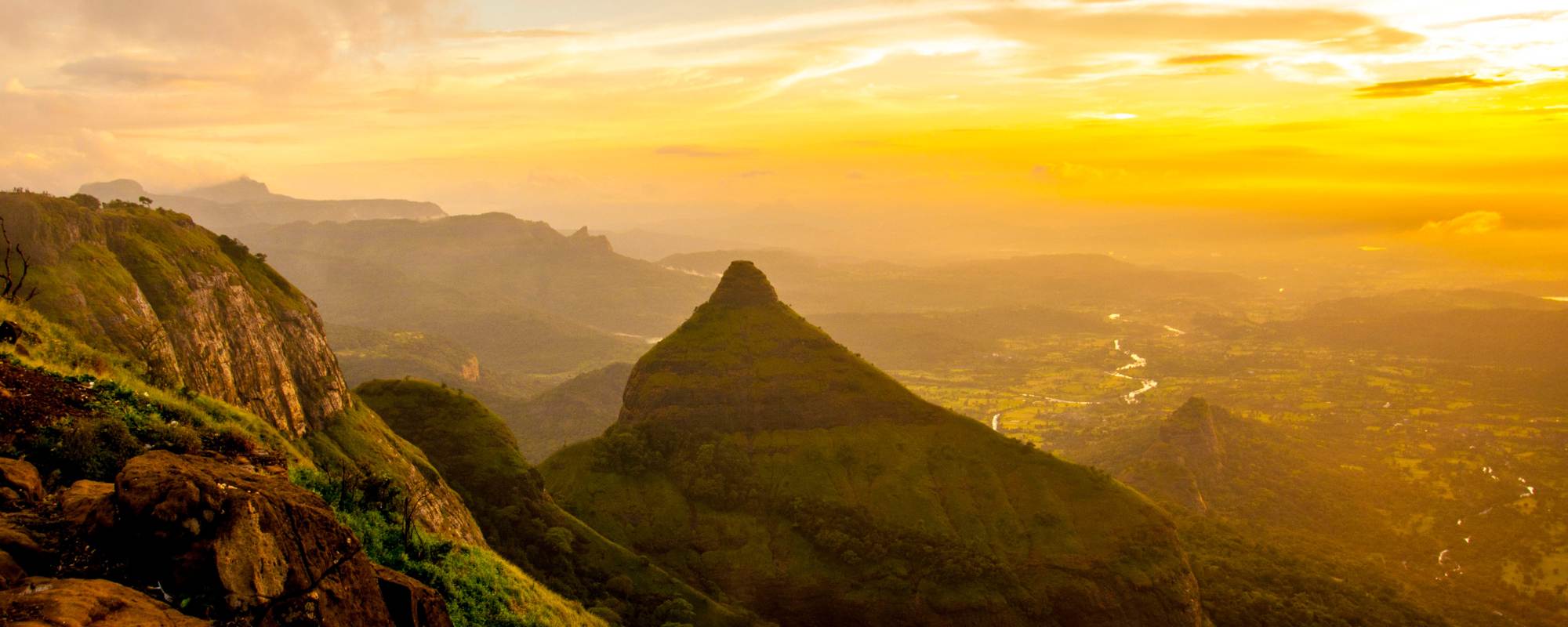
Nestled in the Chandrapur district of eastern Maharashtra, the Tadoba Andhari Tiger Reserve (TATR) is a sprawling wilderness where dense teak forests meet rocky outcrops, rolling meadows, and quiet lakes. As the state's oldest and largest national park, it has grown from a regional sanctuary into one of India's foremost tiger conservation success stories.
The reserve takes its name from two sources: "Tadoba," derived from Taru, a legendary Gond tribal chief who perished in a confrontation with a tiger, and the Andhari River that winds through the southern forests. A shrine dedicated to Taru still stands beside Tadoba Lake, drawing pilgrims each year during the annual fair in the Hindu month of Pausha.
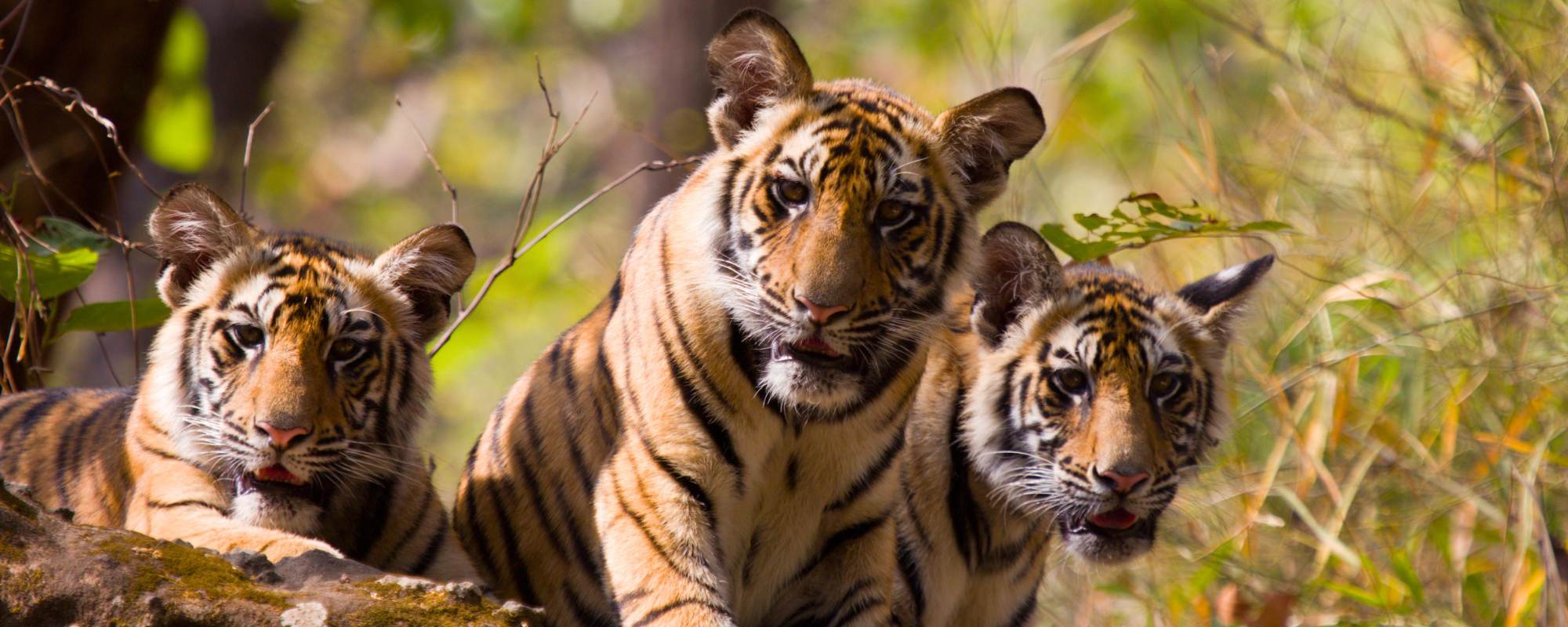
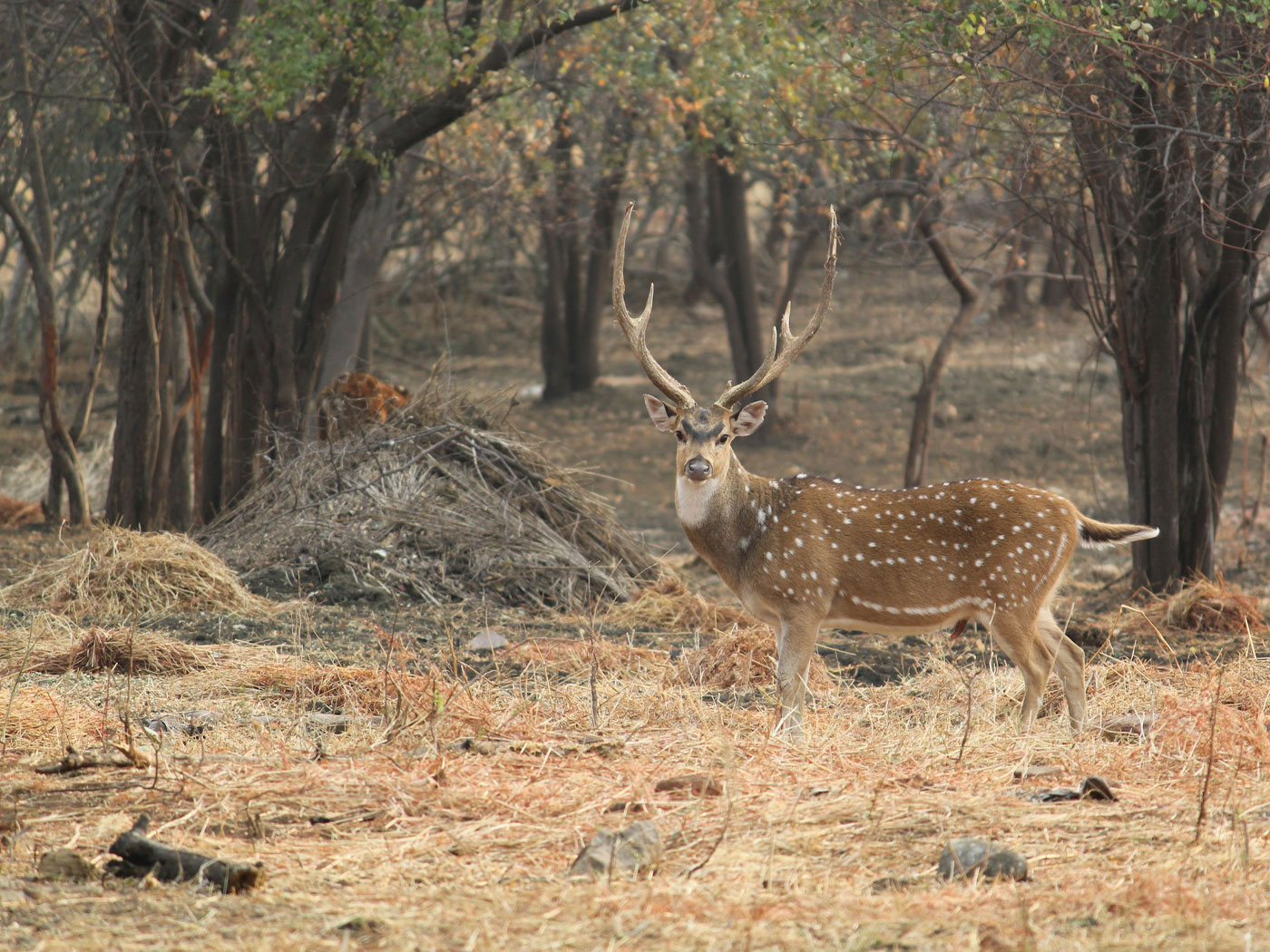
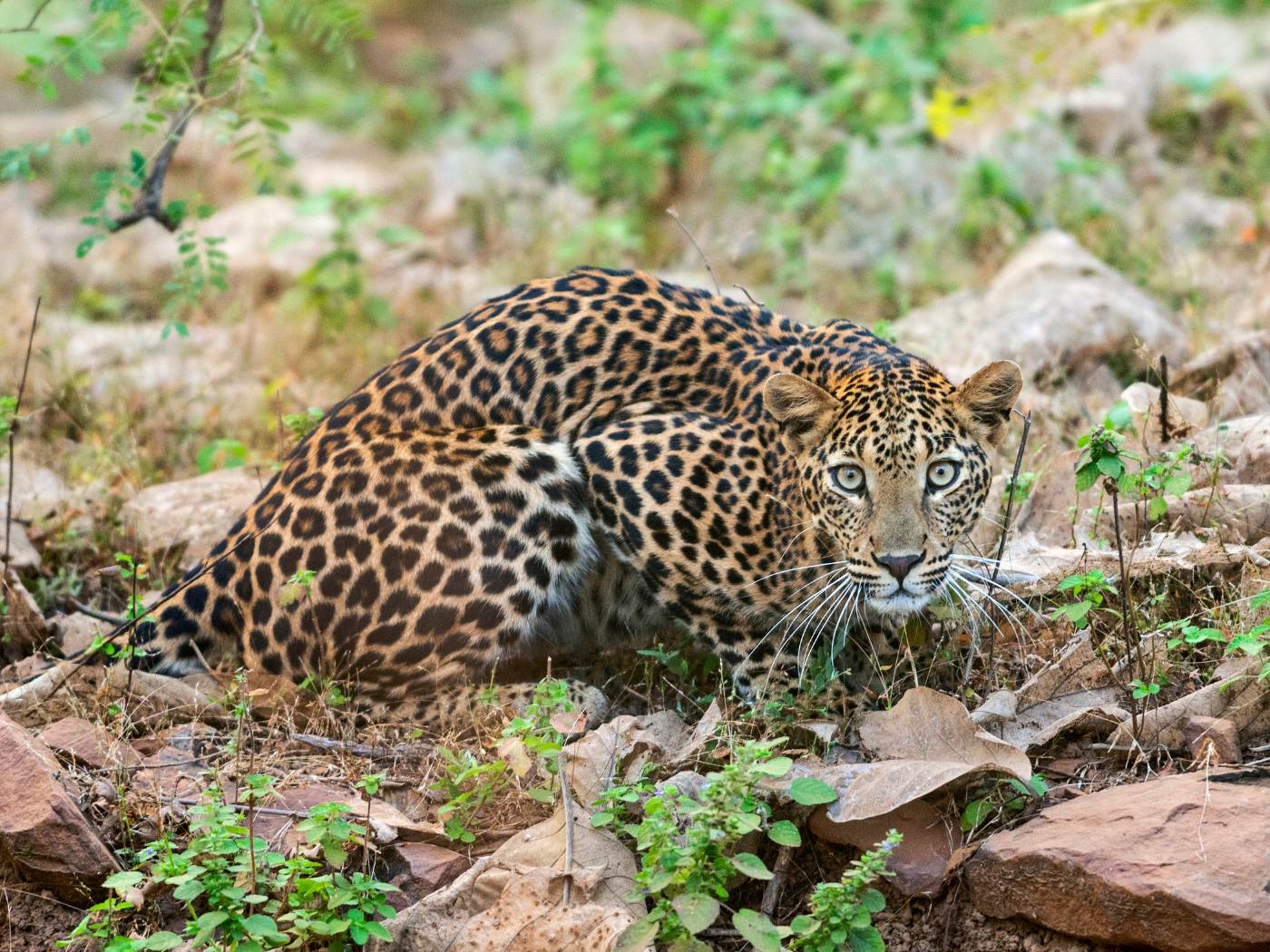
Originally gazetted as Tadoba National Park in 1955, the area was expanded when the Andhari Wildlife Sanctuary was established in 1986. The two were formally merged in 1995 to create the present-day tiger reserve, bringing the total protected landscape to approximately 1,727 square kilometres, including core and buffer zones. Today, TATR shelters over 115 tigers across this landscape, along with a remarkable diversity of mammals, birds, reptiles, and insects.
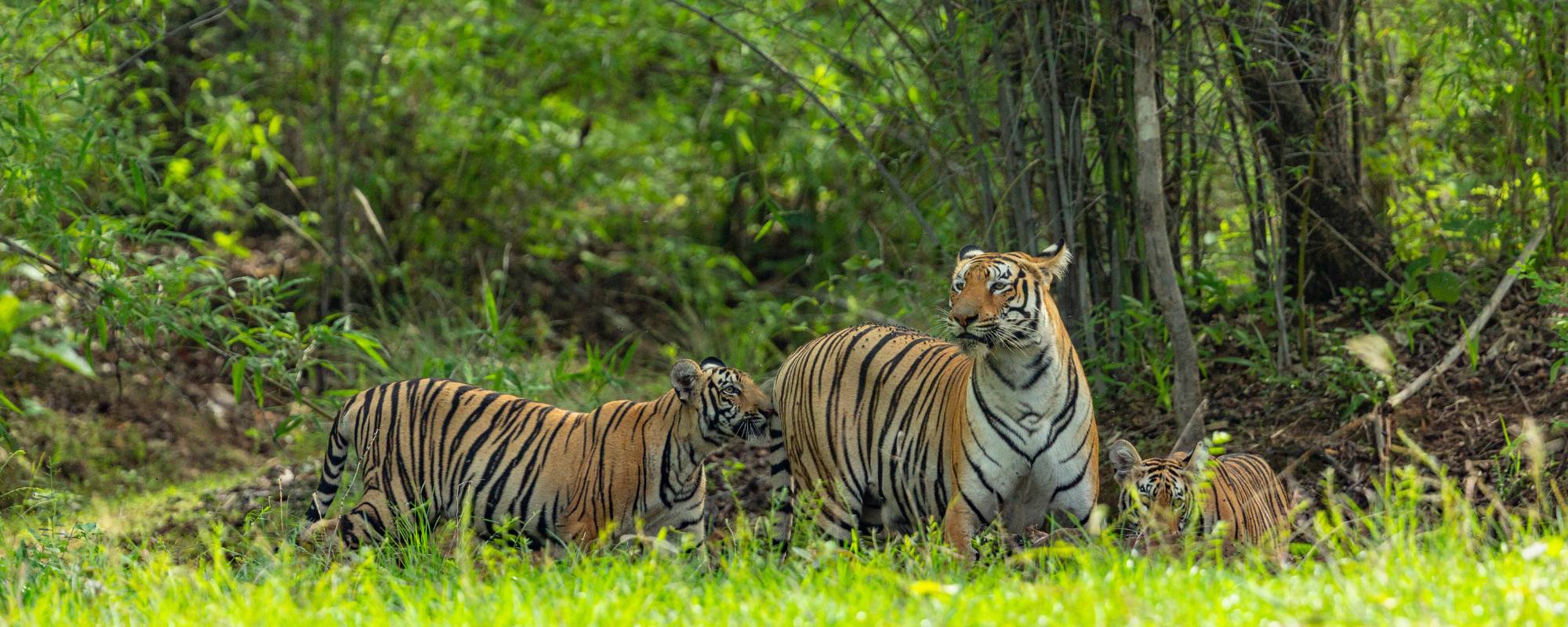
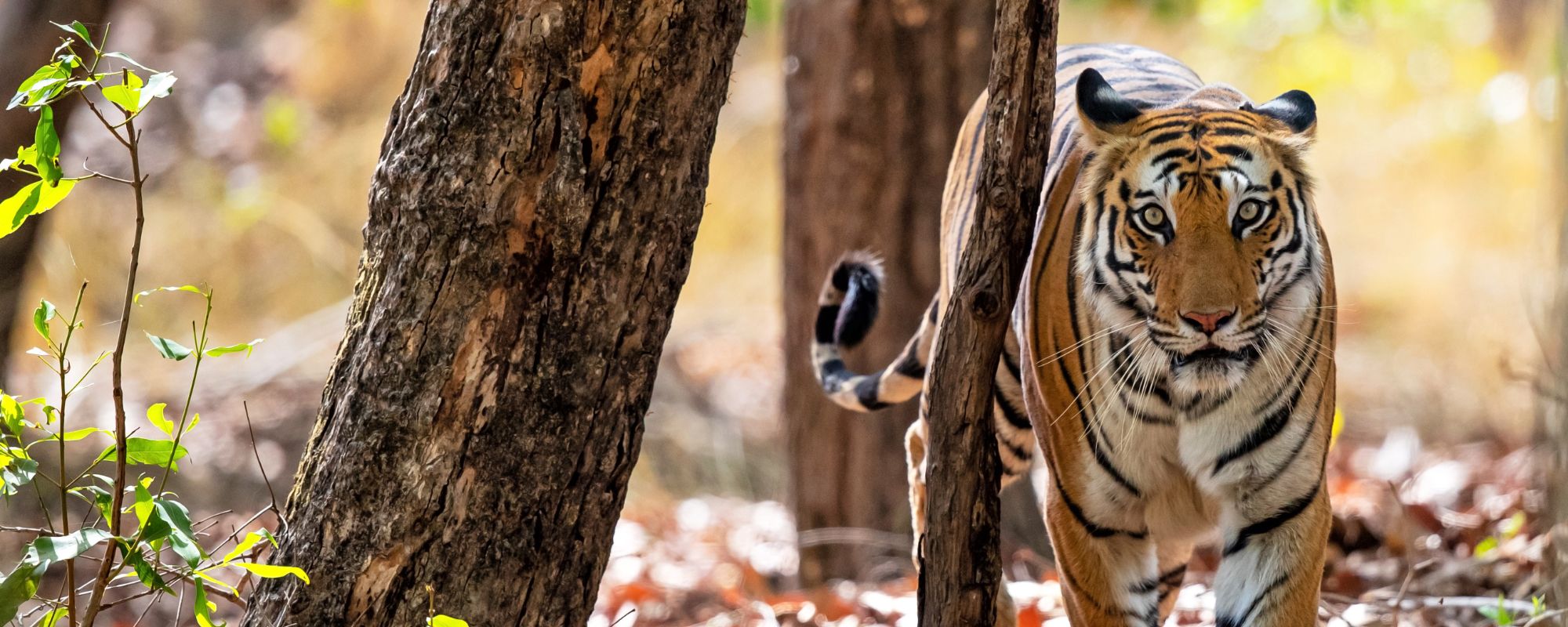
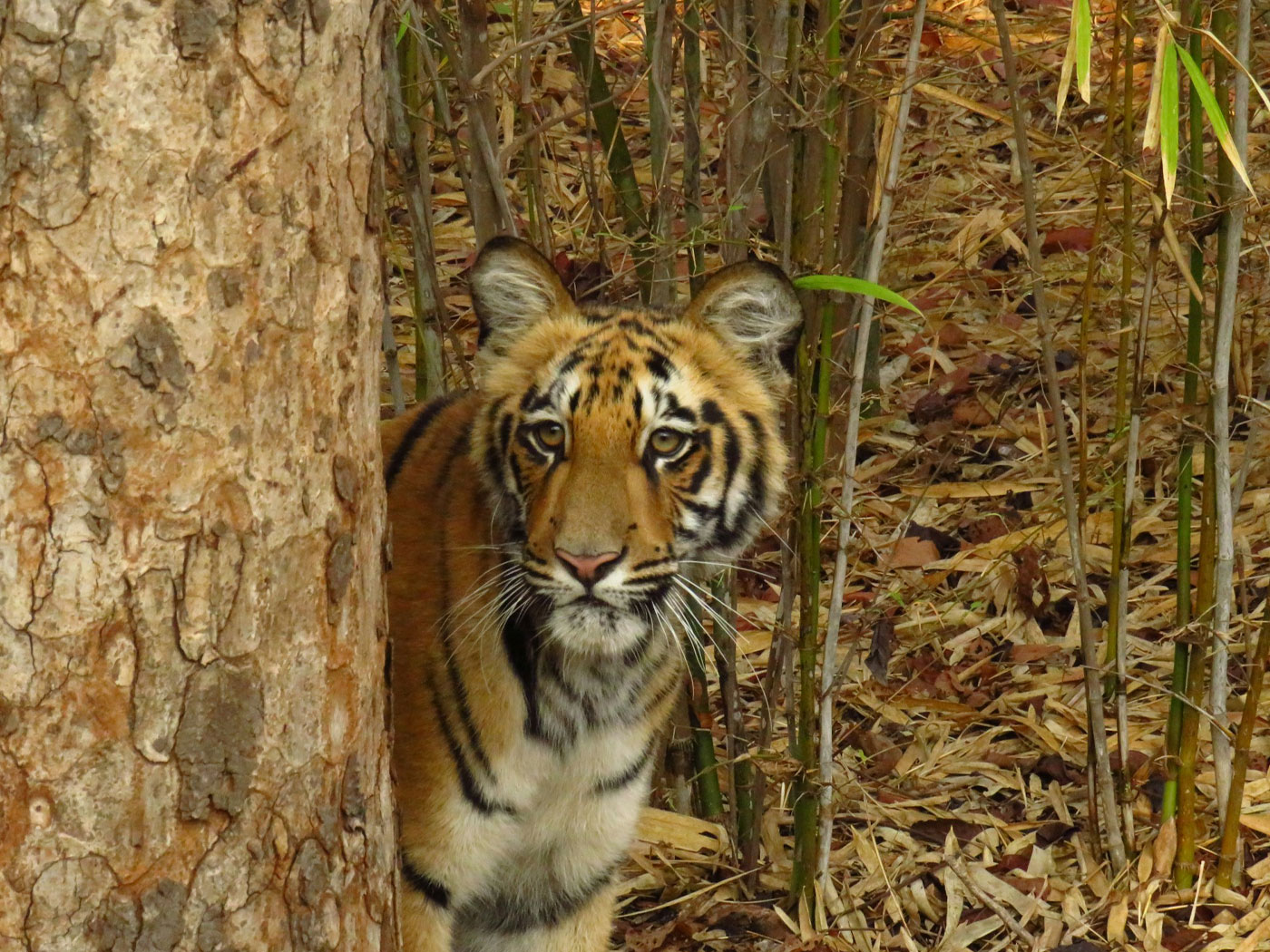
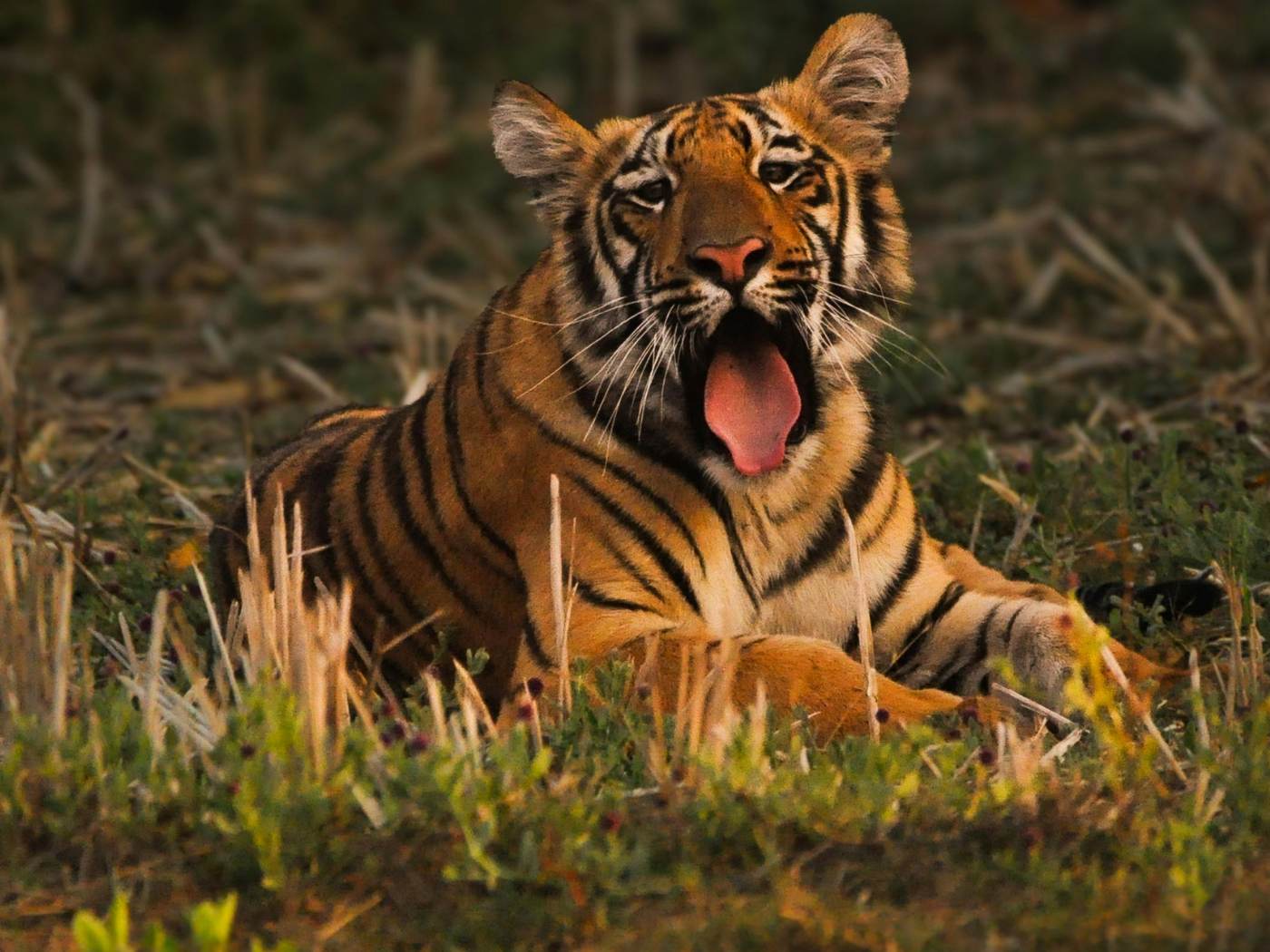
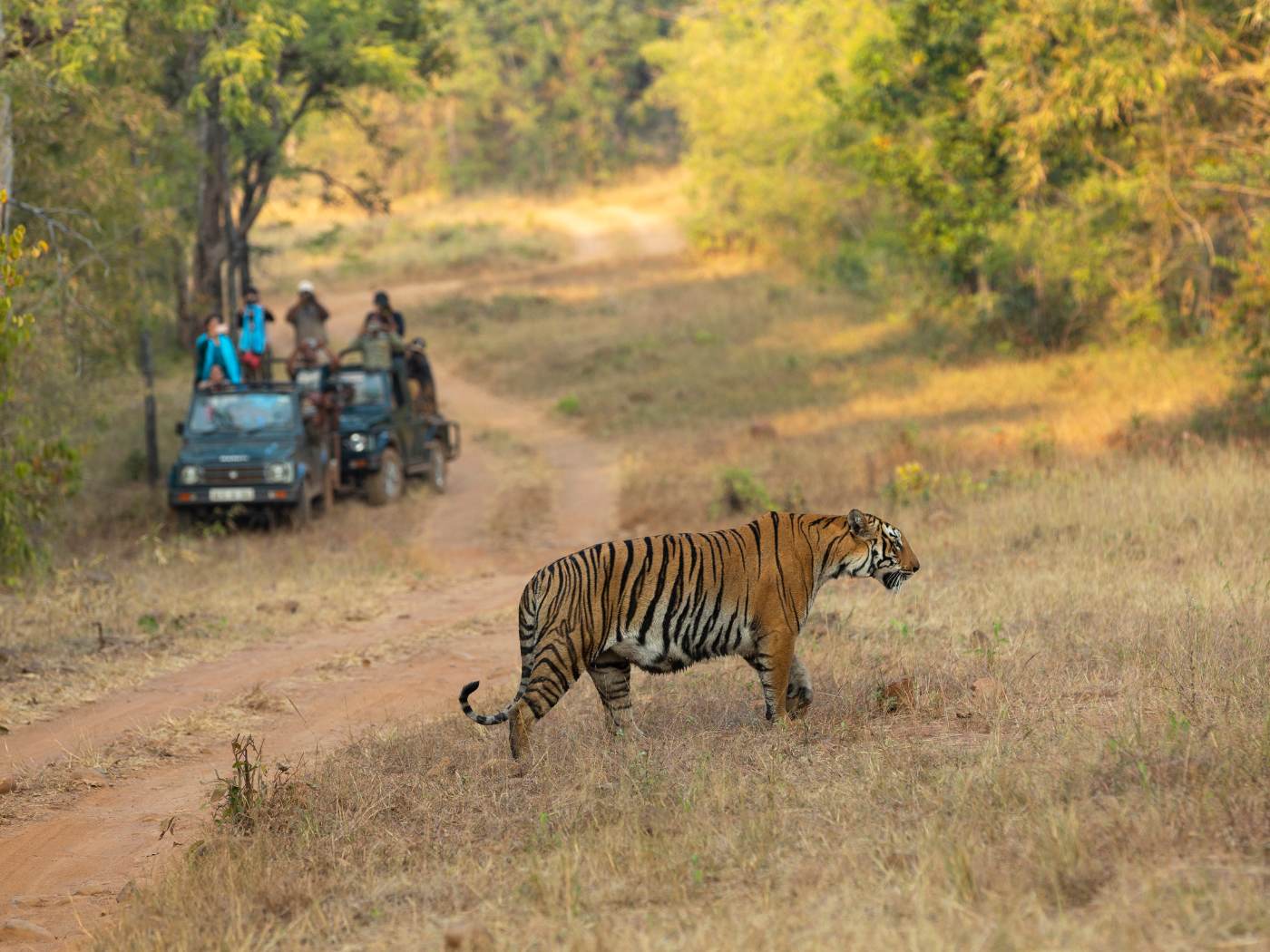
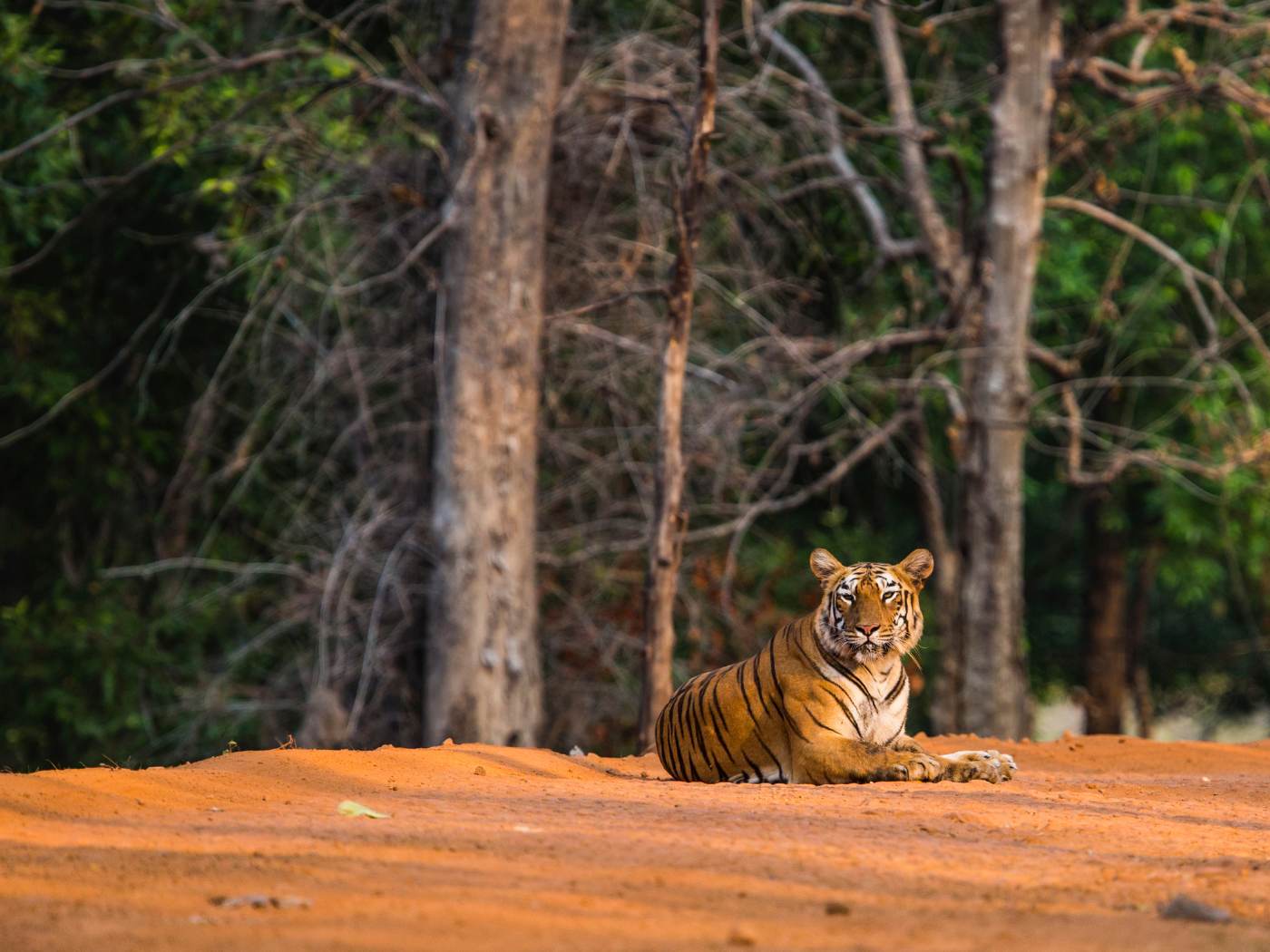
What sets Tadoba apart from other tiger reserves is the remarkable visibility of its big cats. The tigers here are famously habituated to safari vehicles; they walk confidently along forest roads, rest beside waterholes in plain sight, and hunt across open meadows while visitors watch from just metres away. Many of these tigers are individually named and tracked across generations, creating a "celebrity tiger" culture that gives each safari the feel of stepping into a living wildlife documentary.
Iconic names like Maya, known for her bold, close-range appearances near the Kolara and Navegaon zones, or the powerful Bajrang, who patrols the Moharli range, have earned Tadoba a reputation that draws photographers and wildlife enthusiasts from around the world.
TATR is divided into three main tourism zones: Moharli Zone, Tadoba Zone and Kolsa Zone. The reserve is open to visitors from October through June, with the core zones closing annually during the monsoon season (typically July through September) to allow the forest to regenerate and wildlife to breed undisturbed.
One of the finest luxury trains of India, Deccan Odyssey, offers a well-planned itinerary of 8 da...
Fill in your details and one of our destination experts will get in touch with you. Our experts are dedicated to providing personalized assistance and insights, ensuring that all your queries are addressed and you receive the best possible guidance for your travel plans.
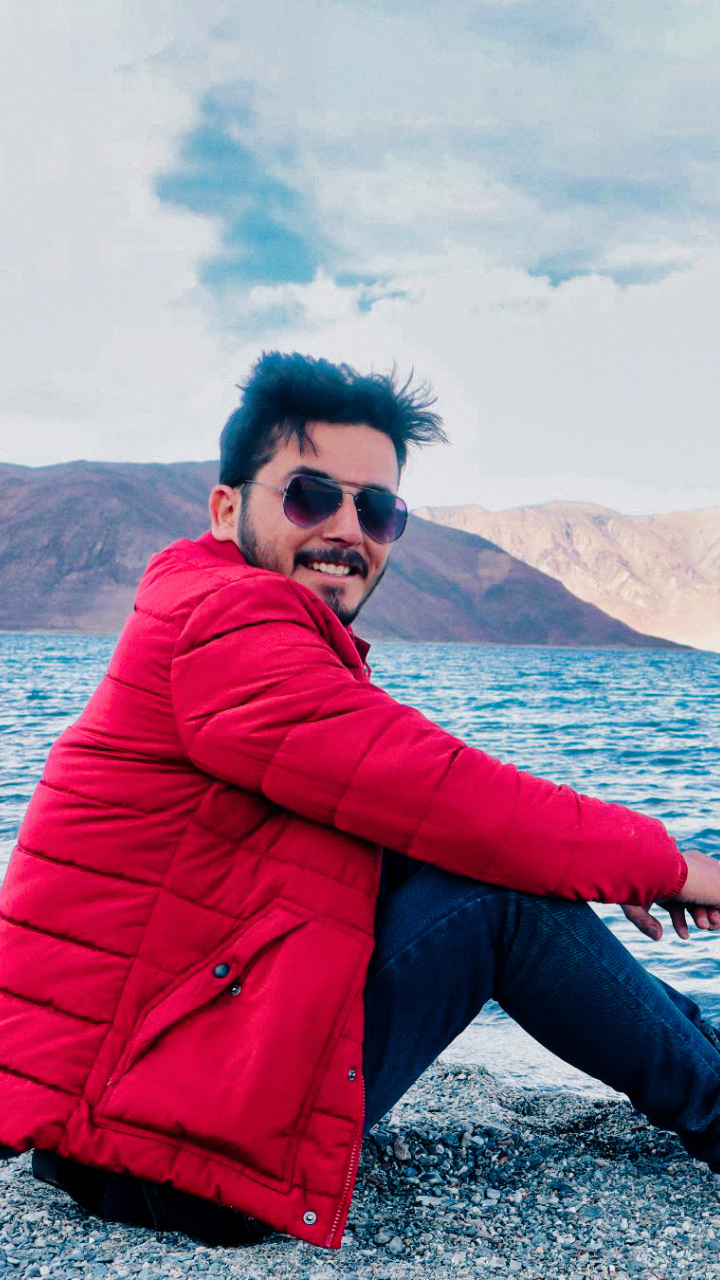
A work-centric leader who inspires and drives the team with his dedication and passion.
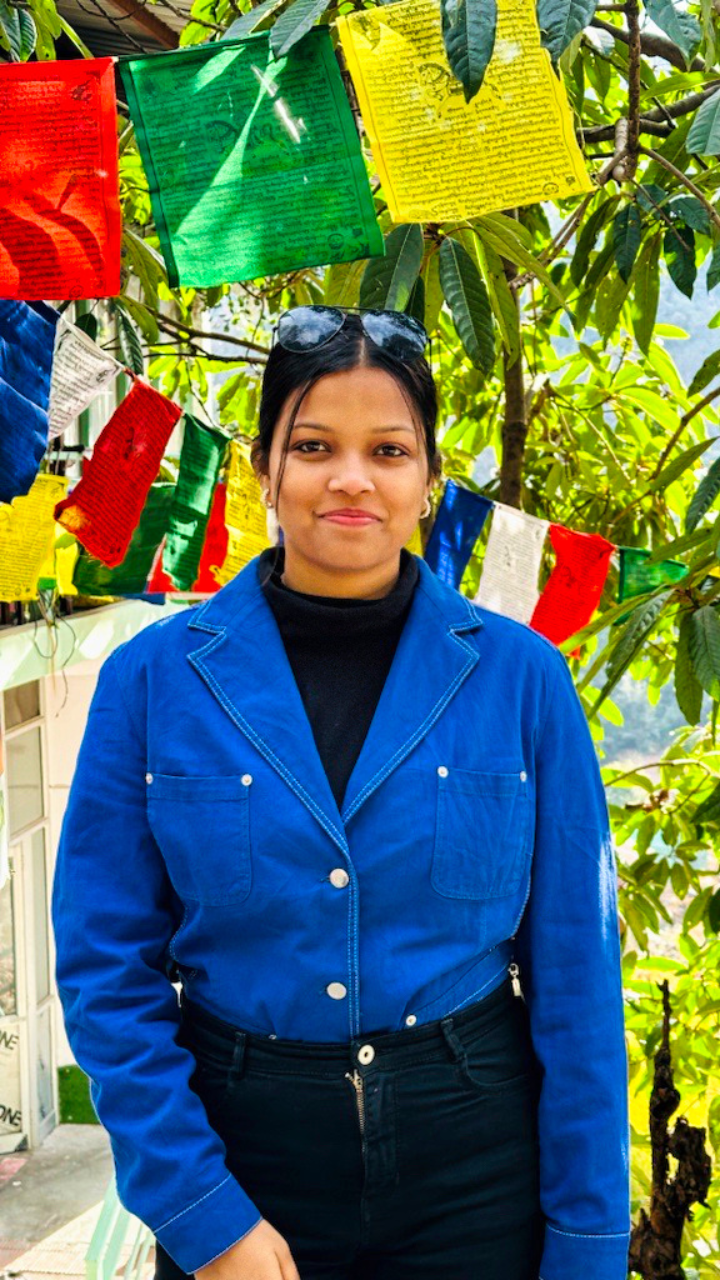
Highly skilled in interpersonal relations and mindfulness, Sonal excels at fostering a positive and considerate team environment.
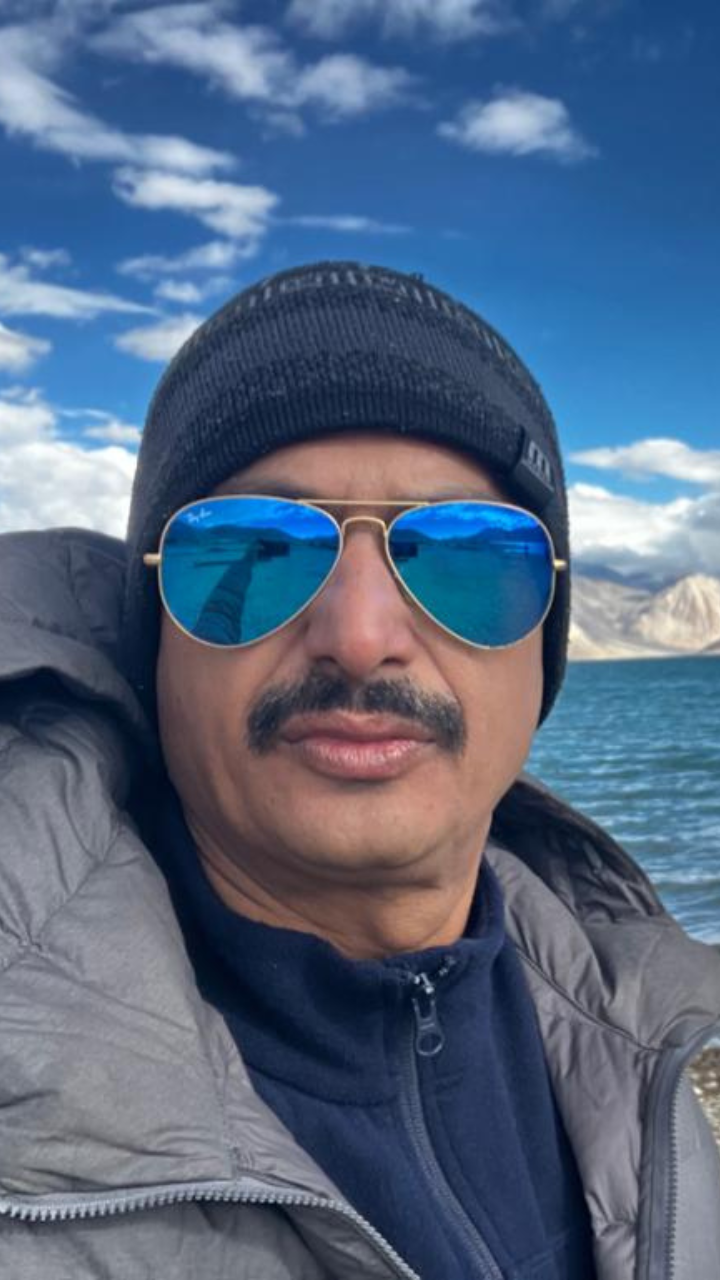
Rajeev ji brings decades of experience, deep destination knowledge, and invaluable wisdom that consistently elevates every itinerary.
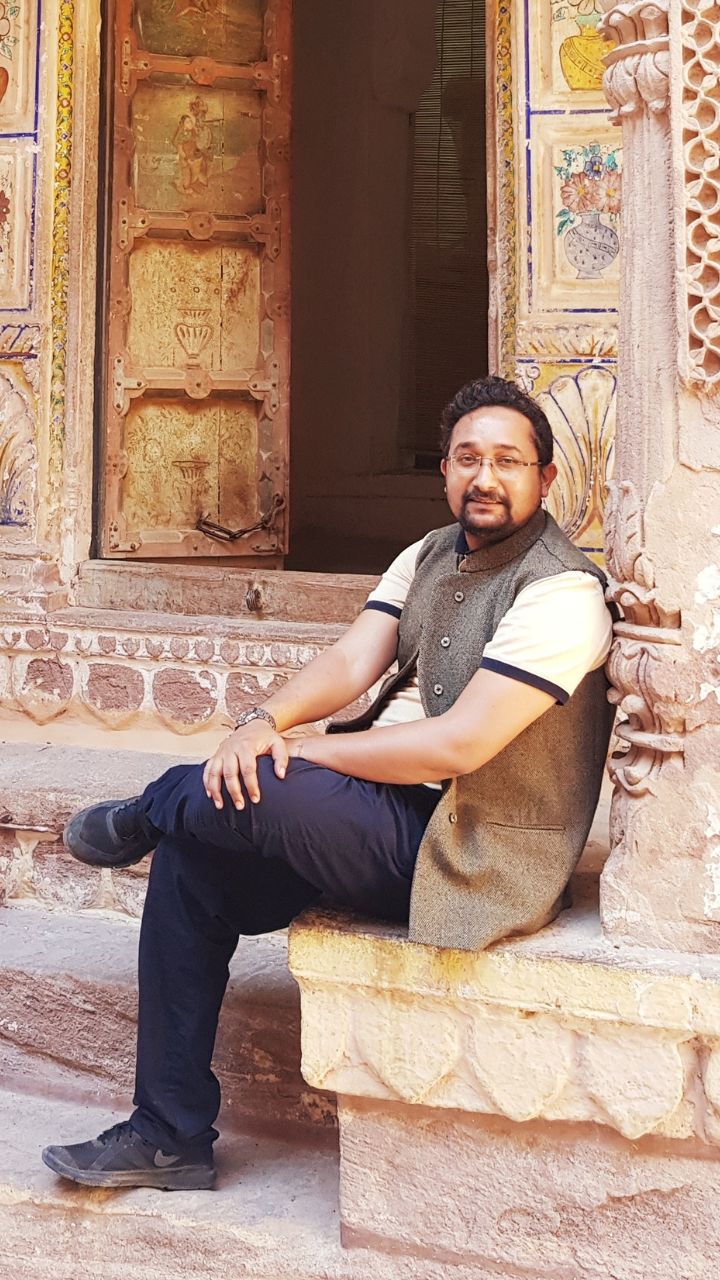
Guided by a deep belief in the transformative power of travel, Himanshu specializes in crafting meaningful journeys that blend cultural immersion, thoughtful experiences, and lasting memories.
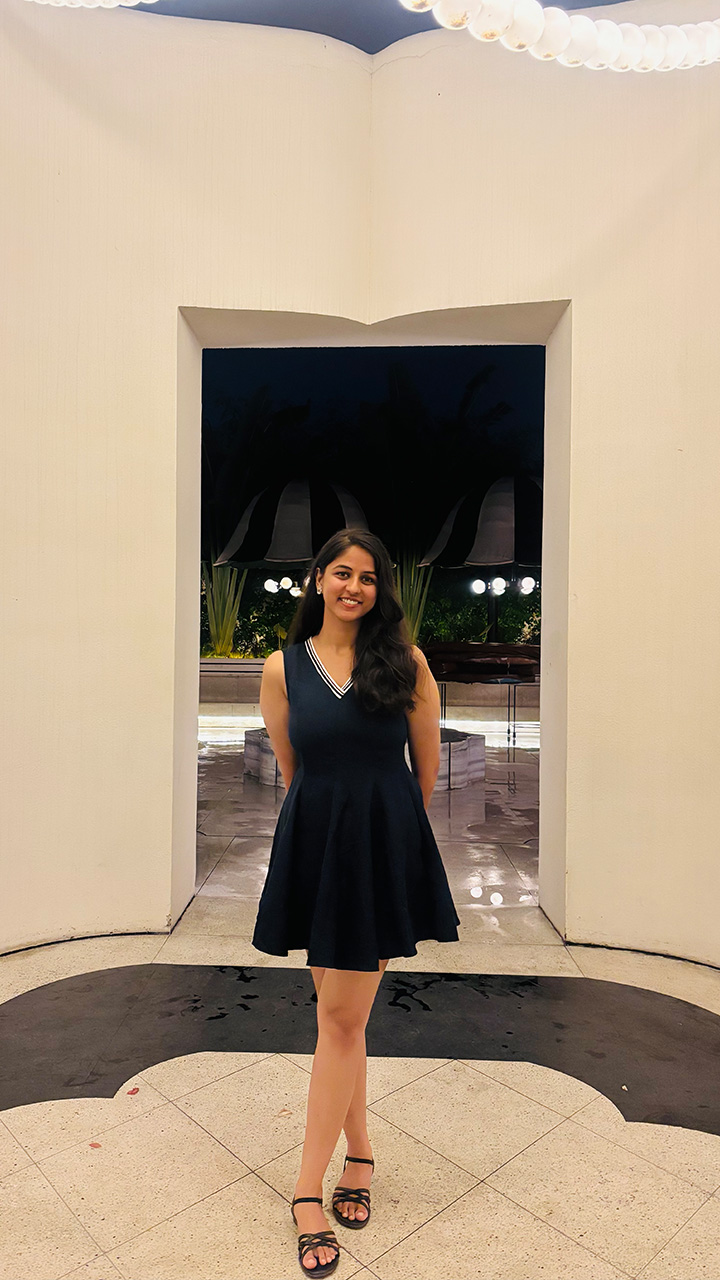
Known for her attentive listening, Kshiti excels at understanding client needs and translating them into meaningful travel experiences.
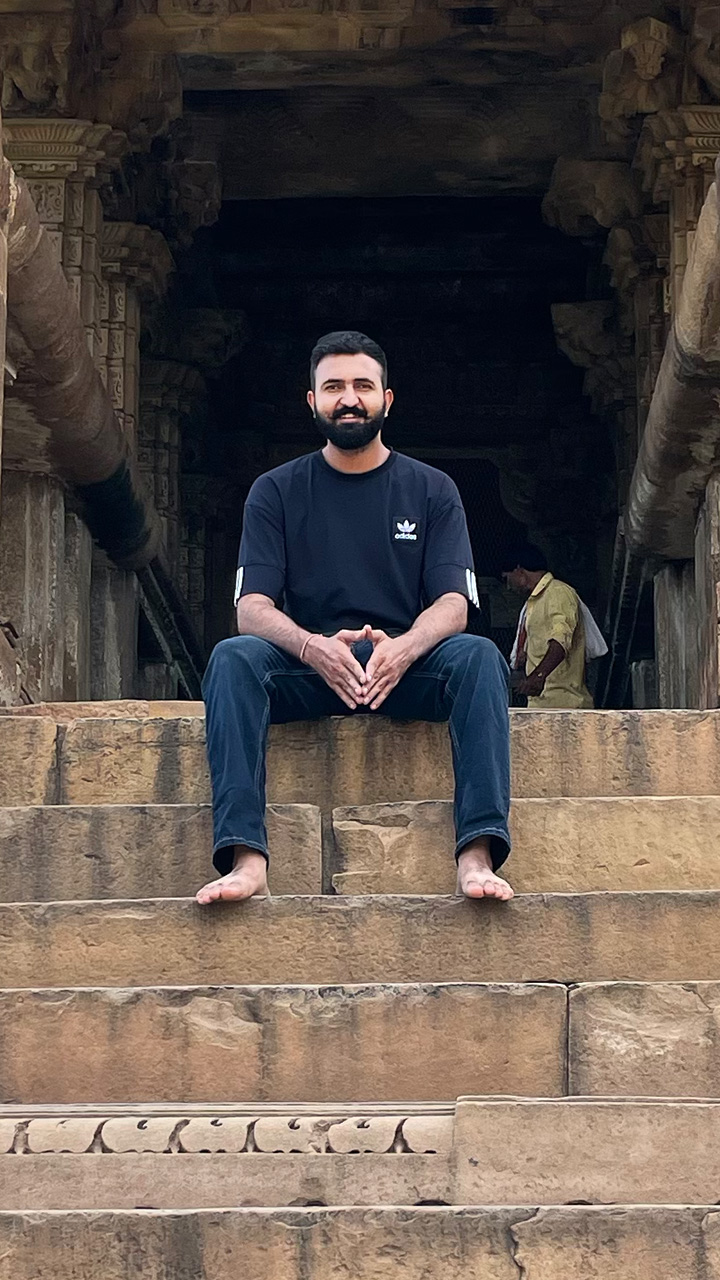
With a steady presence and strong decision-making skills, Sudhir brings clarity, structure, and reliability to the team’s travel planning process.
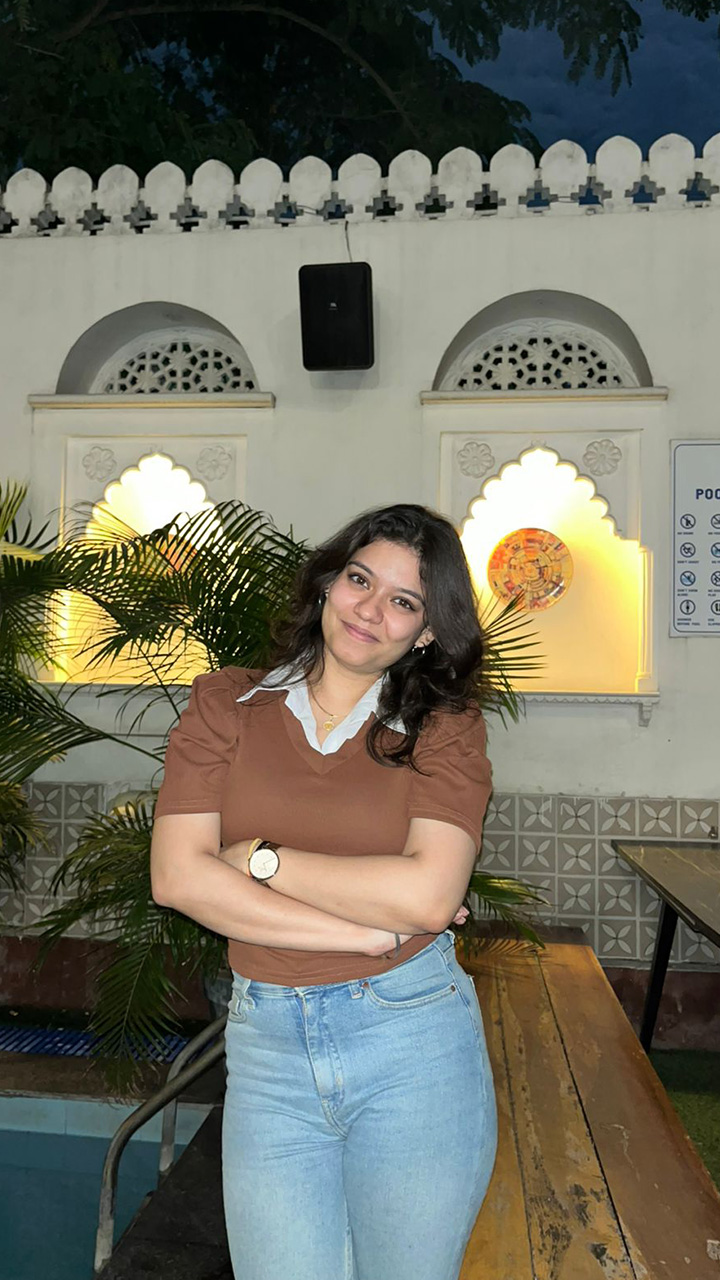
Chahat combines patience and professionalism to ensure smooth coordination and thoughtfully executed travel experiences.
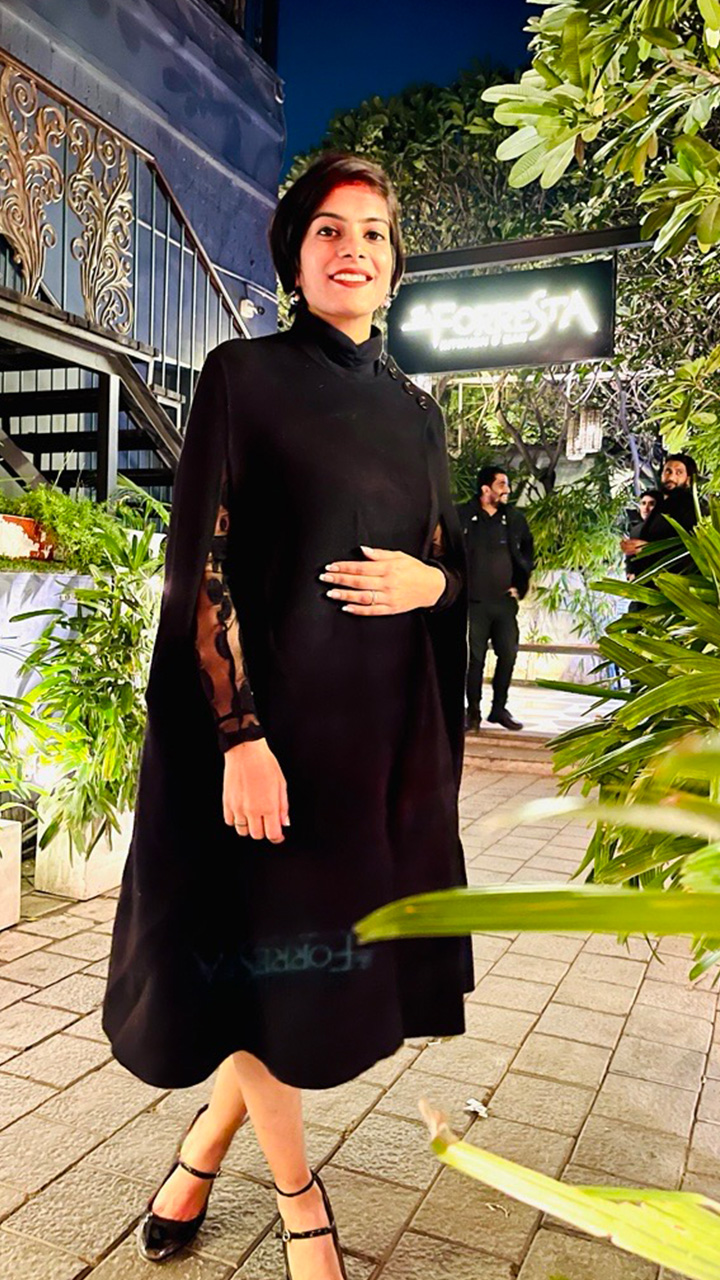
A passionate travel enthusiast with deep knowledge of local cultures and hidden gems, Sheema excels at crafting personalized experiences that become unforgettable adventures