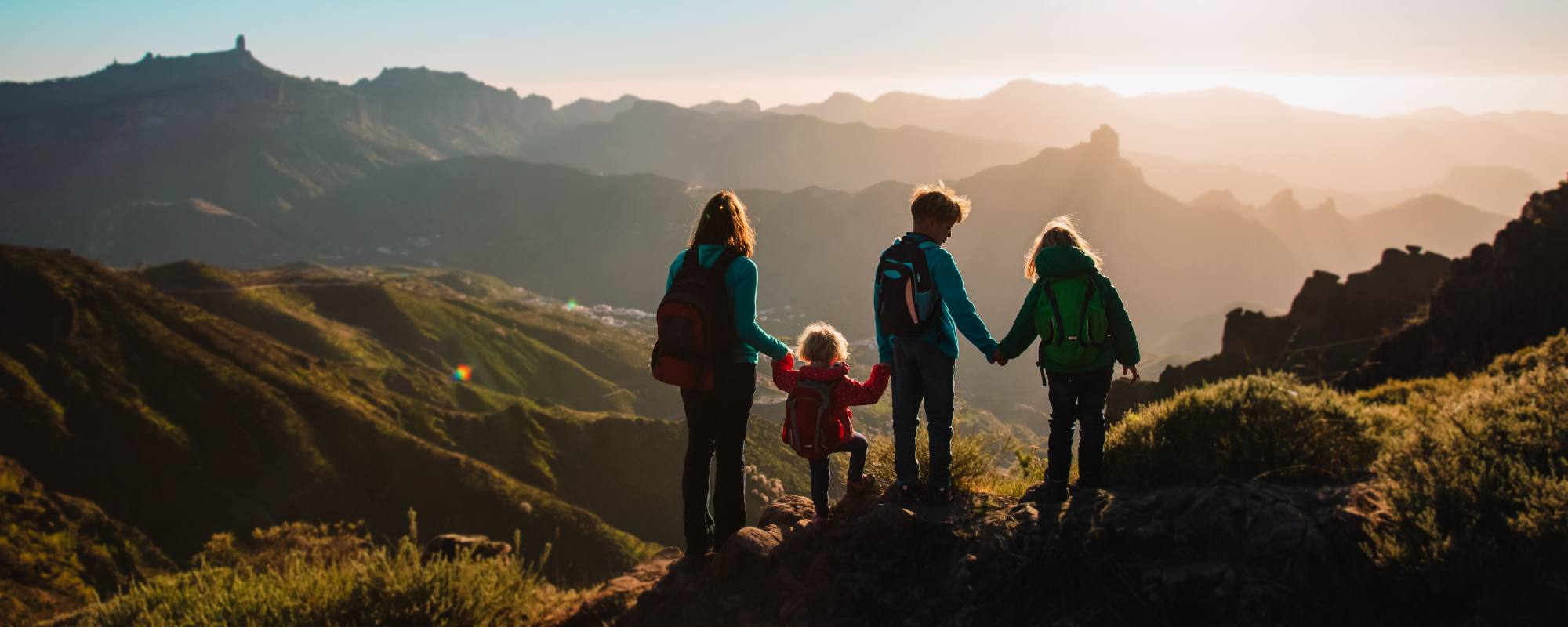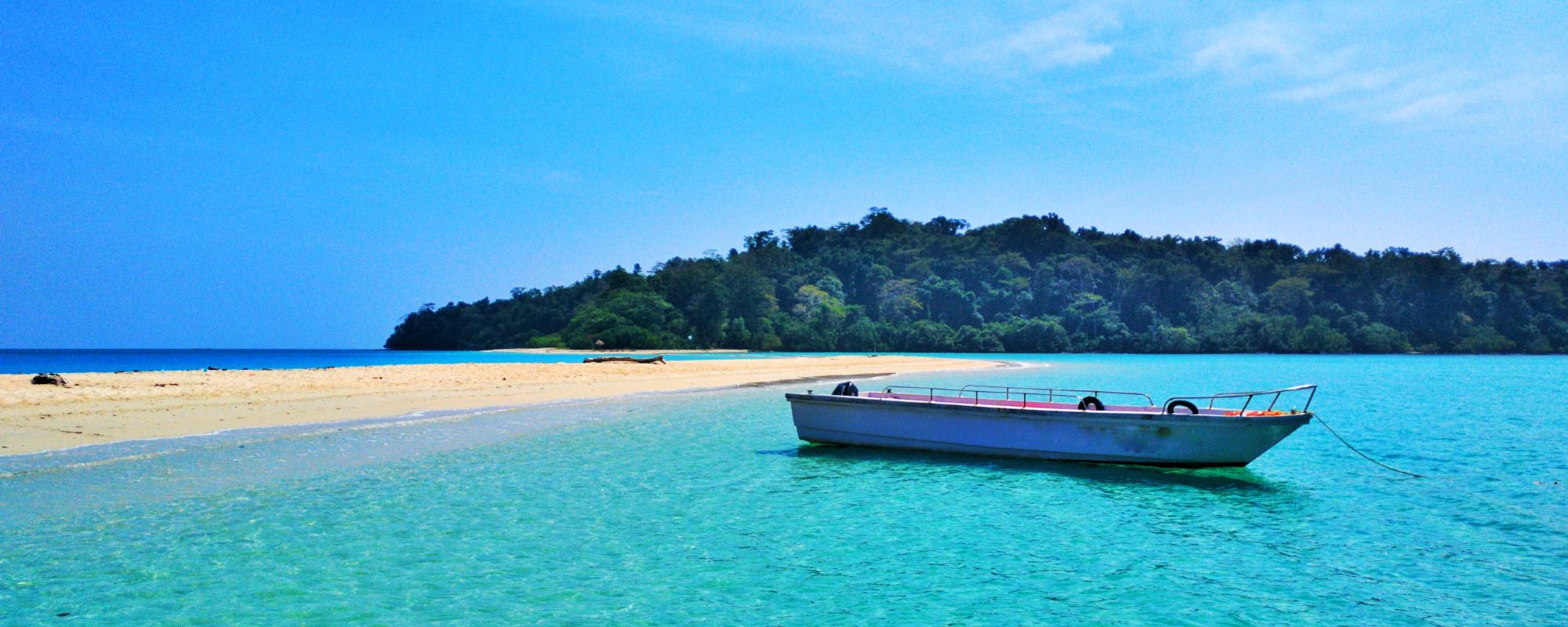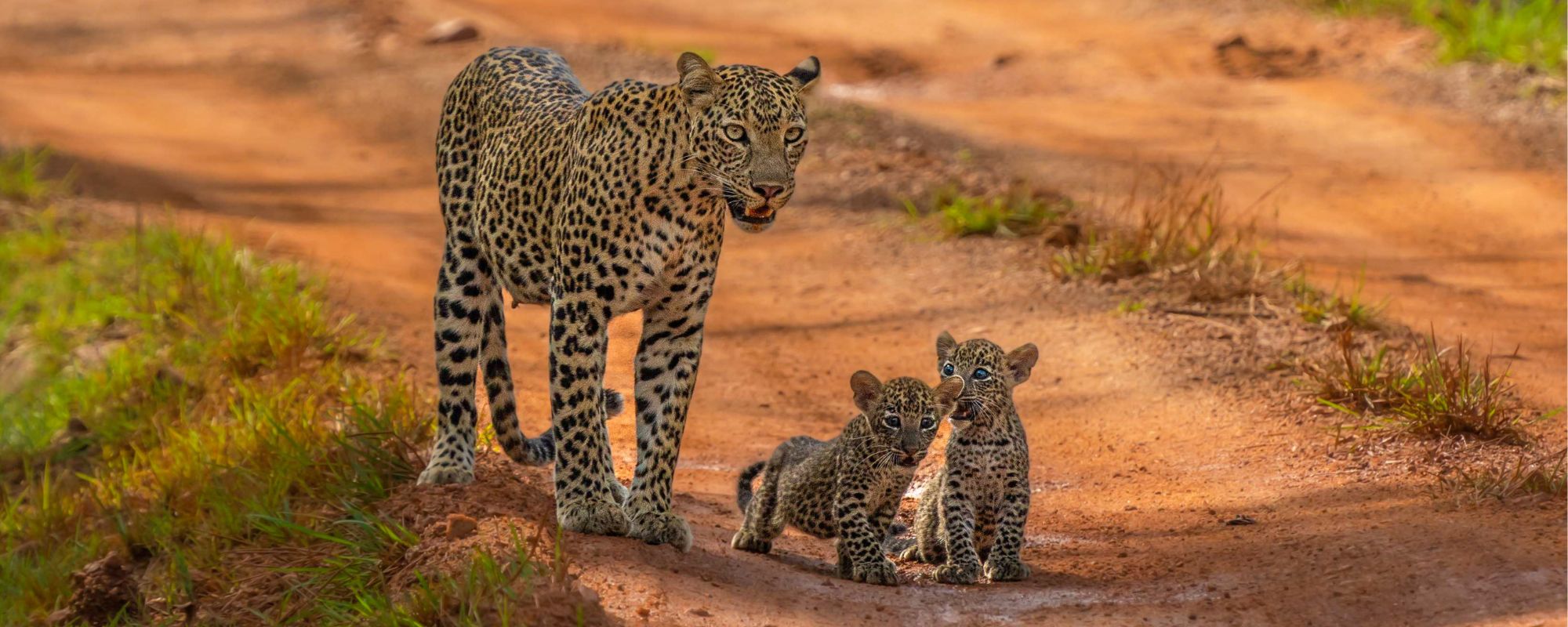
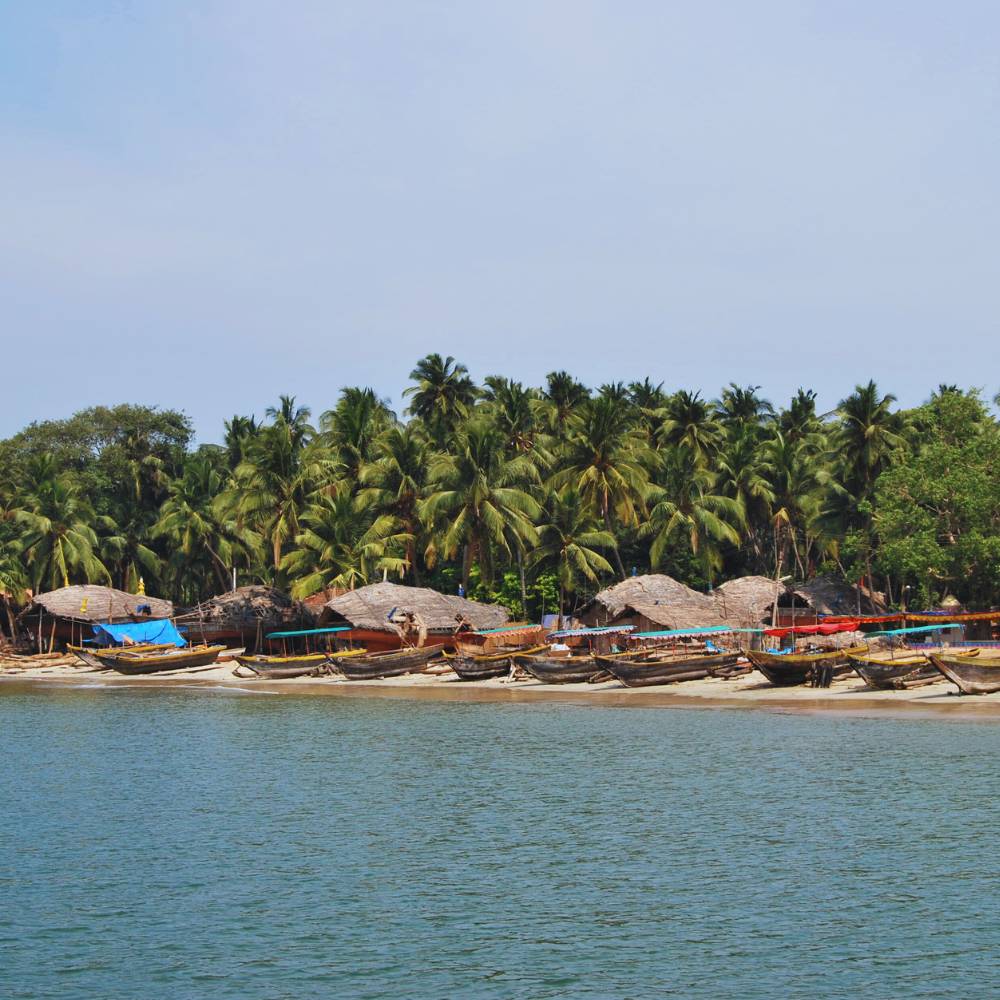
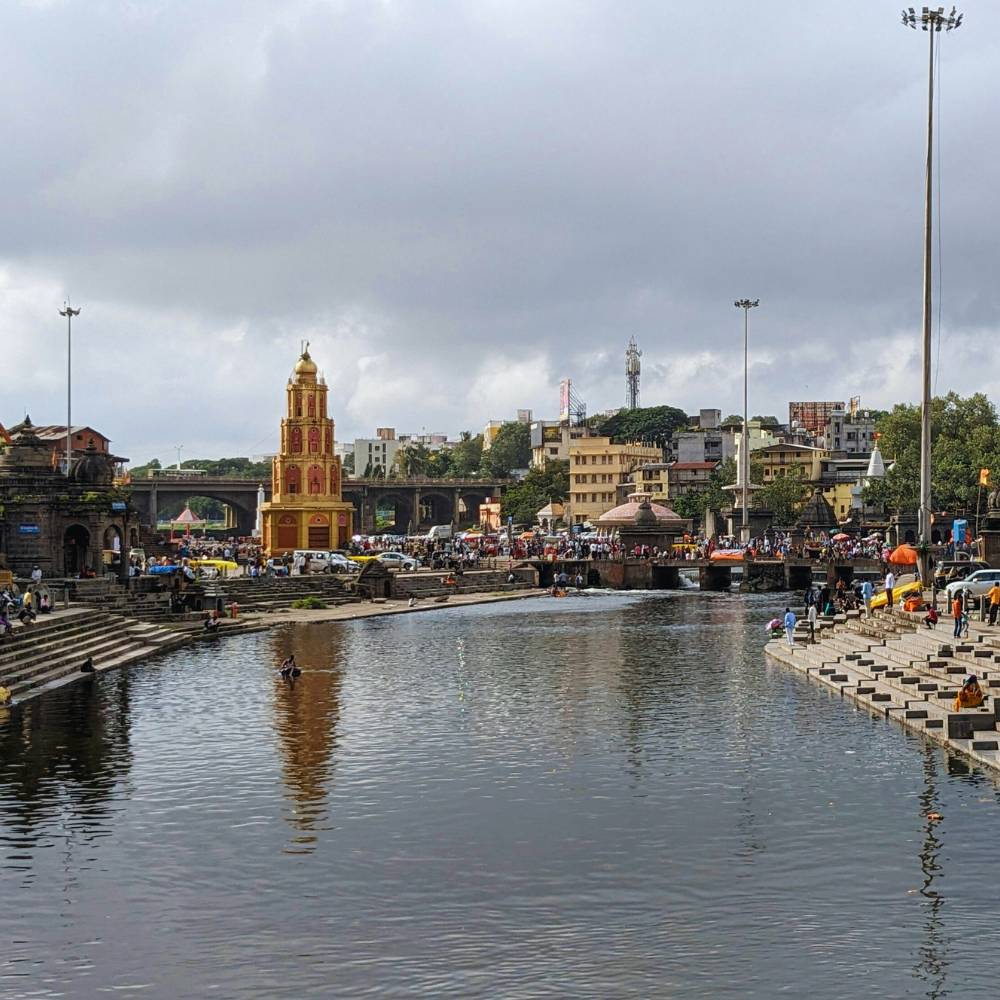
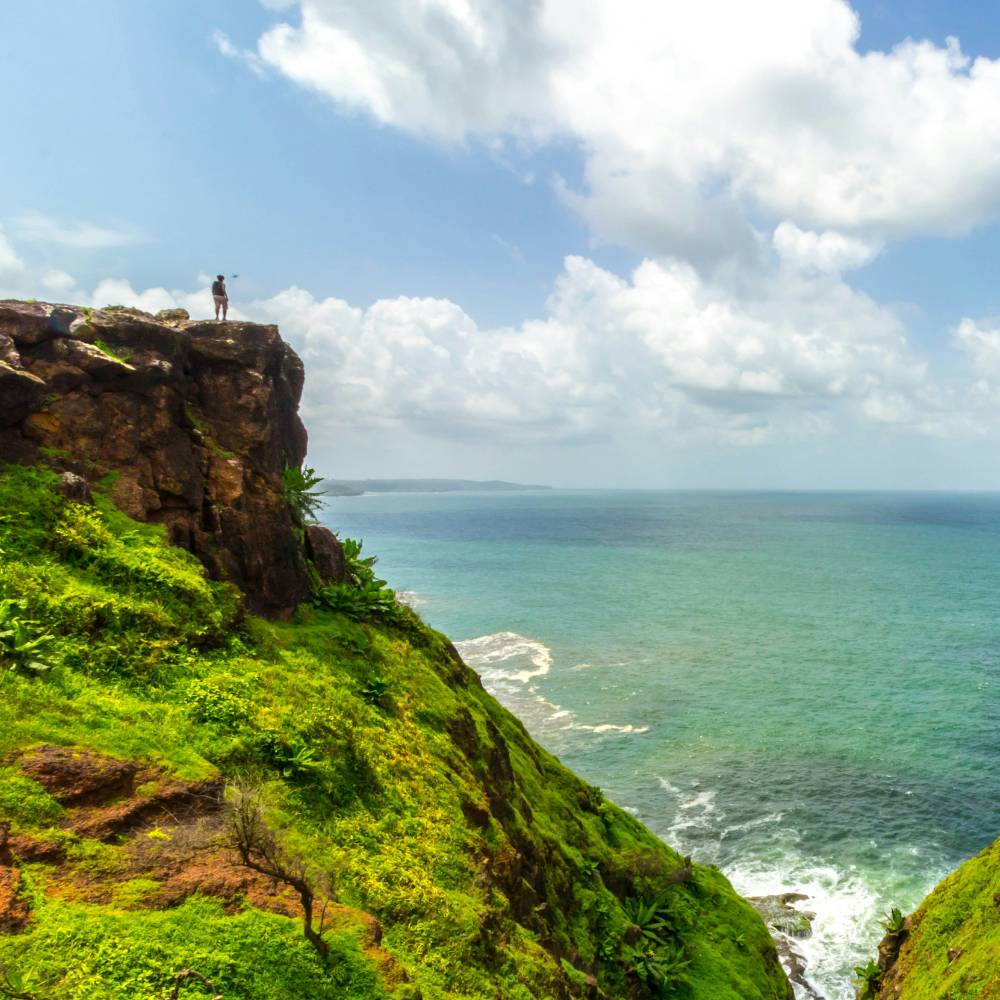
Let us be honest from the start. Most travel advice about Maharashtra says to wait for winter. And if you want lush green valleys and cool breezes everywhere, that advice holds. But summer in Maharashtra is not a problem to solve. It is a season with its own set of rewards, if you know where to go.
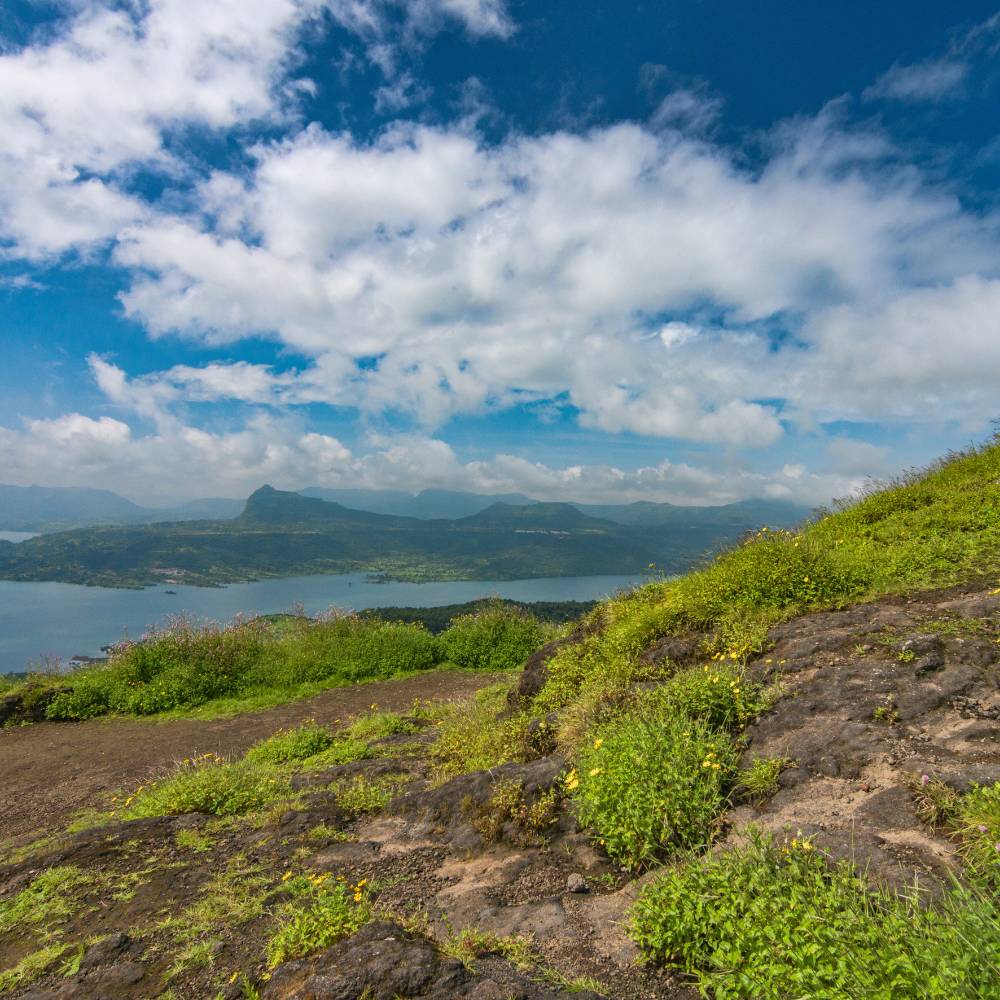
The hill stations above Pune sit above 1,300 metres and hold temperatures well under 25 degrees even in May. The sea forts of the Konkan coast are just as dramatic in April as in November. Tadoba's tigers are actually more visible in summer than in any other season. And the UNESCO cave temples at Ajanta and Ellora are carved into rock that stays naturally cool regardless of what the thermometer outside says.
This guide covers 15 destinations across Maharashtra that genuinely make sense in summer. Each one has been chosen for its quality of experience, practical accessibility, and what it offers that you simply cannot get at other times of the year.
Best Hill Stations in Maharashtra
01. Mahabaleshwar, Satara
Temperature: Around 20 degrees average | Distance: 265 km from Mumbai | 120 km from Pune
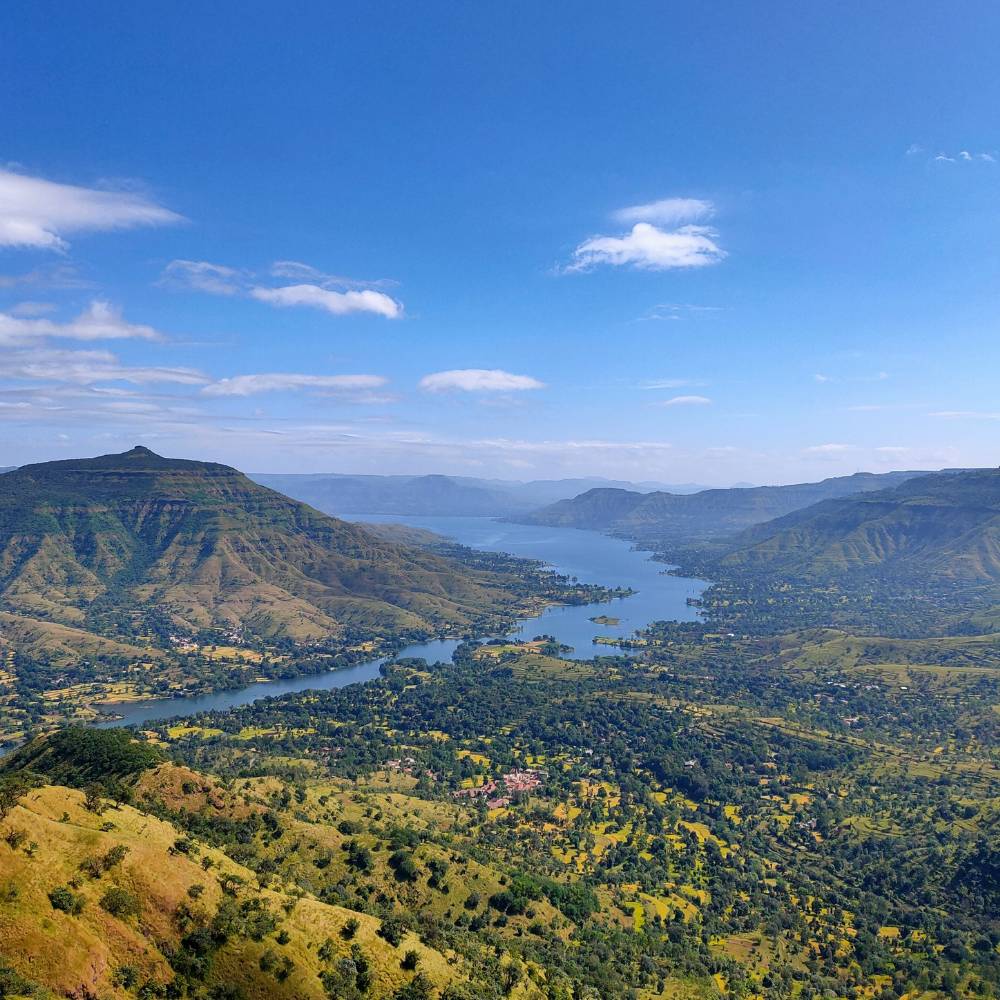
If there is one hill station in Maharashtra that consistently earns its reputation, it is Mahabaleshwar. Sitting at 1,372 metres in the Sahyadri range, it stays comfortably cool throughout summer, which is exactly why generations of families have been coming here in May when the rest of the state is sweltering.
Top things to see and do
- Arthur's Seat viewpoint offers a sweeping view of the Konkan plains far below. On clear mornings, you can see all the way to the Arabian Sea.
- Pratapgarh Fort, located 24 km from town, was built by Chhatrapati Shivaji Maharaj in 1659. It is the site of the famous battle with Afzal Khan and remains one of the best-preserved forts in Maharashtra.
- Lingamala Falls and Elephant's Head Point are worth combining into a single afternoon. Both are short drives from the main town.
- Venna Lake in the town centre offers boating and a pleasant waterfront walk, especially in the early morning before the day-trippers arrive.
- The Rajpuri Caves, associated with the Pandavas in local legend, house ancient sacred kunds fed by five perennial rivers. They are genuinely underrated and worth your time.
What makes summer special here
- The strawberry market along the main bazaar is at its peak during the warmer months. Fresh strawberries, crushes, jams, and wines line the stalls. It is one of those genuinely local experiences that does not happen at any other time of year.
- Accommodation is plentiful and ranges from budget guesthouses to well-appointed mountain resorts. Book at least two to three weeks ahead for the May school holidays.
02. Lonavala and Khandala, Pune
Temperature: 16 to 34 degrees | Distance: 96 km / 78 km from Mumbai | 64 km / 70 km from Pune
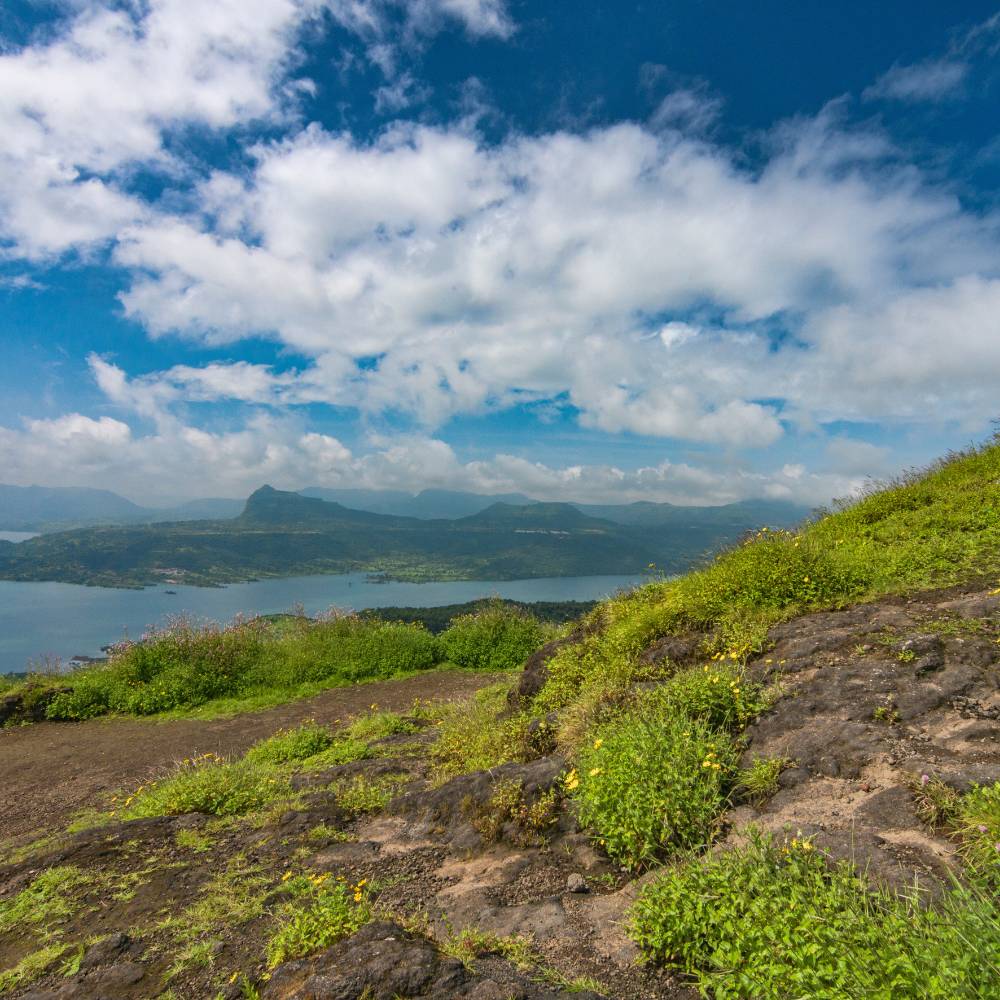
These two hill stations sit five kilometres apart on the same mountain ridge and are best treated as a single trip. Lonavala is livelier, with better infrastructure, more stay options, and the famous chikki shops that have made it a beloved pit stop for decades. Khandala is the quieter sibling, better suited for those who want valley views without the weekend noise.
What to do in Lonavala
- The Karla Caves date back to the 2nd century BC and contain one of the best-preserved ancient chaitya halls in the world. The 14-metre carved facade is extraordinary.
- Bhaja Caves, slightly further along, are less visited but equally impressive. A small seasonal waterfall runs beside the complex in the warmer months.
- Lohgad Fort involves a moderate trek and rewards you with views across the Indrayani valley. Allow three to four hours for the return trip.
- Rajmachi Fort is a more serious overnight trek, with a village homestay at the base making for a memorable experience.
What to do in Khandala
- Duke's Nose is the standout viewpoint here, a rocky outcrop shaped like the profile of a nose that drops away sharply into the valley below.
- Bhushi Lake and Tigress Point are pleasant half-day spots, quieter and less crowded than their Lonavala counterparts.
Pawna Lake, nearby
About 30 km from Lonavala, Pawna Lake has become one of Maharashtra's most popular overnight camping destinations. Three forts are visible from the shore, and the Wagheshwar Temple sits on a small island within the lake. Evening bonfires and early morning kayaking are standard fare. Book well ahead for weekends.
03. Matheran, Raigad
Temperature: Maximum 26.8 degrees | Distance: 90 km from Mumbai | 120 km from Pune
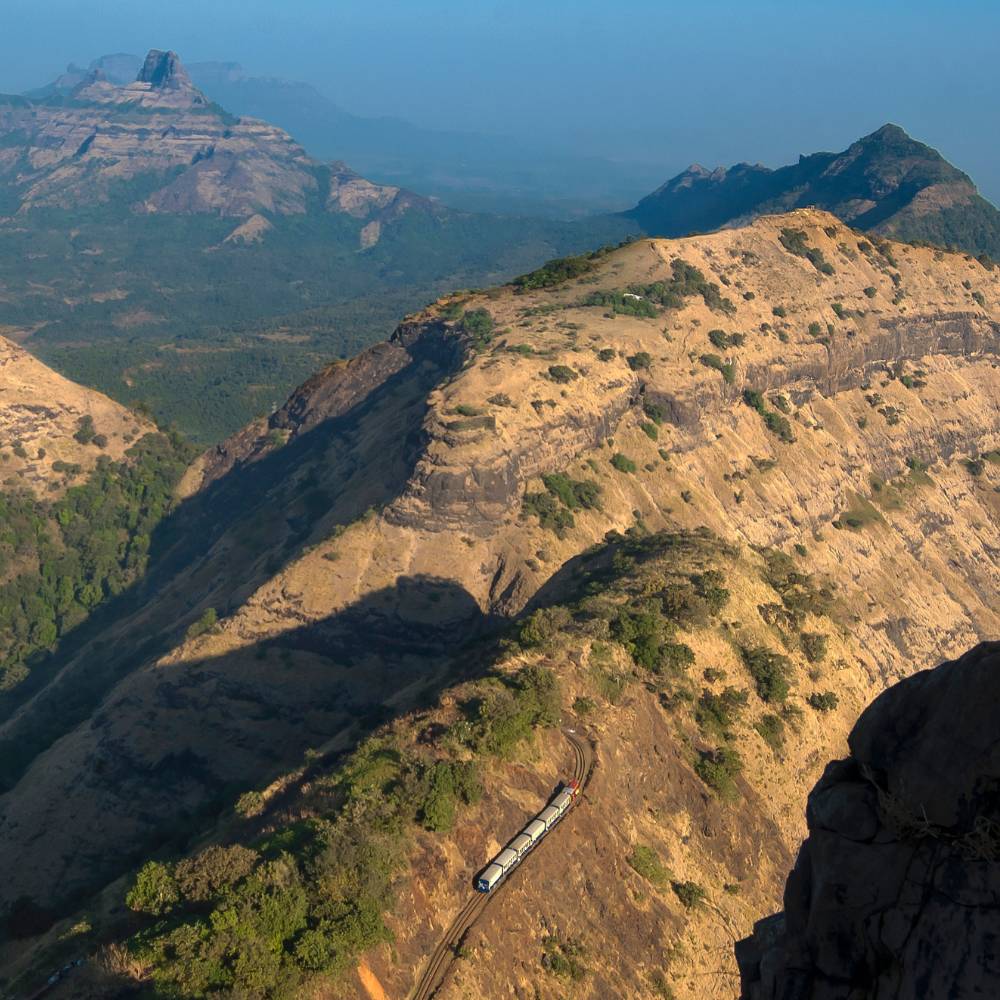
Matheran is the only hill station in India where motor vehicles have been banned since 1910. No cars, no bikes, no rickshaws. That single rule changes everything about how the place feels. You arrive by toy train from Neral, walk everywhere on red-mud forest paths, and gradually decompress in a way that is difficult to achieve anywhere else near Mumbai.
Key highlights
- Echo Point is a favourite with families. Your voice bounces back clearly from the valley wall opposite.
- Panorama Point gives the widest uninterrupted view of the plains. Go at sunrise when the fog still sits in the valleys below.
- One Tree Hill, Louisa Point, and Honeymoon Hill each offer a slightly different angle on the same sweeping landscape.
- The toy train journey from Neral is an experience on its own. Book tickets in advance, especially for weekends and school holiday periods in May.
Practical note
Porters and horses are available for carrying luggage from the Matheran station to your hotel. This is genuinely useful given that all movement is on foot.
04. Panchgani, Satara
Temperature: Around 20.8 degrees average | Distance: 285 km from Mumbai | 100 km from Pune
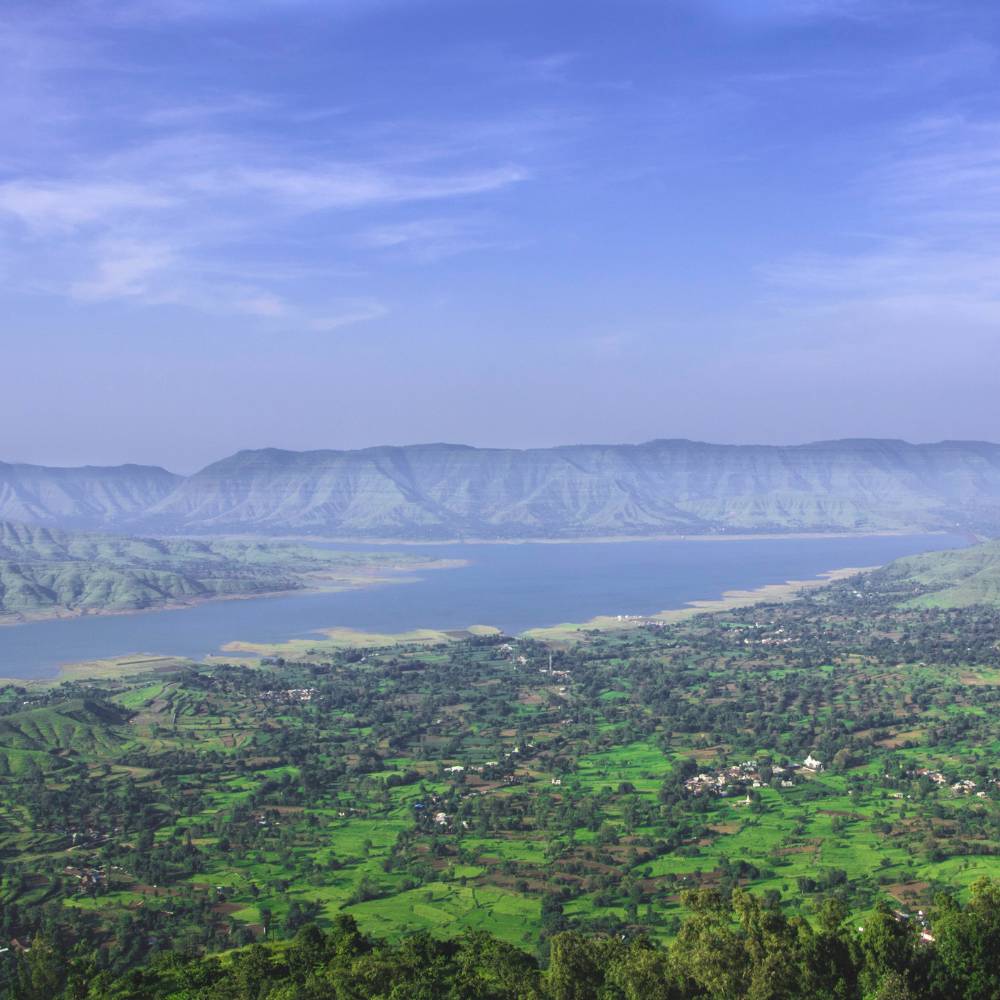
Named for the five Sahyadri hills that surround it, Panchgani sits at 1,334 metres and has a character distinct from its more famous neighbour, Mahabaleshwar, just 18 km away. It is quieter, slightly less commercialised, and home to one of the most remarkable natural formations in the region.
Top attractions
- Table Land is one of Asia's largest volcanic plateaus. The flat basalt surface stretches for 95 acres at the hilltop, offering 360-degree views of the Krishna Valley below. The sunrise from here on a clear morning is genuinely worth an early alarm.
- Sydney Point and Parsi Point both look out over the Krishna River reservoir far below. The contrast between the hills on one side and the flat coastal plains on the other is Panchgani's most distinctive visual quality.
- Devrai Art Village, about 3 km from town, is a cooperative showcasing tribal art forms from across Maharashtra. Worth an hour even if art is not usually your thing.
- Mapro Garden is the famous strawberry and raspberry brand's flagship outlet, with fresh produce and farm-made products available through the summer months.
Adventure activities available
- Paragliding operates from the plateau and surrounding hillsides, with tandem flights for beginners.
- Horse riding, bungee jumping, and camping operators have all set up in the area in recent years.
05. Bhandardara, Ahmednagar
Temperature: Around 23.6 degrees average | Distance: 165 km from Mumbai | 185 km from Pune
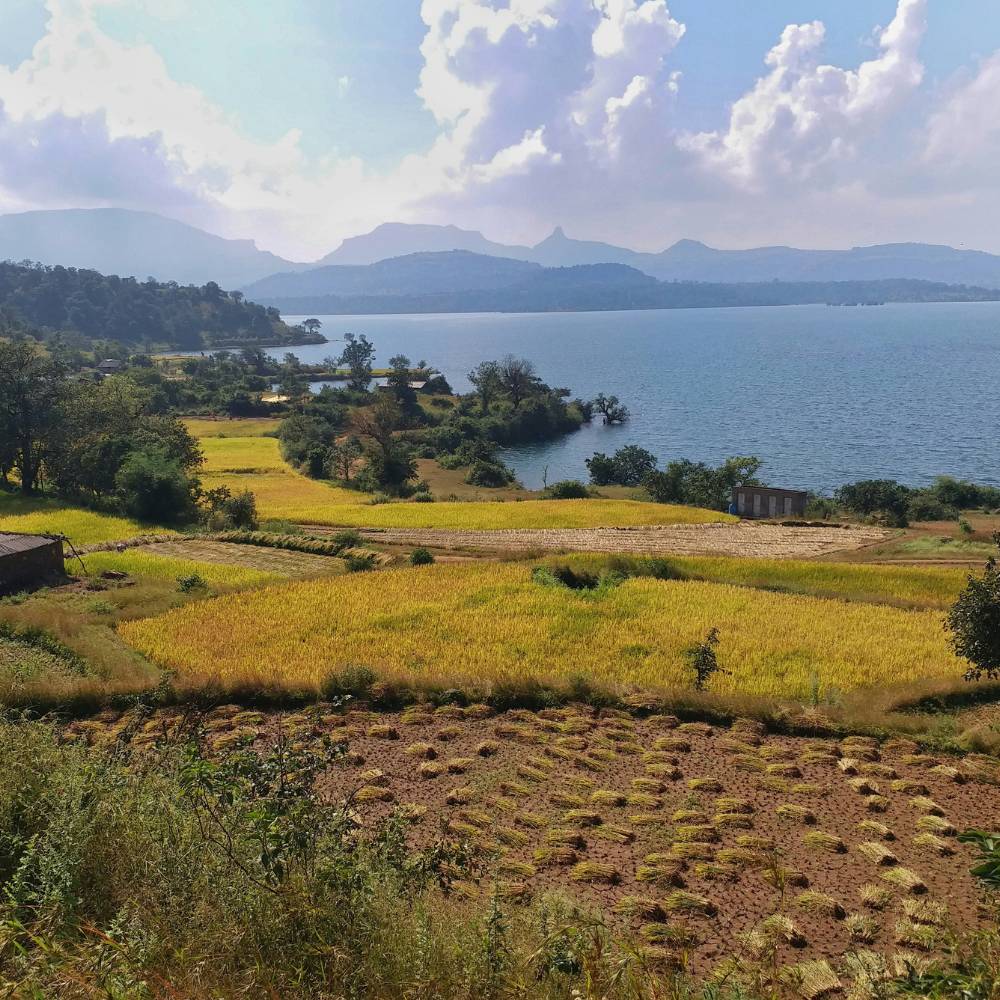
Bhandardara is one of those destinations that rewards people who are willing to drive a little further off the main road. It is a valley in the Western Ghats where a century-old dam, a waterfall shaped like an open umbrella, and Maharashtra's highest peak all happen to occupy the same stretch of landscape.
What to explore
- Arthur Lake, formed by the 1926 Wilson Dam, is beautiful for early morning walks along the shoreline. The dam itself is an impressive piece of engineering history.
- Umbrella Falls lives up to the name. The water cascades down and fans out on a circular rock platform in a shape that is genuinely umbrella-like. It is most dramatic in the weeks just before the monsoon.
- Randha Falls, about 11 km from the main village, drops into a deep gorge from a significant height and is one of the more powerful waterfalls accessible in this region.
- Ratangad Fort above the valley is a rewarding half-day trek with excellent views back down to the Arthur Lake.
For serious trekkers
Kalsubai Peak, at 1,646 metres, is the highest point in Maharashtra. The trailhead is at Bari village, about 20 km from Bhandardara. Allow four to five hours for the ascent. Starting before dawn to catch the sunrise from the summit is a popular choice among regular trekkers.
06. Igatpuri, Nashik
Temperature: Around 28.8 degrees average | Distance: 130 km from Mumbai | 180 km from Pune
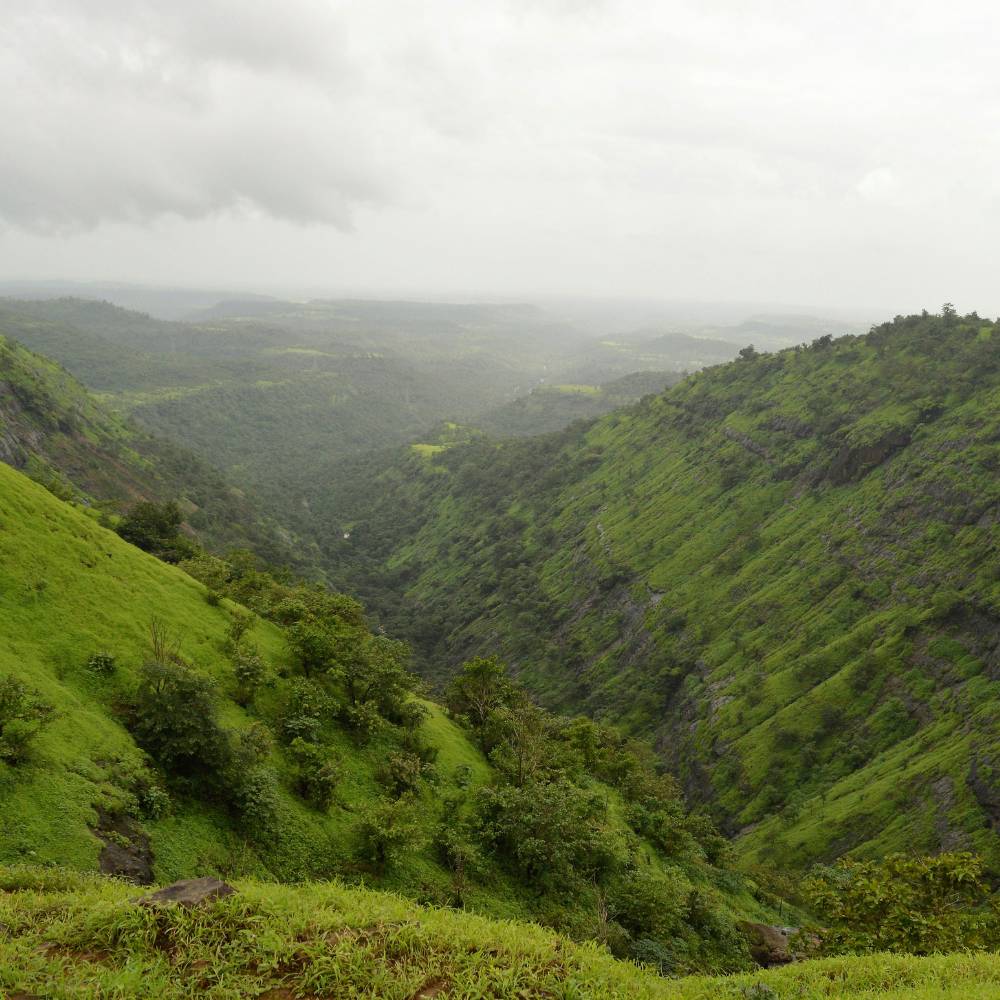
Igatpuri sits at the top of the Thal Ghat, where the road climbs from the coastal plains into the Deccan. The town occupies a green valley ringed by mountains, and the Vaitarna River runs through the lower ground nearby. It attracts two completely different kinds of travellers, meditation seekers and adventure trekkers, and manages to serve both well.
For the adventurous
- Sandhan Valley canyon trek is the headline experience. The route involves rappelling down vertical drops and wading through a narrow slot canyon carved by a seasonal river. It has developed a strong following among experienced trekkers looking for something more technical than the usual Sahyadri routes.
- Kalsubai Sunrise Trek starts from Bari village in this district. Beginning at 3 AM to reach the summit by dawn is standard practice.
- Ratangad Fort and Harishchandragad are both accessible for overnight treks from Igatpuri as a base.
For those seeking quiet
Vipassana International Academy, located 5 km from town, is the world's largest meditation centre. It runs ten-day silent Vipassana courses throughout the year and draws participants from across India and internationally. The courses are free of charge, though bookings need to be made months in advance.
Read Also: Best Hill Stations in Maharashtra for Nature Lovers
Beaches and Coastal Towns
07. Alibaug, Raigad District
Temperature: Around 26.4 degrees average | Distance: 100 km by road or 1-hour ferry from Mumbai
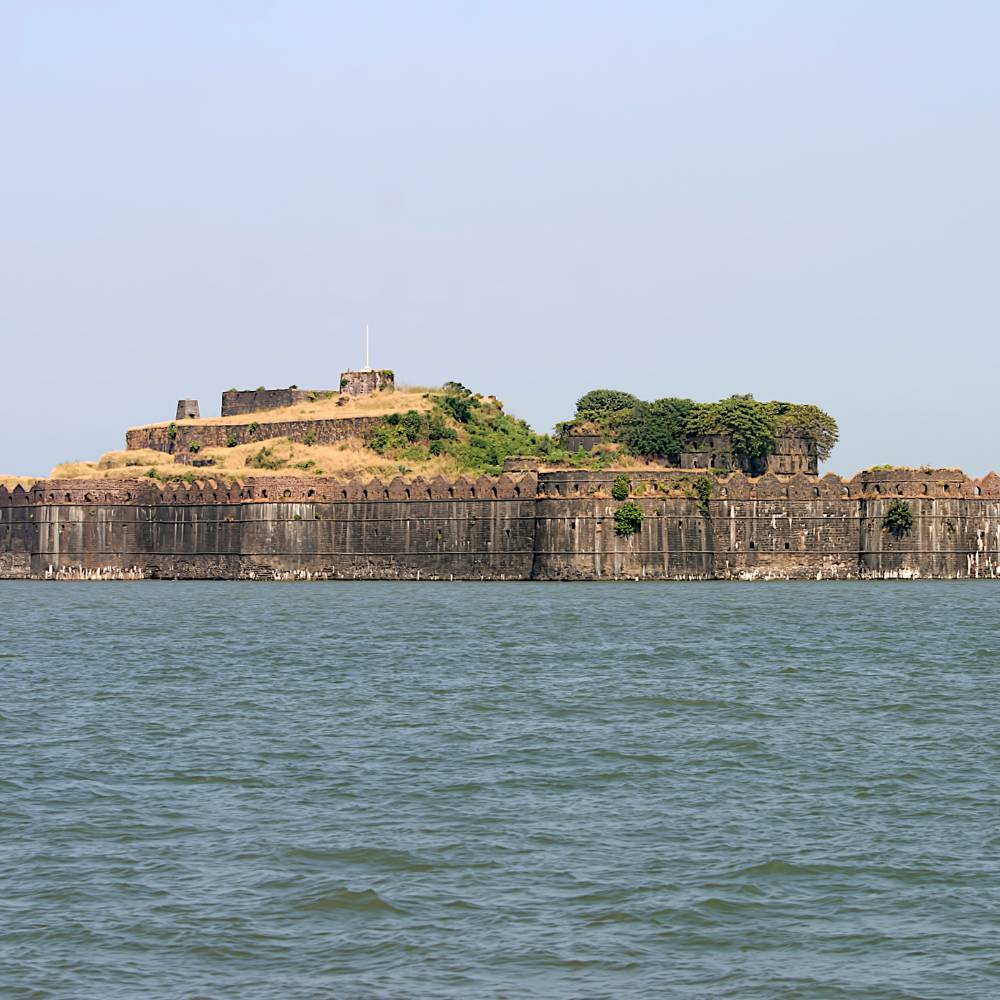
Alibaug has been Mumbai's favourite weekend escape for decades, and the ferry route from Gateway of India is a big part of why. The 50-minute boat journey across Mumbai Harbour, watching the city skyline recede behind you as open water takes over, sets the tone for what Alibaug is best at: making you feel genuinely far from the city without actually being very far at all.
Beaches to visit
- Kihim Beach, 14 km from the town centre, is backed by casuarina groves and faces a calm section of the sea. It is the best swimming beach in the area and quieter than the town beach itself.
- Nagaon Beach is livelier, with more activity and easier access to water sports operators.
- Varsoli and Murud beaches are less visited and worth the short drive if you want to escape weekend crowds.
Other highlights
- Kolaba Fort stands in the sea just off the town beach and is accessible on foot during low tide. The sunset from the fort walls is one of the better views on this stretch of coast.
- Konkani seafood in Alibaug is excellent. Look for small family-run restaurants rather than the resort-facing options for the best quality.
- Cycling through the surrounding villages and mangrove-lined backwaters is a pleasant way to spend a morning away from the beach.
08. Kashid, Raigad
Temperature: Up to 30 degrees | Distance: 170 km from Mumbai | 125 km from Pune
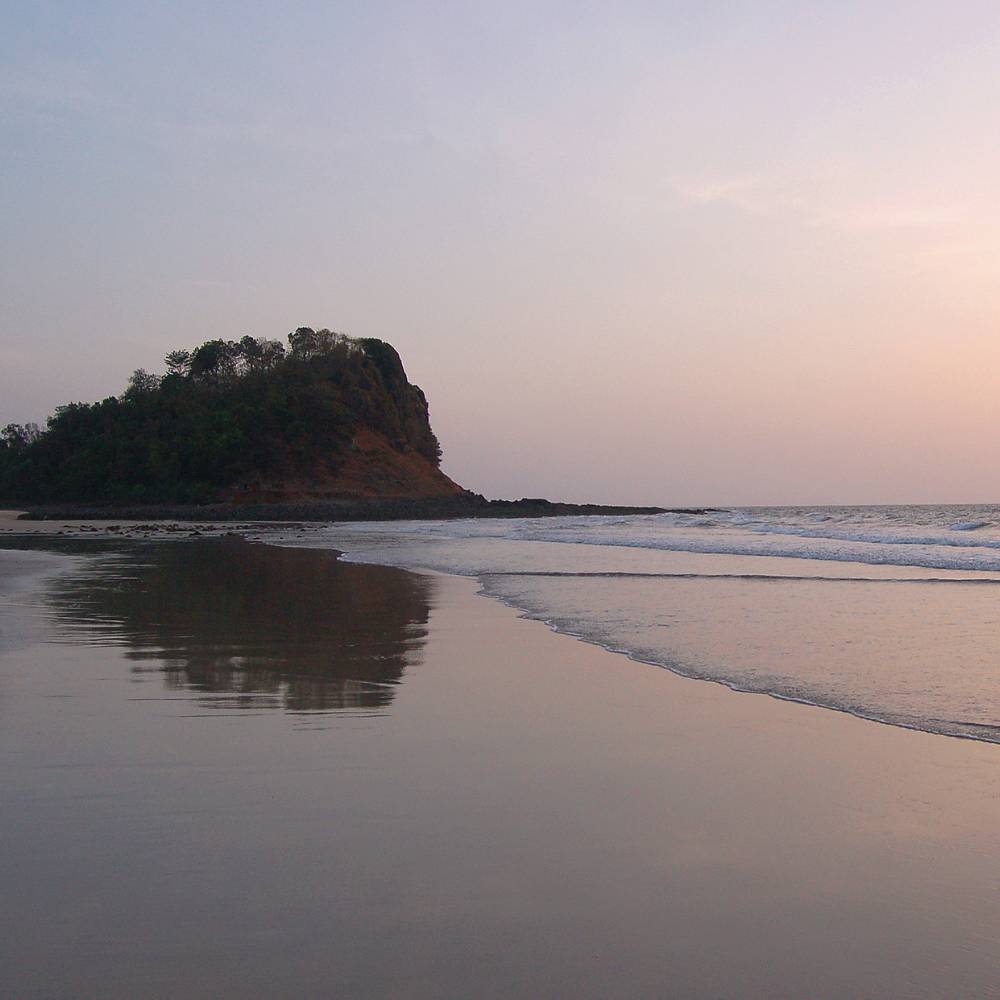
Most beaches on the Konkan coast are dark volcanic sand, the geological inheritance of the Deccan plateau. Kashid is different. The sand here is white, and the sea in front of it is notably clear before the June monsoon muddies everything up. That combination makes it one of the more visually striking beaches in Maharashtra and one of the better spots for water activities.
What to do here
- Snorkelling near the rocky outcrops at either end of the beach is worthwhile, with decent visibility through April and May.
- Scuba diving operators work out of Kashid in summer. It is not Malvan-level clarity, but the reefs are accessible, and the operators are reliable.
- Parasailing and banana boat rides are available through beach operators during summer weekends.
- Beach camping is popular here, with several operators running tent sites with bonfires and basic meals directly on the shoreline.
Day trip nearby
Korlai Fort, about 12 km from Kashid, was built by the Portuguese in the 16th century and sits on a headland above the sea. It is relatively unvisited, historically interesting, and perfectly suited to a two-hour excursion on the way home.
09. Malvan, Sindhudurg
Temperature: Around 27.1 degrees average | Distance: 490 km from Mumbai | 440 km from Pune
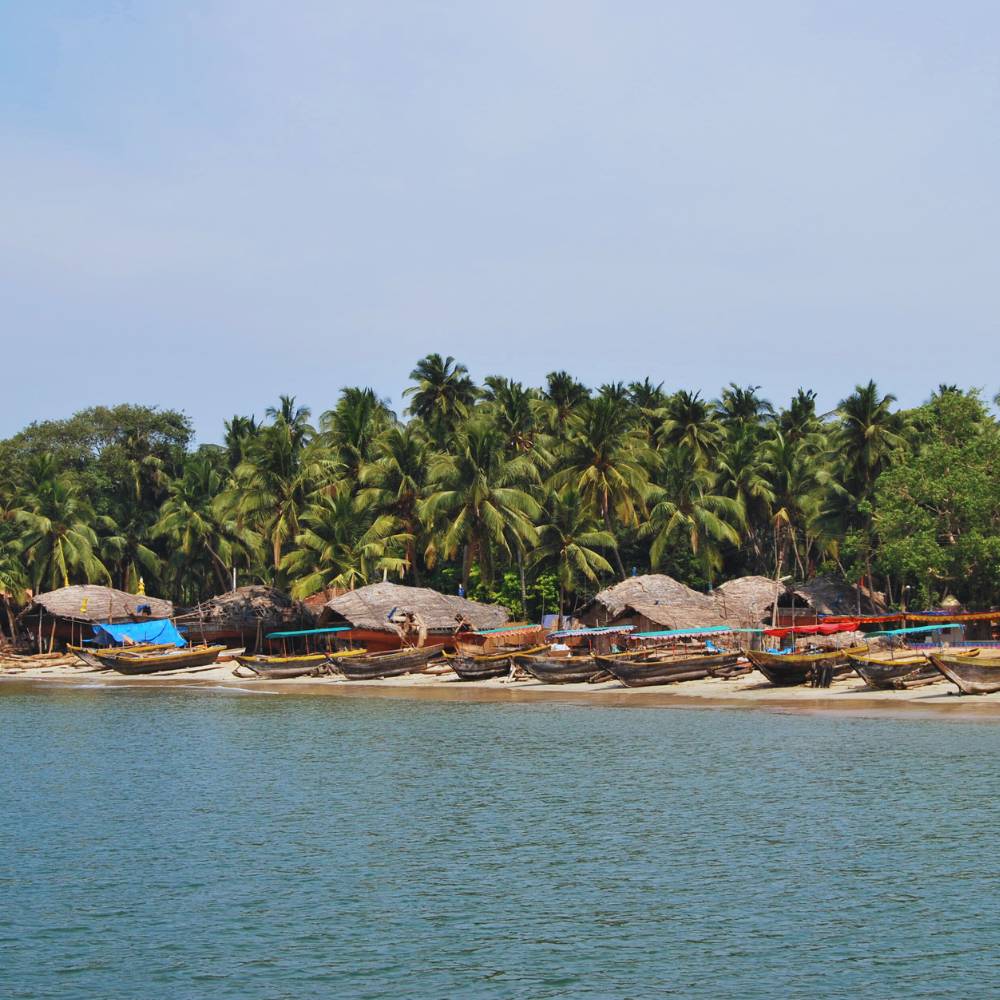
Malvan is far from Mumbai. Seven hours by road, or a Konkan Railway train to Kudal, followed by a cab. But it earns the distance in a way that few coastal destinations in Maharashtra do. The water here is genuinely clear, the food is outstanding, and the Sindhudurg Fort rising from the sea just offshore is one of the more extraordinary things you can approach by boat in India.
Sindhudurg Fort
- Built by Chhatrapati Shivaji Maharaj between 1664 and 1667 on a rocky island, the fort is accessible only by motorboat from the Malvan shore.
- The walls follow the natural contour of the island rock, rising directly from the sea at the base. The 22 bastions remain largely intact.
- Inside the fort: a temple to Shivaji built during his own lifetime, freshwater cisterns that once made the fort self-sufficient, and the royal residential quarters.
Water activities
- Scuba diving around the fort walls and at Tarkali Beach, 5 km south of town, is among the best available in Maharashtra. The Malvan Marine Sanctuary protects the coral reefs offshore, and visibility regularly reaches six to eight metres in summer.
- Snorkelling, dolphin safaris, and glass-bottom boat rides are all offered by local operators near the fort jetty.
The food
Malvani cuisine, built on fresh fish, coconut, kokum, and dried spices, is a legitimate reason to make the trip. Crab masala, sol kadhi, and fresh surmai preparations are the dishes to prioritise.
10. Ratnagiri
Temperature: 23 to 38 degrees | Distance: 345 km from Mumbai | 330 km from Pune
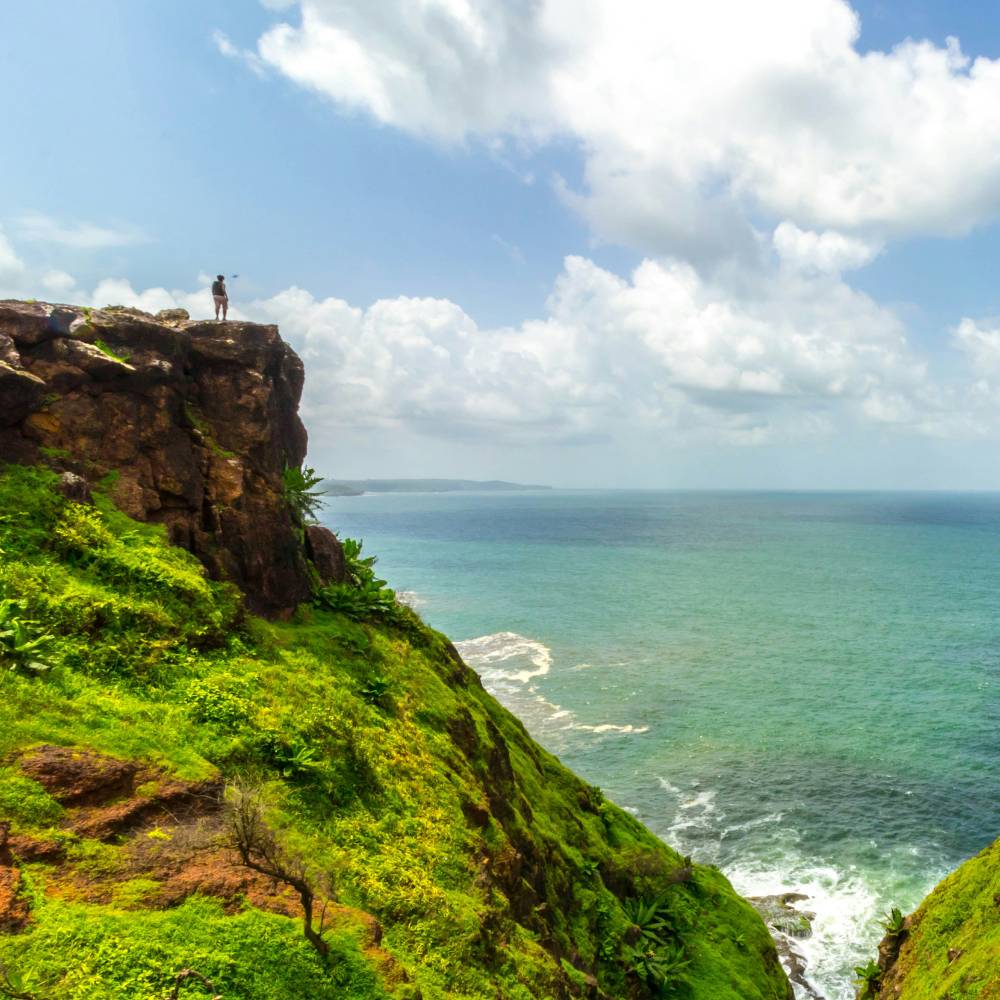
Ratnagiri is the kind of place where the food is as much of a draw as the sights. The Alphonso mango, known locally as Hapus, grows in the farms and orchards around this district and is in peak harvest from April through June. Buying directly from roadside farm stalls is a completely different experience from the branded boxes that reach Mumbai supermarkets. The fruit is fresher, more fragrant, and costs a fraction of what you would pay in the city.
Historical sites
- Ratnadurg Fort, also called Bhagwati Fort, stands on a headland above the sea and houses an active Bhagwati Temple within its walls.
- Jaigad Fort, 35 km north of town, sits at the mouth of the Shastri River where it meets the Arabian Sea. The combination of the fort, the river, and the open sea from a single vantage point is visually striking.
- Vijaydurg Fort, one of the oldest forts on the Konkan coast dating to the 12th century, is one of the few sea forts in India that was never captured by a foreign power.
- The birthplace of Bal Gangadhar Tilak has been preserved as a small memorial museum in the town centre.
Travel note
The Konkan Railway is the most comfortable way to reach Ratnagiri from Mumbai. The route itself, hugging the coast through tunnels and over bridges above river estuaries, is one of the more scenic train journeys in India.
11. Murud-Janjira, Raigad
Temperature: Around 26.6 degrees average | Distance: 165 km from Mumbai | 190 km from Pune
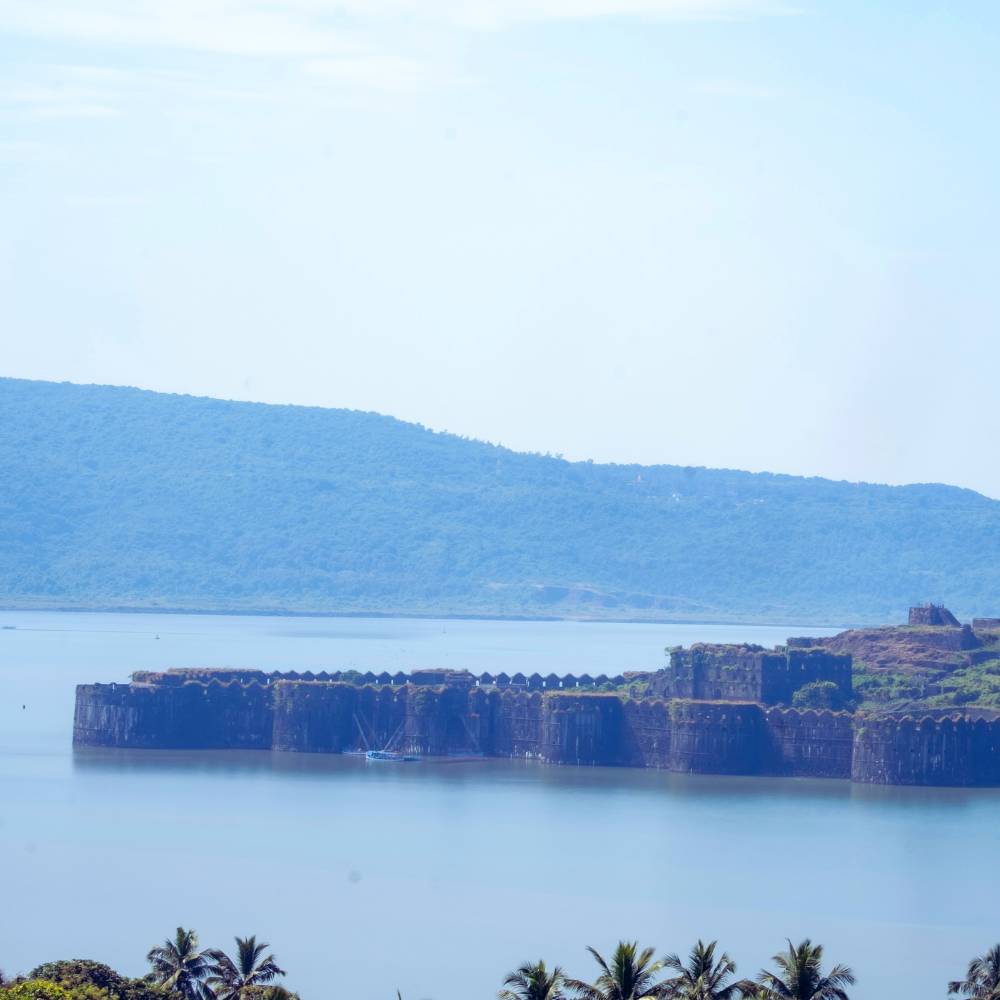
The Janjira Fort was never captured. In over three centuries of existence, the Marathas tried and failed repeatedly, including multiple serious attempts by Shivaji Maharaj himself. The Portuguese, Dutch, and British all walked away from it, too. That history gives the fort a certain quality that is hard to describe but easy to feel when you approach it by boat, watching the 22 bastions grow larger as you cross the water.
The fort
- The fort sits on a rocky island about 500 metres from the Murud shore and is accessible only by motorboat.
- Built and held by the Siddis, descendants of East African soldiers in Deccan service, the fort once contained freshwater cisterns, a mosque, residential palaces, and granaries within its walls.
- Most of the interior structures have fallen to time, but the outer walls and bastions are in good condition, and the scale of the original construction is impressive.
Around Murud town
- Murud Beach is long, dark-sanded, and quieter than many beaches closer to Mumbai.
- Ahmedganj Palace, the residence of the last Nawab of Janjira, stands in the town with a faded grandeur that mixes European architectural influences with the Konkan setting.
- Garambi Waterfall, 5 km from town, is a pleasant half-day excursion if you have an extra morning.
Heritage, Wildlife and Wine
12. Aurangabad
Temperature: 28 to 38 degrees (cave interiors stay cool) | Distance: 340 km from Mumbai | 235 km from Pune
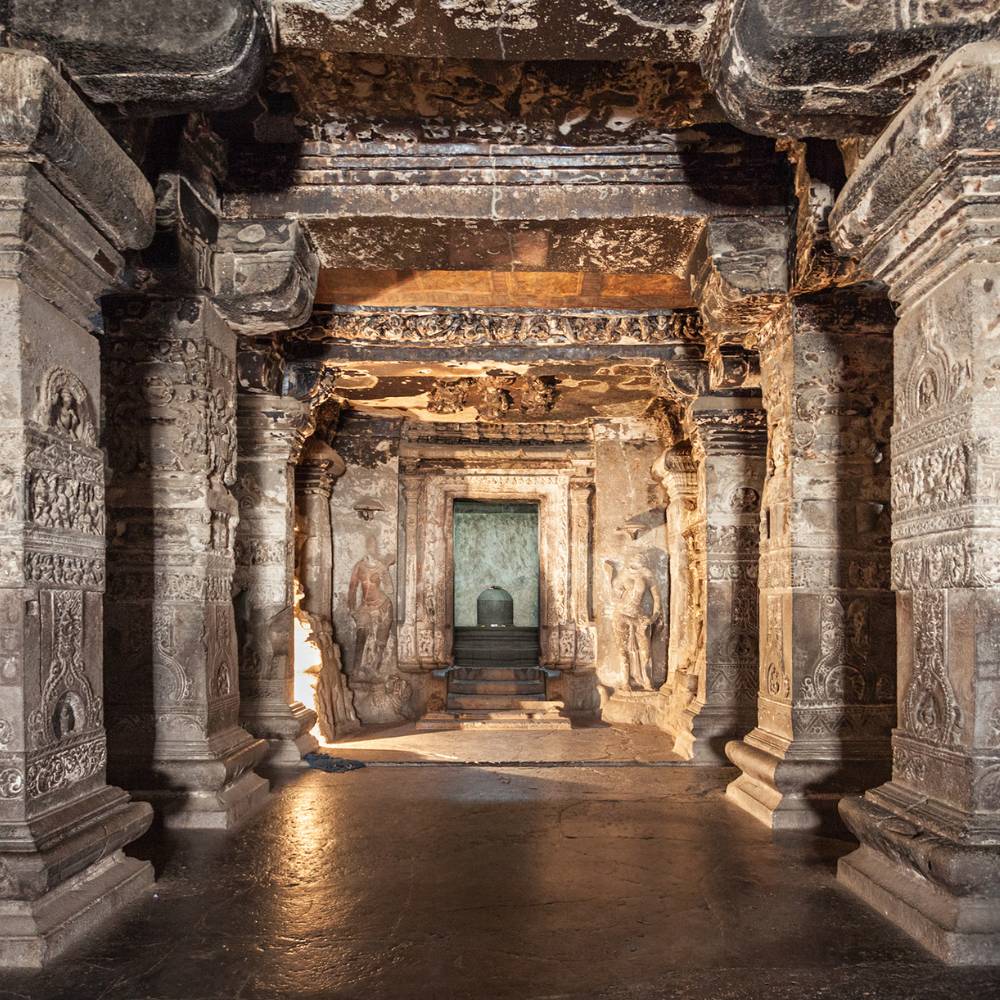
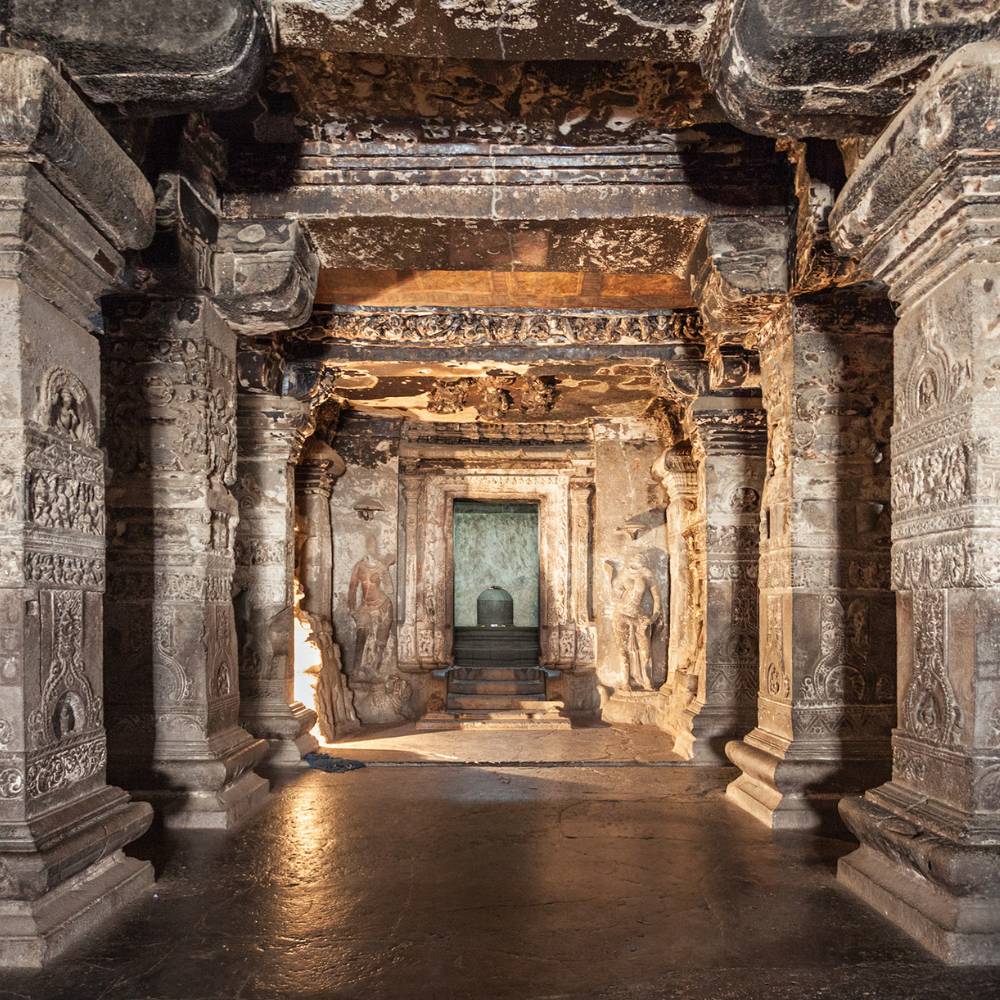
Aurangabad sits within day-trip distance of two UNESCO World Heritage Sites, which makes it one of the most historically significant bases in Maharashtra. The caves at Ajanta and Ellora are extraordinary under any circumstances, but visiting them in summer has a specific practical advantage: both complexes are carved into rock, which absorbs and releases heat slowly, keeping the interiors several degrees cooler than the outside air throughout May and June.
Ajanta Caves
- 30 rock-cut monuments carved between the 2nd century BC and 6th century AD into a horseshoe-shaped cliff above the Waghora River.
- The mural paintings inside, depicting Jataka tales from the life of the Buddha, are among the oldest and finest surviving examples of ancient painted art in the world.
- Visit in the morning. Crowds build significantly after 10 AM, and the lighting inside the caves is better in the early hours.
Ellora Caves
- 34 monuments representing Buddhist, Hindu, and Jain traditions, constructed between the 6th and 11th centuries AD.
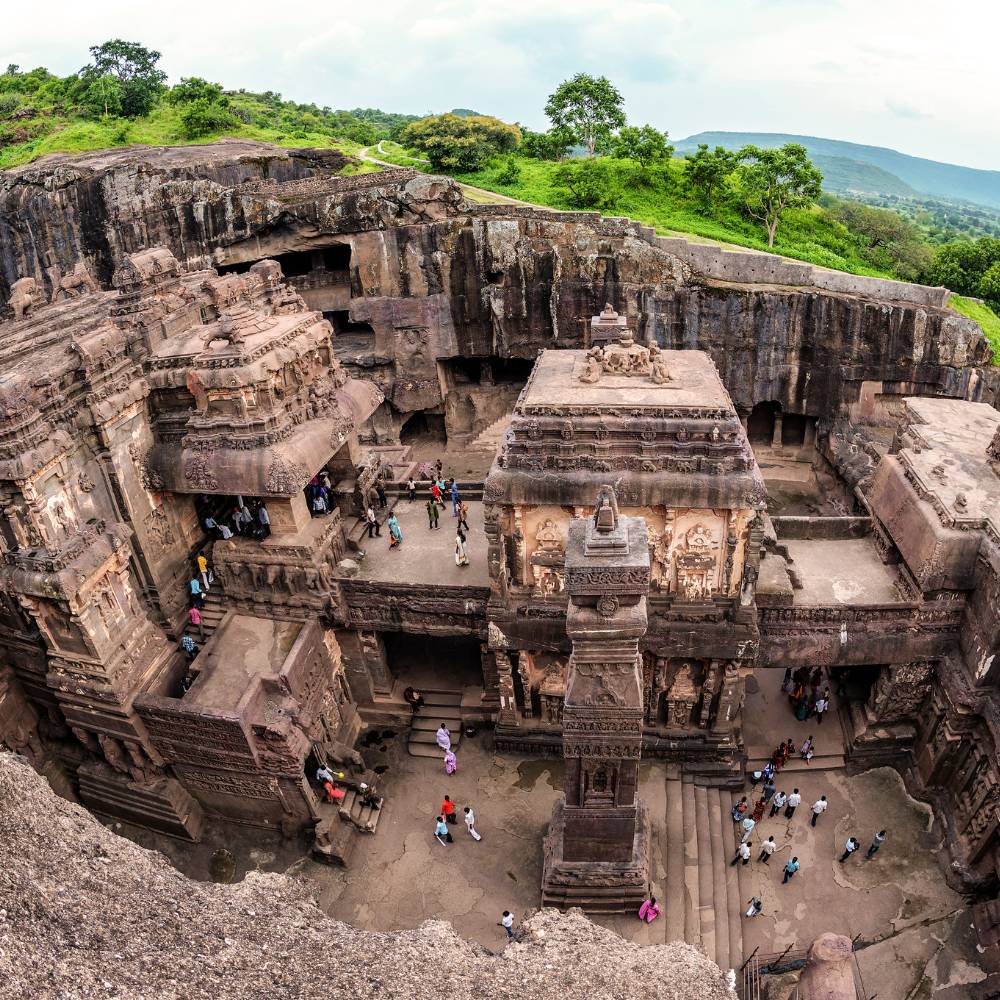
- Cave 16, the Kailasa Temple, is carved top-down from a single basalt cliff to represent Mount Kailash. An estimated 200,000 tonnes of rock were removed without explosives. It remains one of the most extraordinary feats of ancient construction in India.
Within Aurangabad city
- Bibi Ka Maqbara, built in 1678 as a tribute to Aurangzeb's wife, is often called the Taj of the Deccan for its visual resemblance to the Agra original.
- Daulatabad Fort, 15 km from the city, is one of the most formidably designed medieval fortresses in India. The entry path passes through a series of deliberately disorienting passages and moats.
13. Nashik
Temperature: Around 28 degrees in the day, much cooler at night | Distance: 165 km from Mumbai | 215 km from Pune
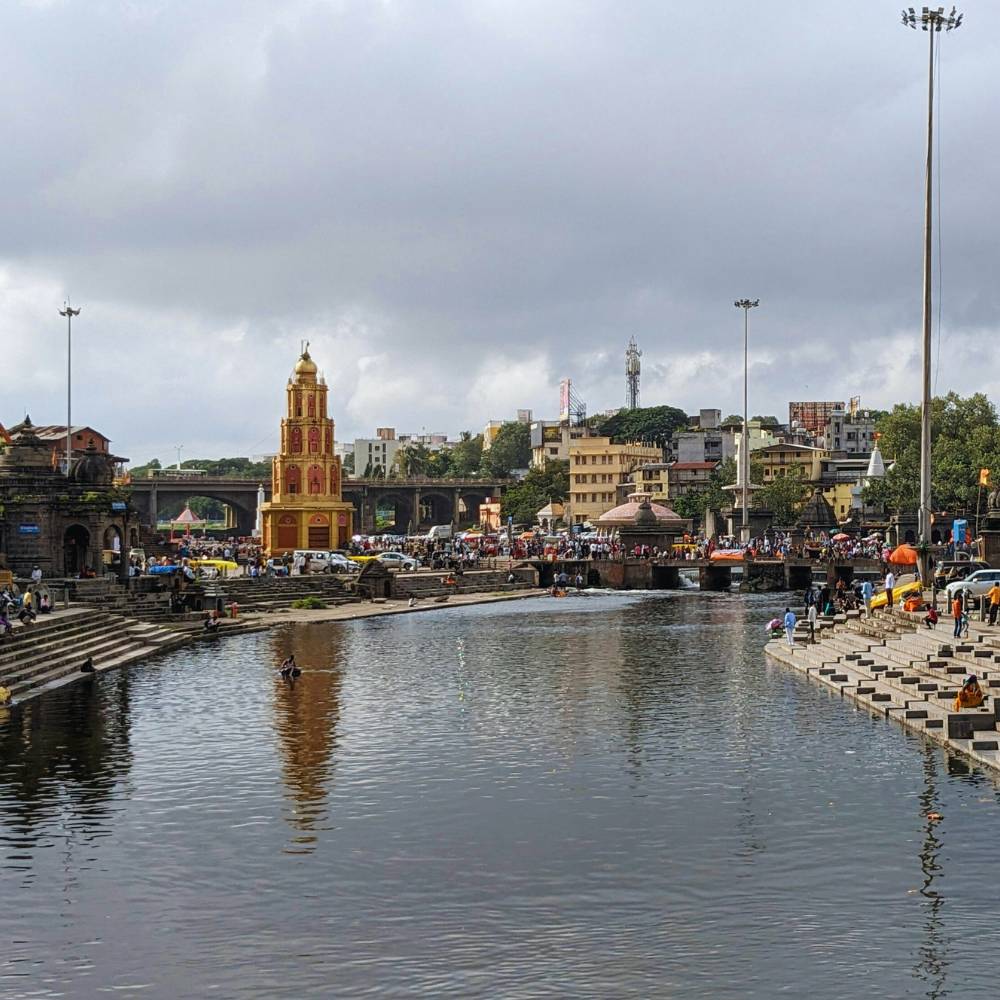
Nashik manages to be both a major Hindu pilgrimage centre and the capital of India's wine industry, and somehow neither identity overwhelms the other. It is a city of genuine contrasts, and both aspects reward exploration. The evenings here are significantly cooler even in summer, sometimes dropping to around 10 degrees, which makes it far more comfortable than most of western Maharashtra after dark.
Wine country
- Sula Vineyards, 14 km from the city centre, produces around 65 percent of India's wine. The 45-minute guided tour covers fermentation tanks, oak barrel rooms, and bottling lines, and ends with a tasting session.
- Summer is actually a good time to visit the vineyards. The harvest season wraps up by March and April, leaving the facilities quieter and the tasting room staff less rushed.
- Several other wineries operate in the Nashik district, including York Winery and Soma Wine Village, and a half-day winery circuit is a reasonable way to spend a morning.
Pilgrimage and history
- Ramkund, a bathing ghat on the Godavari River, is one of the most sacred spots on the river according to Hindu tradition. Ram, Sita, and Lakshmana are said to have bathed here during their forest exile.
- Trimbakeshwar, 28 km from Nashik, houses one of India's twelve Jyotirlingas and is one of the more important Shiva temples in Maharashtra.
- Kala Rama Temple in the old town, built entirely in black stone, is one of the few temples in India with a Ram idol in black rather than the conventional finish.
14. Tadoba Andhari Tiger Reserve, Chandrapur
Temperature: 26 to 42 degrees, safaris run early morning and late afternoon | Distance: 600 km from Mumbai | 570 km from Pune
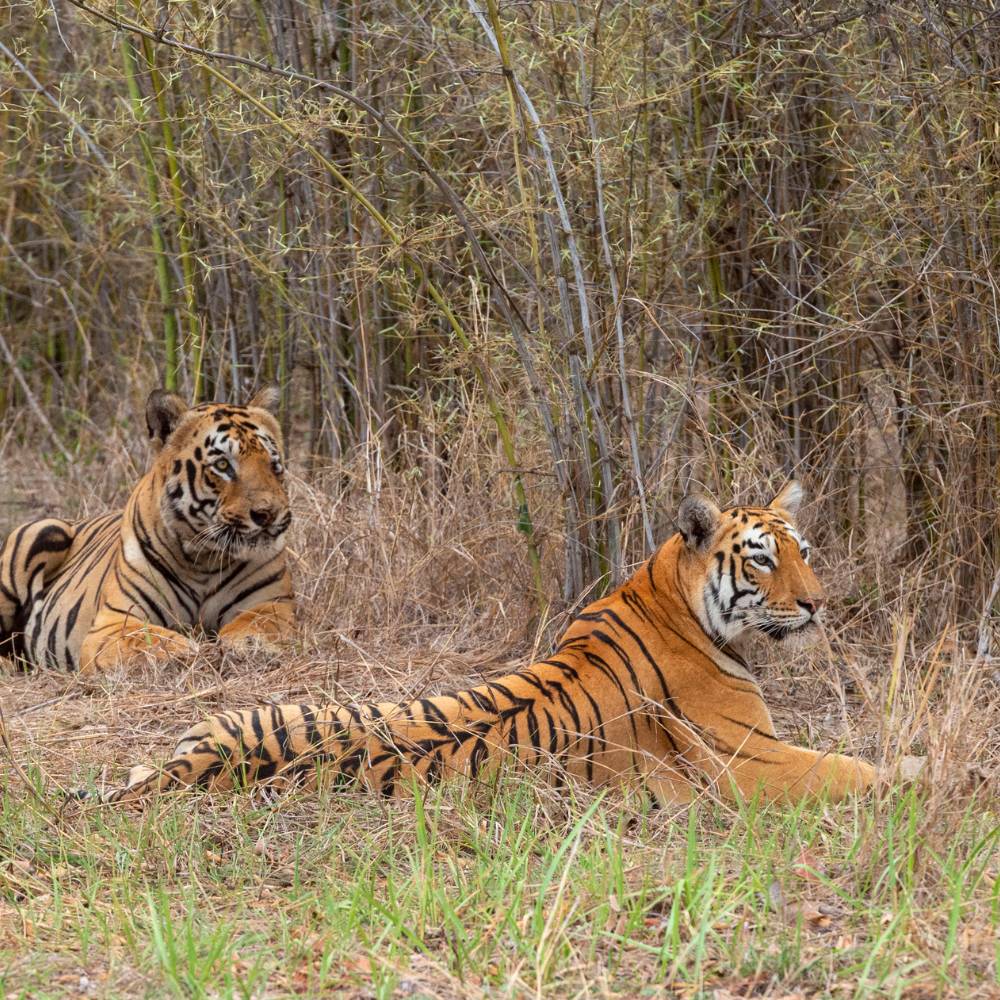
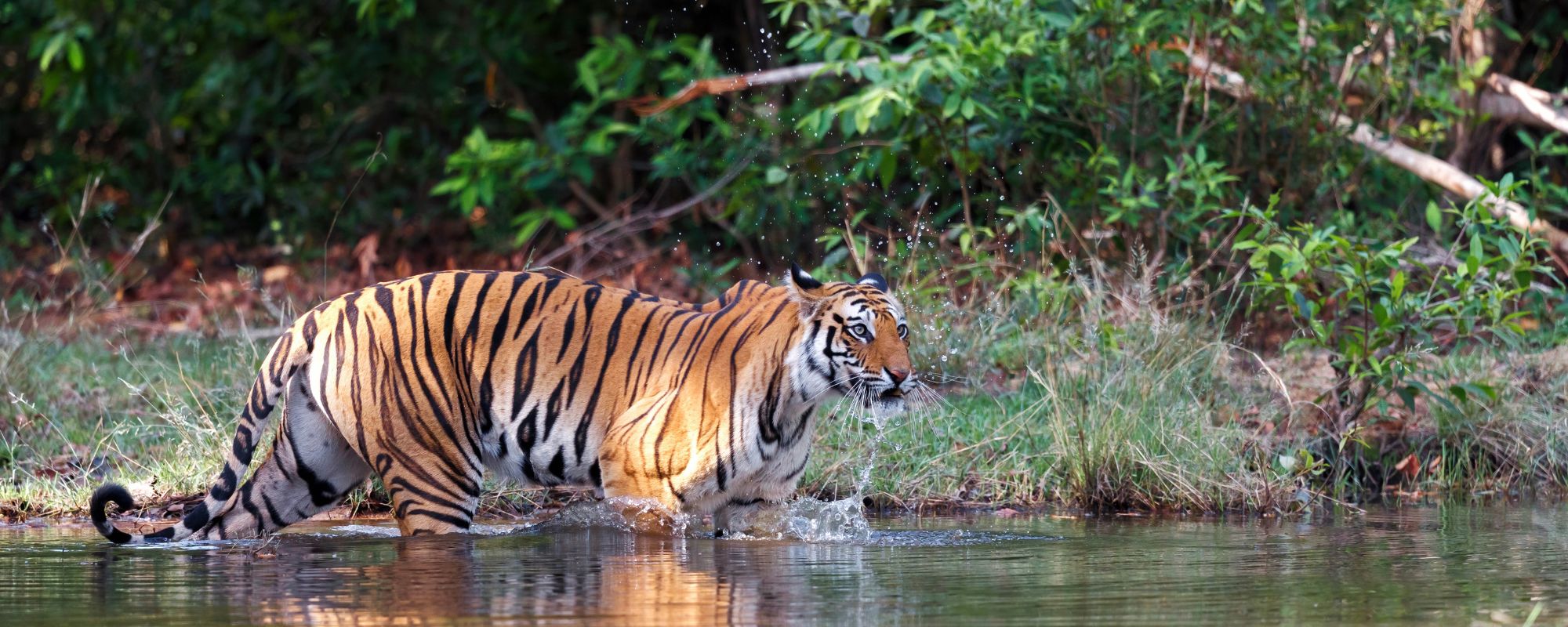
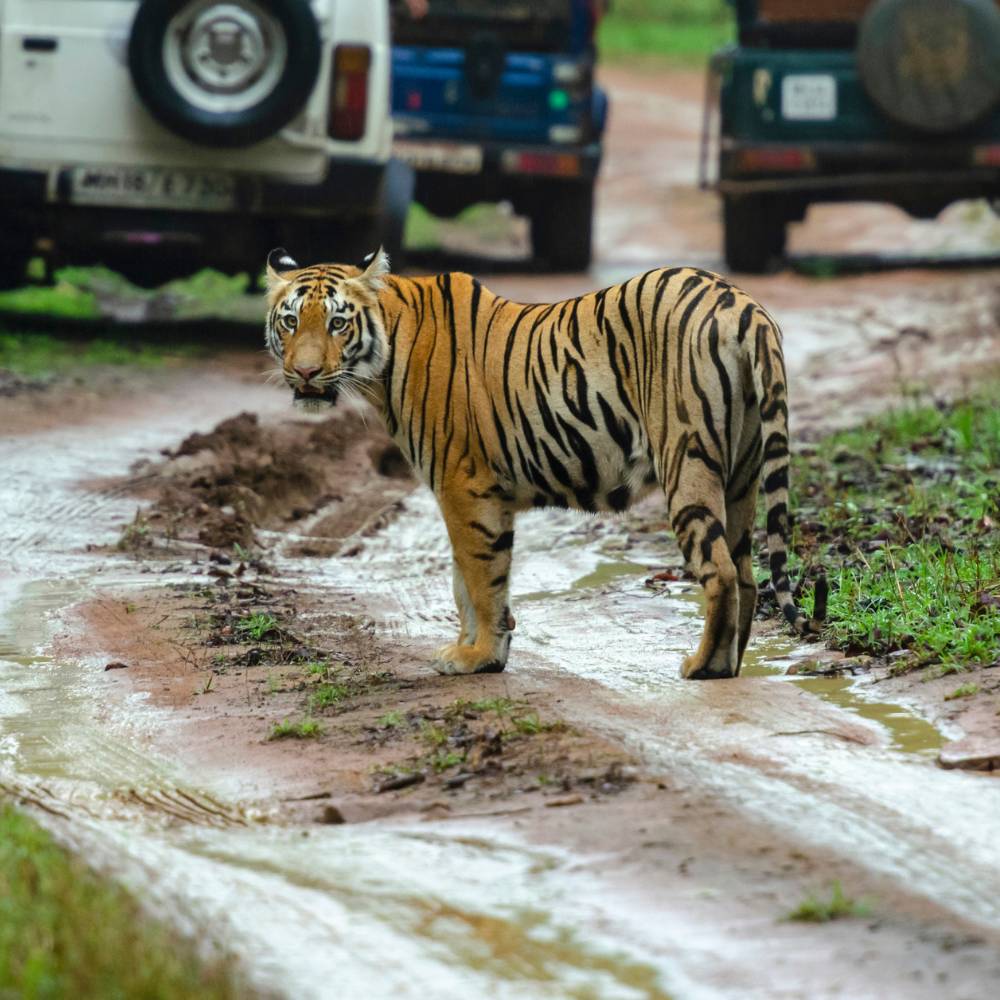
Summer is the best season to visit Tadoba, and that is not a compromise or a consolation. It is simply true. As waterholes and forest streams dry up through April and May, wildlife concentrates at the remaining water sources. Tigers that would otherwise remain deep in the vegetation emerge into the open to drink, making sightings more frequent and more extended than at any other time of year.
Wildlife highlights
- Tadoba is home to over 40 Bengal tigers, one of the highest densities in India. The reserve's conservation success over the last decade has been significant.
- Tadoba Lake and the Moharli gate circuit are the most consistently productive areas for tiger sightings. Evening drives in late April and May, when the light is golden, and the lake shore is busy with animals, are particularly special.
- Beyond tigers: leopards, sloth bears, wild dogs, gaur (Indian bison), sambar, chital, marsh crocodiles, and over 195 bird species have been recorded here.
Planning your visit
- Book jeep safari permits at least four to six weeks ahead for summer. The park's growing reputation means availability disappears fast.
- Stay options range from government forest lodges inside the buffer zone to high-quality private wildlife resorts outside the park boundary.
- The nearest airport is Nagpur, 156 km away. Chandrapur has a railway station 59 km from the park entrance.
15. Lavasa, Pune
Temperature: Up to 32 degrees | Distance: 187 km from Mumbai | 60 km from Pune
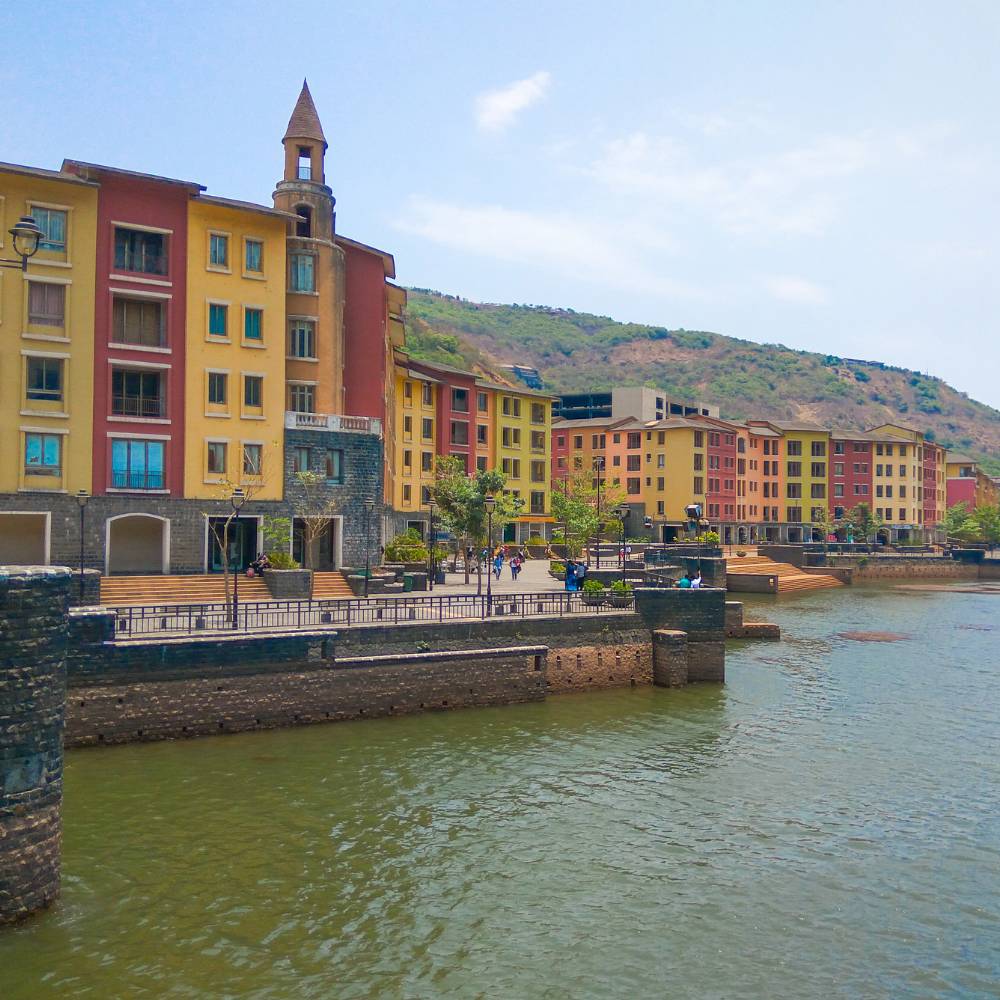
Lavasa is India's first fully planned hill city, conceived in the 1990s and partly inspired by the Italian town of Portofino. The result is a waterfront town with colourful buildings cascading down a hillside toward the Warasgaon Lake, with a central promenade lined with restaurants and cafes. It is a deliberately resort-style destination, and it is honest about that. If you want easy comfort, good food, and a pleasant lake view without trekking agendas or historical tours, Lavasa delivers.
Things to do
- The Lakeside Promenade is the social heart of Lavasa. A morning walk here before the day gets warm, with the lake reflecting the painted buildings above, is genuinely scenic.
- Boating on Warasgaon Lake is available through designated operators. The lake is large enough to feel open rather than like a theme park pond.
- Cycling on the promenade and through the surrounding lanes is a pleasant way to see the town without covering any serious ground.
- Temghar Dam, 12 km from the town centre, offers a broader perspective of the surrounding hills and the Mose River valley if you have an extra hour.
Good to know
- Lavasa is just 60 km from Pune, making it one of the most practical summer day trips or overnight stays from the city.
- Accommodation ranges from budget homestays to multi-star resort hotels. It is one of the easier Maharashtra destinations to visit on short notice outside of school holiday weekends.
Practical Tips Before You Travel
Best months for hill stations: March to May, before the pre-monsoon humidity builds in June.
Alphonso mango season: April to June in Ratnagiri. Buy from farm stalls, not packaged versions in the city.
Tadoba safari bookings: Four to six weeks ahead minimum for summer. Permits fill up faster than most people expect.
Matheran toy train: Book a few days ahead on weekdays and a full week ahead for weekends and May holidays.
Ferry to Alibaug: Book the Mandwa boat online the night before for weekdays. Two to three days ahead for weekends.
Lonavala and Mahabaleshwar: These two get very busy during the May school holidays. Weekday visits are noticeably more relaxed.
Malvan: The Konkan Railway to Kudal is the most comfortable option. The journey itself is worth it.
Frequently Asked Questions
Is Maharashtra worth visiting in summer, or should I wait for winter?
It depends on where you want to go. Hill stations like Mahabaleshwar, Matheran, and Lonavala are genuinely at their best from March to May, with temperatures that stay comfortable and the landscape still lush before the monsoon. Tadoba is better for wildlife in summer than in winter. The Ajanta and Ellora caves are a year-round proposition. If beaches are your focus, aim for April or early May before the June monsoon makes the sea rough. Winter suits flatter destinations like Aurangabad and Nashik well, but summer there is manageable if the caves and evenings are your focus.
Which summer destination is closest to Mumbai?
Matheran is around 90 km from Mumbai and reachable by local train to Neral, plus the toy train up the hill. Alibaug is even more accessible via the one-hour ferry from the Gateway of India. Both can technically be done in a single day, though an overnight stay makes either destination far more enjoyable.
What is the best hill station in Maharashtra for a family trip in summer?
Mahabaleshwar is the most practical choice for families. It has the most developed tourism infrastructure, the coolest and most consistent temperatures, and a variety of activities that work across age groups, including horse riding, boating at Venna Lake, and the strawberry market. Combining it with a day trip to Panchgani, just 18 km away, makes for a well-rounded two or three-day trip.
When is the best time to visit Tadoba for tiger sightings?
April and May are consistently the best months. As the forest dries out and waterholes shrink, tigers and other wildlife concentrate at the remaining water sources and are far more visible than in the monsoon or winter seasons. Yes, midday temperatures can touch 40 degrees, but safaris run in the early morning and late afternoon when it is cooler, and most lodges have pools for the hours in between.
What food experiences are specific to Maharashtra in summer?
Three things stand out. Alphonso mangoes from Ratnagiri farm stalls in April and May are a completely different product from the packaged versions sold in Mumbai. Sol kadhi, a cooling drink made from kokum and coconut milk, is served across coastal Maharashtra and is perfectly suited to warm weather. Fresh strawberry products from Mahabaleshwar and Panchgani, including fruit, jams, and crushes, are only this good in the warmer months when the harvest is active.