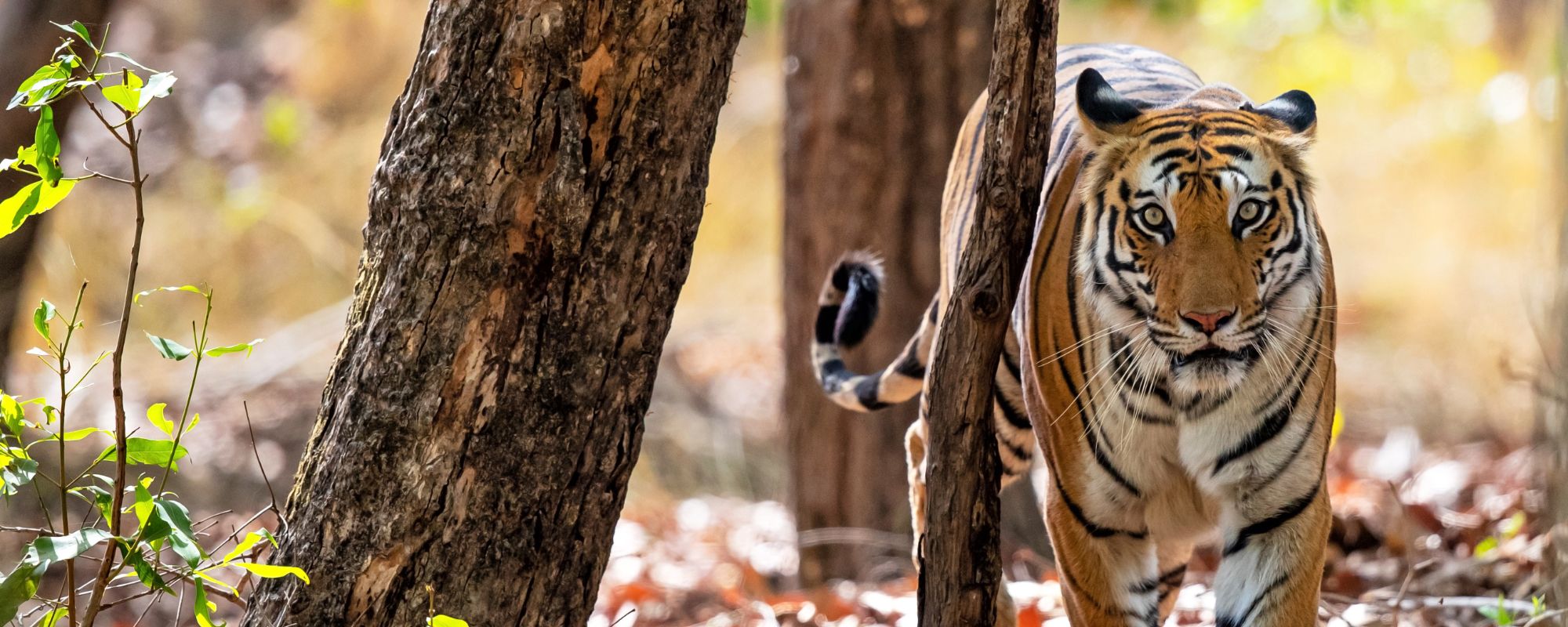
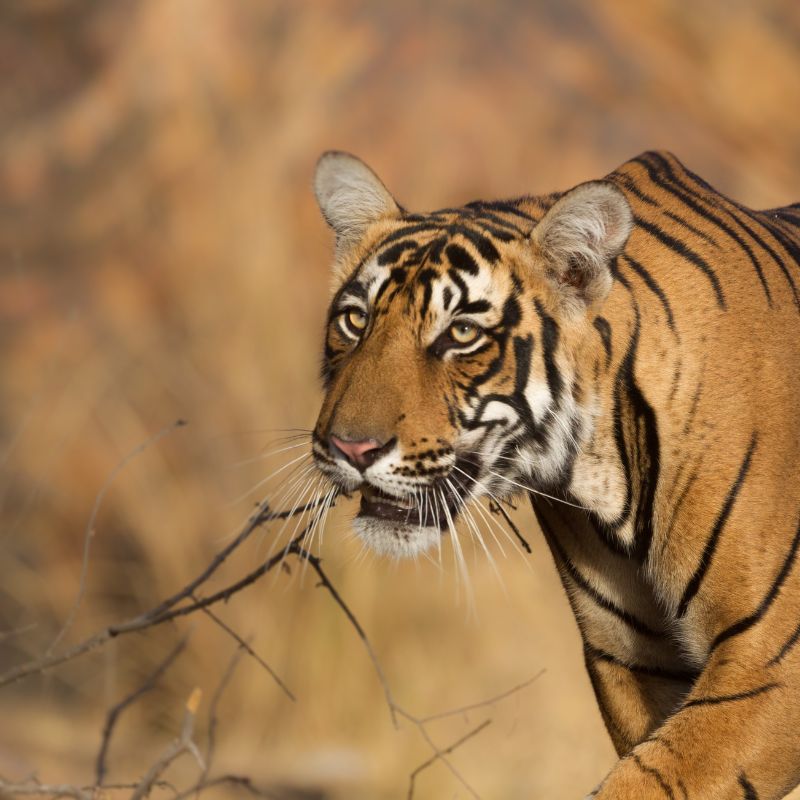
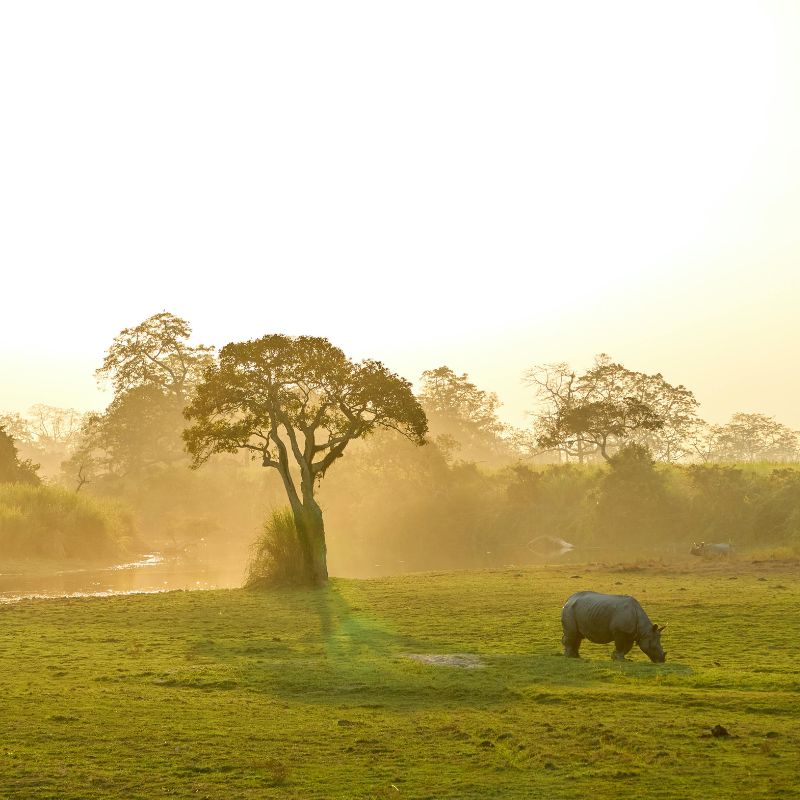
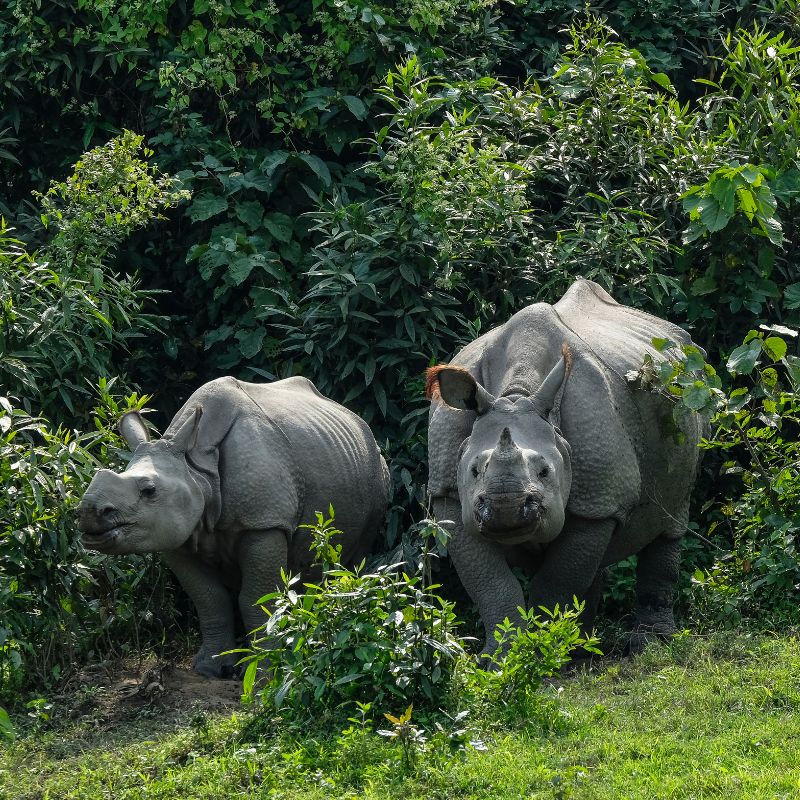
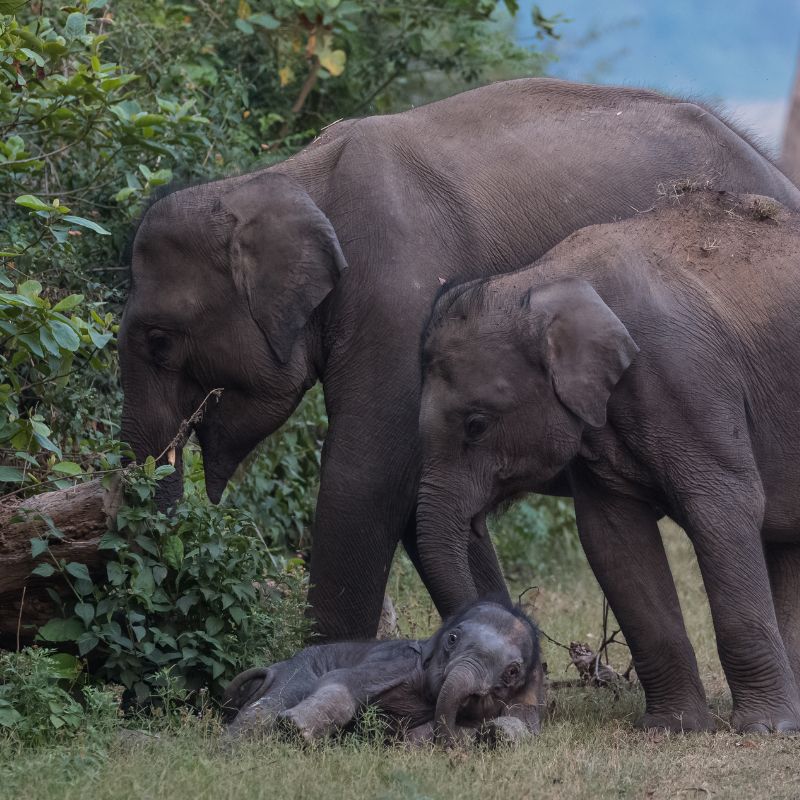
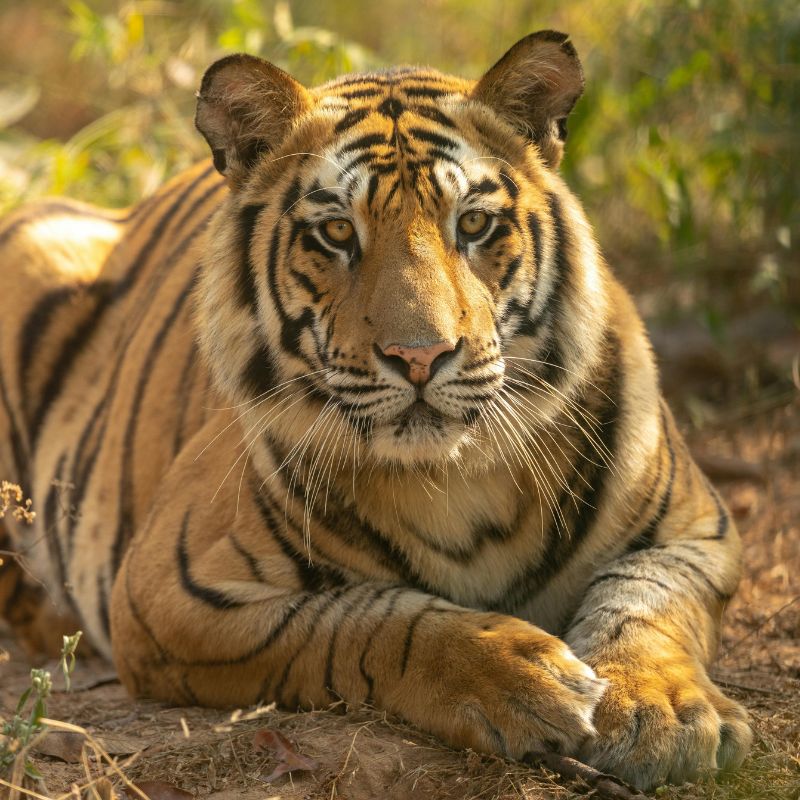
India holds roughly 75% of the world’s wild tigers, with 3,682 estimated in the 2022 All India Tiger Estimation. Most core zones close from 1 July to 30 September for the monsoon. Buffer zones stay open. But what decides your trip isn’t the season; it’s the permit. Madhya Pradesh releases safari permits 120 days ahead, daily at 11:00 AM IST, and the good zones are gone within minutes. Book the safari before you book anything else.
Three rules govern a tiger safari in India. Core zones in most reserves close from 1 July to 30 September, though buffer zones at Ranthambore and Bandhavgarh generally keep running. Permits are released roughly four months in advance and sell out immediately. And no reserve guarantees a sighting.
Everything else about the trip is flexible. These three things are not.
The 2022 All India Tiger Estimation, conducted by the National Tiger Conservation Authority with the Wildlife Institute of India, put India’s tiger population at 3,682, within a range of 3,167 to 3,925. That is approximately 75% of the global wild tiger population, the reason this trip is worth building a schedule around in the first place.
The booking window is the whole game: when do India safari permits open?
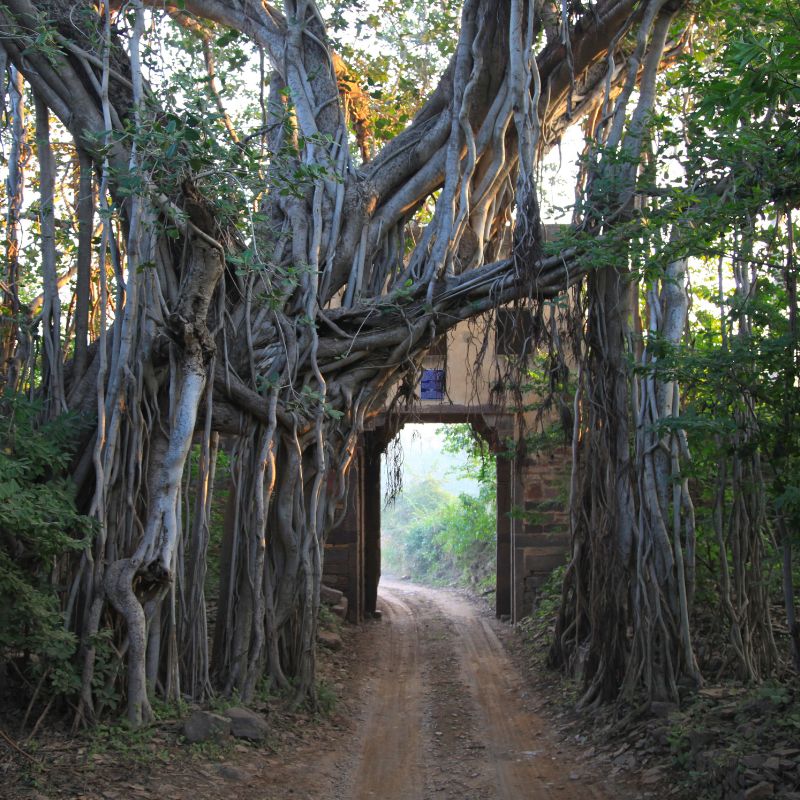
Most people plan a safari trip backwards. They pick dates, book flights and hotels, then try to buy permits and discover the zone they wanted went months ago.
Madhya Pradesh holds more tigers than any other state, and it releases permits on a published schedule. The Forest Department’s official portal opens booking for the 120th day every morning at 11:00 AM. It also publishes block dates for the peak season: advance bookings for 1 to 31 October 2026 opened on 1 August 2026, and bookings from 1 November 2026 onwards opened on 1 September 2026, both at 11:00 AM.
Read the pattern, not the dates. The window is rolling, four months wide, and opens at 11:00 AM Indian Standard Time. Bout India works to the same clock. No mechanism, relationship, or fee opens it earlier.
So the normal planning order reverses. Confirm your safari dates first. Take the permits the moment the window opens. Then build the rest of the itinerary around what you got. A March trip means settling your itinerary in November, because that’s when the permits come up.
Which parks close for the monsoon, and when?
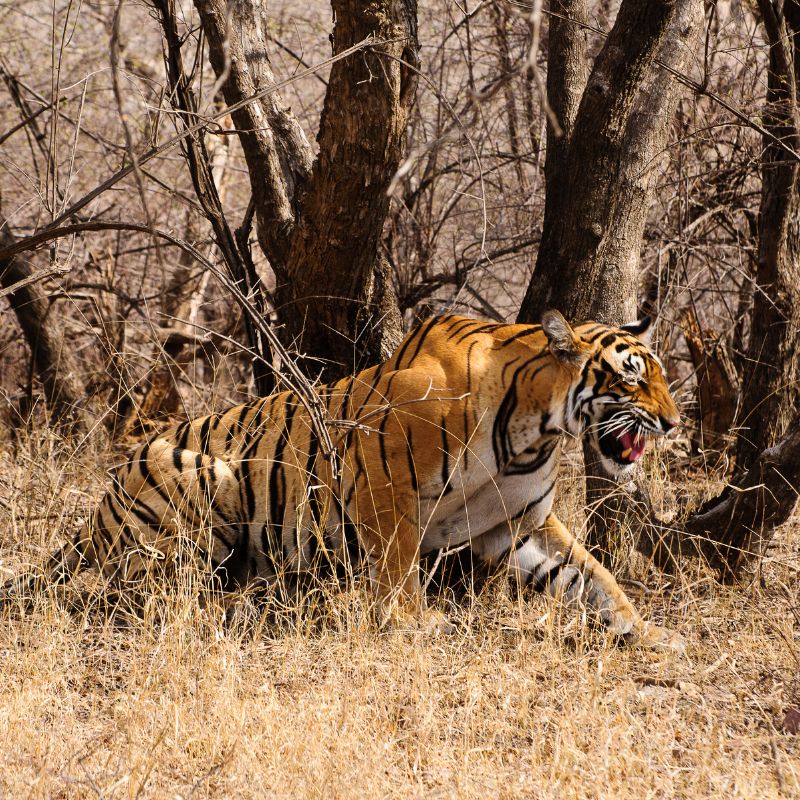
Core zones shut for the monsoon. Buffer zones generally don’t. Understanding that one distinction is worth more than anything else on this page, because it means a July or August trip isn’t impossible, just different.
| Reserve | State | Core zones | Monsoon position |
|---|---|---|---|
| Bandhavgarh | Madhya Pradesh | Closed 1 July to 14 October | Buffer zones may operate |
| Kanha | Madhya Pradesh | Closed 1 July to 14 October | Buffer zones may operate |
| Pench | Madhya Pradesh | Closed 1 July to 15 October | Buffer zones may operate |
| Satpura | Madhya Pradesh | Closed 16 June to 30 September | Buffer zones may operate |
| Ranthambore | Rajasthan | Zones 1 to 5 closed | Zones 6 to 10 typically remain open |
| Corbett | Uttarakhand | Dhikala closed through monsoon | Outer zones vary |
| Tadoba | Maharashtra | Core closed | Buffer zones operate |
Two further closures catch people out. Madhya Pradesh core zones don't operate on Wednesday afternoons, and the parks close on Holi and Diwali. If your itinerary has exactly one safari day and it lands on a Wednesday evening or a festival, you have no safari.
That is why we send clients to Ladakh or the Himalayas in July, August, and September rather than central India, and why safari trips cluster in the October to June window.
Zones, park by park: Which zones matter, and why
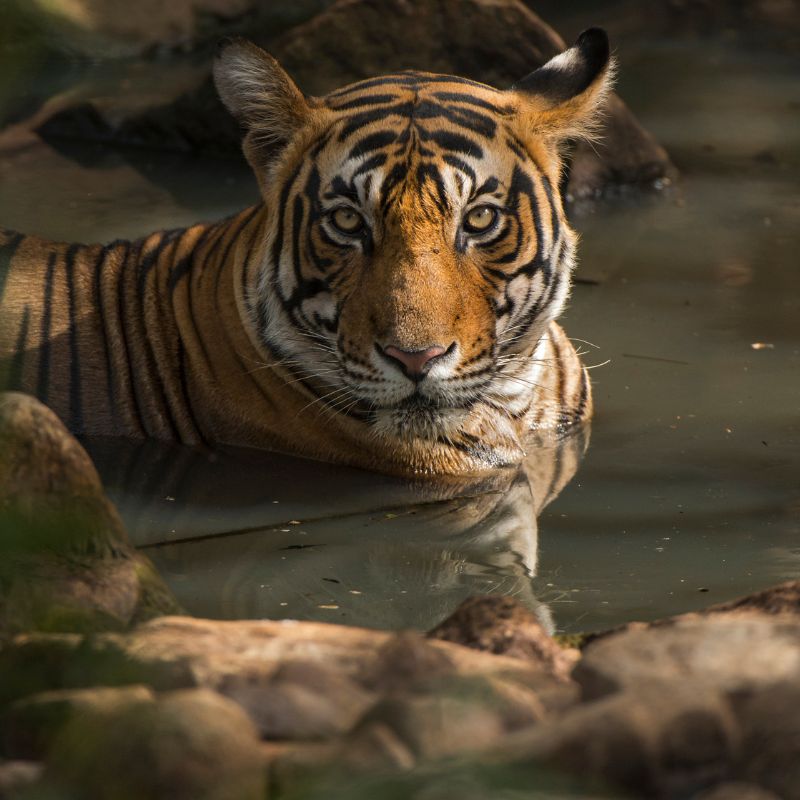
Zones are not interchangeable. A permit for the wrong zone in the right park is a materially different trip.
Bandhavgarh Tiger Reserve, Madhya Pradesh. Three core zones: Tala, Magadhi and Khitauli. Tala is the oldest and most sought-after, and its permits go first. Buffer zones, including Panpatha and Dhamokhar, operate more flexibly and run night drives, which the core zones do not.
Kanha Tiger Reserve, Madhya Pradesh. Four core zones: Kisli, Kanha, Mukki and Sarhi. Kanha is large enough that your lodge’s location effectively decides your zone, because the gates sit far apart. Choose the lodge for the gate, not the other way round.
Pench Tiger Reserve, Madhya Pradesh and Maharashtra. The MP side has Turia, Karmajhiri and Jamtara gates. Pench holds fewer tigers than Bandhavgarh or Kanha but is markedly less pressured, and it pairs well with either as a second park.
Ranthambore Tiger Reserve, Rajasthan. Ten numbered zones. Zones 1 to 5 are the core, with the highest tiger density and the lake landscape around Padam Talao that produces the well-known photographs. Zones 6 to 10 are buffer areas—Kachida Valley, Anantpura, Rajpura, Umri, and Phuta Kot—less crowded and the only zones open during monsoon. Ranthambore’s advantage over the central Indian parks is proximity. It sits within reach of the Golden Triangle circuit, so it adds a safari to a Rajasthan trip without a separate flight.
Where the tigers actually are: tiger numbers by state
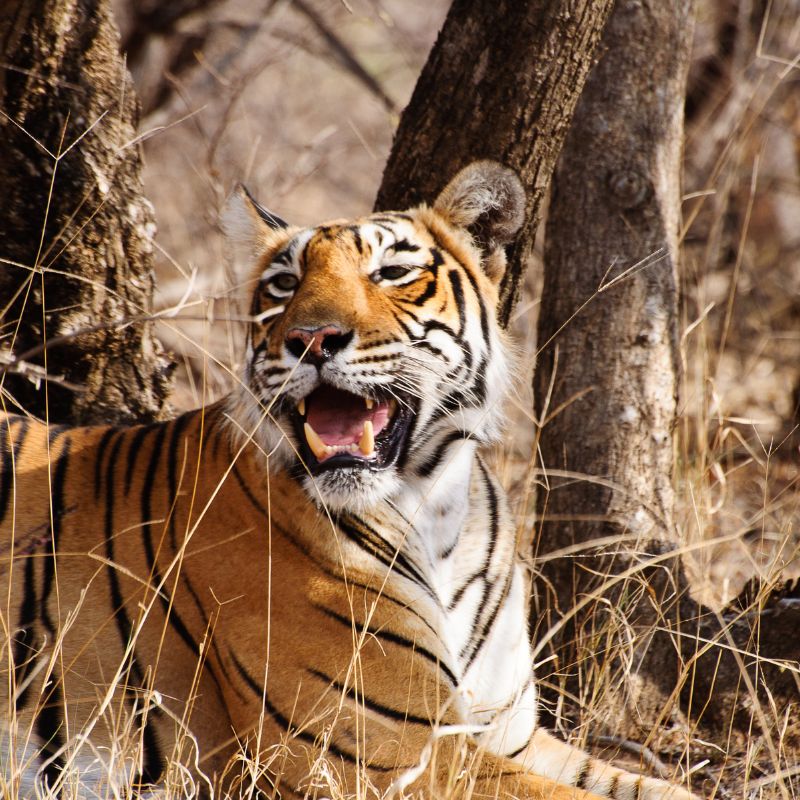
If the goal is a sighting rather than a specific park, the state-level numbers from the NTCA and Wildlife Institute of India 2022 estimates are the honest guide.
| State | Tigers (2022) | Main reserves for visitors |
|---|---|---|
| Madhya Pradesh | 785 | Bandhavgarh, Kanha, Pench, Satpura, Panna |
| Karnataka | 563 | Nagarhole, Bandipur |
| Uttarakhand | 560 | Corbett |
| Maharashtra | 444 | Tadoba |
| Tamil Nadu | 306 | Mudumalai |
| Rajasthan | 88 | Ranthambore |
Madhya Pradesh holds around 40% more tigers than Karnataka, the next state down, and nearly twice as many as Maharashtra. That’s why serious tiger trips go there.
Rajasthan’s 88 is a small national share. But Ranthambore concentrates them in open terrain across a compact area, which is why sighting probability there stays high despite the low state count. Density and terrain matter as much as absolute numbers.
Book only through official portals: where do you buy safari permits?
Many lookalike safari booking sites exist, and some take money for permits they cannot issue.
For Madhya Pradesh, the official portal is the Forest Department’s MPOnline system at forest.mponline.gov.in, covering Kanha, Bandhavgarh, Pench, Satpura, Panna, Sanjay-Dubri and others. For Ranthambore, the Rajasthan Forest Department’s own citizen-services page directs bookings to forestrajasthan.com — worth knowing, because the address doesn’t look official and travellers routinely dismiss it in favour of a site that isn’t.
Permits are issued against a named ID document, and you must carry the same ID you booked with on the day. MPOnline publishes a sliding cancellation scale for tiger reserves: a full refund 60 days or more before the safari date, a 25% charge between 59 and 30 days, 50% between 29 and 15 days, and 75% between 14 and 5 days. No refund is available within 5 days of the safari date. The portal also charges ₹50 on booking and ₹100 on cancellation, and once a permit has been rescheduled, it cannot be cancelled. Safaris sold as part of a package are typically non-transferable and non-refundable once confirmed, which is why safari charges sit outside the standard refund schedule in our booking and cancellation policy.
The US State Department’s guidance on Indian wildlife safaris is worth repeating: safety standards and training vary, so check whether operators are trained and licensed, treat all animals as wild, and stay in the vehicle.
What a realistic plan looks like: how many drives, and which months?
No operator can honestly quote you a sighting rate. Any that does is guessing. What we can say is what raises the odds.
Book more drives than you think you need. A single safari is a coin toss. Three or four drives across two full days in one park changes the arithmetic substantially, which is why two nights minimum per reserve is the sensible allocation.
March to May gives the best odds and the worst comfort. Water is scarce, animals concentrate at the remaining sources, and vegetation thins out. Central India in May is also genuinely hot. That trade-off should be deliberate, not a surprise.
November to February is comfortable and greener. Sighting probability is lower, and permit demand is much higher, particularly over Christmas and New Year.
One park done properly beats three done briefly. Two nights in Bandhavgarh delivers more than one night each in three reserves plus two days of driving between them.
Frequently asked questions
When should I book an India tiger safari?
As early as your dates are firm, and at minimum four months before the safari date, because that’s when permits are released. Madhya Pradesh opens bookings 120 days ahead at 11:00 AM Indian Standard Time, and popular zones such as Tala at Bandhavgarh sell out within minutes. Lodges also hold limited jeep quotas that sell out months in advance. The correct order: fix your safari dates first, secure permits at the moment of release, and build flights and the rest of the itinerary around them.
Are Indian national parks closed in the monsoon?
Core zones in most tiger reserves close from 1 July to 30 September, but buffer zones generally stay open. Ranthambore is the clearest example — zones 1 to 5 close while zones 6 to 10 continue operating. So a monsoon safari is possible, just with lower tiger density, a greener landscape and fewer visitors. Sightings are less likely, and the experience is different rather than worse. If tigers are the whole point of the trip, travel between October and June instead.
Which is the best park for seeing tigers in India?
Bandhavgarh in Madhya Pradesh is the usual answer for density, and the state-level figures support it: Madhya Pradesh holds 785 of India’s 3,682 tigers according to the 2022 estimation, more than any other state. Ranthambore in Rajasthan has a smaller population but concentrates it in open, rocky terrain that makes sightings easier when they happen, and it’s far more convenient if you’re already in Rajasthan. Corbett in Uttarakhand and Tadoba in Maharashtra are both strong and less visited by international travellers. The best park is usually the one you can get good permits for on your dates. Our Madhya Pradesh guide covers combining the central Indian reserves with Khajuraho and Orchha.
How many tigers are there in India?
The 2022 All India Tiger Estimation, published by the National Tiger Conservation Authority and the Wildlife Institute of India, estimated 3,682 tigers with a range of 3,167 to 3,925, up from 2,967 in 2018. India holds approximately 75% of the world’s wild tiger population. The estimate follows a four-year cycle. The sixth cycle began in January 2026 with the national report expected in 2027, so the 2022 figures remain the current official numbers until then.
Can I book a safari permit myself, or do I need an operator?
You can book yourself through the state forest department portals, and for independent travellers that’s a reasonable route. The difficulties are practical, not technical. Permits are released at 11:00 AM IST, which is the middle of the night in the US. The good zones are gone in minutes. Permits are tied to the exact ID details you enter. Another reason to go through an operator is that lodge jeep quotas and forest department permits are separate allocations; lining them up on the same date is where things go wrong.