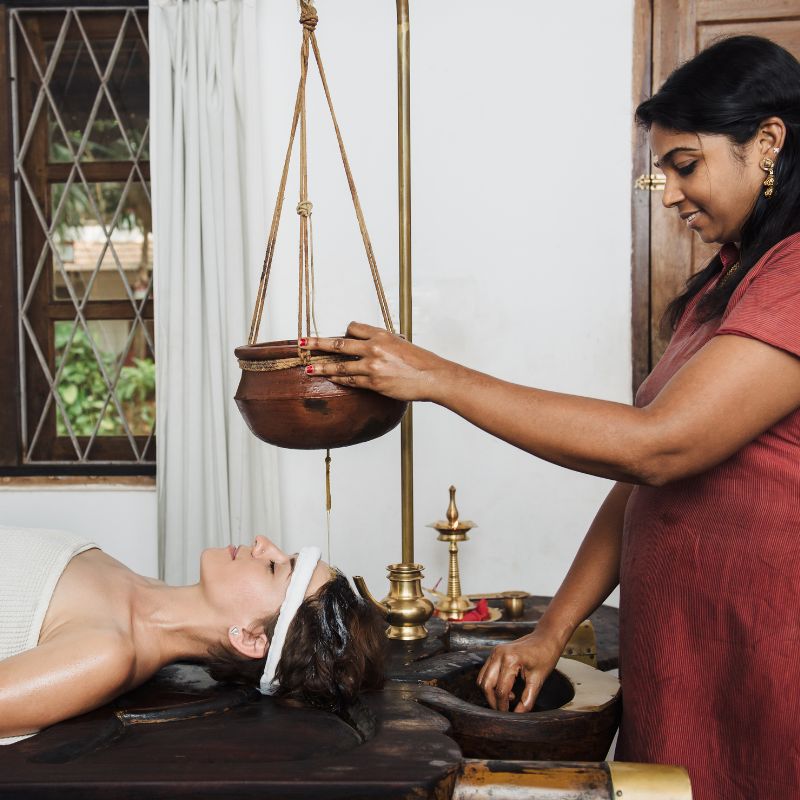
A genuine Ayurveda programme in Kerala is a prescribed course of treatment under a qualified physician, not a spa menu. Panchakarma, the classical form, runs in three phases and needs at least 14 days. Kerala Tourism describes a usual course as 21 days, and a course of four or five procedures takes 21 to 28 days. Published rates across Kerala centres run roughly ₹3,000 to ₹25,000 per person per night all-inclusive, and a two-week Panchakarma package at a well-known centre such as Somatheeram has been listed from EUR 1,890 per person. The single most useful number to ask for is not the rate. It is the minimum stay the centre will accept.
TL;DR
- Panchakarma means five actions, not five days. The name refers to Vamana, Virechana, Basti, Nasya and Raktamokshana.
- It has three phases: Purvakarma (preparation), Pradhanakarma (main procedures), and Paschatkarma (recovery). Skip any one, and it is not Panchakarma.
- Minimum 14 days. Preparation takes 3 to 7 days, the main procedures take 3 to 7 days, and recovery takes 3 to 7 days; 14 days is the floor for one or two procedures. A usual course runs 21 days, and 21 to 28 days is needed if four or five procedures are indicated.
- Not every patient gets all five. The physician selects based on constitution and condition, and Raktamokshana is now rarely used.
- Expect around 90 minutes to 2 hours of treatment a day, which is the range centres typically publish. Much more than that is unusual, and it is not a bonus.
- Diet is prescribed and served, not chosen. This is the clearest difference between a programme and a package.
- Three things to verify: Kerala Tourism classification, the clinic's NABH accreditation, and the supervising physician's degree.
- Cost falls per night as duration rises, because the programme is priced as a course rather than a stay.
This is not medical advice. Anyone considering a therapeutic programme, particularly one involving purgation or a prescribed dietary change, should discuss it with their own doctor first.
What Panchakarma Actually Is
Panchakarma is Sanskrit for five actions, and the classical texts differ slightly on the list: the Charaka Samhita counts the two forms of Basti separately and leaves out Raktamokshana, while Kerala Tourism's own guide counts Basti once and adds Raktamokshana. It is a clinical protocol rather than a spa treatment, and every properly run version of it moves through three phases in order.
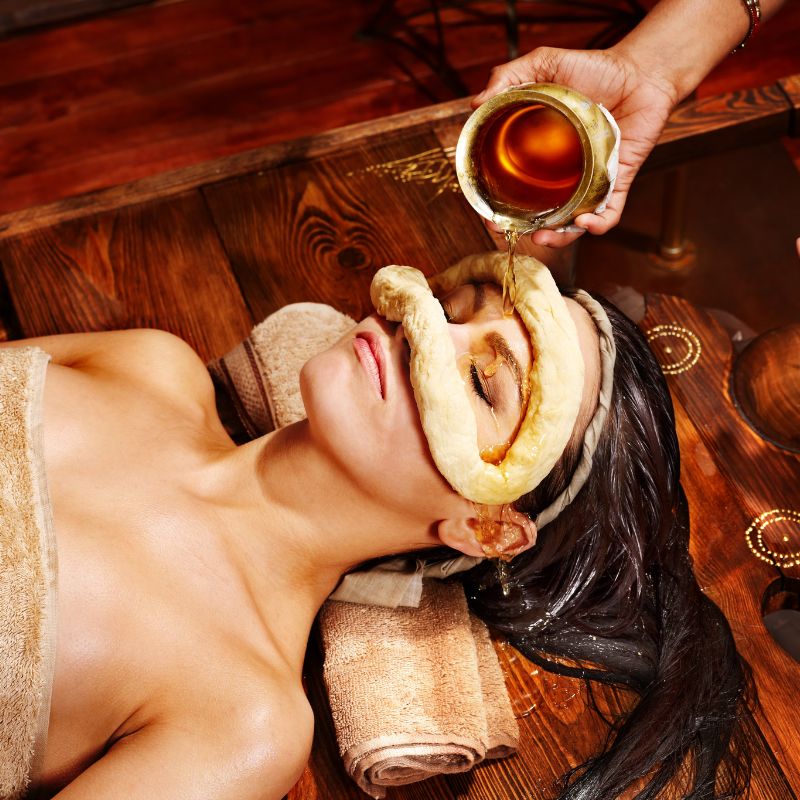
Purvakarma, the preparation. Three to seven days. Pachana to settle digestion, then Snehana, internal and external oleation with medicated ghee and oils, then Swedana, medicated steam or sudation. The purpose is to mobilise what the main procedures then remove. Classical texts are explicit that attempting the main phase without adequate preparation produces incomplete results, which is why this phase cannot be compressed out of a programme.
Pradhanakarma, the main procedures. Three to seven days, and where the five actions sit:
- Vamana, therapeutic emesis, for Kapha-dominant accumulation in the upper body
- Virechana, therapeutic purgation, for Pitta, targeting liver, gallbladder and small intestine
- Basti, medicated enema, held by the classical texts to be the most important of the five, for Vata
- Nasya, nasal administration of medicated oils, for conditions above the collarbone
- Raktamokshana, blood purification, now the least commonly used of the five
You will not receive all five. The physician selects based on your constitution, your current state and the objective. A centre that sells all five as a package has inverted the logic.
Paschatkarma, the recovery. Three to seven days of a graded diet, rest and rejuvenation therapies. The body has been depleted deliberately, and this phase is where the benefit is consolidated. It is also the phase most often cut when a programme is squeezed.
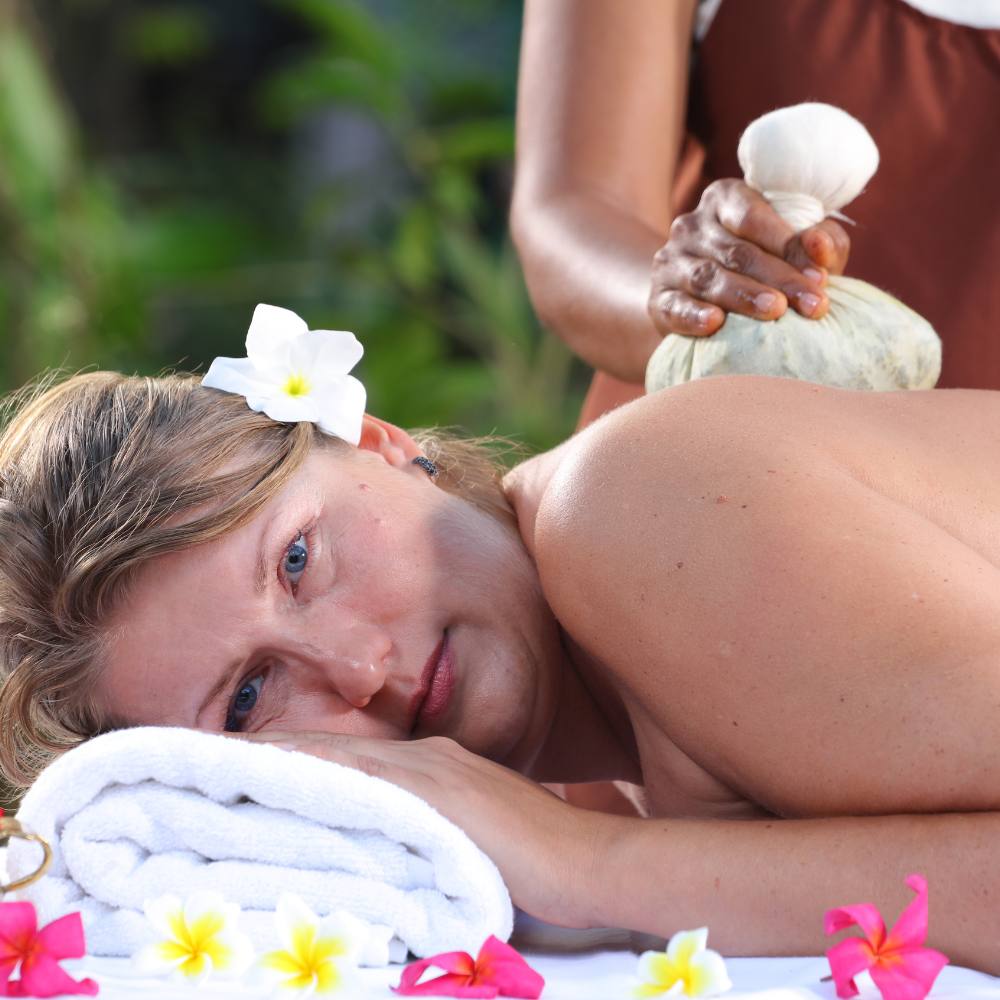
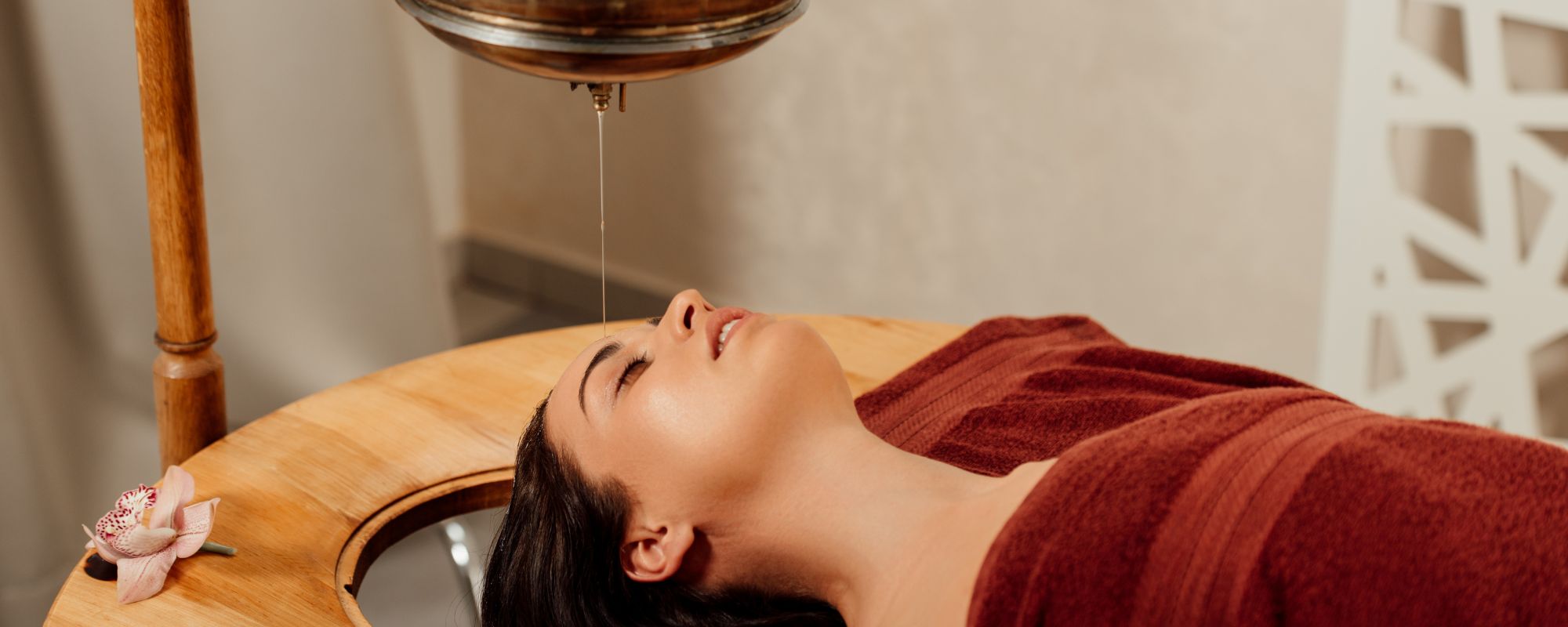
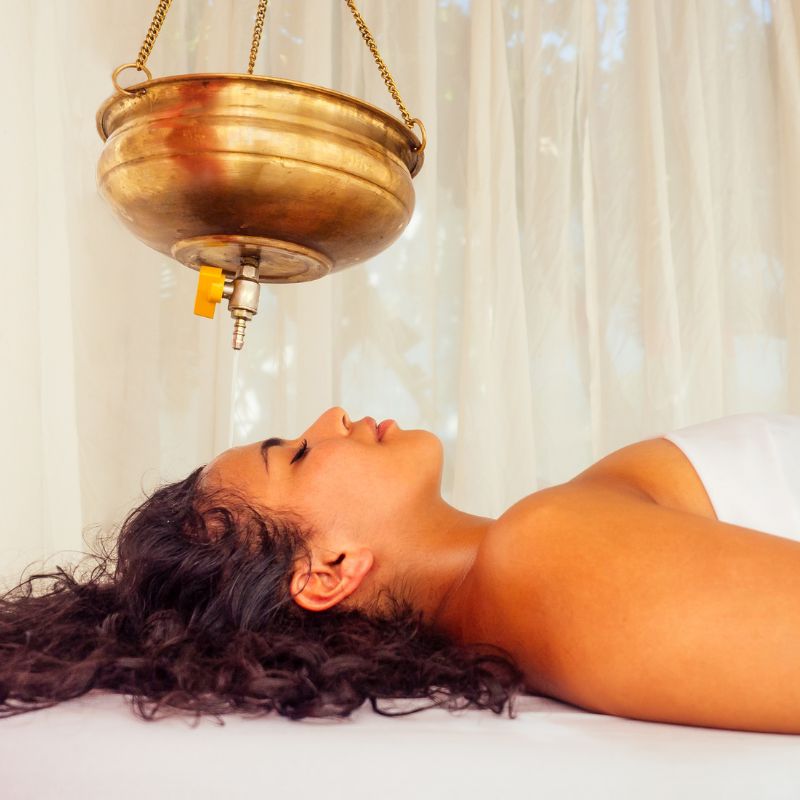
Shirodhara, the continuous stream of warm medicated oil poured on the forehead, is not one of the five actions but appears in most clinical programmes as a supporting therapy. If a "Panchakarma package" consists mainly of Shirodhara and Abhyanga, it is a therapy series, which is perfectly fine to buy as long as it is described honestly.
Minimum Duration, and Why
Add the phases: 3 to 7 days of preparation, 3 to 7 of main procedures and 3 to 7 of recovery, or 9 to 21 days in all. The shortest version of every phase rarely applies to the same guest, which is why serious centres treat 14 days as the floor at which one or two of the five procedures can be delivered properly. Kerala Tourism describes a usual course as 21 days, and Kalari Kovilakom's full Panchakarma programme runs 21 or 28 nights. Twenty-one to 28 days is what a course covering four or five procedures actually takes. For preventive rather than therapeutic purposes, 14 to 21 days is the common recommendation, and classical practice places it at the junction of seasons, typically twice a year.
The practical consequence for a traveller is simple. Seven nights is a rest, not a treatment. It is worth doing, and it will do you good, but it should be sold as a wellness stay rather than as Panchakarma. A centre that will sell you Panchakarma over a long weekend is telling you what it thinks of the protocol.
A serious centre will often set a minimum stay and decline shorter bookings for the therapeutic programmes. That refusal is a quality signal, and one of the most reliable available before you arrive.
What It Costs
These are published rates rather than our quotes, so you can see what you are comparing against.
|
Tier |
Published rate |
What it buys |
|---|---|---|
| Accessible | Around ₹3,000 to ₹6,000 per person per night | Clinical focus, simple accommodation, full physician supervision |
| Mid | Around ₹8,000 to ₹16,000 per person per night | Resort setting with a proper clinical wing |
| Premium | Around ₹16,000 to ₹25,000 and upward | Heritage or palace setting, small guest numbers, strict protocol |
For a worked example at the mid tier, Somatheeram Ayurveda Village near Kovalam has been listed by a European tour operator from EUR 1,890 per person for a two-week Panchakarma package in a double room. Listings for smaller Kerala centres start around USD 1,750 for 14 days, which works out to roughly USD 125 a night. At the top, Kalari Kovilakom in Palakkad, a NABH-accredited Ayurvedic hospital inside a restored 200-year-old palace with 19 rooms and 12 treatment rooms, has a 14-night minimum stay and is priced accordingly.
Three things drive the variance more than the brochure suggests. Physician-to-guest ratio, since daily review is what separates a clinic from a resort. Therapist hours, where 90 minutes to two hours per day is the normal range and more than that is unusual. And whether medicines are included, because in some programmes the prescribed preparations are billed separately and can add materially.
Note the structural point: cost per night generally falls as the programme lengthens, because the programme is priced as a course rather than as a room. A 21-day programme is rarely three times the price of a seven-day one.
The Three Things to Verify
The full verification framework sits in our Rishikesh versus Kerala piece, but three checks matter specifically here.
Kerala Tourism classification. The Department of Tourism classifies Ayurveda centres, and the scheme has moved from Green Leaf and Olive Leaf to Ayur Diamond, Ayur Gold, and Ayur Silver. Classification runs for three years, and the Director of Tourism can inspect without notice. Ask which category, and when the certificate expires.
NABH accreditation. Separate from tourism classification, the National Accreditation Board for Hospitals and Healthcare Providers accredits Ayurveda hospitals and clinics on clinical standards, and applying is voluntary. It is the medical layer rather than the hospitality one, and it is one way to tell a centre run as a hospital from a hotel with treatment rooms. Not every centre holds it, so treat it as a plus rather than a requirement.
The physician's degree. A recognised BAMS or higher, and daily review rather than a single arrival consultation.
When to Go
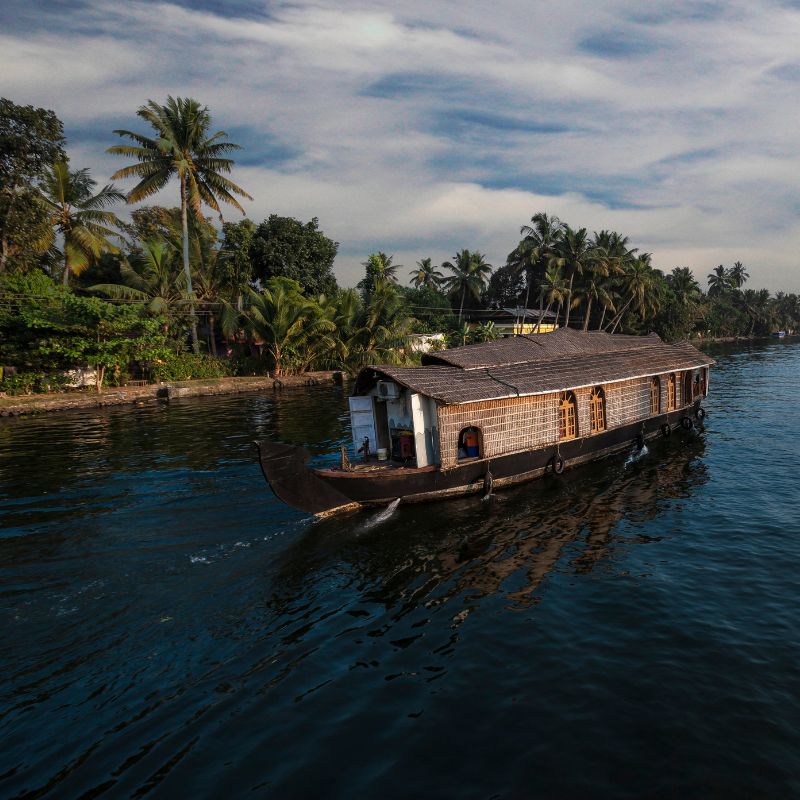
October to March is the comfortable window and the one most travellers choose. But the traditional Ayurvedic view favours the monsoon months of June to August for therapy, on the reasoning that humidity and cooler air help the body respond, and rates drop accordingly. If you are there to be treated rather than to sightsee, the rain matters far less than you would expect, and the centres are quieter.
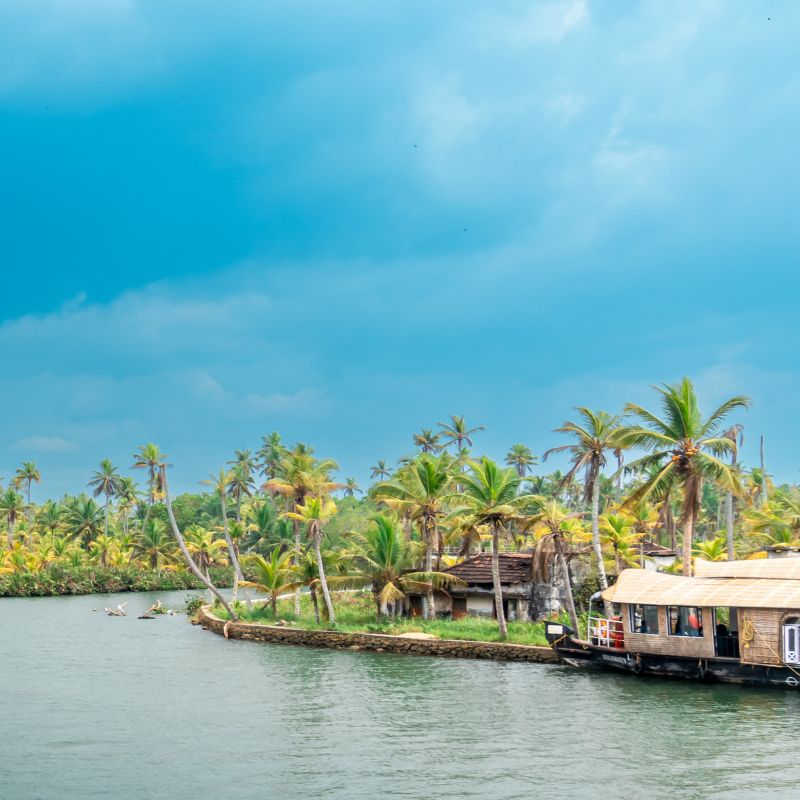
For sequencing Kerala into a wider trip, our backwaters guide and month-by-month calendar cover the nights either side. Our Kerala wellness properties include Niraamaya Retreats Surya Samudra at Kovalam, Niraamaya Retreats Backwaters and Beyond at Kumarakom, Niraamaya Retreats Cardamom Club at Thekkady, Kumarakom Lake Resort, Spice Village at Thekkady and Marari Beach Resort. Ask us which of these offers a physician-led programme of 14 days or more, and which is better suited to a shorter wellness stay.
We inspect wellness properties personally and match a programme to the guest after the centre's physician has consulted. Our twelve questions to ask an India tour operator cover the rest of the vetting, and terms are on our booking and cancellation policy page.