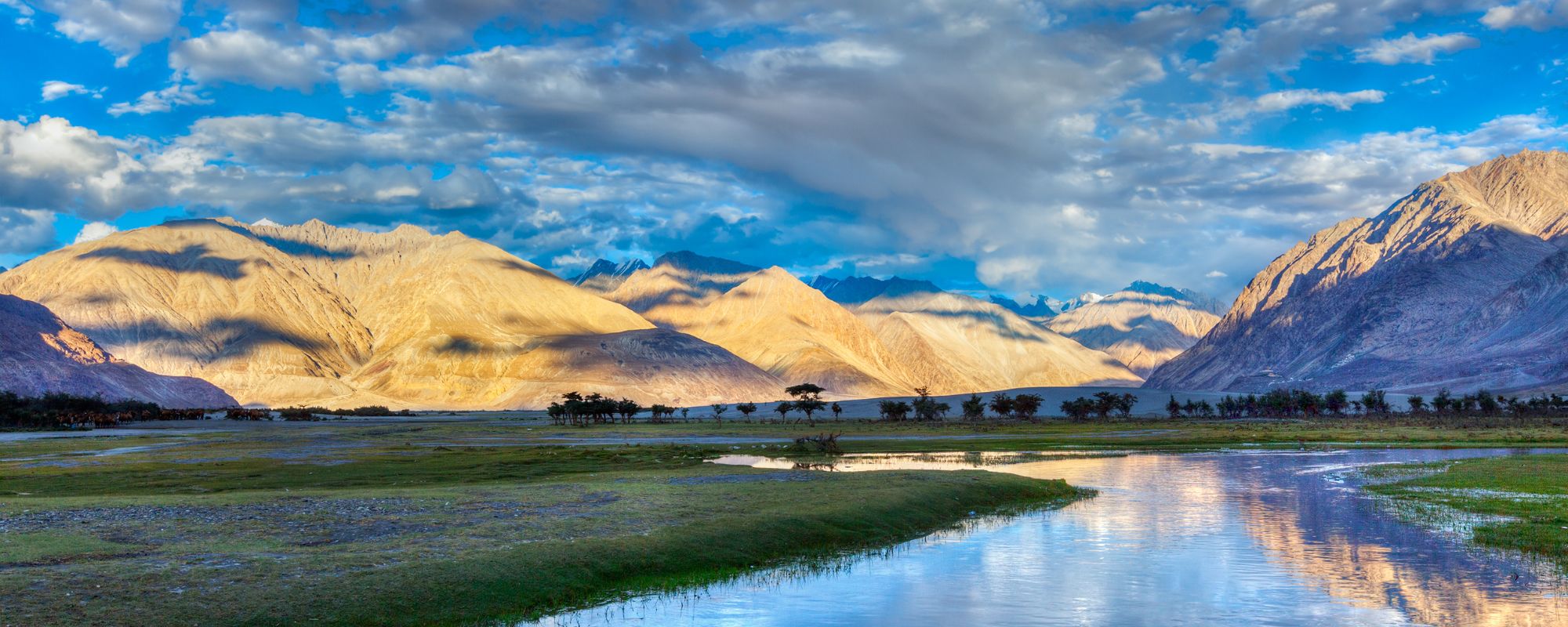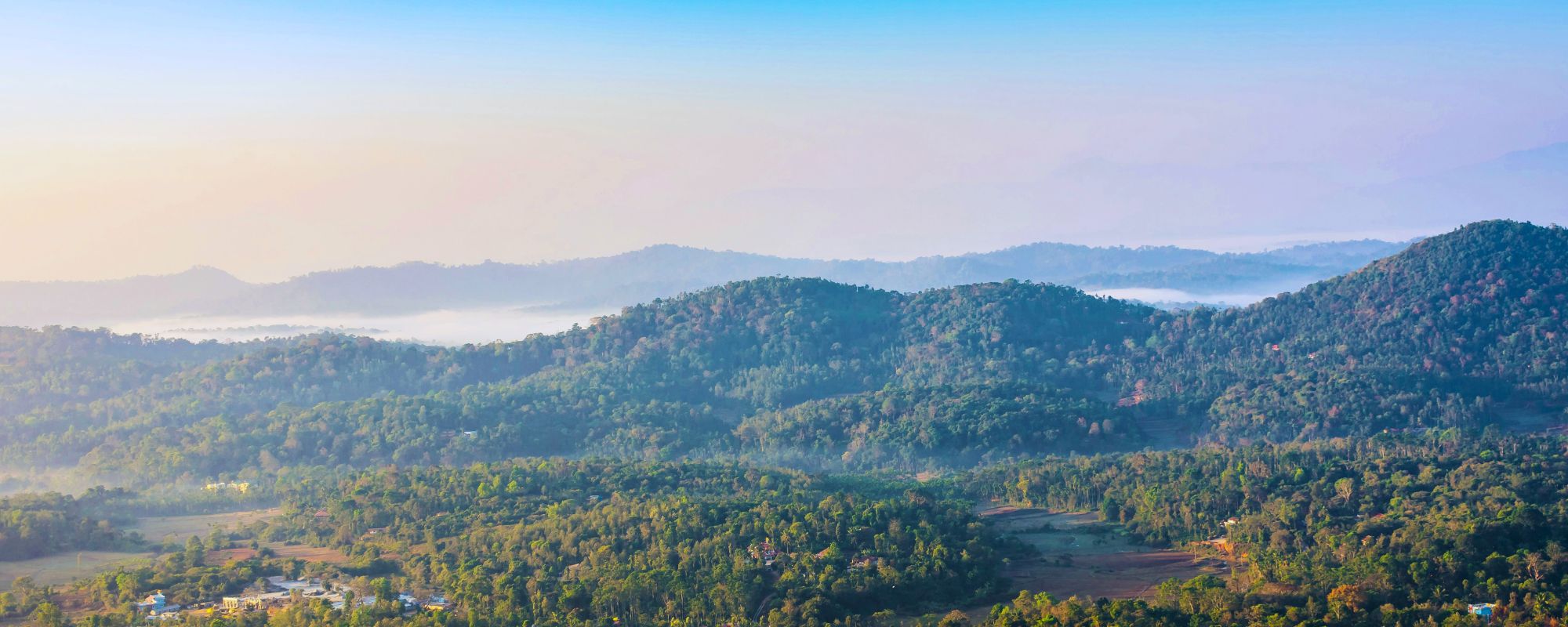
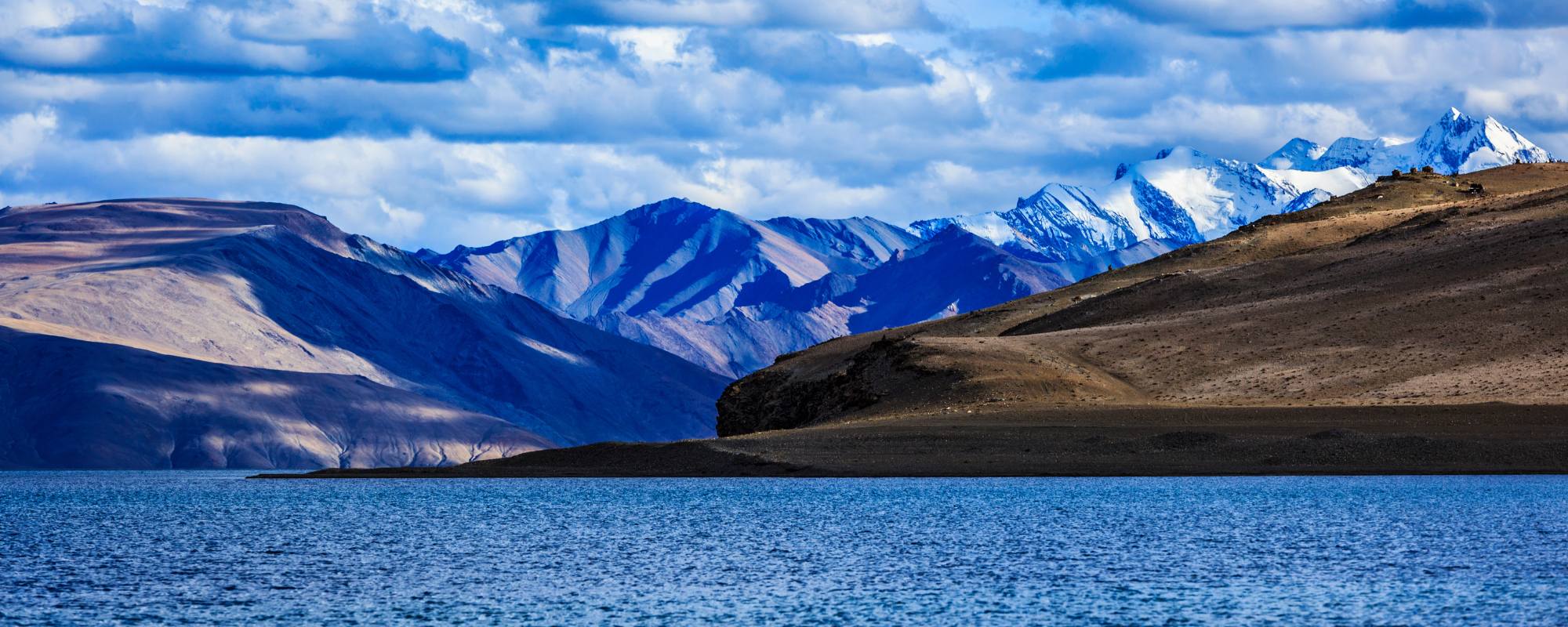
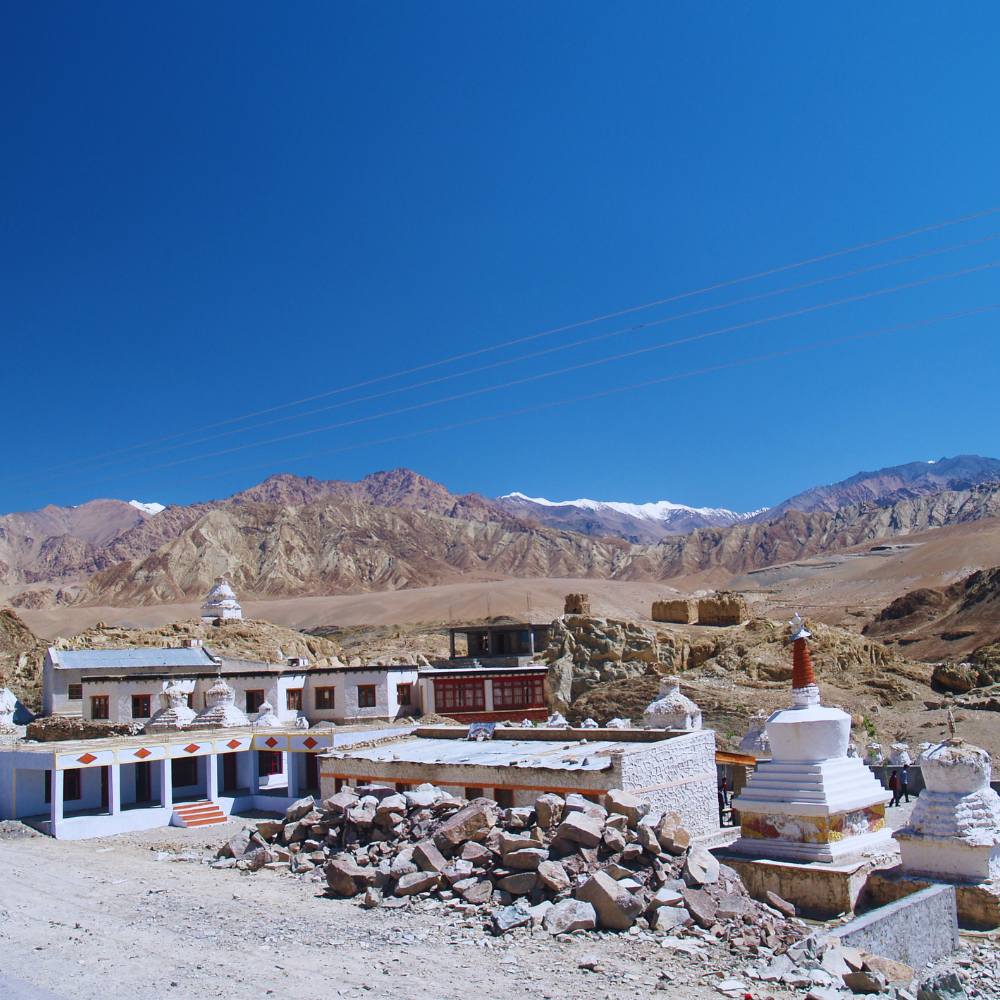
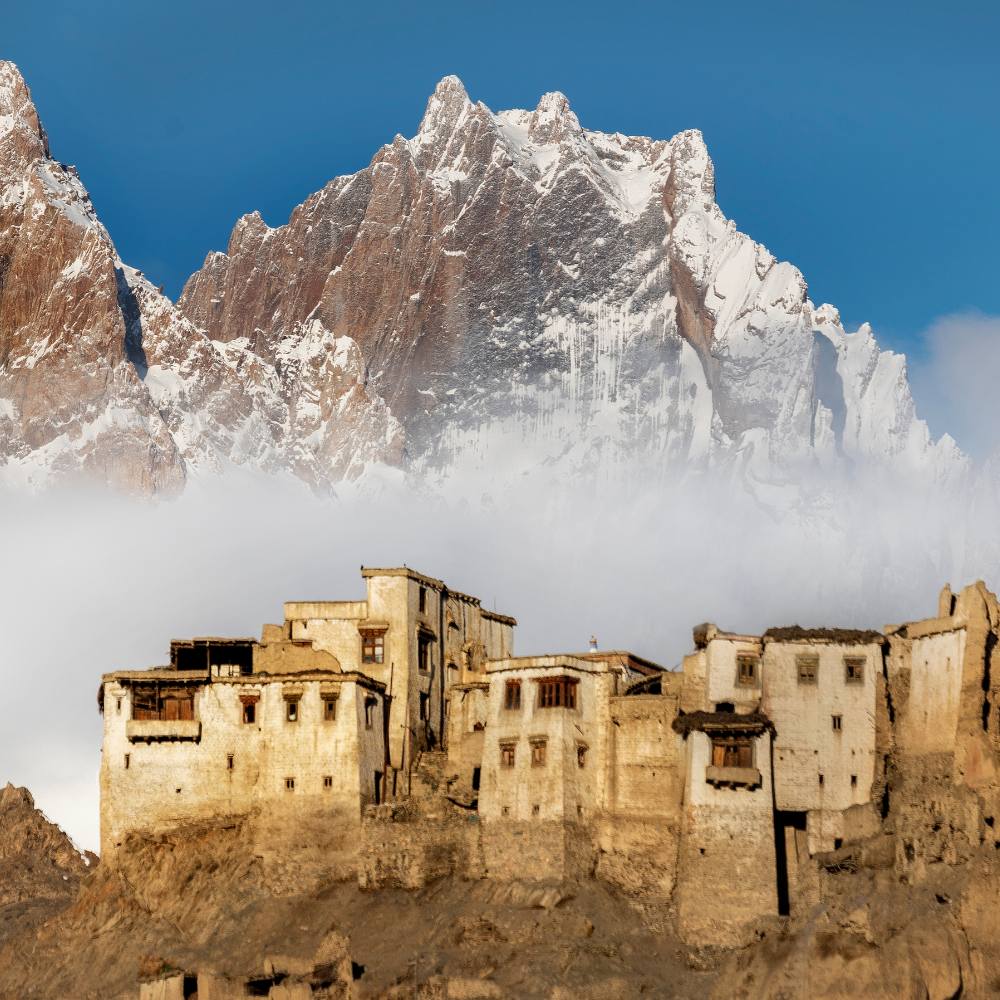
Ladakh is a high-altitude cold desert in northern India, cradled between the Himalayan and Karakoram ranges at an average elevation of 3,500 metres. It is one of the most visually extraordinary regions in Asia: a landscape of turquoise glacial lakes, golden sand dunes, centuries-old Buddhist monasteries clinging to cliffs, and mountain passes that climb above 5,000 metres.
For travellers, Ladakh offers something rare: a destination that still feels remote. Roads end at the foot of glaciers. Villages run on solar lamps. The night sky is bright enough to read by. And the people of the region (Ladakhi, Balti, and Changpa) have built one of the most distinctive cultures in the Indian subcontinent across centuries of isolation.
This guide covers verified 2026 details on top places to visit, best times to go, permit requirements, acclimatisation, and trip planning.
Quick Reference: Top Places and Experiences in Ladakh
Places to Visit
- Leh City
- Pangong Tso (Pangong Lake)
- Nubra Valley
- Tso Moriri
- Khardung La Pass
- Hemis Monastery
- Thiksey Monastery
- Alchi Monastery
- Lamayuru Monastery
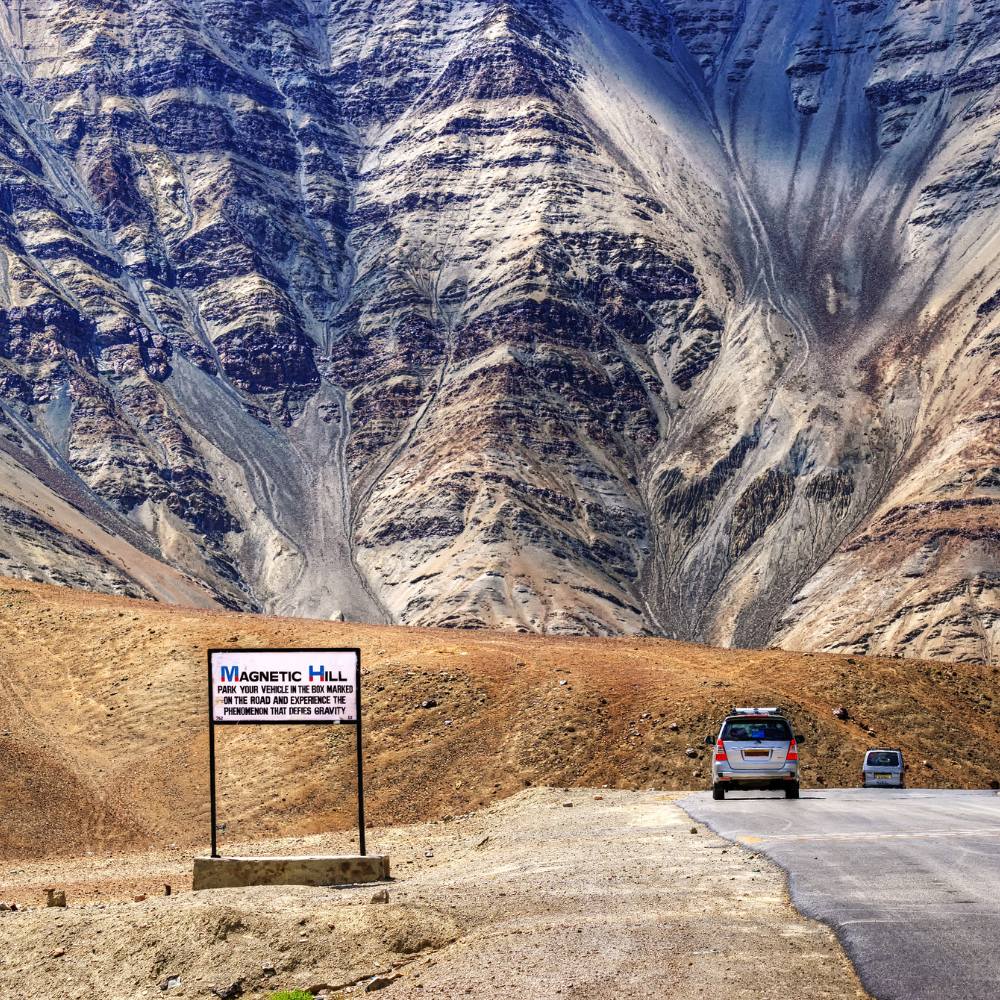
- Magnetic Hill
- Hanle
- Zanskar Valley
Top Things to Do
- Trekking (Markha Valley, Sham Valley, Stok Kangri, Chadar)
- Motorcycling the Leh-Manali Highway
- White-water rafting on the Zanskar River
- Stargazing and astrotourism at Hanle
- Snow leopard spotting in winter.
- Attending the Hemis Festival
- Cycling through the Indus Valley
1. Leh City: Your Base and a Destination in Itself
- Best For: Acclimatisation, cultural exploration, monastery visits, shopping, food, base for all Ladakh circuits
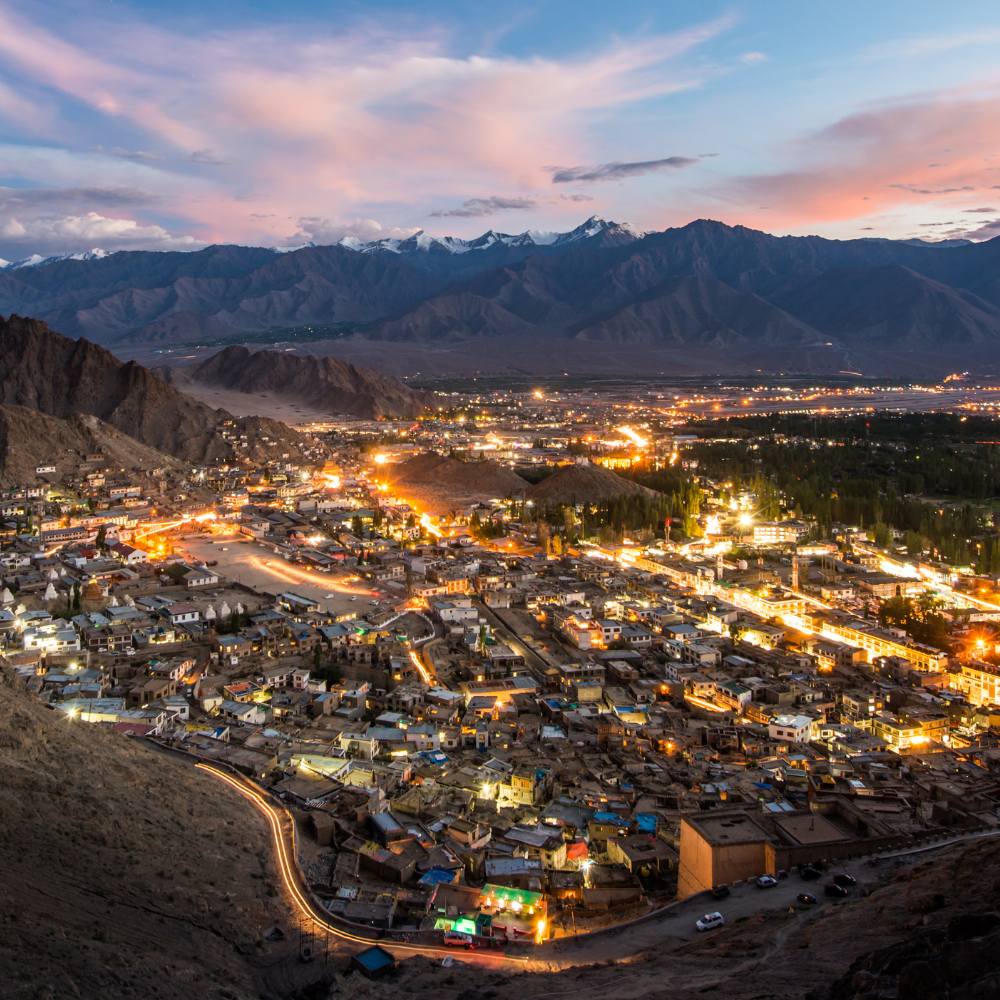
Leh, at 3,524 m, is the starting point for every itinerary. Spend the first two days acclimatising—limit activity to short walks, the bazaar, or a low-altitude monastery. Stay hydrated.
By day three, most travellers are ready for Shanti Stupa or a half-day at Thiksey and Hemis. Pangong, Nubra, and Tso Moriri follow later.
Must-See in Leh
- Leh Palace: A 17th-century, nine-storey royal residence above the old town, modelled on Lhasa's Potala. Under the Archaeological Survey of India. The rooftop gives the best photograph of old Leh.
- Shanti Stupa: White Buddhist stupa on Chanspa Hill, built in 1991 by Japanese and Ladakhi monks. 500 steps to the top, so skip on day one. Sunset is the best time.
- Hall of Fame Museum: Indian Army museum on the airport road documenting Siachen, the 1999 Kargil war, and high altitude warfare. Genuinely well curated. Closed Mondays.
- Leh Bazaar: Pashmina shawls, Tibetan jewellery, thangka paintings, and Nubra dried apricots. Verify pashmina by the "ring test": a genuine shawl pulls through a finger ring.
- Where to stay: Boutique guesthouses in Changspa offer the best value, while higher-end stays cluster around Sankar.
2. Pangong Tso: The Lake That Defies Description
- Best For: Photography, camping, scenic drives, international visitors, film and culture enthusiasts
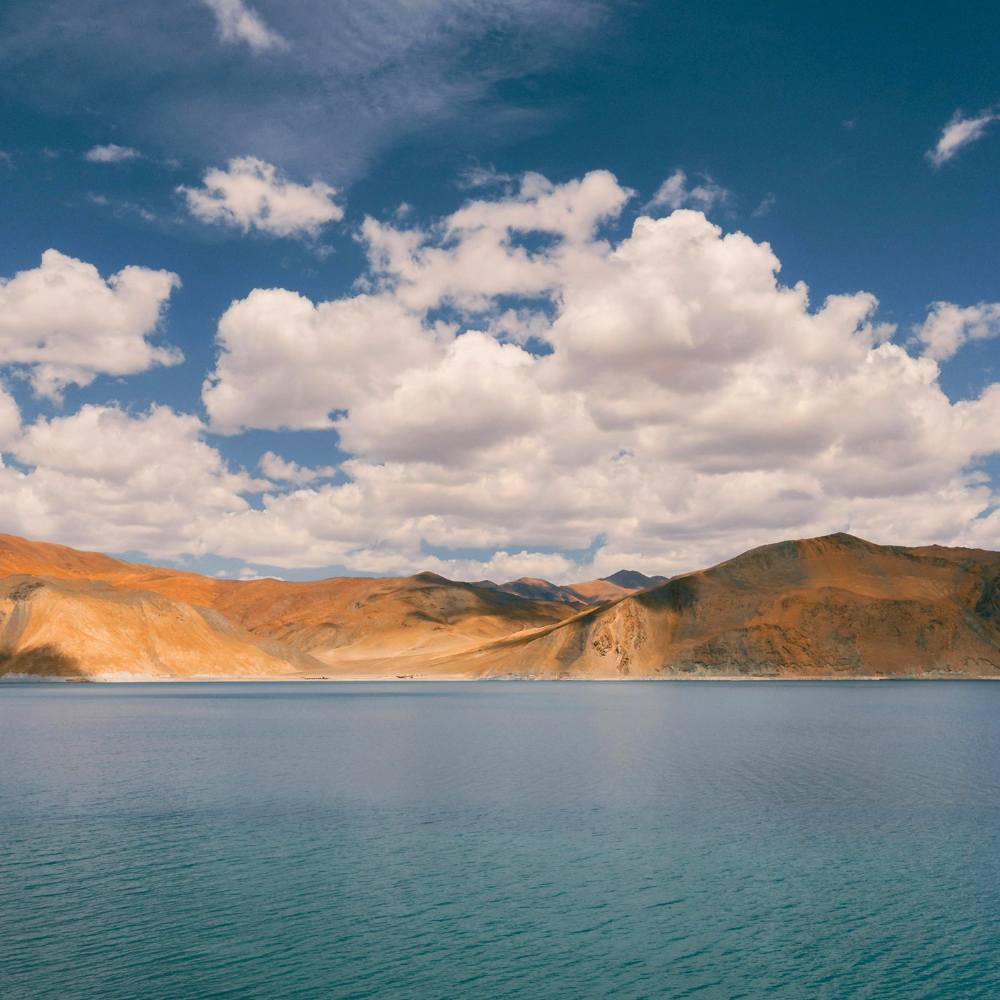
A 134 km glacial lake at 4,350 m, shared 40% by India and 60% by China. Its water shifts through deep blue, turquoise, and emerald during a single afternoon as the sun angle changes, the most photographed phenomenon in Ladakh.
The lake drew worldwide attention after the closing scenes of the 2009 Bollywood film 3 Idiots were filmed at Spangmik. Tourism rose roughly tenfold in the decade that followed.
Most travellers visit only Spangmik. Man and Merak, 30 to 40 km along the southern shore, are quieter, with starry, clear nights and fewer crowds.
Practical Details
- Distance from Leh: 160 km approximately, taking 5 to 6 hours each way via Chang La (5,360 m). Hire a Ladakhi-registered taxi, as outside vehicles are restricted on this route.
- Stay one night at Spangmik or Man; two nights allows time for Merak without rushing.
- Where to stay: Tented camps at Spangmik and Man (May to October). Permanent lodges in Spangmik village have warm rooms with shared bathrooms. No electricity past sunset in most camps, only solar lights.
- Permits: All visitors to Pangong Lake require an Inner Line Permit (ILP). Additionally, foreign nationals must obtain a Protected Area Permit (PAP). Obtain permits online or from the Leh DC office and keep copies during travel.
- When to ascend: Plan the Chang La drive for day three or later, since the pass sits 1,800 m higher than Leh.
3. Nubra Valley: Sand Dunes, Ancient Monasteries, and the Edge of India
- Best For: Scenic drives, monastery visits, Bactrian camel spotting, offbeat villages, photography
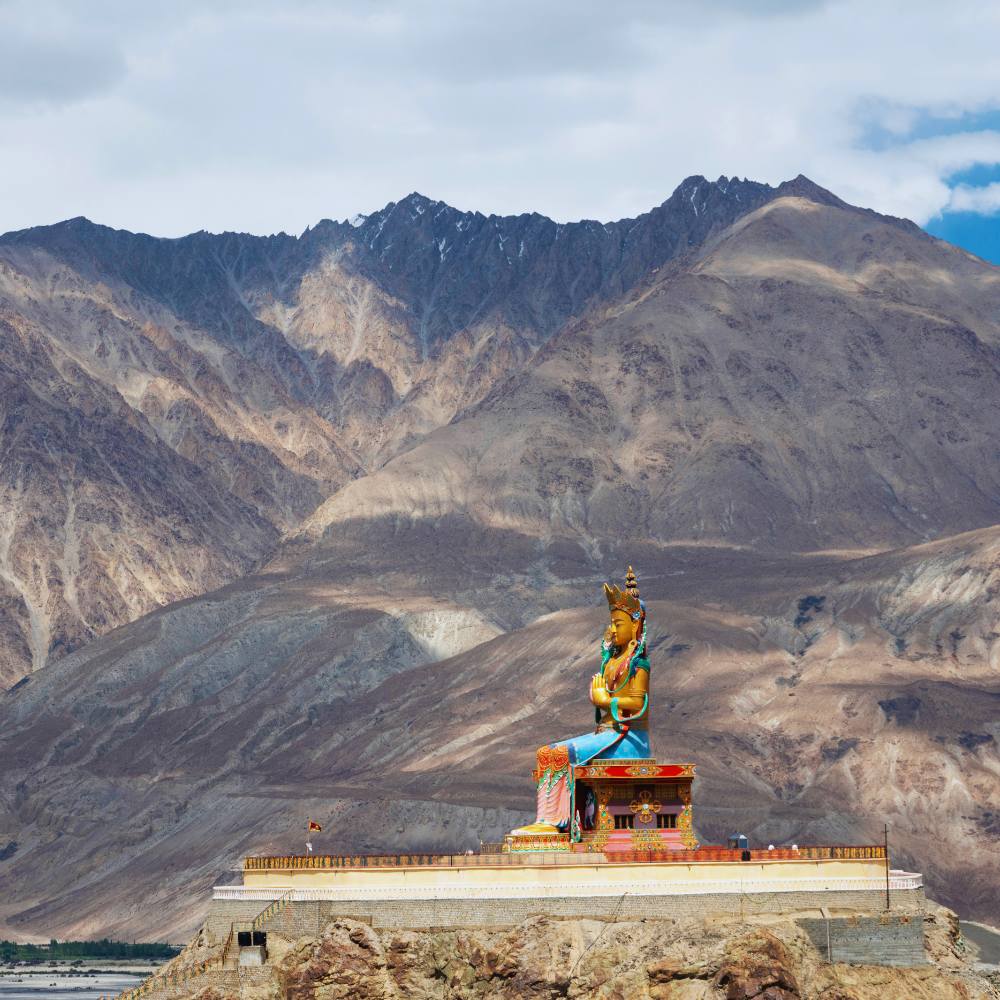
Nubra sits at around 3,000 m, north of Khardung La, where the Shyok and Nubra rivers meet. Because the valley drops in altitude from Leh, travellers often feel noticeably better here than in town. The landscape combines sand dunes, river plains, snow peaks, and Buddhist monasteries.
The golden dunes at Hunder are a remnant of an ancient lakebed. Wild double-humped Bactrian camels still graze across the valley floor, descendants of Silk Route caravans that traded until 1947. Sunset is the photographic moment when the snow line above turns gold over the sand.
Allow two days to cover the Nubra Valley. For Turtuk, plan three days to experience its distinct culture at the border.
Practical Details
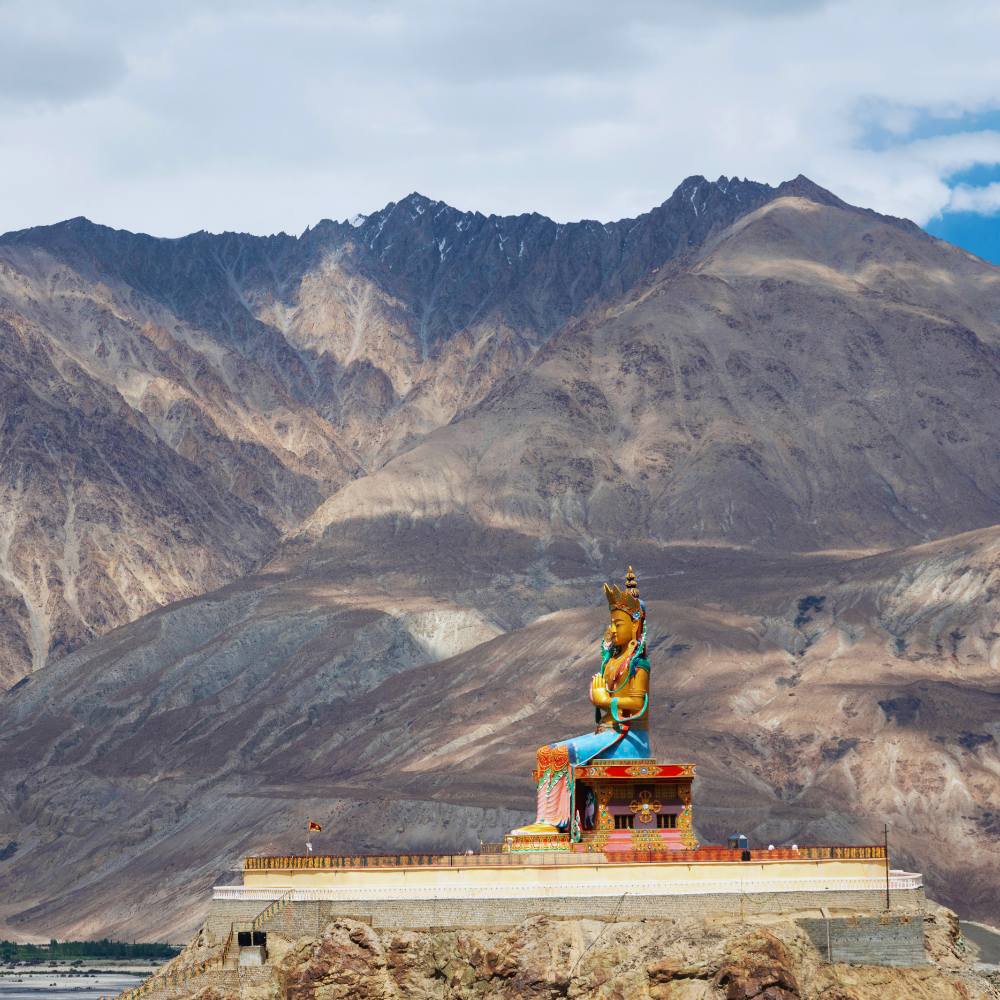
- Diskit Monastery: 15th century, Gelug school; a 32 metre Maitreya Buddha statue, consecrated by the Dalai Lama in 2010, facing the Line of Actual Control.
- Hunder Dunes: The signature Nubra photograph. Sunrise and sunset are best, as the dunes are exposed and hot through midday.
- Turtuk: India's northernmost civilian village, opened to tourism in 2010 after being part of Pakistan until 1971. The population is Balti and Muslim, and the language is Balti, not Ladakhi.
- Panamik: Hot sulphur springs near the Siachen base, well suited for a 30-minute soak after a long drive.
- Where to stay: Hunder has the most accommodation, including luxury tented camps and family-run guesthouses. Turtuk offers homestays with full board.
- Access: Via Khardung La (5,359 m). An Inner Line Permit (ILP) is mandatory for all visitors and is available online or from the DC office in Leh. Carry copies of the permit to show at checkpoints en route.
4. Tso Moriri: The Quiet Lake That Serious Travellers Seek Out
- Best For: Solitude, birdwatching, wildlife, photography, experienced high-altitude travellers
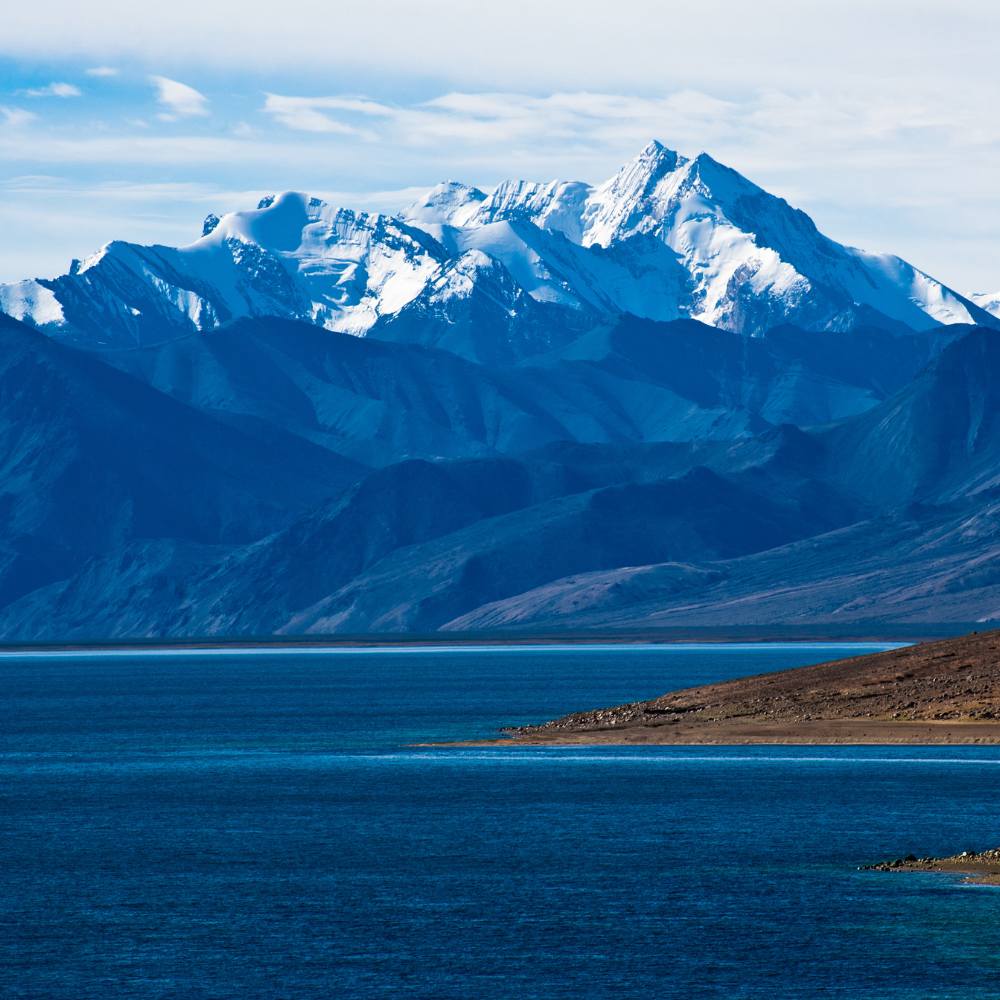
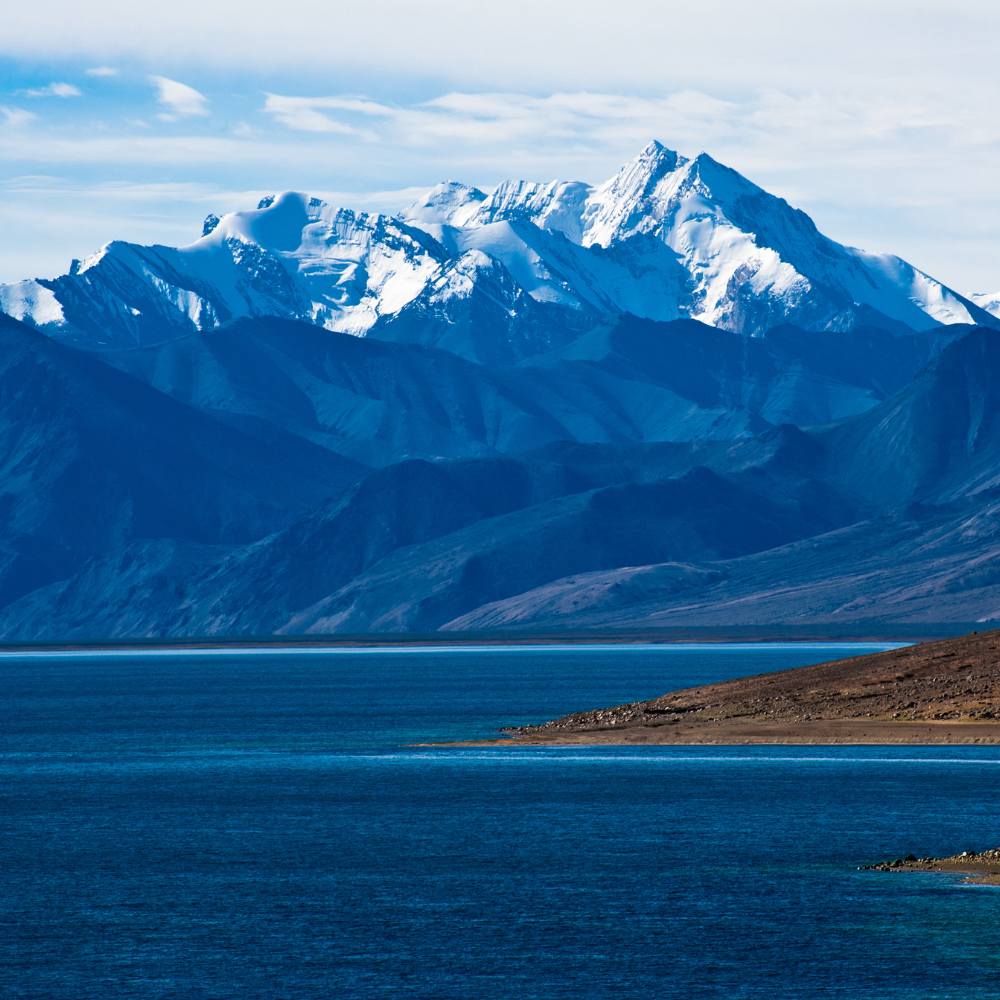
A 28 km long UNESCO Ramsar wetland at 4,522 m on the Changthang Plateau. Tso Moriri is the largest high altitude lake entirely within India and far less visited than Pangong. The shoreline is desolate, the wind is constant, the silence absolute. Most travellers find it the more emotionally affecting of the two.
The lake is bordered by the village of Korzok (about 200 people). Korzok Gompa, a 19th-century monastery above the water, hosts the Korzok Gustor festival each July or August with masked Cham dances.
Practical Details
- Wildlife: Black-necked cranes (a vulnerable species that breeds here between May and August), bar-headed geese, and Tibetan wild ass (kiang). Changpa nomads on the plateau raise the Pashmina goats that produce the finest pashmina wool in the world.
- Stay: Basic tented camps and guesthouses in Korzok. Expect cold nights even in July. Solar electricity only. No mobile signal.
- How to reach: Direct via Chumathang and Mahe Bridge (around 240 km, 7 to 8 hours), or the scenic loop via Tso Kar, which adds half a day and is worth it.
- Permits: All visitors to Tso Moriri require an Inner Line Permit (ILP), and foreign nationals need a Protected Area Permit (PAP). Both permits are available online or at Leh DC's office and must be shown at checkpoints.
- Plan to stay at Tso Moriri for at least two nights.
5. Khardung La Pass: The Gateway to Nubra Valley
- Best For: High-altitude road experience, motorcyclists, photographers, the drive to Nubra Valley
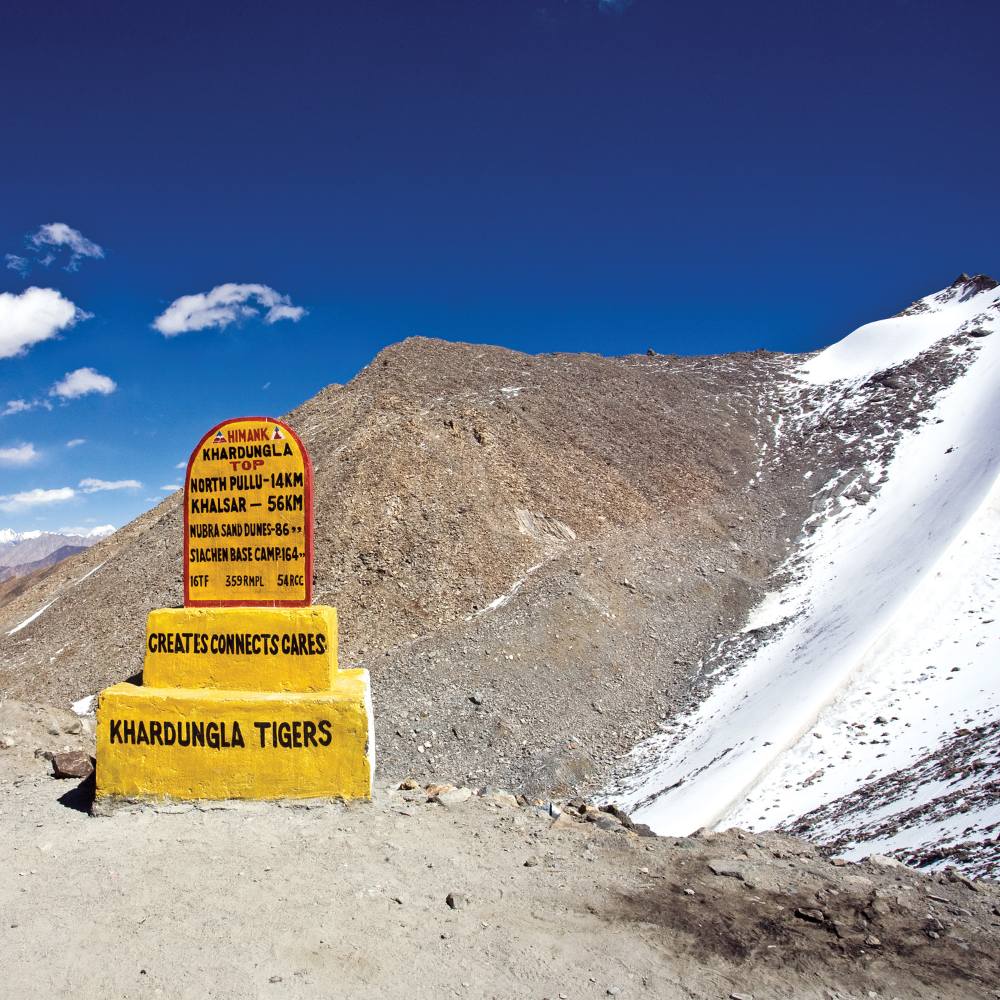
Khardung La is the high pass that connects Leh to the Nubra Valley, sitting at a surveyed altitude of 5,359 m (17,582 ft), and is one of the highest motorable roads on earth. The summit signboard reads 5,602 m, an older figure that predates modern surveys, and the "world's highest motorable pass" claim has since been overtaken by Umling La (5,799 m), also in Ladakh. The experience is the same regardless: prayer flags in thin air, a Border Roads Organisation cafe, and a view that justifies the climb.
Practical Details
- Distance from Leh: Around 40 km. The drive takes 90 minutes to two hours.
- Open season: Approximately May to October. The pass closes for days at a time after heavy snowfall.
- Spend two nights in Leh before crossing, and check at the barrier.
- At the summit: Keep your stop to around 30 minutes and avoid exertion. Running for photos or rushing up the steps can trigger altitude symptoms even in fit travellers.
The Monasteries of Ladakh: A Civilisation Built on Stone and Prayer
Ladakh has more Tibetan Buddhist monasteries per square kilometre than anywhere outside Tibet. These are living religious institutions, not ticketed attractions. Cover shoulders and legs, remove footwear at temple entrances, and ask before photographing monks.
6. Hemis Monastery: The Largest and Richest in Ladakh
- Distance: 45 km from Leh, Hemis village, Indus Valley
- Best For: Buddhist heritage, festival attendance, thangka paintings, royal art collection
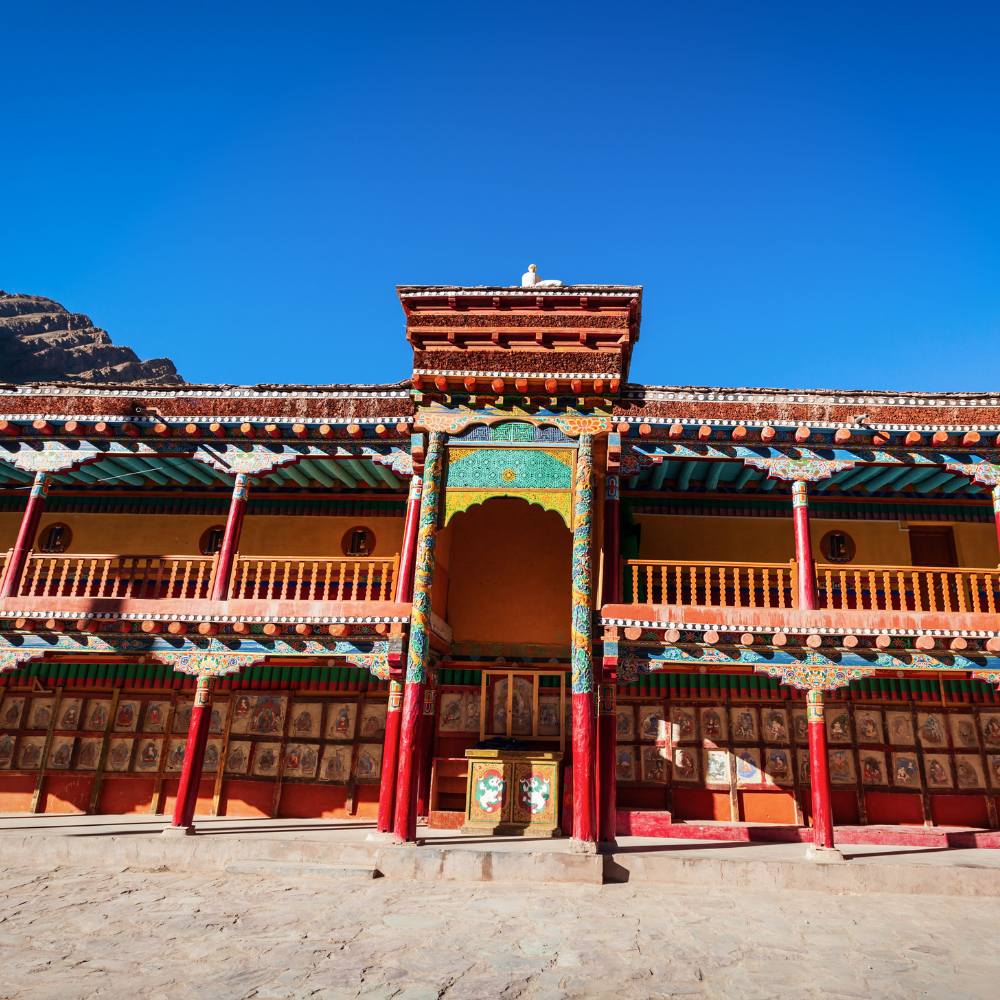
The largest and wealthiest monastery in Ladakh, hidden in a gorge that helped it survive 17th-century Mughal invasions. Re-established in the 1630s by Stagsang Raspa under King Sengge Namgyal (Drukpa Kagyu school). The treasury holds gold and silver statues, ancient thangkas, and one of the largest collections of Buddhist relics in the Indian Himalayas.
The Hemis Festival, on the 10th day of the fifth Tibetan lunar month (June or July), is the largest monastic festival in Ladakh. Two days of masked Cham dances honour Padmasambhava. Every 12 years, a giant thangka, reportedly the world's largest, is unfurled at dawn. The next unveiling is in 2028.
7. Thiksey Monastery: The Gompa on the Hill
- Distance: 19 km from Leh, Thiksey village, Indus Valley
- Best For: Architecture, morning prayers, photography, mountain views, Maitreya statue
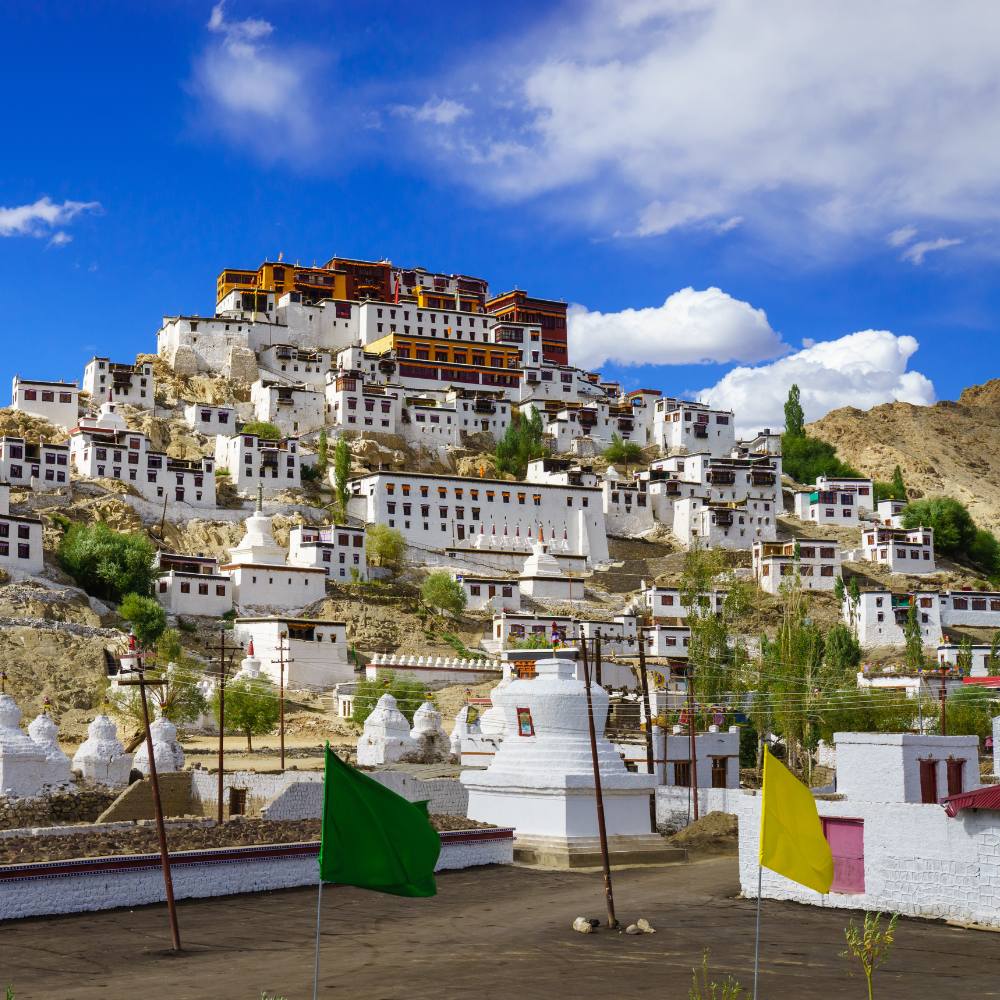
Twelve storeys stacked on a hillside above the Indus Valley, the most photographed monastery in Ladakh. Founded in the 15th century (Gelug school), it is often called the "mini Potala" for its resemblance to Lhasa.
The 6 AM morning prayer lifts this monastery above the rest. Monks chant in deep, slow harmonies, conch shells are blown, and butter tea is offered to quiet visitors. The monastery houses a 15-metre, two-storey Maitreya Buddha statue, built in 1980 for a visit by the 14th Dalai Lama.
8. Alchi Monastery: A Thousand-Year-Old World of Art
- Distance: 70 km from Leh, Alchi village, Indus Valley
- Best For: Ancient Buddhist art, history scholars, photography, art lovers
Picture credit: Wikipedia
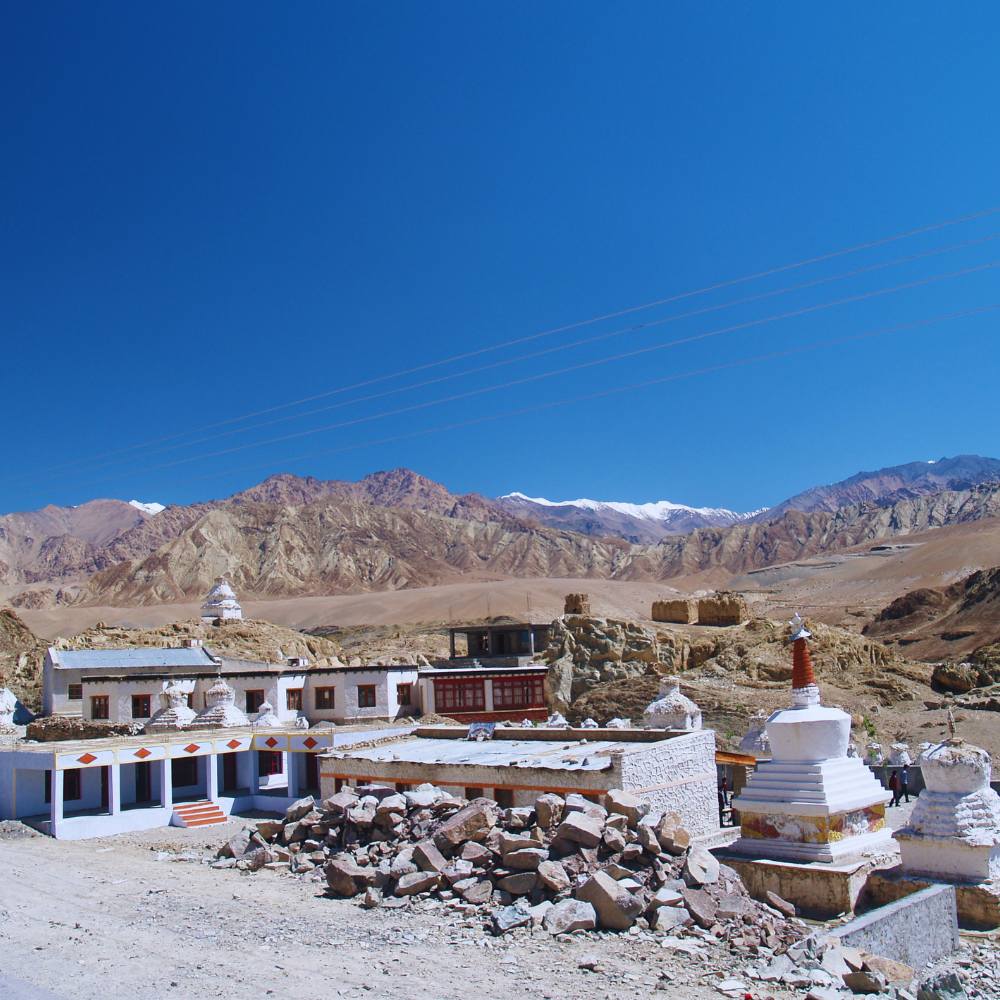
Ladakh's oldest monastery complex is set on flat ground beside the Indus rather than on a hilltop. Traditionally credited to the 11th-century translator Rinchen Zangpo, though wall inscriptions credit a later patron, Kal-dan Shes-rab.
The reason to come is the wall paintings. Alchi holds some of the oldest surviving Buddhist murals in the Himalayas, painted by Kashmiri artisans when Kashmir was a major Buddhist centre. The Sumtsek temple's three-tiered interior shows Bodhisattvas in robes covered with hundreds of miniature painted scenes. Photography inside is restricted.
9. Lamayuru Monastery: The Moon Landscape Gompa
- Distance: 125 km from Leh toward Kargil, Lamayuru village
- Best For: Dramatic landscapes, one of the oldest monasteries in Ladakh, photography, and the Kargil route stopover
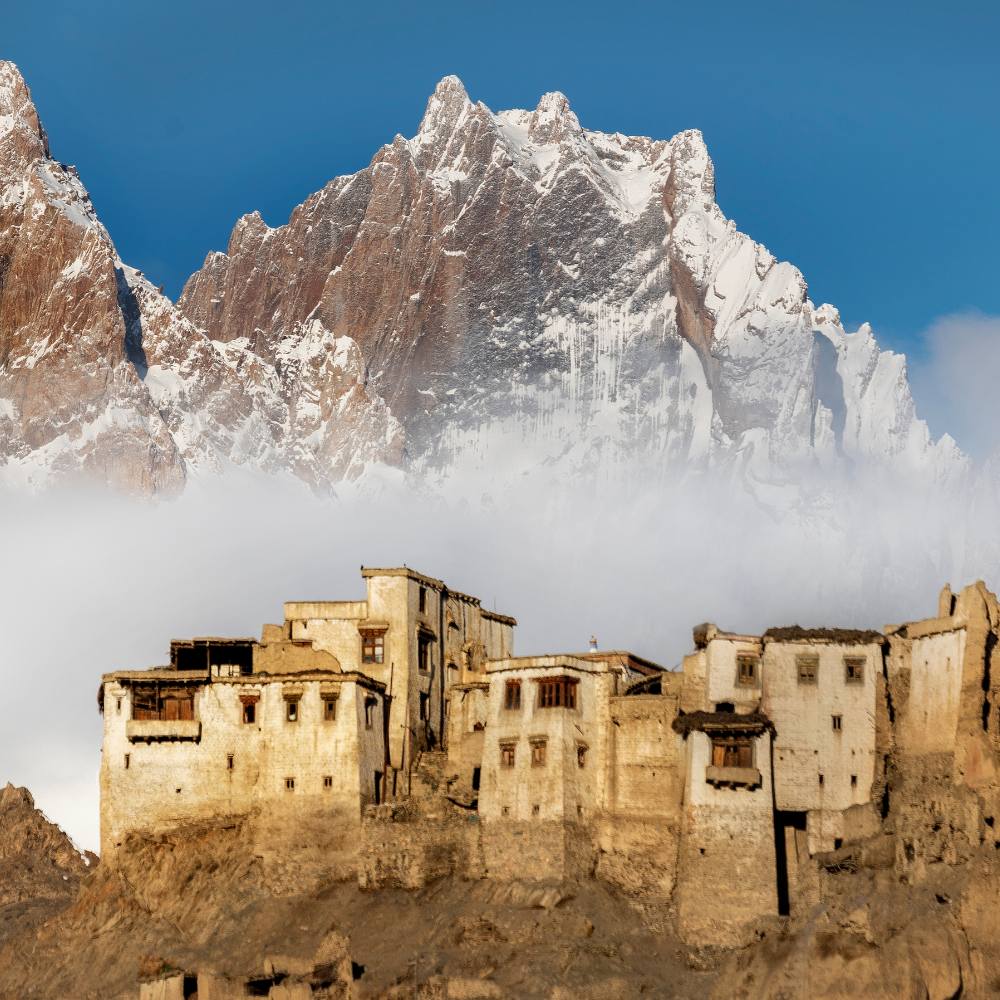
Lamayuru is one of the oldest monasteries in Ladakh and is set in a landscape so unusual that it has earned the local nickname Moonland. The surrounding terrain, shaped by ancient lake sediments eroded into pale, rippling formations that look like the surface of another planet, forms one of the most distinctive backdrops of any monastery in the Himalayan world.
The monastery dates to the 11th century and belongs to the Drikung Kagyu school of Tibetan Buddhism. It sits on a promontory above a valley where a lake once existed, and the whitewashed gompa buildings cascade down the hillside in a manner that makes them appear almost organic.
Lamayuru is best visited as part of the journey between Leh and Kargil or as a dedicated day trip. The Yuru Kabgyat Festival held here each summer features masked Cham dances and draws visitors from across Ladakh.
10. Magnetic Hill: Gravity-Defying Optical Illusion
- Distance: 30 km from Leh on the Leh-Kargil Highway
- Best For: Curiosity, quick stop, combined with the nearby Sangam viewpoint
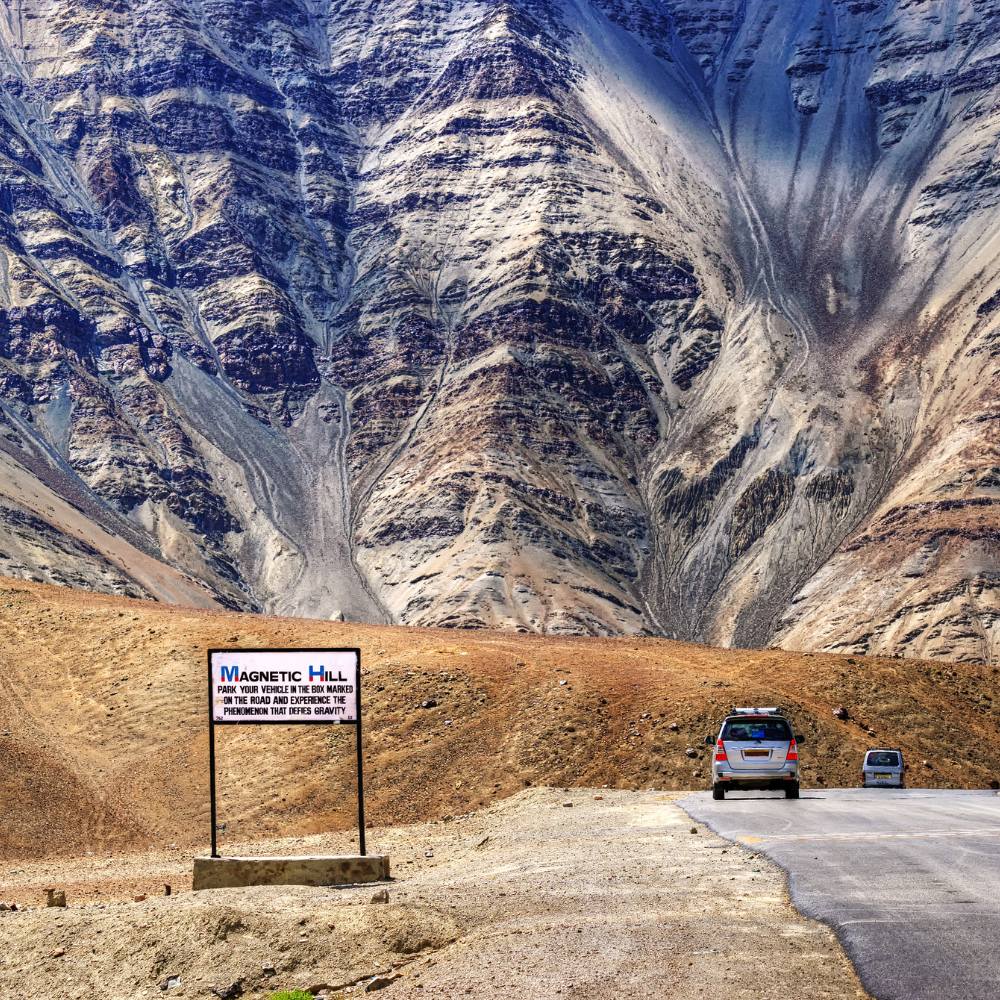
Magnetic Hill is one of Ladakh's most talked-about roadside attractions and one of its most interesting natural curiosities. Vehicles placed in neutral on a marked section of the road appear to roll uphill on their own, seemingly defying gravity.
The scientific explanation is that it is an optical illusion created by the surrounding terrain. The layout of the mountains and the road creates a visual impression that a downhill slope is actually an uphill slope, causing the brain to misread what the eyes are seeing. It is nonetheless a striking and genuinely entertaining experience.
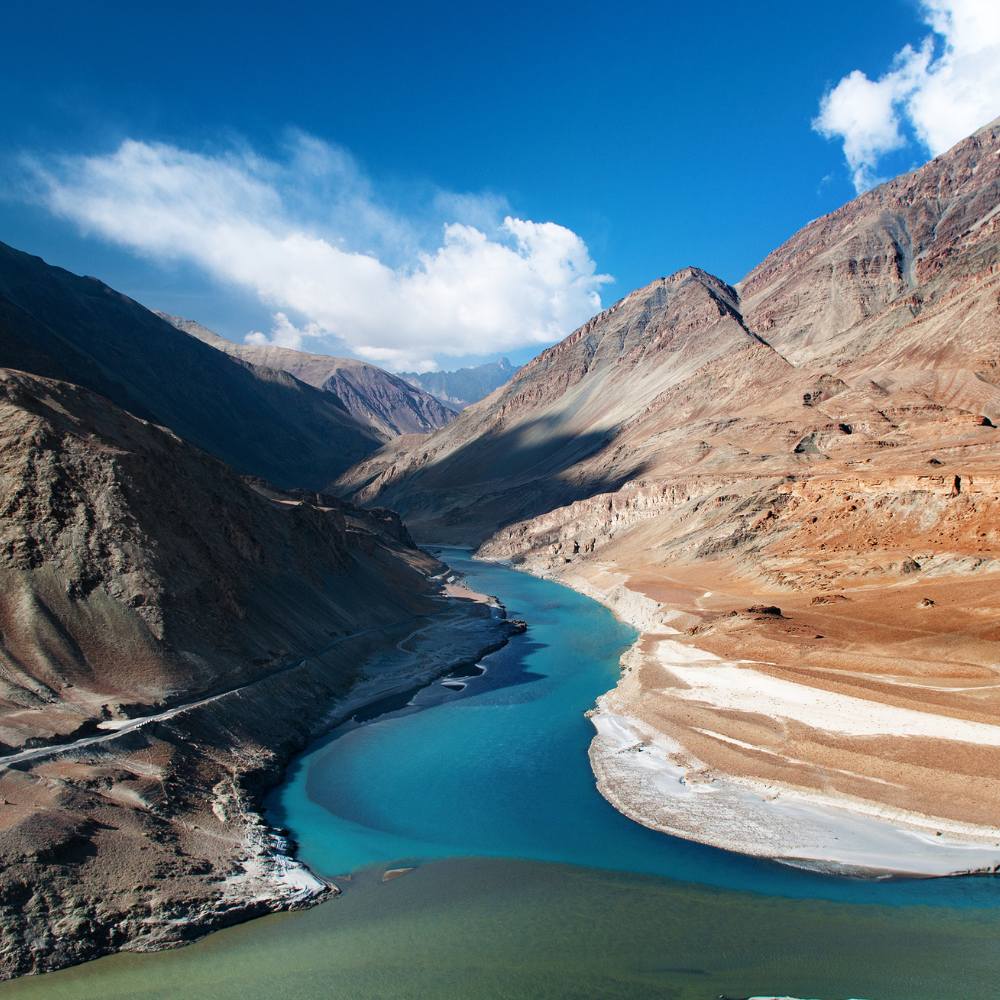
The nearby Sangam, approximately 5 km further along the same road, is where the Zanskar River meets the Indus River. The two rivers run side by side for a short stretch, their different colours visible from the viewpoint above: the Indus runs brownish-grey while the Zanskar runs a vivid green-blue. The confluence is genuinely beautiful and a worthwhile stop.
11. Hanle: The Dark Sky Capital of India
- Distance: Changthang region, approximately 270 km from Leh
- Best For: Astrotourism, stargazing, photography, serious travellers, dark sky enthusiasts, offbeat Ladakh
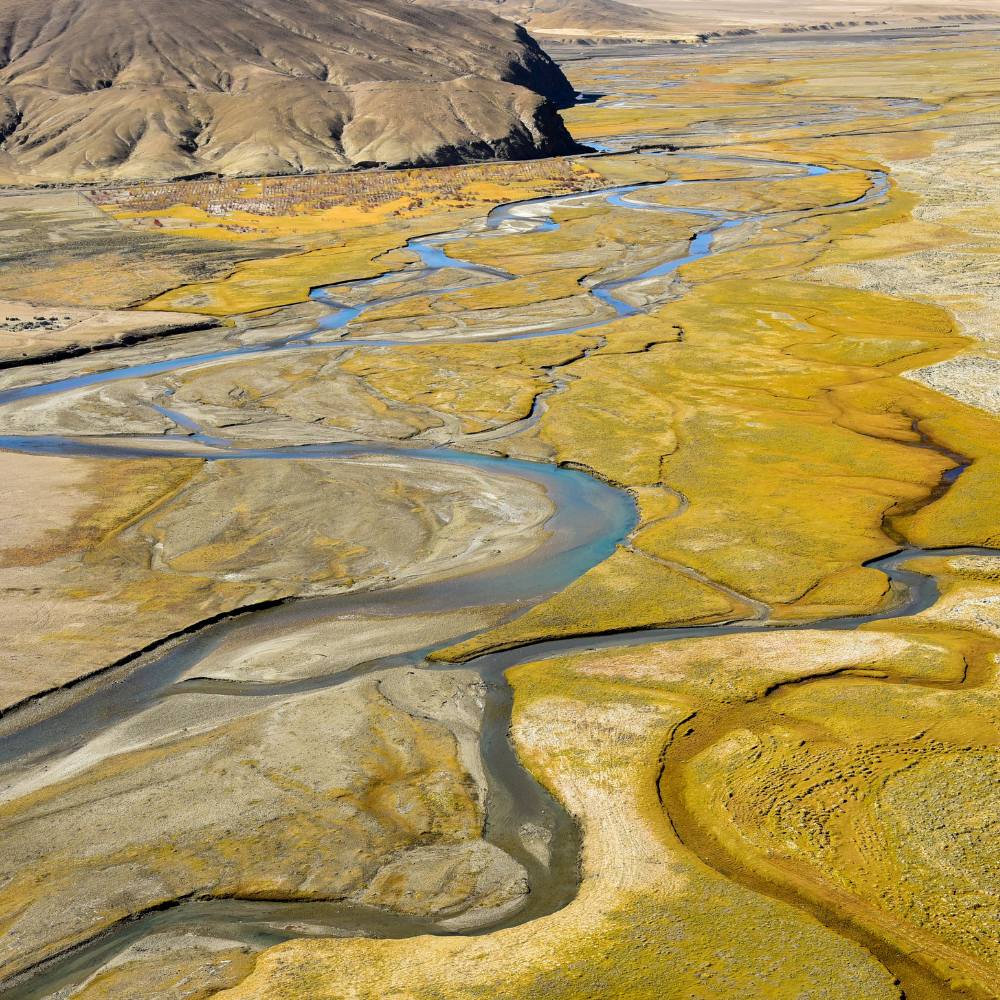
Hanle has quietly become one of the most extraordinary destinations in Ladakh for a reason that has nothing to do with mountains, lakes, or monasteries. At 4,500 metres, with zero light pollution across hundreds of kilometres of open Changthang plateau, the night sky here is of a quality that most people on earth never see in their lifetimes.
The Indian Astronomical Observatory at Hanle, operated by the Indian Institute of Astrophysics, sits at 4,500 metres and houses one of the world's highest optical telescopes. The extreme altitude, dry climate, and absence of light pollution make this one of the best astronomical observation sites in Asia. The observatory is visible from the village.
Hanle has been designated a Dark Sky Reserve under the Hanle Dark Sky Reserve project, a collaboration between the Indian Institute of Astrophysics, the Ladakh Autonomous Hill Development Council, and local communities. Specialised astro-stays have emerged in the village, offering guided stargazing sessions with telescopes and expert commentary. The Milky Way is visible here with enough clarity to cast a faint shadow on a new moon night.
Important Note for 2026
Hanle now has a strict daily visitor cap to preserve its dark sky status. The e-ILP permit for Hanle must be secured at least three weeks in advance. Do not assume walk-in availability during peak season.
12. Zanskar Valley: The Last True Frontier
- Distance: Kargil district, Ladakh
- Best For: Trekking, Chadar winter trek, remote wilderness, river rafting, experienced adventurers
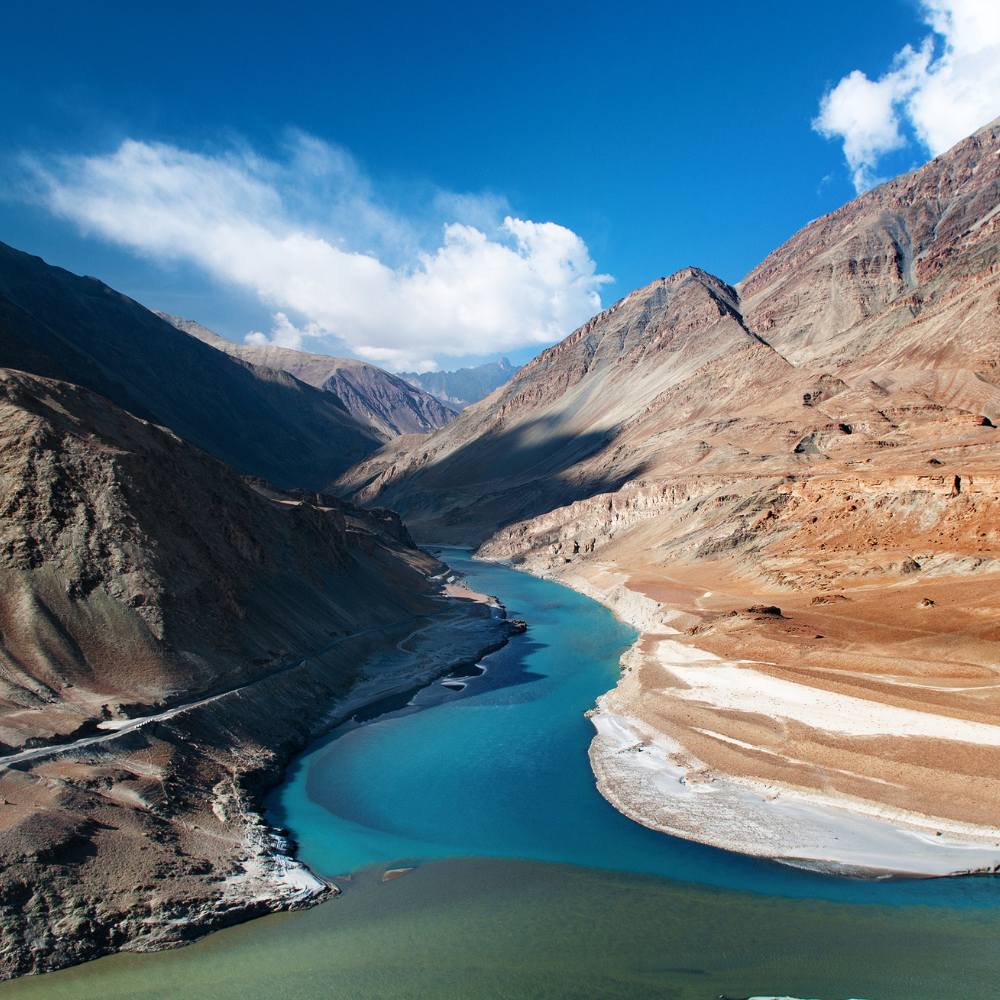
Zanskar is enclosed on almost every side by ranges above 5,000 m. For most of history, it was unreachable in winter except by walking across the frozen Zanskar River on the famous Chadar Trek. The Nimmu-Padum-Darcha highway (operational since 2019) now provides summer road access. Padum is the regional headquarters and practical base.
- Phugtal Monastery: Built into a honeycomb cliff face, reached after a two-hour gorge trek. Founded in the 12th century. The only major Ladakhi monastery is still completely unreachable by road.
- Drang Drung Glacier: A 23 km glacier visible from Pensi La pass on the Kargil to Padum road, one of the longest glaciers outside the Karakoram.
- River rafting: Grade III to IV rapids run through the Zanskar gorges between July and early September.
Top Things to Do in Ladakh
- Markha Valley Trek: 6 to 8 days, Spituk to Hemis, crossing Kongmaru La (5,150 m). The classic Ladakh trek. Full board homestay infrastructure from end to end.
- Stok Kangri (6,153 m): Reopened in 2025 after a four-year closure to allow alpine recovery. Requires an IMF permit, a daily quota, and a certified guide.
- Motorcycling the Leh to Manali Highway: Via Rohtang La (3,978 m), Baralacha La (4,890 m), and Tanglang La (5,328 m). Royal Enfields hire from ₹1,800 to 2,500 per day. Carry spare fuel between Tandi and Karu, a 365 km stretch with no petrol station.
- River rafting: Zanskar and Indus rivers, Grade II to IV. Chilling to Nimmu is the most popular intermediate stretch.
- Snow leopard spotting: January to March in Hemis National Park (4,400 sq km, India's largest). Sightings are likely but not guaranteed. Book 7 to 10-day expeditions with community guides from Rumbak or Ulley.
- Chadar Trek: January to February on the frozen Zanskar River. Temperatures fall to minus 30 degrees Celsius. Regulated since 2019, so only registered operators with medical clearance can run it.
What Is the Best Time to Visit Ladakh?
June to September: Peak Season
- Both the Manali-Leh and Srinagar-Leh highways are open.
- All destinations, including Pangong Tso, Nubra Valley, and Tso Moriri, are accessible.
- Daytime temperatures in Leh range from 15 to 27 degrees Celsius. Nights are cold throughout
- July and August are the busiest months. June offers slightly fewer crowds and good road conditions.
- Book flights from Delhi to Leh at least 6 to 8 weeks in advance for June, July, and August
October to November: Shoulder Season
- Increasingly popular as a quieter alternative to peak season
- Exceptional mountain clarity with post-summer atmosphere
- Temperatures drop significantly in October. Snow begins at higher passes.
- The Manali-Leh Highway typically closes in October or November, depending on snowfall.
January to February: Winter Season
- The Chadar Trek on the frozen Zanskar River takes place in January and February.
- Best season for snow leopard spotting near Rumbak and in Hemis National Park
- Temperatures in Leh drop to minus 20 degrees Celsius and below at night.
- Access is primarily by air (Leh Airport operates year-round). Road access is extremely limited.
How to Reach Ladakh
- By air: Kushok Bakula Rimpochee Airport, Leh (IATA: IXL). Year-round flights from Delhi (1 hour), Mumbai, Srinagar, and Chandigarh. The descent through the Himalayas is one of the great commercial flight approaches. Book 6 to 8 weeks ahead for June, July, or August.
- Manali to Leh Highway: Around 490 km, open late May to October. Two-day drive with an overnight at Jispa or Sarchu. The Atal Tunnel (9 km, opened October 2020) provides year-round access to Lahaul, but the highway beyond to Leh remains seasonal.
- Srinagar to Leh Highway: Around 434 km, opens around April via Zoji La (3,528 m). Two-day drive via Kargil. Generally, the better acclimatisation route, since altitudes climb gradually.
Ladakh Permits: What You Actually Need
Most tourist destinations in Ladakh, including Pangong Tso, Nubra Valley, Tso Moriri, Hanle, the Dah Hanu sector, and parts of the Changthang, require an Inner Line Permit (ILP).
- ILP (Indian nationals): Apply online via the Ladakh UT tourism portal or in person at the DC Office in Leh. The e ILP is accepted at most checkpoints.
- PAP (foreign nationals): Required in addition to the ILP for restricted areas. Issued at the DC Office in Leh on presentation of passport and visa copies. Foreign travellers must travel in a group of at least two through a registered operator for most restricted zones.
- Ladakh EDF: ₹400 per person plus a daily charge. Keep the receipt, as it is checked at multiple points.
Acclimatisation in Ladakh: Simple Rules That Make Your Trip Better
Most travellers feel some effect of the altitude on their first day in Leh: lightheadedness, a mild headache, or broken sleep. It usually passes with patience. AMS does not correlate with fitness, so the rules below apply to everyone.
- Day of arrival: Rest completely. No sightseeing, no stairs, no exertion. Sleep with your head slightly elevated.
- Hydration: 3 to 4 litres of water daily. Skip alcohol for the first three days.
- Two full days in Leh: Mandatory before crossing Khardung La or Chang La. The rule is also enforced at checkpoints.
- Diamox (Acetazolamide): Worth discussing with your doctor before travel. The typical preventive dose begins 24 hours before ascent and continues for two days at altitude.
- AMS symptoms: If a headache, nausea, or disturbed sleep persists, hold altitude and rest. If it worsens, descend.
Explore Ladakh: 7 Day Ladakh Tour Package
Frequently Asked Questions About Ladakh
How many days do you need for a trip to Ladakh?
A minimum of 7 days is recommended to cover the main circuit of Leh, Nubra Valley, and Pangong Tso with adequate acclimatisation. Ten days are required to add Tso Moriri. To include Zanskar or Hanle, allow at least 12 to 14 days. Road trips from Manali or Srinagar require at least 10 to 12 days, including travel time.
Is Ladakh safe for solo travellers and international visitors?
Yes. Ladakh is considered very safe for both solo travellers and international visitors. The local Ladakhi community is known for exceptional warmth and hospitality. The primary risks are geographic: altitude sickness, road conditions, and unpredictable mountain weather. Solo travellers should inform their accommodation of their planned routes and carry sufficient emergency supplies on remote excursions.
Is Ladakh suitable for families with children?
Ladakh can be suitable for families with older, fit, and healthy children, provided altitude precautions are strictly followed. Children can be more susceptible to altitude sickness than adults. The mandatory two-day acclimatisation in Leh applies to everyone. Consult a paediatrician before bringing children to Ladakh. Families with children under 8 years of age should seek specific medical advice before planning a trip above 3,500 metres.
What mobile network works in Ladakh?
BSNL has the widest network coverage in Ladakh and is the most reliable option for connectivity across the valley. Other networks, including Airtel and Jio, have coverage in Leh town and along major highways but are unreliable in remote areas. Foreign SIM cards do not work in Ladakh. International visitors should obtain a local Indian SIM card, preferably BSNL, before arriving in Leh or immediately upon arrival.
Can I visit Ladakh in winter?
Yes, and for specific experiences, winter is actually the best season. The Chadar Trek on the frozen Zanskar River is an experience from January to February. Snow leopard spotting around the Hemis National Park peaks in January to March. The Leh Airport operates year-round. However, road access is extremely limited in winter, most tourist facilities are closed, temperatures drop to minus 20 degrees Celsius and below at night, and travellers must be highly self-sufficient. Winter Ladakh is for experienced, well-prepared adventurers.
Final Word: Why Ladakh Is Unlike Anywhere Else in India
Ladakh is one of those destinations that does not allow for a lukewarm reaction. People either return from it permanently changed in some small but real way, or they book their next trip before the first one ends.
There is something about the combination of extreme altitude, profound silence, ancient spiritual culture, and landscape that looks like it belongs on another planet that strips things back to essentials. The monasteries have been here for a thousand years. The mountains have been here for fifty million years. A week in Ladakh recalibrates the way you think about scale, time, and what actually matters.
For international visitors, this is an India that defies virtually every expectation. For Indian travellers, it is a reminder that the most extraordinary places in the country are sometimes the ones that require the most effort to reach.
Plan carefully. Acclimatise fully. Move slowly. Ladakh will do the rest.