Darjeeling does not ease you in gently.
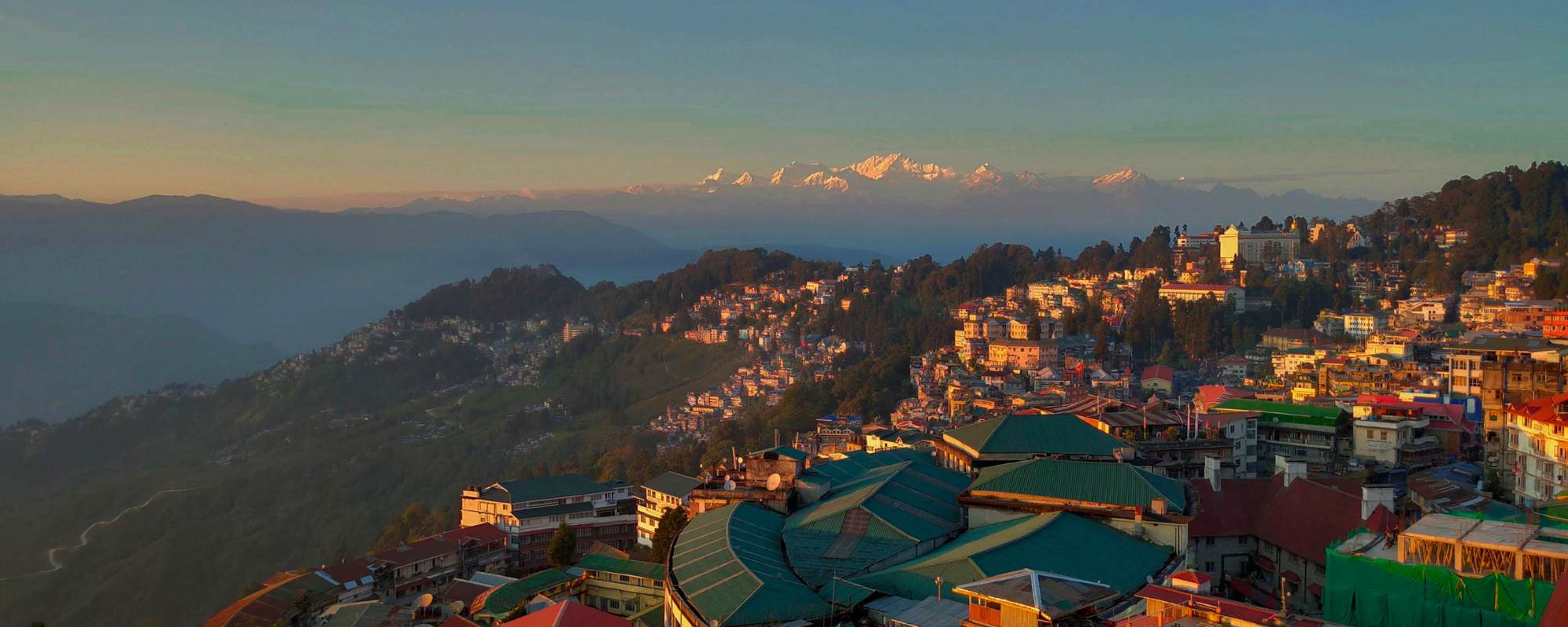
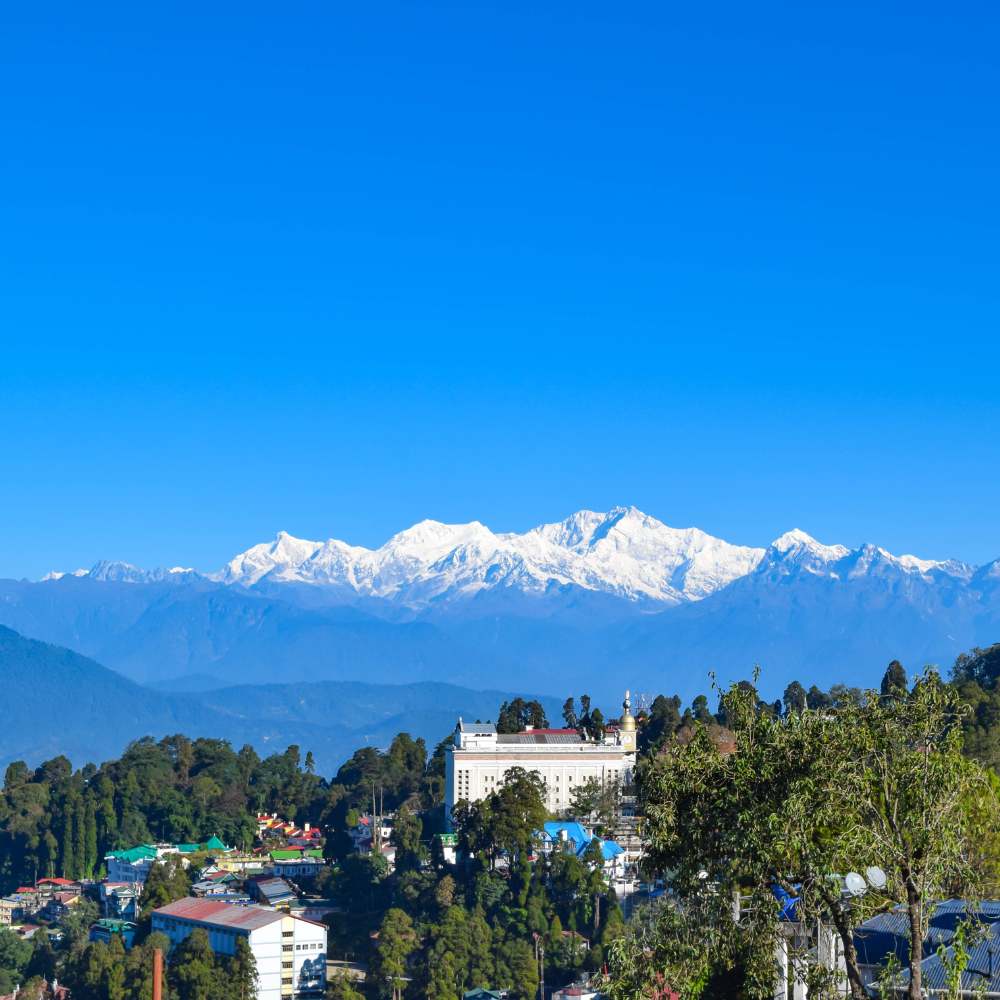
The moment you arrive, the mountains are already in your peripheral vision. The air smells of wood smoke and tea leaves. The town itself clings to a ridge at 2,050 metres, and beyond its rooftops, on a clear morning, the third-highest peak on earth fills the sky.
Darjeeling is the Queen of Hills, a title earned over more than a century of drawing travellers from across India and around the world to its extraordinary combination of mountain grandeur, living tea culture, Himalayan wildlife, and ancient forest.
For nature lovers specifically, Darjeeling is one of the most rewarding destinations in all of Asia. This guide covers everything worth doing, from the unmissable to the off-the-beaten-path, with practical detail to help you plan properly, whether you are travelling from the UK, the US, or from another corner of India.
Quick Reference: Top Nature Experiences in Darjeeling
- Witness the Sunrise at Tiger Hill over Mount Kanchenjunga
- Walk the Happy Valley Tea Estate
- Trek the Sandakphu Ridge
- Explore Singalila National Park
- Ride the Darjeeling Himalayan Railway (Toy Train)
- Visit Padmaja Naidu Himalayan Zoological Park
- Discover Lepchajagat Forest Village
- Explore Rock Garden and Ganga Maya Park
- Raft the Teesta River
- Walk to the Batasia Loop Eco Garden
- Visit Lamahatta Eco Park
- Day Trip to Mirik Lake and Kalimpong
1. Witness the Sunrise at Tiger Hill
Location: 11 km from Darjeeling town | Altitude: 2,590 metres
Best For: Sunrise viewing, mountain photography, first-time visitors to Darjeeling
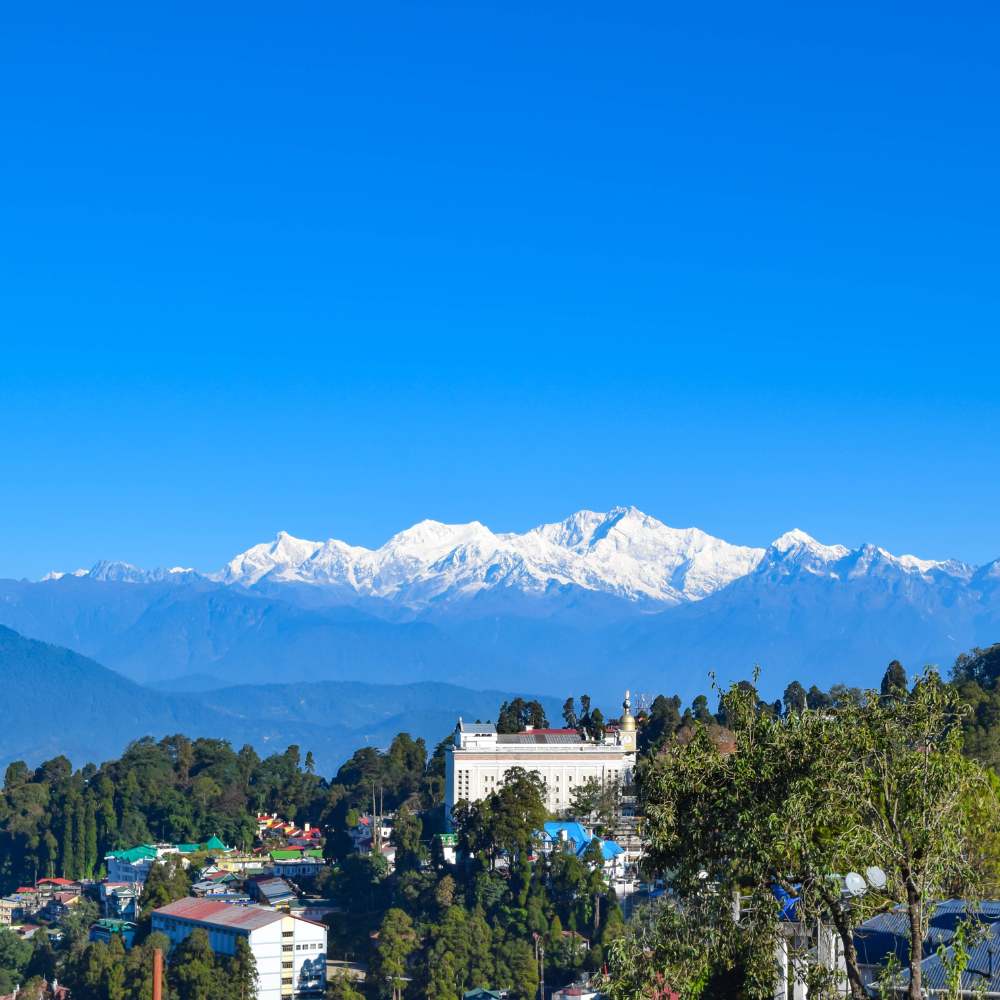
Tiger Hill is where almost every Darjeeling journey begins, and for good reason. On a clear morning, the sunrise from this vantage point reveals Mount Kanchenjunga, the third-highest peak in the world at 8,586 metres, in full panoramic glory. The golden light hitting the snow-covered summit while the valleys below remain in shadow is one of the great natural spectacles of the Indian Himalaya.
On exceptional days, the distant silhouette of Mount Everest is also visible from Tiger Hill, along with Makalu and Lhotse. This makes it one of the very few places in India from which four of the world's five highest peaks can be seen simultaneously.
The pre-dawn drive from Darjeeling to Tiger Hill, winding through cold mountain roads in darkness, is part of the experience. Most visitors travel by shared jeep from Chowrasta Square.
Practical Details
- Departure from Darjeeling is typically around 4 AM, depending on sunrise time and season
- Clear sky conditions are most reliable between October and December and again in March and April
- Carry warm layers. Pre-dawn temperatures at Tiger Hill in winter regularly drop below zero
- Entry fee applies. Shared jeeps can be arranged through most Darjeeling hotels the evening before
2. Walk the Happy Valley Tea Estate
Location: 3 km from Darjeeling town centre | Altitude: Approx. 2,100 metres
Best For: Tea culture, slow travel, photography, food and drink enthusiasts, UK and USA visitors seeking to understand the origin of Darjeeling tea
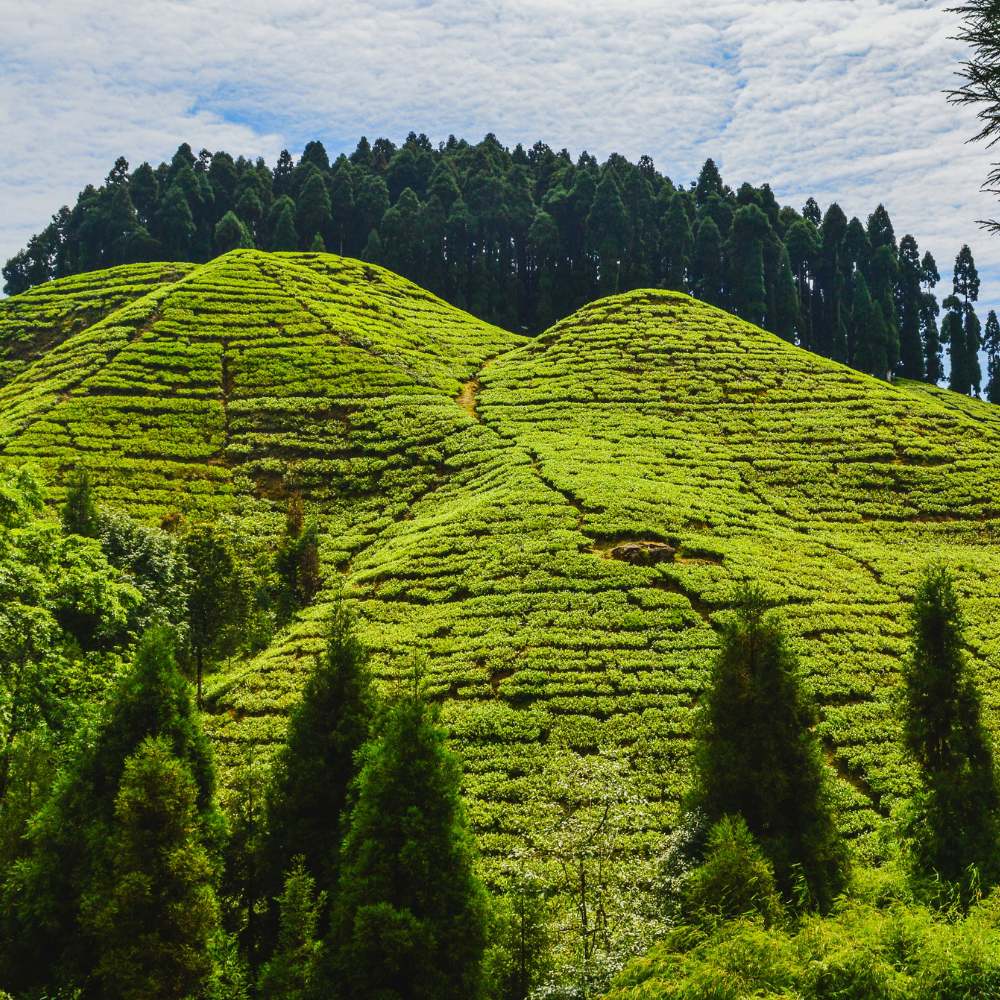
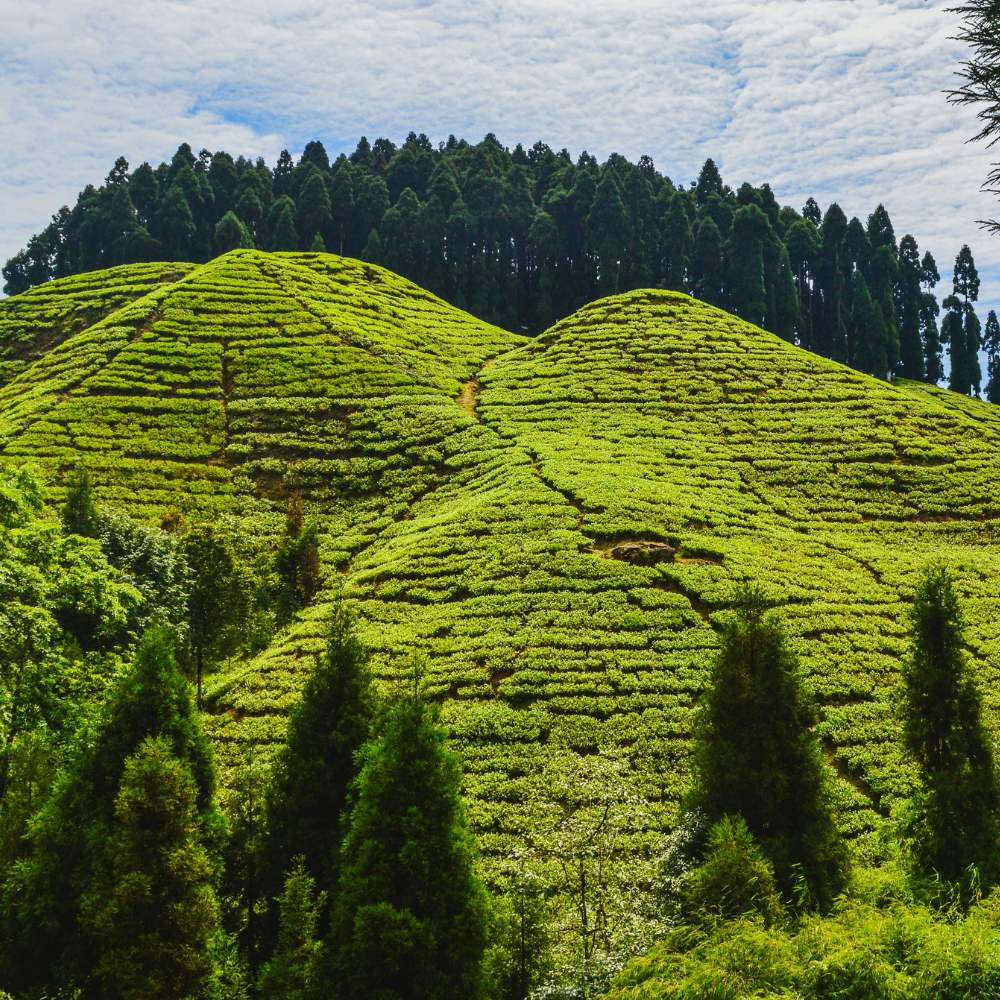
Darjeeling tea is one of the most celebrated teas in the world, holding a Geographical Indication (GI) tag that recognises its unique origin in this specific region of the eastern Himalayas. To understand what makes it extraordinary, you need to walk through the estate where it grows.
Happy Valley Tea Estate, the second oldest tea estate in Darjeeling, spans approximately 437 acres of rolling terrain above the town. Guided walks take you through the working plantation, where you learn how the altitude, soil composition, and temperature variation between day and night combine to produce the muscatel flavour that Darjeeling tea is famous for the world over.
A tea tasting session at the end of the estate tour allows you to sample different flushes, including the prized first flush, picked between March and April, which commands some of the highest prices per kilogram of any tea produced anywhere in the world.
Good to Know
- Open from 8 AM to 4 PM. Closed on Sundays and Mondays
- Best time to visit for active plucking is during the first flush (March to April) or second flush (May to June)
- Purchase directly from the estate for authentic, traceable Darjeeling tea
- Other notable estate walks in the region include Makaibari Tea Estate and Glenburn Tea Estate, the latter offering multi-day boutique stays within the plantation
3. Trek the Sandakphu Ridge
Location: Singalila National Park, approx. 60 km from Darjeeling | Summit Altitude: 3,636 metres
Best For: Serious trekkers, multi-day hiking, wildlife, Himalayan panoramas, experienced nature travellers from the UK, USA, and India
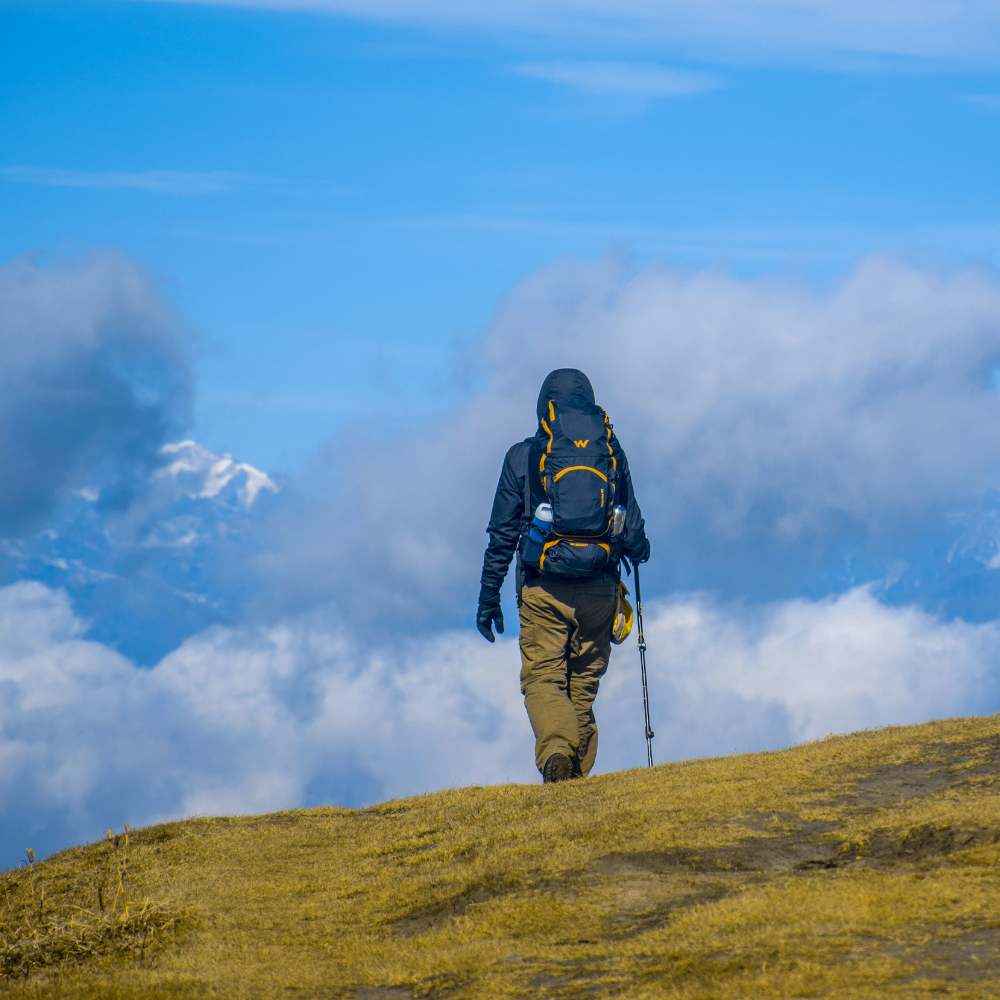
Sandakphu is the highest point in West Bengal at 3,636 metres, and it offers what many trekkers consider the finest Himalayan viewpoint in India. On a clear day from the summit, four of the world's five highest peaks are visible simultaneously: Everest, Kanchenjunga, Lhotse, and Makalu, spread across the horizon in an arc that makes the scale of the Himalaya genuinely comprehensible.
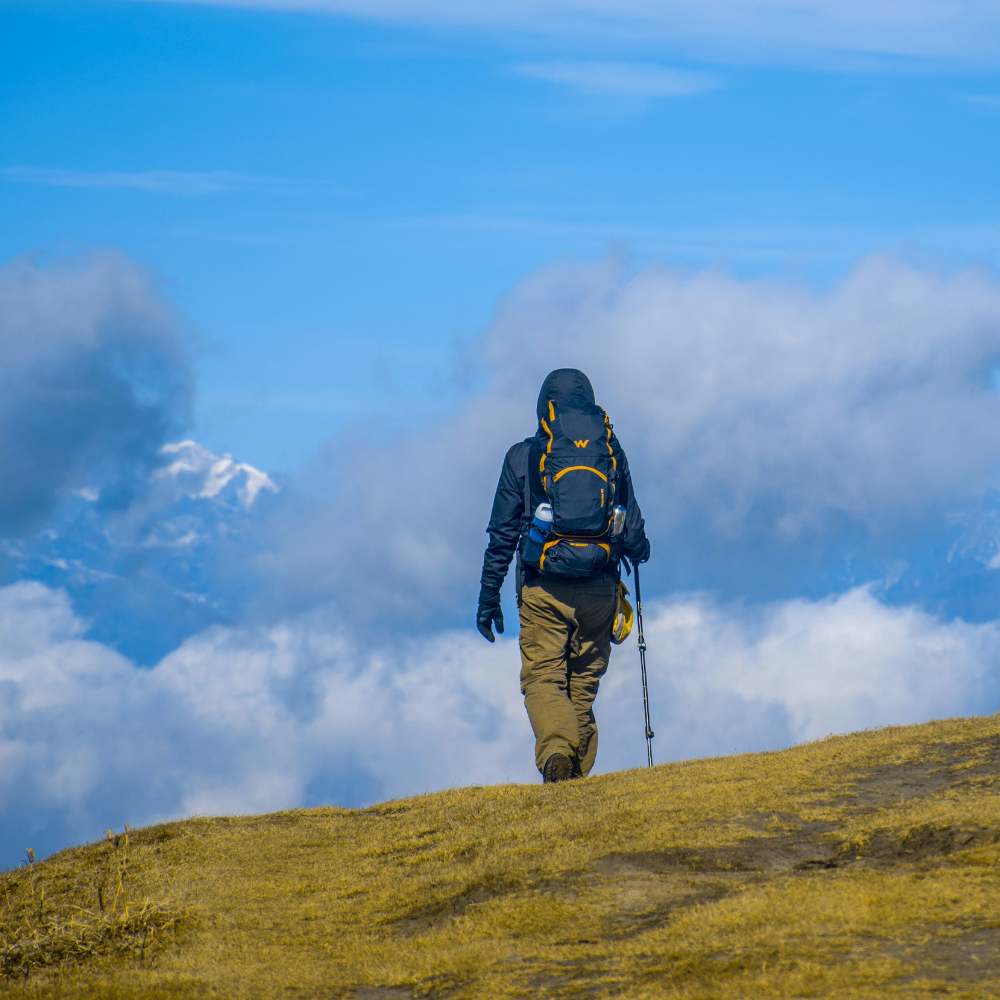
The standard trek from Maneybhanjyang follows a ridge trail through the Singalila National Park over four to five days, passing through rhododendron forests, oak woodland, and open alpine meadows. In April, the rhododendrons are in full bloom across the ridge, turning the trail an extraordinary shade of red and pink.
The route also passes through Tumling, Kalipokhri, and Bikheybhanjyang, villages that have become established trekking stops with small guesthouses offering simple but comfortable accommodation.
What to Know Before You Go
- Best trekking months are April to May for rhododendron bloom and October to November for the clearest mountain views
- A valid permit from the Darjeeling District Magistrate's office is required before entering the national park. Foreign nationals need to carry their passport
- A local guide is strongly recommended and adds significant value in terms of wildlife spotting and navigation
- The Sandakphu route also connects to Phalut (3,600 metres), which adds two days and brings you closer to the base of Kanchenjunga
4. Explore Singalila National Park
Location: Along the India-Nepal border, Darjeeling district | Area: 78.6 sq km
Best For: Wildlife spotting, birdwatching, rhododendron forests, trekking, conservation-minded travellers
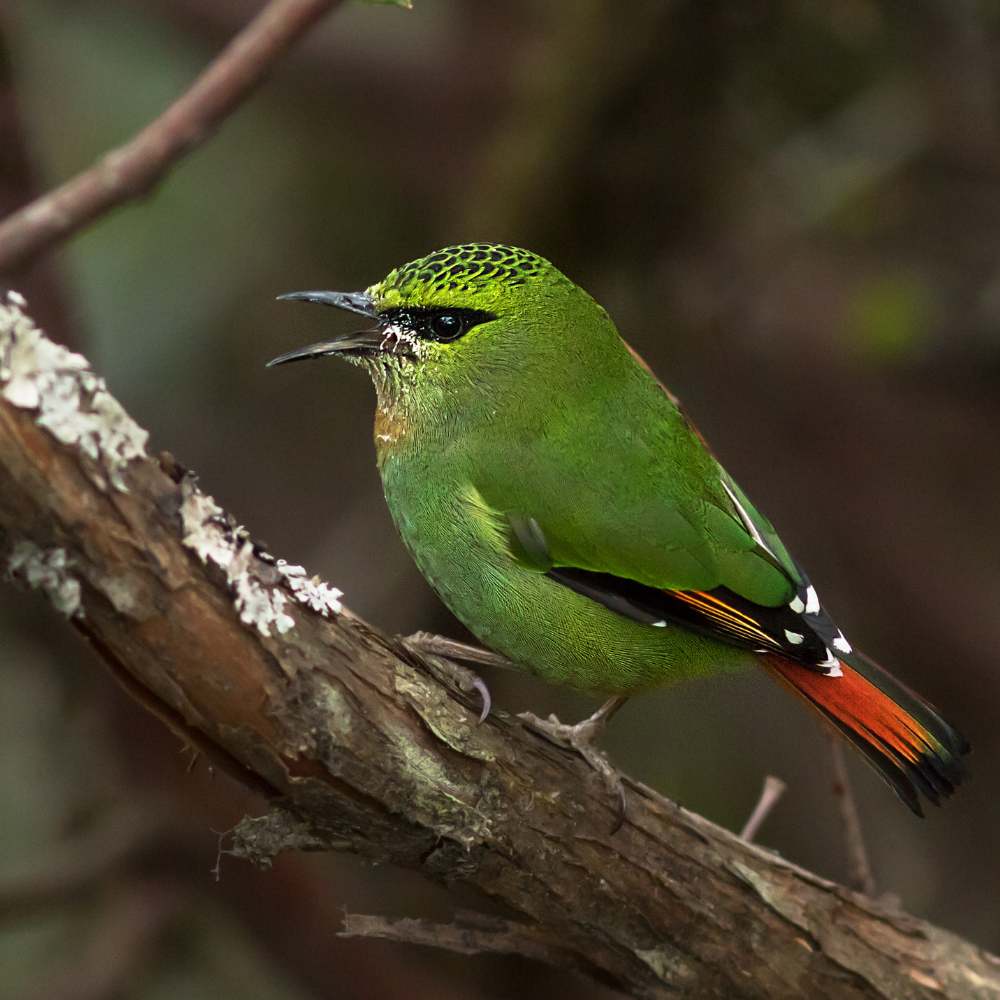
Singalila National Park is one of the most ecologically significant protected areas in eastern India. Established in 1986, this high-altitude park sits along the India-Nepal border at elevations ranging from approximately 2,000 to 3,636 metres, covering a landscape that transitions from subtropical forest at its lower reaches to alpine meadow near its upper ridges.
The park is home to the red panda, one of the most sought-after and elusive mammals in the Himalayan region. Other wildlife includes the Himalayan black bear, barking deer, Indian leopard, and a remarkable diversity of Himalayan bird species, including the blood pheasant and the satyr tragopan.
The rhododendron forests of Singalila are among the most diverse in Asia. Over 24 species of rhododendron grow within the park, and during peak bloom in April, the forest floor and canopy are simultaneously covered in colour at multiple elevations.
Practical Details
- Entry via Maneybhanjyang, approximately 26 km from Darjeeling town
- Park entry permits are required for all visitors. Foreign nationals must carry passport copies
- Open year-round but closed during heavy monsoon months from July through mid-September when trails become dangerous
- For red panda sightings, hire an experienced local naturalist guide rather than a general tour operator
5. Ride the Darjeeling Himalayan Railway (The Toy Train)
Route: New Jalpaiguri to Darjeeling (88 km) or shorter joy rides from Darjeeling station
Best For: UNESCO heritage experience, scenic journeys, photography, all ages, first-time visitors from the UK and USA
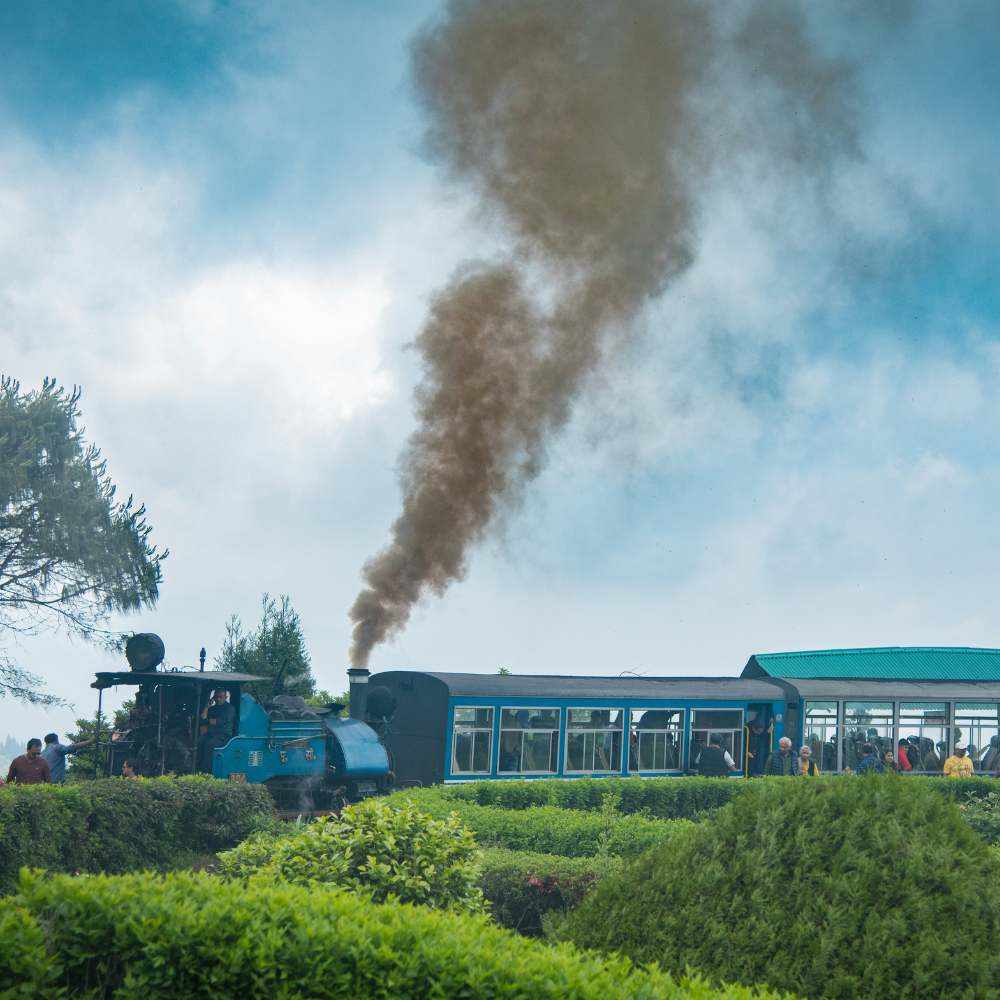
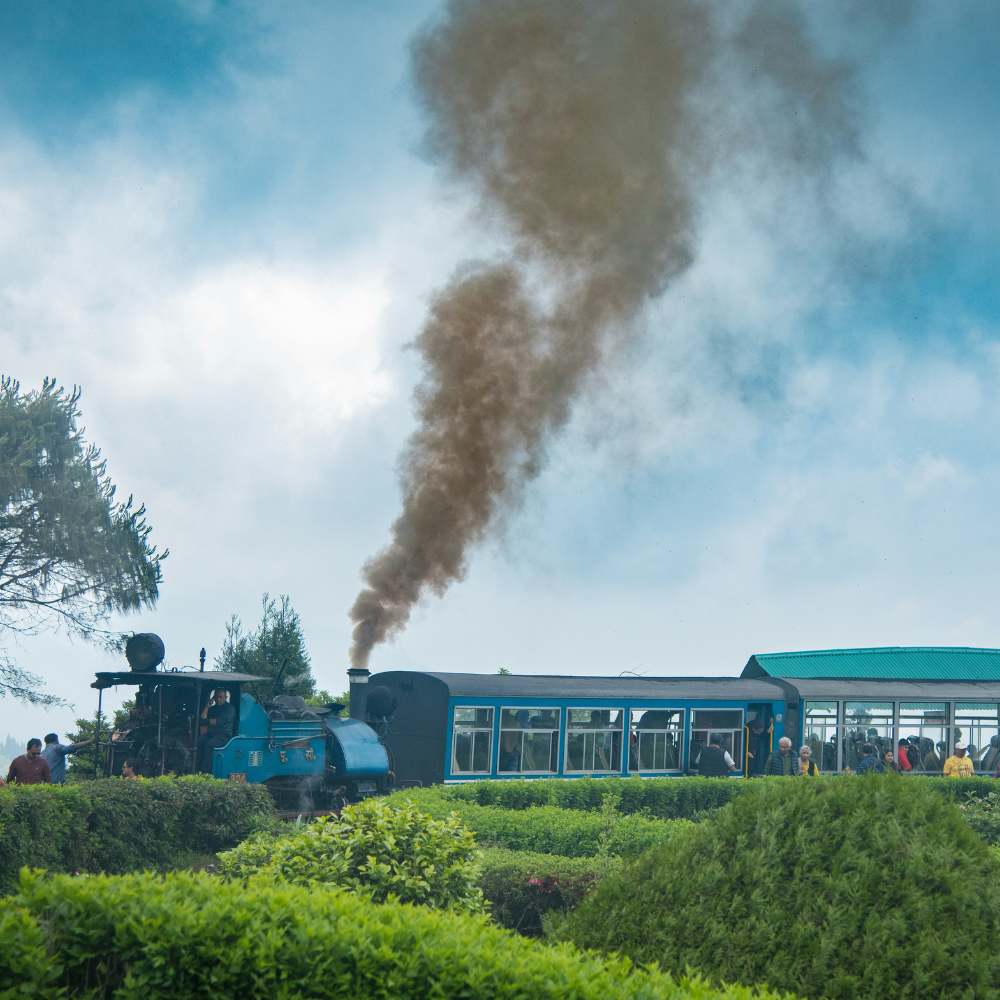
The Darjeeling Himalayan Railway, affectionately known as the Toy Train, is a UNESCO World Heritage Site and one of the most celebrated railway journeys in Asia. First opened in 1881, this narrow-gauge steam railway climbs from the lowland town of New Jalpaiguri to Darjeeling through 88 kilometres of extraordinary mountain scenery, reaching elevations of over 2,000 metres along the way.
The engineering that makes the journey possible is remarkable in itself. The train navigates a series of loops, including the famous Batasia Loop, and reverses to ascend gradients that would otherwise be impossible for rail travel. The entire journey on the full route takes approximately seven to eight hours, passing through tea gardens, mountain villages, and dense forest.
For those with limited time, shorter joy rides departing from Darjeeling station run to Ghoom and back, an approximately two-hour round trip that captures the essence of the experience without the full-day commitment.
Booking and Practical Details
- Book through Indian Railways (irctc.co.in) well in advance during peak season from October to December and March to June
- Joy rides from Darjeeling station run multiple times daily. Tickets available at the station
- The full NJP to Darjeeling route takes 7 to 8 hours. The Darjeeling to Ghoom joy ride is approximately 2 hours return.
- Sit on the right side of the train for the best mountain views when travelling uphill from NJP.
6. Visit Padmaja Naidu Himalayan Zoological Park
Location: Jawahar Road West, Darjeeling | Altitude: Approx. 2,000 metres
Best For: Wildlife, conservation education, families, red panda sightings, snow leopard viewing
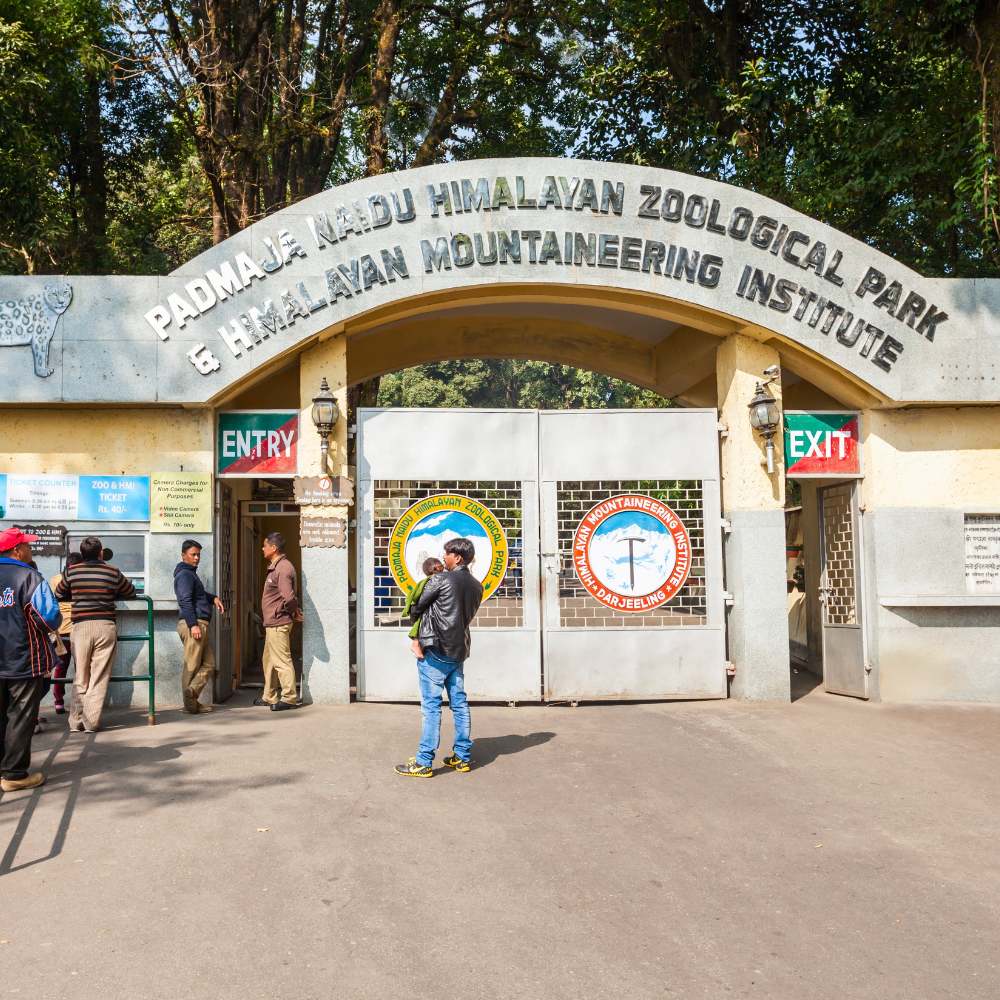
At 2,000 metres, Padmaja Naidu Himalayan Zoological Park is the largest high-altitude zoo in India and one of the country's most respected wildlife conservation institutions. It is internationally recognised for its breeding programmes for endangered Eastern Himalayan species, particularly the red panda and the snow leopard.
The zoo houses red pandas, snow leopards, Siberian tigers, Tibetan wolves, and the spectacular Himalayan black bear, among many other species. All enclosures are designed for the animals' welfare at altitude, and the conservation work carried out here has contributed directly to the survival of critically endangered Himalayan mammals.
The adjacent Himalaya Mountaineering Institute, founded in 1954 to honour Tenzing Norgay and Edmund Hillary's historic first ascent of Everest in 1953, houses a fascinating museum of mountaineering history and a memorial to Norgay himself. The two institutions can comfortably be visited together in a single morning.
Good to Know
- Open from 8:30 AM to 4:30 PM. Closed on Thursdays
- Combined tickets are available for the zoo and the Himalayan Mountaineering Institute.
- Red pandas are most active in the early morning. Arrive at opening time for the best chance of seeing them active.
7. Discover Lepchajagat Forest Village
Location: 19 km from Darjeeling town | Altitude: Approx. 2,120 metres
Best For: Solitude, birdwatching, forest walks, Kanchenjunga views, off-the-beaten-path travellers
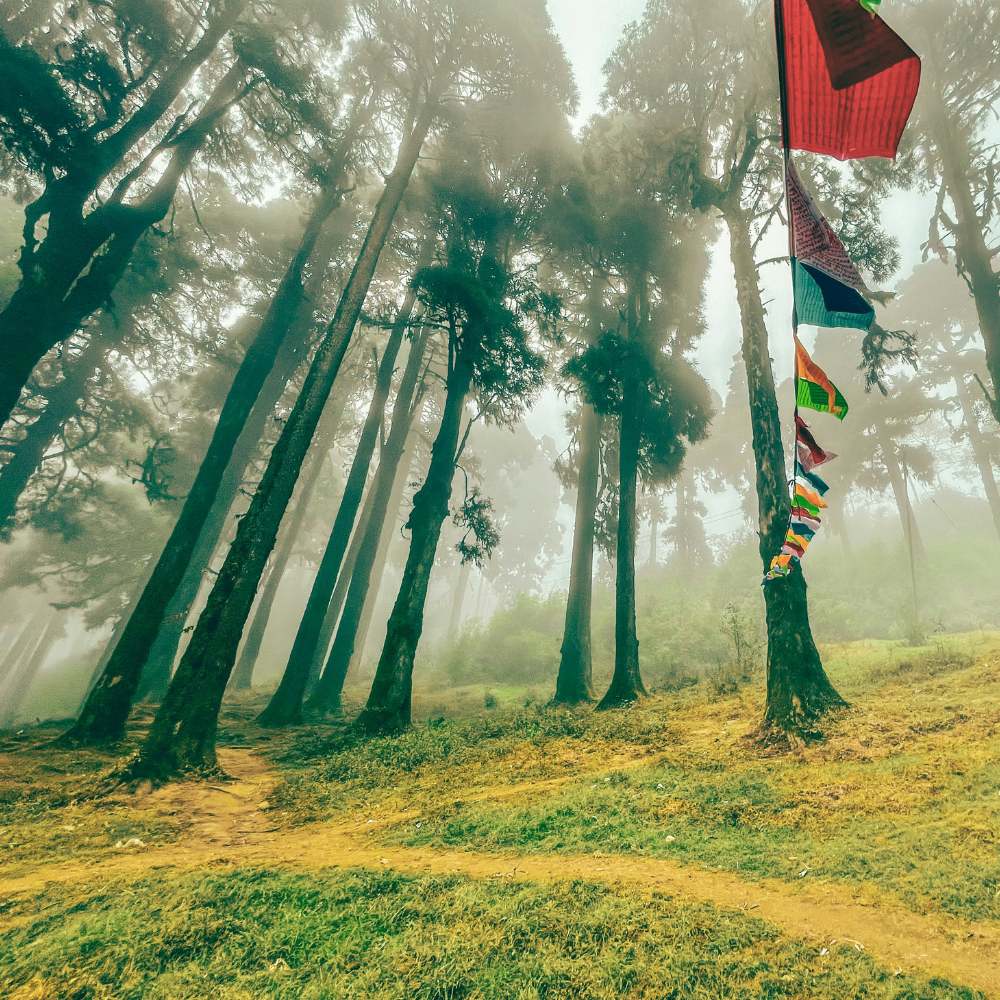
Lepchajagat is almost entirely unknown to mainstream tourism, and that is precisely what makes it extraordinary.
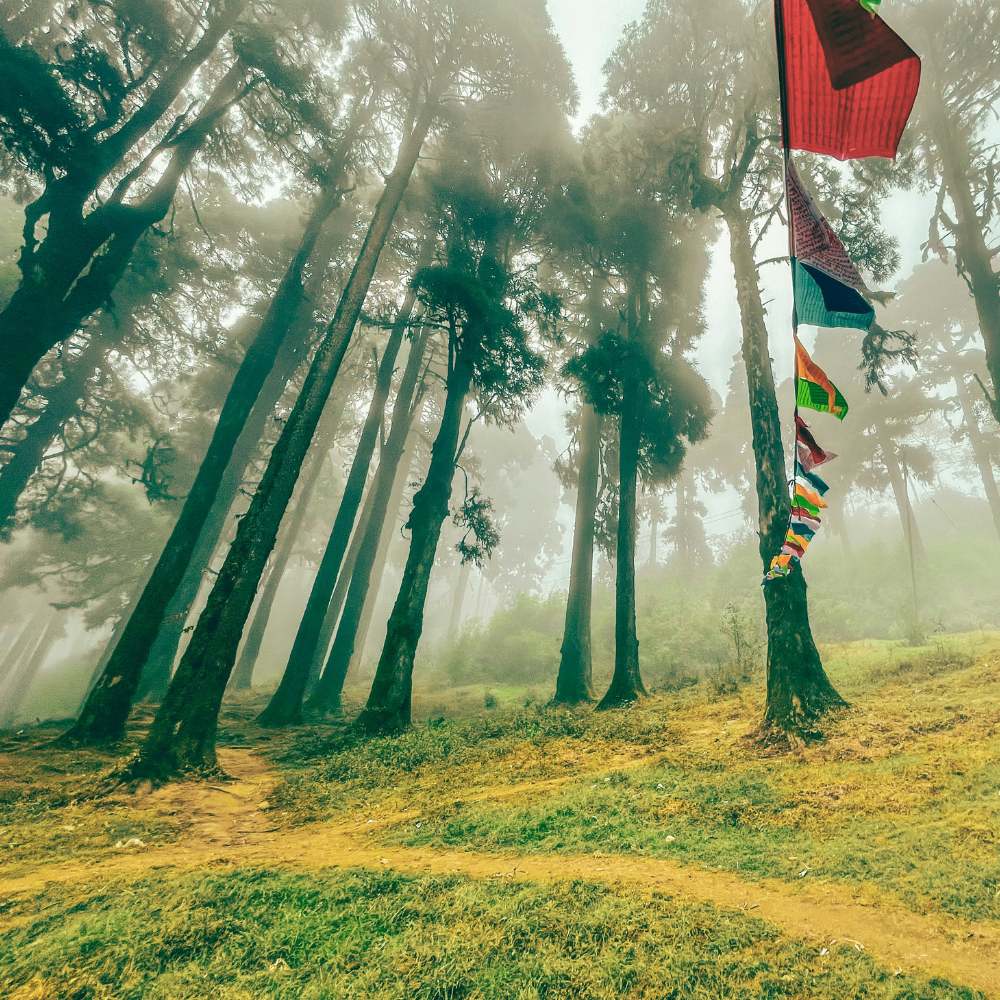
This small hamlet, now part of a reserved forest area, sits within dense oak, pine, and rhododendron woodland about 19 kilometres from Darjeeling town. There are no markets, no crowds, and very limited commercial infrastructure. What there is, in abundance, is birdsong, the smell of pine and damp forest earth, and on clear mornings, a clear sightline to the Kanchenjunga range.
Birdwatchers in particular find Lepchajagat exceptional. The forest supports a rich diversity of Himalayan bird species, including various laughingthrushes, warblers, sunbirds, and flycatchers. The deep quiet of the forest means you hear them before you see them, which makes the spotting more rewarding.
Practical Details
- Accessible by shared taxi from Darjeeling. Journey takes approximately 45 minutes
- Very limited accommodation. A West Bengal Forest Department bungalow exists, but it must be booked in advance through the department
- Best visited as a day trip from Darjeeling or combined with an overnight forest stay for serious birdwatchers
8. Explore Rock Garden and Ganga Maya Park
Location: Barbotey, 10 km from Darjeeling town
Best For: Families, waterfall photography, botanical interest, casual nature walks
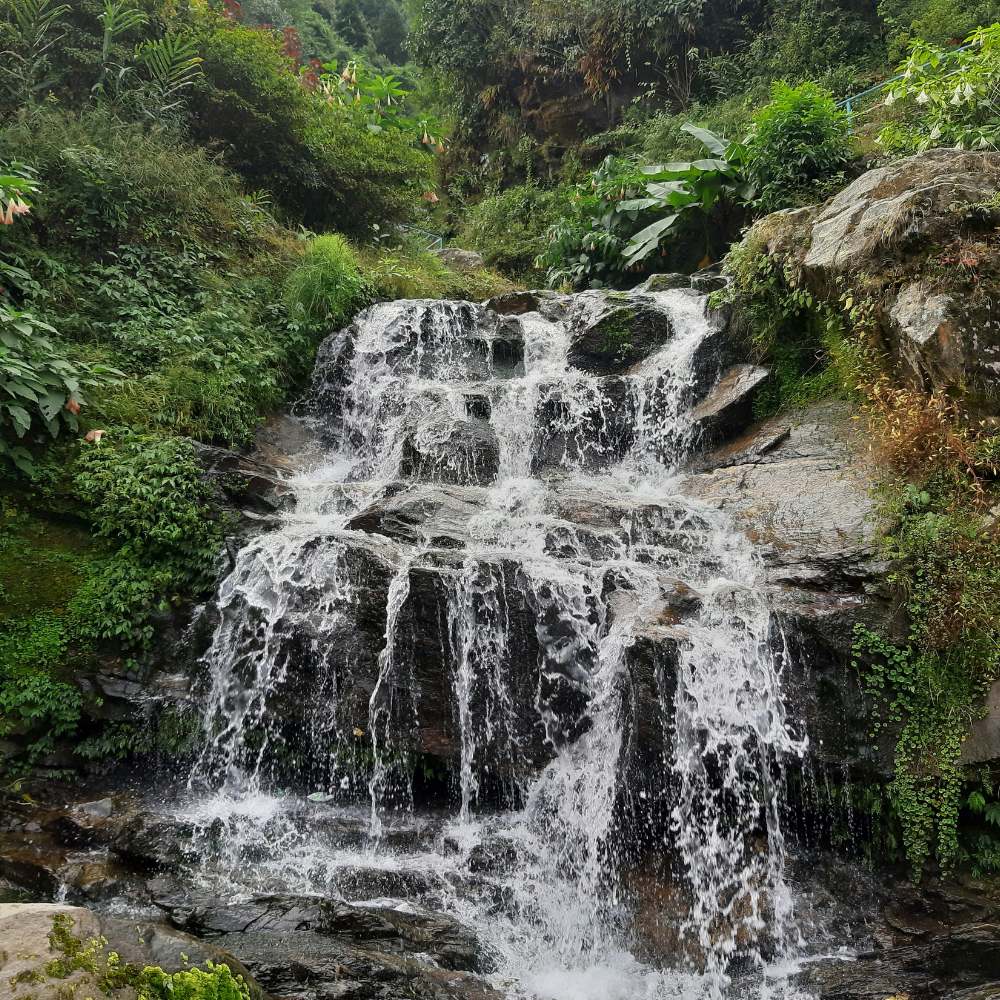
Also known as Barbotey Rock Garden, this terraced hillside garden is one of the most thoughtfully designed natural spaces in Darjeeling. Carved from the steep hillside alongside the Chunnu Summer Fall, the garden features rocky pathways, natural waterfalls, a hill stream, and stepped flower gardens at varying levels that give the space a layered, immersive quality.
The garden is particularly striking during and just after the monsoon, when the Chunnu Summer Fall is at full force, and the surrounding hillside is an intense green. Wildflowers, ferns, and flowering shrubs line the paths at every level.
Ganga Maya Park sits adjacent to Rock Garden along the same stream, extending the botanical experience downstream through a more open parkland setting with seating areas overlooking the water.
Good to Know
- Best visited between July and October when the waterfall is most dramatic
- The garden involves steep climbs on uneven rock steps. Not ideal for those with significant mobility limitations
- Often combined with a visit to Mirik on the same day trip circuit
9. Raft the Teesta River
Location: Teesta River, approximately 30 km from Darjeeling
Best For: Adventure seekers, water sports, active travellers, groups
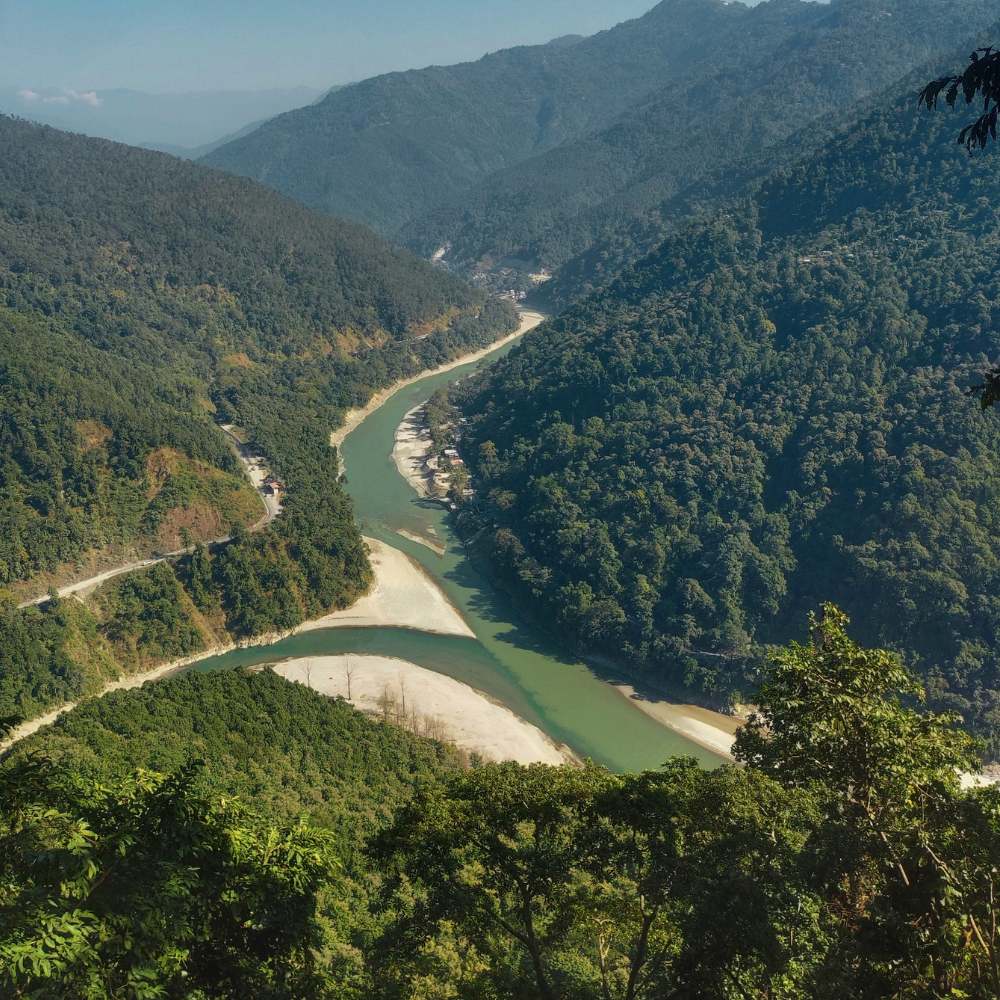
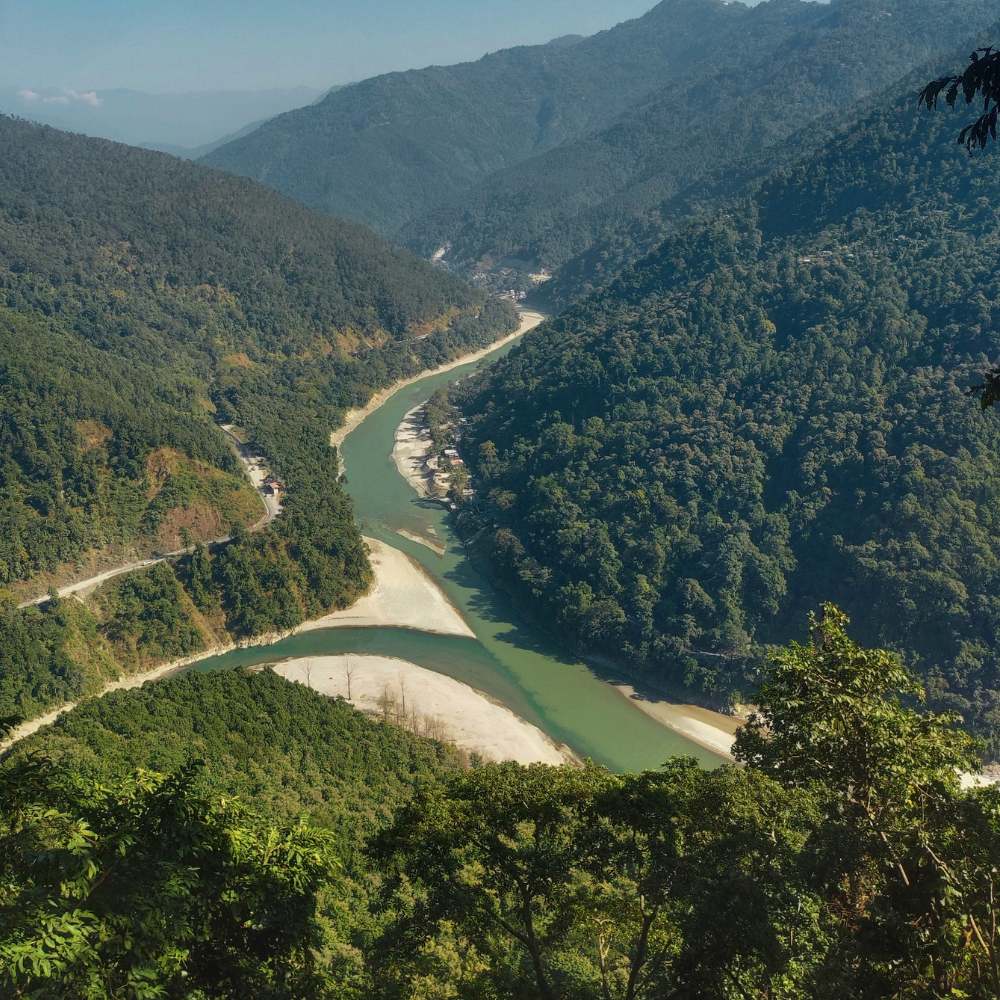
The Teesta River, which originates in the glaciers of Sikkim and flows through some of the most dramatic mountain scenery in eastern India, offers white-water rafting experiences that range from beginner-friendly sections to genuinely challenging Grade IV rapids.
The most popular rafting stretch runs through a gorge section where the river cuts between densely forested hillsides, with the Himalayan foothills visible above the tree line. The scenery is extraordinary, and the combination of river, forest, and mountain makes this a nature experience as much as an adventure sport.
Most operators based in Darjeeling organise full-day or half-day Teesta rafting excursions that include transport from Darjeeling, equipment, and a guide-operated raft with a safety briefing.
Practical Details
- The best season is October to December and March to May. Monsoon floods make the river too dangerous between June and September
- Book through established operators based in Darjeeling who are registered with the West Bengal Tourism Department
- No prior rafting experience required for most stretches. Suitable for ages 14 and above on standard routes
10. Walk the Batasia Loop Eco Garden
Location: 5 km from Darjeeling town, on the Darjeeling Himalayan Railway route
Best For: Families, mountain views, light walks, photography, railway heritage
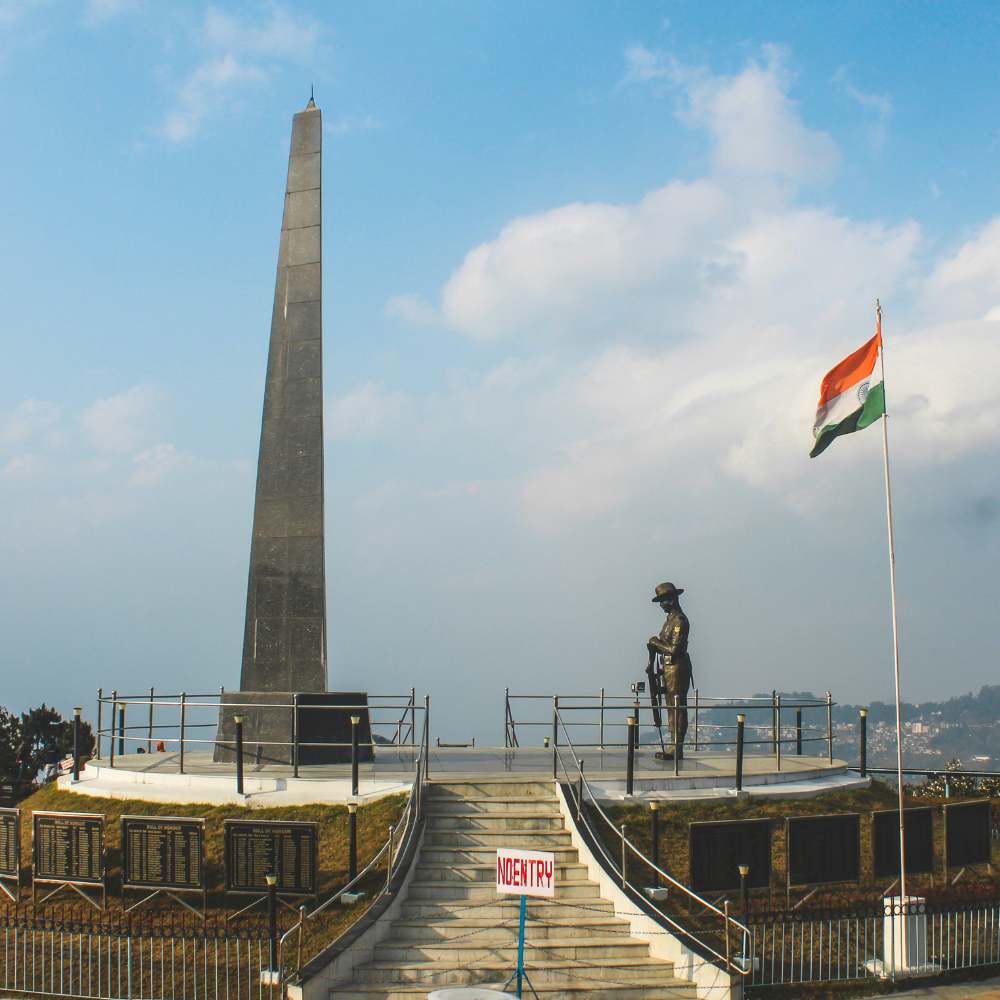
The Batasia Loop is an engineering feat on the Darjeeling Himalayan Railway where the narrow-gauge track spirals through a full loop to gain elevation without exceeding manageable gradients. At the centre of the loop sits the Batasia Eco Garden, a beautifully maintained terraced garden with sweeping views of Kanchenjunga and the surrounding Himalayan ridgelines.
The garden also houses the Gorkha War Memorial, a dignified tribute to the Gorkha soldiers of the Indian Army who gave their lives in the service of the nation. The combination of natural beauty and historical reflection makes this a more layered stop than it first appears.
Watching the Toy Train pass through the loop while standing in the garden, with Kanchenjunga in the background on a clear day, is one of the defining visual moments of any Darjeeling visit.
11. Visit Lamahatta Eco Park
Location: 23 km from Darjeeling town | Altitude: Approx. 1,750 metres
Best For: Picnics, families, gentle walks, river and peak views, quiet day trips
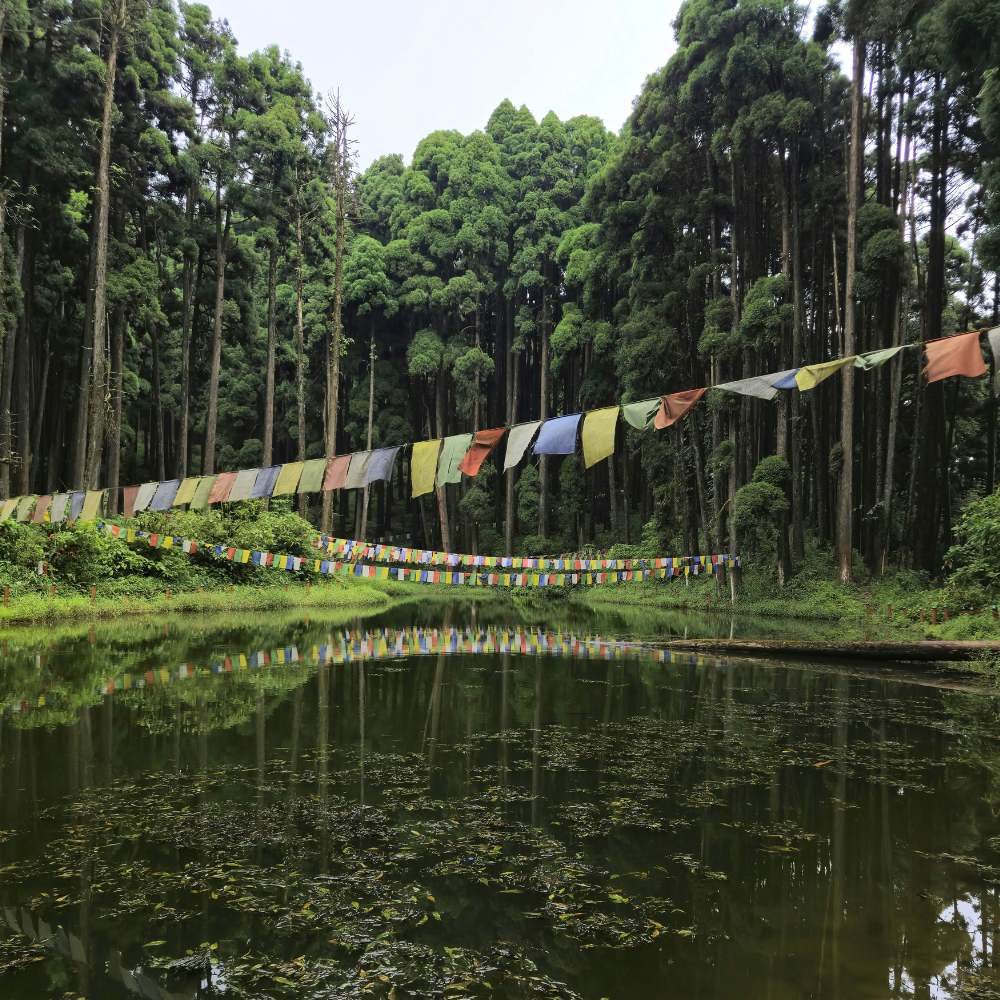
Lamahatta, whose name translates as Monk's Hermitage, is a village and eco-park created in 2012 to showcase the natural beauty of the Dhupi and pine forests of the lower Darjeeling hills. The park was developed in partnership with local communities and is maintained by villagers, making it a good example of community-based conservation tourism in West Bengal.
From Lamahatta, the views extend across the Teesta River valley to the peaks of Kanchenjunga and the Sikkim range beyond. The park has gentle walking trails through the forest, picnic areas, and lookout points positioned for optimal sunrise and mountain views.
It is an ideal stop for travellers with families or those seeking a gentler nature experience without the rigours of high-altitude trekking.
12. Day Trips: Mirik Lake and Kalimpong
Mirik Lake (Sumendu Lake)
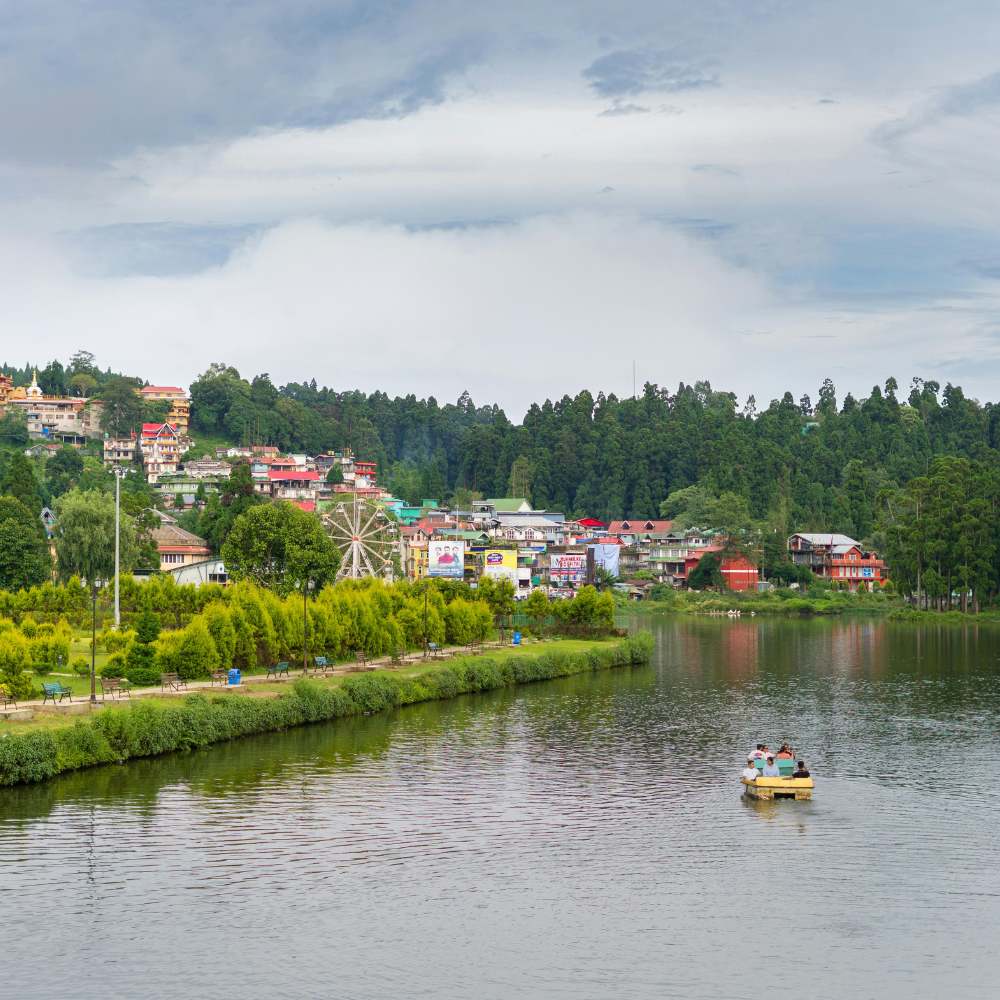
Distance: 52 km from Darjeeling
- Best For: Lakeside walks, orange orchards, quiet day trips, families
Mirik is a small hill town built around the serene Sumendu Lake, surrounded by pine trees, orange orchards, and cardamom plantations. A 3.5-kilometre walkway circles the lake, and a footbridge crosses its middle. The pace here is deeply unhurried.
Kalimpong
Distance: 51 km from Darjeeling
- Best For: Colonial heritage, flower nurseries, Buddhist monasteries, orchid viewing, nature walks
Kalimpong is a distinct and deeply rewarding hill town, now its own district within West Bengal. It is particularly known for its extraordinary flower nurseries, which supply orchids, cacti, and anthuriums to markets across India and abroad. The surrounding hillsides offer excellent walking, and the town has a strong Tibetan Buddhist cultural presence with several significant monasteries, including Zang Dhok Palri Phodang.
What Is the Best Time to Visit Darjeeling for Nature Lovers?
March to May: Spring Season
- Rhododendrons bloom across Singalila and the trekking ridges from late March through April.
- First flush tea plucking begins in March, the best time for tea estate visits
- Clear skies with good mountain visibility before the monsoon builds
- Peak domestic tourism season in April and May as lowland India heats up. Book accommodation early
October to November: Post-Monsoon Season
- Considered the best window for mountain views. Post-monsoon air is exceptionally clear.
- Forests are intensely green from monsoon rainfall
- Ideal for trekking, Tiger Hill sunrises, and wildlife spotting
- Temperatures are comfortable during the day and cool at night
December to February: Winter Season
- Cold, but often the clearest mountain views of the year
- Snow possible on the higher trekking routes. Sandakphu may be inaccessible in heavy snowfall
- Fewer domestic tourists than in the peak summer season
- Essential to carry heavy winter layers. Sub-zero temperatures possible at night
How to Reach Darjeeling
By Air
- The nearest airport is Bagdogra Airport (IATA: IXB), approximately 90 km from Darjeeling.
- Direct flights operate from Delhi, Mumbai, Kolkata, and Bengaluru. International travellers from the UK and the USA typically connect via Delhi or Kolkata.
- Shared or private taxis from Bagdogra to Darjeeling take approximately 3 hours.
By Train
- New Jalpaiguri (NJP) is the nearest major railway junction, well-connected to Kolkata, Delhi, and other major cities.
- From NJP, either take the Darjeeling Himalayan Railway (7 to 8 hours, UNESCO experience) or a shared taxi (3 to 4 hours)
- The overnight Darjeeling Mail from Kolkata Sealdah to NJP is a popular and comfortable choice for Indian travellers.
Frequently Asked Questions About Darjeeling for Nature Lovers
Do I need a permit to visit Darjeeling as a foreign national?
No special permit is required to visit Darjeeling town and most major attractions. However, trekking within Singalila National Park and reaching Sandakphu requires a trekking permit from the Darjeeling District Magistrate's office. Foreign nationals must carry their passport for this permit. Always verify current requirements before travel, as regulations are subject to change.
Is Darjeeling safe for solo travellers?
Yes. Darjeeling is considered one of the safer hill destinations in India for both domestic and international solo travellers. Crime rates are low, the town is compact and walkable, and the local community is accustomed to international visitors. Solo women travellers generally report feeling safe in Darjeeling town and on established trekking routes with a guide.
How many days do you need in Darjeeling?
A minimum of four to five days is recommended to cover the main nature experiences without rushing. To include the Sandakphu trek, allow at least eight to ten days in total. A quick two to three-day visit can cover Tiger Hill, the tea estate, the toy train, and the zoo comfortably.
What is the best month to see Mount Kanchenjunga clearly from Darjeeling?
October and November offer the clearest views of Kanchenjunga from Darjeeling, with the post-monsoon atmosphere producing exceptional visibility. March to early April is the second-best window before the pre-monsoon haze builds. During the monsoon months of June through September, the peak is almost entirely obscured by cloud.
Can I see red pandas in Darjeeling?
Yes, in two ways. The Padmaja Naidu Himalayan Zoological Park has a strong captive population of red pandas as part of its breeding and conservation programme. For wild red panda sightings, Singalila National Park and the Sandakphu trekking route offer genuine chances with a knowledgeable local naturalist guide, particularly in the oak and rhododendron forest zones.
Is Darjeeling suitable for elderly travellers and families with children?
Yes, with some planning. Darjeeling town is hilly but manageable for most people. Attractions such as the toy train, Batasia Loop, Happy Valley Tea Estate, the zoo, Lamahatta Eco Park, and the Rock Garden are all suitable for families and older travellers. Sandakphu and Singalila National Park trekking are physically demanding and suited to fit, experienced walkers.
Final Word: Why Darjeeling Belongs on Every Nature Lover's List
Darjeeling is one of those rare destinations that delivers at every level.
For the serious trekker, the Sandakphu ridge and Singalila National Park offer Himalayan wilderness that rivals anything in Nepal or Bhutan for sheer grandeur. For the gentle traveller, an early morning walk through Happy Valley Tea Estate with a cup of first-flush tea at the end is a complete and deeply satisfying experience in itself.
For visitors from the UK, the layers of colonial history woven into the town's architecture, its railways, its bakeries, and its tea culture make Darjeeling feel both exotic and unexpectedly familiar. For visitors from the US, it is a destination that consistently exceeds expectations and demands more time than most itineraries allow. For Indian travellers, it is a reminder that the subcontinent's most extraordinary nature destinations are not all in the west or the south.
Go early. Stay longer than you planned. And if Kanchenjunga is out on your first morning, consider that your sign to keep coming back.