
MICE stands for Meetings, Incentives, Conferences and Exhibitions. It is the travel industry's shorthand for business events, where a company rather than an individual is paying, and the trip has a commercial objective attached. In India, the Government uses the Exhibitions reading, which is how the Prime Minister's Office described the Yashobhoomi convention centre when it opened. The four formats differ far more than the acronym suggests, and so does what each one costs to run.
TL;DR
- M is Meetings. Small, short, internal. Board offsites, leadership sessions, sales kick-offs. Ten to a hundred people, two to three days.
- I is an incentive. A reward trip for high performers. The most expensive per head and the only format where the experience is the entire product.
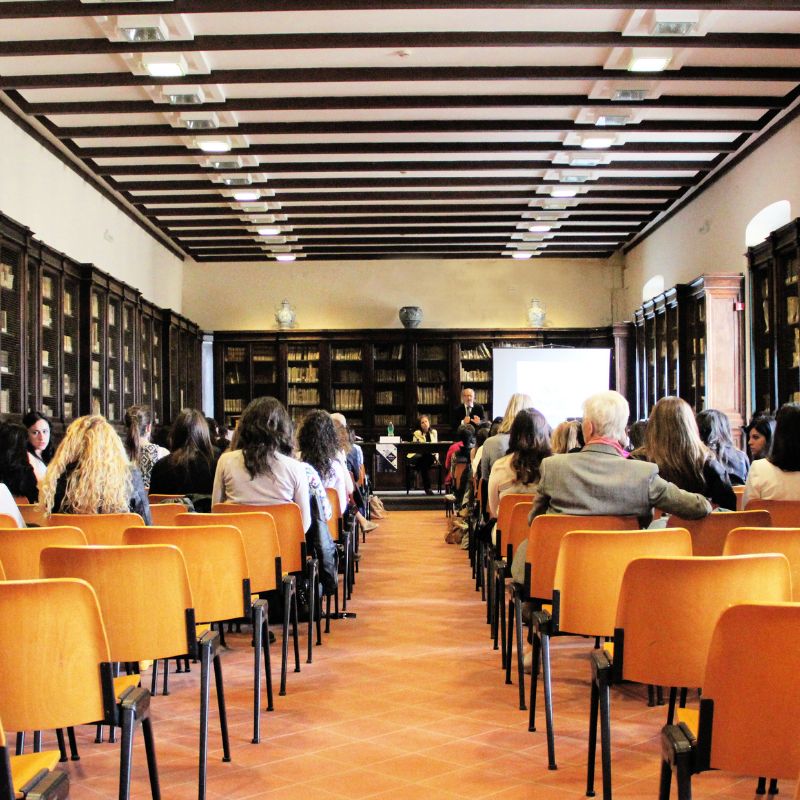
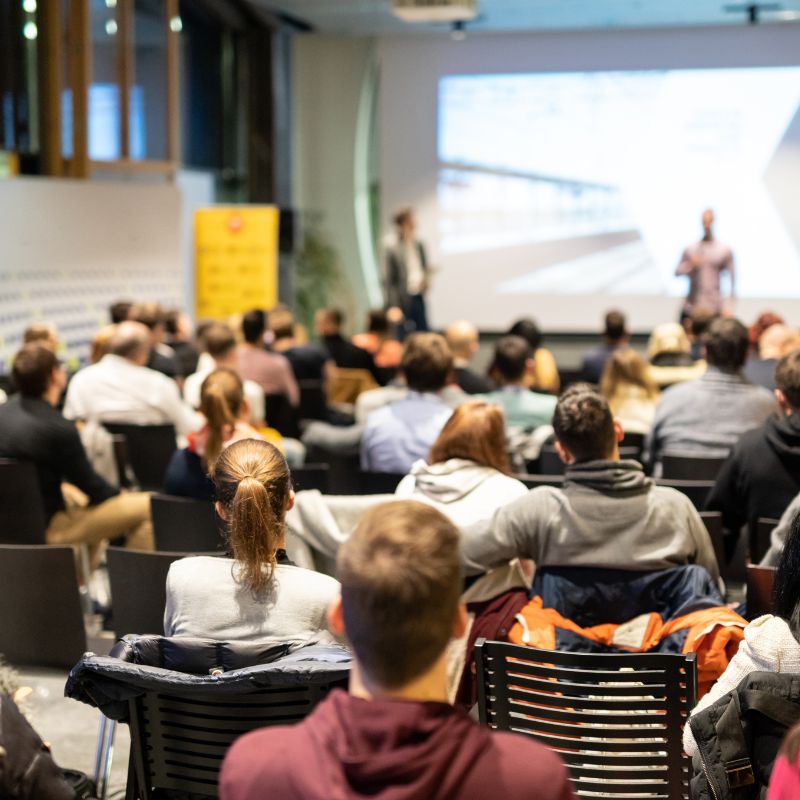
- C is Conferences. Delegates, an agenda, staging and AV. The format where venue capacity, not hotel rates, decides where you can go.
- E is Exhibitions, in Indian and Government usage. Some markets read it as Events. Both are in circulation.
- The single biggest cost variable in India is a tax threshold. Hotel rooms above ₹7,500 a night carry 18 per cent GST; ₹1,001 to ₹7,500 carry 5 per cent.
- Venue rental without catering is 18 per cent. So is a banquet package where the event, not the room, is the main supply.
- India has genuine large-scale capacity now. Bharat Mandapam seats 7,000 in one hall; Yashobhoomi holds 11,000 delegates across 15 rooms.
- Four to seven days is the normal programme length, split into two to three days of business and two to three days of incentive.
Most pages that define MICE stop at the acronym. This one covers what each format involves, what drives the cost in India, and the tax rule that changes your number more than any negotiation will.
The Four Formats, and What Each Is Actually Buying
|
Who pays and why |
Typical size |
Duration |
What drives the cost |
|
|---|---|---|---|---|
|
Meetings |
Internal budget, for a specific decision or planning cycle | 10 to 100 | 2 to 3 days | Meeting room, AV, rooms. Little else |
|
Incentives |
Sales or HR budget, as a reward | 20 to 300 | 4 to 7 days | Exclusivity. Private venues, signature moments, per-head experience |
|
Conferences |
Marketing or events budget, to assemble an audience | 100 to several thousand | 2 to 4 days | Venue capacity, staging, AV production, delegate logistics |
|
Exhibitions |
Marketing budget, to sell from a stand | Exhibitors plus public | 3 to 5 days | Floor space, stand build, footfall |
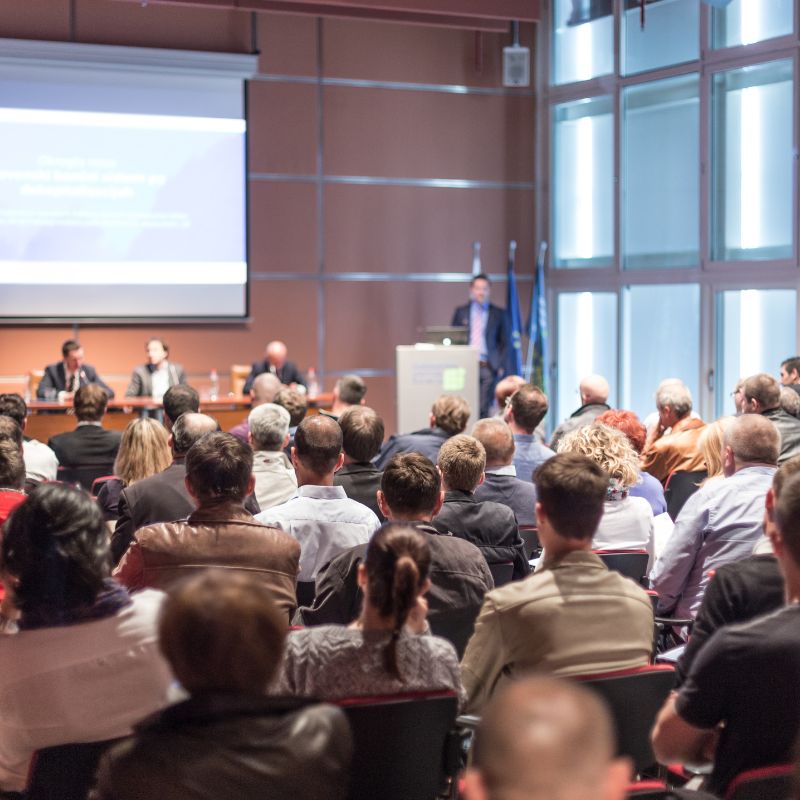
The distinction that matters commercially is between the middle two. A conference is measured on whether the agenda ran and the room worked. An incentive is measured on whether people are still talking about it a year later, which is why incentive programmes carry the highest per-head spend and the highest tolerance for logistical complexity. Our incentive programmes are built around that difference.
The Last E: Exhibitions or Events
Both readings are in use, and anyone telling you one is simply wrong is overstating it.
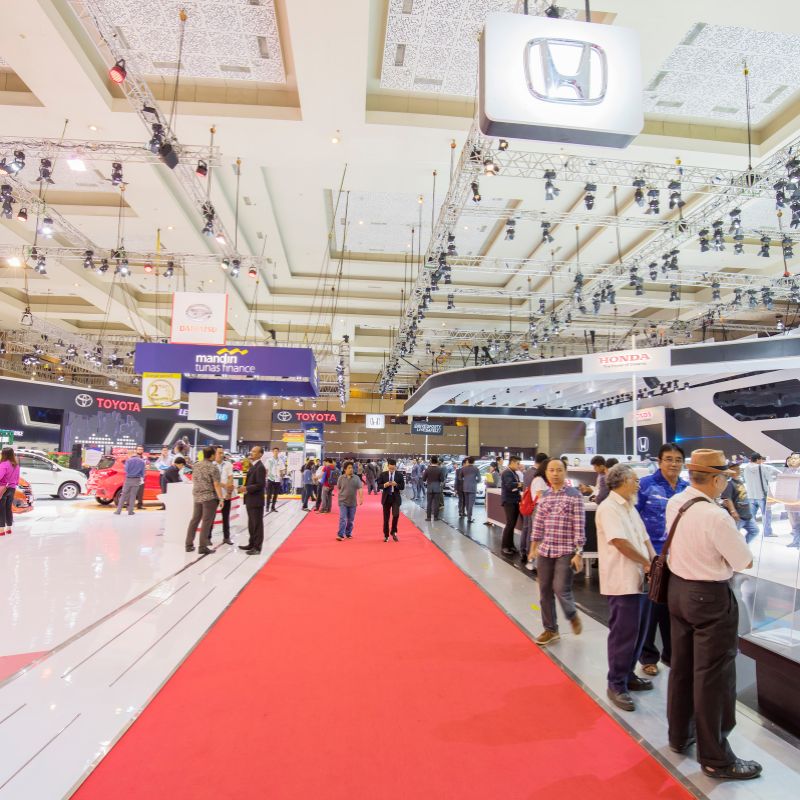
Exhibitions are the Indian and governmental standard. The Prime Minister's Office used it to describe Yashobhoomi, All India Radio used it, and Bharat Mandapam was launched as an "International Exhibition-cum-Convention Centre". If you are dealing with Indian venues, Indian trade bodies or the India Trade Promotion Organisation, this is the reading in the room.
Events are common in agency and DMC usage, including on our own MICE page, because in practice most corporate programmes contain a gala, a launch or an awards night rather than a trade exhibition. It describes what buyers actually book.
The practical guidance: if your programme includes a trade stand or a public-facing exposition, you are in Exhibitions territory, and the venue conversation is about floor space in square metres. If it does not, you are running an Event, and the conversation is about ballroom capacity and production.
What Each Costs to Run in India, and the Rule That Moves the Number
We do not publish a per-head figure, and you should be sceptical of anyone who does without seeing a brief. The same 150-person programme can differ by a factor of four depending on city, season, venue type and how much of it is exclusive-use. What we can set out is the cost structure and the one rule that changes every line.
The tax threshold. Following the 56th GST Council meeting, notified under Notification No. 15/2025-Central Tax (Rate) and effective 22 September 2025, hotel accommodation in India is taxed as follows:
- Room tariff up to ₹7,500 per night: 5 per cent, with no input tax credit
- Above ₹7,500 per night: 18 per cent, with full input tax credit
For MICE, that threshold does more than set a tax rate. A hotel becomes "specified premises" for a financial year if any room is supplied above ₹7,500 in the preceding financial year, or if the hotel has filed to opt in. Once specified, its restaurant and catering are pulled into the 18 per cent band as well. Venue or conference room rental without catering is 18 per cent. A banquet package where the event service rather than the room is the principal supply is also 18 per cent.
The credit point most buyers miss. Input tax credit at 18 per cent is only usable by a GST-registered recipient in India. An Indian company running a domestic conference can recover that 18 per cent. A company headquartered overseas, without Indian registration, generally cannot, so for an inbound programme the tax is a cost rather than a credit. That single fact often makes a 5 per cent property cheaper in real terms for a foreign buyer and more expensive for an Indian one, on identical rack rates.
The line items, by format.
- Meetings: rooms, one meeting space, basic AV, two coffee breaks and a lunch per day, airport transfers. The shortest line list of the four.
- Incentives: rooms at the top of the market, exclusive-use or partial buyouts, a signature evening, private access at monuments, ground transport with spare capacity, and a per-head experience budget that is usually the largest single line.
- Conferences: venue hire, AV and staging production, branding and signage, delegate registration and badging, catering by headcount, and a contingency for numbers moving.
- Exhibitions: floor space by square metre, stand design and build, power and rigging, staff accommodation, and freight or customs handling for anything shipped in.
Our own enquiry form uses bands of under $25,000, $25,000 to $50,000, $50,000 to $100,000, $100,000 to $250,000, $250,000 to $500,000 and above $500,000, which is a fair map of where real programmes land. Terms are on our booking and cancellation policy page.
What India Actually Has to Run These In
Two things have changed India's position since 2023, and both are worth knowing before you rule the country out on capacity.
Bharat Mandapam, the redeveloped International Exhibition-cum-Convention Centre at Pragati Maidan in Delhi, opened in July 2023 on a 123-acre campus with a built-up area of 390,000 square metres. Its main hall seats 7,000 in a single format, and it has six exhibition halls totalling 150,000 square metres. It hosted the 2023 G20 summit.
Yashobhoomi, the India International Convention and Expo Centre at Dwarka, opened Phase 1 in September 2023. Its convention centre covers more than 73,000 square metres across 15 rooms, including the main auditorium, the Grand Ballroom and 13 meeting rooms, with a total capacity of 11,000 delegates and a 6,000-seat plenary hall. Its exhibition halls run to more than 107,000 square metres. It connects directly to the Airport Express metro.
Below that scale, India's differentiator is the palace. Rambagh Palace in Jaipur, Umaid Bhawan in Jodhpur, Taj Lake Palace in Udaipur and Samode Palace are working hotels that take events, which is not true of most European heritage buildings. Our guide to choosing between palace, heritage and boutique covers what each type can and cannot absorb.
Beyond Delhi, Mumbai, Goa and Kerala each carry different strengths: city conference infrastructure, resort-scale incentive capacity and wellness-led retreats respectively.
How Long, and When
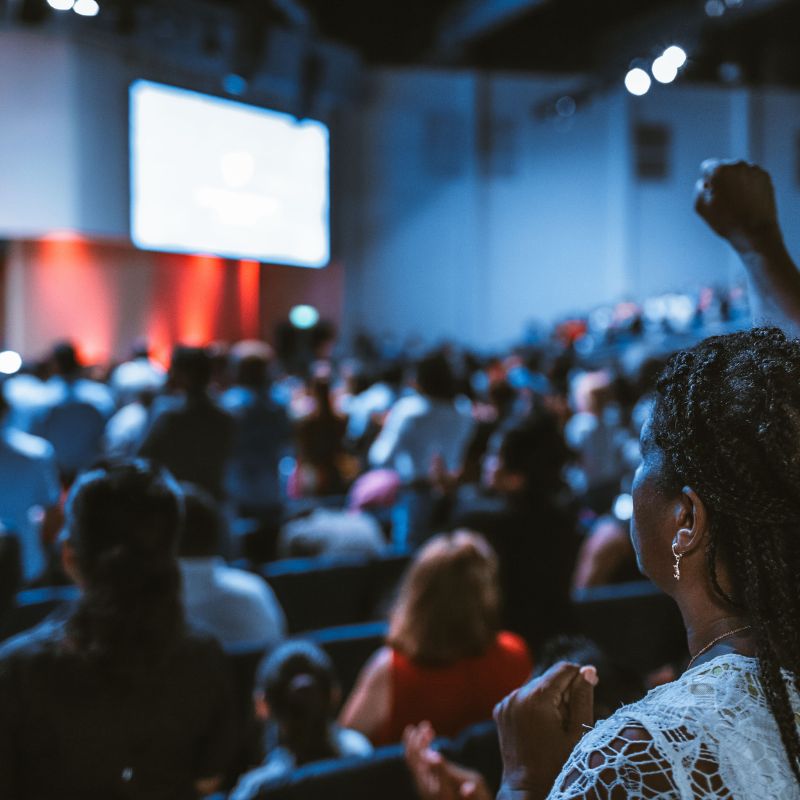
Most corporate programmes run four to seven days: two to three days for the meeting or conference itself, then two to three for the incentive or leisure element. Three days works for a single-city meeting. Below that, delegates spend more time in transit than in the room.
Timing is less constrained in India than most planners assume, because different regions peak in different months. Rajasthan and the north run October to March, Kerala and the south hold up later, and the Himalaya inverts entirely. Our month-by-month calendar sets out which region suits which dates, and our winter planning guide covers the fog risk that affects January arrivals into Delhi.
The one window to avoid for a large group is 20 December to 10 January, when hotel and guide availability in the Rajasthan heritage cities genuinely runs out, and blackout terms apply.
The Four Things That Actually Go Wrong
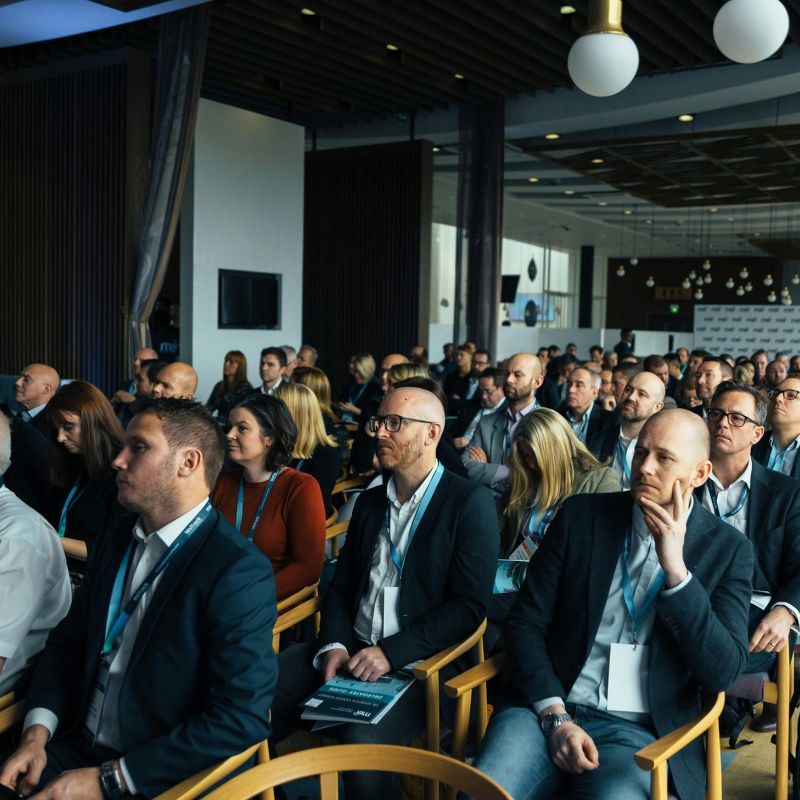
In our experience, four failures account for most of the damage on an India programme, and all four are preventable in advance.
Delegates arriving on scattered flights, which is solved with staggered airport teams rather than one meet-and-greet. AV that was never tested in the actual room, which is solved by a full technical rehearsal in the space, not a spec sheet. Dietary requirements discovered on the day, which is solved by signing menus off before travel. And numbers moving late, which is solved contractually by negotiating the final-number deadline up front rather than accepting the venue's default.
Our 12 questions to ask an India tour operator cover what to verify before signing, and the MICE page sets out how we run a programme from brief to farewell dinner.