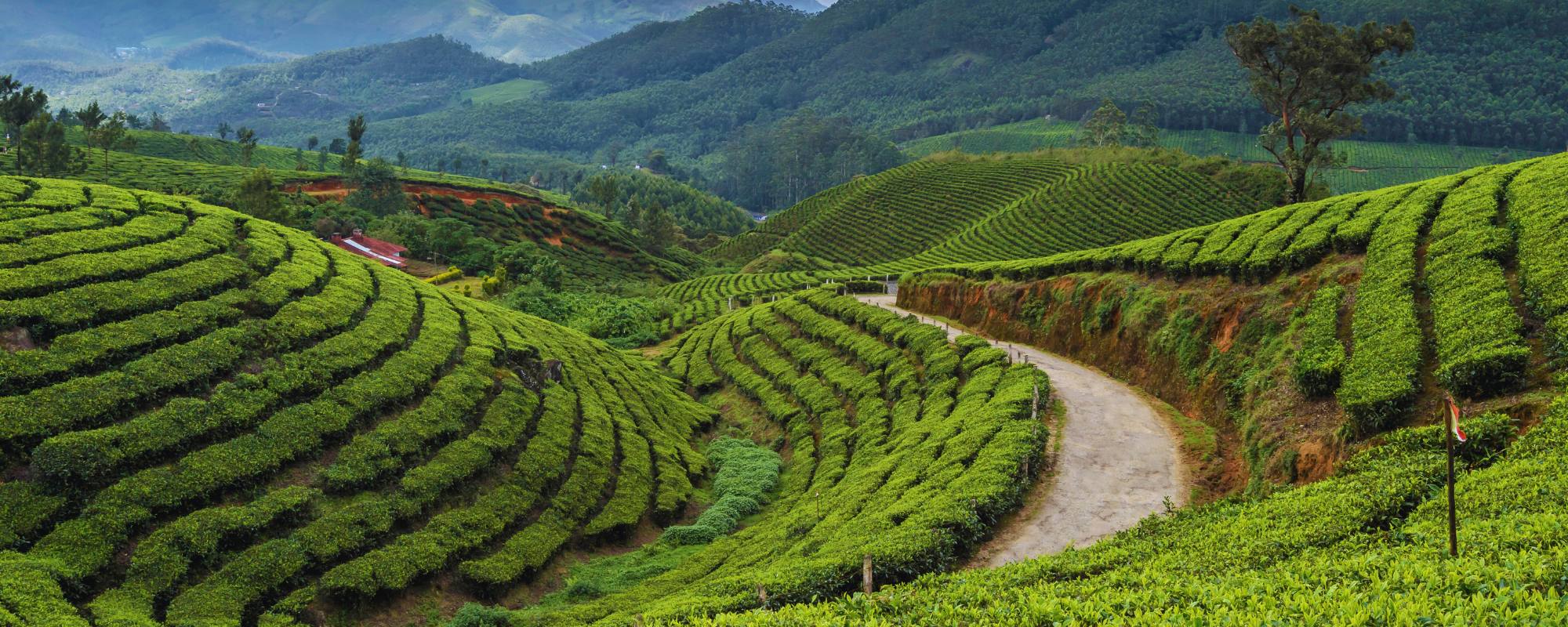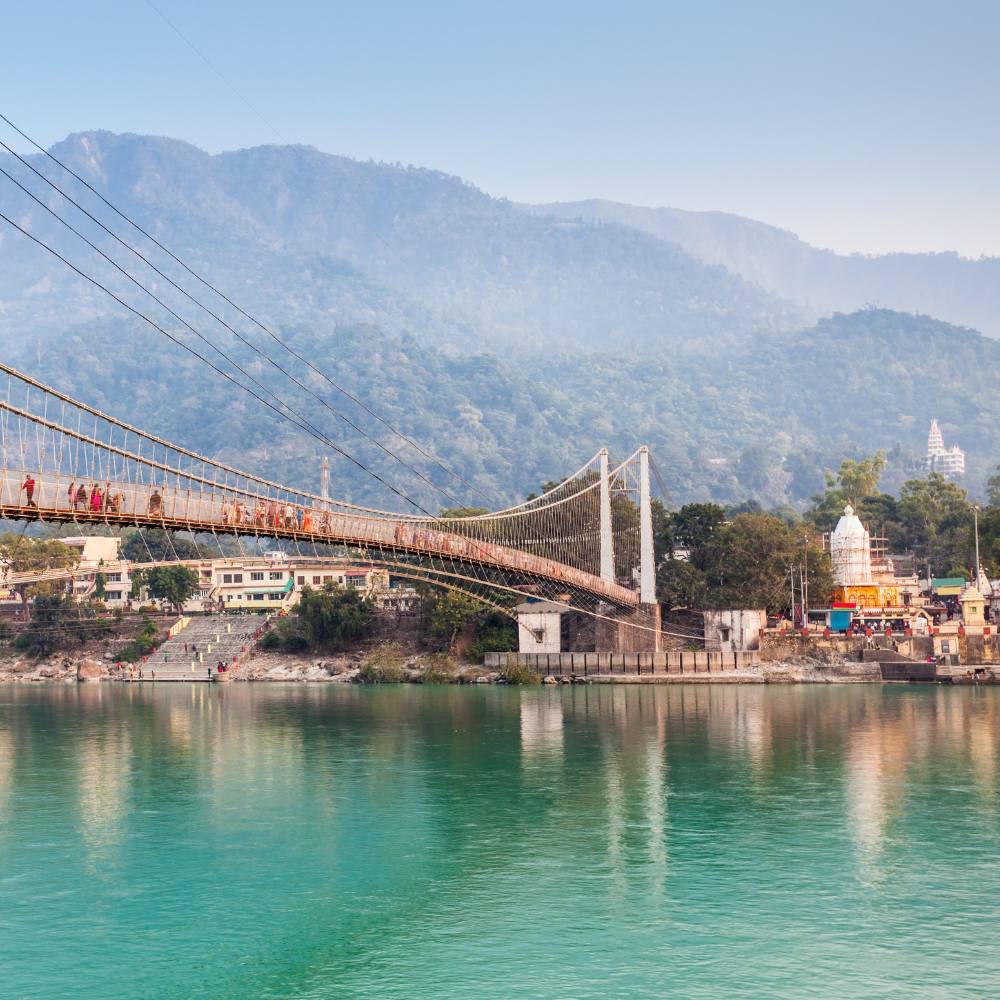
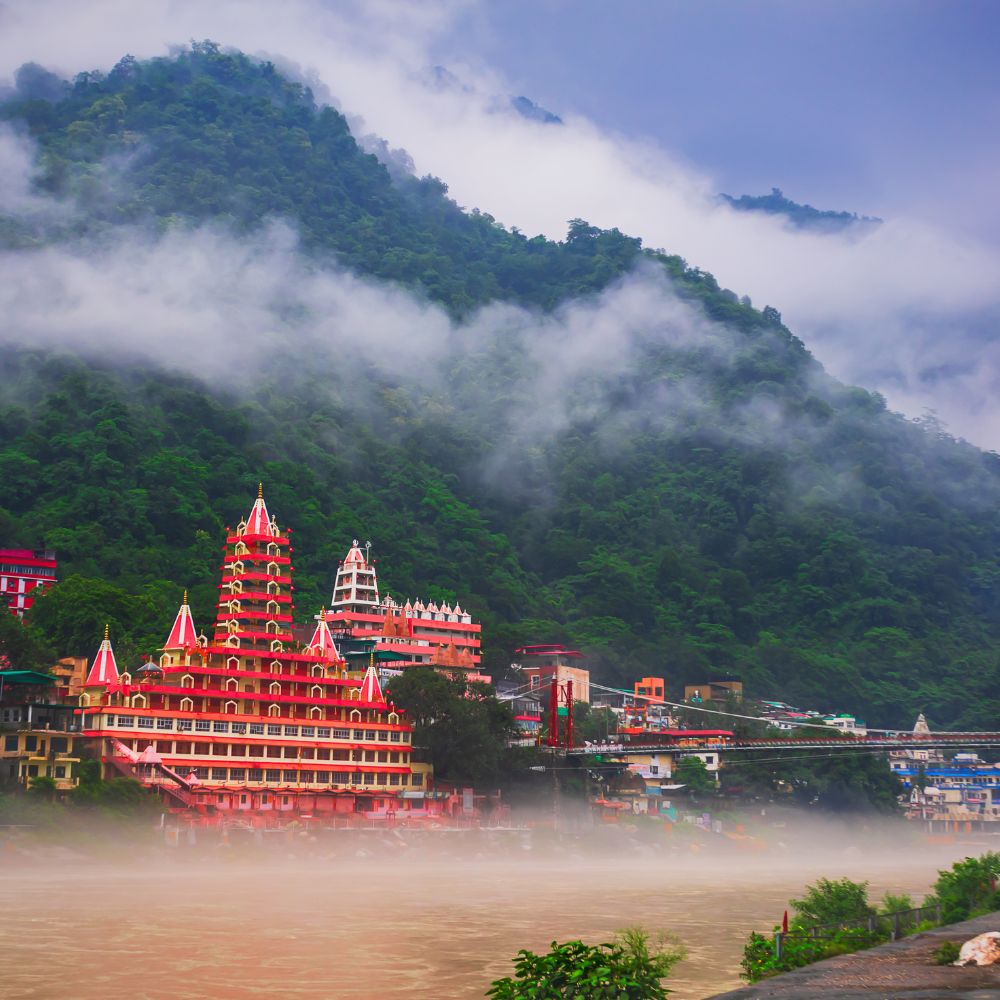
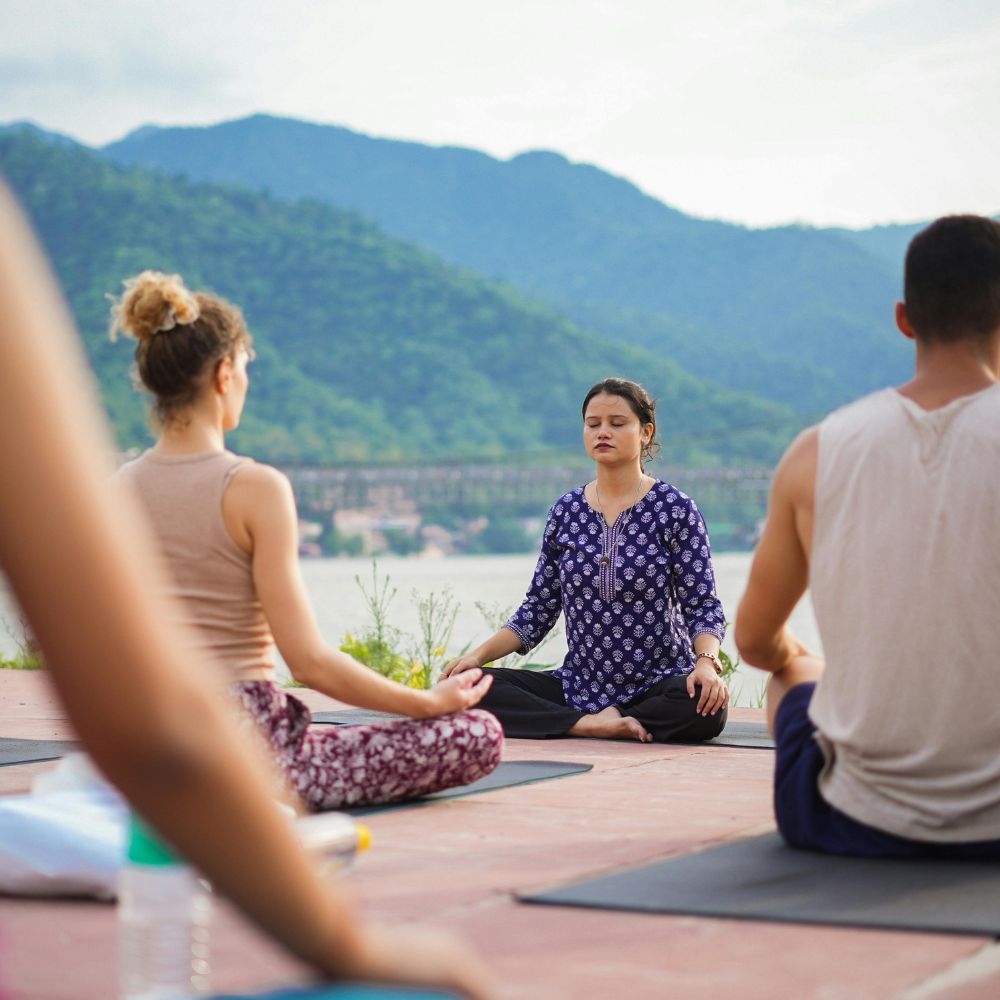
India is where Ayurveda and yoga both trace their roots, and it remains the only place in the world where both traditions can be experienced in their living, continuously practised form rather than as a Western adaptation. Two regions anchor most serious wellness travel to India: Kerala, home to the country's deepest concentration of authentic Ayurvedic practice, and Rishikesh, globally recognised as the spiritual capital and continuing living centre of yoga.
This guide covers what each actually offers, the difference between a spa treatment and genuine Panchakarma, and how to plan a wellness-focused trip.
India's Wellness Trail at a Glance
- Main regions: Kerala for Ayurveda and Panchakarma; Rishikesh and the wider Uttarakhand Himalaya for yoga, meditation, and Himalayan wellness retreats
- Best time for Ayurveda in Kerala: June to November (monsoon), when the humid climate is considered ideal for the body to absorb therapeutic oils; October to February is more comfortable for travel generally
- Best time for Rishikesh: February to April and September to November; the International Yoga Festival runs every March
- Recommended minimum stay: 7 days for a meaningful Panchakarma programme; 3 to 5 days for a yoga-focused retreat in Rishikesh
- Gateway airports: Kochi (COK) or Thiruvananthapuram (TRV) for Kerala; Dehradun (DED) for Rishikesh and the Himalayan retreats
Kerala: Why Is It Considered the Home of Ayurveda?
Ayurveda originated across India roughly 5,000 years ago, rooted in Vedic-era texts including the Charaka Samhita and Sushruta Samhita, and is not itself a Kerala invention. What Kerala offers is something different and, for a serious practitioner, arguably more valuable: an unbroken living tradition. The state's geographic isolation behind the Western Ghats allowed Ayurvedic practice to continue largely undisturbed even as it declined elsewhere in India. At the same time, its tropical climate and abundant medicinal flora made it naturally suited to cultivating the herbs the system depends on. The Ashtavaidya tradition, families of physicians expert across all eight classical branches of Ayurveda, flourished in Kerala from roughly the 13th to the 17th centuries and forms much of the foundation of the state's Ayurvedic credibility today.
This distinction matters practically: a Kerala Ayurveda centre staffed by a qualified Vaidya (Ayurvedic physician) offers a genuinely diagnostic, personalised treatment based on assessing an individual's dosha (constitution) and current imbalances, not a generic spa menu with Ayurvedic branding. The strongest properties, including Kalari Kovilakom (a converted royal palace dedicated purely to Ayurvedic treatment, with no leisure facilities), Somatheeram, and Kalari Rasayana, are built entirely around this diagnostic-first model.
What Is Panchakarma and How Long Does It Take?
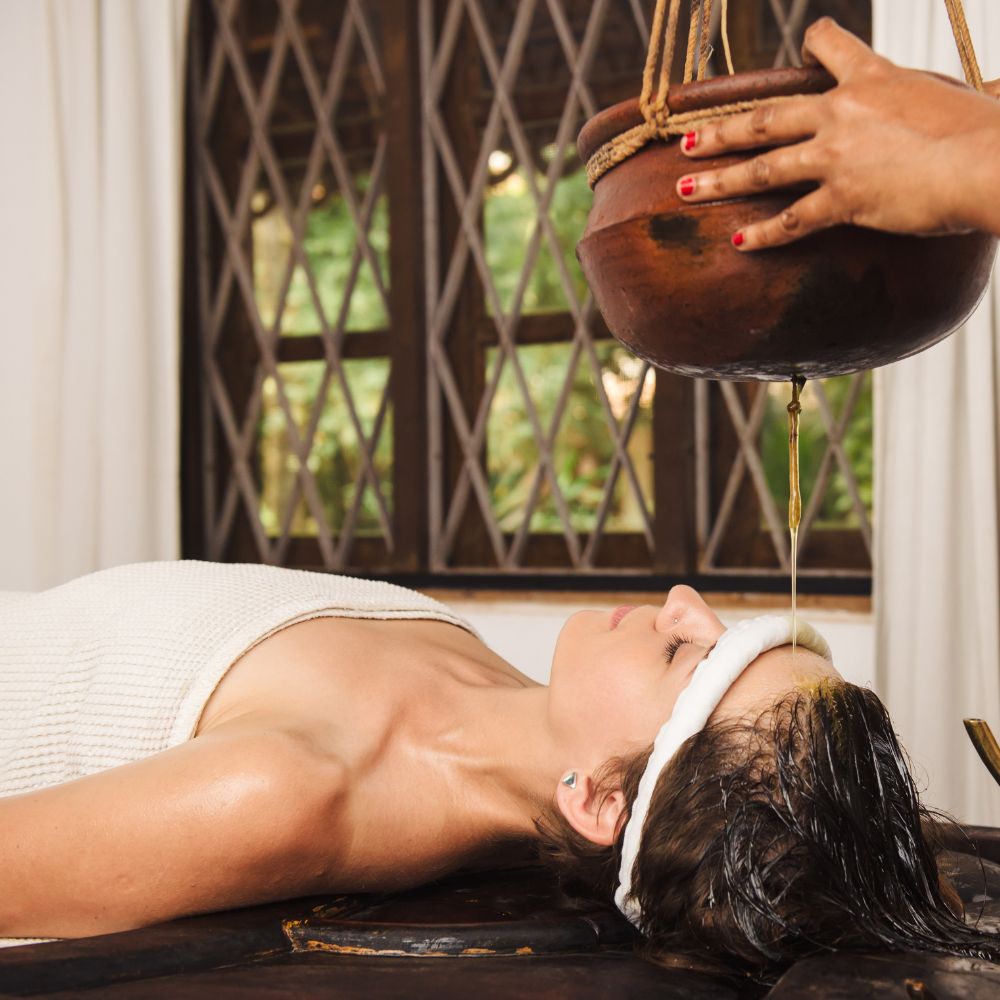
Panchakarma, Sanskrit for 'five actions,' is Ayurveda's core detoxification and rejuvenation protocol and the treatment most international wellness travellers come to Kerala for specifically. It unfolds in three stages: Purvakarma (preparation, using oil massage and herbal steam to loosen toxins), the main Panchakarma therapies themselves (a set of cleansing procedures tailored to the individual, which may include Abhyanga oil massage, Shirodhara, a continuous stream of warm oil poured across the forehead, and other specific cleansing techniques), and Paschatkarma (a closing phase of dietary and lifestyle guidance to stabilise the results).
A genuine Panchakarma programme is not a weekend spa break. Most reputable centres recommend a minimum of 7 days for any measurable effect, with serious therapeutic programmes running 14 to 21 days. Shorter 3 to 5 day packages marketed as 'Panchakarma' by some resorts are better understood as an introduction to Ayurvedic massage rather than the full clinical protocol, and travellers seeking the authentic version should confirm a centre has a resident Ayurvedic doctor conducting an initial diagnostic consultation, not just therapists administering standardised treatments.
Rishikesh: Why Is It Called the Yoga Capital of the World, and Is That Accurate?
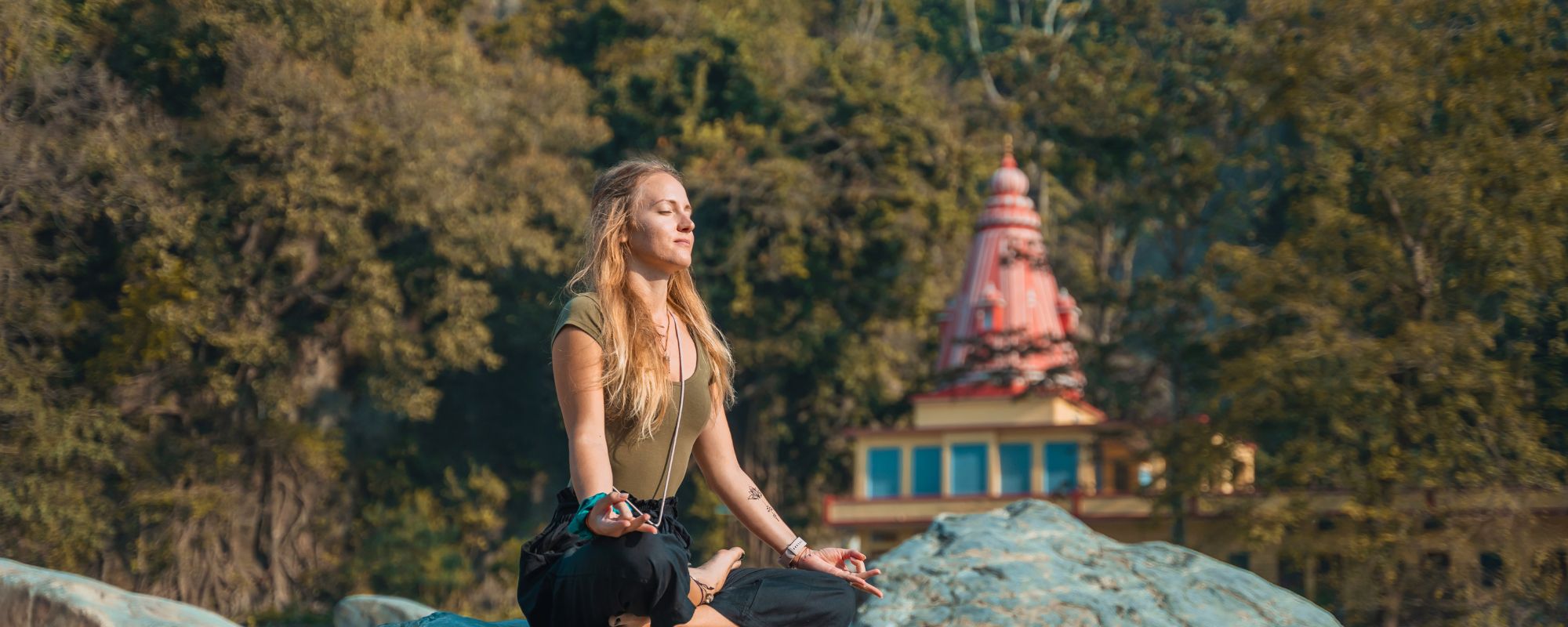
Yoga itself traces back much further and much more broadly than any single town, with roots in the Indus Valley Civilisation over 3,000 years ago and a classical form codified by the sage Patanjali roughly 1,600 years ago. Rishikesh's claim to the title rests on something different: it has served as a centre for yogic and Vedantic study for centuries, and its modern global fame dates specifically to February 1968, when the Beatles spent several weeks at Maharishi Mahesh Yogi's ashram studying Transcendental Meditation, an episode that introduced Western audiences to Indian yoga and meditation at unprecedented scale. Today the town holds one of the world's largest concentrations of ashrams and yoga schools, ranging from traditional, frugal Hatha yoga institutions to increasingly upscale retreat properties. It draws students from more than 100 countries for yoga teacher training, meditation immersions, and shorter wellness stays.
Parmarth Niketan, on the banks of the Ganges, is the town's largest ashram and hosts the annual International Yoga Festival every March, running since 1999 and now drawing practitioners and teachers from around the world for a week of yoga sessions, workshops, and discussions on Ayurveda and holistic living, alongside its nightly Ganga Aarti ceremony. Sivananda Ashram is the reference point for classical Hatha yoga and Vedanta study. At the same time, the so-called Beatles Ashram (Chaurasi Kutia), the site of Maharishi Mahesh Yogi's original ashram, now operates as a semi-restored, graffiti-covered heritage site open to visitors rather than a functioning retreat.
Beyond the ashram model, several international luxury hospitality groups have entered the Rishikesh area in recent years, recognising the same demand that has driven wellness tourism to the region to record levels. Ananda in the Himalayas, set in a former royal estate above Rishikesh, and Six Senses Vana, roughly an hour from Rishikesh near Dehradun, both combine Ayurveda, yoga, and Himalayan surroundings with five-star infrastructure, positioning the region's wellness offering at both ends of the spectrum: austere ashram immersion or fully appointed luxury retreat.
Kerala or Rishikesh: Which Should You Choose?
- Choose Kerala: if the primary goal is Ayurvedic treatment, Panchakarma, or a physical detox and healing programme diagnosed by a qualified Vaidya.
- Choose Rishikesh: if the primary goal is a yoga practice, meditation training, or a broader spiritual immersion in a Himalayan setting.
- Combine both: Kerala and Rishikesh are on opposite ends of the country and cannot be combined without a domestic flight connection via Delhi or another hub; most travellers choose one as the anchor for a single trip rather than attempting both.
When Is the Best Time for a Wellness Trip to India?
- Kerala, June to November (monsoon, for Ayurveda specifically): Traditional Ayurvedic practice considers this the optimal season, since the humid, rain-cooled climate is believed to help the body absorb therapeutic oils and open pores more fully during treatment
- Kerala, October to February (for general comfort): Drier and more pleasant for travellers who want sightseeing alongside their wellness programme, though considered slightly less optimal for the treatments themselves by traditional standards
- Rishikesh, February to April and September to November: Comfortable Himalayan foothill temperatures for yoga and outdoor practice; the International Yoga Festival each March adds a specific reason to visit in that window, though it also brings the town's largest crowds of the year.
Ayurveda and Wellness Retreats in India for Holistic Healing
Frequently Asked Questions About India's Wellness Trail
Is Ayurveda scientifically proven?
Ayurveda is a traditional system of medicine with a documented history spanning millennia, and its practices, including specific herbs, dietary approaches, and manual therapies, have been studied with varying degrees of modern clinical evidence; some show measurable benefits in areas like stress reduction and certain chronic conditions, while others remain primarily supported by traditional use rather than rigorous clinical trials. Reputable Ayurvedic centres in Kerala typically present treatment as complementary to, rather than a replacement for, conventional medical care for serious conditions.
How many days do I need for a genuine Panchakarma programme?
Reputable centres generally recommend a minimum of 7 days for any measurable therapeutic effect, with serious programmes running 14 to 21 days. Shorter 3 to 5 day packages offer a genuine introduction to Ayurvedic massage and relaxation but should not be understood as a complete Panchakarma detoxification protocol.
Do I need prior yoga experience to visit Rishikesh?
No. Rishikesh's ashrams and yoga schools cater to complete beginners as much as advanced practitioners and yoga teacher trainees, with most offering multiple class levels throughout the day. The town's broader atmosphere, its ashrams, the Ganga Aarti, and its Himalayan setting are worthwhile even for visitors who plan to take only a class or two.
Can I combine a wellness retreat with sightseeing?
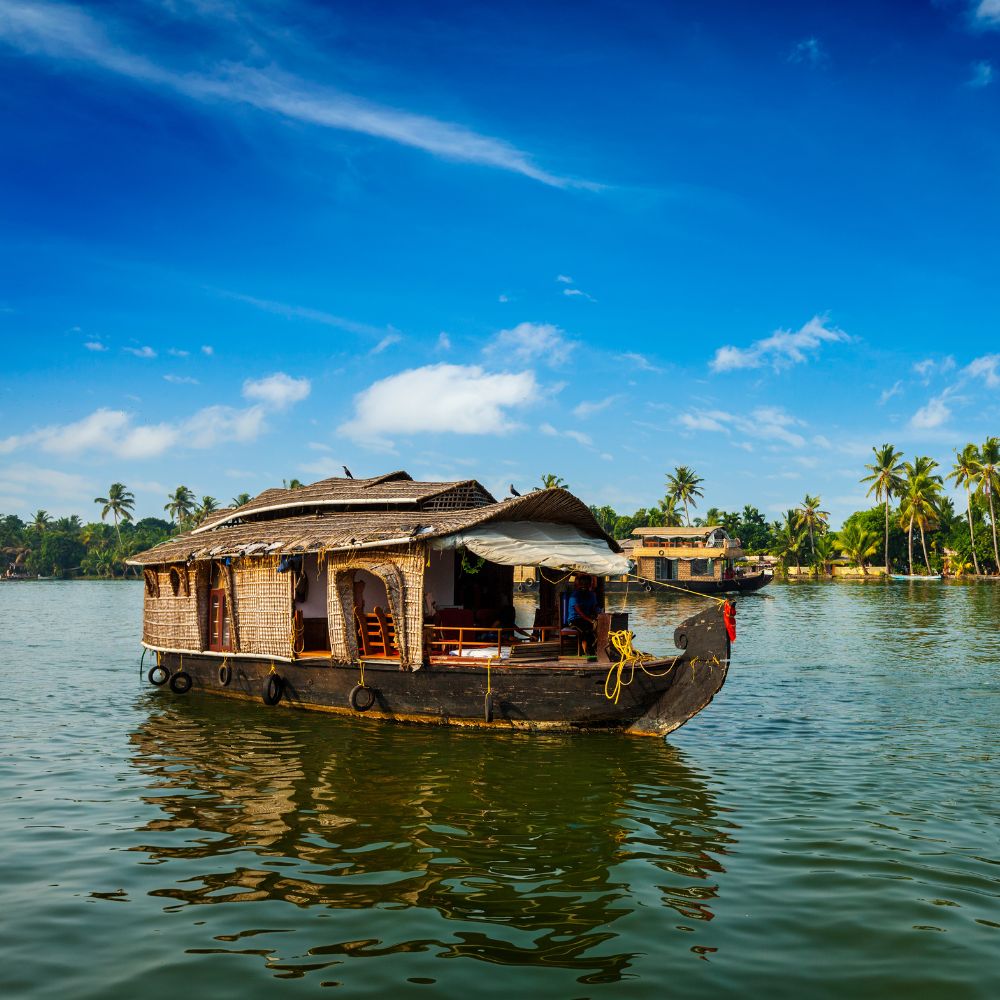
Yes, though the two work best as sequential phases rather than mixed. Ayurvedic treatment in particular often requires rest, a restricted diet, and minimal physical exertion, especially for a proper Panchakarma programme, which makes it a poor fit for simultaneous sightseeing. Most travellers plan a dedicated wellness stay first, then add on sightseeing, in Kerala's backwaters or Kochi's Fort area, or in Rishikesh's surrounding Himalayan foothills, once the retreat portion is complete.
What should I look for in a genuine Ayurvedic centre versus a spa with Ayurvedic branding?
A genuine centre begins with a consultation from a qualified Ayurvedic doctor (Vaidya) who assesses the individual's constitution and current imbalances before prescribing a specific treatment plan, rather than offering a fixed menu of massages under an Ayurvedic name. Government-certified Ayurvedic hospitals and resorts in Kerala, and centres affiliated with recognised Ayurvedic medical colleges, are generally the most reliable indicators of authenticity.