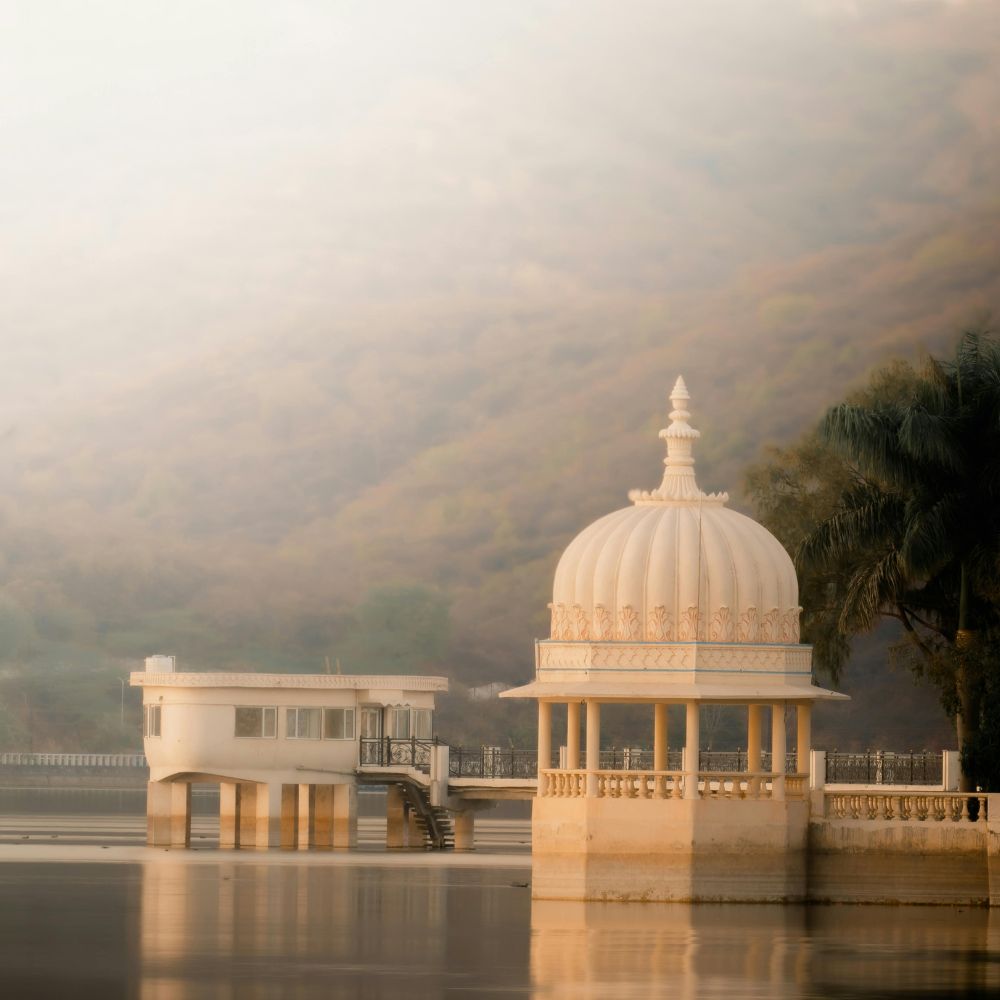
Every guidebook says the same thing: November to February is India's best travel season. That is broadly true, and it is also an oversimplification that catches out a meaningful number of first-time visitors every year. Delhi and Agra, the gateway to the Taj Mahal, sit inside a genuine winter fog and pollution belt that disrupts flights, trains, and sightseeing most years. Rajasthan's deserts and South India's hill stations both get cold enough at night to surprise travellers who packed for a hot country. Kashmir's winter beauty comes with a real, if manageable, accessibility risk. Republic Day quietly reshapes a week of Delhi sightseeing and flights. And several of the country's biggest winter events, Pushkar's camel fair, Gujarat's Rann Utsav, reshape hotel and tent availability in specific towns on specific dates.
This guide covers what actually matters when planning a winter 2026-27 India trip, beyond the generic advice to book early.
Why Does Delhi Fog Disrupt Flights and Trains Every Winter?
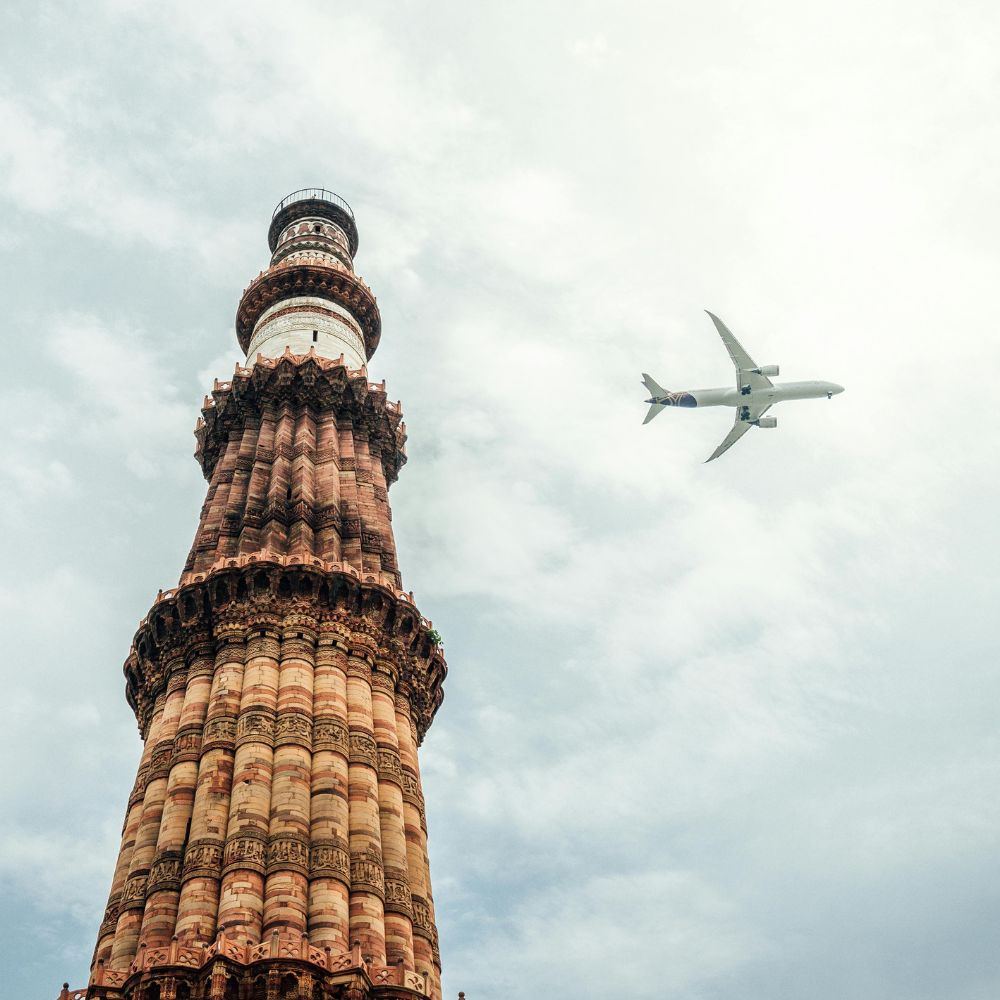
From roughly late December through mid-January, a recurring weather pattern settles over Delhi and much of the Indo-Gangetic plain: cold, moist air near the ground combines with still conditions to produce dense fog, sometimes reducing visibility to near zero for several hours at a time. This is not a rare event. In the 2025-26 winter alone, Delhi airport recorded several mornings with dozens to over 100 flight cancellations and hundreds more delayed, alongside dozens of Delhi-bound trains running hours behind schedule on the same days. This pattern has repeated most winters for over a decade.
Airlines operate CAT III-compliant aircraft with specially trained pilots specifically to land in this fog, but even with these measures, cascading delays are common once visibility drops below landing minimums, and the disruption often spreads to other North Indian airports and the wider rail network on the same mornings. For travellers, the practical implication is specific and important: build a buffer of at least a half day, ideally a full day, between any flight or train connecting through Delhi in late December or early January and a subsequent onward flight, especially an international departure. A tight same-day connection through Delhi during this window is a genuine risk, not an overcautious worry.
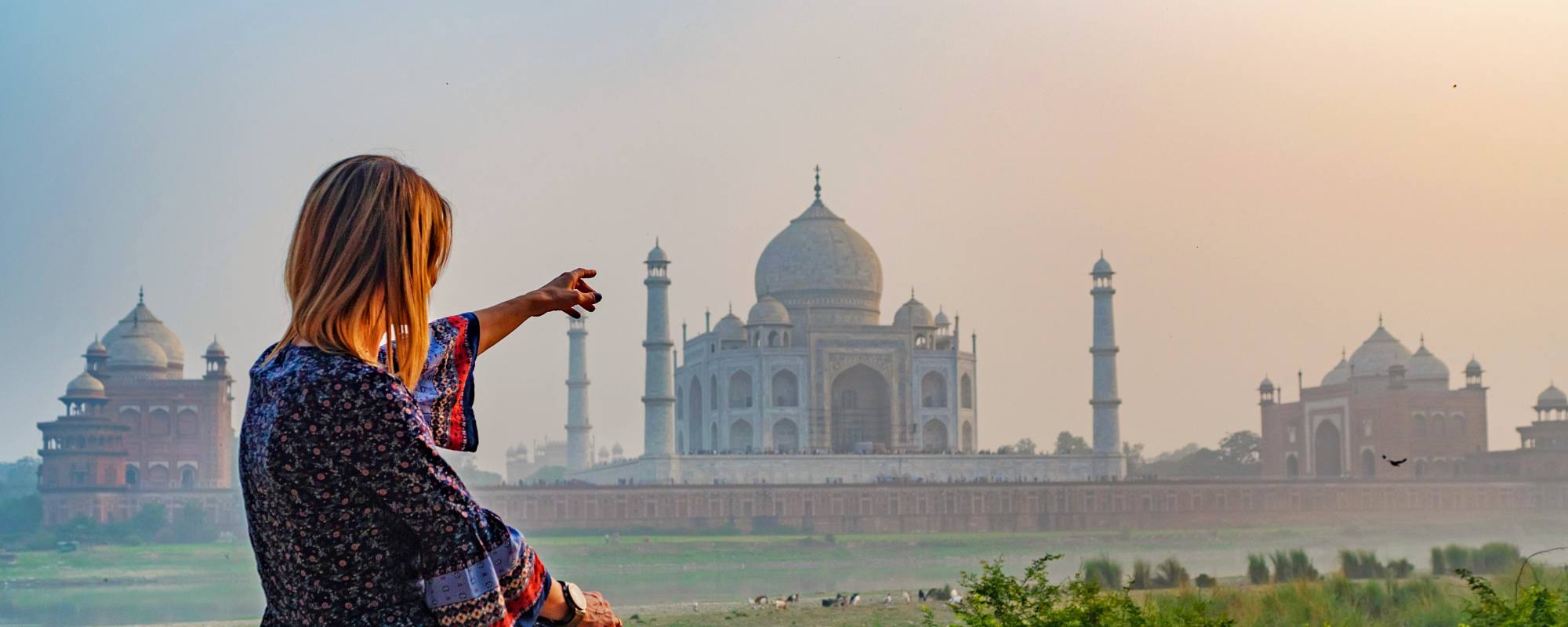
Agra, home to the Taj Mahal and often visited as a day trip or short stopover from Delhi, sits within the same fog belt and is affected by the same conditions, occasionally delaying the road or rail journey between the two cities. Travellers with only a single day allocated to Agra should ideally build in some flexibility, or consider an overnight stay rather than a same-day return, particularly if the Taj Mahal is a non-negotiable priority for the trip.
Is Delhi's Winter Air Quality Bad Enough to Affect a Trip?
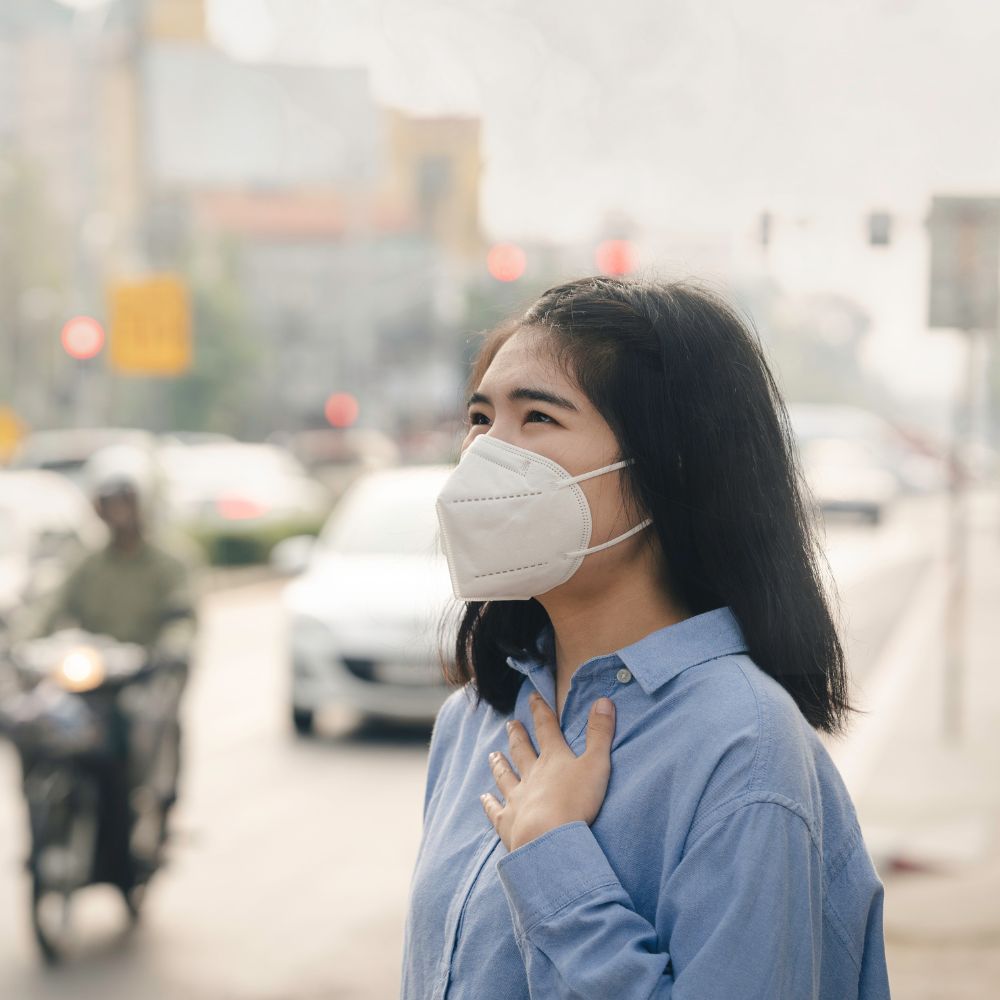
It can be a small factor worth knowing about, separate from the fog described above, though both relate to the same still winter air over the region. Like many large cities in the winter months, Delhi's air quality readings tend to be higher during December and January than at other times of year. On occasional days, conditions may call for a lighter pace outdoors, particularly for anyone with respiratory sensitivities, much as one might adjust plans for a poor air day in other major cities. Checking the current local reading for the days of a visit is a simple, sensible step, and most travellers find it makes little difference to an otherwise enjoyable few days in the city.
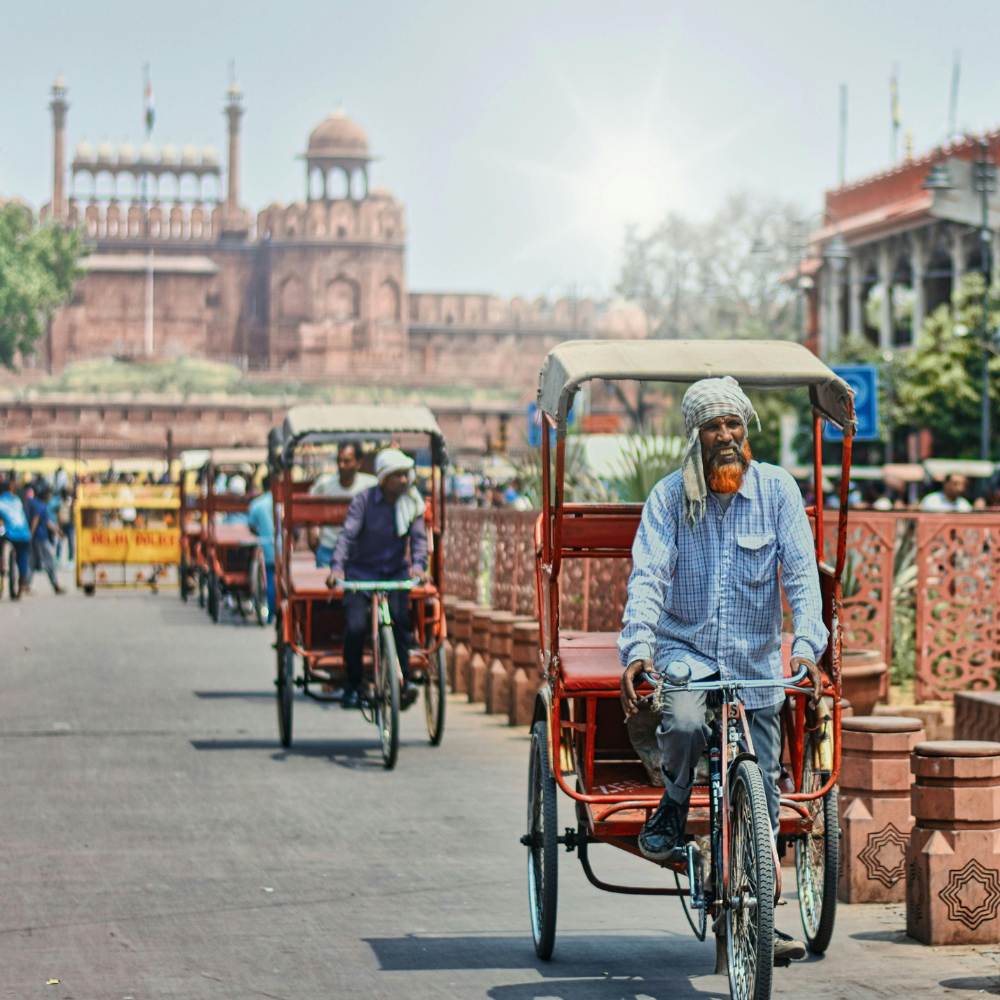
For most short-stay leisure travellers, this makes little practical difference to a few days in Delhi, and outdoor sightseeing, a rickshaw ride through Old Delhi or an afternoon at the Red Fort, remains an enjoyable and worthwhile part of any itinerary. Travellers with asthma or other respiratory sensitivity may want to keep half an eye on the daily reading and pace outdoor time accordingly, much as they might in any major city during its own seasonal air quality dips.
Does Republic Day (January 26) Disrupt Sightseeing in Delhi?
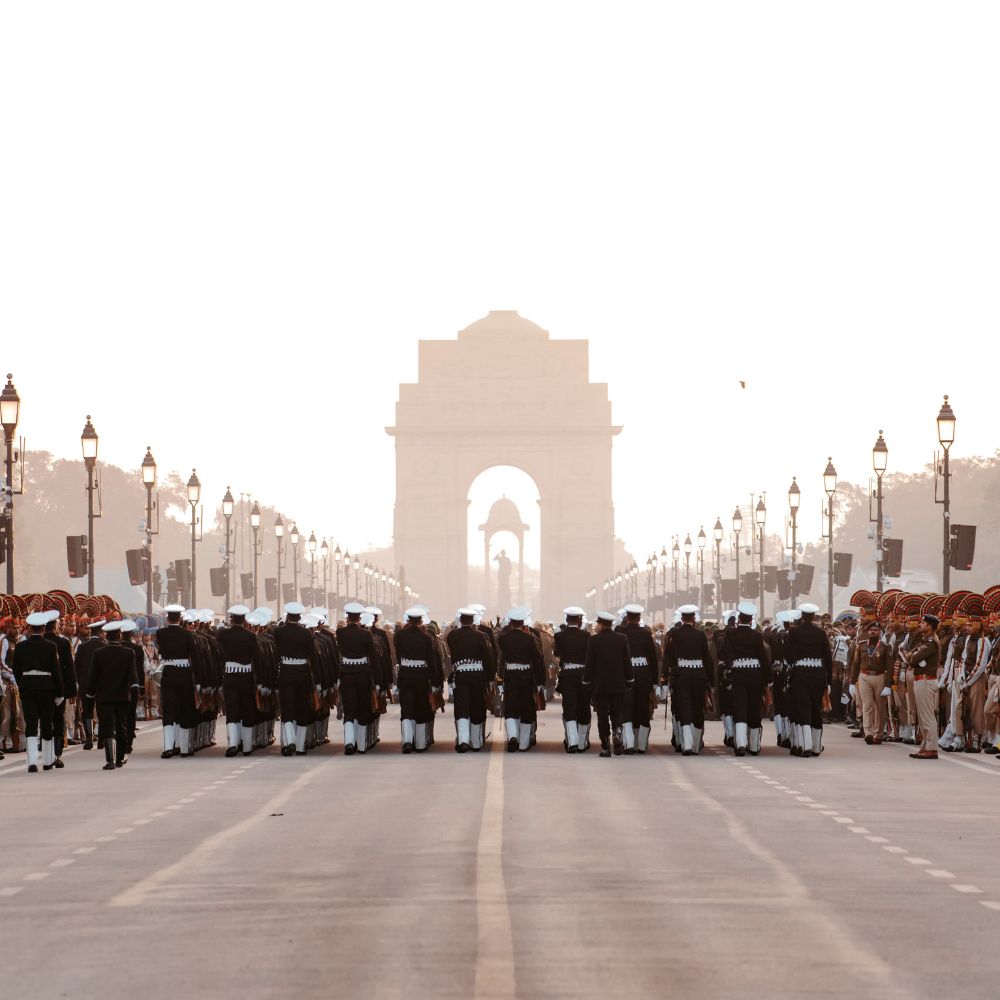
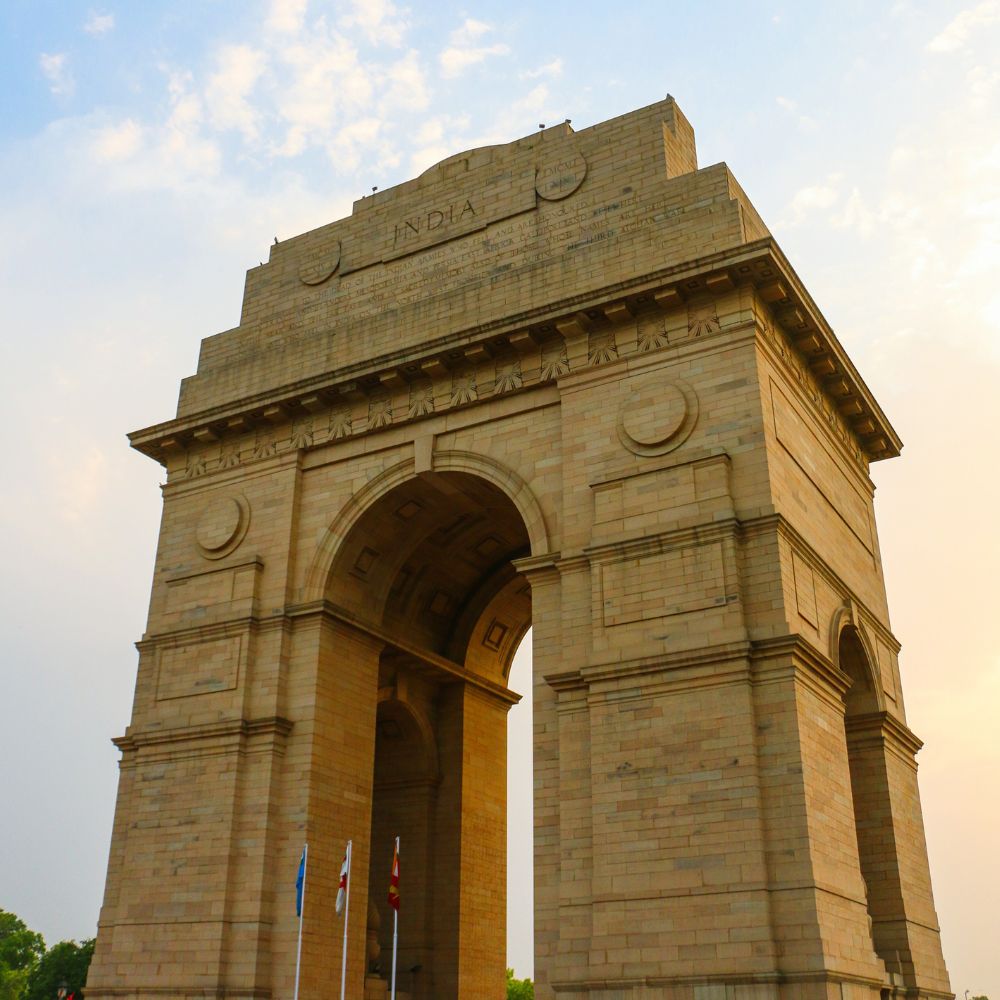
Yes, specifically and predictably, if a trip includes Delhi in the days immediately around January 26. Republic Day is marked by a major military and cultural parade along Kartavya Path, running from Vijay Chowk past India Gate to the Red Fort, and the security operation around it closes a significant part of central Delhi to general tourists, not just to traffic. India Gate itself is placed inside a high-security zone on the day and is not accessible as a normal tourist site; casual visitors cannot simply walk up to view the parade without an official pass. Kartavya Path is closed to traffic from the evening of January 25 until the parade concludes, and roads around the Red Fort face further restrictions into the afternoon.
The disruption also extends to Delhi's airport: in past years, the Airports Authority of India has imposed daily two-to-three-hour airspace restrictions in the week leading up to January 26, and a full flight suspension, no landings or takeoffs at all, spanning most of the day on the 26th itself. Rehearsals in the preceding week also bring shorter, repeated road closures around the same central Delhi corridor. None of this is reason to avoid Delhi around this date; the parade itself is a genuine spectacle or worth seeing if a pass can be arranged. But travellers who need to fly into or out of Delhi on January 26 specifically, or who are hoping for an ordinary sightseeing day at India Gate or the Red Fort that week, should plan around these restrictions rather than being caught out by them.
Is Kashmir Reliably Accessible in Winter?
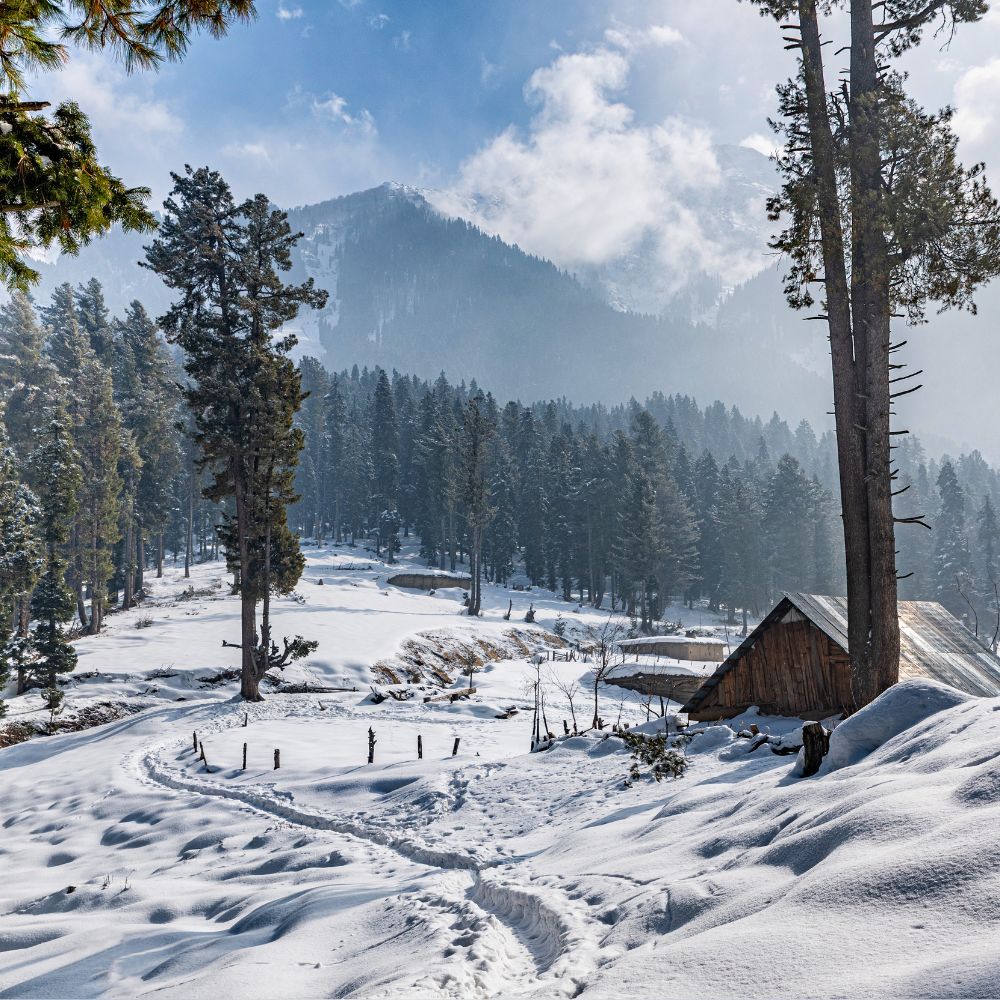
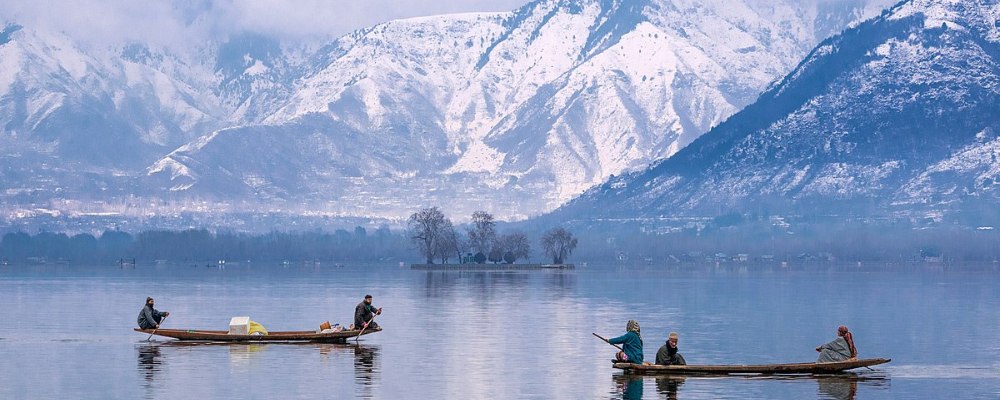
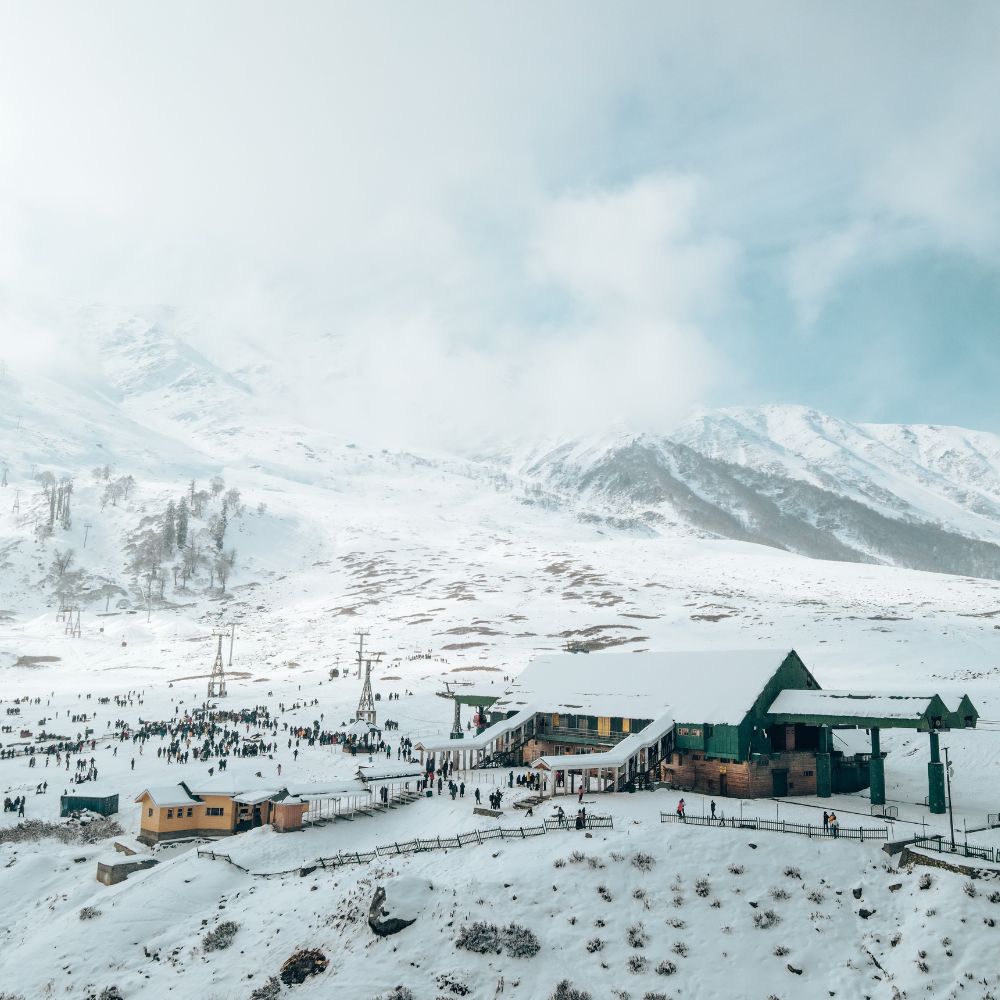
Not entirely, and this matters for anyone planning a Gulmarg ski trip or a Srinagar winter stay. Kashmir's harshest winter stretch, locally called Chillai Kalan, runs for 40 days from December 21 to January 30 each year, the period of heaviest and most frequent snowfall. The Jammu-Srinagar National Highway, the only all-weather road link between the Kashmir Valley and the rest of India, is closed intermittently throughout this period whenever snowfall or landslides make it unsafe, sometimes for a single day and occasionally for several in a row. Srinagar's airport is similarly prone to temporary flight suspensions during heavy snow or poor visibility, which can leave the valley effectively cut off by both road and air for short stretches.
For most travellers this is a manageable planning consideration rather than a reason to avoid the region: flights typically resume within a day once conditions clear, and the snow itself is precisely what draws visitors to Gulmarg for skiing in the first place. The practical takeaway is to build slack into any Kashmir itinerary during Chillai Kalan specifically, avoid scheduling a same-day departure immediately after leaving Srinagar if it can be helped, and treat any Kashmir winter trip as inherently a little more weather-dependent than a Rajasthan or South India itinerary in the same season.
Which 'Warm' Destinations Actually Get Cold at Night in Winter?
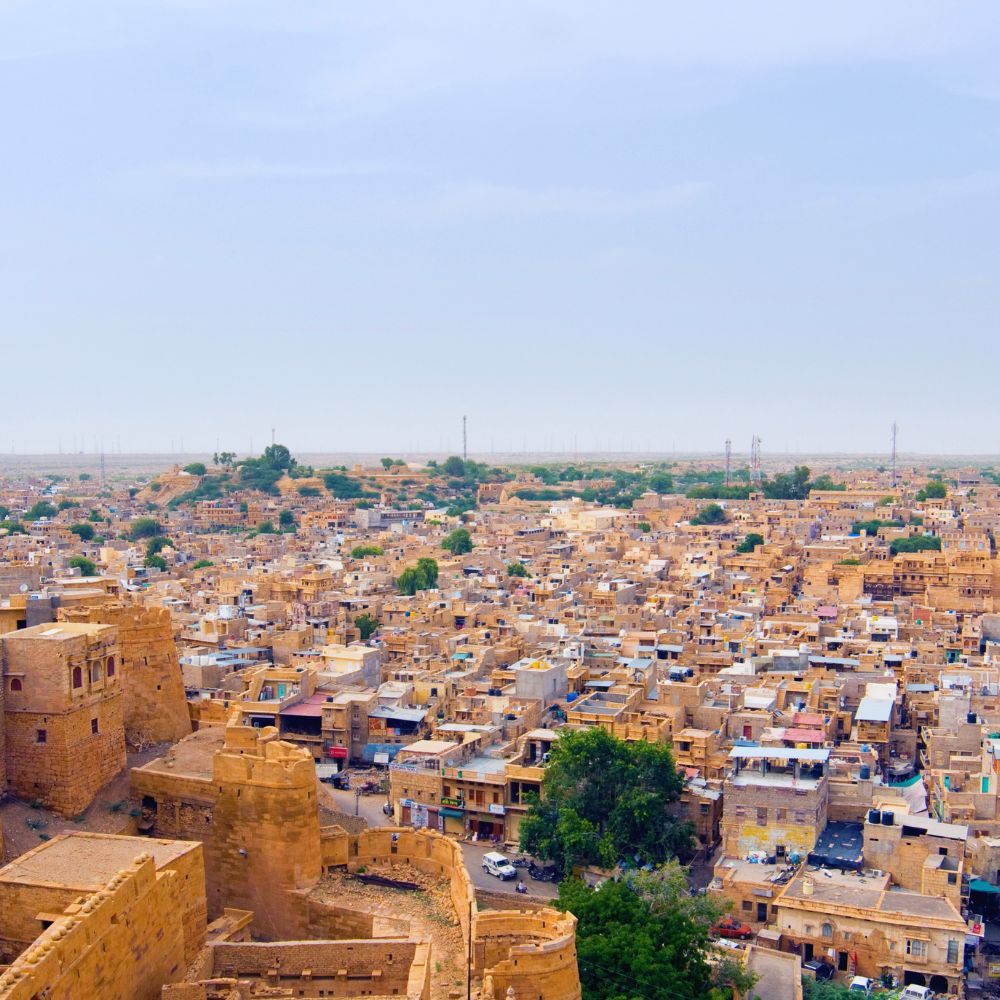
Two regions catch travellers off guard almost every winter, precisely because their daytime reputation as warm or tropical destinations doesn't prepare people for what happens after sunset.
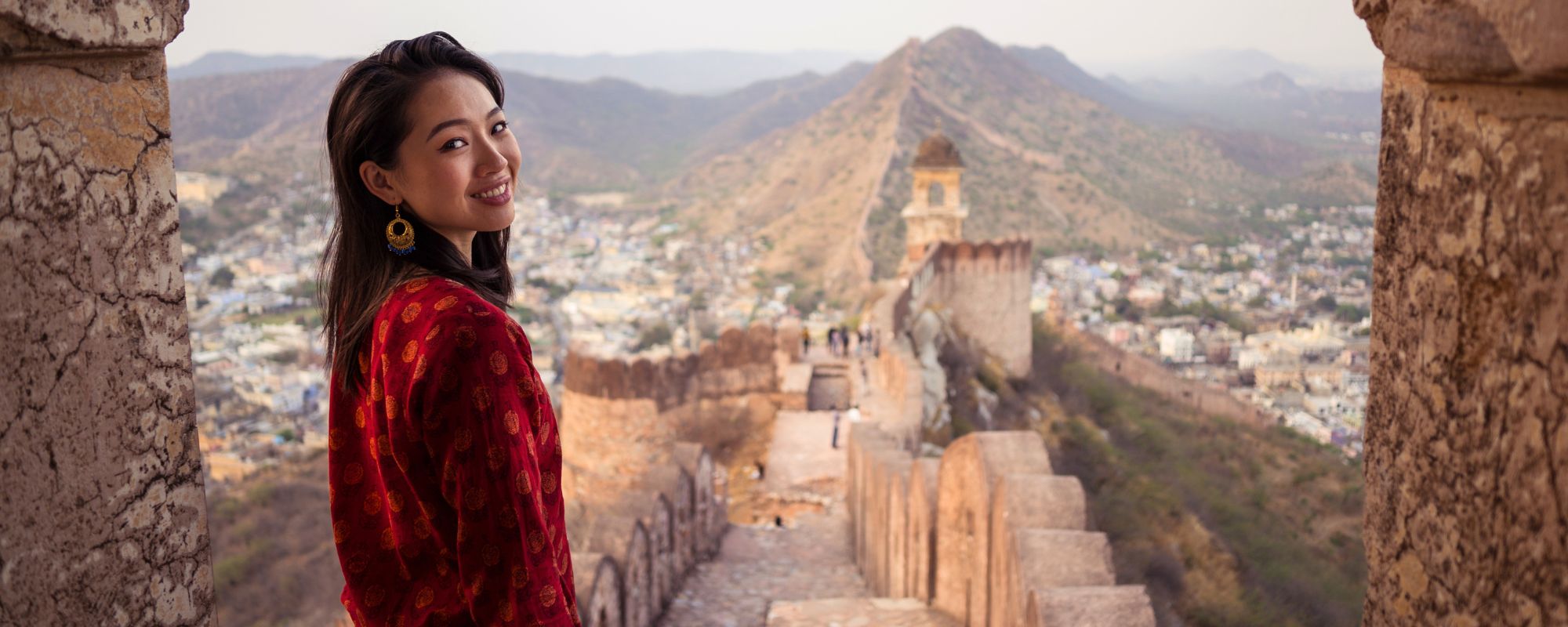
Rajasthan's desert towns, particularly Jaisalmer, are a clear example. Daytime temperatures in December and January are genuinely pleasant, typically 20 to 25 degrees Celsius, matching the golden desert imagery most travellers expect. But nights regularly drop to 5 to 11 degrees Celsius, and desert safari camps outside town, where a night under the stars is often the highlight of a Rajasthan itinerary, can feel considerably colder still with no insulation beyond a tent. Travellers who pack only for daytime warmth are routinely underprepared for this, and it is worth explicitly telling anyone booking a desert camp overnight stay to bring proper layers, not just a light shawl.
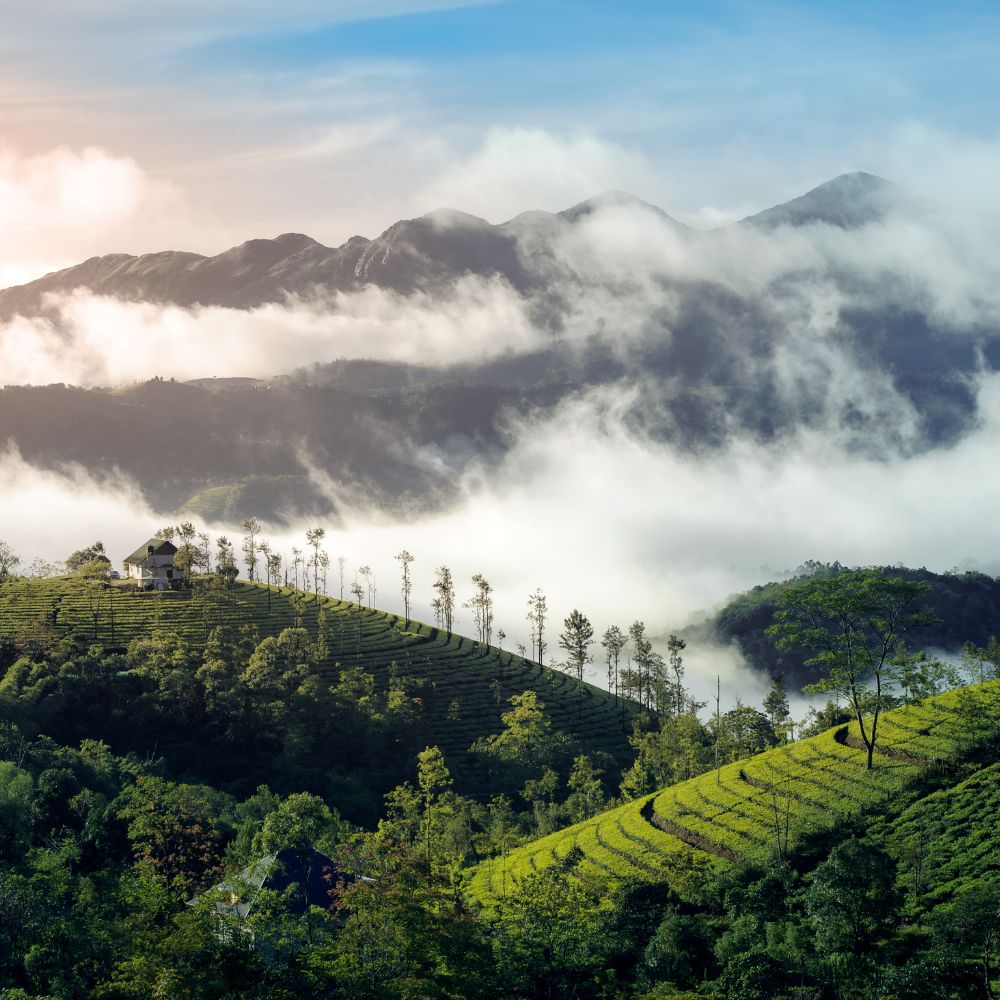
Kerala and Tamil Nadu's hill stations present the same pattern from the opposite direction: destinations marketed around South India's tropical, palm-lined image that turn genuinely cold once elevation is added. Munnar's town centre sees nighttime lows around 12 to 17 degrees Celsius in December. Still, higher tea estates and viewpoints nearby, Chenduvarai and Kolukkumalai, have recorded temperatures at or below freezing in recent winters, occasionally producing frost. Ooty, in the neighbouring Nilgiris, regularly sees nighttime temperatures hover near zero in December and January. Neither destination requires serious cold-weather gear on the scale of a Himalayan trip. Still, a single light layer is not enough, and this is worth flagging specifically for travellers assuming South India means uniformly warm weather.
How Winter Festivals Reshape Availability in Specific Towns
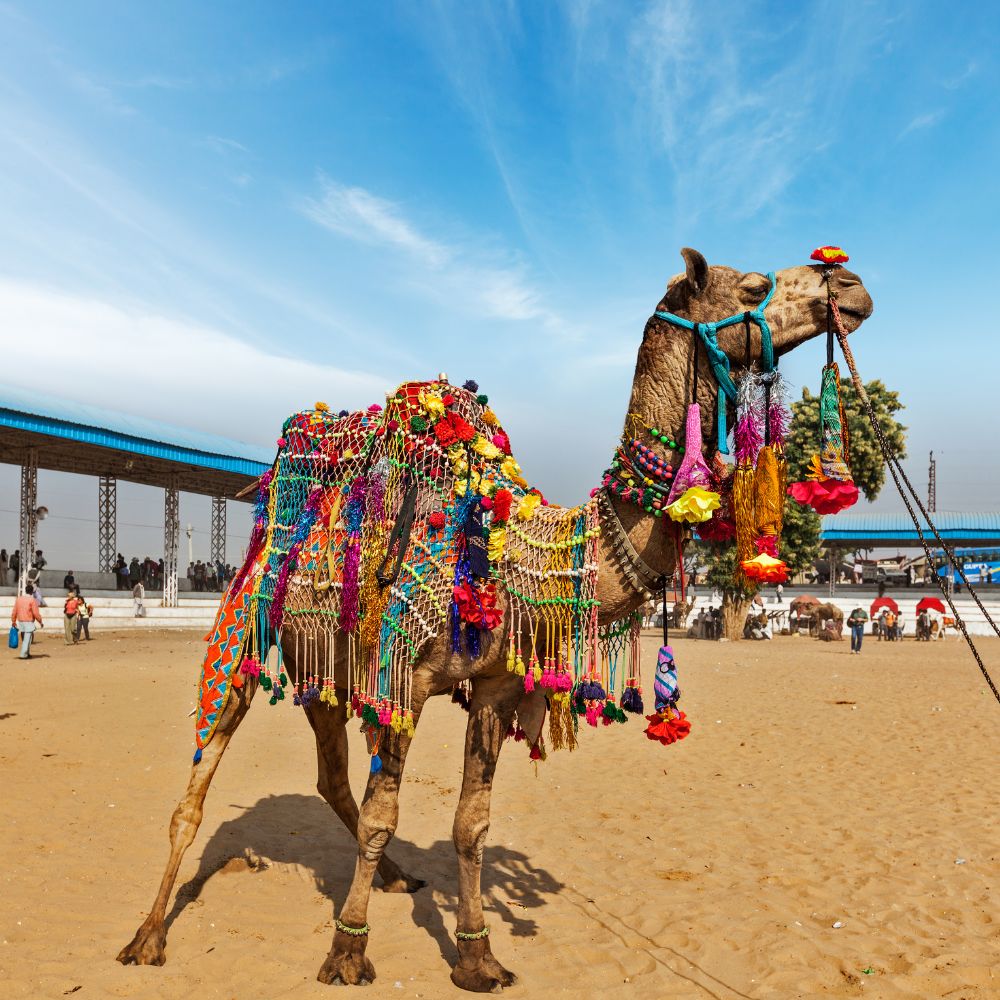
Two events in particular are worth knowing about even for travellers with no interest in attending them, because of how sharply they affect accommodation in their specific host towns.
The Pushkar Camel Fair, held in the small Rajasthan town of Pushkar, is scheduled for 17 to 24 November 2026, with the most important religious ceremonies falling on Kartik Purnima toward the end of that window. Pushkar's own accommodation is limited even outside fair season. During the fair itself, rooms in the town sell out well ahead, pushing many visitors to stay in nearby Ajmer instead. Travellers building a Rajasthan itinerary that happens to pass through Pushkar in mid-to-late November should book accommodation there specifically months ahead, independent of the general Rajasthan booking timeline.
The Rann Utsav, Gujarat's seasonal tent city on the white salt desert of the Rann of Kutch, runs from early November through February or March each season, spanning the entire winter travel window. Its luxury and mid-range tented accommodation is a fixed, non-expandable inventory for the whole season, and the tent city has become one of Gujarat's most in-demand winter experiences in recent years. Anyone planning to combine Gujarat's heritage circuit with a Rann Utsav stay should treat that tent booking as a separate, high-priority item, not an add-on decided once the rest of the itinerary is set.
Goa or Rajasthan for New Year: A Genuinely Different Decision
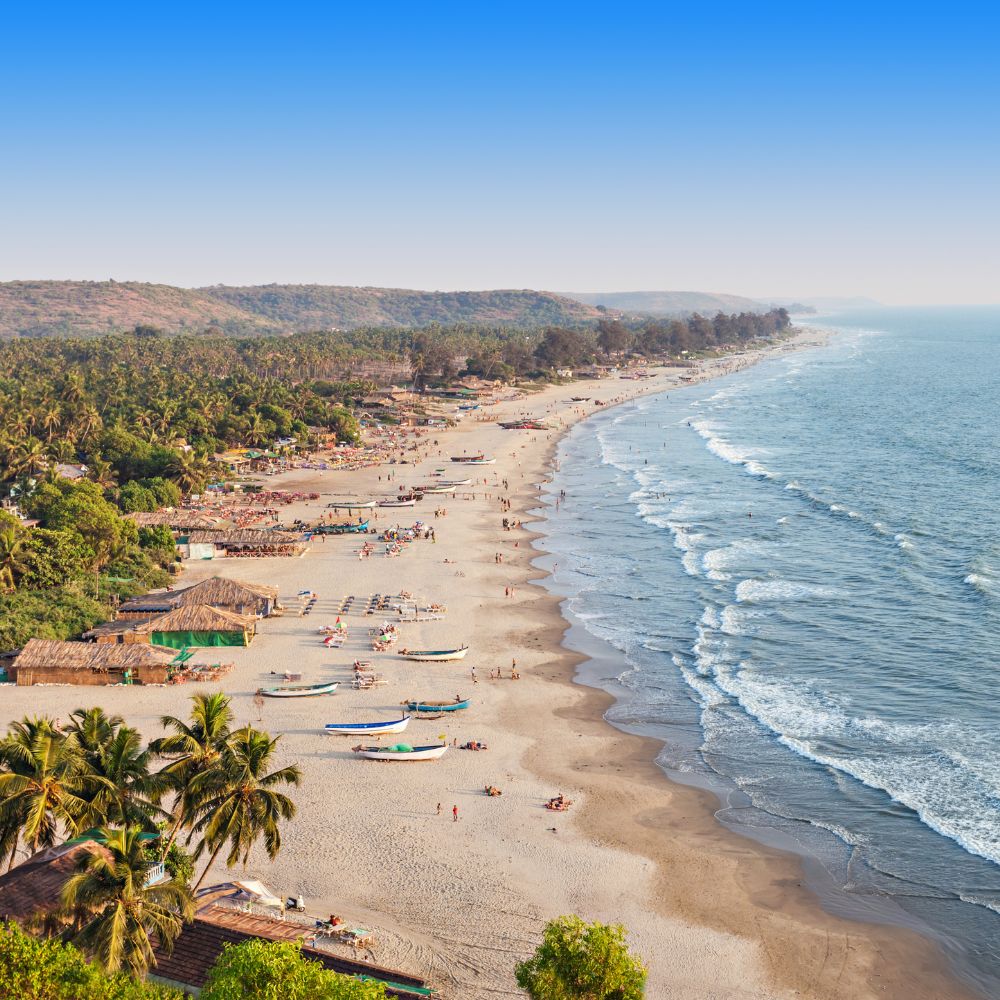
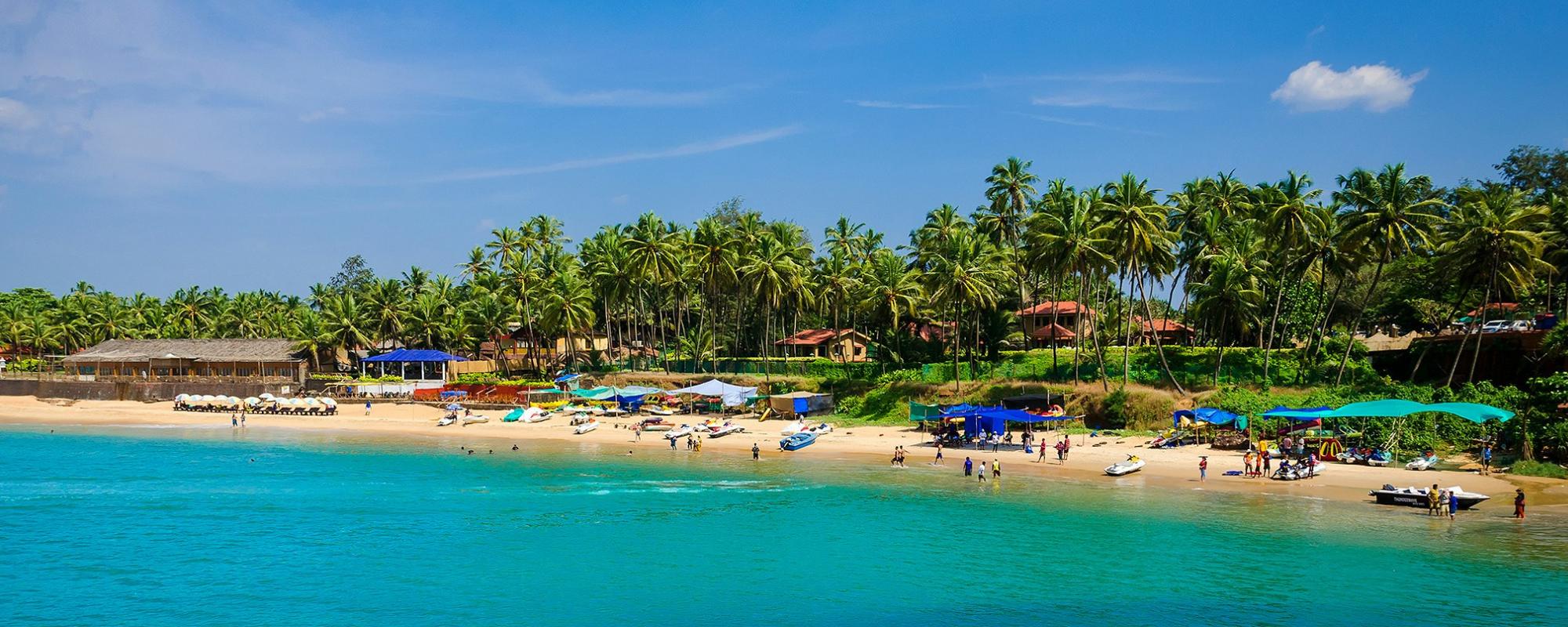
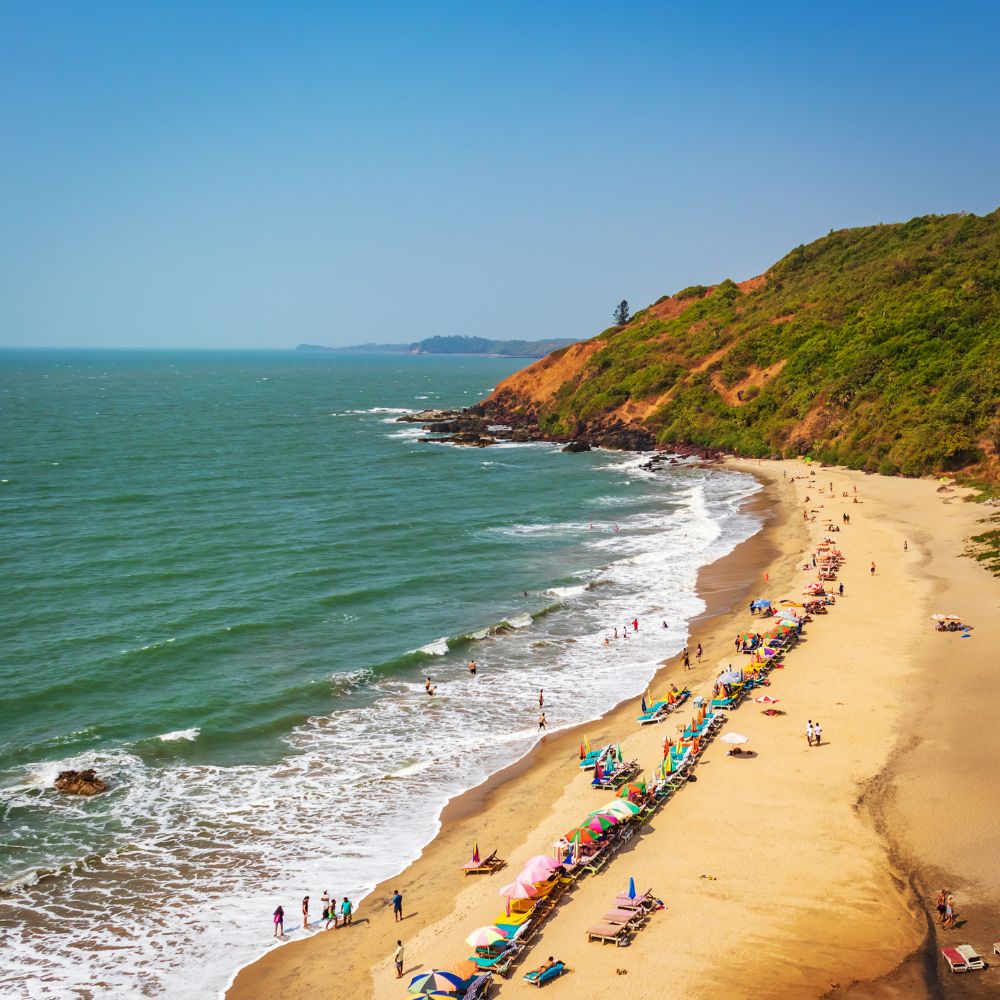
Travellers planning to be in India specifically over the New Year period face a real fork in the road, and the two most popular choices behave very differently from a booking perspective. Goa's beach resorts and New Year's Eve events sell out earliest and see the sharpest price spikes of anywhere in the country for this specific week, driven by both domestic and international demand converging on a small stretch of coastline.
Rajasthan's palace hotels operate on a longer seasonal booking curve, with New Year demand strong but slightly more predictable and somewhat more forgiving of a later booking, particularly outside Jaipur and Udaipur's very top-tier properties. Travellers undecided between the two should note that Goa's New Year specifically is the more time-sensitive booking of the two, and the one to prioritise first if it is under consideration at all.
Frequently Asked Questions About India Winter Travel Planning
Should I avoid visiting Delhi and Agra entirely in late December and January because of fog?
Not necessarily, since fog disruption is intermittent rather than constant, and many days pass without significant delay. The more useful approach is to build genuine buffer time around any flight or train connection through Delhi during this window, particularly ahead of an international departure, rather than avoiding the region altogether. Travellers with tight, single-day schedules and no flexibility are the ones most exposed to this risk.
Do I need serious winter clothing for a Rajasthan or South India hill station trip?
Not Himalayan-level winter gear, but more than most travellers pack for what they assume will be a warm-country trip. A proper insulated jacket, not just a light shawl or cardigan, is genuinely necessary for desert camp overnights in Rajasthan and for evenings in Munnar or Ooty specifically, even though daytime temperatures in both regions remain comfortable.
Does the Pushkar Camel Fair affect travel elsewhere in Rajasthan?
Its direct accommodation impact is concentrated in Pushkar itself and, to a lesser extent, nearby Ajmer, rather than the wider state. Jaipur, Jodhpur, and Udaipur are not meaningfully affected by the fair's dates specifically, though all of Rajasthan sees general winter peak-season pressure regardless of the fair.
Is it worth booking Rann Utsav tents even if the rest of the Gujarat itinerary is flexible?
Yes. The tent city's inventory is fixed for the entire November to February or March season. It does not expand with demand, unlike a conventional hotel that might add capacity or raise prices. If a Rann Utsav stay is wanted at all, it is one of the first bookings to lock in, well before finalising the surrounding Gujarat itinerary.
If I can only pick one, is Goa or Rajasthan the better choice for New Year in India?
This depends entirely on what the trip is for. Goa suits travellers prioritising beach, nightlife, and a coastal New Year's Eve atmosphere, and requires the earliest booking of any winter destination in the country for this specific week. Rajasthan suits travellers prioritising heritage, palace stays, and a slightly calmer, more culturally rooted New Year, with a marginally more forgiving booking timeline. Neither is objectively better; they serve different trips.
Should I worry about Delhi's air quality if I only have asthma or mild respiratory sensitivity?
For most travellers, no more than a passing thought. Anyone with asthma or particular respiratory sensitivity might glance at the daily reading before a full day of outdoor sightseeing, much as they would in any large city during its seasonal air quality dip, but this is a minor planning detail rather than something that should weigh on the decision to visit.
What should I know if my trip includes Delhi around January 26?
Expect significant road closures around Kartavya Path, India Gate, and the Red Fort on the day itself, with India Gate specifically inaccessible to casual tourists as it sits inside a high-security zone during the parade. Check whether your flight lands or departs during the restricted airspace window in the days around January 26, since scheduled airspace curbs have applied in past years both in the week before and on the day itself. None of this rules out a Delhi visit around this date, but it does mean checking the specific dates against your itinerary rather than assuming a normal sightseeing day.
Is it risky to plan a Kashmir trip during December or January specifically?
Not risky in a safety sense under normal conditions, but genuinely more weather-dependent than most other Indian winter destinations. The Chillai Kalan period, December 21 to January 30, brings the heaviest snowfall and the highest likelihood of a temporary road or flight disruption. Building in some schedule flexibility, avoiding a same-day onward connection immediately after a Kashmir departure, and treating the region as slightly less predictable than Rajasthan or South India in the same season are all sensible precautions rather than reasons to avoid the trip.