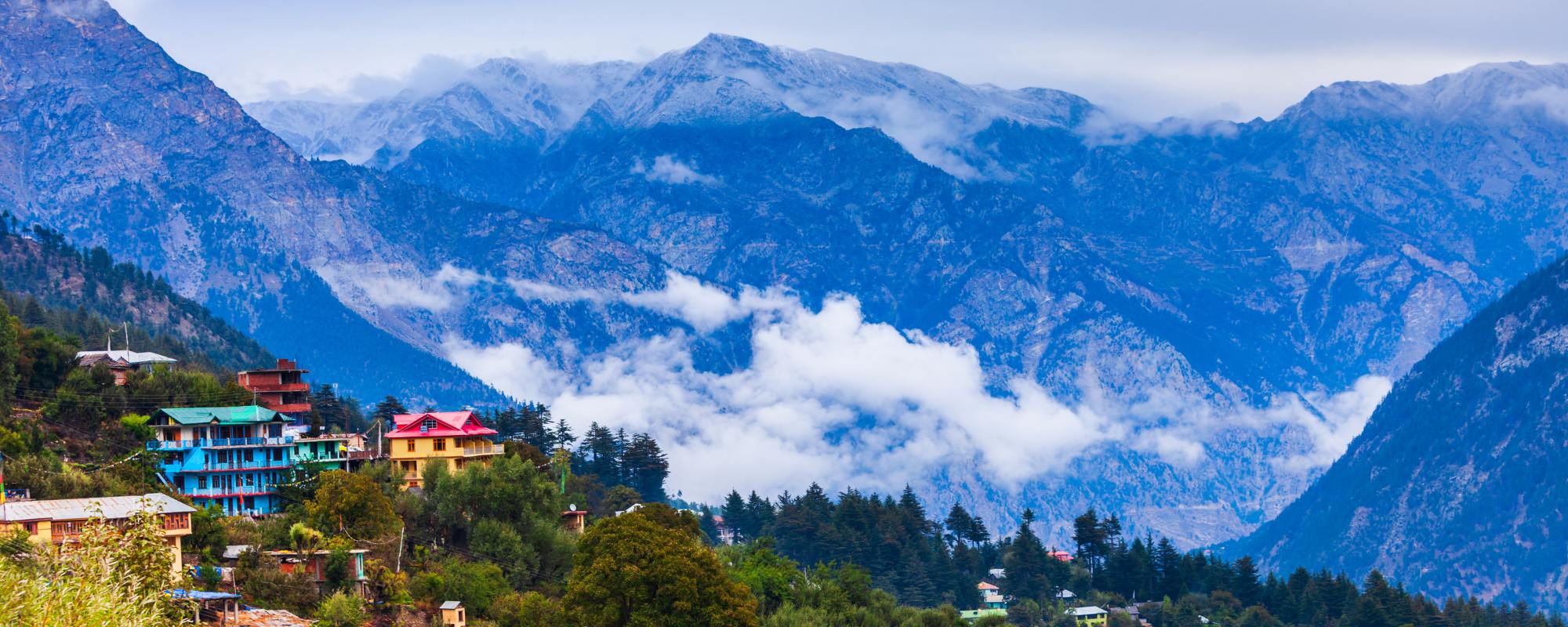
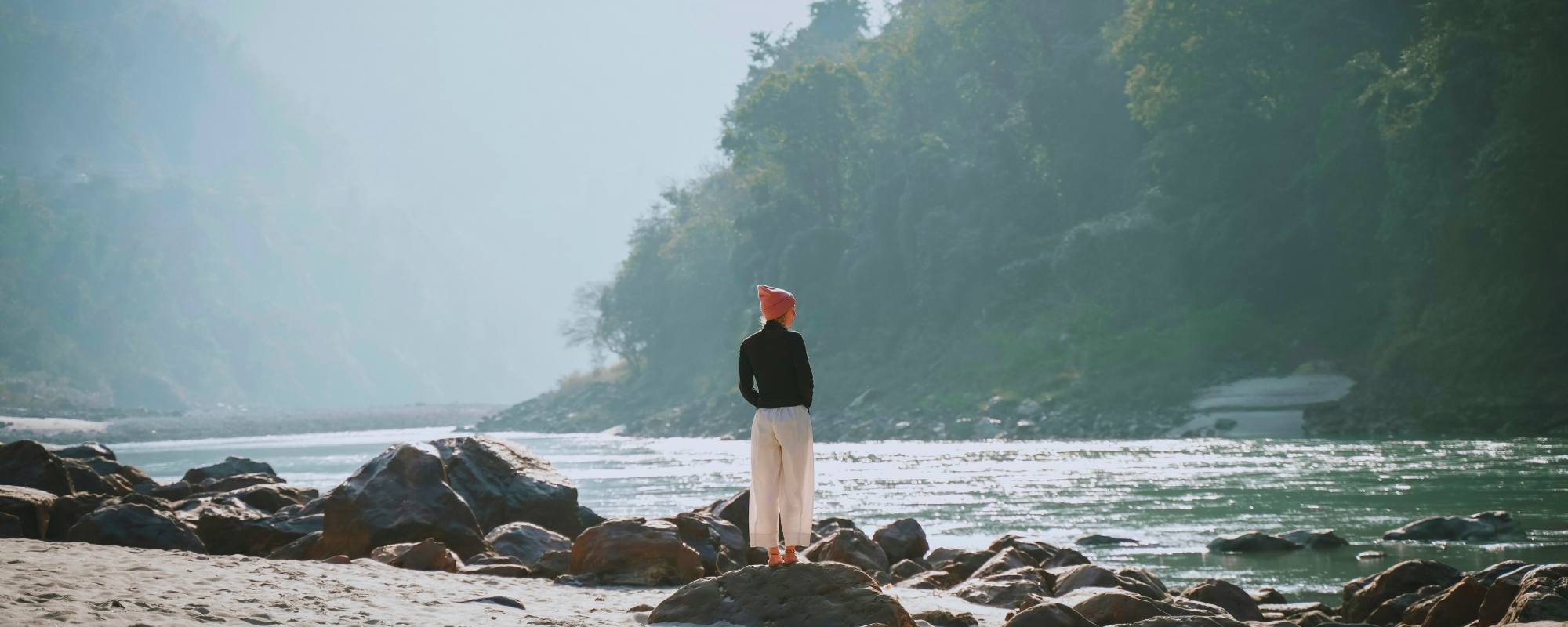
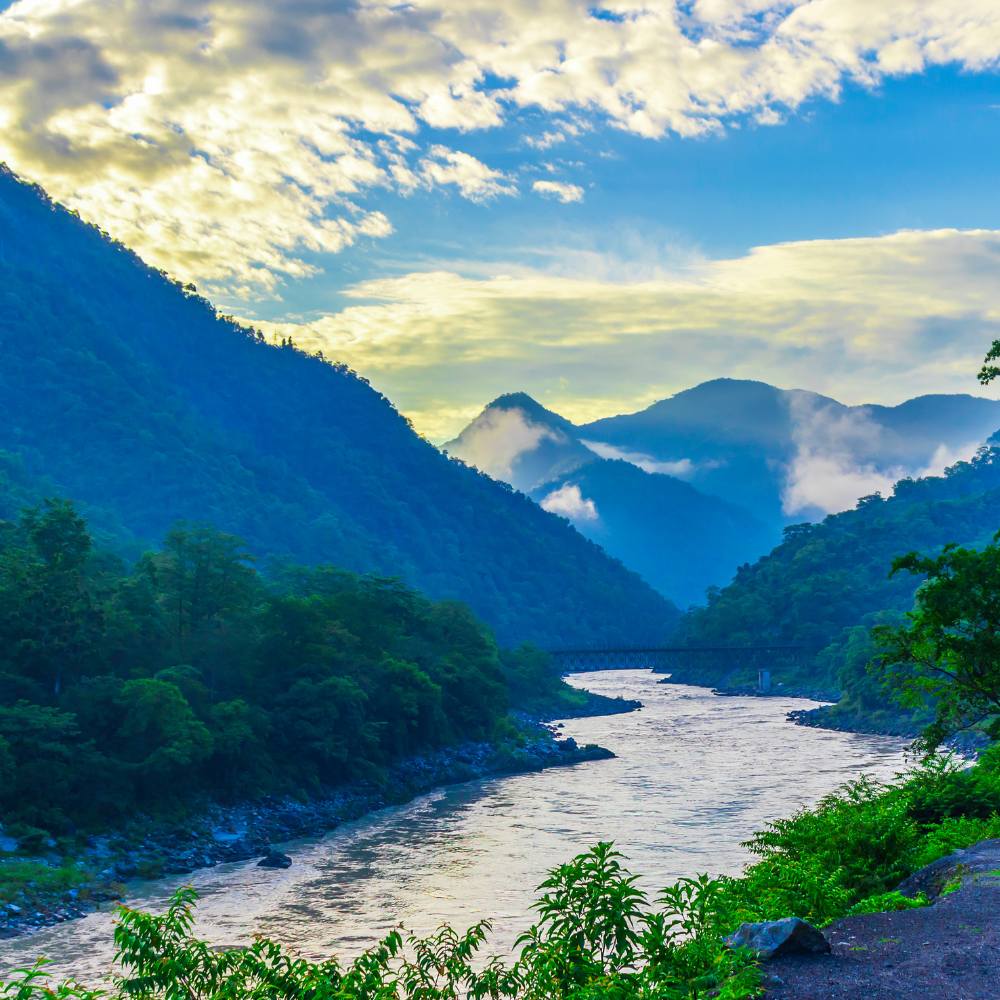
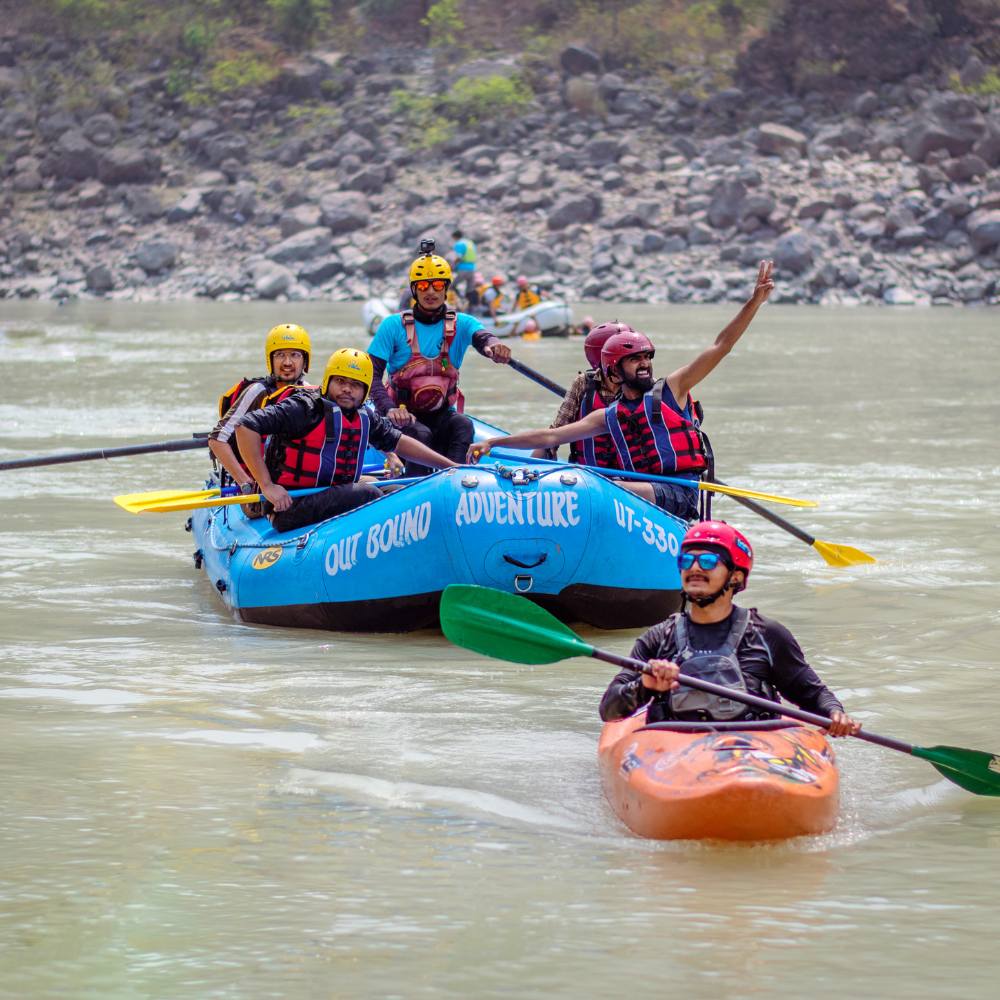
Rishikesh is not just a destination; it is a sensory awakening. Situated at the precise point where the emerald-green Ganga leaves the rugged embrace of the Himalayas to touch the northern plains, this city is a tapestry of ancient echoes and modern pulses. Whether you are a seeker seeking the silence of a meditation cave or an adrenaline junkie looking to conquer Grade IV rapids, Rishikesh offers a rare kind of magic that stays with you long after the mountain dust settles from your shoes.
Known globally as the “Yoga Capital of the World,” Rishikesh is the gateway to the Garhwal Himalayas. It is a place where saffron-robed monks share the sidewalk with international backpackers, and where the sound of temple bells harmonises with the roar of the river. In this comprehensive guide, we dive deep into the heart of Rishikesh to uncover the places and experiences that make it a must-visit for every traveller.
A Quick Travel Snapshot: Planning Your Escape
Before you pack your bags, it’s essential to understand the layout of this spiritual hub. Rishikesh is primarily divided into several zones: the bustling main town, the spiritual enclave of Swarg Ashram, the backpacker haven of Tapovan, and the adventure camps of Shivpuri.
The best time to visit depends entirely on your intent. If you are here for the thrill of white-water rafting, the months of March to May offer the perfect water levels and sunshine. However, for those seeking the quintessential misty Himalayan vibe and spiritual introspection, September to November provides a crisp, cool atmosphere.
Reaching Rishikesh is a journey through changing landscapes. You can fly into Jolly Grant Airport in Dehradun, which is a scenic 45-minute drive away. Alternatively, the Yog Nagari Rishikesh Railway Station connects the city to major Indian hubs. For the true road-tripper, a Volvo bus from Delhi offers a 6- to 7-hour journey from the chaos of the capital to the calm of the mountains.
Top Sights in Rishikesh: Adventure, Spirituality, and Scenic Escapes
These are the best places to visit in Rishikesh, making it a unique and memorable destination for your best experience.
Best Spiritual and Cultural Sites In Rishikesh: The Heart of the City
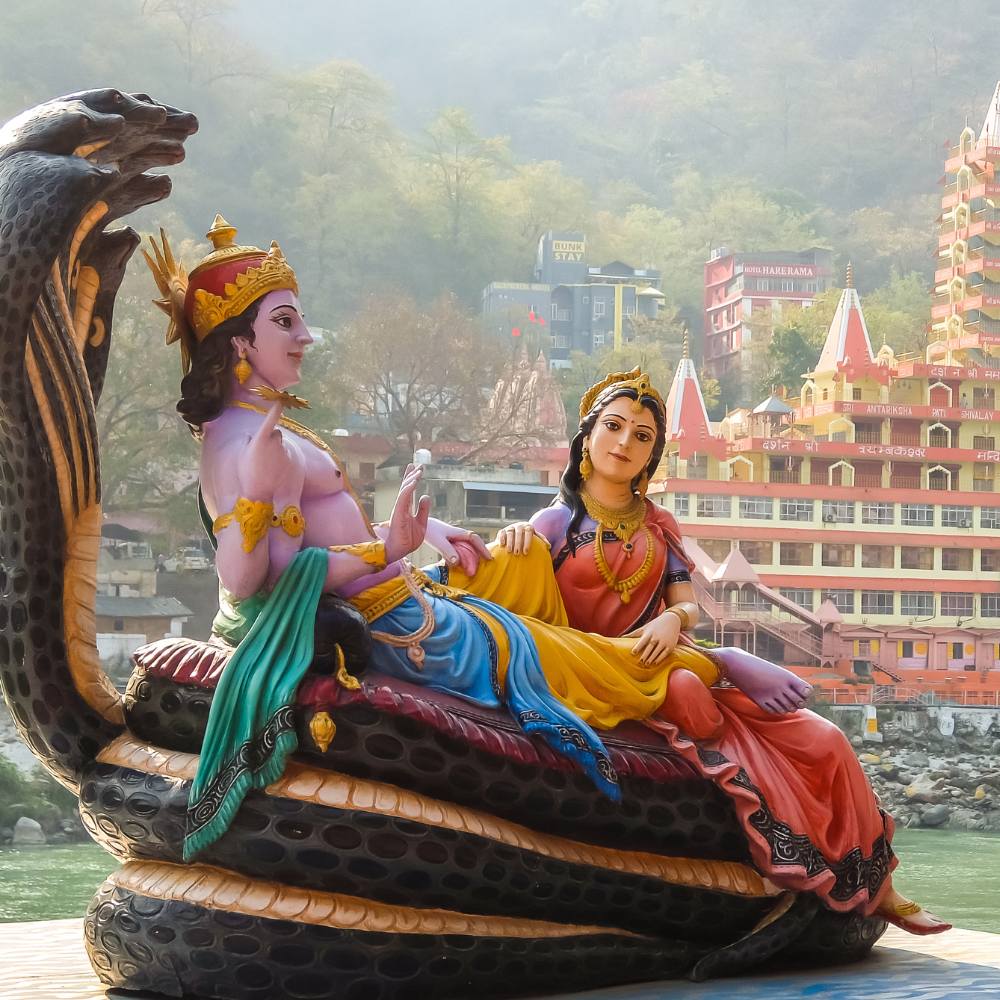
Rishikesh is built on a foundation of faith. The spiritual energy here is palpable, centred largely around the holy River Ganga.
1. Triveni Ghat: The Confluence of Souls
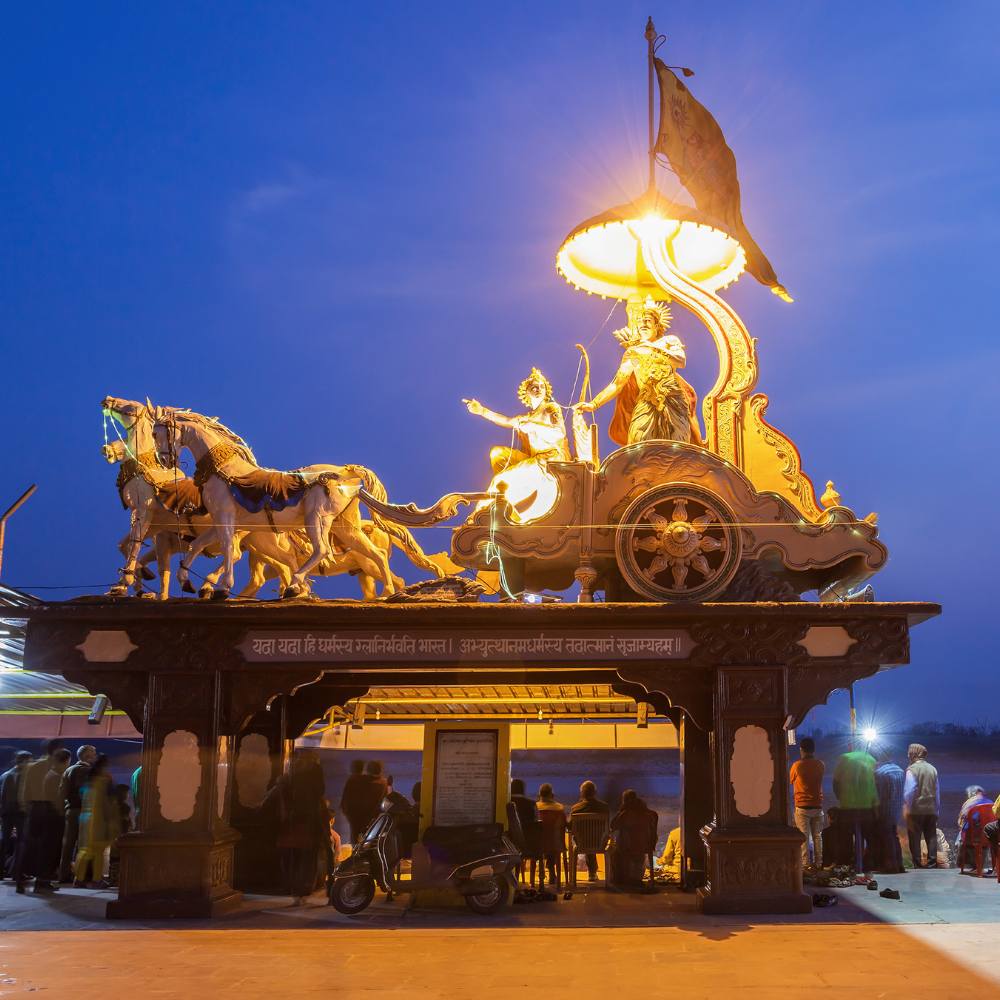
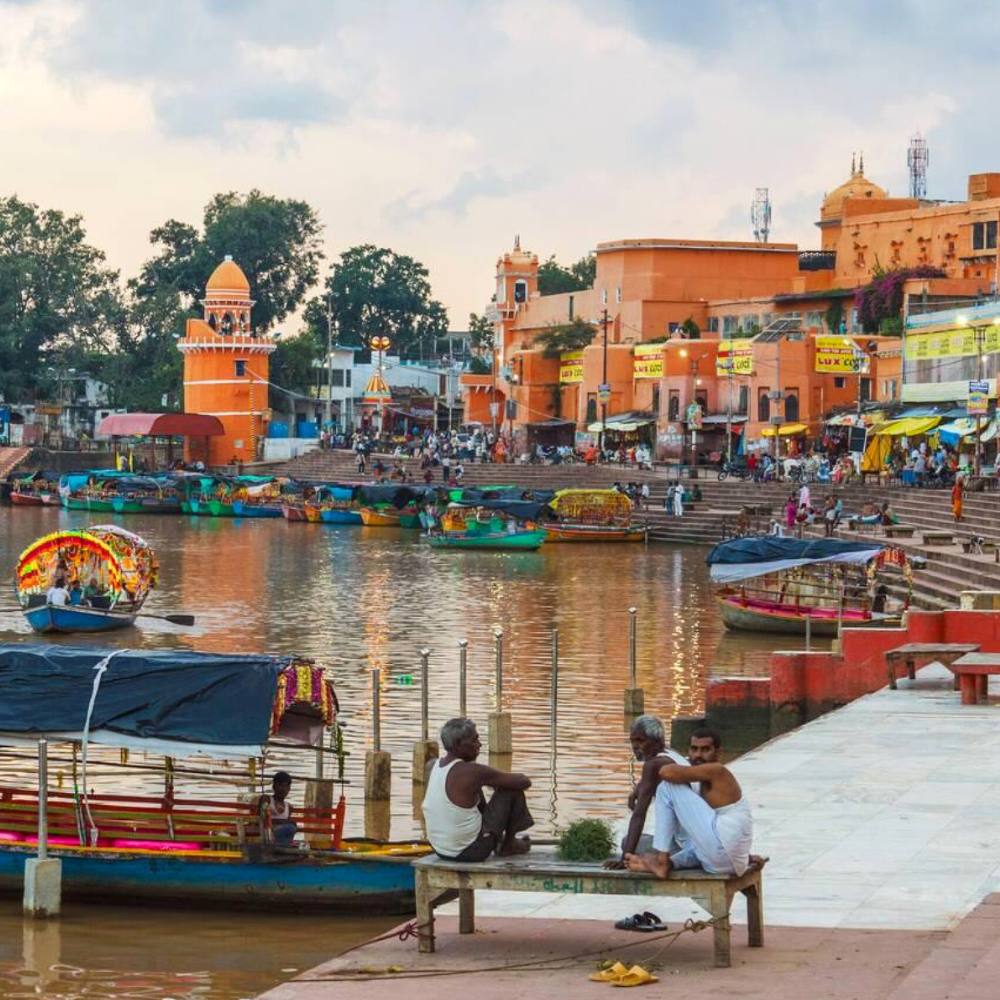
Triveni Ghat is the largest and perhaps the most significant ghat in the city. The name "Triveni" stems from the confluence of three holy rivers—the Ganga, the Yamuna, and the Saraswati. While the Saraswati is mythical and believed to flow underground, the energy at this spot is very real.
By day, the ghat is a hub of ritual activity. You will see devotees performing Pindh Shraddha (ancestral rites) or taking a "holy dip" in the cold, fast-moving waters. However, as dusk falls, the atmosphere transforms. The Maha Aarti at Triveni Ghat is a choreographed spectacle of fire and faith. Priests in traditional attire wave massive, multi-tiered oil lamps; the air thickens with the scent of incense, and the river reflects the orange glow of hundreds of leaf boats (diyas) released into the current.
2. Lakshman Jhula: Crossing the Legend
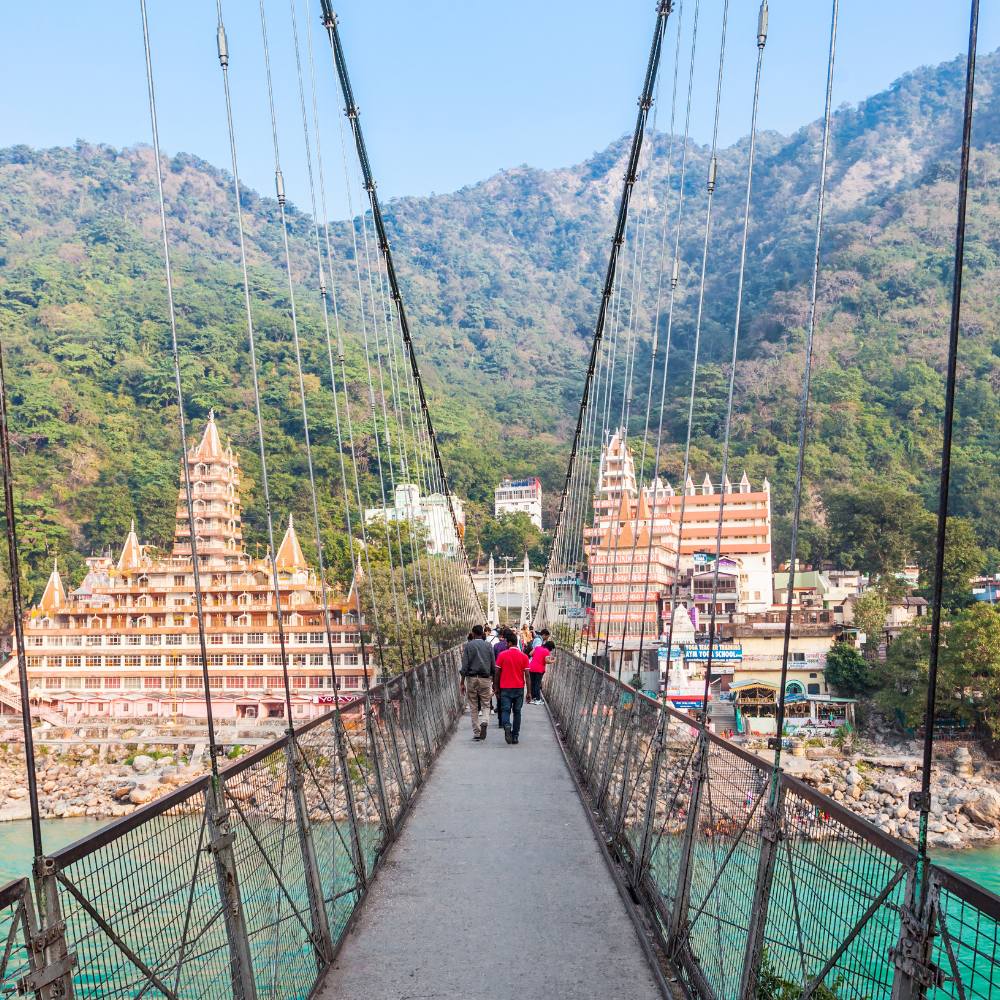
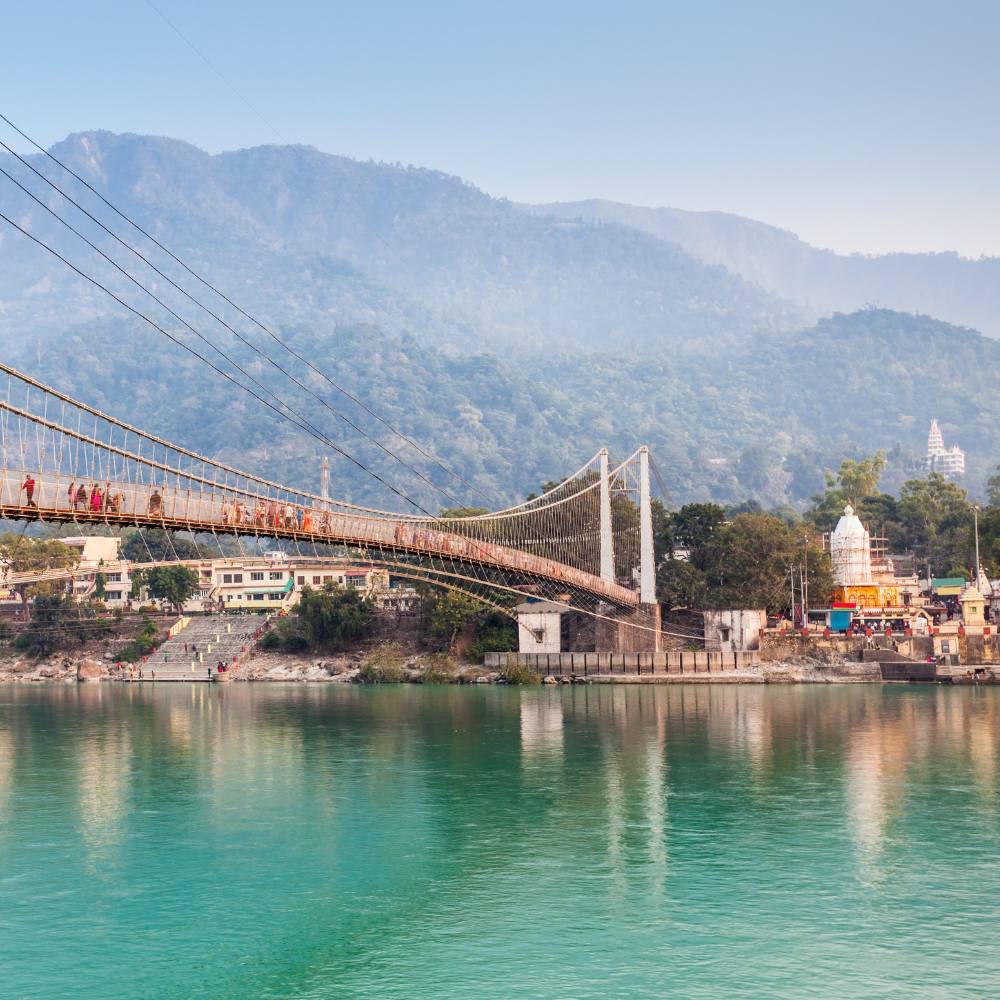
For decades, Lakshman Jhula has been the face of Rishikesh. This 450-foot-long iron suspension bridge is draped in mythology. It is said that Lord Lakshman, the younger brother of Lord Rama, crossed the Ganga at this very spot using only two jute ropes.
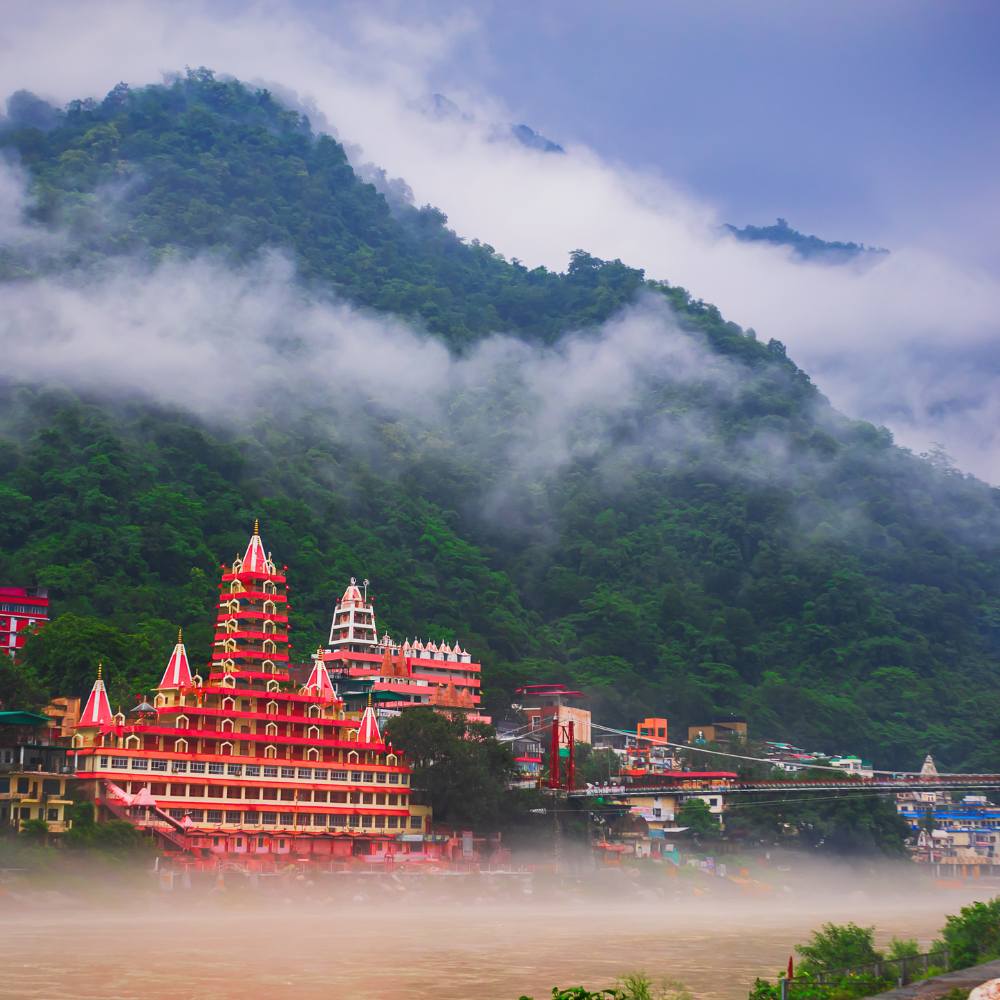
Walking across the bridge is an experience in itself. As it sways slightly under the weight of pedestrians and the occasional bold monkey, you are treated to a panoramic view of the river and the massive Tera Manzil Temple (Trimbakeshwar Temple). This 13-story shrine is a vertical journey through the Hindu pantheon, with each floor dedicated to different deities. Even if the bridge is closed for heavy traffic for maintenance, the surrounding markets, filled with authentic rudraksha beads, hand-knitted woollens, and Ayurvedic oils, remain the vibrant soul of the area.
3. Ram Jhula: The Bridge of Devotion
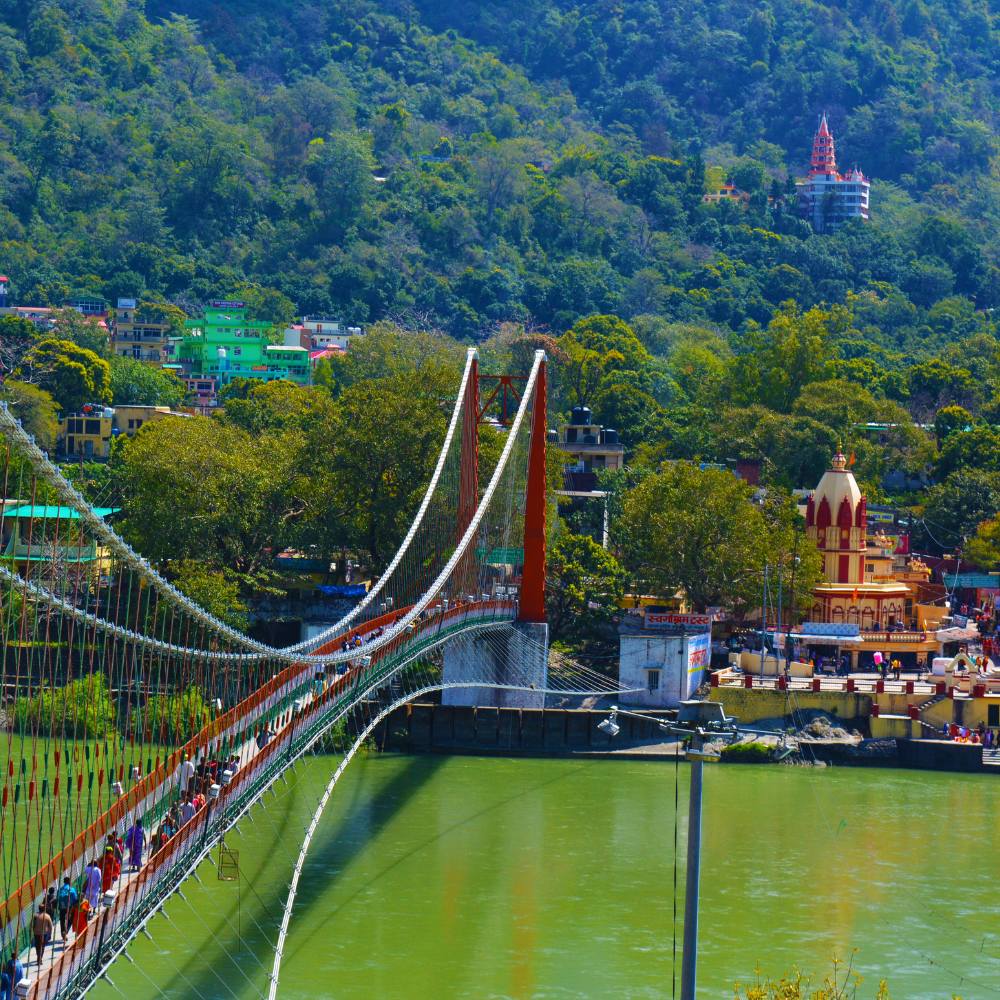
A sister to the Lakshman Jhula, the Ram Jhula is located about 2 kilometres downstream. It is slightly longer and serves as the primary link between the Sivananda Ashram on the west bank and the Swarg Ashram on the east.
The walk across Ram Jhula is often quieter and more contemplative. It offers the best photography spots for capturing the iconic "Rishikesh skyline", a row of ancient ashrams reflecting in the water. On the Swarg Ashram side, the riverbank is lined with bookstores and small shops selling brass idols, making it a favourite among those seeking spiritual souvenirs.
4. Parmarth Niketan: A Sanctuary for Yoga
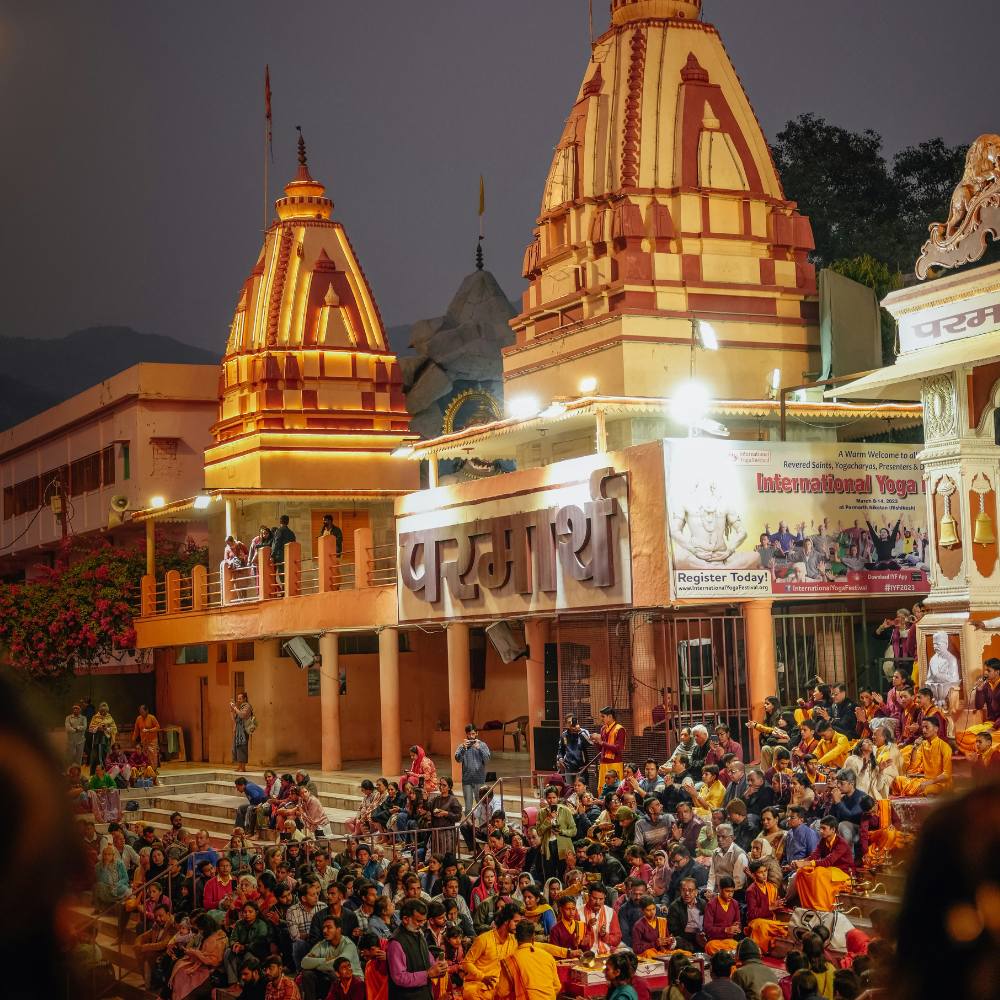
Parmarth Niketan is not just an ashram; it is a global centre for wellness. As the host of the International Yoga Festival, it attracts thousands of practitioners every year. The ashram is a sprawling green oasis with meticulously maintained gardens and statues of Hindu gods.
The highlight of Parmarth is the evening Ganga Aarti, led by the resident Gurukul students. Clad in bright yellow robes, these young scholars lead the crowd in soulful bhajans (hymns). The ceremony here is more musical and structured than at Triveni Ghat, making it highly accessible for international travellers looking to understand the philosophy behind the rituals.
Read Also: Top 15 Pilgrimage Places in India for a Spiritual Journey
Into the Wild: Nature and Scenic Attractions of Rishikesh
Beyond the temples, Rishikesh is a gateway to some of Uttarakhand's most stunning natural landscapes.
1. Neergarh Waterfall: The Limestone Escape
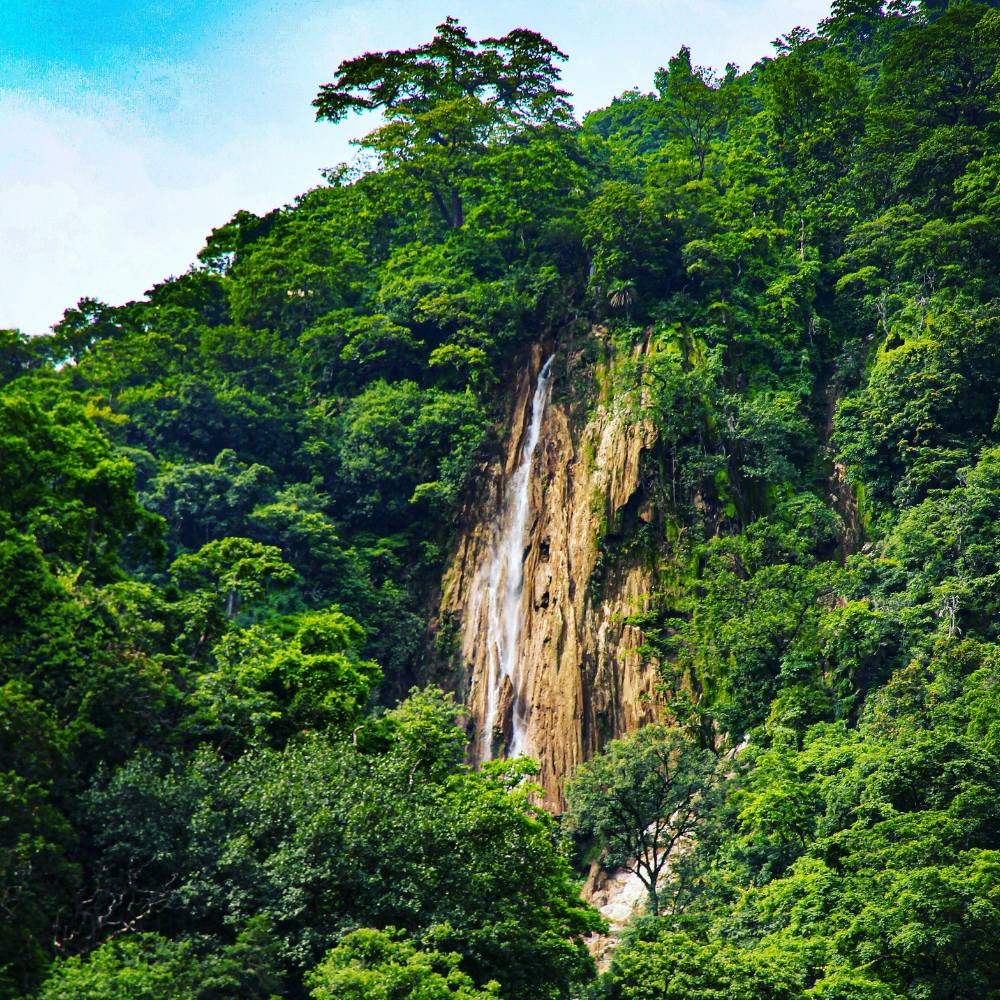
Located a short 3-km drive or trek from the Lakshman Jhula area, Neergarh (also known as Neer Gaddu) is a series of three waterfalls that tumble down limestone cliffs.
The trek to the waterfall is half the fun. As you climb the narrow trail, you pass small mountain cafes perched on the edge of the cliff, serving hot ginger-lemon tea and Maggi. The first pool is usually crowded, but if you persevere and trek further up to the "big fall," you’ll find a massive natural pool where the water is a brilliant turquoise. It’s the perfect spot to wash away the tropical heat in the icy Himalayan runoff.
2. Vashishta Cave: The Silence of the Sages
For those seeking true solitude, Vashishta Gufa (Cave) is a must-visit. Located about 25 km from the city centre, this cave is where Sage Vashishta, one of the seven great Rishis, meditated to overcome his grief at the loss of his children.
Inside the cave, the temperature drops, and the outside world disappears. There is no artificial lighting; only the faint glow of a small lamp near a Shivalinga. The silence is so profound that you can hear your own heartbeat. After your meditation, walk down to the private river beach outside the cave. Unlike the crowded beaches of the town, this stretch of sand is pristine and offers a peaceful place to sit and watch the river flow.
3. Rajaji National Park: A Wildlife Safari
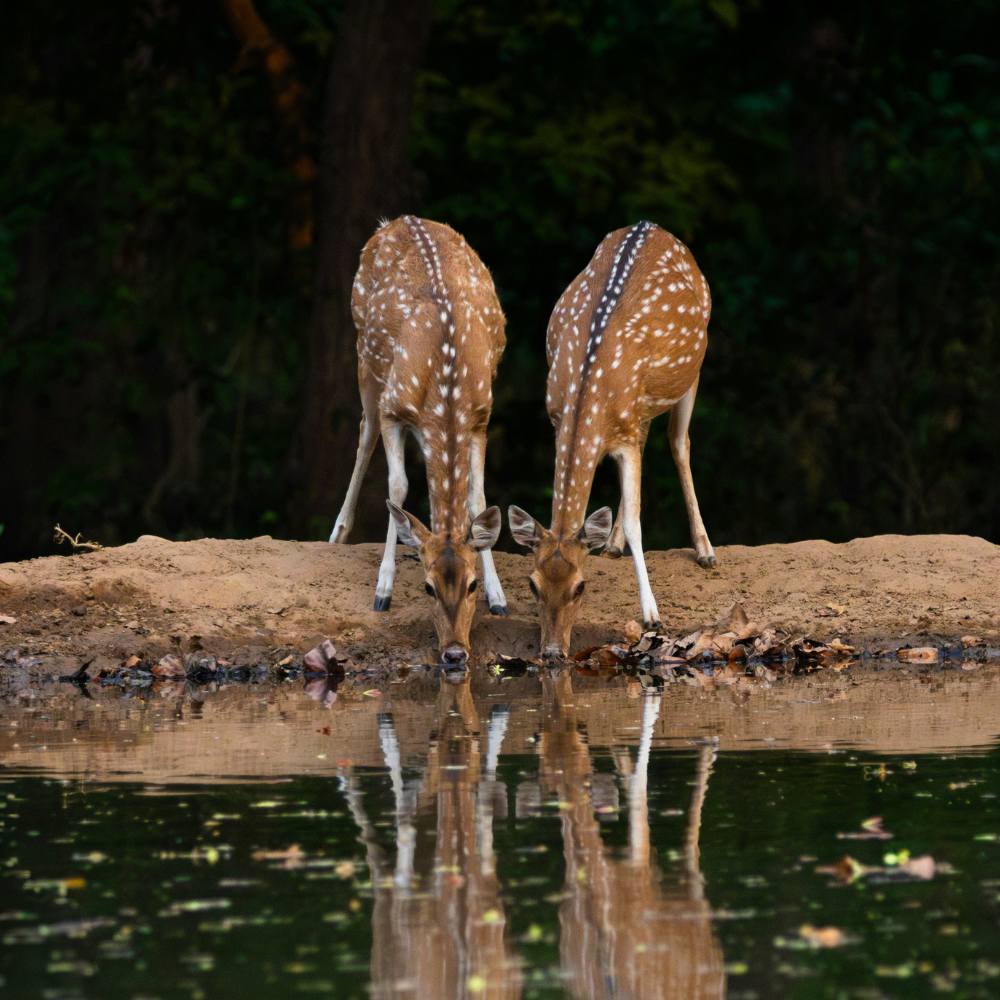
Spanning over 800 square kilometres, Rajaji National Park is a haven for biodiversity. It is home to over 500 Asian elephants, as well as tigers, leopards, and Himalayan black bears.
A Jeep Safari in the Chilla Zone (the closest to Rishikesh) is a great way to spend an afternoon. The park’s landscape is a mix of broadleaved deciduous forests, scrubland, and grasslands. If you’re a birdwatcher, keep your binoculars ready for the Great Pied Hornbill and the Crested Serpent Eagle.
Adventure Activities in Rishikesh: Thrills on the Ganga
Rishikesh didn't earn the title of "Adventure Capital of India" by accident. It offers some of the most professional and exhilarating outdoor sports in the country.
1. White-Water Rafting: Taming the Rapids
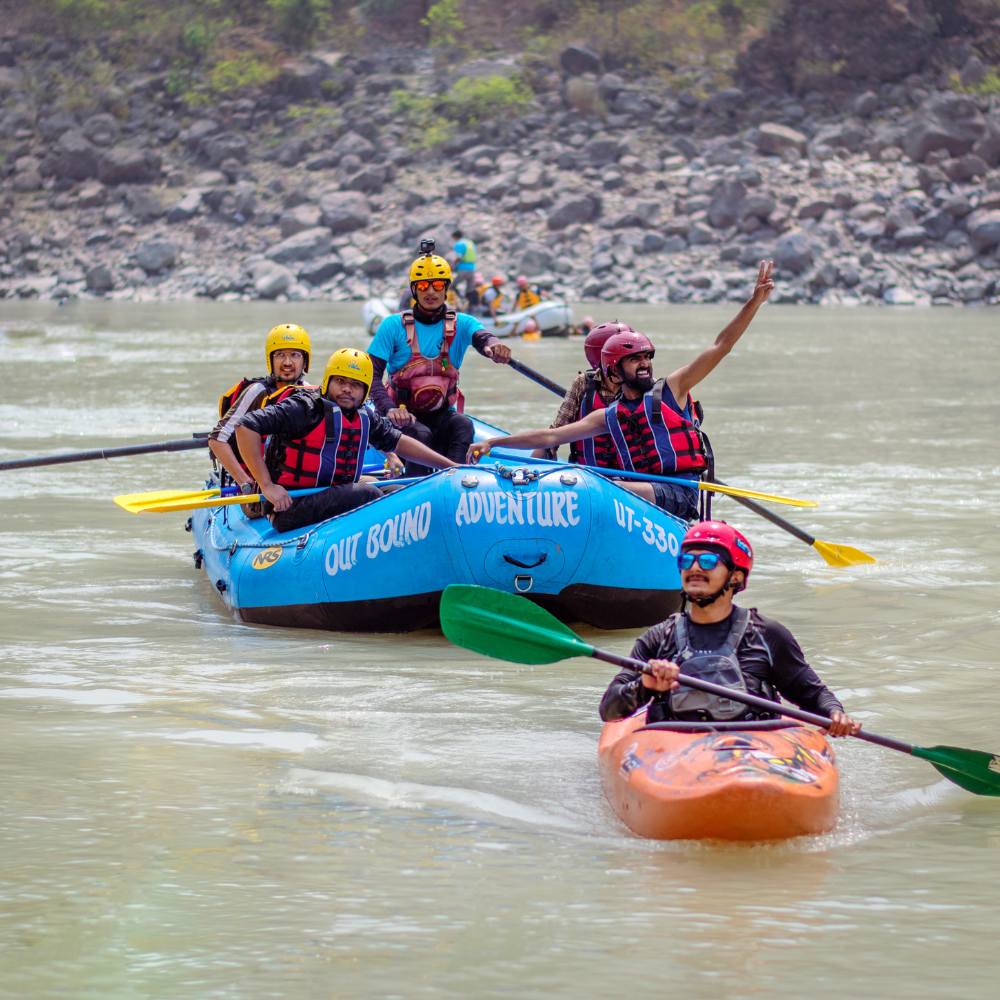
River rafting is the quintessential Rishikesh experience. The Ganga here is divided into several stretches, each with a different level of difficulty.
- The Shivpuri Stretch (16km): This is the most popular route, featuring Grade II and III rapids like "Roller Coaster" and "Golf Course." It’s an adrenaline-pumping ride that includes a section for "cliff jumping" into the river.
- The Marine Drive Stretch (26km): This is for those who want a longer duration on the water. It includes the "Three Blind Mice" rapid, which requires synchronised paddling and a bit of grit.
- The Kaudiyala Stretch: Only for the brave, this stretch features "The Wall," a Grade IV+ rapid that frequently capsizes even experienced teams.
2. Bungee Jumping at Mohanchatti
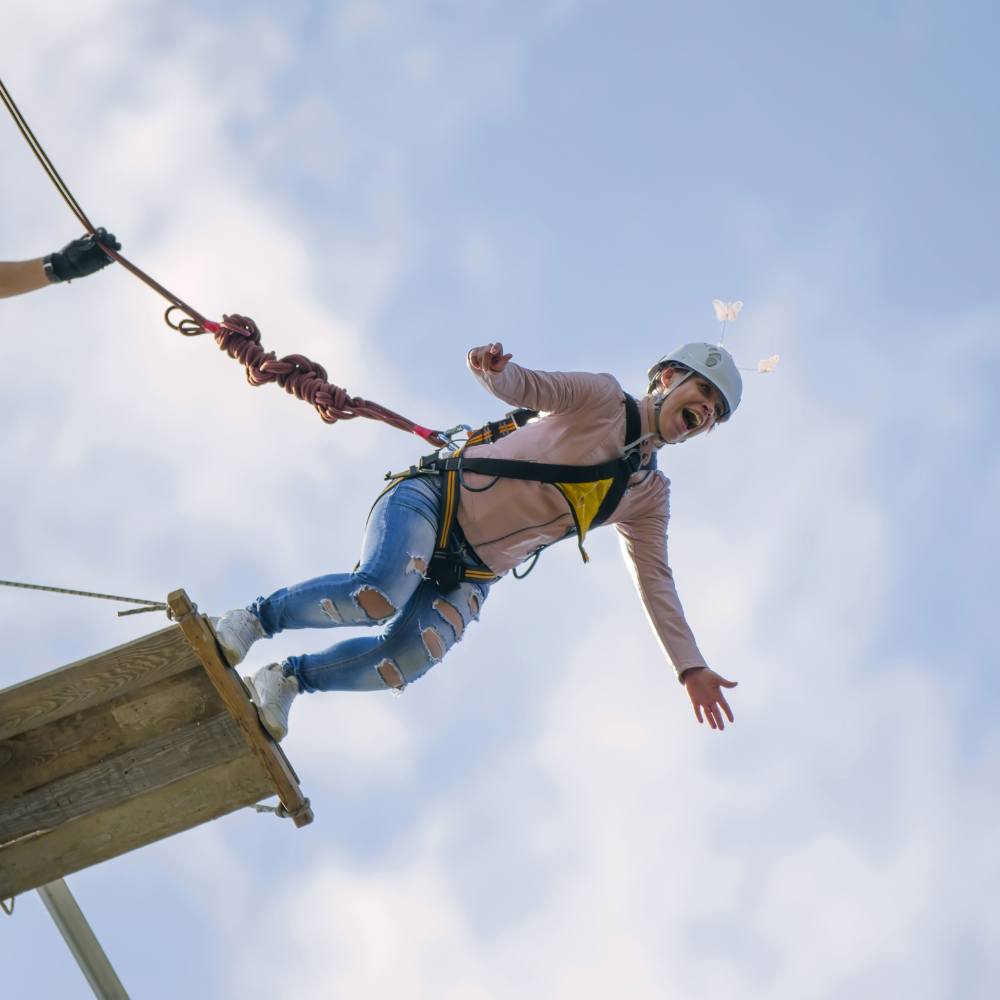
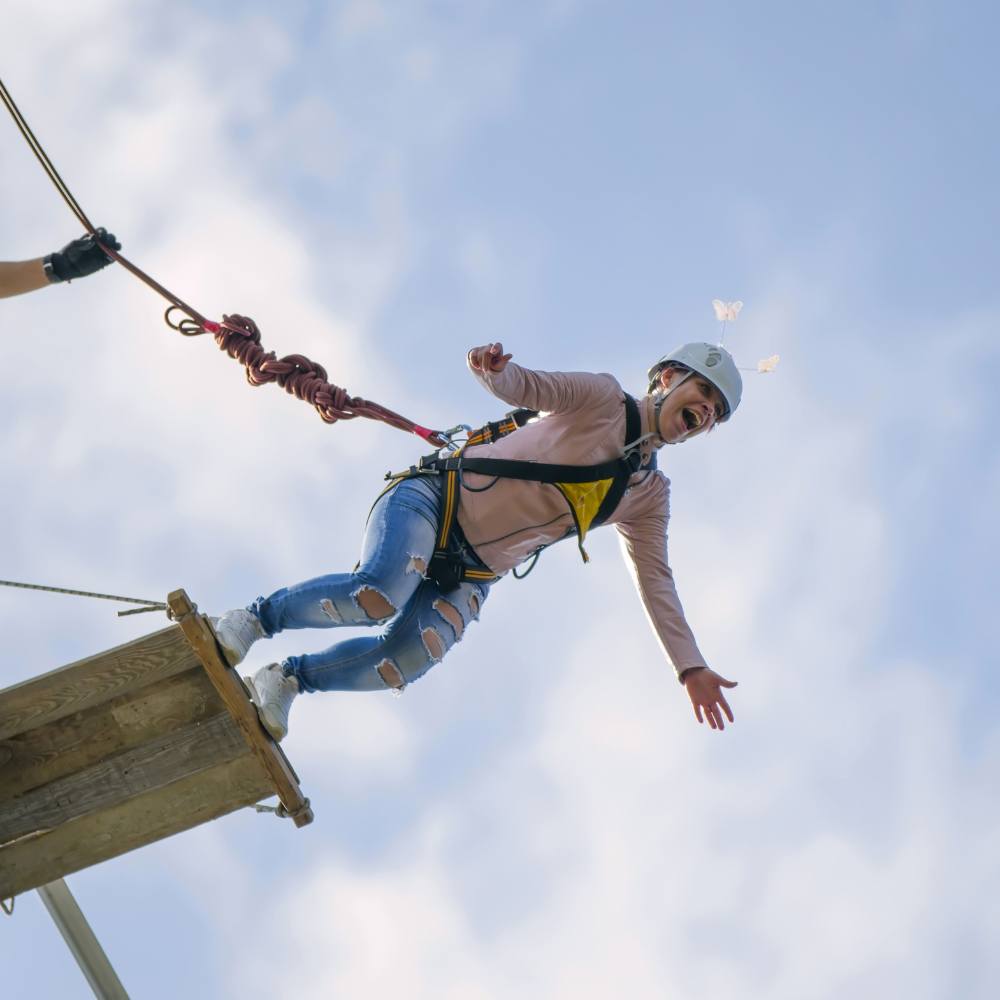
If the river isn't enough, take to the skies. At Mohanchatti, Jumpin Heights operates India’s highest fixed-platform bungee jump. At 83 meters, the jump is performed from a cantilever platform built over a rocky cliff. The safety standards are international (set by experts from New Zealand), and the "Dare to Jump" certificate you receive afterwards is a badge of honour for any traveller.
More Adventure Experience in India: 10 Best Adventure Places in India for Thrill Seekers
Offbeat Places and Hidden Gems in Rishikesh
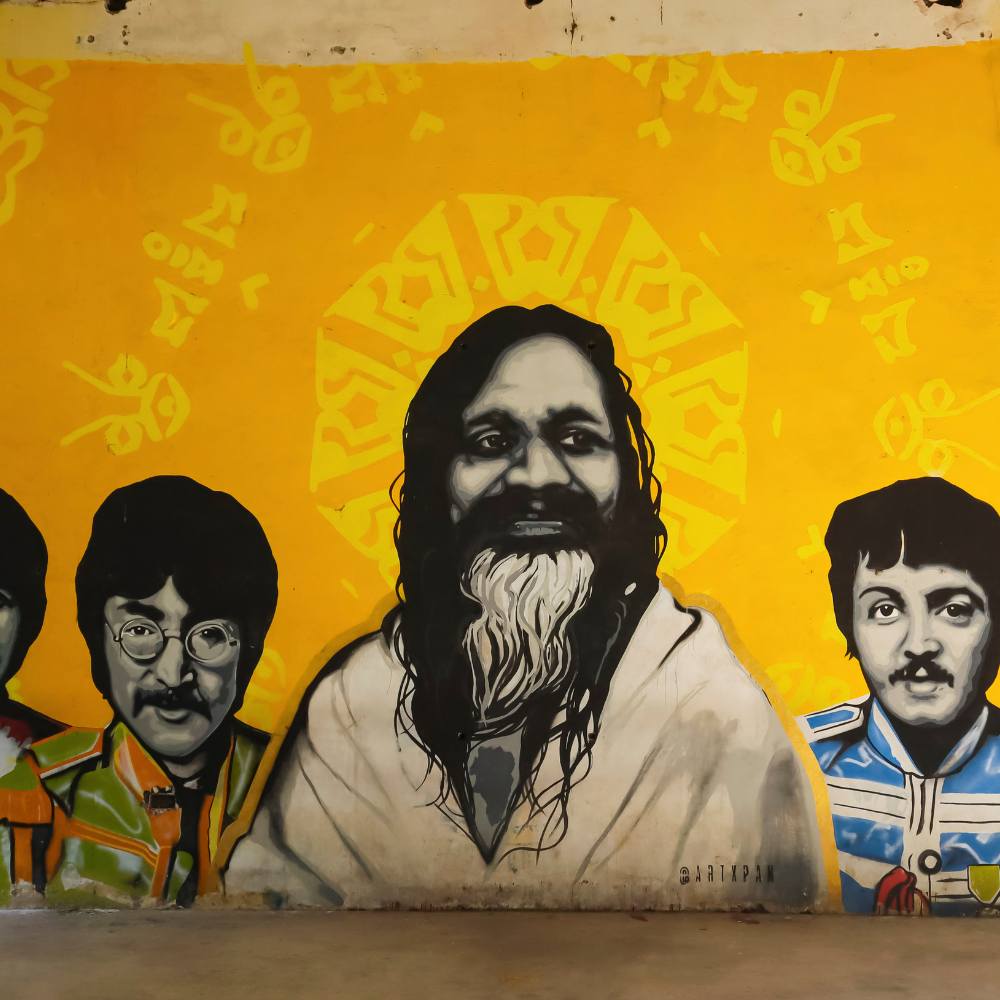
To see the Rishikesh that most tourists miss, you have to look for the "hidden" spots.
- The Beatles Ashram (Chaurasi Kutia): In 1968, the Beatles visited the Maharishi Mahesh Yogi's ashram to study Transcendental Meditation. Today, the ashram is a hauntingly beautiful ruin site within a forest reserve. The "Beatles Cathedral" is covered in world-class graffiti art, and the stone meditation domes (kutias) stand as silent witnesses to a musical revolution.
- Goa Beach: This hidden stretch of white sand is located near Lakshman Jhula. It’s a popular hangout for long-term travellers who spend their afternoons reading, playing guitars, and sunbathing.
- Kunjapuri Devi Temple Trek: For the best sunrise in the region, take a pre-dawn drive to Kunjapuri. Located at 1,645 meters, the temple offers a 360-degree view of the snow-capped Himalayan peaks on one side and the sprawling Ganga valley on the other.
Where to Stay and Eat in Rishikesh, India?
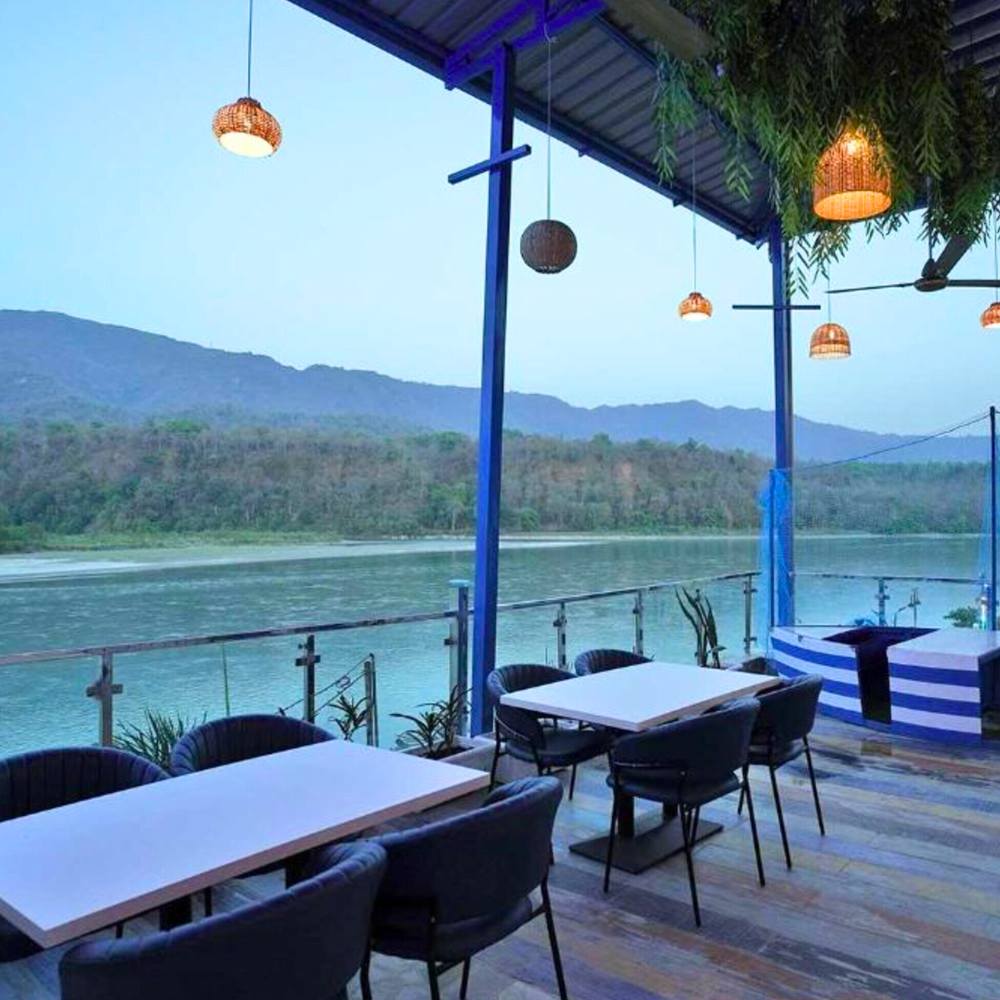
Rishikesh caters to every budget. For a spiritual immersion, stay at an ashram like Parmarth Niketan or Sivananda Ashram. For the modern traveller, the Tapovan area is filled with vibrant hostels like Zostel and boutique stays. If you're looking for luxury, retreats like Ananda in the Himalayas offer world-class Ayurvedic treatments.
When it comes to food, Rishikesh is a paradise for vegans and health-conscious eaters.
- The 60's Café (Beatles Café): Offers great views and gluten-free options.
- Little Buddha Café: Known for its "Malai Kofta" and vibrant, tree-house-style seating.
- Freedom Café: The best place to sit and watch the sunset with a bowl of Tibetan Thukpa.
Book your Tour with Bout India for a perfect tour: https://www.boutindia.com/plan-your-trip
Frequently Asked Questions
To help you plan your journey with precision, here are the most common queries travellers have when visiting the Yoga Capital of the World.
How many days are enough to explore Rishikesh?
For a fulfilling experience, 3 to 4 days are ideal. This allows you enough time to cover the spiritual landmarks (the Ghats and Ashrams), indulge in a full day of adventure (rafting and bungee jumping), and still have a day left for a local trek or café-hopping in Tapovan. If you are joining a yoga retreat, you might stay for 7 to 21 days.
Is Rishikesh safe for solo travellers?
Yes, Rishikesh is widely considered one of the safest destinations in India for both domestic and international solo travellers. The local community is welcoming, and the town's spiritual nature fosters a respectful environment. However, as a general rule, avoid trekking alone in secluded forest areas like Neergarh or Garud Chatti after sunset.
Can beginners try water rafting on the Ganga?
Absolutely. Most rafting operators offer the Brahmapuri to Rishikesh (9km) stretch, which consists of Grade I and II rapids, making it perfectly safe for beginners, children, and seniors. For those with basic fitness levels, the Shivpuri (16km) stretch is the most popular starting point. Always ensure you book with a certified operator who provides life jackets and helmets.
Is alcohol or non-vegetarian food allowed in Rishikesh?
No. Rishikesh is a designated "Holy City," meaning the sale and consumption of alcohol and meat are strictly prohibited within its city limits. While you may find "mock-meat" or vegan versions of your favourite dishes in cafes, the town remains entirely vegetarian and dry out of respect for its religious heritage.
What is the best way to get around Rishikesh?
The most convenient way to travel locally is by "Vikram" (shared auto-rickshaws), which run on fixed routes between Lakshman Jhula, Ram Jhula, and the main town. For more freedom, many travellers rent scooters or motorbikes for approximately ₹500 to ₹800 per day. Note that the bridges (Jhulas) are pedestrian-only, so be prepared to walk quite a bit!
What should I pack for a trip to Rishikesh?
Here are the Your packing list for the Rishikesh trip:
- Modest clothing: For visiting temples and ashrams (shoulders and knees covered).
- Quick-dry clothes: Essential for river rafting and visiting waterfalls.
- Sturdy walking shoes: The terrain is hilly and involves a lot of walking.
- Sunscreen and insect repellent: Especially if you are camping or trekking.
- A light jacket: Even in summer, the Himalayan breeze can make evenings quite cool.
Conclusion: Experience the Magic of Rishikesh
Rishikesh is a destination that resonates on a deeper frequency. It is one of the few places in the world where you can spend your morning in profound silence at an ashram, your afternoon screaming with excitement on a bungee platform, and your evening in a state of bliss by the glowing lanterns of the Ganga.
It is a city that invites you to be mindful, to watch the river flow, to listen to the chants, and to push your physical limits. Whether you are a digital nomad seeking a peaceful workspace or a family looking for a spiritual getaway, the "Yoga Capital" promises a transformation that stays with you long after the mountain air has faded from your lungs.