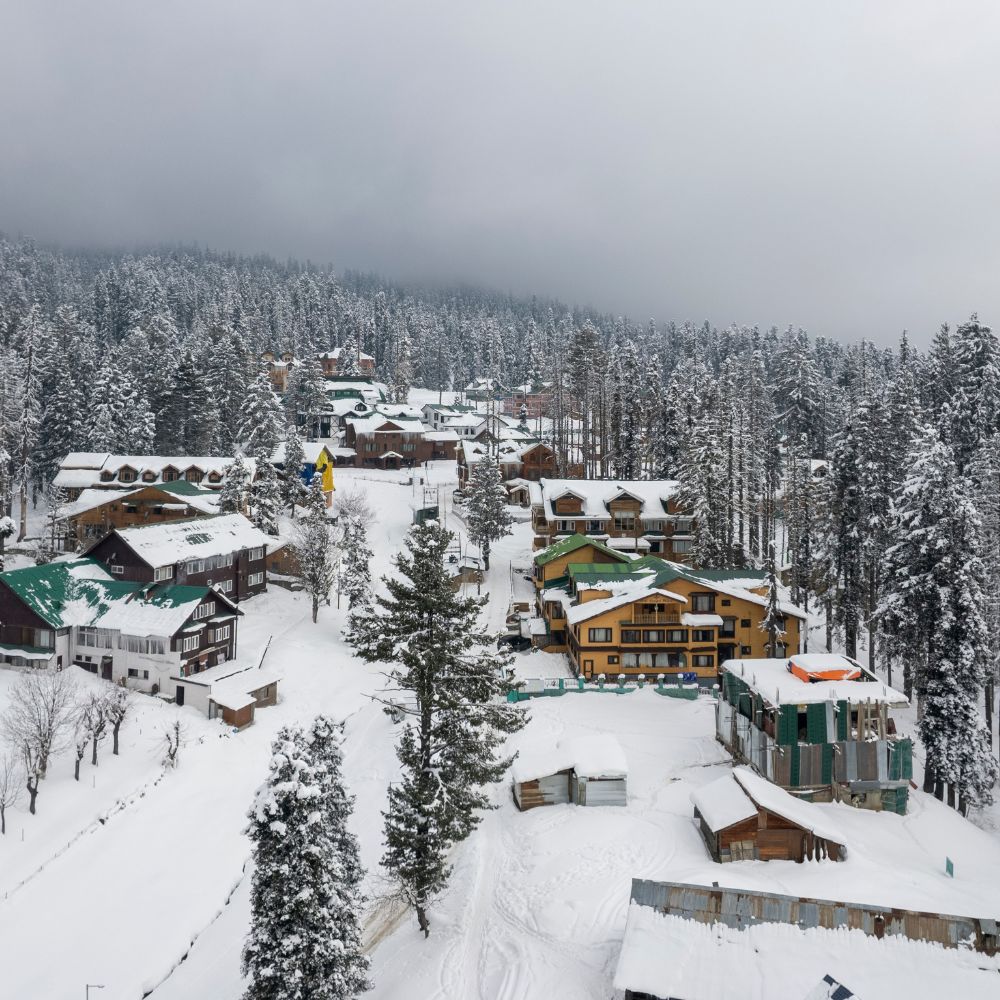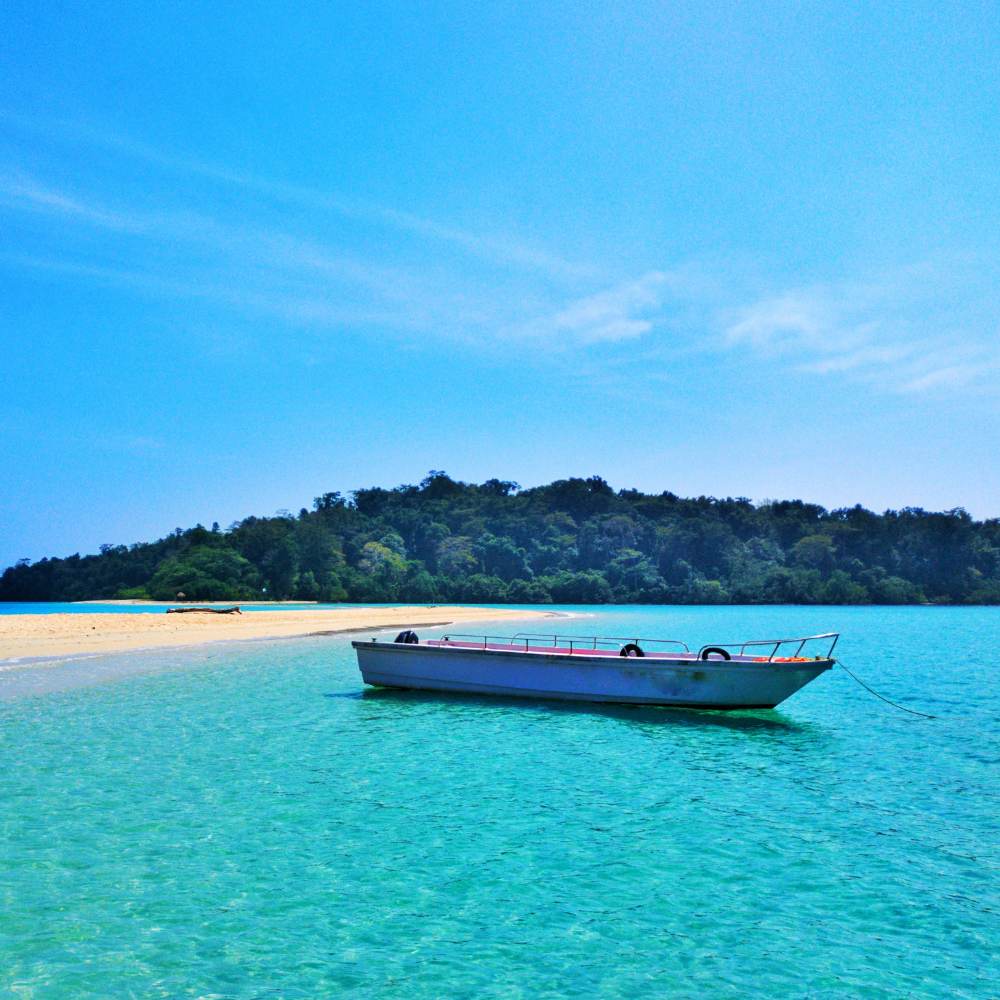
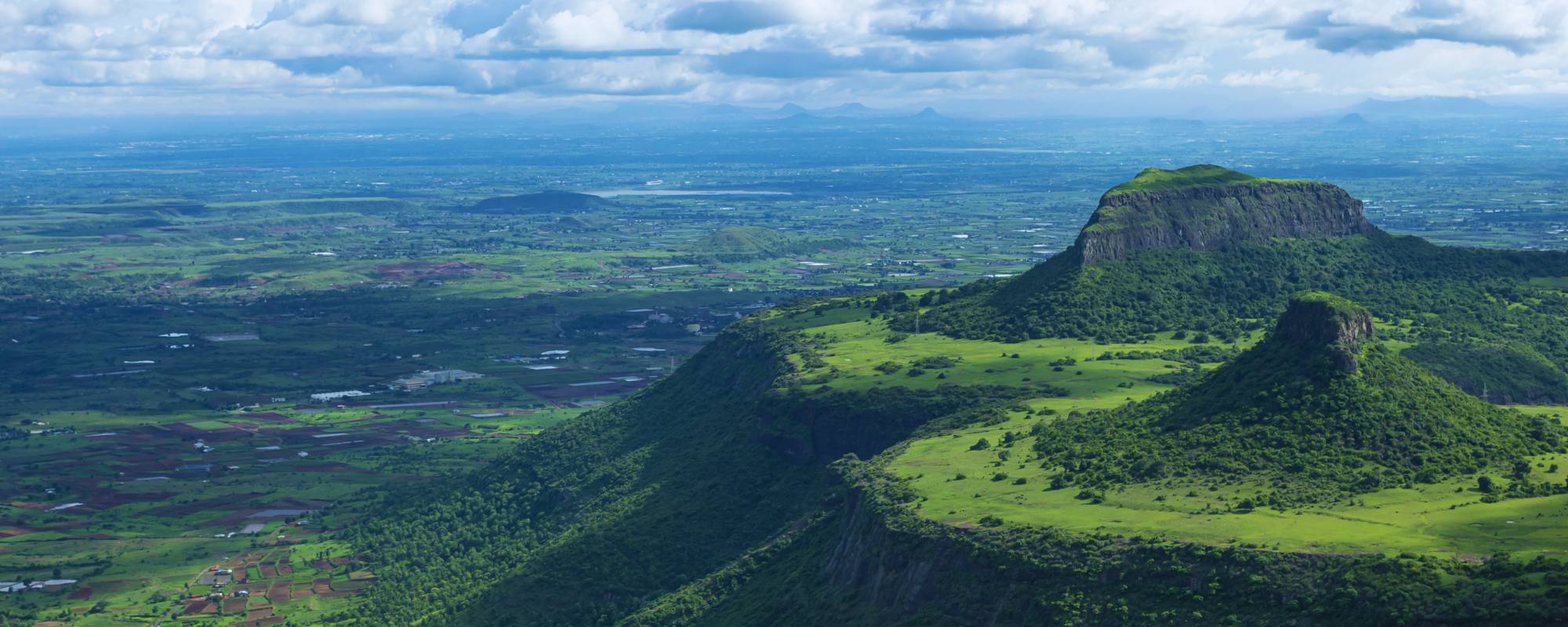
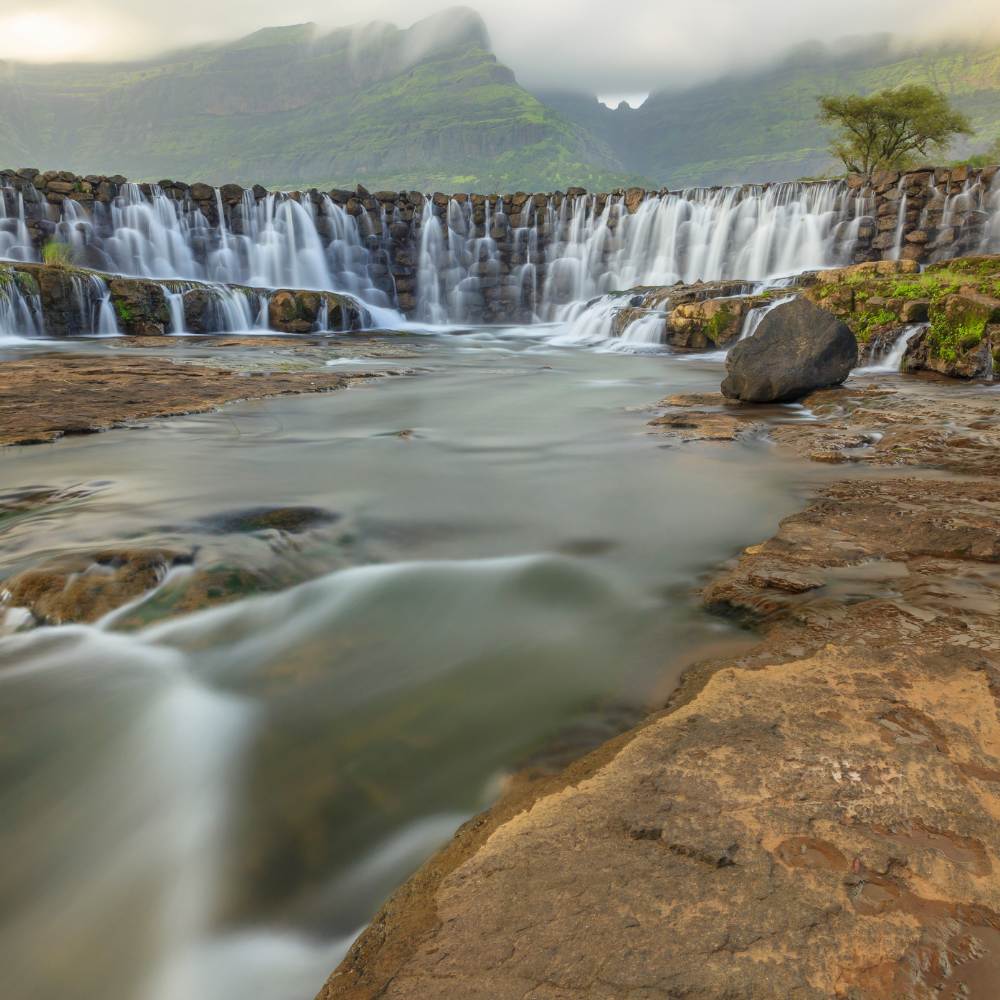
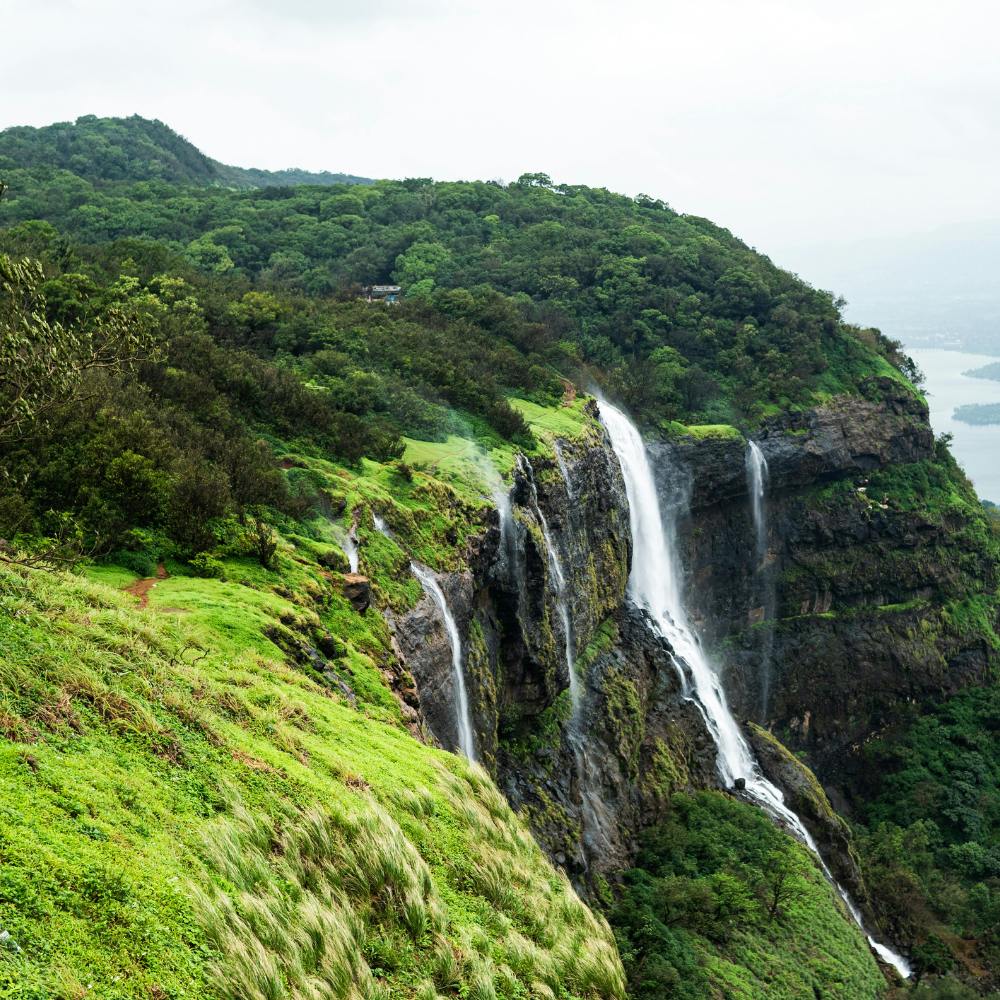
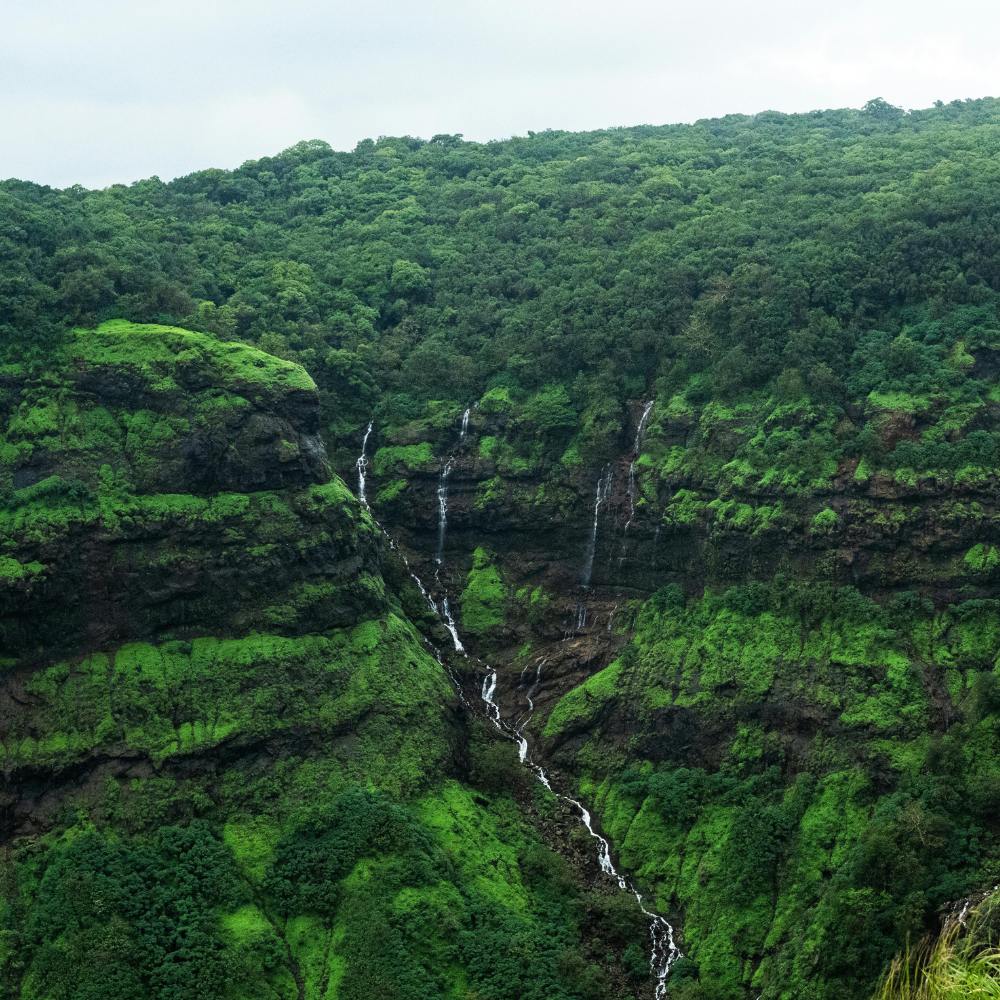
When most travelers think of India, they picture the golden deserts of Rajasthan, the beaches of Goa, or the temples of Varanasi. But tucked away in western India lies a lesser-known treasure, Maharashtra, a state of striking contrasts where megacities like Mumbai give way to misty mountain towns, tranquil lakes, and emerald-green forests. Rising from the rugged folds of the Western Ghats and Satpura ranges, Maharashtra's hill stations offer cool air, old-world charm, and landscapes that seem to pause time itself.
Suppose you're seeking a retreat from India's tropical bustle. In that case, these elevated havens from the colonial heights of Mahabaleshwar to the serene remoteness of Toranmal reveal an entirely different side of the country.
The Western Ghats: India's Green Spine
Stretching along India's western coast, the Western Ghats (known locally as the Sahyadri Mountains) are among the world's most ancient mountain ranges, older than the Himalayas. They are a UNESCO World Heritage site, home to extraordinary biodiversity: rainforests, waterfalls, and wildlife species found nowhere else on Earth.
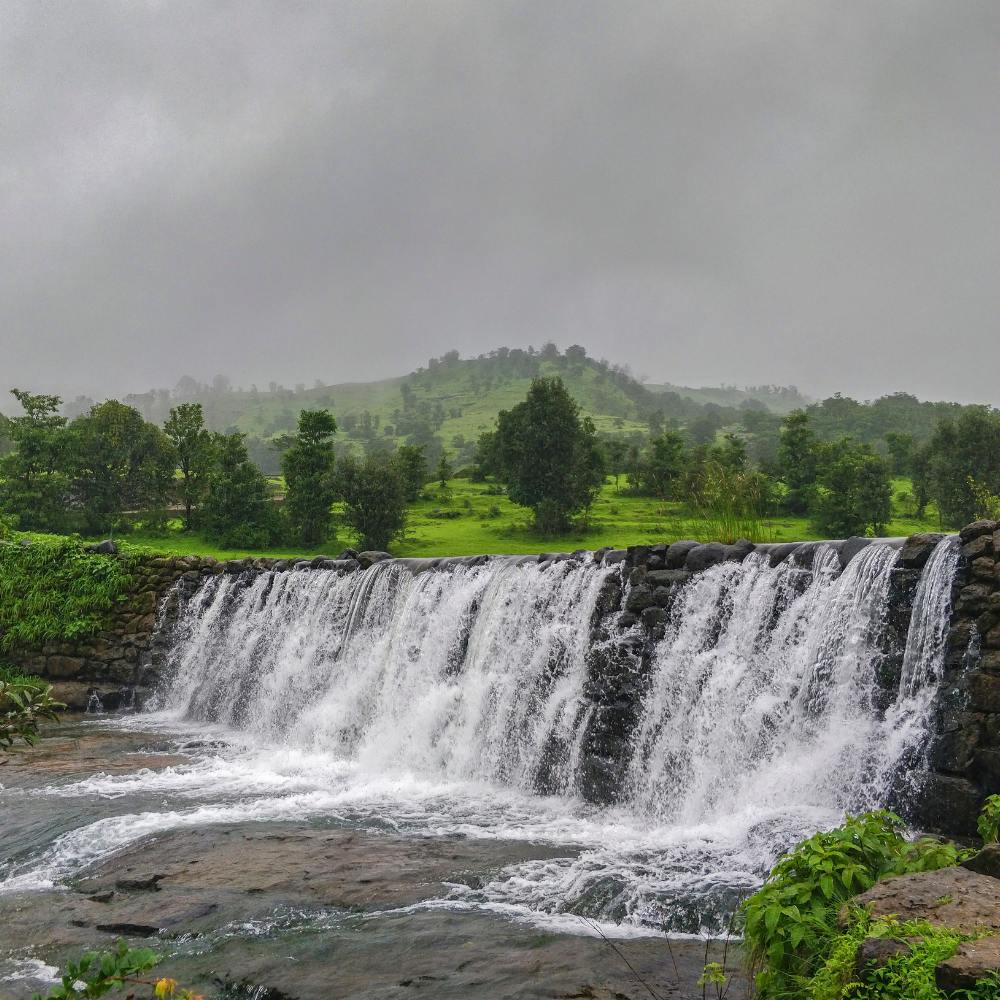
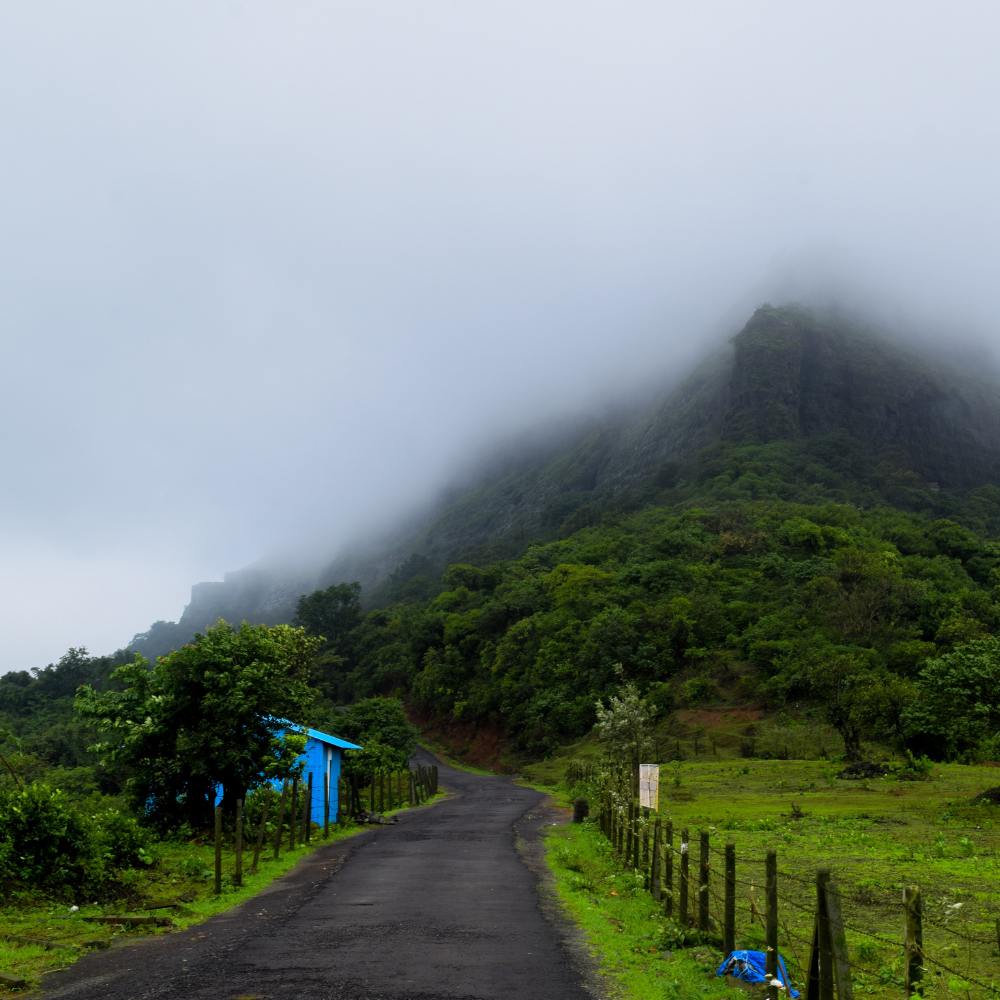
Within Maharashtra, the Ghats rise dramatically inland from the Arabian Sea, shaping the region's weather and culture. During monsoon months, the slopes come alive with silver streams, thick mists, and the scent of wet Earth. For centuries, these hills have provided a refuge — first for Maratha warriors, later for British colonial officers seeking cool summer air, and now for travelers searching for tranquility.
Mahabaleshwar – The Queen of the Sahyadris (4,439 ft / 1,353 m)
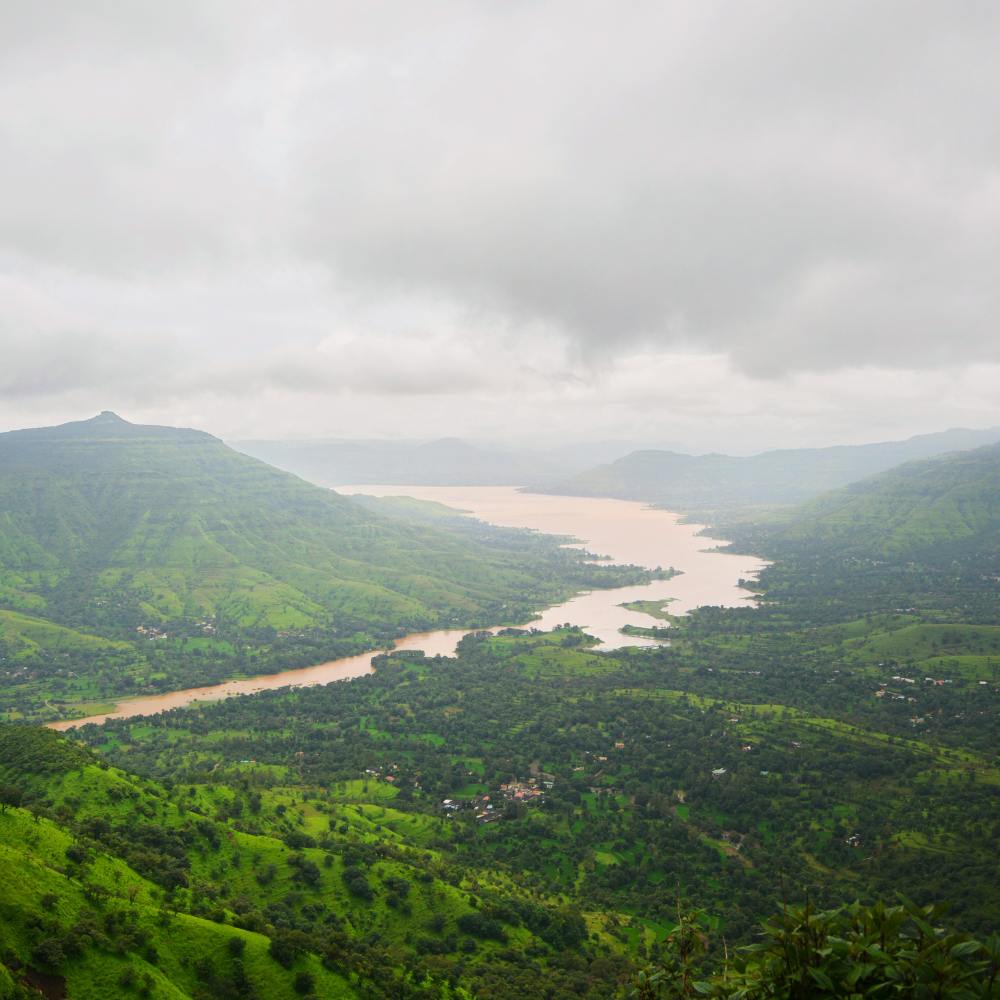
Perched at the highest elevation among Maharashtra's hill towns, Mahabaleshwar was once the summer capital of the Bombay Presidency during British rule. Today, it's the state's most celebrated hill station. In this place, the air smells of strawberries and eucalyptus, and every bend reveals a new valley view.
The heart of Mahabaleshwar is a lively bazaar lined with cafés and stalls selling fresh strawberries, jams, and honey. But the real charm lies beyond, among its stunning viewpoints - Arthur's Seat, Elphinstone Point, and Kate's Point each offering sweeping views of deep ravines and forested slopes.
At Wilson Point, the highest point in the town, you can watch the sun rise over the rolling ridges, a sight that turns the entire valley gold. During the British era, Mahabaleshwar's colonial bungalows and churches offered respite to officers fleeing Mumbai's heat. Today, those heritage buildings have transformed into cozy resorts and guesthouses, retaining their old-world charm.
For the adventurous, short treks to Connaught Peak or Pratapgad Fort blend history and nature. The nearby Venna Lake, surrounded by tall cypress trees, offers peaceful boating and horse rides.
Best time to visit: October to February for crisp weather and clear skies.
Panchgani – The Land of Five Hills (4,377 ft / 1,334 m)
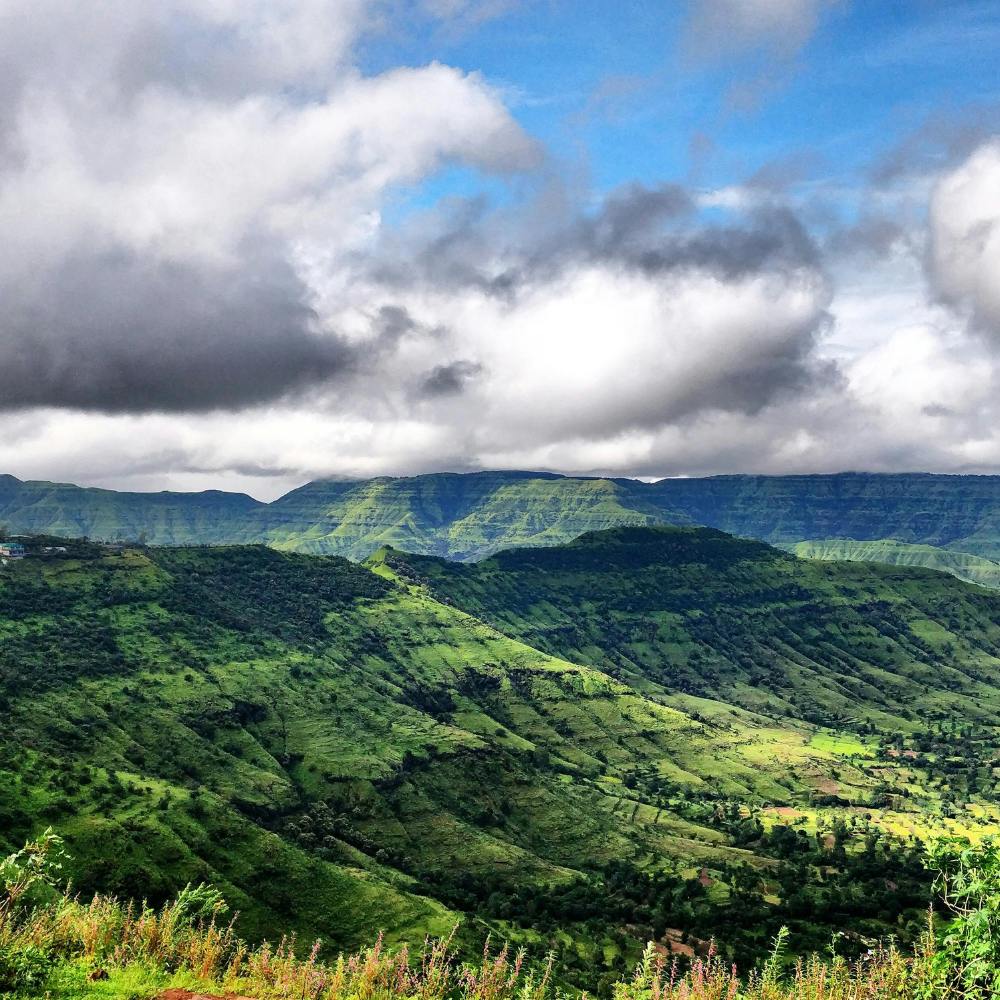
Just a short drive (about 20 minutes) from Mahabaleshwar lies Panchgani. This quieter, more contemplative twin feels like a step back in time. The name literally means "Five Hills," describing the five plateaus that cradle this charming town.
Panchgani is famous for Table Land, one of Asia's most significant natural plateaus. It's a vast, flat expanse of laterite rock offering panoramic views of the surrounding valley. Watching the sun dip behind the crimson cliffs here is nothing short of cinematic.
This hill station also carries a whiff of nostalgia. British-era boarding schools, old Parsi homes, and strawberry farms give it a serene rhythm. Many Indian writers and artists have found inspiration here, drawn by its solitude and fresh mountain air.
Adventure seekers can try paragliding from Sydney Point. At the same time, those craving slower pleasures can enjoy tea at a heritage café overlooking the valley.
Best time to visit: October to March, when the mornings are misty and the afternoons are comfortably warm.
Matheran – India's Car-Free Mountain Retreat (2,625 ft / 800 m)
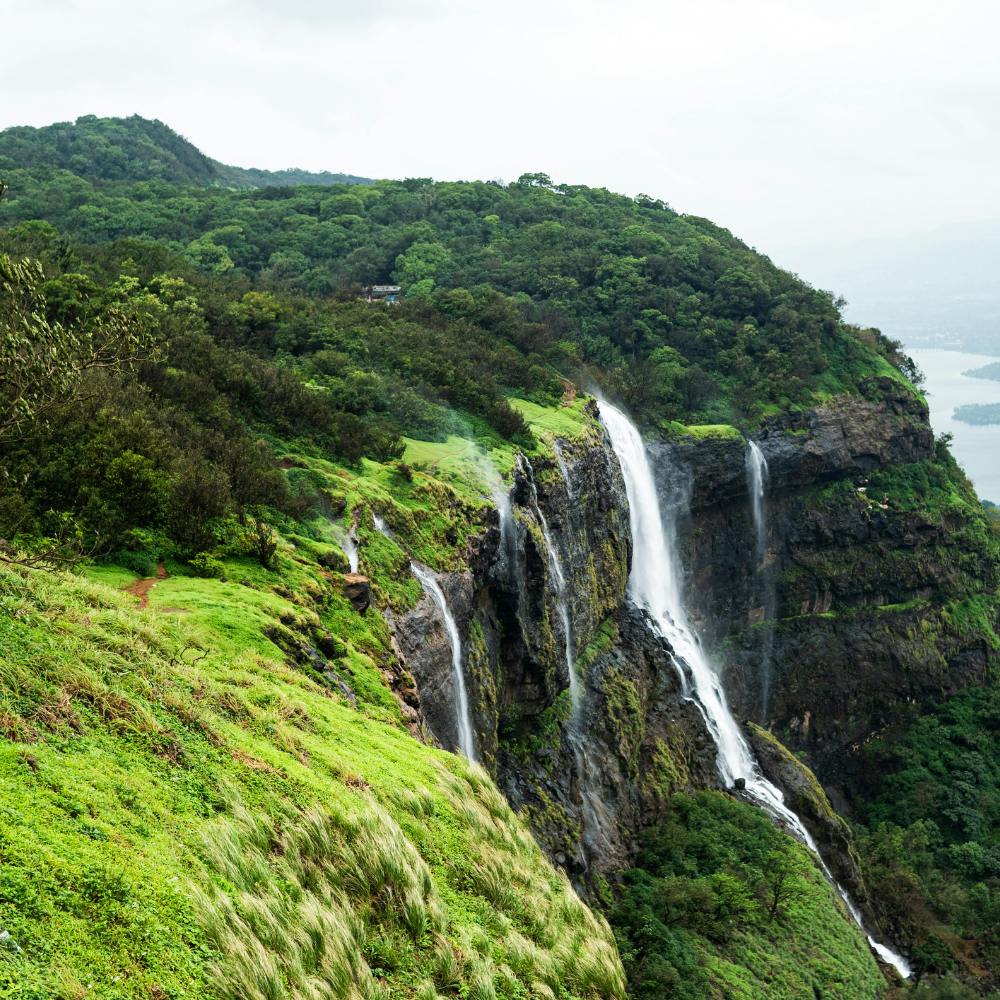
Imagine a hill town with no cars, no traffic, and no pollution — only red dusty paths, horses clip-clopping, and birdsong echoing through the trees. Welcome to Matheran, India's only automobile-free hill station.
Located about 55 miles (90 km) from Mumbai, Matheran feels like a living museum of slower times. Visitors arrive either by foot, horseback, or a toy train that snakes up from Neral, a tiny town at the base of the hills.
Once you reach the top, the air changes cooler, cleaner, and scented with pine. Around 30 viewpoints scatter across the forested ridge, the most famous being Panorama Point, Echo Point, and Charlotte Lake. Watching clouds drift below you during the monsoon months is an unforgettable experience.
Since no vehicles are allowed, Matheran is perfect for mindful travelers, hikers, birdwatchers, and anyone craving digital detox.
Best time to visit: October to May; closed briefly during the peak monsoon due to slippery trails.
Lonavala and Khandala – The Twin Gems of the Ghats (2,047 ft / 624 m)
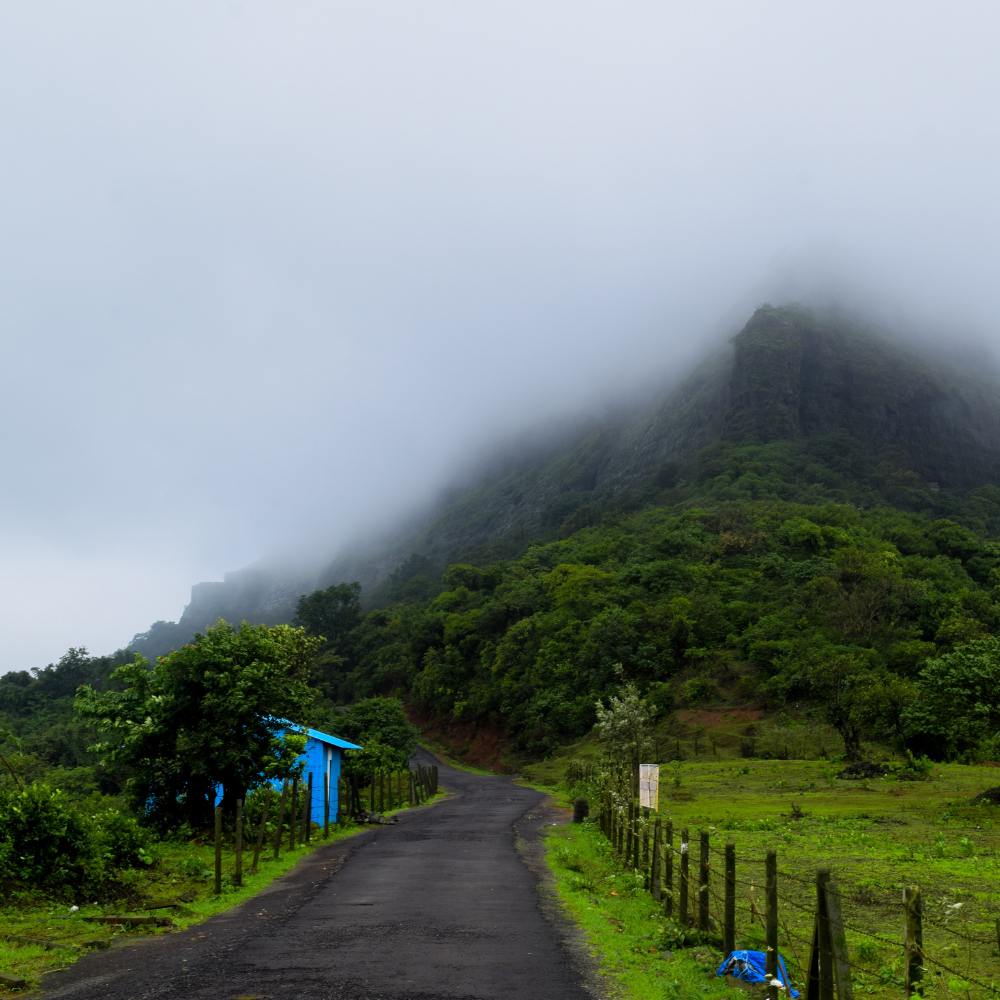
Halfway between Mumbai and Pune, the twin hill stations of Lonavala and Khandala are among Maharashtra's most accessible mountain getaways. Connected by train, they've been weekend favorites for generations of city dwellers and for good reason.
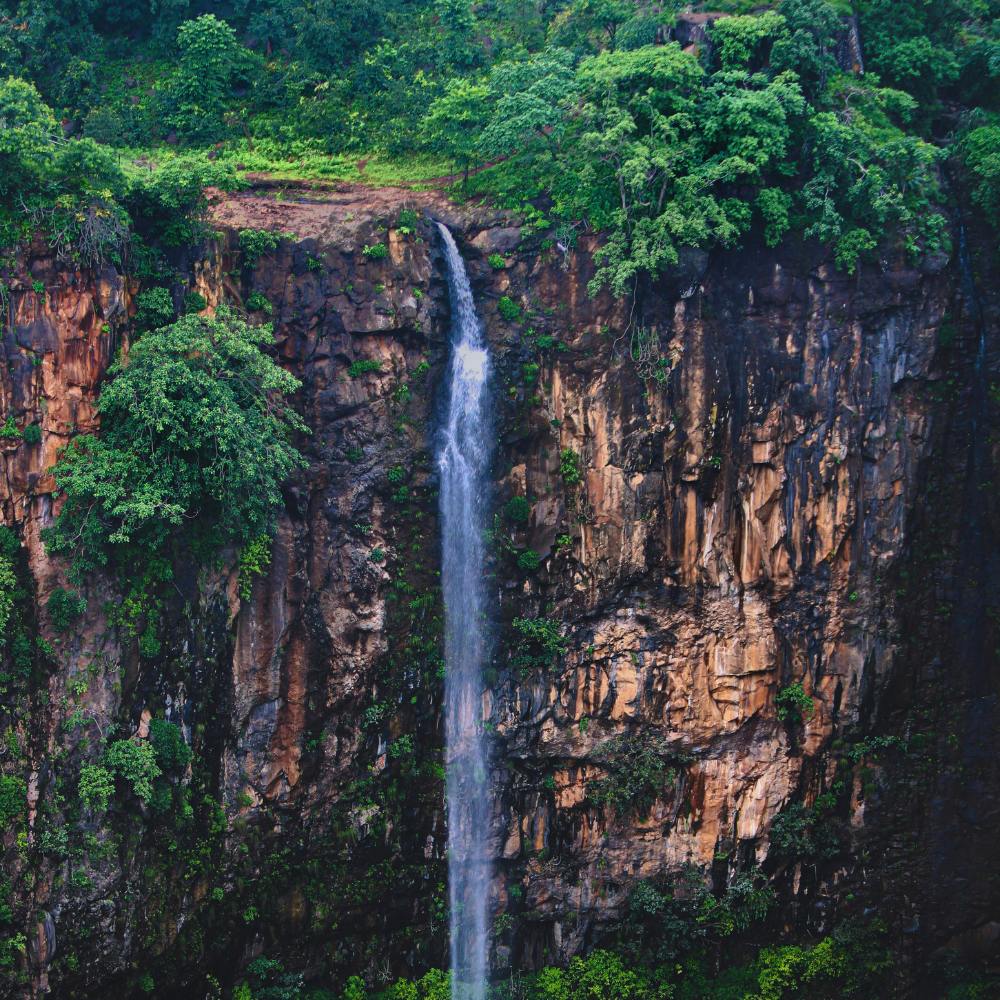
During the monsoon season, the valleys explode with green, waterfalls thunder down every slope, and mist cloaks the winding roads. Tiger's Leap, Duke's Nose, and Lion's Point are some of the most photographed spots here.
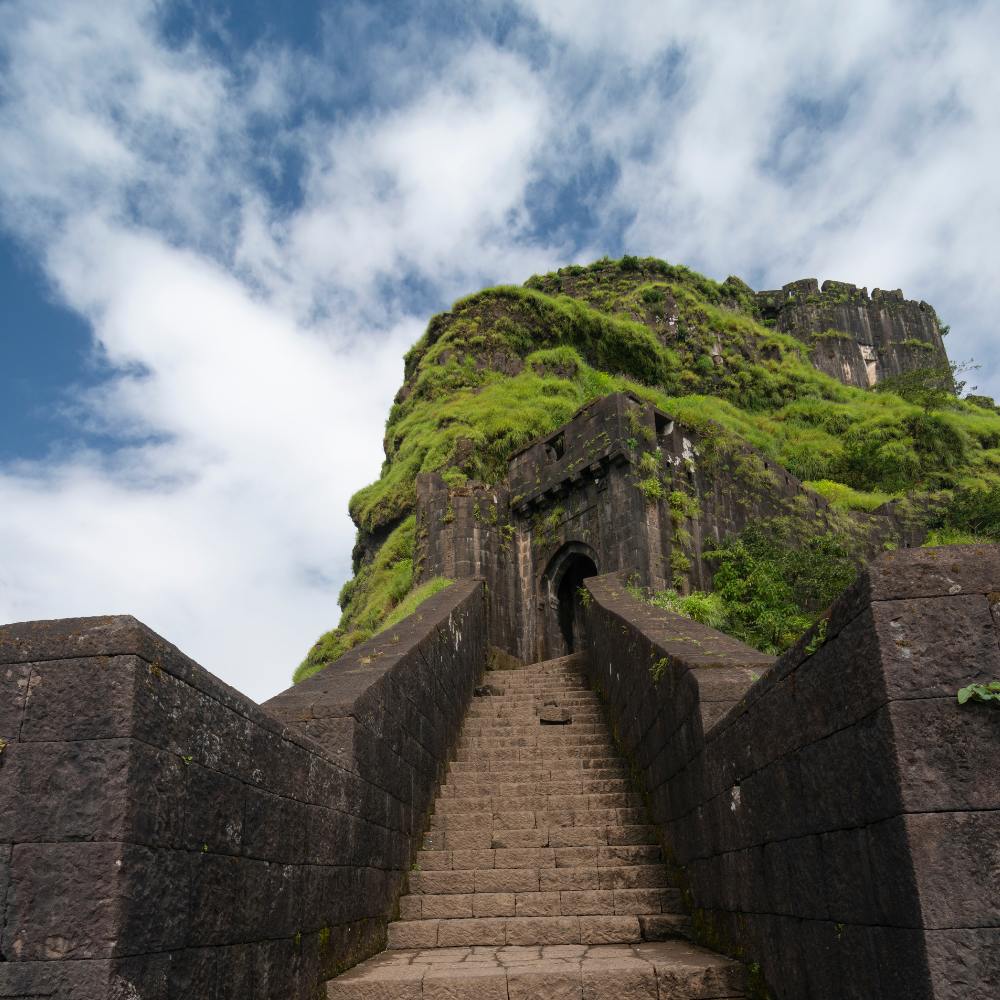
History buffs can explore the ancient Karla and Bhaja Buddhist Caves, carved out of rock more than 2,000 years ago. Trekkers can head to Rajmachi Fort for panoramic views of the Sahyadris, or explore the nearby Lohagad and Visapur Forts, which once formed part of Shivaji's Maratha Empire.
The local snack, chikki — a crunchy nut brittle, is a delicious souvenir to take home.
Best time to visit: June to September for waterfalls; December to February for clear skies.
Bhandardara – A Hidden Lake Paradise (2,460 ft / 750 m)
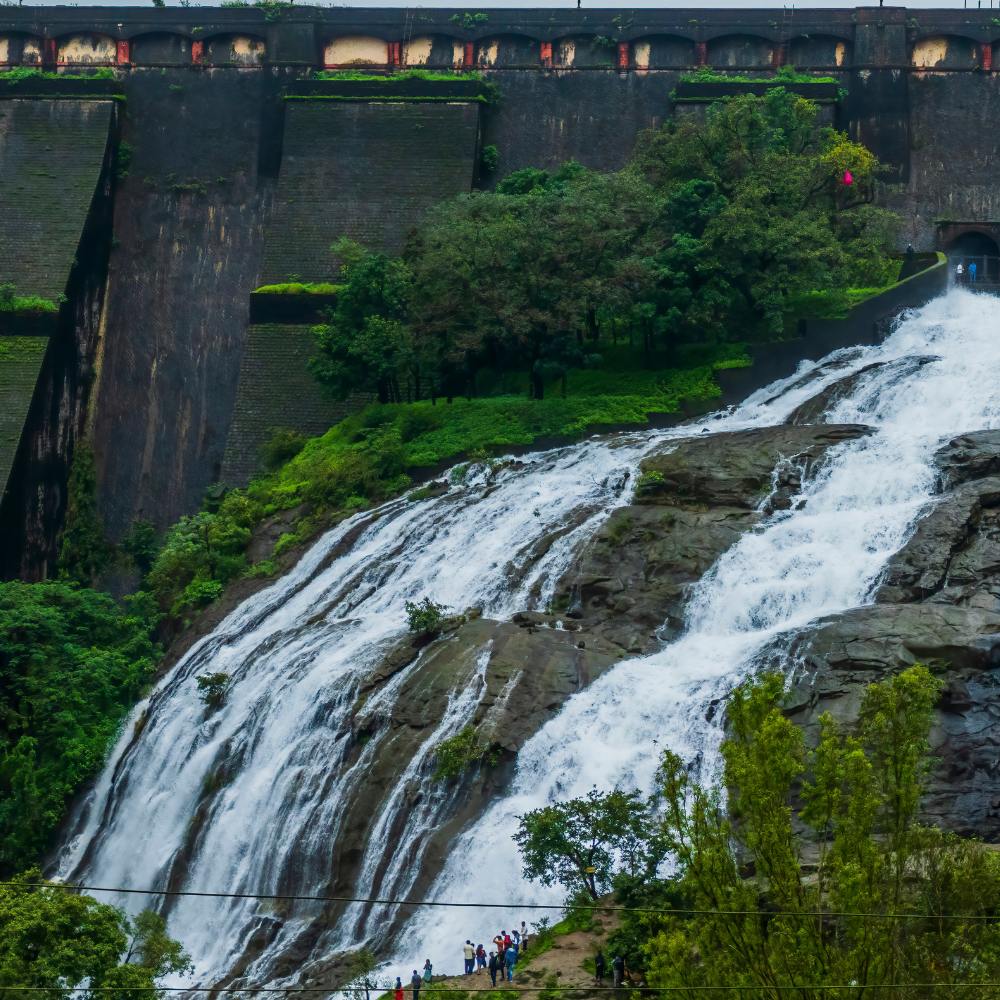
Tucked away near Nashik, Bhandardara is a serene retreat that feels worlds apart from the tourist trails. It's built around the sparkling Arthur Lake, created by the Wilson Dam, one of the oldest in India.
What sets Bhandardara apart is its proximity to Mount Kalsubai, which at 5,400 ft (1,646 m) is the highest peak in Maharashtra. Trekkers often climb it at night to catch the sunrise from the summit, a surreal experience as dawn spills across the Western Ghats.
Other attractions include Randha Falls, which roars magnificently during the monsoon, and Ratangad Fort, a centuries-old citadel offering sweeping views of the Sahyadris.
Bhandardara remains wonderfully unspoiled, attracting stargazers, campers, and photographers who come for its stillness and dark skies, among the clearest in western India.
Best time to visit: October to February for camping; July to September for waterfalls.
Amboli – The Rain Capital of Maharashtra (2,263 ft / 690 m)
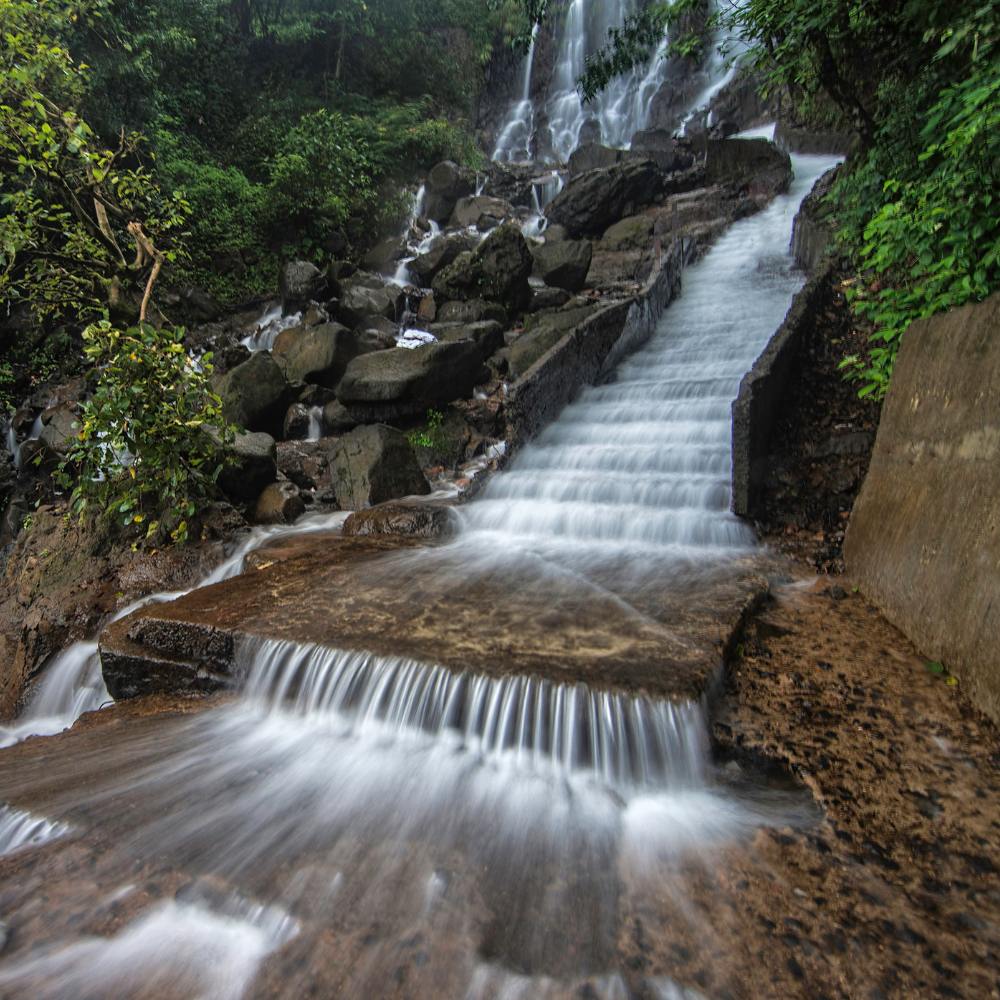
In the southern Konkan region, near the border with Goa, lies Amboli, a small hill town draped in perpetual green. At about 690 meters above sea level, Amboli receives some of the highest rainfall in India, making it a lush rainforest during the monsoon.
Known as the "Rain Capital of Maharashtra," Amboli is a haven for nature lovers, photographers, and herpetologists. Its Amboli Waterfall, Sunset Point, and mist-covered forests create an atmosphere both mystical and inviting.
Because it's relatively off the tourist map, Amboli offers a more intimate experience with fewer crowds, simple homestays, and unspoiled views. At night, the chorus of crickets and frogs replaces city noise, making it one of the most peaceful stays in the Western Ghats.
Best time to visit: June to September for monsoon beauty; October to February for mild weather.
Toranmal – The Northern Secret (3,773 ft / 1,150 m)
Far from the bustle of Mumbai, in the Satpura Range near the state's northern border, lies Toranmal, one of Maharashtra's most remote hill stations. While less famous than its southern counterparts, it's no less enchanting.
The journey to Toranmal through tribal villages and forested valleys is an adventure in itself. Once there, travelers find a cool plateau dotted with lakes, temples, and waterfalls. Yashwant Lake, the town's centerpiece, reflects the surrounding hills in mirror-like calm.
Nearby, the Sita Khai Gorge offers dramatic viewpoints, while local markets sell forest honey and handmade crafts. Toranmal is also home to an annual Shivratri festival, which draws thousands of devotees to the Gorakhnath Temple.
For travelers seeking isolation, birdwatching, and the raw, untouched beauty of India's interior, Toranmal is an undiscovered gem.
Best time to visit: October to March for cool, pleasant weather.
When to Visit Maharashtra's Hill Stations
- Monsoon (June–September): The most dramatic season. Hills turn green, waterfalls surge, and clouds hang low. Ideal for photographers and nature lovers.
- Winter (October–February): The best all-around time to visit, with clear skies, crisp air, and comfortable temperatures.
- Summer (March–May): Still more incredible than the plains, but expect some haze. Ideal for the strawberry season in Mahabaleshwar and Panchgani.
Travel Tips for International Visitors
- Getting there: The nearest international airport is Mumbai (BOM), well connected to Europe, the Middle East, and North America. From Mumbai, most hill stations are within 2–6 hours by car or train.
- Transport: Hire private cars or taxis for flexibility; trains connect major towns like Lonavala, Pune, and Nashik.
- Stay options: Choose from heritage colonial villas, eco-resorts, or homestays that offer a closer glimpse of local life.
- What to pack: Light sweaters even in summer, rain gear during the monsoon, and sturdy shoes for trekking.
- Local experiences: Try local dishes like vada pav (a spicy potato roll), pithla bhakri (rustic corn flatbread with lentil curry), and fresh strawberry cream in Mahabaleshwar.
- Cultural note: Hill towns are relaxed but conservative; modest dress and polite interaction are appreciated.
The Mountain Soul of Maharashtra
Maharashtra's hill stations aren't just scenic escapes; they're windows into India's natural and cultural diversity. From the colonial echoes of Mahabaleshwar to the rain-drenched forests of Amboli and the untamed heights of Toranmal, each destination tells a story of ancient mountains, timeless traditions, and the enduring human desire to find peace in nature.
For travelers seeking India beyond the postcard, cooler, quieter, and beautifully green, Maharashtra's mountains promise exactly that: serenity at every altitude.