

France has a deeper link with South India than most travel companies mention. From 1673 to 1954, the Établissements français dans l'Inde ran from Pondicherry and Karikal on the Coromandel coast to Mahé on the Malabar coast and Chandernagor in Bengal. French is still one of the official languages of the Union Territory of Puducherry. That history sits inside one of the best cultural itineraries in the country: Tamil temples, Kerala backwaters, and the Rajasthan palaces most French travellers skip because India has been sold to them as an adventure destination rather than a cultural one.
TL;DR
- Five comptoirs, not one. Pondicherry, Chandernagor, Karikal, Mahé and Yanaon, held between 1673 and 1954.
- Chandernagor went first, transferred de facto on 2 May 1950 after a 1949 referendum. The other four transferred de facto on 1 November 1954.
- The treaty was signed on 28 May 1956, and France ratified it only in 1962. Between August 1962 and February 1963, more than 7,000 people in the former comptoirs opted to remain French.
- French remains an official language of Puducherry, with the Lycée Français, the Institut Français and the Alliance Française all still operating.
- The South is the itinerary, not the add-on. Tamil Nadu's temple circuit and Kerala together make a fortnight.
- The palaces are worth the detour north. Udaipur, Jodhpur and Jaipur are the cultural argument, not the luxury one.
- October to March for Rajasthan. The Tamil coast is best from January, after the northeast monsoon.
- North and South in one trip: about eighteen days if you trim each half, and closer to twenty-four for a full fortnight in the South plus a ten-day palace circuit. Under fourteen, choose one.
The French India Nobody Sells You
The Compagnie des Indes orientales, founded by Colbert in 1664, opened its first trading post at Surat in 1668. Pondicherry followed in 1673, Chandernagor around 1690, Mahé in the 1720s, Yanaon in 1723 and Karikal in 1739. Under Dupleix, French influence extended across the Carnatic and the Deccan before the Treaty of Paris in 1763 reduced France to the five comptoirs.
The end came in stages. Chandernagor, in Bengal, was transferred de facto on 2 May 1950 following a referendum held in June 1949. Pondicherry, Karikal, Mahé and Yanaon were transferred de facto on 1 November 1954, the same day the Algerian war began. The treaty of cession was signed on 28 May 1956 and was not ratified by the French parliament until 1962, after Algeria. Between August 1962 and February 1963, more than 7,000 people chose to remain French nationals. The Union Territory of Puducherry was created on 1 July 1963, grouping the four towns, with French as one of its official languages.
That last fact is not ceremonial. The Lycée Français, the Institut Français de Pondichéry, the École Française d'Extrême-Orient and the Alliance Française all still operate there, alongside Indian schools teaching the French curriculum. The Lycée traces back to the Collège Royal, founded in 1826 by Eugène Desbassayns de Richemont.
Pondicherry Today
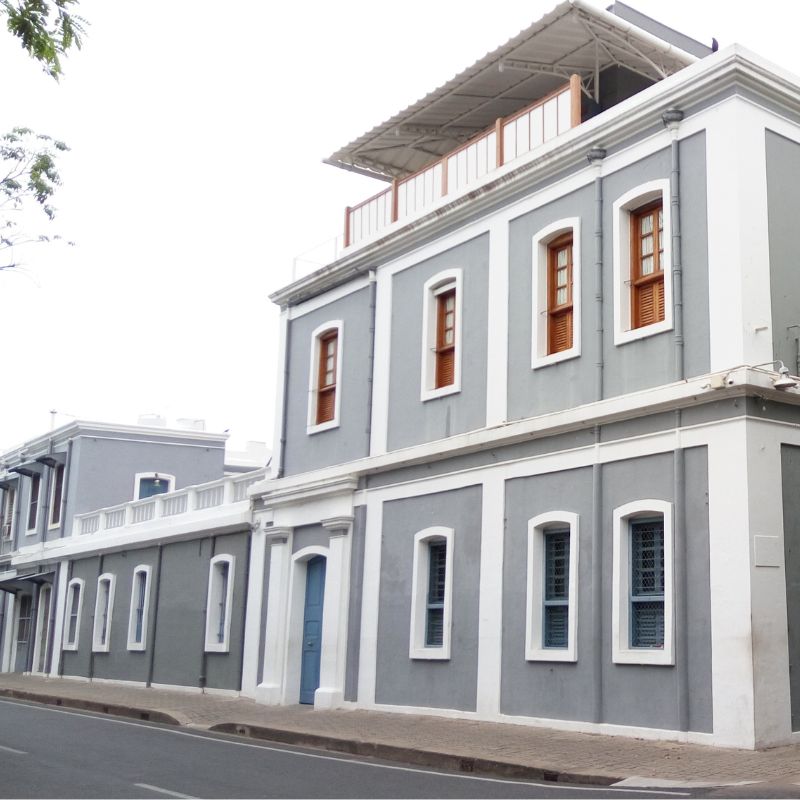
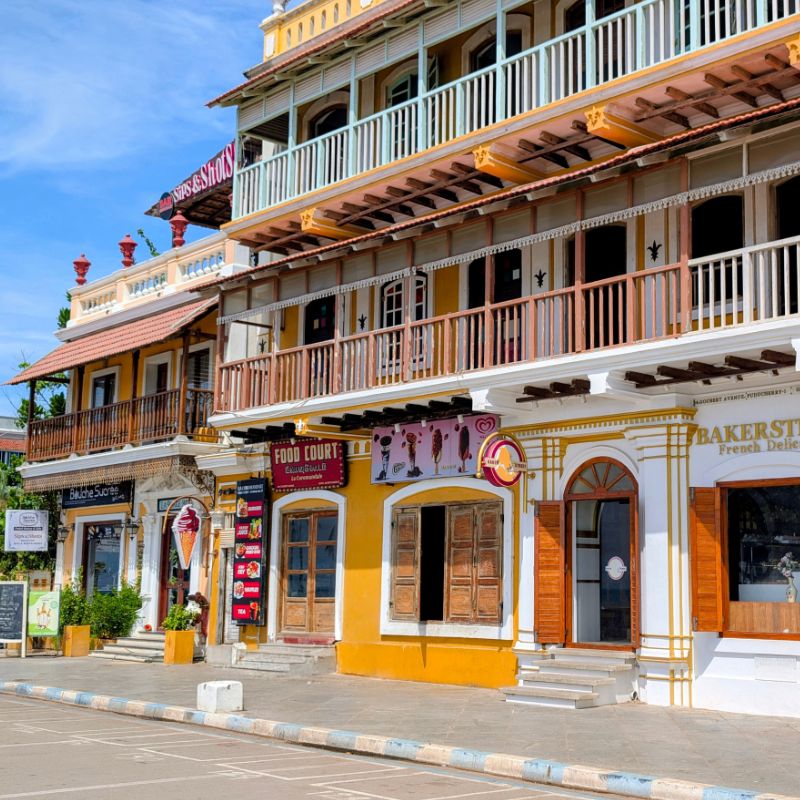
The Ville Blanche, the old French quarter, runs in a grid between the canal and the Bay of Bengal: ochre walls, shuttered windows, bougainvillaea, and street signs still reading Rue Dumas and Rue Suffren. Notre-Dame des Anges, built in the nineteenth century by the engineer Louis Guerre, faces the sunrise from the former Place des Capucins.
Across the canal is the Ville Noire, the Tamil quarter, which is the more interesting half and the one most visitors walk through without noticing the shift. The architecture changes from French colonial to Tamil courtyard house within two streets.
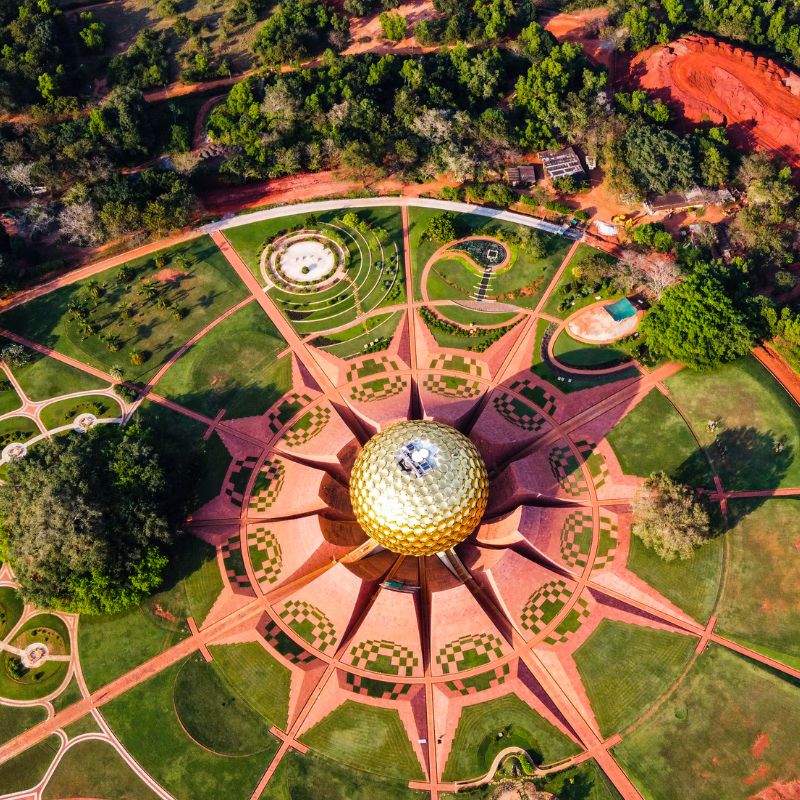
Sri Aurobindo Ashram sits in the French quarter. Auroville, the experimental township founded in 1968, is ten kilometres north and is a genuine day rather than a photo stop.
How long. Two to three nights. Pondicherry is small and rewards walking rather than a checklist. It works best as a pause in a Tamil Nadu itinerary, not as a destination on its own.
The South Is the Trip
The mistake is treating Pondicherry as the French bit and the rest of the South as filler. The reverse is true: Pondicherry is the pause, and the temple circuit is the substance.
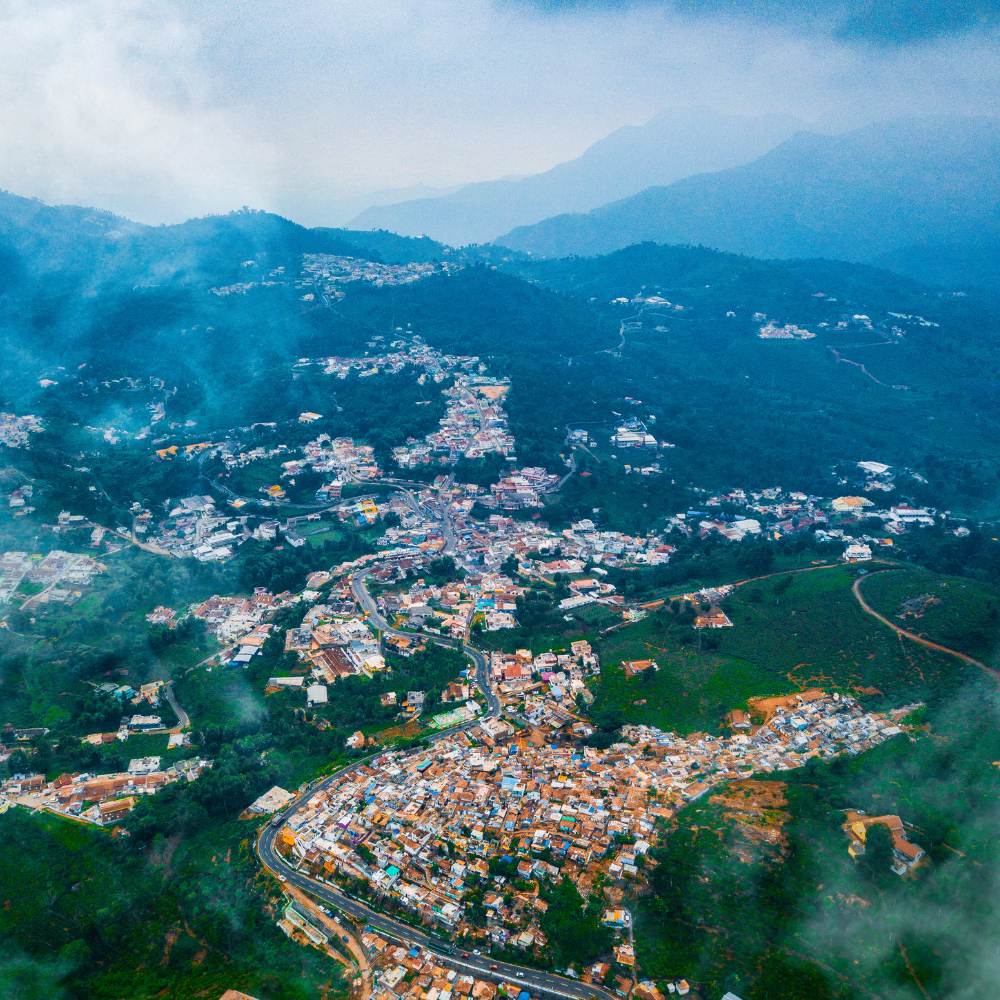
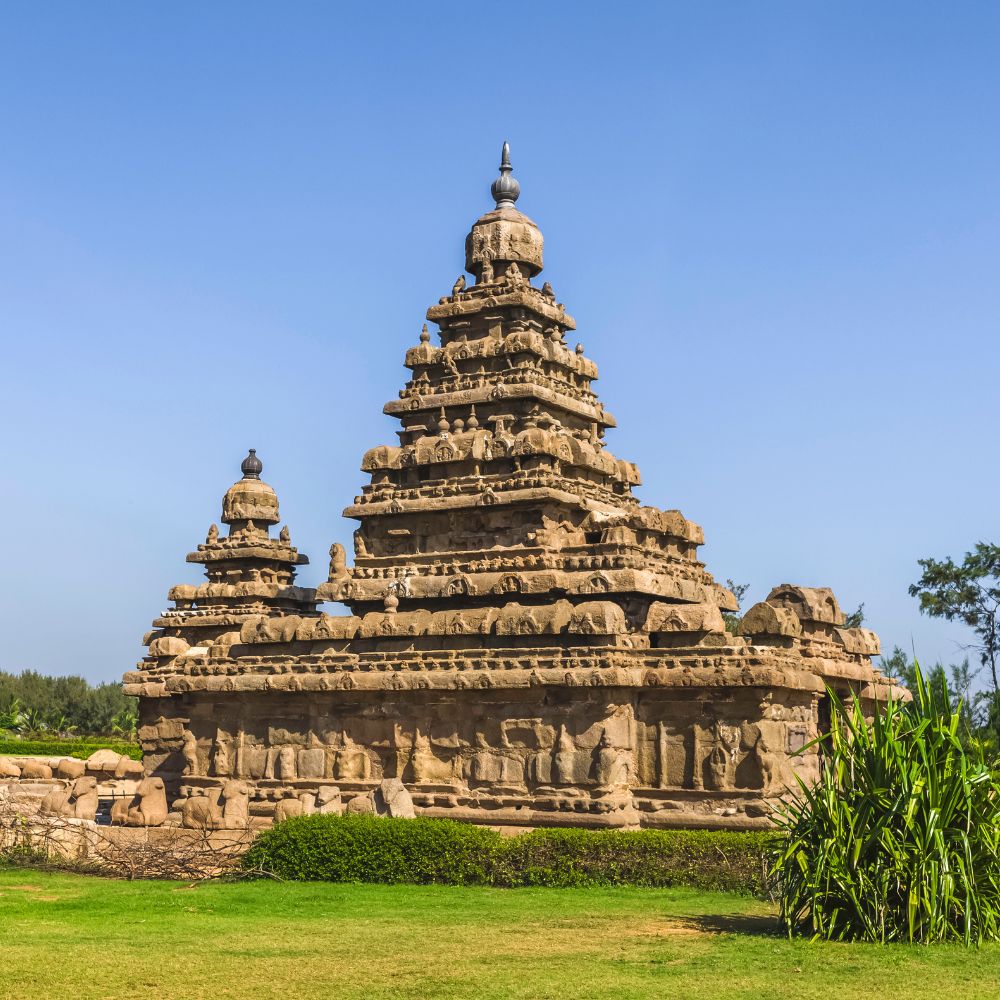
Tamil Nadu. Mahabalipuram's shore temples and rock reliefs, Chidambaram, Thanjavur's Brihadeeswarar, Madurai's Meenakshi complex, and the Chettinad mansions. This is one of the densest concentrations of living temple architecture in the country, and it differs greatly from the Mughal north. Our Tamil Nadu list and our South India guide cover the shape.
Note one access point covered elsewhere on this site: at Meenakshi and several other Tamil temples, non-Hindus can usually enter parts of the complex but not the inner sanctum, and rules vary by temple, so check with your guide. The courtyards are most of what makes them extraordinary.
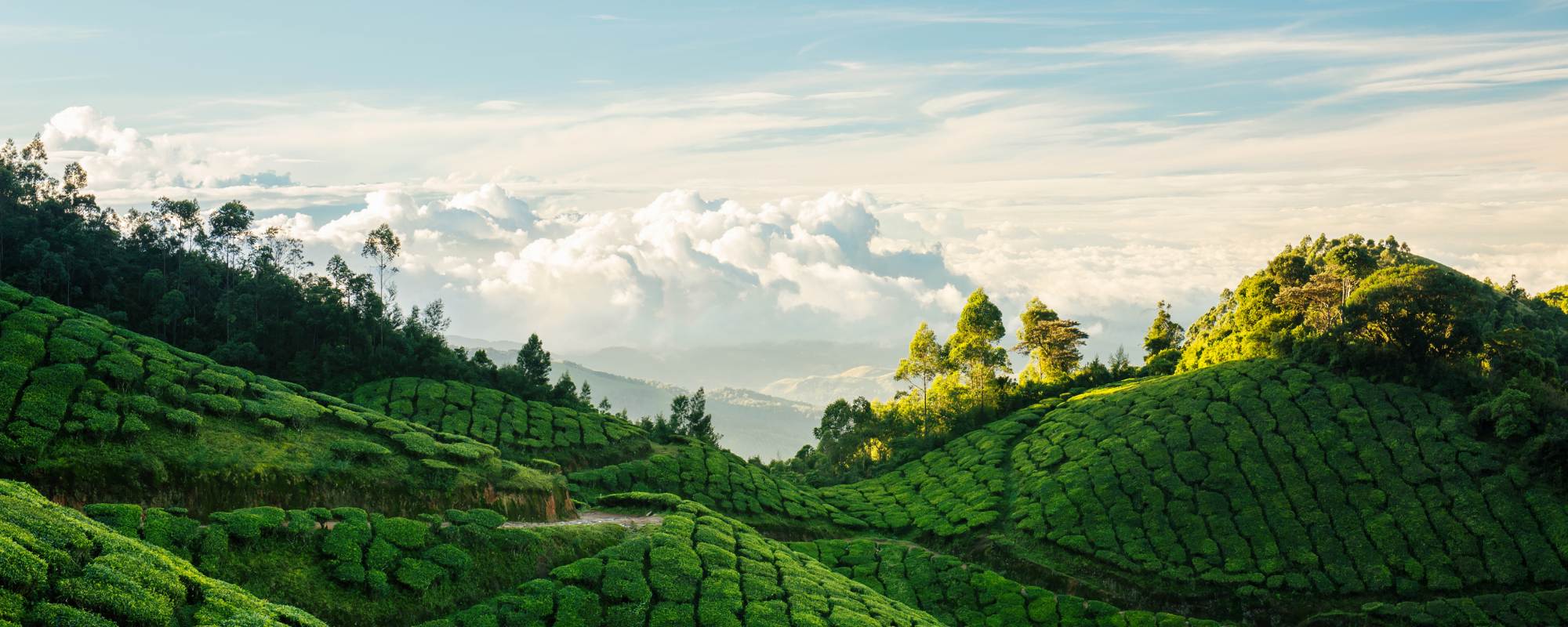
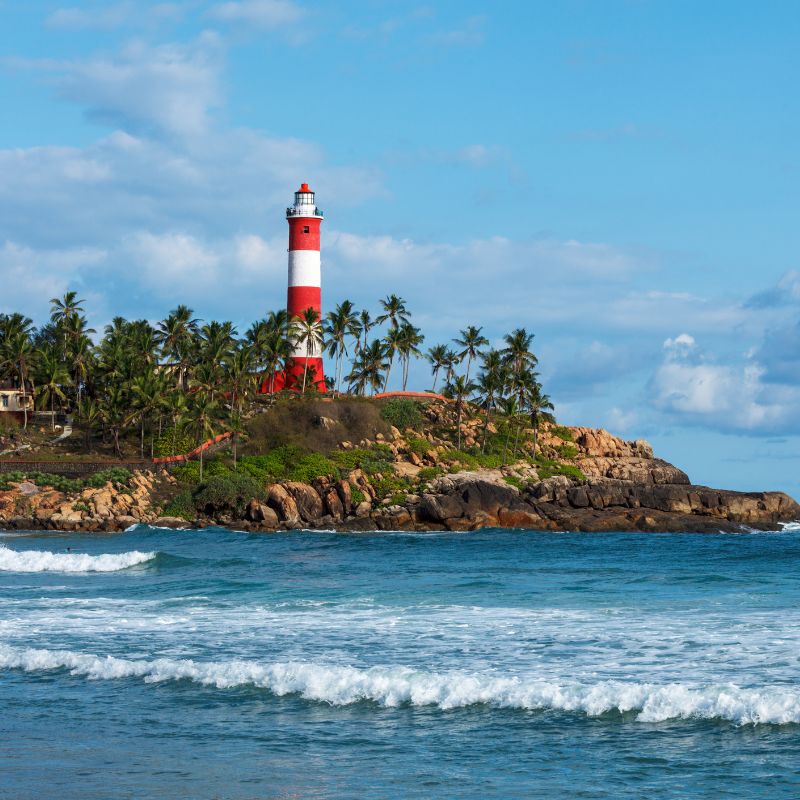
Kerala. Fort Kochi, with its Portuguese, Dutch, and Jewish layers; the backwaters at Kumarakom or Alleppey; the plantations at Munnar or Thekkady; and the coast at Mararikulam or Kovalam. Our backwaters guide covers the nights and the boats, and Kerala also offers some of the strongest Ayurveda programmes in the country, which our wellness guide covers.
Chennai, Pondicherry, Thanjavur, Madurai, then across to Kochi and the backwaters, is a fortnight, and one of the best two-week itineraries in India.
The Palaces, and Why They Belong on a Cultural Itinerary
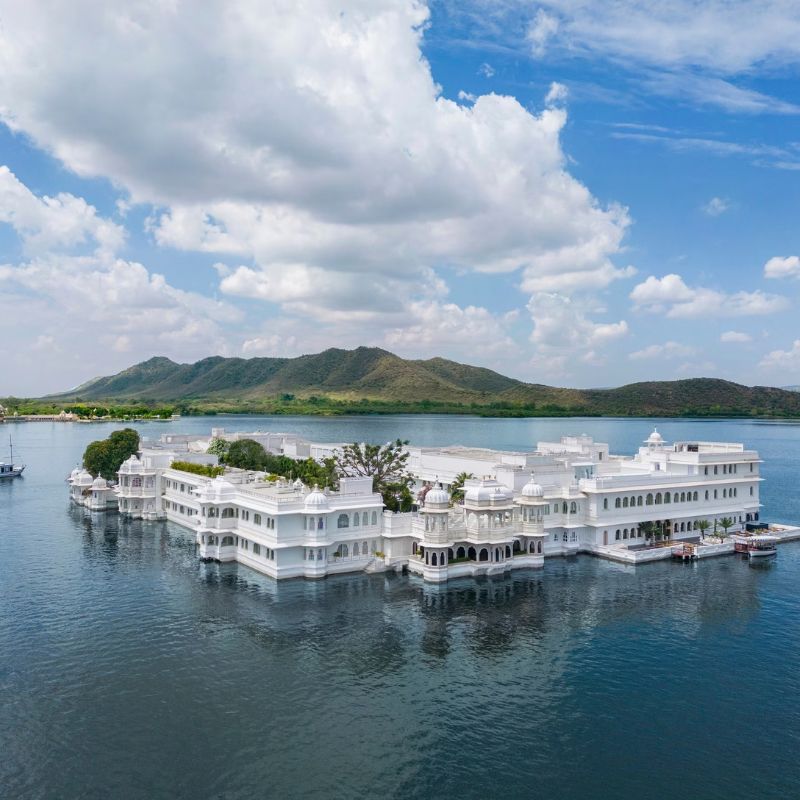
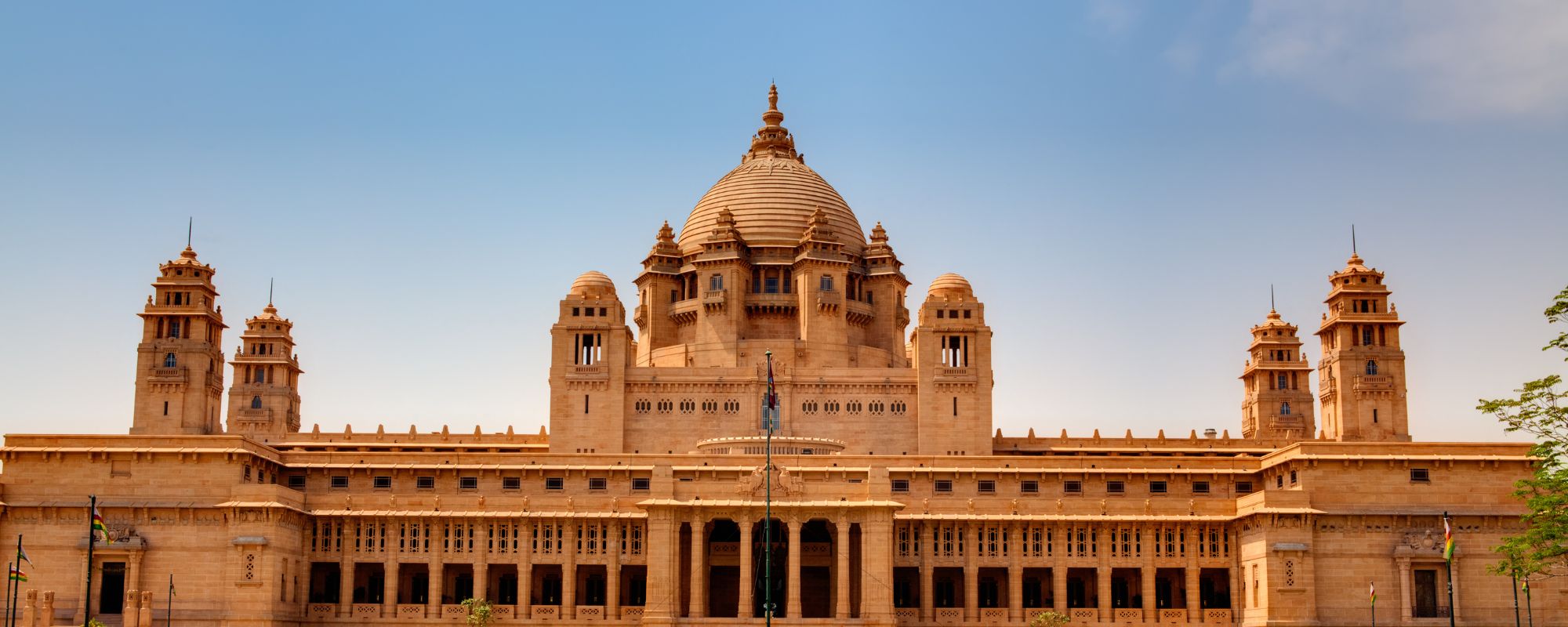
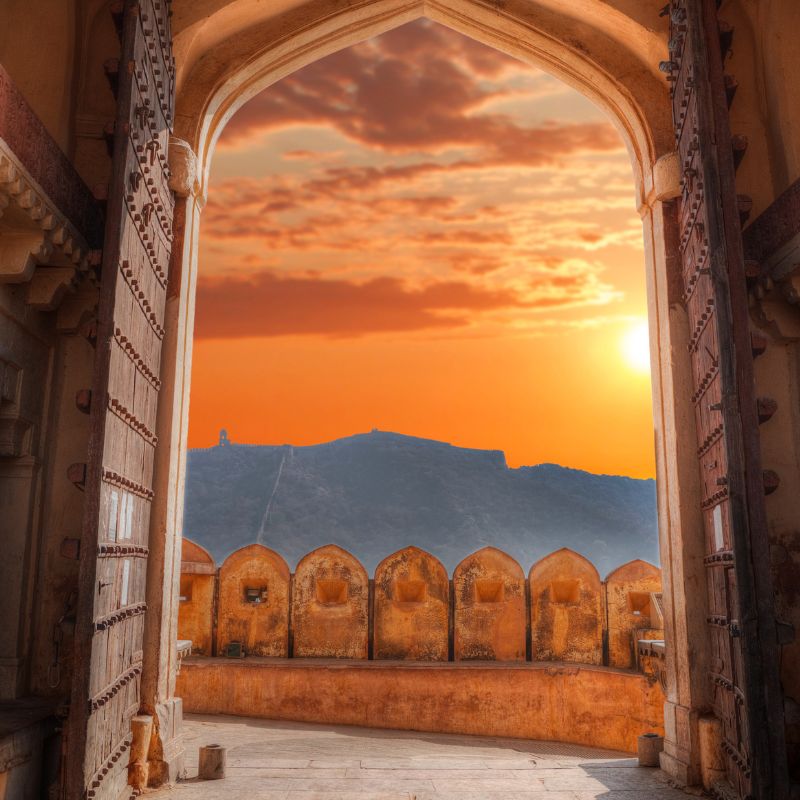
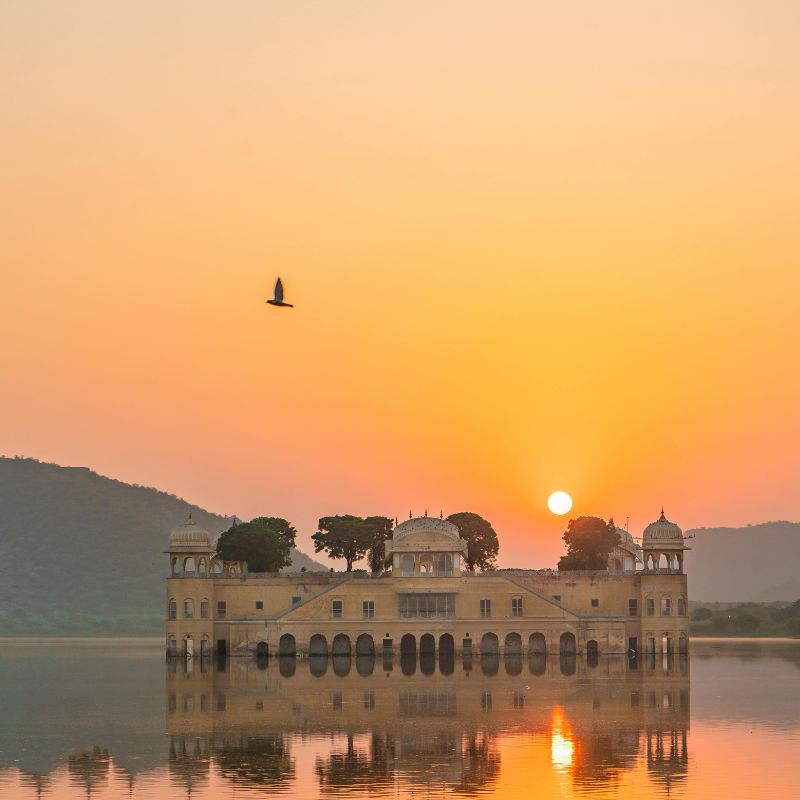
Rajasthan gets sold to French travellers as luxury, which undersells it. The palaces are surviving domestic architecture from courts that were still functioning in the twentieth century, and several are still partly lived in. Umaid Bhawan in Jodhpur remains the royal family's home in part, a museum in part, and a hotel in the rest.
The ones we book most: Taj Lake Palace on Lake Pichola in Udaipur, built in 1743. Rambagh Palace in Jaipur, the former residence of Maharaja Sawai Man Singh II. Umaid Bhawan in Jodhpur. Samode Haveli and Shahpura House in Jaipur for something smaller.
Combined with Delhi and Agra, that is ten days. Our Golden Triangle and Rajasthan route sets out the drive times.
Can you do both? North and South in one trip works in about eighteen days only if you trim each half, and a full fortnight in the South plus a ten-day palace circuit needs closer to twenty-four. Either way, it means at least two internal flights. Under fourteen days, choose one. Many French travellers who do the South first return for Rajasthan, which our repeat-visitor guide covers.
When to Go
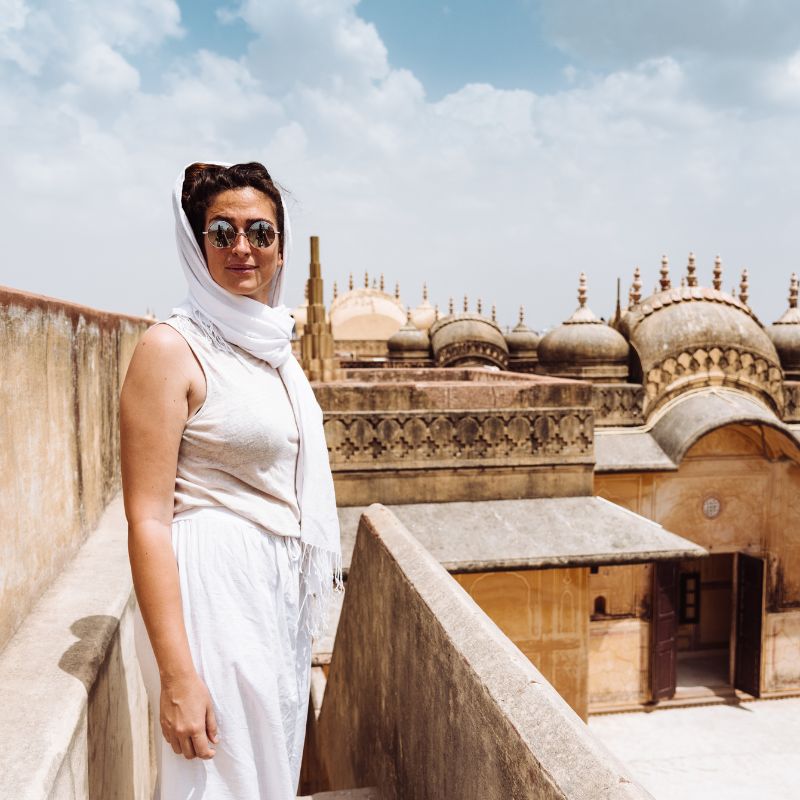
October to March for Rajasthan. For Tamil Nadu and Pondicherry, January to March is the reliable window, because the north-east monsoon brings their heaviest rain in October and November. The South holds up later into spring than Rajasthan does.
French school holidays complicate this usefully. Toussaint and Noël are national; the February and spring holidays are staggered across zones A, B and C, which spreads demand rather than concentrating it. Toussaint, in late October and early November, is the underused window for the palaces: the Rajasthan season is fully open, and peak Christmas pricing has not started. It is the wrong time for the Tamil coast, where the north-east monsoon brings the year's heaviest rain in October and November.
Avoid 20 December to 10 January if you can. Rates run 25 to 40 per cent above shoulder season across the north, availability in the Rajasthan heritage cities genuinely runs out, and bookings in Christmas and New Year week are non-refundable under our booking and cancellation policy. February and early March offer the best value in the season, and French search interest also peaks then. Our month-by-month calendar has the regional detail.
Practical. French passport holders use the e-Visa, which you apply for directly on the government portal at least four days ahead, though a week is safer. Direct flights operate from Paris to Delhi and to other Indian cities; confirm current options when fixing dates. Ask any operator whether French-speaking guides are available city by city rather than in general, because availability outside the main circuits is uneven. Our twelve questions to ask an India tour operator cover the rest.