India is one of those countries that you cannot really "see" in a single trip. It is vast, diverse, and packed with experiences that differ significantly from one region to another. One day you could be walking through centuries-old forts and palaces, and the next day you could be sipping tea in misty mountains or floating on a quiet river in a houseboat.
If you are planning a vacation and have about two weeks to spare, India is an excellent choice. Two weeks may not sound like much, but it is just enough time to explore one or two regions deeply without rushing. This blog will help you decide where to go and what to expect. We'll explore some of the best 2-week destinations in India that cater to various interests, including heritage, culture, nature, relaxation, and adventure.
How to Plan a 2-Week Trip to India

Before we jump into destinations, let's talk about planning. India is vast, so you need to be smart about your choices.
Best Time to Visit
- Winter (October to March): The most popular time, with pleasant weather across most of the country. Perfect for sightseeing in North India, Rajasthan, or Kerala.
- Summer (April to June): Good for hill stations like Shimla, Manali, or parts of the Himalayas. It gets very hot in most other areas.
- Monsoon (July to September): Green and beautiful in Kerala, Goa, and the Northeast, but heavy rains can sometimes disrupt plans.
Travel Between Cities
India has good domestic flight connectivity, which saves a lot of time. Trains are also a great option if you want to experience local life, but they take longer to travel. For short distances, you can hire cabs or use state buses.
Pacing Your Trip
Many first-time visitors try to "see it all" and end up exhausted. Two weeks are best spent focusing on one or two regions. For example, you can combine Rajasthan with Delhi and Agra, or you can do Kerala along with Goa.
Travel Styles
- Luxury travel: India has some of the best palace hotels, resorts, and houseboats.
- Budget travel: Guesthouses, hostels, and local eateries are very affordable.
- Family trips: Choose destinations with easy transport and kid-friendly attractions.
Top Destinations for a 2-Week Vacation
India is vast, and each region feels like a different country. Below are some of the most rewarding two-week travel circuits, along with details to help you decide which one suits your style best.
A. Golden Triangle + Varanasi (North India Highlights)
This is the most popular route for first-time visitors, offering a mix of heritage, Mughal architecture, and spiritual experiences.
1. Delhi:
-
Founded as Indraprastha in the Mahabharata and later ruled by the Mughals and the British, Delhi is layered with history.
-
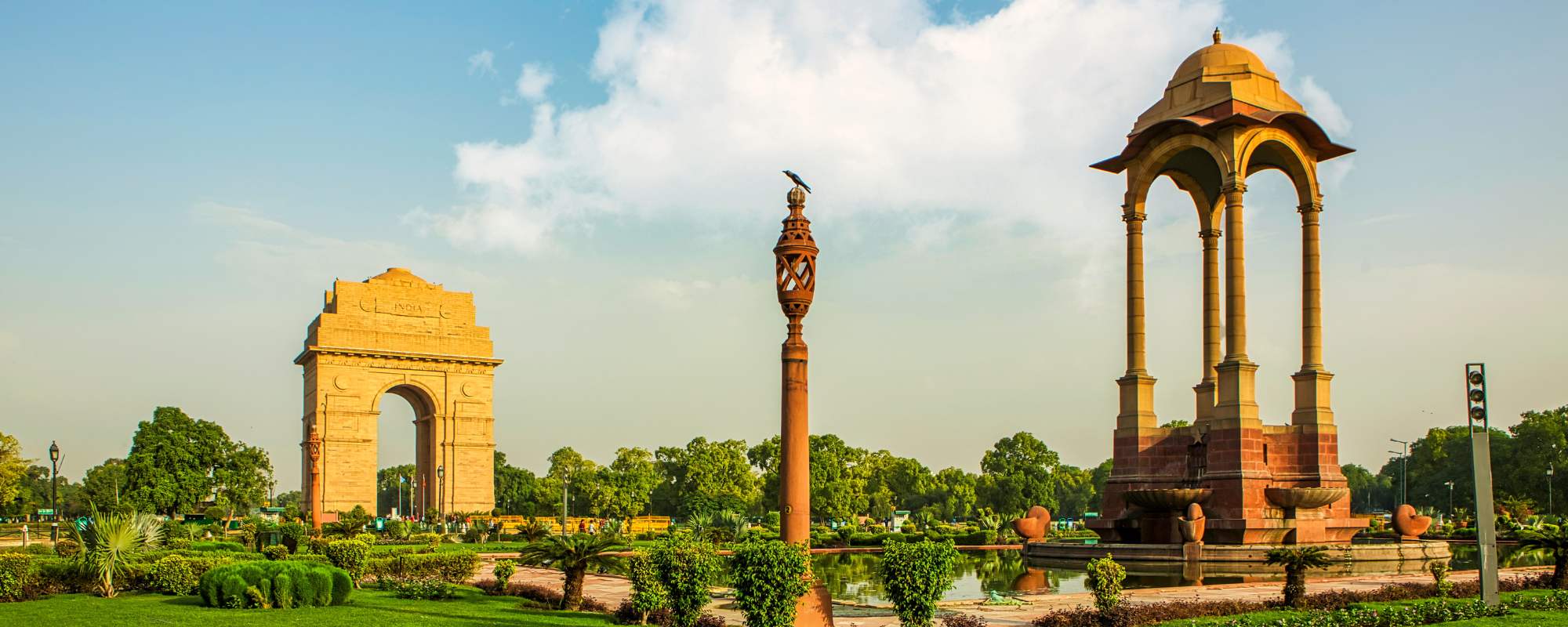
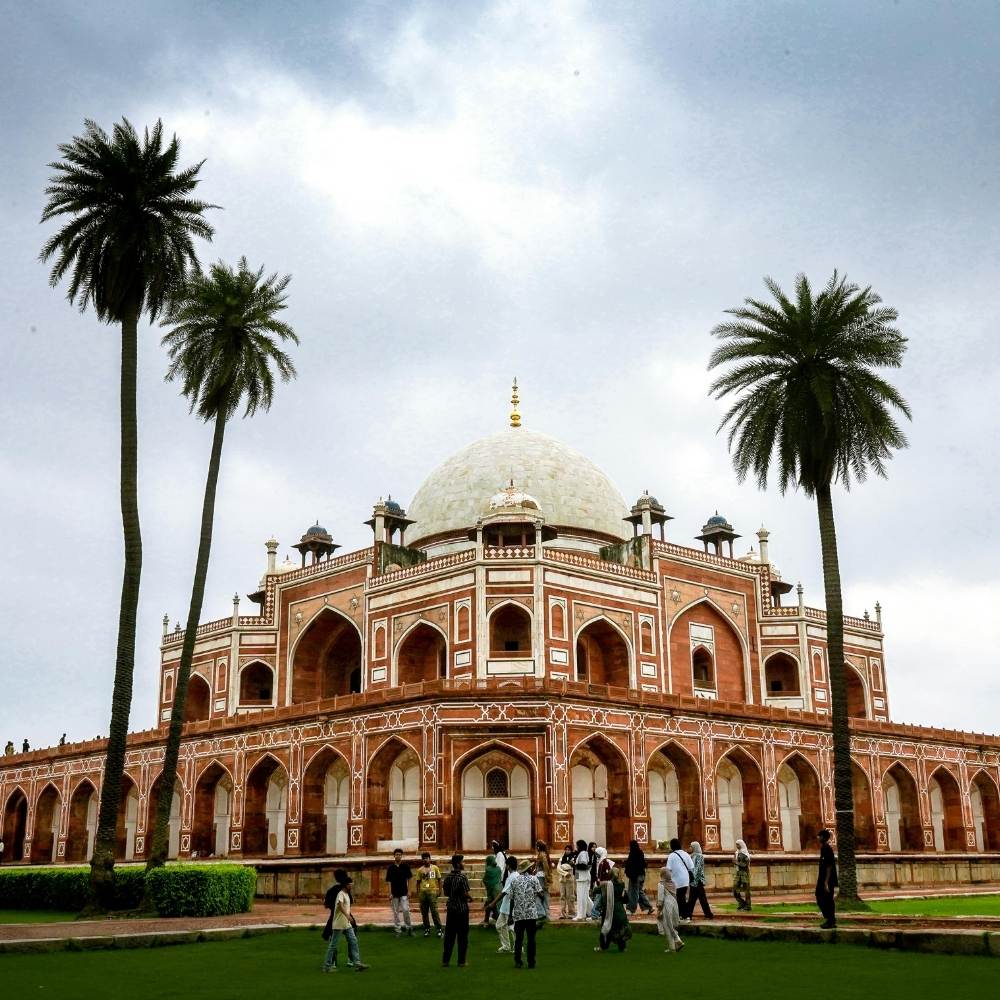
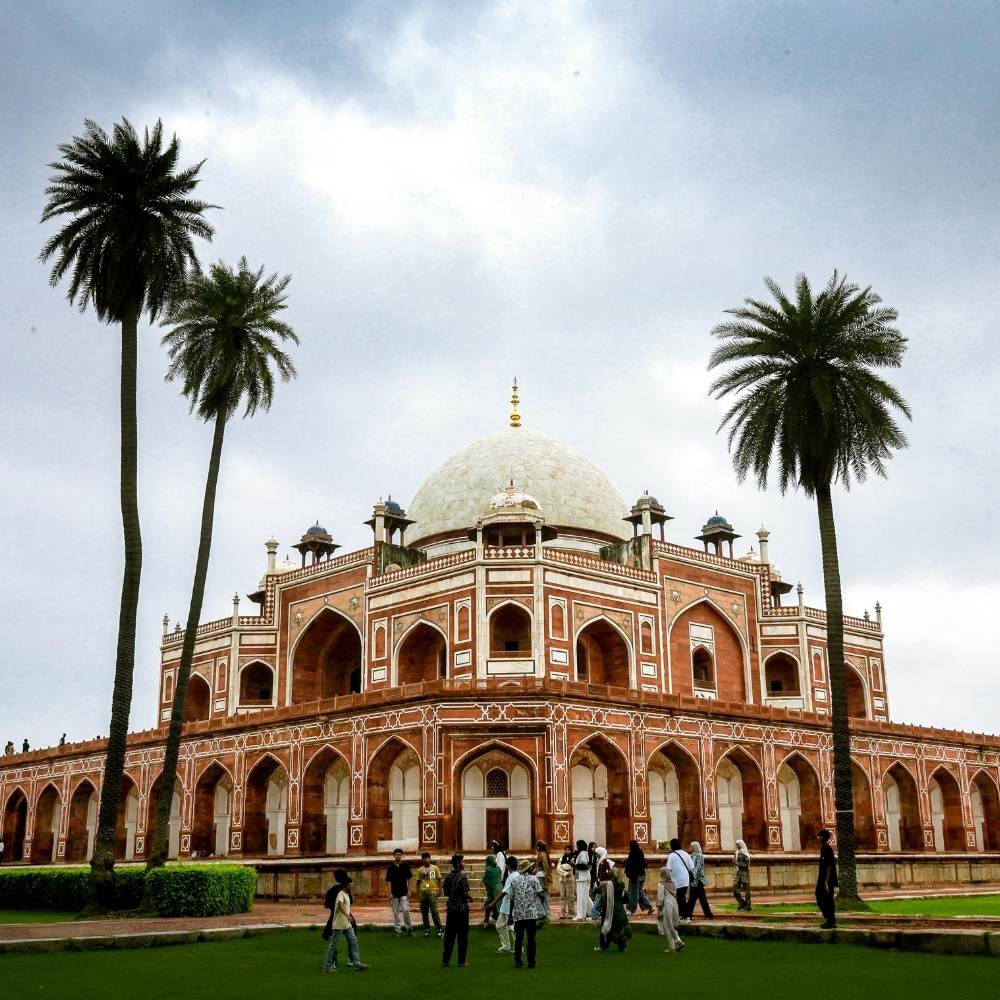
Must-visits: Red Fort (UNESCO World Heritage Site, built by Shah Jahan in 1648), Qutub Minar (the tallest brick minaret in the world, 73 meters), and Humayun's Tomb (the inspiration for the Taj Mahal).
- Experiences: Walk through Chandni Chowk market, ride a rickshaw, and taste Delhi's famous street food like chole bhature, jalebi, and parathas.
2. Agra:
-
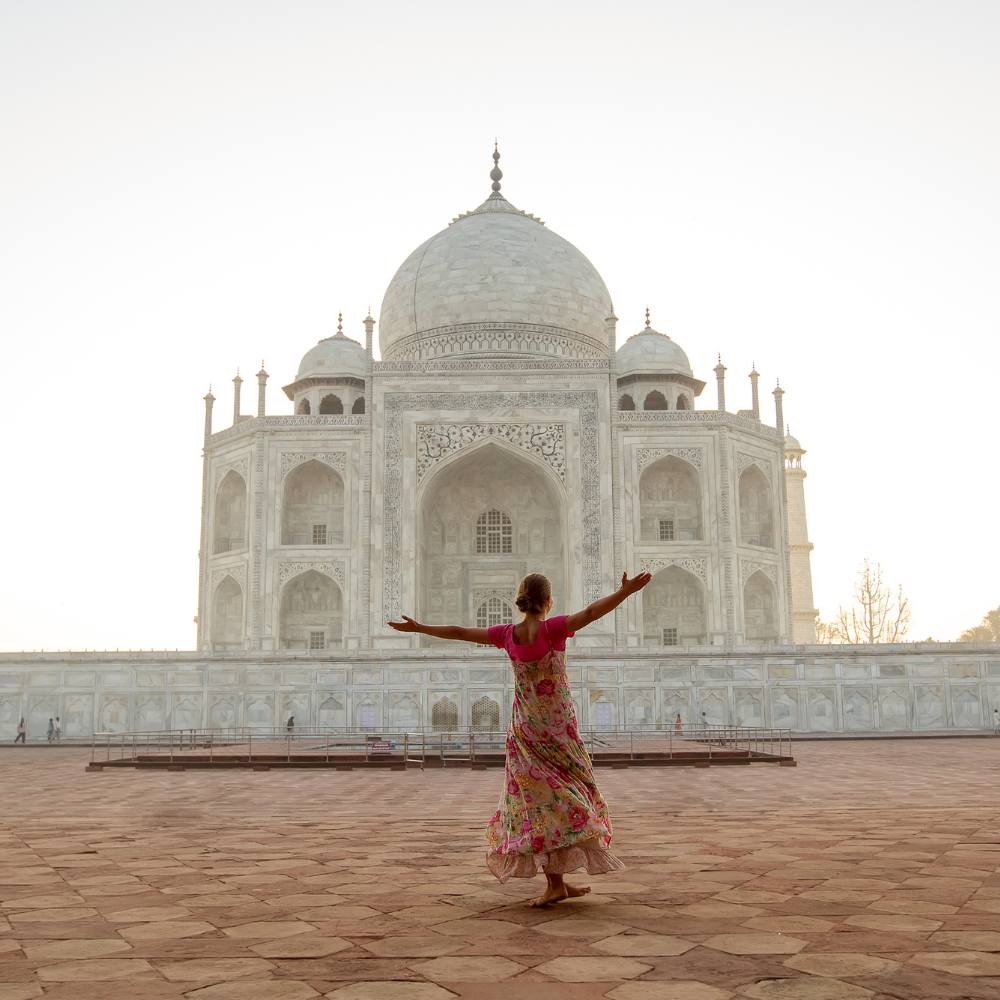
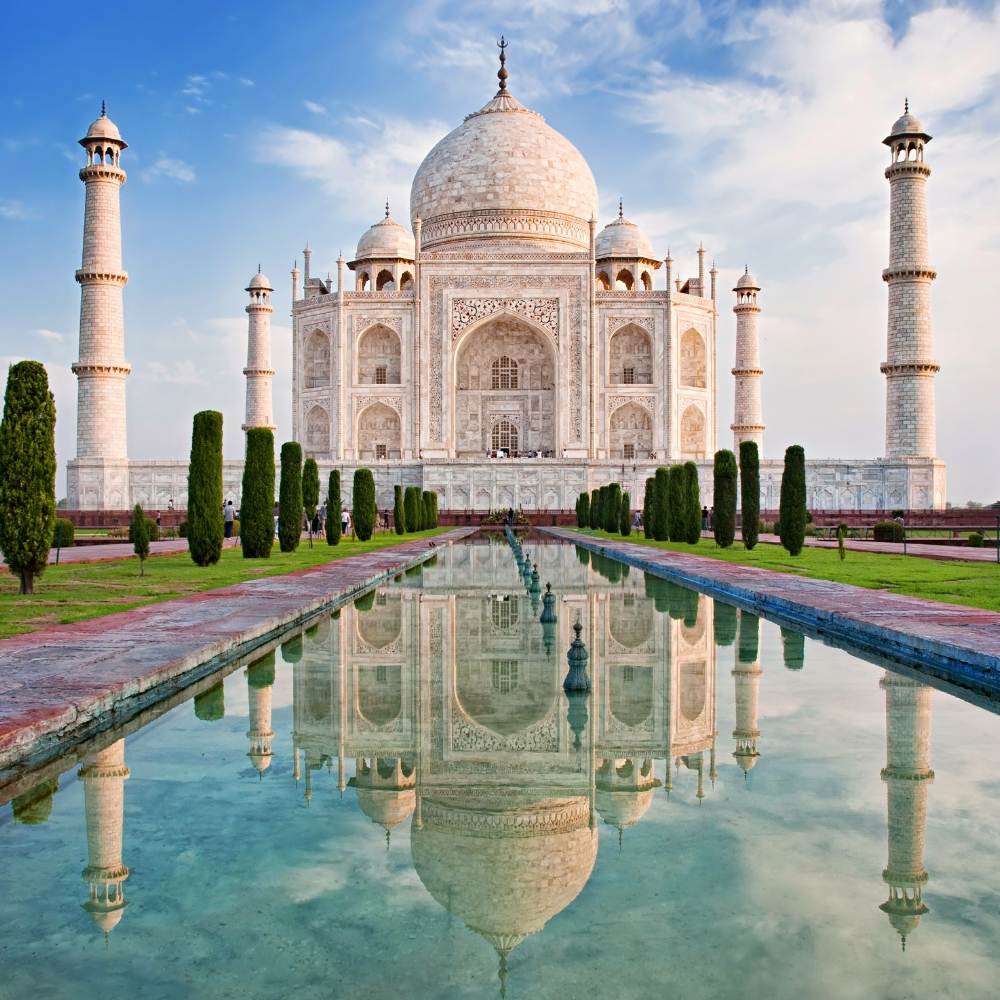
Home to the Taj Mahal, built in the 17th century by Emperor Shah Jahan for his wife Mumtaz Mahal. It took 22 years and over 20,000 workers to complete the project.
-
Other sites: Agra Fort (a UNESCO site with a mix of Hindu and Islamic architecture) and Fatehpur Sikri (a ghost city once the Mughal capital).
- The best view of the Taj Mahal is at sunrise or sunset, when the marble colors change.
3. Jaipur:
-
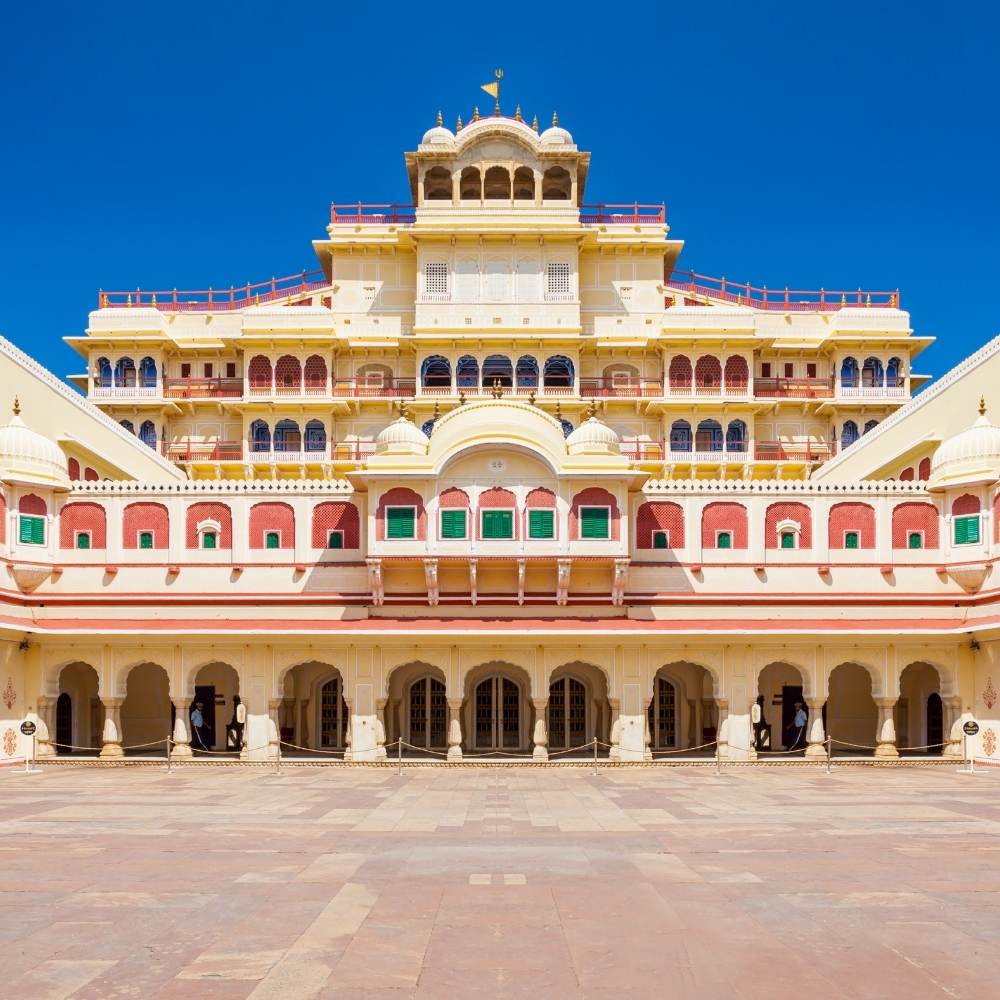
Known as the "Pink City," Jaipur was founded in 1727 by Maharaja Sawai Jai Singh II.
-
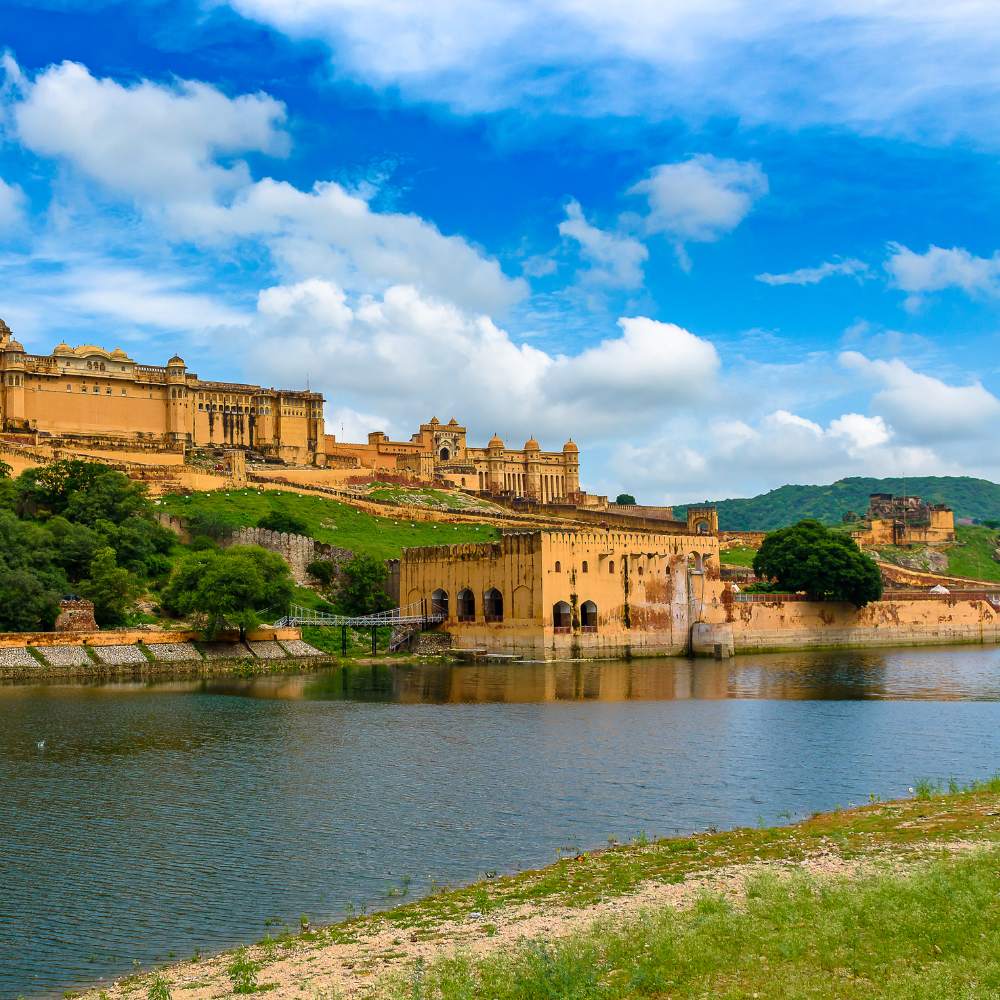
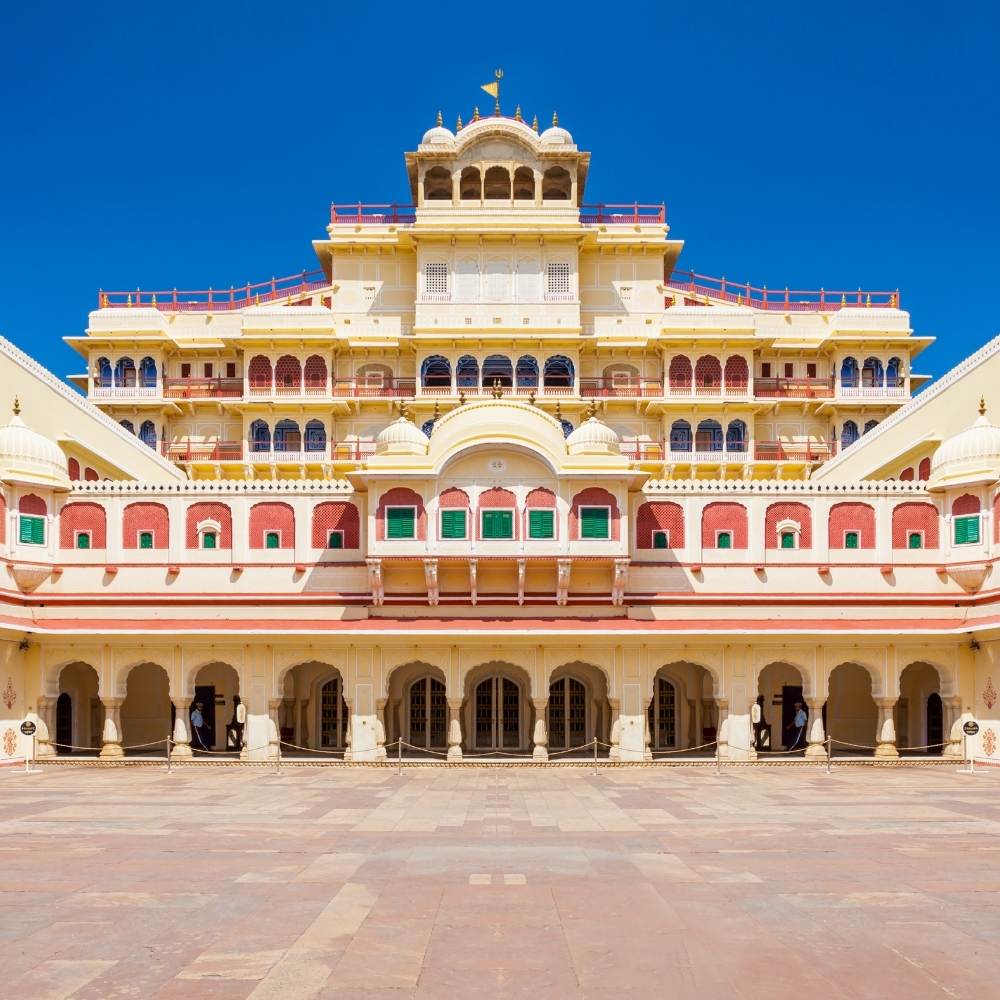
Highlights: Amer Fort (with beautiful courtyards and Sheesh Mahal – the Mirror Palace), Hawa Mahal (Palace of Winds with 953 small windows), and City Palace (a royal residence and museum).
- Experience: Shopping for jewelry, block-printed fabrics, and blue pottery in Johari and Bapu Bazaar.
4. Varanasi:
-
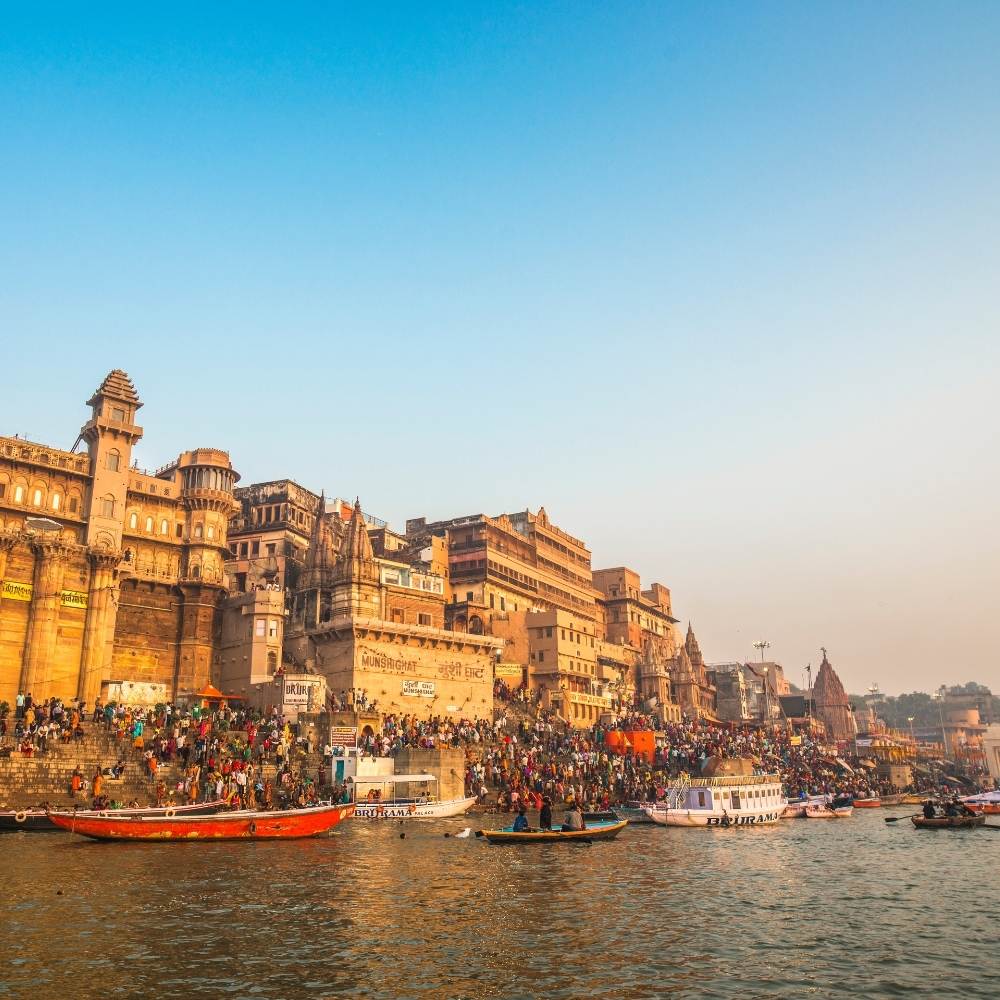
One of the world's oldest continuously inhabited cities, dating back over 3,000 years. Known as the spiritual capital of India.
-
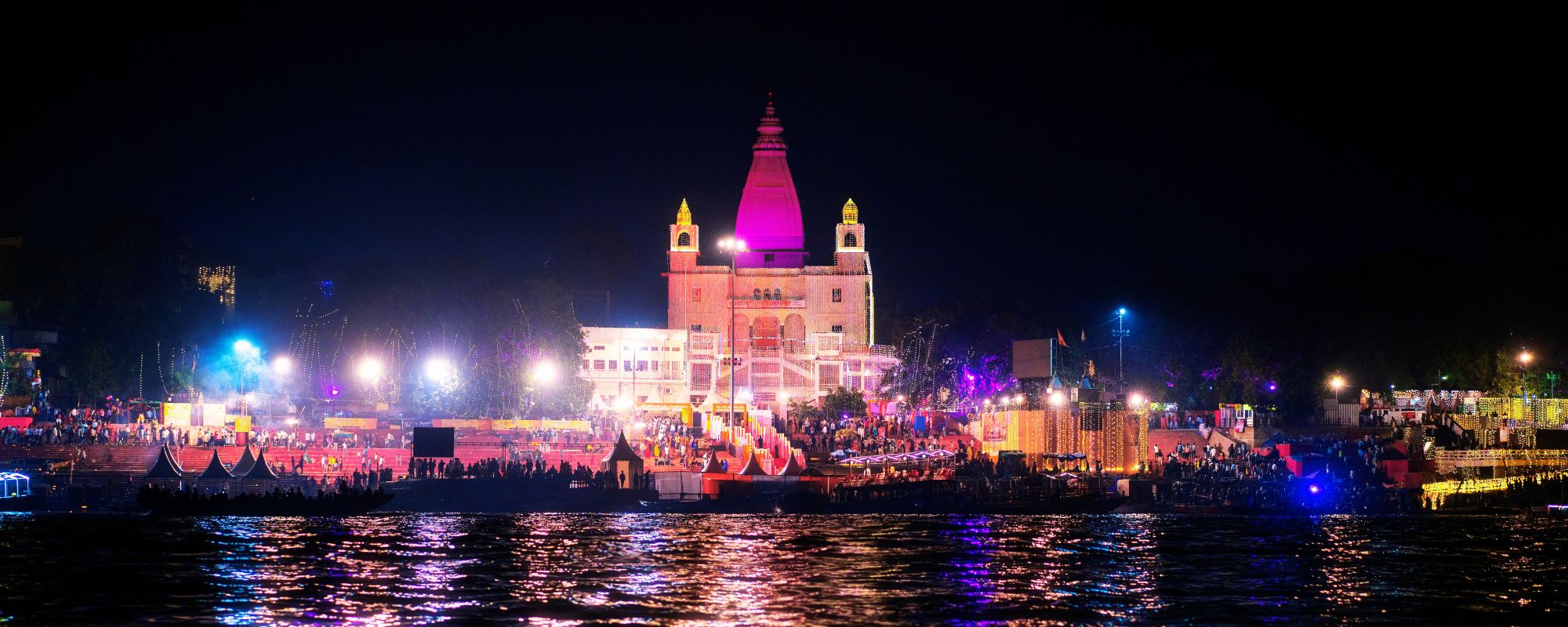
Don't miss: Evening Ganga Aarti at Dashashwamedh Ghat, a morning boat ride on the Ganges, and walking through the old city's narrow lanes.
- Special: Visit Sarnath, where Buddha gave his first sermon after enlightenment.
Why choose this route? Perfect for history enthusiasts and those seeking to experience both India's royal heritage and spiritual traditions.
B. Rajasthan Desert Adventure
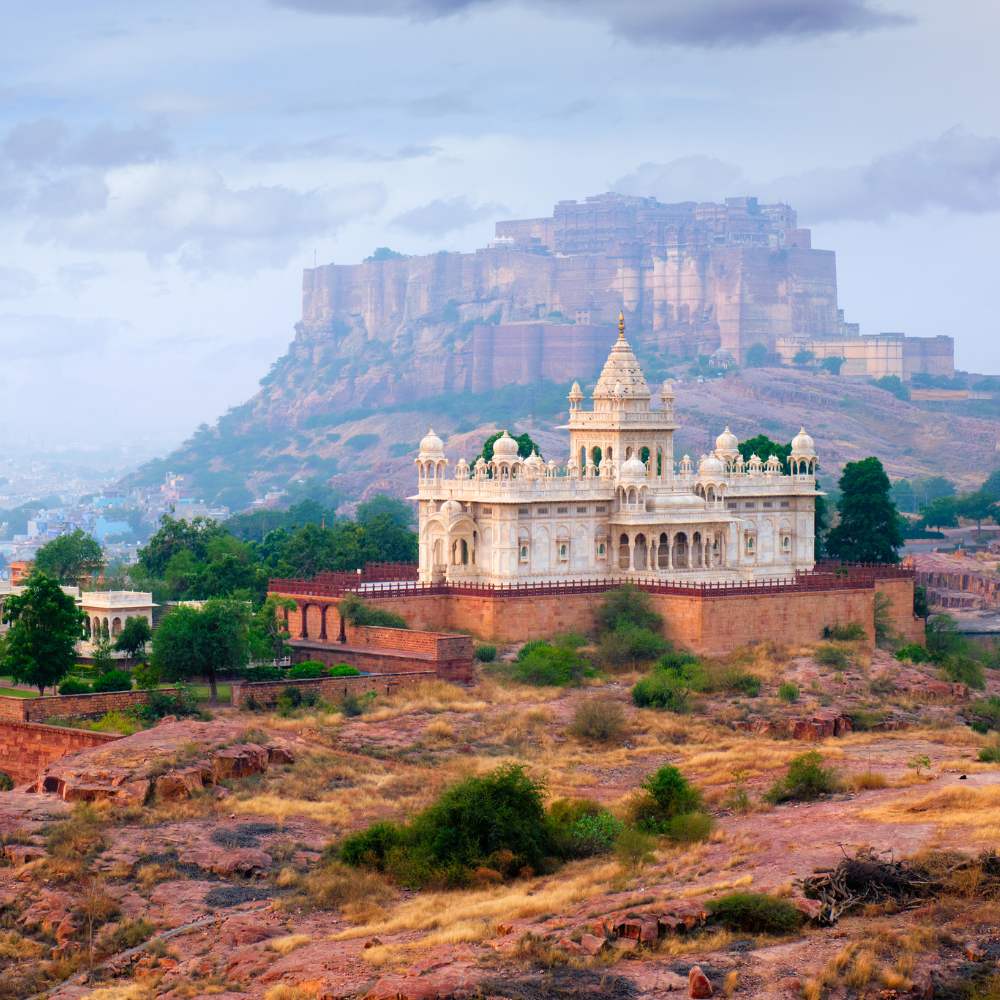
Rajasthan is India's land of kings, with grand forts, palaces, and golden deserts.
-
Jaipur: Already covered above, but it's also the gateway city for Rajasthan.
-
Jodhpur:
-
Called the "Blue City" because many houses around Mehrangarh Fort are painted blue.
-
Mehrangarh Fort, built in 1459, is one of the largest forts in India, offering panoramic views of the city.
- Explore Jaswant Thada (a marble cenotaph) and the bustling Sardar Market.
-
-
Jaisalmer:
-
Nicknamed the "Golden City" due to its sandstone architecture.
-
Jaisalmer Fort (Sonar Quila), built in 1156, is a living fort that features shops, homes, and temples within its walls.
- Desert experiences: Camel safaris, jeep rides in the Sam Sand Dunes, and stargazing in desert camps.
-
-
Udaipur:
-
Known as the "City of Lakes," Udaipur is a romantic and scenic destination.
-
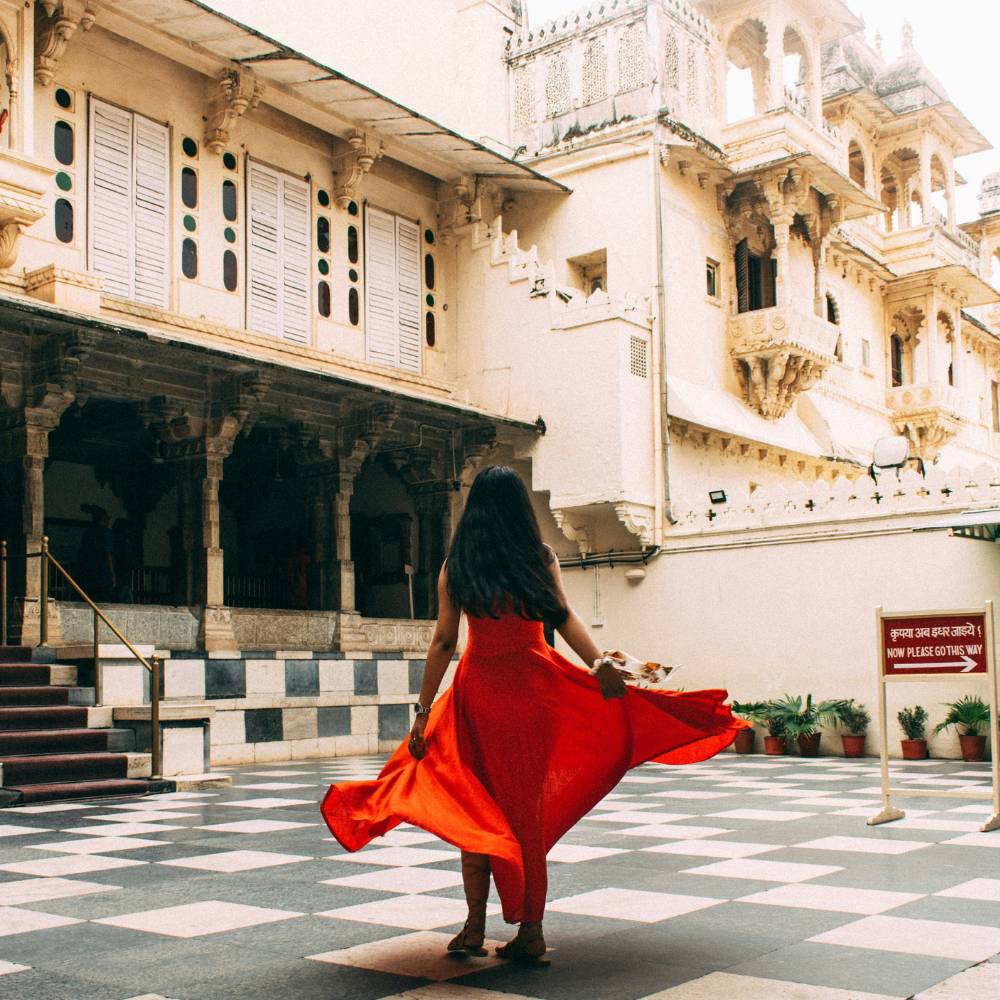
Highlights: City Palace (a mix of Mughal and Rajput styles, overlooking Lake Pichola), Jag Mandir Island, and Saheliyon-ki-Bari gardens.
- Experience: Sunset boat ride on Lake Pichola with views of the famous Lake Palace (now a luxury hotel).
-
Why choose this route? Ideal if you're fascinated by royal history, architecture, and desert adventures.
C. Kerala Backwaters and South India Bliss
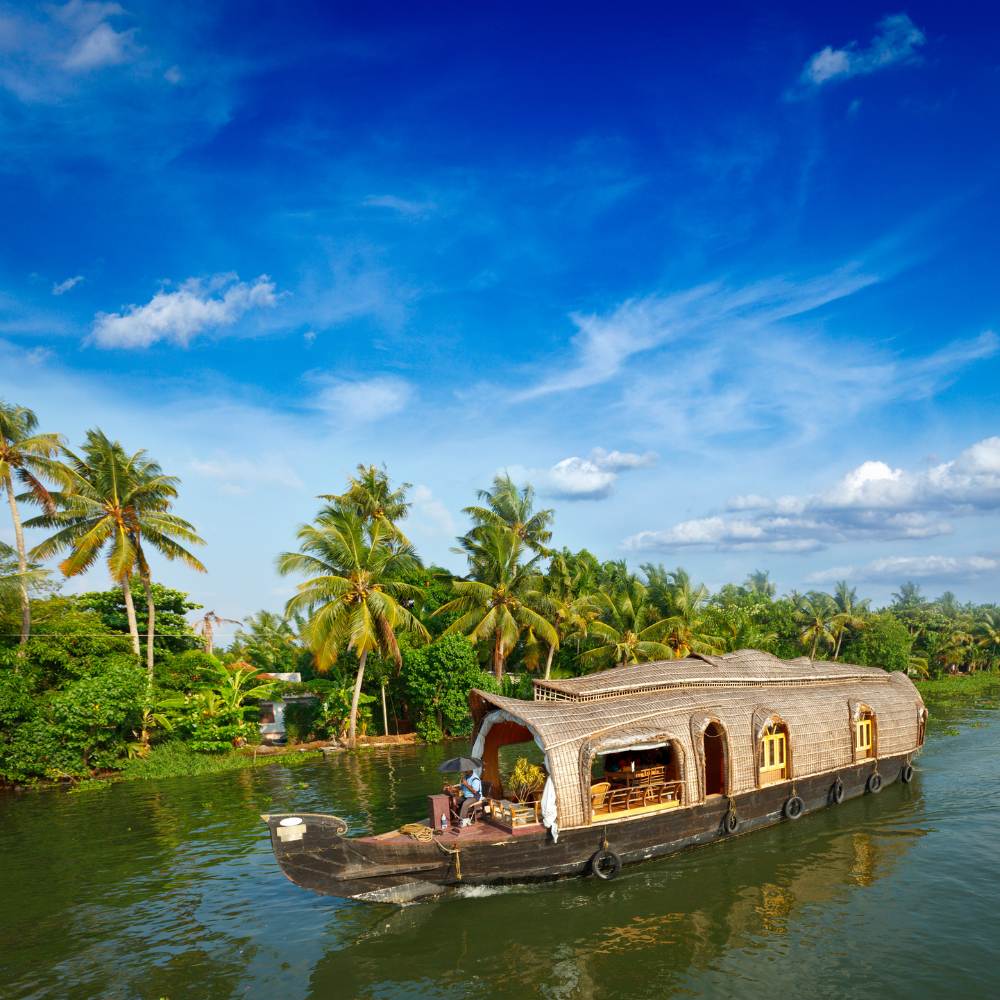
Kerala is called "God's Own Country" for a reason—it's lush, peaceful, and rich in natural beauty.
-
Kochi (Cochin):
-
A melting pot of cultures with Portuguese, Dutch, and British influence.
-
Visit Fort Kochi for Chinese fishing nets, Mattancherry Palace (built by the Portuguese in 1555), and the Paradesi Synagogue (the oldest active synagogue in the Commonwealth).
- Experience: Watch a Kathakali dance performance, known for its colorful costumes and expressions.
-
-
Munnar:
-
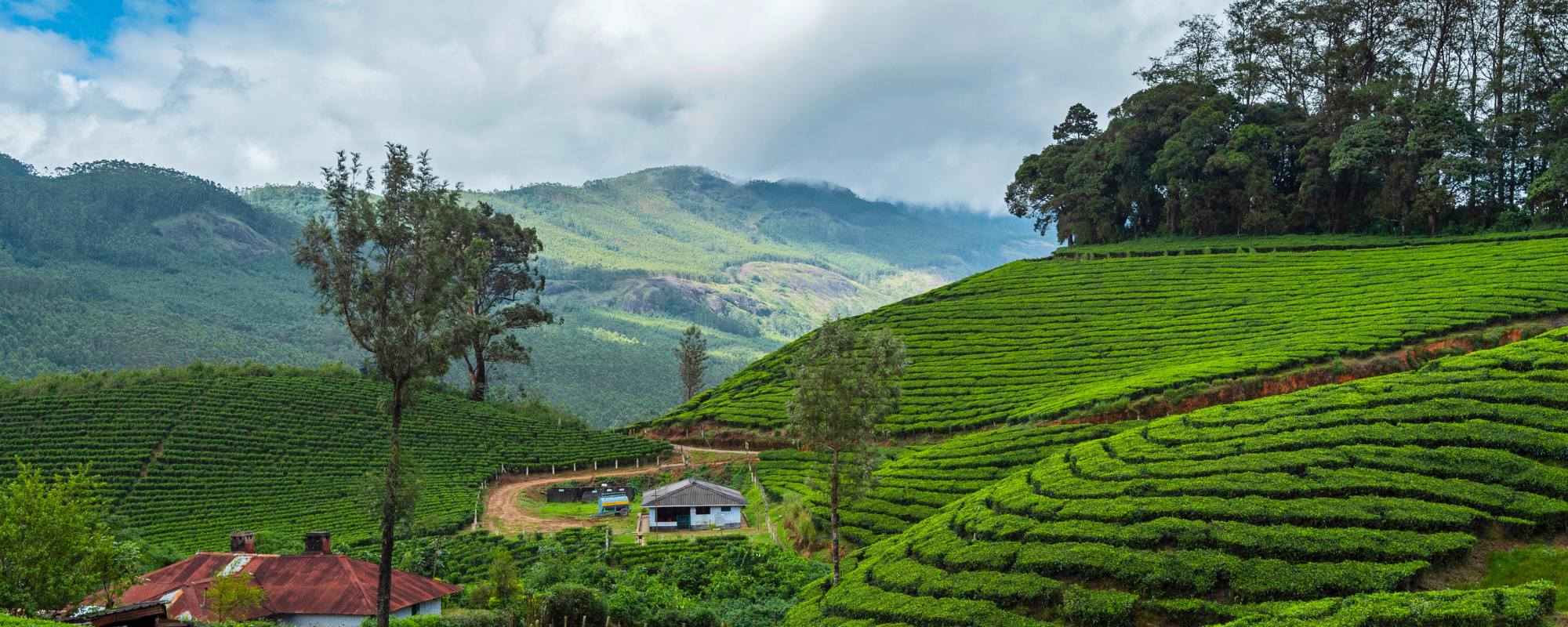
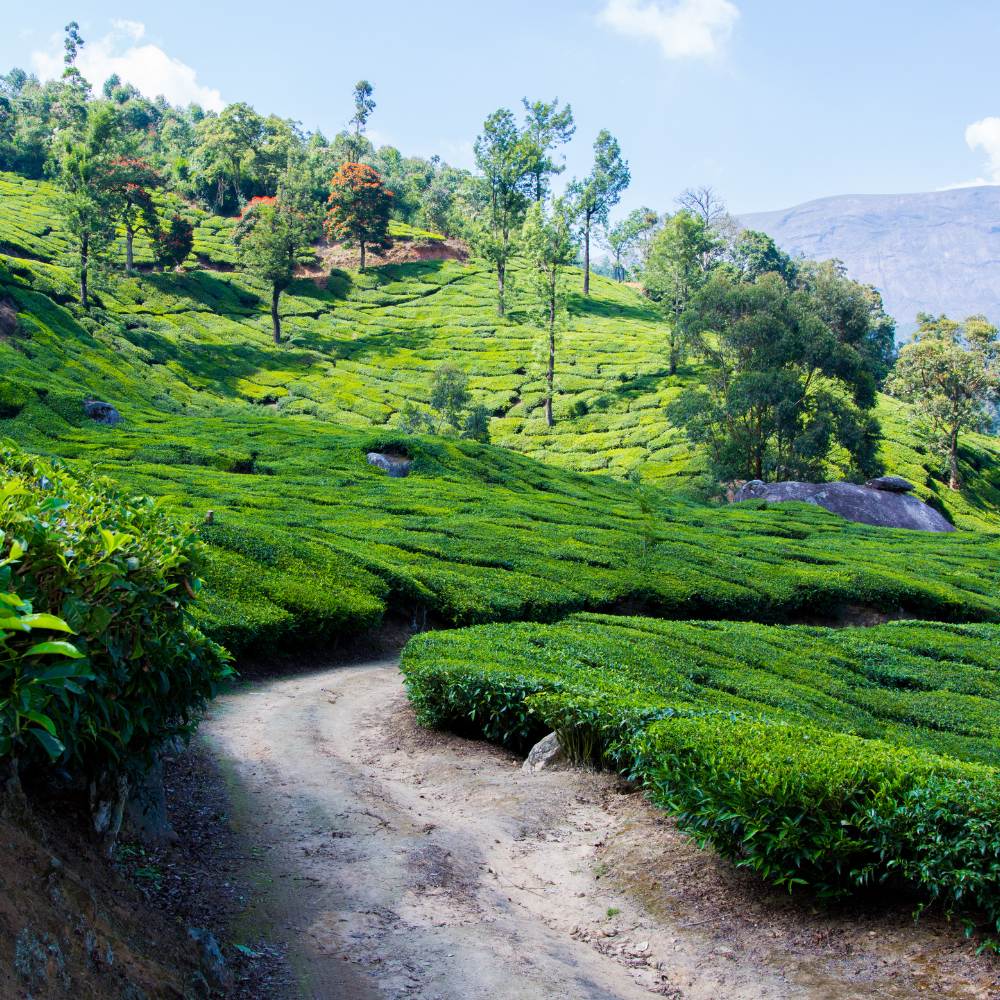
A hill station covered with tea gardens set up by the British.
-
Visit Eravikulam National Park (home to the endangered Nilgiri Tahr mountain goat).
- Activities: Tea-tasting tours, trekking to Anamudi Peak (the highest in South India at 2,695 meters).
-
-
Thekkady:
-
Famous for the Periyar Wildlife Sanctuary, where you can spot elephants, bison, and birds.
-
Take a boat ride on Periyar Lake or go bamboo rafting in the forest.
-
-
Alleppey & Kumarakom:
-
Known as the "Venice of the East."
-
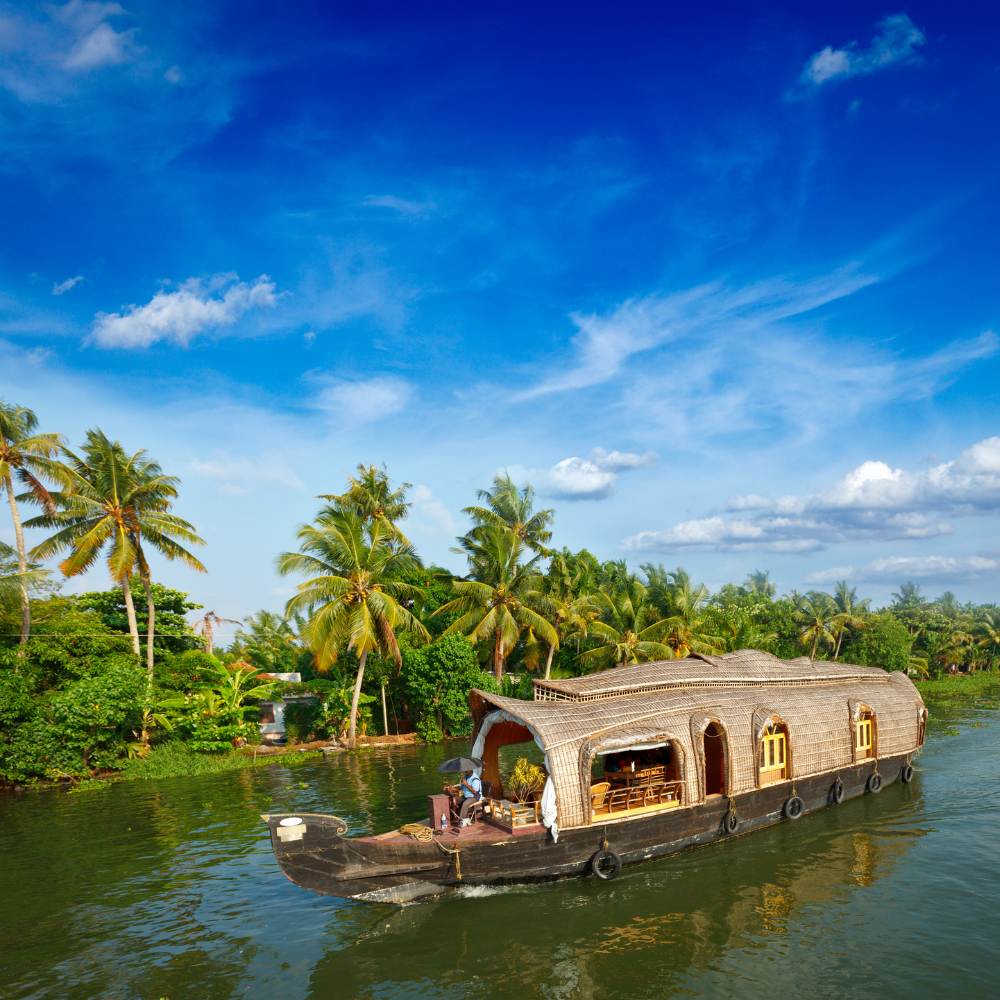
Stay on a houseboat and float through palm-fringed canals, lagoons, and rice paddies. Meals on board include fresh, locally prepared Kerala dishes, cooked by the crew.
-
-
Kovalam or Varkala:
-
Kovalam is famous for its crescent-shaped beaches and Ayurveda spas.
-
Varkala features dramatic cliffs overlooking the Arabian Sea and a laid-back, backpacker-friendly vibe.
-
Why choose this route? Ideal for a relaxing holiday that combines beaches, mountains, and wellness activities.
D. Goa + Karnataka Heritage Trail
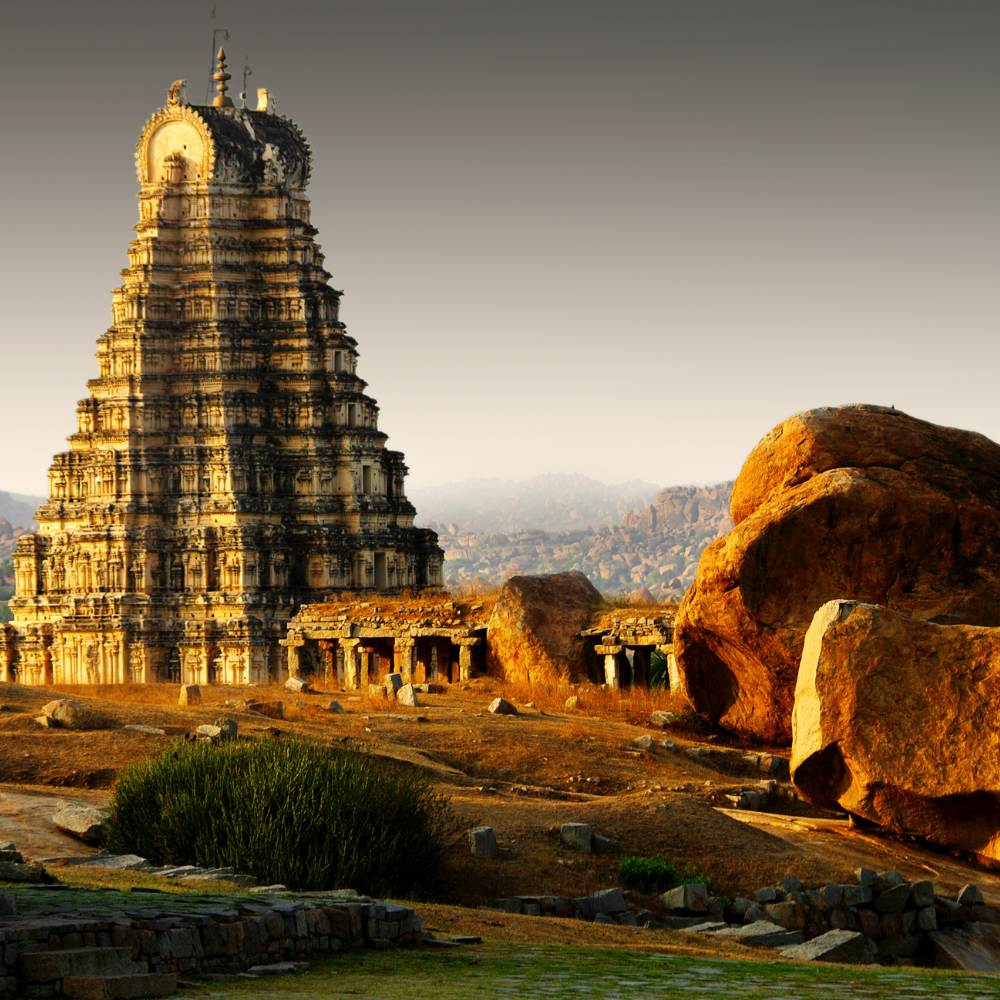
This route is a balance of fun beaches and fascinating ancient ruins.
-
Goa:
-
Divided into North Goa (party beaches like Baga and Anjuna) and South Goa (quieter beaches like Palolem).
-
Visit Old Goa's UNESCO-listed churches, such as the Basilica of Bom Jesus (which holds the remains of St. Francis Xavier) and the Se Cathedral.
- Experiences: Dolphin-spotting cruises, spice plantation tours, and Goan seafood like prawn balchao and vindaloo.
-
-
Gokarna (Karnataka):
-
A small coastal town with serene beaches like Om Beach, Kudle Beach, and Paradise Beach.
- Quieter and more spiritual than Goa, with essential temples like the Mahabaleshwar Temple.
-
-
Hampi:
-
A UNESCO site that was once the capital of the Vijayanagara Empire (14th–16th century).
-
Over 1,600 monuments spread across 41 square kilometers: temples, palaces, and bazaars.
- Must-sees: Virupaksha Temple, Vittala Temple with its stone chariot, and Matanga Hill for sunrise views.
-
-
Badami & Pattadakal:
-
Badami is famous for its rock-cut cave temples (dating back to the 6th century) carved into sandstone cliffs.
-
Pattadakal is a UNESCO World Heritage site featuring a unique blend of North and South Indian temple architecture.
-
Why choose this route? Ideal for travelers who enjoy both relaxing on the beach and exploring historic ruins.
E. Himalayan Escape (North India Mountains)
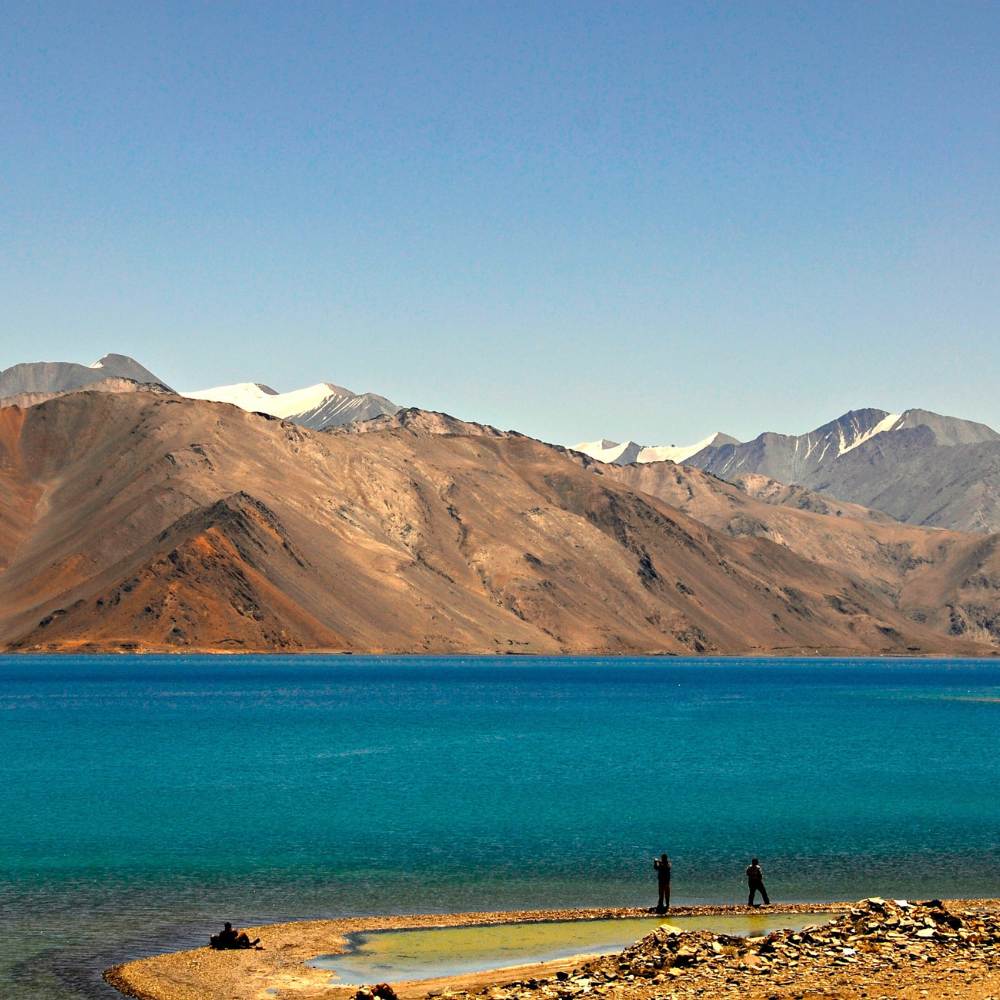
The Himalayas offer stunning landscapes, adventure, and spirituality.
-
Rishikesh & Haridwar:
-
Rishikesh is known as the "Yoga Capital of the World." You can join yoga and meditation retreats.
-
White-water rafting on the Ganges is a popular activity.
- Haridwar is one of India's seven holy cities. The evening Ganga Aarti at Har Ki Pauri ghat is deeply spiritual.
-
-
Shimla & Manali:
-
Shimla was the summer capital during British rule. You can ride the UNESCO toy train from Kalka to Shimla.
-
Manali is great for adventure: paragliding, skiing (Solang Valley), and trekking.
-
-
Dharamshala & McLeod Ganj:
-
Known for Tibetan culture as the residence of the Dalai Lama.
- Visit Namgyal Monastery and embark on the Triund trek for breathtaking Himalayan views.
-
-
Leh-Ladakh:
-
High-altitude region at 3,500 meters above sea level.
-
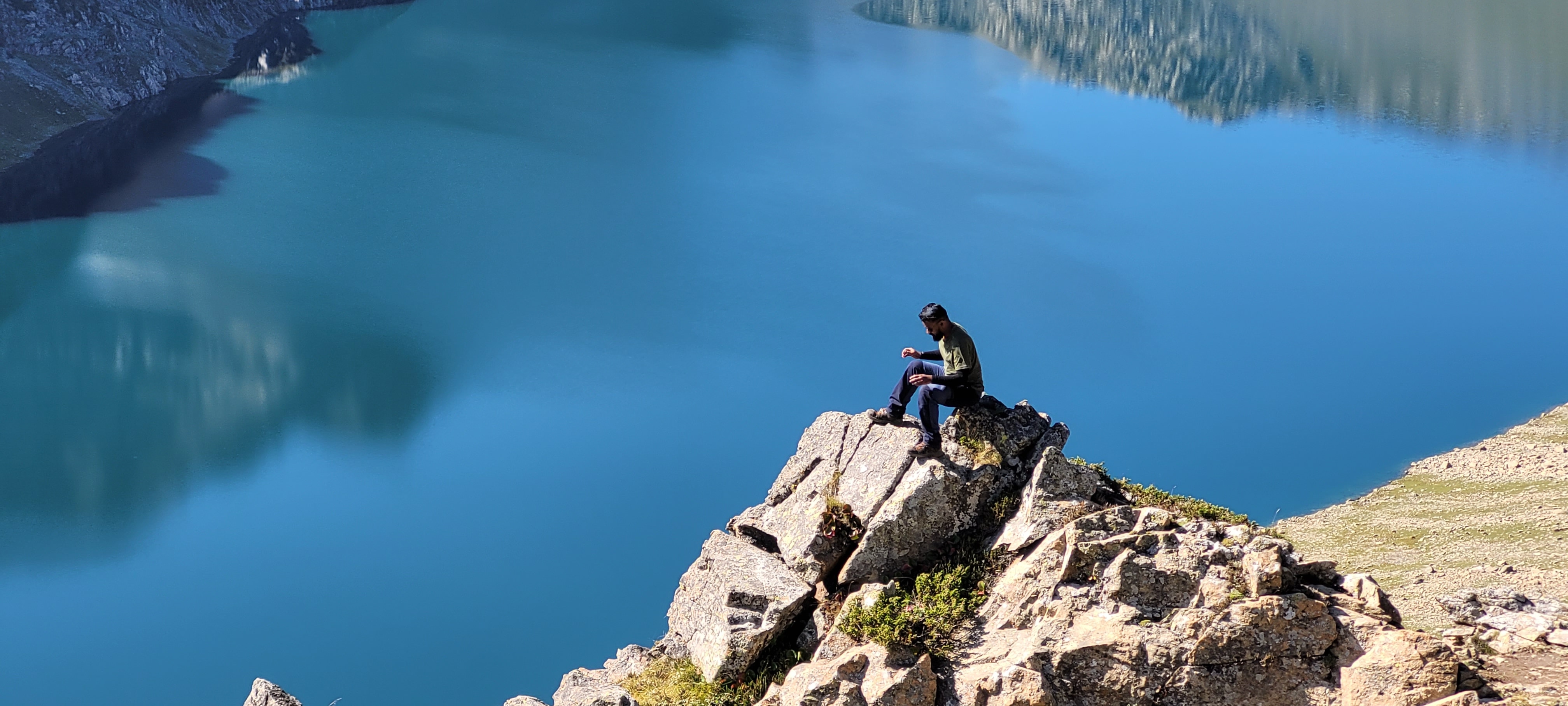
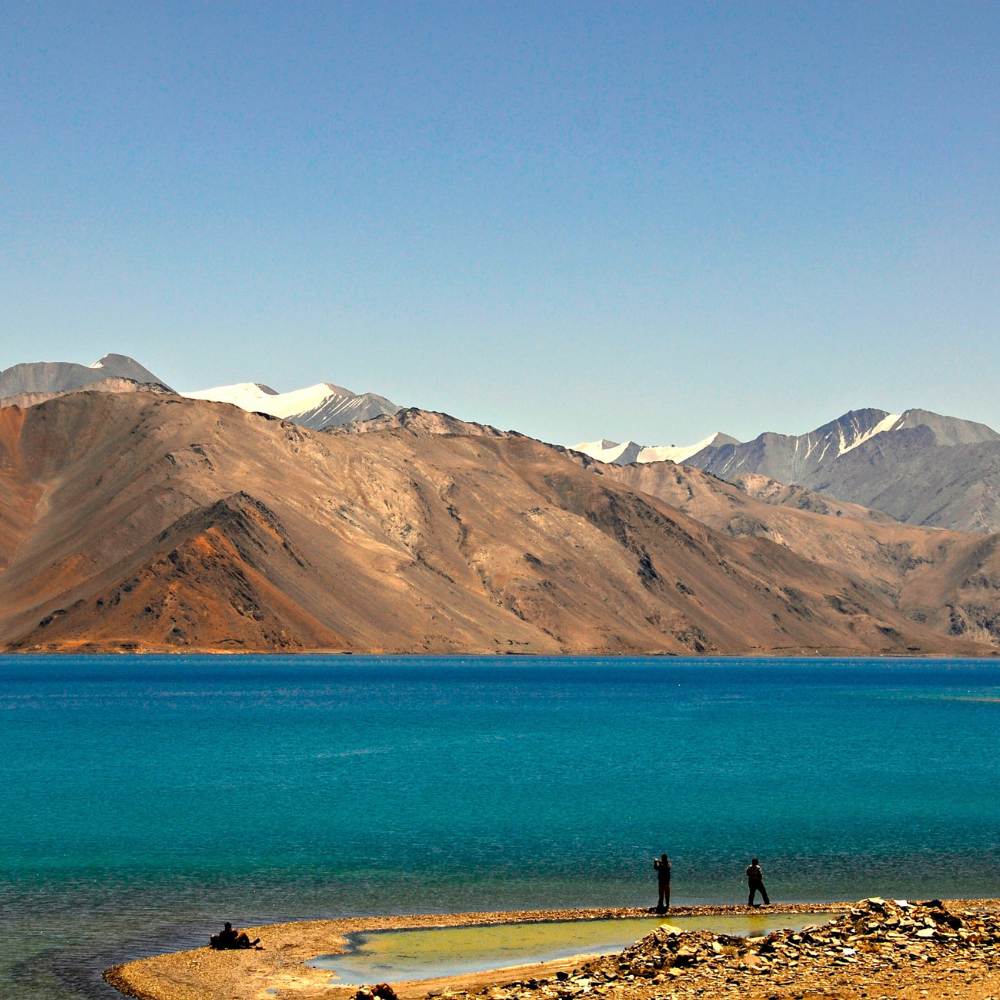
Attractions: Pangong Lake (famous for its stunning blue color), Nubra Valley (featuring dunes and Bactrian camels), and monasteries such as Thiksey and Hemis.
- Significant: Only accessible in summer (June–September) due to snow.
-
Why choose this route? Best for adventurers, trekkers, and those seeking spiritual calm in the mountains.
F. Northeast India Explorer
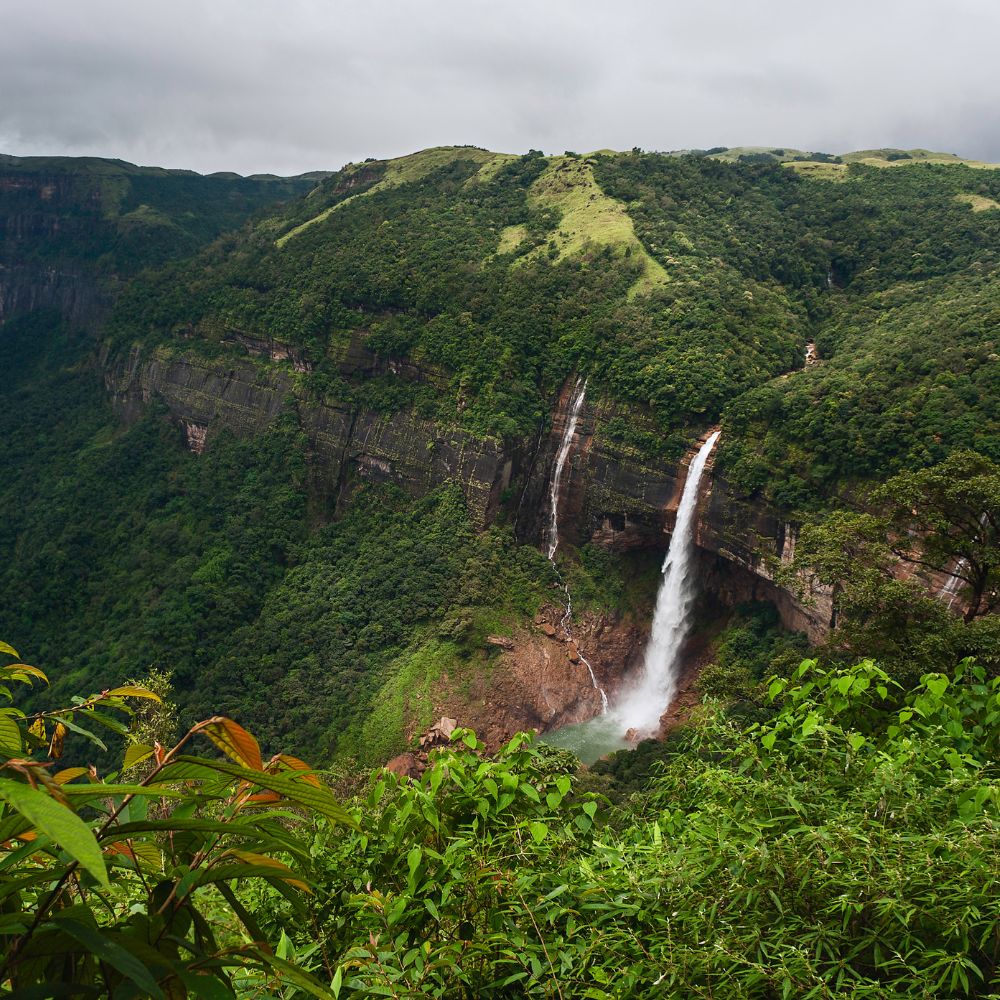
This region is raw, green, and less touristy, offering a unique experience.
-
Shillong and Cherrapunjee (Meghalaya):
-
Shillong is often referred to as the "Scotland of the East," characterized by its rolling hills and numerous waterfalls.
-
Cherrapunjee is one of the wettest places on Earth, renowned for its Nohkalikai Falls (the tallest plunge waterfall in India, at 340 meters) and living root bridges constructed by the Khasi tribes.
-
-
Kaziranga National Park (Assam):
-
A UNESCO site and home to two-thirds of the world's one-horned rhinoceroses.
- Also has elephants, swamp deer, and tigers. Jeep and elephant safaris are available.
-
-
Tawang (Arunachal Pradesh):
-
Located at 3,000 meters, near the India-China border.
- Home to Tawang Monastery, the largest Buddhist monastery in India (built in the 17th century).
-
-
Majuli Island (Assam):
-
The world's largest river island is on the Brahmaputra.
- Known for its monasteries (satras), tribal culture, and traditional mask-making.
-
Why choose this route? Perfect for nature lovers, wildlife enthusiasts, and travelers seeking offbeat experiences.
G. Tamil Nadu and Pondicherry Spiritual Circuit
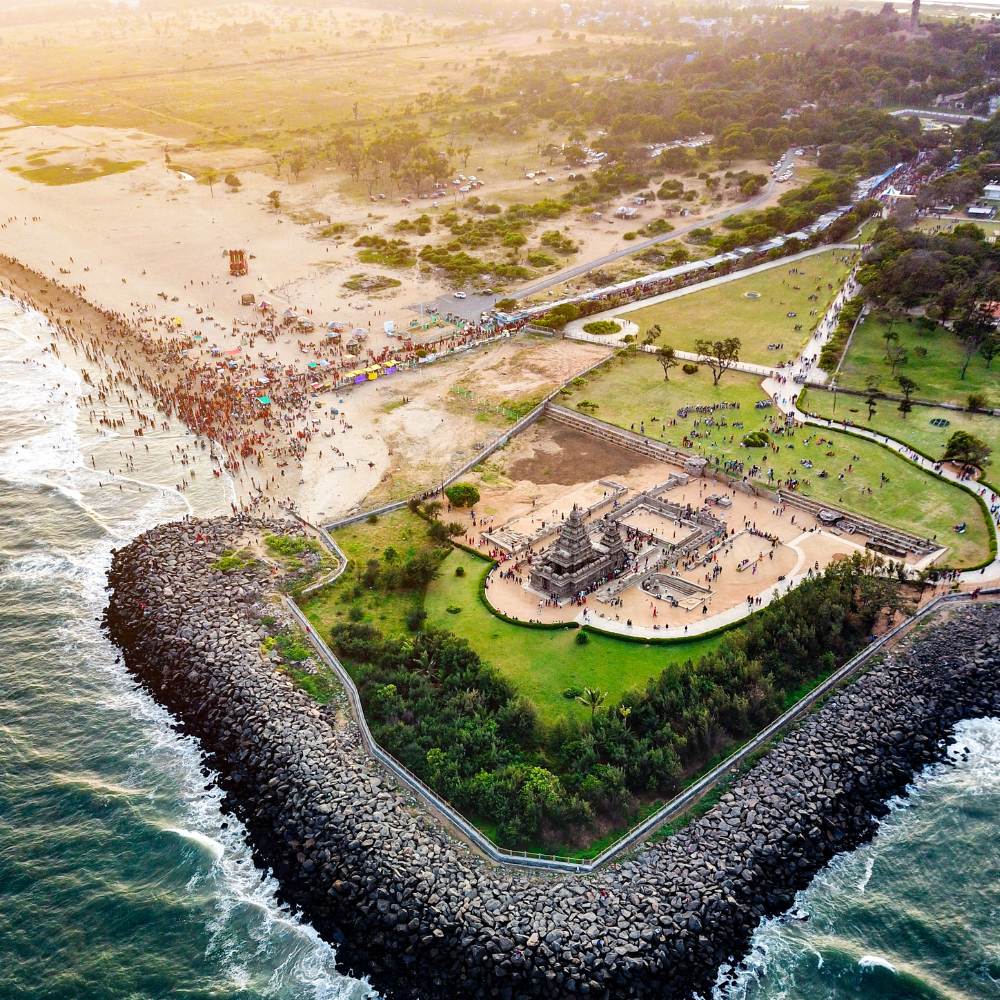
For temple lovers and culture seekers, this is a dream route.
-
Chennai:
-
Gateway city with Marina Beach (one of the longest urban beaches in the world).
- Kapaleeshwarar Temple is an excellent example of Dravidian architecture.
-
-
Mahabalipuram:
-
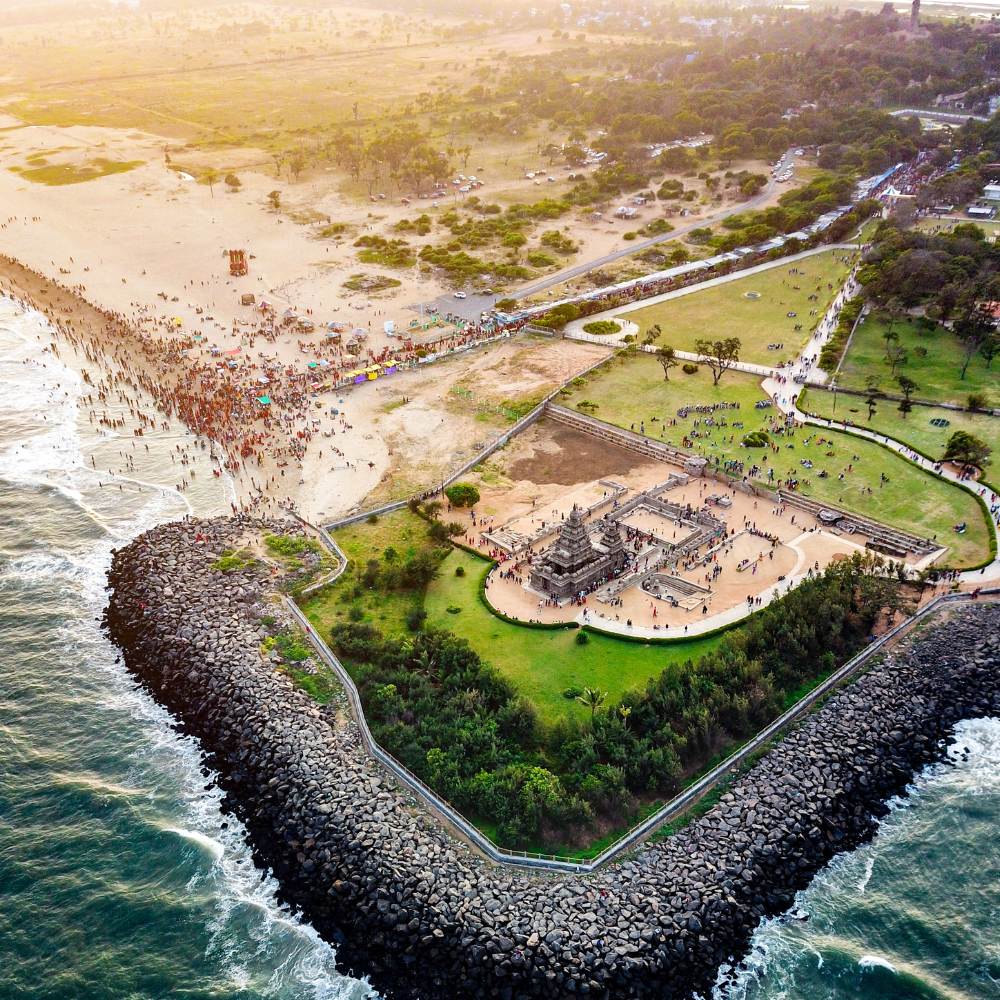
A UNESCO site with shore temples and rock-cut caves built in the 7th–8th centuries by the Pallava dynasty.
- Famous for Arjuna's Penance, a giant rock carving.
-
-
Pondicherry (Puducherry):
-
A former French colony with colorful colonial houses and French cafés.
- Visit Auroville, an experimental township focused on spiritual living.
-
-
Thanjavur:
-
Famous for the Brihadeeswarar Temple, a UNESCO site built by Raja Raja Chola I in the 11th century.
- The temple's tower rises 66 meters high, one of the tallest in the world.
-
-
Madurai:
-
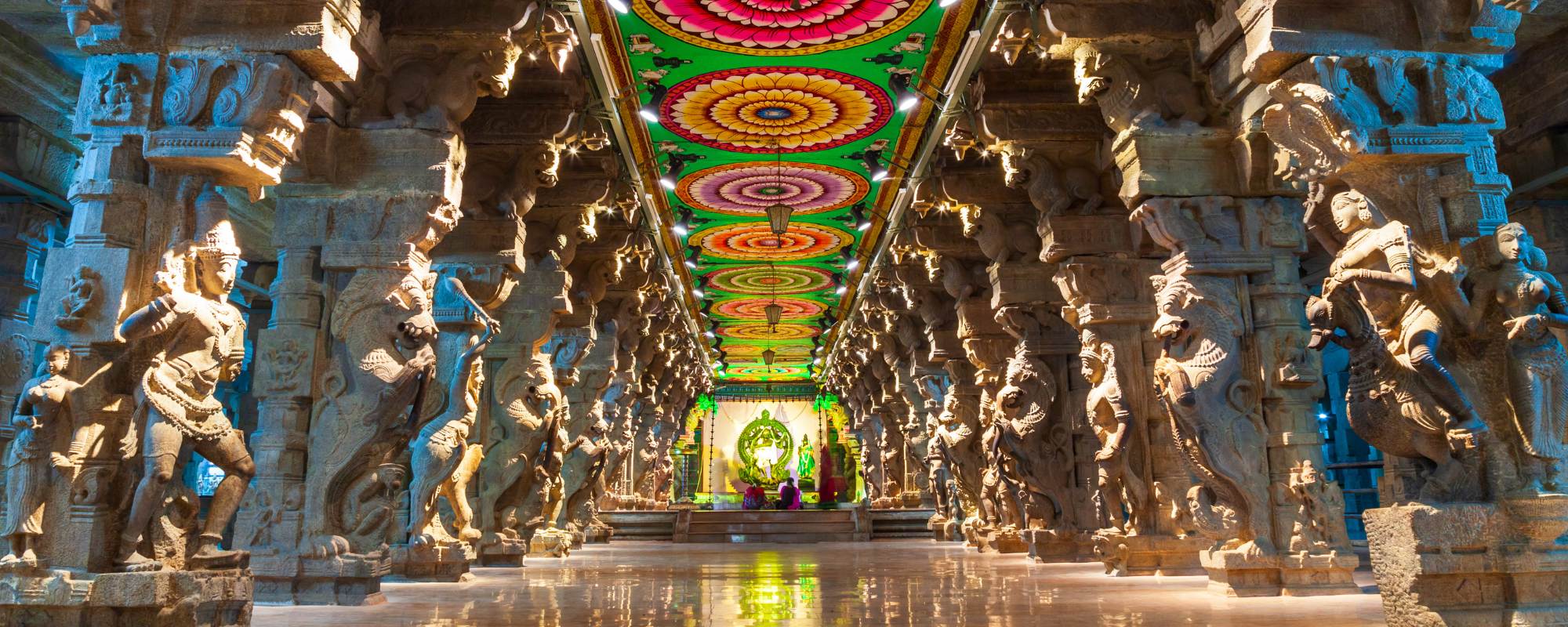
Meenakshi Amman Temple, featuring 14 colorful gopurams (towers), each adorned with thousands of sculptures.
- The temple attracts millions of pilgrims annually.
-
-
Rameswaram and Kanyakumari:
-
Rameswaram is one of the four Char Dham pilgrimage sites, with the Ramanathaswamy Temple being famous for its extensive corridors.
- Kanyakumari is the southernmost tip of India, where the Bay of Bengal, Arabian Sea, and Indian Ocean meet.
-
Why choose this route? Best for travelers interested in spirituality, architecture, and coastal charm.
Travel Tips and Practical Info
- Visa and Permits: Most foreign travelers need an e-visa. Certain areas, such as parts of Northeast India and Ladakh, require special permits.
- Cultural Etiquette: Dress modestly in temples and religious places. Respect local customs.
- Food and Health: Indian food is delicious but can be spicy. Drink bottled water and eat at clean places to avoid stomachaches.
- Packing Essentials: Pack according to the region—light clothes for warm areas, warm jackets for mountainous regions, and rain gear for traveling during the monsoon season. Comfortable shoes are a must.
Conclusion
India is not just a country—it feels like many countries rolled into one. A two-week stay can offer a glimpse of its royal past, spiritual depth, natural beauty, or vibrant culture, depending on the region you choose. Whether you are sailing on Kerala's backwaters, watching the sunrise over the Taj Mahal, hiking in the Himalayas, or strolling through a Goan beach, each moment will stay with you.
The key is not to rush. Pick the region that excites you most and give it time. India has so much to offer that you will always want to come back for more.