


From Dubai, Doha or Singapore, India is a short-haul destination, not a long-haul one. Most Gulf hubs are three to five hours from Delhi or Mumbai, and most Southeast Asian hubs are four to six hours, which means a three- or four-night incentive programme genuinely works, in a way it never does for a group flying from New York or London. The two things that actually constrain the plan are visa category and lead time, and the visa trap in these markets is that eligibility and fees follow passport nationality, not country of residence.
TL;DR
- India is short-haul from both regions. Roughly 3 to 5 hours from the Gulf and 4 to 6 from Southeast Asia to Delhi or Mumbai.
- That changes the minimum viable programme. Three nights is real here. For a US or UK group, it is not.
- The visa follows the passport, not the residence permit. A British passport holder living in Dubai pays British rates and follows British rules.
- Pick the right category. Choose e-Tourist for a pure reward trip, e-Business if there is any commercial activity, and e-Conference only for conferences hosted by a government body, PSU, or recognised institution.
- e-Business and e-Medical moved to reciprocal per-nationality pricing in 2026. The e-Tourist fee did not change.
- Budget a bank charge of about 2.5 to 3 per cent on top of the visa fee, and apply at least four days before travel.
- The seasons fight each other. Gulf outbound peaks in summer, which is India's monsoon. Southeast Asian year-end travel lands in India's most expensive three weeks.
- The standard programme runs four to seven days, split into two to three days of business and two to three of reward.
Our MICE and events page covers what we run. This piece covers what a planner in Dubai, Riyadh, Singapore or Bangkok specifically needs to decide first.
Flight Times: Why the Maths Is Different From Europe or America

|
From |
To Delhi or Mumbai |
Approximate non-stop block time |
|---|---|---|
| Muscat | Mumbai | Around 2h30 |
| Dubai | Mumbai | Around 3h |
| Dubai | Delhi | Around 3h15 to 3h30 |
| Abu Dhabi | Delhi | Around 3h30 |
| Doha | Delhi | Around 3h30 to 4h |
| Bangkok | Delhi | Around 4h15 to 4h30 |
| Kuwait | Delhi | Around 4h30 |
| Riyadh | Delhi |
Around 4h to 4h45 |
| Kuala Lumpur | Delhi | Around 5h15 |
| Singapore | Mumbai | Around 5h15 |
| Singapore | Delhi | Around 5h30 to 6h |
| Jeddah | Delhi | Around 5h30 to 6h |
These are typical published block times. They vary by carrier, aircraft and season, and should be confirmed against live schedules when dates are fixed.
The point of the table is not the individual numbers. Each is a single-sector daytime flight with no overnight leg, no jet lag worth managing, and no recovery day. A group can land in Delhi mid-morning and be in a session by early afternoon. That is the structural advantage these two regions have over every other source market for India, and it is why a three-night programme is a real product from Dubai and a waste of money from Chicago.
Mumbai, Delhi and Bengaluru carry the widest non-stop connectivity from both regions, and from there almost anywhere in India is a short connecting flight.
Visas: The Category, and the Trap

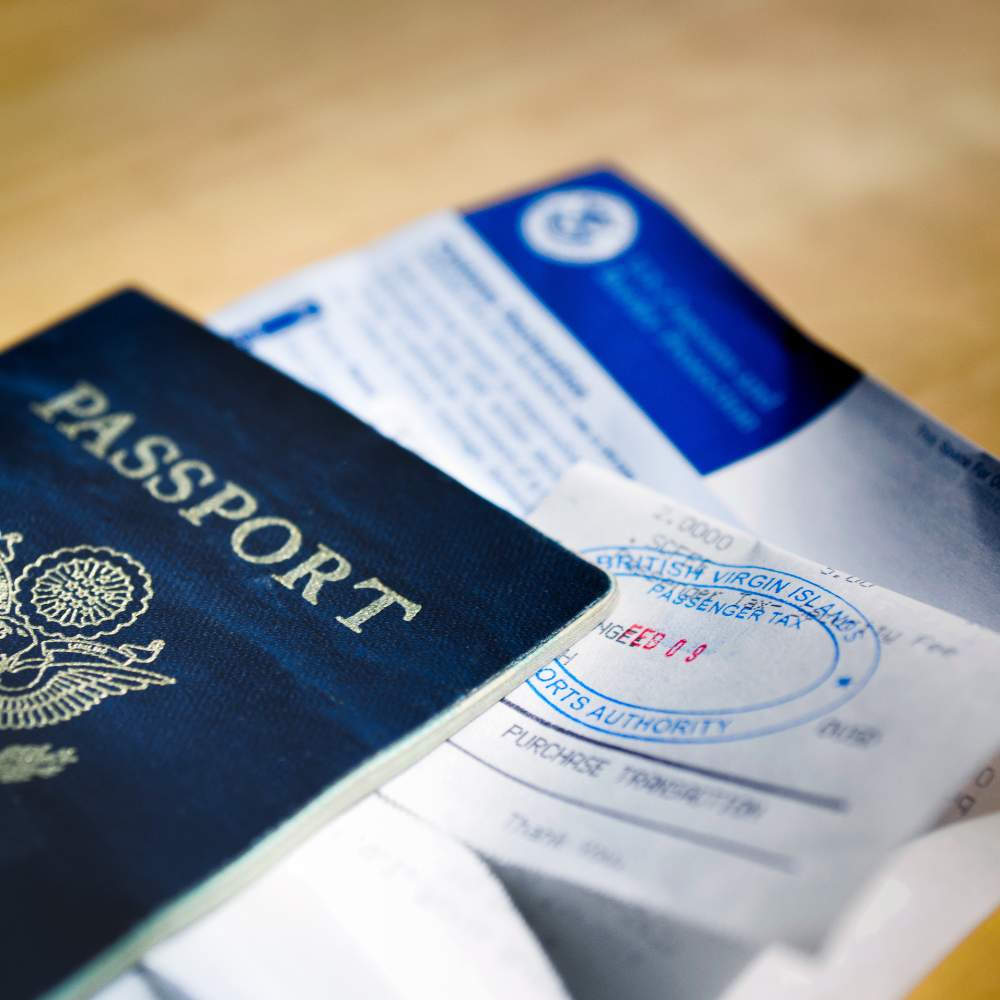
The trap first, because it catches more Gulf programmes than anything else. India's e-Visa eligibility and fees are set by passport nationality on a reciprocal basis, not by where the traveller lives or holds residency. A Gulf-based salesforce is typically a mix of a dozen or more passports, and the group will not all pay the same fee, take the same time, or be eligible for the same route. Some nationalities cannot use the e-Visa at all and must apply at an Indian mission. Collect passport nationalities at the nomination stage, not at ticketing.
Then the category.
- e-Tourist is the right category for a pure reward trip with no commercial activity. Fees were unchanged by the 2026 revision and range from $10 to $25 for the 30-day version, depending on season and nationality; $40 for one year; and $80 for five years.
- e-Business is required if the programme includes meetings, trade discussions, sales conferences or supplier visits. From 2026, this category moved to reciprocal per-nationality pricing. Hence, the fee now varies substantially by passport and must be checked per delegate on the official schedule rather than assumed from a colleague's experience.
- e-Conference is narrower than most planners expect. It applies to conferences organised by a government body, a public sector undertaking or a recognised institution, and the application requires the host organiser's invitation along with political clearance evidence. A corporate conference held in a hotel does not qualify. Those delegates travel on e-Business.
Three practical points. A bank transaction charge of roughly 2.5 to 3 per cent is added to every e-Visa fee. Apply at least four days before travel; in our experience, the process takes three to five working days. You apply for the e-Visa directly on the government portal; no intermediary is required, and the Indian consular network says so explicitly. We provide guidance and, where the category genuinely qualifies, invitation letters, but we do not charge to press a button any delegate can press.
Some destinations add a second layer. Parts of the North East and the Andamans require Inner Line or Restricted Area permits in addition to the visa, with their own lead times. If your programme goes beyond the mainstream circuits, ask about permits at proposal stage.
Tour Duration: What Each Length Actually Buys

Most corporate programmes run four to seven days, split two to three days of business content and two to three days of reward. Below is what each length realistically delivers from a Gulf or Southeast Asian hub, where no day is lost to jet lag.
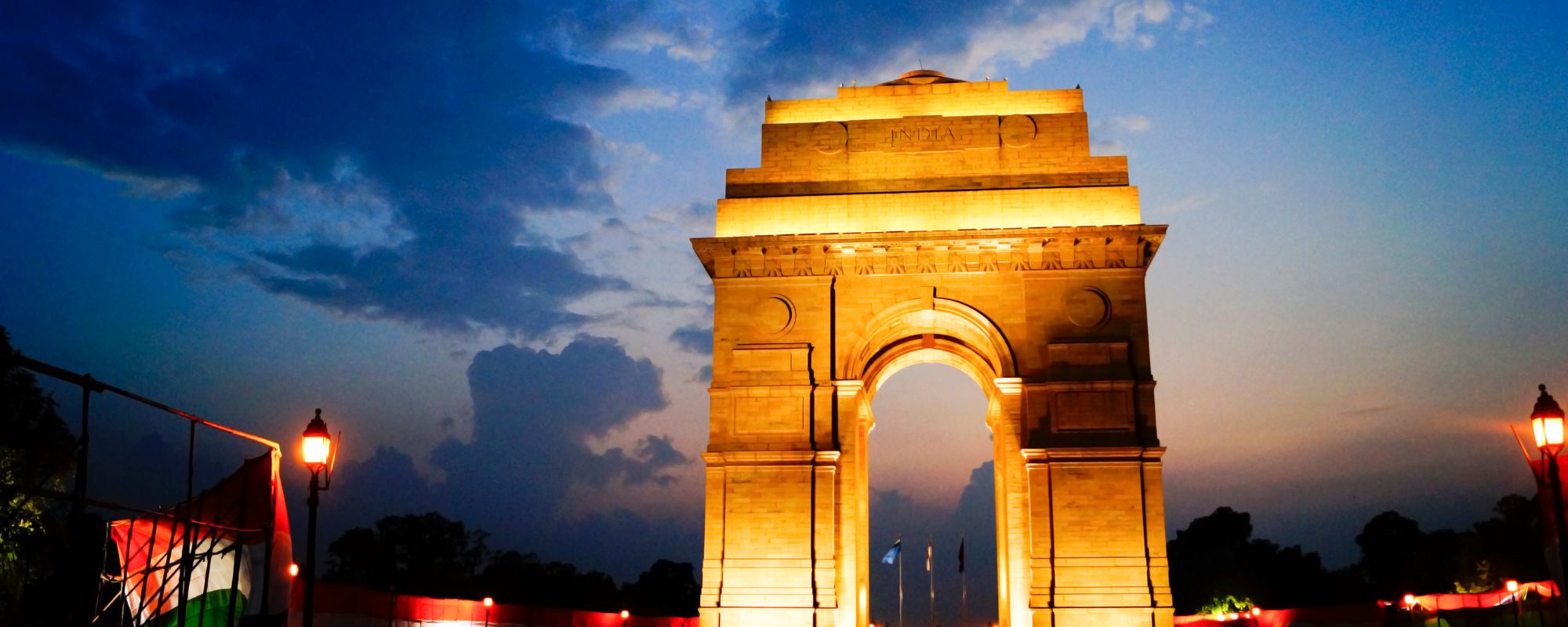
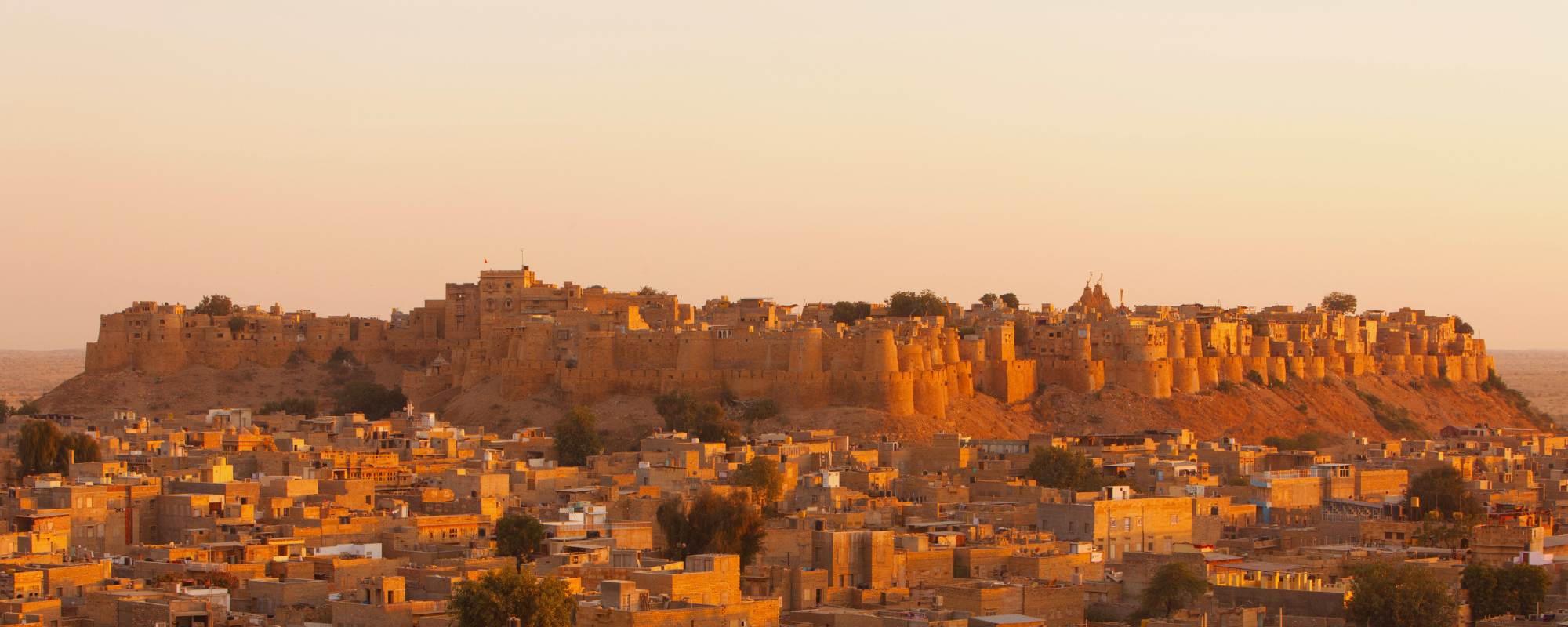
- Three nights. One city, done properly. Golden Triangle is too much. Better: Jaipur alone with a palace gala, or Udaipur alone, or Goa for a resort-format programme. This length only exists because the flight is short.
- Four nights. One city plus a strong single excursion, or two cities with one internal flight. Delhi and Jaipur work. Delhi, Agra and Jaipur in four nights does not, and groups that try it spend the reward portion in a coach.
- Five nights. The sweet spot. Two centres, two to three days of sessions, one signature evening and one genuine excursion, with slack for things going wrong.
- Seven nights. Two to three centres, or one centre plus a wildlife or wellness extension. Beyond seven, incentive groups from these regions start to lose people to work commitments rather than to enthusiasm.
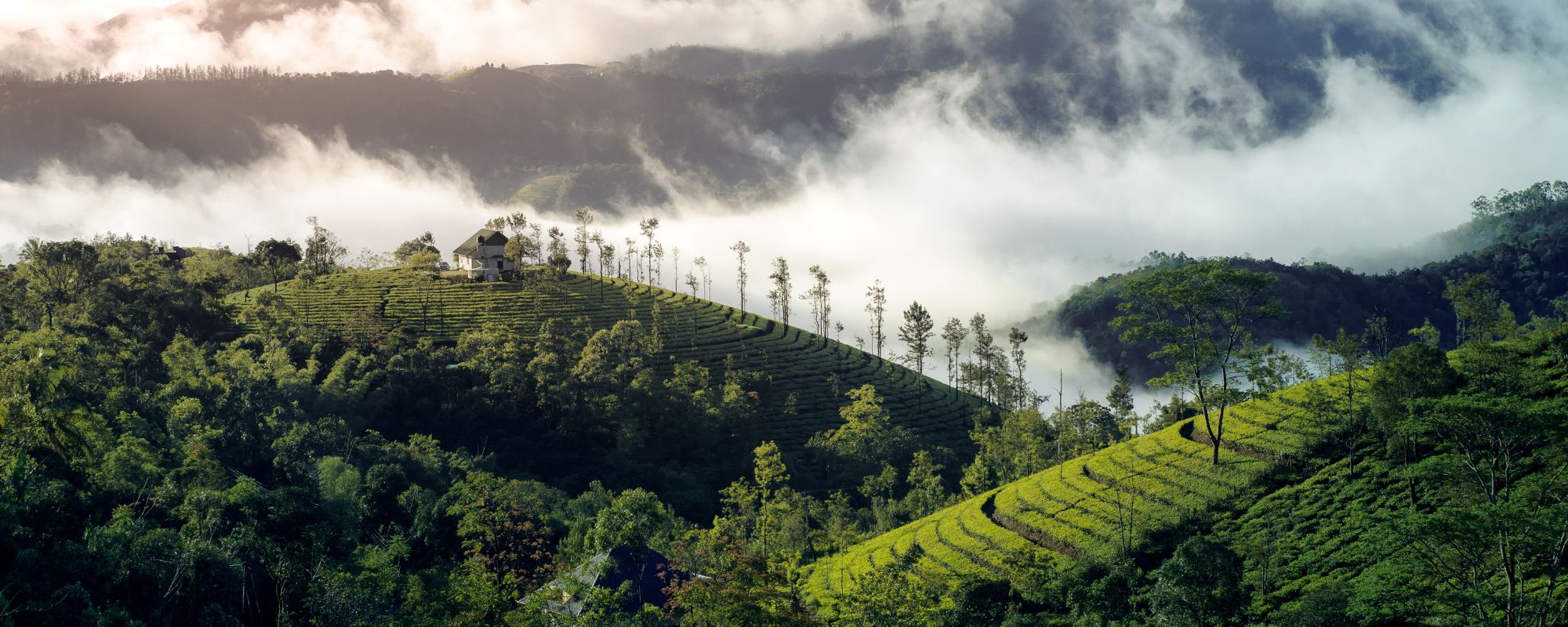
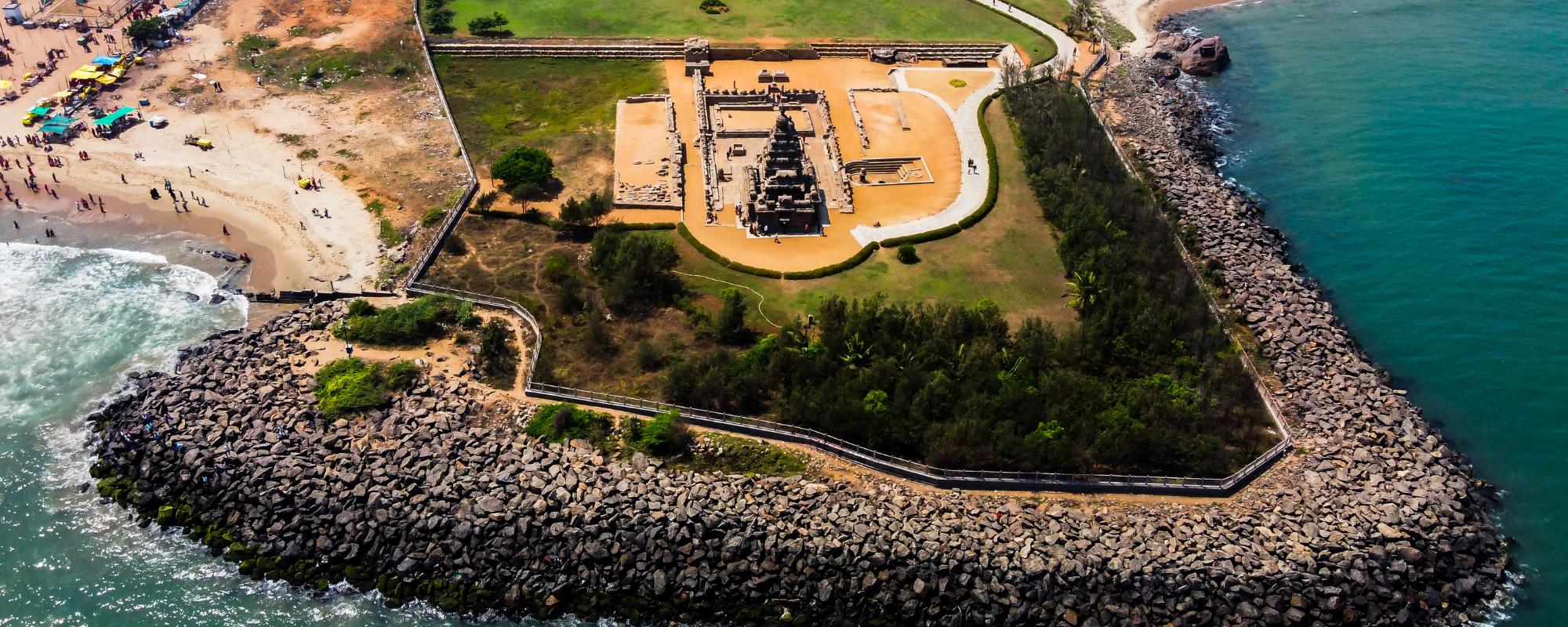
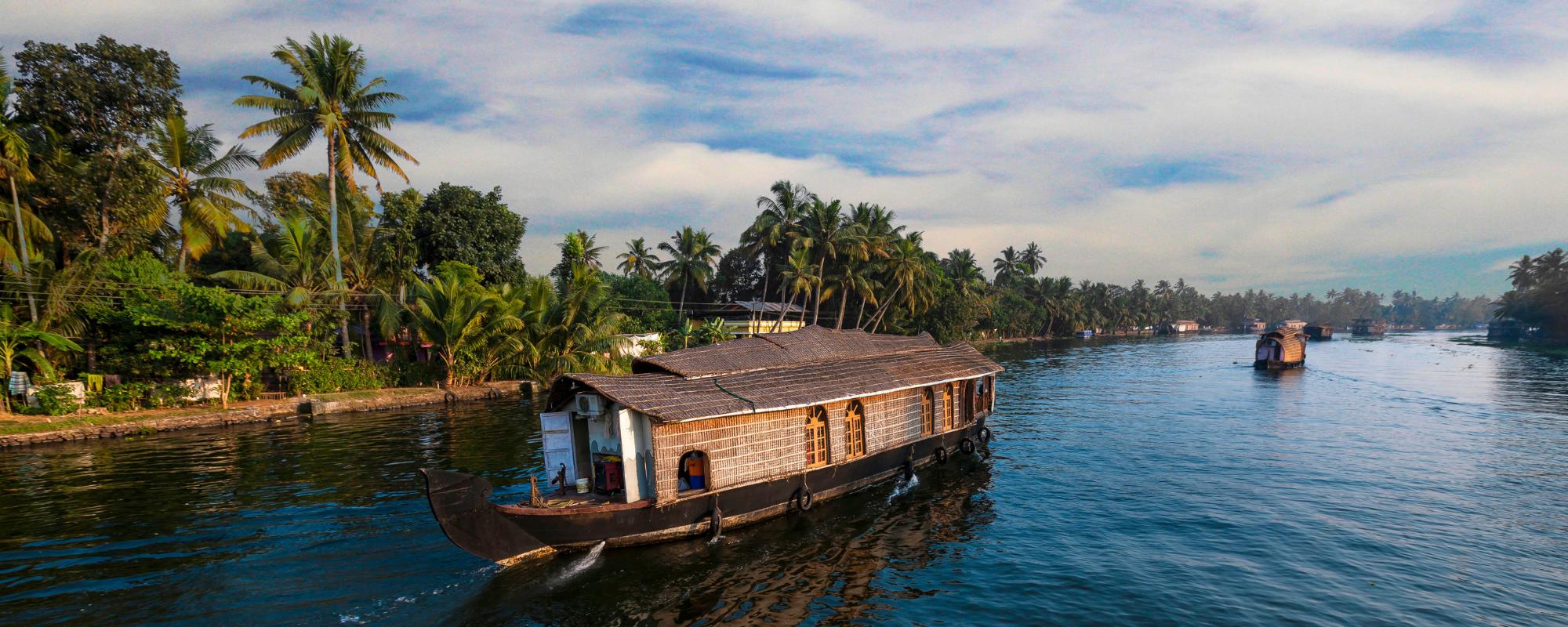
Our guide to palace, heritage and boutique properties covers what each venue type can absorb at group scale, and Kerala is the strongest option where the brief is wellness rather than palaces.
The Calendar Problem Nobody Writes About
India's best season for the north and west runs October to March, with December and January at the peak. Neither source region's outbound calendar lines up with that neatly.
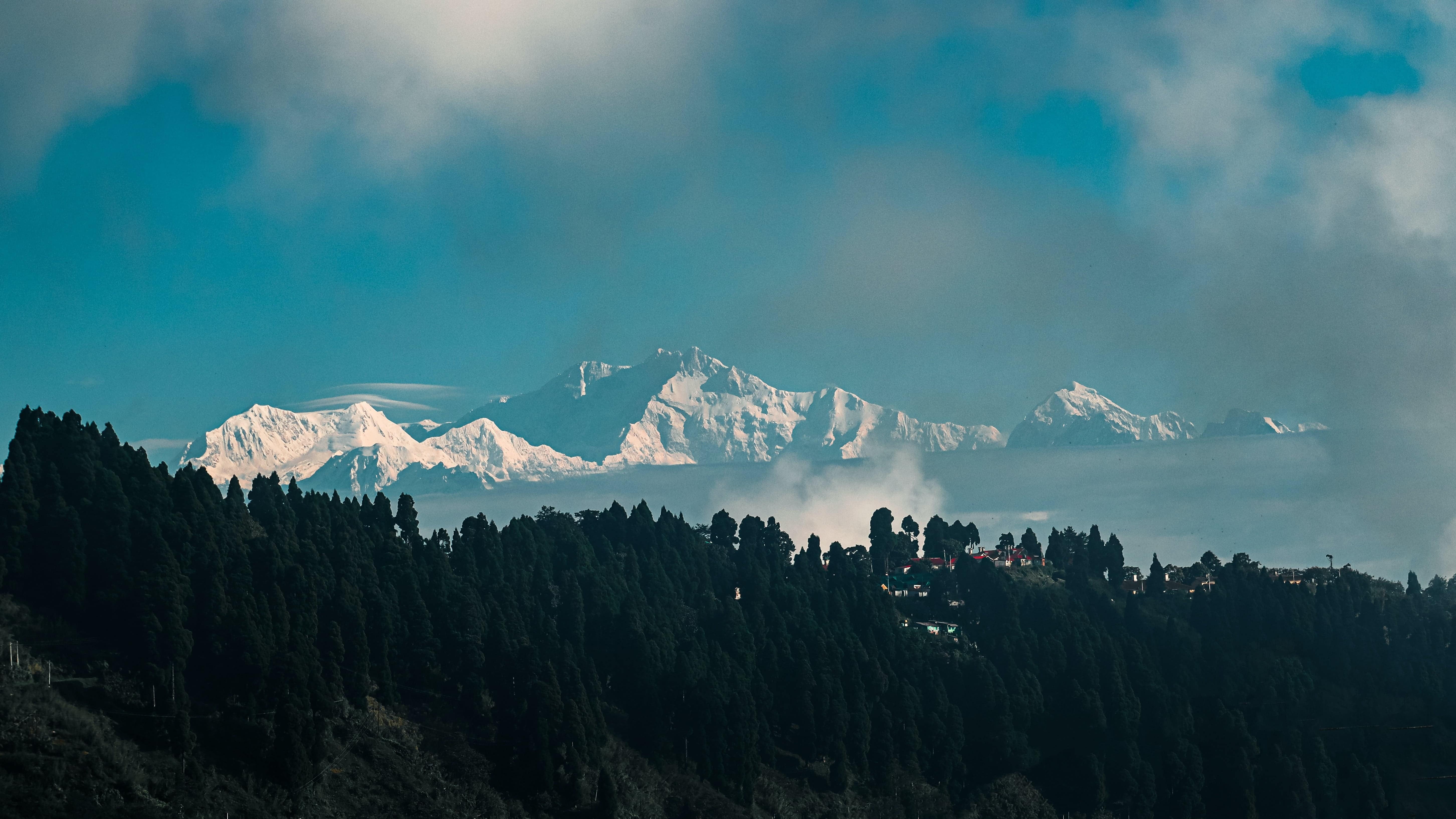
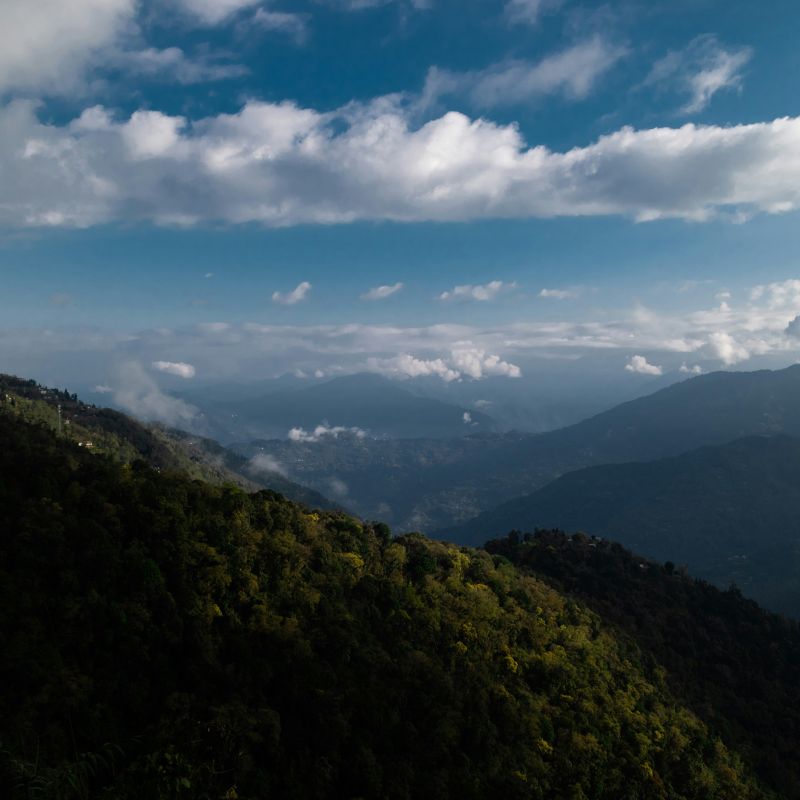
The Gulf. Peak outbound leisure and incentive travel clusters in the summer months, when local temperatures push people out of the region. That is precisely India's monsoon and its worst window for a Rajasthan programme. The workable answer is either to move the programme to the October to March window and accept competing with international demand, or to keep the summer dates and go to Kerala, the Himalaya, or the North East, where summer is the right season. Ramadan and Eid also shift roughly eleven days earlier each year, so the usable windows move annually and need checking rather than assuming.
Southeast Asia. Year-end and Lunar New Year are the natural corporate incentive windows, and both fall inside India's most expensive period. The three weeks from 20 December to 10 January are the one stretch of the year when hotel and guide availability in the Rajasthan heritage cities genuinely runs out, and blackout terms apply to all of it. Our winter planning guide and month-by-month calendar set out the alternatives.
The honest recommendation for both regions is the same: February and early March, or October and November. Good weather, full availability, sane pricing.
What Actually Breaks These Programmes

Four things, and three of them are specific to these source markets.
Mixed passport nationalities, covered above, which turns one visa task into a dozen or more. Delegates arriving on scattered flights, which is worse from the Gulf than from anywhere because the short sector tempts planners to let people self-book. Dietary and prayer requirements discovered on the day, which for Gulf groups means halal provision and prayer space as a contracted item rather than a request, and for Southeast Asian groups often means halal and vegetarian in the same room. And numbers moving late, which is a contract problem solved by negotiating the final-numbers deadline rather than accepting the venue's default.
Our twelve questions to ask an India tour operator cover what to verify before signing, and the terms are on our booking and cancellation policy page.